
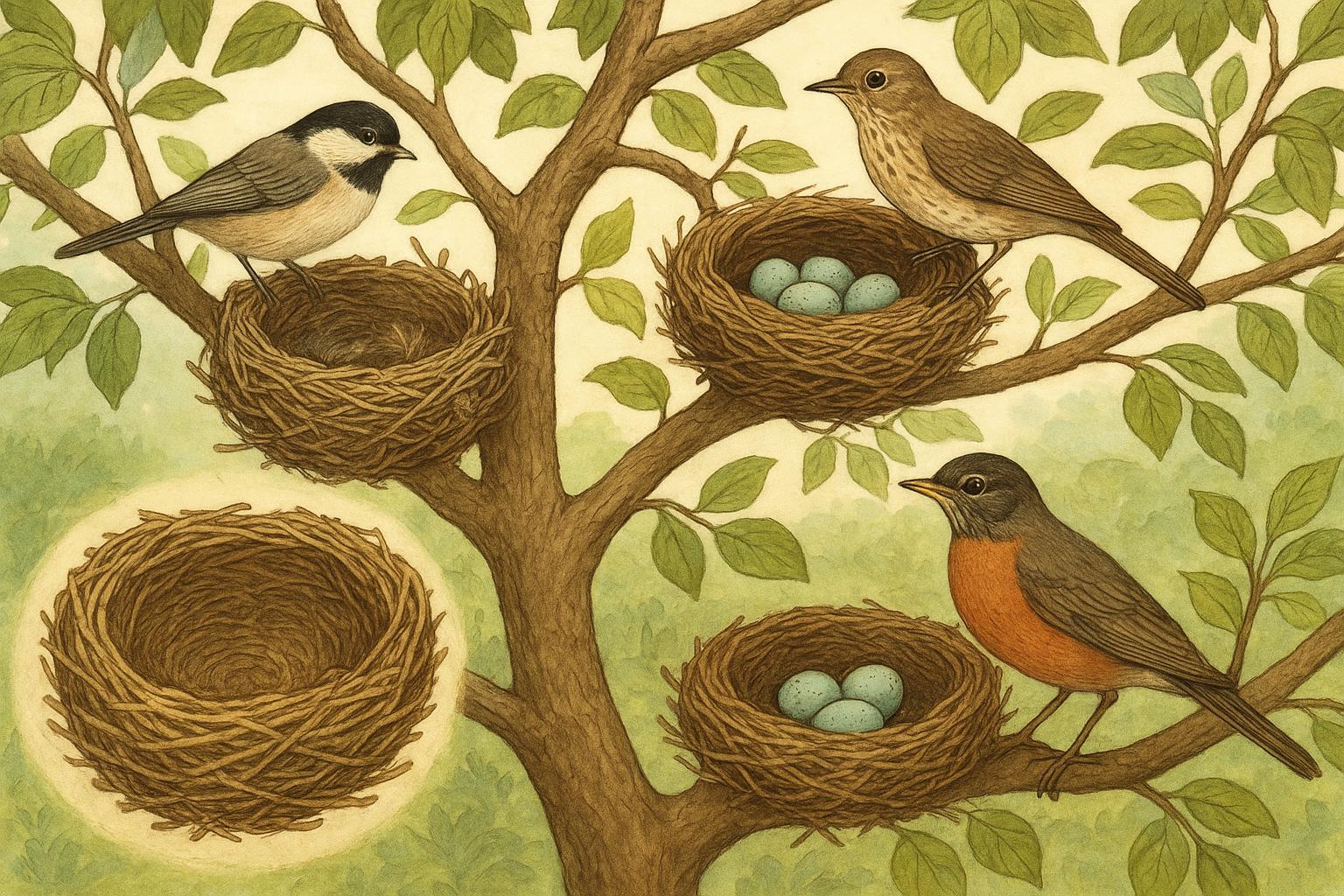
Backyard bird nests are not random piles. They solve problems: keep eggs warm, hide young, shed rain, and sometimes bring a bit of flair into a shrub.
## Ecology And Structure Of Backyard Bird Nests: Field Notes
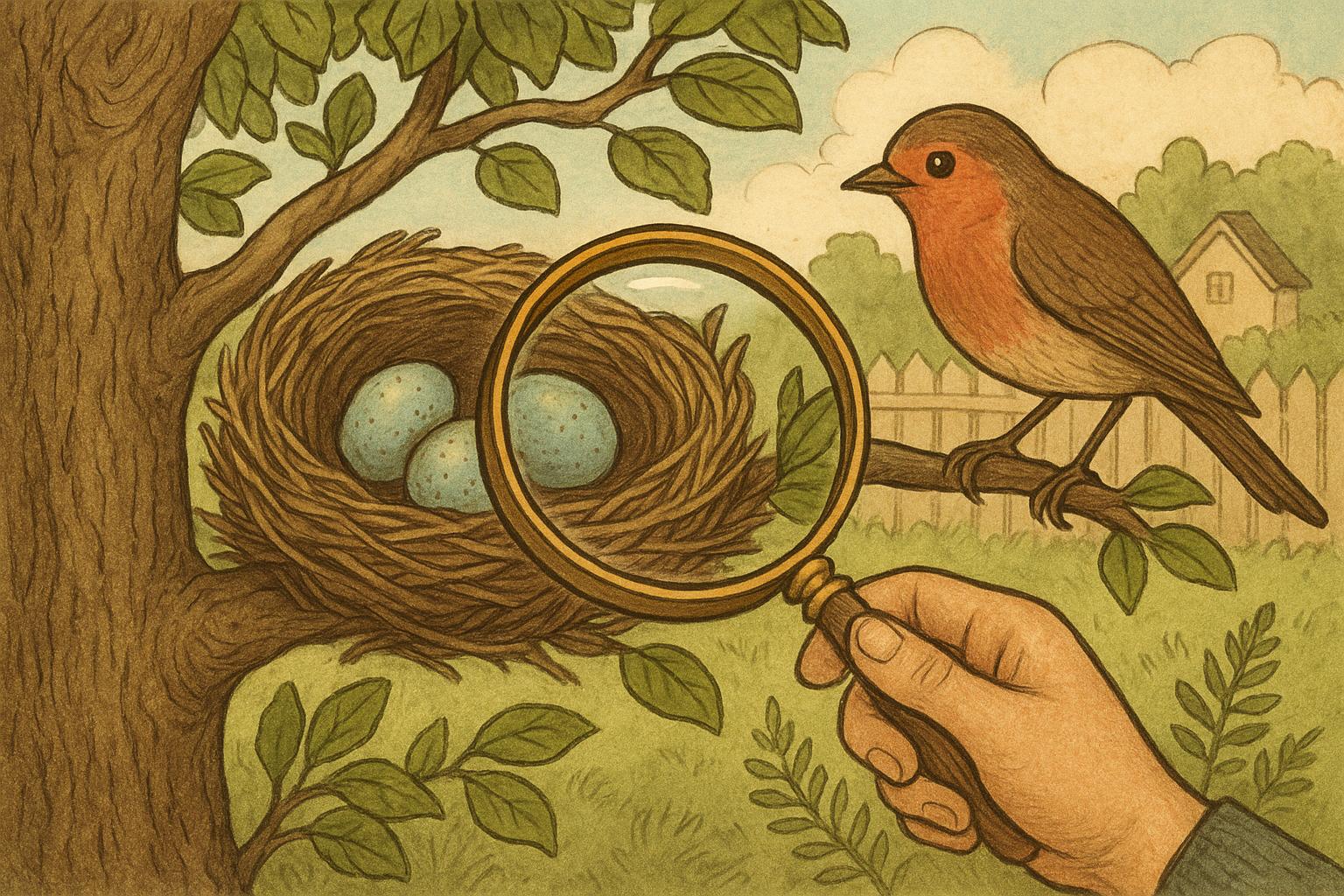
Nests you find in a backyard tell a story about local ecology and about the birds themselves. The phrase ecology and structure of backyard bird nests covers both the “why” and the “how.” Why place a cup three feet off the ground instead of ten? How does a wren use spider silk? Observing a single nest reveals choices about materials, placement, and risk. Those choices are shaped by predators, weather, microhabitat, and the birds’ own experience.
### What You Can See At A Glance
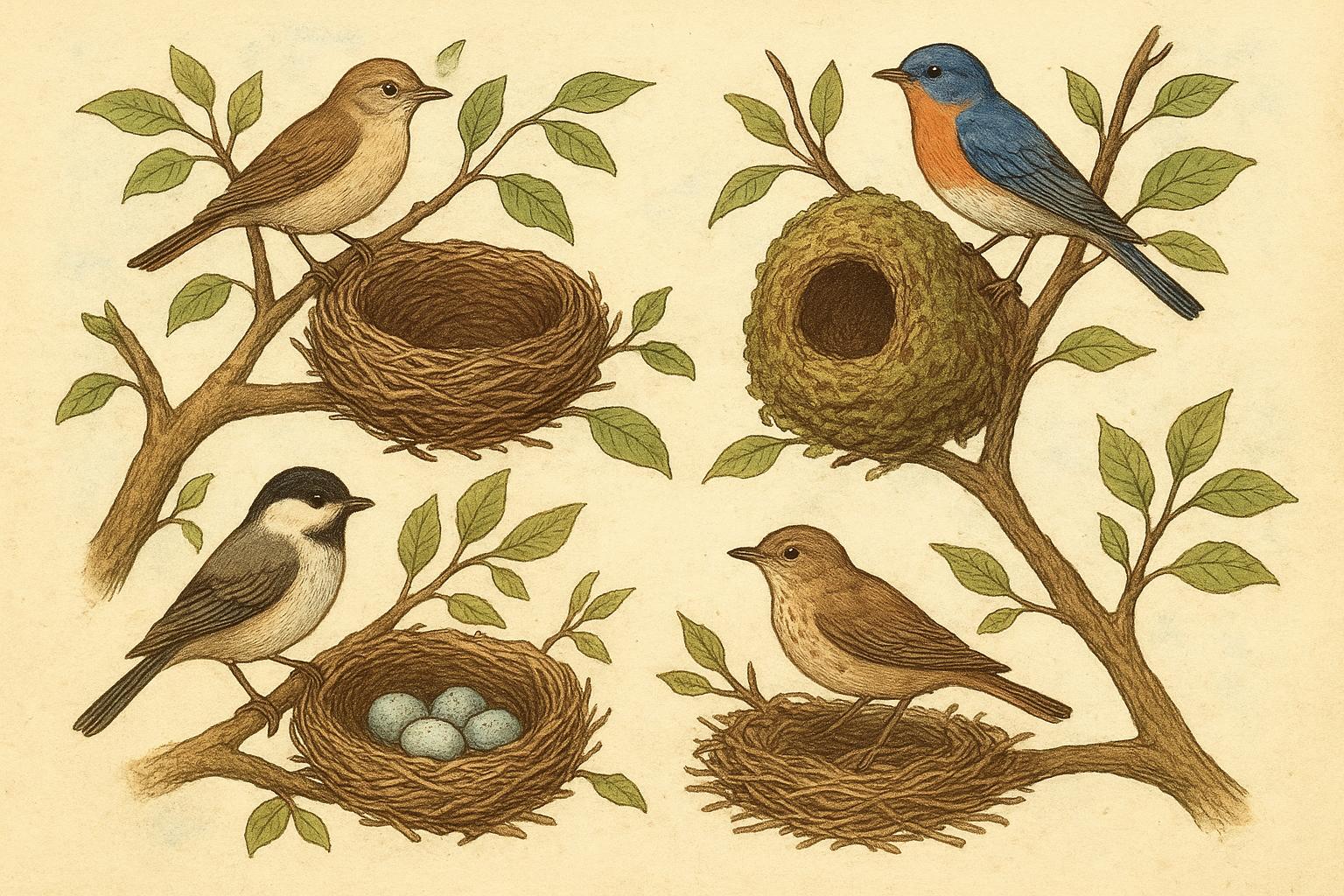
A quick look gives you several clues. Cavity users like bluebirds or chickadees leave little visible material on the outside. Cup-builders—the robins, finches, cardinals—show the weave and liner materials. Platform builders such as doves and crows pile up sticks without much shaping. Each visible detail connects to function: dense lining for insulation, overhangs for shade, compact walls for stability.
### How Nests Reveal Behavior
Watching a parent arrive with a white string or a strip of plastic is revealing. That plastic might be structural or simply abundant. Birds tend to use what’s easy to find. In an older neighborhood, you see lots of twine, hair, and cigarette filters. In a new development with less vegetation, synthetic materials show up more often. Those choices matter for nest durability, parasite load, and chick survival.
## Materials And Methods Birds Use To Build
Look close and you’ll find surprising items. Here are common materials and what they do.
### Natural Materials First
Grass, fine roots, moss, feathers, and animal hair are common. Grass and root fibers form the bulk of cup nests. Feathers and down are excellent thermal liners. Moss holds moisture and can camouflage the outside. Mud acts as mortar for species like barn swallows and American robins that mix it into walls.
### Silk, Spider Web, And Sticky Stuff
Spider silk appears repeatedly. Wrens and hummingbirds use silk to bind materials and to anchor nests to thin branches. Spider silk provides strength with minimal weight. In cavity nests, spider silk often secures the liner so it doesn’t slide during incubation.
### Human Materials
String, yarn, plastic strips, and even glitter are abundant in many backyards. These items can increase nest fidelity to a site because they bind and last through storms. They can also trap nestlings or harbor more mites. You’ll occasionally find wire and nylon which makes nests brittle or sharp. Birds don’t know the long-term tradeoffs; they use what’s at hand. I’ve seen a robin use cigarette filters as lining on three occasions; the reasons are complex—availability, texture, and possibly an effect of nicotine on parasites. Birds may recieve cues humans don’t intend.
#### What Each Material Buys The Nest
– Fine grass and rootlets: flexibility, cushioning.
– Mud: rigidity, waterproofing where it’s used as mortar.
– Feathers/down: warmth, softness for hatchlings.
– Spider silk: tensile strength and adhesion.
– Synthetic fibers: durability, but higher parasite affinity in some cases.
## Designs And Architectures
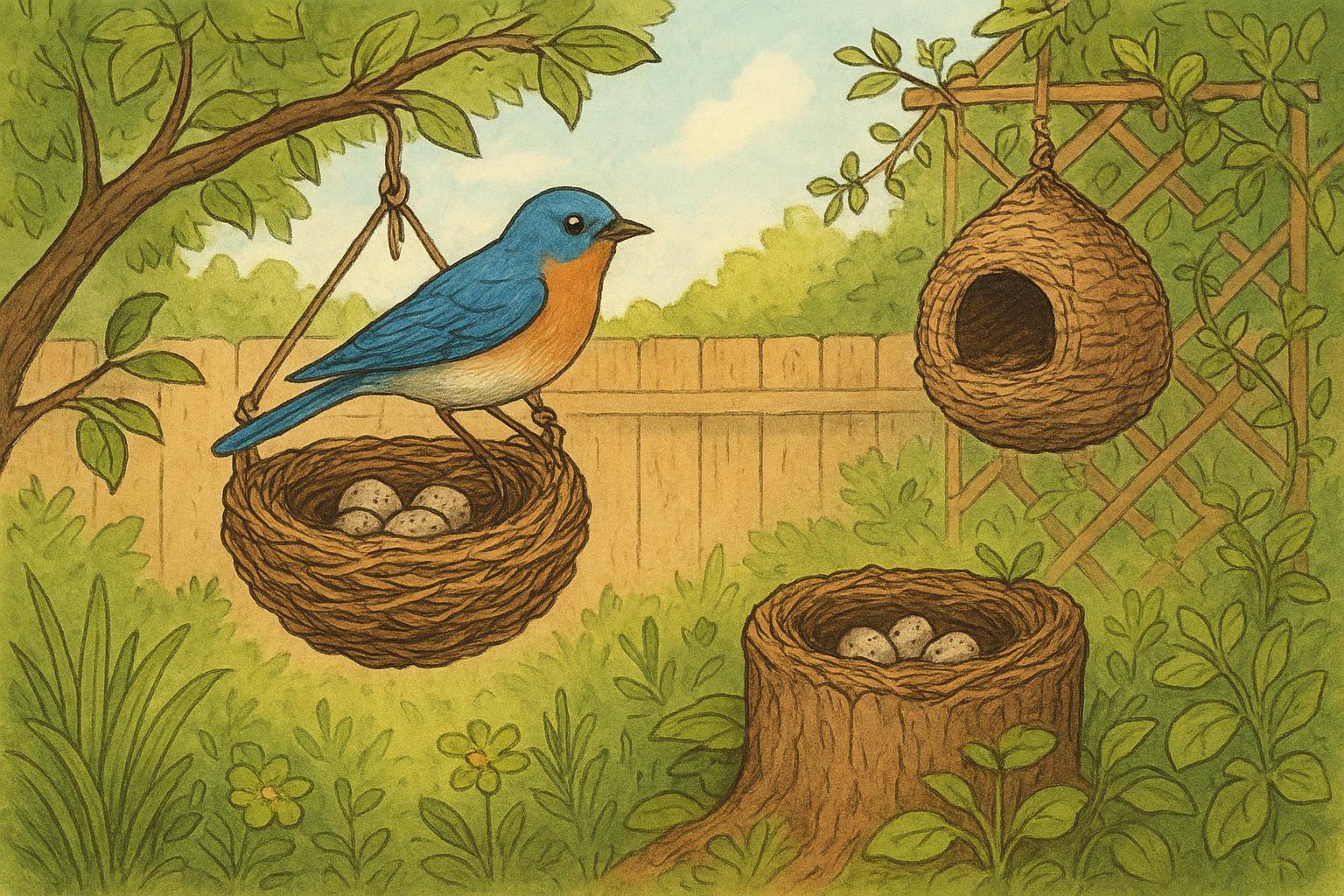
Backyard nests fall into a handful of recognizable forms, each tuned to specific constraints.
### Cup Nests
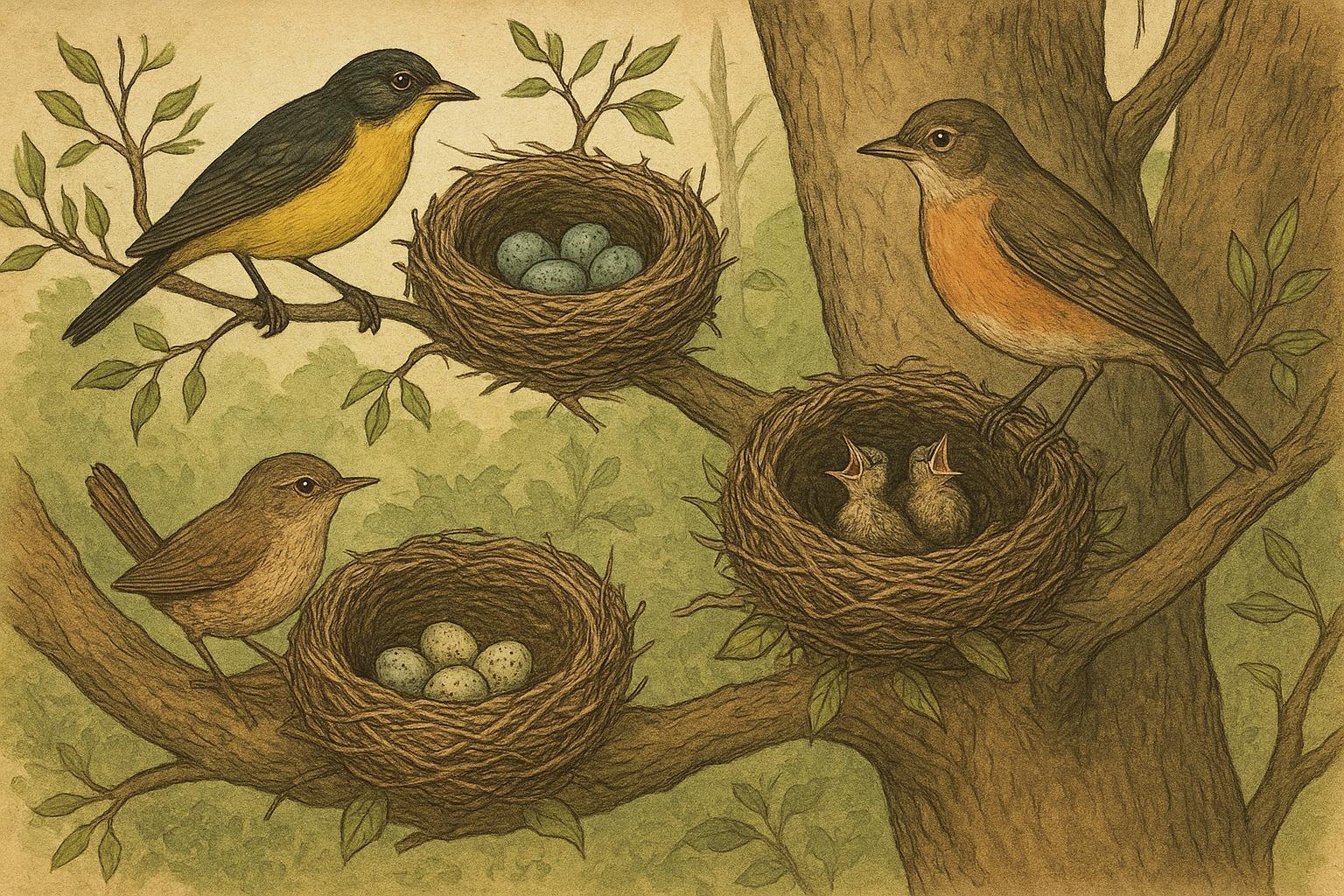
Most familiar. A hollowed cup woven from grass, twigs, and sometimes mud. Robins, cardinals, finches. Cups are excellent for retaining heat and occluding eggs from predators, but placement matters. A cup on an exposed branch is easy to spot. A cup tucked under dense leaves is harder to reach.
### Platform Nests
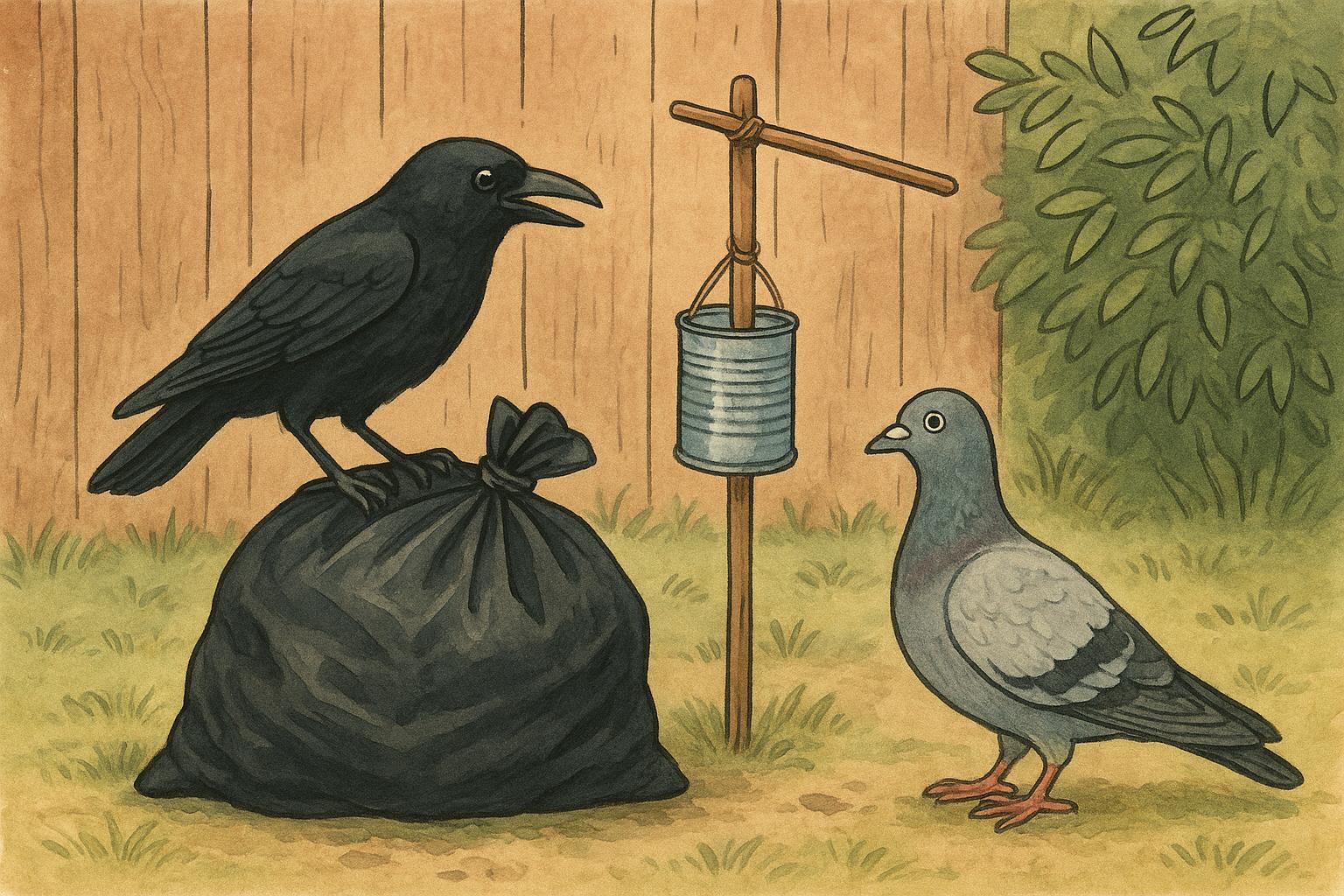
Used by pigeons, crows, and some raptors. Platform nests are quick to build and often reused year after year. They’re heavy and can support multiple broods or large eggs. Because they’re open, they rely on location and size to deter predators rather than concealment.
### Cavity Nests
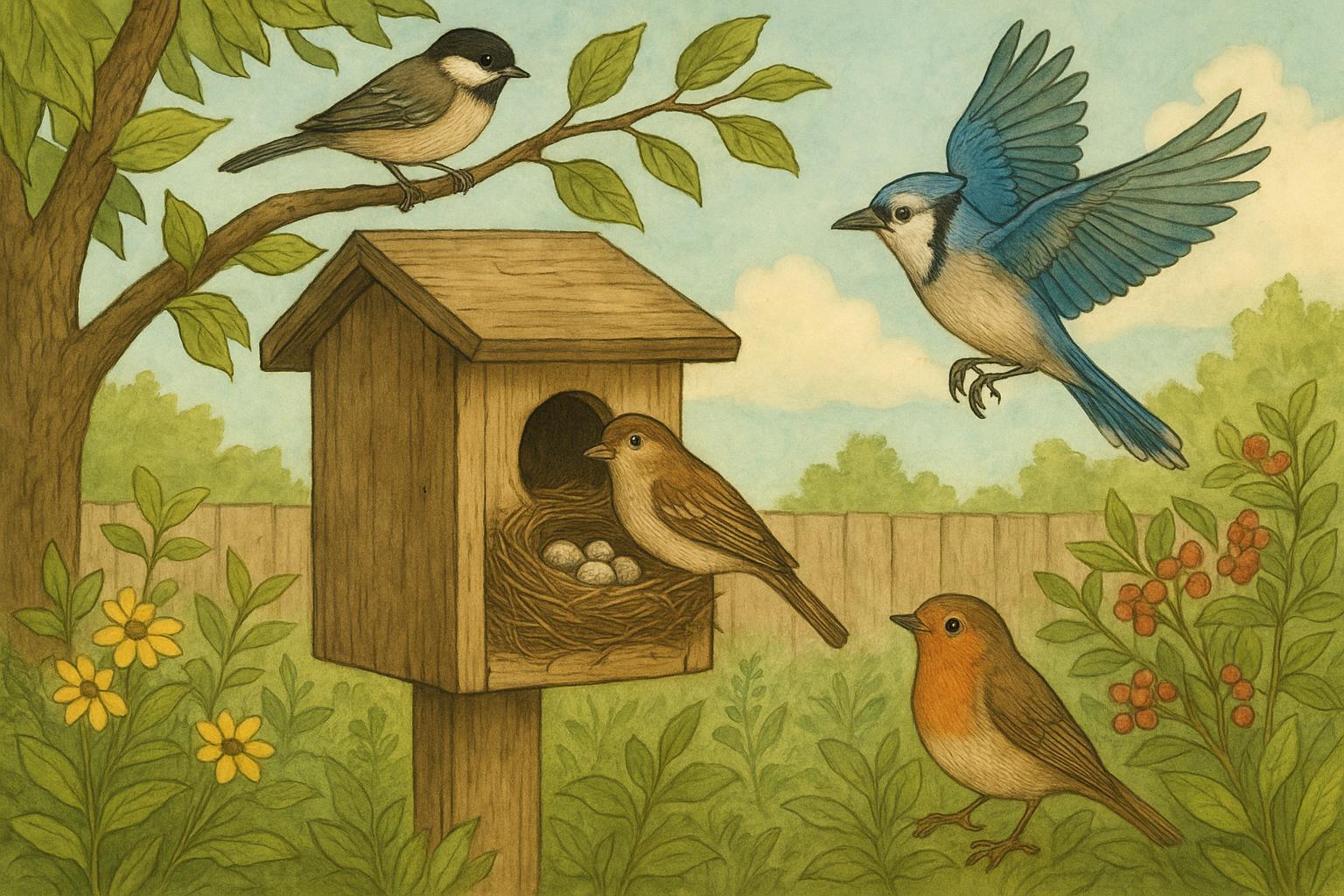
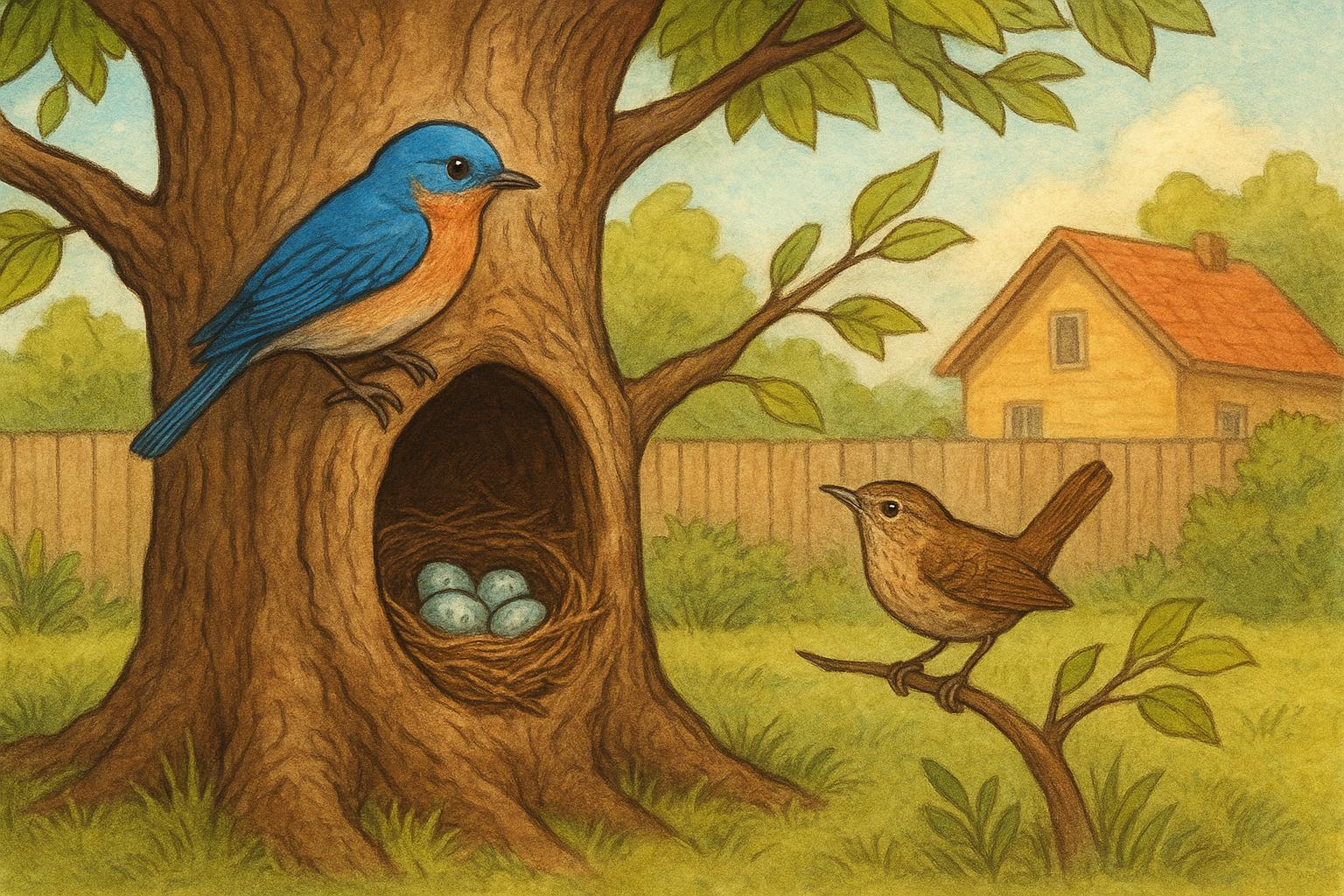
Hollows in trees or nest boxes. These protect against wind and many predators. Cavity nests also control microclimate well. Bluebirds and chickadees prefer these. When natural cavities are scarce, backyard nest boxes stand in. The ecology and structure of cavity nests differ: less elaborate external architecture, more focus on internal lining and entry size.
### Pendulous And Pendulum Nests
Some species—oriole, certain vireos—build hanging pouches. These often hang from the tip of a twig and sway, which can deter predators like squirrels. The craftsmanship is meticulous: woven fibers, secure attachments at the top, and a narrow entrance that reduces heat loss.
## Placement Choices: Height, Orientation, And Microclimate
Placement is as much part of nest design as the materials. Birds choose microhabitats that balance heat, moisture, predation risk, and accessibility.
### Height
Lower nests risk mammalian predators and domestic cats. Higher nests are open to avian predators and wind. Many small passerines pick intermediate heights—three to five meters—to balance these risks. Ground-nesters like towhees or some sparrows accept different tradeoffs: dense vegetation for concealment.
### Orientation And Sunlight
Nests in cool climates face the sun to gain warmth in the morning. In hot urban areas, nests get tucked into shade. Orientation also affects rain exposure. A shallow cup under an overhang will shed water better than one on a horizontal branch.
### Wind And Rain Considerations
Sturdier nests, like robin nests reinforced with mud, resist heavy rainstorms. In windy backyards, birds make more compact designs or anchor nests with spider silk. Local weather patterns shape nest architecture across neighborhoods.
## Predation, Parasites, And The Ecology Around Nests
Nests are contested real estate. Predator pressure and parasitism shape both placement and materials.
### Predators
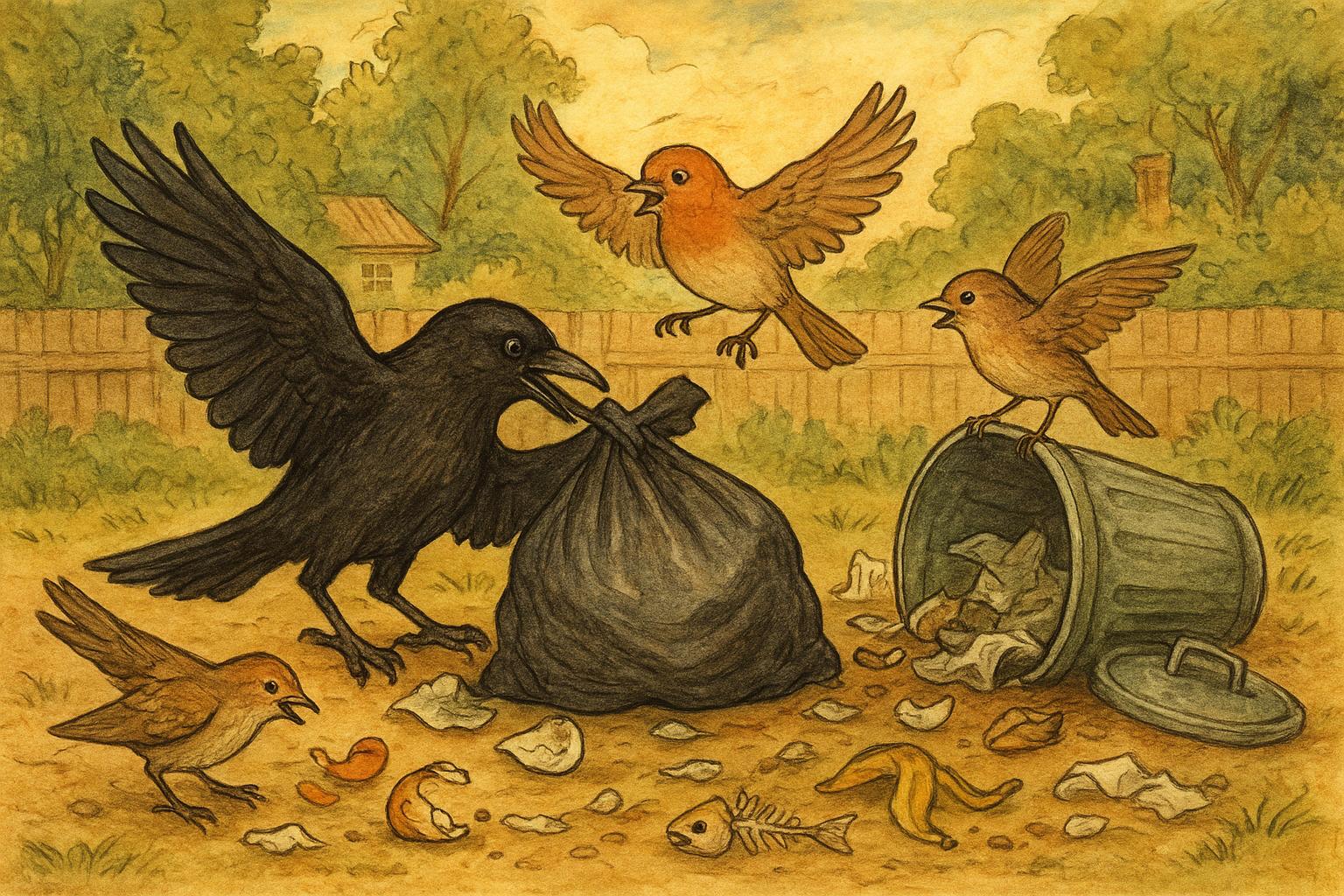
Domestic cats are the single greatest predator in many suburban yards. Snakes and raccoons are significant in more rural zones. Corvids can take eggs and nestlings. Birds react by choosing hidden sites, thicker walls, or aggressive defense. Some species mob predators; others rely on secrecy.
### Brood Parasites
Brown-headed cowbirds and certain cuckoos lay eggs in other birds’ nests. Hosts respond by rejecting odd eggs, abandoning nests, or building a new lining over the parasite egg. These defenses show up in the nest record. You might spot mismatched eggs or an abandoned nest with fresh material added nearby.
### Parasites: Mites, Flies, And Microbes
Nests are small ecosystems. Mites, blowfly larvae, and feather lice hide in the fibers. Some nests with high insulating material and poor ventilation become hotspots for these parasites. In some species, parents add aromatic plants to deter pests. Studies find that nests with certain plant species have lower ectoparasite loads.
#### Microbial Communities
Recent work shows microbes are a major factor. Nests host bacteria and fungi that affect egg viability and chick health. Dry, well-ventilated nests tend to have different microbial profiles than damp, lined nests. Human materials can alter these communities in unpredictable ways.
## The Role Of Experience And Learning In Nest Building
Birds don’t start as perfect architects. They learn.
### Young Birds And Practice Nests
Juveniles often make inferior, loosely built nests. Reuse helps; birds that successfully fledge are more likely to build better nests next season. Older birds often add more complex elements—mud reinforcement, deeper lining, better anchoring. Experience reduces the time spent building and improves reproductive success.
### Sex Differences In Building
In some species, males do most of the building to attract mates—Northern Mockingbirds and male bowerbirds (exotic example). In others, the female does almost all the construction. Where both sexes cooperate, nests are often built faster and with more sophisticated material use. Cooperation reflects mating systems and division of labor.
## Nest Boxes And Human Intervention
People often intervene, intentionally or not. Nest boxes are a common tool.
### How Boxes Change Nest Ecology
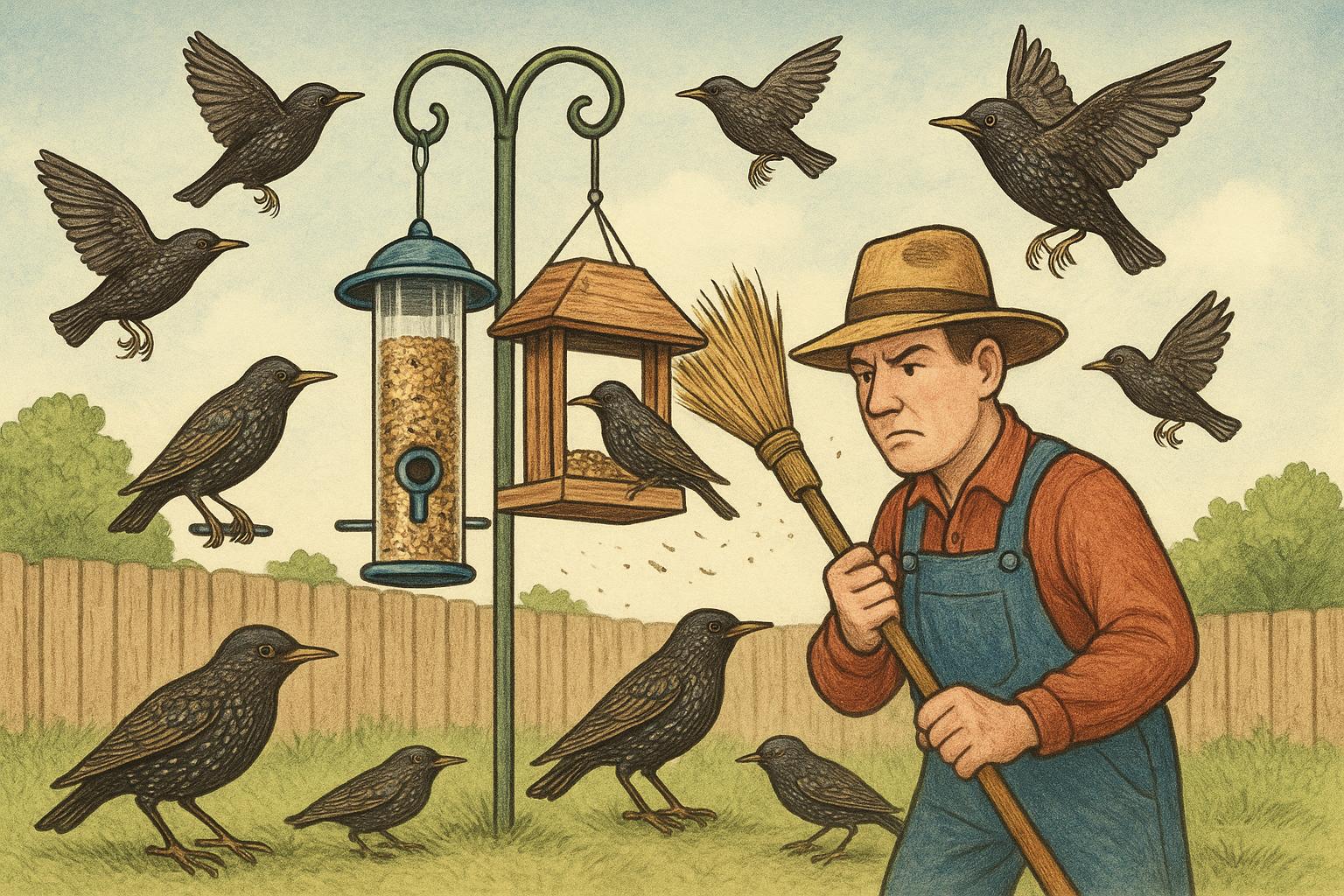
Nest boxes substitute for natural cavities. They can increase nesting opportunities for species limited by cavity availability, like bluebirds. But boxes also change predator dynamics and competition. Houses that attract starlings or house sparrows can push out native cavity nesters.
### Placement And Design Choices
Box entrance size, height, and orientation determine who uses the box. A 1.25-inch entrance favors bluebirds; a larger hole invites starlings. Ventilation and drainage are important for nest microclimate. Clean-out timing matters too; leaving a used nesting material benefits secondary cavity users but also preserves parasites.
### Risks And Benefits
Boxes reduce scarcity-driven nest competition but can concentrate parasites. People can reduce risks by designing boxes with drainage and ventilation and by spacing boxes properly. Citizen science programs often provide guidelines that are grounded in field evidence.
## Measuring Nest Structure And Function
Researchers use many methods to study nests. These methods give us the data behind the phrase ecology and structure of backyard bird nests.
### Physical Measurements
Researchers weigh and dissect nests after fledging. Wall thickness, internal cup diameter, and lining depth are standardized metrics. Those measurements correlate with clutch size, nestling growth rates, and overwinter retention in species that reuse nests.
### Thermal Imaging
Thermal cameras reveal how nests retain heat. A well-lined nest can be several degrees warmer inside than ambient temperature, which reduces energetic costs for incubating birds and improves chick survival in cold snaps.
### Parasite Sampling And DNA Work
Swabbing nest material and sequencing microbial DNA reveals the nest microbiome. Mite counts come from Berlese funnels. These data link nest construction choices to health outcomes for chicks. For example, nests with more synthetic fibers sometimes have different microbial profiles and higher certain mite loads.
### Long-Term Monitoring
Citizen science platforms like NestWatch collect large datasets on nest success across landscapes. These datasets allow analysis of how urbanization, climate, and backyard management practices influence nesting success at scale.
## Urban Gradient: How Backyards Differ From Wild Sites
Backyards aren’t neutral. They create a specific slice of habitat.
### Food Availability And Nest Decisions
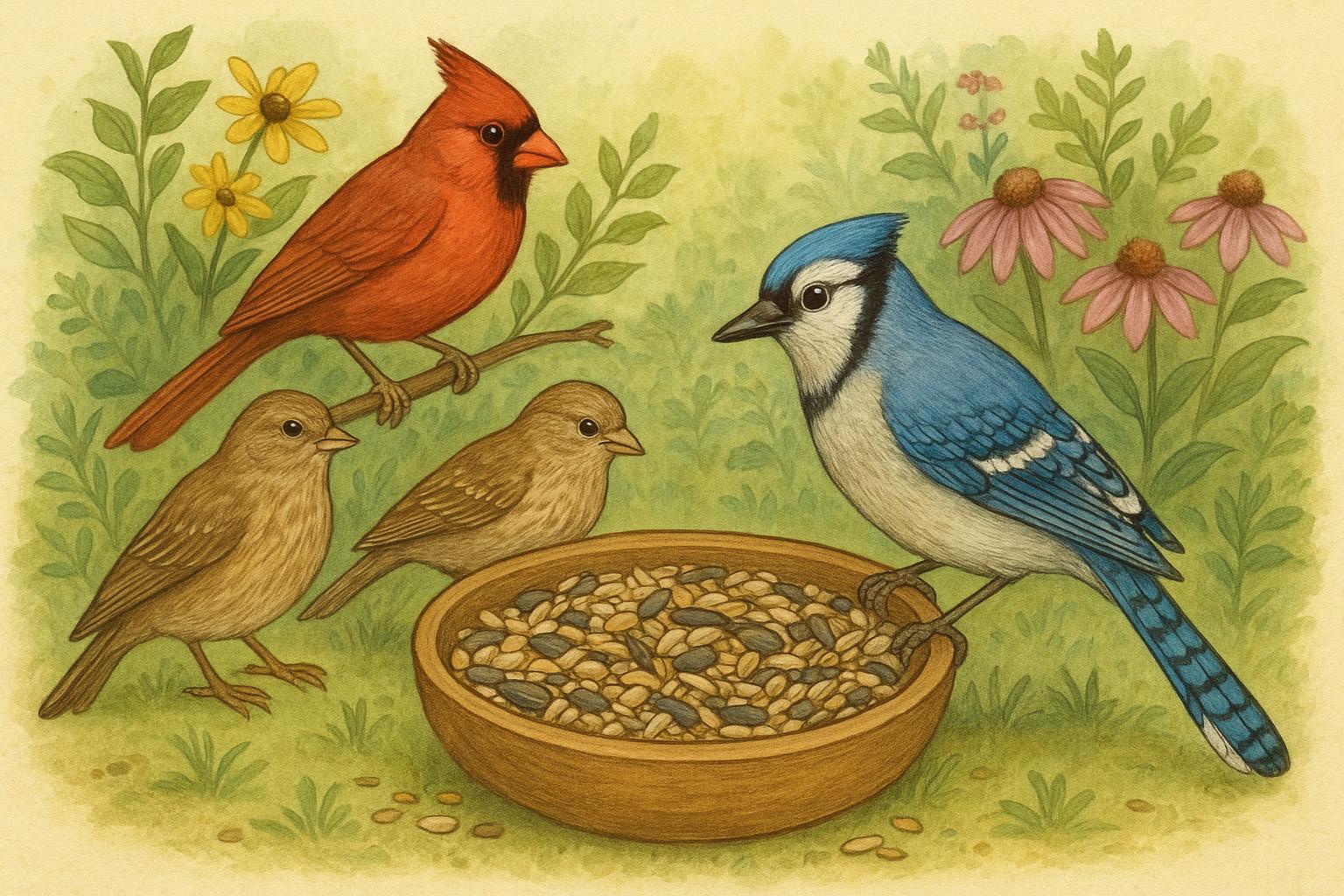
Birds in bird-friendly yards with feeders often start nesting earlier and may raise more broods. Easy food can offset poor nest insulation choices. But ready food can also bring more predators and parasites.
### Light And Noise Pollution
Artificial light extends perceived day length and can shift breeding schedules. Noise affects parental provisioning rates because parents rely on calls. These factors influence nest success indirectly through behavior.
### Vegetation Structure
Lawns, ornamental shrubs, and hedges provide predictable microhabitats. Native plants often host more of the insects nestlings need, which can make a big difference. Backyards dominated by nonnative ornamentals may look green but provide poor insect resources for chicks.
## Observing Without Disturbing
You can learn a lot from casual observation if you keep your distance.
### Signs To Watch
– Frequency of adult visits tells you nesting stage.
– Materials brought reveal what’s used and which species is likely present.
– Droppings and fecal sacs below a nest indicate active nestlings.
– Abandoned nests with new material nearby may mean the same pair renested after disturbance.
### Ethical Viewing
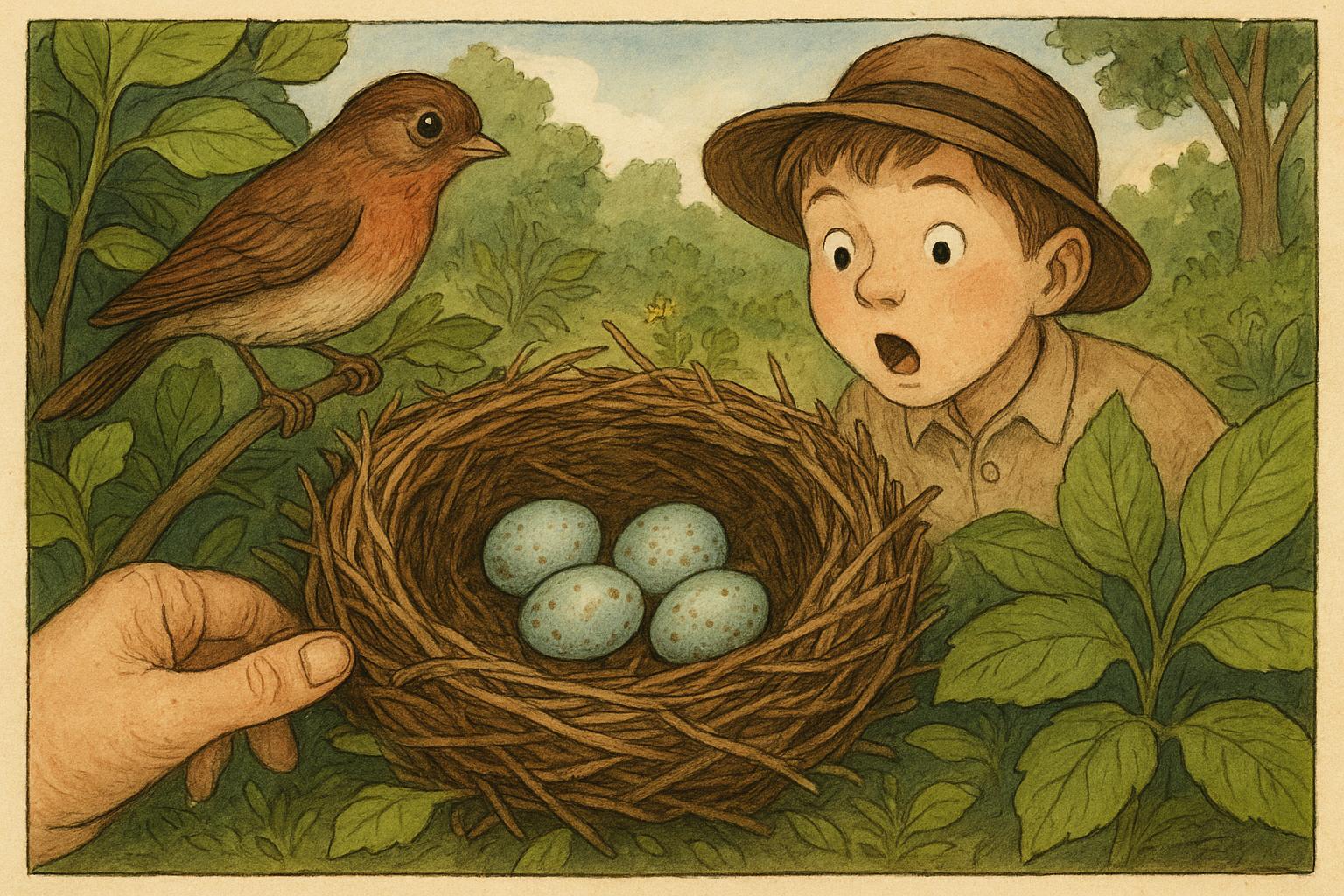
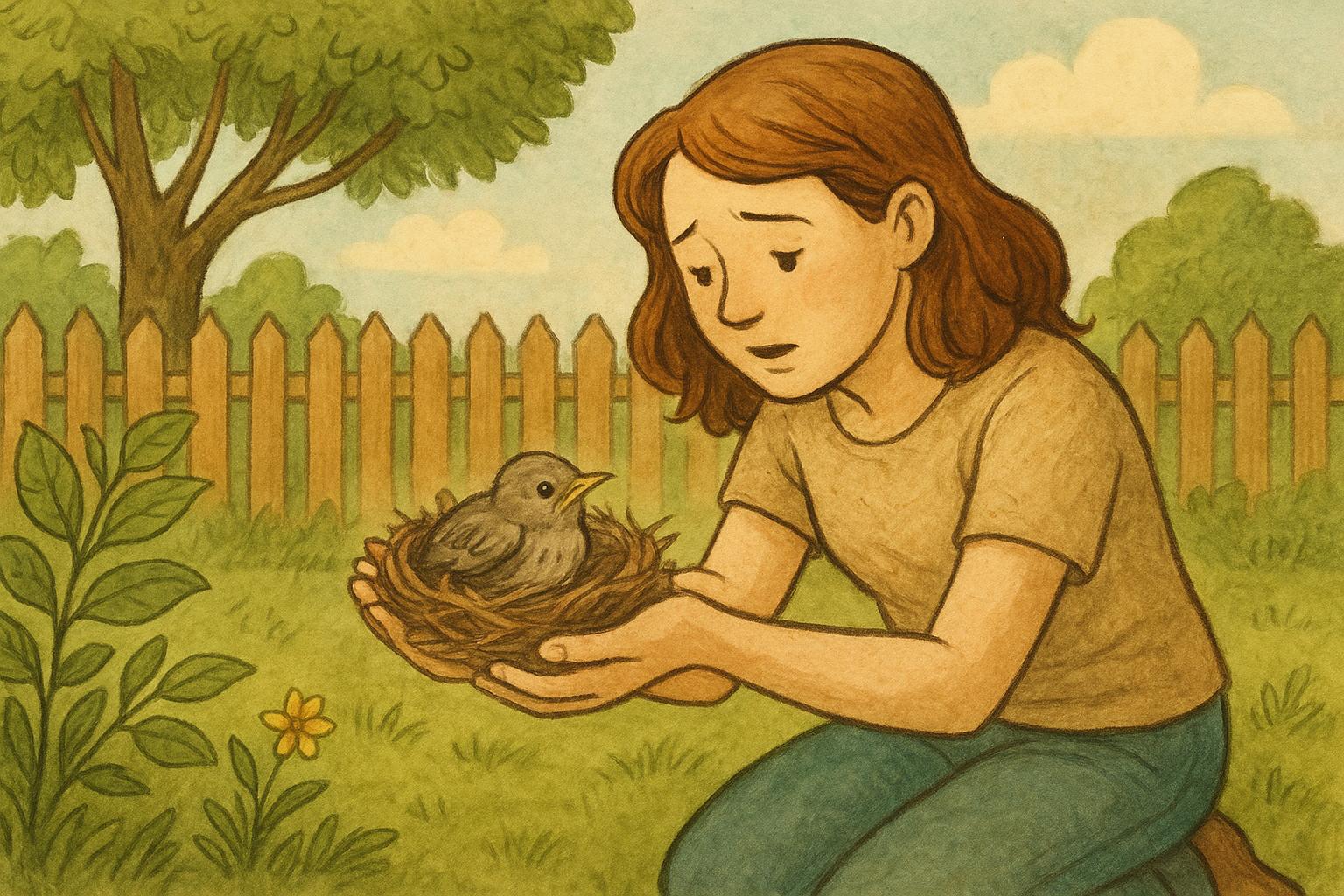
Avoid handling nests during the breeding season. Disturbance can lead to abandonment or increased predation. Use binoculars and limit visits. If you monitor nests for science, follow local ethics and permits.
#### Simple Tools To Help
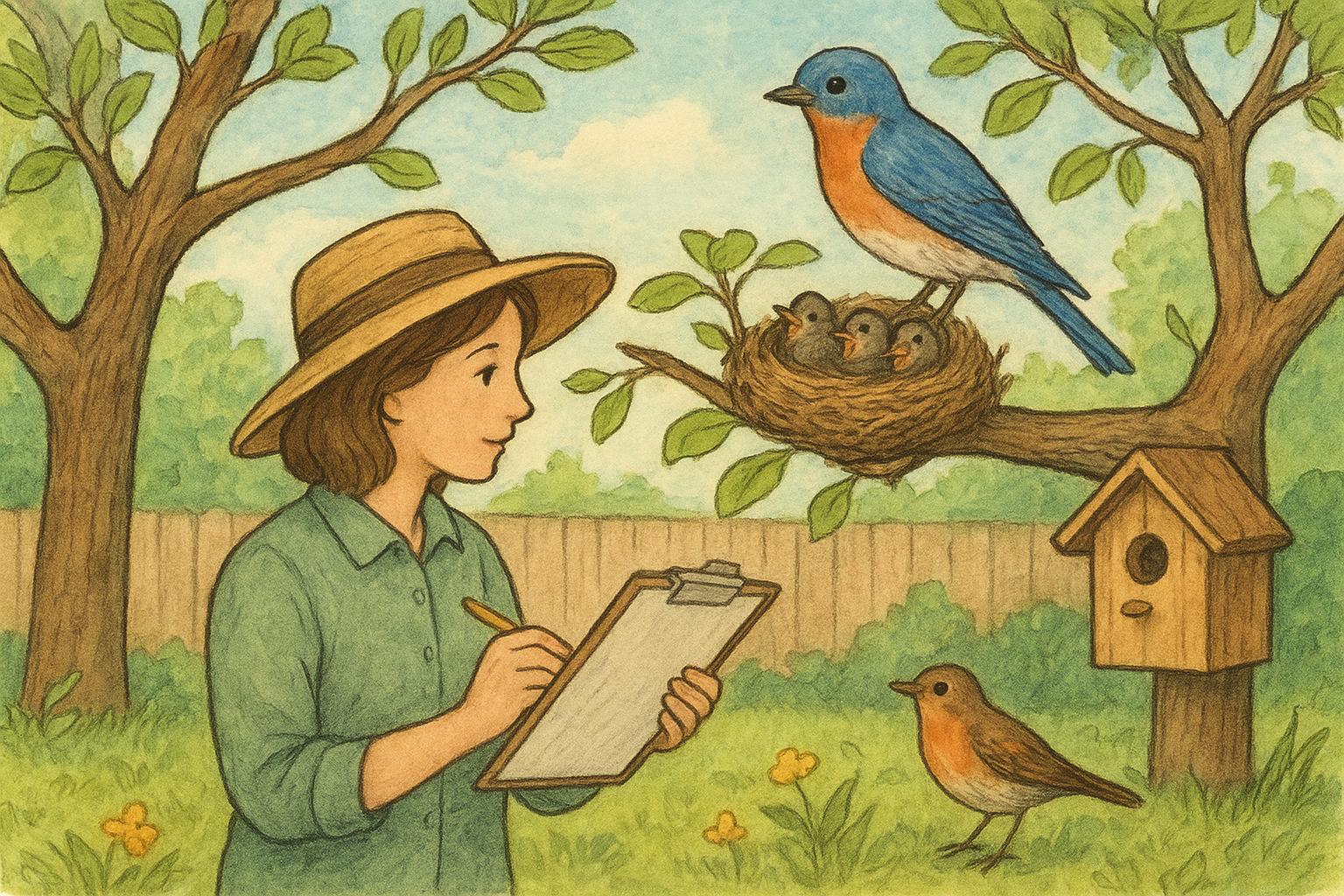
A notebook, camera with zoom, and a lightweight ladder used with caution are often enough. Thermal imagers and sound recorders are useful for more serious monitoring but are not necessary for backyard observations.
## Case Studies From A Typical Suburban Yard
Three brief vignettes show how variable backyard nests can be.
### Case One: The Robin With Mud In Her Nest
A robin built a cup in a large lilac hedge, plastered with mud, lined with fine grass. After two rainstorms the nest stayed intact. Clutch size was typical, and fledging success was high. The mud increased stability and waterproofing.
### Case Two: A Wren Using Spider Silk
A Carolina Wren wove a deep cup using moss and spider silk. The silk anchored the nest to thin twigs. An early-season cold snap hit; the nest retained heat better than nearby open cups. The wren succeeded in raising a brood despite the weather.
### Case Three: A Cavity Nest With Human Debris
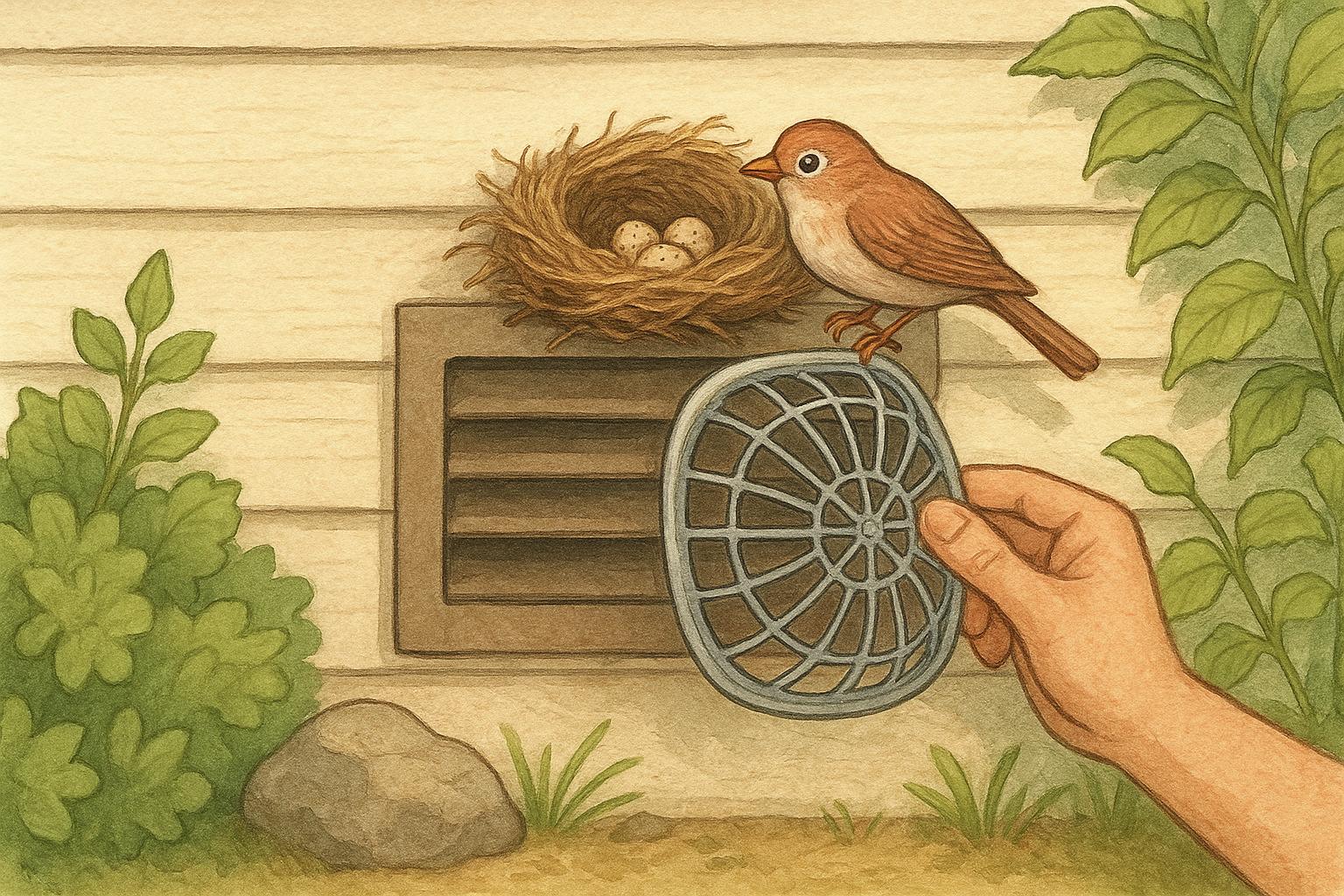
A sparrow used a gap under the eaves, lined with insulation fibers and plastic string. The nest had more mites on inspection after fledging. The nestlings were slightly smaller than average. The human materials likely affected the microclimate and parasite load.
## What Backyard Owners Can Do To Influence Nest Ecology
You don’t need to be a scientist to make meaningful changes.
### Plant For Nest Materials And Food
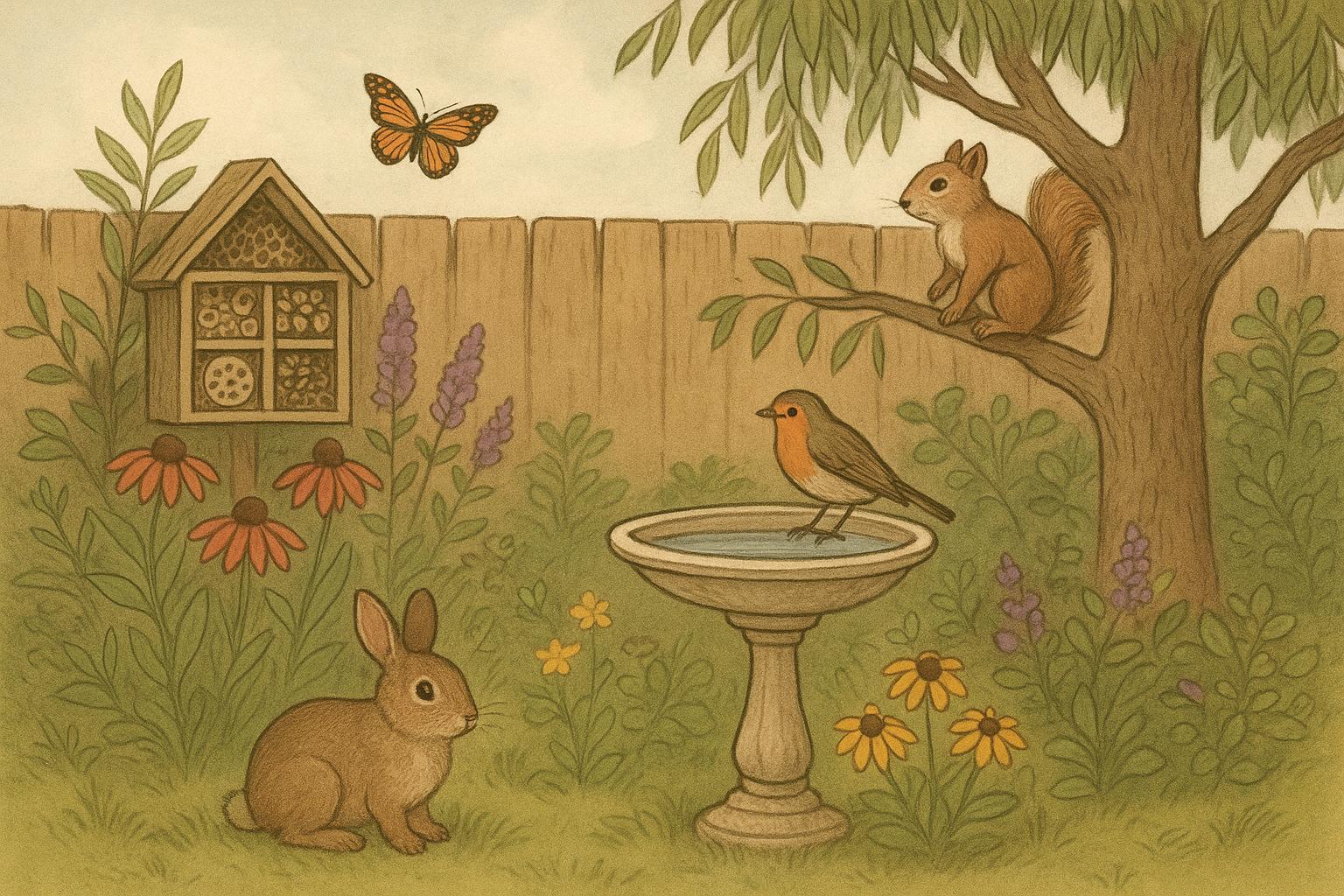
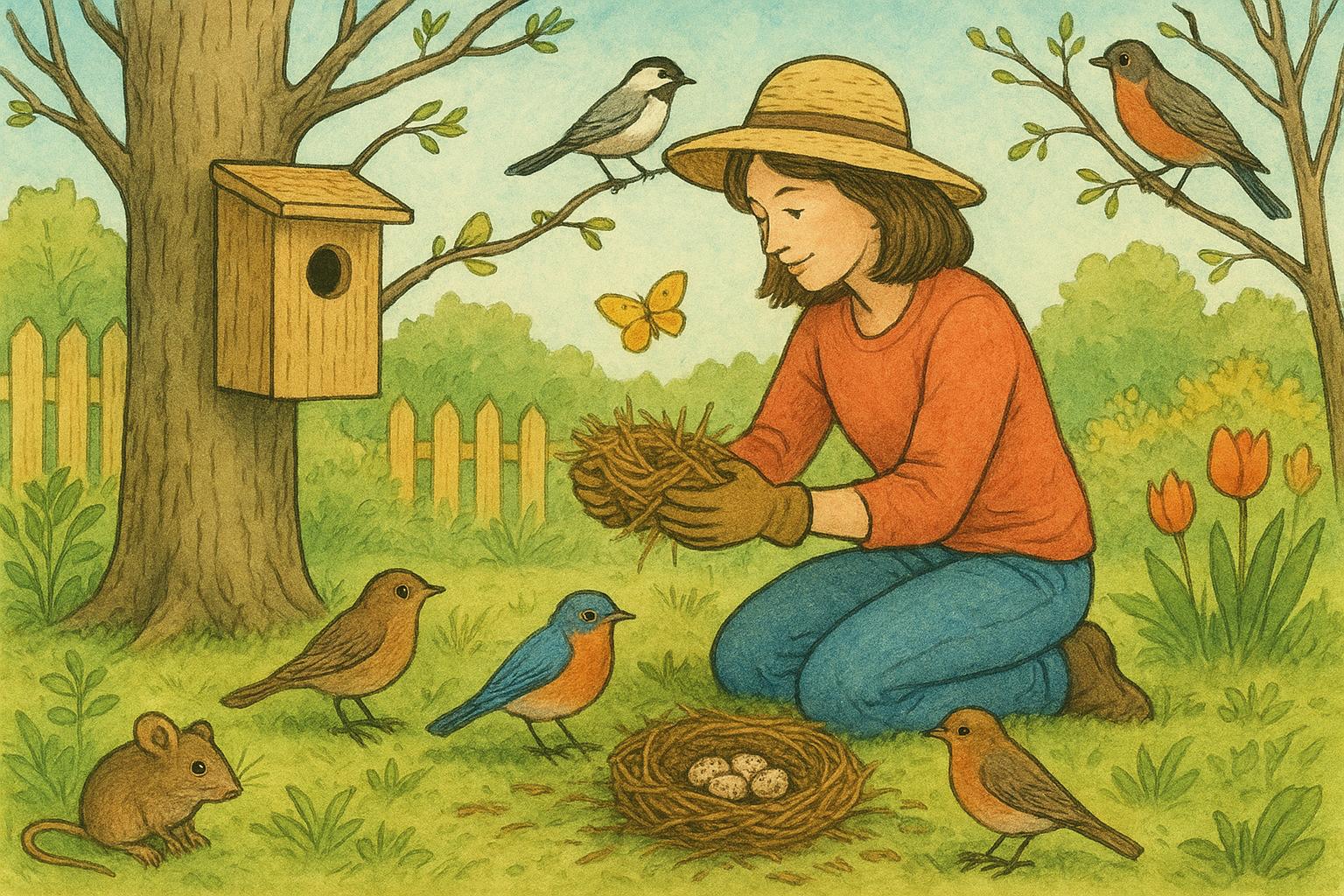
Native shrubs provide both cover and insects. Grasses, seedheads, and small branches supply materials for nest building. Leave some leaf litter and dead stems in winter for insects and nesting materials the following spring.
### Manage Predators And Disturbance
Keep cats indoors when possible. Place feeders and boxes away from likely predator travel paths. Limit pruning during nesting season.
### Provide Or Avoid Certain Materials
Offer natural materials like pet hair, natural fibers, or dried plant material in a sheltered spot. Avoid offering synthetic fibers that can entangle chicks. If you use nest boxes, follow species-appropriate designs.
### Record And Share Observations
Join a local NestWatch or community group. Your notes on timing, materials, and success contribute to regional understanding of nest ecology and backyard nests.
## Gaps In Our Knowledge And Questions Worth Watching
We still don’t fully understand how long-term changes in climate and urbanization will reshape nesting behavior. For instance, will earlier springs consistently shift nest timing, or will other constraints like food availability limit that shift? How will microplastic prevalence in the environment alter nest microbial communities decades from now? What is the balance between material durability and parasite risk in human-dominated landscapes?
### Research Directions That Matter
– Longitudinal studies linking nest materials to chick health across years.
– Experimental manipulations of nest microclimate to test thermal tradeoffs.
– Broader sequencing of nest microbiomes across urban-rural gradients.
Small backyard studies can feed into these questions. They’re accessible, cost-effective, and relevant to the birds sharing our immediate environment.
## How To Tell Species Apart By Their Nests
Some species are instantly recognizable. American Robin nests are typically mud-reinforced cups. House Finch nests are bulky, lined with soft material and often placed in hanging planters. House Sparrows build messy communal nests. Knowing a few key signatures helps you identify occupants without seeing the birds.
### Quick Field Keys
– Mud reinforcement: Robin, Swallow.
– Pouch-like pendulum: Oriole.
– Cavity use: Chickadee, Bluebird.
– Platform large and flat: Crow, Cooper’s Hawk, pigeon species.
Pay attention to context: location, height, and available materials help narrow down the builder.
## Safety, Law, And Responsibility
In many places, handling nests or eggs of native birds is regulated. If you find an injured bird or orphaned chicks, contact a licensed rehabilitator. Removing nests or changing landscaping during nesting season can have legal and ethical implications for certain species. Be mindful and informed.
## Everyday Lessons From Watching Nests
Nests are small, resilient experiments in architecture and ecology. They show adaptation in real time—how birds respond to changing material availability, weather, and predators. If you watch closely over several seasons, patterns emerge: the same bush may host different species, material choices shift with local construction trends, and success rates track subtle changes in the yard.
There’s no single correct way to build a nest. There are tradeoffs, improvisations, and sometimes outright mistakes. That’s part of the point: the ecology and structure of backyard bird nests is a living record of choices made by animals negotiating a human-shaped world.


Leave a Reply