
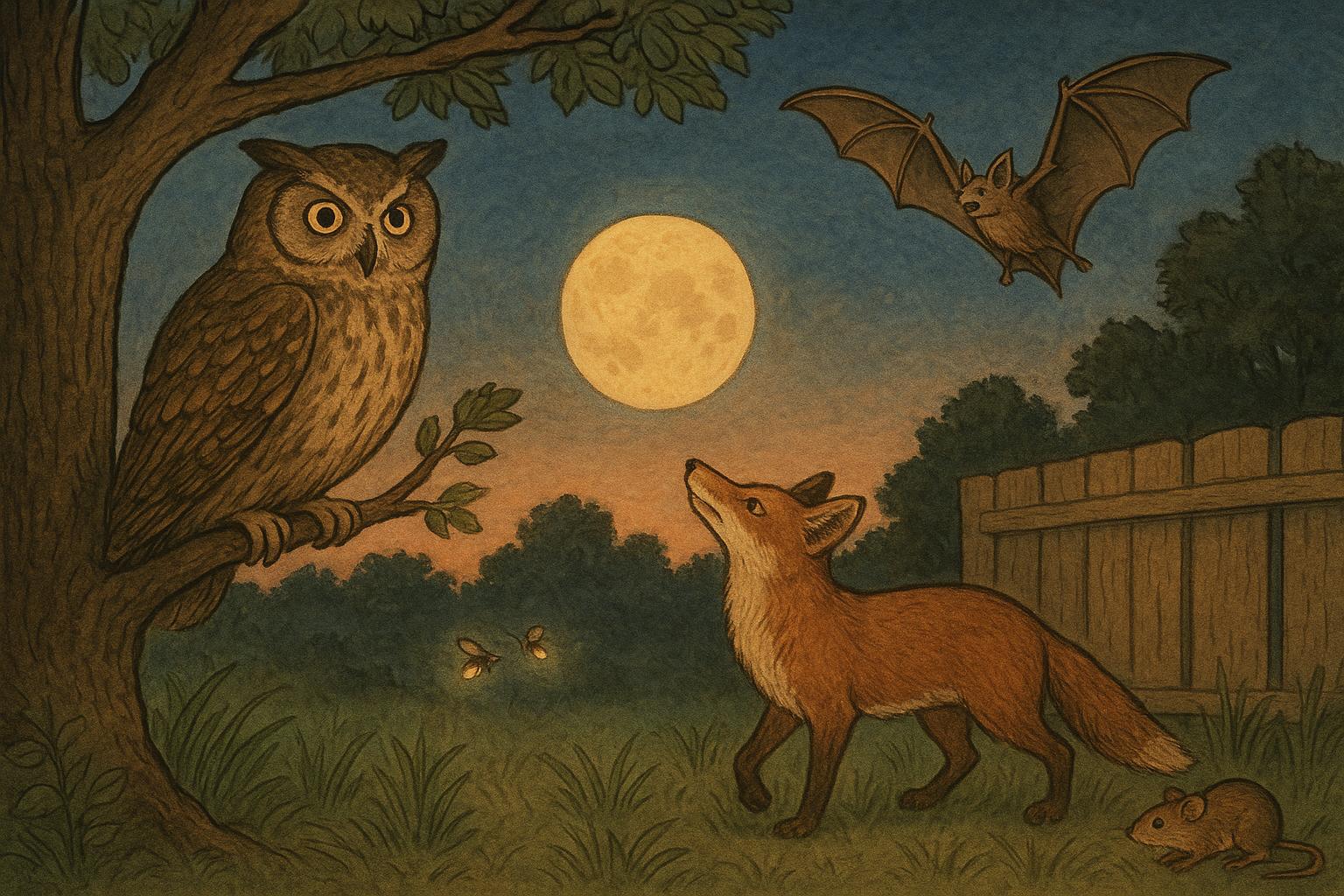
## What The Dusk Chorus Sounds Like
When light thins and the first streetlamps blink on, a different kind of neighborhood noise wakes up. The dusk chorus arrives in layers: first the high, thin trills of sparrows and finches, then fuller songs from thrushes and robins, and finally the deeper calls of frogs and toads. Those are the evening sounds that give a yard texture — not just birds, but insects and amphibians trading lines.
The phrase dusk chorus gets used a lot because it’s so obvious when it happens. You can hear it best from the edge of a yard where trees meet lawn. Sit on a step for ten minutes and you’ll notice the rhythm — brief bursts, pauses, then new voices joining. It’s not one continuous band; it’s a parade of solos and duets.
### Common Participants
#### Songbirds And Their Patterns
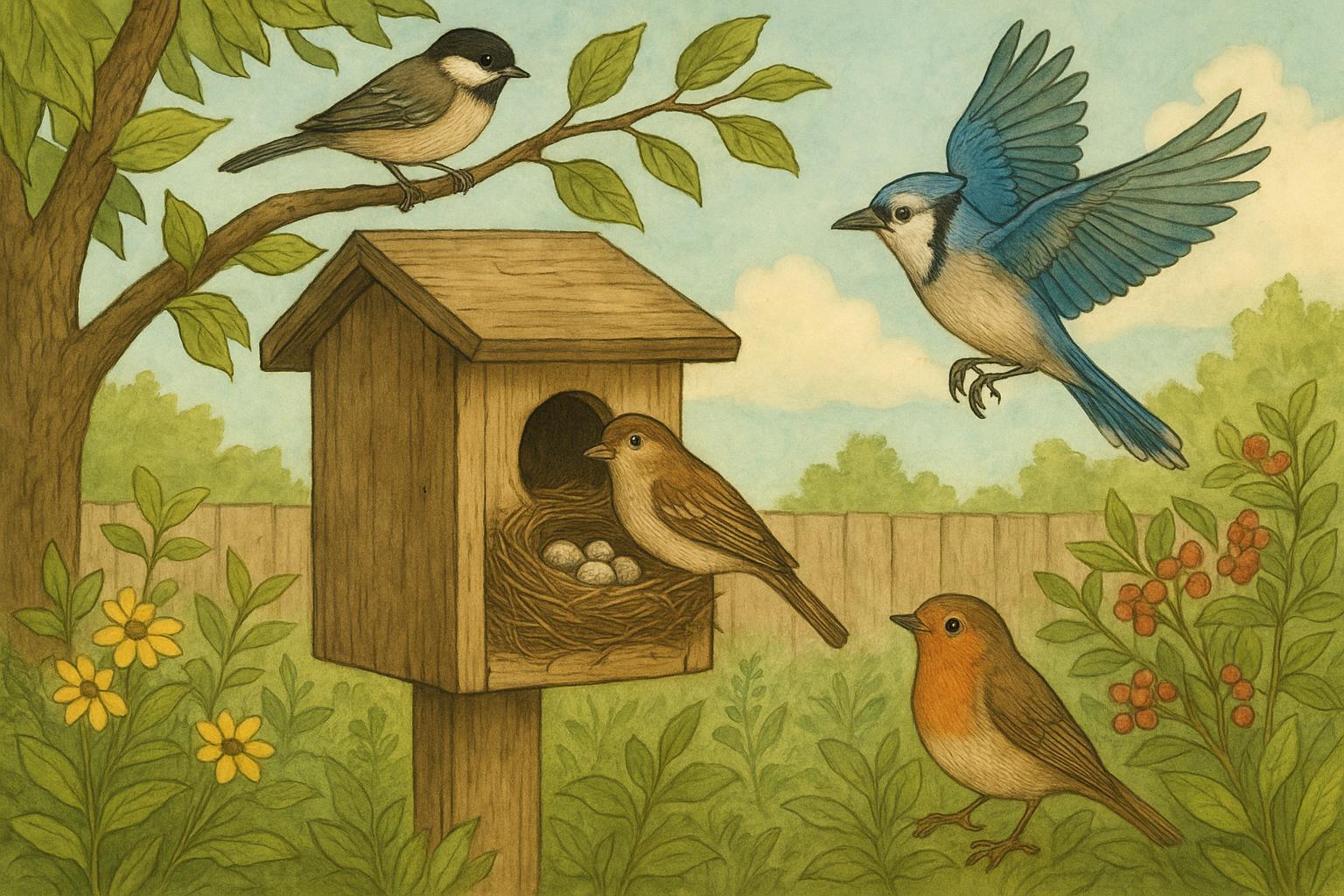
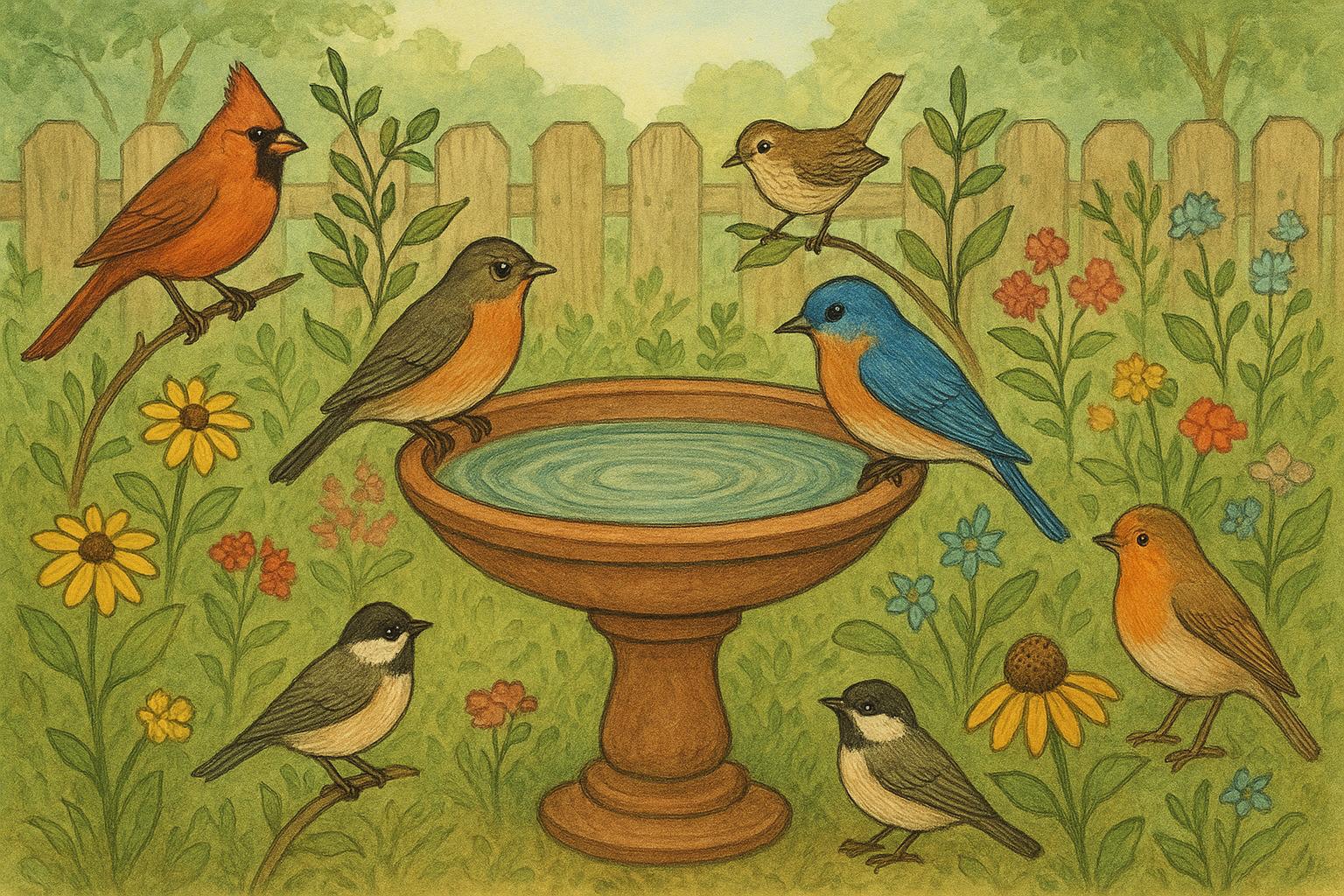
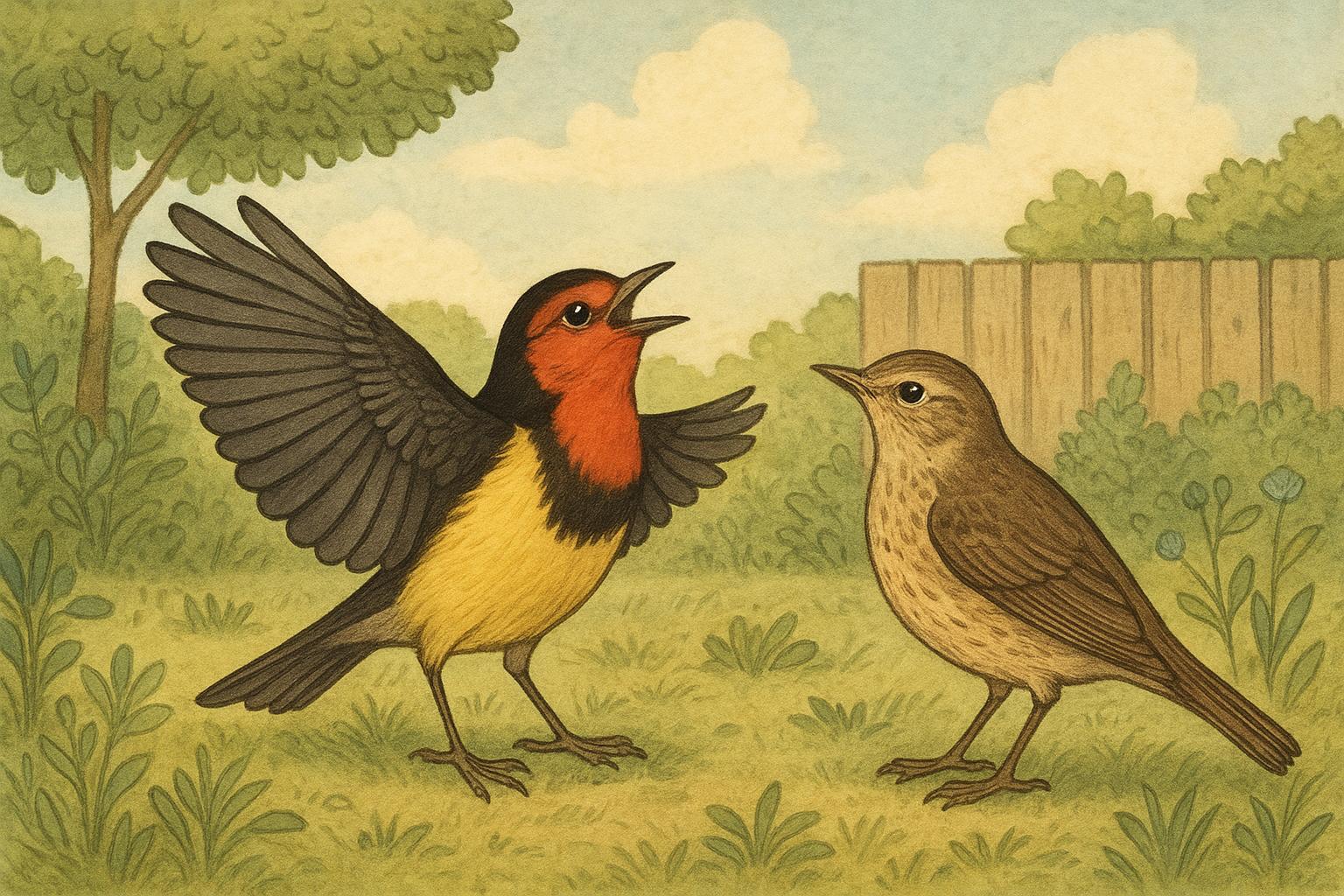
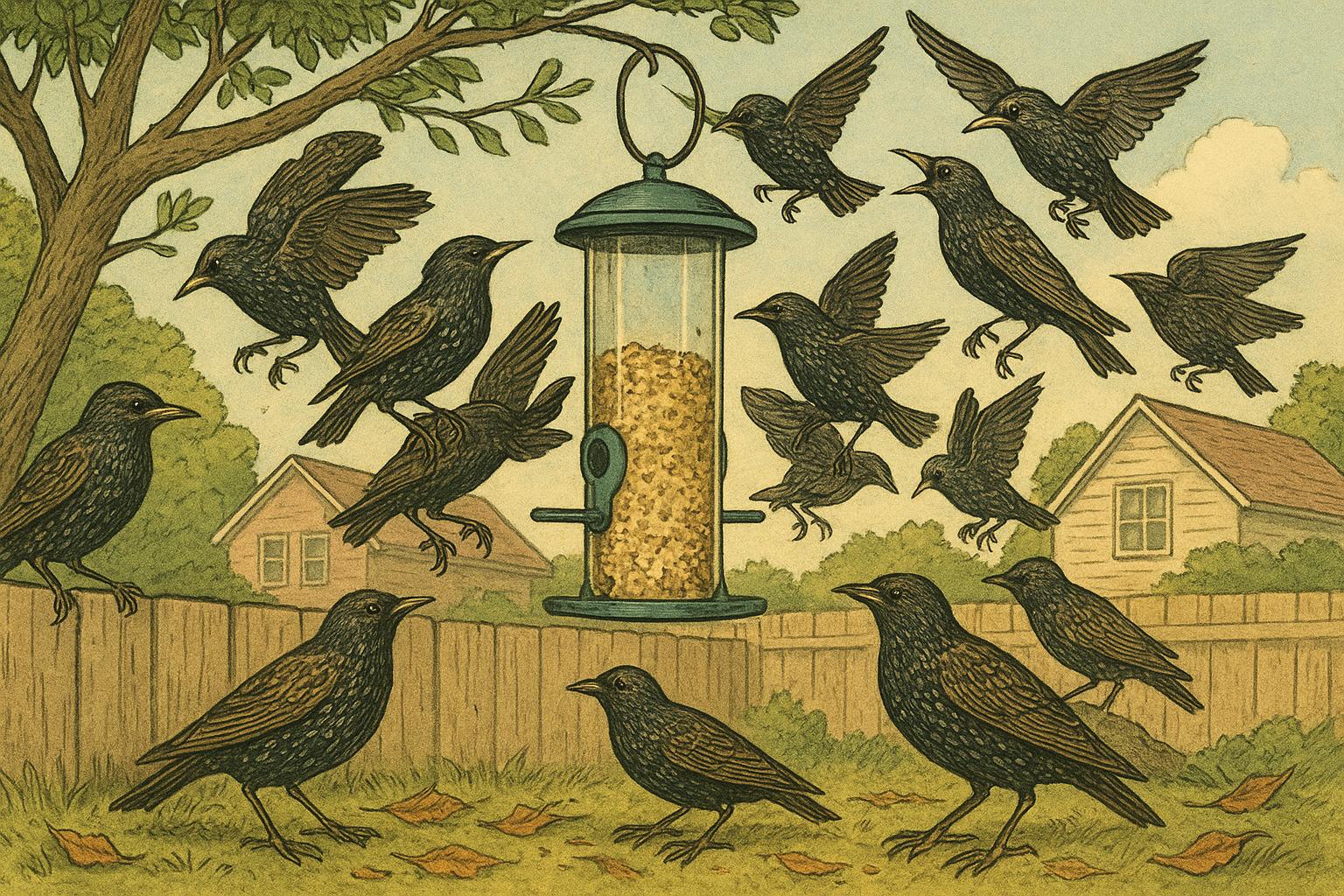
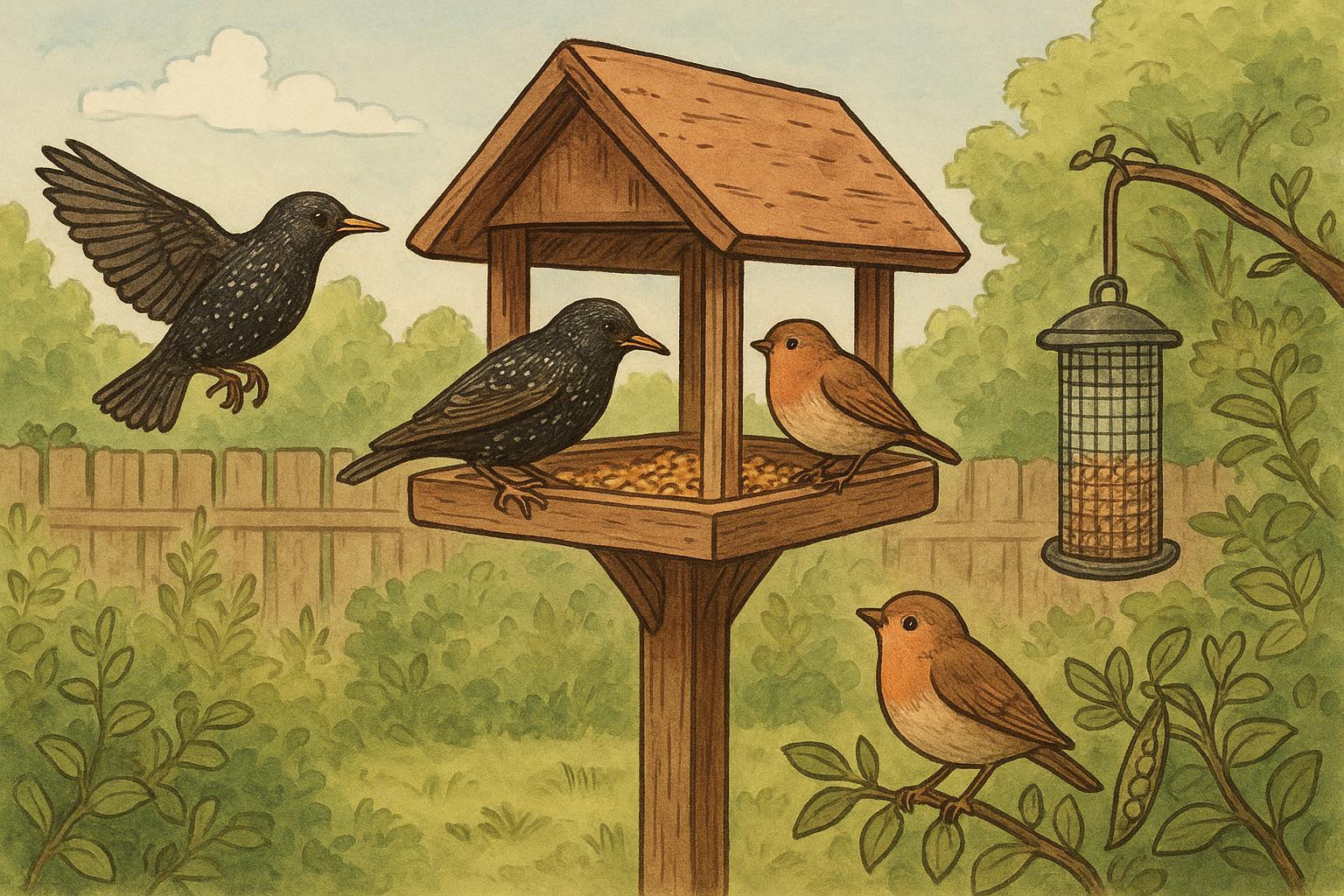
Many backyard songsters switch gears as light fades. Warblers and sparrows may sing short, repetitive notes, while starlings and blackbirds produce longer, variable phrases. Each species times its performance differently. Robins, for example, often give a last long series of notes just after sunset.
#### Frogs, Toads, And Insects
If you have a small pond or even a damp low spot, you’ll hear frogs filling in the bass. Crickets and katydids provide a steady percussive backdrop that makes the whole mix feel fuller. Some nights the insects dominate. Other evenings, amphibians lead the nocturnal chorus.
#### Nocturnal Raptors And Nightjars
Owls are quieter contributors, but their sparse hoots or whistles punctuate the mix in a way that makes other animals pause. Nightjars — the late-fading, low-swooping birds — add odd mechanical clacks or rattles. They’re easy to miss until you notice the space they occupy in the chorus.
## Where The Nocturnal Chorus Comes From
Different species have different reasons to call at dusk. Some advertise territory before darkness makes visual displays useless. Some sing to coordinate with mates. Others are active because their prey appears then. The result is a nocturnal chorus that’s part strategy, part accident.
Noise levels matter. In noisy, urban neighborhoods the dusk chorus may start earlier and sound compressed because animals are competing with traffic and human chatter. In quieter rural yards, it tends to be more spacious and layered. Either way, you’re listening to a conversation about survival, not a song for entertainment.
### Microhabitats That Amplify Evening Sounds
#### Water Features And Vegetation
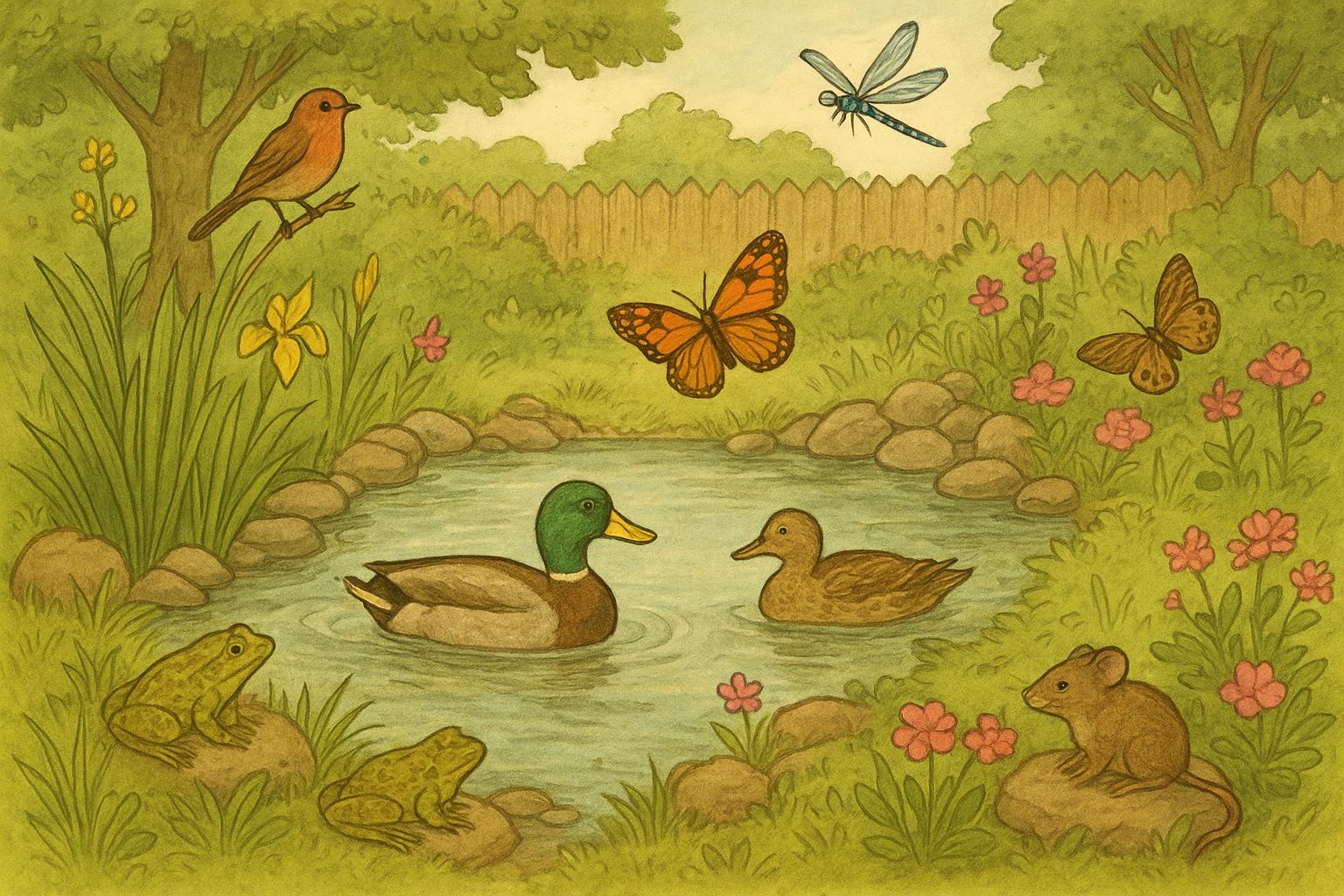
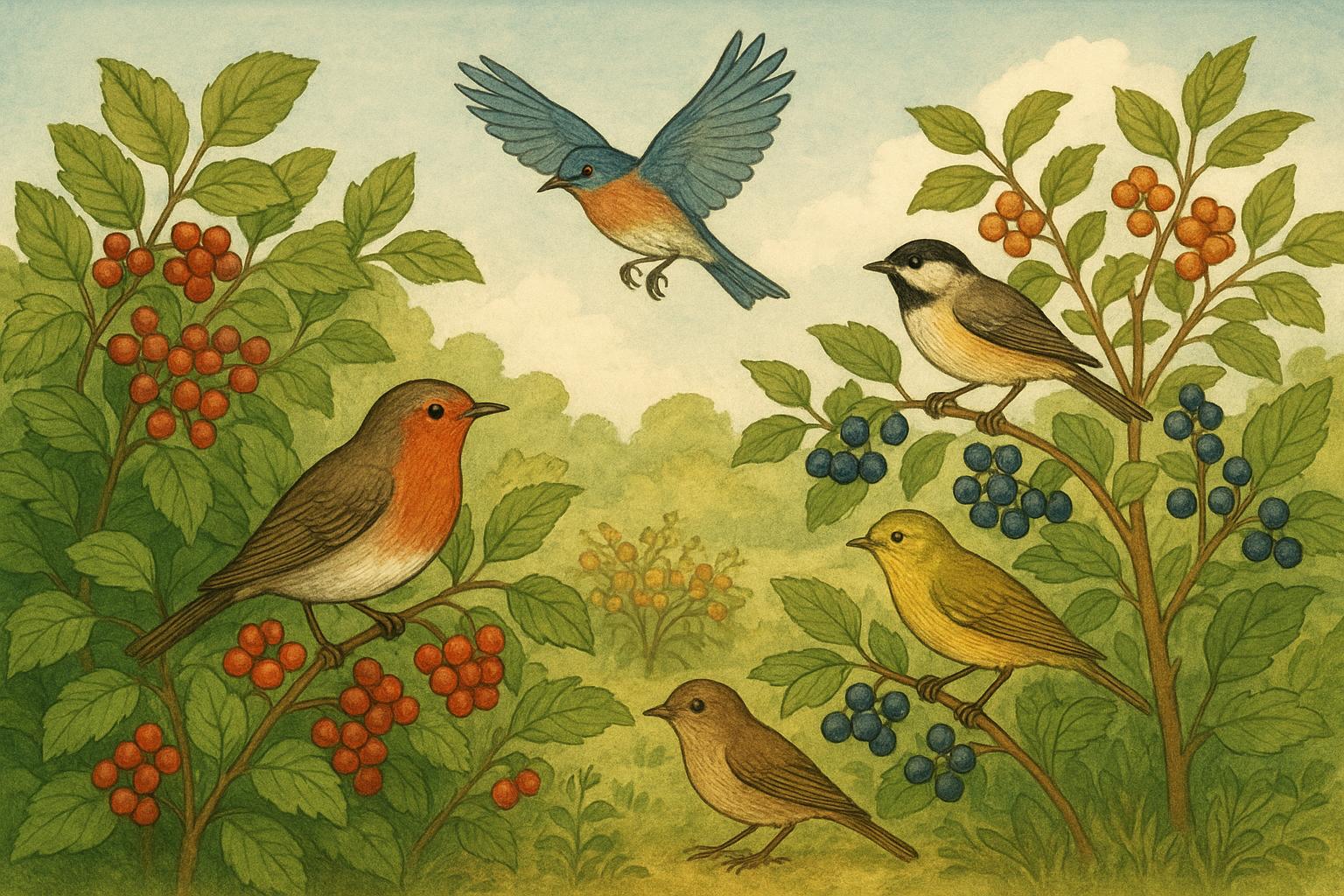
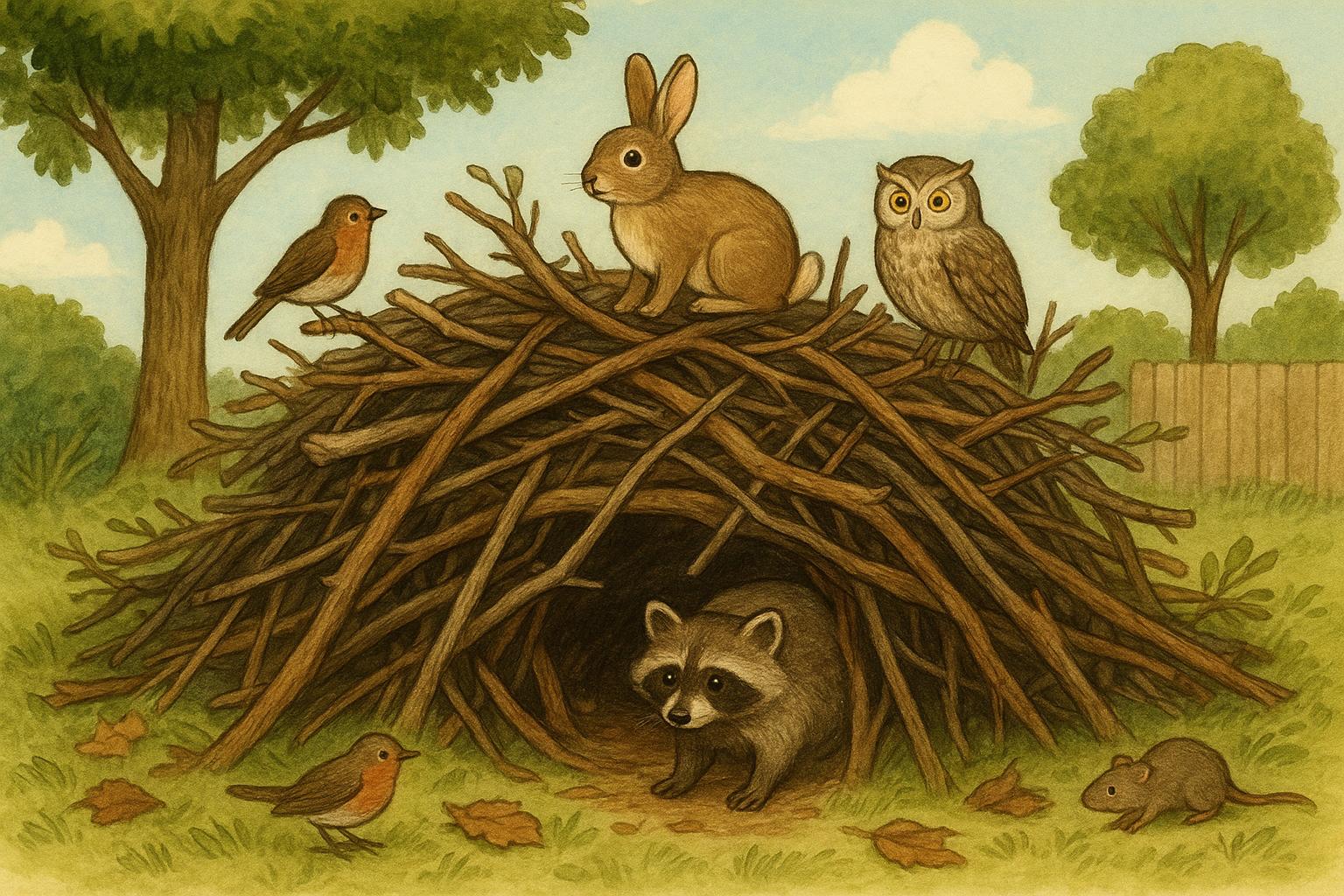
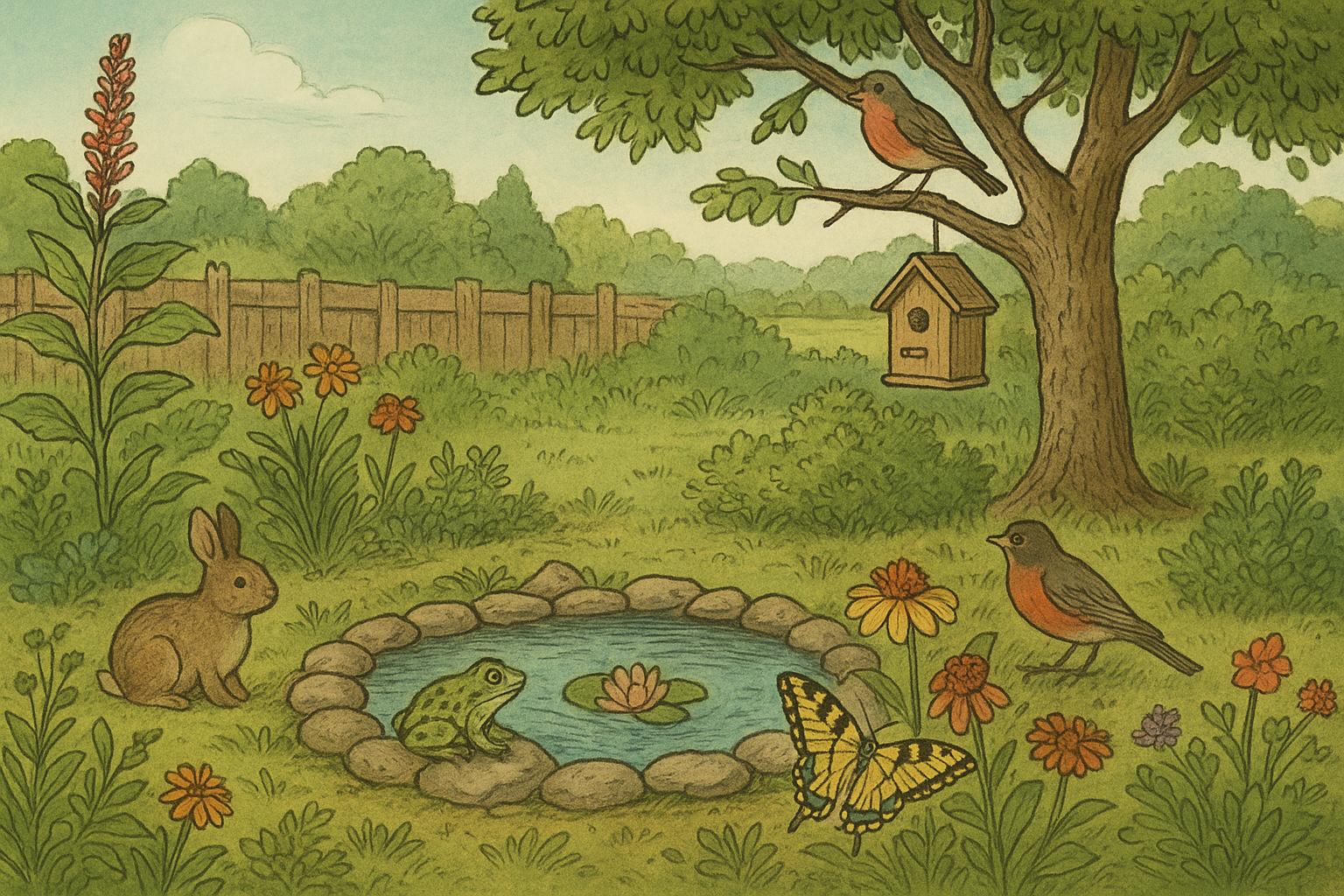
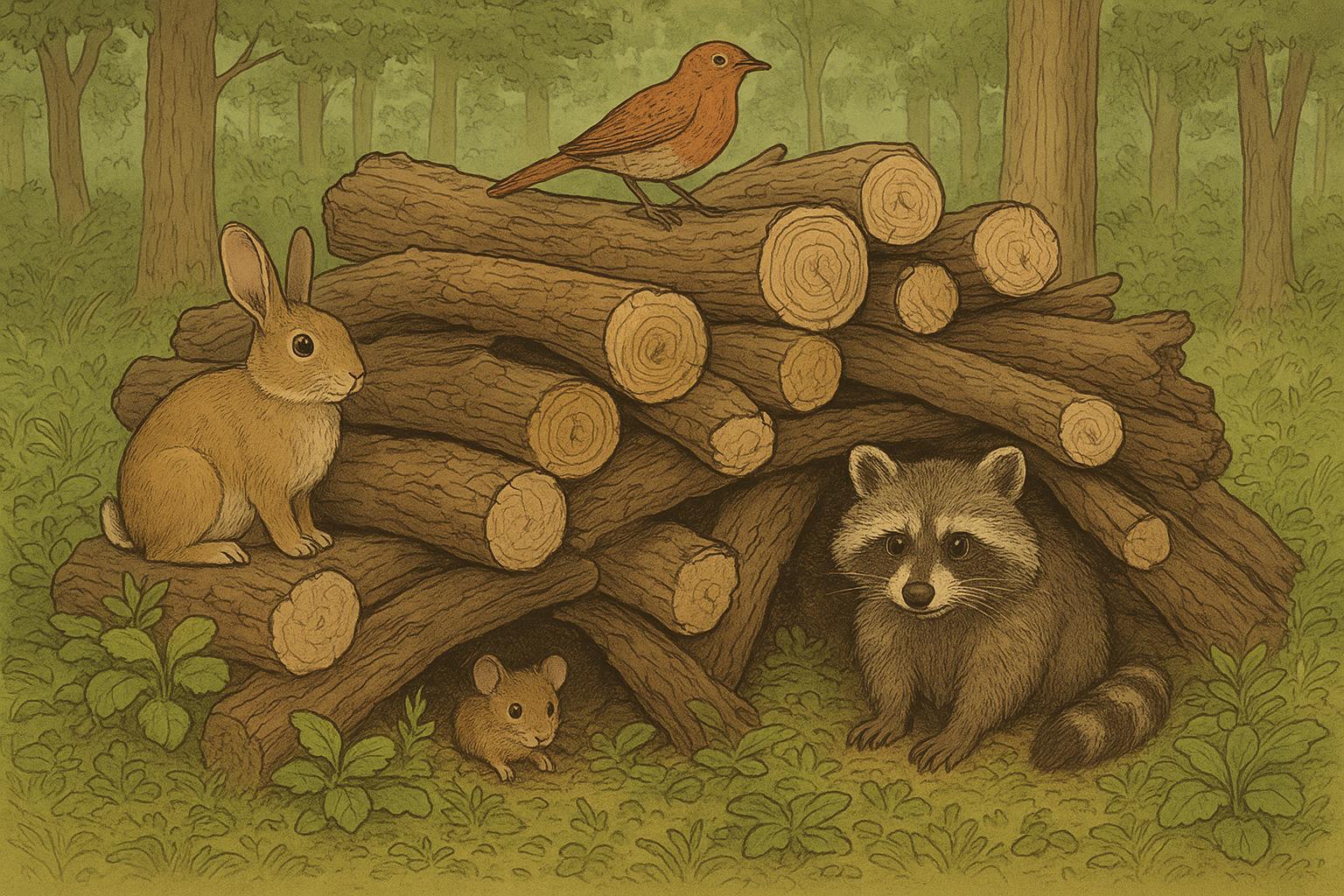
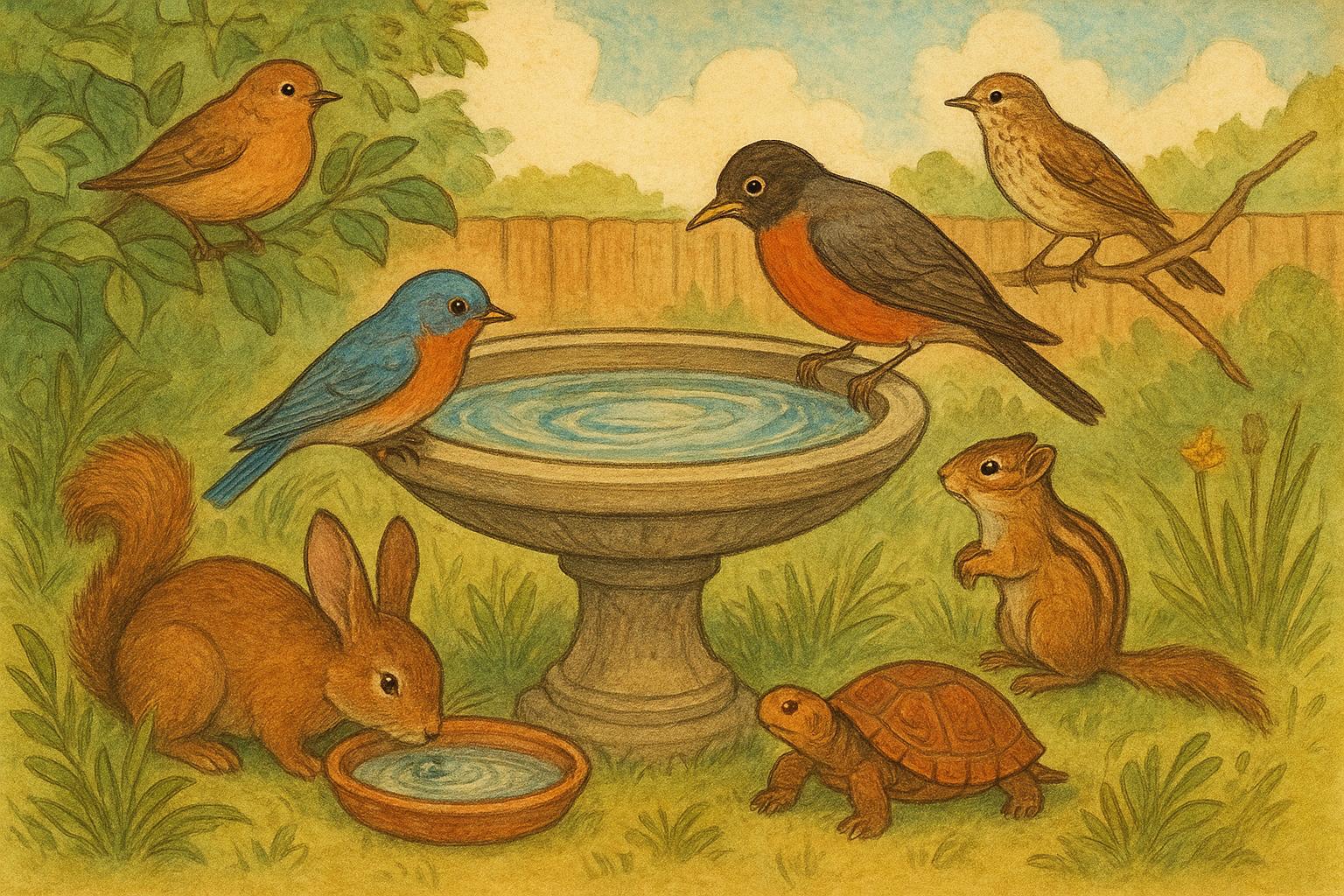
Little ponds and wet patches concentrate amphibian calls. Dense shrubs give birds places to hide and rehearse songs. A wind-protected corner of a yard can turn a few crickets into an obvious drumline. If you want louder, more varied evening sounds, create those microhabitats: a shallow saucer of water, a brush pile, native shrubs.
## How To Tune In
You don’t need fancy gear. A folding chair and a flashlight with a red filter do the job. The best seats are slightly elevated and on the edge of cover — a porch that faces a hedgerow, for instance. Give your eyes ten minutes to adjust; that helps your ears too.
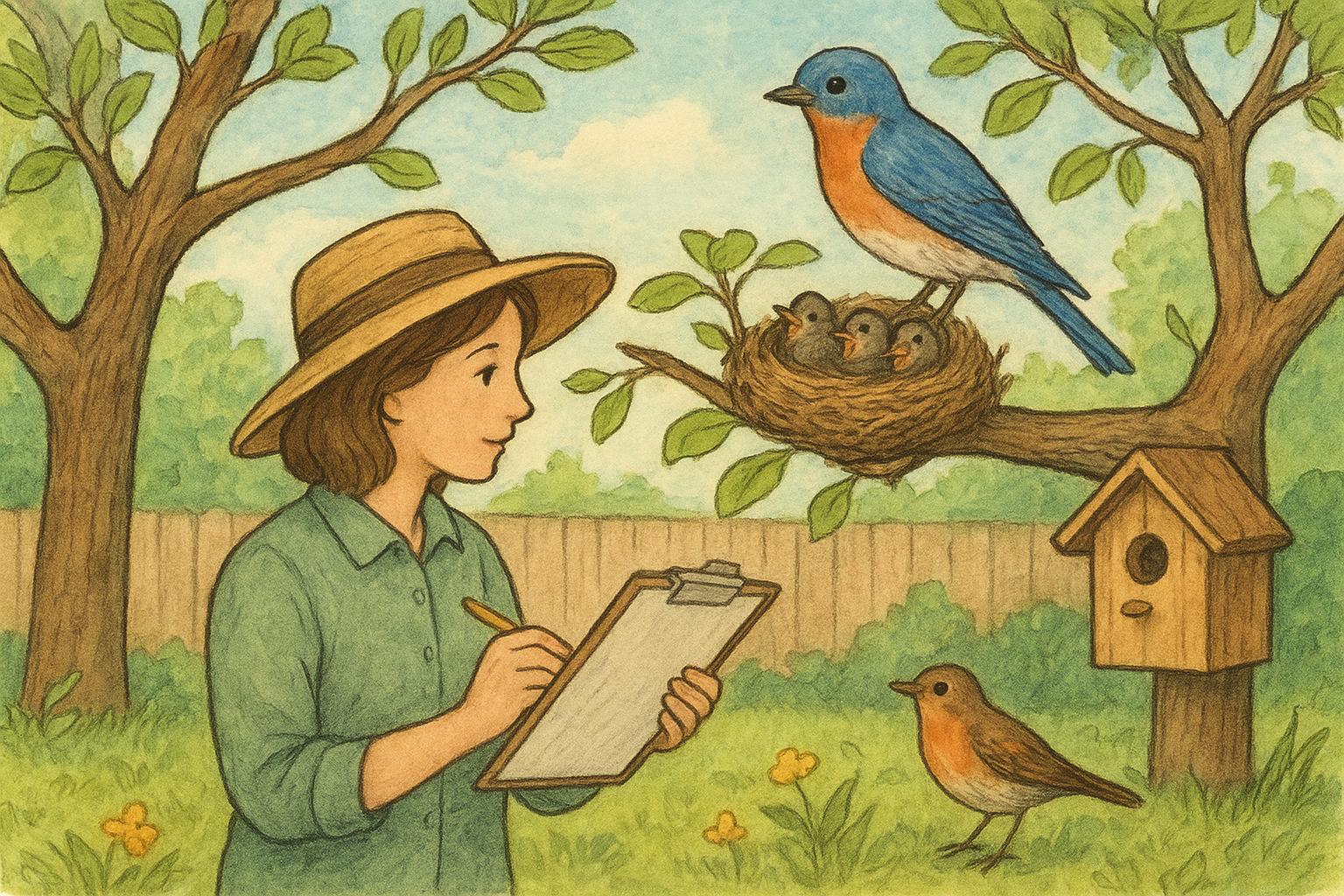
To document what you hear, use a phone app to record short clips. Label them with time and weather. Over a week or two you’ll see patterns: which species call right at dusk, which wait until full dark, and how rain or wind shifts the mix. Recording also means you can replay and pick out individuals you missed live.
### Best Times To Listen
#### Peak Windows And Weather Effects
The first 20 to 40 minutes after sunset are usually the richest. On calm, warm evenings the chorus tends to be louder and more varied. Wind shakes branches and scatters sound, while heavy rain silences many singers. A mild, humid night after a dry spell can bring a surprising spike in frog calls.
## How To Encourage The Backyard Band
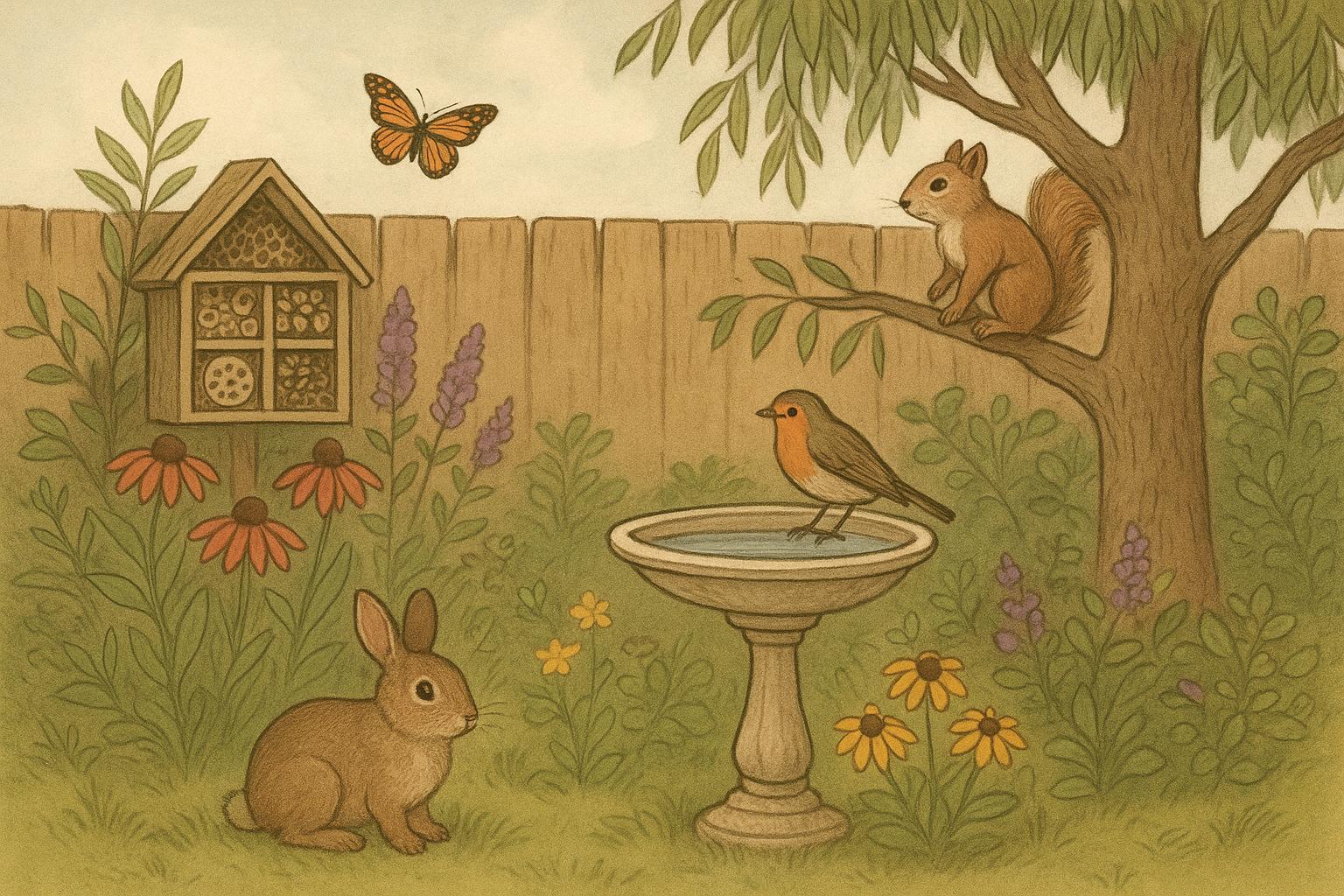
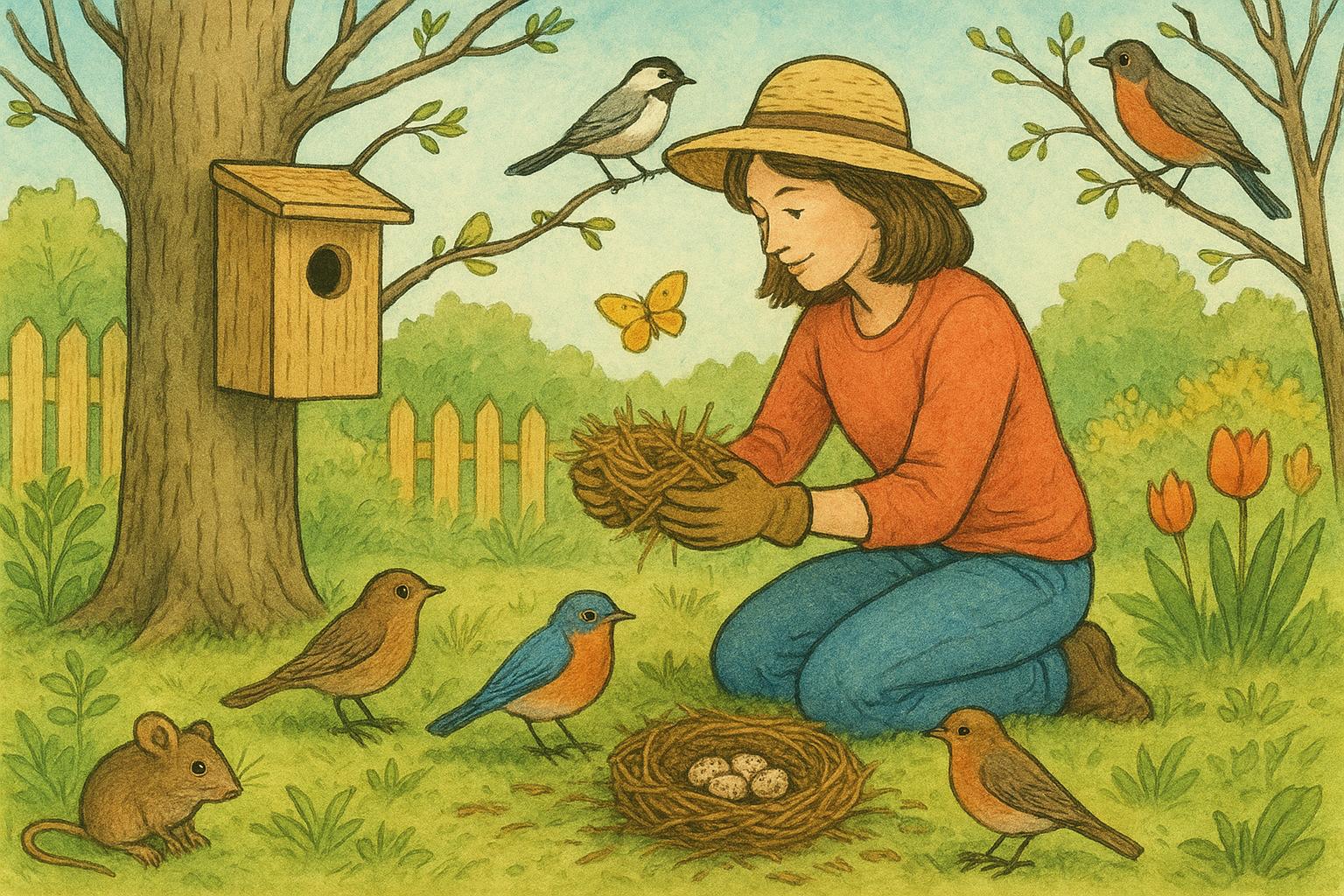
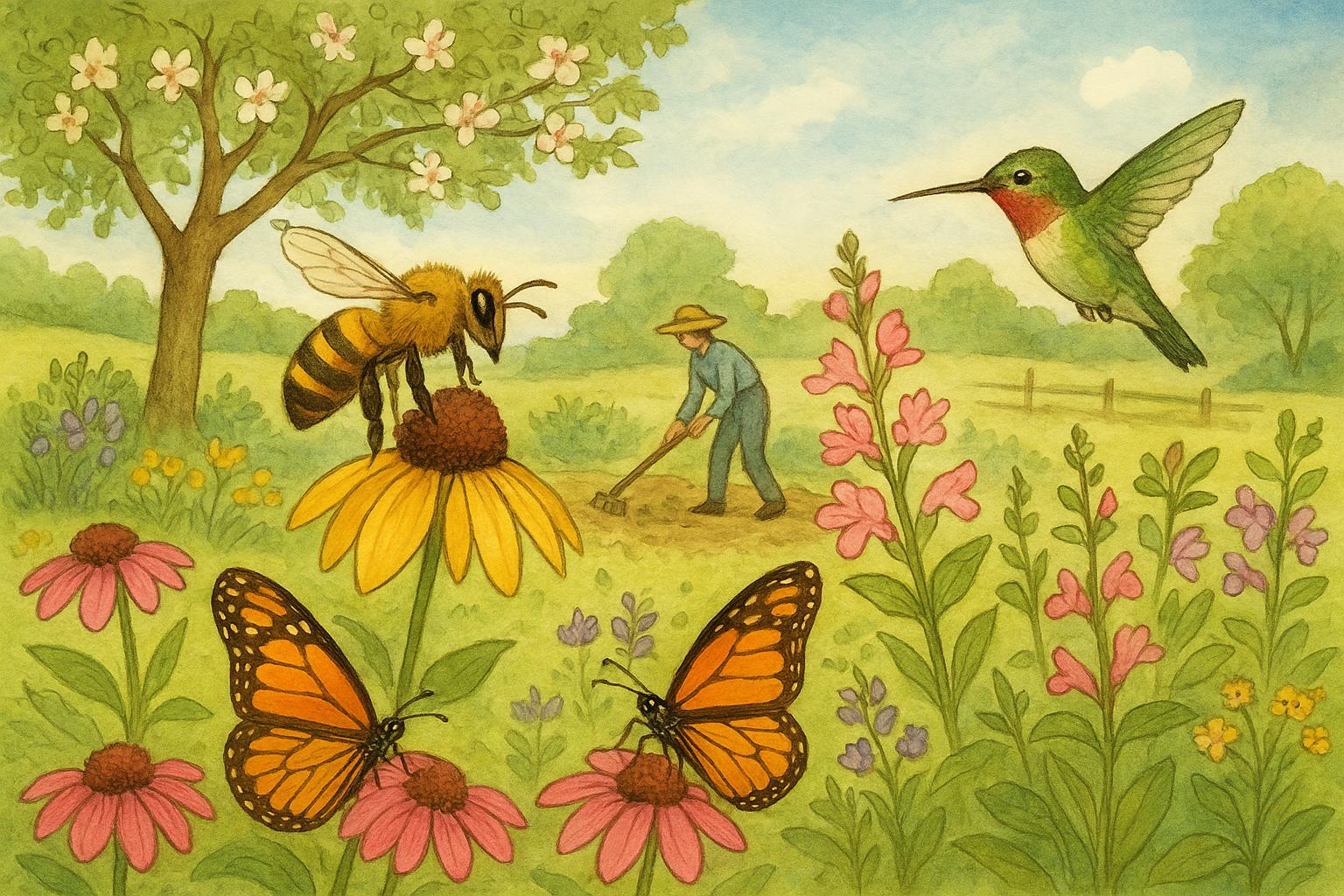
If you want more evening sounds, think habitat rather than feeding. Native plants host more insects, which in turn feed birds and bats. A small water feature will attract frogs. Leave a few dead branches for insects and shelter. You don’t need to turn your garden into a preserve — small changes yield noticeable results.
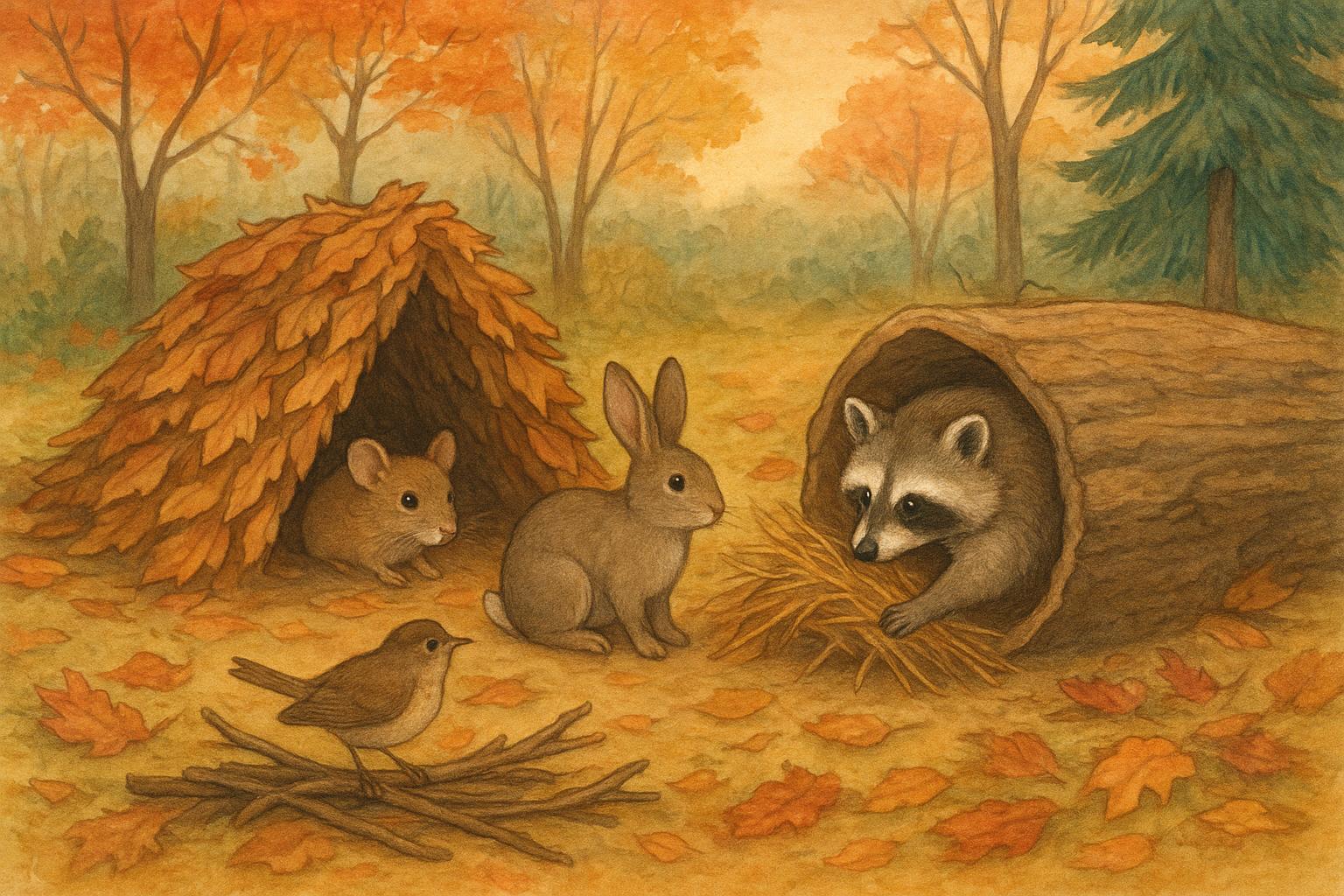
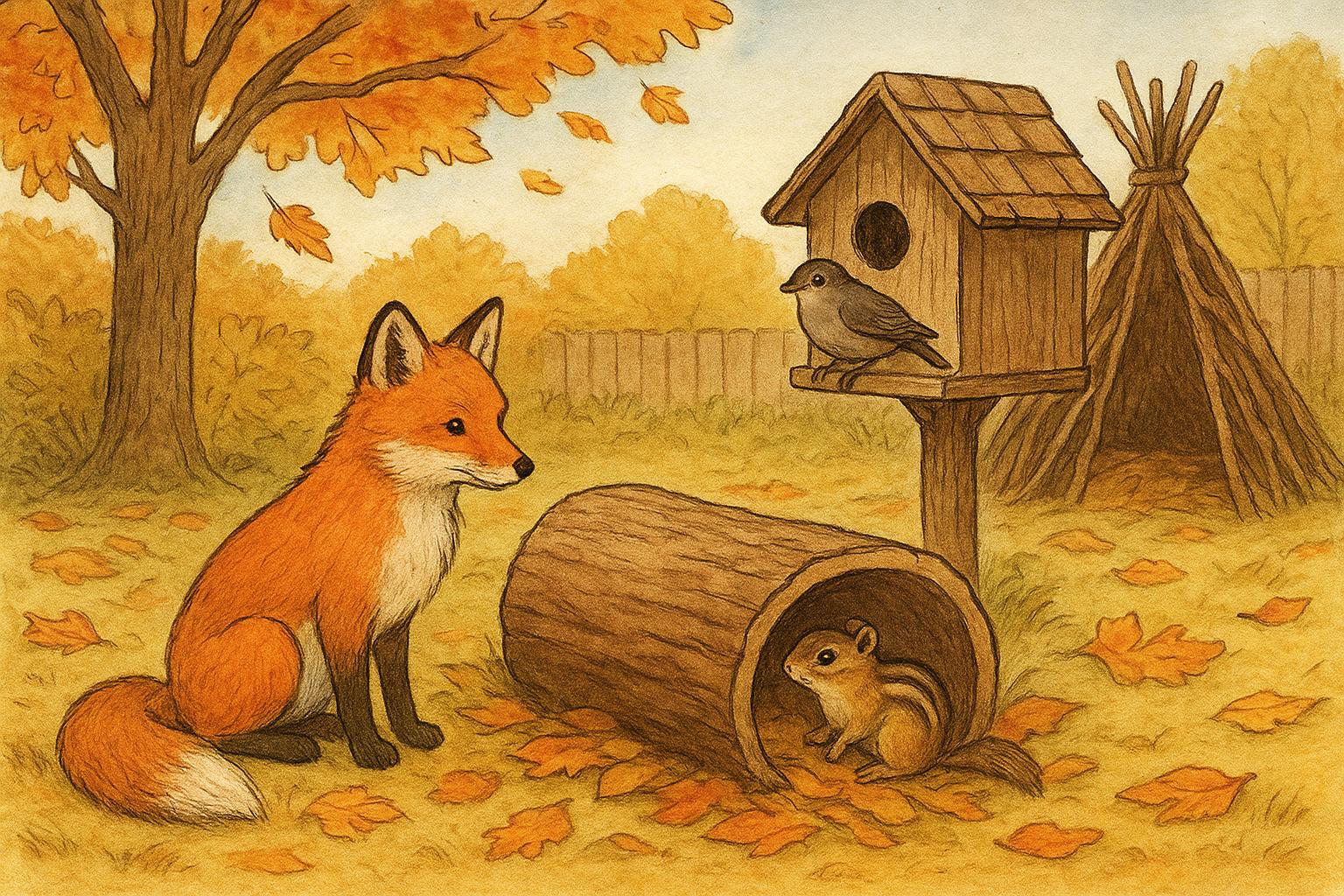
Resist the urge to clear every leaf and twig. That tidiness removes perches and hiding spots. A jumble of low shrubs and native flowers gives insects, and by extension their predators, a place to live. The payoff is a richer dusk chorus and more interesting nights.
### Recording And Identification Tips
#### Choose Short Clips And Good Timing
Recording in short bursts — 30 to 60 seconds — reduces file clutter and captures distinct episodes. Start recording a few minutes before sunset to catch the transition. Use the highest quality setting your device allows; atmospheric noise can mask subtle calls.
When identifying, focus on unique markers: the rhythm of a cricket, the pattern of a frog’s call, the cadence of a songbird. Apps can help, but cross-check with regional field guides. Listening repeatedly lets you pick out individuals and builds a mental library faster than any app.
## Interpreting The Chorus
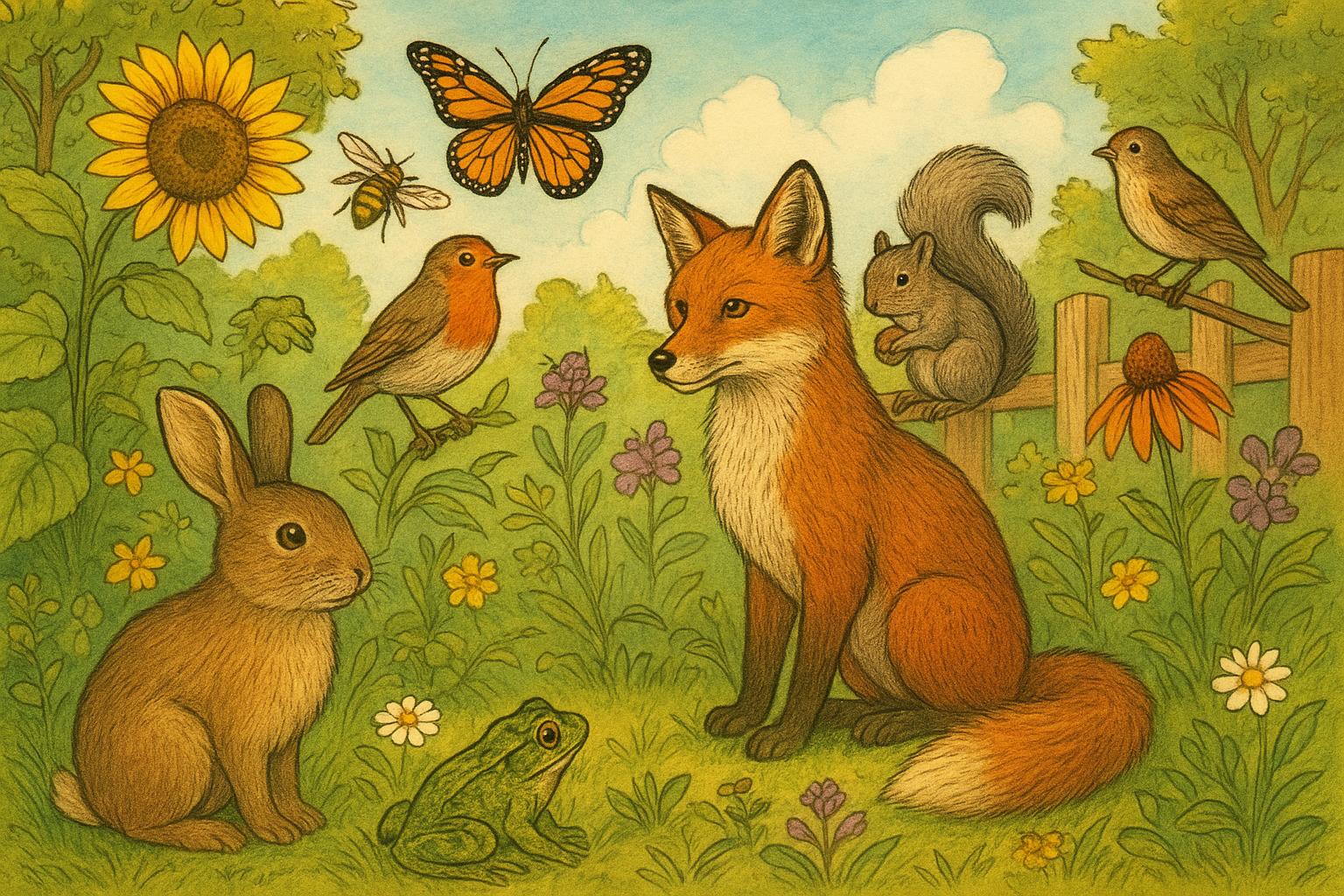
The dusk chorus isn’t just pleasant background; it tells you about your yard’s health. A variety of callers means diverse microhabitats and a functioning food web. A chorus dominated by one or two loud species might mean others have been pushed out. Sudden absences over multiple nights can be a red flag — predators in the area, chemical exposure, or habitat loss.
When species shift their timing — starting earlier or stopping abruptly — look for environmental causes. Artificial light can advance peaks, while construction noise can suppress them. Sometimes the change is seasonal and expected. Other times it’s a sign to investigate.
## Careful Listening Practices
Avoid shining bright lights into vegetation. Wildlife respond badly to sudden illumination. Move slowly and keep voices low. If you’re recording, mute notifications and reduce handling noise. Share recordings with local naturalist groups; they often have members who can help identify tricky calls.
A last practical tip: sit at the edge of your yard rather than in the center. The boundary between open space and cover is where animal traffic concentrates. From there you get the most interesting mix of species and the fullest sense of the dusk chorus unfolding on your block.
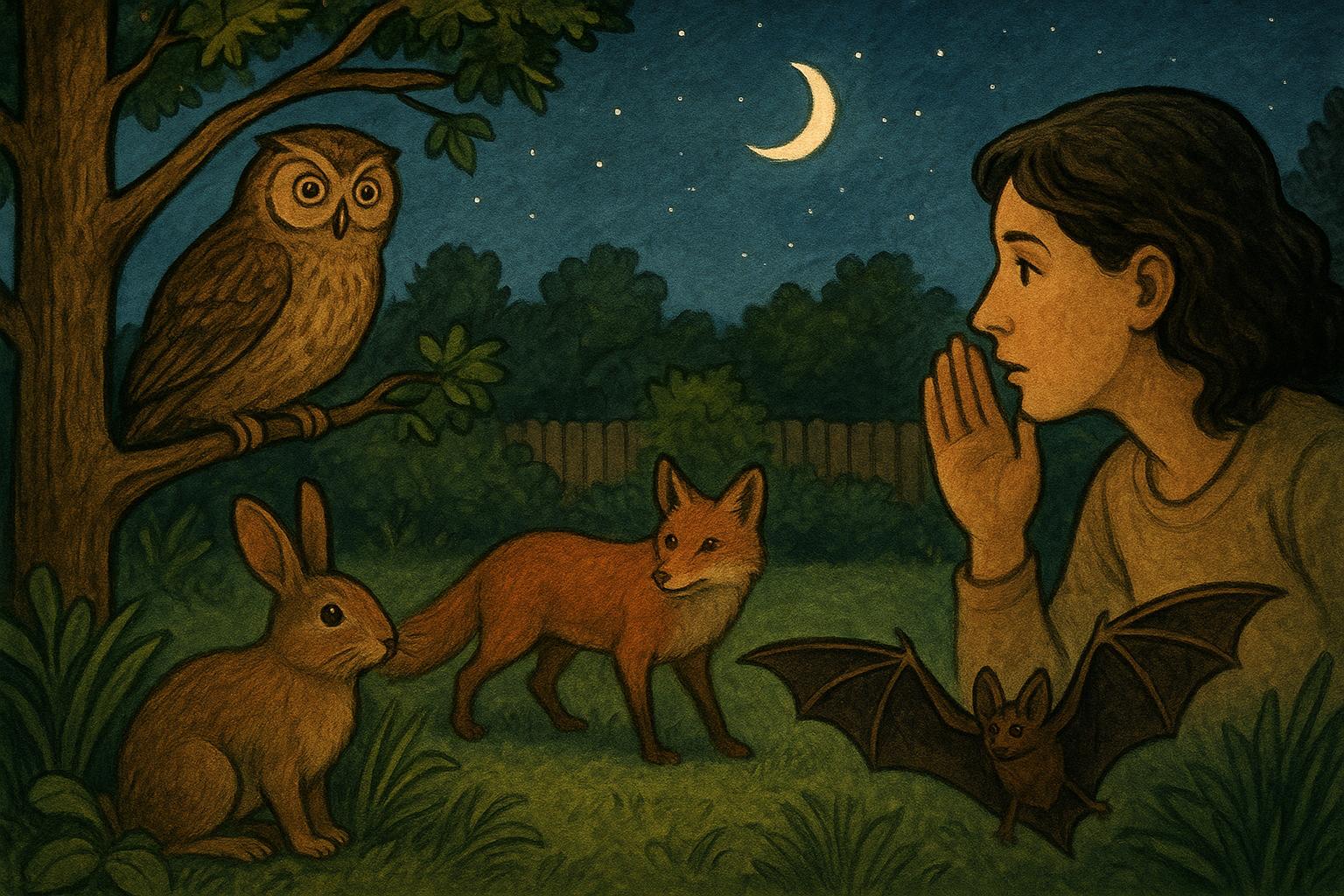
Occassionally, on the quietest nights, you’ll catch a single clear phrase that makes the whole effort worth it. Listen long enough and you’ll start recognizing patterns and personalities — the bold robin, the shy owl, the relentless cricket — and your backyard becomes a stage for a performance that rewrites itself every evening.

Leave a Reply