
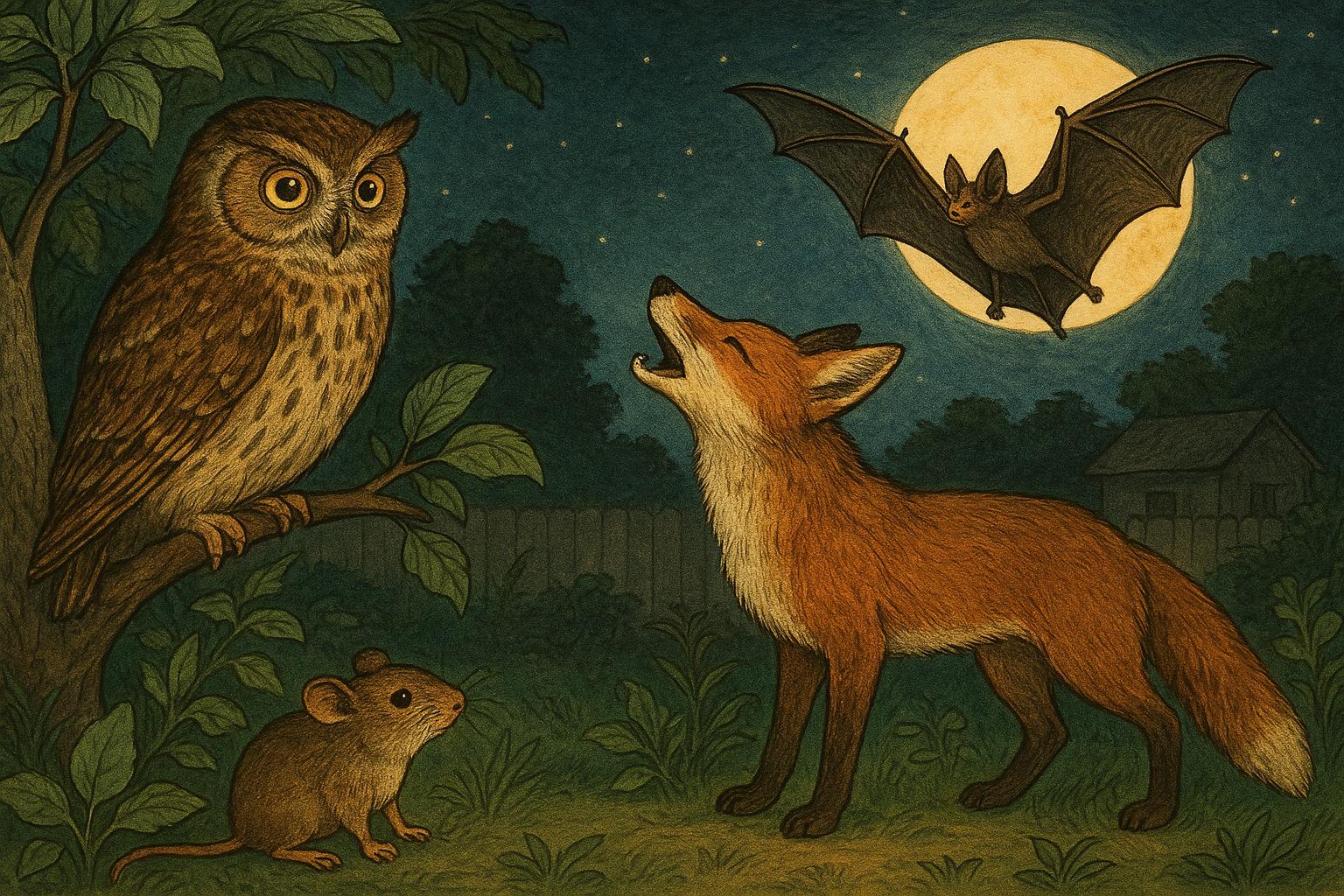
You can learn to tell what’s making those late-night noises without getting up on the roof or setting a blurry trail camera. Listen deliberately, pair what you hear with a few visual clues, and you’ll stop guessing and start identifying.
Identifying Nocturnal Callers In Your Backyard Guide
## Identifying Nocturnal Callers In Your Backyard: How To Start
Start with time and place. Different animals call at different hours and in different parts of a yard. If you hear a repetitive hoot around dusk near tall trees, that points toward owls. If the noise is a rapid, insect-like trill from the lawn, think katydids or crickets. Saying the phrase identifying nocturnal callers in your backyard out loud helps focus your ear — that’s what this guide will actually teach you to do.
A couple of simple tools speed everything up: a notebook, a phone for recordings, and a small flashlight. Record noises rather than just listening; play them back the next morning. Your brain fills in gaps at night, so you’ll be surprised how different something sounds in daylight. Try to note the time, weather, and where the sound seems loudest. Those small notes are gold when you compare recordings to field guides or apps.
## A Field Guide To Common Nocturnal Callers
Different species have distinctive patterns that don’t change much. Learning pattern, rhythm, and context is more useful than memorizing a bunch of blind labels.
### Owls And Large Raptors
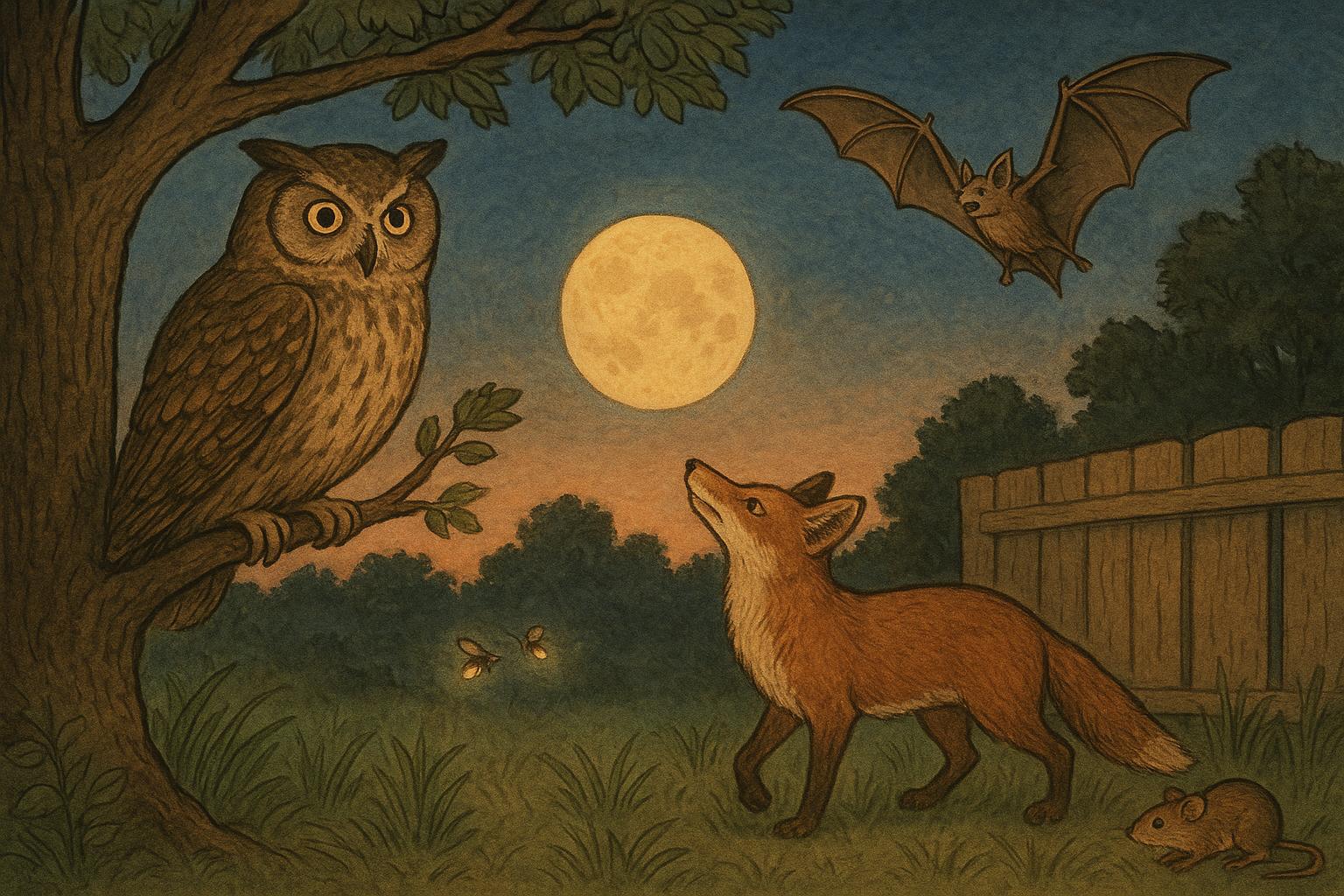
Owls are some of the easiest to pick out because of cadence. A Great Horned Owl gives a deep, resonant “hoo-hoo hoo” often in pairs. Barred Owls offer a clear, whistled “who cooks for you” phrase that can sound conversational. Eastern Screech-Owls emit short whinnies or tremulous trills; they’re small but their calls can be shockingly loud for their size.
If the calls are spaced widely and you feel vibration in your chest, you’re likely hearing something larger. Owls also sit still when calling, so a single, strong source that doesn’t wander across the yard is a clue. Note the tree types—dense evergreens are favorite perches for many species.
### Frogs, Toads, And Amphibians
Amphibians dominate warm, wet nights. Bullfrogs produce a low, hollow “jug-o’-r-r-rum” that seems to come from ponds. Spring peepers are tiny but piercing; a lawn full of them creates a high, continuous chorus that can be mistaken for insects until you get close.
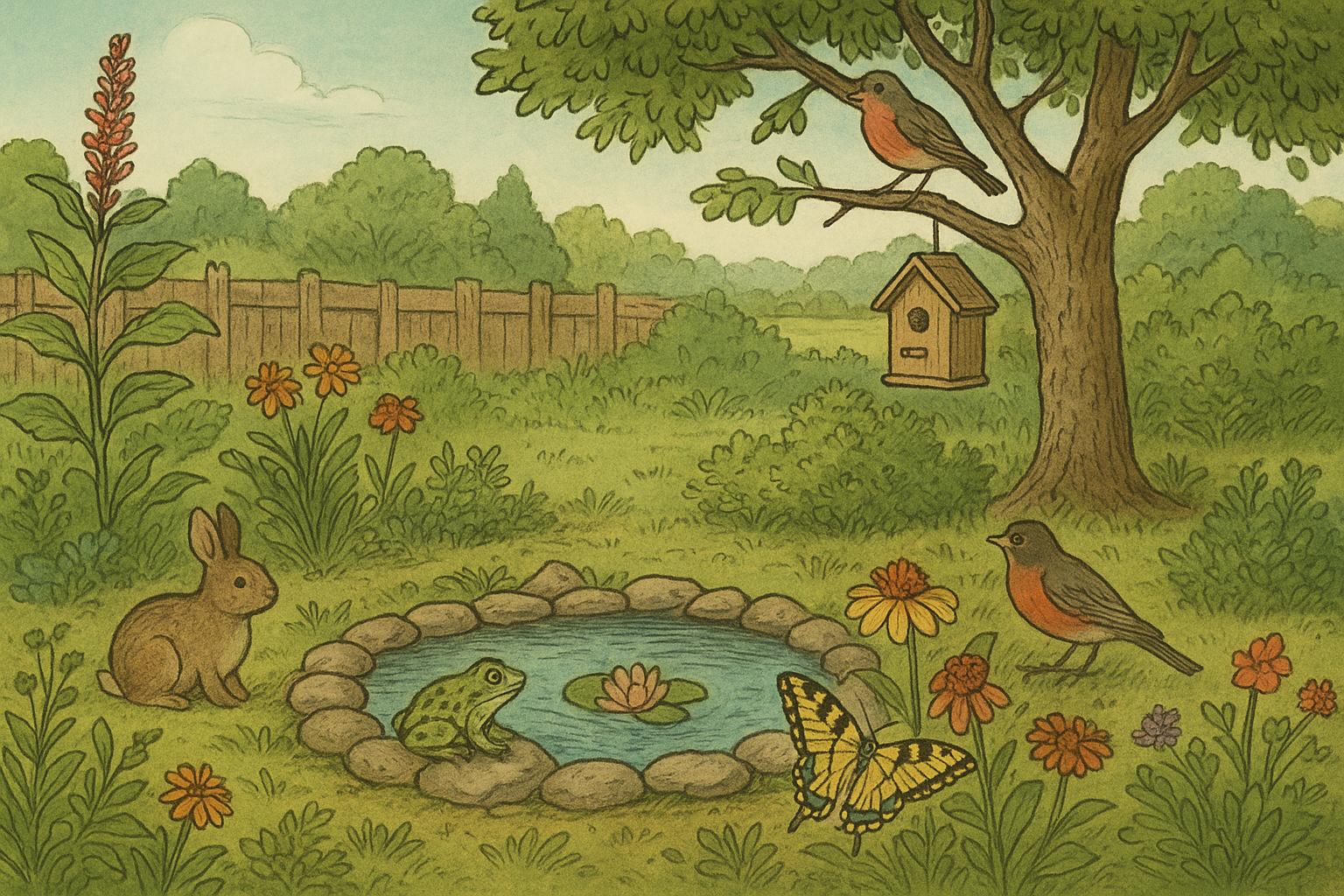
The habitat matters. If your yard has a water feature, expect a louder chorus after rain. Listen for pattern: frogs usually call in sustained phrases, sometimes overlapping, creating texture rather than a single repeating motif.
### Insects: Crickets, Katydids, Cicadas
Insects often create the most persistent backyard sounds. Crickets give a steady chirp that accelerates with temperature. Katydids throw a metallic tick or a rhythmic chirp that can mimic bird calls at first. Cicadas are loud daytime insects, but some species produce faint night noises that can confuse listeners.
Learn to tell insect pitch from bird or mammal pitch. Insects often produce a continuous, high-frequency sound. Sit closer without shining a light; you’ll usually be able to locate them on a plant or fence.
### Mammals: Raccoons, Opossums, Coyotes
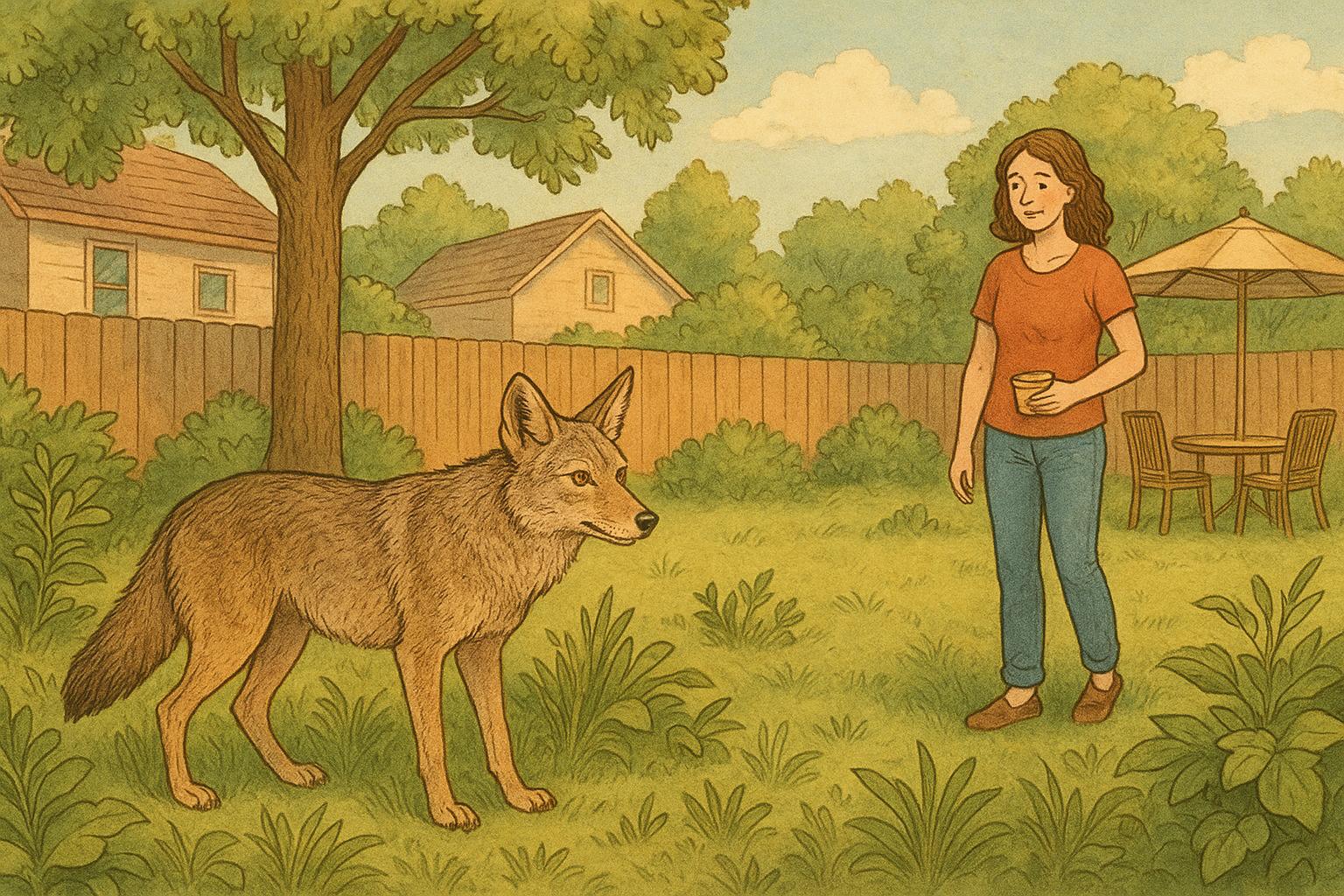
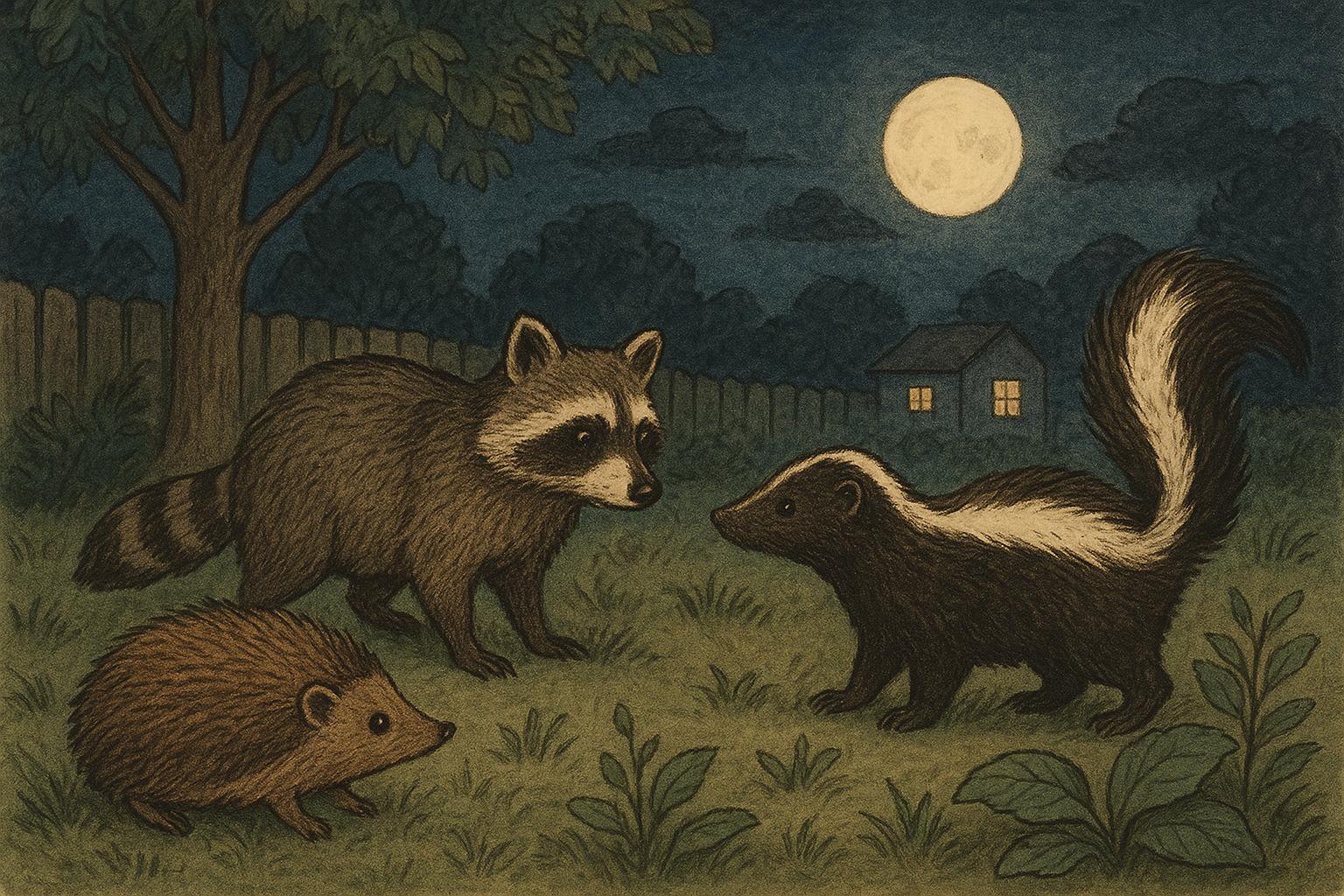
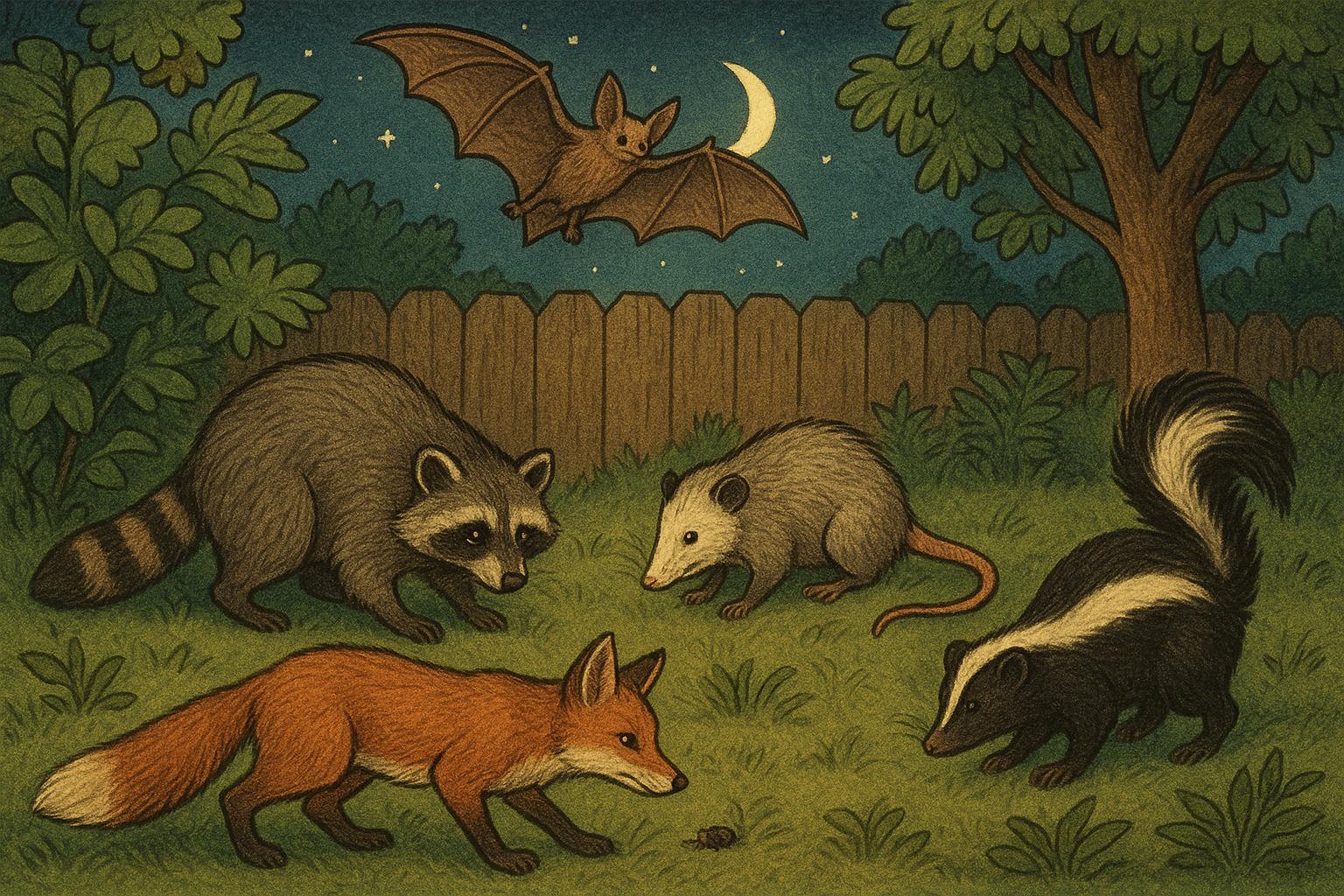
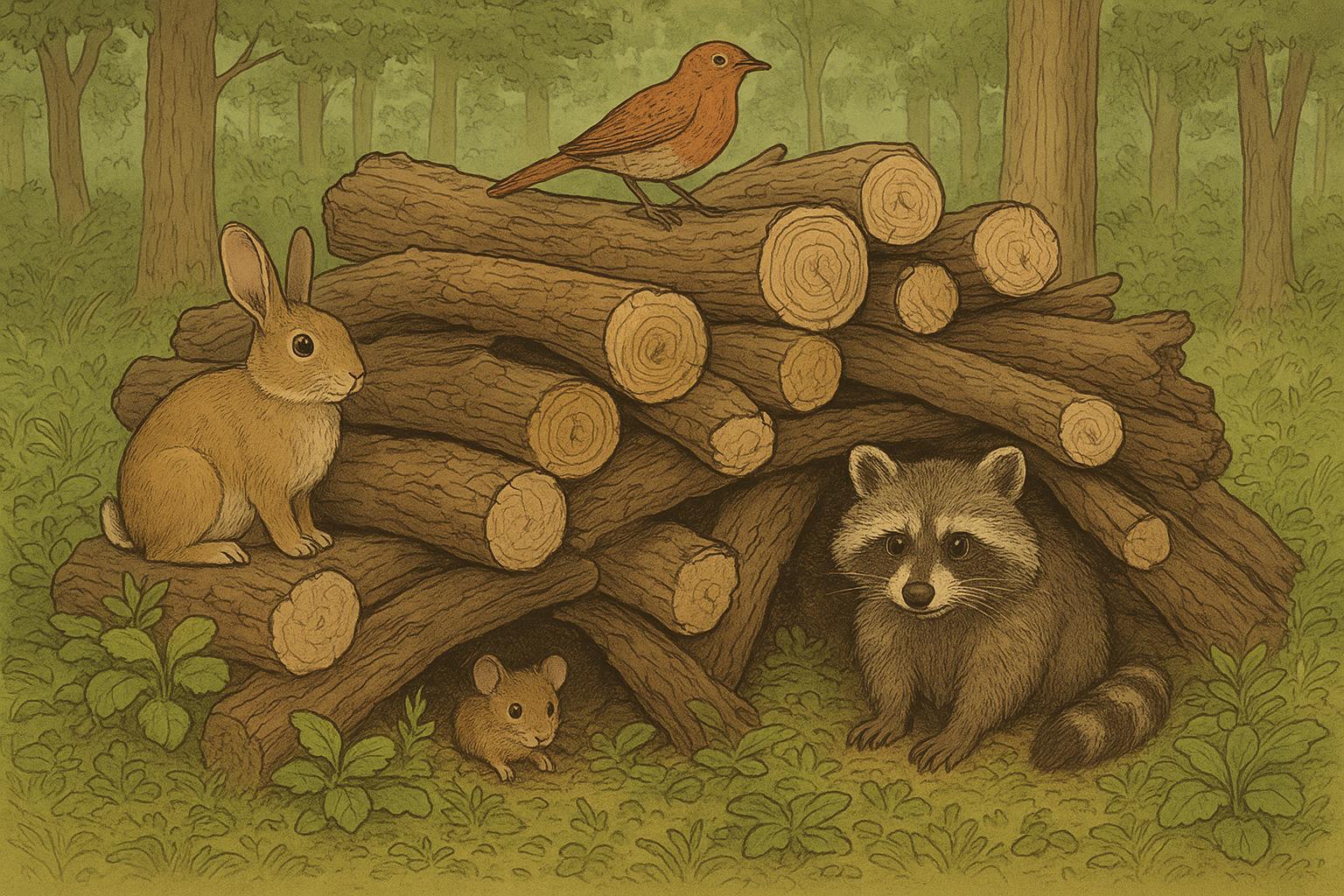
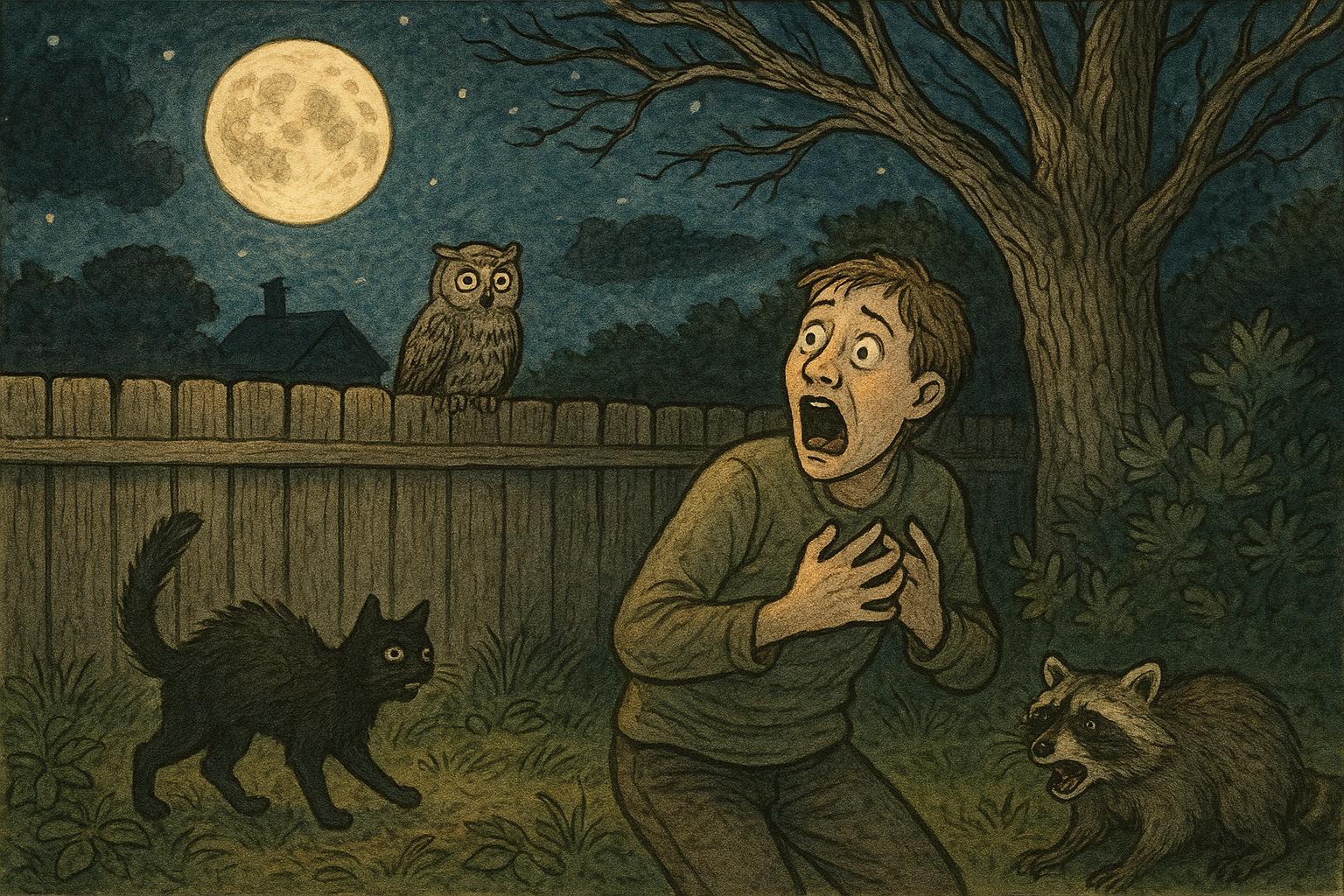
Mammal calls vary. Coyotes use yips and howls that travel across neighborhoods; they’re higher-pitched than wolf howls and often end in a series of yips. Raccoons make snarls, chittering sounds, and occasional screams; they’re noisy when foraging in trash cans. Opossums are quieter—hisses, clicks, and low groans.
Mammal sounds often come with movement. If you hear rustling that shifts location, it’s probably a forager. Pay attention to the direction of the rustle and any reflected light on eyeshine when you scan with a flashlight.
## Listening Techniques That Work
You don’t need expensive gear. You do need patience and a method.
### Record And Compare
Use your phone to record. Most modern smartphones capture a surprising amount of detail. Record for several minutes and keep a few labeled files (date, time, general location in yard). Later, compare to sound libraries online or to apps that identify calls. Raw recordings also make it easier to notice repeat patterns you missed live.
Occassionally play the recording back at lower volumes; some details are buried in the dynamics. If you want better fidelity, try a cheap external mic. A directional mic helps separate overlapping callers.
### Use Visual Clues
Match sound to movement. If a “chirp” repeats and you see a shadowy bird silhouette, you’ve tied the sound to a species. Eyeshine reflecting back at you can indicate mammals. Leaves shaking without visible animals often point to squirrels or larger birds landing in canopies.
Also watch for habitat cues: ponds suggest frogs and herons, dense shrubbery invites rodents and small owls, open lawns favor coyotes and some nocturnal hawks on migration nights.
### Learn Patterns, Not Every Call
Focus on the rhythm. Song patterns are usually stable: frogs trill, owls hoot with pauses, coyotes yip in series. Identifying nocturnal callers in your backyard gets easier once you can say, “That’s a series of short, high yips,” instead of panicking and guessing.
## Using Technology Without Losing Your Ears
Smartphone apps can quickly suggest IDs, but take their guesses with salt. Many apps match frequency patterns and will misidentify overlapping calls.
### Apps And Spectrograms
An app that displays a spectrogram is particularly handy. You can see pitch and harmonics that the ear misses. Draw a simple box around repeated patterns in the spectrogram and compare to reference images online. That visual fingerprint is often the deciding factor between, say, a barred owl and a great horned.
Recordings uploaded to community sites also get feedback from people who know local species well. That crowdsourced verification is a good check on your initial hunches.
### Night Vision And Cameras
If you want to go further, a motion-activated night camera or a thermal cam will show who’s moving. Use them sparingly—too many devices change animal behavior. A single camera pointed at a known travel path will confirm species without needing to chase every rustle.
## Seasonal And Weather Patterns Matter
Don’t ignore calendar and climate. Migratory birds call during specific windows. Amphibian choruses peak after rains and in spring. In winter, fewer species call, but owls are often more vocal. Learning these patterns cuts down the field of suspects before a single sound is analyzed.
Also consider human schedules. Lawn mowers, late-night parties, or porch lights change animal activity. If the yard is quiet for a stretch and then suddenly loud after a neighbor returns, the ecosystem is responding to disturbance.
#### Safety And Legal Notes When Identifying Callers
Keep distance. Playing recorded calls to lure animals can stress them, especially during nesting season. Some local regulations restrict harassment of wildlife. Use recordings for identification, not as a way to bait animals into harm’s way. If you’re dealing with potential predators near pets or children, call local wildlife control rather than attempting to handle the animal yourself.
#### When To Call An Expert
If you hear unexpected sounds—a repeated high-pitched scream at odd hours, or a distressed call that repeats for hours—reach out to a wildlife rehabilitator or local extension office. They can tell you whether intervention is needed. A species in distress is a medical issue, not an identification problem.
## Putting It Together In An Evening Survey
Do a quick evening check twice a month. Start 30 minutes after sunset and listen in three spots: near trees, near water or dense shrubs, and in the open lawn. Record five minutes at each spot. Note which direction sounds are loudest and whether callers respond to each other. Over a few months you’ll build a mental map of who uses what part of your yard and when.
As you repeat surveys, you’ll notice subtle shifts: a new species moving in, a decrease in frogs after a drought, or a coyote pair establishing territory. That’s the payoff of regular listening.
## Common Misidentifications And How To Avoid Them
People commonly confuse frog choruses with insect trills, and distant owls with other night birds. To avoid those mistakes, focus on spectrum and rhythm. Frogs typically have deeper, slower pulses than insects. Owls have hollow, resonant tones; night birds tend to be higher, more flute-like, and change phrases faster.
If you’re unsure after a listen and a recording, wait. Many calls repeat. A sound that seems ambiguous at first often presents a clear pattern after a few loops, and that makes identifying nocturnal callers in your backyard much more reliable.





Leave a Reply