
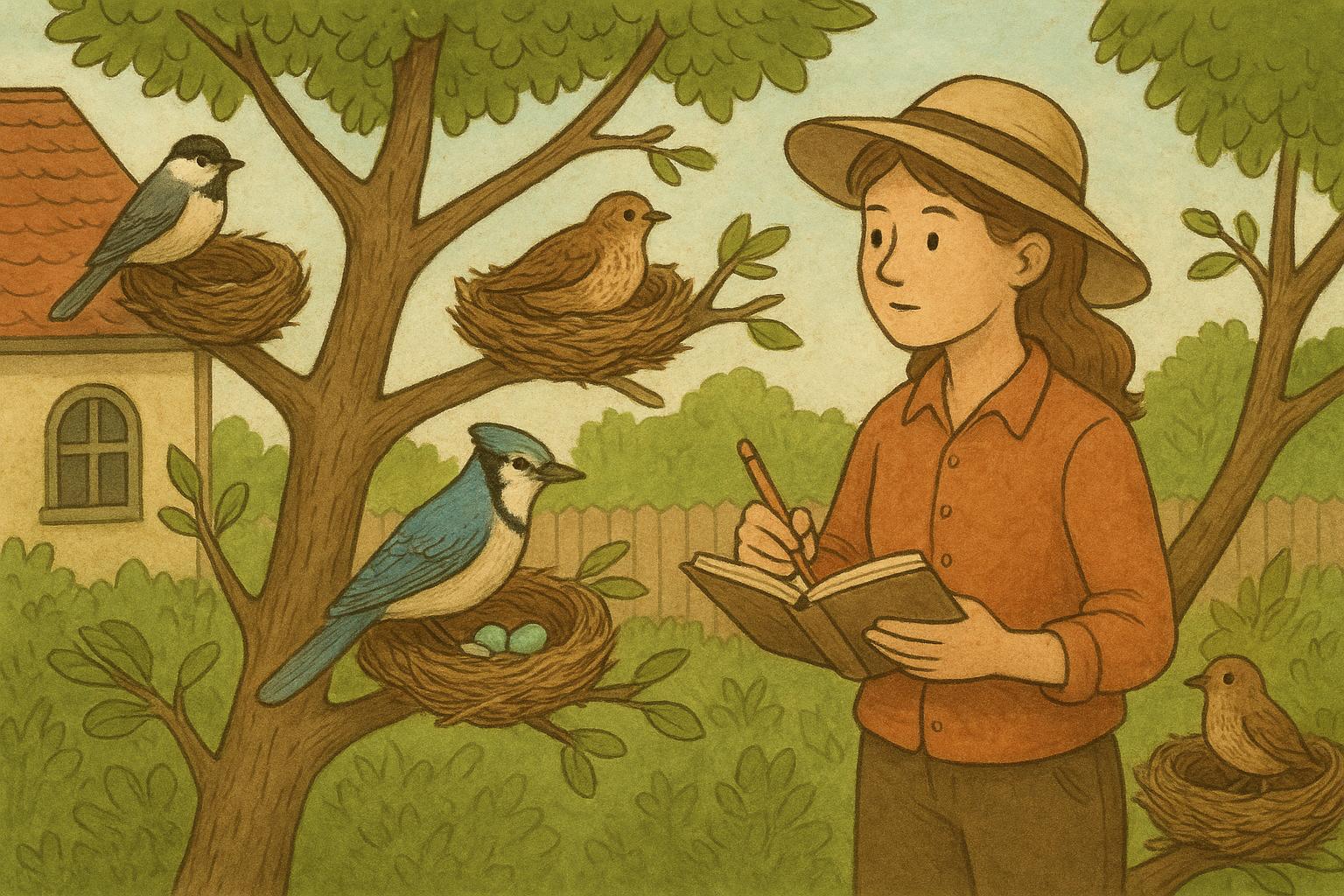
You don’t need a lab to learn the habits of the birds that live around your house. The trick is simple: pay attention, record what you see, and be deliberate about how you describe each site. Done well, a backyard catalog of nests becomes a reference you can use to identify species fast, track nesting success, and contribute real data to local naturalists.
## Backyard Bird Nest Locations: How To Map And Record Them
Start by deciding what “catalog” looks like to you. Some people want a paper notebook and a handful of photos. Others want a spreadsheet with GPS coordinates, timestamps, and links to images. Both approaches work. The important part is consistency: record the same set of fields for each entry so you can compare one nest to another.
What to capture for each site:
– A short unique ID (example: RF-2026-01 for Robin Family 1).
– Date and time of first observation.
– Exact spot (attach GPS or a clear description tied to landmarks).
– Vegetation or structure type (e.g., maple limb, porch light fixture, metal eavestrough).
– Height above ground and orientation (south-facing, overhang, etc.).
– Nest description: shape, materials, lining, diameter, and entrance type.
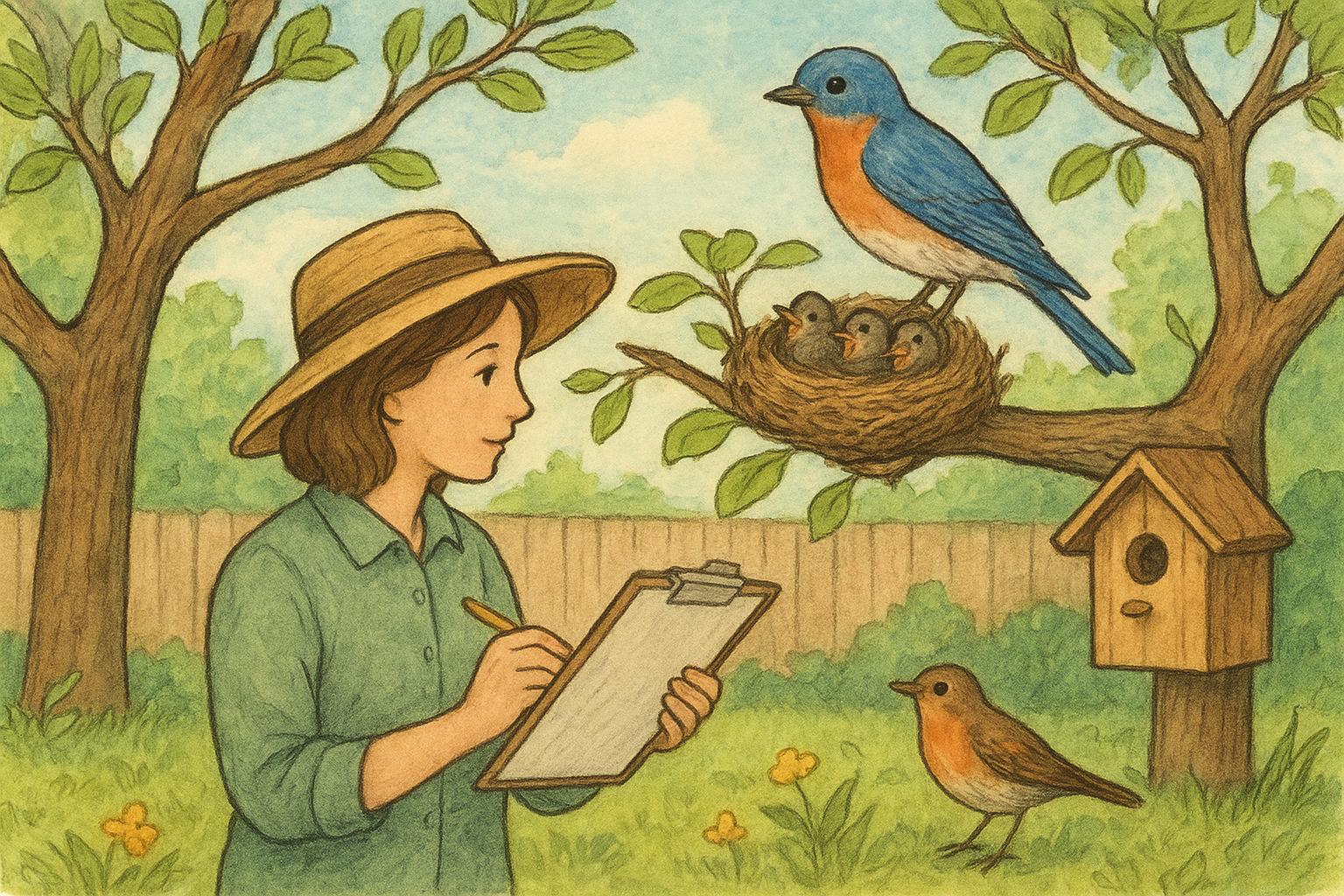
– Behavioral notes: who built it, observed carrying material, adult visits, number of chicks.
– Photos from multiple angles with a scale if possible.
– Final status (active, abandoned, fledged, destroyed) and dates.
Use that template for every entry. It sounds tedious, but after a few nests you’ll find you remember the fields and it’s quick.
### Practical Tools For Field Cataloging
You don’t need fancy gear. A phone, a small notebook, and a pen will get you started. If you want more precise work, add a cheap handheld GPS or a phone app that records coordinates. A small folder or cloud drive for images helps keep everything tied to one record.
Camera tips:
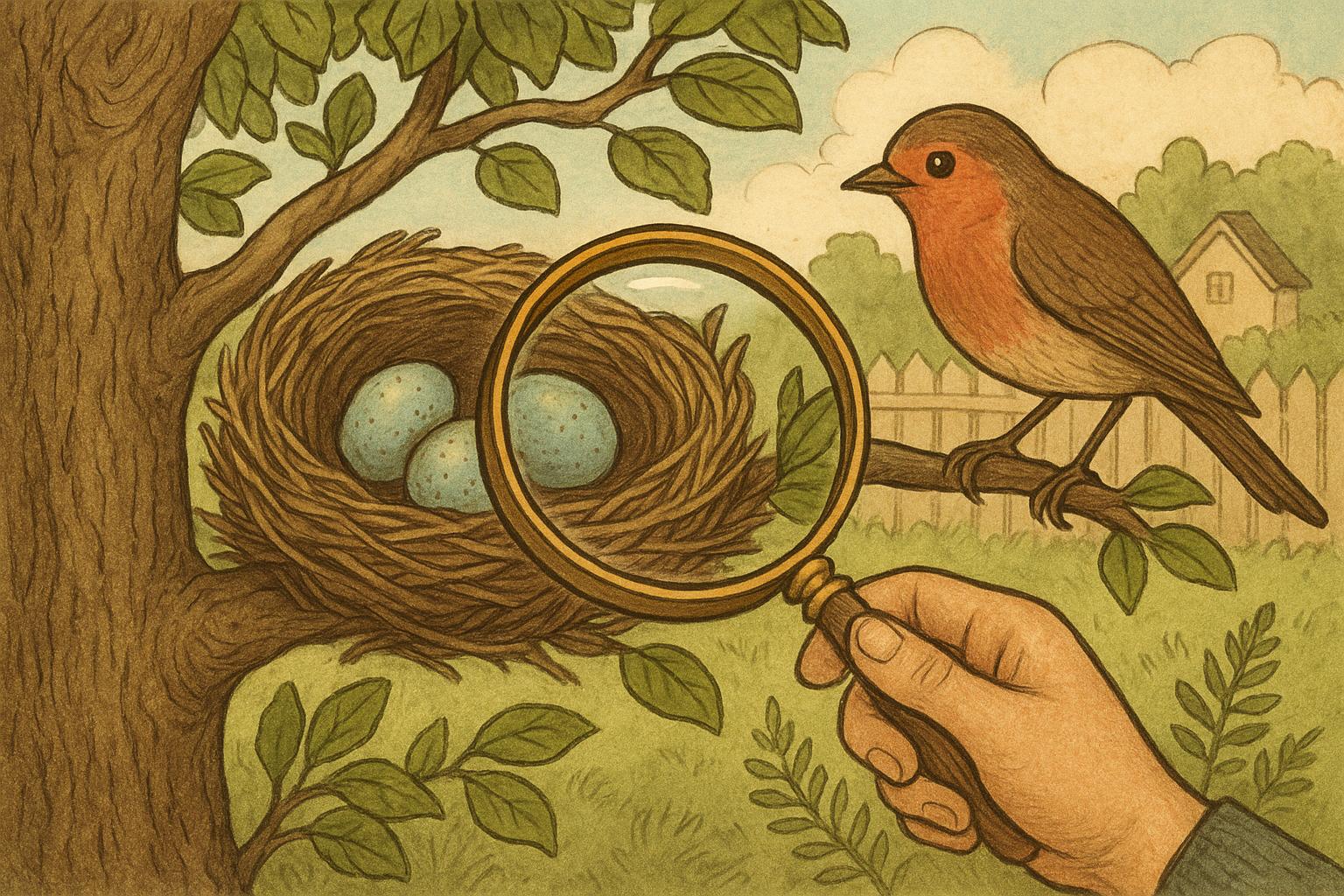
– Photograph the nest from at least two angles and one close-up of the rim and lining.
– Include a common object for scale (a pencil, a quarter).
– Take at least one photo showing how to get to the nest — a wide shot including nearby trees, fences, or the house.
– Note lighting and weather; feather wetness can affect identification.
Keep photos in folders labeled by year and a single ID that matches your notebook entry. If you use a spreadsheet, include the filename so you can find each image quickly.
## Where Birds Tend To Build In Your Yard
Patterns matter. Different species prefer certain nest locations and materials. Once you start cataloging, those patterns reveal themselves.
### Ground And Low Shrubs
Some sparrows, towhees, and quail nest just above ground in dense shrubs or grass tussocks. Look for cup-shaped nests concealed in vegetation, often lined with grass or hair. Ground nest locations are vulnerable to predators and weather, so you may see adults standing guard nearby.
### Lower Branches And Bushes
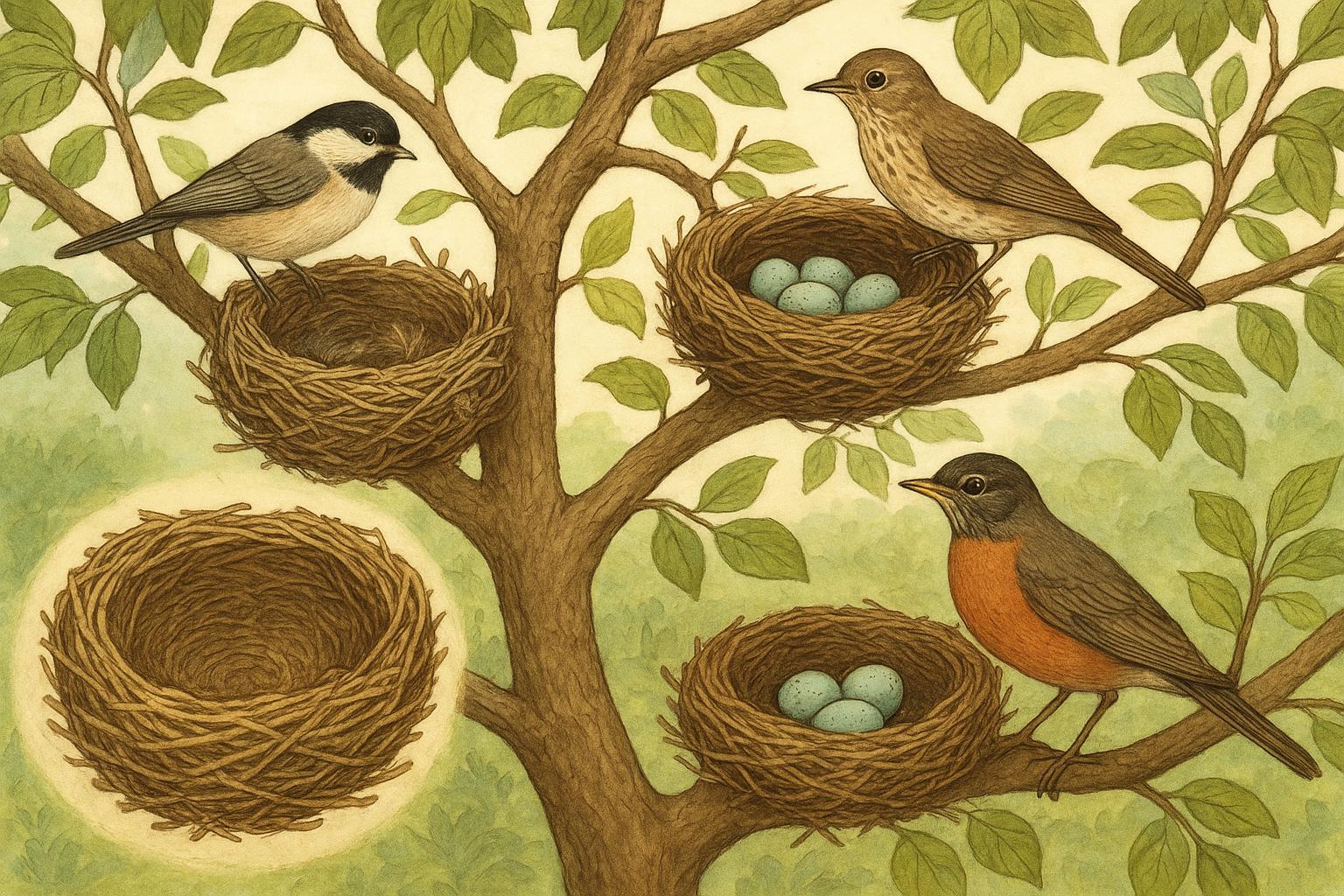
Wrens and robins favor branches and shrubs a few feet off the ground. Robins build mud-cup nests on horizontal branches, while wrens cram nests into tight cavities or dense tangles of twigs. Check for mud streaks, bits of moss, or feathers tucked into the rim.
### Building Eaves, Gutters, And Porches
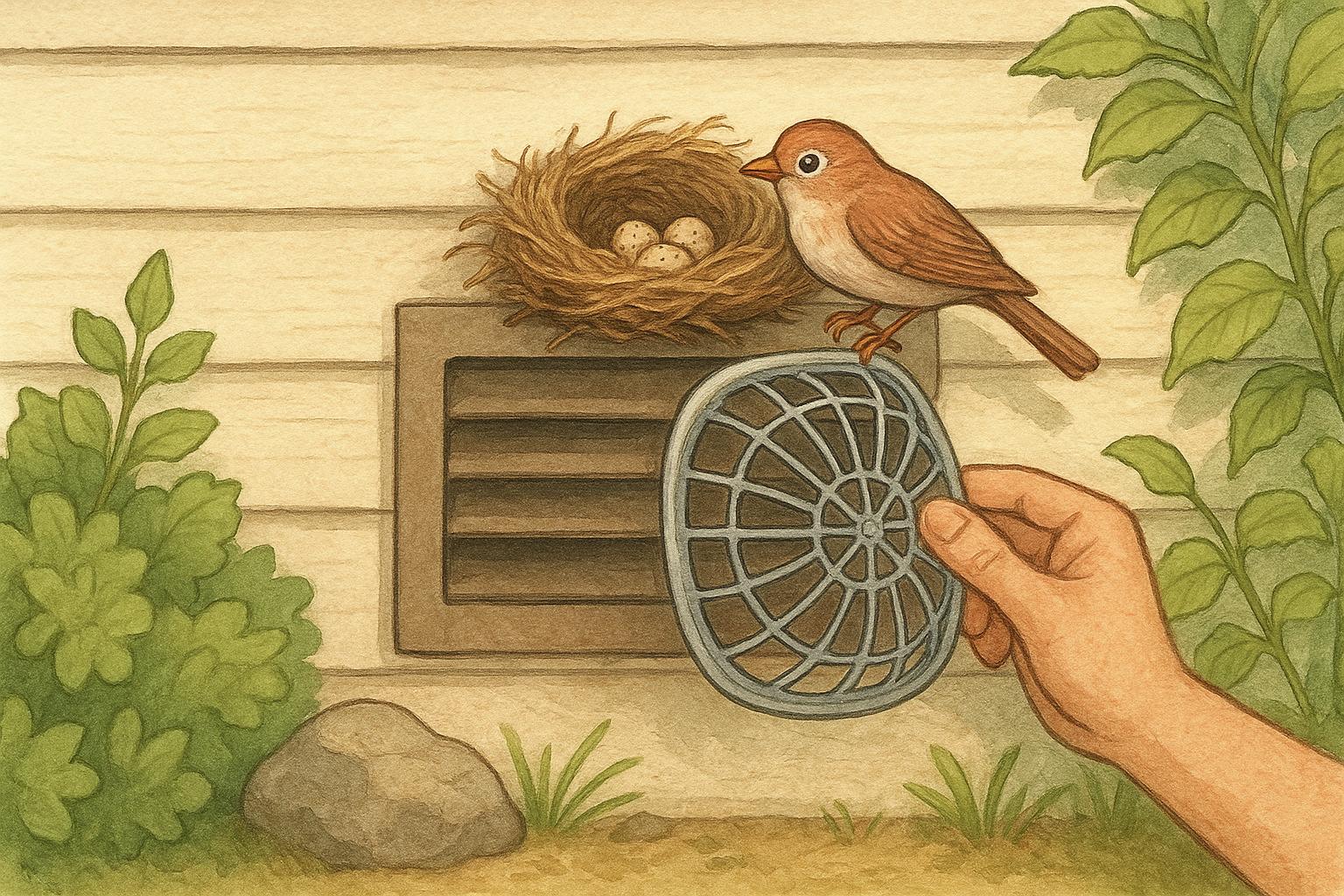
House finches, barn swallows, and house sparrows frequently choose human structures. Finches may nest on light fixtures or in hanging baskets. Swallows build mud nests under eaves or in bridges. When you find nest locations on structures, note substrate (wood, concrete, metal) and proximity to doors; some species like sheltered, busy sites.
### Cavities And Nest Boxes
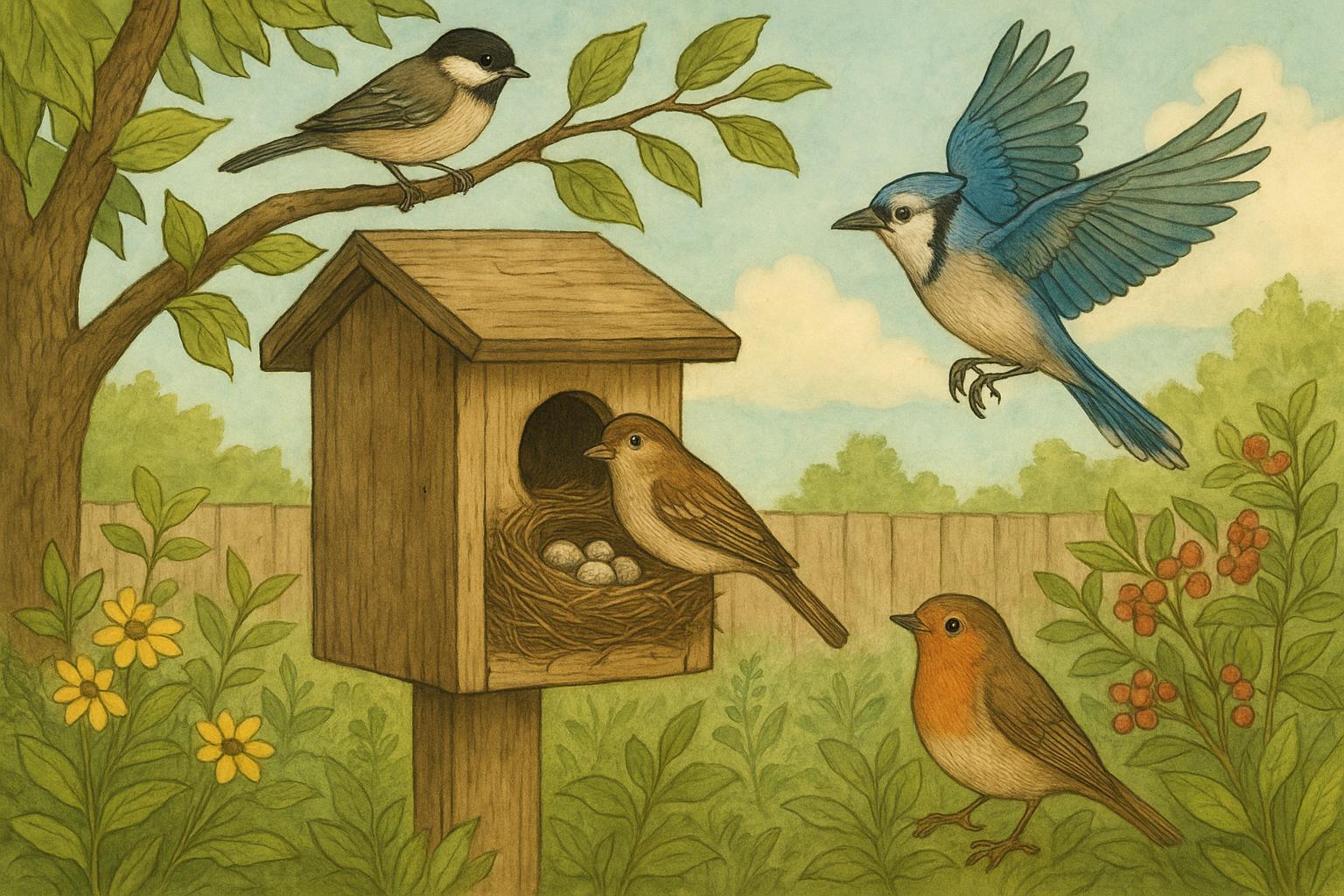
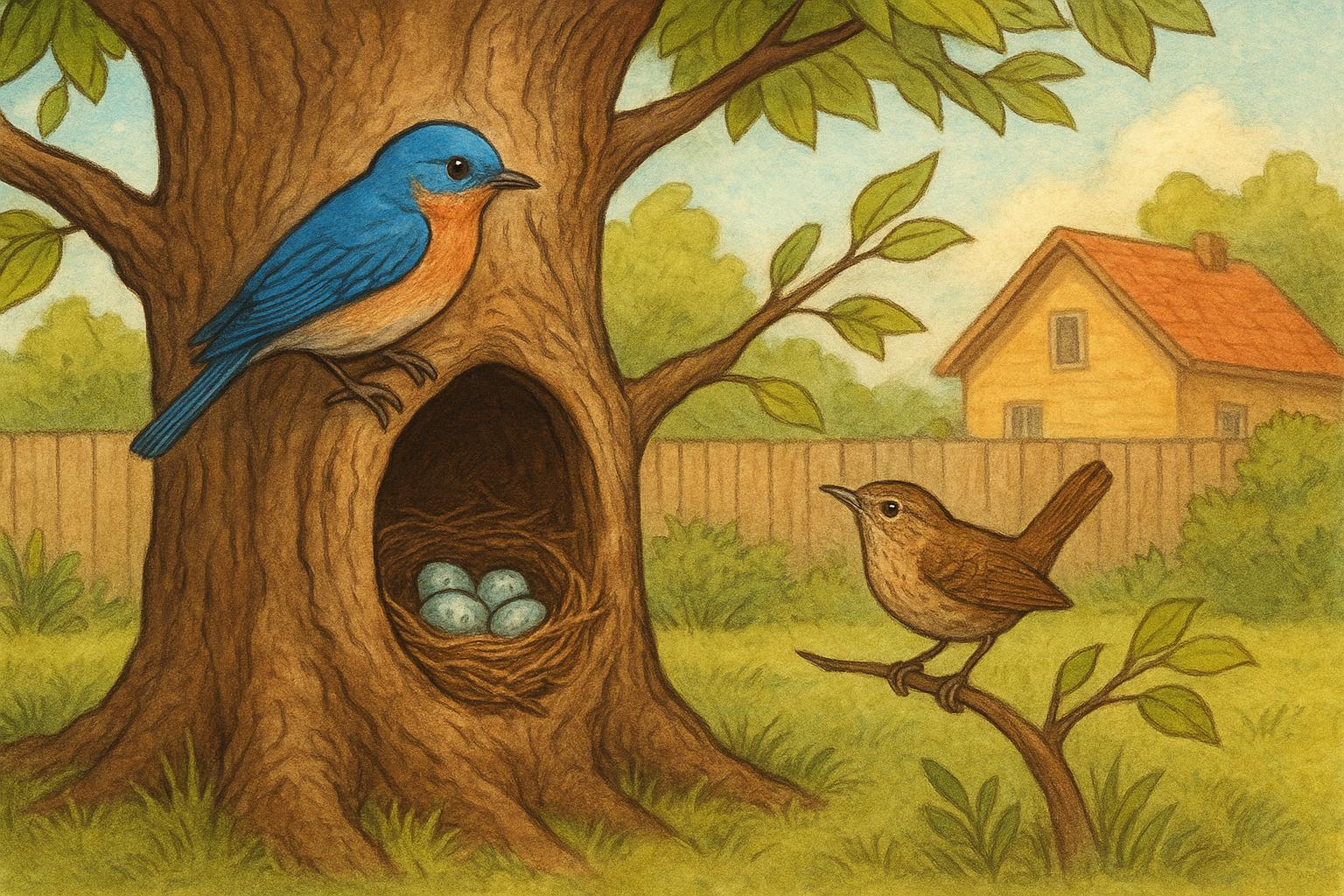
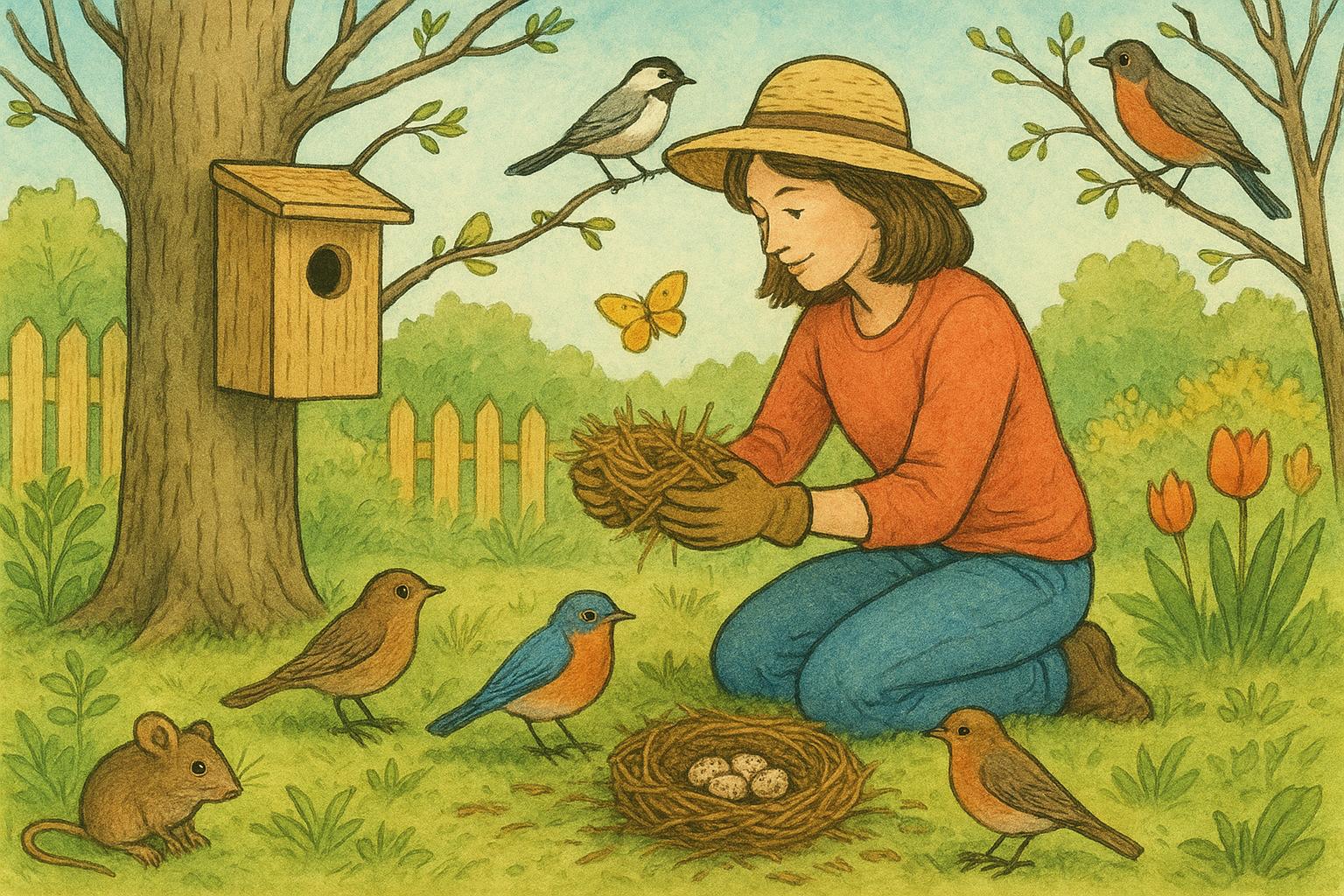
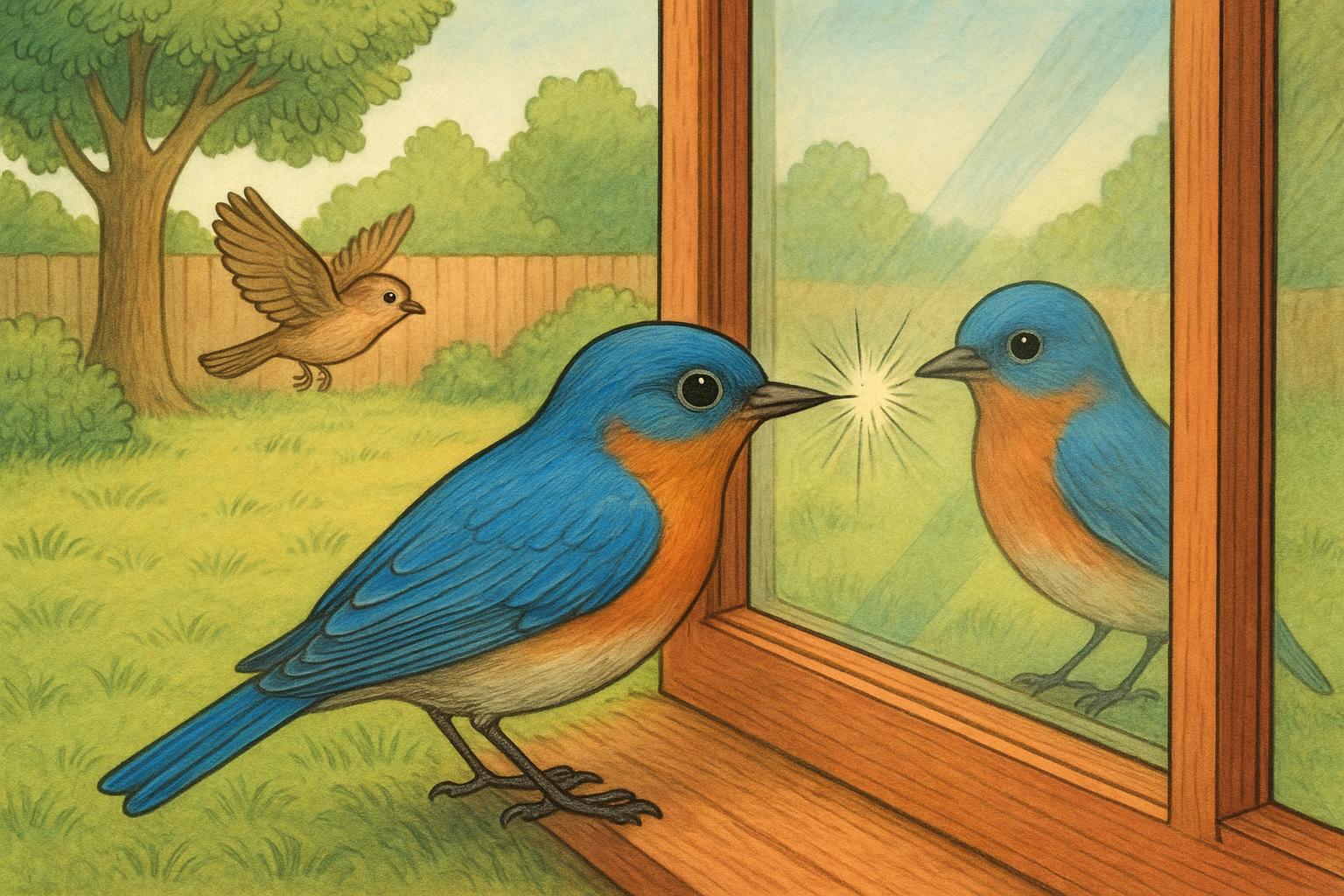
Bluebirds, chickadees, and some owls use cavities or nest boxes. cavity nests are easier to identify by entrance shape and size. If you install nest boxes, write down the box dimensions, mounting height, and hole diameter. Those details can attract or exclude particular species.
### Cliffs, Overhangs And Water-Edge Sites
Swifts, swallows, and certain ducks choose ledges or overhangs near water. If you live near a stream or pond, include these nest locations in your catalog; they behave differently from yard-only sites and have distinct predators and weather exposures.
## Describing Nest Architecture For Identification
A nest’s construction gives you big clues even before you see the bird. Get into the habit of noting the following features; they’re often diagnostic.
#### Shape And Structure
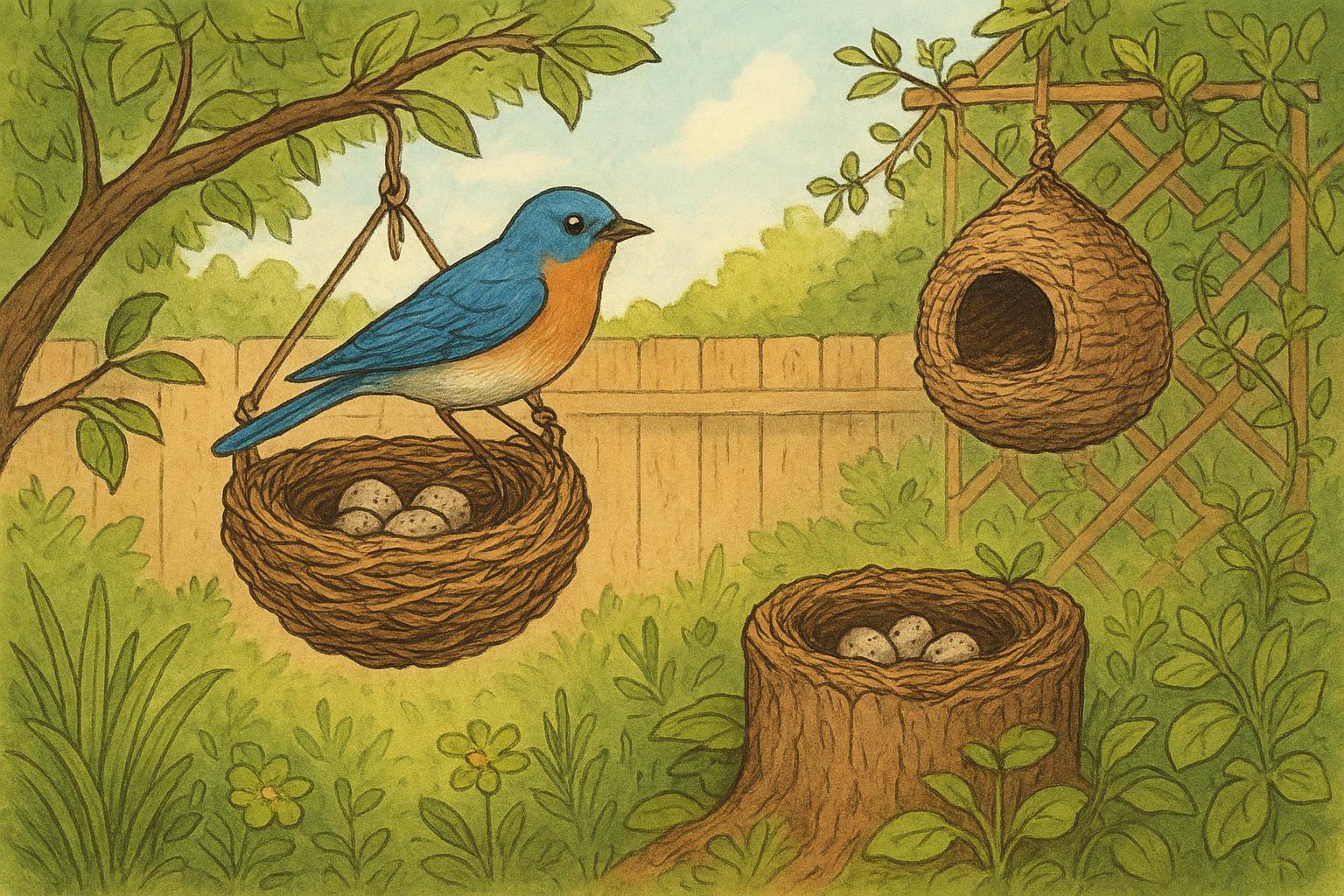
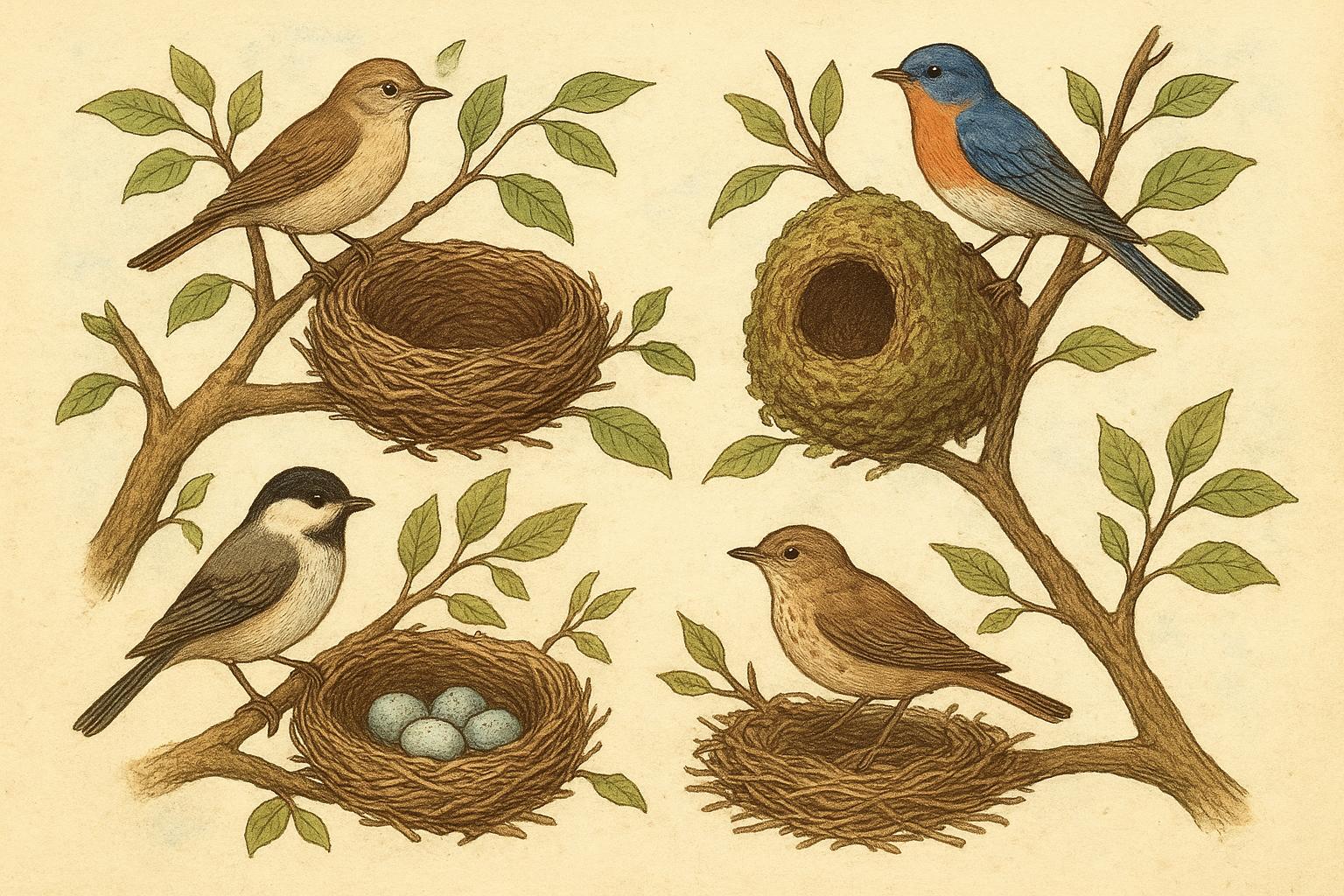
– Cup: Typical of robins, finches, warblers.
– Platform: Common for crows, herons, and some raptors.
– Cavity: Bluebirds, chickadees.
– Pendant/Gourd: Orioles and some vireos.
– Mud Cup: Swallows and sometimes robins in wet regions.
Write the primary shape in your record and the materials used to build it.
#### Materials And Texture
Is the nest mostly grass, twigs, mud, wool, feathers, or man-made fibers? For example, house finches pull hair and string into a compact cup, while orioles weave long grasses into hanging nests. Note how tightly packed the material is; that affects water drainage and insulation.
#### Attachment And Support
Is the nest glued to a vertical surface, tucked into a fork, or resting on a branch? Attachment style narrows the possibilities. A mud cup glued to a porch beam screams swallow; a nest tucked deep into a dense cedar points to wrens or kinglets.
#### Entrance And Orientation
Does the nest have an obvious entrance hole, and if so, how big? Some cavity-nesters use a round hole; orioles build a top-entry pouch. Orientation matters too: many birds prefer a sheltered north or east-facing site in hot climates to avoid afternoon sun.
## Timing And Phenology: When To Search
Spring is obvious, but species vary widely in timing. Early nesting species start as soon as temperatures moderate; others wait until late spring or early summer. Note the first signs of nest-building activity and revisit at regular intervals (every 3–5 days if you’re not disturbing the birds).
Keep seasonal context in your records. If a species in your area typically starts laying in early April, but you find new nesting activity in late May, that’s noteworthy. It may reflect weather anomalies, food availability, or population shifts.
### Monitoring Without Disturbing
Respect is part of cataloging. Minimize visits and use binoculars or a camera’s zoom for observations. When you must check a close nest, move slowly, keep visits short, and step back immediately when adults show distress. Disturbance can cause abandonment or attract predators.
## Using Maps And Technology
A map turns individual notes into a pattern reader. You can sketch a simple property map on paper or use mapping software to pin exact nest locations. GPS coordinates are ideal for precise tracking, but a clearly described landmark is fine as long as you remain consistent.
Apps and platforms:
– General GPS apps record coordinates quickly.
– Citizen science portals like NestWatch and eBird accept nest data for research.
– Photo-hosting services with geotagging help auto-attach coordinates to images.
Remember privacy. If your nest locations include rare or protected species, avoid publishing exact coordinates. Use generalized pins or choose not to share those entries.
### Simple Digital Schema
If you’re comfortable with spreadsheets, create columns for: ID, Date Found, Lat, Lon, Height, Substrate, Materials, Shape, Species (if known), Status, Photo Links, Notes. This makes filtering for patterns easy. For example, you can quickly ask: “Which nest locations were within 10 meters of the pond?” and get an answer.
## Identifying Species From Nest Features And Behavior
Some species are obvious: an oriole’s hanging pouch or a swallow’s mud cup is distinctive. Others require more detective work. Combine nest features with behavior, vocalizations, and nearby food sources to identify builders.
Case examples:
– American Robin: Mud-cup nest on a horizontal branch or eave, often lined with grasses. Look for adults bringing worms near the nest.
– House Finch: Messy cup in shrubs or under eaves, often with hair and plant fibers. High frequency of visits and vocal males nearby.
– Barn Swallow: Mud nests under eaves or bridges; long flights and insects captured on the wing indicate swallows.
– Carolina Wren: Dense vegetation nests with multiple side entrances; the bird often pokes around dense tangles.
If you can’t identify the species, leave the species field blank and fill it later after more observation or consultation with a field guide.
### Signs Other Than Nest Structure
Feathers in or under a nest, eggshell fragments, and droppings can help. Watch adult behavior: which bird returns, what material they carry, and how often they visit. Juvenile calls are also telling once chicks hatch.
## Ethical And Legal Considerations
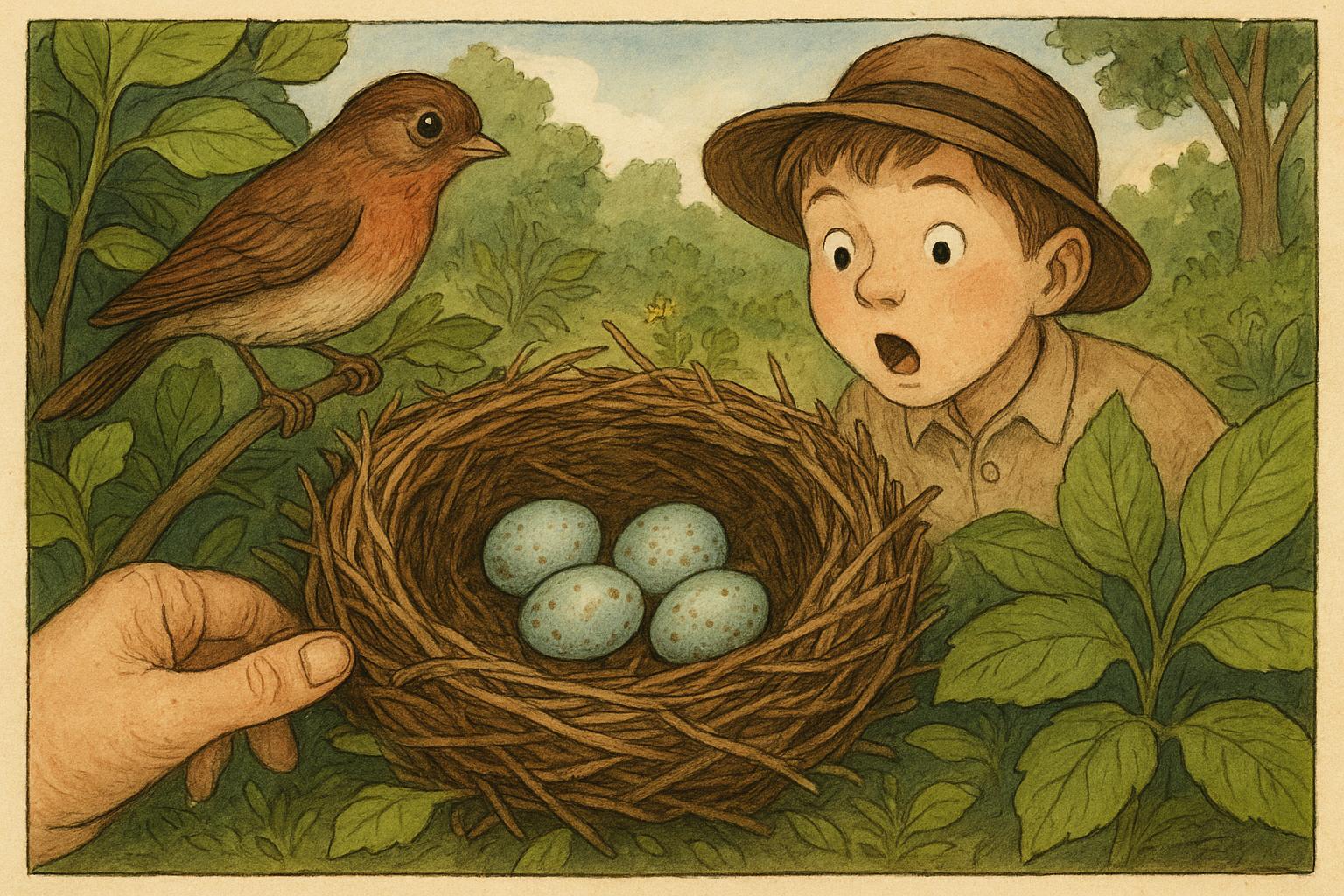
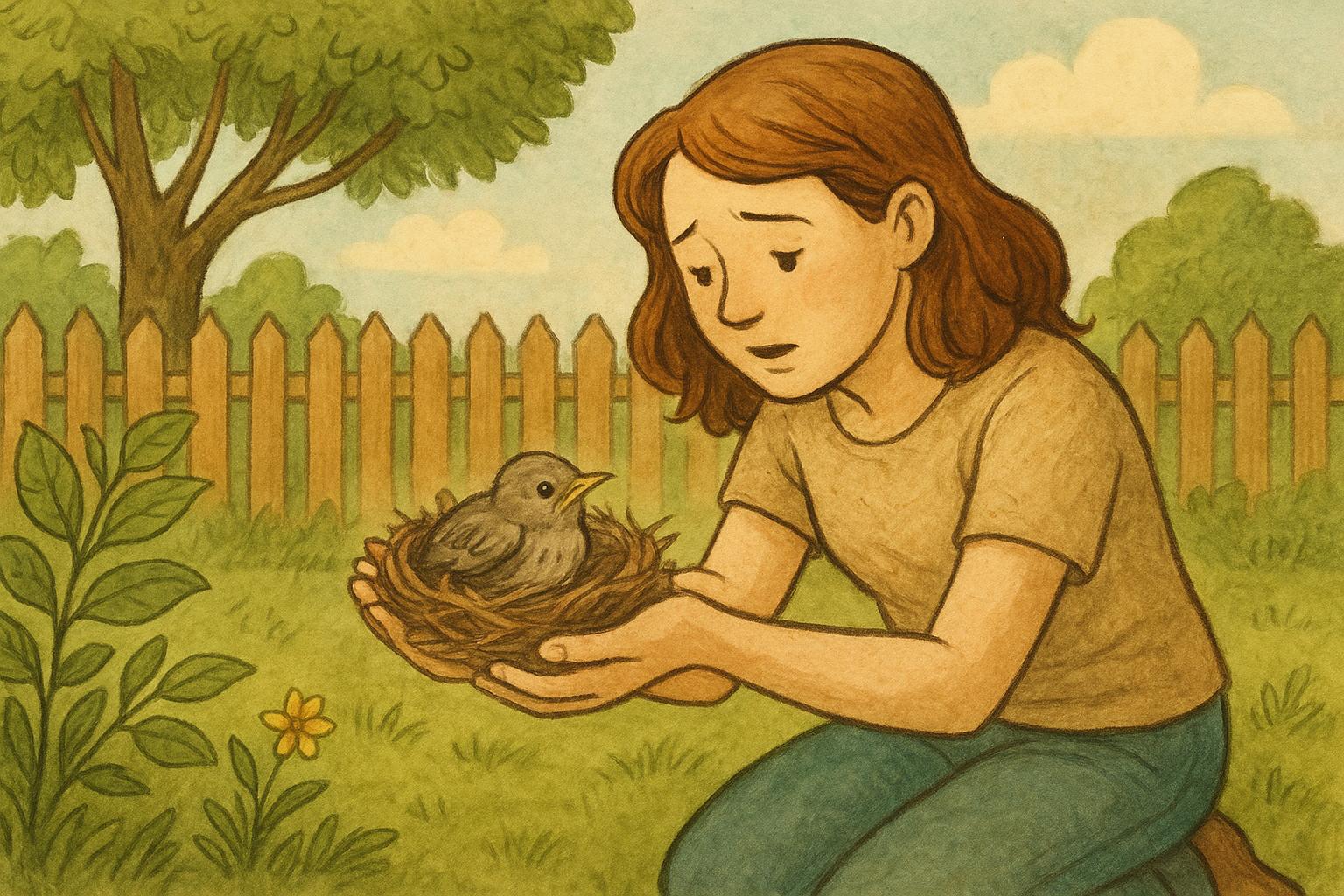
Never handle eggs or nestlings unless you are a permitted researcher. In many places, nests and their contents are protected by law. Disturbing a nest can lead to abandonment and legal penalties.
When in doubt, observe from a distance and report only non-sensitive details if you plan to share online.
## Recording Failures And Predation
A useful catalog records not just successes. Predation events, nest collapse, flooding, or abandonment tell you about pressure points in your yard. Note likely predators (cats, raccoons, crows) and conditions (heavy rain, proximity to human activity). Those details help you modify habitat in ways that improve survival.
Recording failures also helps with realistic expectations. Nest success in suburban yards is often lower than people assume. That’s okay—documentation helps you see trends and test small changes, like installing nest boxes higher off the ground or adding dense shrubs for cover.
## Turning Your Catalog Into Useful Data
Once you have several entries, you can start asking questions:
– Which nest locations yielded the highest fledging success?
– Are nests closer to the house more or less likely to be predated?
– Do certain tree species host more nests?
Use your spreadsheet to sort by height, substrate, or distance to water. Even a handful of years of consistent records shows meaningful patterns.
### Sharing With The Right Context
If you contribute to community science projects, provide full metadata: who recorded the observation, when, the search effort, and any potential biases. Your catalog is more valuable if it explains how the data were collected.
When sharing casual observations on social media, avoid detailed coordinates for sensitive species. You can say “nest found in backyard maple” instead of providing GPS.
## Common Mistakes To Avoid
– Recording inconsistent details. If you note height for one nest and not another, your dataset loses power.
– Over-visiting. Frequent checks can ruin a nesting attempt.
– Assuming a nest belongs to the first species you see nearby. Watch building behavior or wait for adults to confirm.
– Forgetting to link photos with notes. A photo without context is hard to use later.
Keep things simple and repeatable. That beats collecting a bunch of half-baked observations.
## Examples From Real Yards
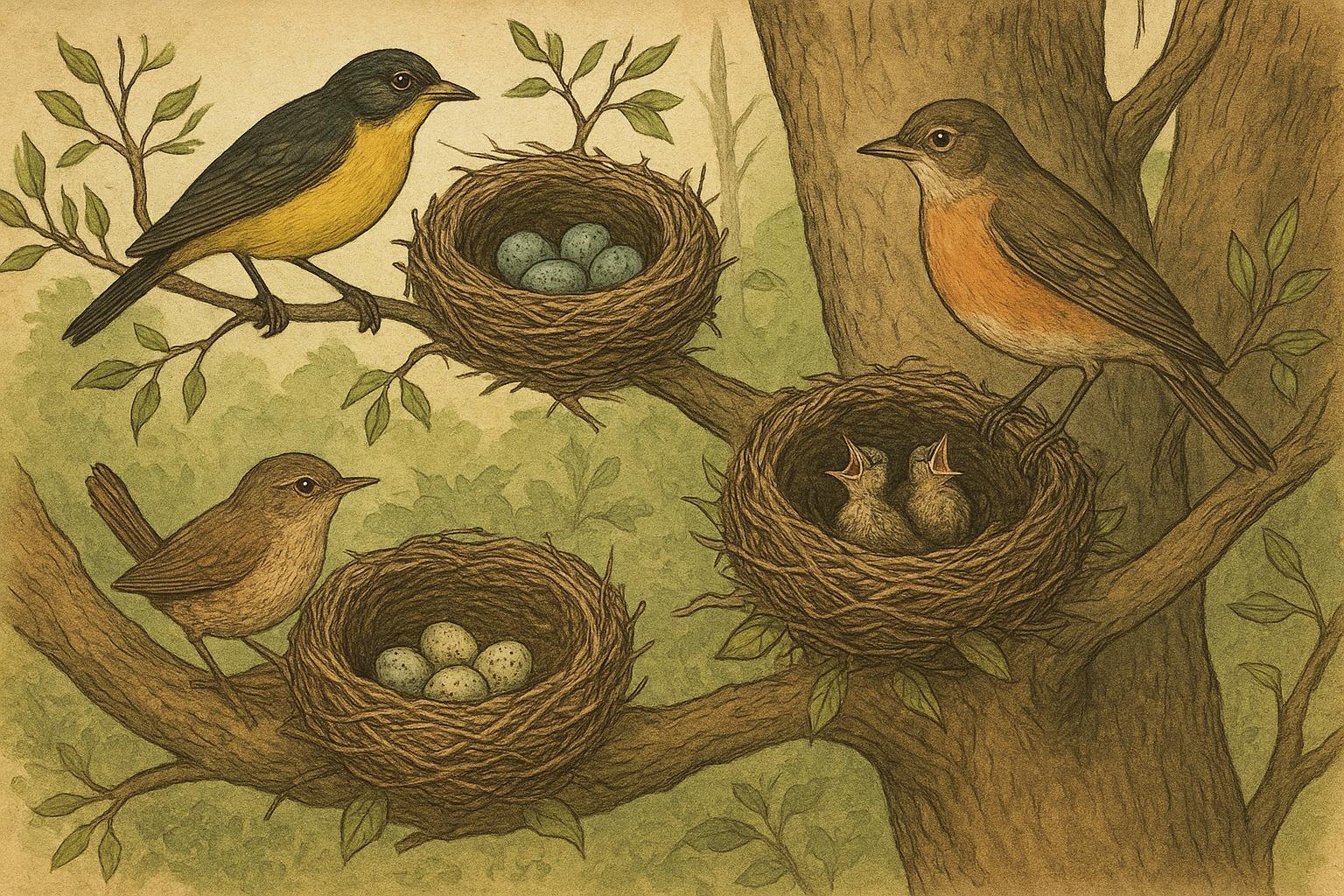
One neighbor found five distinct nest locations in a single mulberry tree over three years: two robins on lower branches, a wren in dense inner growth, a mourning dove on a horizontal limb, and a paper wasp nest the next year. Because they labeled each site and tracked height and shade exposure, they realized the wren preferred thicker inner branches and the robins preferred the lower, sturdier limbs.
Another gardener installed three bluebird boxes and recorded mounting height, hole diameter, and box maintenance dates. Two years later they saw higher occupancy where the box faced east and was 4 meters above ground, versus a shaded box at 2 meters.
These small, concrete comparisons are exactly what a backyard catalog is for. You’re collecting evidence, not making pronouncements.
### When To Seek Expert Help
If you find a dead nestling, an injured adult, or an active nest of a protected species, contact local wildlife rehabilitators or ornithological organizations. They can guide you on legalities and best practices. Catalog the event in your notes but avoid handling unless instructed by a professional.
## Making The Catalog Part Of Your Routine
Treat cataloging like watering plants or mowing the lawn. Block a short window every week or two in the nesting season for observation. You’ll miss some events—that’s normal—but regularity beats intensity.
As you build the habit, your catalog becomes a story of your yard: the species that return each year, the spots that support nests repeatedly, and the interventions that helped fledglings survive. That story is useful to you and to the birds.
## Advanced Notes For Serious Catalogers
If you want to go deeper, add these fields: nest cup depth, inner lining thickness, number of material types, and precise compass bearing of the nest opening. Adding standardized codes for vegetation types simplifies later analysis. Consider backing up your dataset to multiple locations and keeping raw photos for future review.
If you plan to publish or submit data, read the submission guidelines of the platform you choose. NestWatch, for example, asks for clutch size and hatch dates in specific formats.
A single quirk to watch for: some species reuse old nests, while others build anew each season. Note whether a nest appears recycled or freshly built. Reused nest locations can bias your count of new nest sites if you’re not careful.
Finally, keep one record untouched with your initial observations. Overediting notes later to correct identification is useful, but originals can show your thought process if you need to revisit a puzzling case. Everyone makes an occasional misstep in labeling; the raw note can explain why.
You’ll find that a thoughtful catalog of backyard bird nest locations changes how you see the yard. A shrub becomes a candidate site; a porch overhang is no longer just architecture. The data are practical and immediate. Keep it simple, be consistent, and let the patterns emerge.


Leave a Reply