
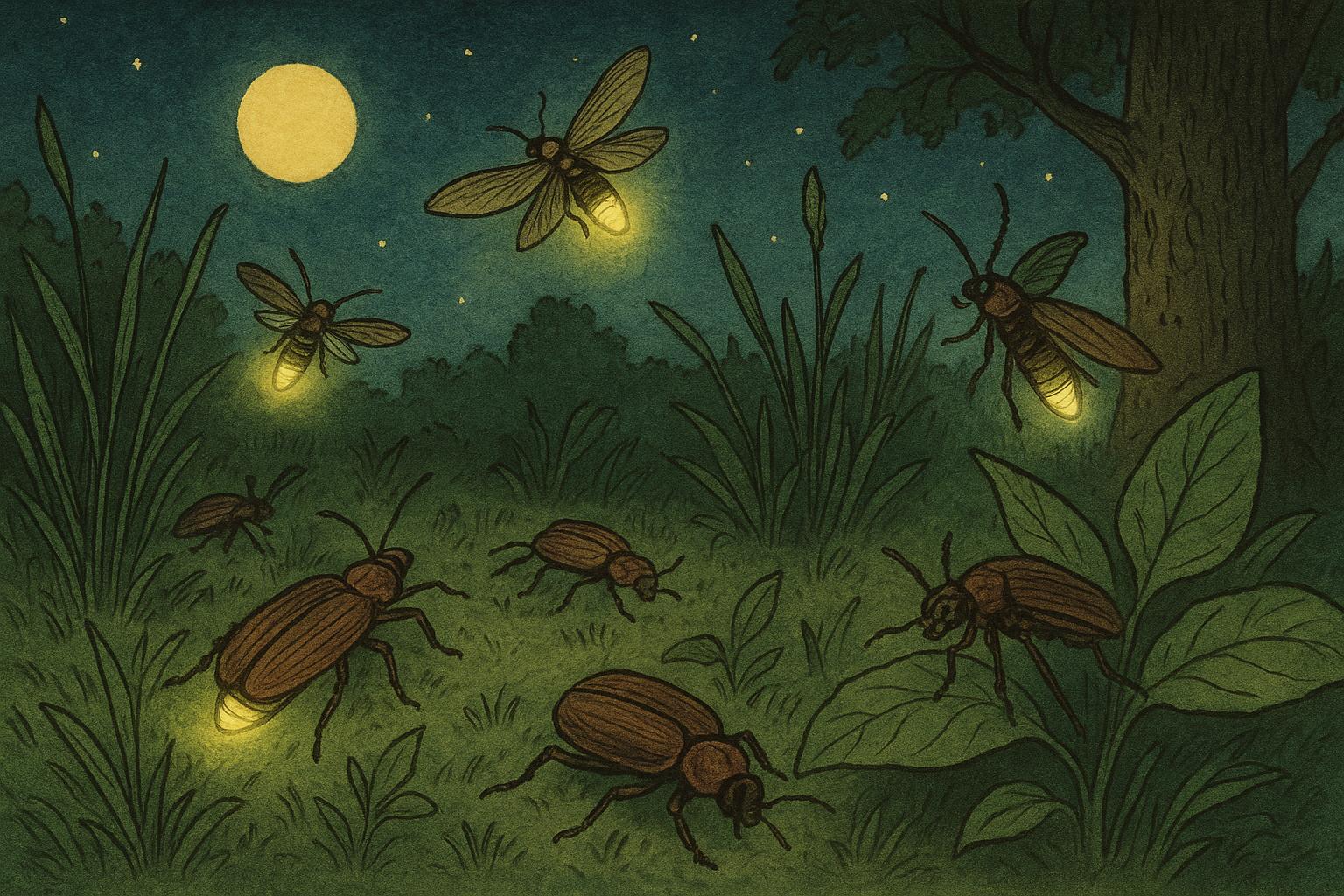
You can turn a plain summer yard into a slow-moving light show if you learn the rhythms and needs of the insects doing the glowing.
## Bioluminescent Beetles In The Yard: What To Watch For
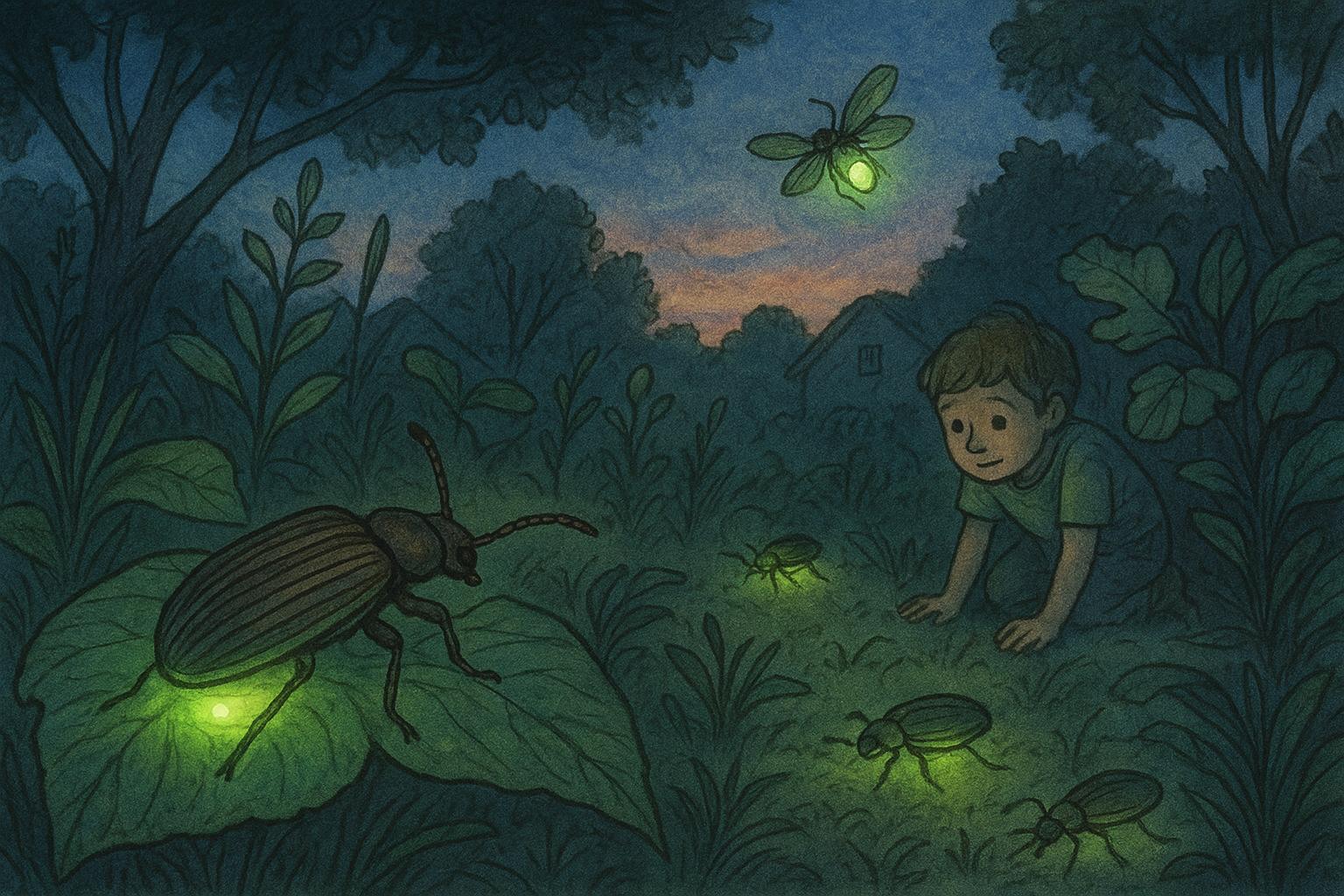
When people say fireflies they usually mean the family Lampyridae, but “bioluminescent beetles in the yard” covers a handful of creatures: classic flying fireflies, ground-dwelling glowworms, and even some click beetles that flash briefly when disturbed. They aren’t all the same size, and they don’t all flash the same way. Some hover in swarms like drifting lanterns. Others sit on stems and pulse slowly. If you’re watching, learning the patterns is more useful than memorizing Latin names.
The males are the ones most often seen. They fly and flash to attract females. Females either flash back from vegetation, glow from the ground, or in a few species, are wingless and look like soft, little beetles on leaves. The larvae are important too; they live in the soil or leaf litter and can take multiple years to mature. That means a yard that supports larvae will host adults year after year.
### Why They Glow
Bioluminescence is a signal, plain and simple. The chemical reaction that makes the light involves luciferin and luciferase, but what matters for you is function: courtship, species recognition, and predator deterrence. Different species have different flash patterns and timing. Some flash single long pulses, others a series of quick blinks, and a few glow steadily. Learning the local pattern tells you which species are present.
Glow intensity and color vary. Most fireflies emit yellow-green light, which is the easiest to see on summer evenings. Some tropical or subtropical species trend toward yellow-orange. The light is efficient; it doesn’t heat the insect much, so the signal can last for hours of mating activity without burning calories like muscle-powered flight would.
#### Flash Patterns Matter
– Flashing is a language. If you want to identify what’s in your yard, take notes: when do they start? How many blinks? What’s the gap between flashes?
– Many species begin lighting up just after sunset and stop before full dark. Others peak later, in the first few hours after dusk.
– Male flight paths often look like a steady patrol route; females respond from a perch.
## Habitats And Microclimates That Attract Glowing Beetles
You won’t find the best displays in a manicured slab of lawn with bright porch lights. Bioluminescent beetles prefer moisture, structure, and shelter. They need places for larvae to grow and adults to do their dance.
Lawns with long grass margins, unmowed strips, or tall weeds are better than short-cropped turf. Mulch beds, a patch of leaf litter, logs, and wet depressions all provide feeding ground for larvae and hiding places for adults. Even small changes matter: a shady corner that stays cool and damp through the day can become a hotspot for glowing beetles at night.
### Specific Yard Features To Keep
– Ditches or low-lying spots that hold moisture.
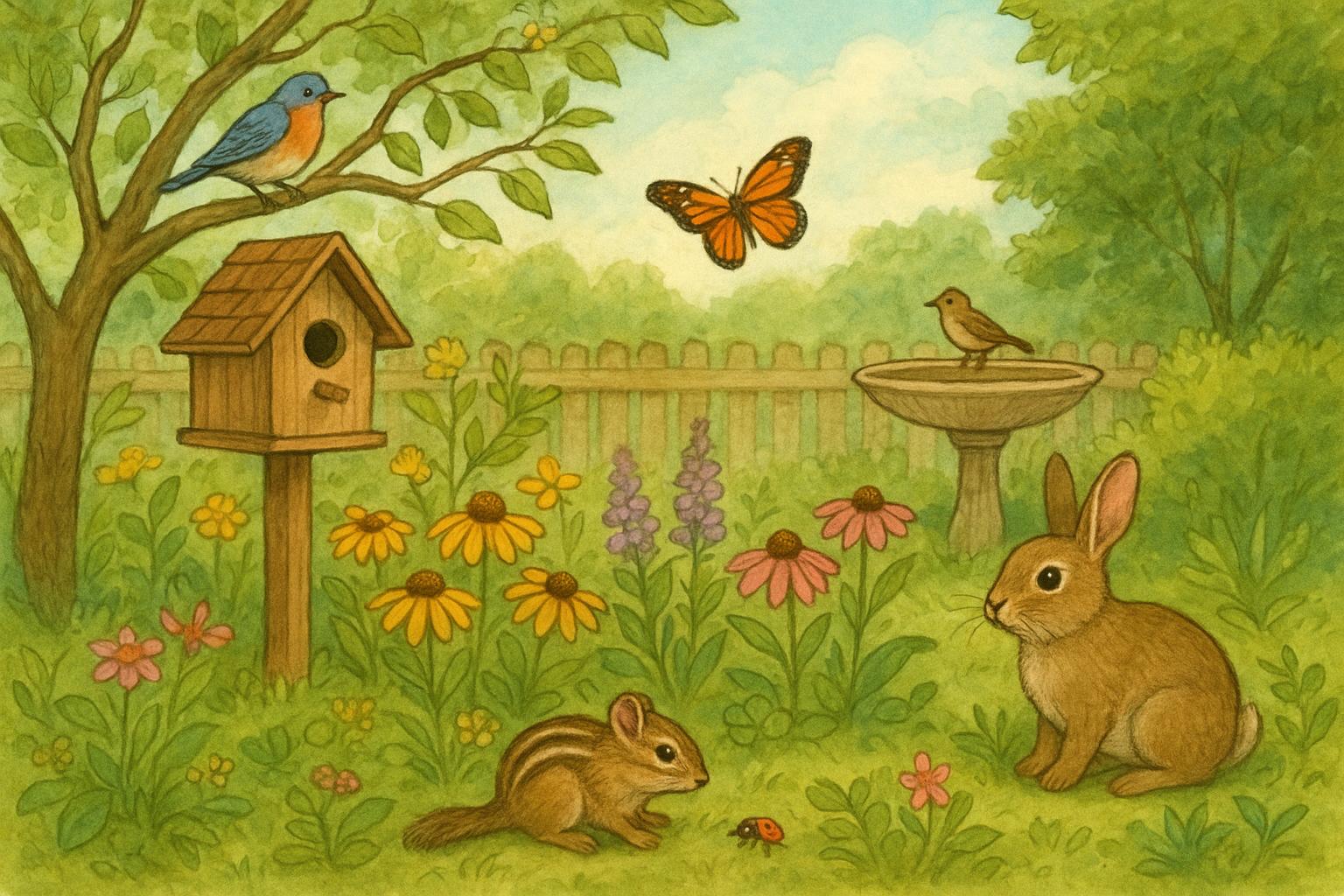
– Native wildflowers and grasses for structure and perches.
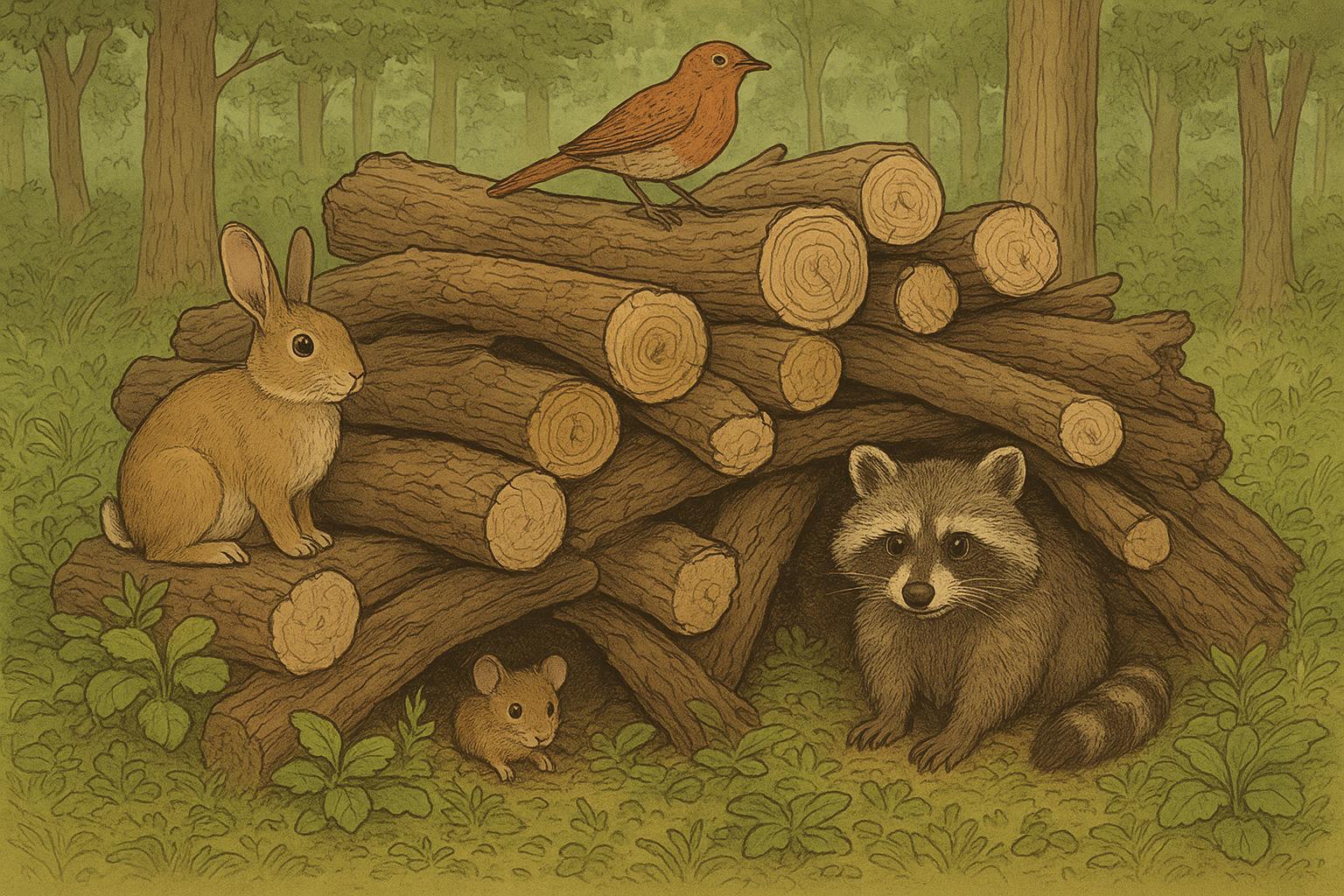
– Old logs, stones, or mulch heaps where larvae can live.
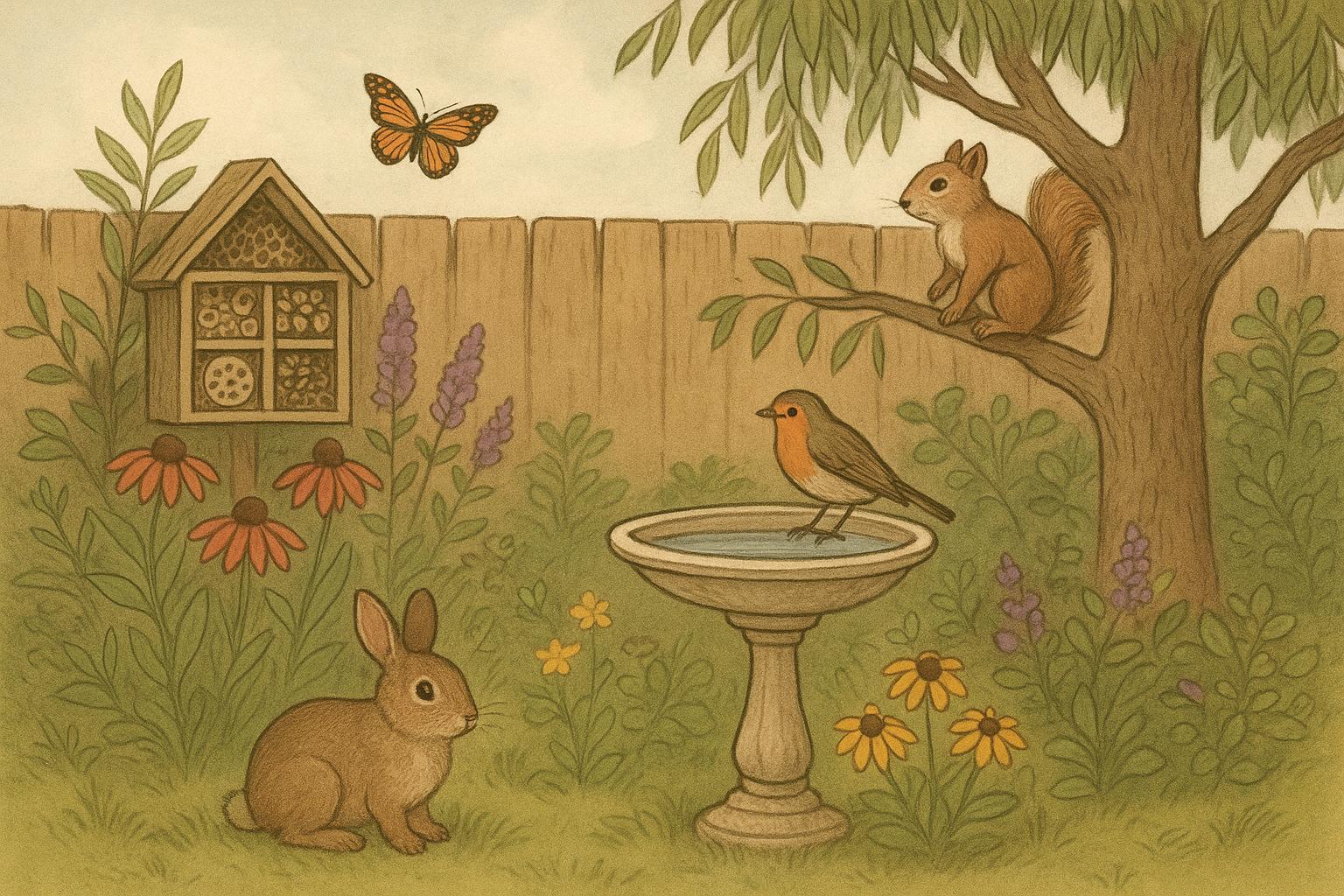
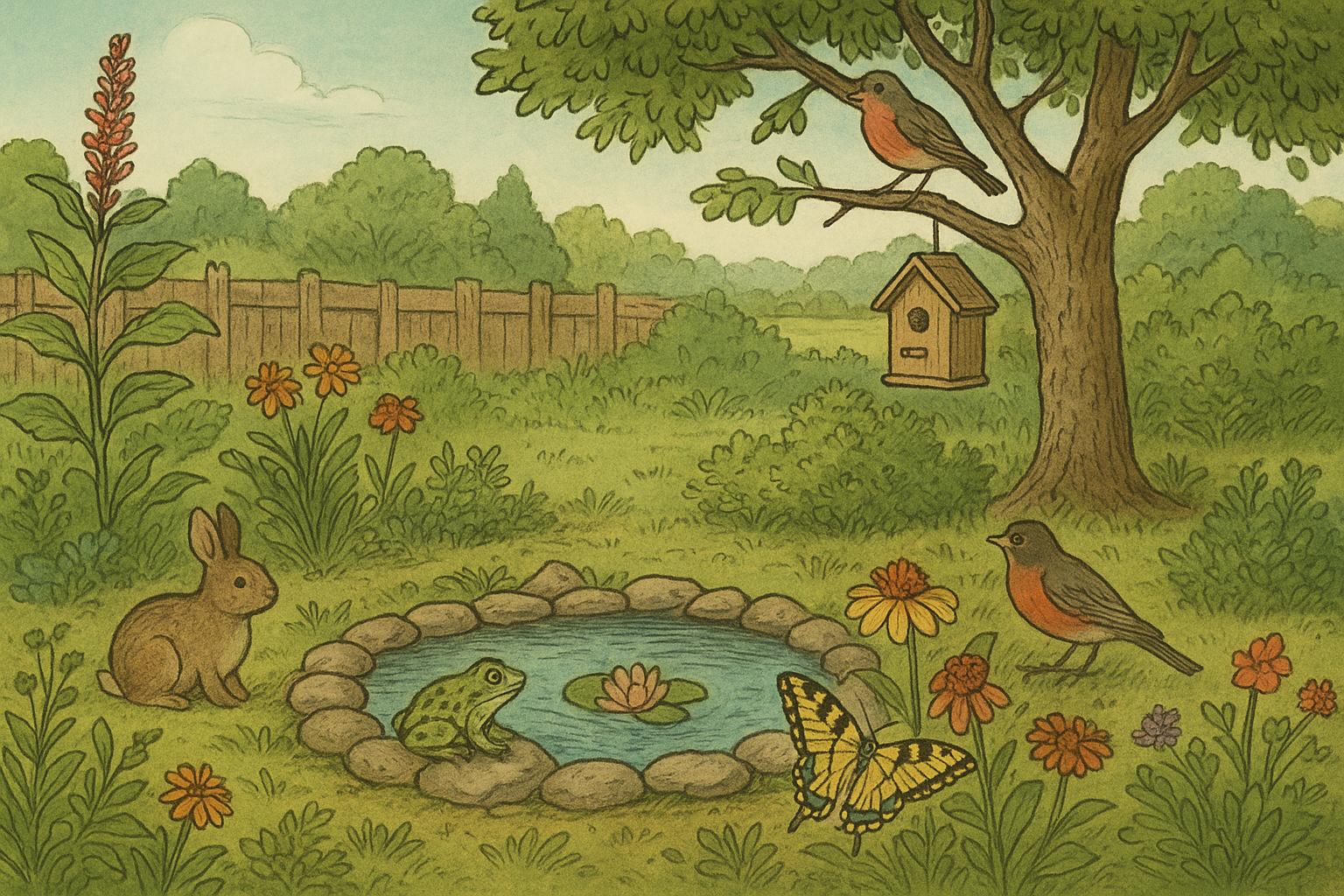
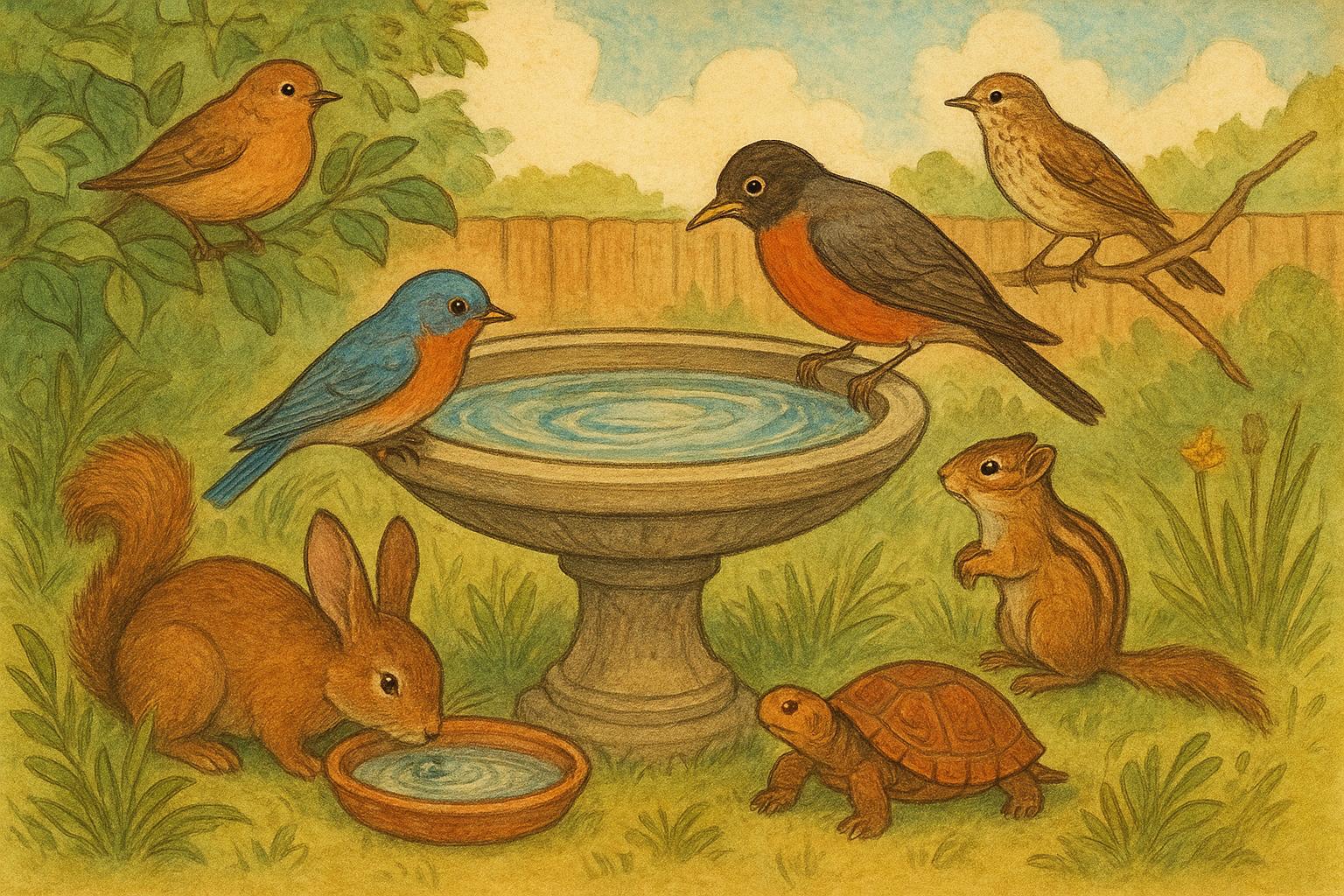
– A small, shallow water source like a dripping rock or bird bath.
Don’t panic about tidiness. A little untidiness is fine and often essential. A thin strip of leaf litter at the base of a shrub doesn’t make your yard an eyesore; it makes it habitat.
## How To Encourage Bioluminescent Beetles
Start with light control. Artificial light is the single most destructive element to a firefly display. Porch lights, yard spotlights, and motion-sensor flood lamps drown out the signals males use to find mates. Switch to downward-shielded, warm-spectrum lighting, use timers, and turn off nonessential lights during peak firefly season.
Stop using broad-spectrum pesticides around the yard. Many insecticides kill larvae in the soil or disrupt food chains. Even slug bait can affect species indirectly. If you need pest control, opt for targeted measures and organic approaches.
Plant for structure and for insect prey. Firefly larvae are often predators of snails, slugs, and earthworms. A garden that supports those prey species—by keeping soil moist and avoiding heavy tilling—will in turn support larvae. Native plants help by providing leaf litter and complex root systems that hold moisture.
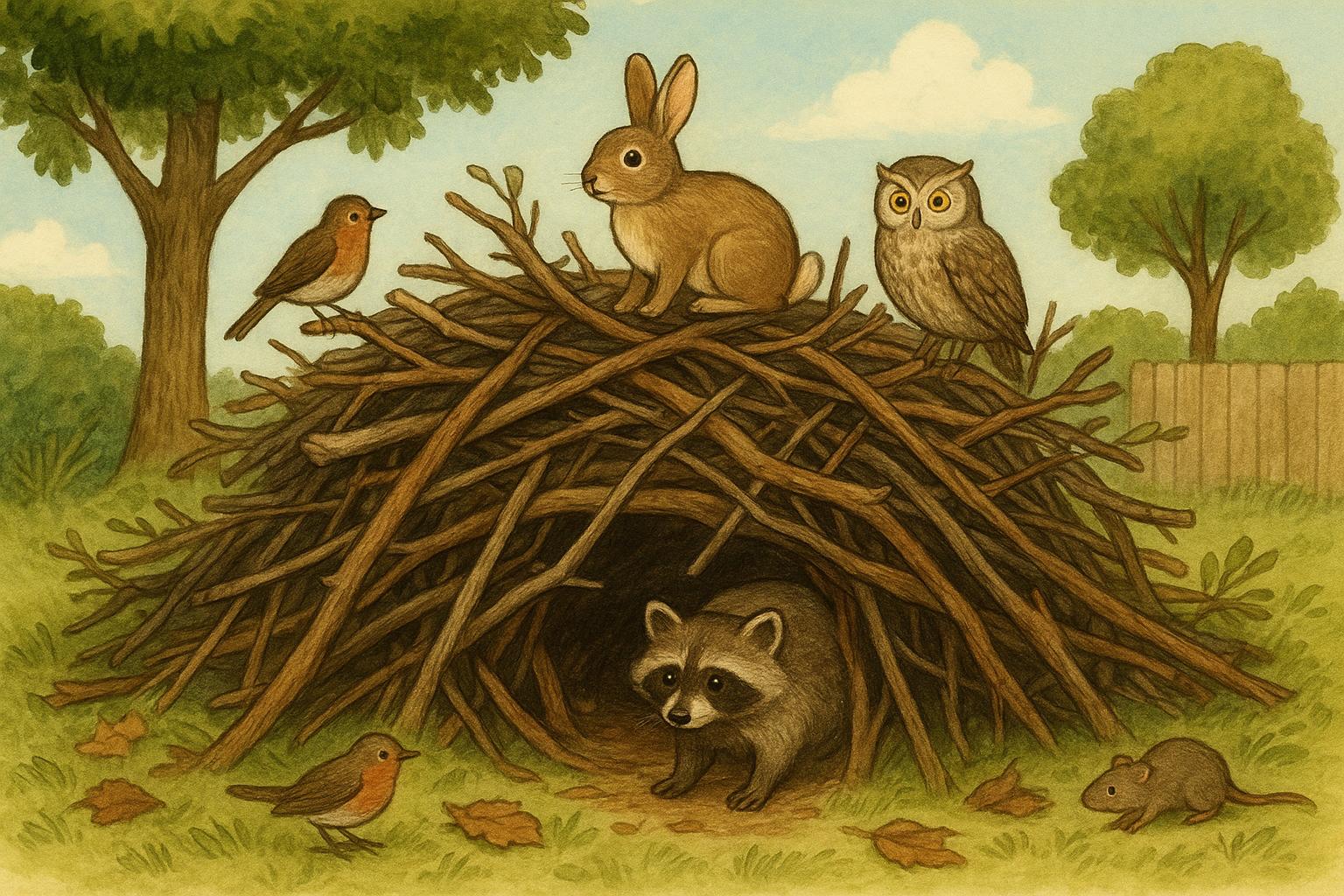
Leave some dead wood and uncomposted leaf litter. It looks messy, yes, but that material is prime habitat. If you need a neater look, confine habitat zones to one or two edges of the yard so the main space stays tidy.
### Small, Practical Steps
– Turn off or dim lights after dusk during summer months.
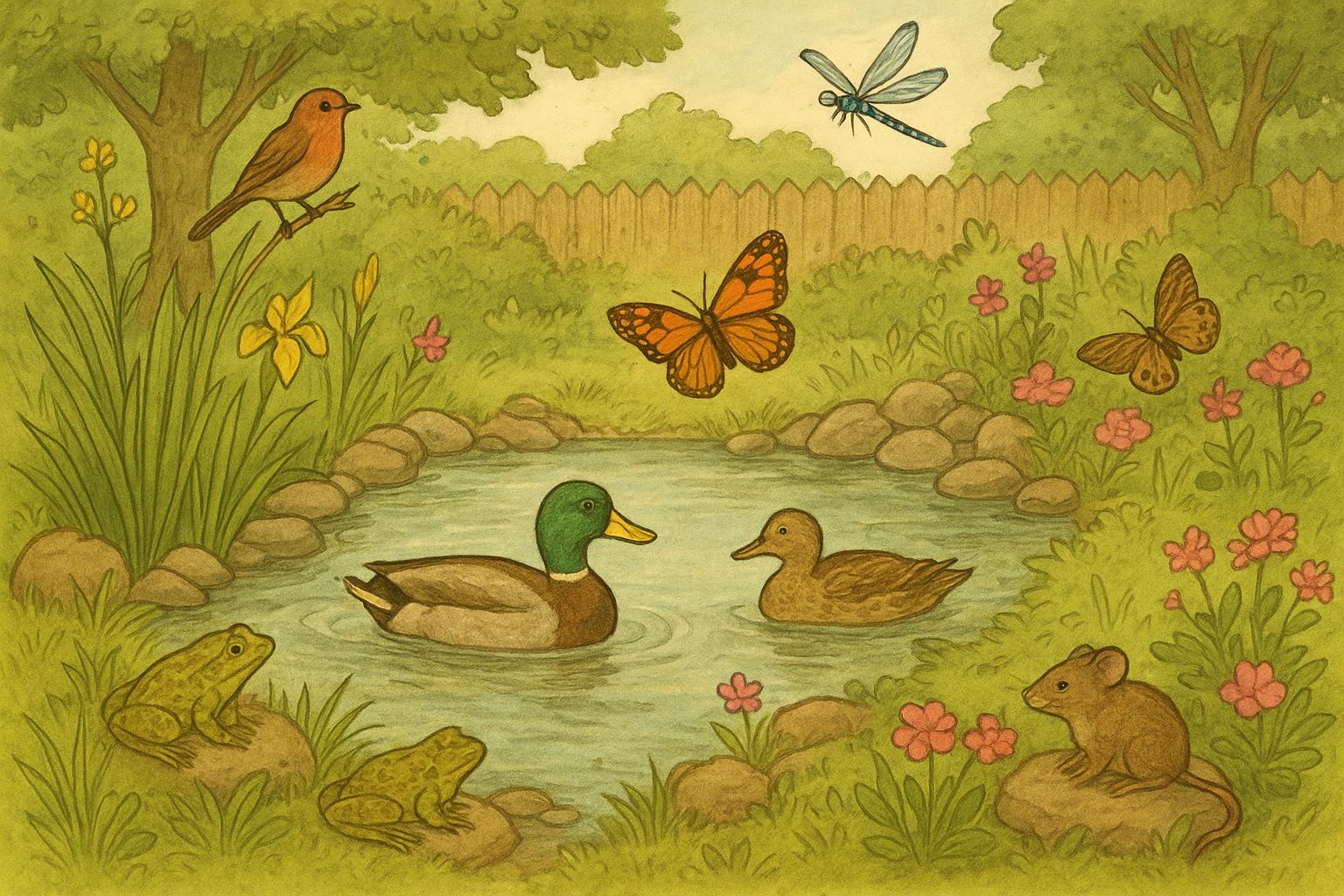
– Create a moist zone with a rockery or shallow basin that retains water.
– Replace large expanses of turf with mixed native grasses and flowers.
– Avoid pesticide sprays and granulars where possible.
## When And How To Watch Without Disturbing Them
Firefly viewing works best in the first hour or two after sunset on warm, humid evenings without wind. Bring a blanket, sit quietly, and let your eyes adjust. Don’t use flash photography or bright phone screens; those wash out the experience and can change beetle behavior.
If you want to photograph them, use long-exposure settings and a tripod placed at a respectful distance. Use a dim red flashlight to move around; red light is less disruptive than white.
### Etiquette Around Glowing Beetles
– Don’t pluck them from vegetation for close-up viewing. Removing adults reduces the number of mates left to produce next year’s brood.
– Avoid shaking grasses to find females. That’s stressful for the insects and can injure larvae in the soil.
– If you collect for educational purposes, do so sparingly and with release after observation.
## Species Differences To Know
In many temperate yards you’ll see Photinus and Photuris species. Photinus males do the aerial flashing; Photuris females mimic Photinus but sometimes prey on males of other species. In some locales the females of certain species are wingless and stay low to the ground; their glow is steady and easier to photograph.
Click beetles (family Elateridae) sometimes show up in grassy areas. They flash when disturbed and are called “flashing clickers” in some guides. They’re not the same as typical fireflies but they are part of the broader group of bioluminescent beetles you might find.
In coastal or southern areas, glowworms or related species can be more common. Their glowing is low to the ground, along trails or on damp soil. Knowing which pattern is normal for your region helps you understand whether a decline in numbers is happening.
## Common Mistakes That Kill The Show
You need to stop expecting manicured perfection. Short, sterile lawns and constant light are the two biggest killers. People also mistake “no insects” for cleanliness and spray broadly; that wipes out larvae. Over-tidying removes the microhabitats larvae need.
Another mistake is watering at the wrong times. Morning watering that leaves the soil dry through the day can reduce the moist microclimates larvae need. Aim for deeper, less frequent watering early in the morning so some dampness remains in shaded spots.
Also, introducing predatory fish or heavy-feeding livestock in yard water features can reduce snail and slug populations, which some larvae rely on. Maintain balance.
### Pesticide Traps To Avoid
– Lawn grub treatments timed for beetle larvae can accidentally affect firefly larvae.
– Granular insecticides remain in soil and are taken up by non-target insects.
– Broad-spectrum foggers clear out nighttime insect life for weeks.
Choose alternatives like hand-removal of problem pests, barrier methods, or biological controls targeted at the pest species only.
## How Climate And Weather Affect The Display
Year-to-year numbers can swing based on winter cold, spring rains, and summer humidity. Mild winters that allow good survival and wet springs that boost snail and slug populations generally mean more adults later in the season. Conversely, drought can collapse larval food supplies and reduce adult emergence for several years after.
Light pollution from nearby development can wipe out a visible display even if the bugs are present in decent numbers. A yard jutted against a brightly lit street will have fewer visible fireflies than the same yard 200 feet away from the light source.
If you notice a big drop in numbers, check the larger enviroment—construction, pesticide use in neighboring lots, or water diversion can all influence populations beyond your property line. Occassionally a local die-off can happen for reasons that take a season or two to appear in observations.
## Kids, Education, And Backyard Science
Watching bioluminescent beetles in the yard is one of those low-tech science lessons that sticks. Ask kids to map flash patterns from different spots in the yard, timing the gaps with a stopwatch. Track when the first flashes appear each season and note weather conditions. Small datasets over several years teach about phenology and local biodiversity.
If you run a citizen-science project, keep handling minimal. Photograph dates and locations, not just counts. Notes about moon phase, cloud cover, and nearby light sources are more useful than an off-the-cuff estimate of “lots” or “few.”
#### A Few Easy Activities
– Nighttime sketching: Sit quietly and sketch flight paths or flash sequences.
– Flash pattern logging: Record times and intervals for a week each season.
– Microhabitat mapping: Mark damp spots, log piles, and unmowed strips and watch which attract the most activity.
Small projects like these build appreciation and create data that can inform yard management for years.
## When To Expect Adults In Different Regions
Timing depends on species and climate. In temperate zones, adult activity typically peaks in late spring to mid-summer. In warmer climates, you might see multiple peaks or an extended season. Pay attention to local nature groups and regional guides for specifics. Their timing hints at larval development cycles and lets you schedule yard changes to protect the next generation.
If you’re planning landscaping projects, schedule major ground disturbance outside the weeks before and during peak adult activity. Disturbing the soil during larval season can wipe out a cohort and reduce displays for several years.
Keep a long view. Bioluminescent insect populations respond slowly to changes, for better or worse. Small, consistent choices—less light, less pesticide, more structure—add up.
…








Leave a Reply