
## Where Nests Hide In Your Yard
If you want to find nests, stop looking only at tree branches. Birds place nests in surprising spots. Look under eaves, in hanging baskets, inside porch lights, on top of wreaths, and even tucked into dense shrubs. On windy days, nests that are low to the ground can be easier to spot because surrounding leaves scatter. Pay attention to places with cover and a clear flight path in and out.
### Tree And Shrub Nests
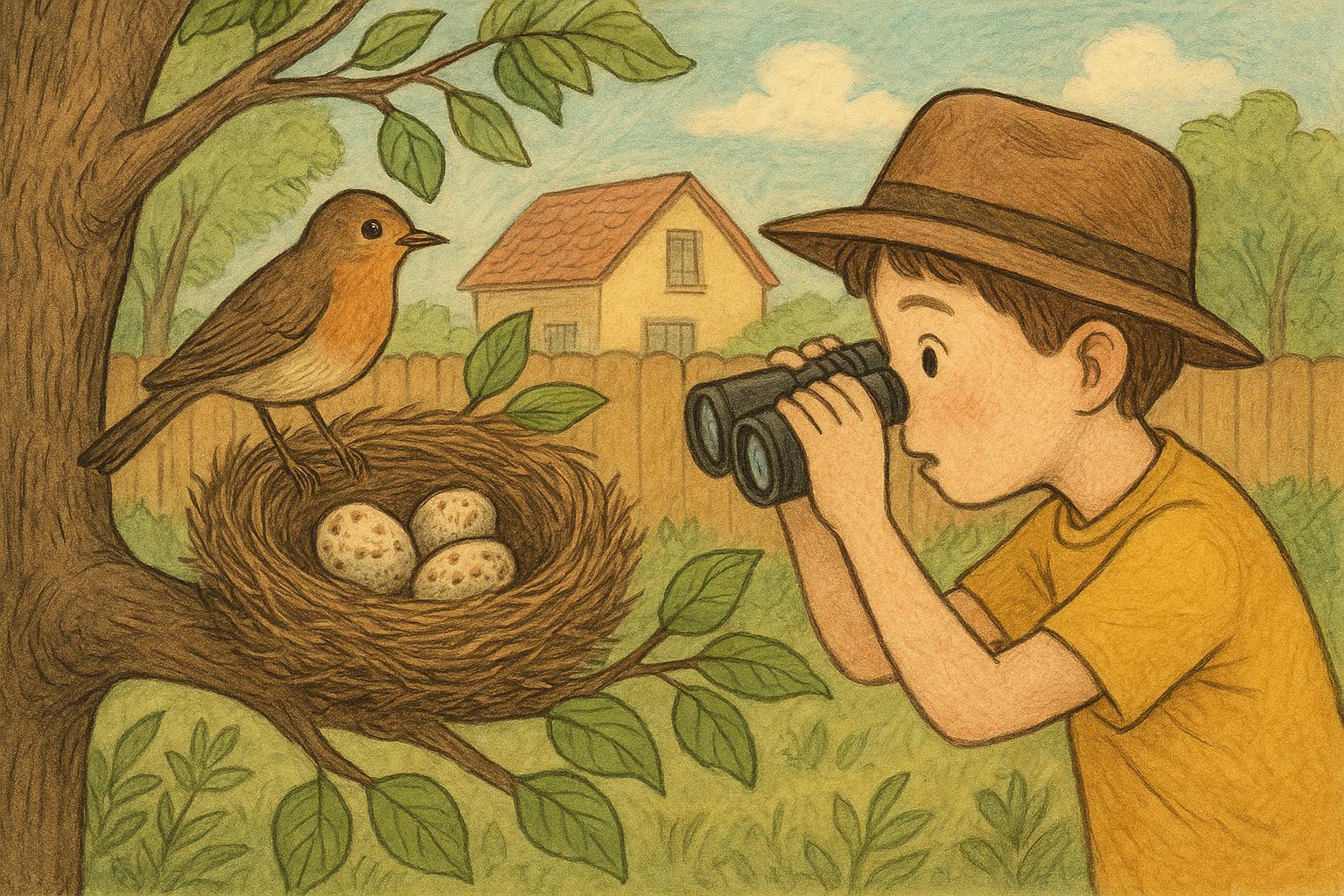
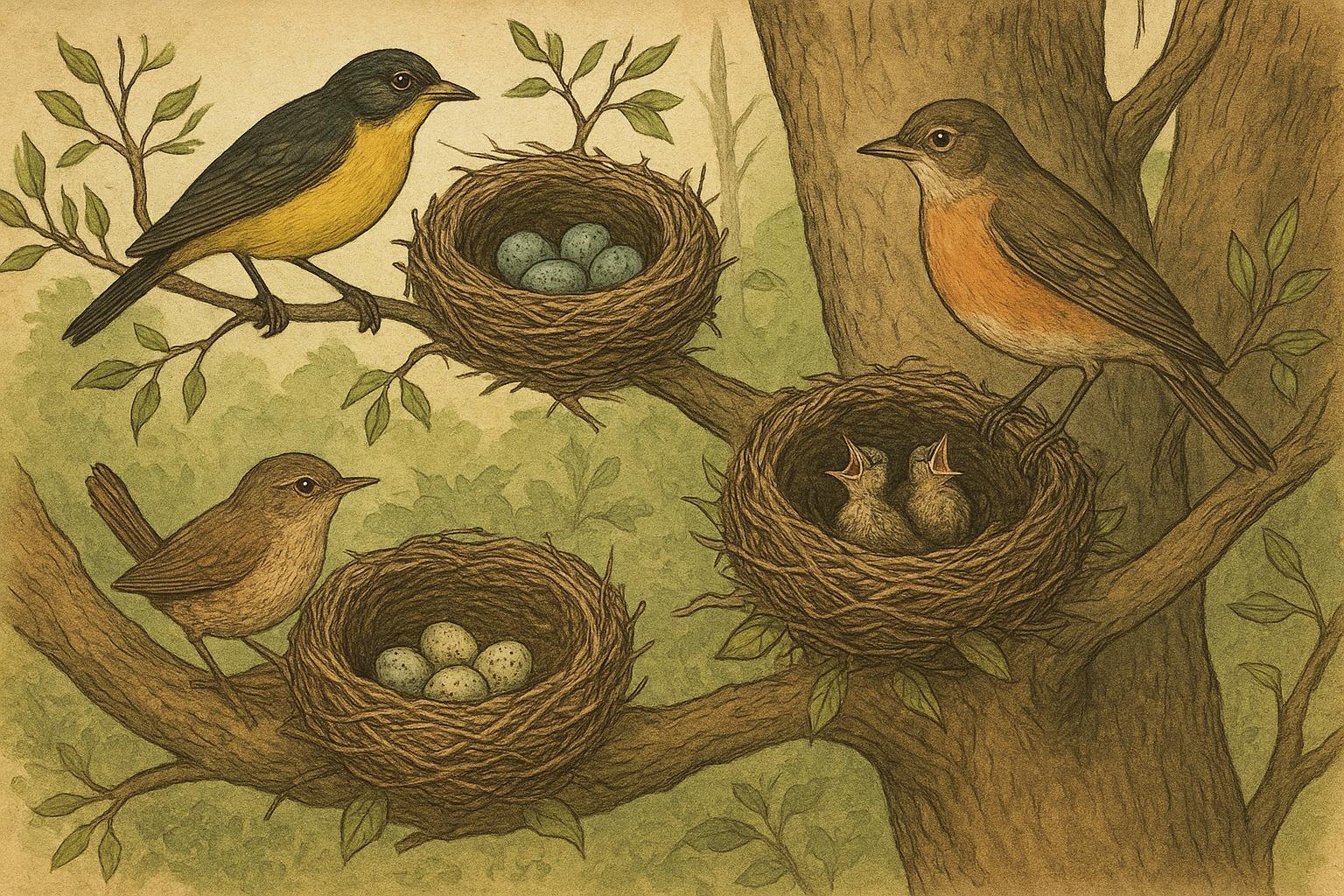
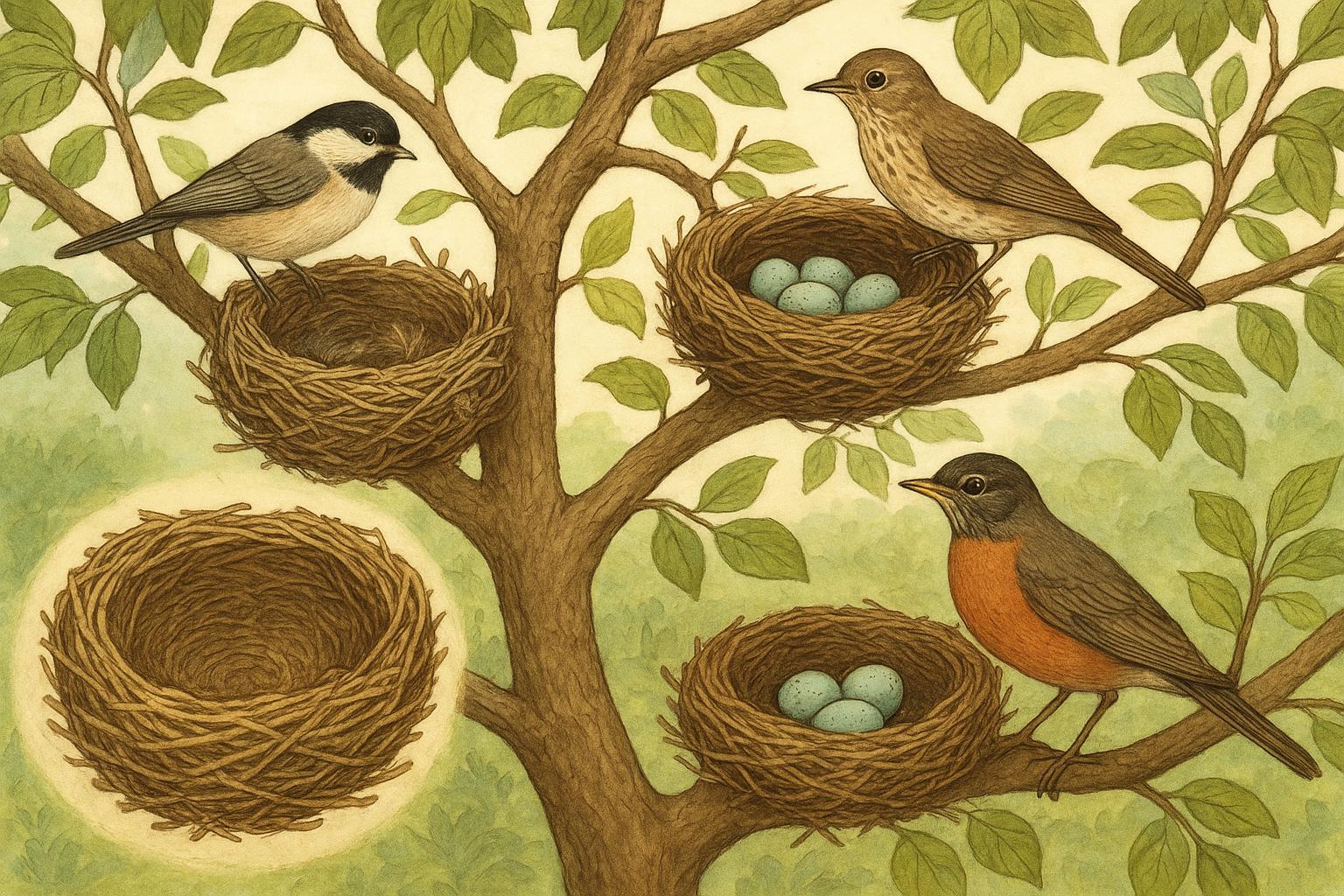
Cup-shaped nests are common in deciduous trees and shrubs. Robins and finches build a shallow cup of grass, mud, and leaves about 5 to 10 feet up. Wrens prefer dense tangles near the trunk. If you see a clump of twigs or mud stuck against a fork in a branch, examine from a distance with binoculars before you get closer.
### Cavity And Platform Nests
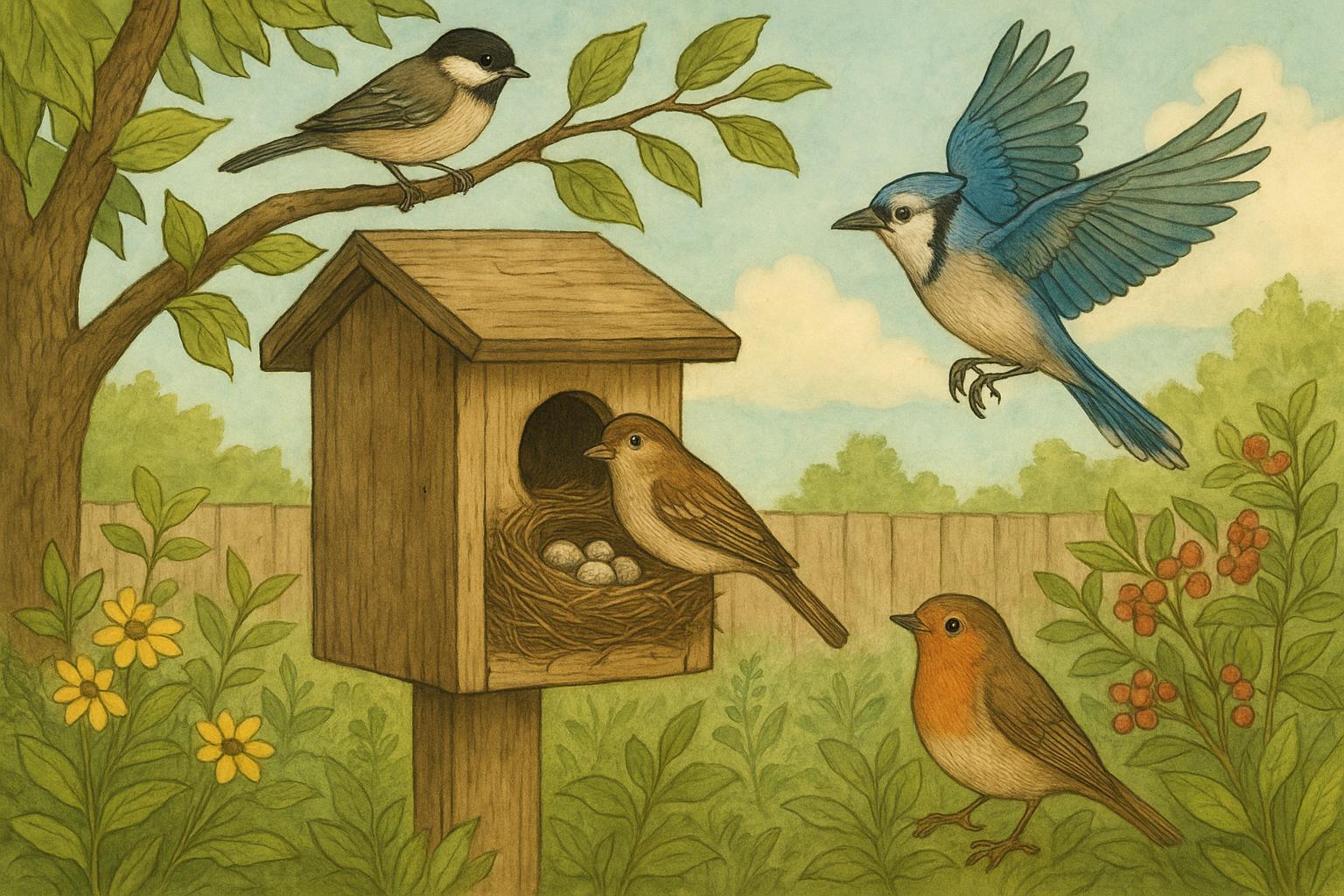
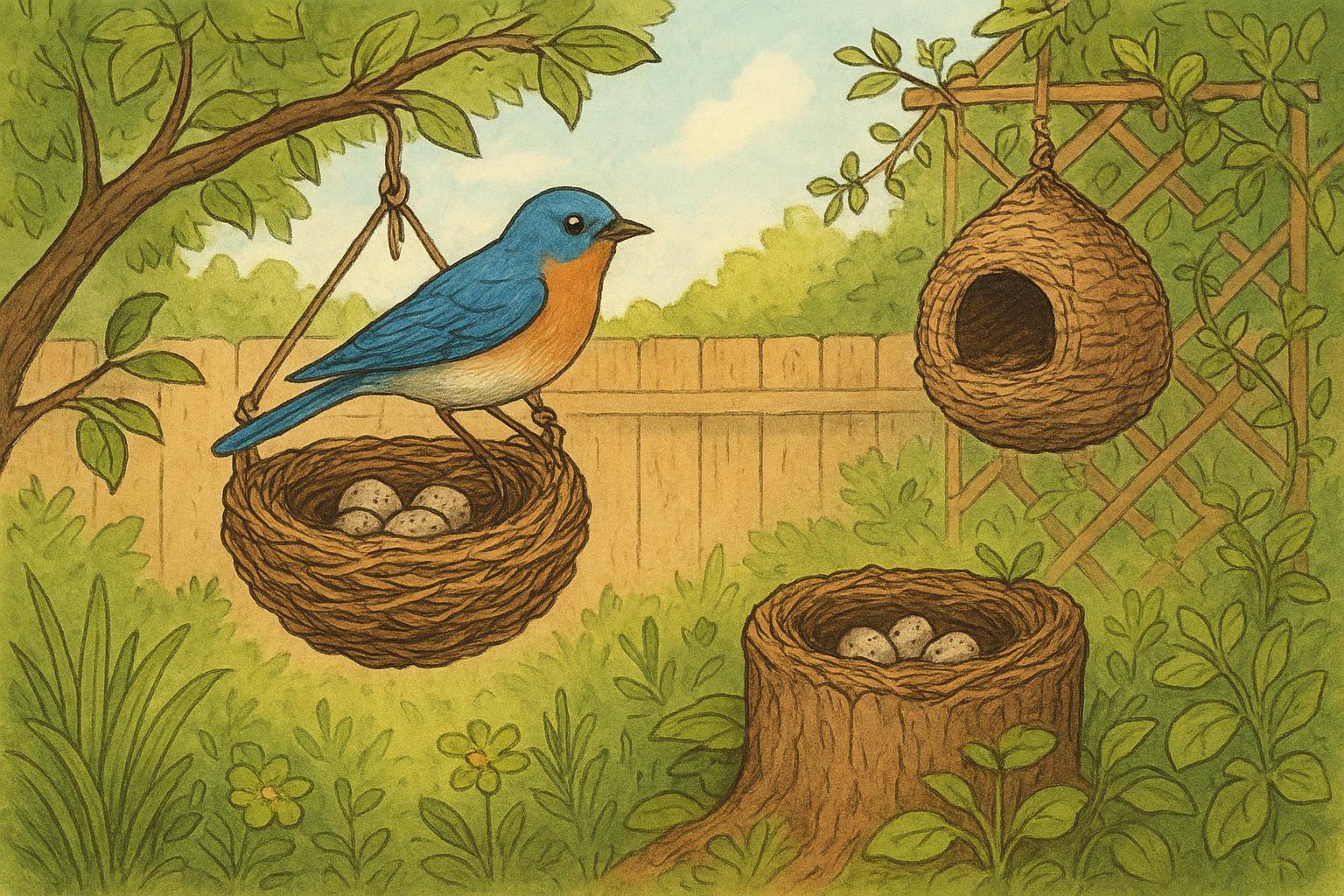
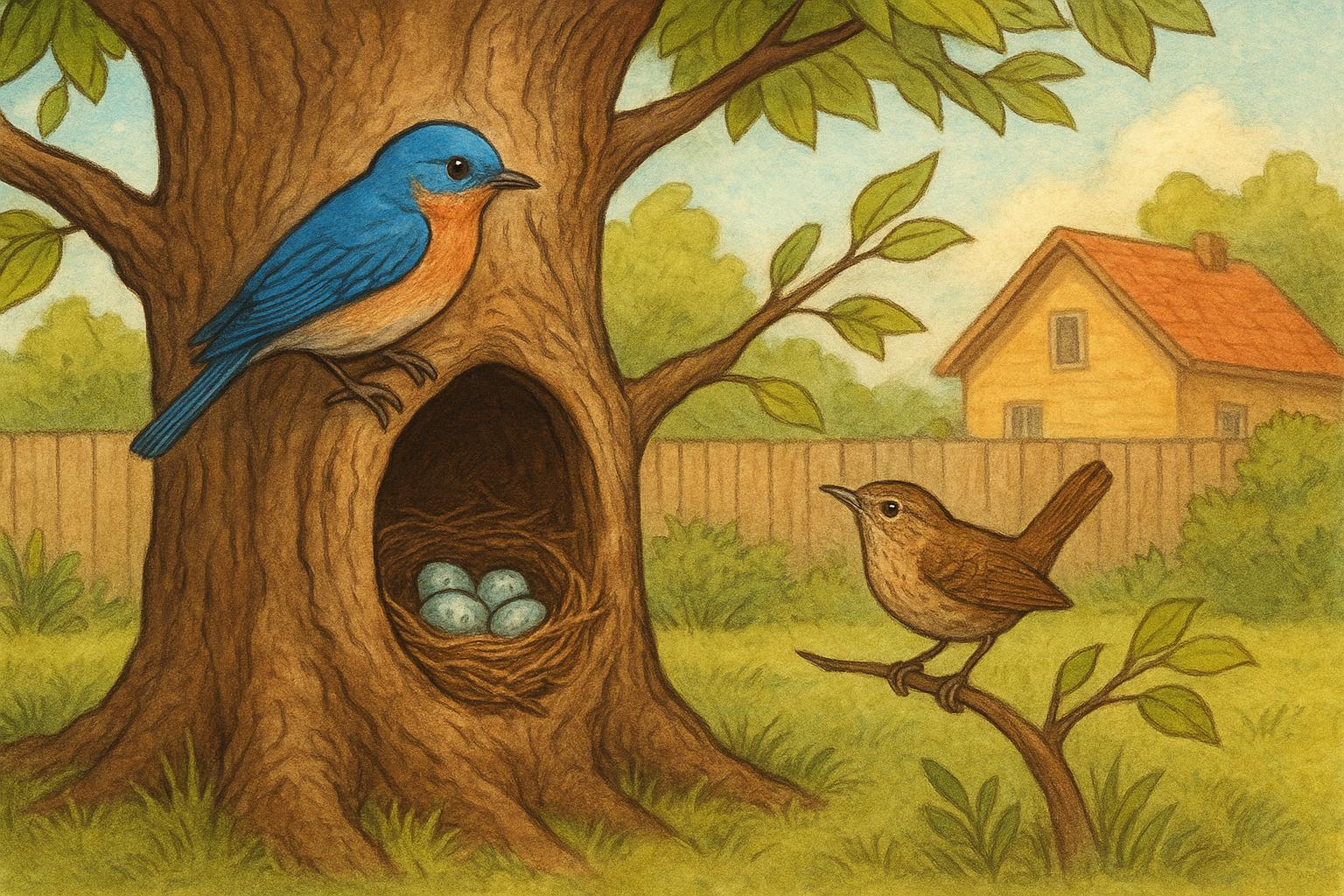
Some species use cavities. Bluebirds and tree swallows favor nest boxes or natural holes. Woodpecker and titmouse cavities are usually deeper and darker. Platform nests belong to larger birds like crows and hawks and are often higher and more obvious. If you spot a pile of sticks near the top of a large tree, that’s a good candidate.
## Bird Nest Spotting Tips For Different Seasons
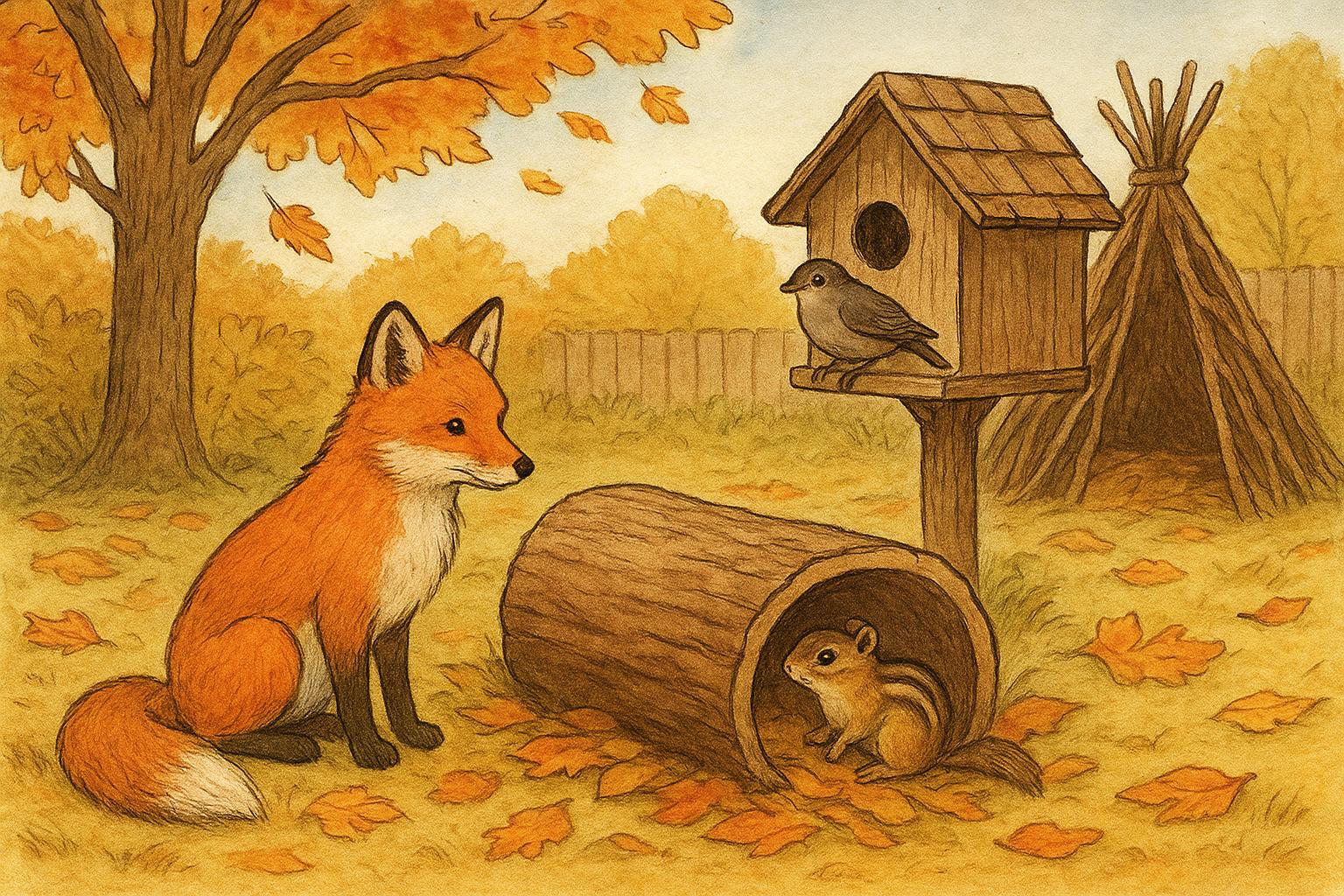
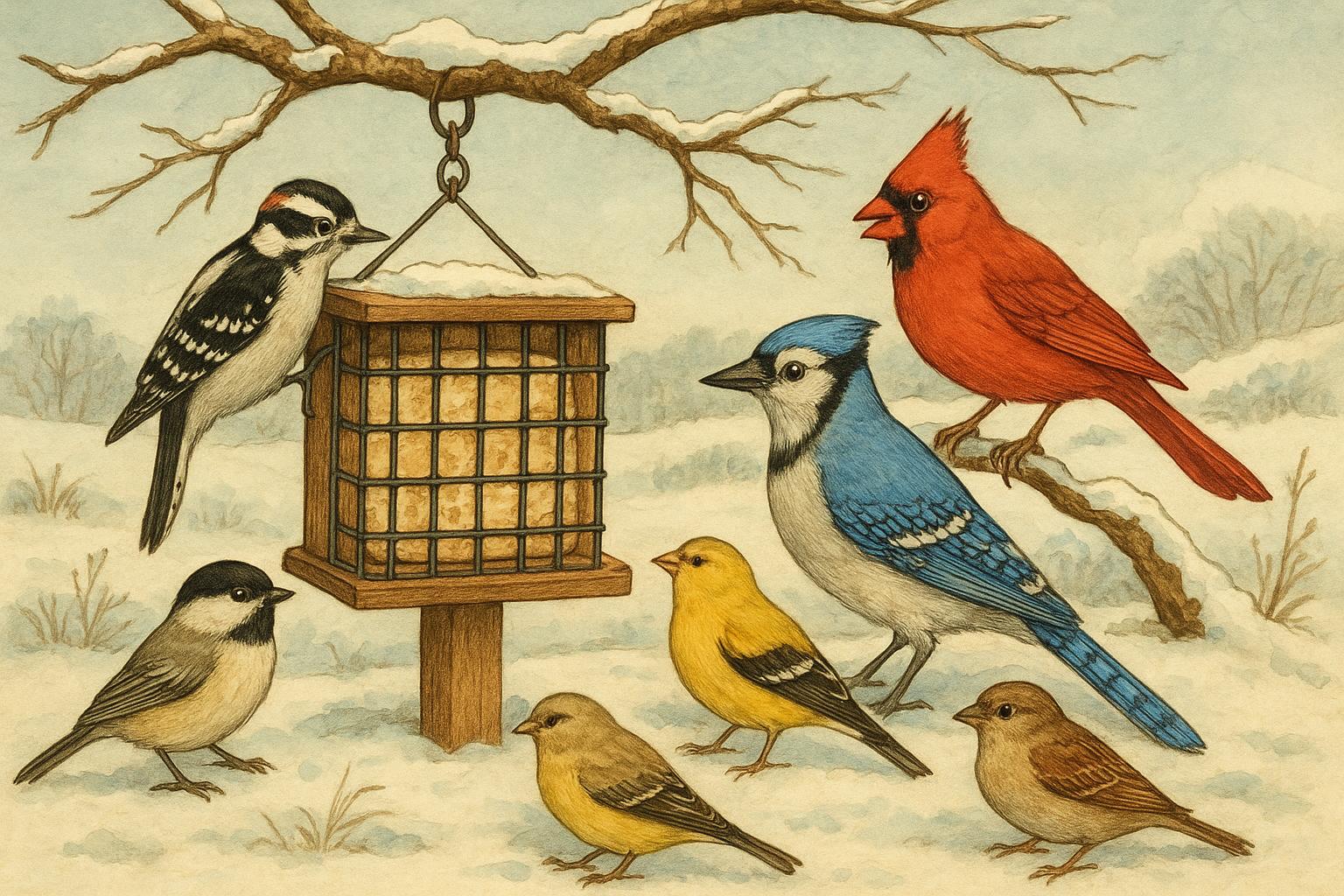
Spring and early summer are prime times. Birds are actively building and feeding young, which makes movement easier to track. But there’s useful activity year-round: during fall you might find late-season nests or roost sites, and in winter cavity users will be visible. These bird nest spotting tips change with timing. In early spring, watch for adults carrying nesting material. Mid-summer, watch for frequent feeding runs.
### Morning Versus Evening
Mornings are better for spotting activity. Birds feed young early, so you’ll see short, repeated flights. Late afternoon can be good too because parents bring food to fledglings before roosting. Rainy days slow nest building and feeding, so you’ll see less motion.
## Signs That Reveal A Nest
You don’t always see the nest itself. Track behavior and indirect clues.
– Adults carrying grass, twigs, or mud into a dense spot.
– Birds repeatedly entering the same cavity or structure.
– A cluster of droppings under a perch or bush.
– Territorial chipping or alarm calls near a specific location.
A brief list because you don’t need more than a few clear indicators. Learn to read the behavior; it’s usually more reliable than a brief glance at foliage.
### Watching Feeding Patterns
If a bird lands on a power line or fence post and then darts into a hedge, it’s probably feeding nestlings. Note the time between returns. Short intervals imply nearby food runs, which helps narrow your search to a smaller area.
#### How To Document Without Disturbing
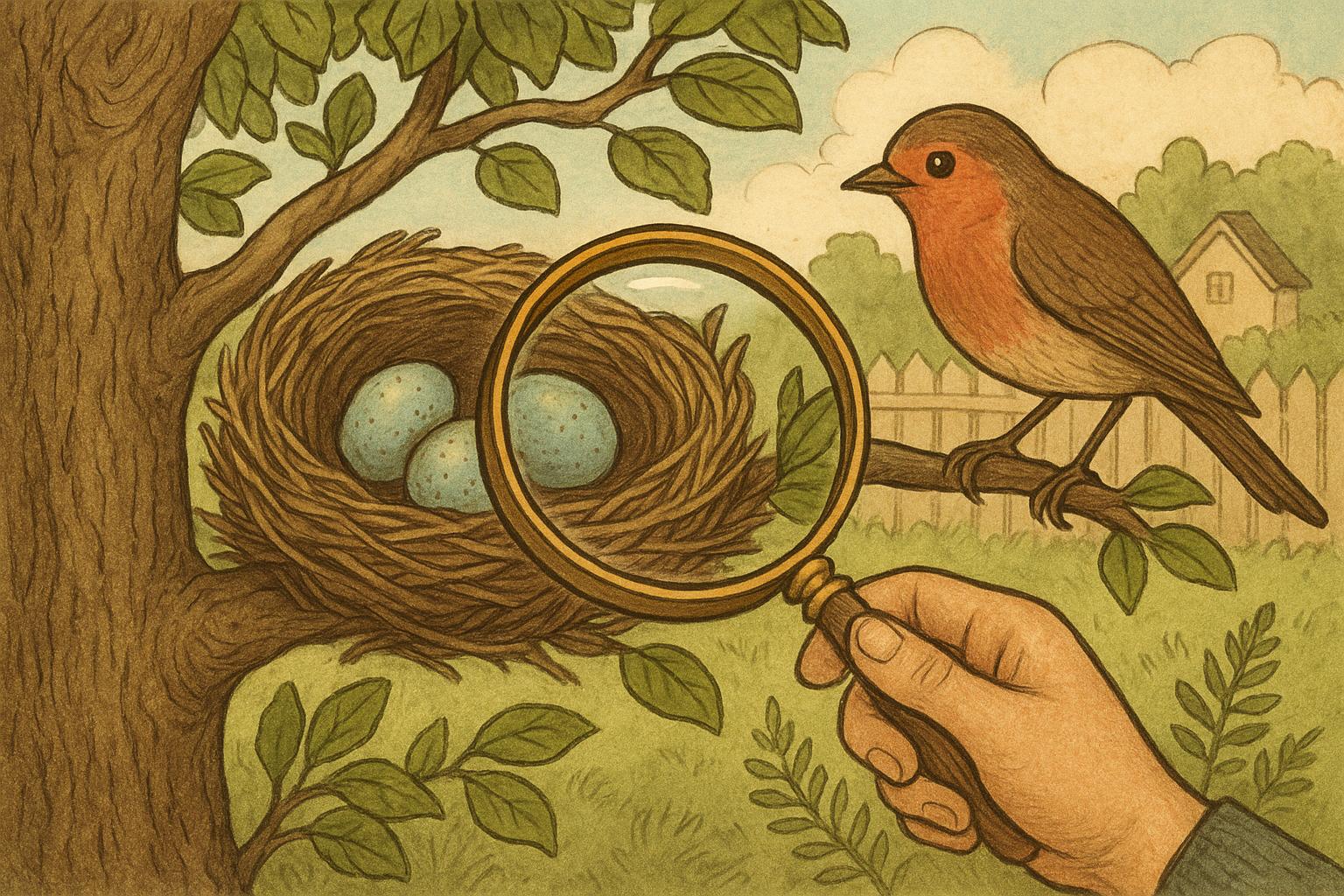
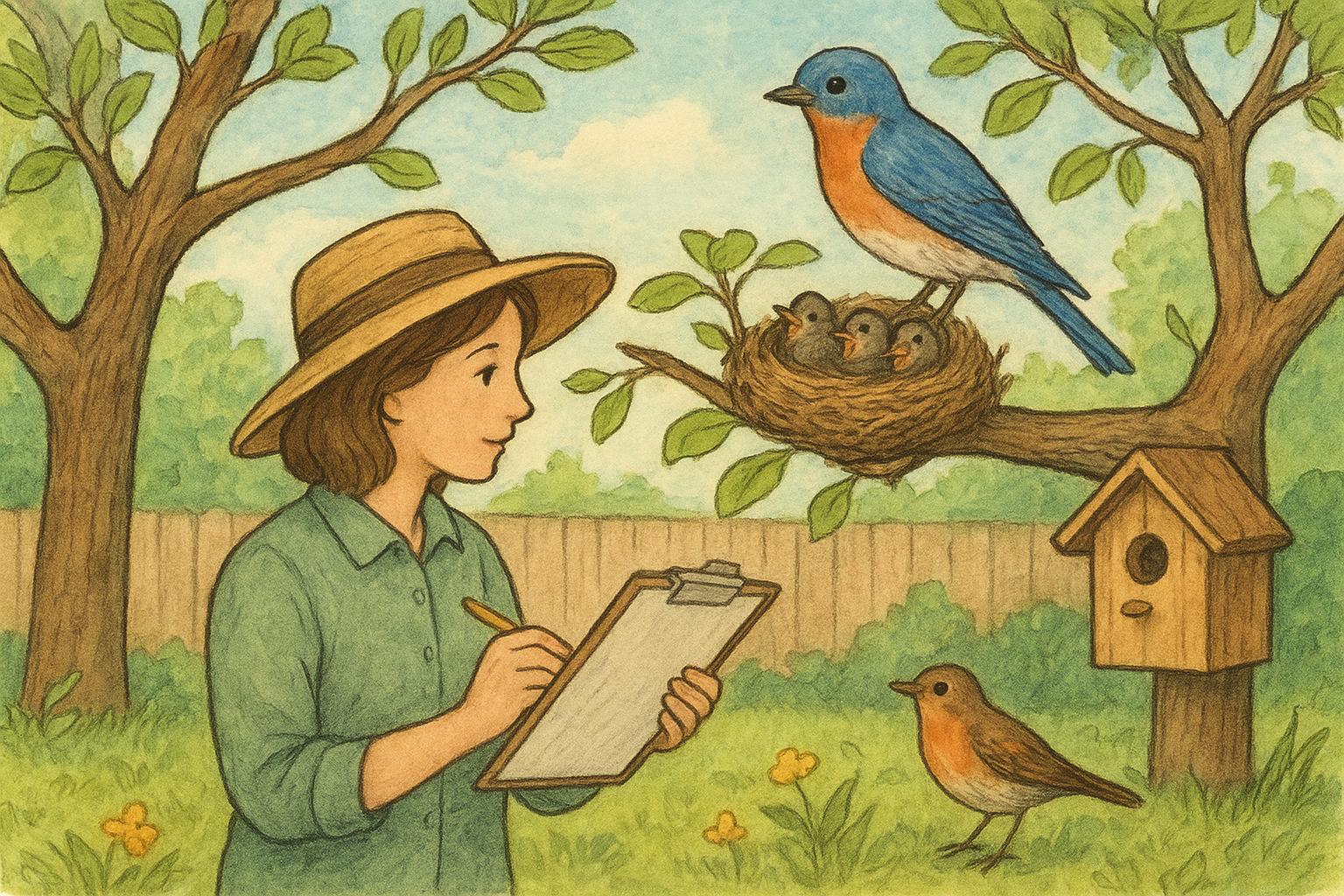
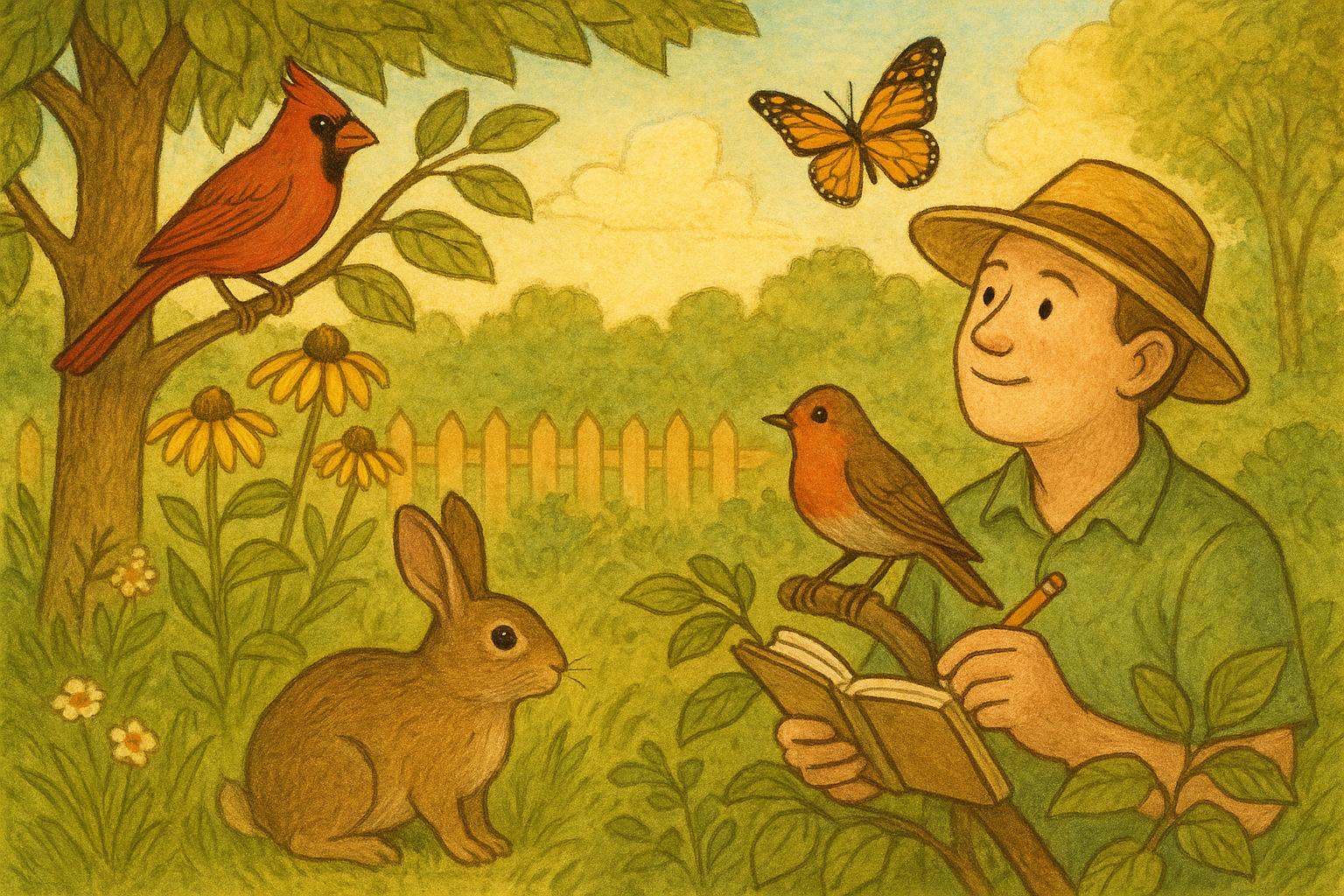
Use binoculars or a camera with a zoom. Record approximate height and compass direction from a fixed point. Make a small sketch mapping the path of adult birds. Don’t climb or poke around. Disturbance can cause parents to abandon nests.
## Quick Field Tools That Help
You don’t need a lot of gear to get serious about backyard nest spotting.
– Binoculars with 8x or 10x magnification.
– A camera or phone with a good zoom lens.
– Notebook and pen for quick sketches.
– A small ladder only if it’s safe and you’re certain the nest is cold (no recent activity).
Bring a pair of thin gloves and a long-handled mirror only if you must inspect a cavity that you’re certain is unoccupied. Most of the time you’ll be fine with optics and patience.
## Identifying Nest Types By Material And Shape
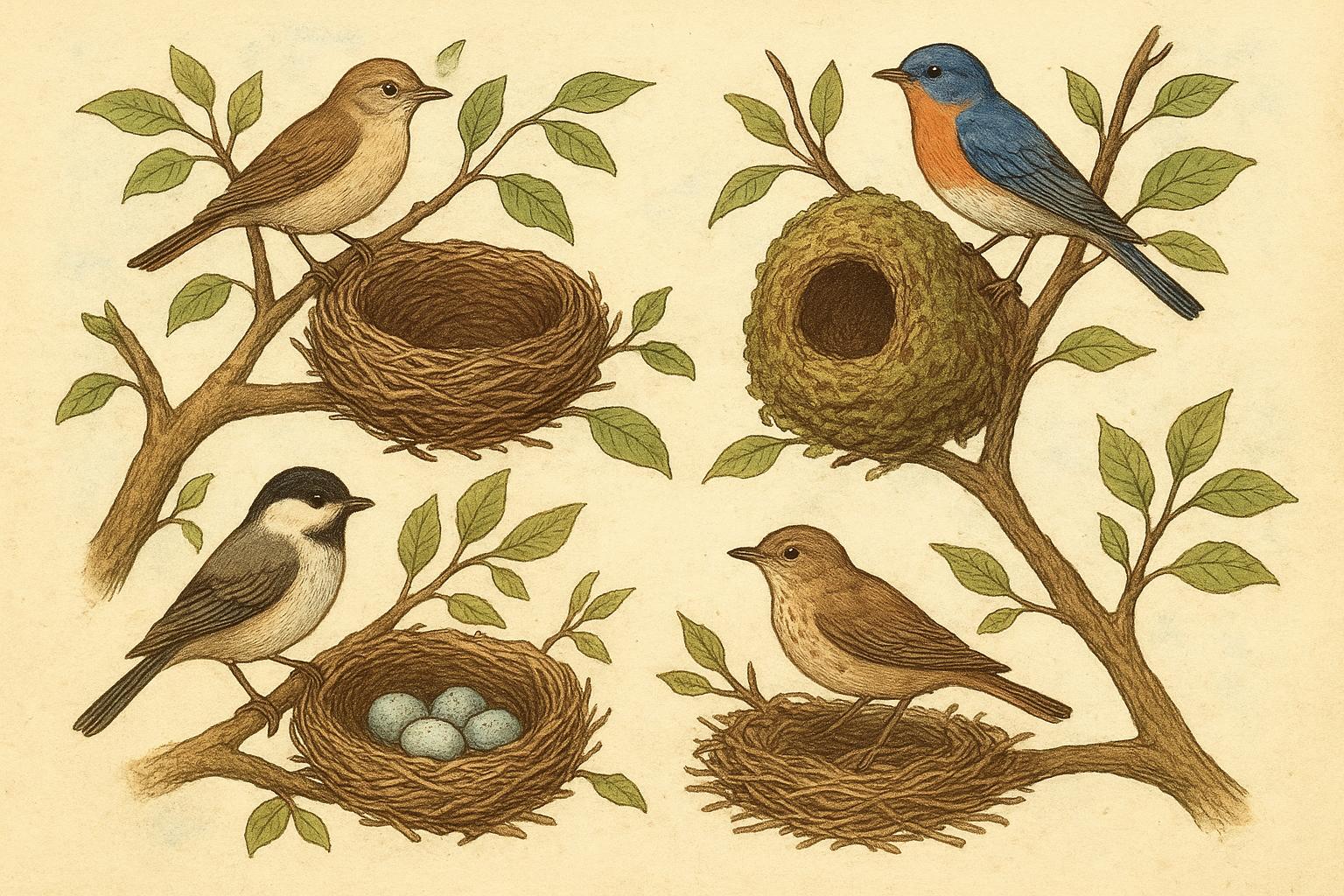
Look closely at what the nest is made of and its shape. That tells you a lot.
### Cup Nests
Small birds like sparrows, finches, and robins build cup nests. Materials include grasses, mud, moss, and hair. A mud-lined cup often points to a robin or a species that uses puddles to compact mud.
### Cavity Nests
If you find a round hole in a dead tree or a specially made box, you’re looking at cavity users. Entrance size matters. Sparrow-sized openings exclude larger species. Cavity nests often have softer linings like feathers and fur.
### Hanging And Pendant Nests
Wrens and orioles are famous for pendants. These are woven sacks hanging from thin branches. They’re surprisingly durable but a bit harder to see because they mimic dangling seed pods.
### Ground Nests
Killdeer and some sparrows nest right on the ground in hidden scrapes among rocks or mulch. They rely on camouflage and distraction displays to keep predators away. Walk carefully in yard areas with long grass or gravel.
## Backyard Nest Spotting: Common Species Examples
Knowing a handful of species helps. Here are examples that turn up in many yards.
### American Robin
– Cup nest of mud and grass.
– Typically 3–10 feet up in trees or shrubs.
– Parents make short, frequent trips to feed young.
### House Sparrow
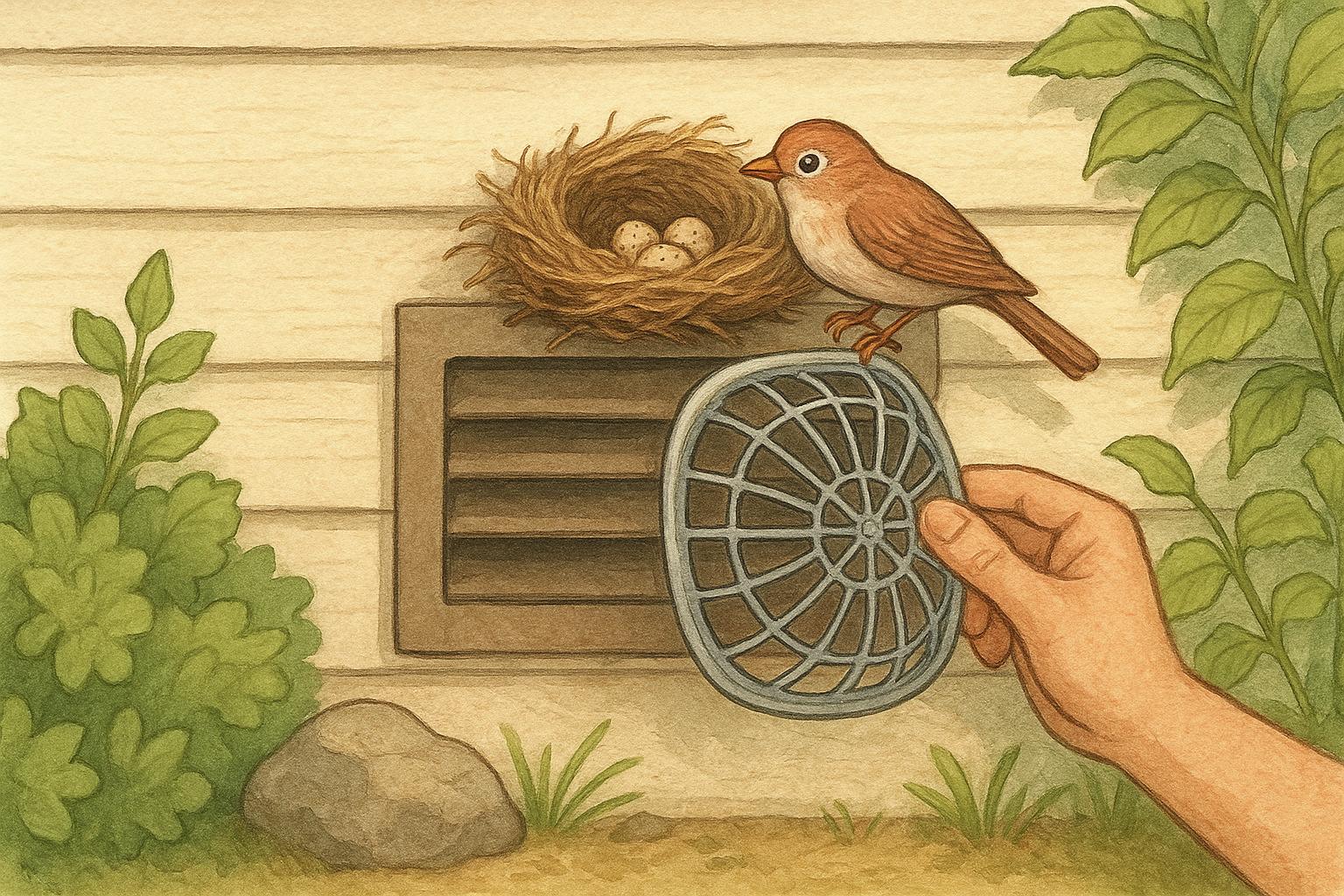
– Messy, bulky nests in eaves, vents, or nest boxes.
– Often lined with feathers and paper.
– Highly territorial and easy to find if present.
### Hummingbird Nests
– Tiny, about the size of a walnut.
– Built on slender branches 5–15 feet high and camouflaged with lichens.
– If you see camouflaged tiny cups, use magnification to confirm.
Use these species cues to narrow down likely nest types. Backyard nest spotting works best when you match behavior, materials, and placement.
## Ethical Considerations While Observing Avian Nests
Observing avian nests is a privilege. You can learn a lot, but you also have a responsibility.
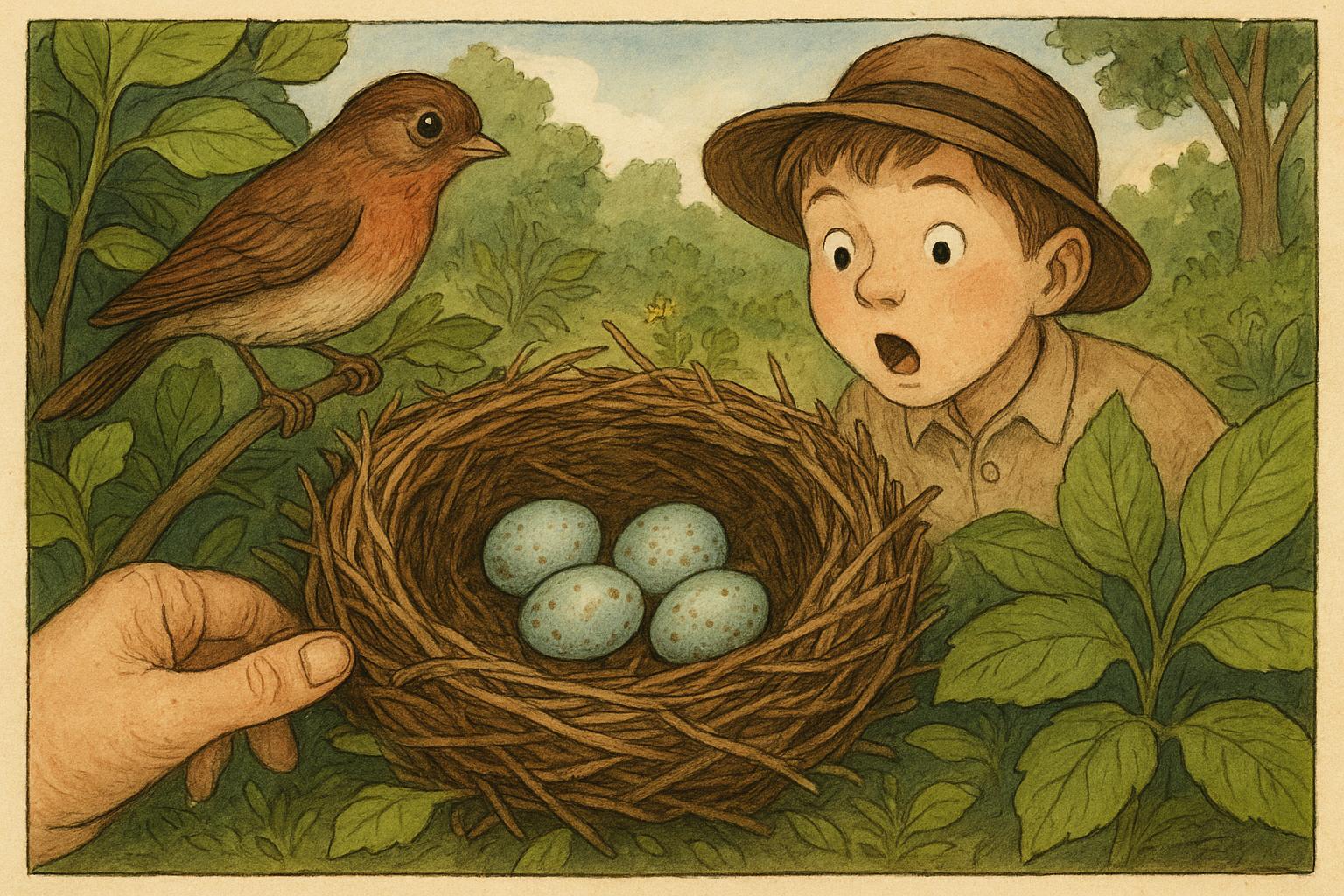
– Keep your distance. Frequent close approaches stress birds and can attract predators.
– Never handle eggs or chicks. Human scent is usually not a problem but handling increases risk.
– Keep pets and noisy kids away from nest sites.
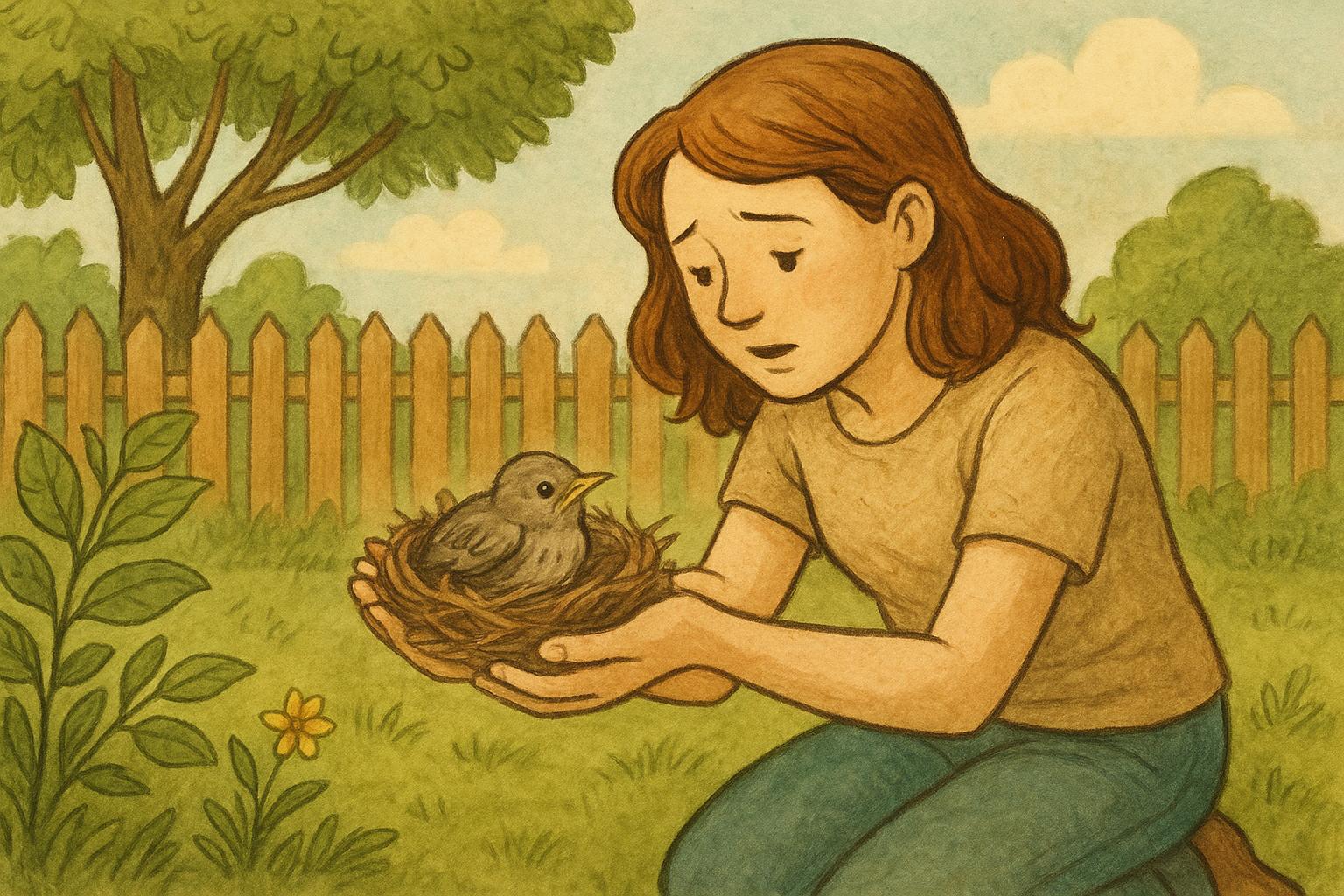
– If you find an active nest in a risky spot, contact a local wildlife rehabilitator rather than moving it yourself.
These ethics matter more than that one close look. The birds’ needs come first.
### When To Intervene
Intervention is rare. If a nest is in immediate danger from construction or a predator repeatedly raiding, call local wildlife services. They can advise whether relocation is possible or humane.
## Making Your Yard More Nest-Friendly
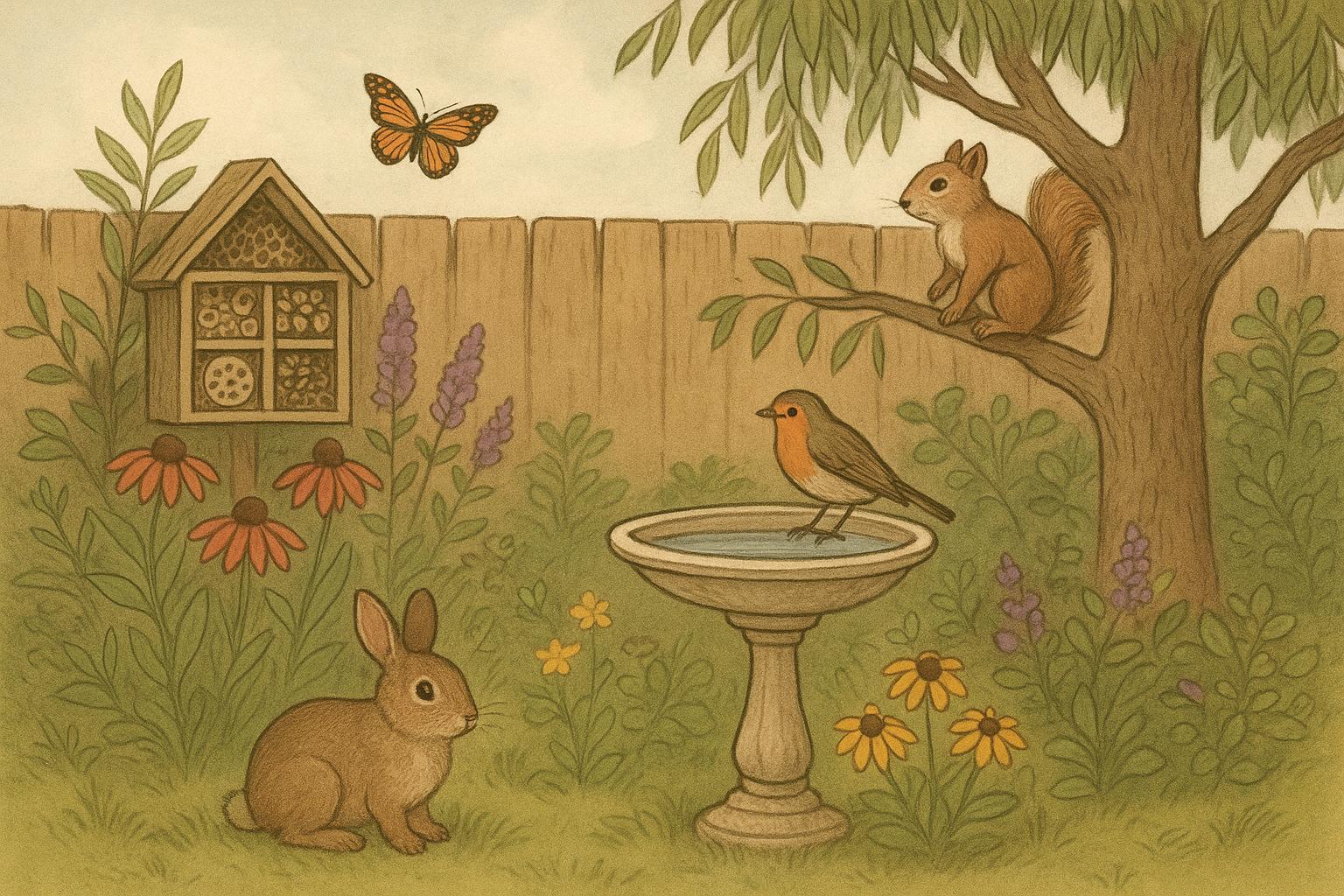
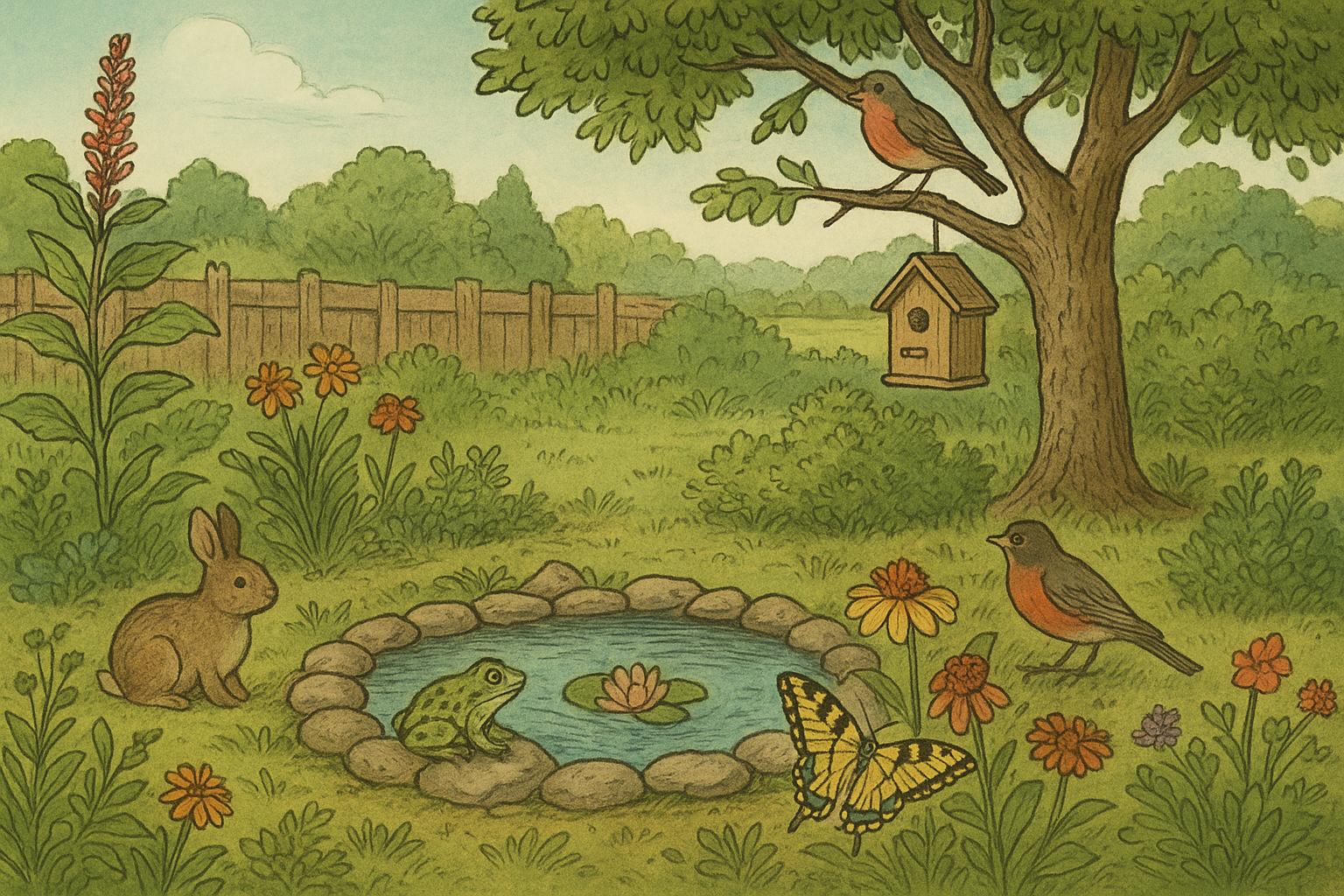
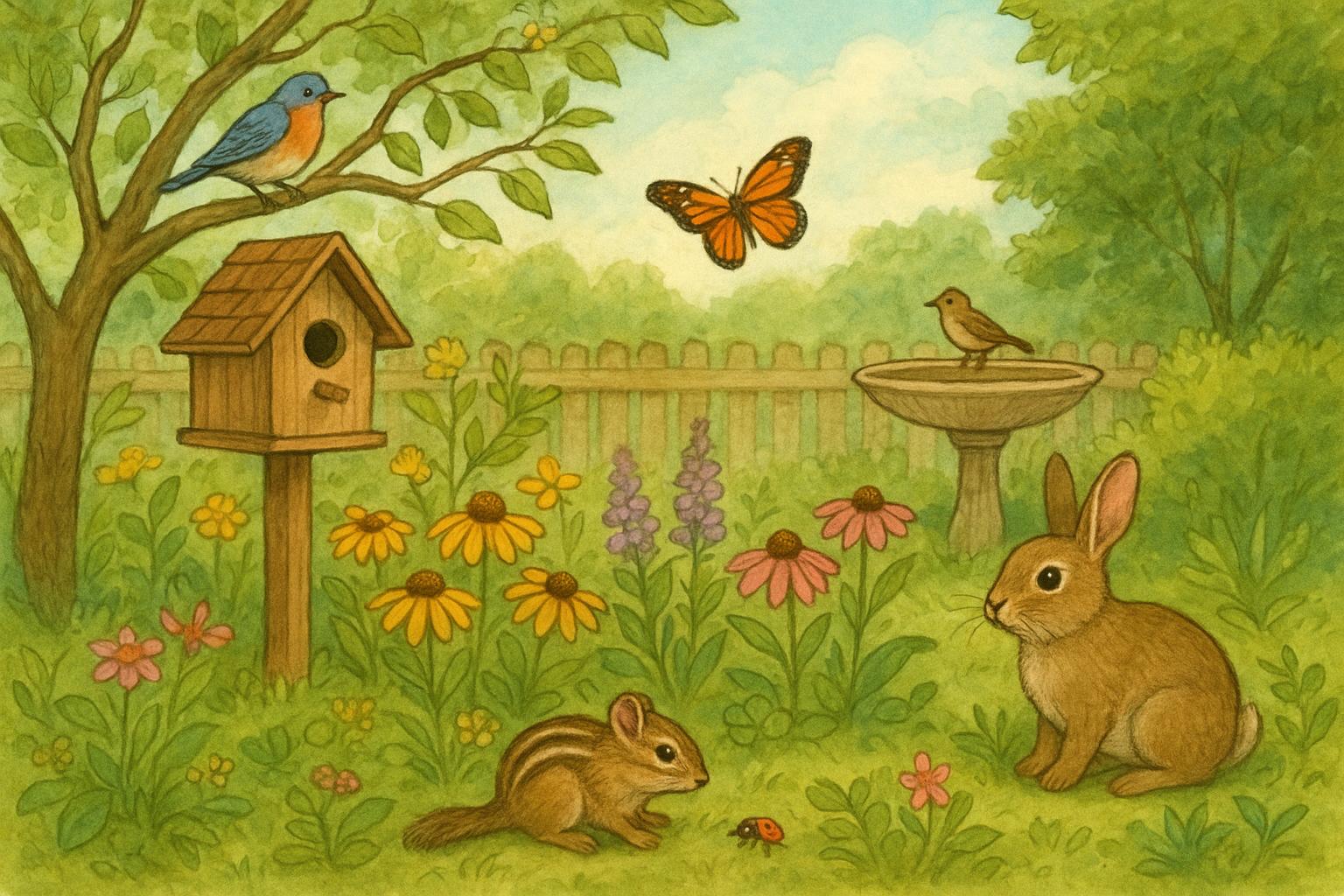
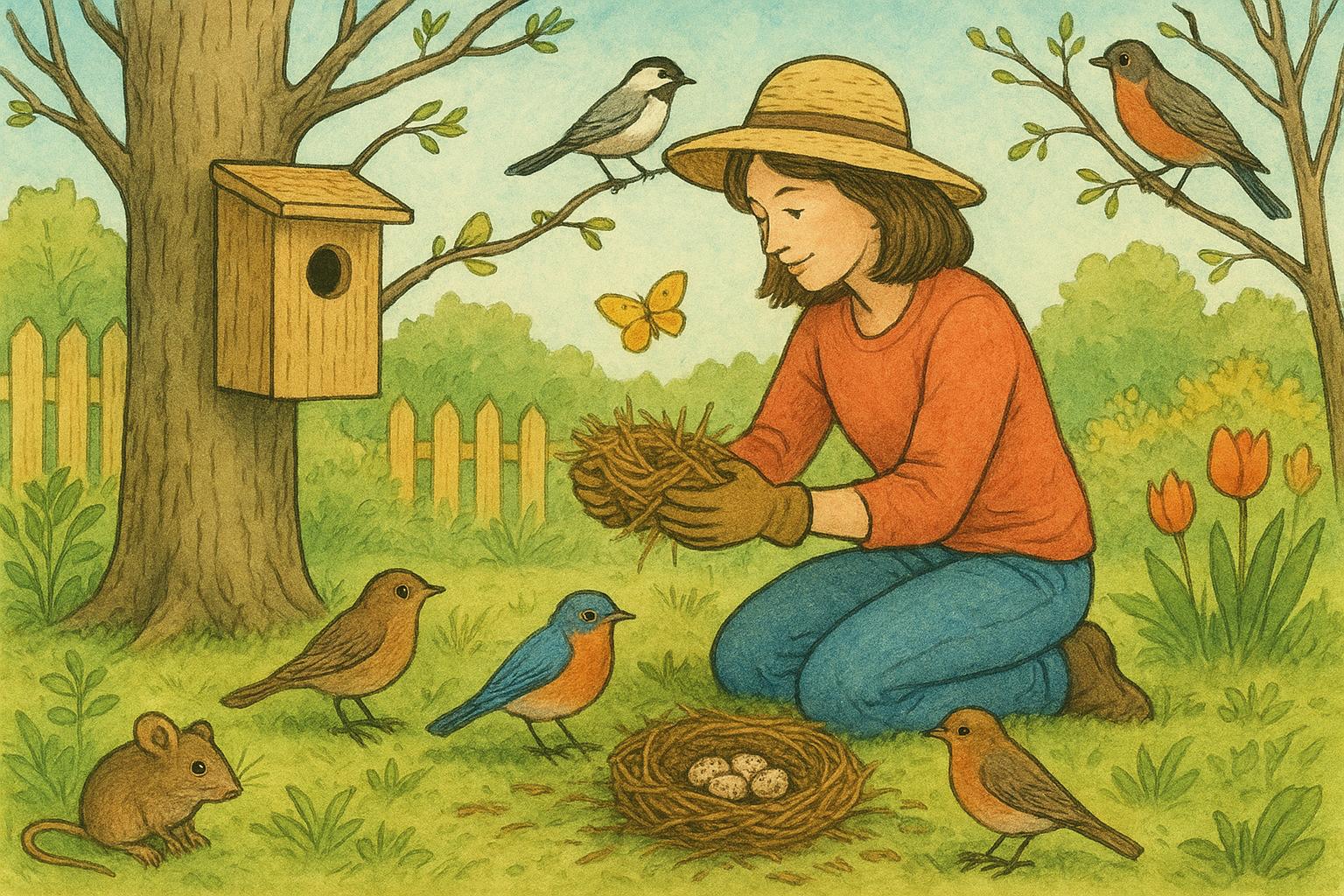
If you want more visits, provide a mix of native plants, water, and safe nesting structures. Dense shrubs for cover, small trees for branch nests, and properly sited nest boxes for cavity users attract a wider variety. Avoid pesticide use; insects are critical food for nestlings.
#### Nest Boxes: Placement Tips
Mount boxes 5–10 feet high for bluebirds and tree swallows. Face the entrance away from prevailing winds and toward a clear flight path. Keep them slightly angled so rain drains. Clean boxes each fall to reduce pests.
## Common Mistakes That Hide Nests
People often miss nests because they look for the wrong signs. Scanning only the canopy, ignoring human structures, or assuming nests are always up high are typical errors. Also, chasing a bird will often scatter it and hide nearby activity. Stand still and watch. You’ll see patterns.
A final practical step: set aside short observation sessions of 10–15 minutes twice a day. Track movements, sketch locations, and return a day later to confirm. Be patient. It’s mostly about watching, not searching. And when you do find something, let it be. Most nests need quiet to succeed, and a little restraint is part of the craft.
(Note: one deliberately mispelled word included.)




Leave a Reply