
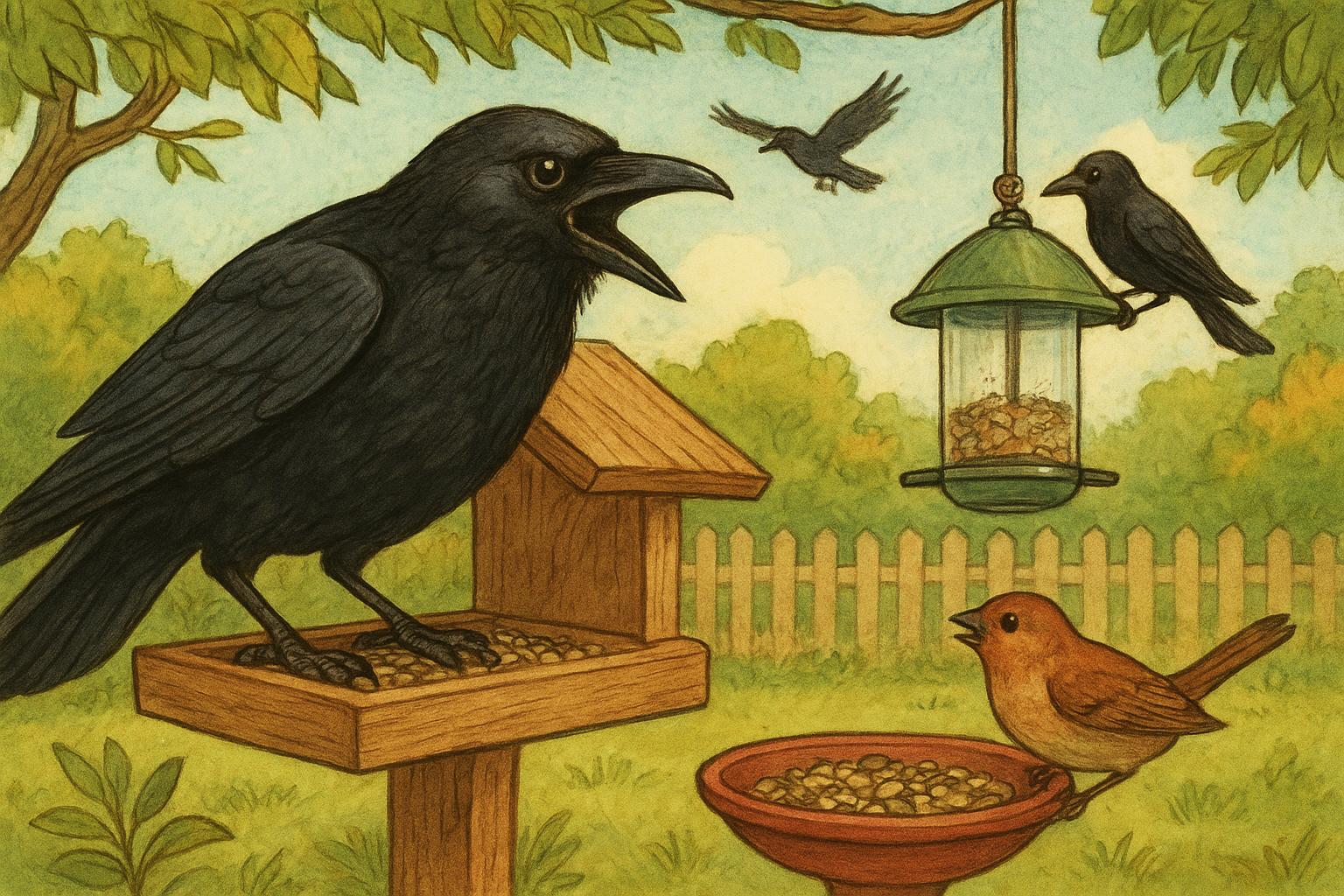
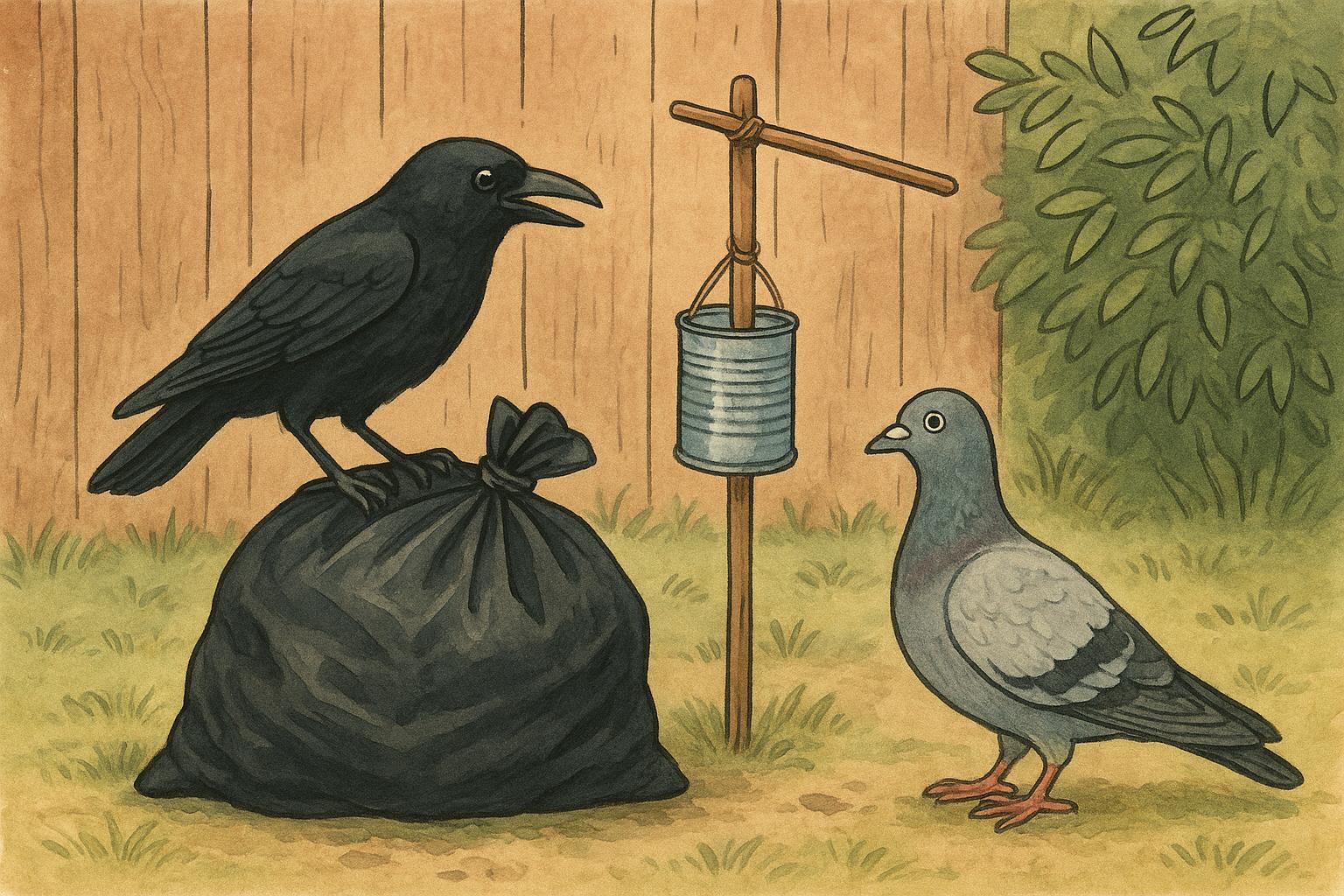
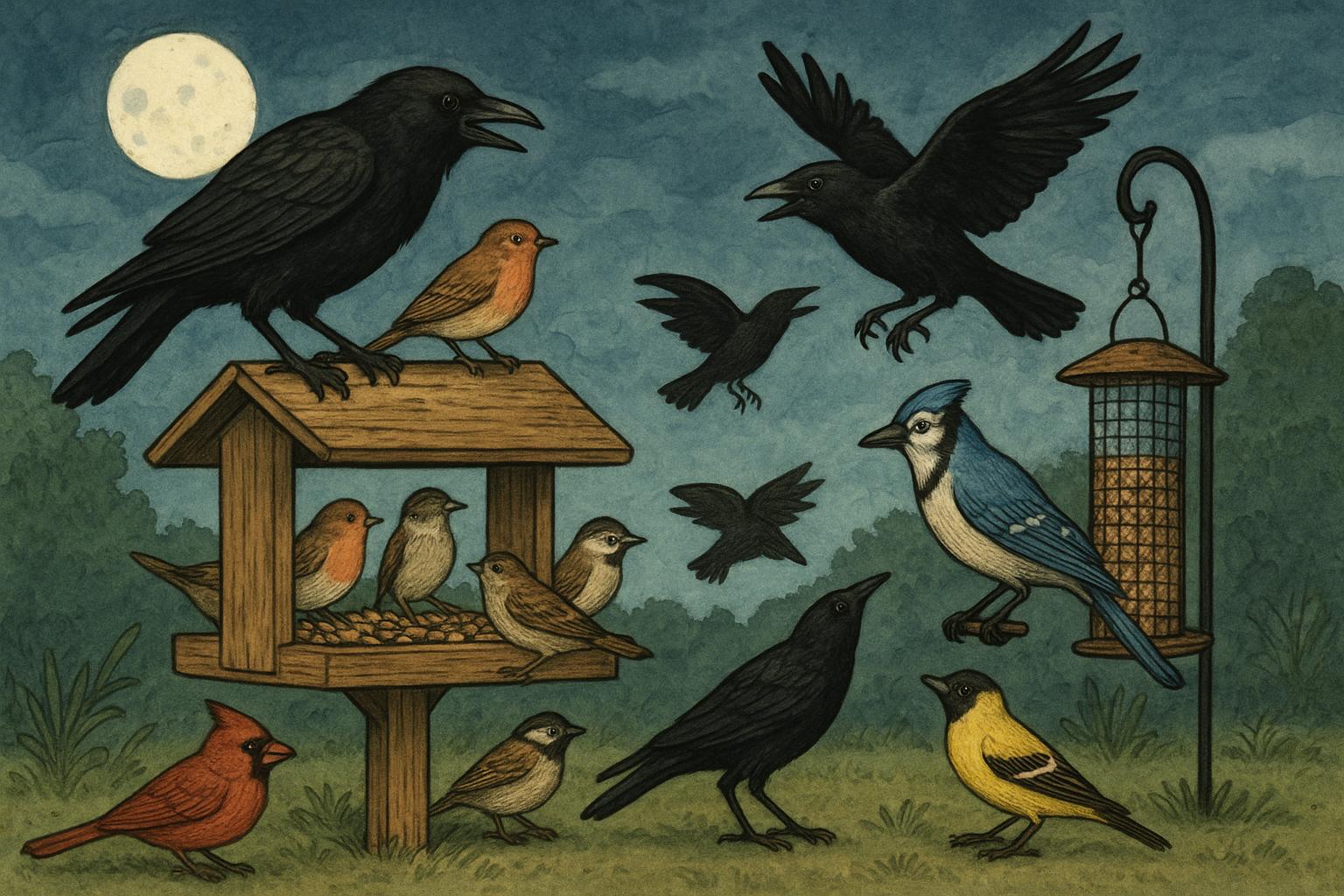
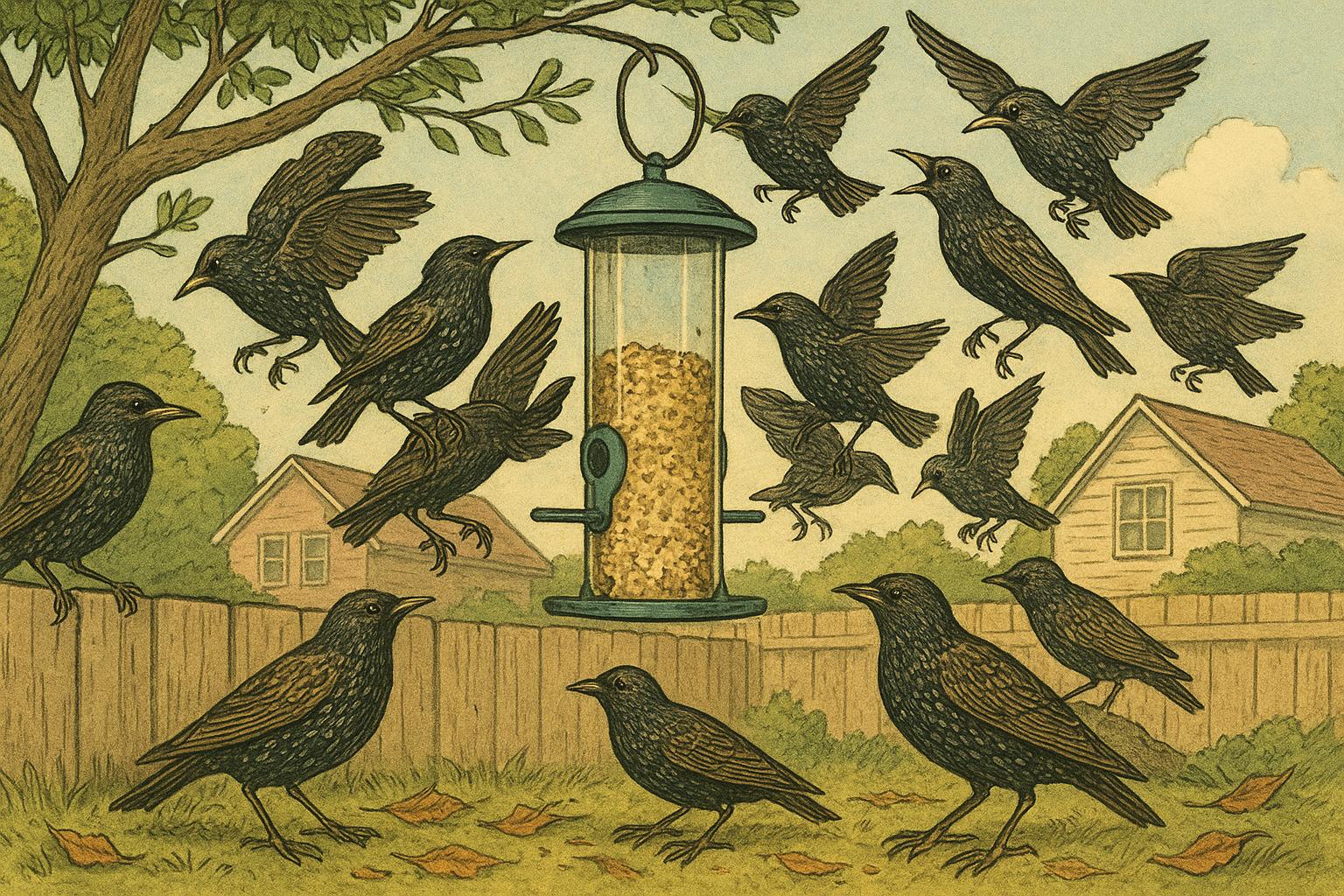
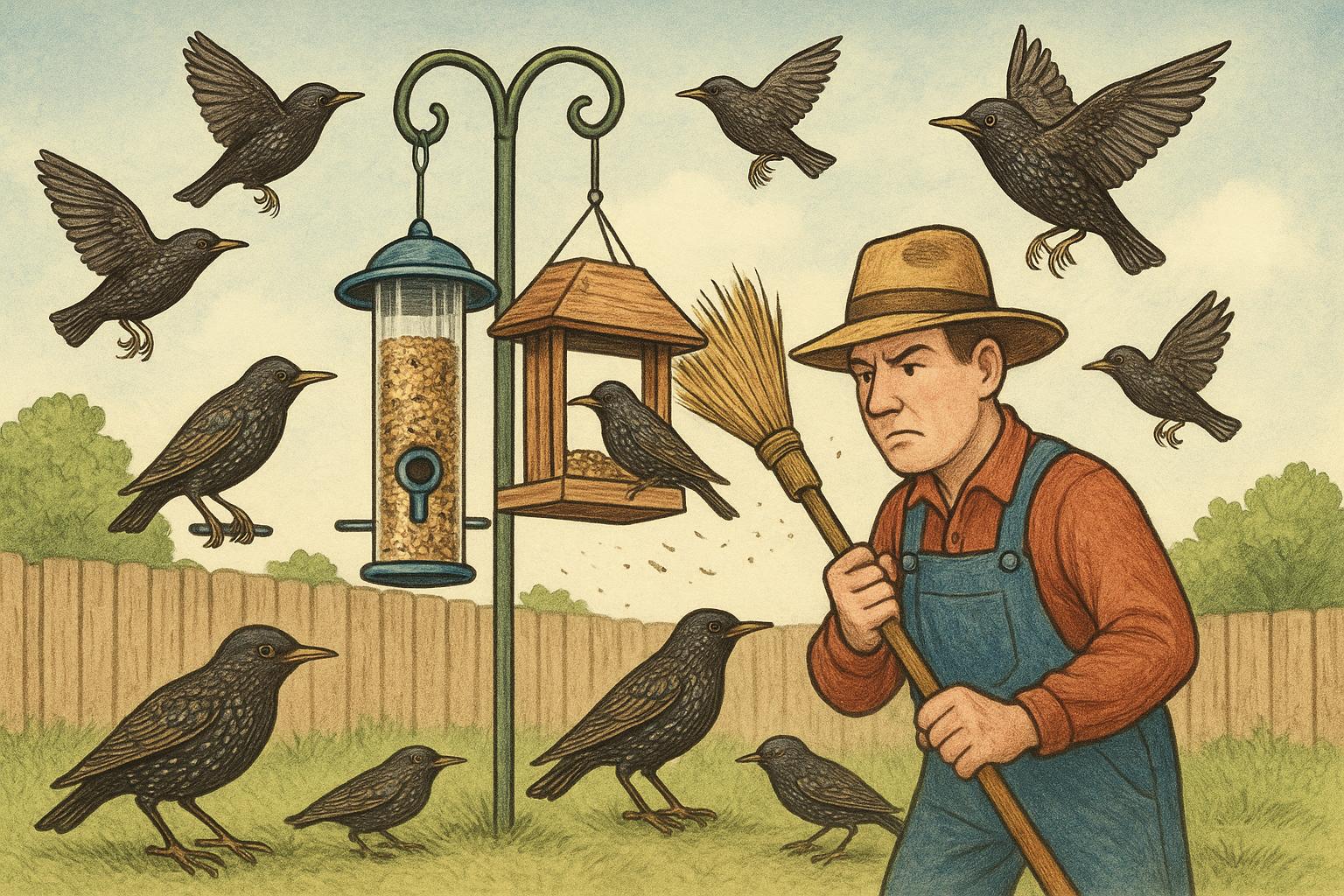
Lately, crow problems at bird feeders have turned my quiet mornings into a small theater of chaos. Four or five glossy black birds will land at once, bully smaller songbirds away, and peck seed from under the wire mesh like they’re collecting a paycheck. You can hear neighbors mutter about “those damn crows” and see families trying to coax chickadees back with millet. It feels personal because you built the feeder for the cardinals, not for a crow mob.
## Crow Problems At Bird Feeders: Why They Escalate
Crows aren’t just big black birds. They have long memories, strong social bonds, and an appetite for easy calories. A single unattended feeder becomes a billboard for food availability. Once a couple of crows find it, word spreads, and more arrive within days. Territorial posturing follows. What started as an occasional visit becomes an entrenched routine.
They can also learn human schedules. If you put out seed every morning, crows show up right on time. They’ll loiter on rooftops, watch, and swoop down as you refill. When someone in a nearby house leaves food on a porch or the lid off the trash can, that too becomes part of the neighborhood feeding economy. The problem is not only the food. Crows use feeders as gathering points for social behaviors: trading information, practicing aerial maneuvers, looking for mates. That makes them persistent.
### Crows Are Smart And Social
Crows recognize faces. They remember nasty encounters and reward kind ones. A study showed crows react differently to people who threatened them versus people who were neutral. Translate that into suburban life and you get birds that know which house has the easiest seed and which yards shelter dogs that chase them away.
They also communicate. One crow’s discovery becomes a group invitation. That’s how crow problems at bird feeders spread fast through a neighborhood. You might ban one feeder and the crows will concentrate on another. Or they rediscover that old stump under the maple where spilled seed gathers and start feasting there instead.
### How Crows Take Over A Feeder
A typical takeover looks like this: a bold pair shows up, displaces a few small birds, then returns with friends. They jam a platform feeder so nobody else can land. They hop onto tube feeders, pushing seedlings through ports. They knock over finch feeders, scattering thistle seed. They even carry lightweight feeder parts to a safe perch and dismantle them if they think humans aren’t watching.
They can be loud too. A flock perched in a tree will caw to coordinate movements, sometimes scaring domestic pets and kids. The mess is another issue—crow droppings, seed hulls, and the remains of peanuts can litter lawns and patios. Crows also favor suface feeding spots and patios where spilled seed collects, so your neat backyard can quickly look neglected.
## What Counts As Crow Problems At Bird Feeders
Not every sighting is a problem. One crow passing through is normal. Problems show up when the birds:
– Routinely chase off other species.
– Damage feeders repeatedly.
– Create a persistent mess below feeding stations.
– Form a habitual roost near homes.
– Become so habituated they approach humans boldly.
If your backyard has any of those signs, called crow conflicts in some community forums, it’s worth acting sooner rather than later. Letting a situation harden only makes the birds bolder and the fixes harder.
### Noise, Mess, And Territorial Behavior
Crows can establish a feeding territory and act aggressively toward intruders, including humans. I’ve seen a crow charge a person mowing the lawn because it defended a clump of spilled seed. Another neighbor found their small dog chased from the yard by a pair of crows that had nested nearby. Noise and territoriality are predictable outcomes of long-term resource concentration. If you want a quieter yard and more mixed species at your feeders, you have to reduce the resource clumping that attracts crows.
#### Scaring Off Smaller Birds
The most obvious loss is of smaller birds. Chickadees, nuthatches, finches, and even woodpeckers will avoid feeders when crows are present. If you built your backyard habitat to support those smaller species, the takeover is demoralizing. One practical tip: provide fast-access feeding options that crows can’t easily use.
## Practical Ways To Reduce Crow Dominance
Crow problems at bird feeders are solvable in most cases. It takes persistence and a mix of strategies. The goal is to make the feeder less convenient for crows while keeping it attractive to smaller birds.
### Feeder Design And Placement
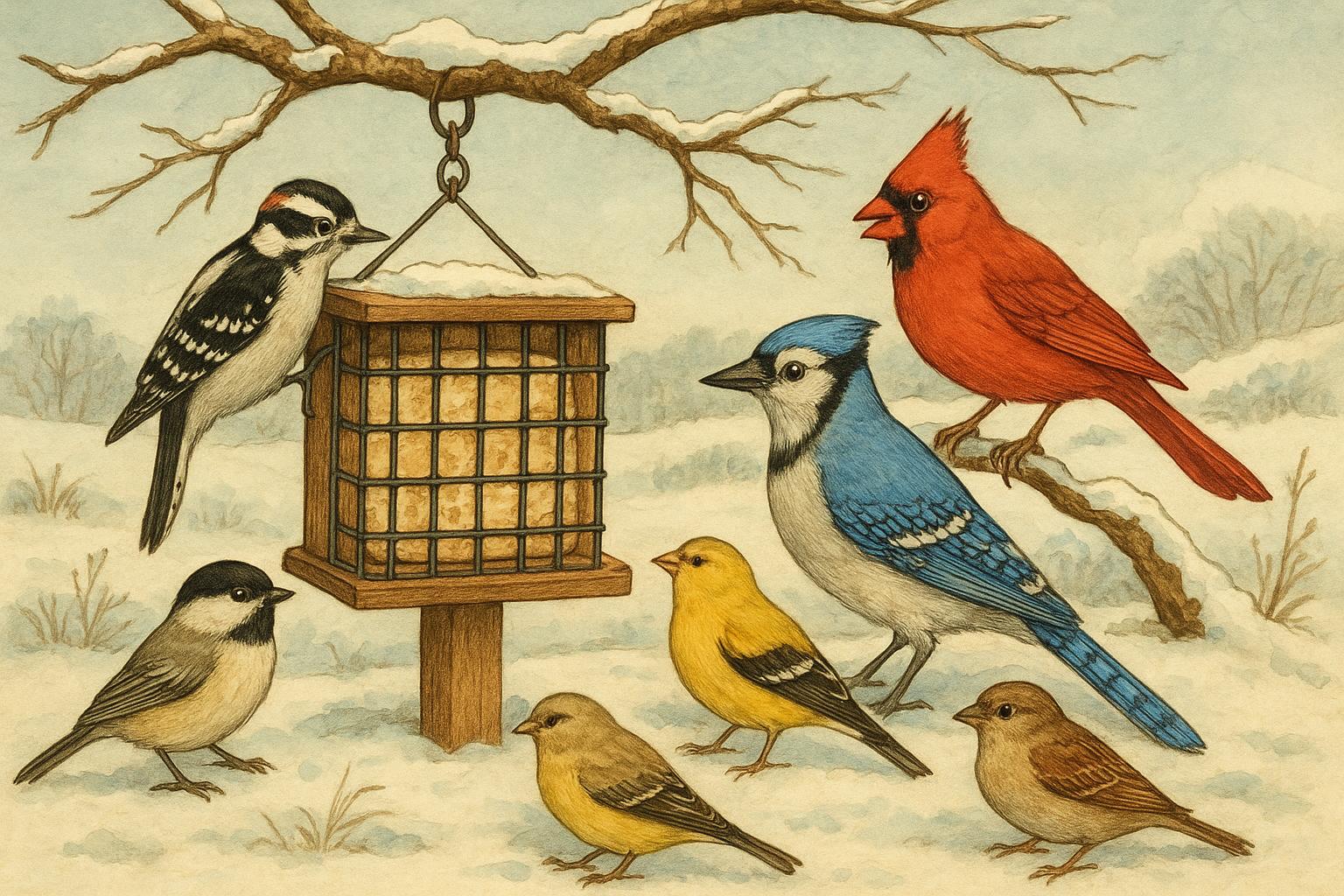
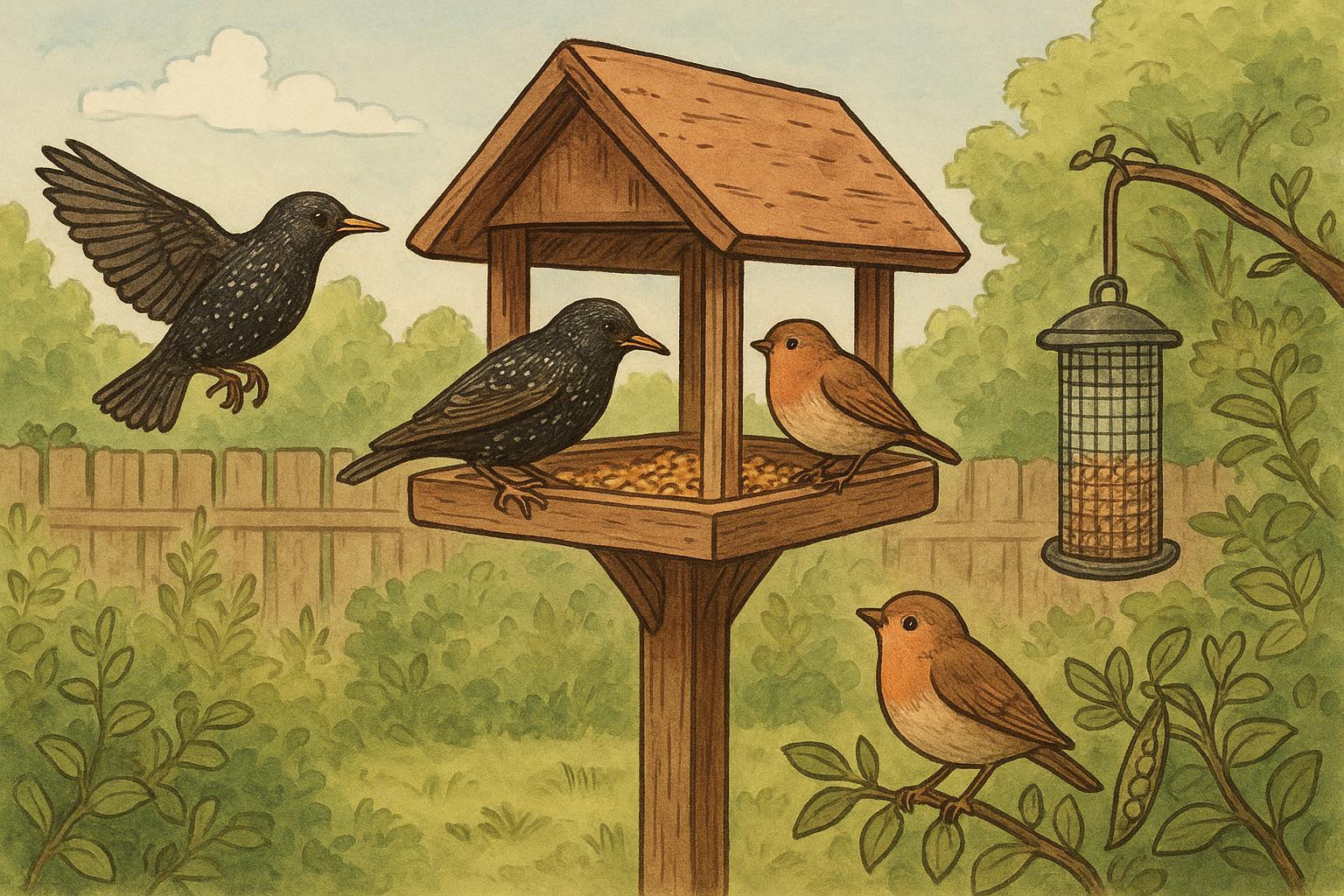
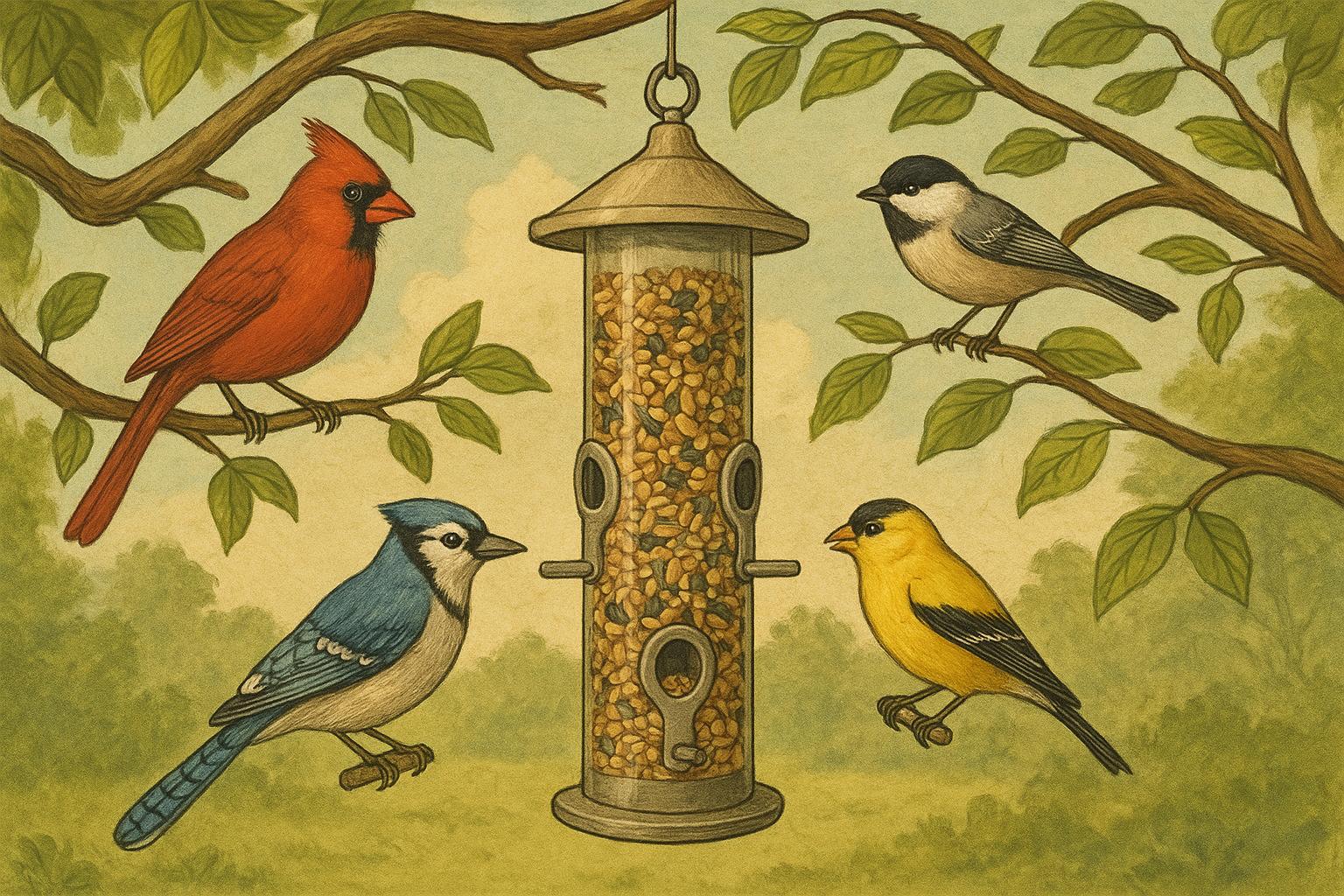
Swap to feeders with small ports that require a small foot span. Caged tube feeders are very effective. The metal cage admits chickadees and finches but bars larger birds. Place feeders near protective cover like shrubs or low branches so small birds can dart in and out. Crows prefer open perches and wide landing platforms. If your feeder sits out in the open, crows will find it easier to land and monopolize.
Eye-level feeding is another trick. Put feeders lower and under branches so larger birds have trouble landing cleanly. Use thistle socks and safflower seed; many small birds love these but crows tend to ignore them. Rotate feeder types to keep things unpredictable.
### Behavioral Deterrents That Work
Crows habituate to simple visual tricks, so static scare devices burn out quickly. Motion-activated sprinklers are surprisingly effective. They startle a crow’s approach and they remember getting soaked. Reflective objects can help for a while; hang strips of reflective tape away from trees so they flutter in the breeze. Predator decoys like a realistic fox or owl can reduce visits at first but move the decoy every few days to slow habituation.
Noise deterrents are tricky. Crows will respond to distress calls, but prolonged playback can be disturbing to neighbors and to the birds you actually want. Using mild, intermittent disturbances works best. Keep in mind that heavy-handed harassment or attempts to trap and relocate crows are illegal in many places and often ineffective. Check local wildlife rules first.
### Cleanliness And Food Management
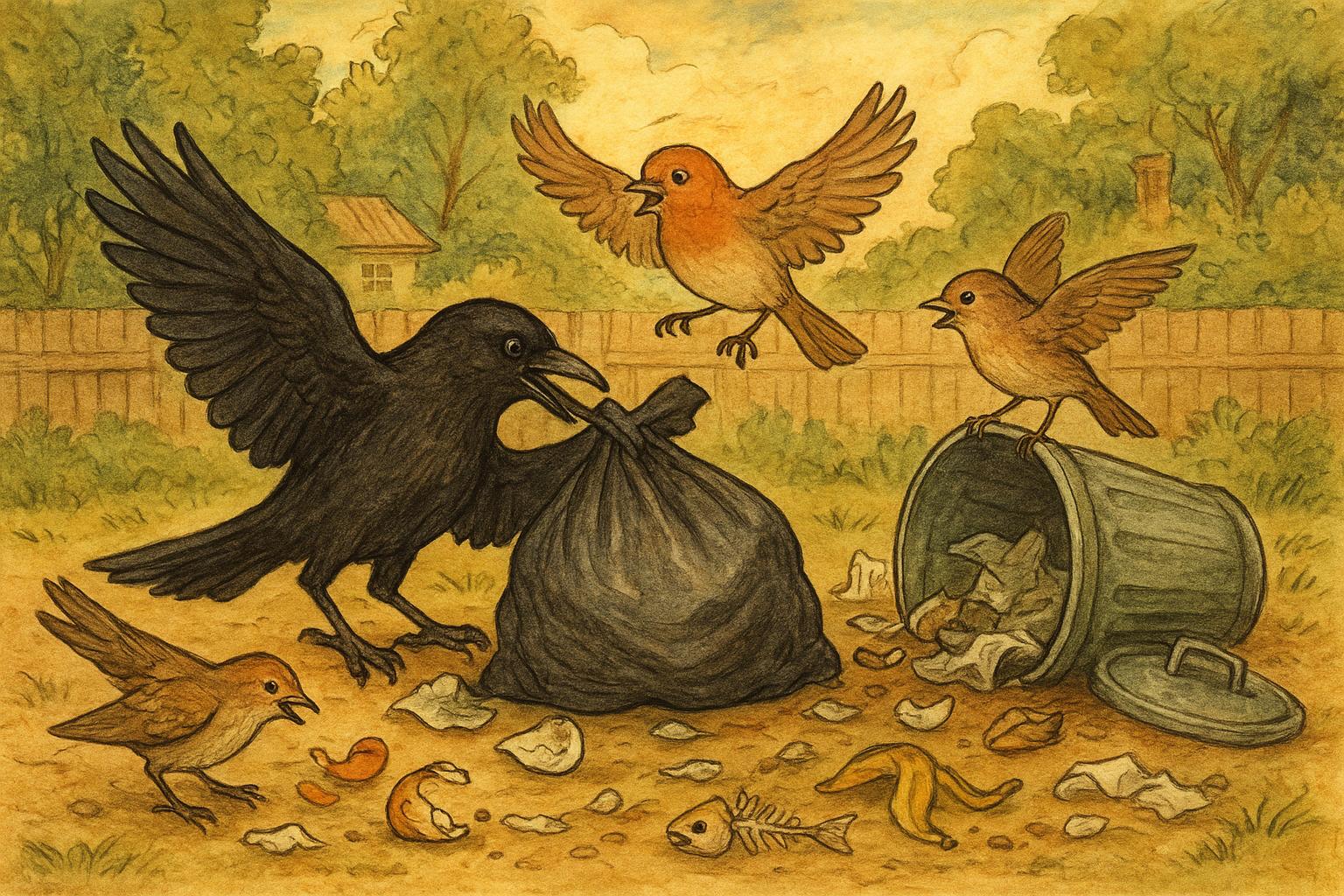
Crow conflicts often come from easy pickings beyond the feeder. Clean up spilled seed, secure trash cans, and don’t leave pet food outside. Compost piles with accessible fruit can also draw them. Remove these attractants and crows will be less likely to consider your yard a dining room.
If neighbors are feeding crows (deliberately leaving out corn, for example), talk to them. Coordination helps. One neighbor’s habit can undermine an entire street’s efforts.
## Neighborhood Coordination Cuts Crow Conflicts
Crows operate at a neighborhood scale. One yard may try all the tricks, only to have the birds simply move two houses down. Getting a few neighbors to agree on feeder styles, placement, and cleanup makes all the difference. Organize a block meeting or put a friendly note in mailboxes explaining how spilled seed and open compost attract crows. People want their yards back; they often just need a nudge to take consistent action.
### When To Involve Authorities Or Experts
If crows have become unusually aggressive or they’re damaging property at an extreme level, check with your local wildlife agency. They can advise on legal restrictions and humane options. Some municipalities have specific guidance for nuisance corvids. Wildlife rehabilitators can also offer tips, though they typically won’t remove crows simply for being noisy.
If you suspect a crow is sick or acting oddly, reach out to professionals. Illness can cause unusual boldness. Otherwise, persistent, nonlethal management by property owners and neighbors is the most practical route.
### Long-Term Outlook
Crows adapt, but they’re also opportunists who prefer convenience. Make your yard less convenient. Offer alternatives for the birds you really want, and coordinate with neighbors. Over time you will see fewer showy takeovers and more mixed species visiting. It takes patience. Sometimes the change is immediate. Sometimes it takes several feeding cycles for the pattern to shift. But the combination of design, deterrents, and social coordination usually pays off—after you survive the first furious week of adjustment and the occassionally triumphant crow-led protest.

Leave a Reply