

Sometimes the night sounds like a natural mystery podcast, and if you’re sitting on your porch wondering who’s belting out the neighborhood’s midnight solo, you’re not alone. Night howls can be eerie, charming, annoying, or all three at once. This guide will help you parse those yips, long-calls, and baying choruses so you can figure out who’s calling at night without turning into a backyard detective with night-vision goggles (although that would look cool).
## Common Night Howls And Who’s Making Them
The easiest way to make sense of night howls is to narrow down likely candidates. Habitat, weather, and the pattern of the call all give clues. Here are the usual suspects.
### Coyotes: The Neighborhood Choristers
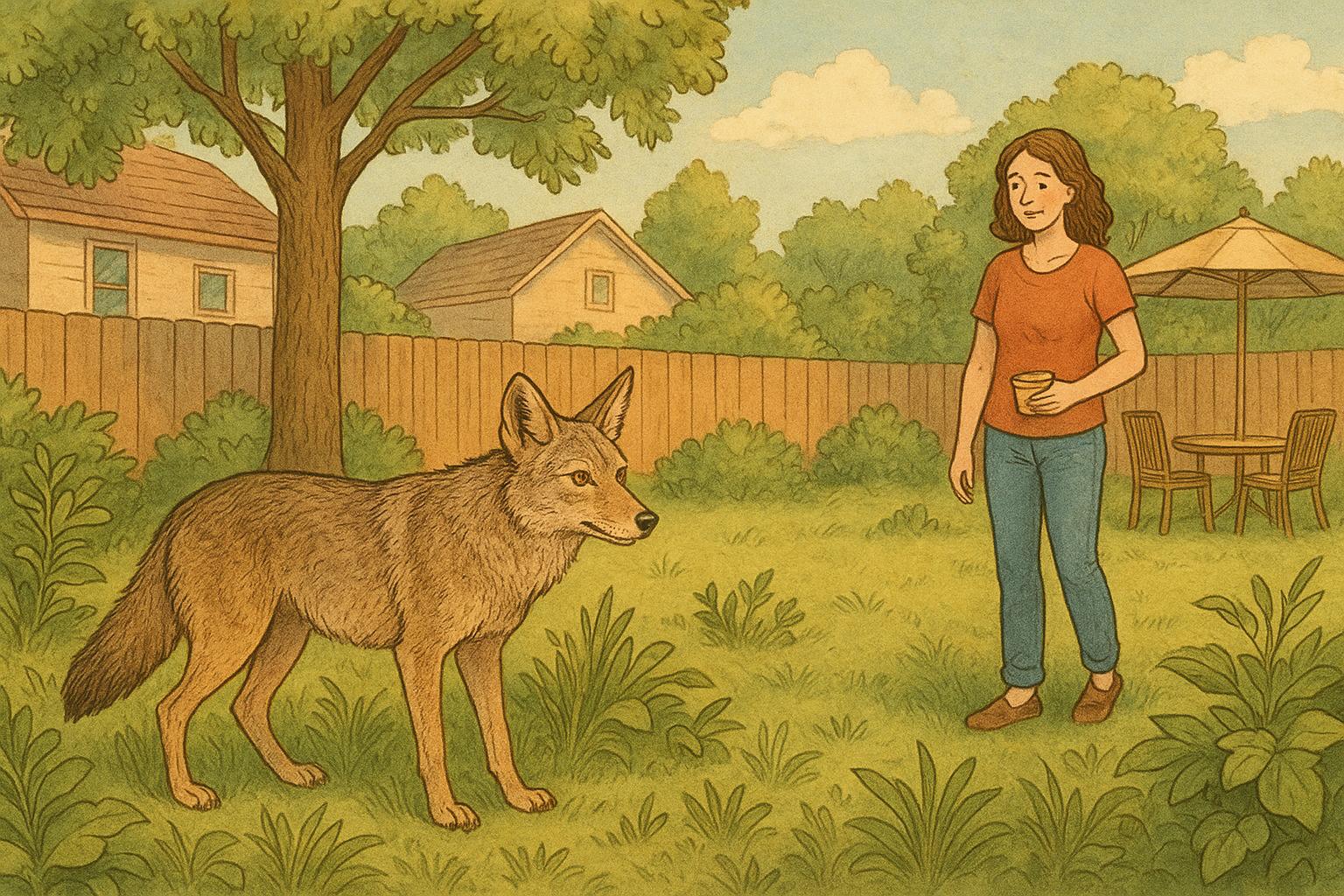
Coyotes are the most frequent cause of night howls around suburbs and rural edges. Their calls range from yips and barks to long, drawn-out howls that can sound almost musical. A coyote pack will often produce a series of yips that build into a howl, used for group cohesion and territory signaling. If you’re in a semi-urban area with open lots or greenways, coyotes are the likely culprits.
#### Vocal Patterns
Coyotes produce high-pitched yips (short), a bouncing howl (mid-length), and longer, melancholic howls. Multiple individuals create a rising-and-falling chorus.
#### Typical Context
Evenings and early nights, especially near food sources—rodent-rich areas, unsecured pet food, or compost piles—are common times to hear them.
### Wolves: Rare But Distinct
True wolves are less common in most populated regions, but where they exist, their howls are deeper, more resonant, and often longer. Wolves tend to howl as a pack to coordinate movement and assert territory across wider distances than coyotes.
#### Pitch And Duration
Wolf howls are lower in pitch and can carry farther. They usually have a steadier, sustained quality without the yippy urgency coyotes sometimes show.
### Domestic Dogs And Foxes: Similar But Different
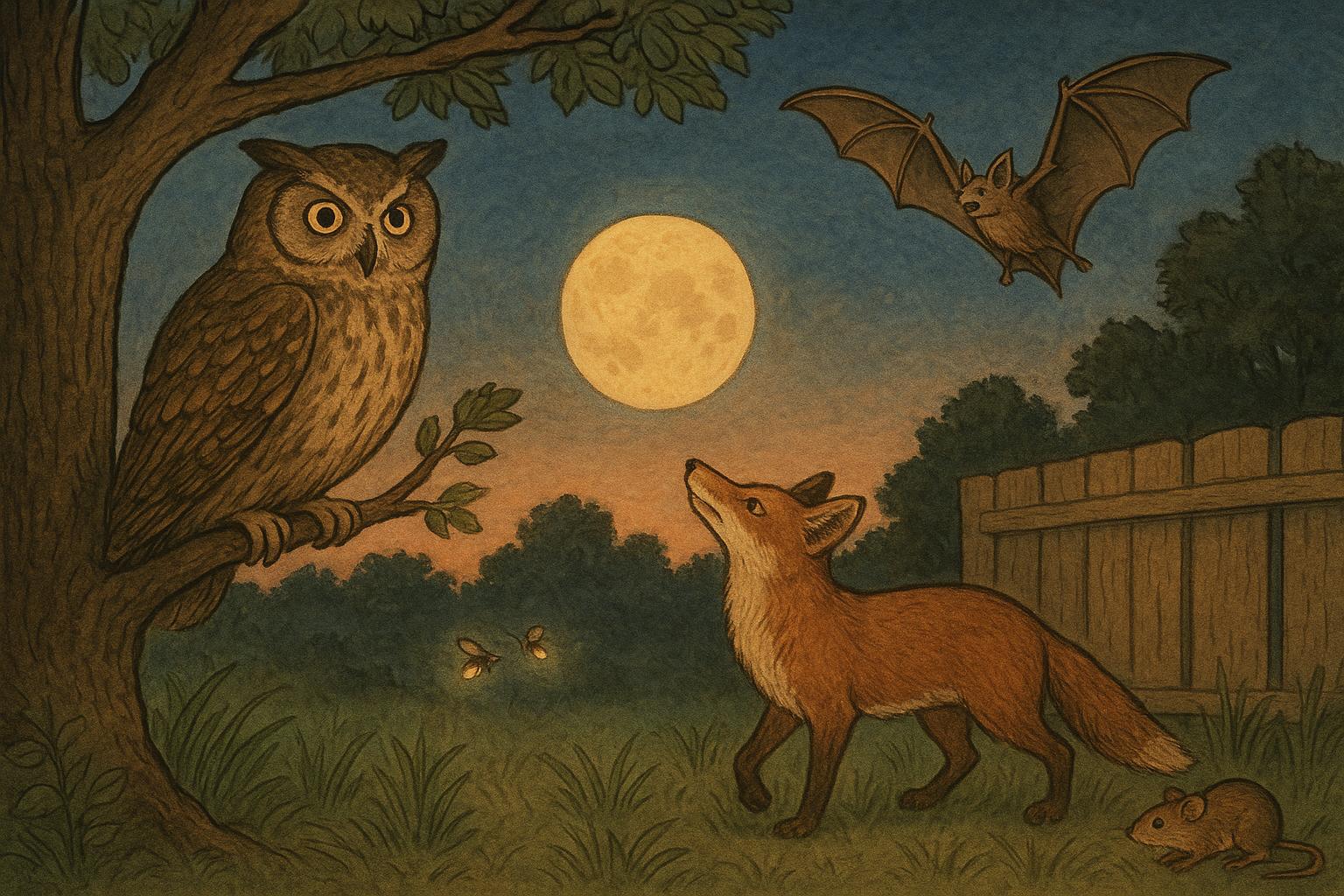
Domestic dogs can howl, especially certain breeds and when responding to sirens or other animal calls. Dog howls are often learned, variable, and sometimes melodramatic. Foxes make a wide range of nighttime sounds—screeches, barks, and high-pitched howls that are thinner and more nasal than coyotes.
#### Distinguishing Features
If the sound comes from a yard, is accompanied by visible dog movement, or occurs late at night and ends quickly, think domestic dog. Fox vocalizations are usually single, sharp, and can sound like a human cry at times.
## How To Identify Night Howls By Sound And Context
Listening carefully is the first step. Consider these practical indicators when deciding who’s calling.
### Note The Pattern And Repetition
Is it a single long note, a series of short yips, or a melodic chorus? Single plaintive calls often point to foxes or lone dogs; structured sequences usually indicate coyotes or wolves.
### Consider Location And Habitat
Open fields and forest edges favor coyotes and wolves. Dense suburban yards with plenty of human activity are more likely to have domestic dogs or urban-adapted foxes. If you hear howls near water sources or deep forest after dark, wolves or larger canids might be involved.
### Time Of Night Matters
Coyotes and foxes are most active from dusk to dawn. Domestic dogs will howl at any time if prompted. Wolves often call to coordinate pre-dawn movement or after dusk.
### Look For Visual Clues
If safe, take a quiet look from indoors or with a window view. Shine a low beam of light—do not go outside and chase wildlife. Eyeshine, silhouette size, and gait can tell you a lot without putting you or the animal at risk.
## Reading The Behavior Behind The Night Howls
Vocalizations aren’t just noise; they convey intent.
### Territory And Social Bonding
Group howls are commonly territorial or signaling cohesion. If multiple animals respond in sequence, you’re likely hearing a social call—coyotes often rally with that classic rising-and-falling chorus.
### Alarm Calls And Predation Events
Sharp, repeated barks or frantic yips can indicate alarm—maybe a close predator or a scramble over food. Standby for repetitive, high-energy sounds when scavenging or confrontations occur.
### Mating And Seasonal Patterns
Mating season affects vocal behavior. Coyotes and wolves increase howling during breeding seasons and pup-rearing periods. That can mean more nighttime activity in spring months.
## ## Remedy 1: Motion-Activated Deterrent For Night Howls
When night howls are driving you to the cozy edge of sanity or posing a risk to pets, a humane deterrent can reduce visits. This remedy is practical and aimed at coyotes and opportunistic canids that frequent yards due to attractants.
Materials Required:
– Motion-activated outdoor floodlight (LED)
– Motion-activated ultrasonic device (wildlife-safe frequency)
– Battery or solar power source as required
– Sturdy mounting brackets and outdoor-rated extension cord (if needed)
– Reflective tape or garden stakes for visibility
Application Steps:
1. Assess Hotspots: Identify areas where animals enter your property—gates, fence gaps, compost bins, or accessible trash cans. Map these points before installation.
2. Position Devices: Mount the floodlight and ultrasonic device at entry points, set at a height of 4 to 6 feet to maximize detection of mammals. Aim lights outward to cover the yard perimeter without shining into neighbors’ windows.
3. Configure Sensitivity: Set motion sensors to medium sensitivity to avoid frequent false triggers from small wildlife like squirrels. Test during evening hours and adjust until the device reliably activates for larger animals.
4. Power Management: Ensure devices have continuous power—solar units should face unobstructed sky; battery units must be checked monthly and replaced seasonally.
5. Maintain And Monitor: Check devices after storms and monthly for wear. Rotate the device positions every few weeks to prevent habituation by animals.
Safety And Effectiveness Notes:
– Ultrasonic deterrents are non-lethal and designed to discomfort without harm. Their effectiveness varies; combine with other deterrents for best results.
– Avoid indiscriminate bright lighting that may disturb neighbors or nocturnal pollinators; use directional light and timers.
## ## Remedy 2: Remove Attractants And Secure Property
Addressing the root causes of nighttime visits is the most reliable approach. This remedy is formal and prescriptive: reduce attractants, secure food sources, and modify habitat to make your yard less inviting.
Materials Required:
– Secure wildlife-proof trash cans or can locking bands
– Pet food storage containers (metal or heavy-duty plastic with lids)
– Fencing materials (wire mesh, stakes, posts) for small-area exclusion
– Composting bin with secure lid, if composting
– Motion-sensing or timed lights (optional)
Step-By-Step Creation And Application:
1. Trash Control: Upgrade to wildlife-resistant trash cans or add locking devices to existing cans. Schedule trash pickup for mornings rather than evenings to avoid leaving smells overnight.
2. Pet Food Protocol: Feed pets indoors where possible. If outdoor feeding is unavoidable, remove food bowls immediately after feeding and store food in sealed, rodent-proof containers.
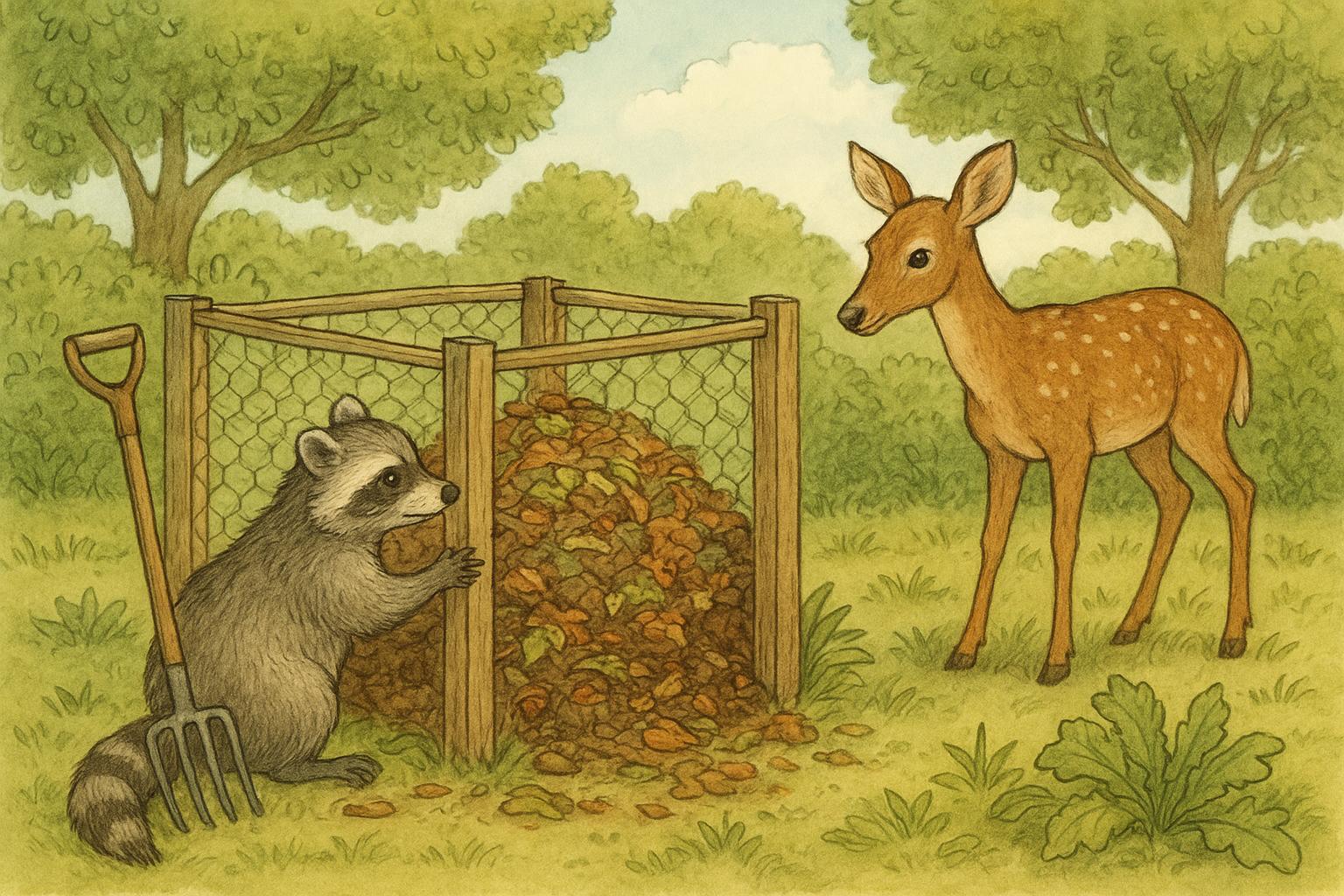
3. Secure Compost And Garden Waste: Use an enclosed compost bin with a tight lid; avoid adding meat scraps or high-odor food waste that attracts canids and scavengers.
4. Fence And Barrier Installation: For gardens or small yards, install a fence at least 4 to 6 feet tall with an angled top or buried mesh to deter digging. Reinforce gates and close gaps under decks.
5. Eliminate Shelter Opportunities: Close off crawl spaces under sheds and porches. Trim brush piles and dense groundcover that can serve as hiding and denning sites.
6. Ongoing Monitoring: Keep a log of sightings and times to determine patterns. If activity persists, consult local wildlife management for region-specific guidance.
Regulatory And Ethical Considerations:
– Check local ordinances and wildlife guidelines before installing deterrents or altering habitats.
– Do not attempt to trap or relocate wildlife without proper permits—this can be illegal and inhumane.
### When To Call Professionals
If howling is accompanied by aggressive behavior, if animals are sick or injured, or if there is a threat to pets or people, contact local animal control or a licensed wildlife rehabilitator. Professionals can assess rabies risk, mange human-wildlife conflicts, and provide permanent solutions consistent with local laws.
## Listening Tips To Train Your Ear
Spend a few nights noting what you hear and when. Recordings on a phone can be surprisingly useful for later comparison with online audio libraries of coyotes, wolves, foxes, and dogs. Over time you’ll learn to tell a coyote’s taunting yip from a dog’s lonely serenade, and the neighborhood night chorus will start to feel a little less mysterious and a lot more like a living, breathing ecosystem.














































Leave a Reply