
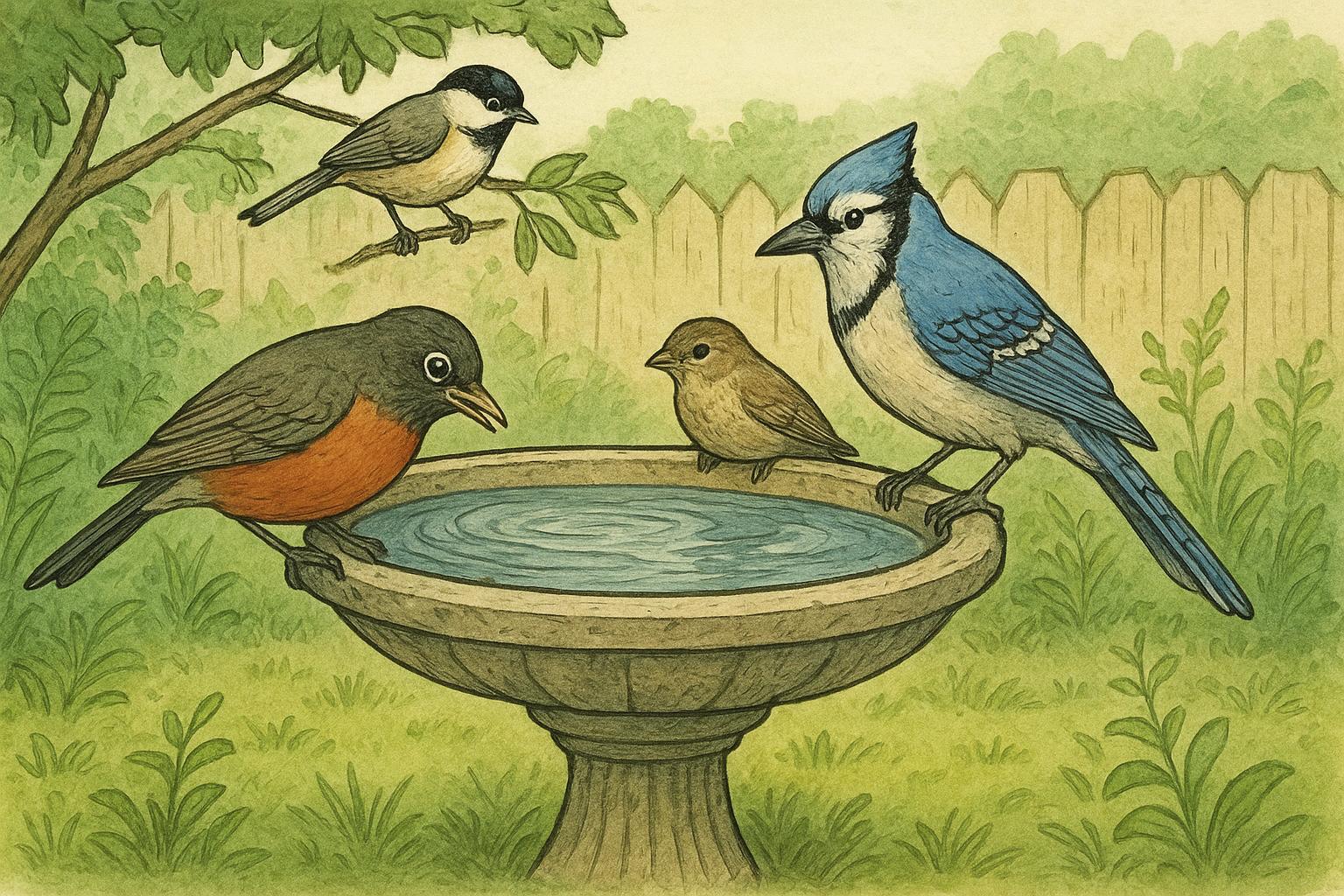
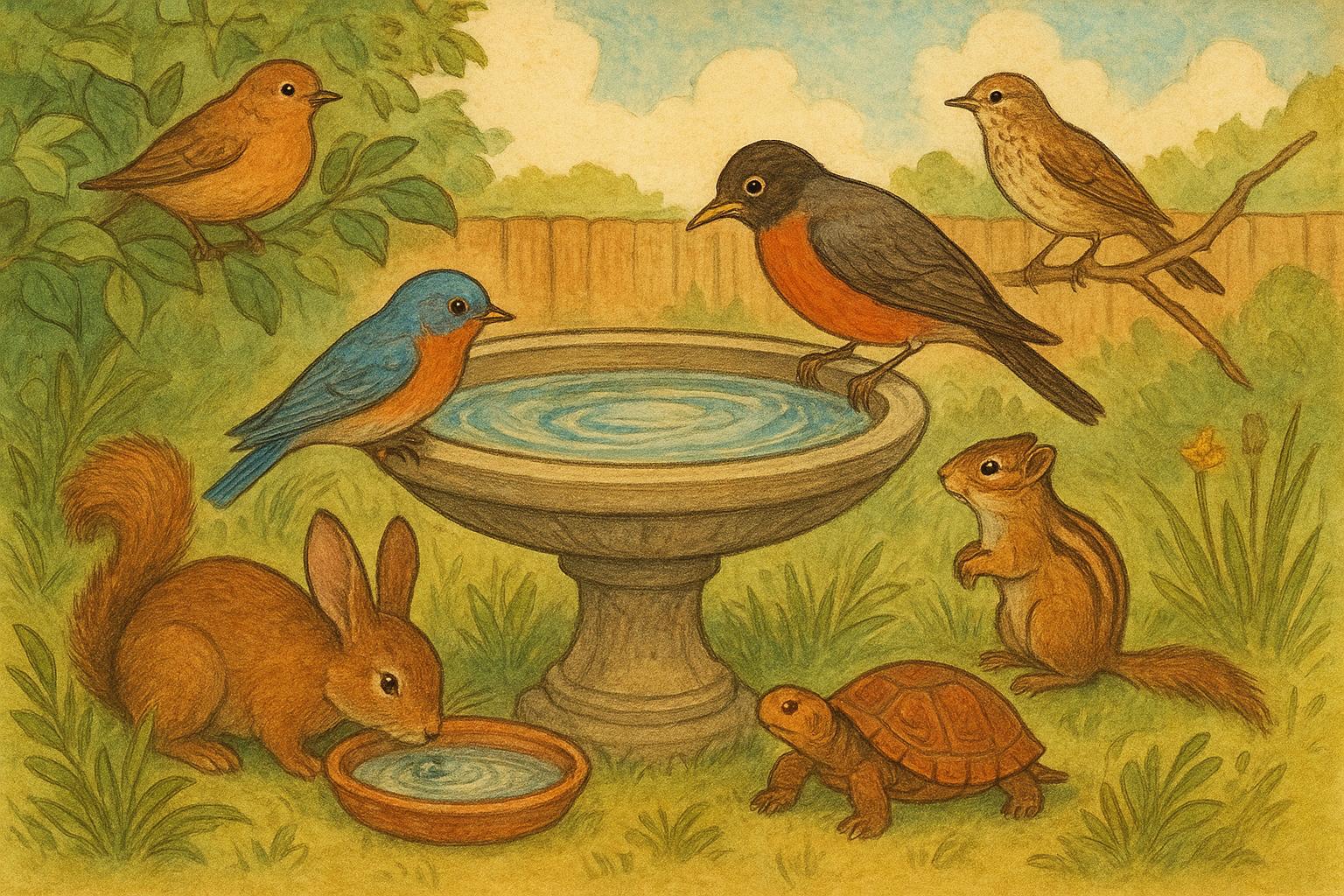
If you’ve ever stood in your backyard, watching sparrows flit past a neglected basin and wondered why the birds won’t touch the water, you’re not alone. A birdbath that looks full but sees few customers can feel like a tiny, silent mystery in your garden. Before you start blaming the weather or my neighbor’s cat, let’s walk through why birds are picky about their water and what you can do to make your birdbath the neighborhood café for feathered friends.
When it comes to birds drinking water, the devil is in the details: depth, cleanliness, placement, and safety all play starring roles. Get those pieces right, and you’ll likely have a steady parade of chirping patrons in no time.
## No Valid Option Birds Drinking Water Backyard Birdbath
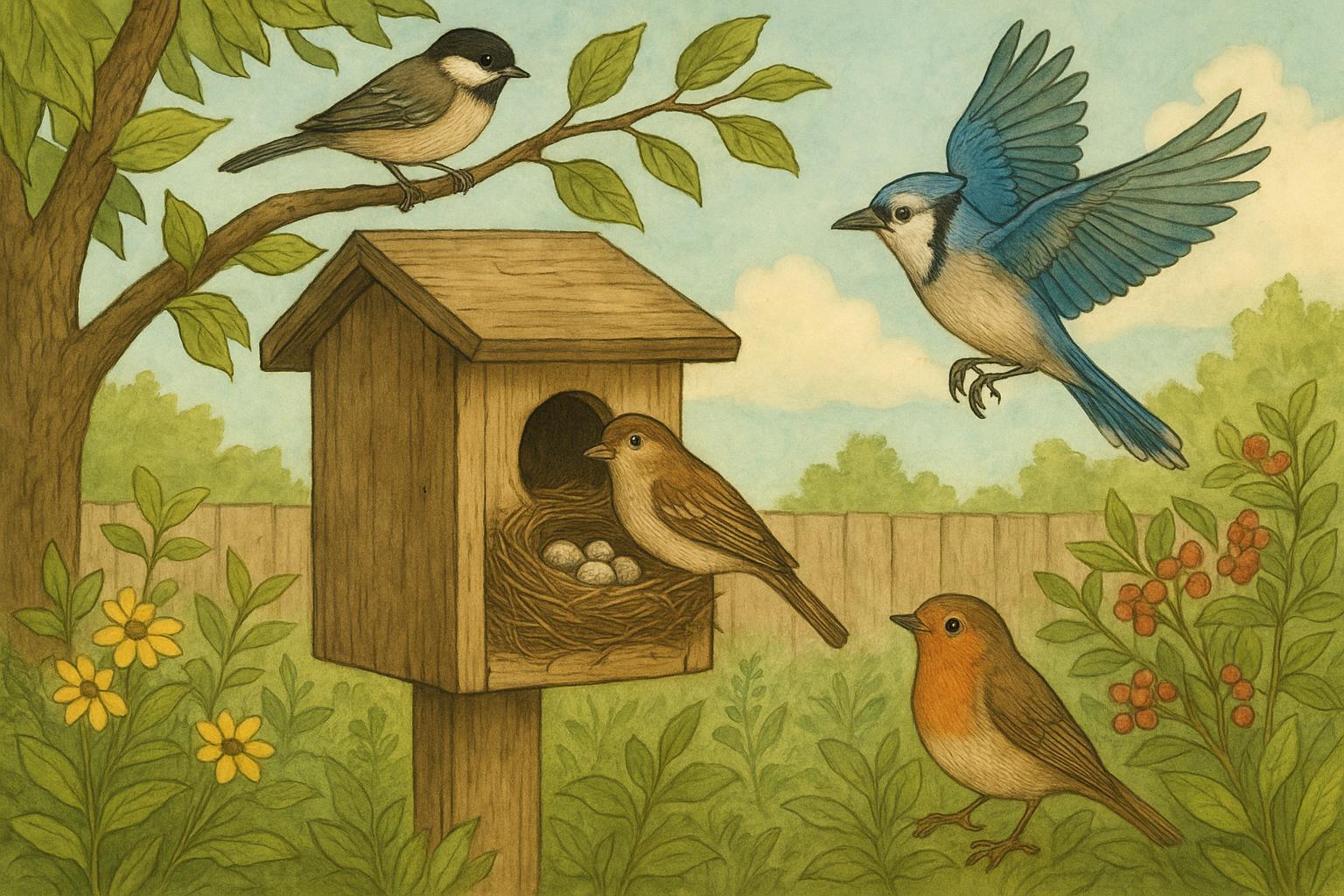
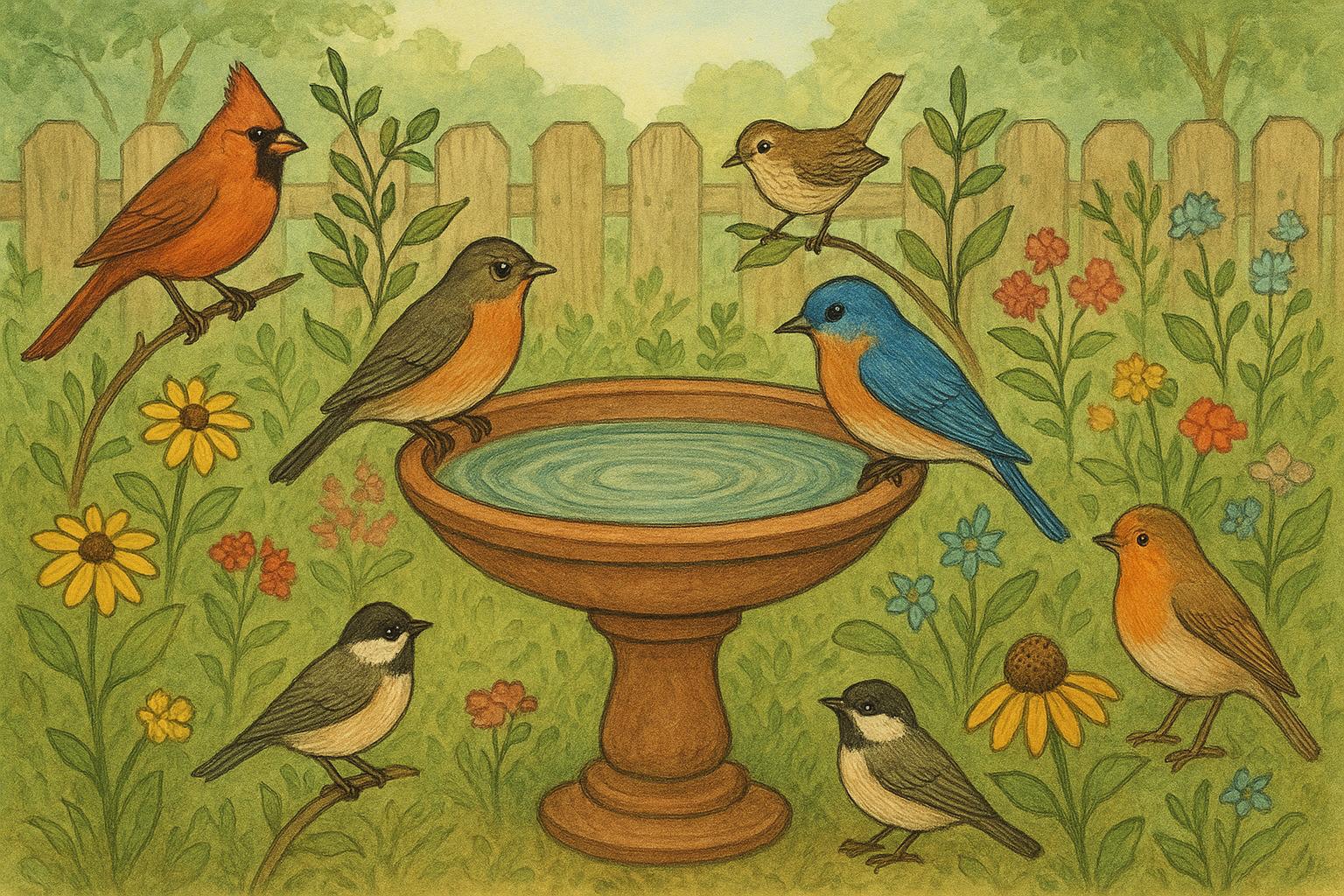
Birds don’t always behave like the carefree creatures in stock photos. Even if your birdbath is visually appealing to you, birds evaluate it differently. They look for shallow edges to perch on, still or gently moving water they can drink from and bathe in, and spots that offer a quick exit from predators. If your bath fails on one or more of those criteria, birds may simply walk on by.
### Common Reasons Birds Avoid A Birdbath
– Depth Is Too Deep: Many species prefer water no deeper than about 1–1.5 inches at the edges. Deep sudden drop-offs are intimidating.
– Dirty Or Stagnant Water: Algae, mosquito larvae and scum are turn-offs. Clean water says “safe” to birds.
– Placement Issues: Too exposed or too hidden — both are problems. Birds like some cover to watch for predators, but not so much that they feel trapped.
– Temperature Extremes: Frozen in winter or too warm in summer. Birds prefer moderate temperatures that don’t stress them when drinking.
– Predator Pressure: Nearby shrubs that hide cats or perch points for raptors will scare birds away.
### How Birds Decide To Drink
Birds drinking water is a risk-reward decision. They need hydration and bathing to maintain feather condition and body temperature, but approaching a new water source exposes them to predators and disease. If the bath looks sketchy, they’ll wait for a better option.
## Encouraging Birds Drinking Water In Your Backyard
Think like a bird for a minute: you need something shallow, clean, and safe with a quick escape route. Small adjustments to your birdbath setup can dramatically increase visits. The advice below is relaxed in tone but practical in effect — little changes, big rewards.
#### Visual Appeal And Access
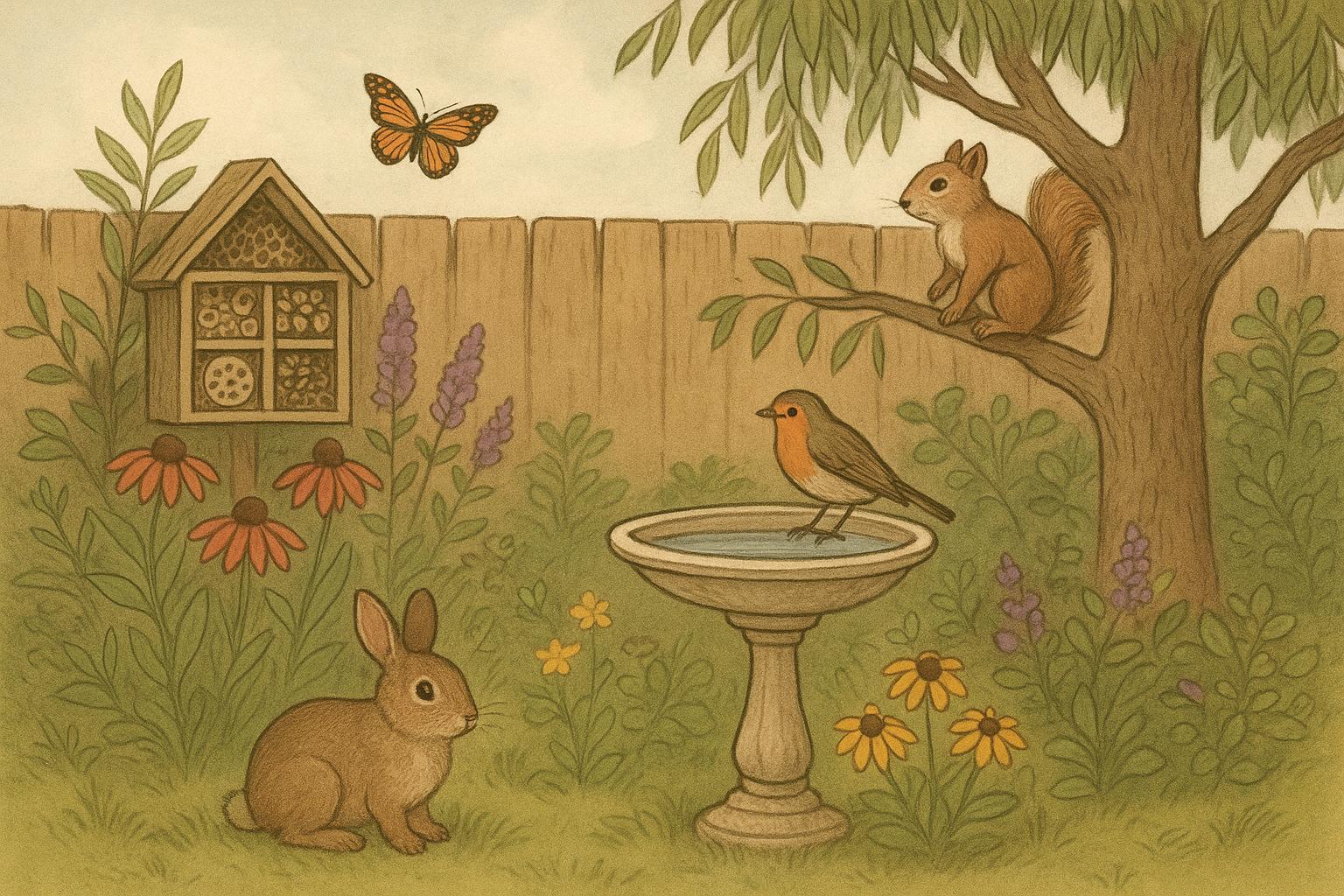
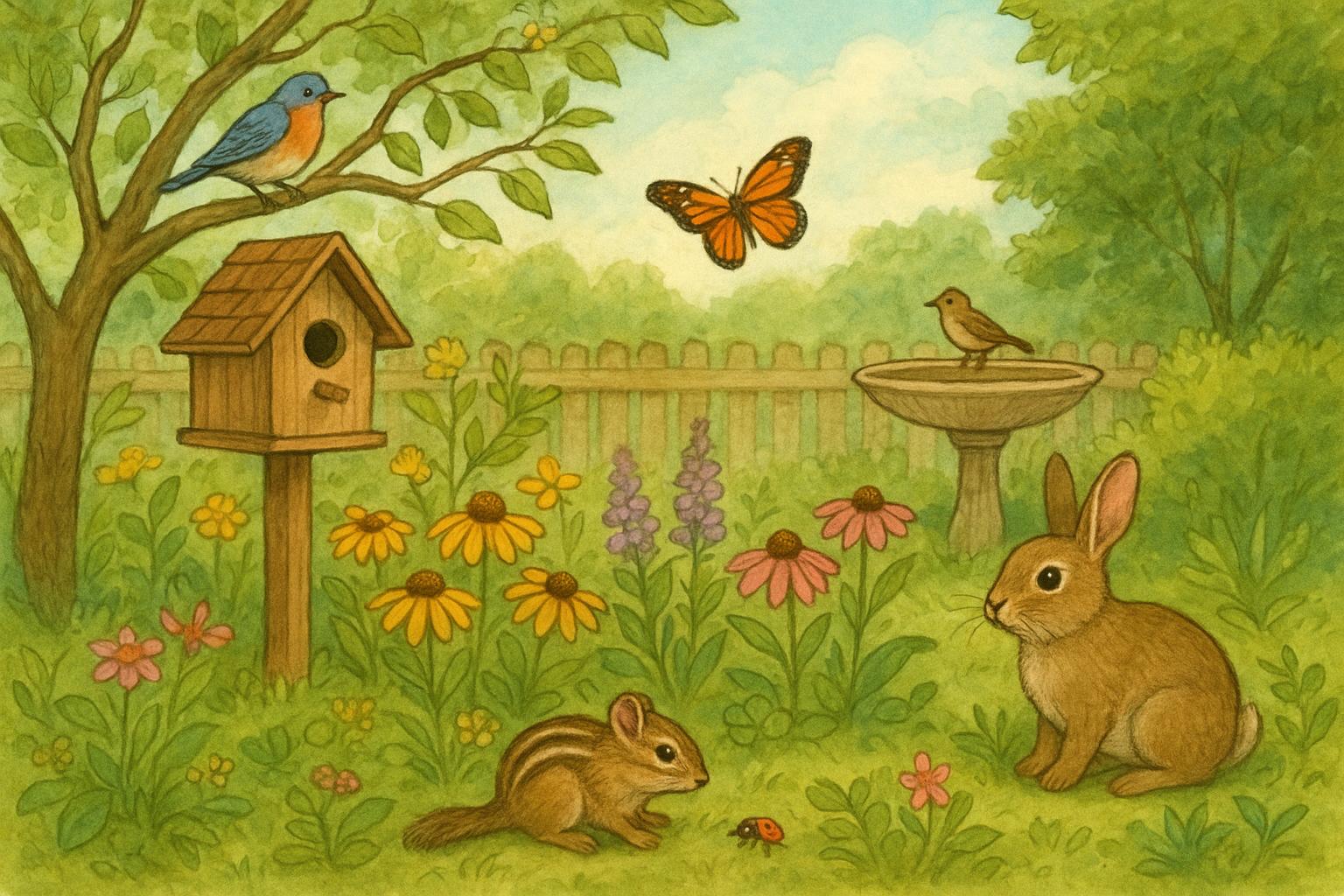
Place the birdbath where birds can easily see it from nearby perches, but avoid placing it too close to dense cover where cats might hide. Add gently sloping edges or small stones to create shallow perches.
#### Keep It Clean
Birds are less likely to use water that looks murky or smells off. Regular cleaning prevents algae and pathogens from making your bath a no-go.
## Remedy 1: Clean Water Swap For Birds Drinking Water
When you want an immediate and low-cost fix, frequent water changes are the fastest route to success. This remedy is practical and straightforward.
### Materials Required
– Stiff brush or sponge
– Mild dish soap (unscented)
– Bleach (household, unscented, optional for deep disinfection)
– Water supply (hose or buckets)
– Disposable gloves (optional)
– A bucket for rinsing
### Step-By-Step Creation And Application
1. Drain the Birdbath Completely: Remove all standing water. Dispose of it away from flower beds to prevent spreading algae.
2. Scrub Surfaces: Using a stiff brush or sponge and a small amount of mild dish soap, scrub the basin to remove algae, droppings and residue.
3. Rinse Thoroughly: Rinse the soap off until the water runs clear. Soap residue can harm birds, so repeat rinsing if needed.
4. Optional Disinfection: For periodic deep cleaning, mix one part household bleach to nine parts water. Apply to the basin, let sit for 10 minutes, then rinse thoroughly until no bleach odor remains.
5. Refill With Fresh Water: Fill with clean, fresh water to a depth of 1–1.5 inches at the edges, or provide shallow stones for perching if your basin is deep.
6. Maintain A Cleaning Schedule: In warm weather, rinse and refill every 1–2 days. In cooler weather, every 3–5 days is often sufficient.
This remedy reduces disease risk and makes the water visually and olfactorily appealing. Birds drinking water will notice the improvement quickly.
## Remedy 2: Install A Moving Water Feature For Birds Drinking Water
Moving water is very attractive to birds. A small fountain or dripper signals freshness and reduces mosquito breeding. This more permanent solution requires a bit of investment and installation knowledge.
### Materials Required
– Submersible fountain pump sized for your birdbath
– Tubing (as required by pump)
– Power source (outdoor-rated extension cord or solar pump)
– Waterproof sealant (optional)
– Small stones or gravel
– Leveling tools (optional)
– Ground protection (pad or base if needed)
### Step-By-Step Creation And Application
1. Select An Appropriate Pump: Choose a pump rated for the volume of your birdbath; manufacturers often list suitable basin sizes.
2. Prepare The Basin: Clean the birdbath thoroughly before installation. Place a layer of small stones or gravel on the bottom to create shallow perches and reduce splash.
3. Position The Pump: Place the pump in the center or slightly off-center if you want a directional flow. Conceal it with stones if aesthetics are a concern.
4. Connect Tubing And Test Flow: Attach any tubing, plug in the pump (or set up the solar panel), and test the flow. Adjust to create a gentle ripple — not a geyser.
5. Secure Cables And Weatherproof Connections: Use outdoor-rated cords and, if necessary, waterproof junctions to keep everything safe.
6. Monitor And Maintain: Check the pump weekly for clogs, and perform a deeper clean every month. Replace water regularly and clean the pump’s intake screen.
Moving water dramatically increases visits because it signals a fresh, oxygenated supply. Additionally, the sound and motion attract attention and reduce mosquito habitat.
### Why Formal Maintenance Matters
When you implement either remedy, maintenance is not optional. Clean, moving water reduces the chance of disease and keeps your birdbath safe and attractive. Proper maintenance schedules, correct dilution of cleaning agents, and inspection of mechanical parts should be treated as routine, not optional.
## Small Tweaks That Make A Big Difference
– Add a Dripper: If you don’t want a pump, a simple dripper attached to a garden hose provides movement and sound.
– Provide Shallow Stones: Place flat stones so small birds can stand while drinking.
– Keep It Visible: Install perches nearby at a safe distance (3–10 feet from cover) so birds feel they can escape quickly.
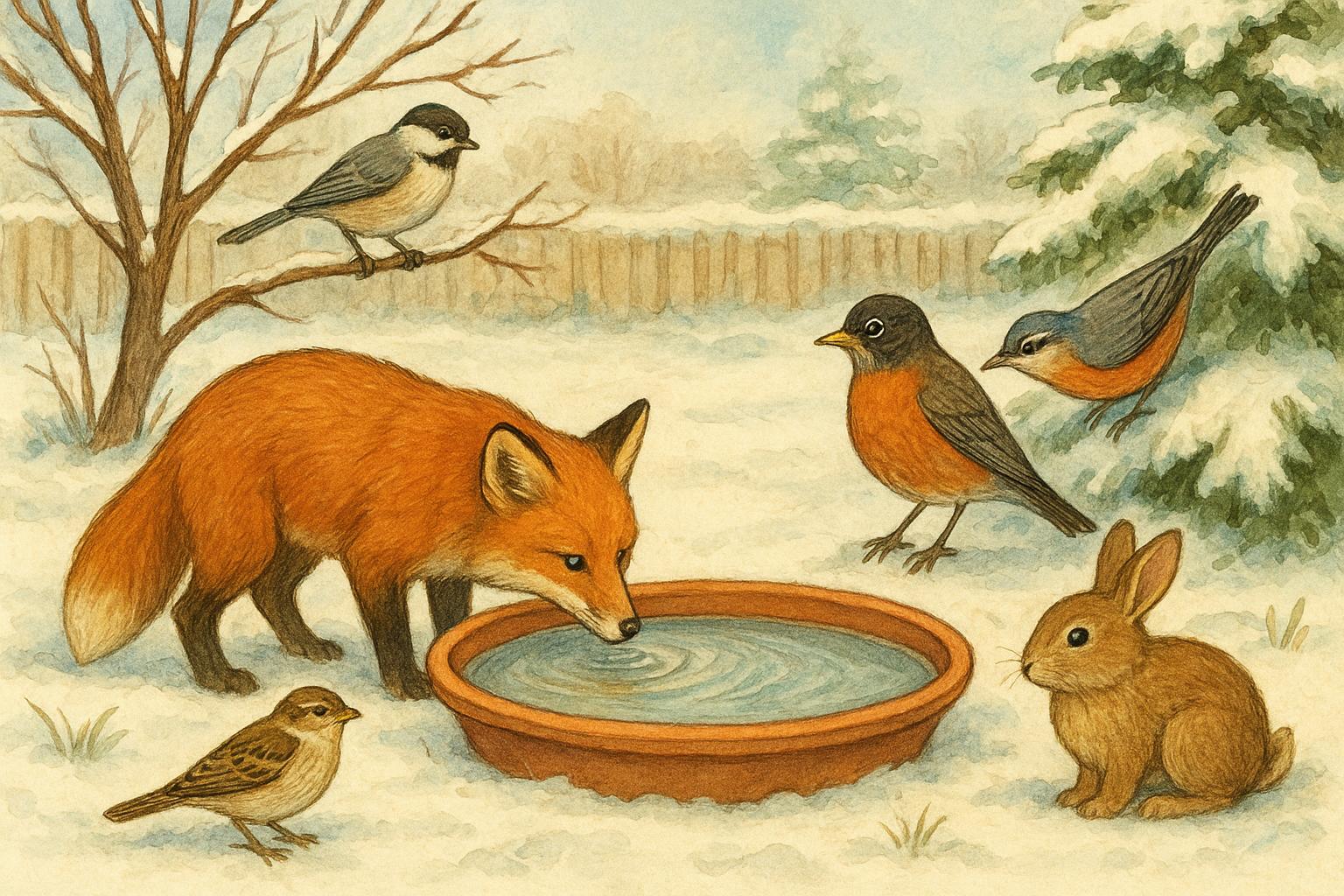
– Winter Options: Use a low-wattage birdbath heater or place the bath in a spot that gets sun to keep a drinking spot open in cold months.
### Minimizing Predators
Trim lower shrubbery that could hide cats, and avoid placing baths next to perches large birds of prey use. If you notice a predatory pattern, move the bath to a different location.
### Monitoring Health Risks
If you see sick birds or an unusual die-off, stop refilling the bath and contact local wildlife or public health authorities. Clean the basin with the bleach solution and allow it to dry thoroughly before refilling.
## Encouraging Return Visits
Once you’ve created a safe, appealing water source, resist the temptation to alter it daily. Birds need time to discover and build trust in new resources. Keep fresh water available, perform regular maintenance, and sit back (figuratively) to watch the traffic build.
A little attention to depth, cleanliness, placement, and movement will turn a neglected tub into a bustling bird stop. You’ll enjoy the show, the birds will get what they need, and your backyard will feel livelier — a small win for both you and the neighborhood wildlife.









Leave a Reply