
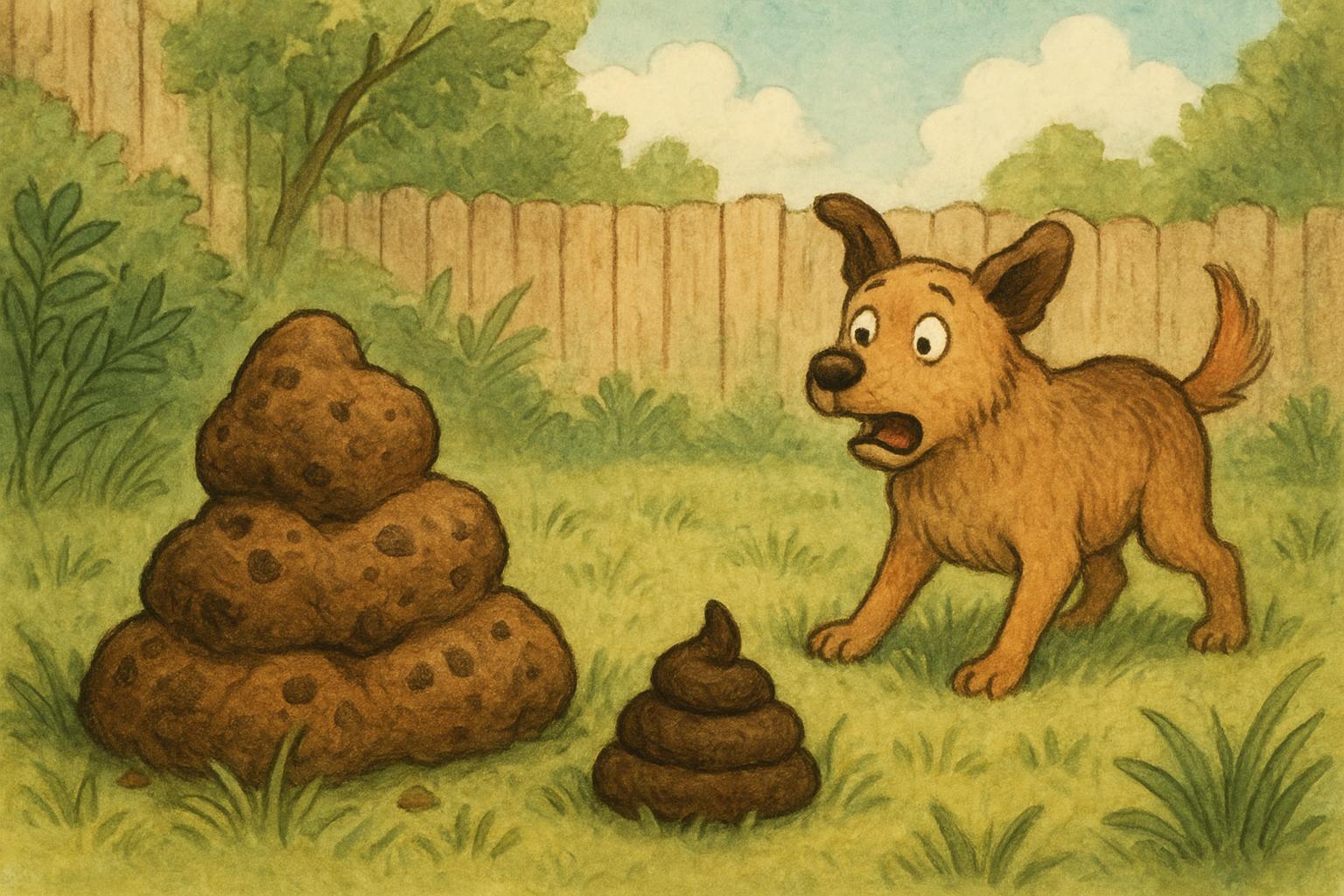
You step into the yard and there it is: a mystery pile. It looks wrong in a way that makes you pause. Someone’s been through here, but who? Figuring out whether it’s wildlife scat or regular pet waste matters. Not just for neatness. Different animals carry different diseases, and some of the signs around the deposit tell a different story about movement patterns and territory.
## How To Tell Scat Vs Pet Waste In The Backyard
If you want a short, practical rule: look at size, shape, content, and where it sits. The phrase scat vs pet waste in the backyard covers a lot of ground, but those four observations will separate most household pets from wild visitors.
### Size And Shape Clues
Dogs generally leave soft, tubular piles that range from golf-ball size to football size depending on the dog. Dog poop often splays a bit when fresh. Cats leave smaller, compact cylinders that are sometimes neatly buried. Wild animals produce a wider variety.
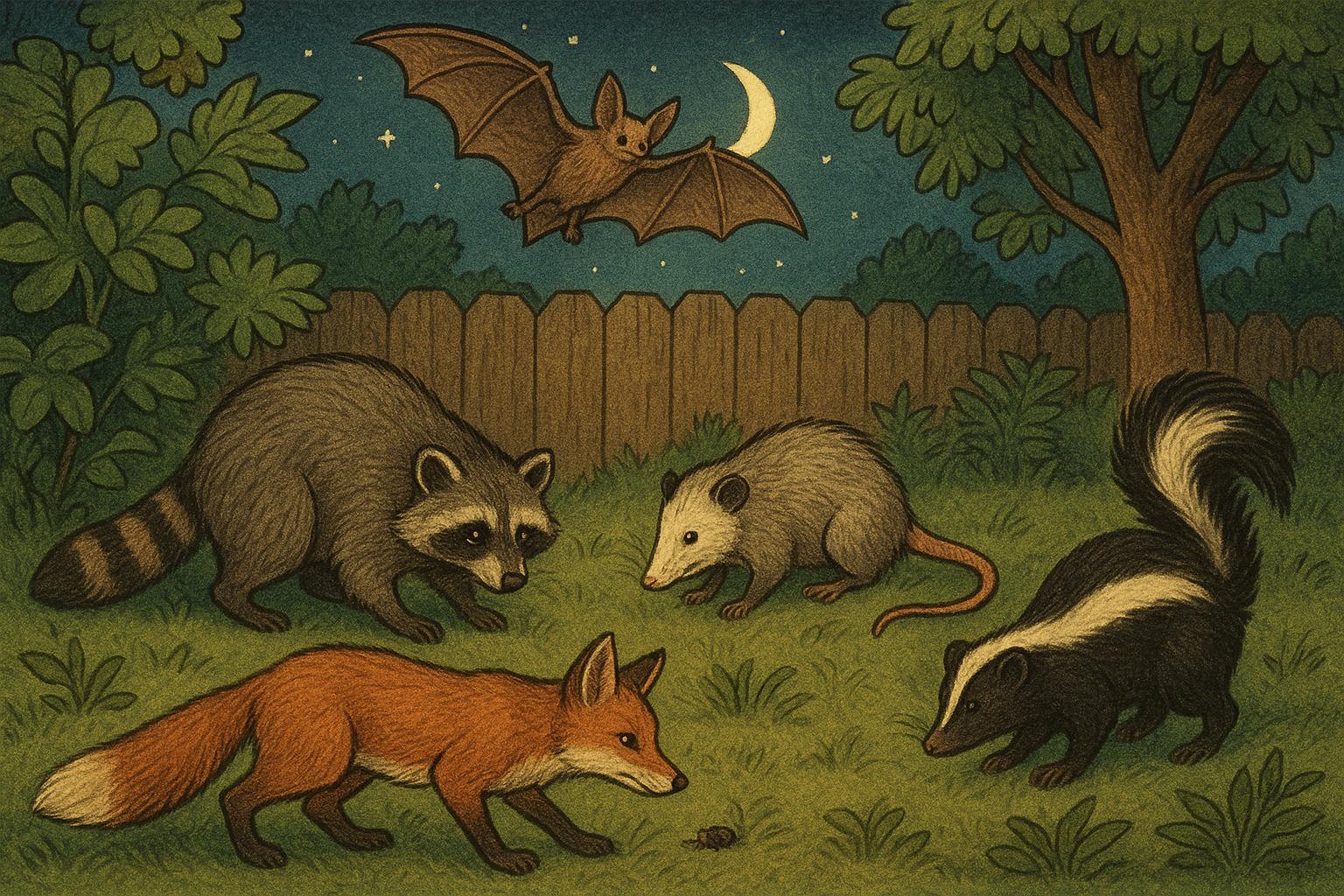
– Raccoon scat looks like flattened, segmented logs and often contains seeds or small bones.
– Fox scat tends to be tubular and tapered on the ends, sometimes with fur or feathers if it ate a small mammal or bird.
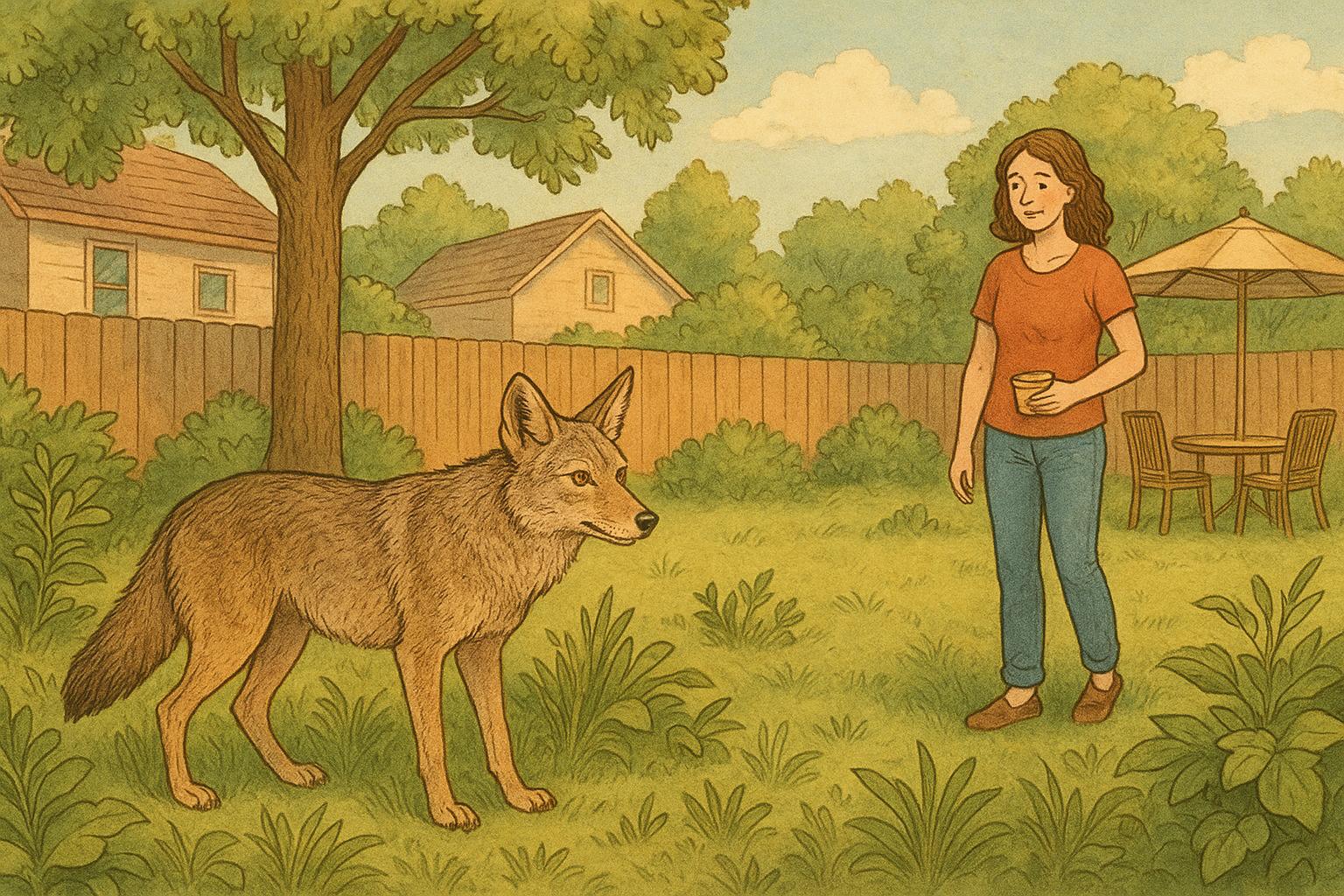
– Coyote scat is similar to fox but larger, often with feathers, and may have a twisted appearance.
– Deer droppings are small round pellets, often in groups.
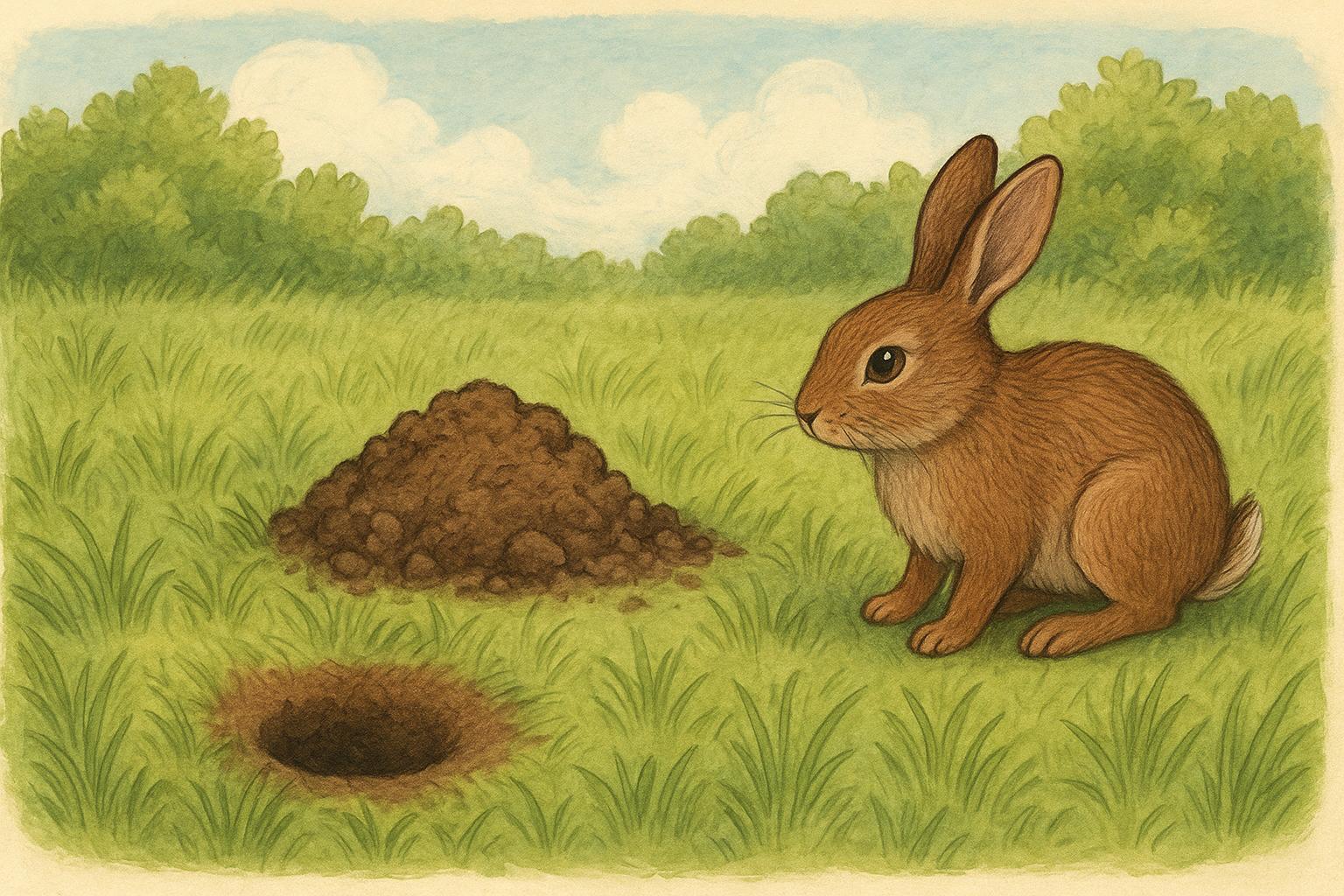
– Rabbit droppings are small, hard pellets too, but they’re tighter and usually scattered rather than piled.
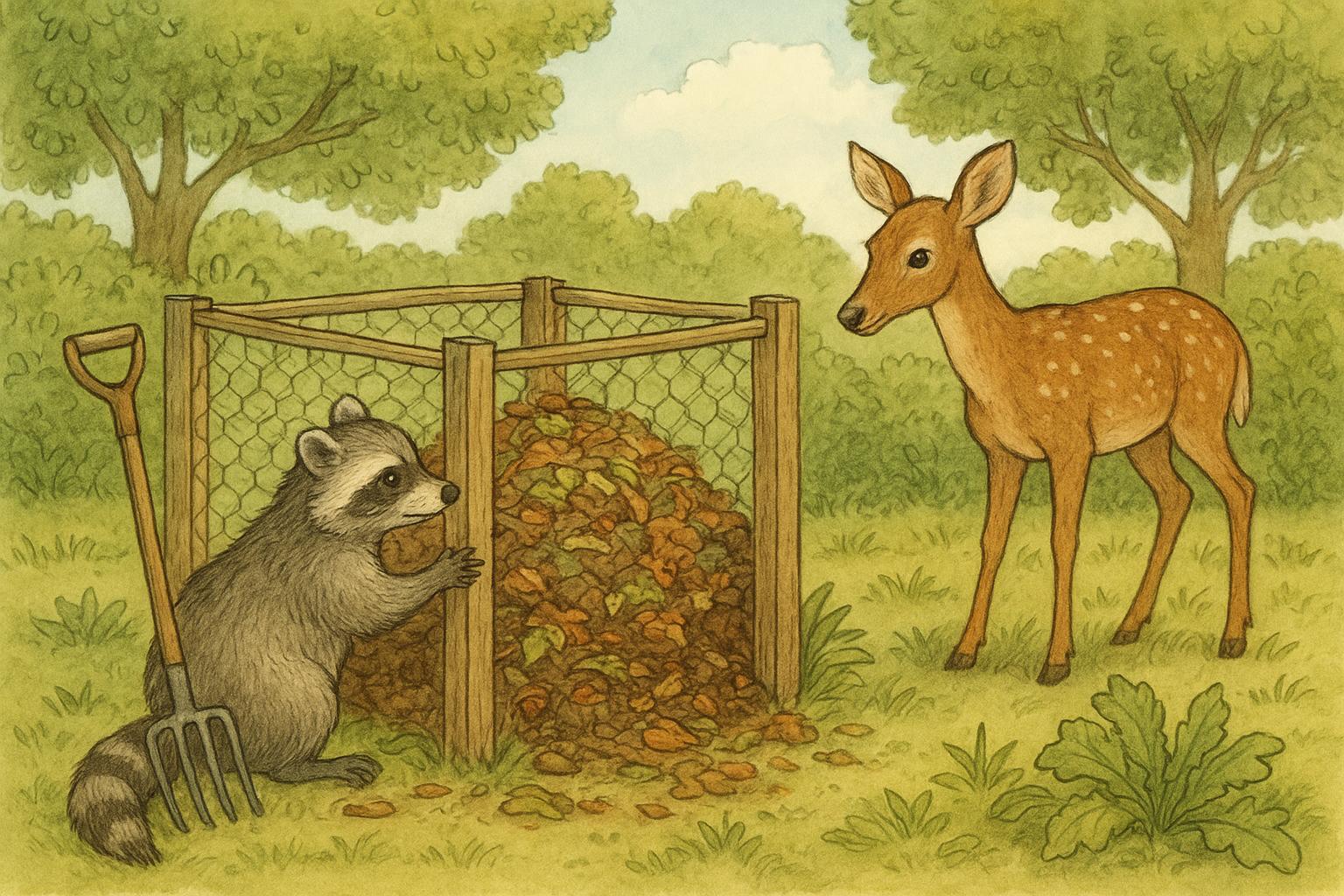
Not everything obvious is animal poop. Compost heaps, fertilizer clumps, or partially eaten fruit can fool you if you only glance.
### Contents And Texture
One fast check: what’s in it? Look for hair, fur, bones, feathers, seeds, or insect parts. Pet food and pet treats often leave identifiable pieces — kibble or undigested vegetable bits. Wildlife scat frequently includes natural diet remnants that reflect the season. In late summer you might find berry skins in raccoon or fox scat. In spring, fur and small bone fragments from a rodent show up more.
Texture matters too. Firm pellets point to herbivores like deer or rabbit. Soft, smooth poop points to most carnivores and omnivores. Cat feces are usually relatively firm and may be accompanied by a careful covering over it. Dogs are less tidy.
### Odor And Age Signs
Smell can tell you how fresh something is, but it’s a blunt instrument. Fresh dog and cat waste will smell strong if it’s still moist. Older scat dries out, hardens, and smells less. Wildlife scat that contains fruit will sometimes smell sweet as it ferments. Rain speeds up degradation, so a pile that’s been there through a storm and still looks intact is probably very fresh.
Watch the edges. Cracked, desiccated outer layers mean older deposits. Shiny, soft surfaces tell you it’s recent. Bugs congregating around it, especially flies, are another mark of freshness.
### Location Patterns In The Yard
Pets and wildlife use space differently. Dogs tend to leave waste along paths, near fences, or where they’re walked most. Cats prefer quiet edges like under bushes or garden beds and often bury their droppings. Wild animals leave scat in places that send a message: on logs, stones, or raised spots. Coyotes and foxes use prominent locations to mark territory. If you see a line of similar piles on a route through tall grass or along a fence line, you’re probably looking at a wildlife trail.
Other signs nearby — footprints, scratching, fur on fences, nibbled plants, or a dug-up bird feeder — help confirm the source. A solitary pile in the middle of the lawn at 6 p.m. is more likely a neighborhood dog out for a walk.
## Practical Steps To Identify Backyard Droppings
Don’t jump to conclusions. Here are practical steps to work through before you call a pro or start disinfecting the entire yard.
### Observe From A Distance
Take a photo and give the area a wide berth. Use the photo to compare size to known objects like a ruler or a soda can. If you suspect wildlife, set up a motion camera pointed where the scat was. Cameras don’t lie and they also help identify visiting times. If a raccoon shows up at 2 a.m., you know when to watch next.
### Use Gloves And Tools
If you must inspect the sample by hand, wear disposable gloves and use a trowel or scoop. Avoid direct contact. Place the sample in a sealed bag if you plan to show it to animal control or a wildlife biologist. Some local extension offices will accept photos and samples for identification.
### Keep Notes
Write down date, time, weather, and what else was around. Over a week you may map a pattern. Backyard droppings that appear in the same spot every morning point more to a pet or a regular wildlife route. Random, infrequent piles suggest transient visitors.
### When To Test Or Call An Expert
If you find something large, smeared with blood, or you’re worried about disease exposure, call animal control or a wildlife rehabilitator. For persistent, repeated deposits that are clearly from wildlife and pose a health risk, call a wildlife removal pro. Some labs offer animal DNA testing from feces, which is pricey but definitive if you need to prove a particular species is visiting.
## Cleaning And Safety Around Yard Excrement
Handling any yard excrement requires common-sense precautions. Scat vs pet waste in the backyard might look like a small issue, but several pathogens jump from feces to people or pets.
### Immediate Cleanup Steps
Wear gloves and, if available, a mask. Scoop up the deposit with a plastic bag turned inside out to trap it. Double-bag it and tie securely. If local rules allow, put pet waste into regular trash; otherwise follow municipal guidance. Do not compost mammal feces. For smaller pellets from deer or rabbit, gloves and a scoop work; for large carnivore droppings, consider calling a pro.
Disinfect tools and the area with a bleach solution if you plan to touch surfaces nearby. Rinse boots and wash hands thoroughly after handling. Keep children and pets away during cleanup.
### Health Risks To Know
Cat feces can contain Toxoplasma gondii, which is a particular risk for pregnant people. Roundworms (Toxocara) come from dog feces and can cause visceral or ocular larva migrans in humans. Leptospirosis is associated with rodent and mammal urine and feces. These risks are reasons to wear gloves and follow municipal disposal rules.
## Identifying Common Culprits
Here’s a short field guide to common backyard suspects. Read it and match size, contents, and pattern.
### Dogs And Cats
– Dogs: soft, variable size; often in open areas or along frequent paths.
– Cats: small tubes, often buried; near garden beds or under shrubs.
### Raccoon
Segmented, often containing seeds; left near garbage bins or on raised surfaces.
### Fox And Coyote
Tapered, tubular, sometimes twisted; often on trails or by garden edges. Coyotes leave larger piles.
### Deer And Rabbit
Many small pellets. Deer group their pellets; rabbits scatter them near feeding areas.
### Bird Droppings
Look splattered rather than piled. Birds mostly soil perches and feeders.
## Preventing Repeat Visits And Managing Yard Excrement
Stopping wildlife from using your lawn is easier if you remove attractions and alter habitat.
### Remove Food Sources
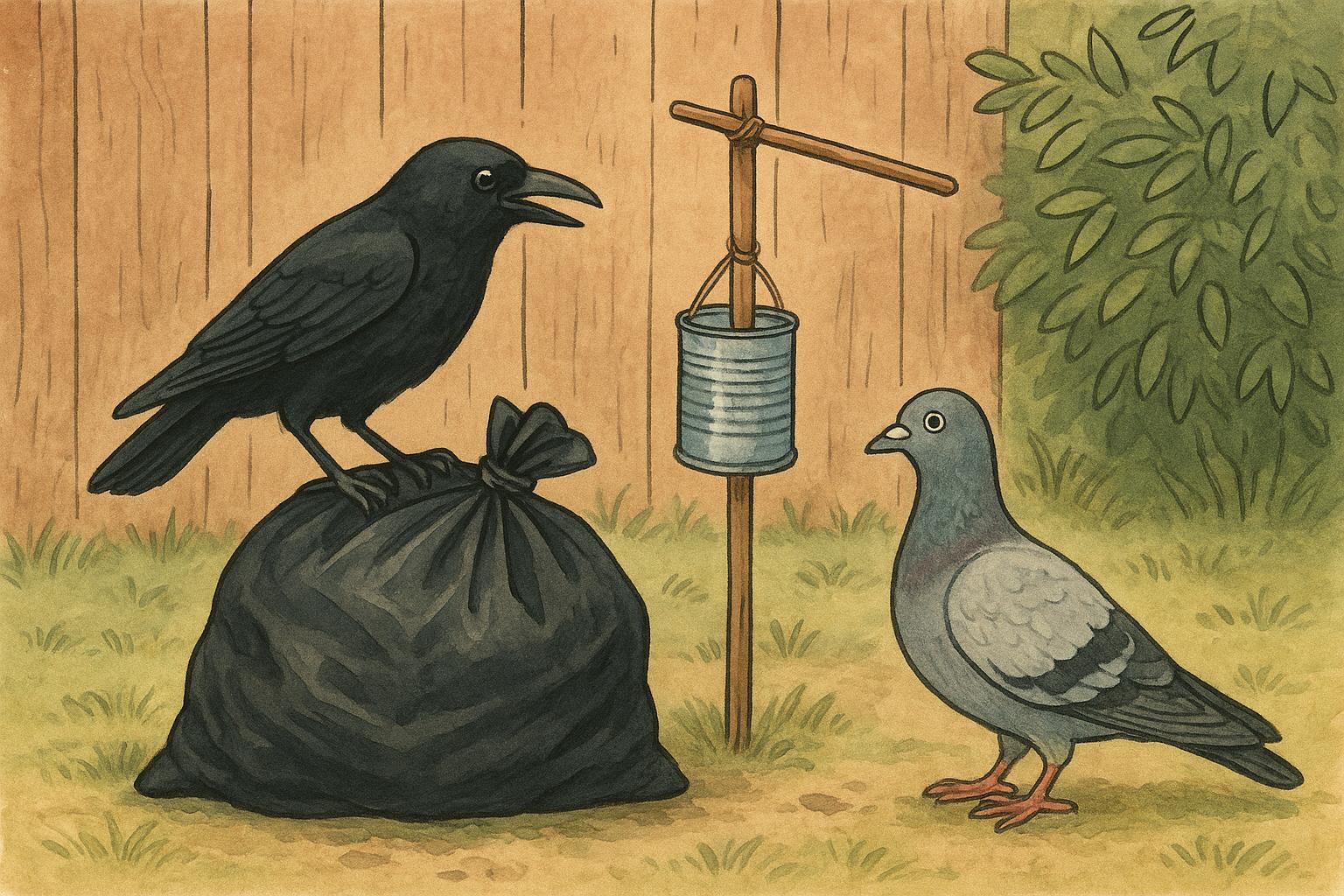
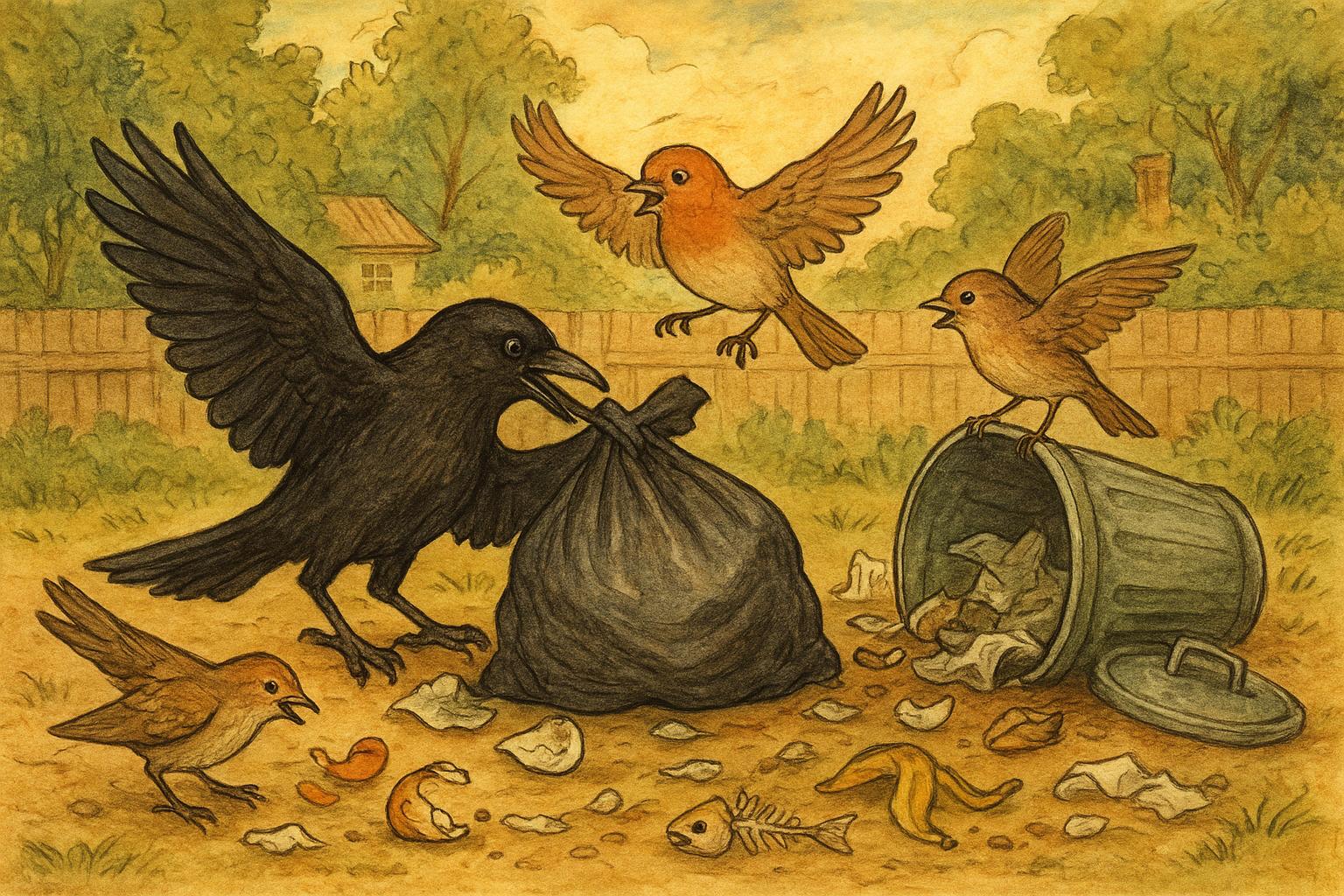
Secure garbage, pick up fallen fruit, and take down feeders at night if raccoons are a problem. Don’t leave pet food outside overnight. Clean grill areas and bird-feeder messes regularly.
### Modify Cover And Access
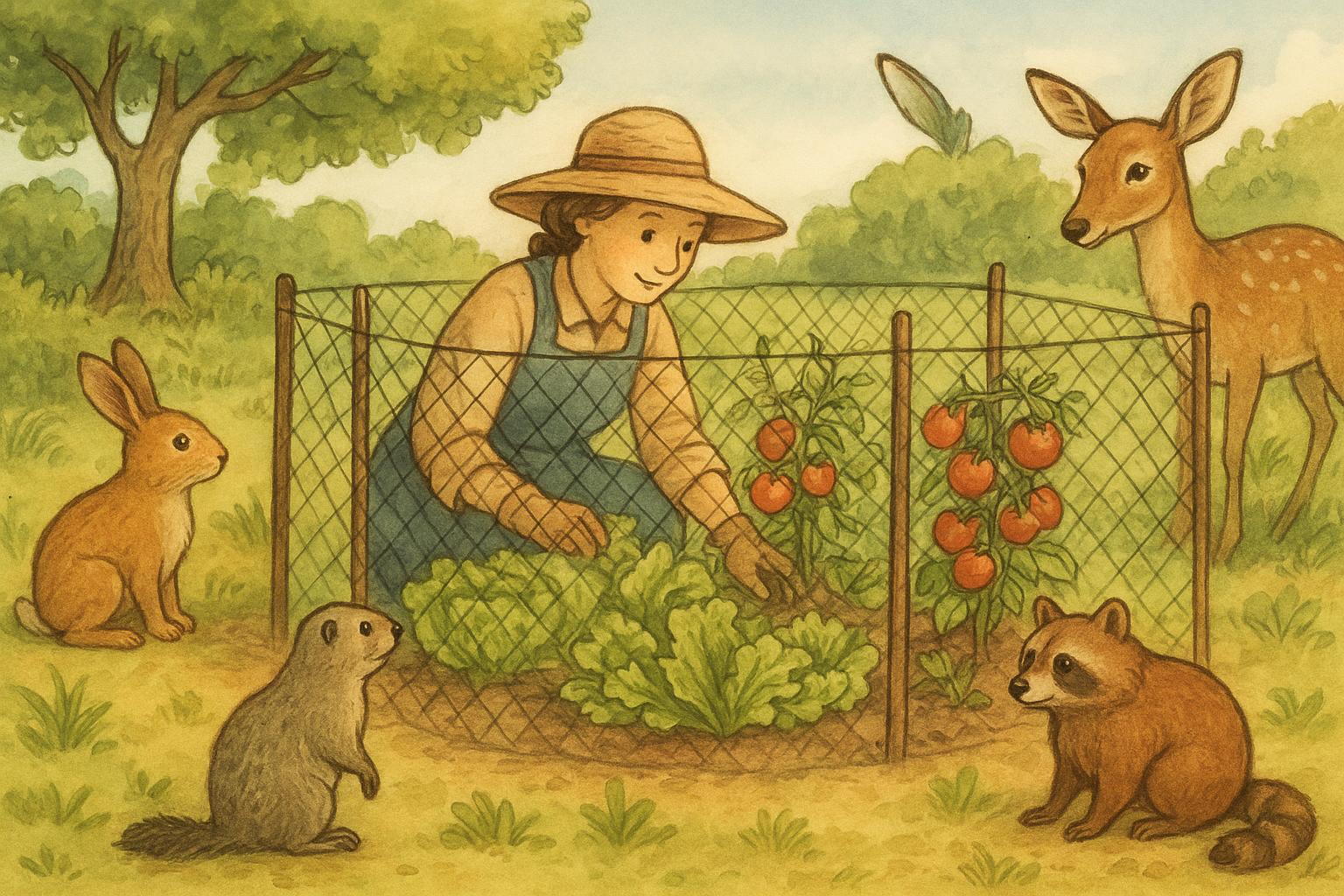
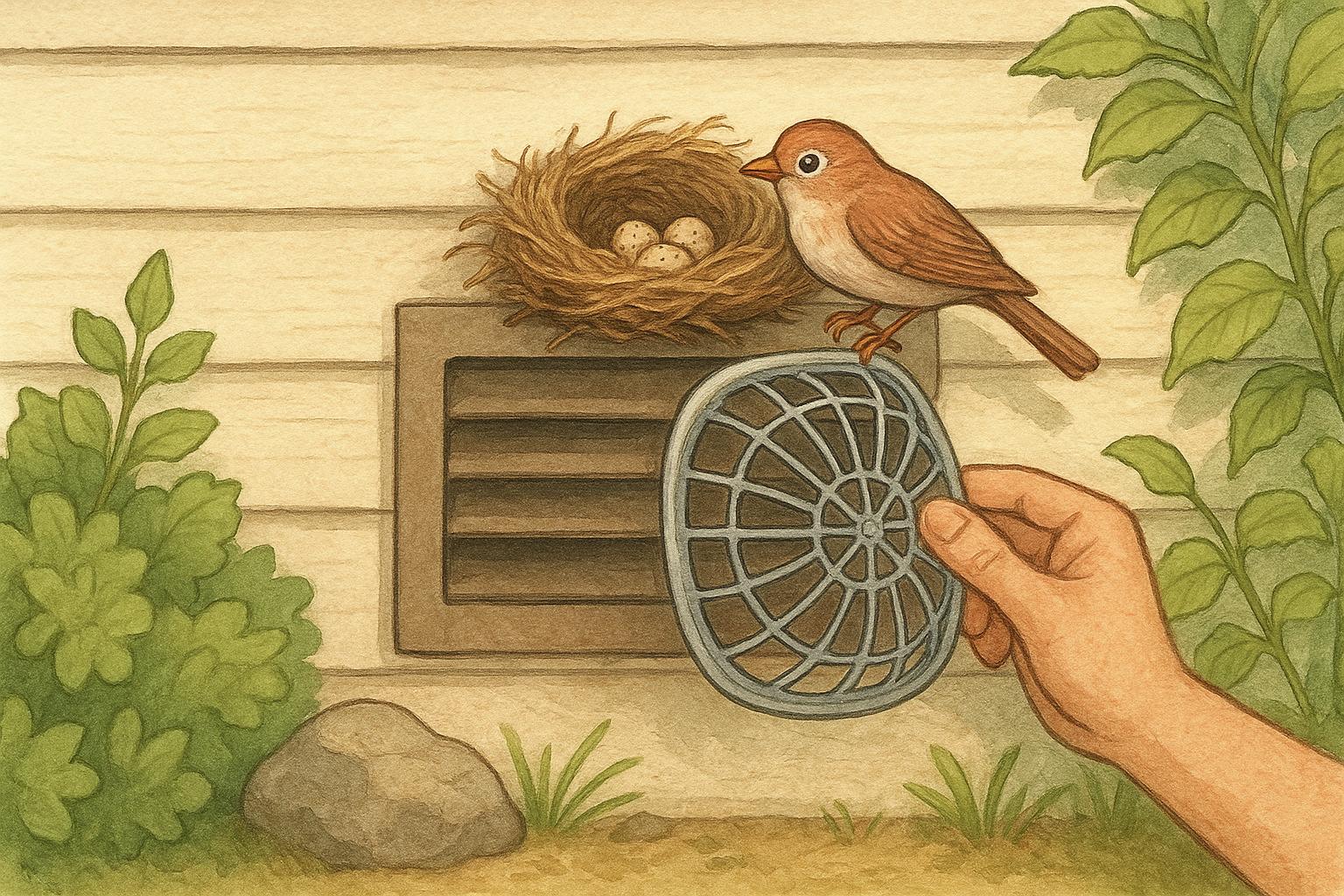
Trim lower branches, clear brush piles, and secure sheds. Fencing helps for dogs; for wildlife, consider motion-activated lights or sprinklers. These measures change the convenience of your yard for wild animals.
### Train Pets And Keep Them Contained
A dog trained to use a set spot reduces mystery piles. Letting cats roam at night increases the chance of rodents and predators in your yard, and increases the amount of yard excrement from both cats and predators.
## When Wildlife Is The Answer
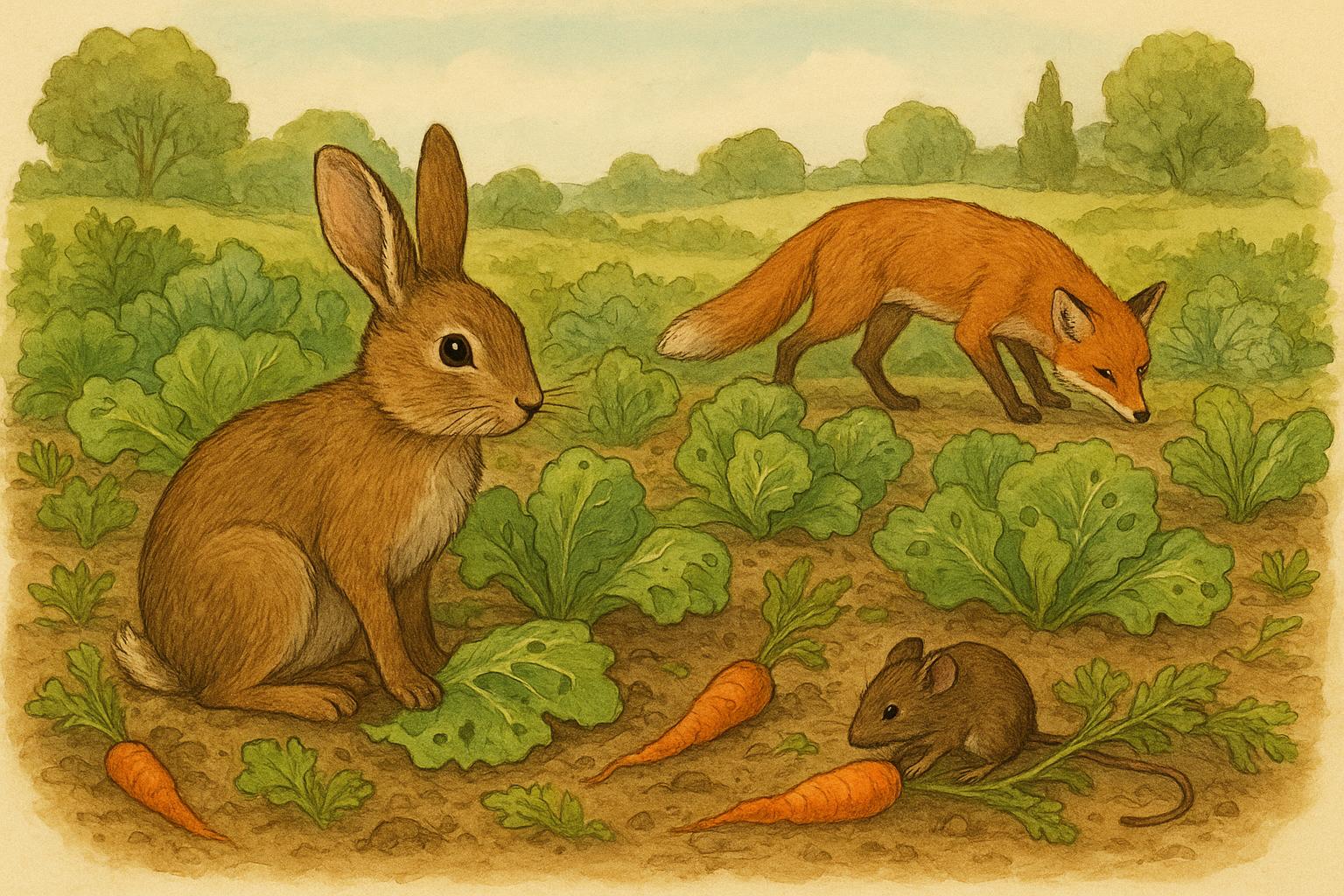
If the evidence indicates wild visitors, note their activity times, safety risks, and whether they’re causing damage. Coyotes and foxes are usually avoidant of humans but will take small pets left outside unattended. Raccoons are bolder and more likely to root through trash.
If you find repeated scat from larger predators or you’re worried about public health, contact local animal control or a wildlife professional. They can advise trapping laws, relocation options, and whether you need to test a sample for disease.
A final practical note: some backyard mysteries resolve themselves if you make the yard less appealing. Other times you’ll need a camera, a call, and some caution. And remember, a careful read of scat vs pet waste in the backyard will keep you and your household safer while saving you from chasing phantom culprits. Watch the patterns, keep a camera handy, and act on what the signs tell you. Definately better than guessing.









Leave a Reply