
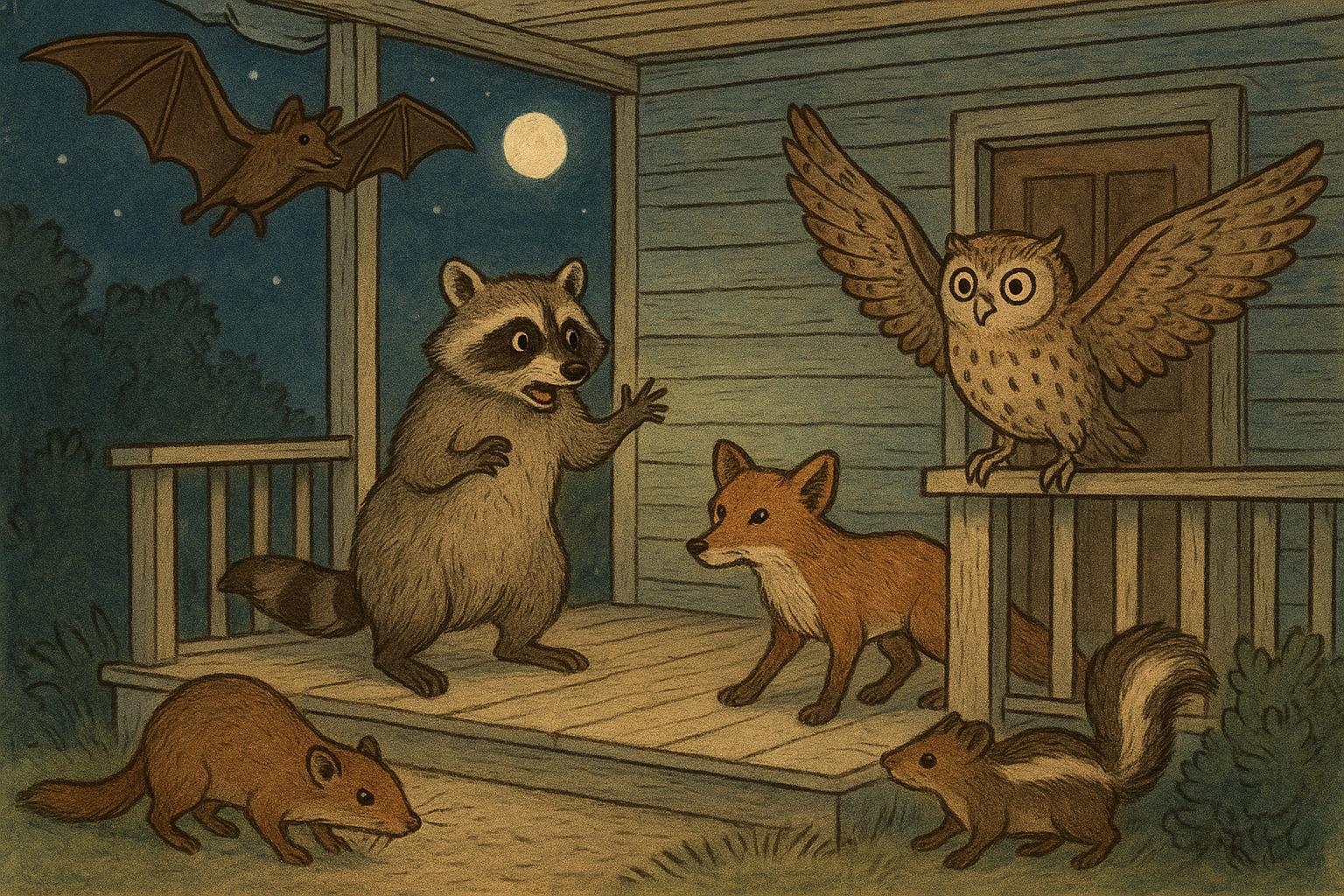
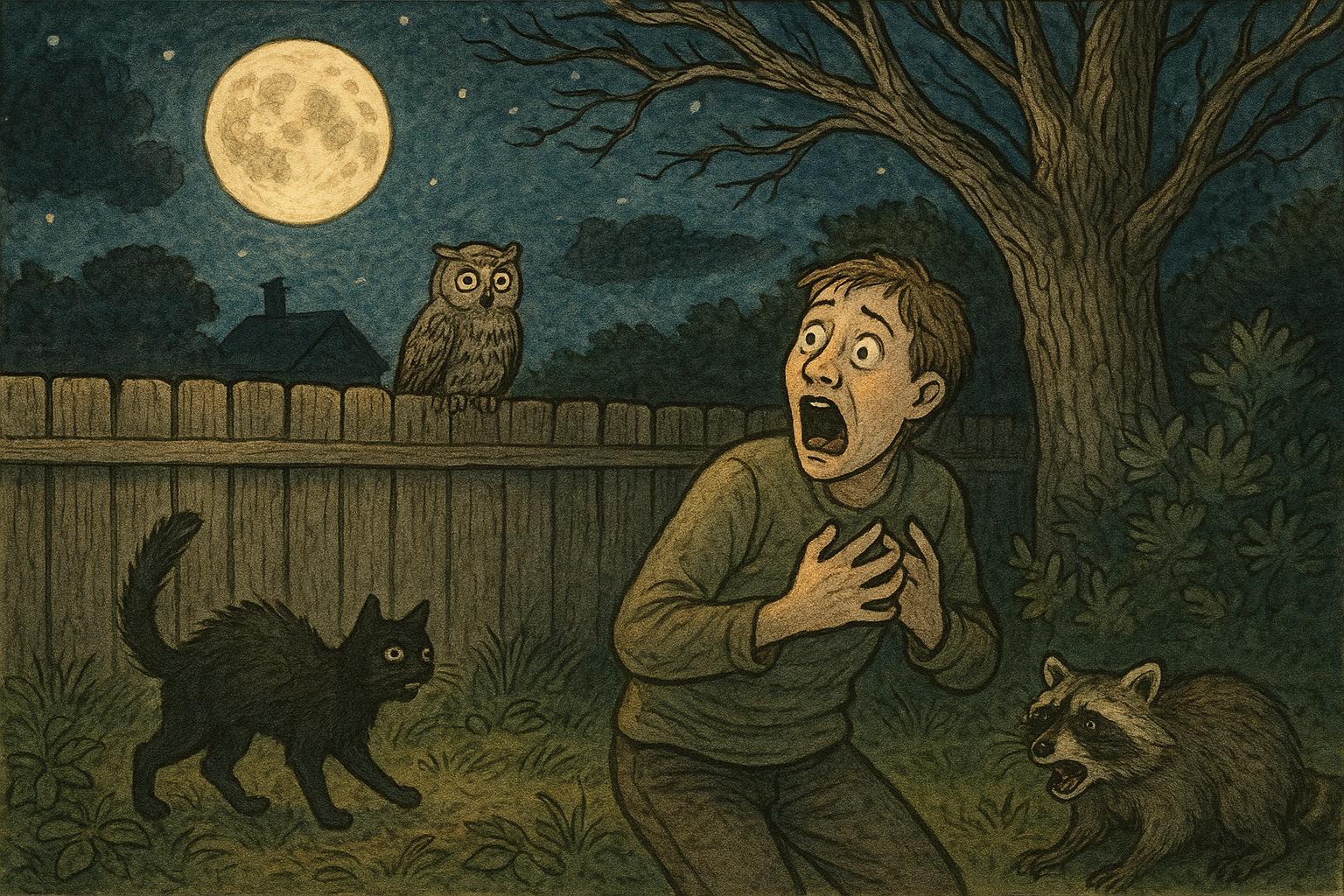
There are few sounds as unnerving as a scrape or thump on a dark stoop. You flick the porch light and find nothing on the steps. Most of the time what you heard has a simple explanation: a hungry raccoon, a curious opossum, a moth-hunting bat. Decoding nighttime porch disturbances is mostly about noticing patterns and making small changes.
## Nighttime Porch Disturbances Traced To Local Wildlife
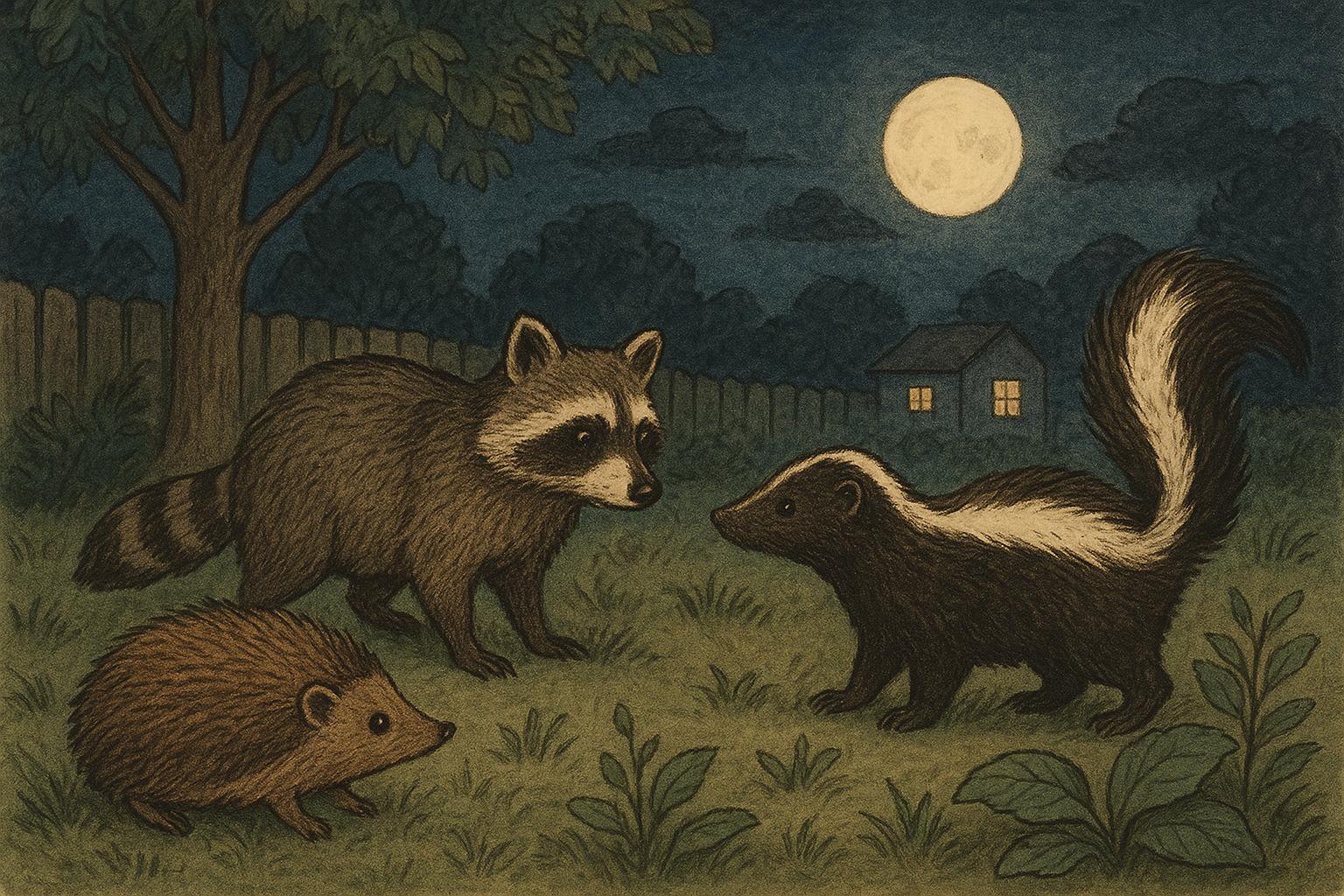
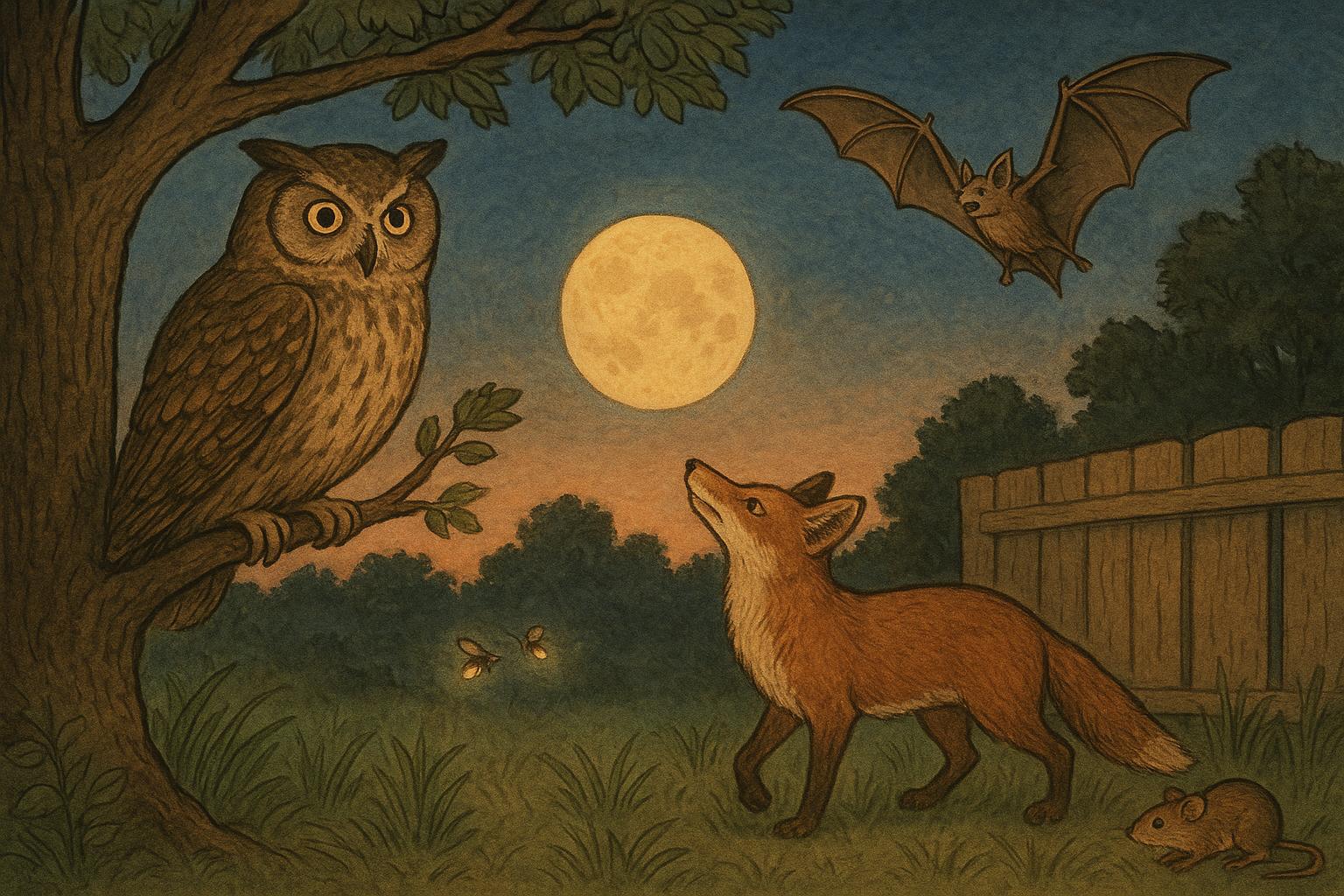
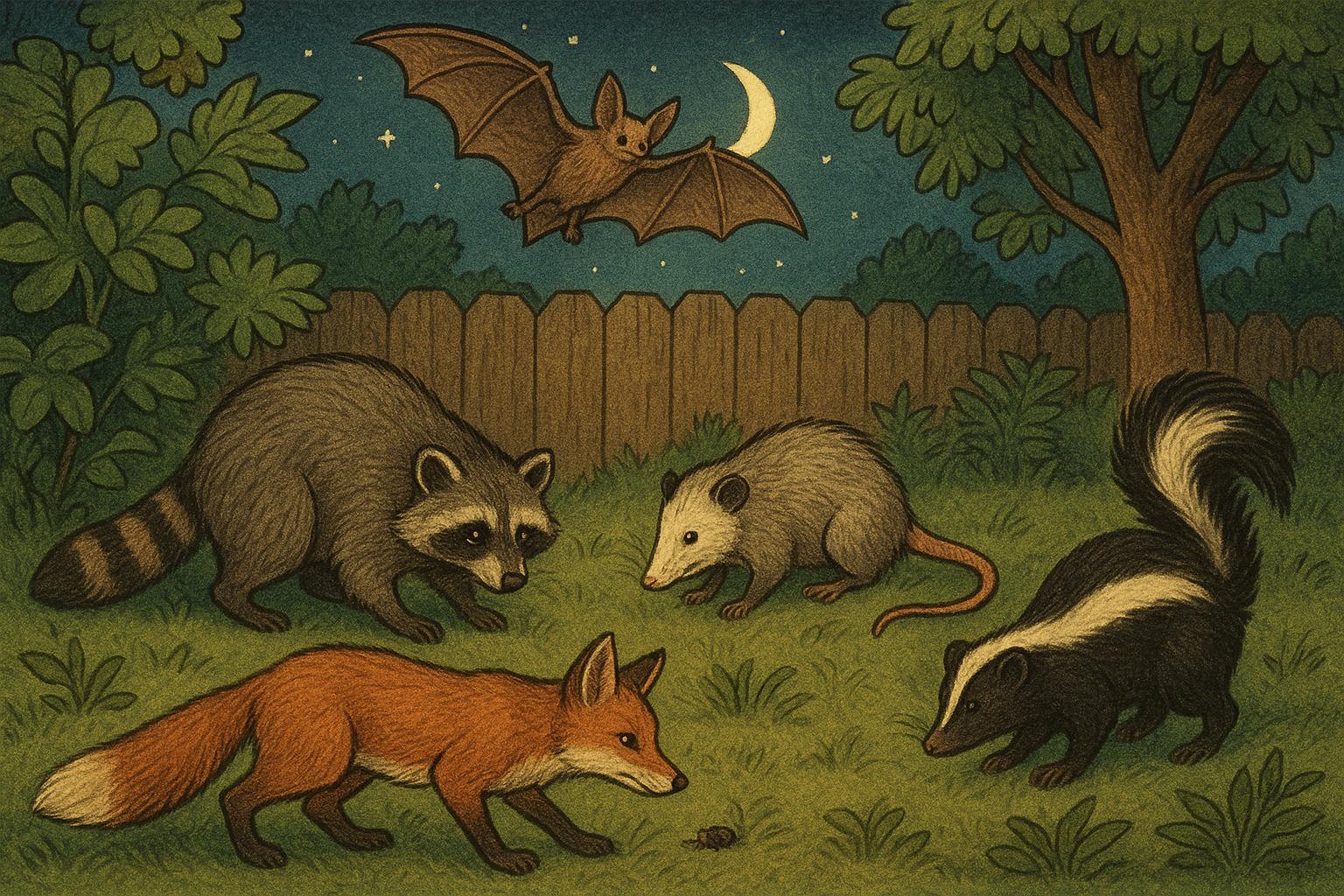
Raccoons tip things over. Opossums shuffle and sometimes freeze. Foxes yelp. Owls strike at insects and small birds that loiter under lights. Once you know the signatures, the mystery shrinks. A clumsy, repeated clatter at 2 a.m. is probably a raccoon going through pet bowls. A soft, slow scuff that happens after rain could be a rodent or an amphibian. Track the sounds for a few nights and you learn more than you expect.
### How To Spot The Culprit
Take notes. Time and place matter. If the noises concentrate around the porch light after dusk, you’re likely dealing with creatures drawn by insects—typical nocturnal porch activity. If the incidents cluster at one hour, that’s a behavior clue. Watch how things move: slapping sounds suggest birds landing on railings; skittering, quick scratches usually point to rodents.
### Small Signs That Tell Big Stories
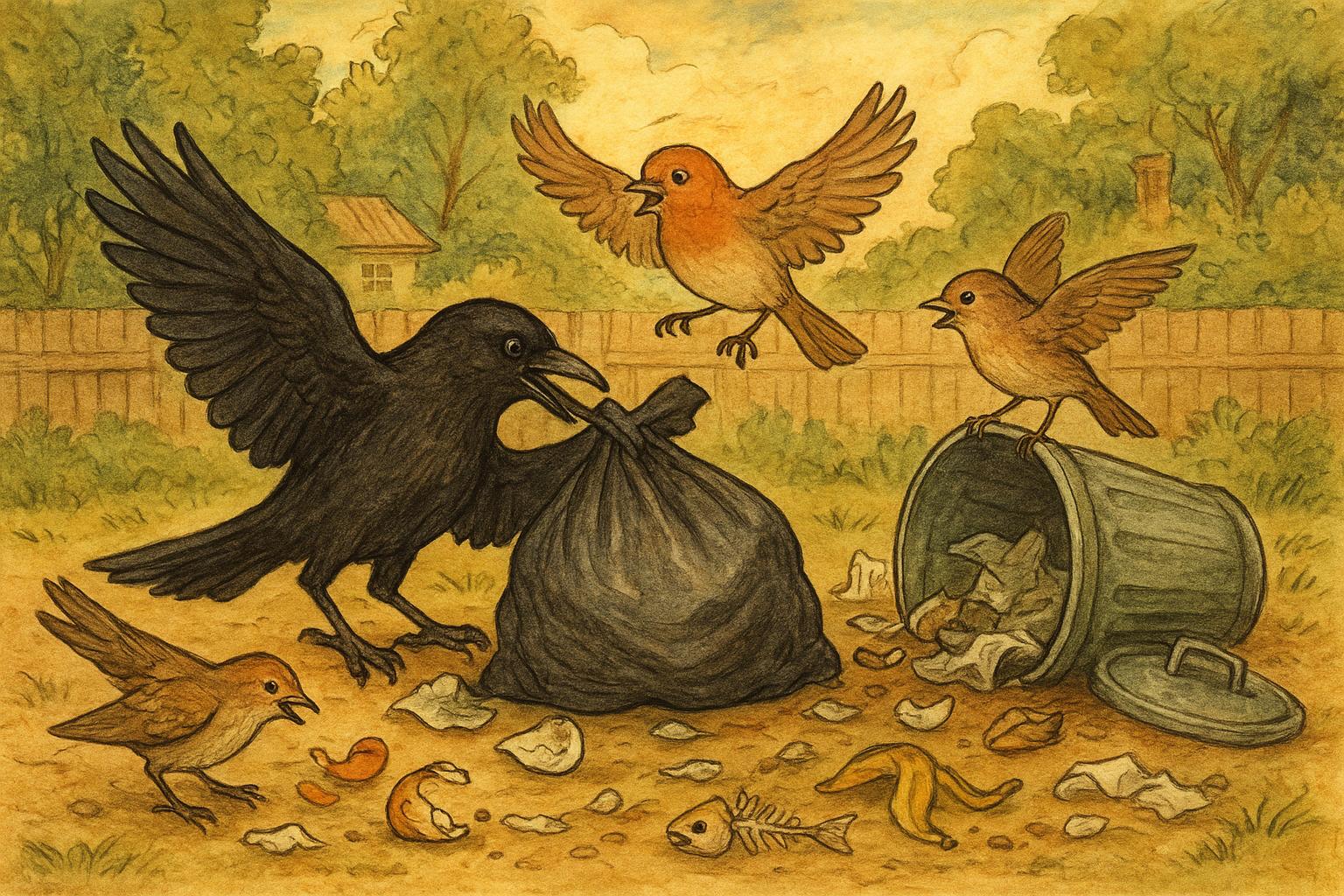
Look for paw prints, droppings, chewed packaging, and disturbed soil. A toppled planter or a torn birdseed bag tells you what the visitors were after. Raccoon prints show five long toes; opossum tracks can look surprisingly human. The attraction of lights to insects is a major trigger—the moths gather, the bats and night birds follow, and suddenly your porch becomes a feeding station. The attraction to porch lights is a common cause of porch disturbances.
#### Where Noise Comes From On A Porch
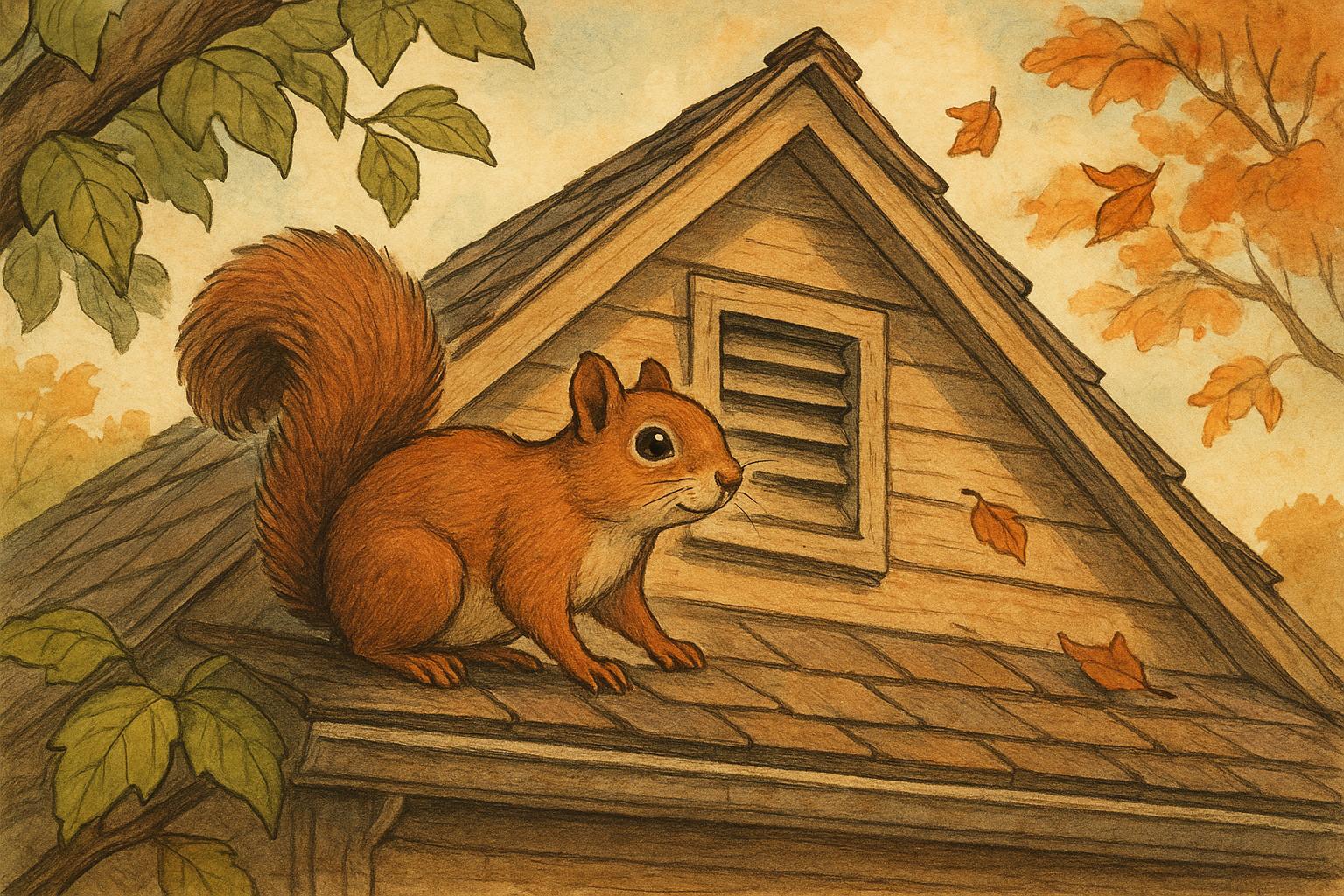
Not every noise is an animal. Loose shutters and old screws can clatter. Woodpeckers will peck at eaves. Squirrels leap on gutters. I once tightened a single loose step and the nightly skittering stopped within two nights. Small fixes matter.
## Preventing Porch Problems Without Harsh Measures
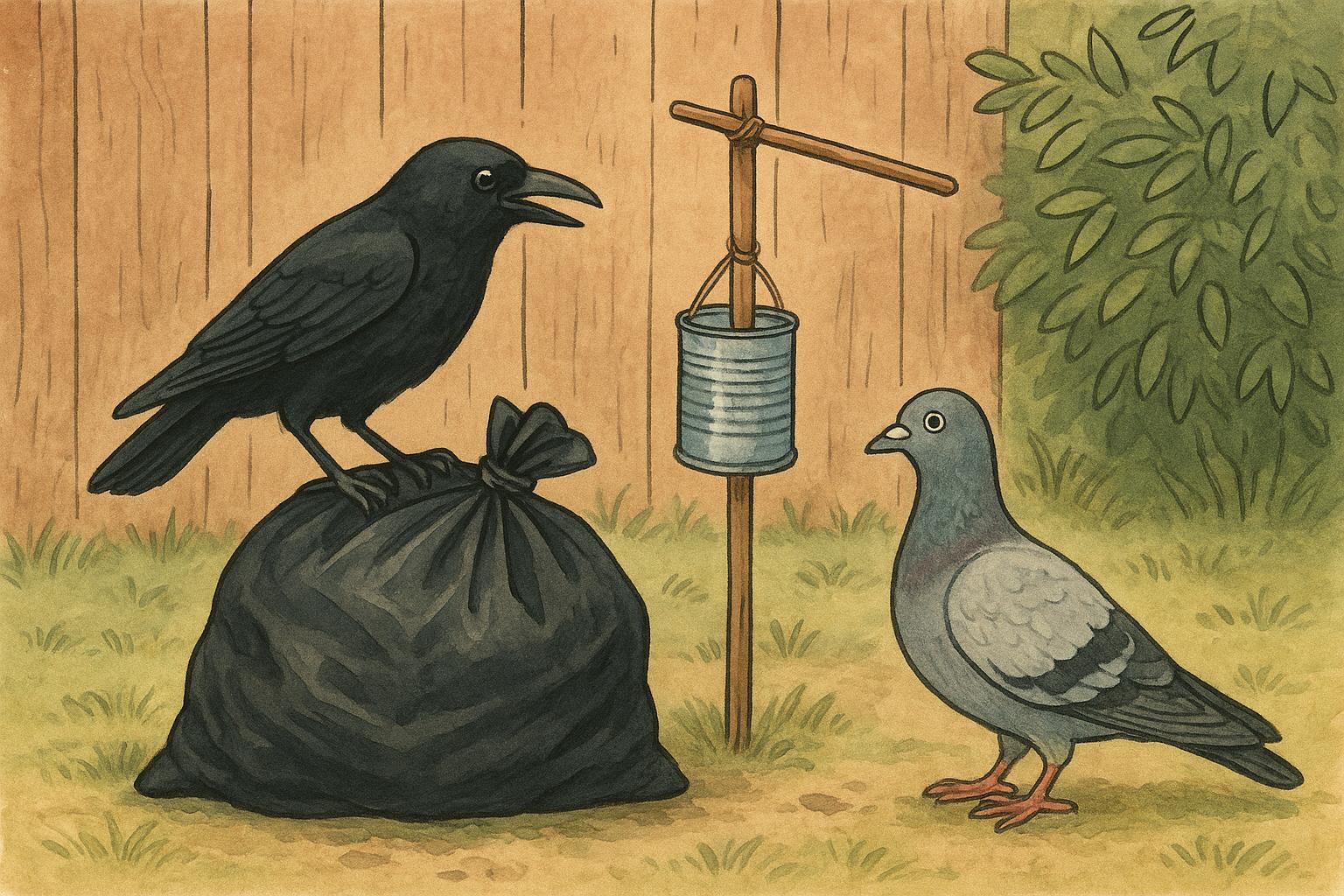
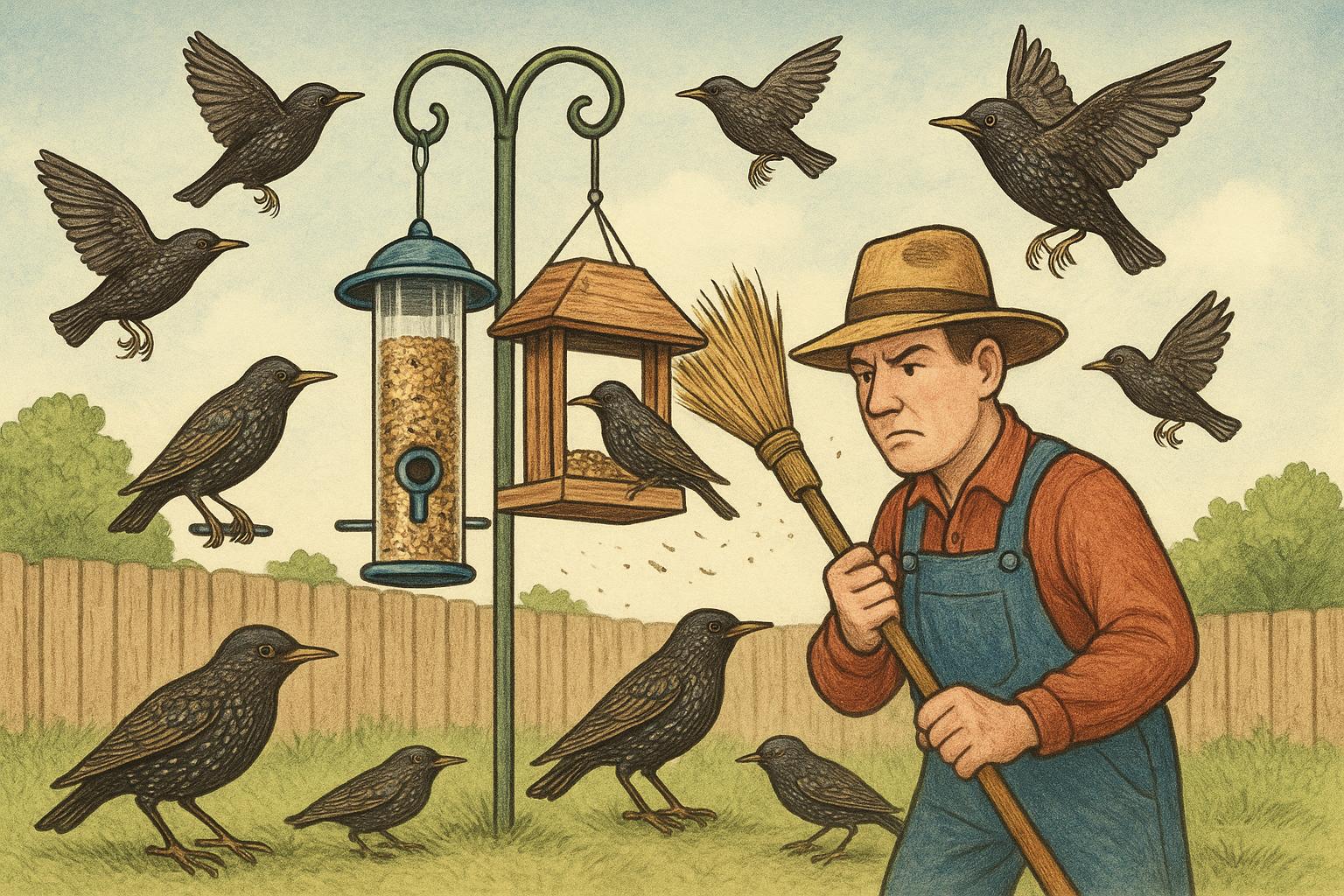
Remove easy temptations. Bring pet food inside at night, sweep up spilled seed, and secure garbage. Trim branches that give animals a launch point onto railings. Replace flimsy bins with ones that lock, and consider a motion-activated light to cut down insect swarms. These fixes cut down on nighttime porch disturbances more often than traps or loud noises.
### Lighting And Sound Tactics
A steady, soft light is better than a flashing one; many insects are confused by flicker. Ultrasonic devices sometimes help with mice, but results are mixed. Constant noise can simply push the animals to a quieter neighboring yard. Human activity—checking the porch on a timer or leaving a small radio on low—can break a visiting pattern without harm.
### Proofing The Space
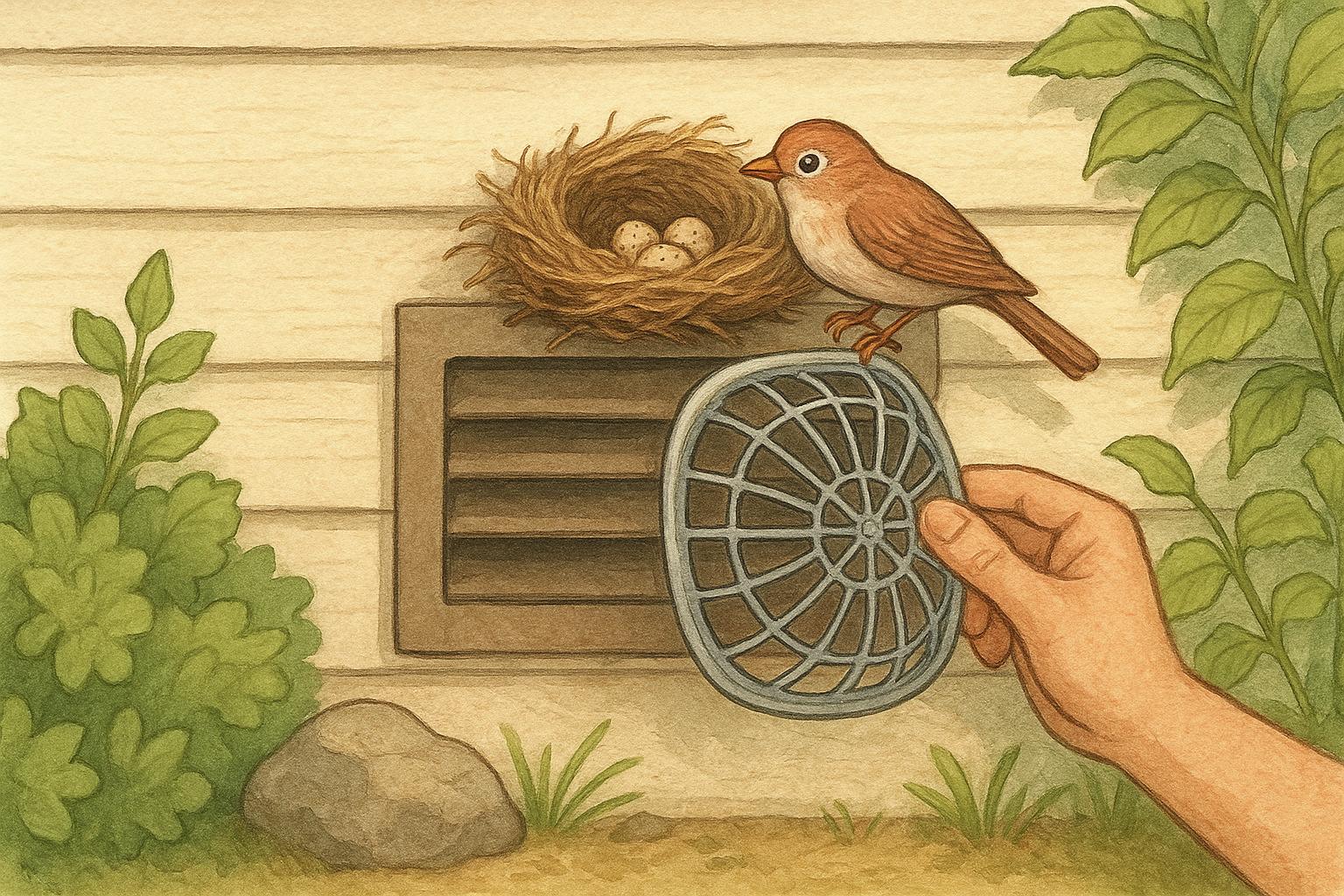
Seal gaps under doors and screens. Use metal or ceramic pet bowls that raccoons can’t easily tip. Wiring runs should be seperated from plantings to avoid chewing. Anchor fixtures and repair loose decking. If you want a definitive ID, set a trail camera or prop a smartphone on a tripod pointed at the problem area. That’s how I discovered a raccoon stealing decorative nuts from a tray.
#### When To Call A Professional
If an animal is trapped, visibly ill, or behaving aggressively, call animal control. Don’t try to handle a wild animal yourself. Professionals have the training and equipment to remove wildlife safely and to humanely exclude future visitors.
## Learning From Patterns: The Visit Timeline
Keep a short log for a week: time, weather, whether lights were on, and anything left on the porch. Patterns emerge fast. If visits spike after rain, you might be seeing amphibians or predators that follow them. If activity stops when you remove fruit or seed, you found the problem. Tracking timestamps and conditions turns random noises into an understandable timeline. Saying you have “porch disturbances” is one thing; knowing what triggers them is another.
Season matters too. Spring brings nesting and fledglings; summer has moths; fall sees animals bulking up. The details change with the calendar.
### Camera Evidence: What You Can Learn
A short clip can be decisive. My porch camera once showed a raccoon flipping a potted plant at 1:14 a.m., then an opossum sniffing the spilled soil at 3:30. Footage turns noise into behavior, and when you pair that with a log, the pattern of nighttime porch disturbances becomes obvious.
### Community And Reporting
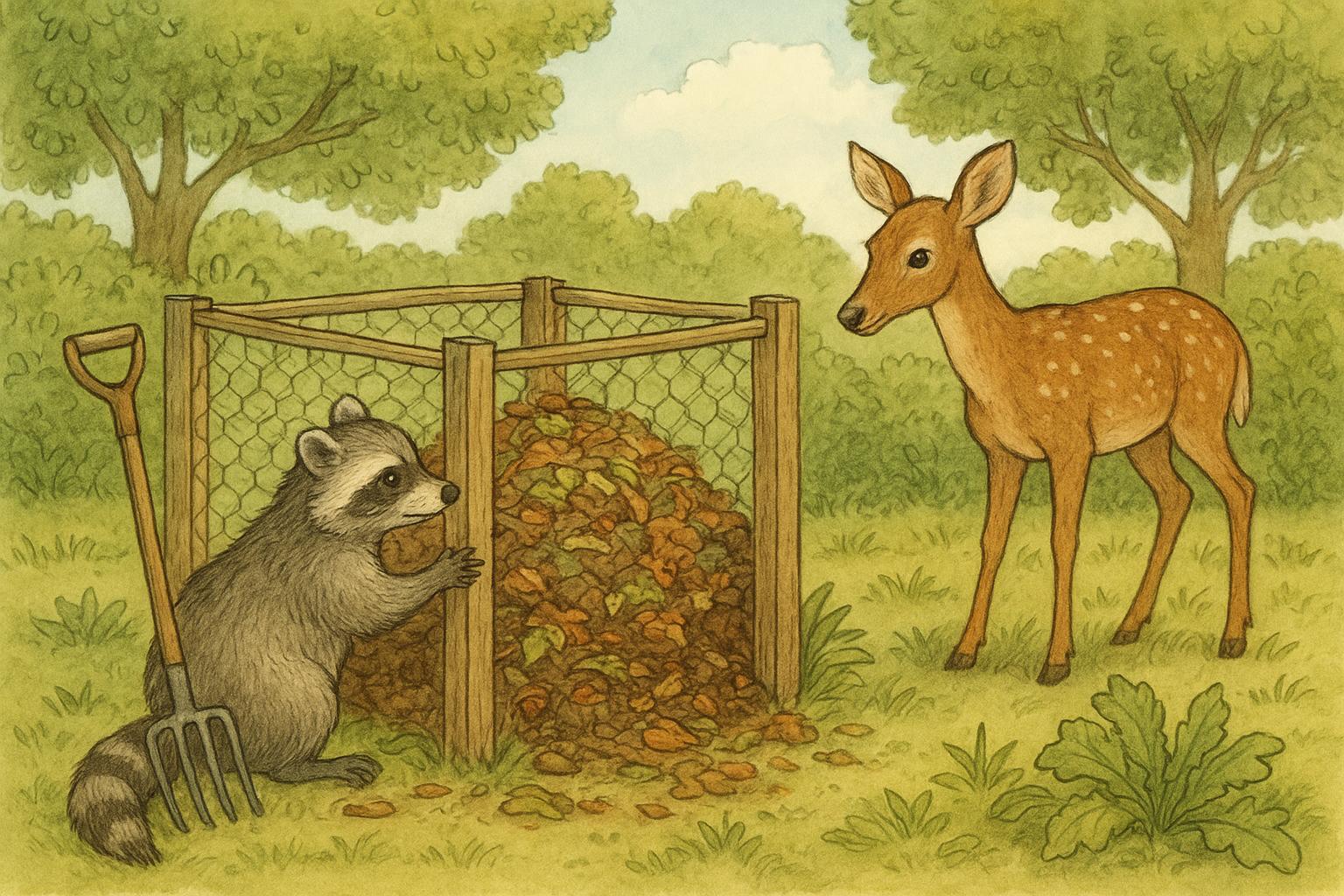
Talk with neighbors. If several porches are getting hit, it’s often a shared attractant—a feeder, an unlocked shed, a neighbor’s compost pile. If you have neighbors with a nocturnal porch issue, compare notes; coordinated fixes work best. Local extension offices can often ID droppings from photos and advise on humane exclusion.
## Respecting Wildlife While Handling Porch Visitors
Wild animals are part of the neighborhood ecosystem. Avoid poisons and permanent harm. Don’t feed them in the hope they’ll stick around for your enjoyment. Use exclusion, not eradication. When professionals advise relocation, follow their guidance. A handful of changes—securing food, fixing gaps, adjusting lights—makes nighttime porch disturbances less mysterious and much less frequent.
### Quick Fix Checklist
Bring food inside. Cover bins. Secure bowls. Add steady lighting. Set a short nightly check. Move breakable items off the ground and raise pots. Following this checklist reduces nighttime porch disturbances seasonally and immediately. The goal is to remove the easy wins for wildlife.
#### Oddball Encounters
Sometimes animals surprise you: a possum nesting in a cardboard box on the step, mice taking up residence in a battery compartment. They’re inconvenient and a little surreal. Odd as they are, those moments are part of the broader set of nighttime porch disturbances homeowners can expect. Humor helps for a minute—then clean up and proof the spot.











Leave a Reply