
## Practical Bird Nest Spotting Tips For Your Yard
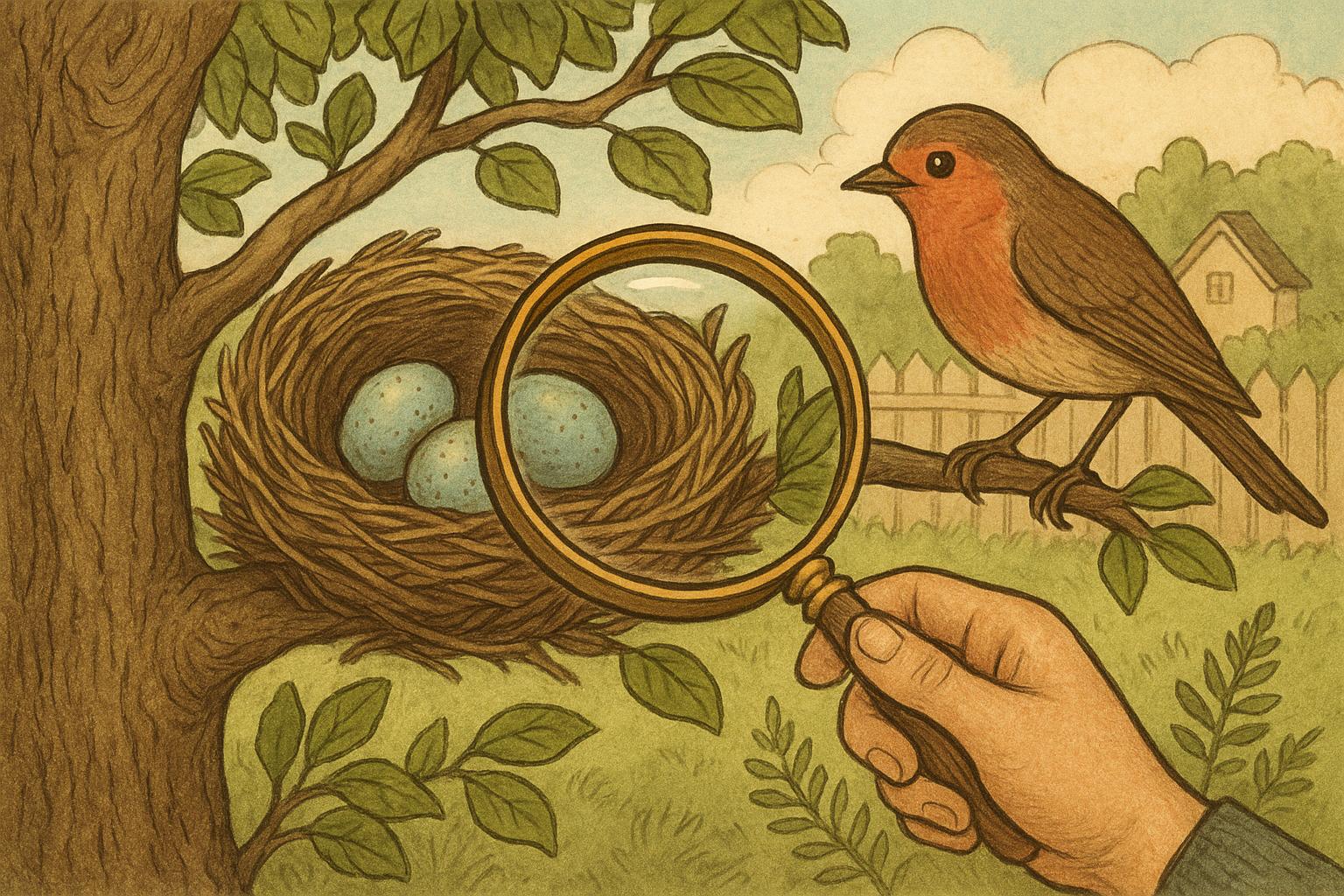
Nests are where the small, private lives of birds happen. They’re tucked under eaves, hidden in thick shrubs, or balanced in forked branches. If you want to find them, you need to look like a detective, not a tourist. These bird nest spotting tips focus on observation, timing, and small habits that actually work.
### Start With The Birds’ Behavior
Birds will often tell you where their nest is without meaning to. Watch the adults. Are they disappearing into a particular tree? Are they carrying plant fibers, mud, or insects in their beaks? That’s your trail. Follow them at a respectful distance. The simplest clue is an adult repeatedly returning to the same spot. If you can see the entry or the perch used to approach the site, you’re close.
Nest spotting also involves listening. Sharp chick calls, a parent’s alarm, or the persistent scolding of a robin are good signals. Learn a few local calls. You don’t need to become an expert, but being able to recognize a fledgling’s peep will change your success rate.
### Basic Gear To Take With You
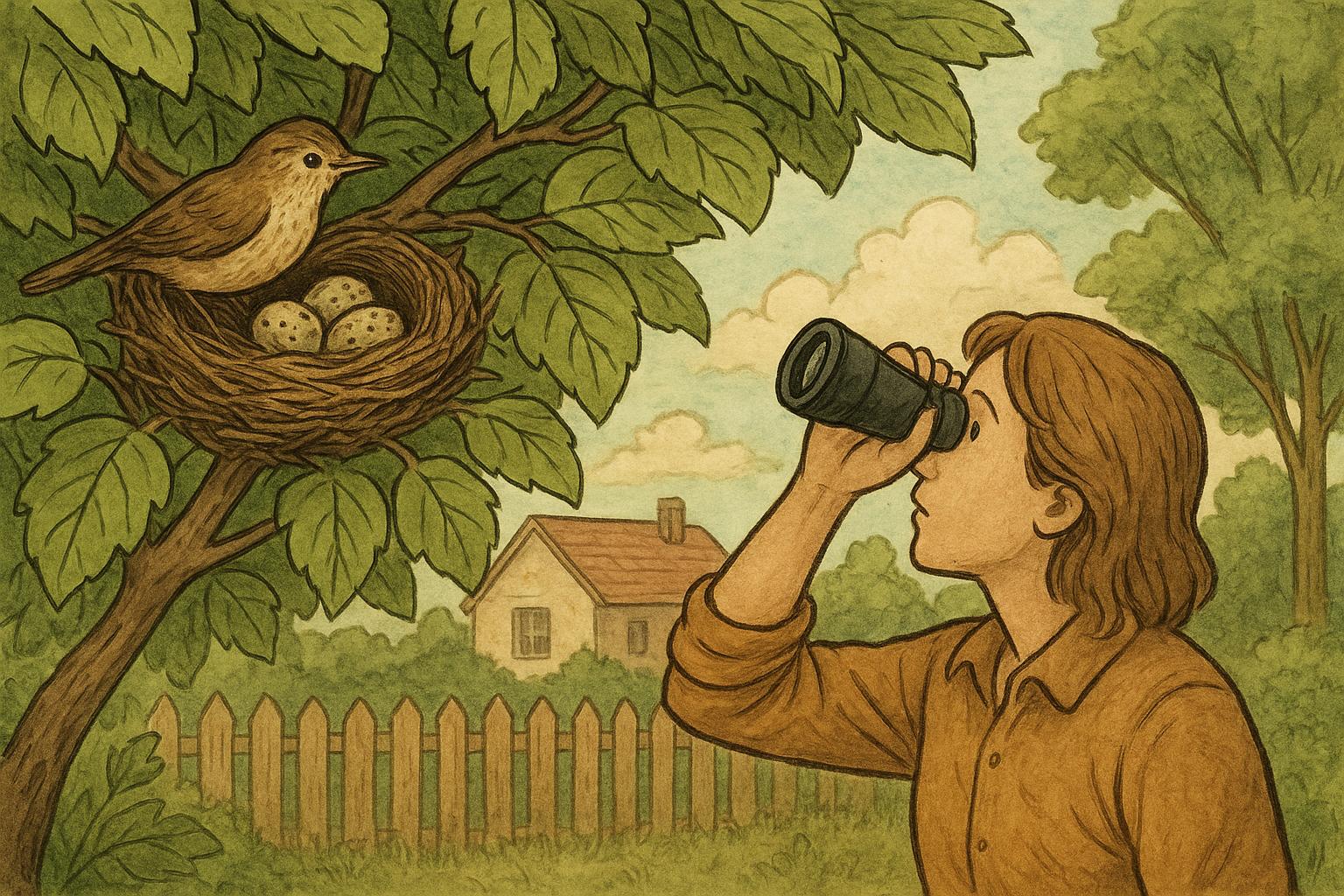
You don’t need a truckload of equipment. A pair of binoculars, a small notebook, and a camera or phone are the essentials. Add gloves and a hat in dense brush. A compact field guide or a bird ID app helps with bird nest identification when you find something that looks unfamiliar.
– Binoculars with 8x or 10x magnification are the most useful.
– A cheap telescoping mirror on a long pole can show under eaves without climbing.
– A small flashlight helps when looking at dense shrubs in dim light.
Use tools to observe, not to invade. A camera zoom will give you a clear picture without you needing to edge up close.
#### Binocular Tips
Handheld binoculars are fine, but practice steadying them. Sit down, rest your elbows on your knees, and scan slowly. Birds will move differently when you’re still. If you spot activity but can’t see the nest, focus on the point the bird flies toward and methodically sweep the area.
#### Camera And Photo Notes
Take a series of photos rather than one snapshot. Different angles reveal different clues: material texture, nest depth, and entrance size. When you upload images to online groups or apps for help, a few clear shots make bird nest identification easier for others.
### Where To Look For Nests
Different species choose different places. Once you know the neighborhood choices, a lot of searching becomes pattern recognition.
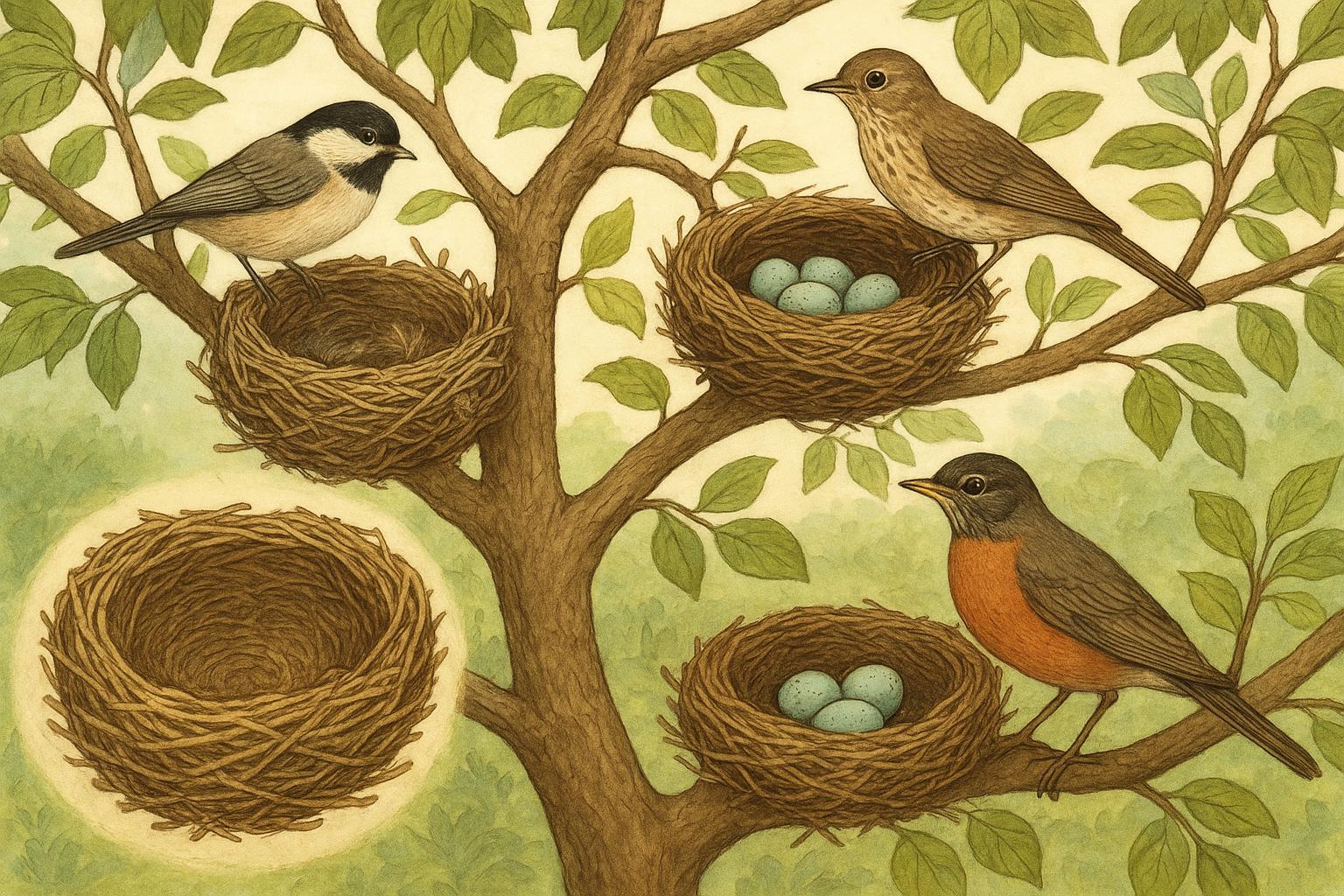
– Tree Forks And Branches: Robins, crows, jays, and many songbirds prefer crooks where branches meet. Look for compact cups or bulky stick nests.
– Dense Shrubs And Bushes: Sparrows, wrens, and some warblers favor low, thick cover. Move slowly—these nests are often near ground level.
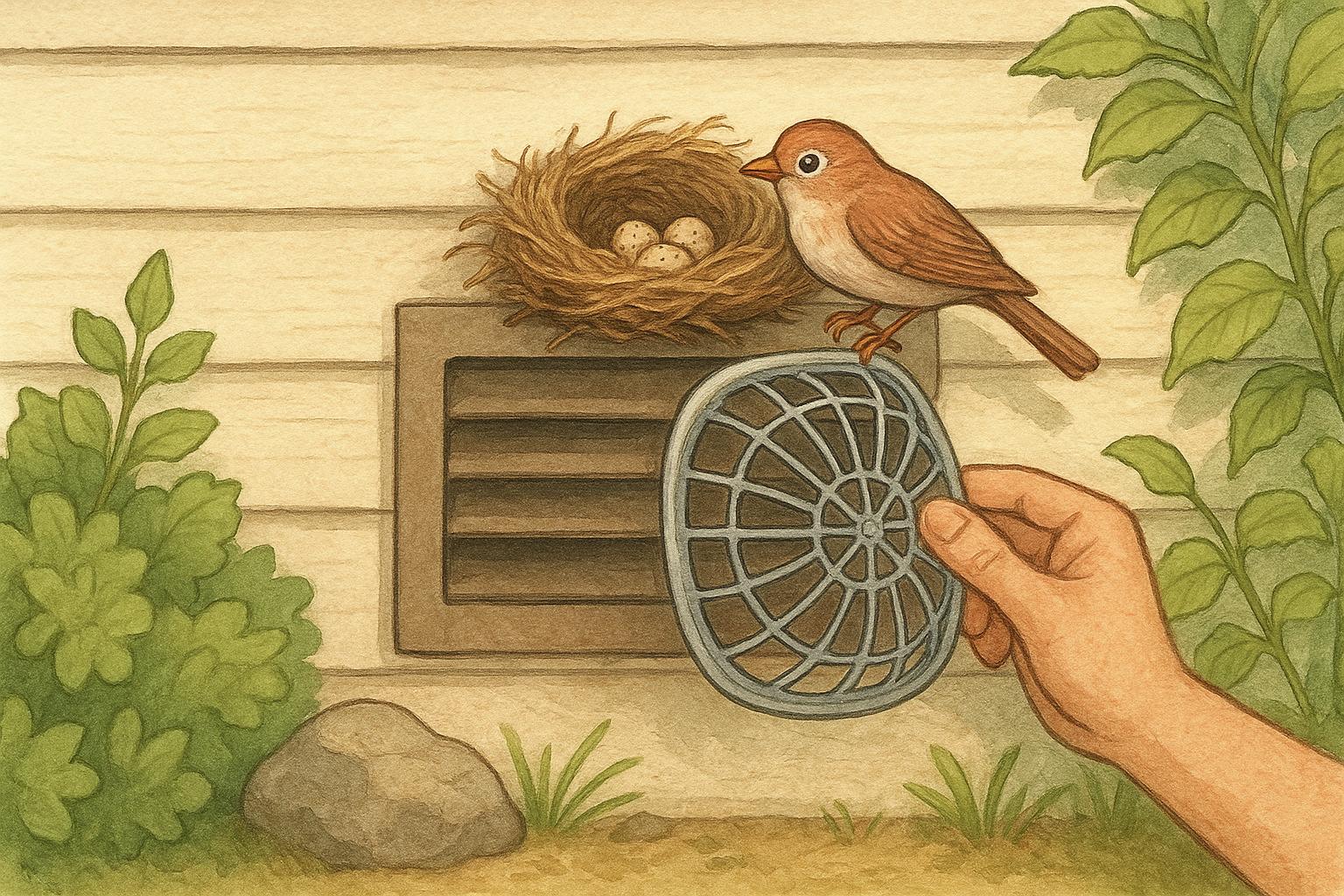
– Under Eaves And Porch Boxes: House sparrows, swallows, and sometimes starlings nest on buildings. Watch for adults slipping into small gaps.
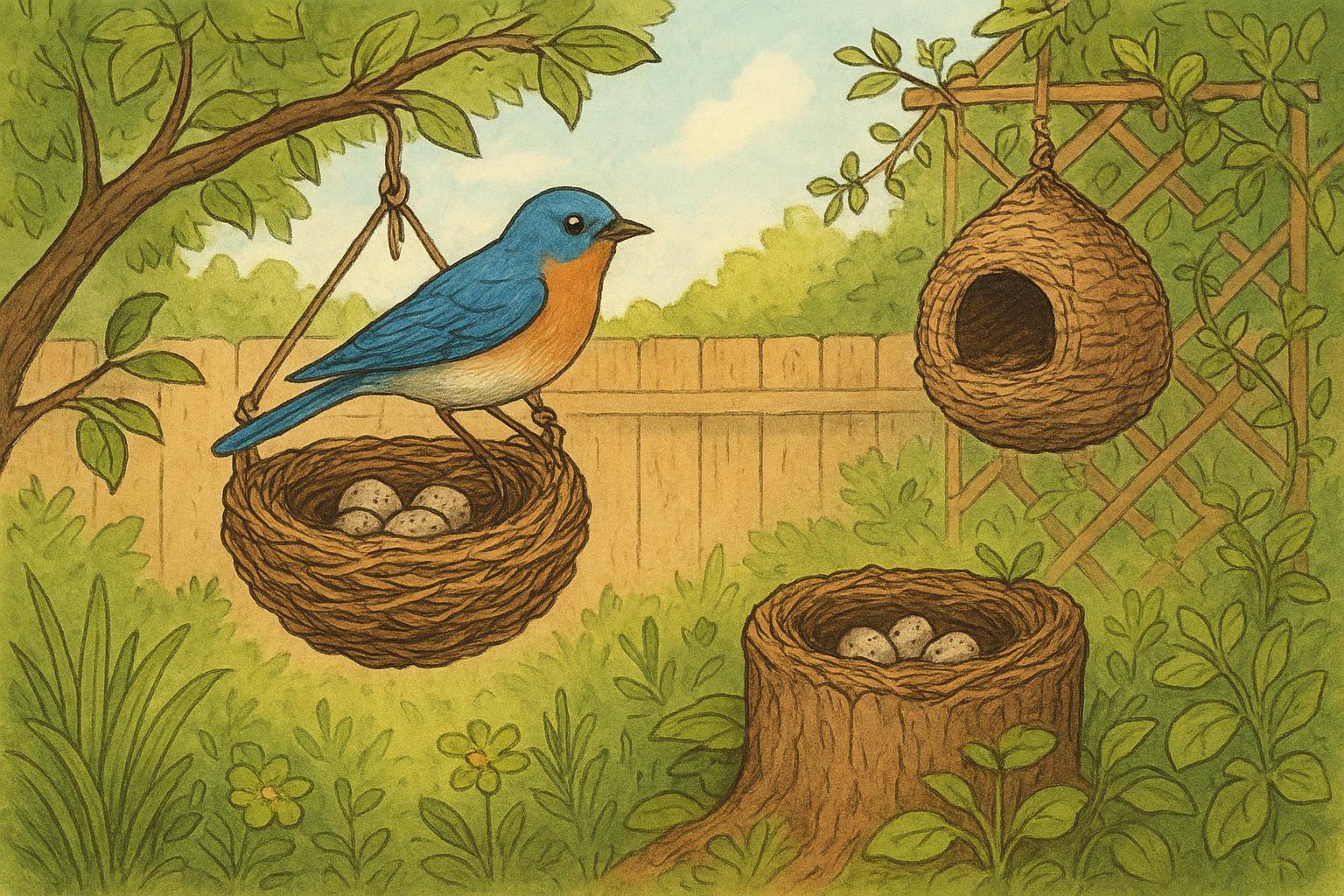
– Vines And Hanging Plants: Orioles and certain finches like suspended baskets woven into vines.
– Ground Nests: Killdeer and some sparrows nest right on the ground. Check open patches in yards with gravel or sparse grass.
– Unusual Spots: Old boots, planters, and even attics can hide nests. Don’t assume a spot is off-limits.
Nest spotting is pattern work. Once you recognize a few favored spots in your yard, you’ll start seeing them everywhere.
### Visual Clues That Give Away A Nest
Nests usually leave a faint trail. Droppings underneath a branch, bits of feathers caught in nearby twigs, and trampled vegetation around the base of a shrub are payoff signs. Adults sometimes use the same perch repeatedly; look for worn areas on branches or leafless twigs.
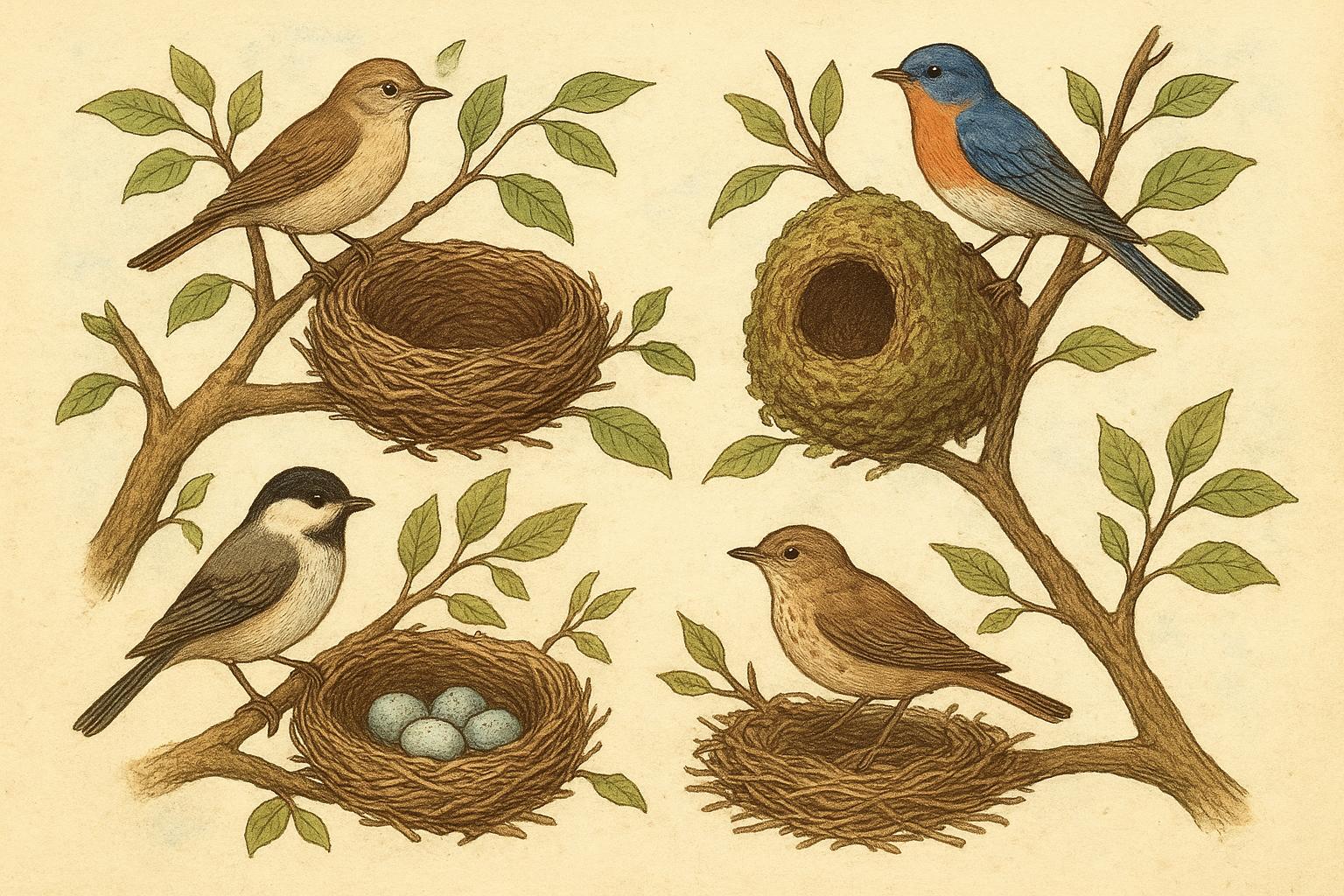
Material gives you identity clues. Mud-lined cups suggest swallows or martins. Hanging, woven, elongated nests often mean orioles or some finches. Large bulky stick nests point to corvids. For better bird nest identification, note texture, size, and the entrance location.
Be patient. A nest may be almost invisible until you see the pattern—repeated arrivals, a line of droppings, or a telltale piece of chewed grass fanning out of a bush. Don’t rush past the obvious.
### Timing And Seasonality
Different birds breed at different times. In many temperate regions, the main nesting season runs from early spring through midsummer. In late spring you’ll see the most activity. Hummingbirds often nest in late spring, while some wrens and sparrows continue nesting later into summer.
Early morning and late afternoon are the best times for nest spotting. Birds are most active then—feeding fledglings, gathering materials, and moving between perch and nest. Midday can be quiet. If you’re serious about finding nests, set aside short windows during these active times to watch.
### Using Behavior To Pinpoint Location
Follow a material carrier. Birds bringing nesting material offer the most direct clue. They will often fly in a straight-ish line to the nest. Note the direction, then move slowly to a vantage point that gives you a clear line of sight without putting you between the bird and its nest.
Watch feeding flights. Parents carrying food will head straight to the nest. Observe the time between arrivals and departures; a pattern will emerge that points to a general area. If you see two adults repeatedly disappear into a dense hedge at similar intervals, they’re probably feeding young inside.
### Bird Nest Identification By Species
You don’t need to memorize every nest, but a few common references help.
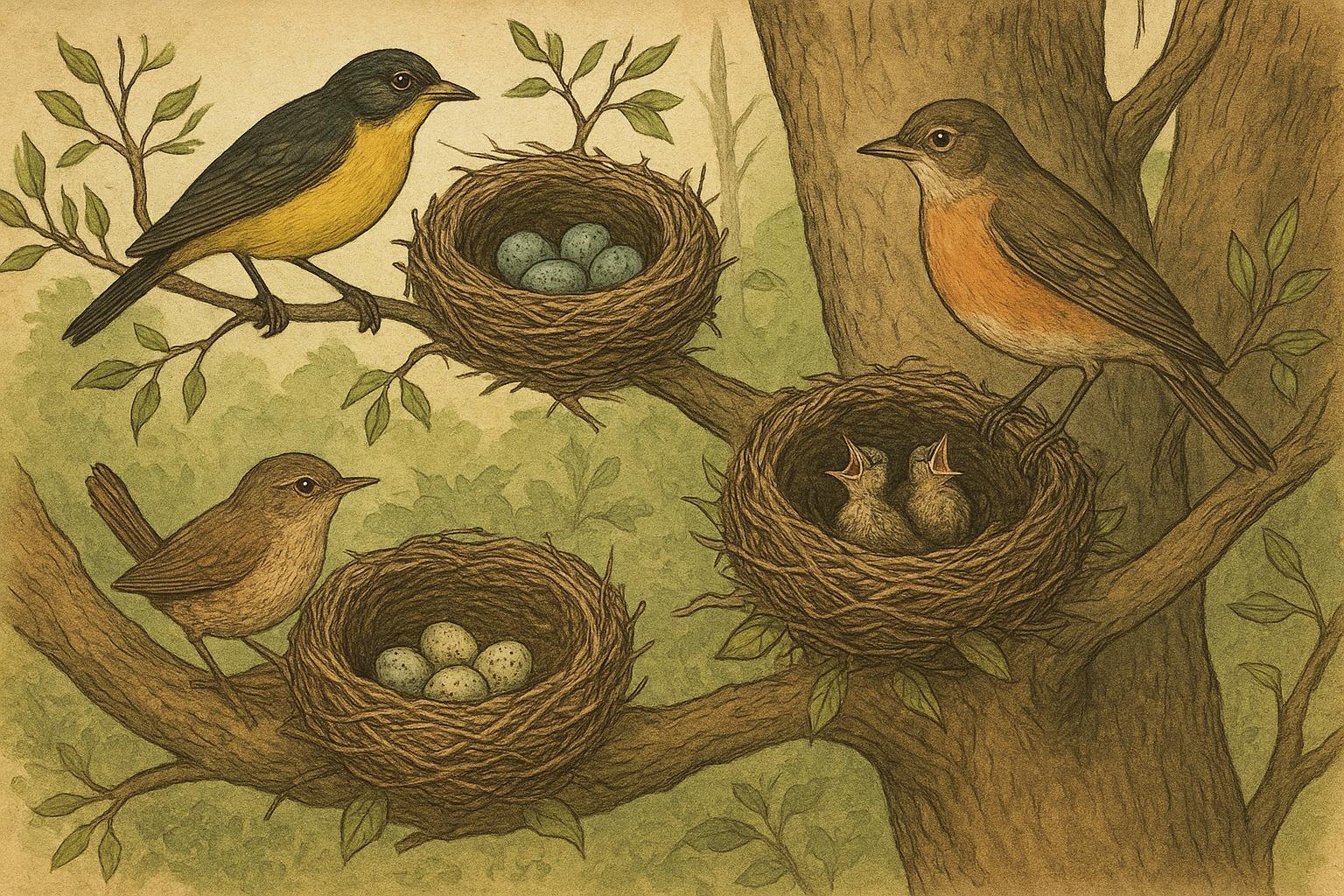
– Robins: Shallow cup made of mud and coarse grass, usually 6–20 feet high in trees or on ledges.
– House Sparrows: Bulky nests in cavities, eaves, or dense shrubs; messy interiors.
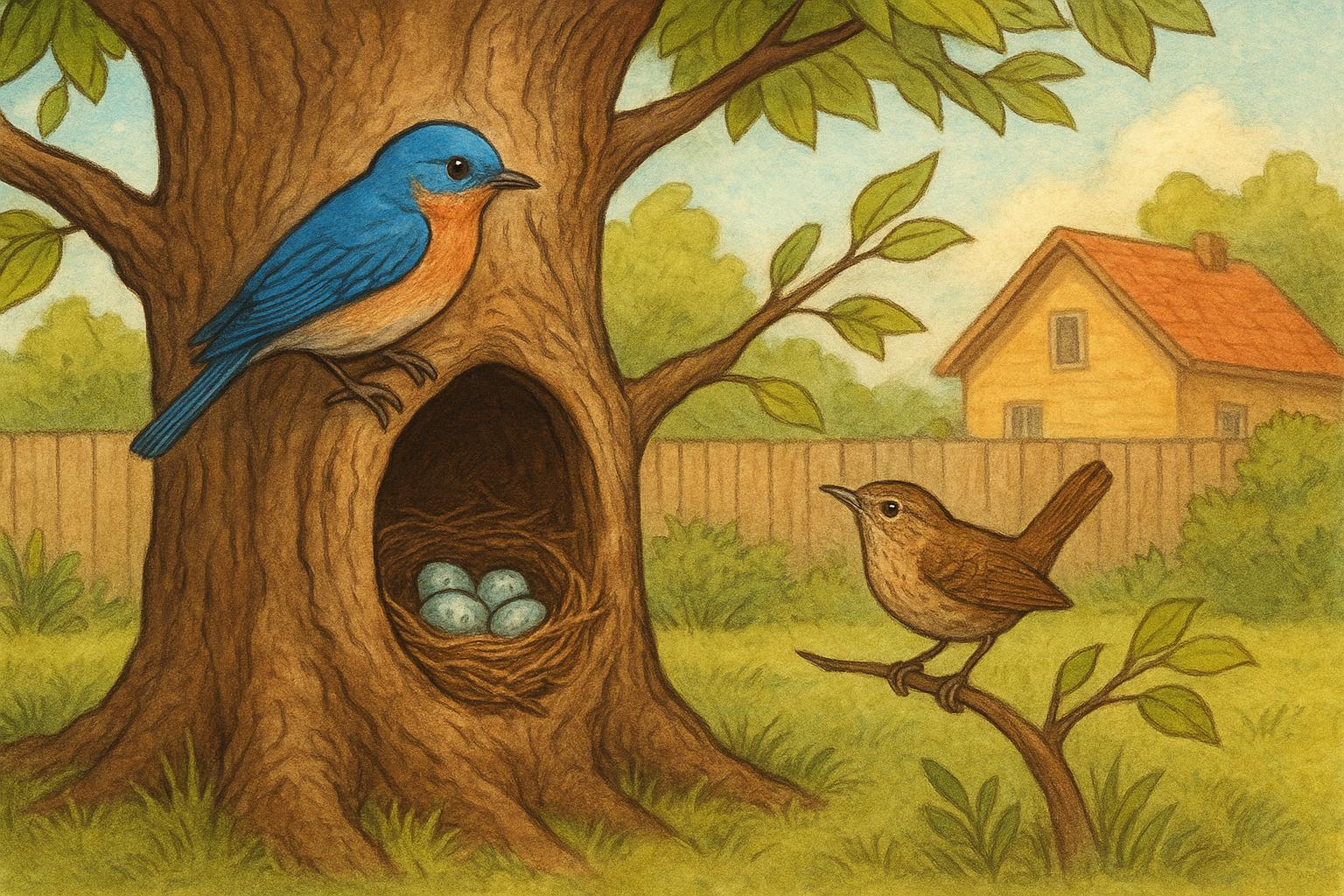
– Wrens: Small, domed or cup-shaped nests tucked into crevices or dense brush, often lower to the ground.
– Hummingbirds: Tiny cups, often decorated with lichen, placed on thin branches and reinforced with spider silk.
– Orioles: Hang a long, pouch-like woven nest from high, thin branches.
– Swallows and Martins: Mud nests, often under bridges or eaves; can be gourd-shaped or open cups on ledges.
– Corvids (Crows/Ravens): Large stick nests high in sturdy trees.
If you take notes on material and placement, bird nest identification becomes much easier. Note whether the nest is open-topped, concealed, suspended, or built inside a cavity.
### Ethical Rules For Nest Spotting
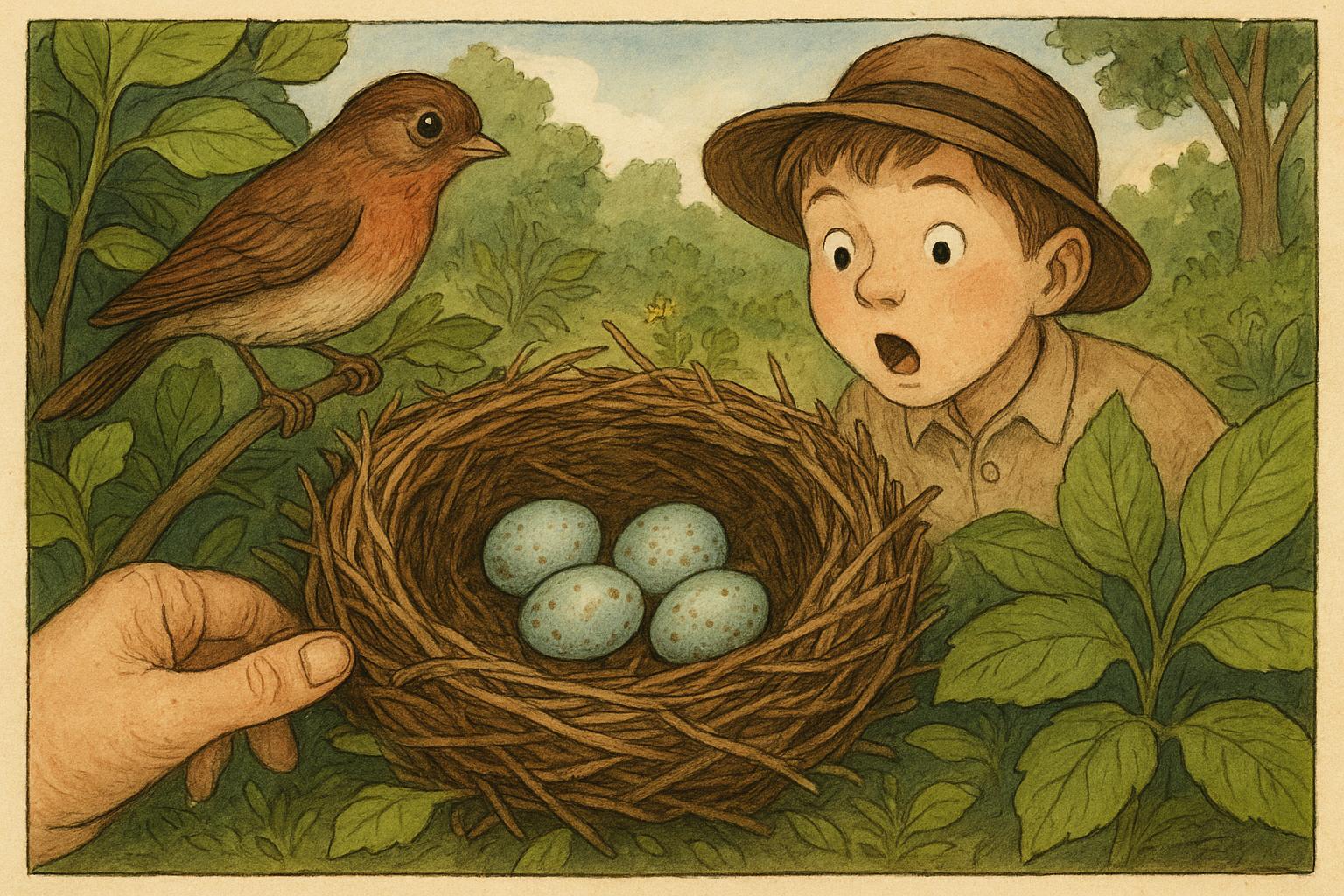
There’s a line between observing and disturbing. Never touch a nest, eggs, or chicks. Human scent doesn’t necessarily make parents abandon a nest, but disturbance does. Repeatedly hovering can lead parents to avoid the nest, leaving young vulnerable.
Also, be mindful of legal protections. In many places, native birds and their nests are protected under wildlife laws. That includes not relocating or removing nests. If you find a nest in danger (e.g., construction), contact local wildlife authorities or a rescue organization for advice.
Keep pets away. A curious dog or cat can destroy a nest in seconds. If you’re documenting, avoid posting exact GPS coordinates publicly; this can expose nests to harm.
### Approaching Nests Safely
If you need to check a nest from close range, limit visits and keep them brief. Use a narrow mirror on a pole to view under rooflines. Use binoculars rather than climbing. If you do climb to inspect, have a purpose beyond curiosity—research, rescue, or protection. And never use ladders alone in unstable conditions.
Teh safest approach is to let parents do the work. Observe from a distance and only step closer for critical reasons.
### Camouflage And Concealment Tricks Birds Use
Birds are clever. They camouflage nests with lichen, stick to unlikely angles, or place them in noisy, human-active spots where predators are less likely to linger. Some species build nests to mimic surrounding shapes. A nest might be placed directly behind a clump of dead leaves so it looks like a regular branch knot.
Knowing the trick helps you counter-trick: look for asymmetry in foliage, repeated bird paths, and small swathes of disturbed leaves. Those subtle differences are easier to spot once you’re used to scanning for them.
### Documenting Nests For Science And Personal Records
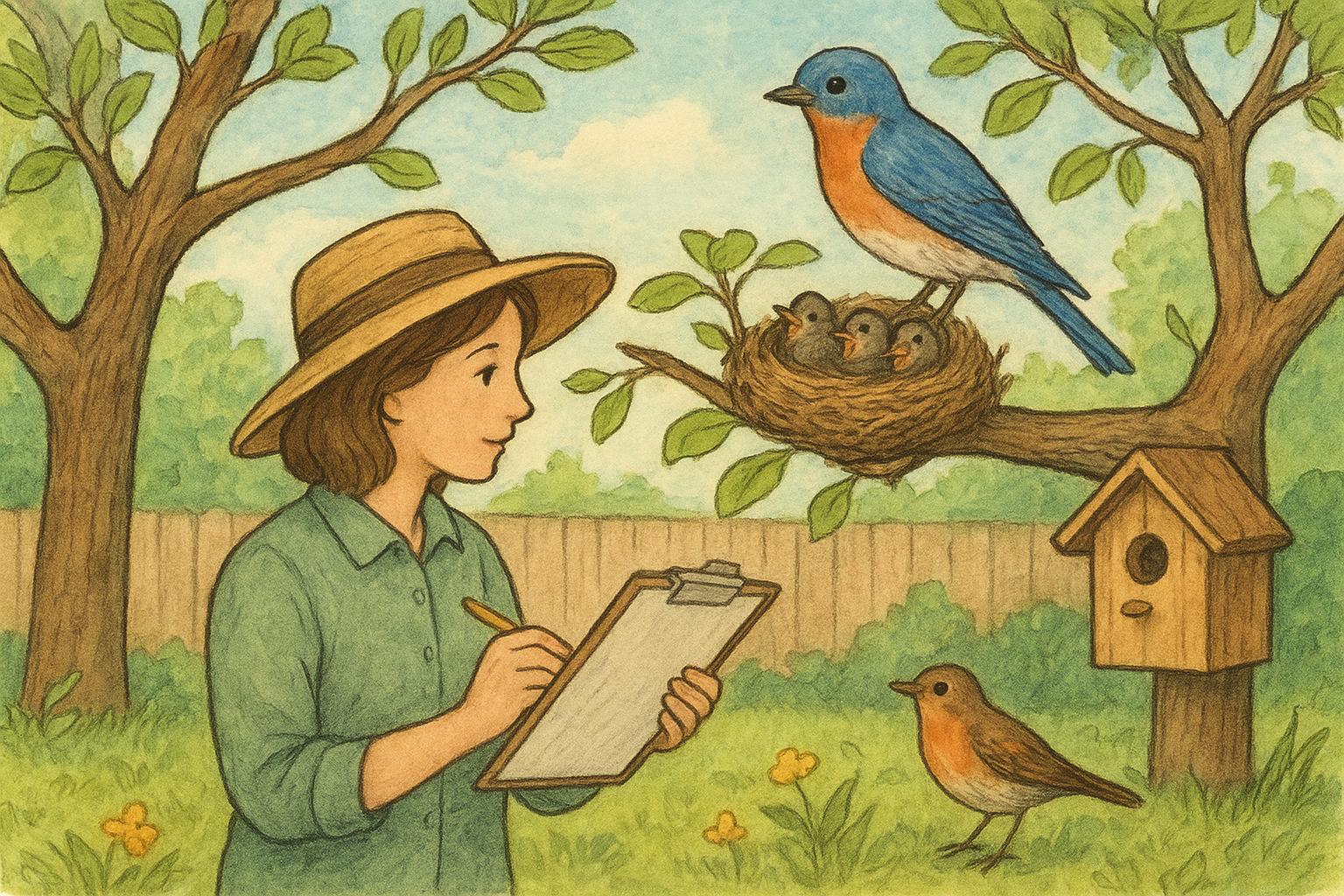
If you want to contribute to citizen science or just keep a record, do it responsibly. Record date, time, species (if known), nest location relative to landmarks, and a few photos from a safe distance. Apps and local bird clubs will often accept reports of nests and nesting success.
When uploading photos, blur precise labels or coordinates if the species is sensitive or at risk. Many groups appreciate photos for bird nest identification, especially of unusual nests. Your documentation can help track local populations and nesting success over time.
### Common Mistakes And How To Avoid Them
Beginners often mistake regular twigs for nests or chase every bird into cover. Avoid these errors by checking behavior first. If a bird spends less than a minute in a spot, it’s probably foraging rather than nesting.
Another mistake is over-inspecting. Too much attention stresses birds and makes nests vulnerable. Set a rule: one approach per day unless you have a clear reason to check more often.
Finally, don’t assume a nest is abandoned if parents aren’t visible. They might be out foraging. Look for recent droppings or fresh material. Those telltale signs indicate activity even when parents aren’t present.
### Advanced Bird Nest Spotting Tips For Hard-To-Find Nests
For stubborn cases—like cavities hidden deep in thick hedges or small nests tucked under eaves—combine timing and technology. Use motion-activated trail cameras set to a discrete spot for a few days. They’ll show you arrival and departure patterns without human presence. You can also observe from an adjacent rooftop or window that gives a better line of sight.
Another advanced method is to map flights. Sit in one spot and mark the compass bearing each time you see a bird fly to the nest area. After a few observations from different positions, the intersecting lines will narrow the search area. This triangulation is low-tech but effective.
### When To Get Help
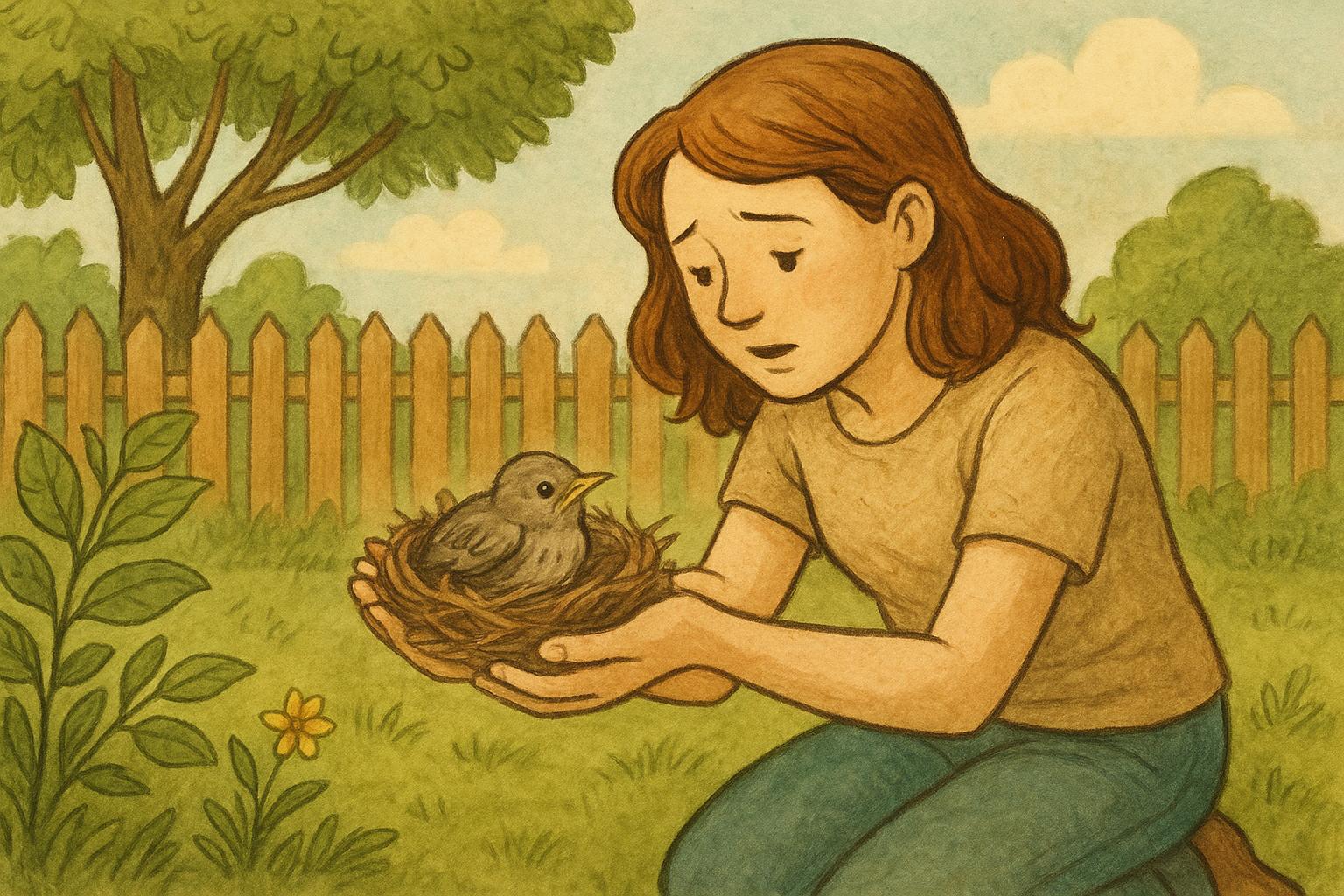
If you find injured birds, eggs fallen out of nests, or nests in immediate danger from predators or construction, contact a local wildlife rehabilitator or bird conservation group. They can safely handle removal, re-nesting, or rehabilitation according to regulations. Don’t try to raise wild birds yourself unless you’re licensed.
A nest that’s been knocked down during a storm may sometimes be salvageable, but that work is best done by professionals. If you’re unsure, take photos and call for advice.
### Share The Joy Responsibly
Finding nests is rewarding. Tell friends and neighbors about what you’ve seen, but avoid broadcasting exact locations on social media. Instead, share photos and general notes about how you found it and what behaviors you observed. Encourage others to practice ethical nest spotting and to watch from a distance.
Learning from local birders also speeds up your learning curve. Join a neighborhood birding group, attend a guided walk, or trade notes. Practical tips from experienced people in your area are often worth more than a book.
Keep watching. Every season teaches something new. The first time you spot a hummingbird nest no bigger than a walnut, you’ll know why the work matters. And the next time, your eye will catch the subtle clue even faster.


Leave a Reply