
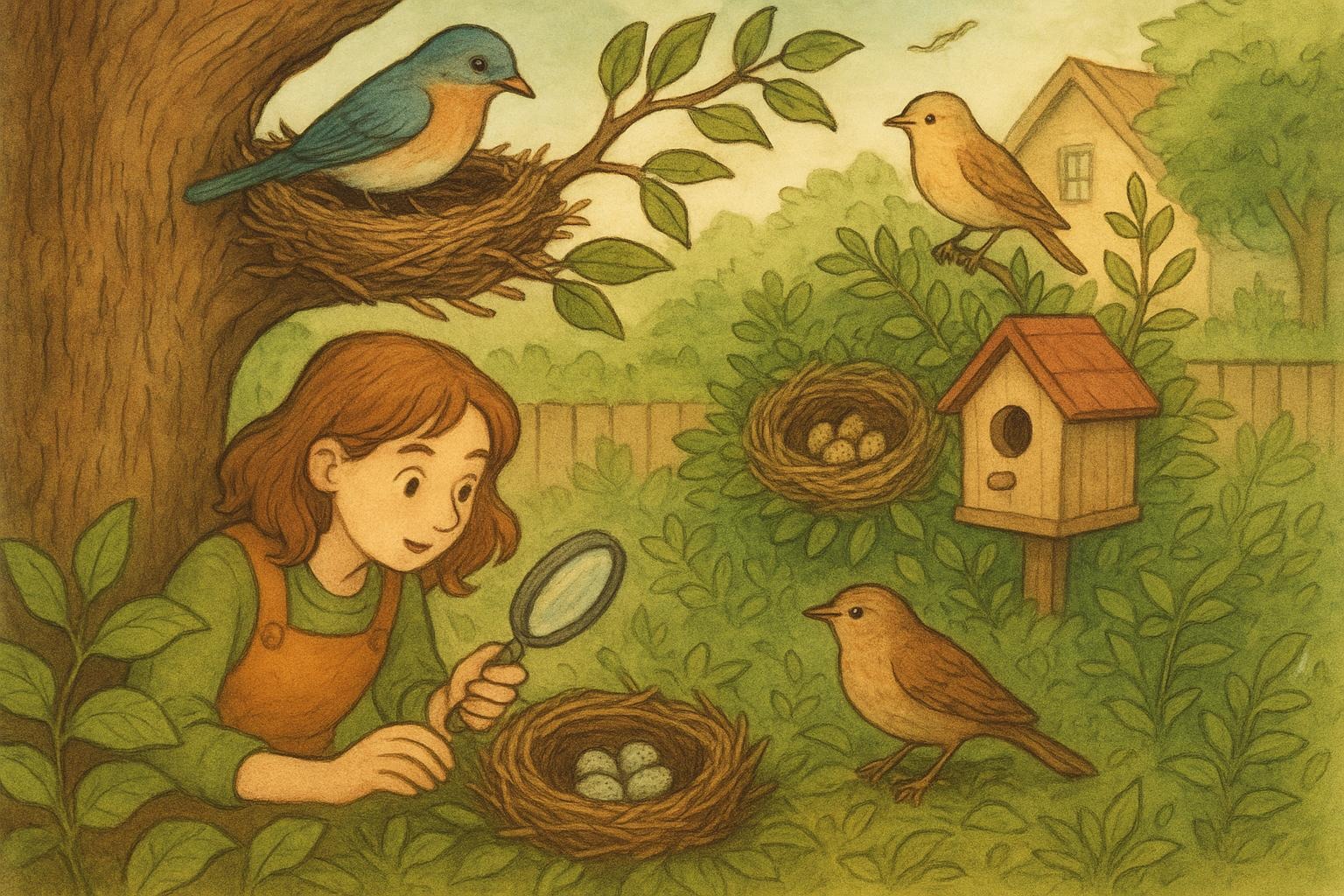
You step outside with a mug of something warm, glance up into the eaves, and there it is: a tidy ball of twigs, a messy nest of grass, or a suspicious wasp papery pouch. Backyard wildlife can be delightfully dramatic, but identifying who built what is half the fun — and the other half is knowing what to do about it. This guide will help you decode the architecture, location, and inhabitants of nests so you can handle them responsibly and safely.
## Nest Identification Tips For Beginners
Nest identification in a backyard starts with a few simple observations: size, materials, placement, and nearby activity. A tiny cup in a hanging plant is a different story from a tucked-in cavity under your roofline. Use these quick checkpoints first:
### Observe From A Distance
– Note how many animals are coming and going, and the time of day they’re active. Birds are often busiest at dawn and dusk; mammals may be active at night. This helps narrow down possibilities for nest identification without disturbing occupants.
### Inspect Materials And Structure
– Grass, moss, feathers and soft lining often indicate songbirds. Twigs and mud suggest swallows or robins. Papery, layered material usually signals paper wasps. Fur, shredded bark, or woven leaves could indicate squirrels or certain small mammals.
#### Location Clues Matter
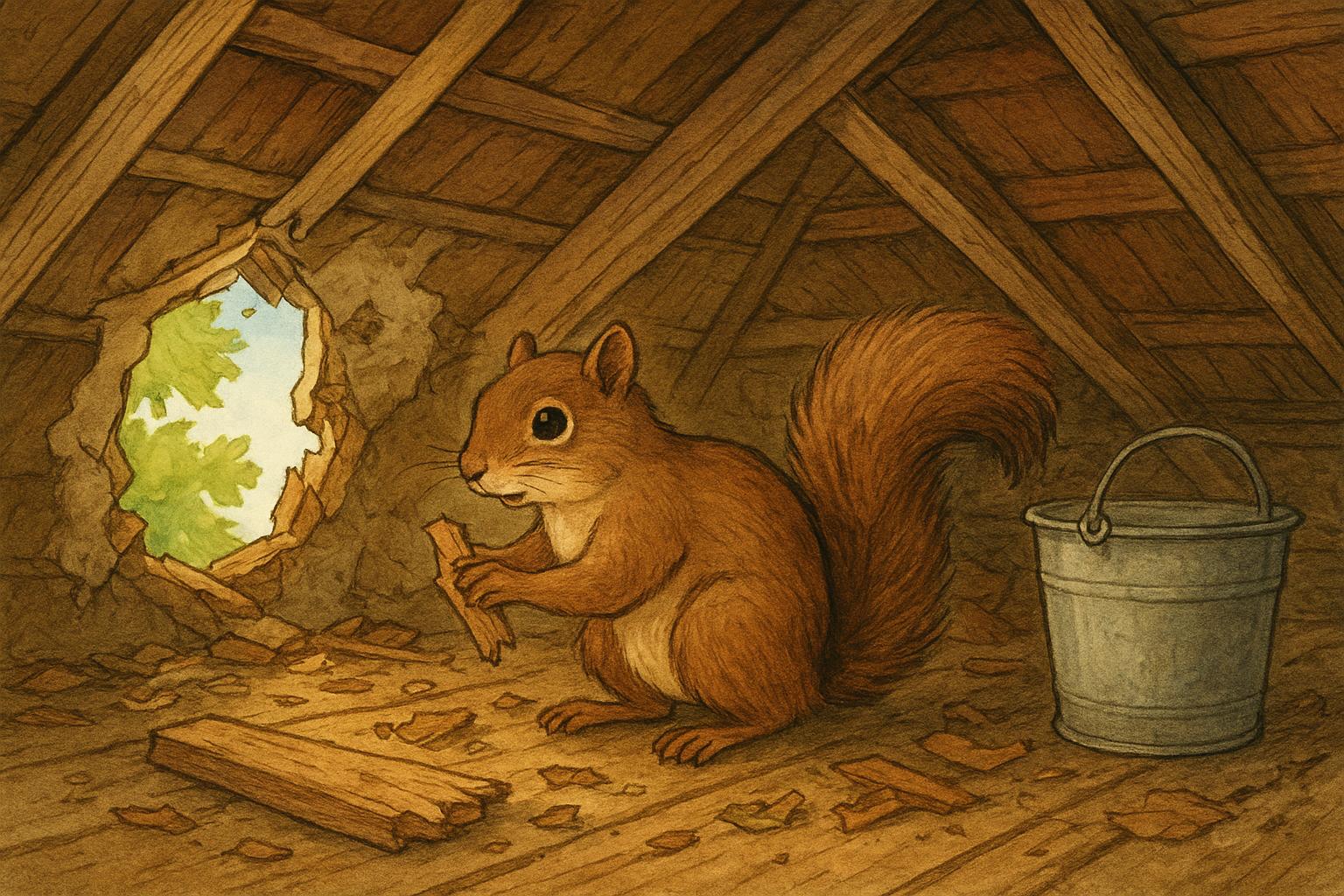
– Under eaves, in chimneys, or inside wall voids: think of cavity-nesting birds (starlings, sparrows) or bats. Ground depressions with grass: possibly quail or certain ducks if you’re near water. High, secured pouches attached to branches: orioles or hanging nest weavers.
## Bird Nest Identification: Common Backyard Builders
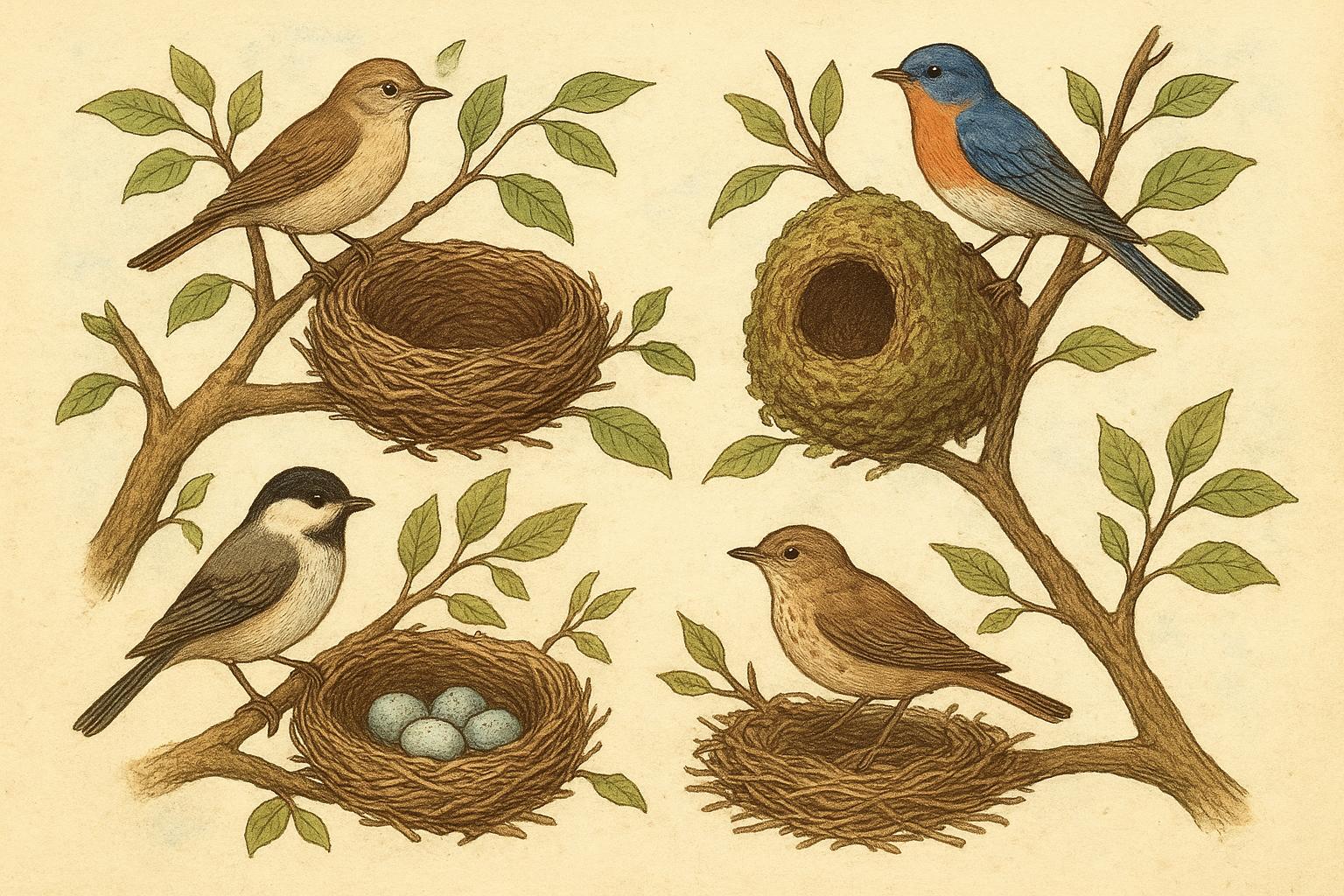
When people think of nests, they usually picture birds. Here are typical backyard builders and what to look for.
### Robins, Thrushes, And Open-Cup Nests
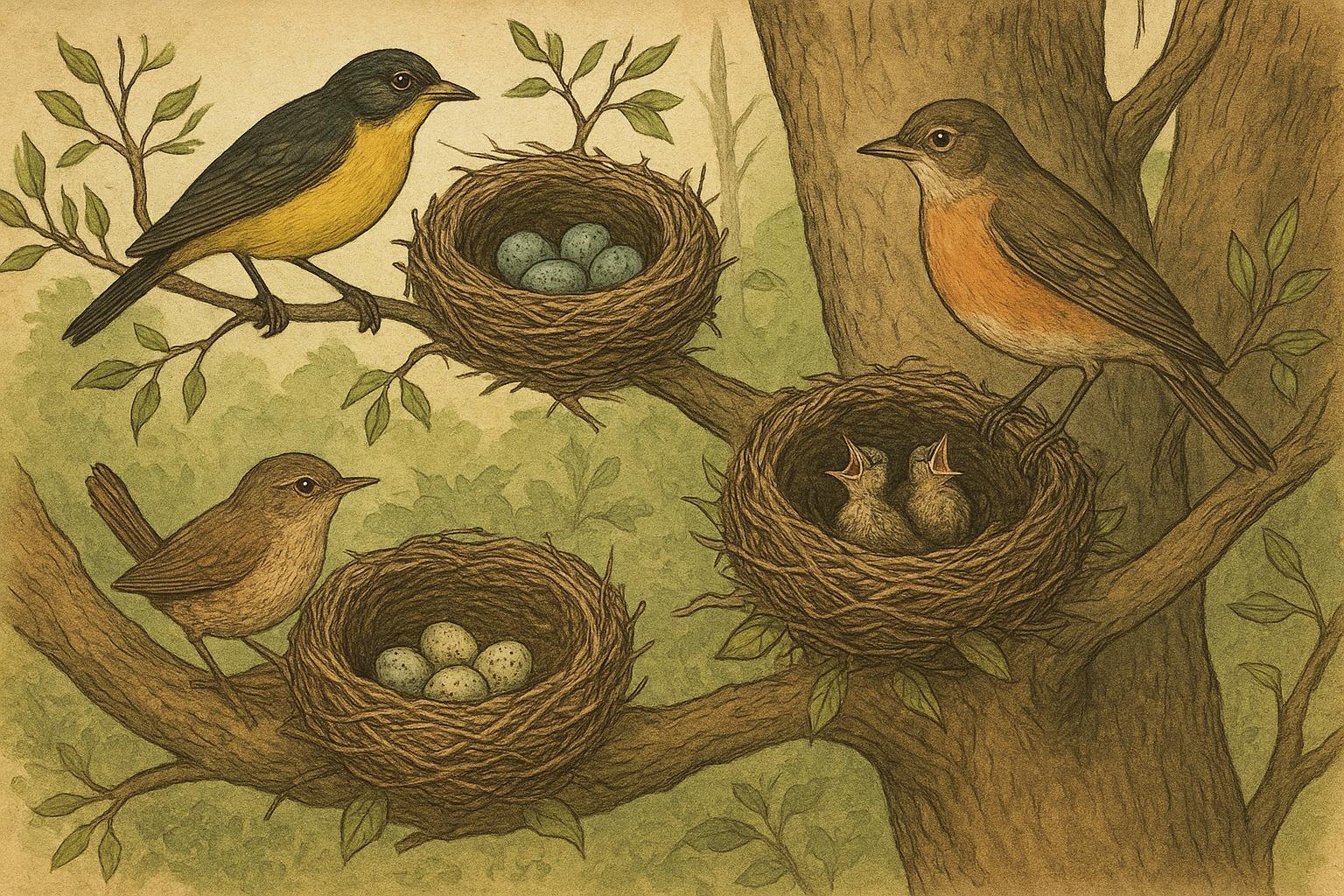
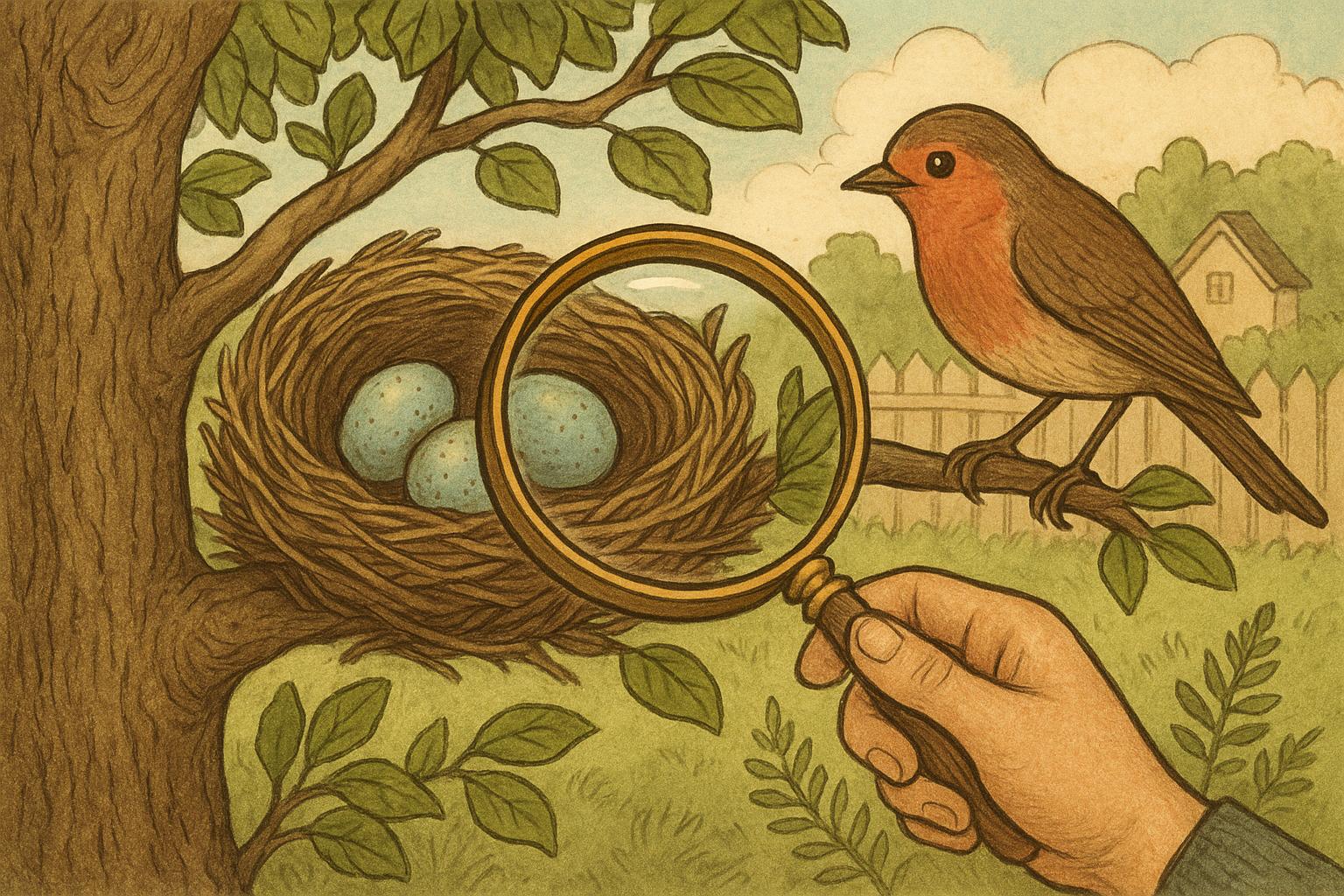
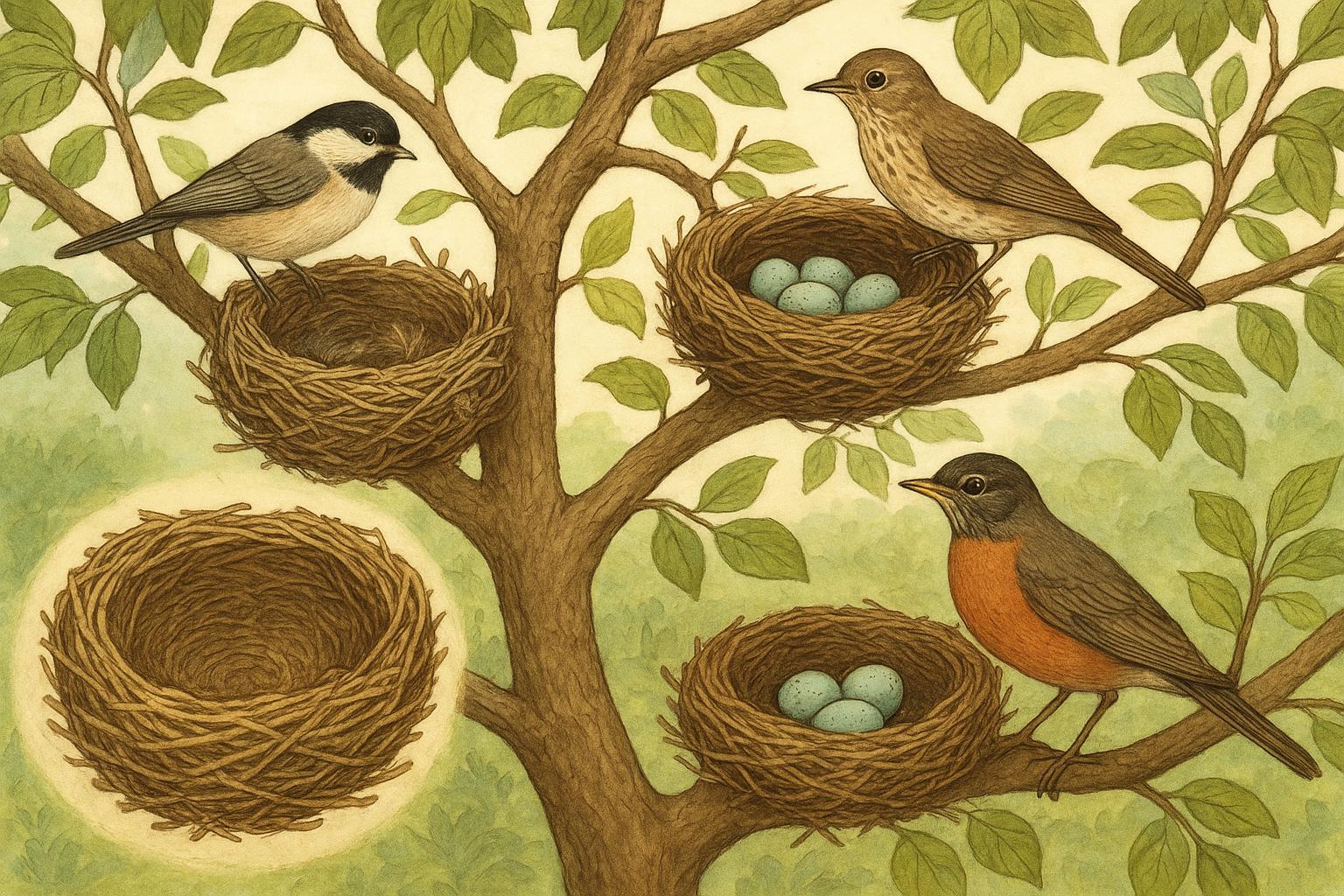
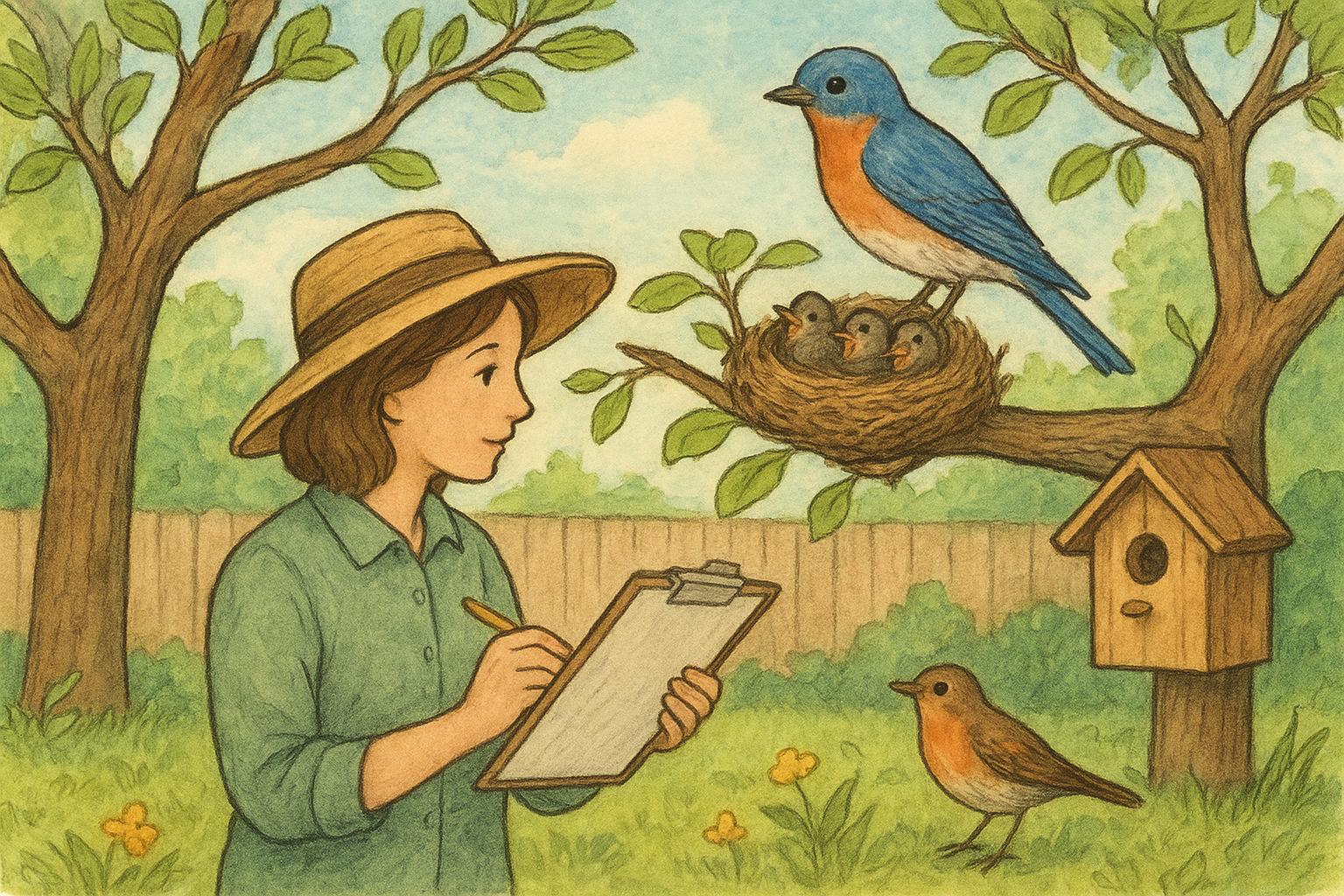
Robins and many thrushes build open cups of mud and grass, usually on horizontal branches, in bushes, or on porch ledges. Eggs are typically speckled (robins have bluish eggs). These nests are shallow and exposed, so you’ll often see parent birds perched nearby.
### Cavity Nesters And Nest Boxes
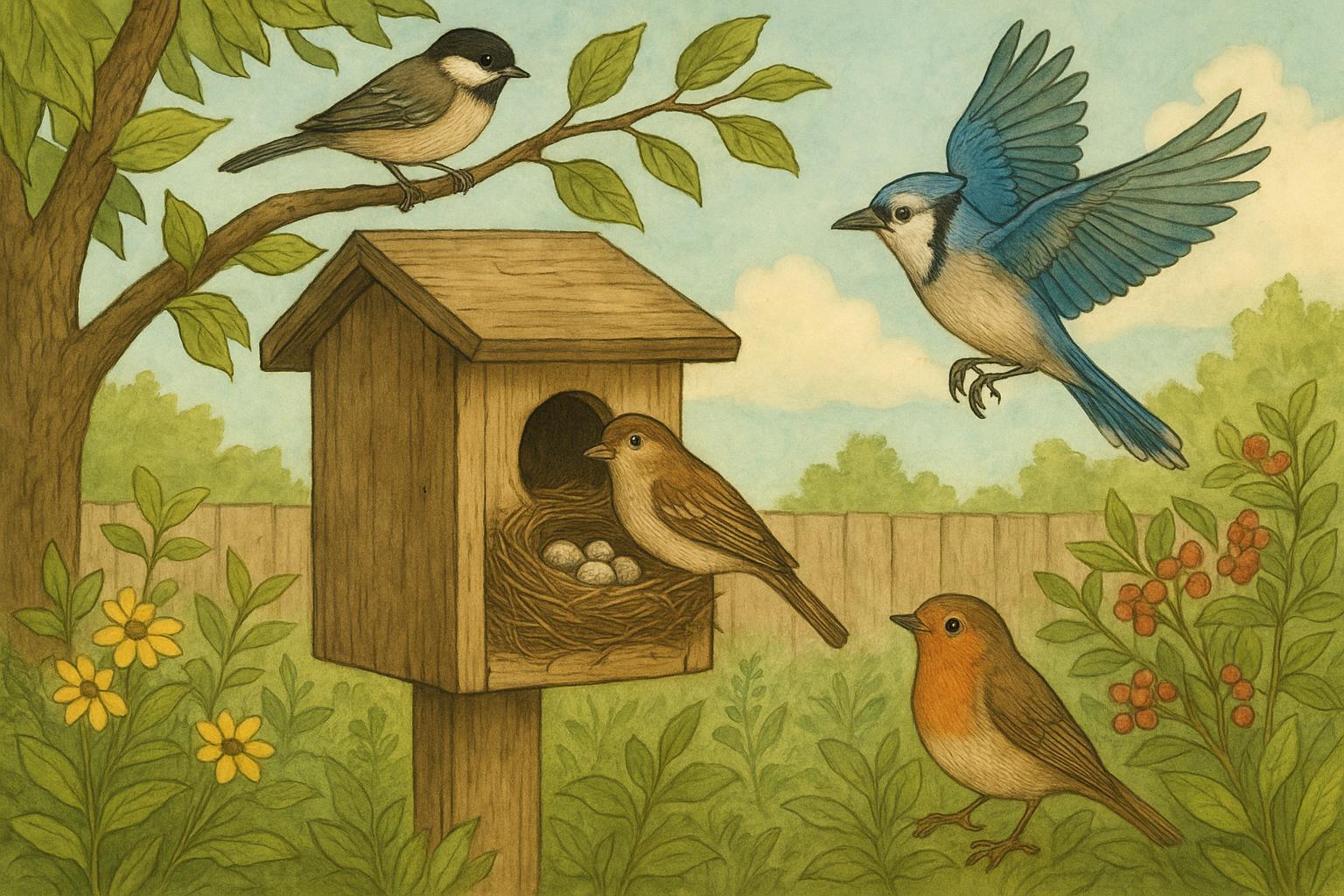
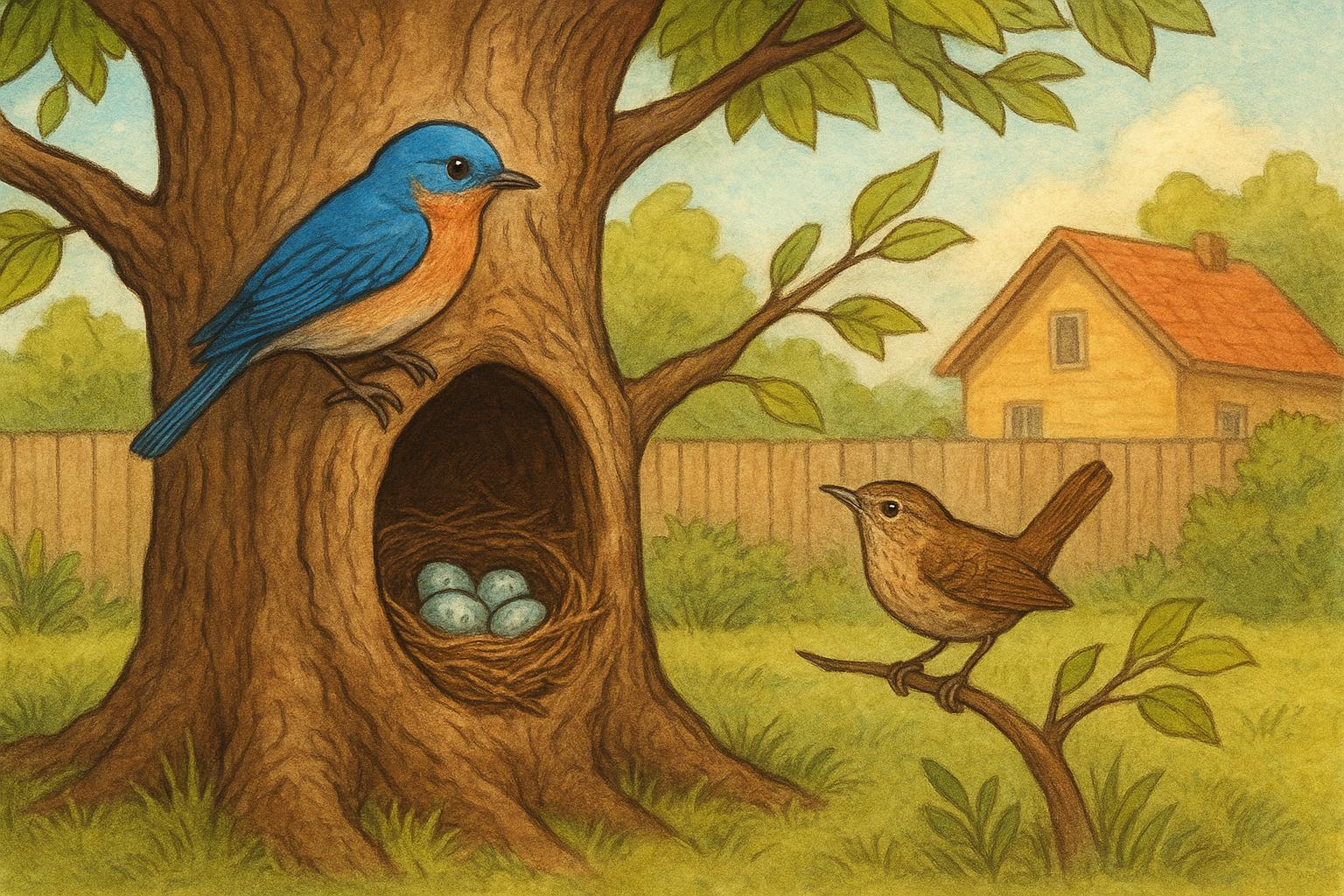
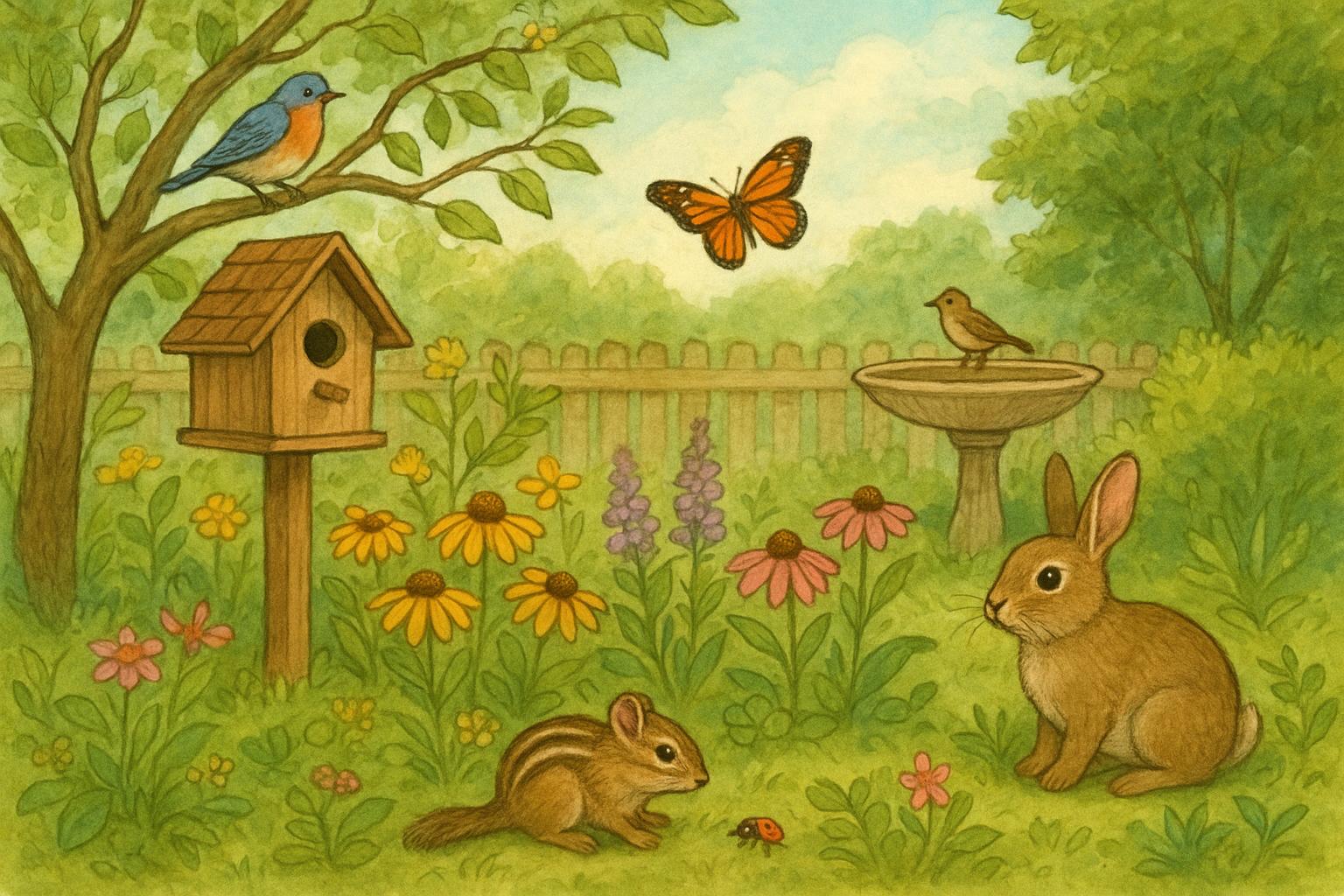
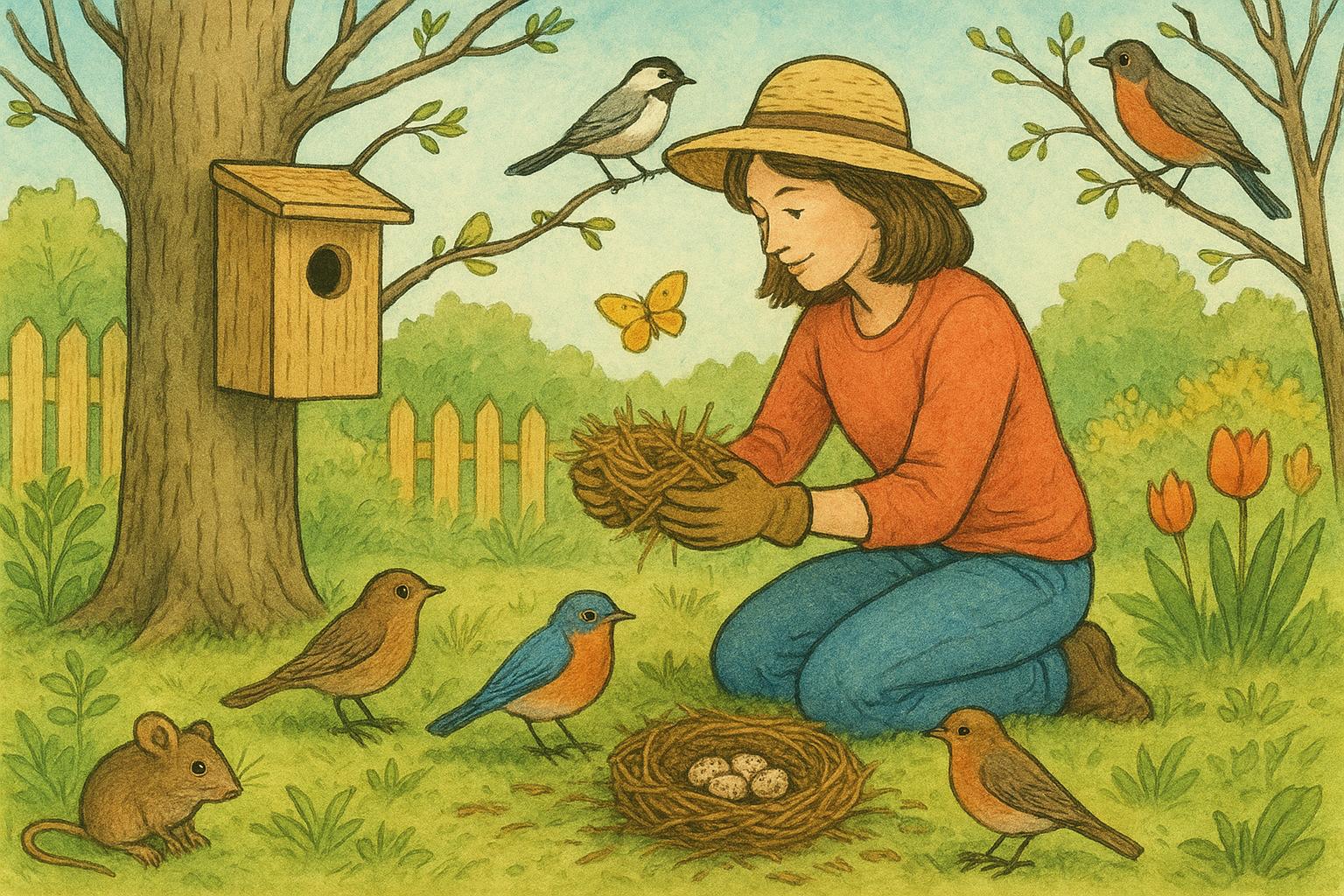
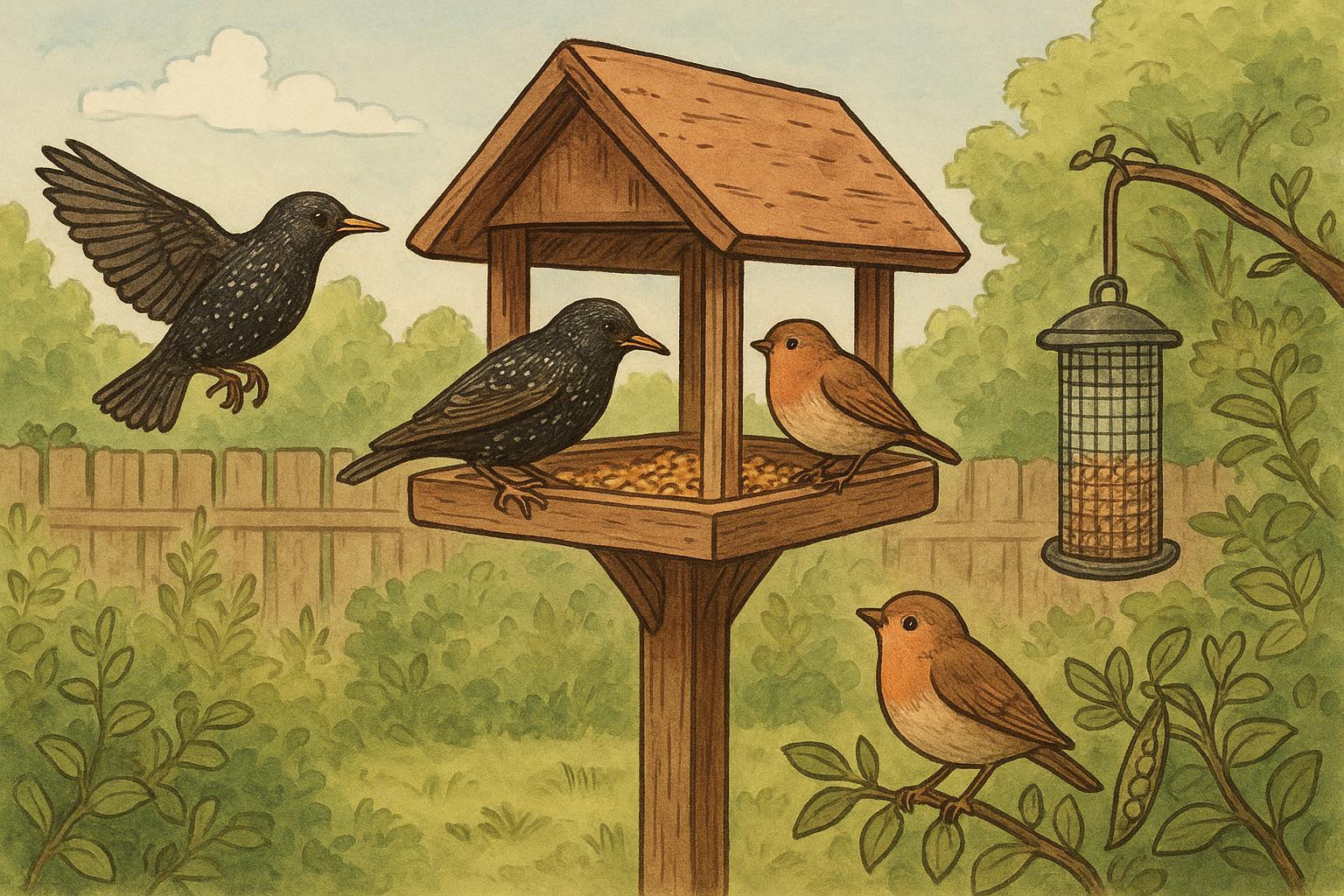
Starlings, chickadees, and some owls use cavities. If you find a nest inside a box, ledge, or hole in a tree and it’s well-concealed, consider a cavity nester. Cavity nests usually lack extensive external structure; they’re more about the sheltered space.
#### Hanging Pouches And Woven Nests
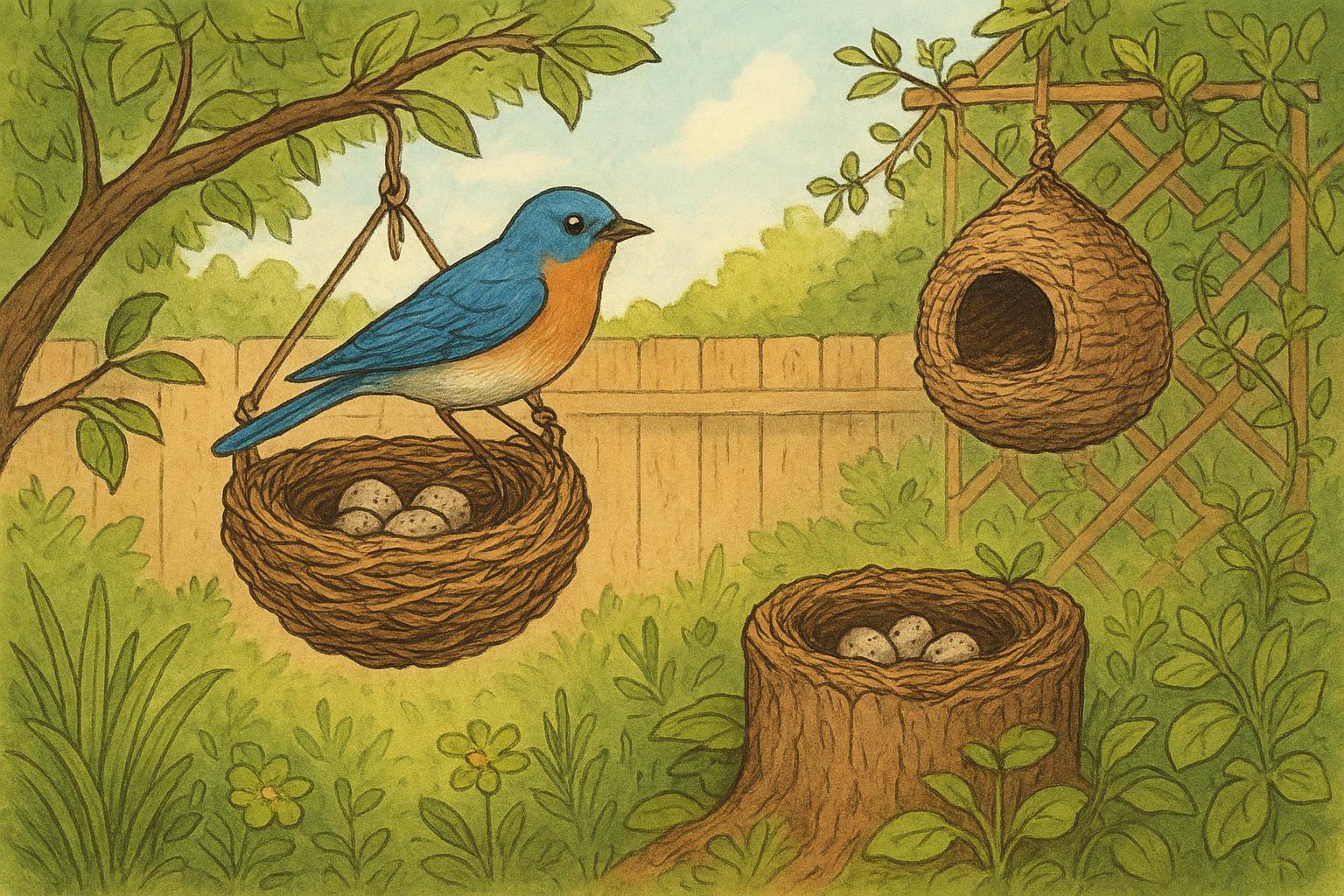
Orioles, Baltimore oriole and some wrens craft intricate hanging pouches woven from fibers. They’re often suspended by a single strand from branch tips — proof that engineering can come in a little felt bag.
## Insect Nest Identification: Wasps, Bees, And Termites
Not every nest is feathered. Insect nests can range from tiny holes to sizeable papery combs.
### Paper Wasps And Hornets
Paper wasps build umbrella-like combs often under eaves or in sheds, with a single exposed layer of cells. Hornets create enclosed, layered papery nests that can be quite large. Wasps can be defensive, so for nest identification, keep your distance and watch flight patterns (workers entering and leaving frequently).
### Solitary Bees And Mud Daubers
Solitary bees use small cavities or create mud cells — look for neat little “chimneys” in disturbed soil or small tubes in wood. These are generally beneficial pollinators and often don’t pose the same sting risk as social wasps.
## Mammal Nest Identification: Squirrels, Bats, And Small Rodents
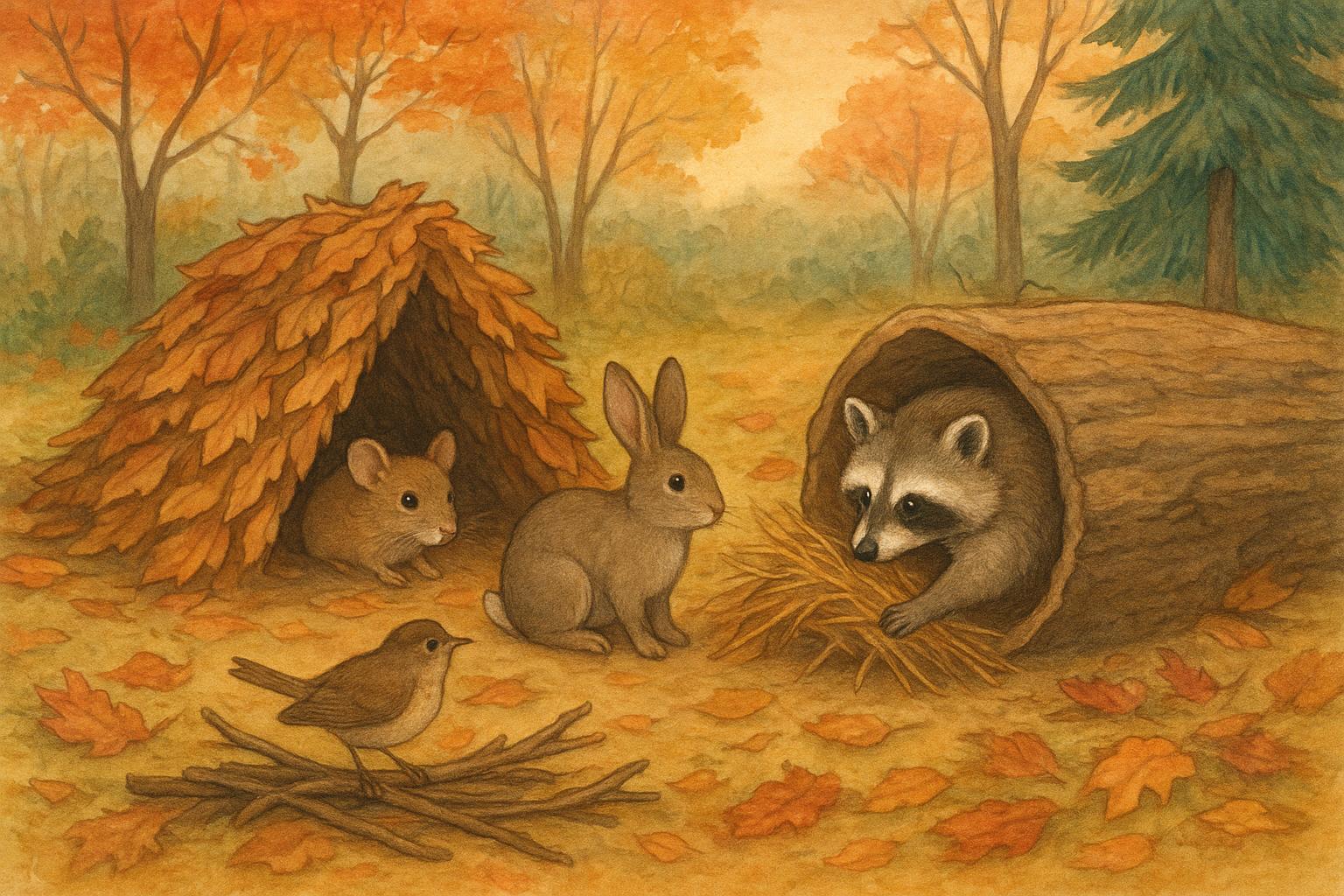
Mammal nests (dreys, roosts, dens) have unique signatures.
### Squirrel Dreys And Leaf Nests
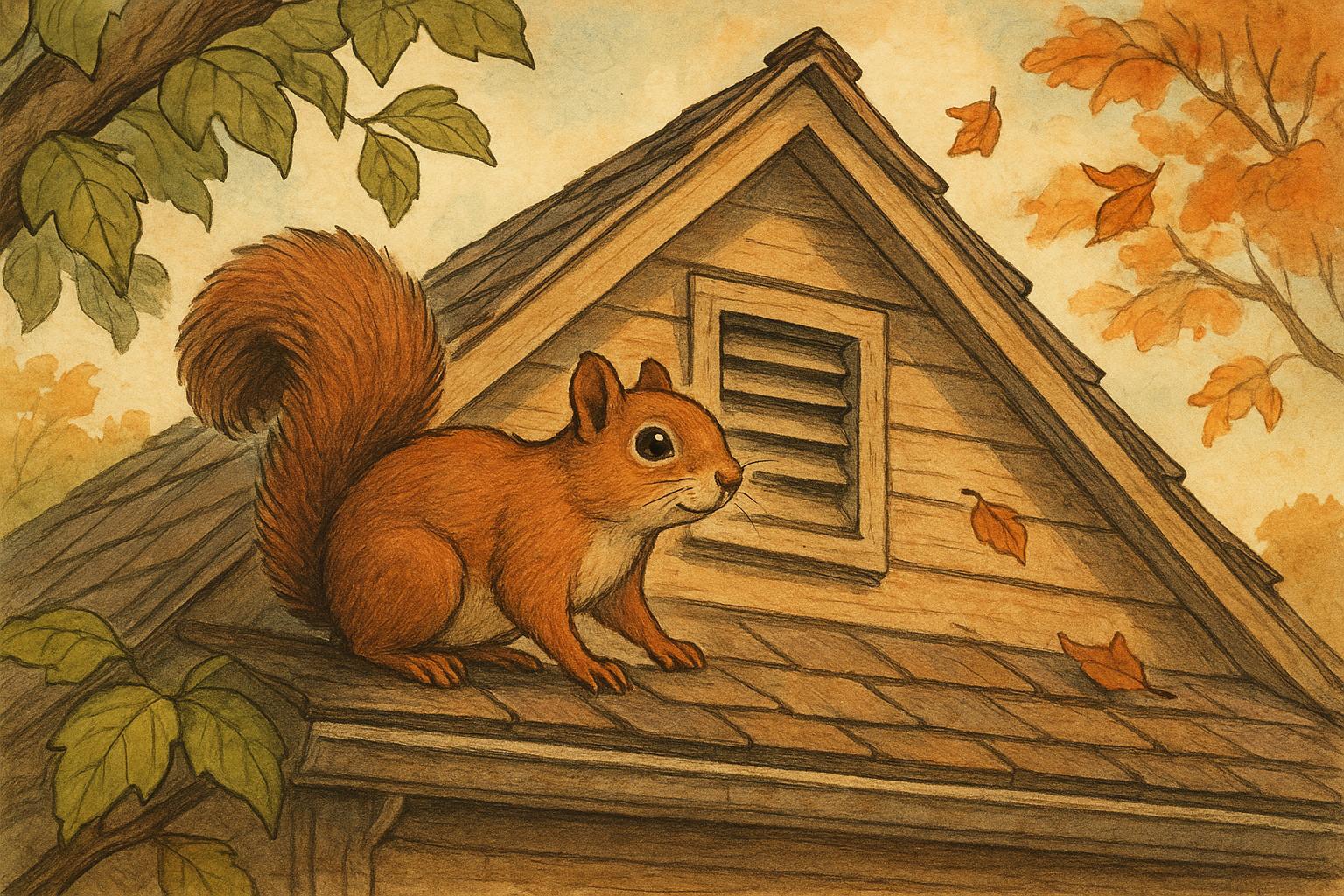
Squirrels build round, leaf-and-twig nests high in trees. They’re often loosely constructed, bulky, and lined with softer materials. If you find a messy nest of leaves tucked in a fork of a tree, that’s likely a drey.
### Bats In Attics And Wall Voids
Bats prefer dark, tight spaces. Look for droppings (guano) beneath openings and observe evening emergence at dusk. For nest identification purposes, bat roosts are not nests in the traditional sense but are socially important roost sites.
## Nest Identification Tools And Tips For Close Inspection
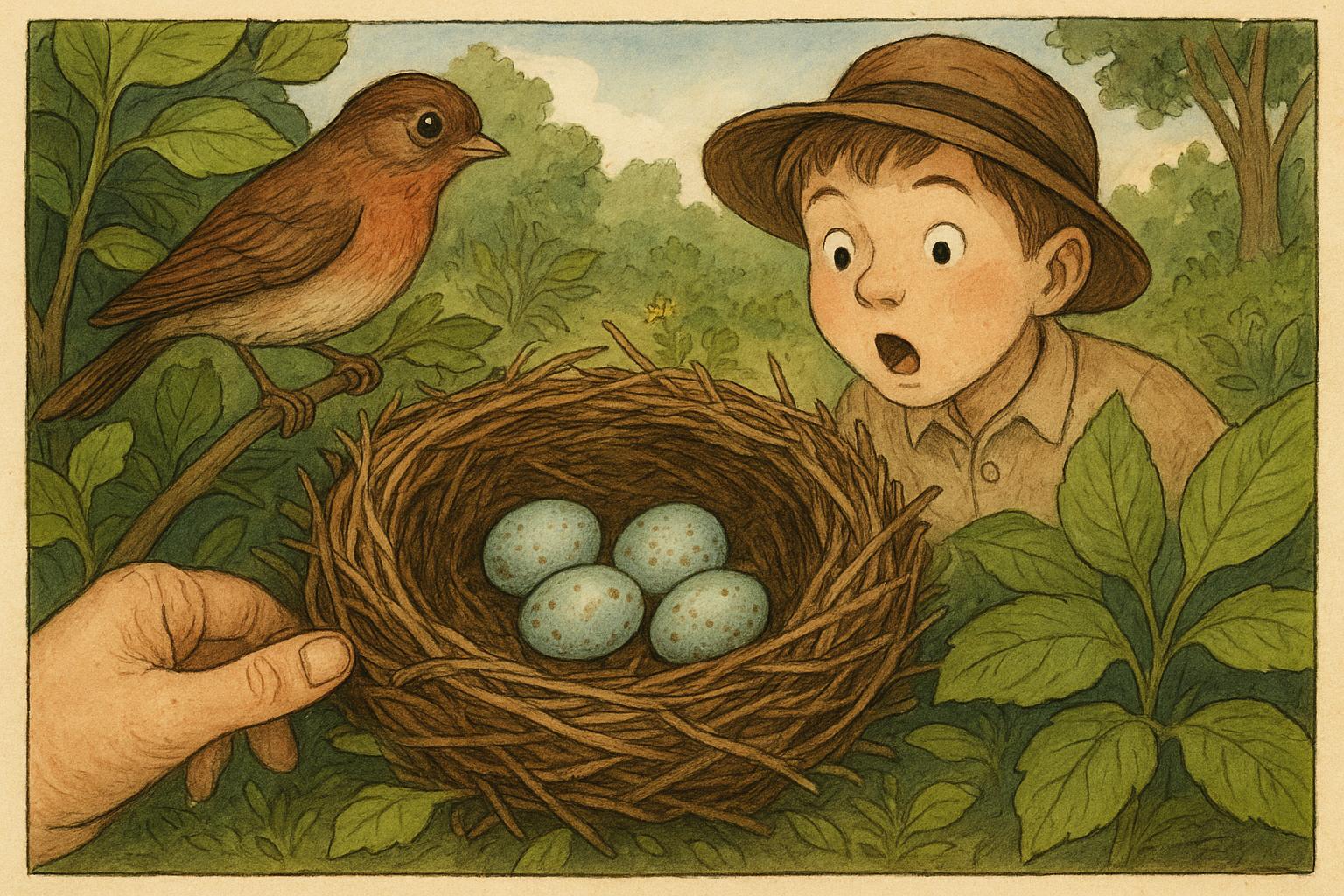
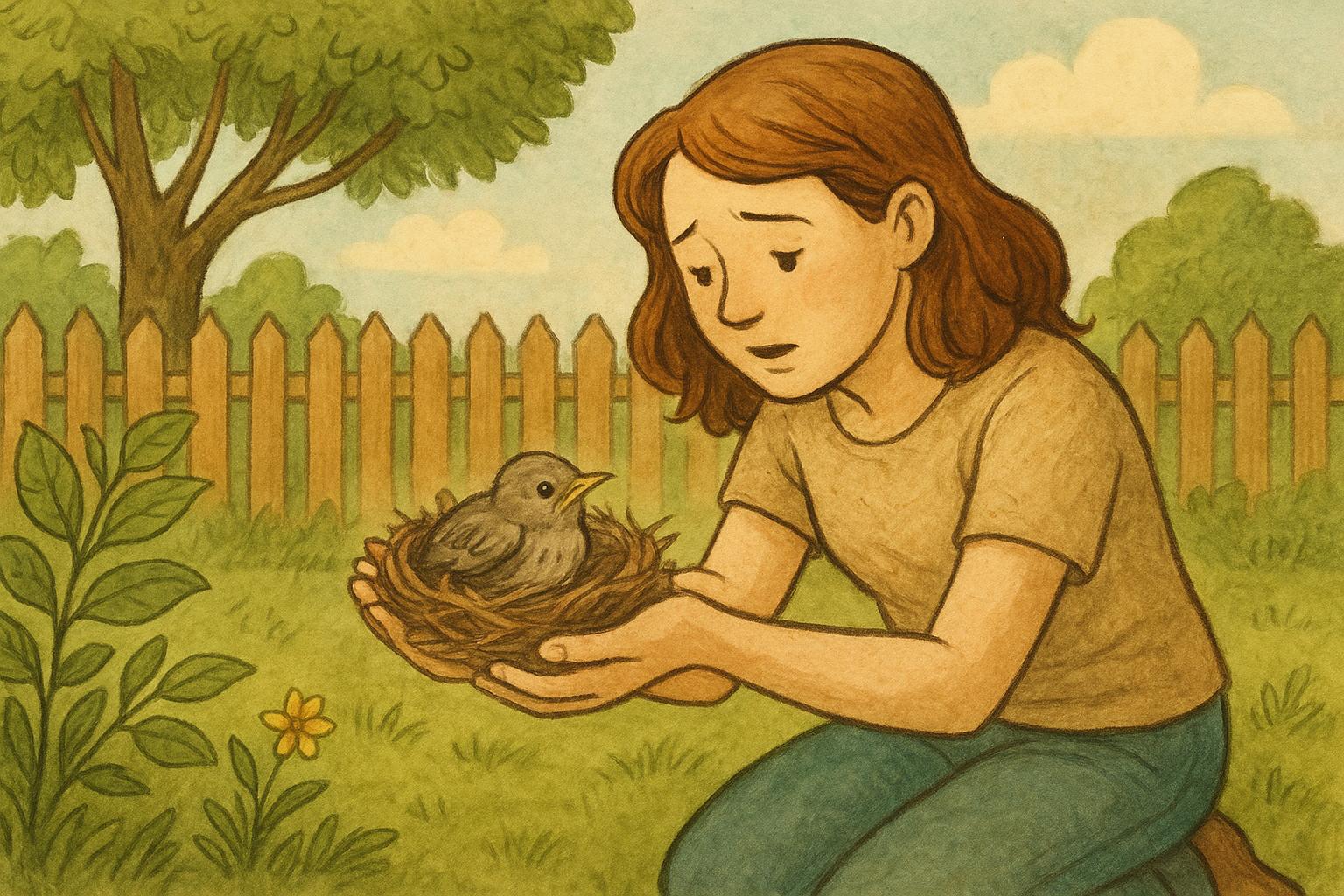
A pair of binoculars, a notebook, and a respectful distance will get you far. Photographing from a safe distance can also help you consult guides or online resources later. Remember: eggs and nestlings are protected in many places; do not touch nests unless absolutely necessary.
## Remedy 1: Humanely Discourage Nesting In Undesired Spots
Note: The following instructions are formal and intended to be safe, lawful, and effective. Before acting, verify local wildlife protection laws. Disturbing or removing active nests of migratory birds or certain protected species is illegal in many jurisdictions.
Materials Required:
1. Sturdy ladder (if needed and safe to use)
2. Fine mesh netting or bird-proofing mesh
3. Gutter guards or soffit mesh (for eaves and vents)
4. Cable ties and rust-resistant screws or clips
5. Gloves and safety goggles
6. Binoculars and smartphone for documentation
Step-by-Step Procedure:
1. Confirm Species And Legal Status: Use nest identification techniques to confirm the species. If the nest is active and the species is protected, contact local wildlife authorities or a licensed rehabilitator before proceeding.
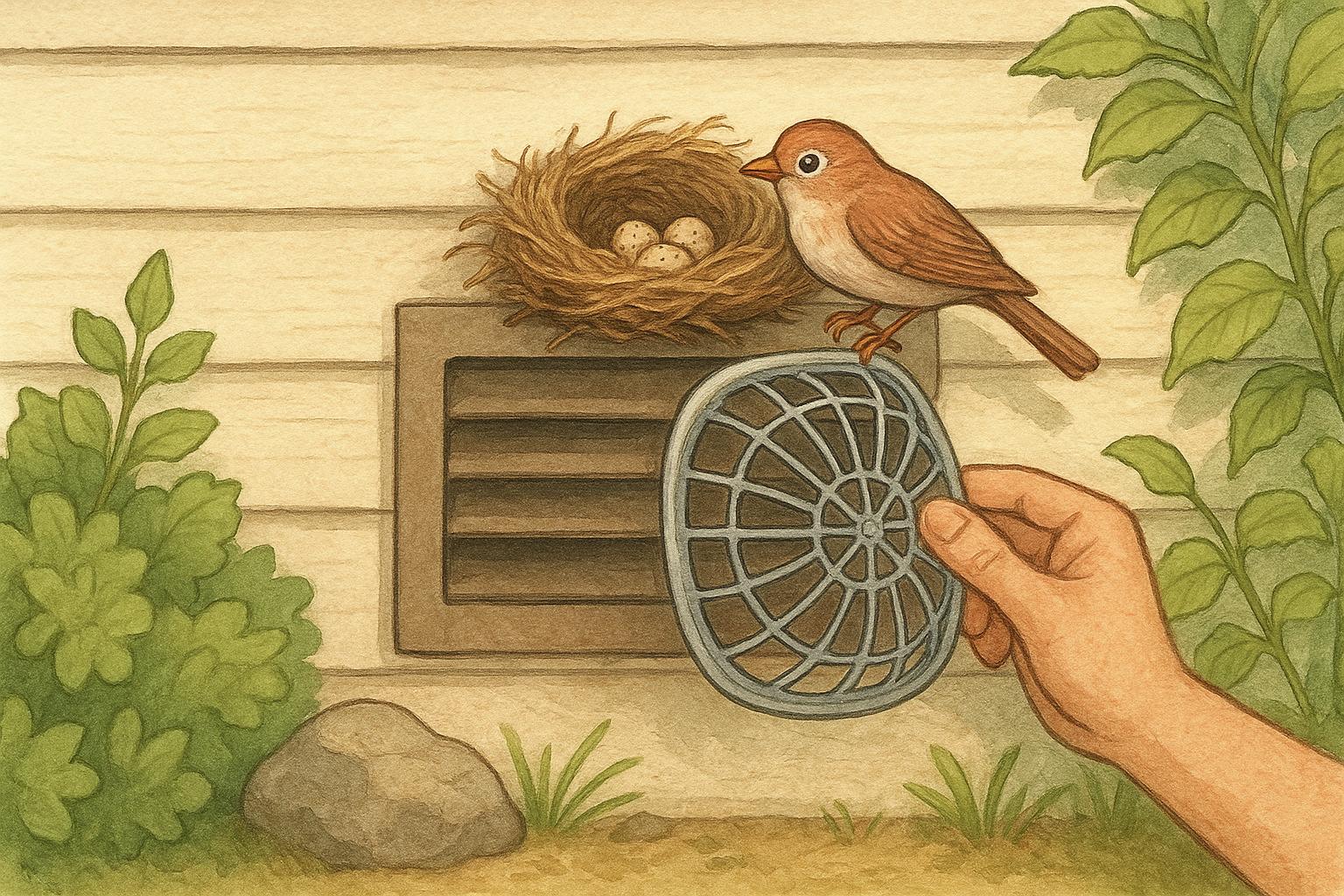
2. Choose Appropriate Deterrent: For cavity-nesting birds, install vent covers or mesh over entry points. For wasps, avoid DIY removal of active nests; contact a professional.
3. Prepare Site And Materials: Put on gloves and goggles. Set up the ladder on stable ground with a spotter if working at height. Measure the area for mesh or guard installation.
4. Install Physical Barriers: Securely attach mesh or guards over the nesting entrance points using screws, clips, or cable ties, ensuring no gaps remain. For eaves and attics, seal gaps with soffit mesh and weatherproof caulk.
5. Monitor Regularly: After installation, observe the area for several days to ensure the problem does not relocate nearby. Keep documentation of the intervention to show compliance with local regulations.
6. Maintenance: Replace damaged mesh and ensure that new openings are sealed promptly. Clean any attractants (exposed food, accessible trash) that may encourage re-nesting.
## Remedy 2: Create And Install A Species-Specific Nest Box
This remedy is presented formally. A well-built nest box encourages desirable species to nest where you want them and assists in positive nest identification for future seasons.
Materials Required:
1. Untreated pine boards (1″ x 6″ or equivalent)
2. Galvanized nails or exterior screws
3. Waterproof wood glue
4. Hinges and latch for clean-out panel
5. Predator guard (metal entrance plate or extended baffle)
6. Drill with hole saw sizes appropriate to species (e.g., 1 1/8″, 1 1/2″)
7. Sandpaper and non-toxic exterior paint or stain (optional)
8. Mounting hardware (pole mount or house mount brackets)
Step-by-Step Construction:
1. Determine Target Species: Consult nest identification guides to choose species (e.g., chickadees, bluebirds). Each species requires different entrance sizes and box dimensions.
2. Cut Panels: Measure and cut the back, front, two sides, top, and bottom panels according to species-specific dimensions. Include an overhanging roof to shed water.
3. Drill Entrance Hole: Use the correct hole saw size for the target species. Position hole height per species guidelines (e.g., higher for some swallows).
4. Assemble Box: Apply wood glue to joints, then secure with screws. Ensure seams are tight to prevent drafts and predators. Add an internal ledge or floor drainage holes if recommended.
5. Install Clean-Out Access: Fit a hinged side or top with a latch for yearly inspection and cleaning when unoccupied.
6. Add Predator Guard And Mounting Hardware: Fit the metal plate around the entrance and mount the box on a post or building using sturdy brackets. Position box at recommended height and orientation (typically facing away from prevailing winds).
7. Finish And Monitor: Paint or stain exterior with non-toxic finishes if desired, avoiding painting the interior. Monitor usage via binoculars; avoid frequent disturbance during nesting.
### Maintenance And Ethical Considerations
– Clean boxes only when unoccupied and out of season. Wear gloves and follow hygiene protocols to avoid disease transmission.
– Keep records of nesting occupants; this helps refine your nest identification skills and contributes to local citizen science if you choose to report sightings.
## Advanced Nest Identification: When To Call An Expert
Some situations — active wasp nests in high-traffic areas, bats in chimneys, or nests of protected birds — require professional intervention. For accurate nest identification and safe resolution, contact a licensed wildlife rehabilitator, pest control operator specializing in humane removal, or your local extension service. They can confirm species, advise on timing, and, where necessary, obtain permits.
Take a breath, enjoy the curiosity that backyard nests inspire, and use the clues above to decode the architects of your outdoor spaces. With careful nest identification and a few practical steps, you’ll be ready to coexist with — or carefully manage — your small, feathered, furred, or buzzing neighbors.


Leave a Reply