

## Nesting Season: What To Expect In Spring
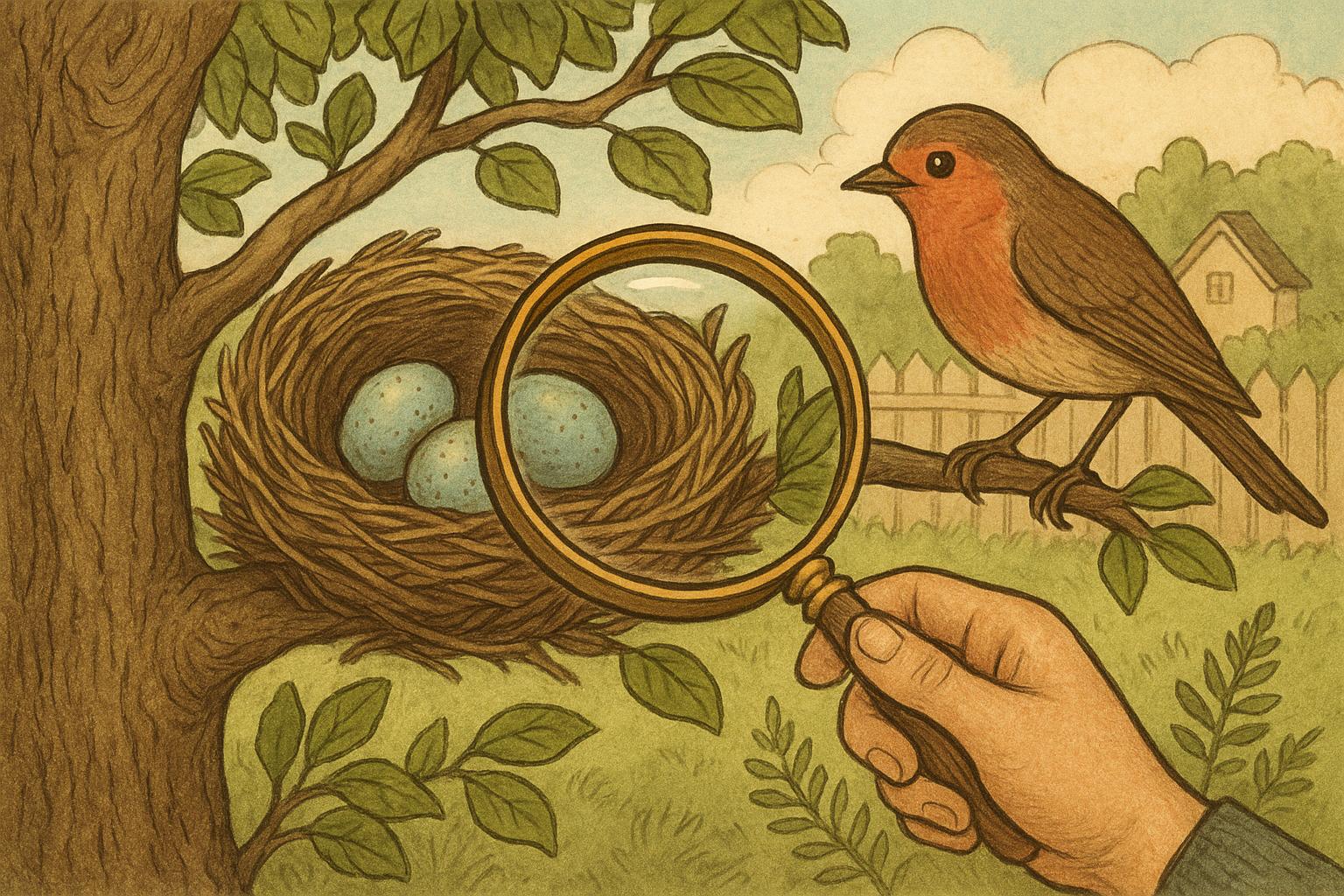
Spring brings a kind of busy, chirpy energy to the yard: soft warbles, frantic parent birds ferrying food, and the occasional squirrel that looks like it’s auditioning for a tiny acrobat troupe. This rhythm is what we call nesting season, the period when many species build nests, lay eggs, and raise young. For backyard stewards, it’s a front-row seat to one of nature’s most rewarding realities — and sometimes its messier moments.
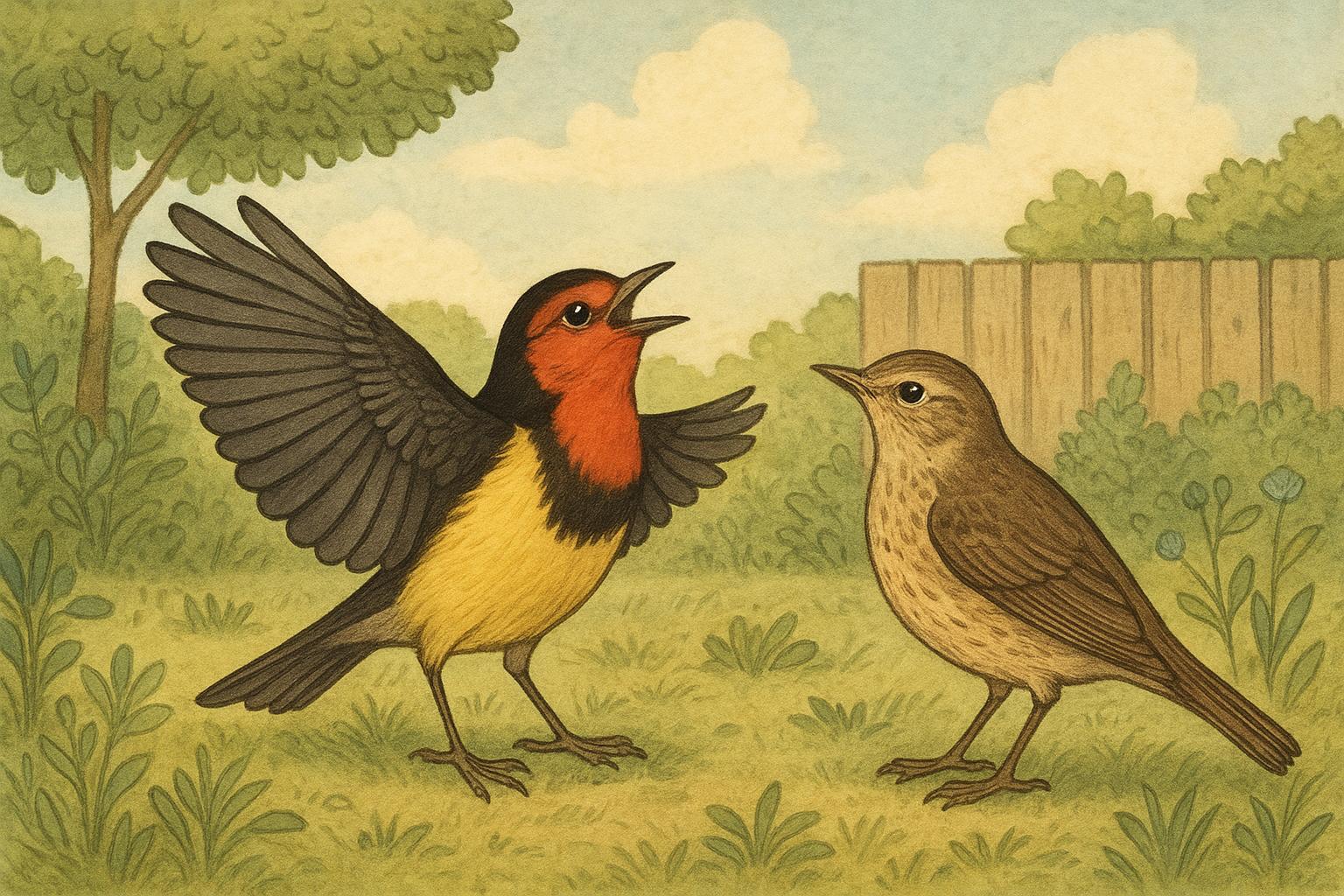
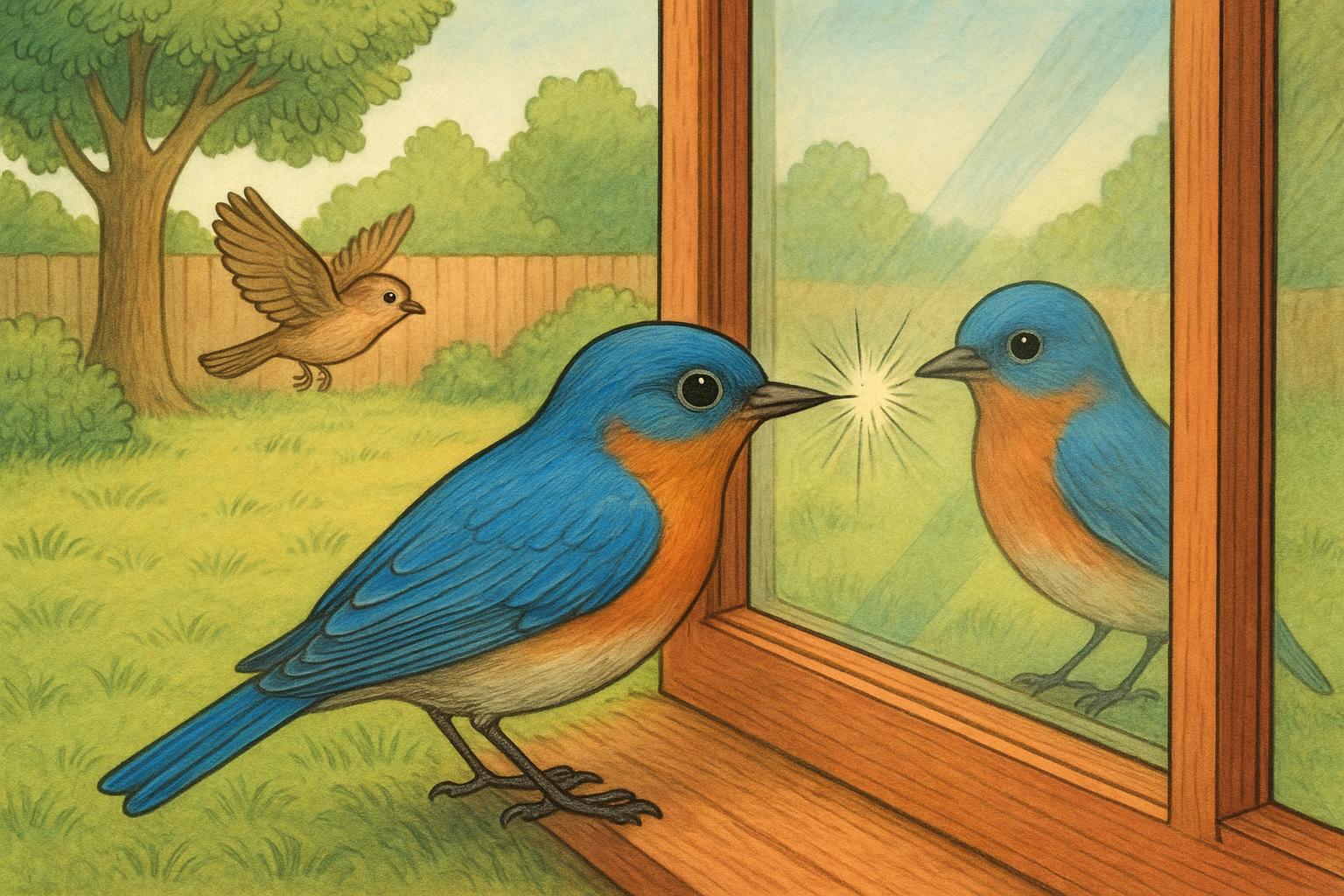
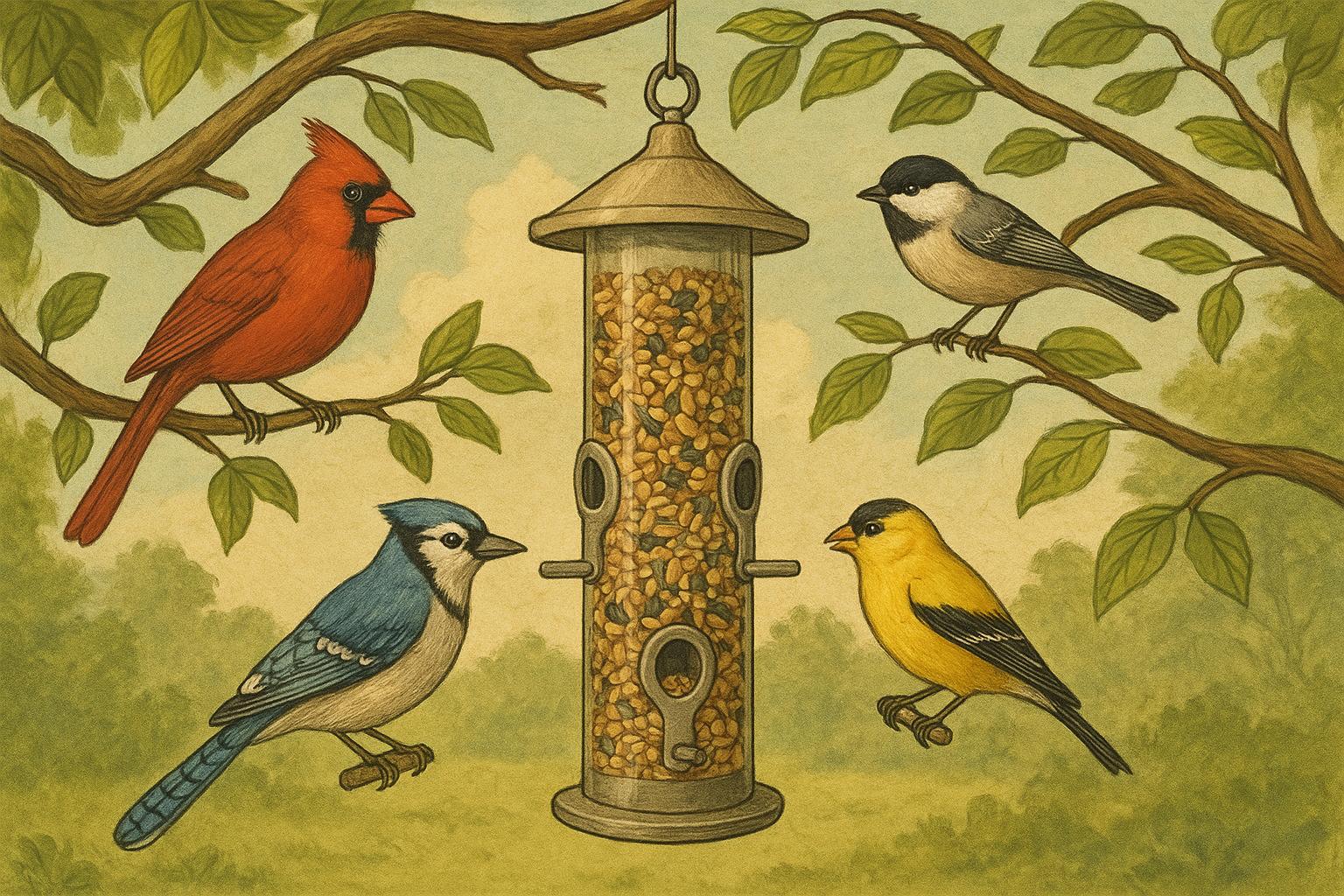
During nesting season, adult animals become more territorial and vocal. You’ll notice more visits to feeder stations, frantic scuffles over prime nesting cavities, and increased inspecting of rooflines, eaves, and dense shrubs. With a little awareness and a friendly approach, you can enjoy the spectacle while minimizing conflicts and supporting successful broods.
## Why Backyard Habitat Matters During Nesting Season
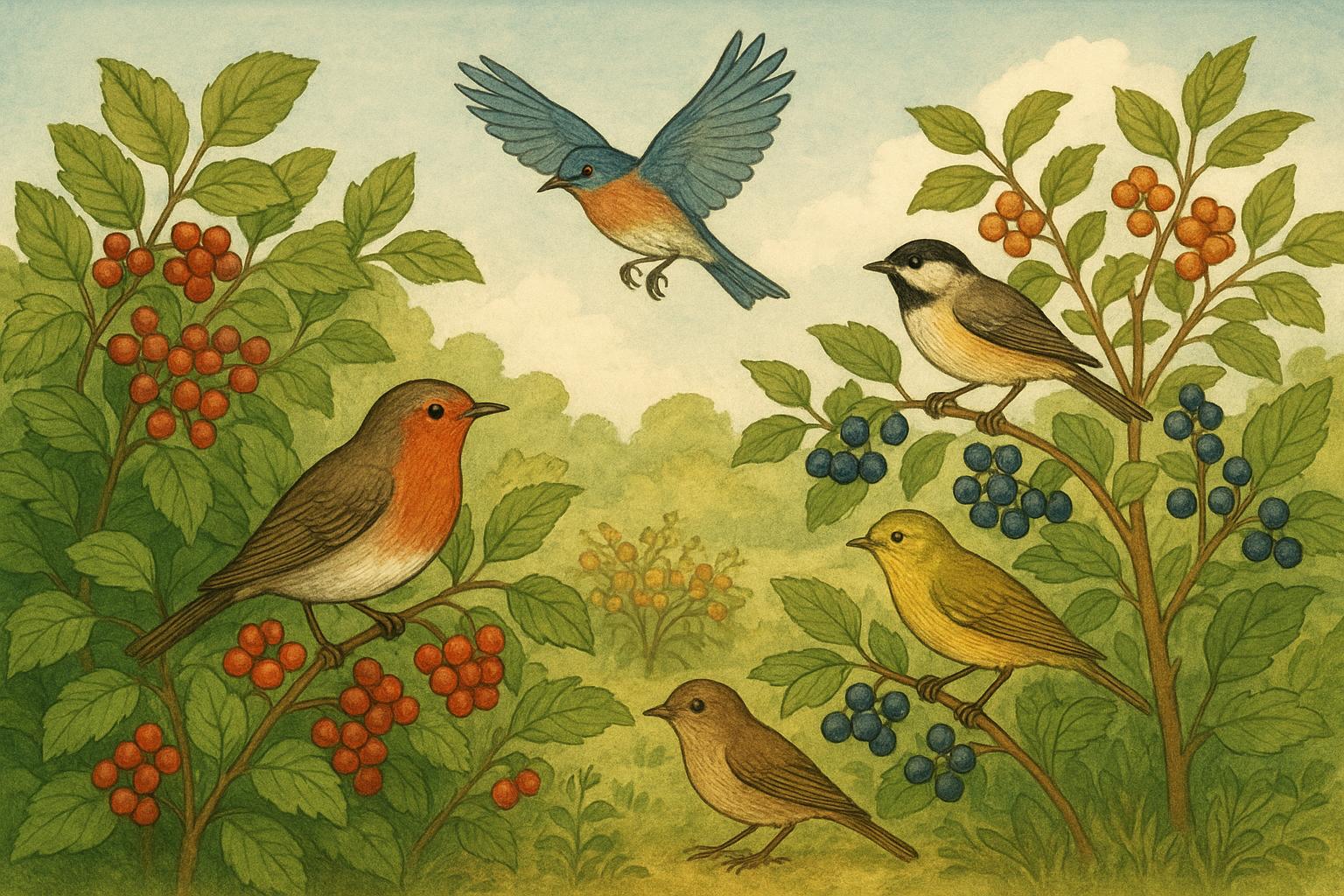
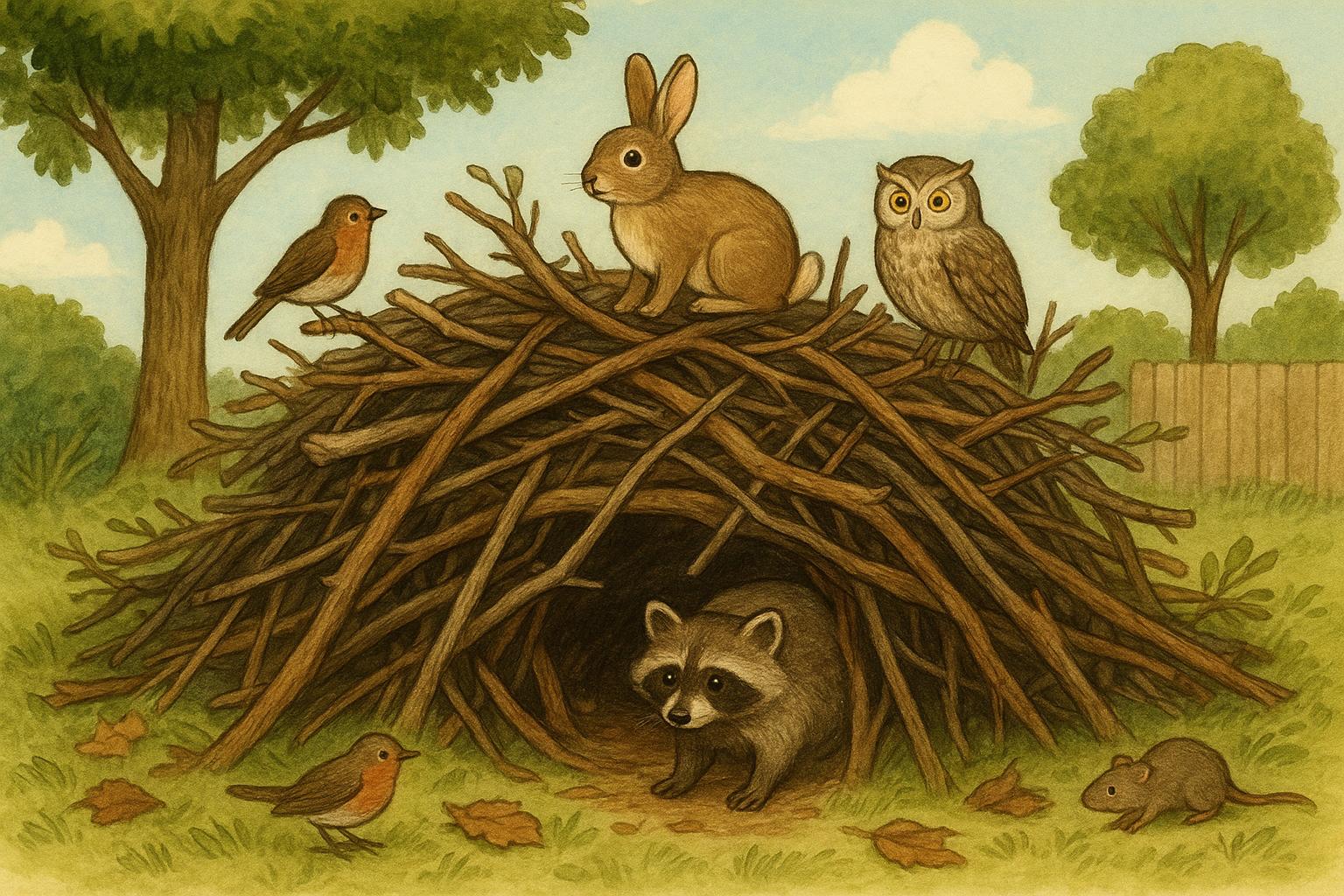
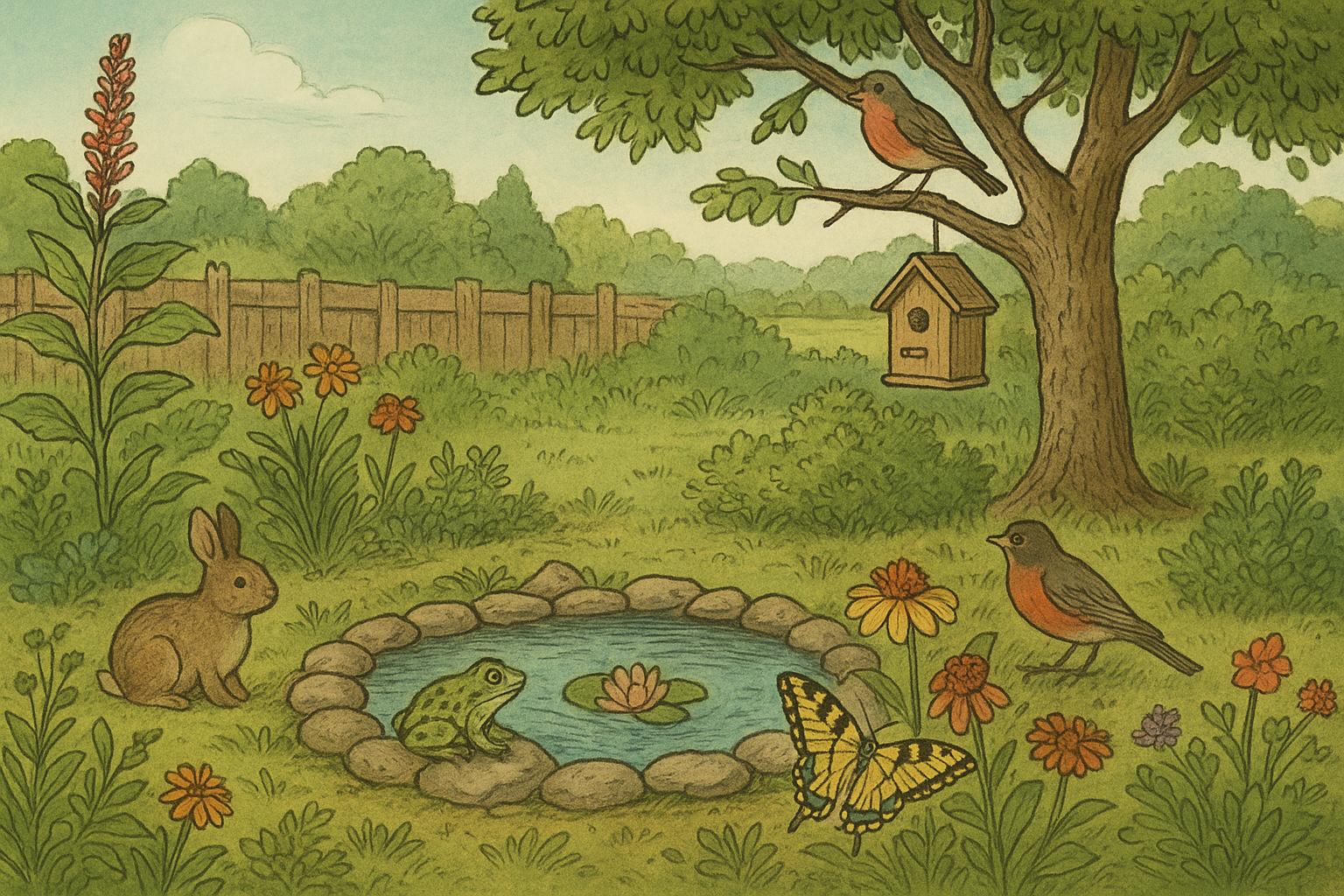
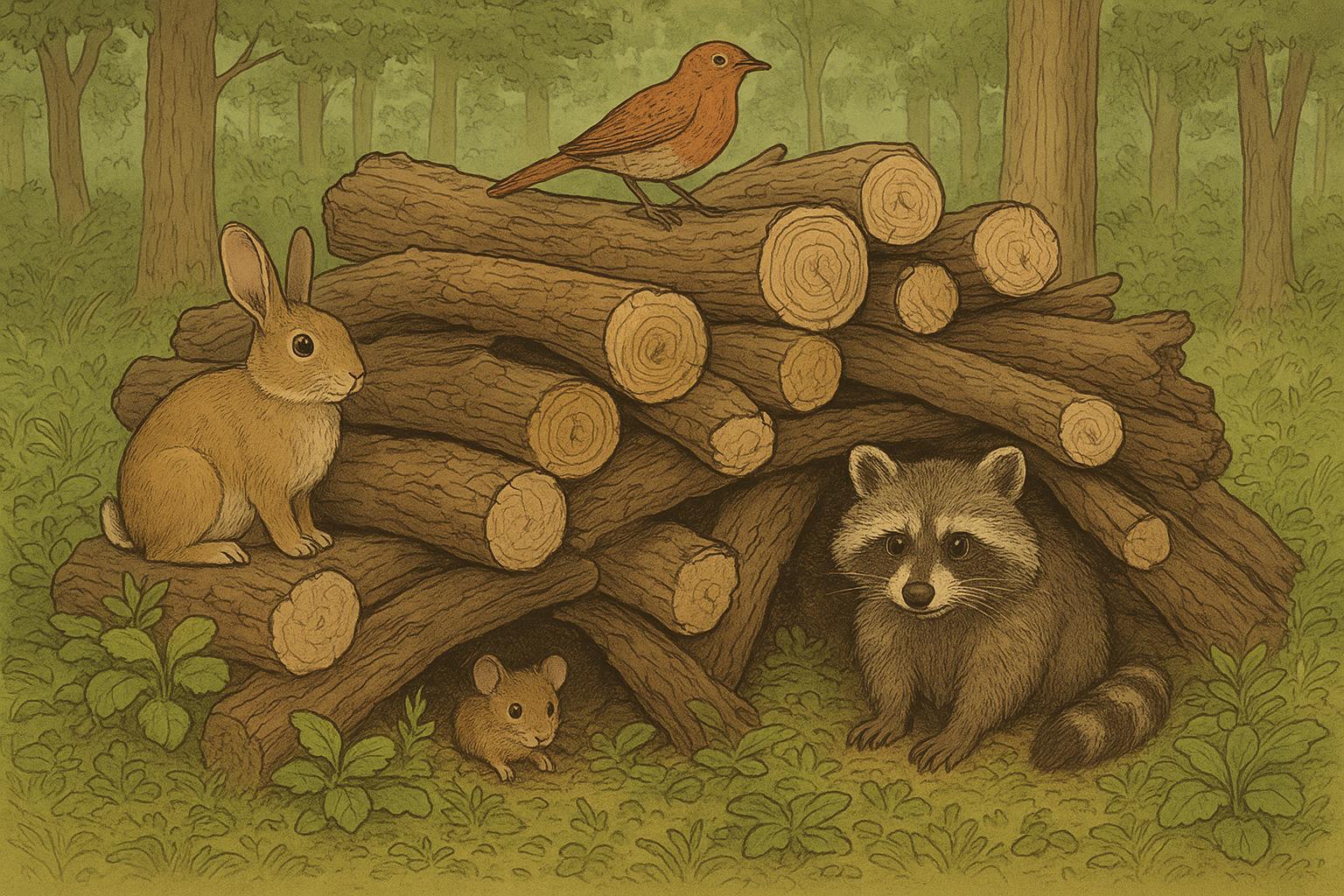
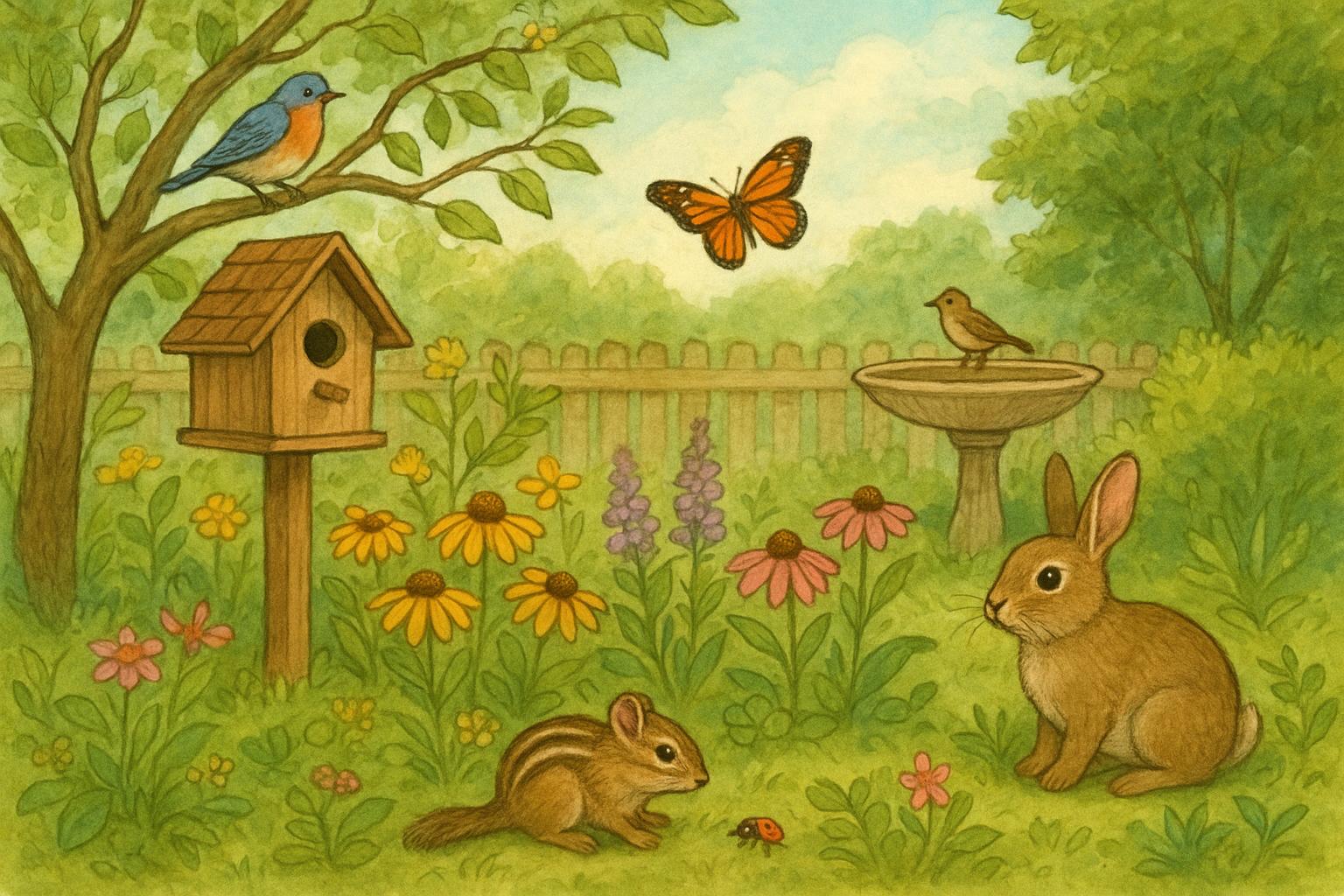
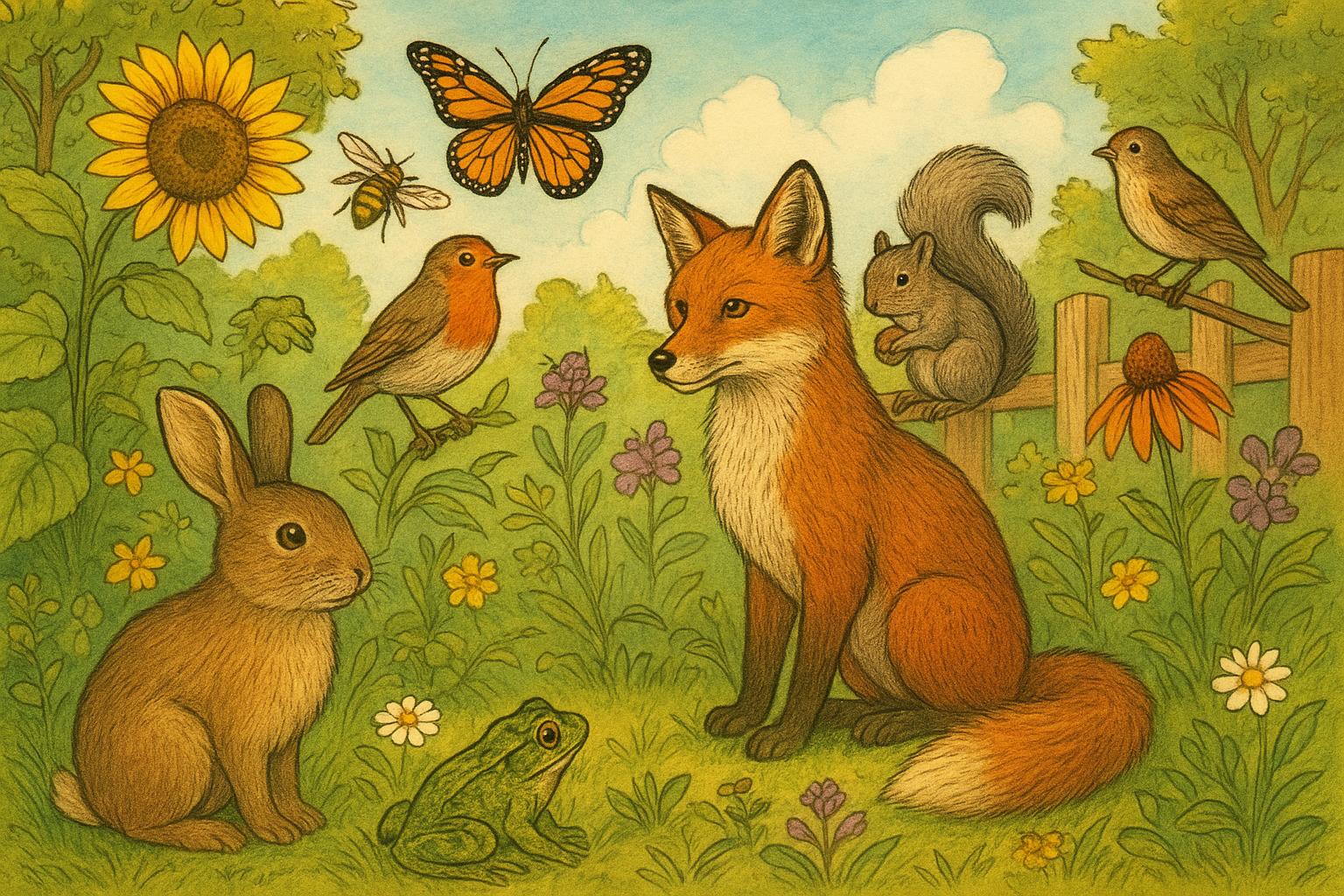
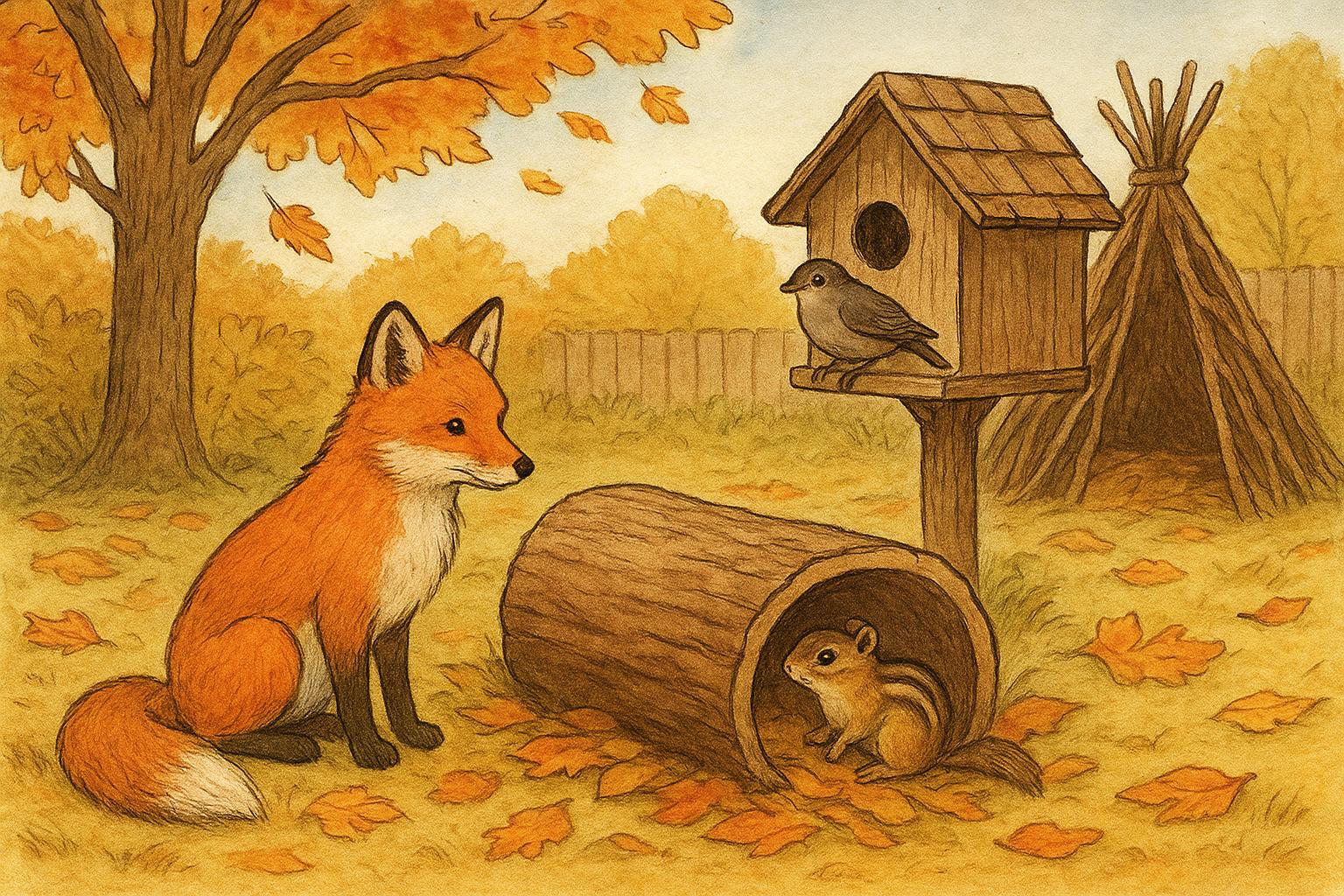
The quality of your yard’s habitat directly affects the survival of hatchlings and fledglings. Native plants, water sources, and safe nesting sites provide food, shelter, and cover from predators. Even small changes — a brush pile here, a berry-producing shrub there — multiply the resources available to your local wildlife.
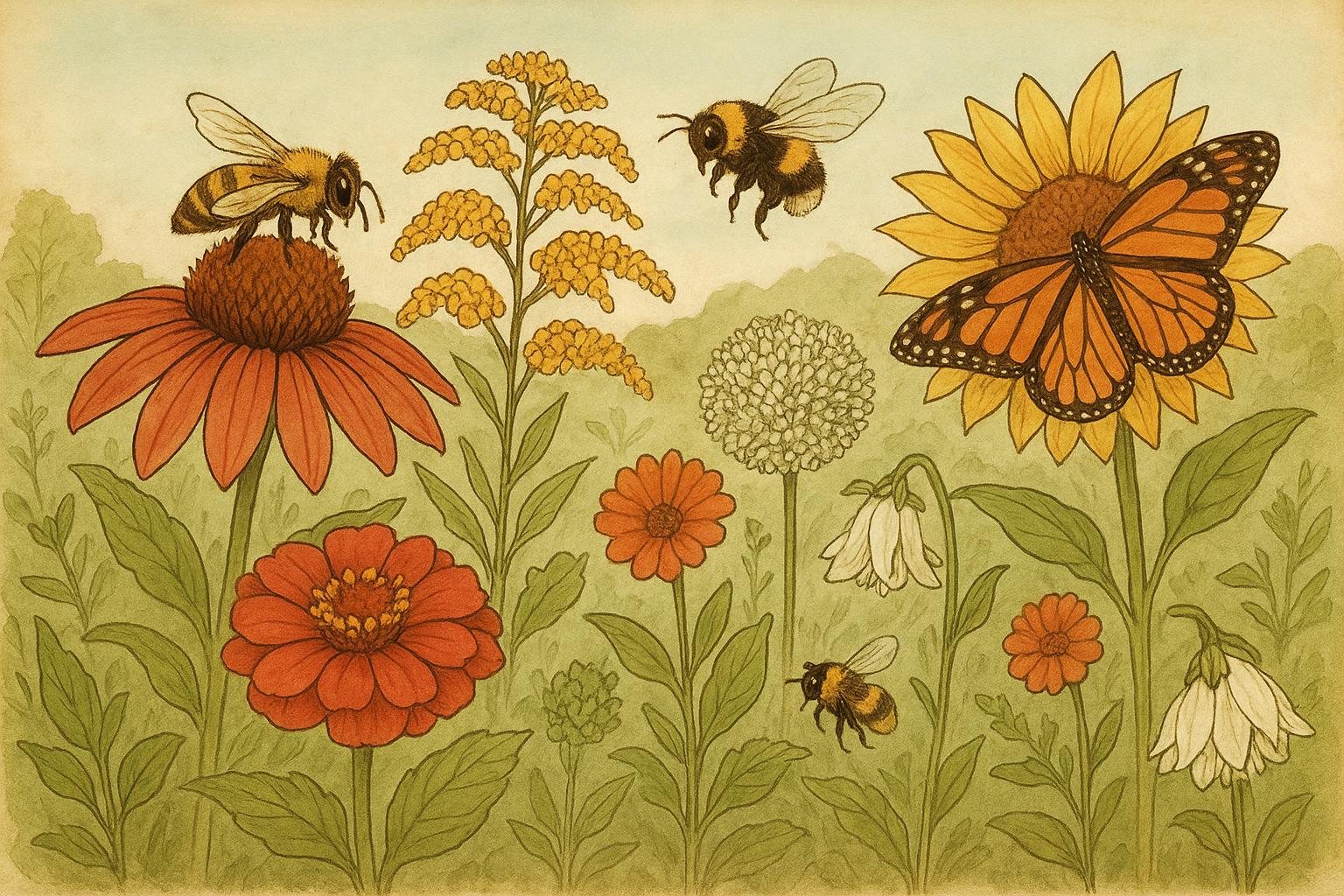
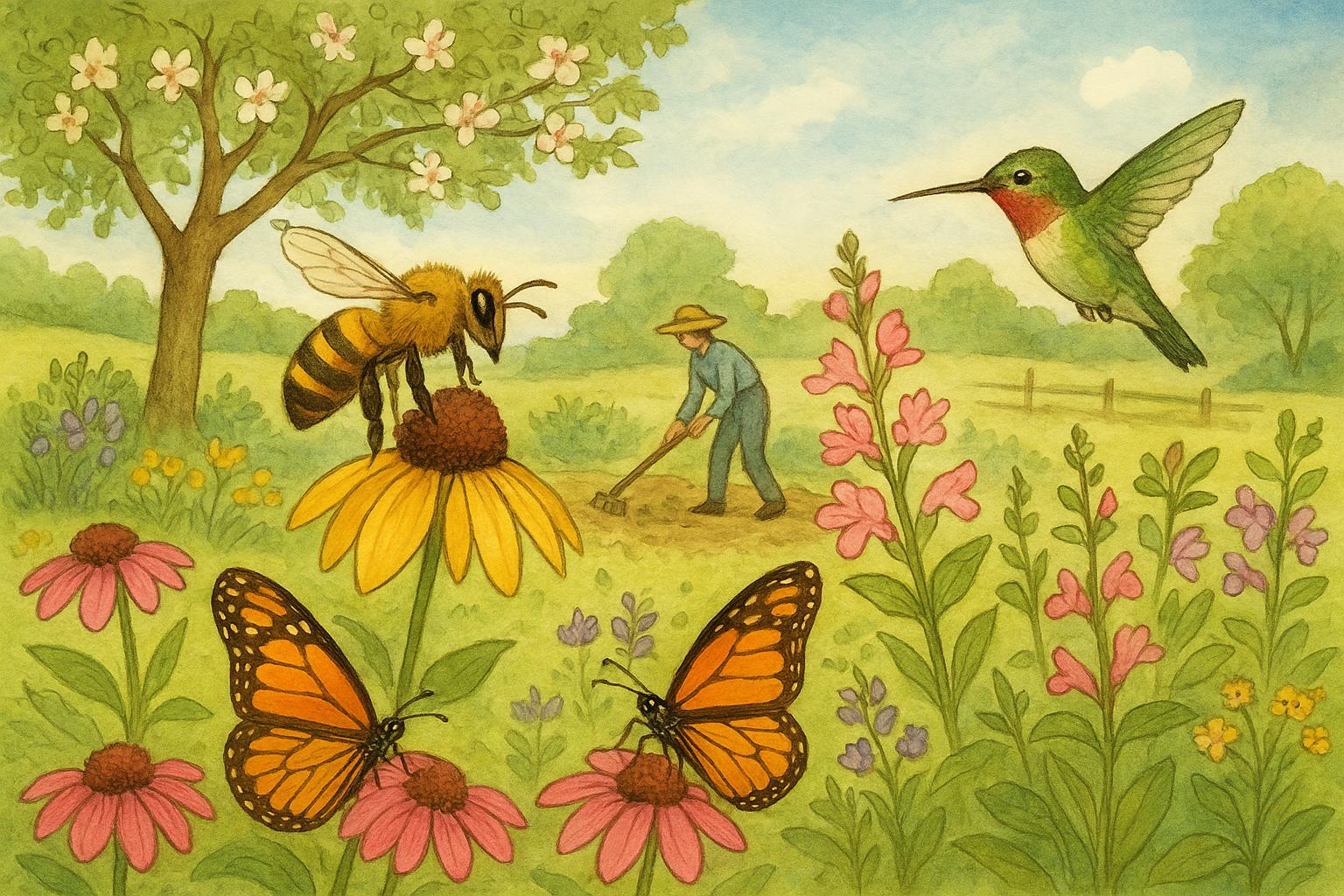
Adding native plants lengthens the foraging season, because the insects that fledglings need are strongly tied to native flora. During nesting season, insect abundance is essential; adult birds need protein-rich prey to feed hatchlings. Protecting pollinators and encouraging a diversity of plants helps sustain that food web.
## How To Identify Local Nests
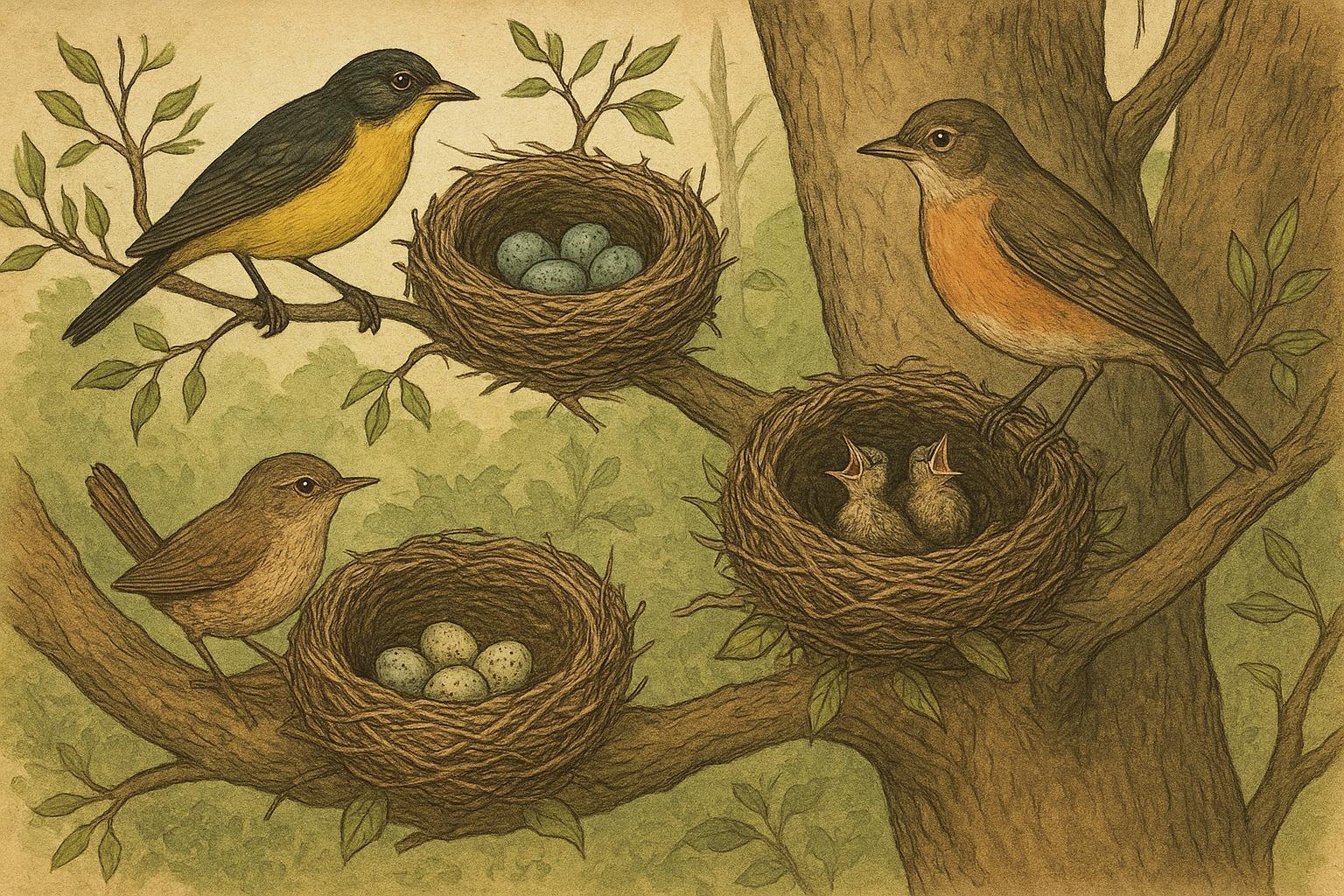
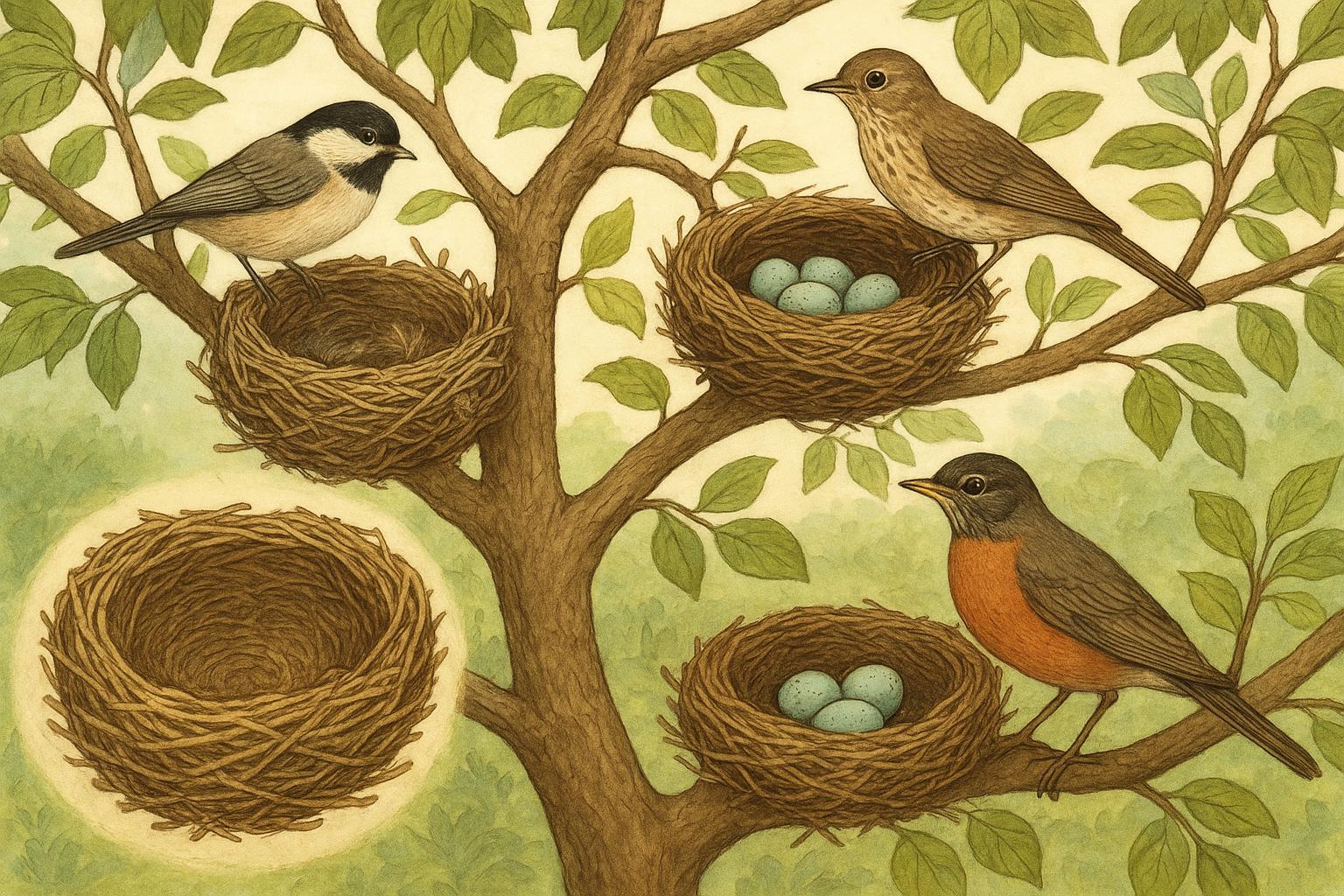
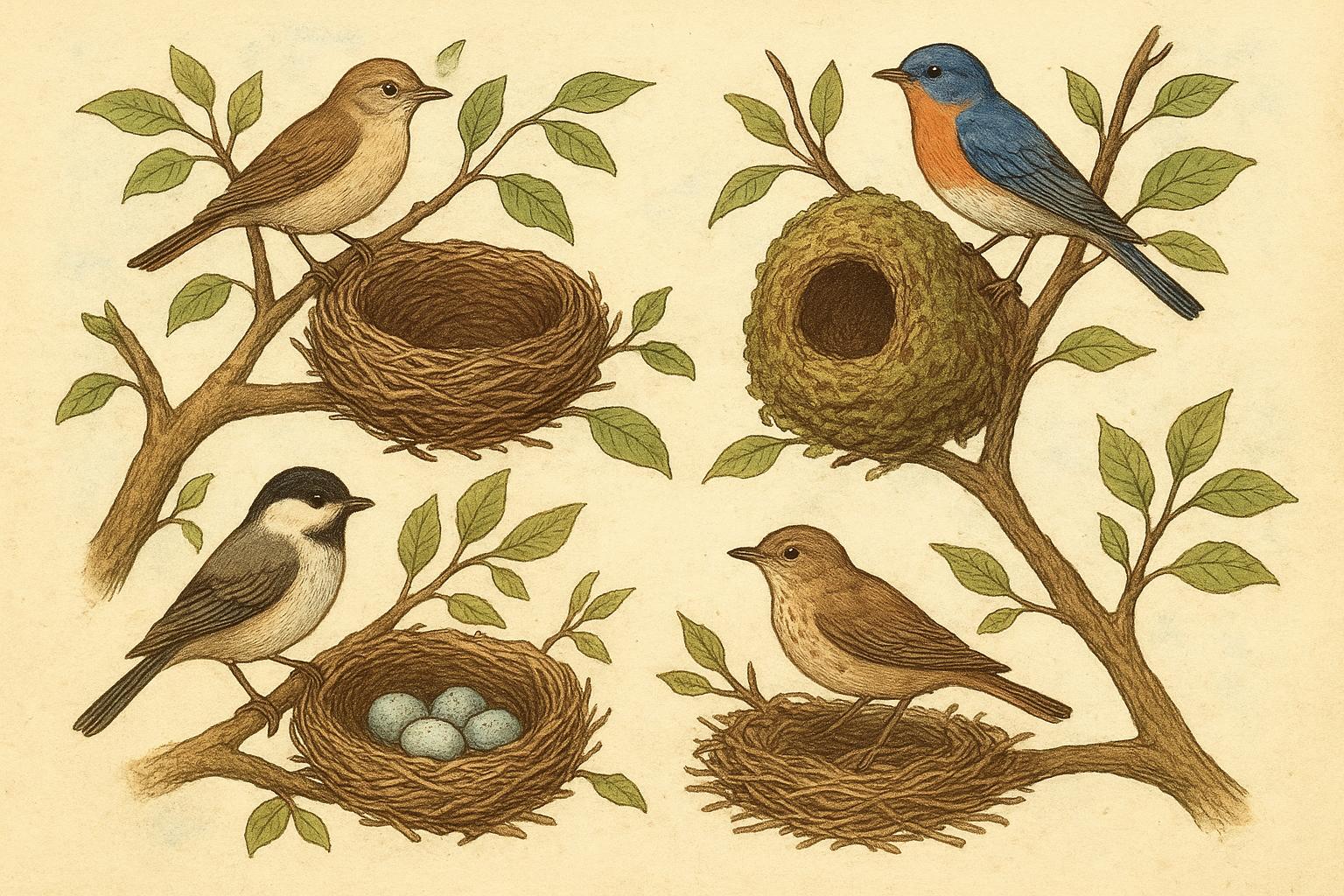
Different species have signature nest styles. Knowing who’s nesting helps you avoid disturbing active sites and informs whether a nest is likely to be reused or abandoned.
### Birds
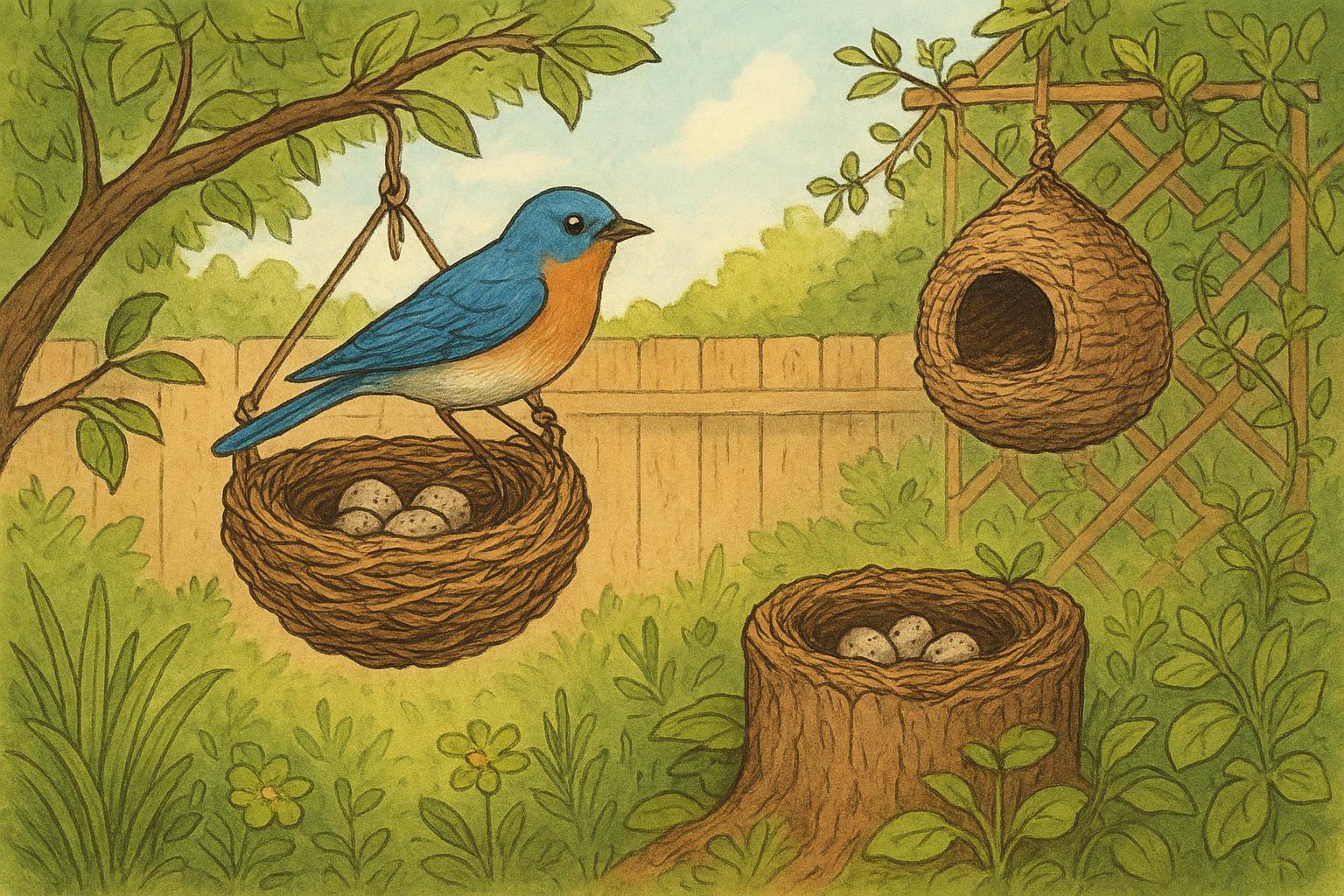
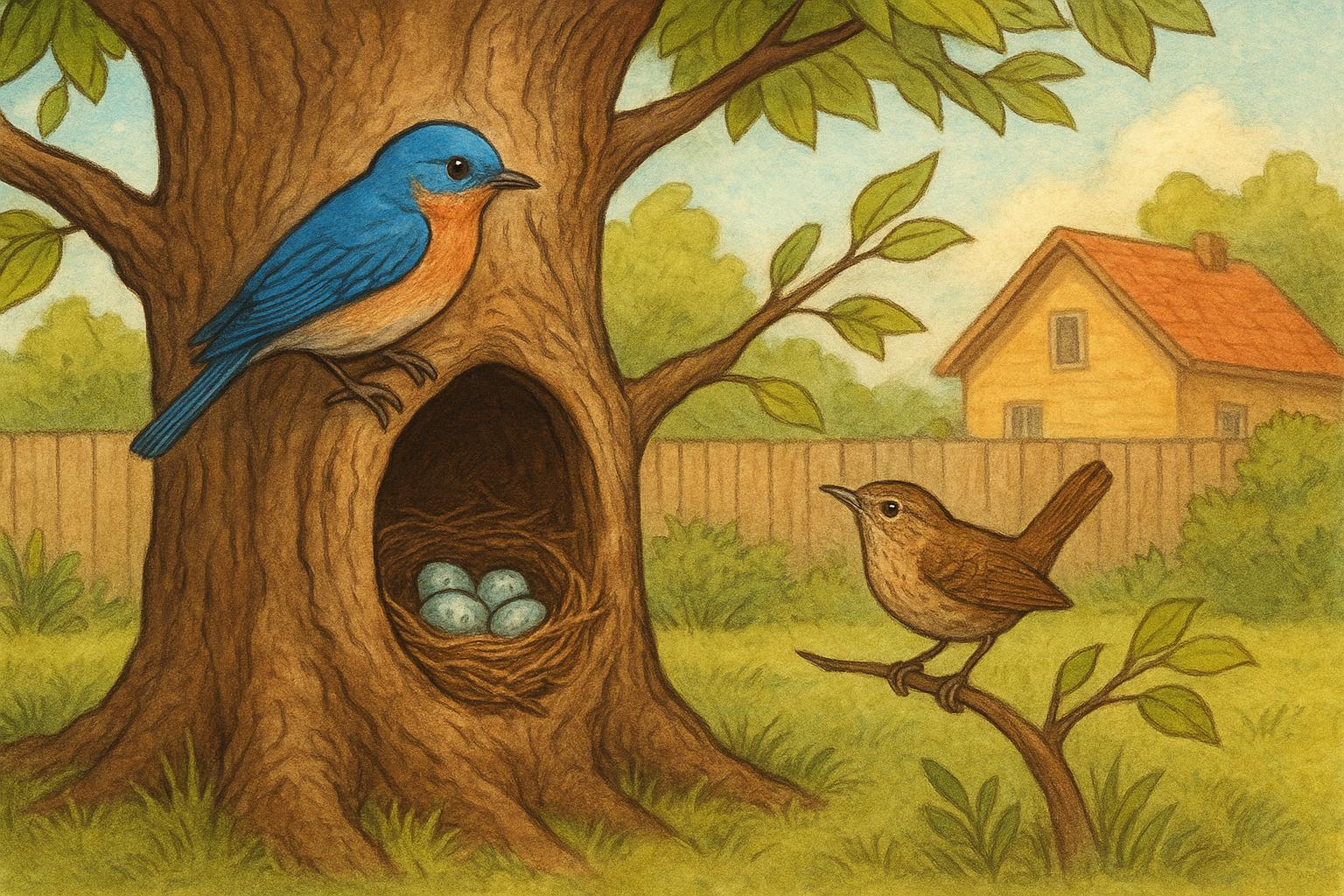
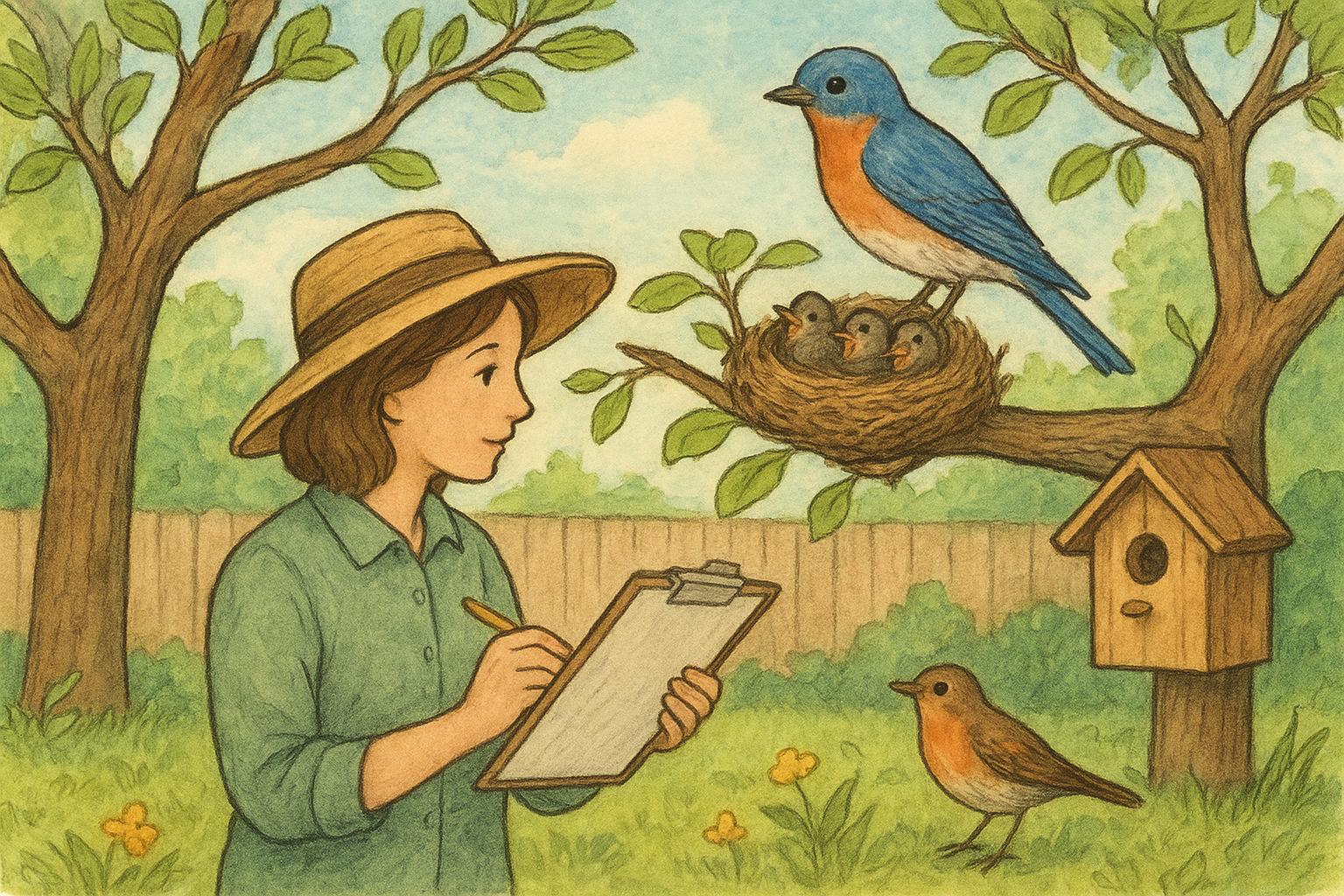
Cup nests in shrubs are often sparrows, finches, or robins. Cavity nests in trees or nest boxes point to chickadees, bluebirds, or nuthatches. Suspended woven nests could be orioles or vireos. Observe from a distance; repeated adult visits are a good sign the nest is active.
### Small Mammals And Bats
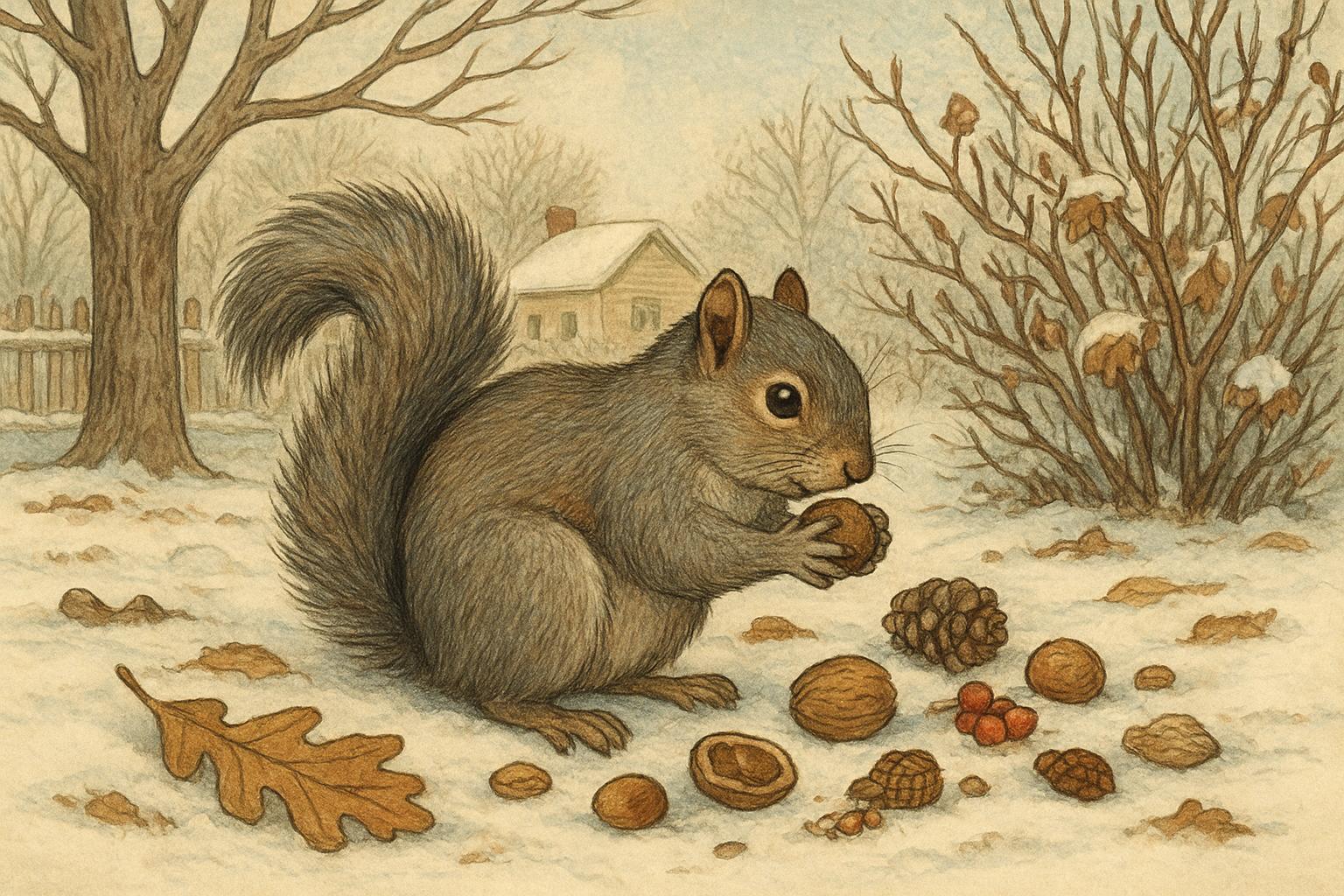
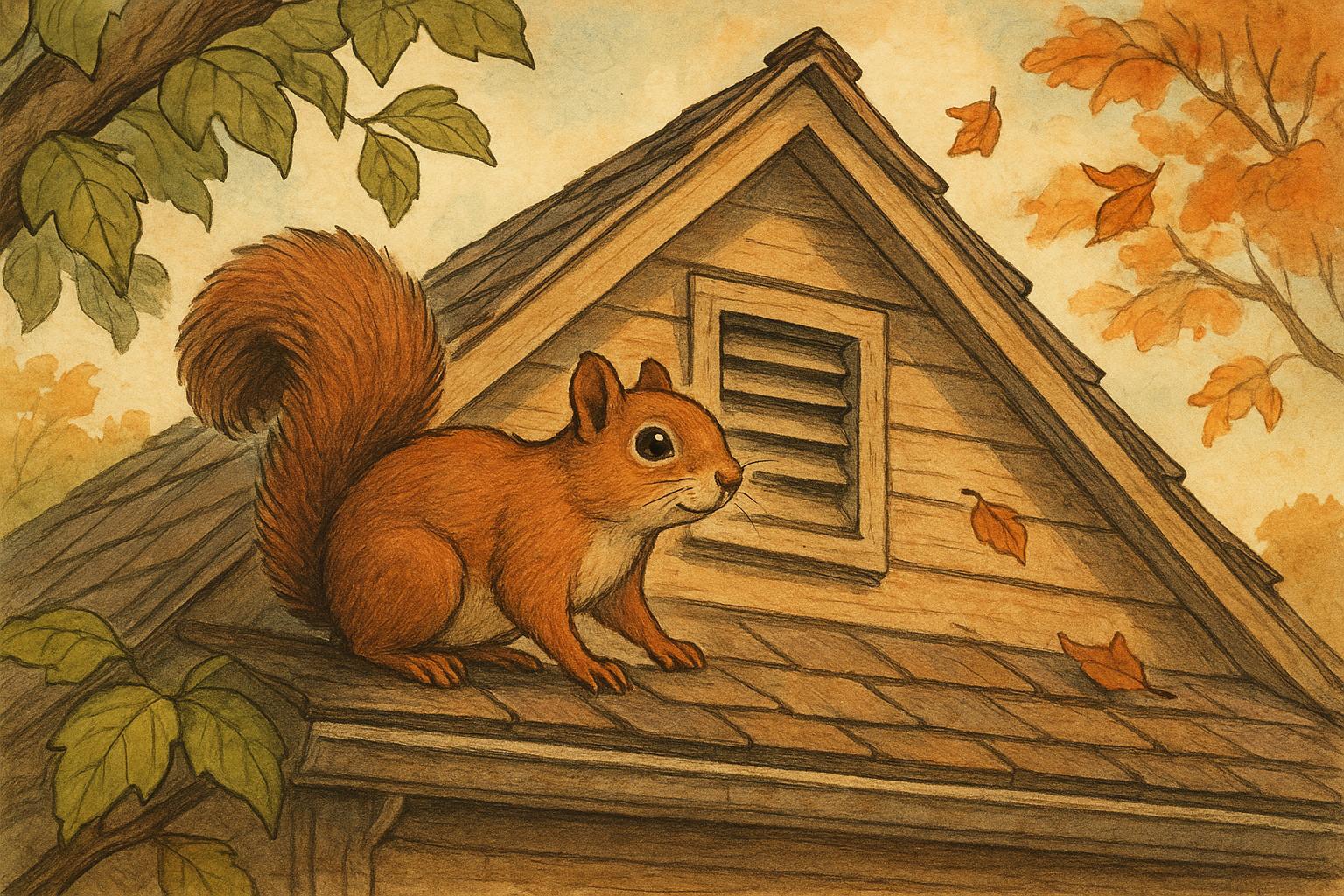
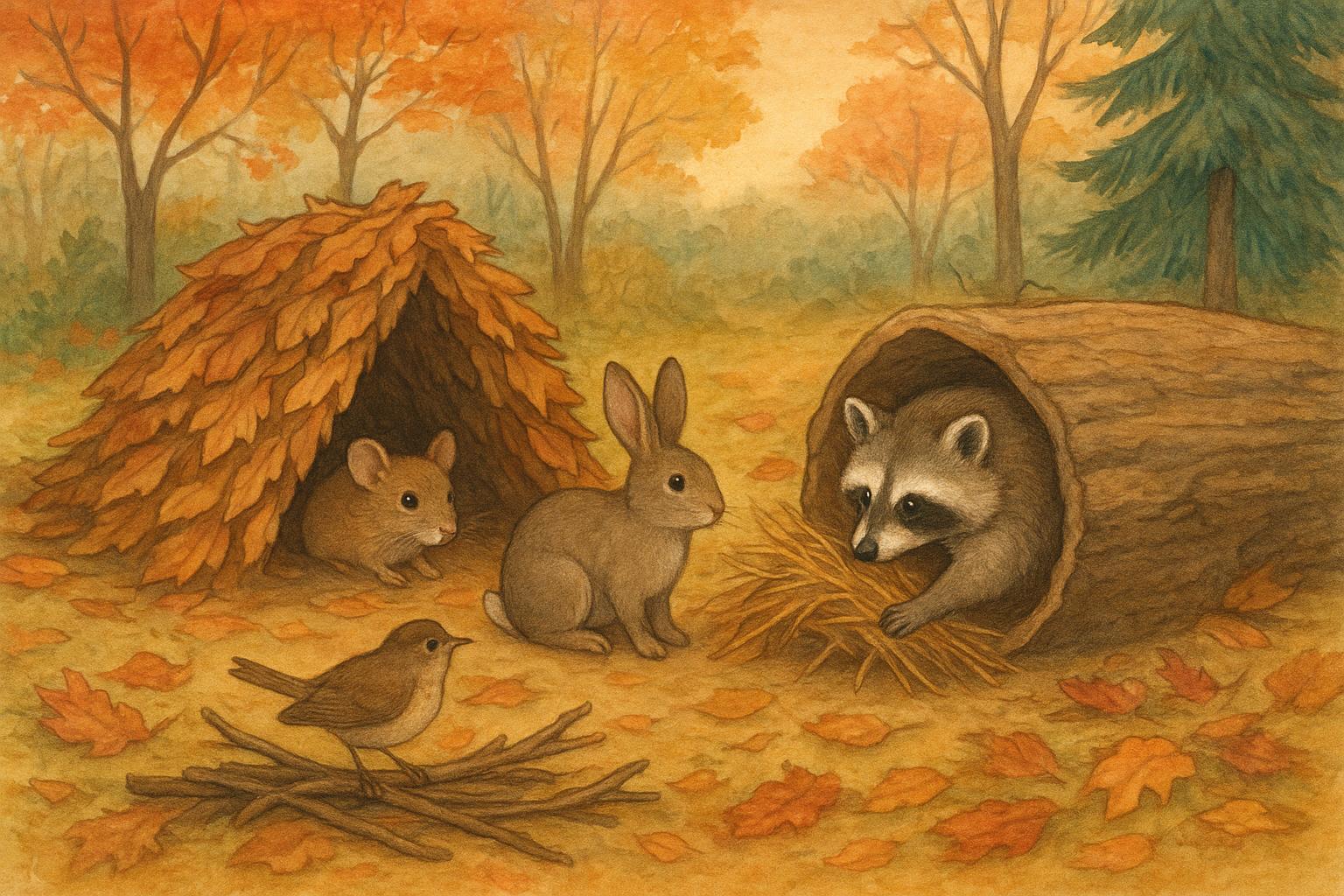
Squirrels build bulky dreys in branches, often lined with leaves. Opossums sometimes nest in brush piles or attics. Bats favor secluded eaves or attics and are protected species in many locations, so identification matters.
### Insects And Others
Mud nests, paper nests, and solitary bee tubes are all common. Solitary bees are excellent pollinators; if you find a bee hotel with sealed tubes, leave it alone during nesting season.
## Common Nesting Timing For Local Species
Timing varies by species and region, but a rough pattern helps backyard planning. Early spring is prime for woodpeckers, robins, and early migratory songbirds. Mid-to-late spring sees many passerines finishing nests and hatching eggs. Summer brings fledglings learning to fly and follow parents. Late-season nesting can occur for species that raise multiple broods.
Be mindful: nesting windows are fluid and influenced by weather. Mild winters and early springs shift the calendar forward; cold snaps can delay nesting.
## Nesting Season Etiquette: How To Observe Without Harm
A relaxed backyard is a safer backyard. Keep pet supervision strict — collars with bells help reduce predation by cats — and avoid pruning or yard work near dense shrubbery or known nesting trees during nesting season. If you spot adults repeatedly entering a particular spot, assume active nesting and keep distance.
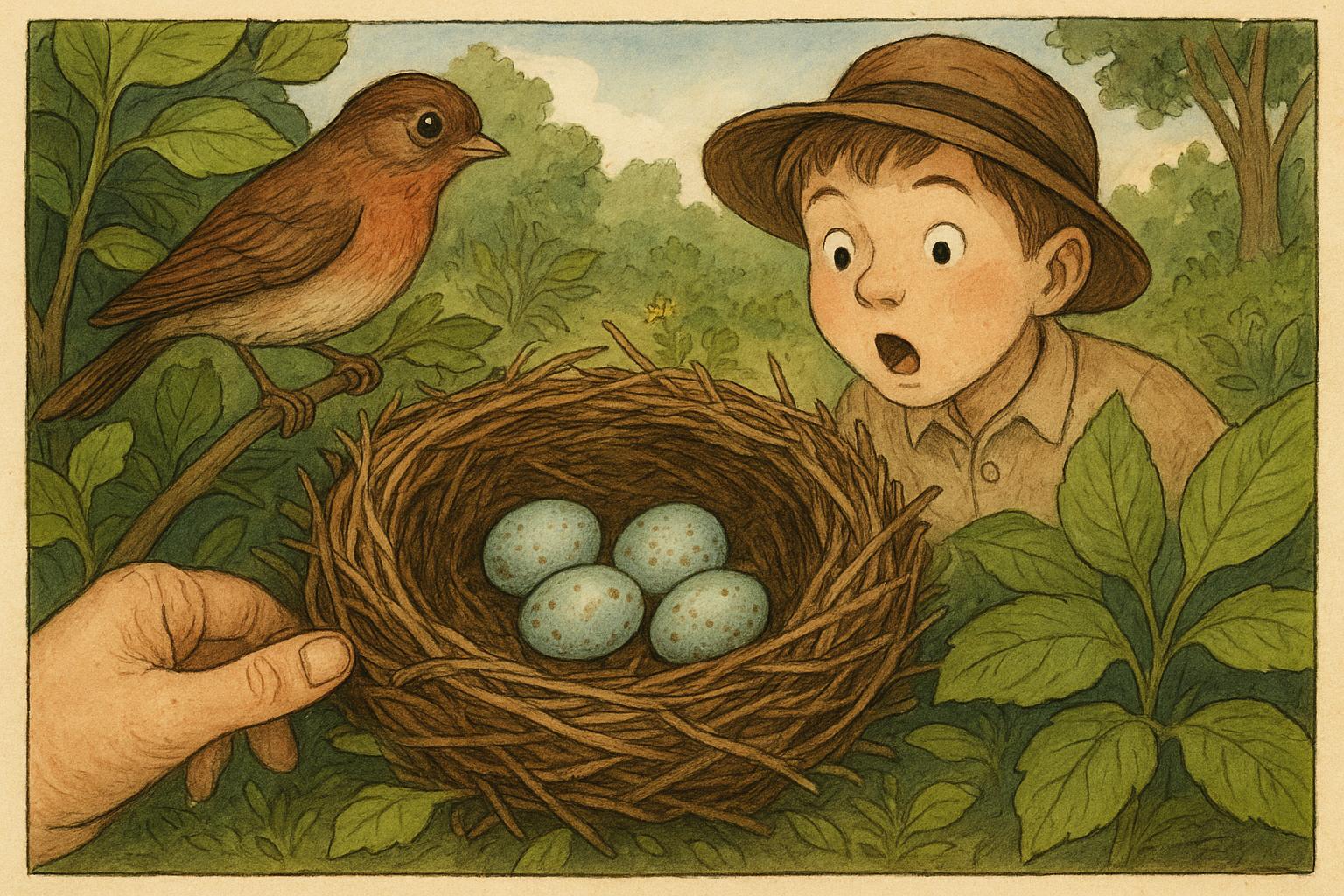
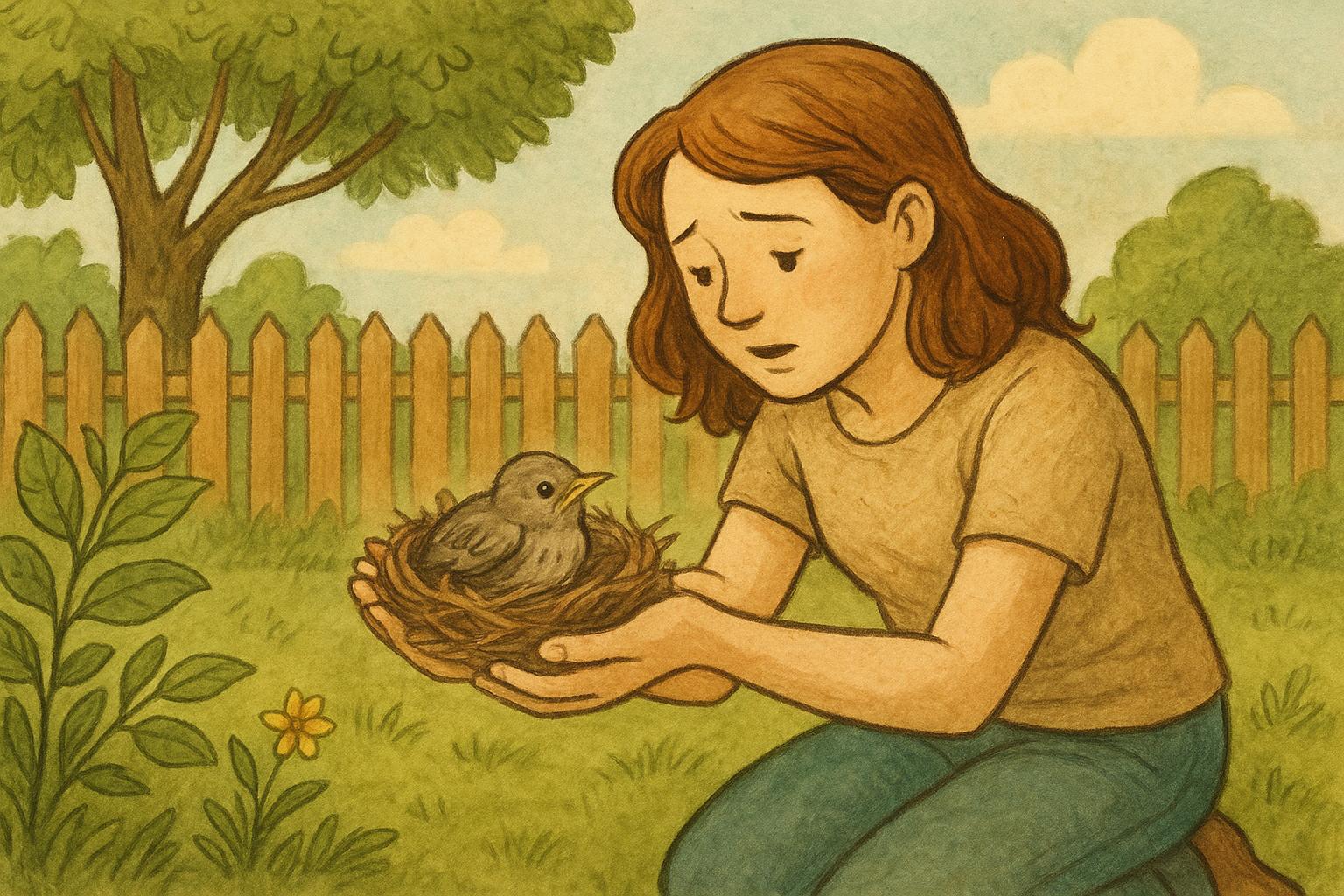
If young birds are on the ground, resist the urge to “rescue” unless they are obviously injured or in immediate danger. Many fledglings are naturally ground-active while parents call and feed nearby. Contact a local wildlife rehabilitator if you’re unsure.
## Remedy 1: Build And Install A Bird Nesting Box
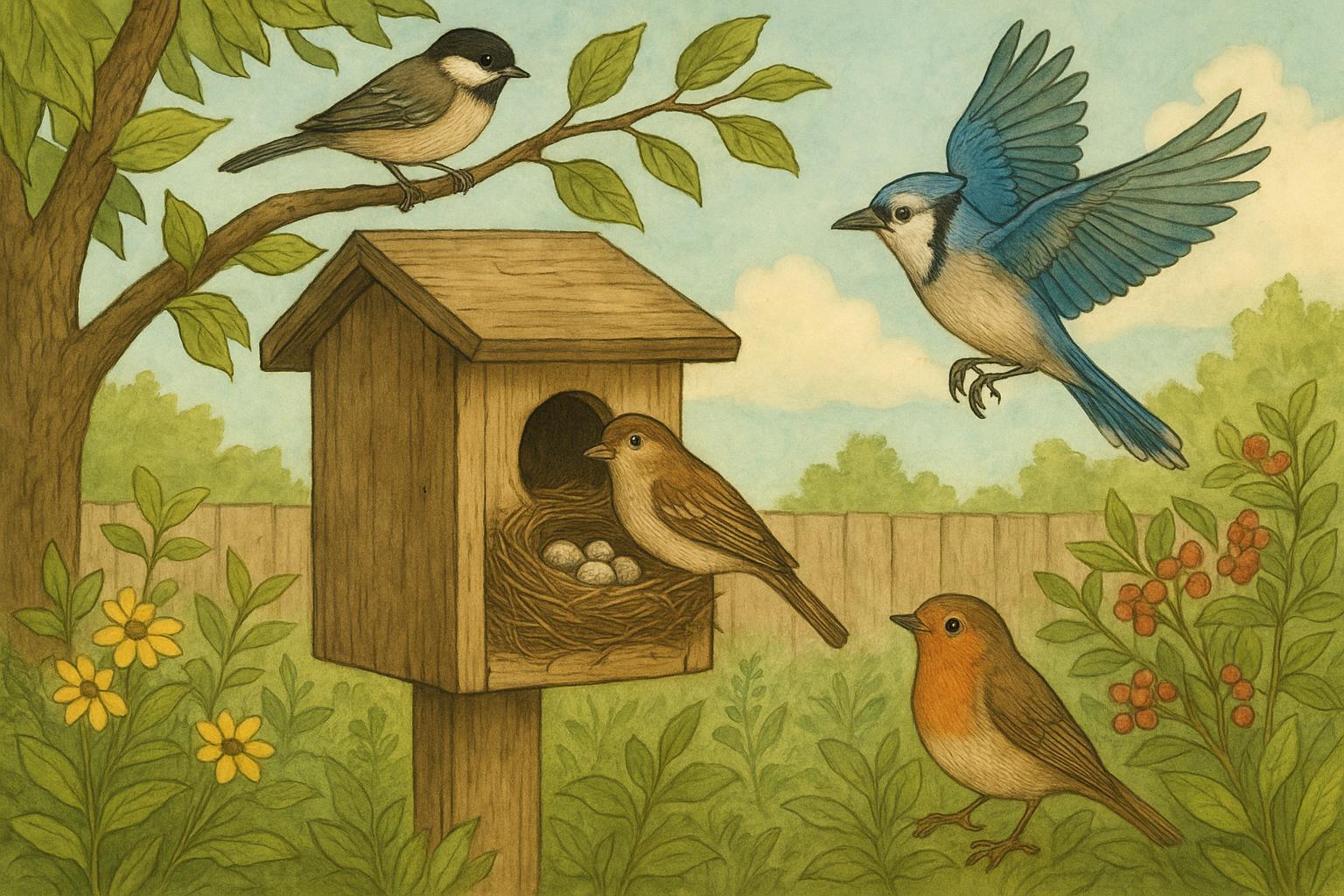
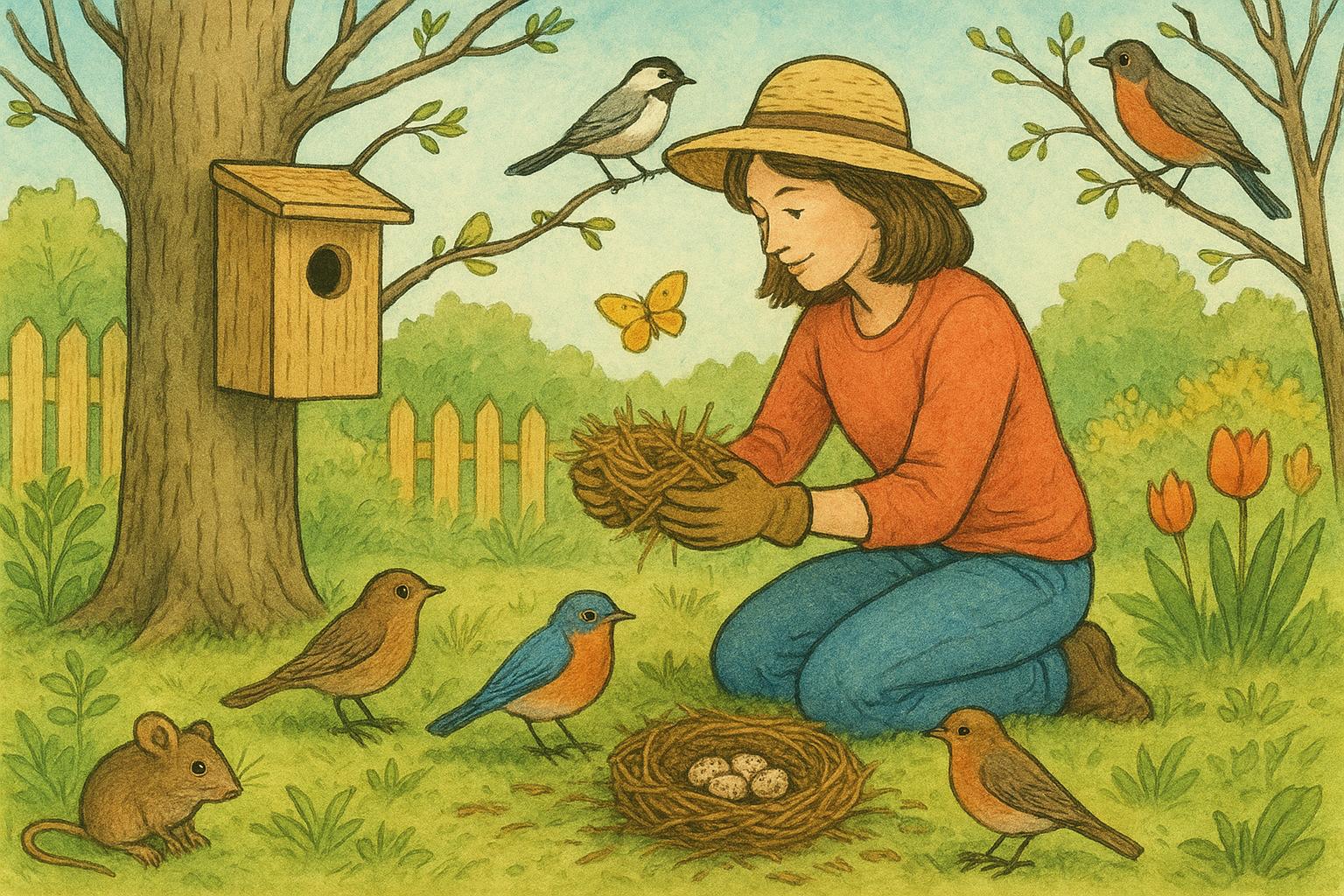
When natural cavities are scarce, properly designed nest boxes provide safe breeding space for cavity-nesting birds. Install the right box for the target species, positioned at proper height and with predator guards.
### Materials
– Untreated cedar or pine boards (1″ thick): 1–2 pieces
– Galvanized screws (1¼” to 1½”)
– Waterproof wood glue (exterior grade)
– Small perch is optional (not recommended for many species)
– Predator guard (metal telescope of 3–4″ diameter or commercial guard)
– Hinges for clean-out access (1 pair)
– Non-toxic paint or stain (optional, light color)
– Mounting hardware: pole bracket, screw-in wood post hardware, or tree straps
### Construction And Installation Steps
1. Cut panels to the species-specific dimensions. For example, a bluebird box typically uses a floor of 5″ x 5″, sides 8–10″ tall, and a front with a 1½” diameter entrance hole placed about 6–7″ above the floor. Adjust for target species (e.g., chickadees use a 1¼” hole).
2. Assemble sides and back using exterior wood glue and galvanized screws for durability. Ensure seams are tight to prevent drafts and water intrusion.
3. Attach a hinged roof or side panel for future clean-out; do not permanently seal the top. A sloped roof helps shed rain.
4. Drill a small drainage hole in the floor and provide ventilation near the top of the sides to prevent overheating.
5. Install a predator guard around the entrance hole — a metal plate or commercial guard reduces enlargement by squirrels and raccoons.
6. Mount the box on a smooth metal pole, tree strap, or bracket at the species-appropriate height (usually 5–15 feet). Place entrance away from prevailing winds and facing a clear flight path.
7. Maintain annually: clean out old nesting material after nesting season and inspect for wear; replace or repair predator guards.
Follow local guidance about placement and design; some species have legal protections and best-practice standards. Proper construction and placement significantly increase breeding success while minimizing unintended use by non-target species.
## Remedy 2: Humane Deterrents For Nuisance Nesting
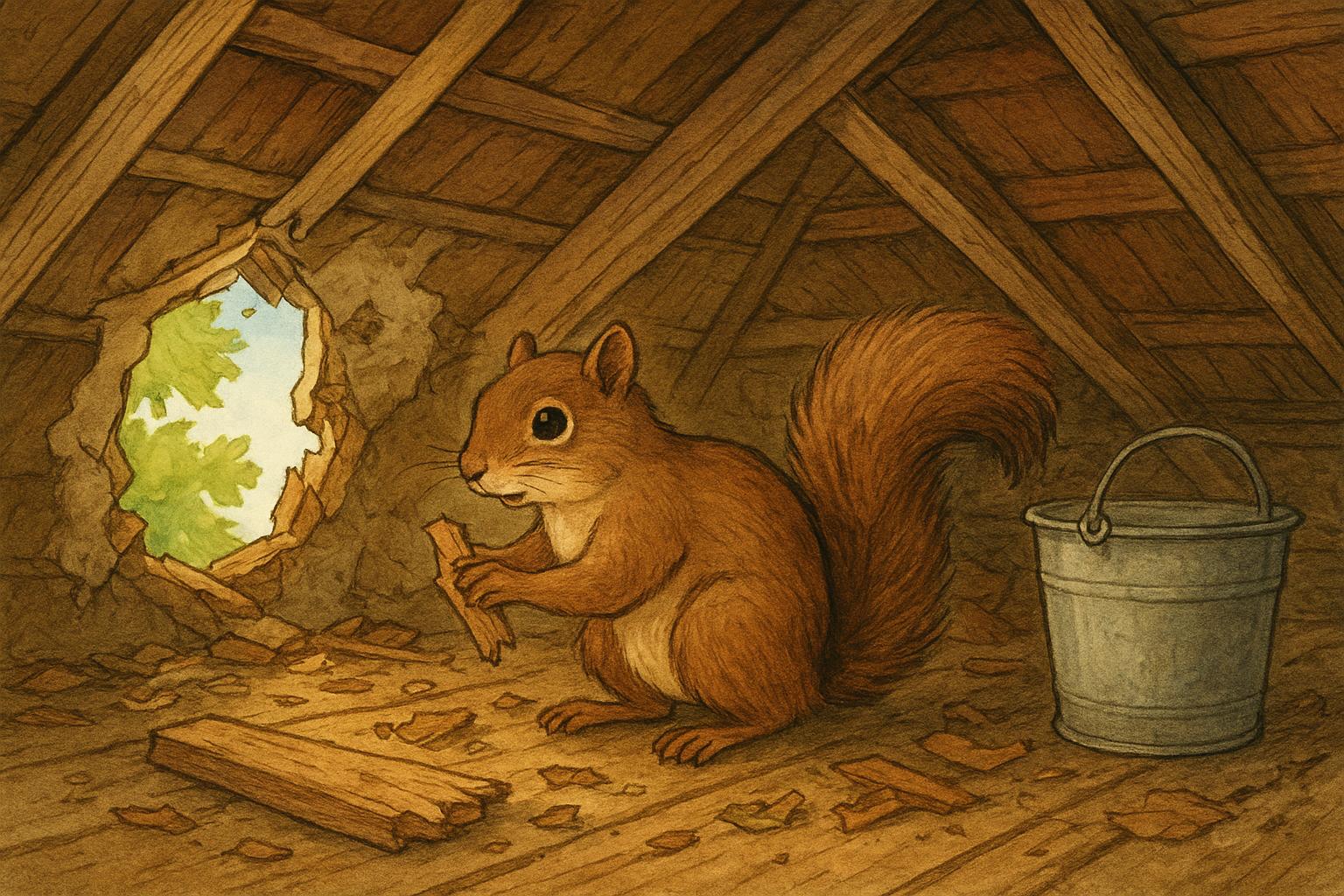
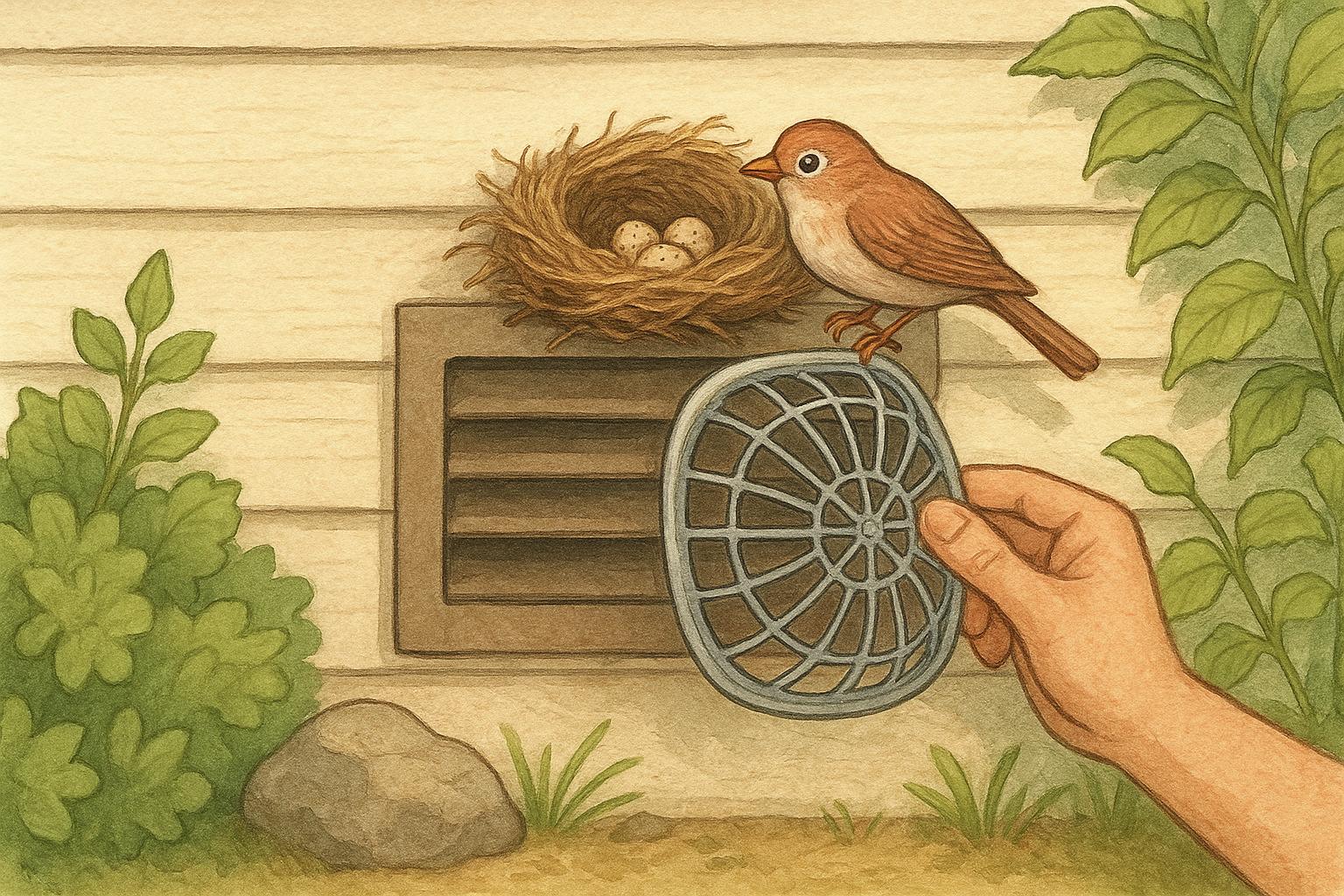
When animals nest in undesirable locations — gutters, vents, porch lights — humane deterrents can encourage relocation without harming wildlife. The goal is exclusion before eggs are laid and to provide alternative sites.
### Materials
– Fine mesh hardware cloth (½” or ¼” mesh) or bird netting
– One-way exclusion funnel (commercial) or PVC pipe cut to size
– Exterior-grade silicone caulk
– Ladder and safety equipment
– Gloves and eye protection
– Replacement vent covers or chimney caps (as needed)
– Optional: alternative nest box (see Remedy 1)
### Application Steps
1. Assess the site to determine species and whether the nest is active. If eggs or dependent young are present, exclusion is typically illegal and unethical; consult a wildlife rehabilitator or local wildlife agency.
2. If no active nesting is present, install exclusion barriers at entry points. Attach hardware cloth or netting over eaves, vents, and ledges, securing edges with screws and exterior caulk to close gaps.
3. For attic or chimney access, fit a properly sized cap. If birds are already roosting, install a one-way exclusion funnel that allows exit but prevents re-entry; verify absence of young first.
4. Provide an alternative nesting site nearby to draw animals away from structures. Install the nest box described in Remedy 1 at an appropriate distance (15–50 feet depending on species).
5. Monitor weekly during the season. Remove loose nesting material to reduce attractiveness but do so only when no active nest is detected.
6. Document and maintain all exclusions; repair weather damage promptly to prevent inadvertent trapping of wildlife.
Legal Considerations: Many birds and some mammals are protected by state or federal laws during nesting season. Always confirm local regulations before removing or excluding nests. If in doubt, contact your state wildlife agency or a licensed rehabilitator.
## Landscaping Choices That Help During Nesting Season
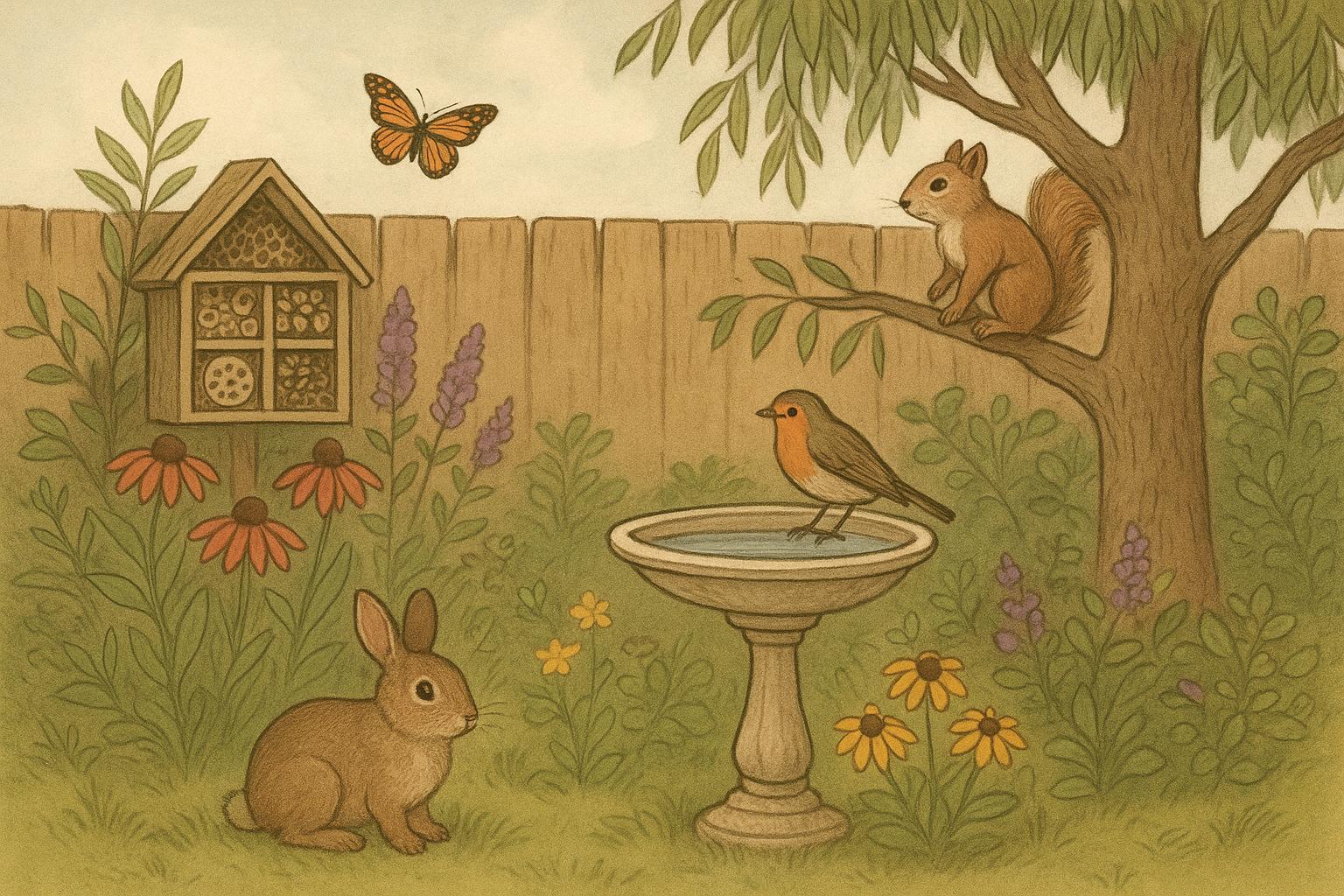
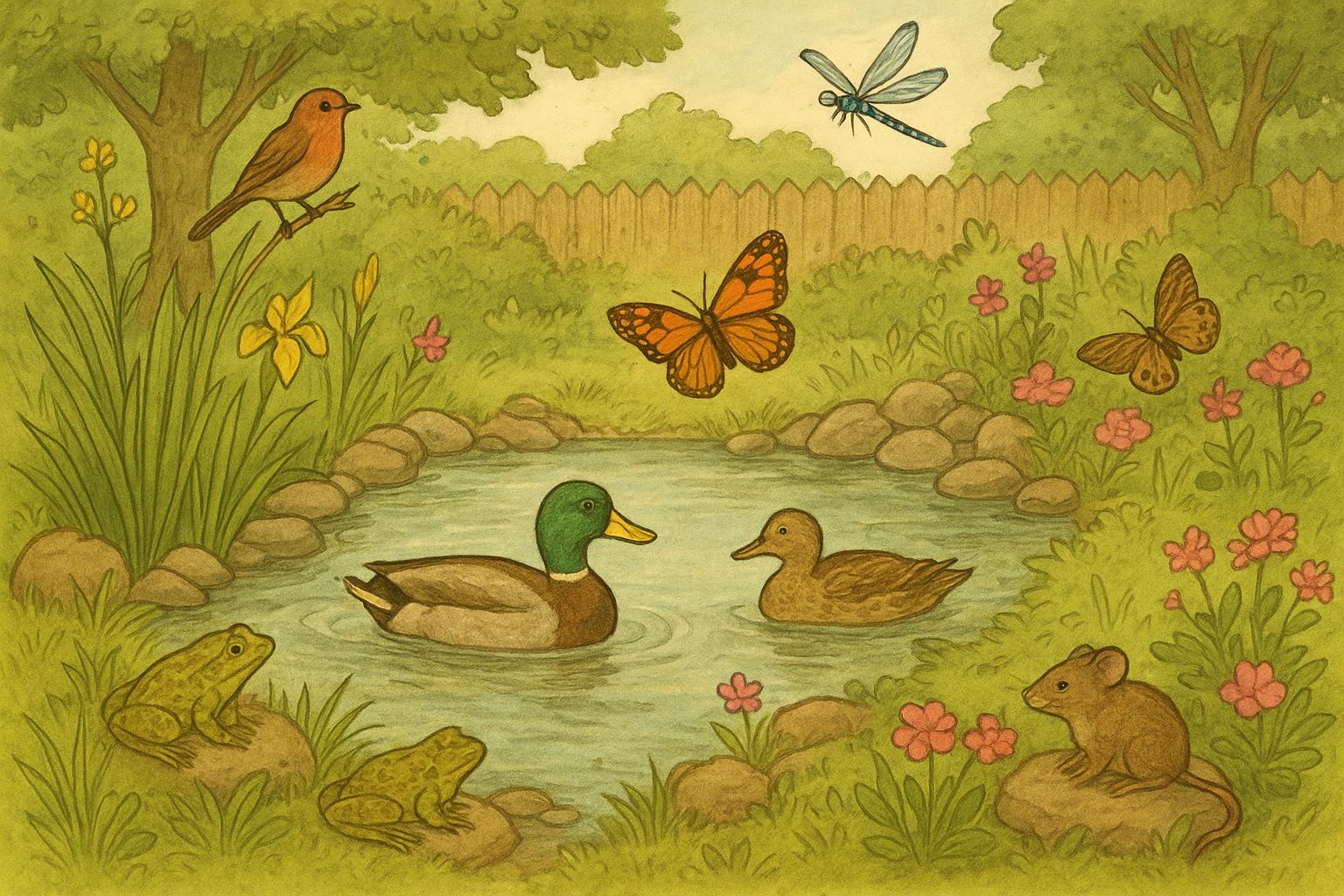
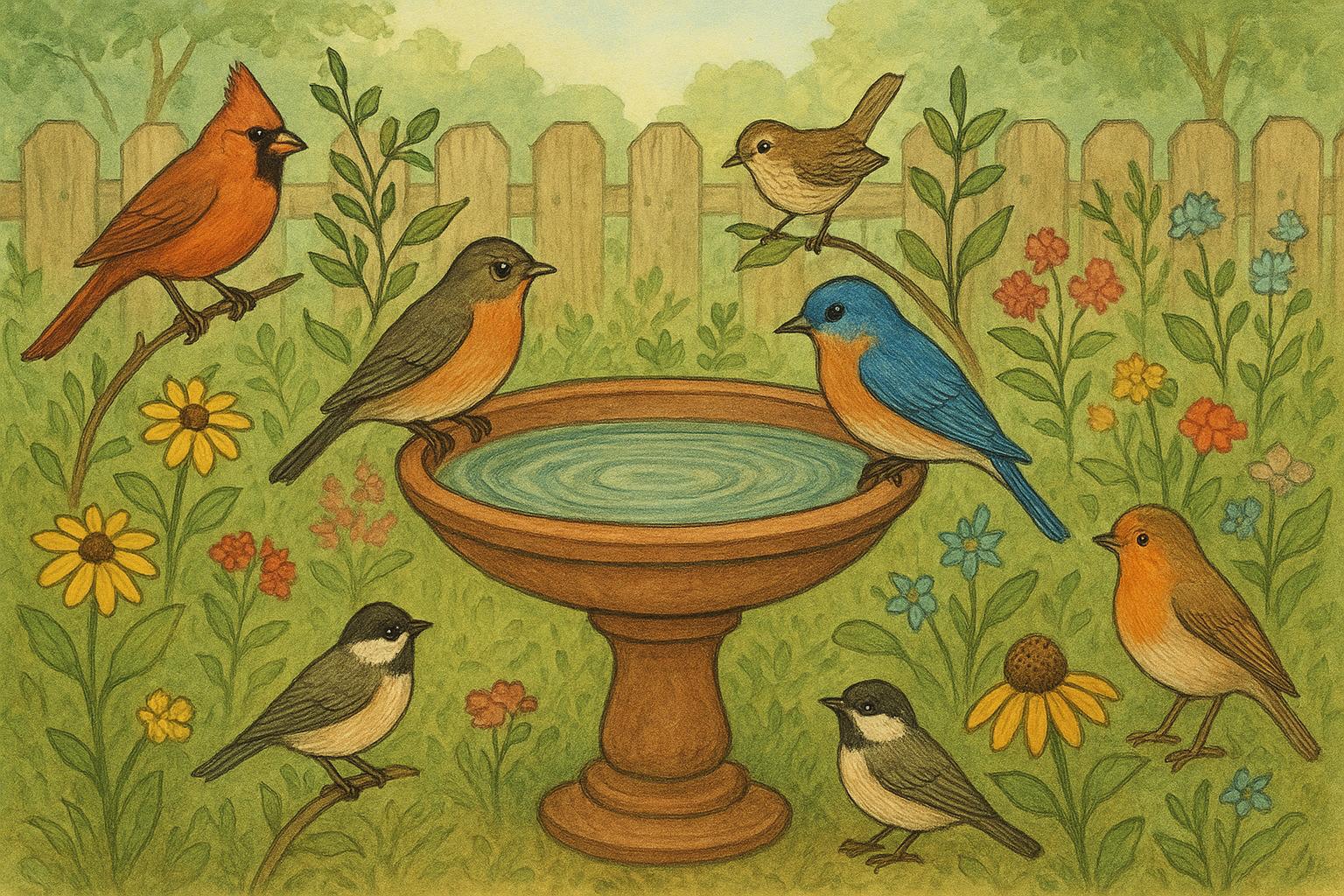
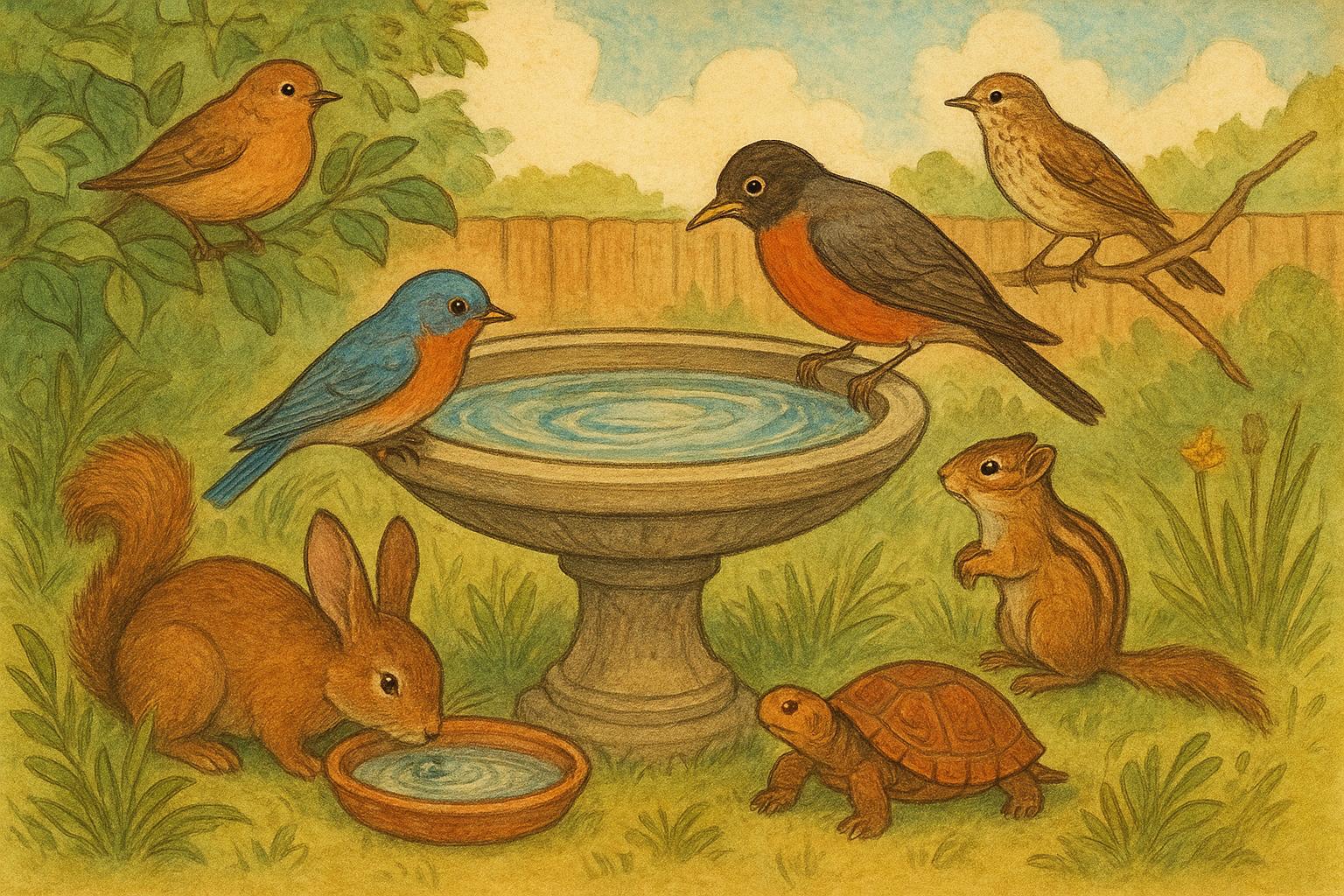
Thoughtful plant selections and structural features create a safer, more productive backyard. Dense native shrubs provide concealed nesting, while layered plantings (groundcover, shrubs, small trees) offer varied shelter and foraging. Leave dead wood, where safe, to support woodpeckers and cavity creators. Water features with shallow edges attract birds and provide bathing spots; keep them clean to reduce disease risk.
Planting for insect diversity is especially valuable during nesting season. Avoid broad-spectrum insecticides; targeted, time-of-day applications and integrated pest management reduce non-target impacts and protect the food supply fledglings need.
## Watching Young Wildlife: Do’s And Don’ts
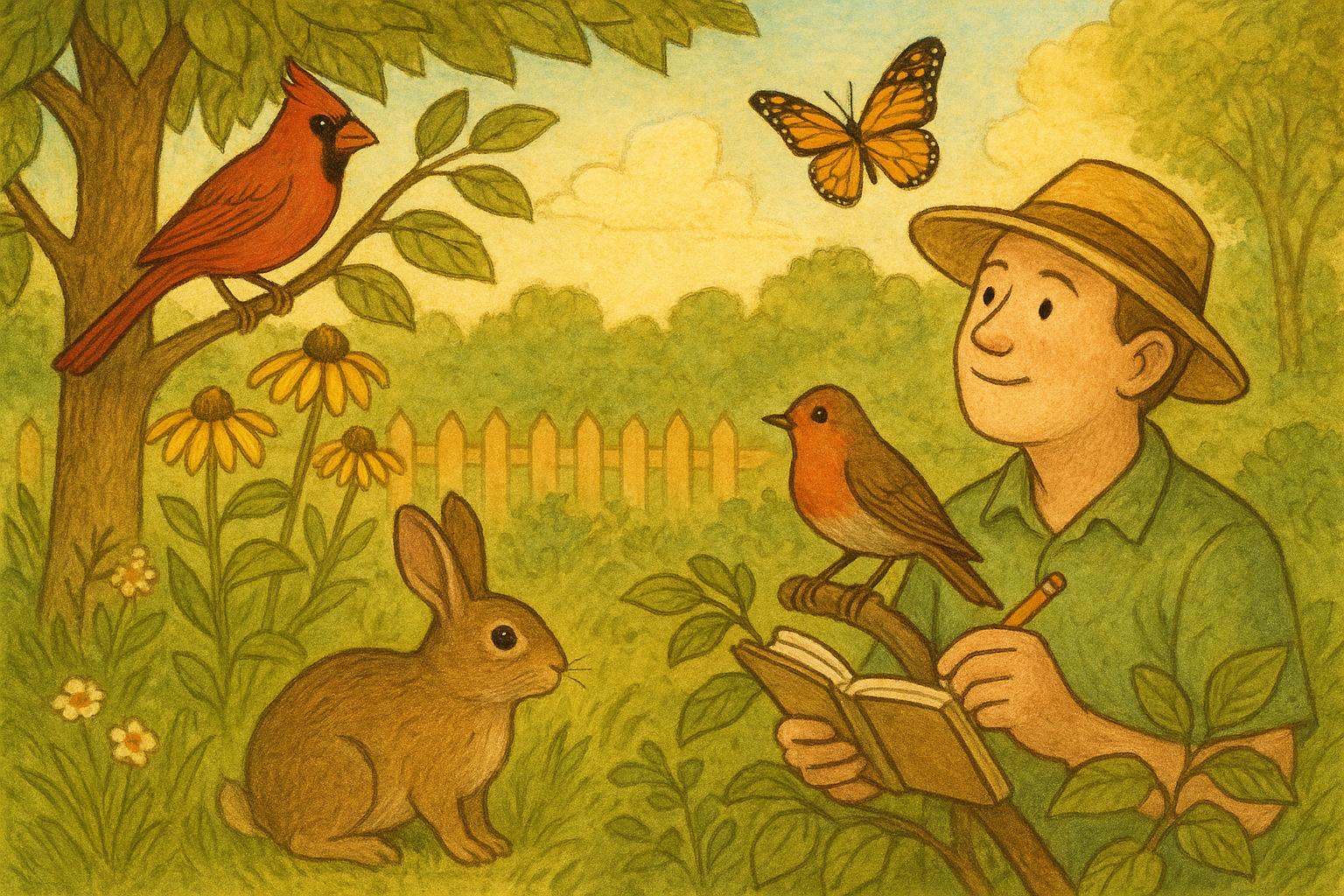
Do enjoy the show from afar with binoculars. Do keep pets leashed and controlled. Don’t handle young animals unless they are clearly injured. Don’t attempt to force relocation of active nests. If a young animal appears abandoned or injured, document the situation (photos, notes) and contact a licensed rehabilitator for guidance.
Wildlife in nesting season is resilient but vulnerable; a few informed choices by homeowners can make a big difference in survival rates and the quality of the neighborhood chorus.

Leave a Reply