
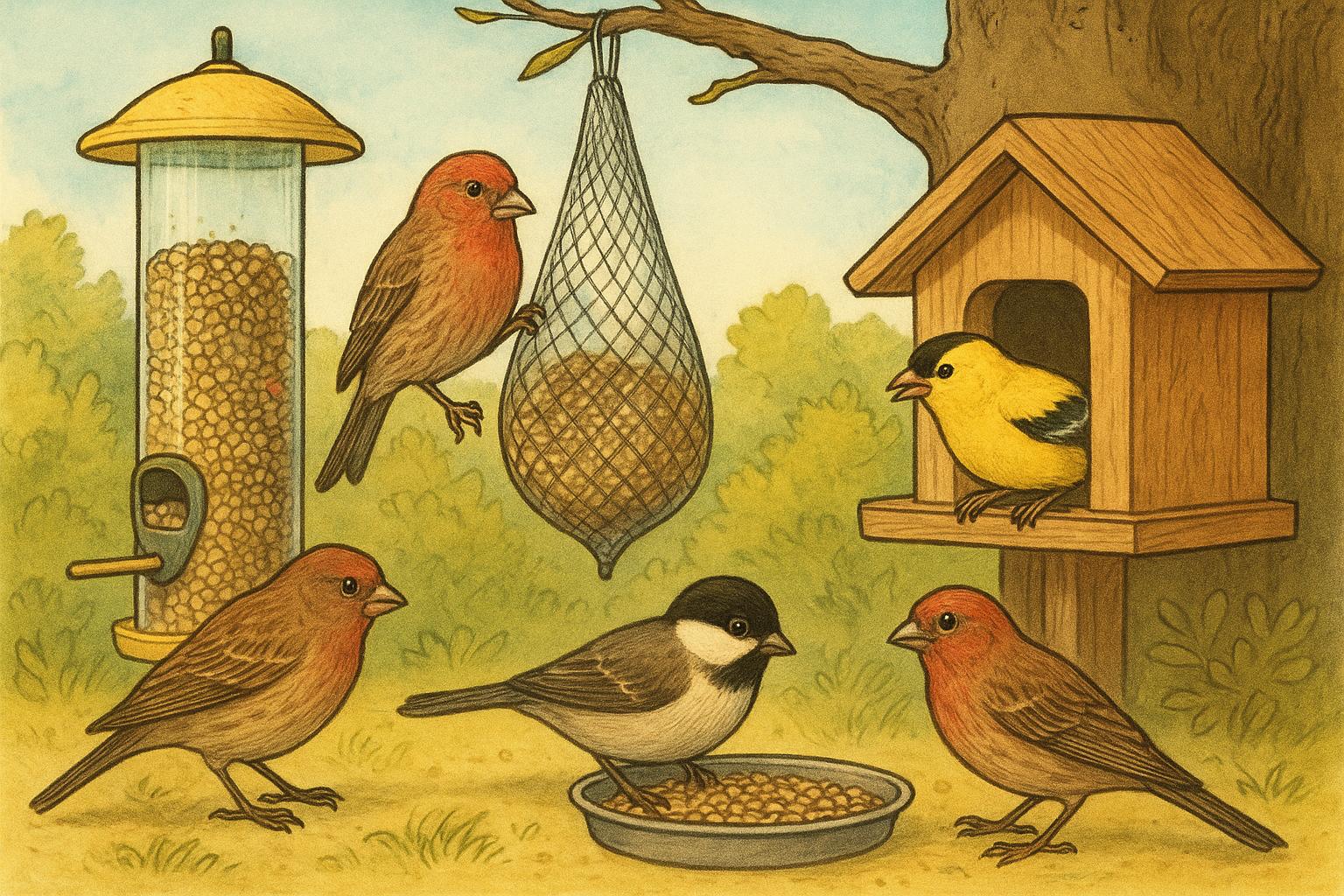
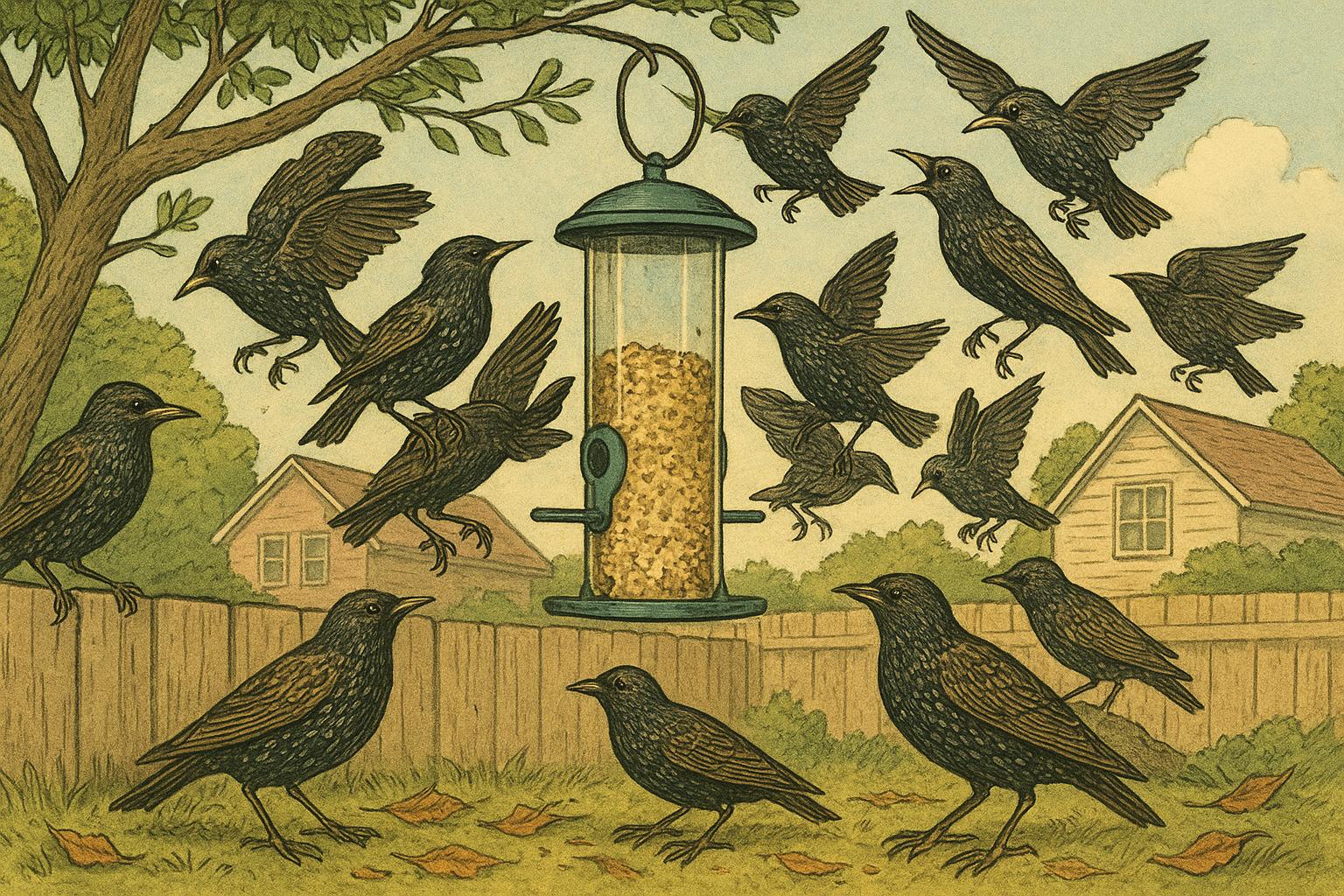
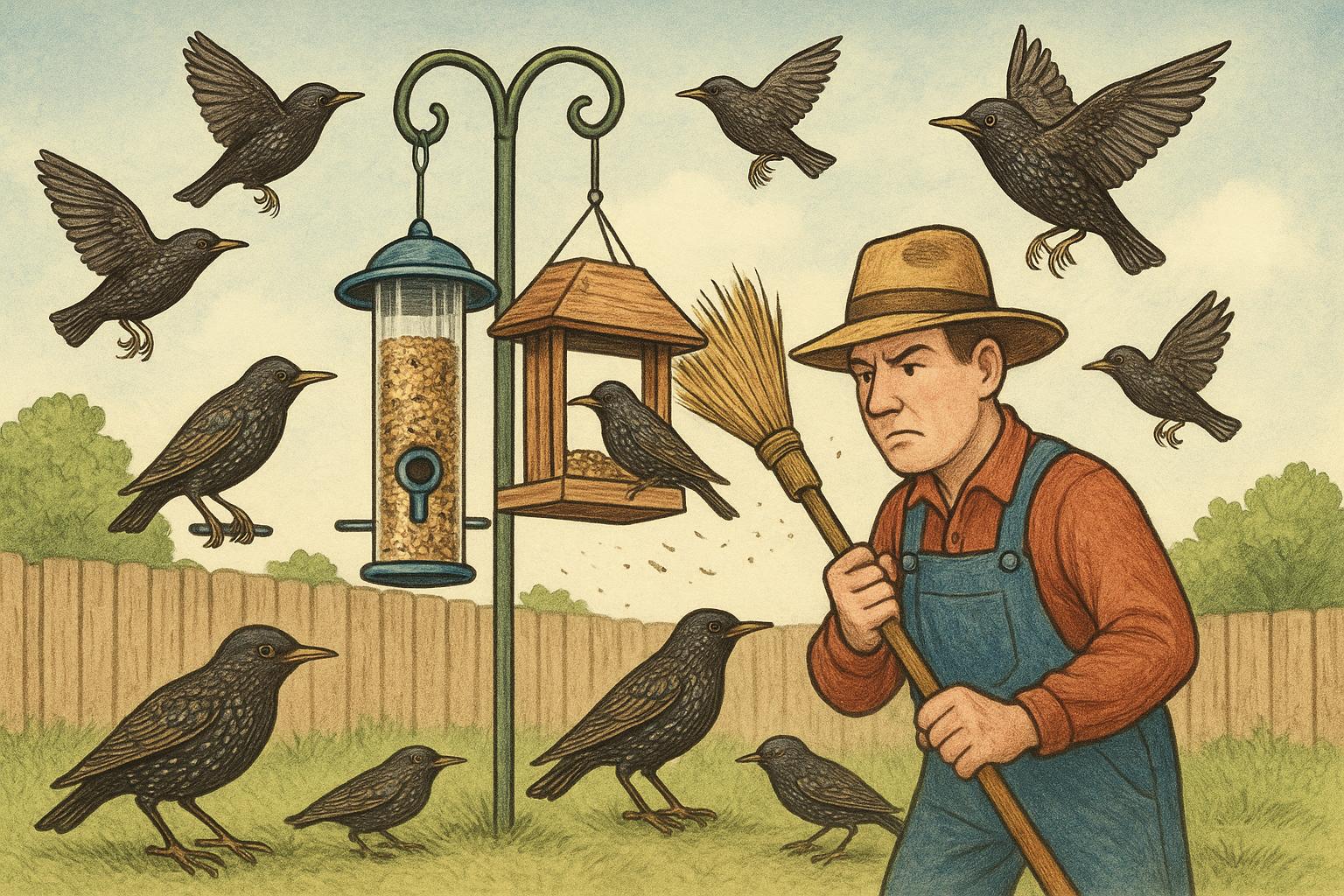
If your backyard feels like a reality show where the loudest bird gets the spotlight, you’re in good company. Many of us set out feeders hoping to welcome finches and their cone-shaped charm — only to discover starlings, grackles, or squirrels hosting a takeover party. Let’s walk through what different feeder types do right (and wrong) for small beaked visitors, and how to politely tell the bullies to take a hike.
## Finches And Feeder Types
Finches have a particular idea of dining etiquette: tiny perches, thin ports, and soft seeds they can cling to while nibbling. Understanding which feeders match their style is the quickest route to a yard that actually attracts them instead of scaring them off. You’ll also learn how to tweak feeders when other birds are overzealous, and how to set up a dedicated place that makes finches feel VIP-worthy.
### Tube Feeders: Pros And Cons
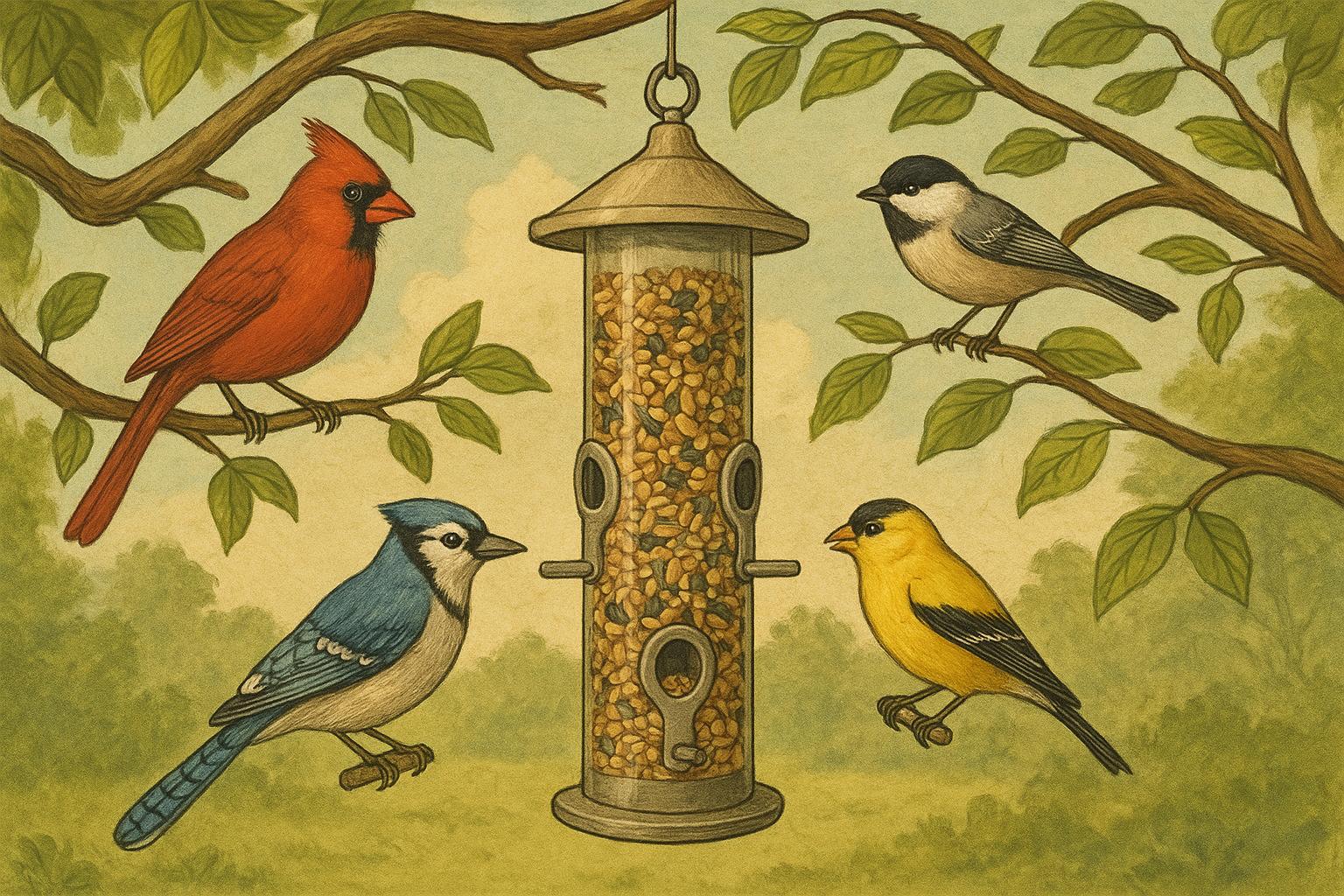
Tube feeders are a mixed bag for finches. When equipped with small perches and tiny port openings, they can be finch-friendly. The problem is size: larger tube feeders attract larger birds, who use their heft to outcompete smaller species for access. If finches aren’t showing up at your tube feeder, check perch size and spacing — too roomy and it becomes a buffet for bullies.
### Thistle (Nyjer) Feeders: The Finch Favorite
If you want finches specifically, nyjer (thistle) feeders are often the answer. These feeders are designed for thin, downward-facing ports that finches can handle but larger birds can’t. Small mesh sock feeders or narrow tube nyjer feeders filled with thistle seed can bring in goldfinches, redpolls, and siskins like moths to a porch light. Just be patient: once word gets out, your finch count can spike dramatically.
#### Seed Choices For Small Beaks
Nyjer seed is the star for many finches. Sunflower hearts or small sunflower chips can also work for species with slightly larger bills, but whole sunflower seeds often favor bigger birds. Offering a mix of finch-preferred and general seeds can balance attraction across species without turning your yard into a grackle magnet.
### Platform And Hopper Feeders: The Big Bird Problem
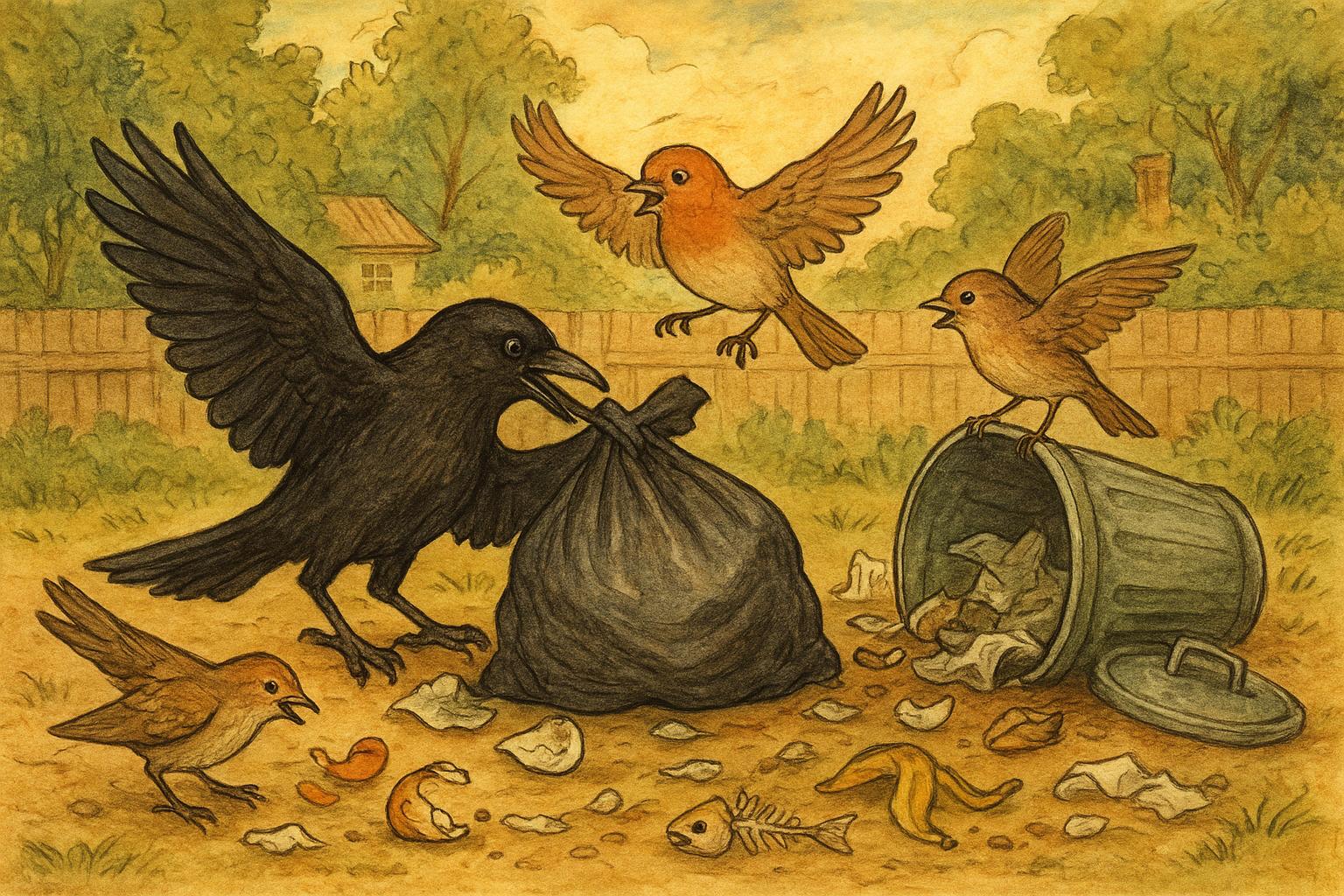
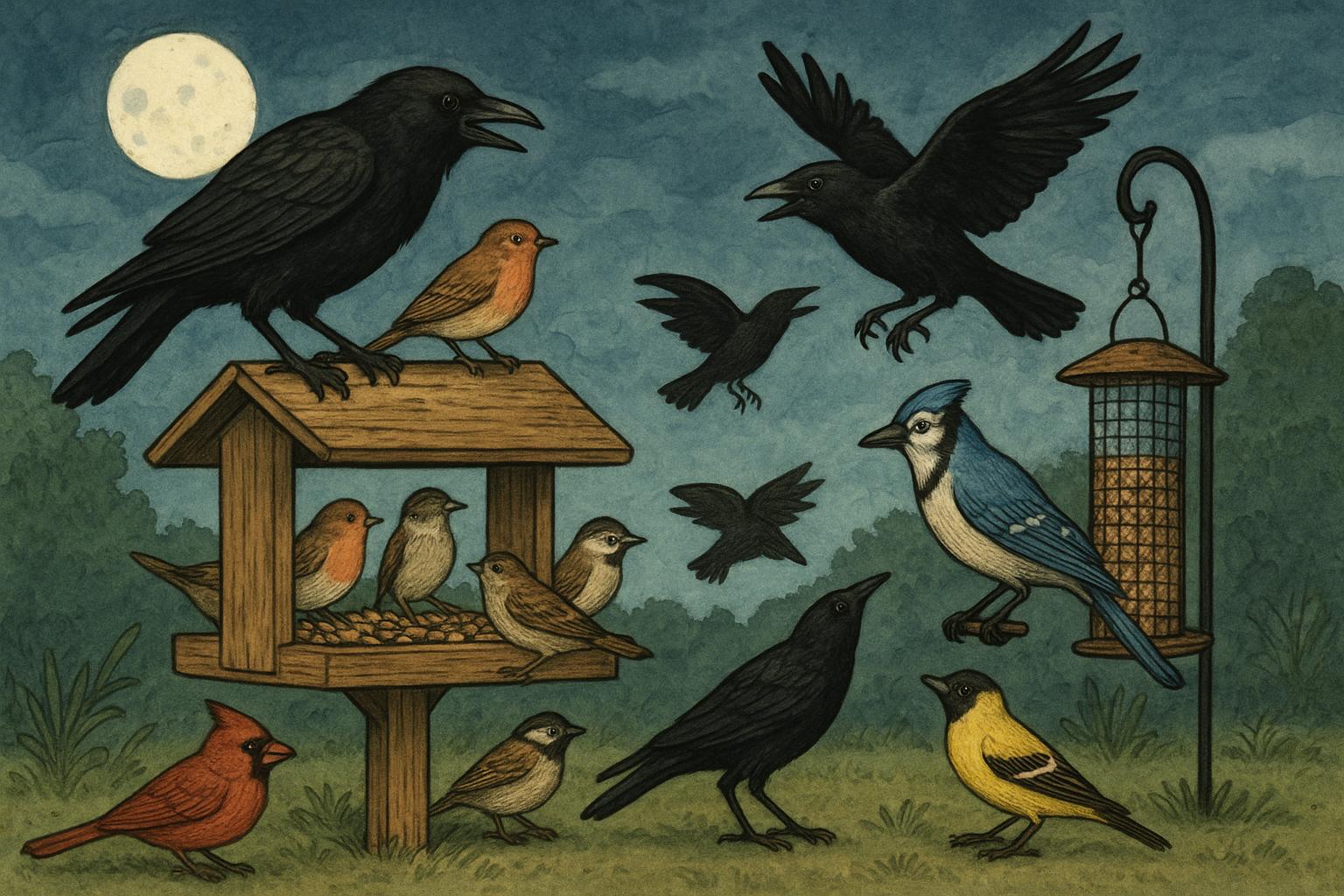
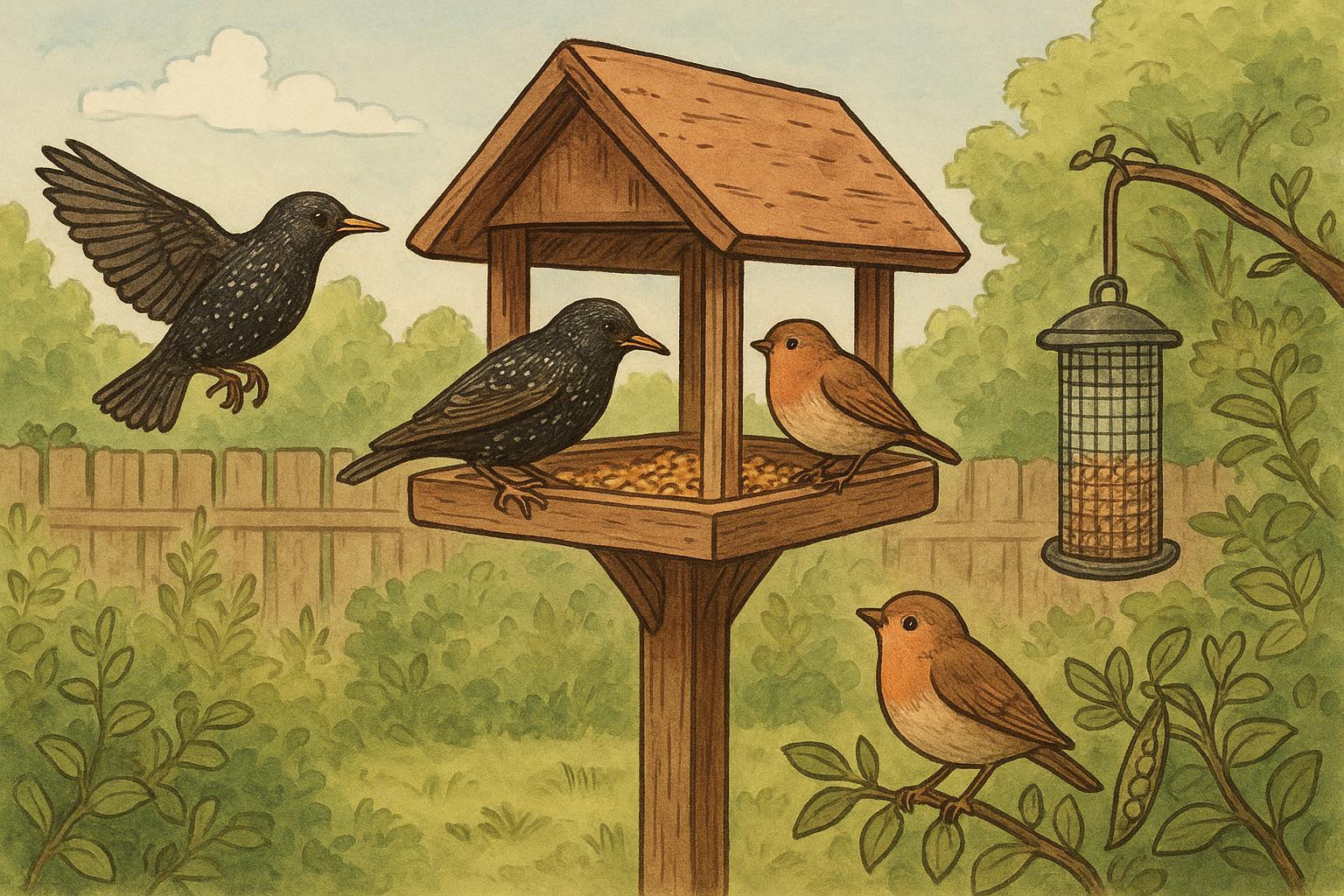
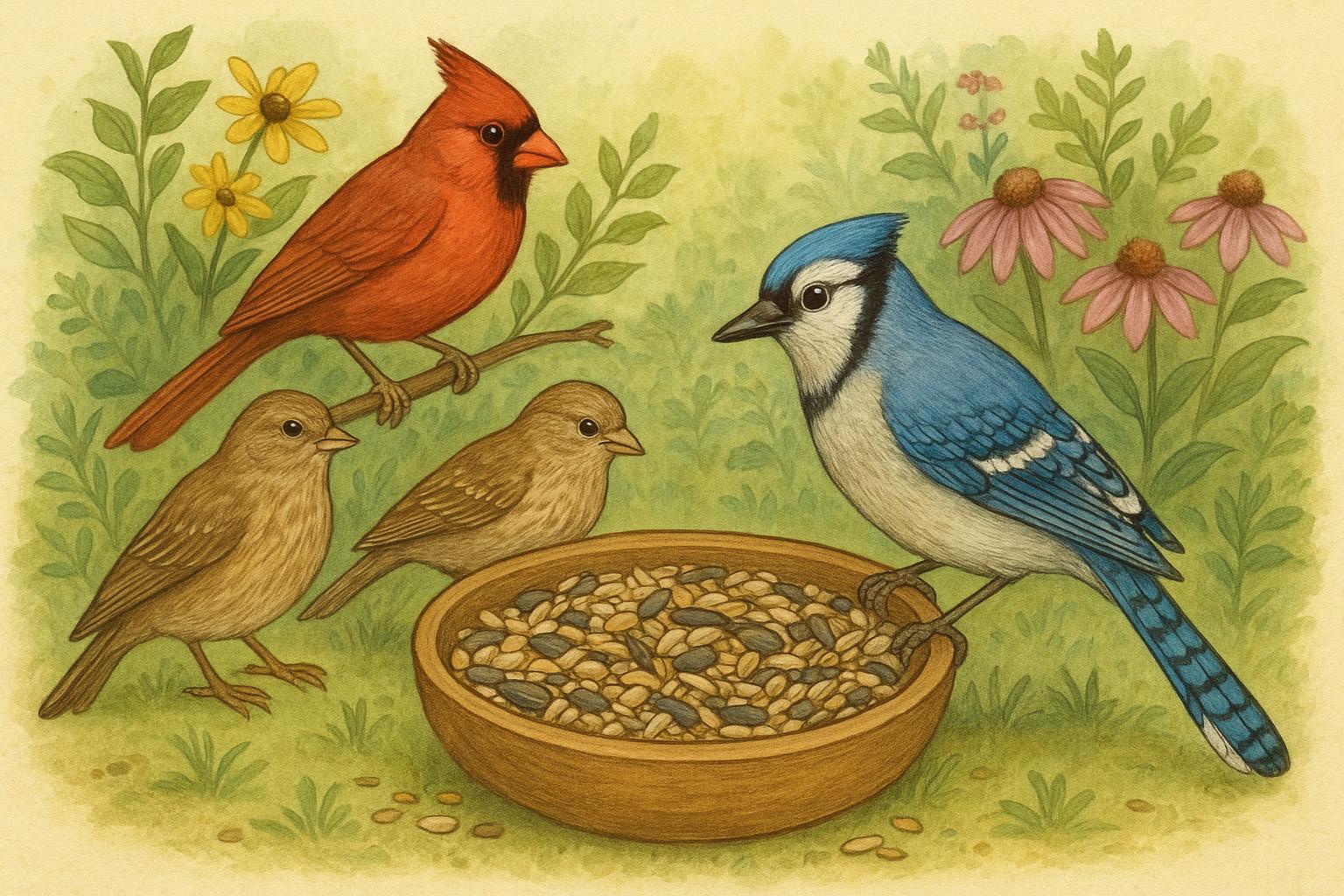
Platform and hopper feeders are great for showing off a large variety of birds, but they’re also where the larger, aggressive birds dominate. If finches are scarce around these, it’s often because they are being physically excluded. Platforms are open, which means squirrels, doves, and starlings can enjoy the spread without much effort — and that’s typically a turn-off for the shy finch.
### Suet, Mesh, And Window Feeders: Seasonal Options
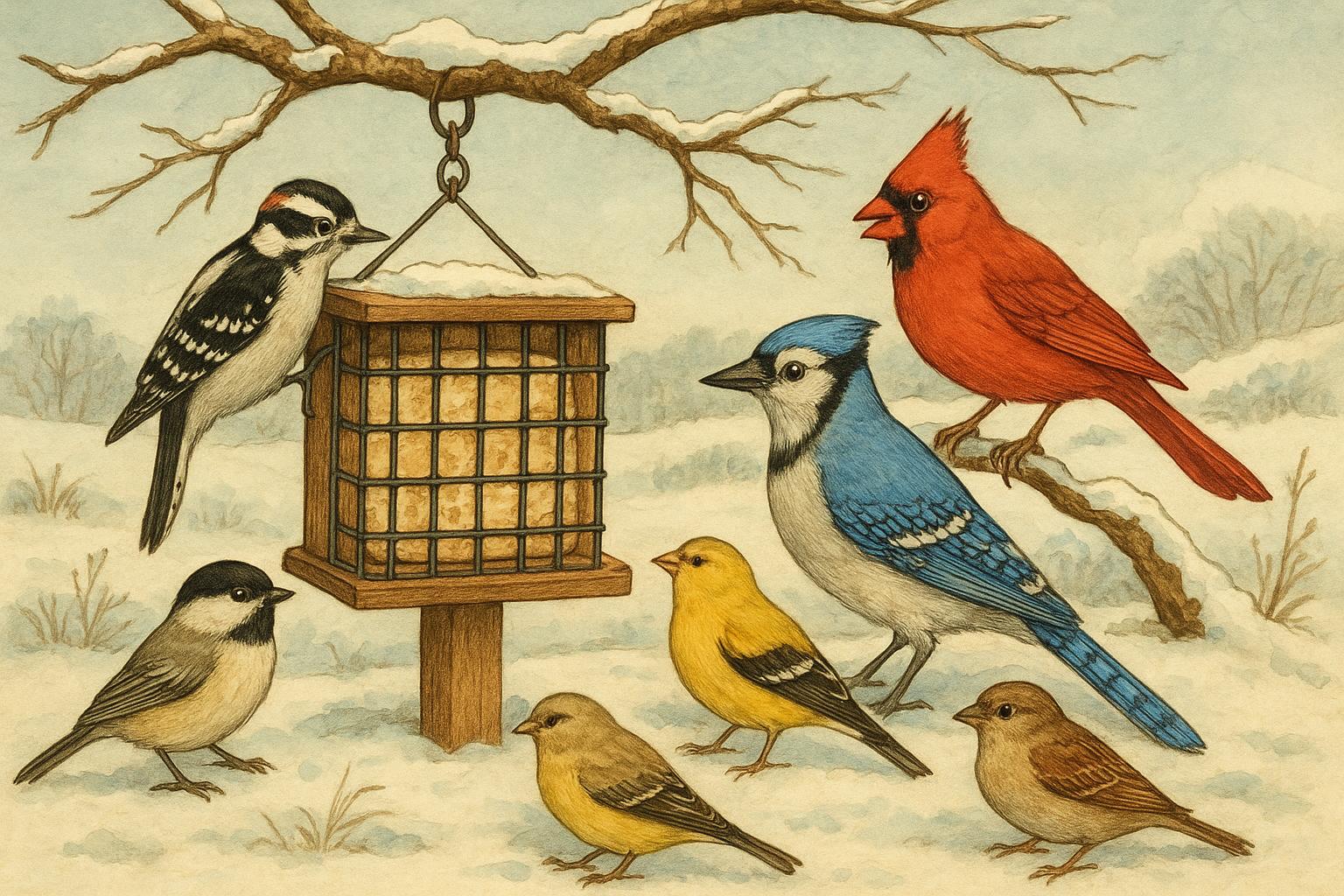
Suet feeders attract insect-eating finches during colder months, while mesh sock feeders loaded with sunflower chips or small seeds can be finch-friendly if hung properly. Window feeders, when small and sheltered, might attract curious finches for a close-up. Just remember: proximity to cover matters — finches prefer places where they can dart to foliage quickly.
## 1. Create A Dedicated Finch Feeder For Finches
If you’re serious about bringing finches back to your feeders, a dedicated finch station is the most reliable solution. Below is a formal, stepwise plan to design, build, and maintain a feeder that finches will favor.
Materials Required
– Narrow tube nyjer feeder or fine-mesh sock feeder (2 recommended)
– Nyjer (thistle) seed — high-quality, fresh
– Small metal baffles (optional — to deter squirrels)
– A mounting pole or hanger placed 6–10 feet from dense cover
– Small perching rings or short aluminum perches (optional)
Step-by-Step Creation and Application
1. Select Placement: Install the feeder 6–10 feet from dense shrubs or trees to provide cover without allowing predators easy access. Finches prefer a quick escape route into foliage.
2. Prepare the Feeder: Choose a feeder with ports no larger than 3/8 inch and minimal perch area. If using a mesh sock, ensure it is of fine mesh to prevent seed clumping in rain.
3. Fill With Nyjer: Fill feeders with fresh nyjer seed. Buy in smaller quantities to maintain freshness; nyjer can go rancid if stored too long.
4. Install Baffle: Fit a small predator baffle on the pole to deter squirrels if you have those problems. Keep the baffle away from the feeder’s access height to avoid interfering with finch landings.
5. Monitor And Refill Regularly: Refill every 3–5 days during high use. Clean feeders monthly with a mild bleach solution (1 part bleach to 9 parts water), rinse thoroughly, and dry before refilling.
6. Adjust As Needed: If larger birds discover the feeder and begin to monopolize it, temporarily relocate the feeder by a few feet or change hanging height; finches are sensitive to these changes and may reassess the site.
This dedicated feeder approach is precise by design: targeted seed, targeted ports, and targeted location make it difficult for larger birds to dominate without excluding the species you want to host.
## 2. Modify Existing Feeders To Limit Aggressive Species
If you prefer multi-species feeders but still want finches to get their fair share, thoughtful modifications can help. The following materials and steps are an effective compromise between shared-feeder chaos and single-species exclusion.
Materials Required
– Small perches or perch restriction clips
– Replacement ports (smaller diameter) if compatible
– Seed trays or baffles to control access
– Tools: screwdriver, pliers, measuring tape
Step-by-Step Modification And Application
1. Assess Current Feeders: Measure port openings and perch lengths. Note which feeders are monopolized by larger birds.
2. Install Perch Restrictors: Attach perch restrictors or shorten existing perches so that only smaller birds can comfortably grip the space near ports. Ensure modifications do not create sharp edges.
3. Replace Ports If Possible: Where feeder design allows, replace large ports with smaller aftermarket ports designed for small-beaked species. Use ports no larger than 3/8 inch for finch-friendly access.
4. Add Seed Control: Fit seed trays that limit spillover. Excess spilled seed on the ground draws in ground-feeders that can intimidate finches.
5. Reposition Feeders: Move feeders higher or swap positions so finch-friendly feeders are closer to cover, and larger-species feeders are more exposed.
6. Monitor Behavior: Observe for one to two weeks. If aggressive birds adapt to the changes, consider alternating feeding times (see next section) or temporarily removing larger seed types.
These modifications are technical and should be executed carefully to avoid creating hazards. Replace materials that show wear and check fastenings after storms.
### Timing And Etiquette: When Finches Prefer To Visit
Finches often visit at different times than larger birds — early morning and later in the afternoon are common windows. Offering food during these times or rotating feeders can increase finch visitation. Be mindful that sudden, frequent changes can stress birds; make adjustments incrementally and monitor responses.
### Habitat Tips That Help
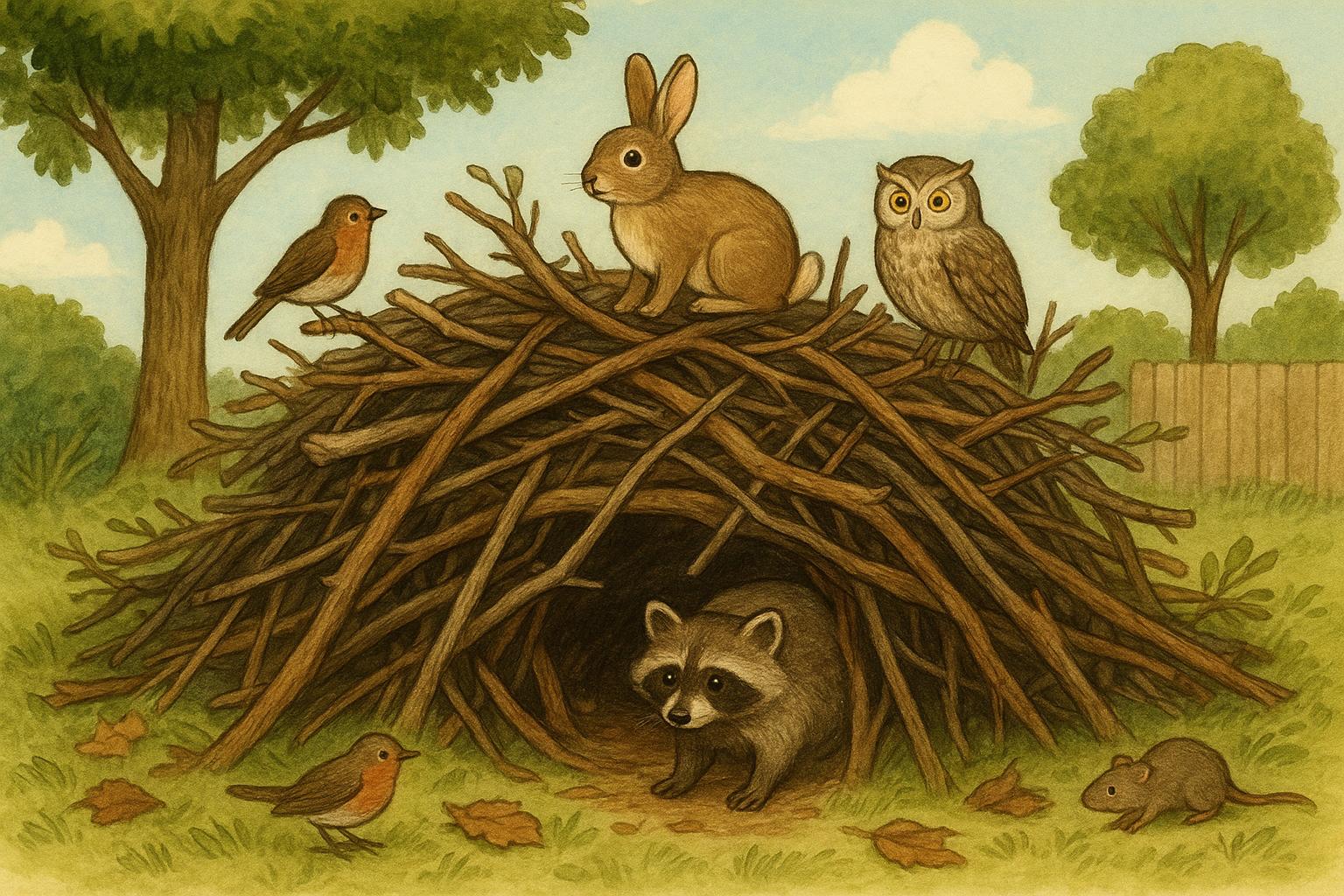
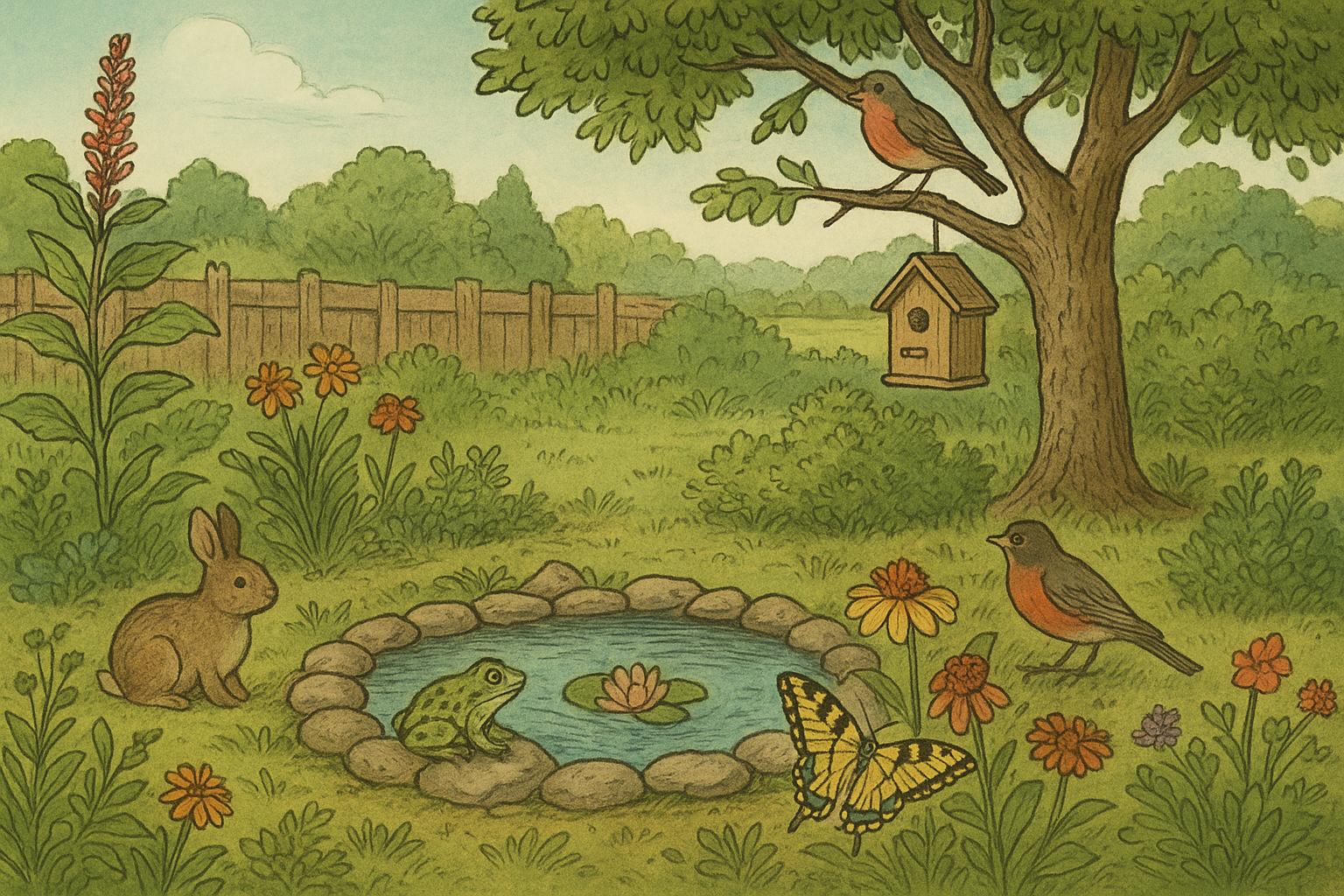
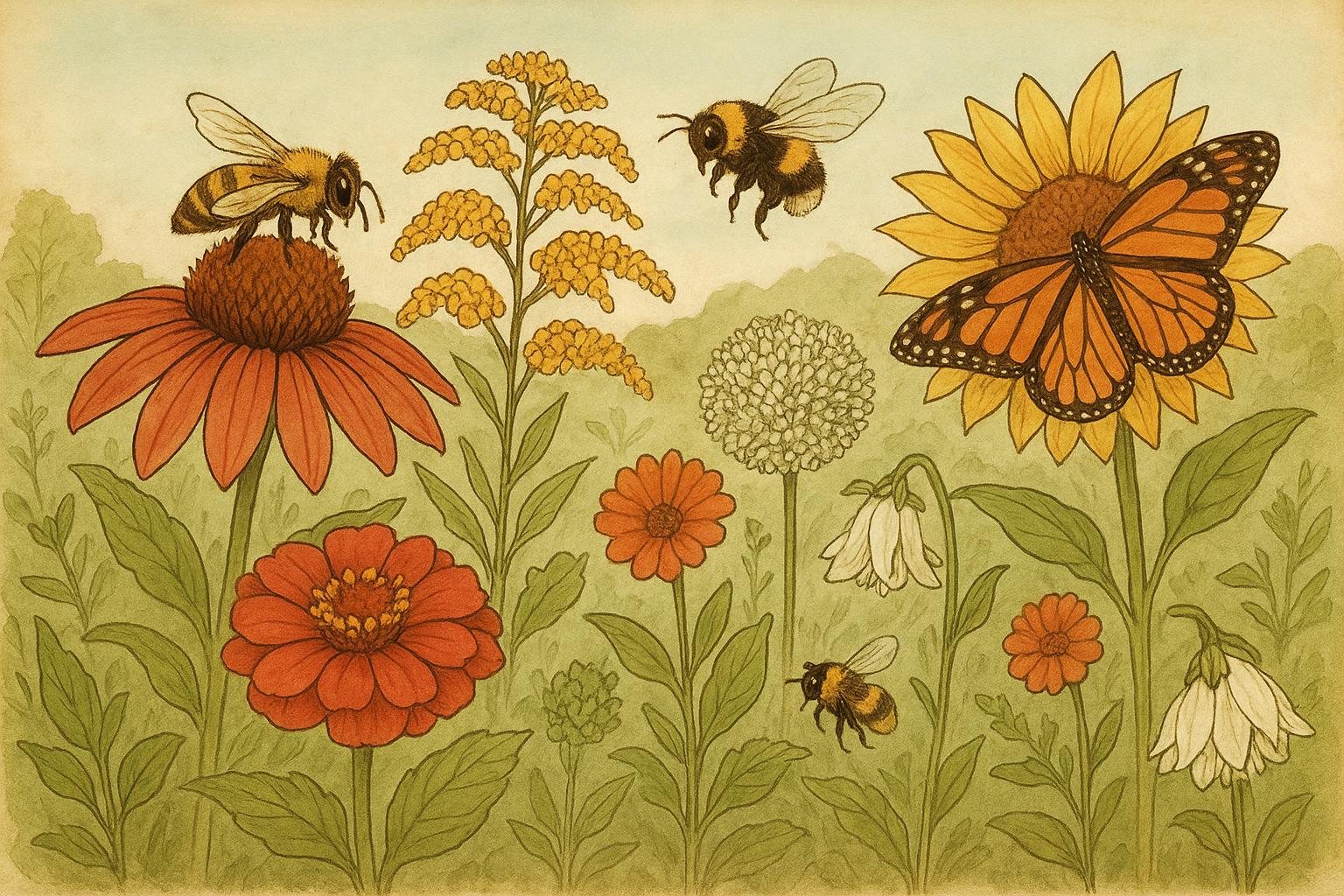
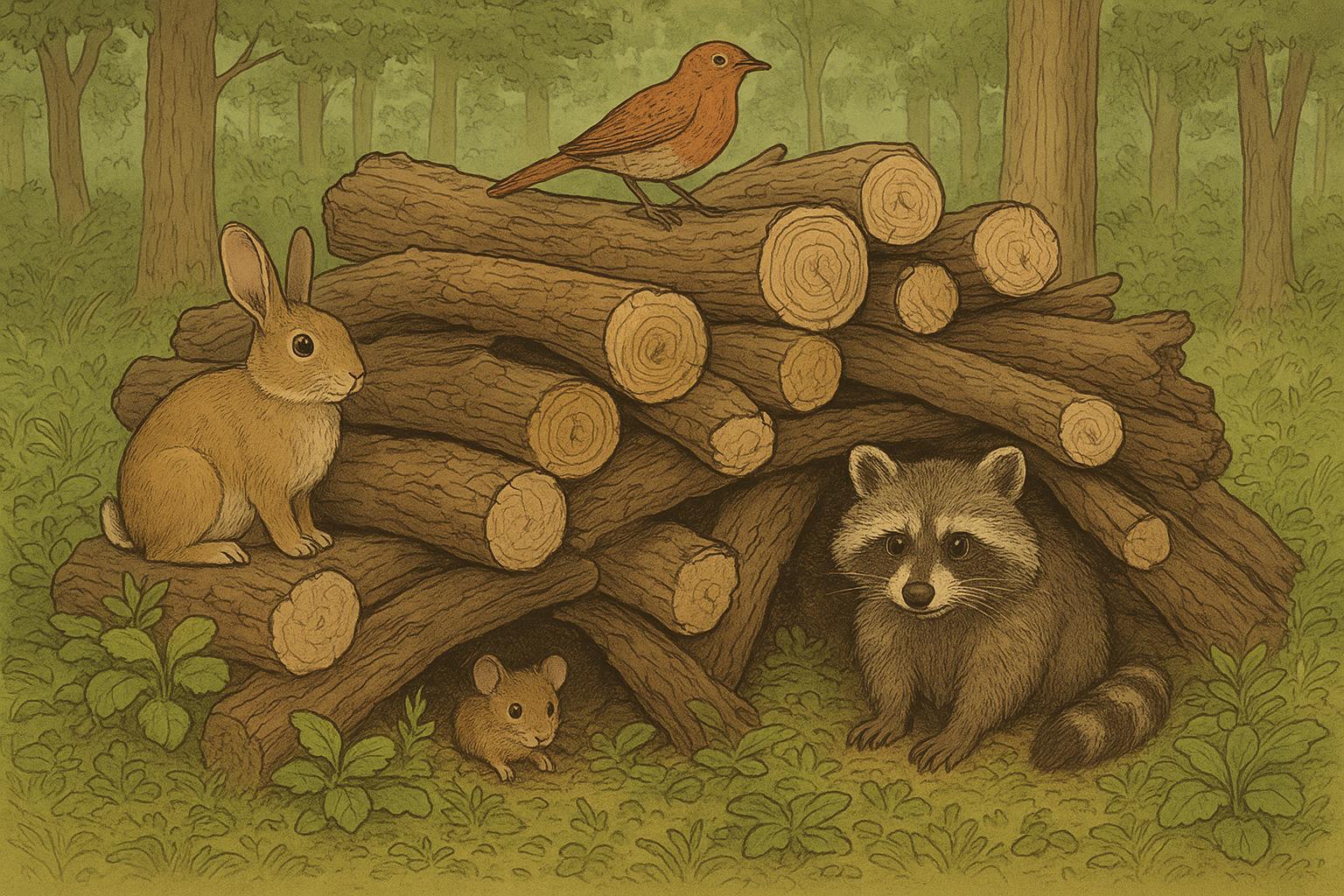
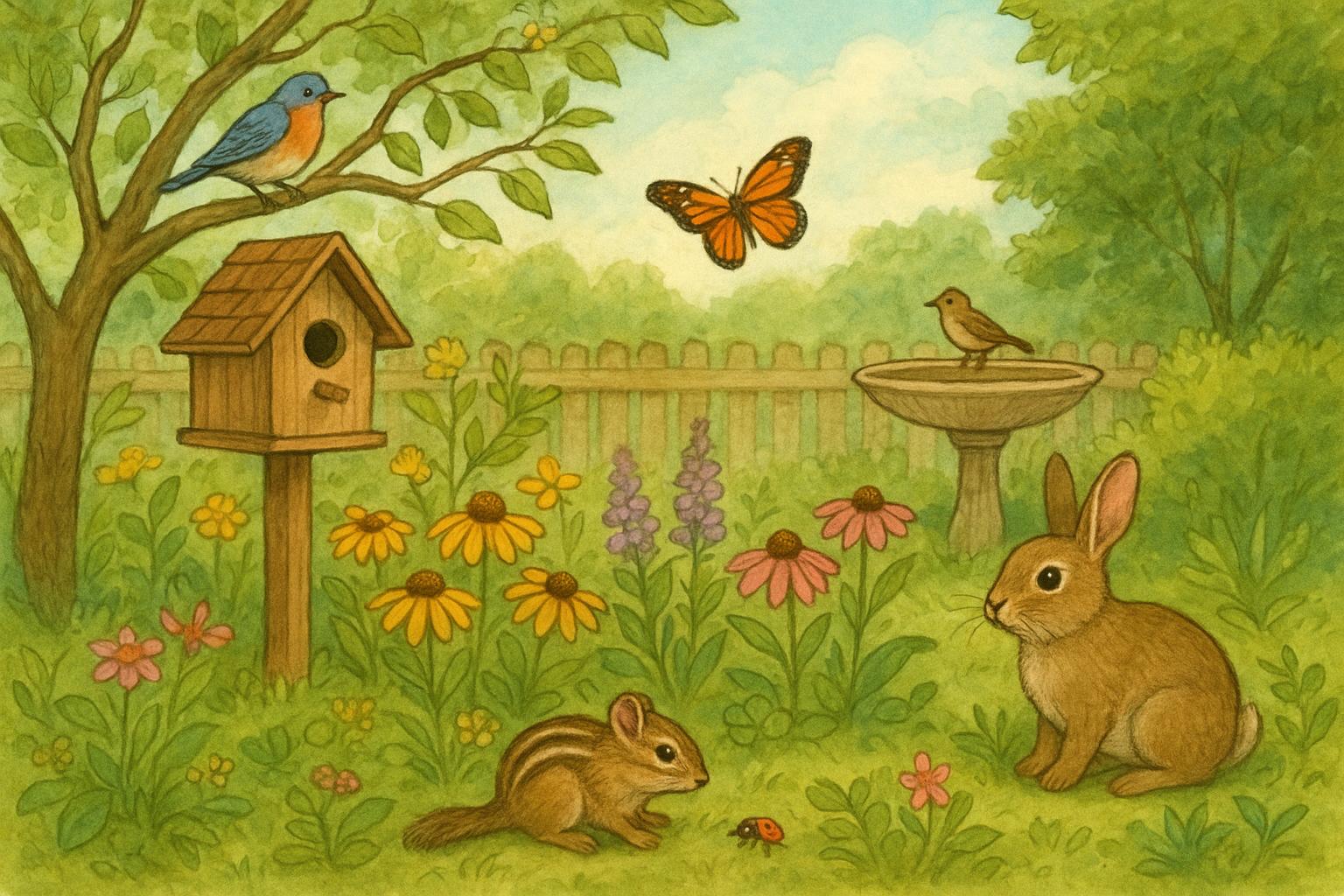
Small habitat tweaks support feeder success. Plant native shrubs and seed-producing plants like asters, coneflowers, and thistles to provide natural foraging and shelter. A small brush pile or a cluster of evergreens within sight of the feeder can make finches feel secure.
Keep an eye out for disease too: dirty feeders and wet seed promote mold and pathogens. Regular cleaning schedules, fresh seed, and well-drained feeder placement reduce illness risk and encourage repeat visits.
## Social Dynamics And Patience
Bird communities are social and hierarchical. Introducing a new finch-focused feeder may attract a few early adopters while others take longer to discover the buffet. Be patient; consistent, species-appropriate offerings are the best long-term strategy. Provide predictability, and eventually a chorus of tiny beaks will reward your efforts.
(You’re allowed to grin as goldfinches move in and start reclaiming their table. Just don’t let the squirrels write a formal complaint.)

Leave a Reply