

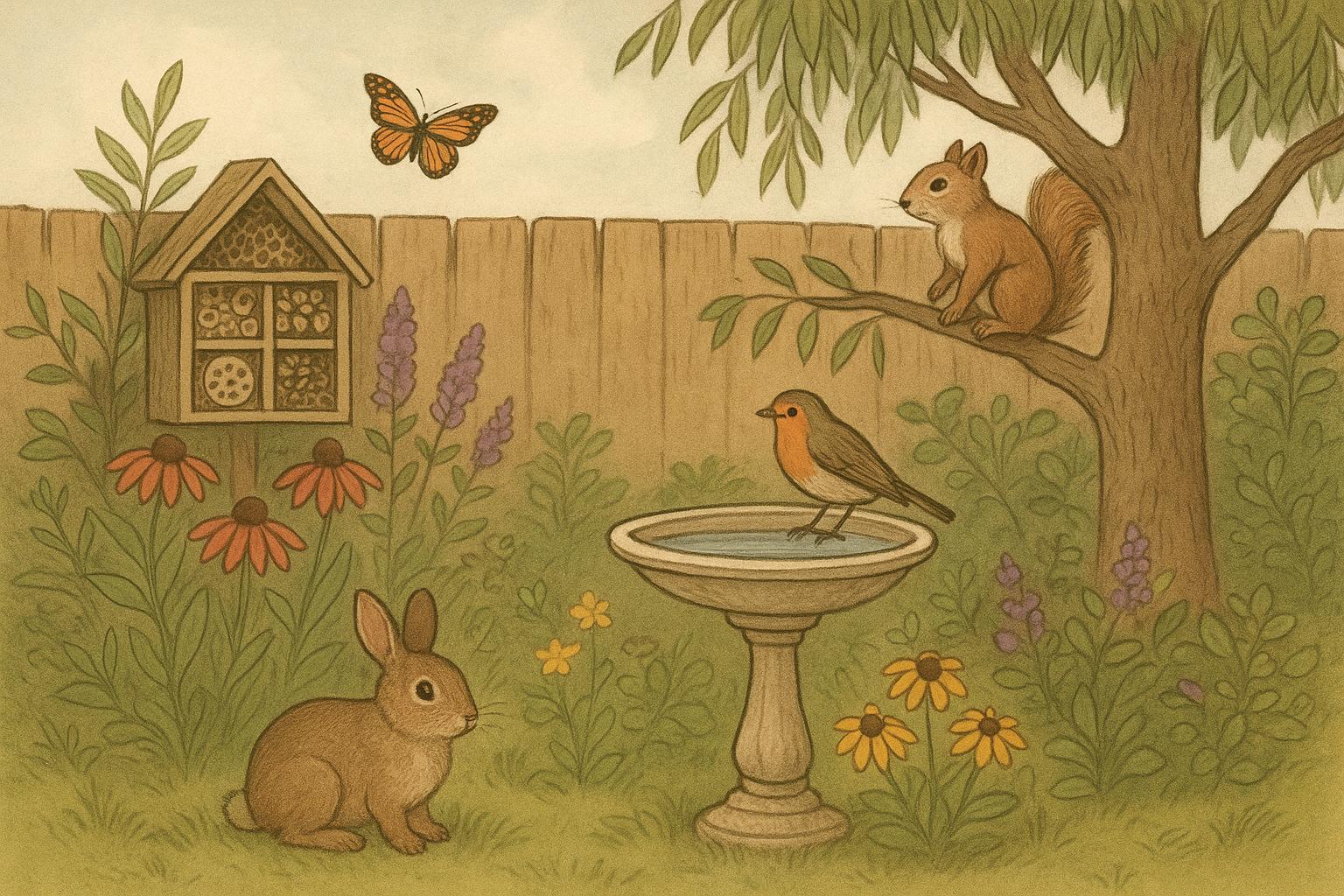
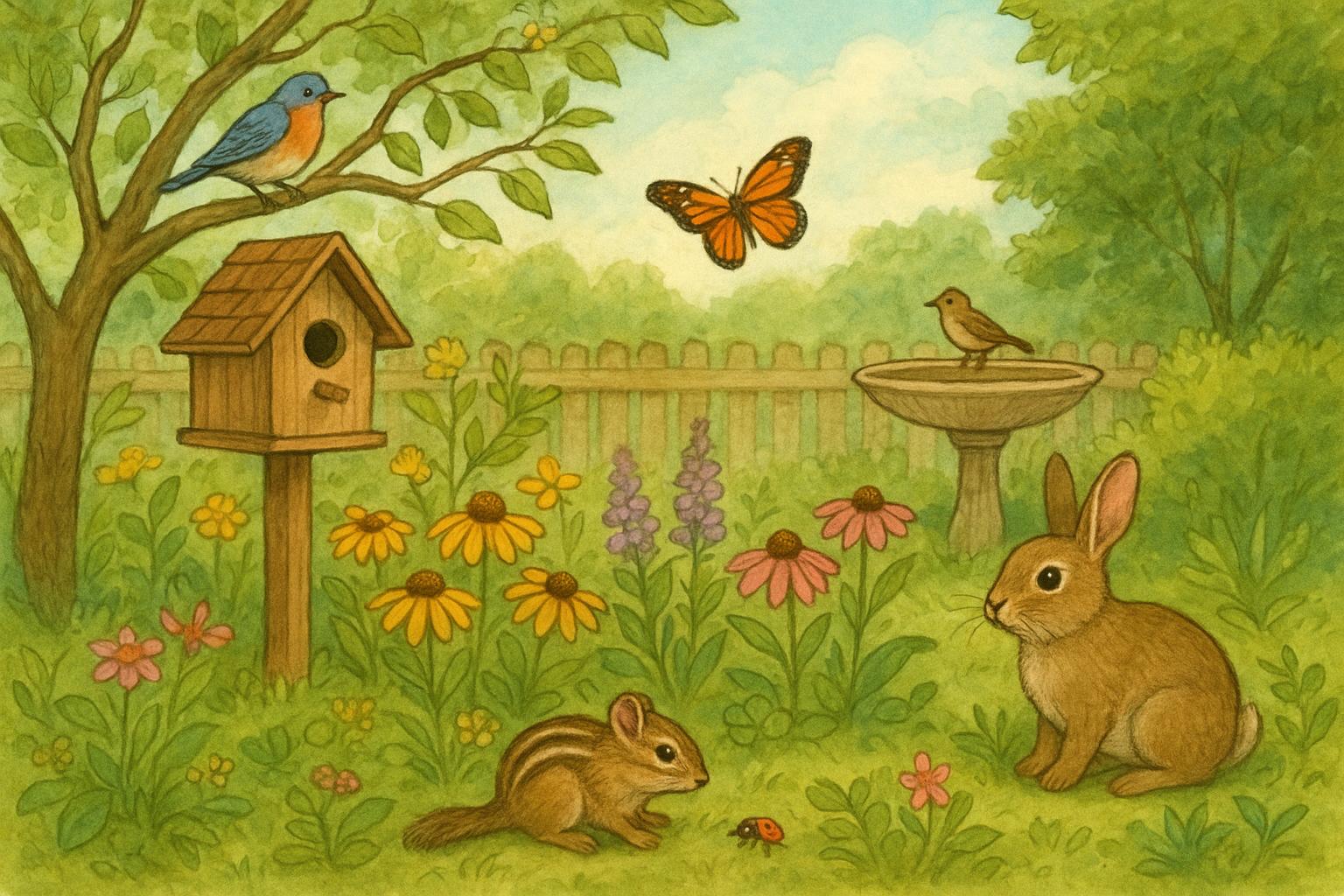
Welcome to a friendlier garden—one that hums with bees, bursts with butterflies, and hosts the occasional curious songbird. If you want wildlife to feel at home, choosing native plants is the single most effective thing you can do. They’re already suited to your local soil, climate, and the critters that evolved with them—so you get habitat and low-maintenance gardening in one tidy package.
## Why Native Plants Matter In Your Garden
Native plants matter because they form the backbone of your local ecosystem. Unlike ornamental imports, native species have evolved alongside local insects, birds, and mammals. That means food webs work: caterpillars fed on a plant turn into songbirds; nectar feeds pollinators that pollinate fruit; native roots help retain water and prevent erosion. Because native plants are adapted to local conditions, they typically need less supplemental water, fewer chemicals, and less fuss—win-win for wildlife and your weekend plans.
### The Ecological Benefits Of Choosing Local
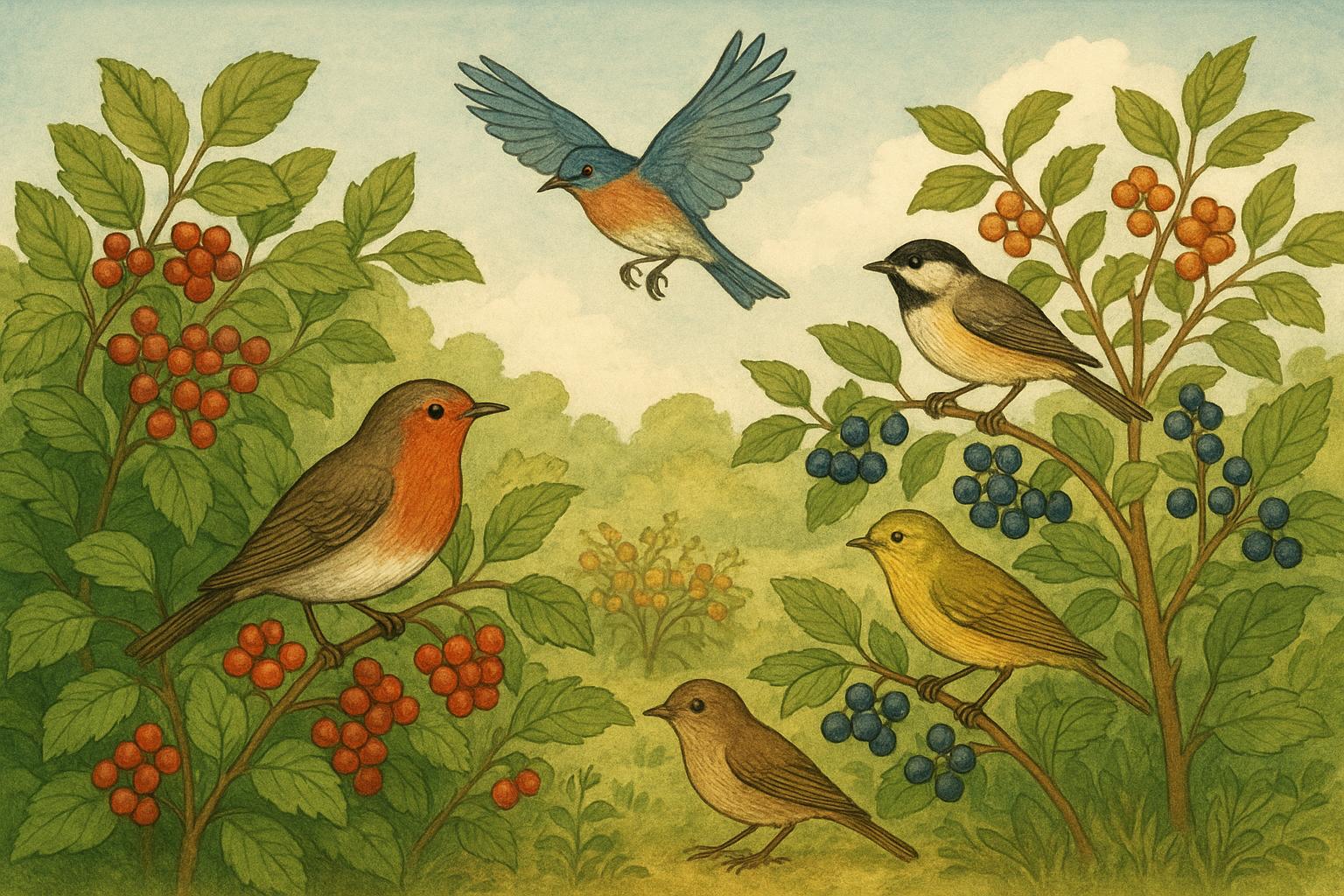
Native plants support higher biodiversity by providing the specific leaves, flowers, seeds, and shelter local wildlife rely on. For example, many butterfly larvae feed on only a few native host species. Removing those hosts—even for a prettier non-native substitute—removes entire life stages for those butterflies. Similarly, native shrubs and trees produce fruits and nuts timed to seasonal bird migrations, giving critical fuel when it’s needed most.
### What Wildlife Loves Native Plantings
Different creatures are attracted to different structures:
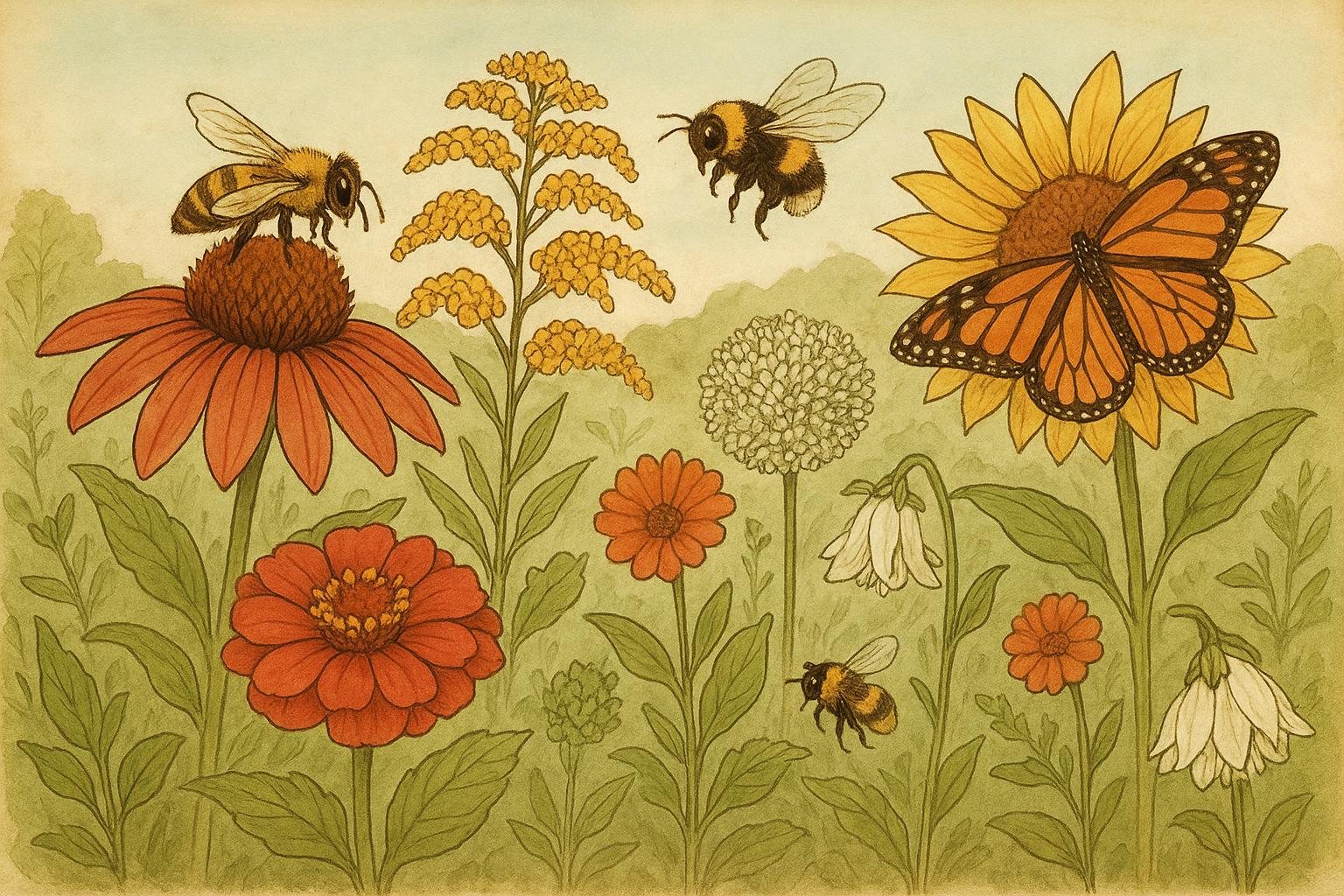
– Pollinators prefer a mix of flowering natives with staggered bloom times.
– Ground-foraging birds look for native grasses and seed heads to sift through.
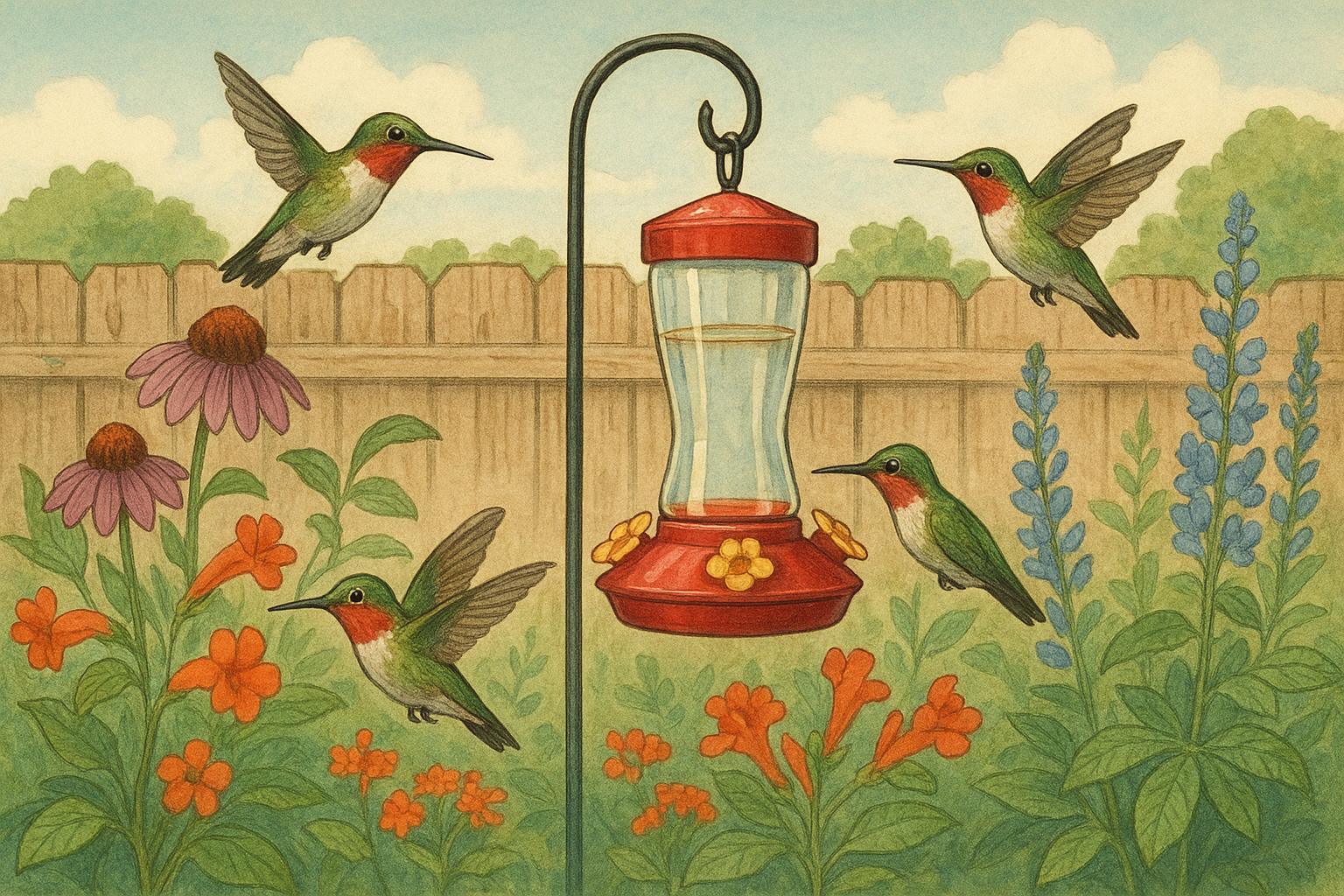
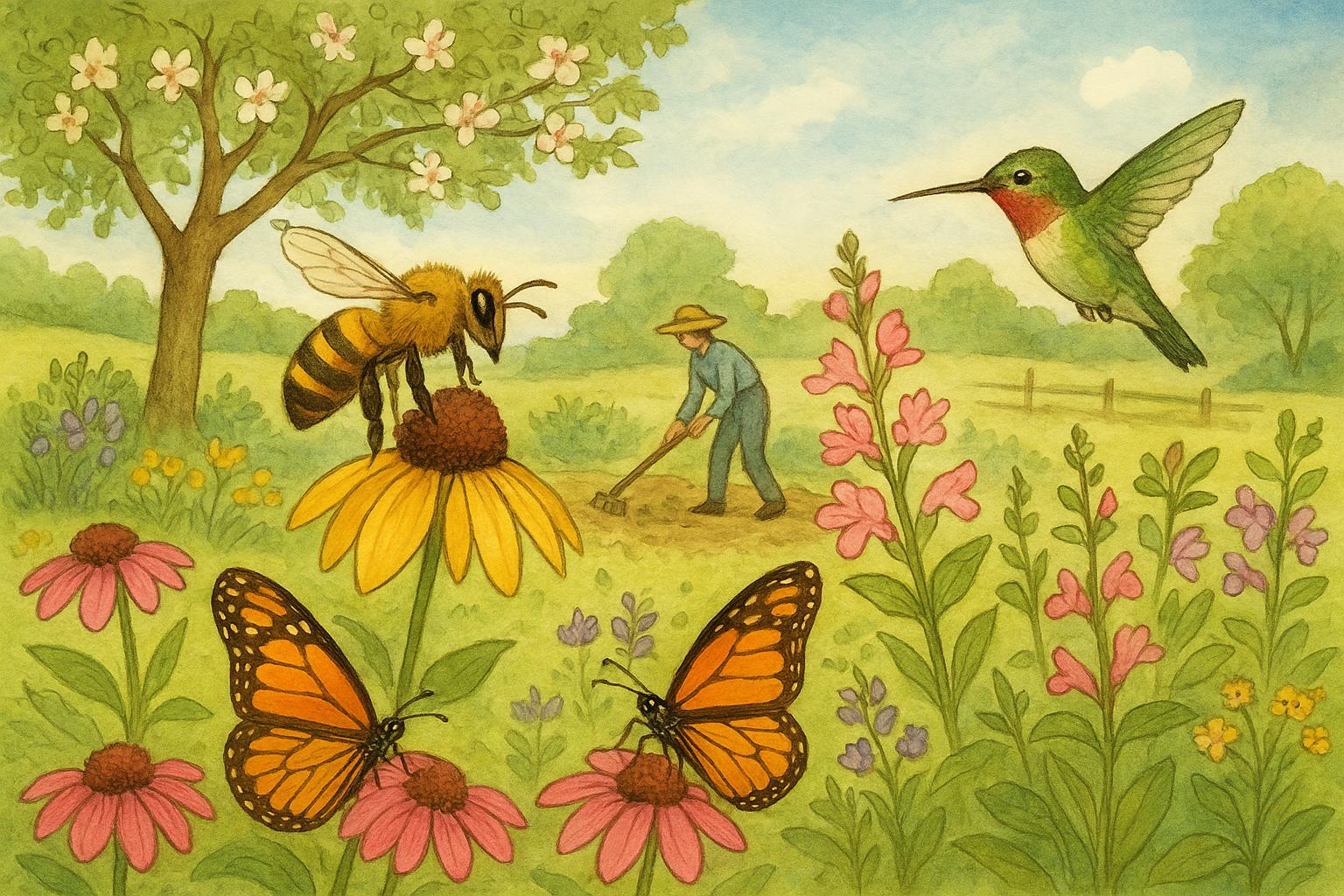
– Hummingbirds seek tubular native flowers; bees prefer clusters of small blooms.
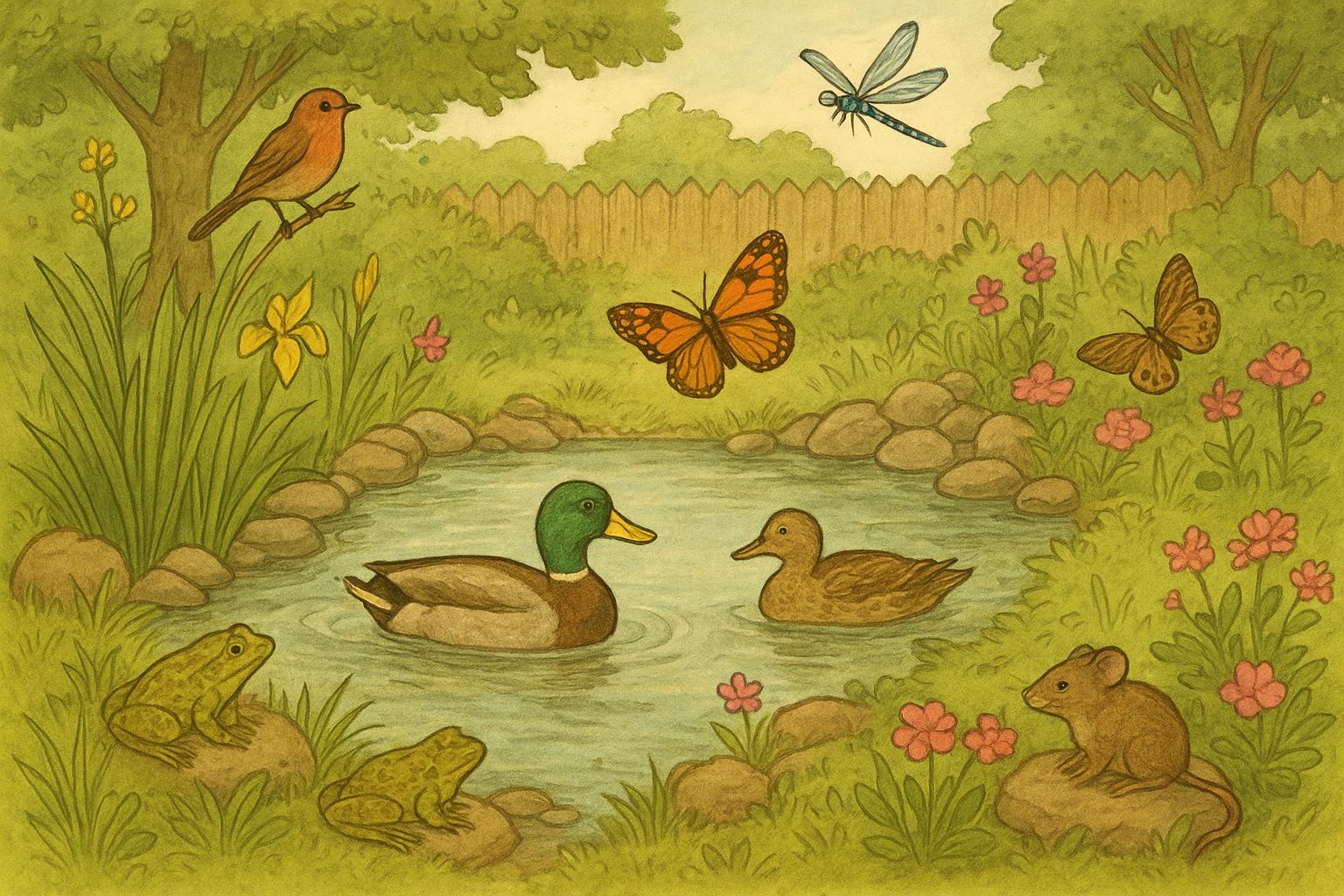
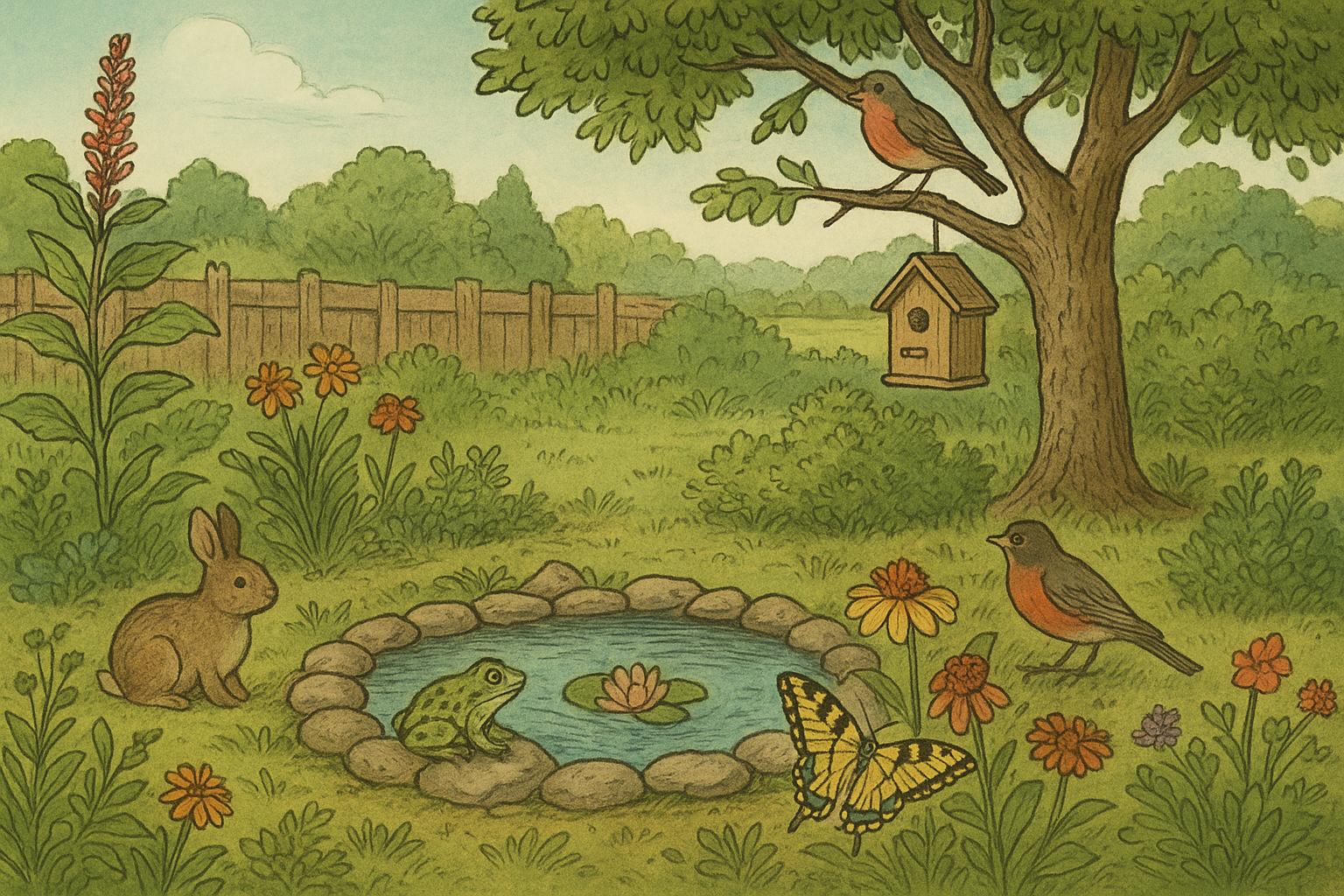
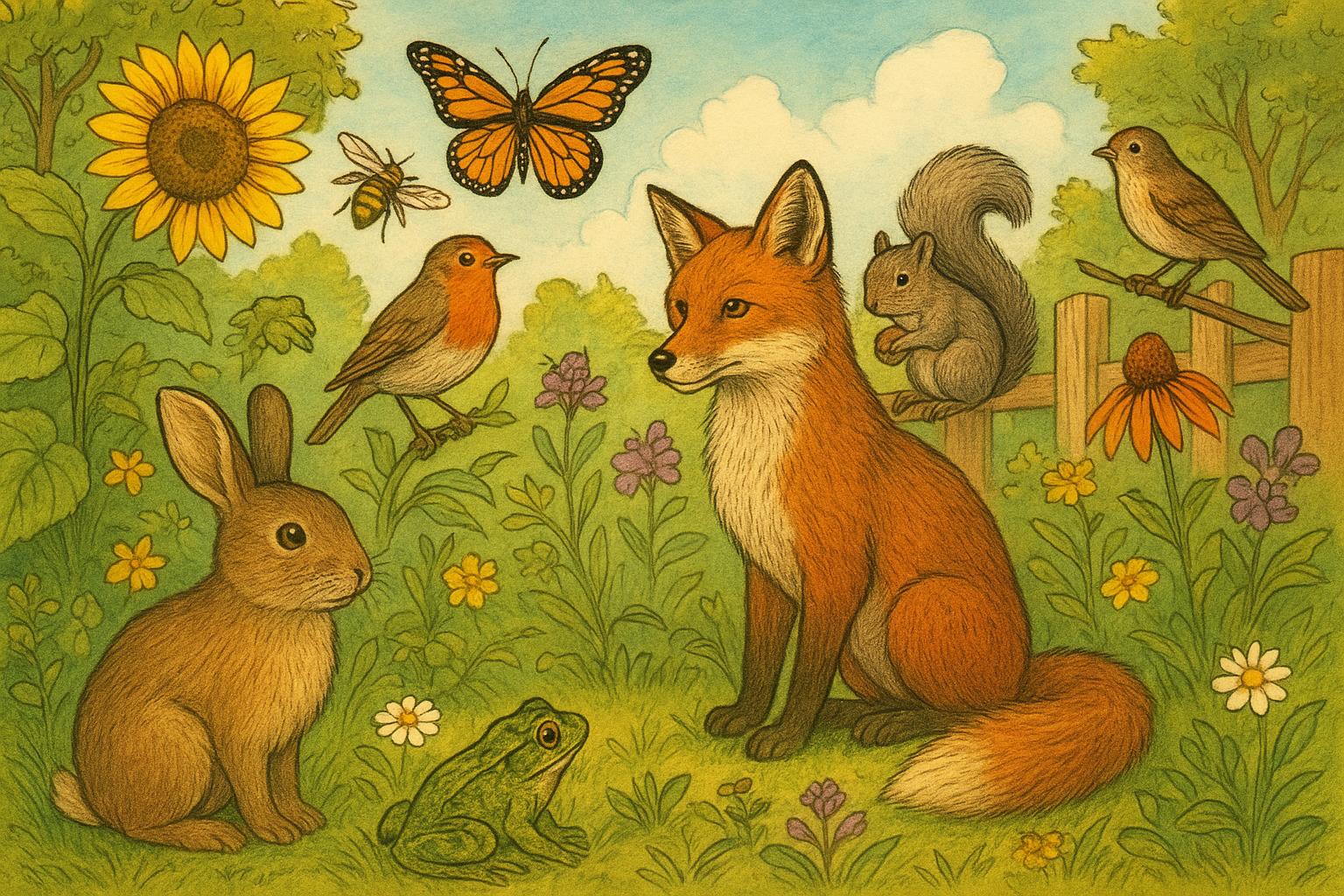
– Small mammals and amphibians use dense native undergrowth for cover and nesting.
## Top Native Plants That Attract Pollinators
Plant selection should be tailored to your region, but some categories reliably benefit wildlife. A local native plant nursery or extension office can give species lists for your area; meanwhile, here are useful general picks.
### Perennials And Herbaceous Favorites
– Milkweed (Asclepias spp.) — Essential for monarch caterpillars; many milkweeds also provide nectar for a host of pollinators.
– Echinacea/Purple Coneflower — Bees and butterflies visit the nectar-rich blooms; seeds feed birds in fall.
– Bee Balm (Monarda) — A magnet for bees, hummingbirds, and butterflies.
– Asters and Goldenrods — These native plants flower late, providing critical nectar in late summer and autumn.
### Native Shrubs And Small Trees
– Serviceberry (Amelanchier) — Early spring flowers for pollinators and berries for birds.
– Spicebush (Lindera benzoin) — Host plant for spicebush swallowtail caterpillars and fruit for birds.
– Redbud and Hawthorn — Spring blossoms support pollinators; dense branching offers nesting sites.
### Grasses And Groundcovers
Native bunchgrasses and sedges offer seeds for birds and structure for insects. They also hold soil and create microhabitats for ground-nesting bees and amphibians.
## Designing For Season-Long Interest And Habitat
A garden that serves wildlife year-round needs plants that provide food, shelter, and nesting materials across seasons. Think in layers: canopy (trees), understory (shrubs), herbaceous (perennials), and ground layer (grasses, leaf litter). Diversity in form and bloom time is crucial—plan for early, mid, and late-season nectar sources, plus fall fruits and persistent seed heads for winter.
### Practical Layout Tips
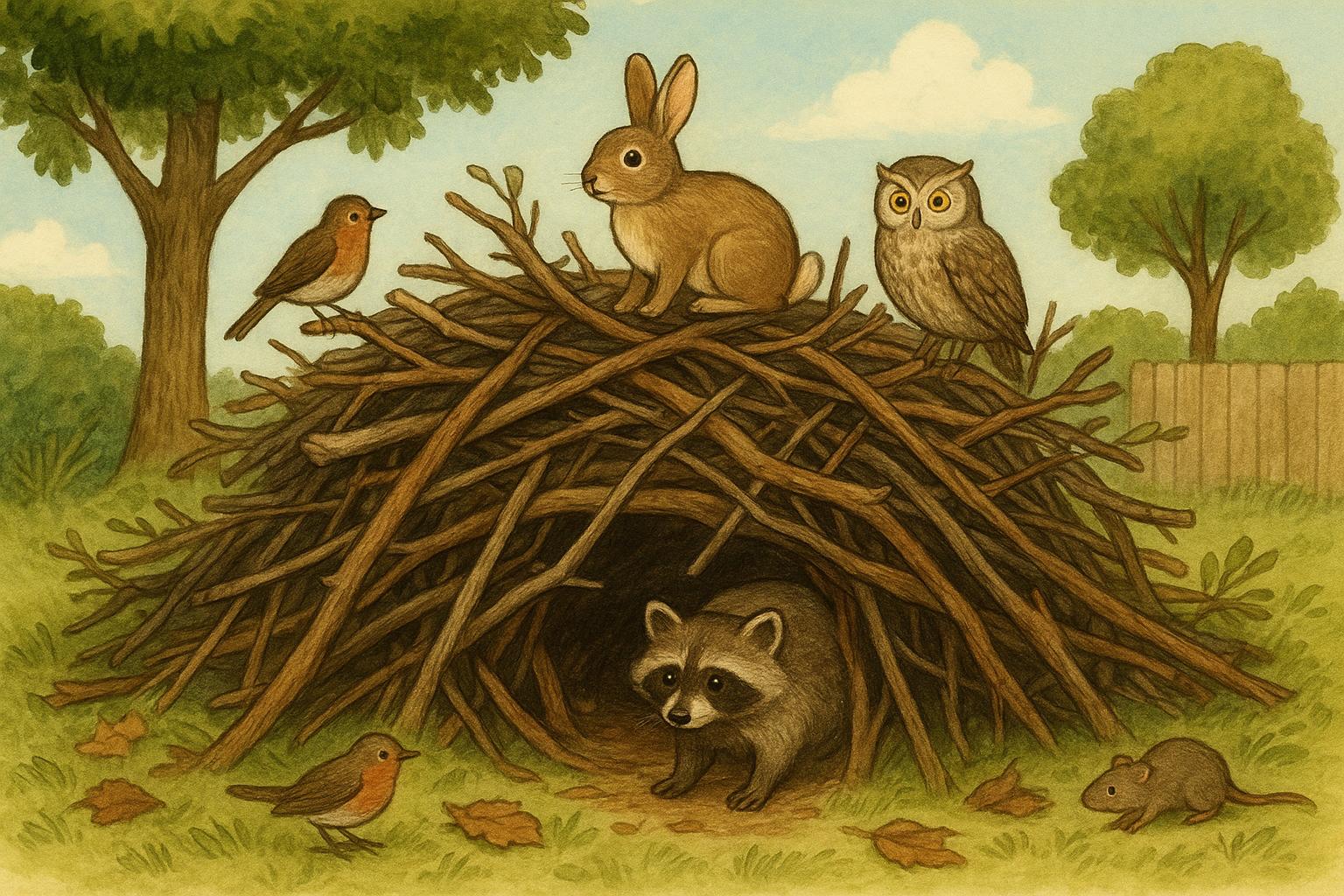
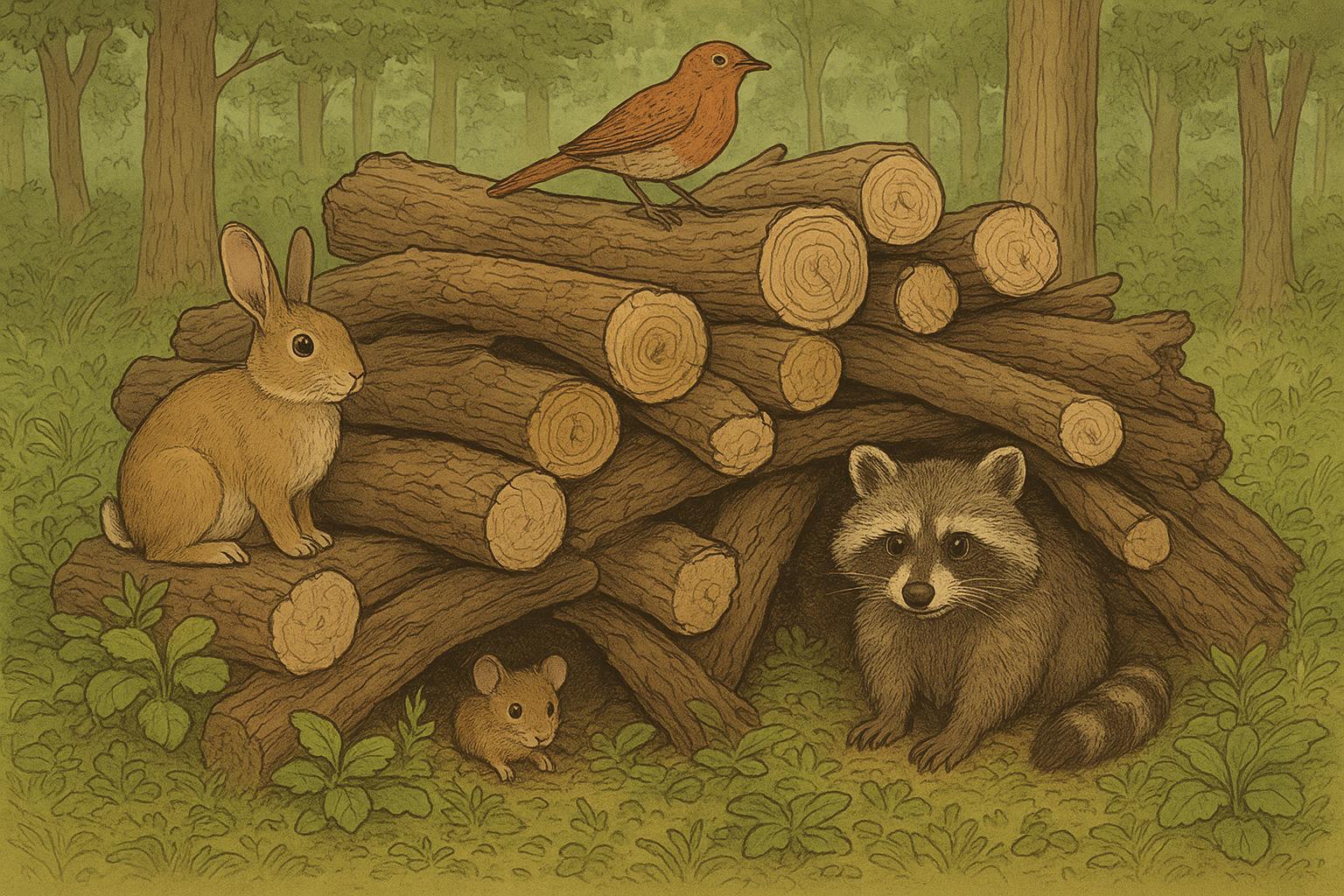
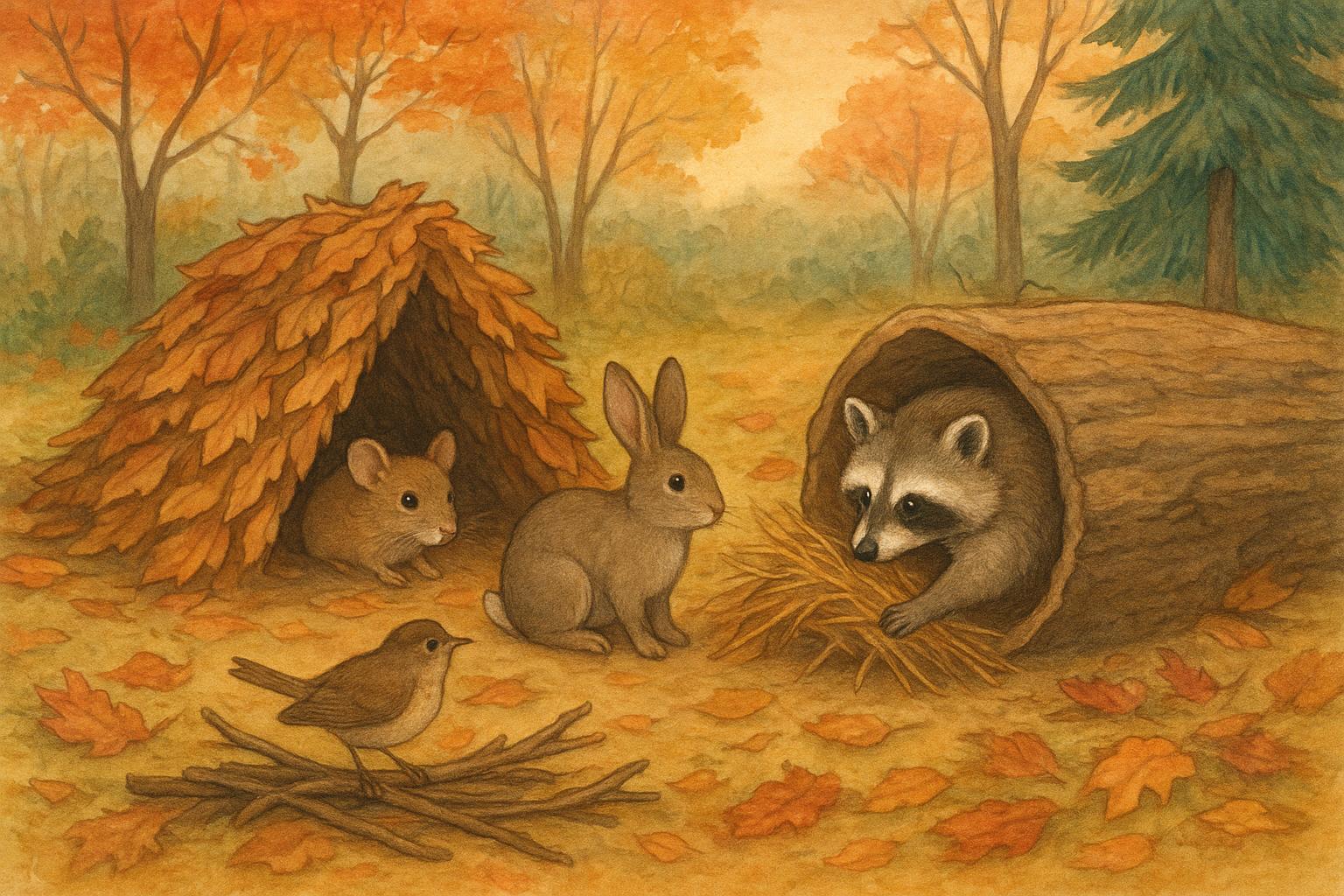
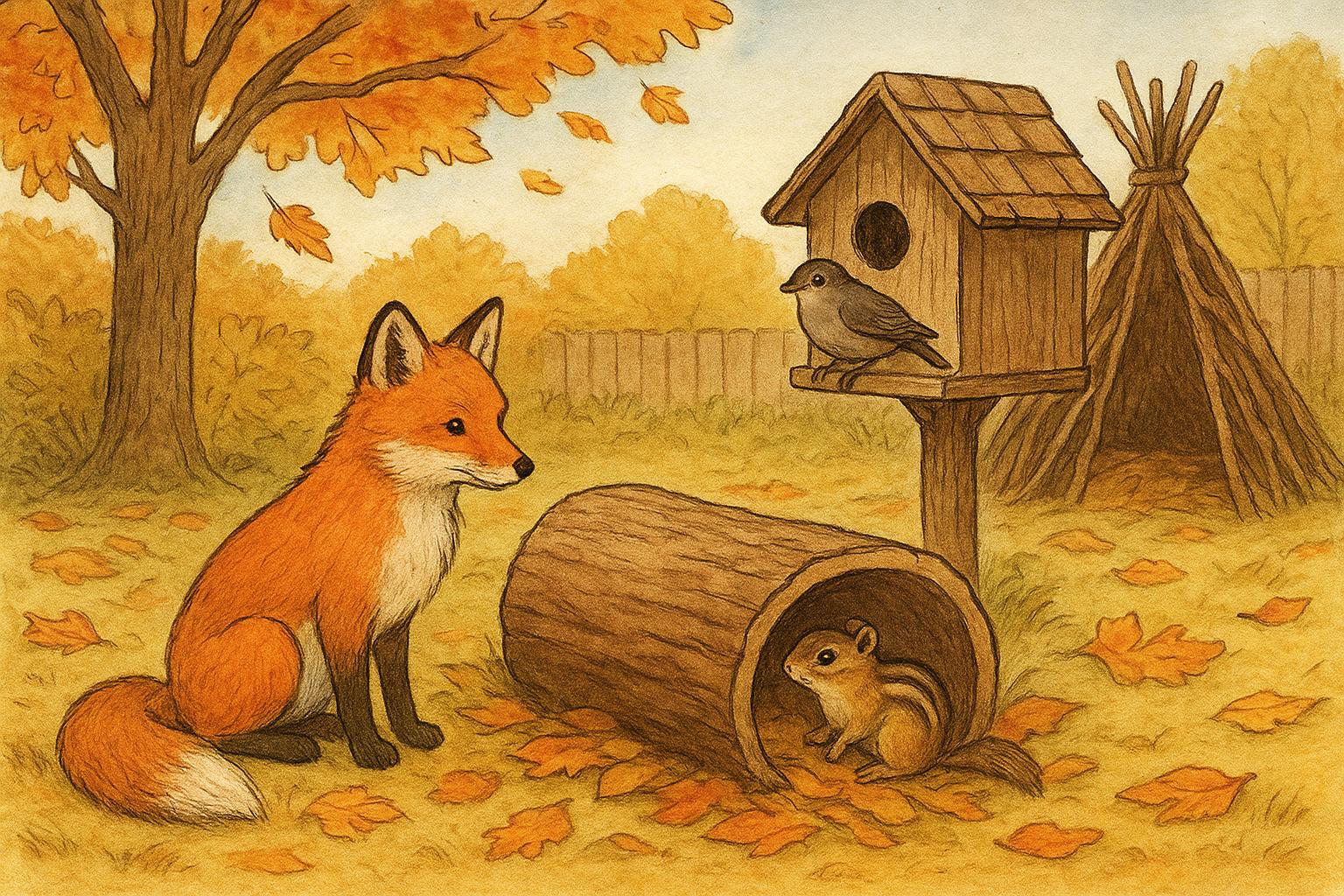
Group plants into drifts rather than single specimens; pollinators find larger patches more easily. Allow some “messy” corners—leaf litter, dead stems, and seed heads are resource banks for insects and birds. Avoid tidy removal of all spent growth in autumn; leave stems for overwintering insects and seed heads for winter foraging.
### Soil And Water Considerations
Match plants to site conditions: choose drought-tolerant natives for dry, sunny spots and moisture-loving species for lower areas. Use mulches to conserve water, but keep mulch depth moderate around native perennials to avoid crown rot. Over time, native plantings improve soil structure and increase infiltration, decreasing your landscape’s need for irrigation.
### Pest Management Philosophy
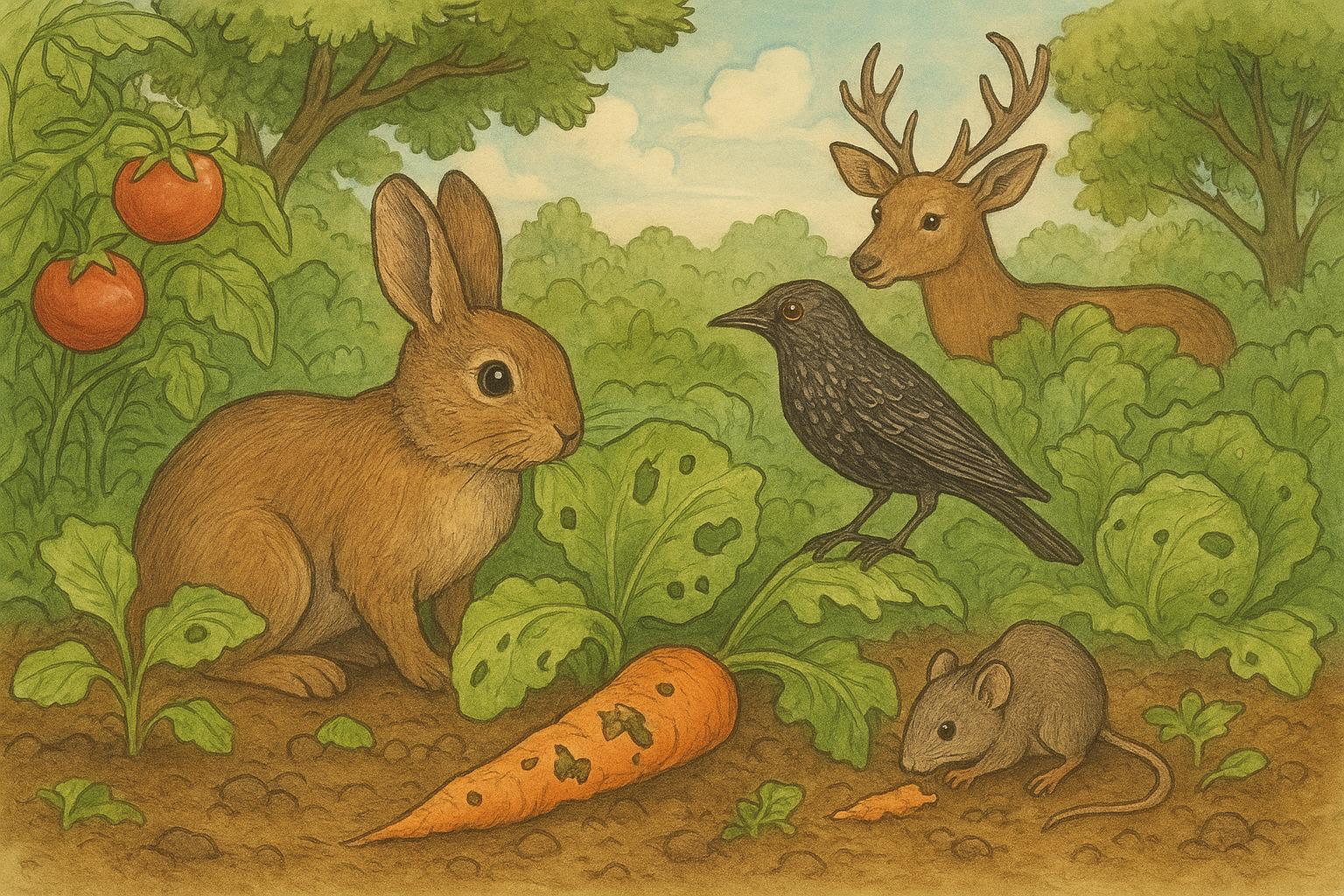
Embrace ecological balance. Native plants attract both beneficial predators and herbivores; sight of a chewed leaf usually means food for caterpillars, which means food for future birds. Use targeted, least-toxic controls only when necessary, and prefer physical or cultural methods over broad-spectrum chemicals.
### Remedy 1: Create A Pollinator Patch Using Native Plants
This remedy is presented formally to ensure reliable results.
#### Materials And Required Ingredients
– Selection of regionally appropriate native perennials and annuals (at least 6 species covering early, mid, and late season bloom)
– Native grass plugs or sedges (optional, for structure)
– Compost (aged) — 2–3 cubic feet per 100 sq ft
– Mulch (wood chips or leaf mulch) — enough to cover planting beds
– Hand trowel, spade, rake
– Watering can or hose with gentle spray
#### Step-By-Step Creation And Application
1. Site Selection: Choose a sunny to partially sunny area, 4–8 hours of sunlight preferable for most pollinator plants.
2. Soil Preparation: Remove invasive weeds and turf from the bed area. Loosen soil to a depth of 6–8 inches. Incorporate compost at a rate of about 2–3 inches into the topsoil to improve structure and nutrient availability.
3. Plant Selection And Arrangement: Select a minimum of six native species that together provide continuous bloom from early spring through late fall. Arrange taller species toward the back or center, with lower-growing plants at the borders. Group each species in clusters of 3–7 for visual impact and ease of pollinator discovery.
4. Planting: Dig holes twice the width of the root ball but no deeper. Place plants at the same depth they grew in their pots. Backfill and firm soil gently around roots. Water thoroughly to settle soil.
5. Mulching: Apply a 1–2 inch layer of mulch, keeping mulch away from plant crowns to prevent rot. Mulch helps retain moisture and suppress weeds.
6. Watering Regimen: Water plants deeply at planting and maintain regular watering for the first season until established—generally 1 inch per week, adjusted for rainfall. After the first season, water requirements typically decline for true native species.
7. Maintenance: Minimize deadheading early in the season; allow some seed heads to persist for late-season pollinators and birds. Remove aggressive weeds by hand. Avoid broad-spectrum insecticides.
Implementing this patch offers immediate nectar resources and, with time, becomes self-sustaining habitat.
### Remedy 2: Build A Bird-Friendly Native Plant Bed
This stepwise remedy will help you design a layered bird habitat.
#### Materials And Required Ingredients
– Native trees or tall shrubs for canopy/cover (e.g., serviceberry, native cherry)
– Berry-producing shrubs (e.g., elderberry, dogwood)
– Seed-producing perennials and grasses (e.g., native asters, coneflowers, little bluestem)
– Mulch and compost as needed
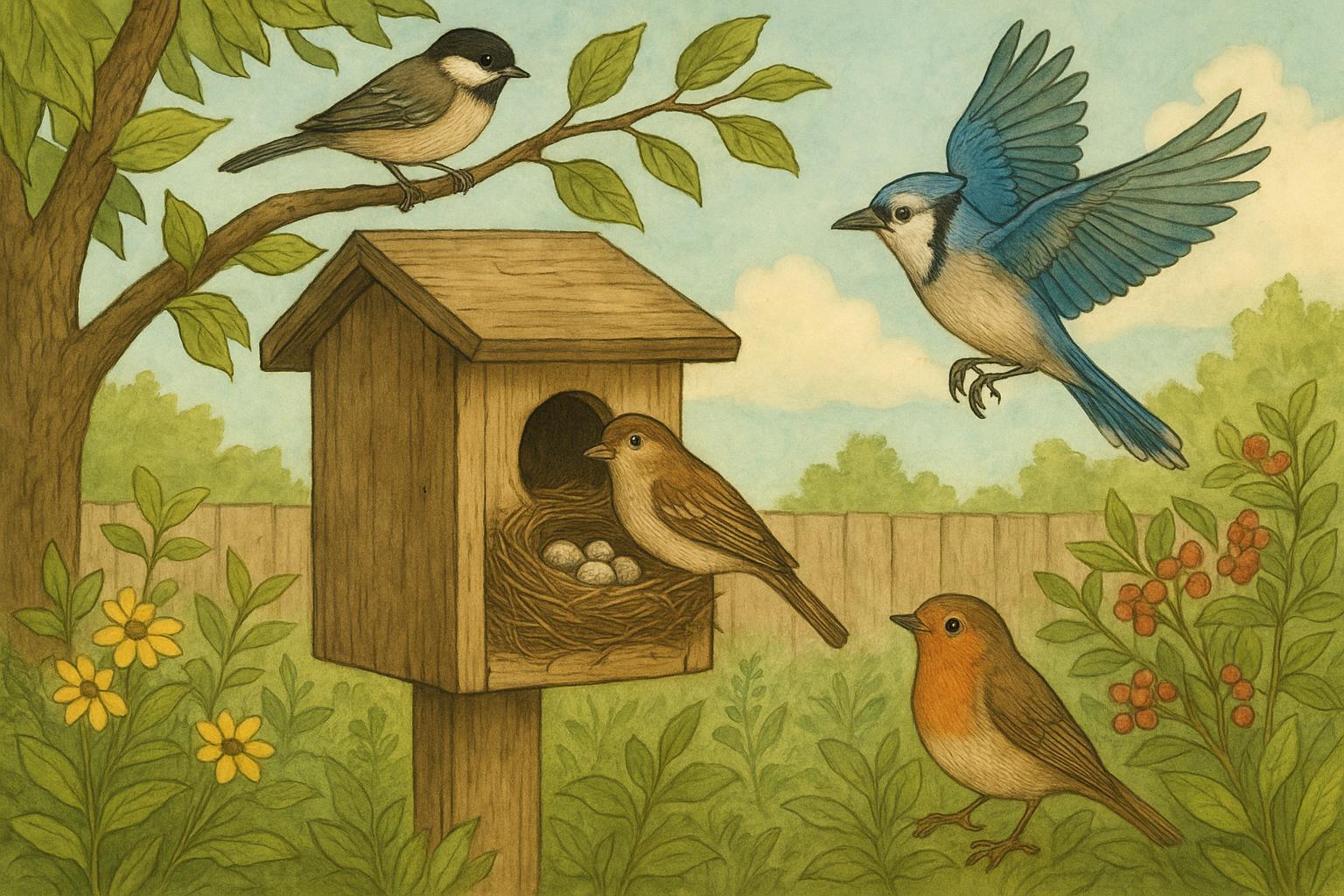
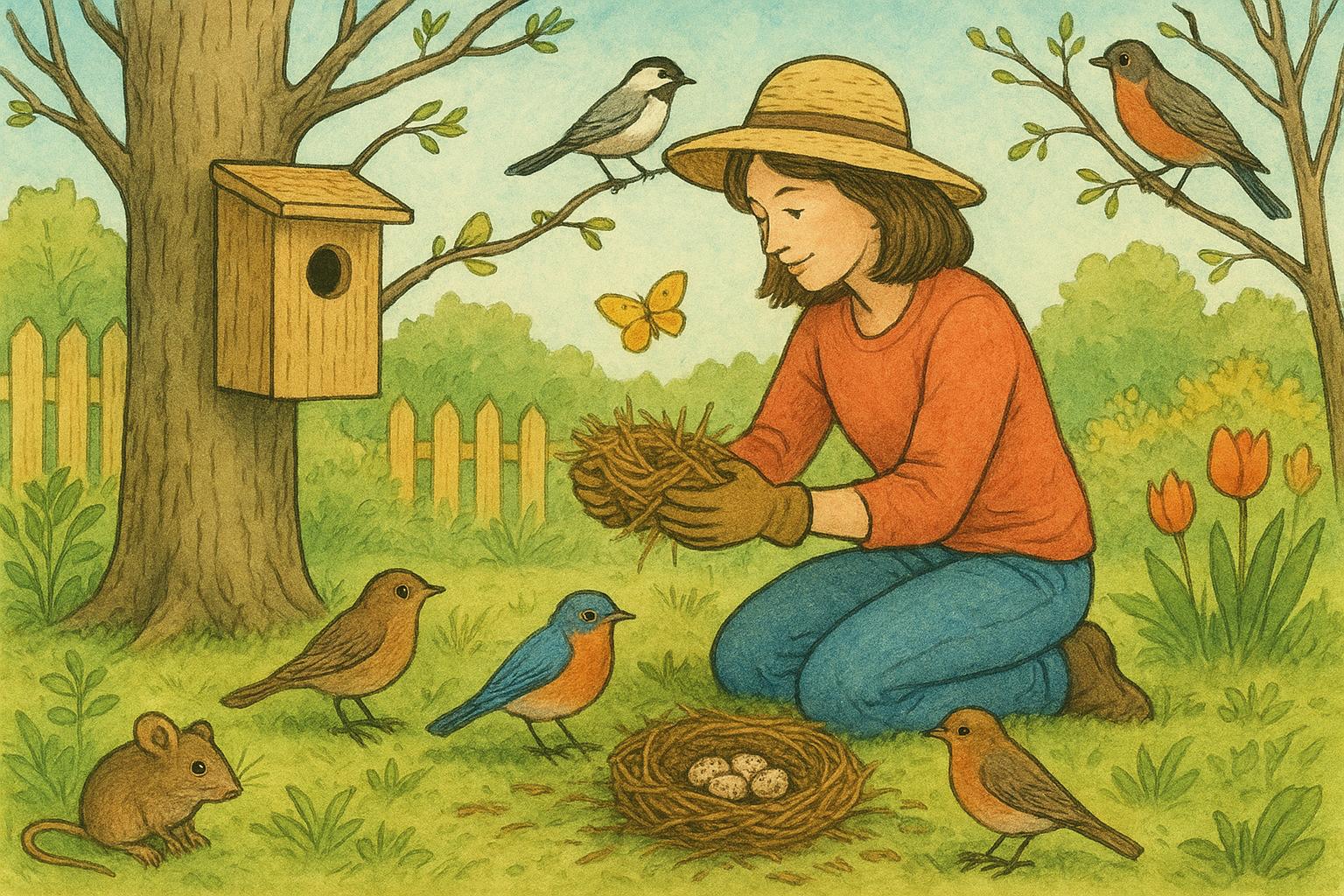
– Nest boxes (species-specific, if desired)
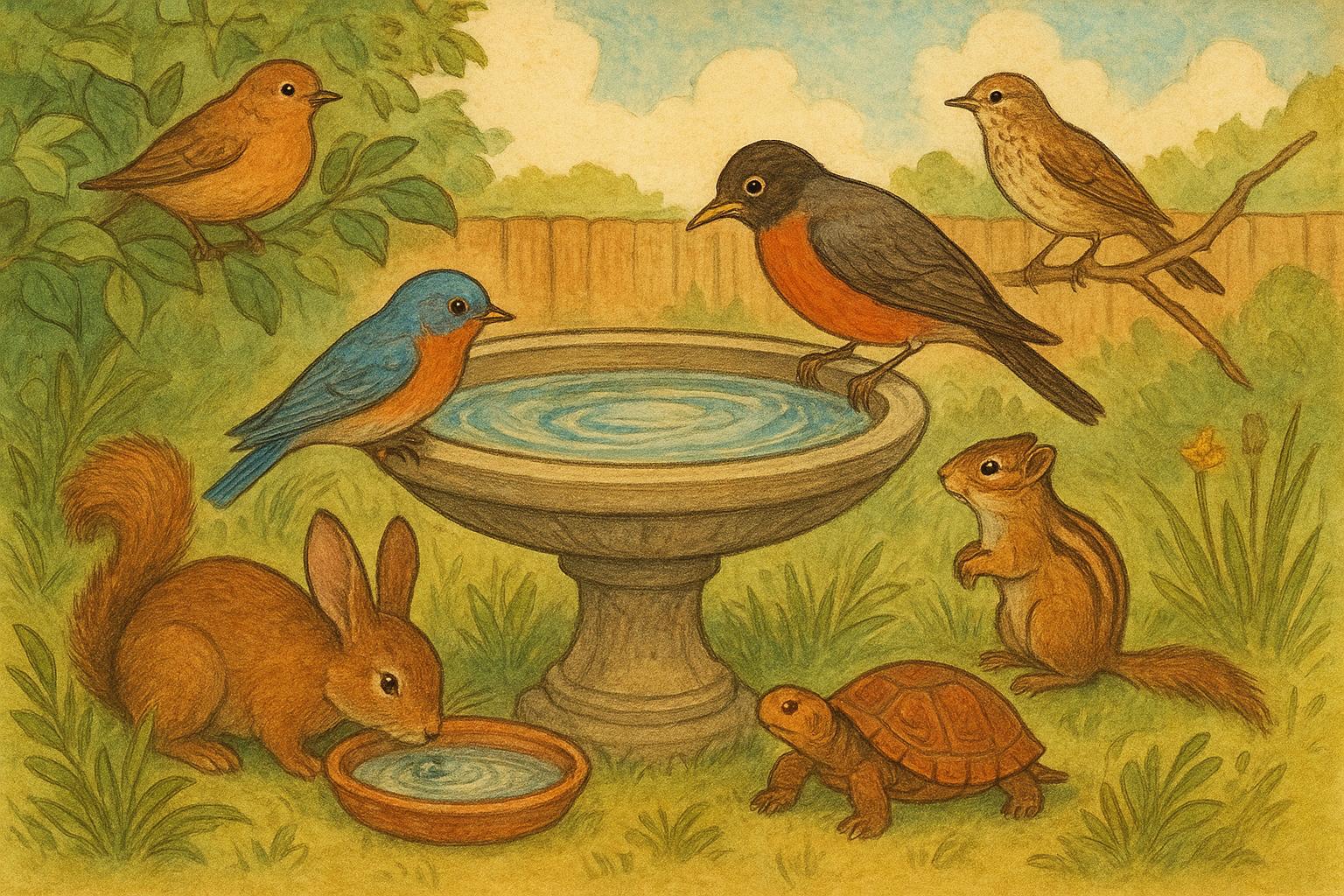
– Water feature: shallow basin or birdbath and pump (optional but recommended)
– Hand tools, gloves, measuring tape
#### Step-By-Step Creation And Application
1. Site Planning: Select a quiet area with some protection from predators (near a hedge or fence is fine). Plan for multiple vertical layers: trees, shrubs, perennials, and ground covers.
2. Plant Procurement: Choose native trees and shrubs that produce fruits at different times—early summer, late summer, and fall—to stagger food availability.
3. Planting Trees And Shrubs: Plant larger woody species first, allowing space for mature size. Amend planting holes with compost if necessary and water deeply after planting.
4. Underplanting: Install berry-producing shrubs and a matrix of seed-producing perennials and grasses beneath the canopy. Space to allow airflow; dense thickets provide nesting cover but should also allow predator escape routes for small birds.
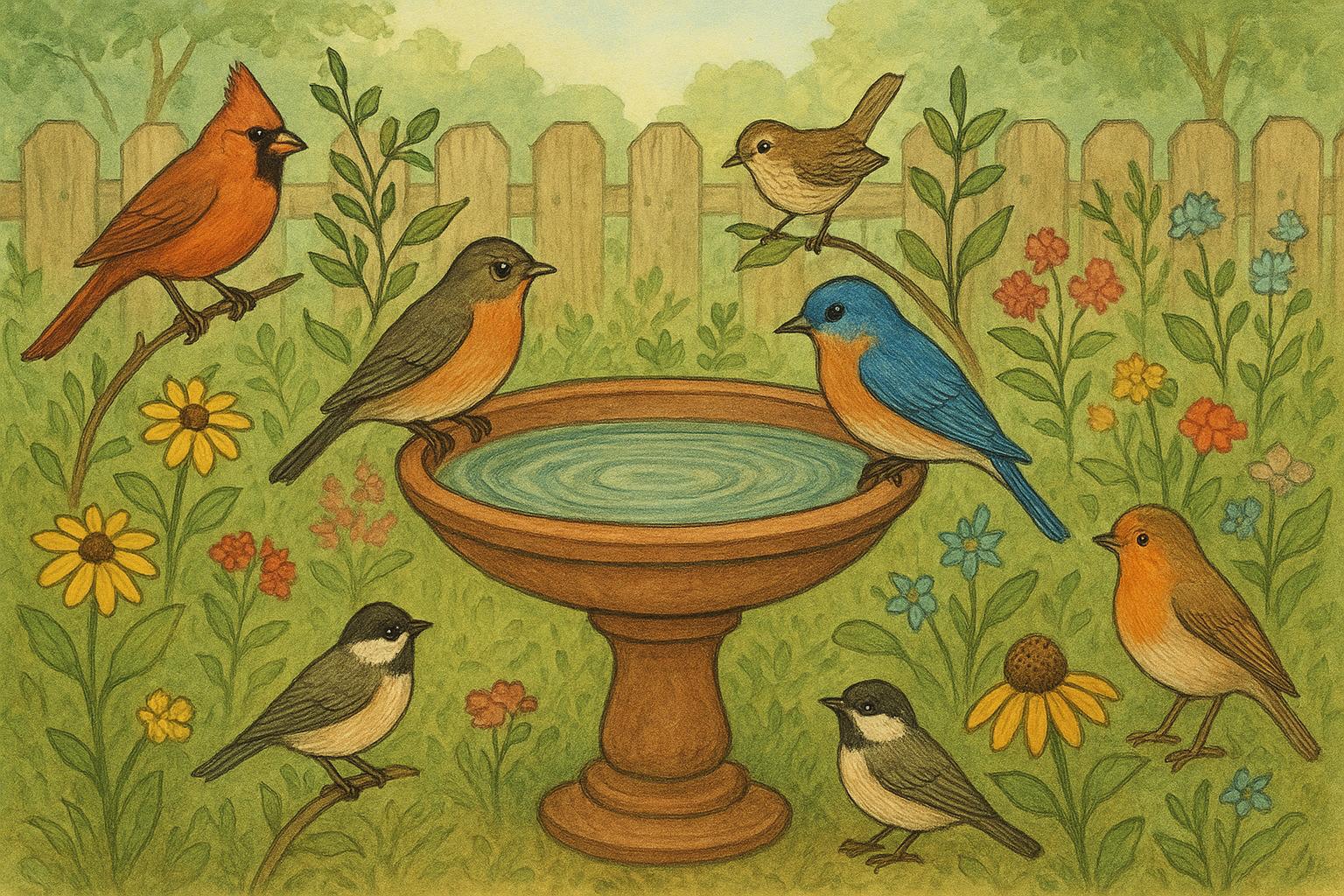
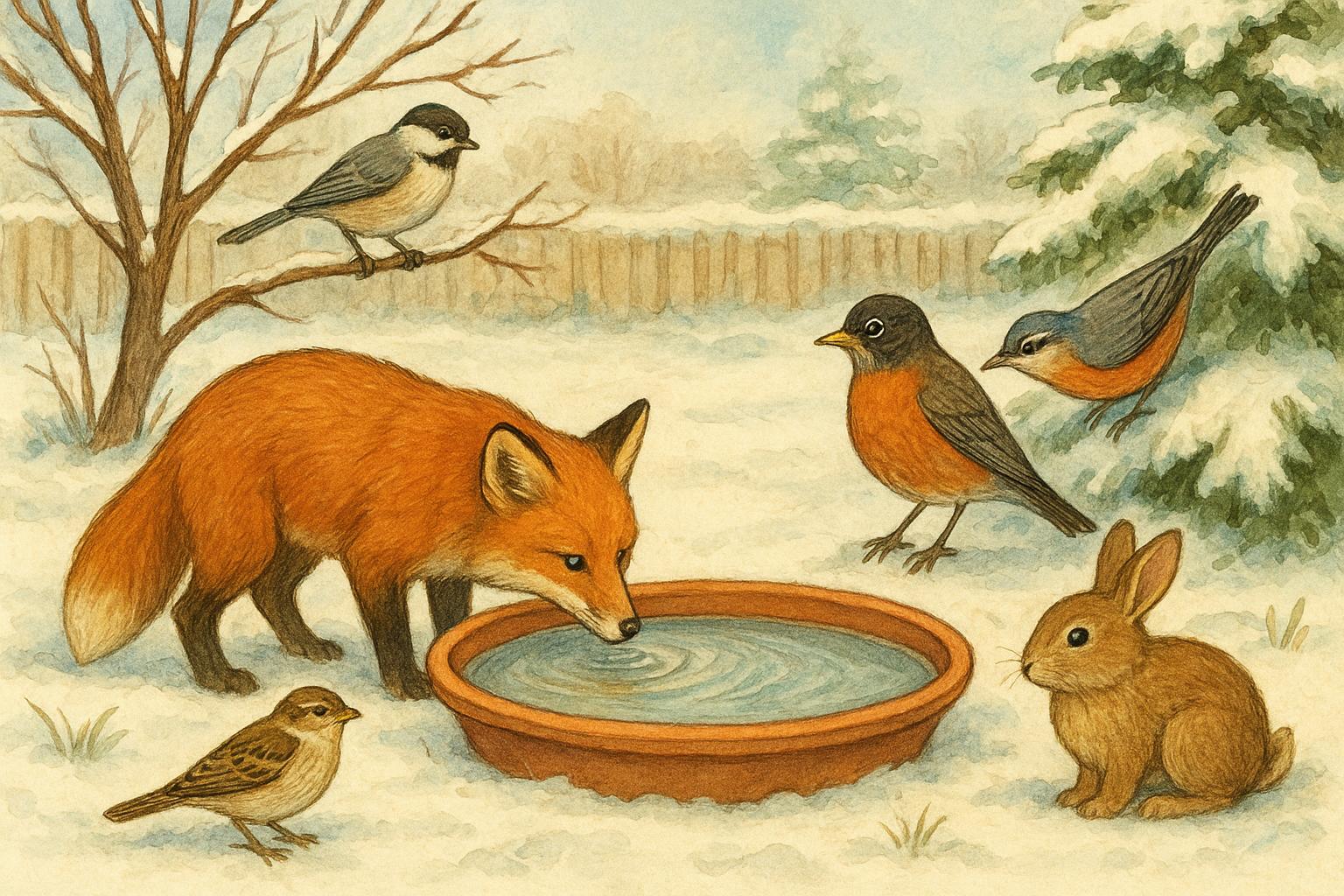
5. Water Provision: Place a birdbath or small shallow basin in a visible but sheltered spot. Maintain clean water year-round; add a heater in cold climates if winter use is desired.
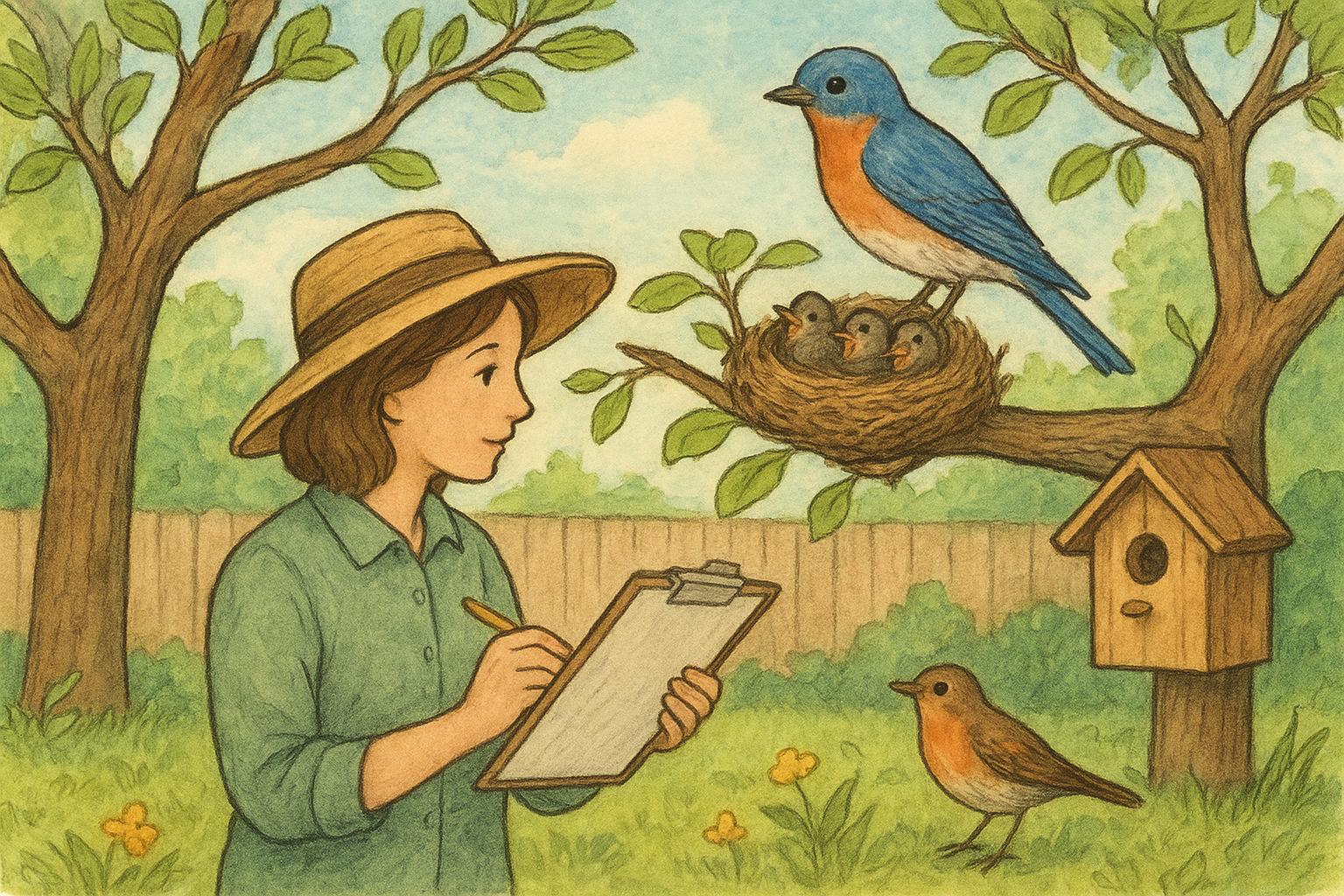
6. Nesting Support: Install nest boxes appropriate to target species, ensuring correct height and orientation. Leave natural cavities where possible; dead wood and snags are valuable.
7. Ongoing Management: Minimize pruning during nesting season. Control invasive plants. Allow some leaf litter and dead stems to remain for insects that feed birds. Replace non-productive non-natives over time with additional natives to increase habitat value.
These steps create a multi-season food source and shelter, dramatically increasing your garden’s capacity to support breeding and migratory birds.
## Dealing With Common Concerns (And A Bit Of Reassurance)
Many gardeners worry native plants are “messy” or less decorative. Reality check: a well-designed native garden is attractive in its own right, with dynamic textures, seasonal color, and a lively cast of wildlife. Transition gradually: convert a bed or corner each season. Seek out native cultivars (cultivars bred to retain ecological function) if you need particular shapes or colors, but prioritize ecological forms where possible.
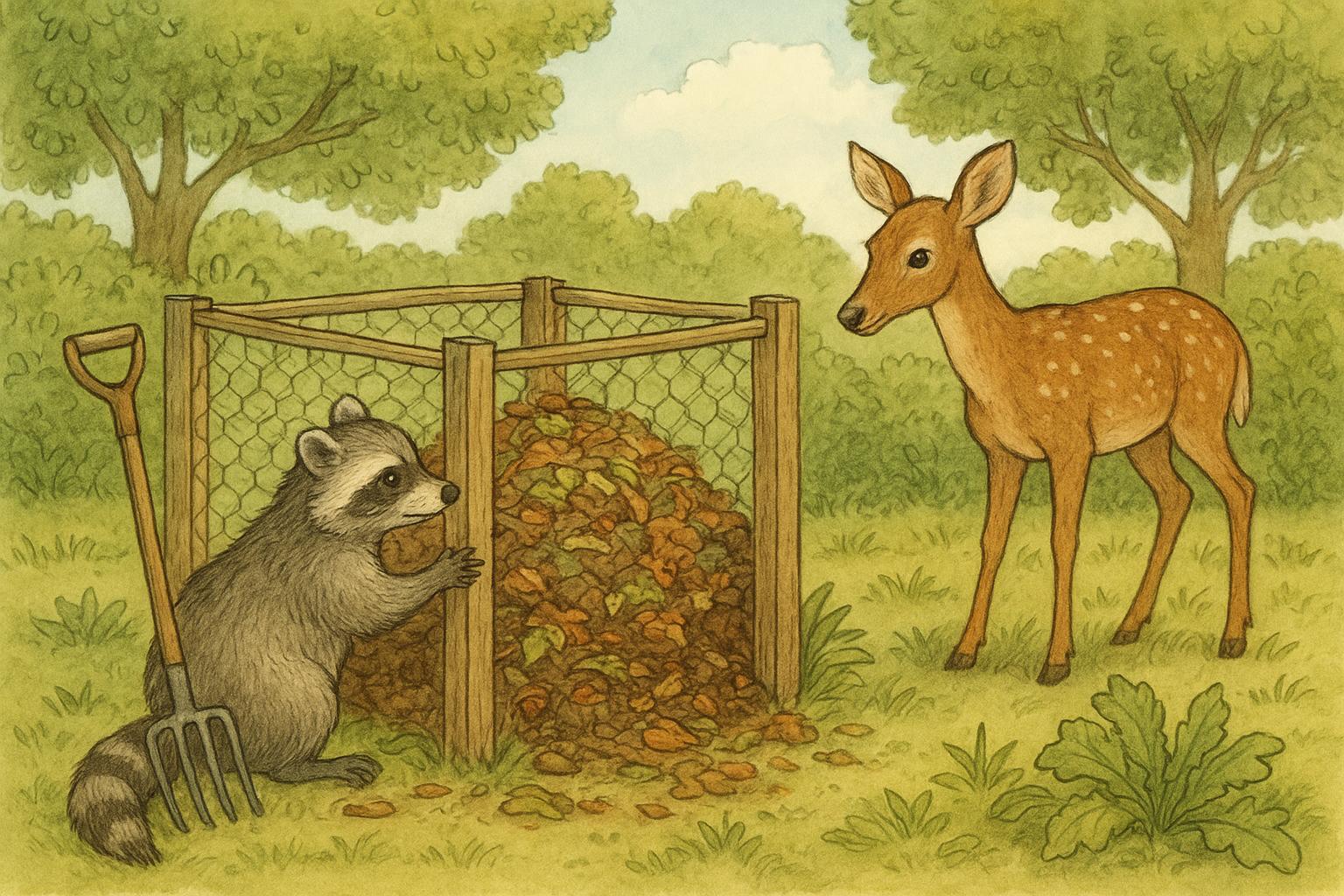
Embrace a slightly wilder aesthetic—your neighbors may start asking why your yard is the most interesting one on the block. And if a raccoon shows up at your compost pile, just tell it you grew it that way on purpose.

Leave a Reply