

Butterflies are the garden’s flying confetti, and if you want more of that cheerful chaos, you’ll want to think beyond the usual petunias. This piece explores surprising choices that function as true butterfly nurseries — the plants that caterpillars actually eat and rely on. Expect a few unexpected picks, practical growing advice, and a formal, step-by-step remedy to establish a proper host plant patch that will make your yard a caterpillar five-star resort.
## Shocking Butterfly Host Plants You Didn’t Expect
Butterfly gardeners often obsess over nectar flowers, and while those are essential for adult butterflies, the real population boost comes from butterfly host plants — the species where caterpillars feed and grow. Some of these hosts are showy and familiar; others are humble, even a little weedy, but they’re key players in the life cycle of many butterfly species.
### Dill, Fennel, And Parsley: The Culinary Trio That Pays Rent
These aromatic herbs are classic hosts for swallowtail caterpillars. Plant them near each other and you’ll attract black swallowtails and other species that prefer the softer, feathery foliage. They’re easy to grow from seed and double as seasoning, so the only thing you’ll be sacrificing is a few sprigs now and then — which, frankly, is a bargain.
#### Planting And Care Tips For Herb Hosts
– Sow seeds in spring or fall depending on your climate.
– Provide full sun and well-draining soil.
– Avoid heavy pruning during caterpillar season; let some stems go to seed to maintain food supply.
### Passionflower: A Tropical Surprise For Fritillaries
Passionflower (Passiflora spp.) is dramatic and exotic-looking, and it’s the go-to host for Gulf and variegated fritillaries. Expect caterpillars that look like tiny living machine parts munching on those distinctive leaves.
#### Where Passionflower Works Best
– Thrives in warm climates; in cooler zones choose hardy cultivars or grow in containers.
– Support vines on trellises; prune lightly to maintain structure.
– Watch for ants that farm passionflower’s aphid-like partners — control them manually.
### Violets: Quiet Heroes For Fritillaries
Violets are unassuming but critical hosts for several fritillary species. They hardly scream “plant me” at the nursery, yet they quietly support a disproportionate number of caterpillars.
#### Violet Maintenance
– Plant in partial shade; many violets appreciate cooler, moist soil.
– Allow some ground cover to gently spread — minimal intervention is best.
– Leave leaf litter nearby; eggs and early-stage caterpillars often hide there.
### Willows And Poplars: Big Trees, Bigger Returns
Large shrubs and trees might seem like overkill for a backyard habitat, but willows and poplars support several species’ caterpillars, including some nocturnal moths that are technically part of the butterfly world’s extended family. If you’ve got the space, these trees are ecological anchors.
#### Considerations For Planting Trees
– Choose native willow or poplar species for best local results.
– Plant with long-term space in mind; both can be fast growers.
– Keep a native understory to provide shelter and alternative hosts.
### Nettles: The Sting That Pays Off
Stinging nettle (Urtica dioica) isn’t the most beloved plant, but in many regions it is a primary host for species such as red admirals and peacocks. If you can tolerate a few stinging leaves at the edge of your garden, you’ll be rewarded with vibrant adult butterflies.
#### Managing Nettle Patches
– Contain nettles in dedicated areas to prevent spread.
– Use gloves when handling.
– Don’t remove all nettles in fall — caterpillar overwintering sites may be present.
## Why Host Plants Matter More Than Nectar
Adults need nectar, yes, but they can fly in from a distance. Caterpillars, however, are rooted to the plant they hatch on. Without the right butterfly host plants nearby, eggs laid by a passing female won’t survive. The more diversity of host plants you provide, the more species you invite to complete their life cycles in your yard. This is ecological insurance: a mix of hosts supports diverse butterflies, leading to a more resilient garden population.
## Remedy 1: How To Build A Butterfly Host Plants Patch
When you want to go beyond planting a few milkweeds and praying, creating a deliberate host plant patch is the most reliable remedy to boost butterfly numbers. The following instructions are precise and formal to ensure high success rates.
#### Materials And Ingredients
– Selection of native butterfly host plants (choose at least three species appropriate to your region; consider milkweed, fennel/parsley/dill, violets, passionflower, and nettles where appropriate)
– Native nectar plants for adult butterflies (a complementary set)
– Soil test kit
– Compost or well-rotted manure
– Mulch (leaf mulch or shredded bark)
– Hand tools: spade, trowel, garden fork
– Garden gloves and safety gear
– Stakes and trellis (for vines like passionflower)
– Watering can or hose with gentle spray
– Plant labels and a small notebook for monitoring
Step-By-Step Creation And Application
1. Site Selection: Choose a sunny to partly sunny location with some sheltered spots (butterflies prefer calm areas). Ensure the site is within or adjacent to existing flower plantings so adults can easily find it.
2. Soil Assessment: Use the soil test kit to measure pH and nutrient levels. Most butterfly host plants prefer neutral to slightly acidic soil. Amend soil as necessary based on test results.
3. Soil Preparation: Loosen soil to a depth of 10–12 inches. Incorporate compost at a rate of about 2–3 inches over the planting area, mixing thoroughly to improve fertility and drainage.
4. Plant Selection: Choose a minimum of three host species native to your region, focusing on species that support the butterflies you want. Order plugs or seeds from reputable native-plant nurseries.
5. Planting: Follow spacing recommendations for each species. Plant in clusters rather than single individuals — clusters increase the chance that a newly hatched caterpillar finds enough food without traveling.
6. Mulching: Apply a 1–2 inch layer of mulch, avoiding direct contact with stems. Use leaf mulch if available; it mimics natural conditions and provides overwintering habitat for some species.
7. Watering: Water thoroughly at planting and maintain consistent moisture for the first six weeks. After establishment, water according to plant needs — many native hosts are drought-tolerant.
8. Protection: Refrain from using insecticides and herbicides in and around the patch. If pest control is necessary, use targeted, non-chemical methods and consult integrated pest management (IPM) guidelines.
9. Structural Support: Install trellises for vines and stakes for taller herbs to prevent compression of caterpillar habitats.
10. Monitoring And Maintenance: Record butterfly sightings and caterpillar activity. Allow some leaf damage — it indicates successful use. Trim only after the caterpillar season and remove invasive volunteers carefully.
## Companion Planting And Habitat Extras
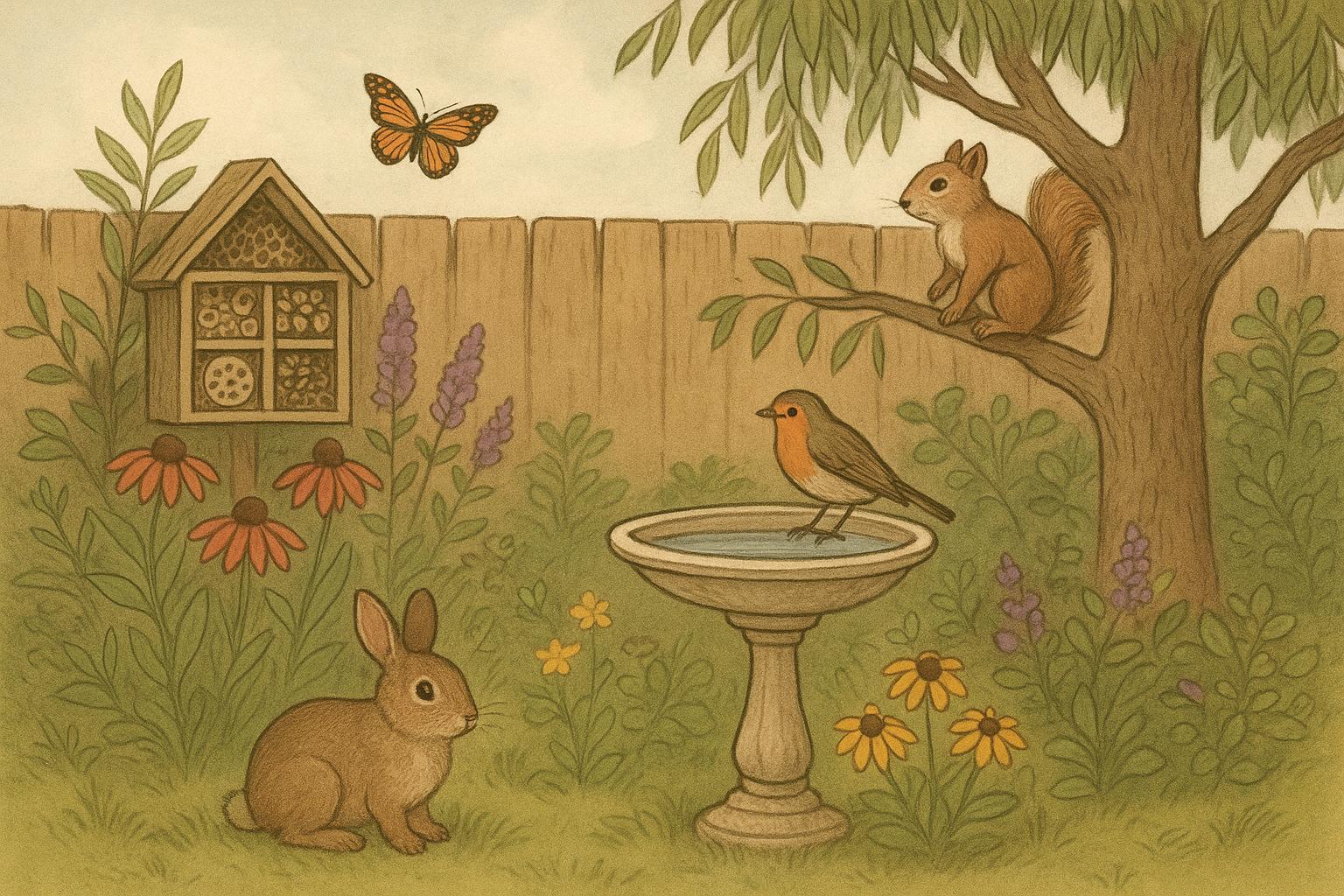
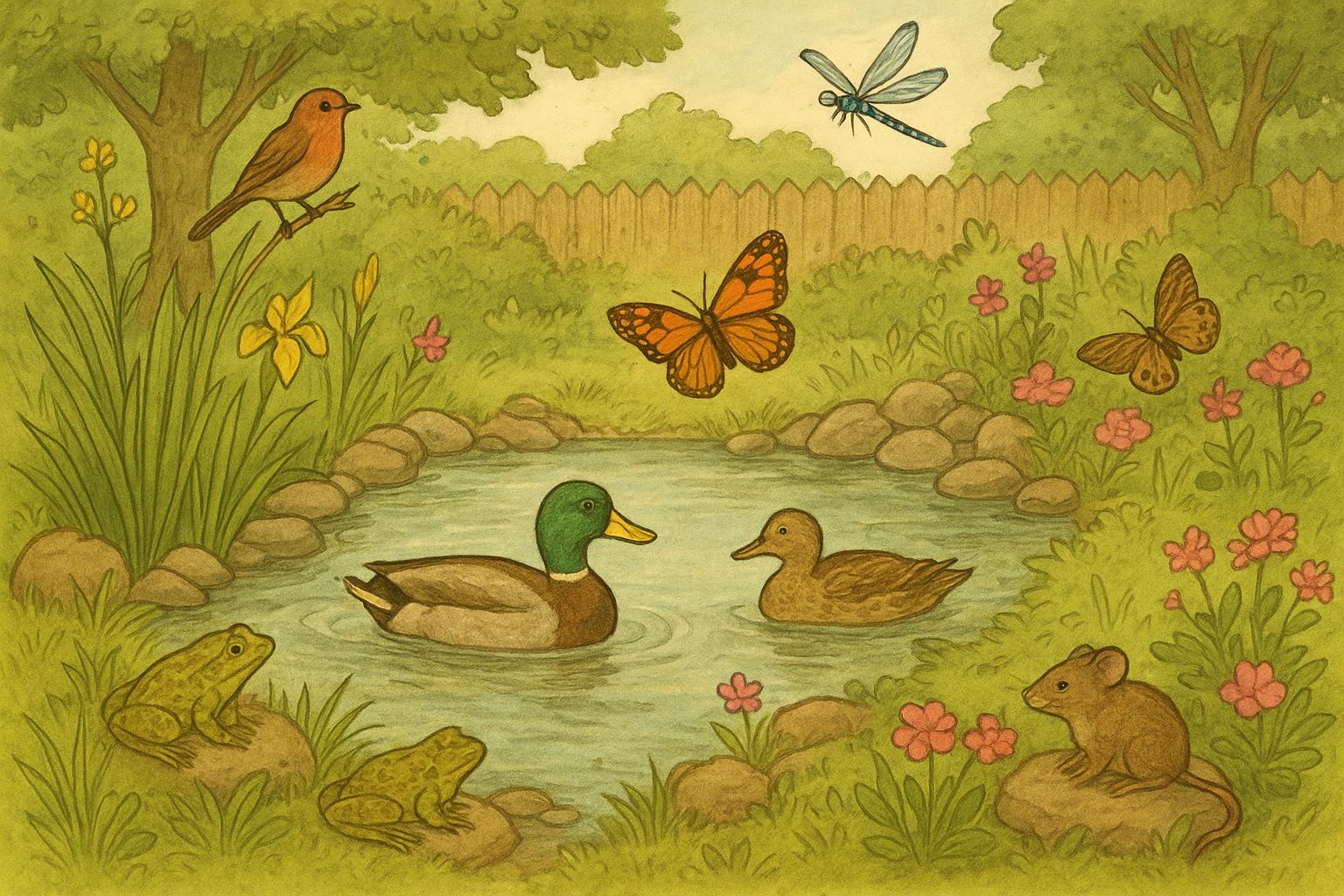
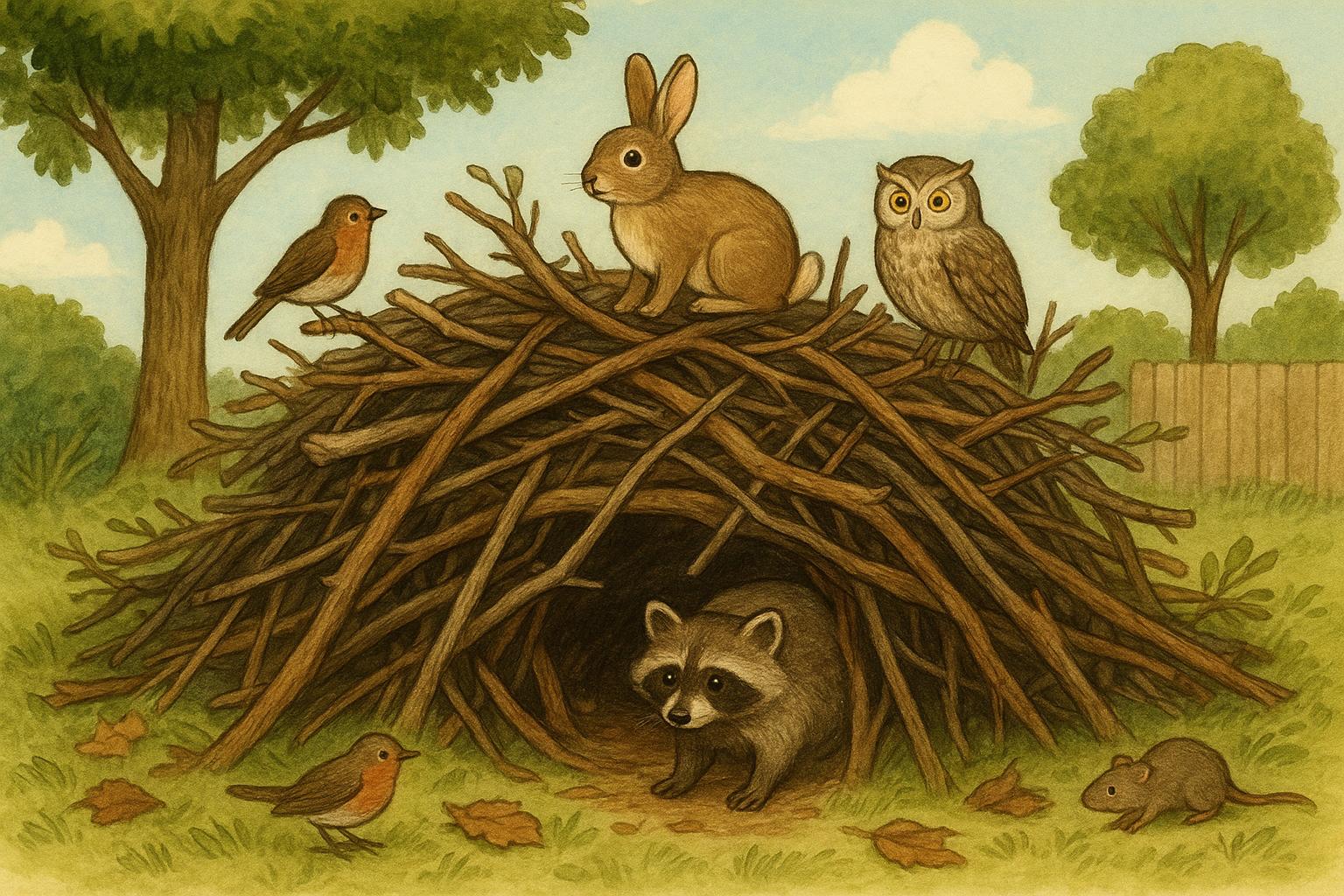
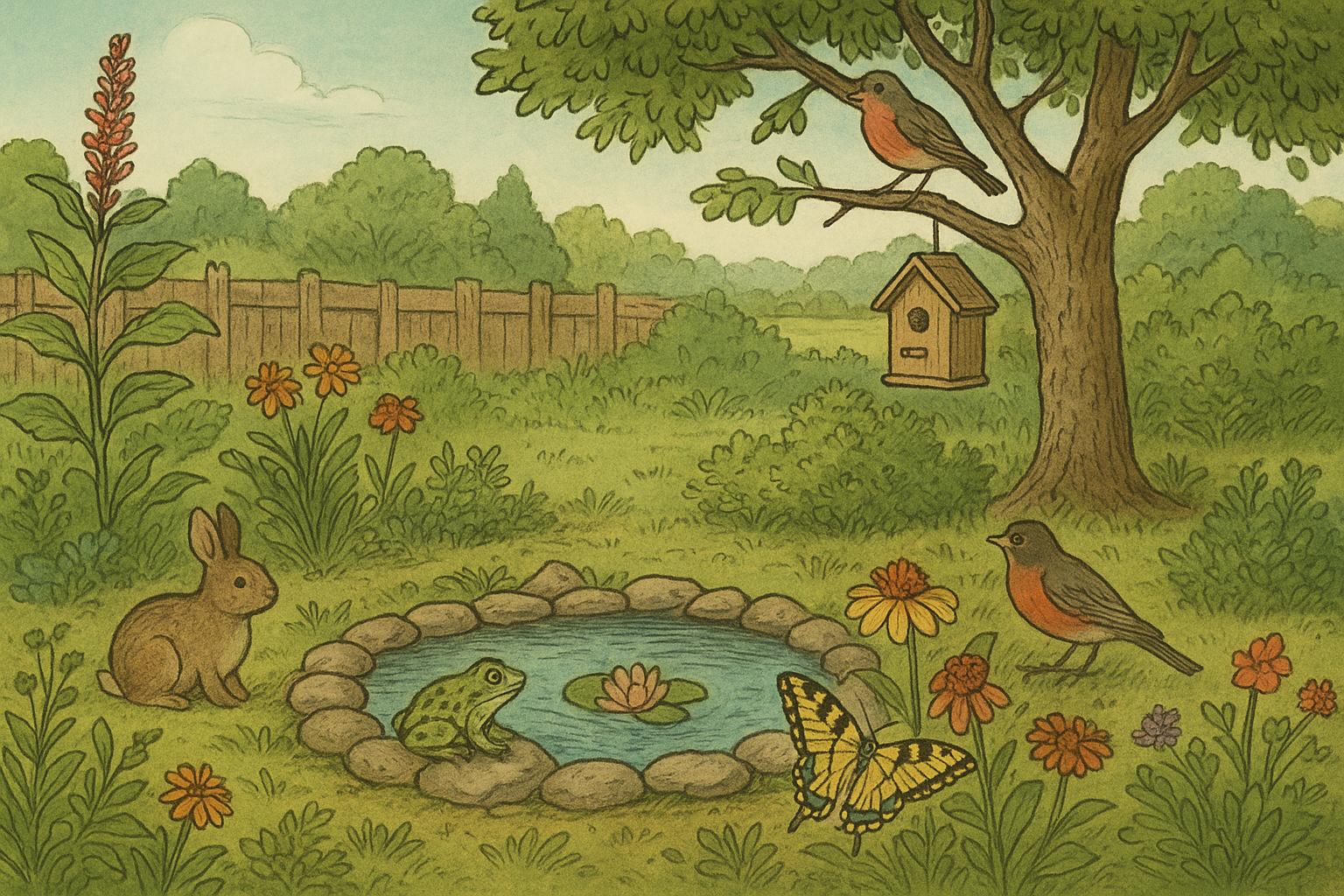
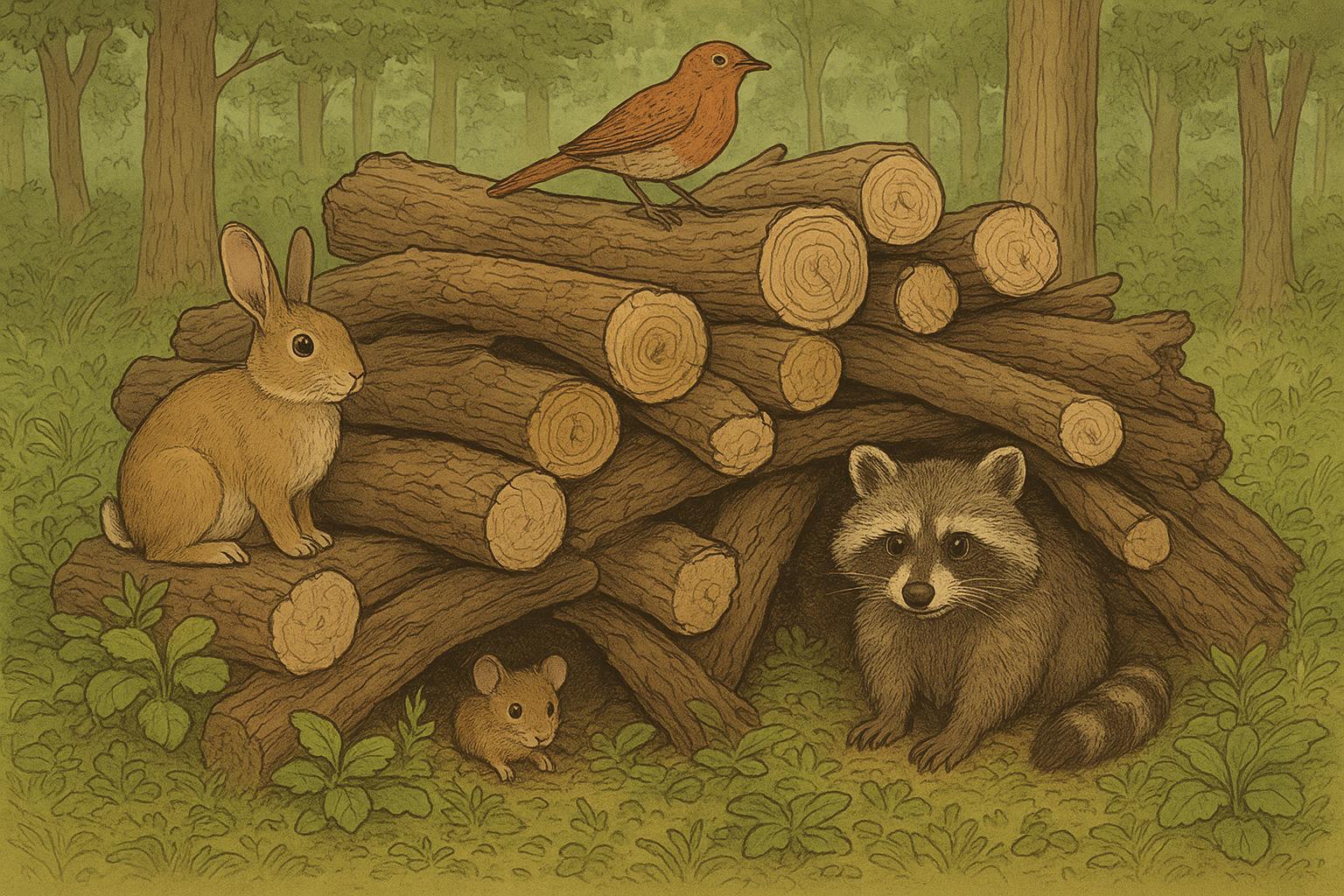
Planting host species alongside nectar-rich bloomers increases the area’s attractiveness to both egg-laying females and the adults they become. Add a shallow water source (mud puddle or saucer with stones) and sunny flat rocks for butterflies to bask on. Leaving small brush piles and some uncultivated corners provides shelter for pupae and emerging adults.
### Pesticide Alternatives
If pests threaten your host plants, adopt these practices:
– Use hand-picking for larger caterpillars of unwanted species.
– Introduce beneficial insects (ladybugs, lacewings) for aphid control.
– Employ physical barriers (fine mesh) during vulnerable times for rare plants — remove during peak butterfly movement to avoid obstructing access.
### Record-Keeping For Long-Term Success
Keep a simple log: plant species, planting dates, observations of eggs, caterpillars, chrysalis, and adult sightings. Over time this data informs which butterfly host plants are most effective in your microclimate and which adjustments improve survival rates.
## Little-Known Host Plants For Urban Yards
Even if you have just a balcony or a postage-stamp yard, certain host plants can thrive in containers. Milkweeds, parsley, and small violets are container-friendly and can turn a small area into a viable breeding ground. Urban gardeners often underestimate the power of container host planting — but a few well-placed pots can become urban butterfly condos.
### Avoiding Common Mistakes
– Don’t tidy every inch: Over-cleaning destroys eggs and overwintering stages.
– Don’t assume all “butterfly-friendly” plants are hosts; many are nectar-only.
– Don’t use broad-spectrum insecticides; they’re lethal to caterpillars and beneficial insects alike.
Sprinkle a little patience and a dash of tolerant landscaping into your routine, and your garden will repay you with more butterflies than you thought you’d ever host. Keep records, choose the right butterfly host plants for your region, and follow the formal patch-creation steps above to ensure you’re not just attracting adults but nurturing the whole life cycle.









Leave a Reply