
## Log Piles: What Lurks Beneath Your Backyard Shelter
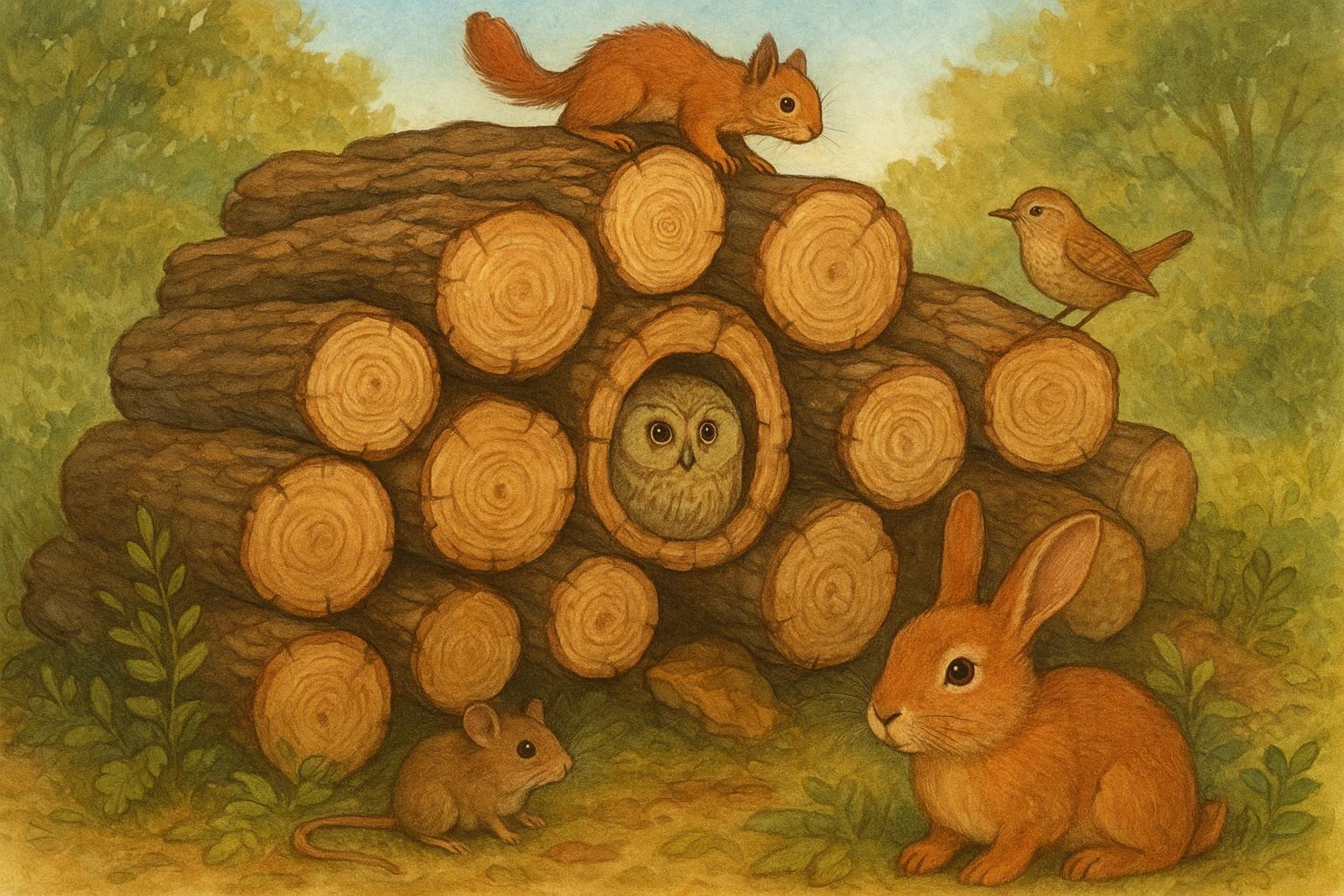
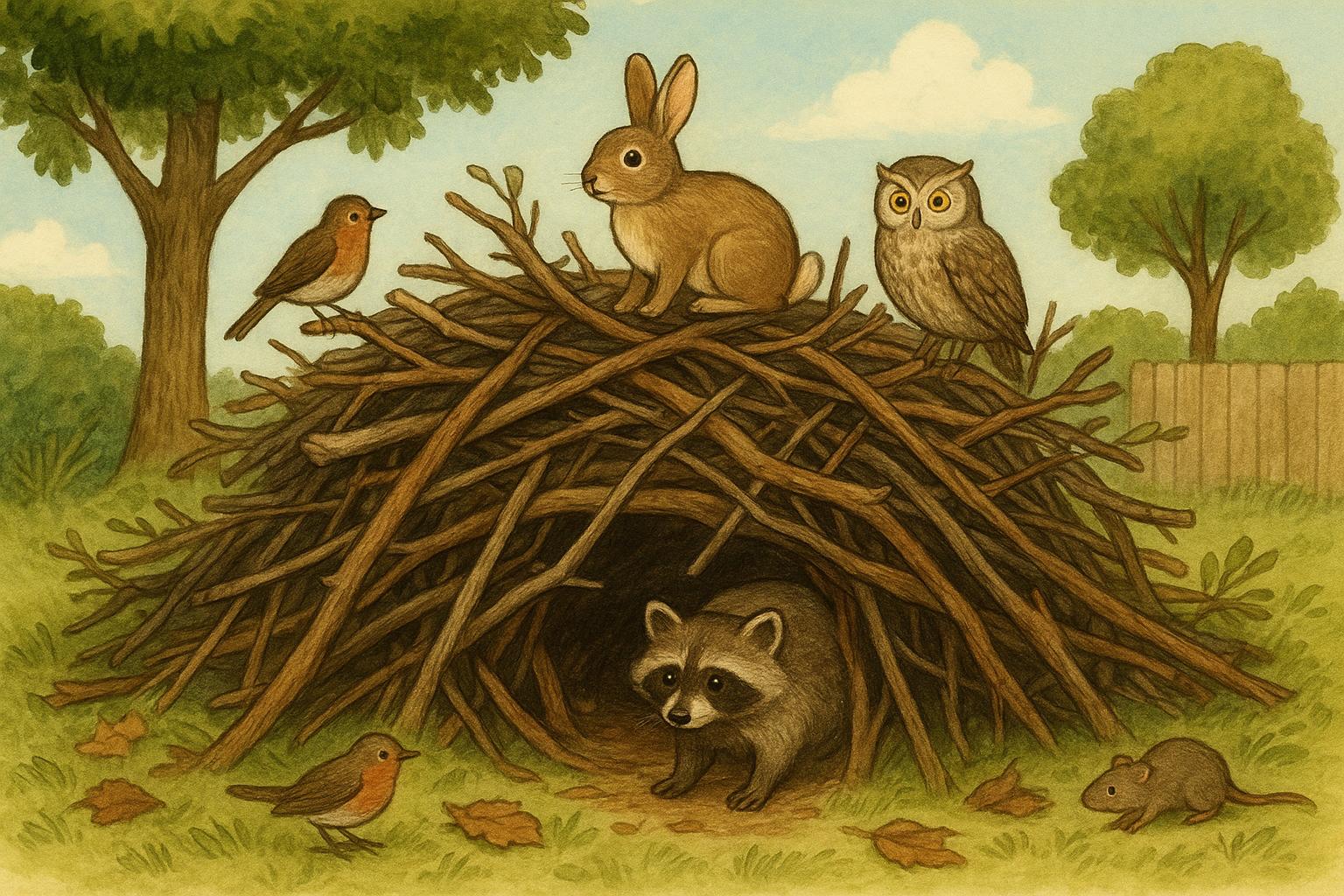
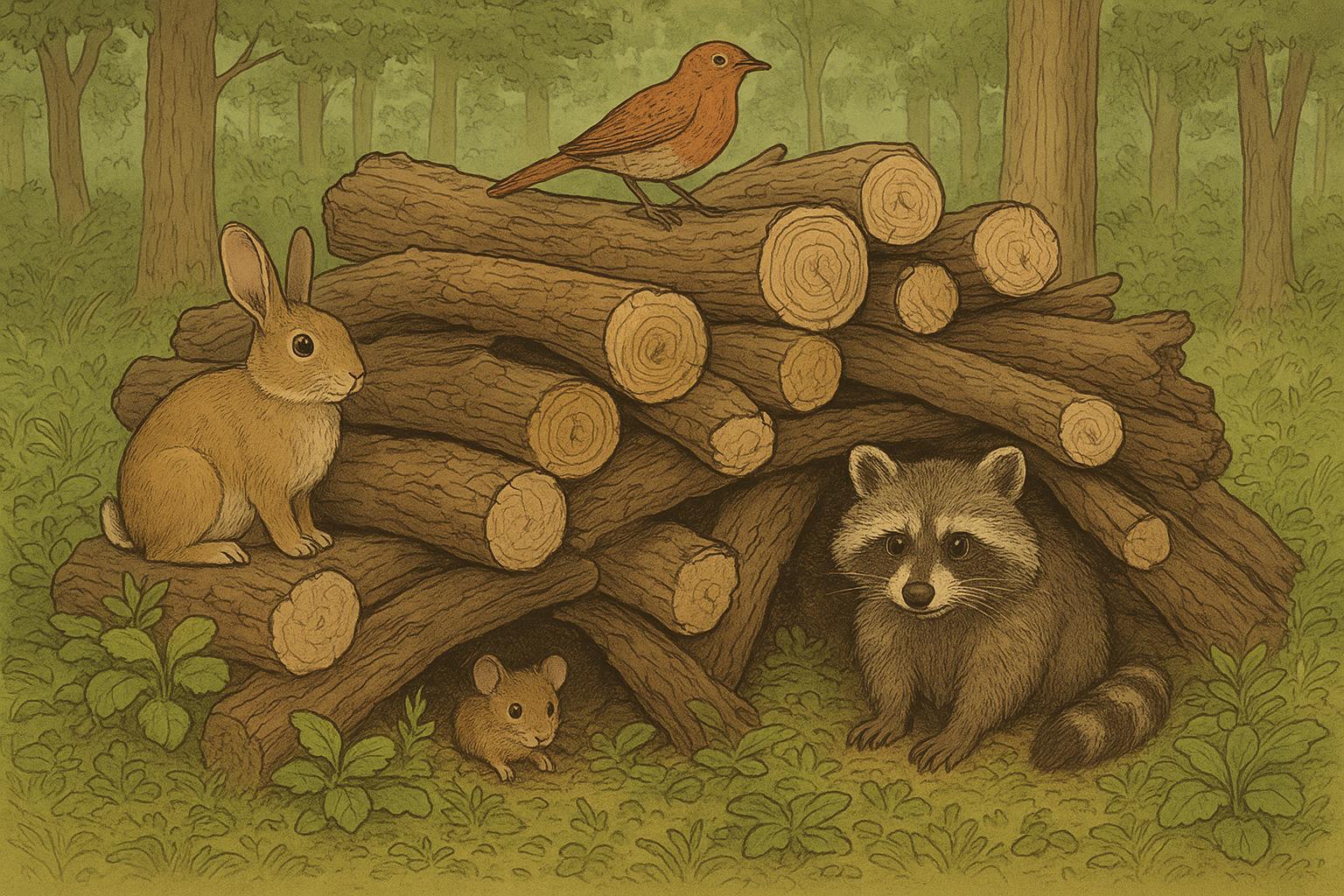
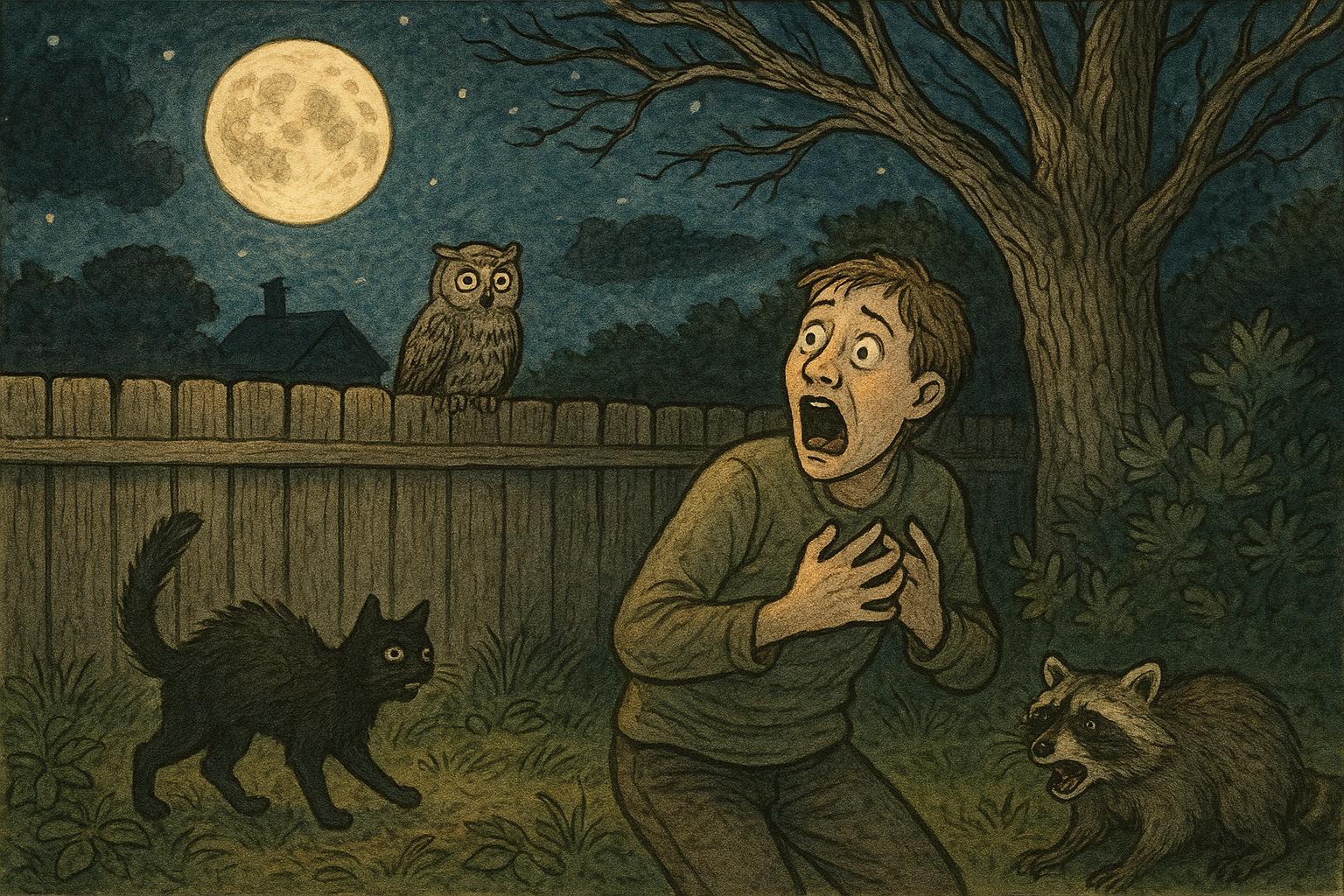
You looked at that leaning, half-rotted heap of wood behind the shed and thought, “I’ll get to that someday.” Well, someday arrived — and it was theatrical. Turn a corner and you might find an ecosystem, a critter condominium, or a small soap opera of territorial skirmishes playing out in your own yard. Those humble log piles are more than compost in waiting; they’re tiny, crucial habitats.
If you’ve ever tapped a log and watched an antenna twitch, you’ve been front-row to nature’s conservation show. From beetles renovating wood at the ground level to shy mammals slipping through mossy hollows, log piles host an astonishing cast of characters. They provide food, moisture, and shelter, offering safe spaces for breeding and winter refuge. Let’s take a relaxed stroll through what’s sheltered beneath the surface and learn how to keep this miniature wildlife hotel healthy — without turning into an obsessive log concierge.
### Small Mammals And Reptiles You Might Find
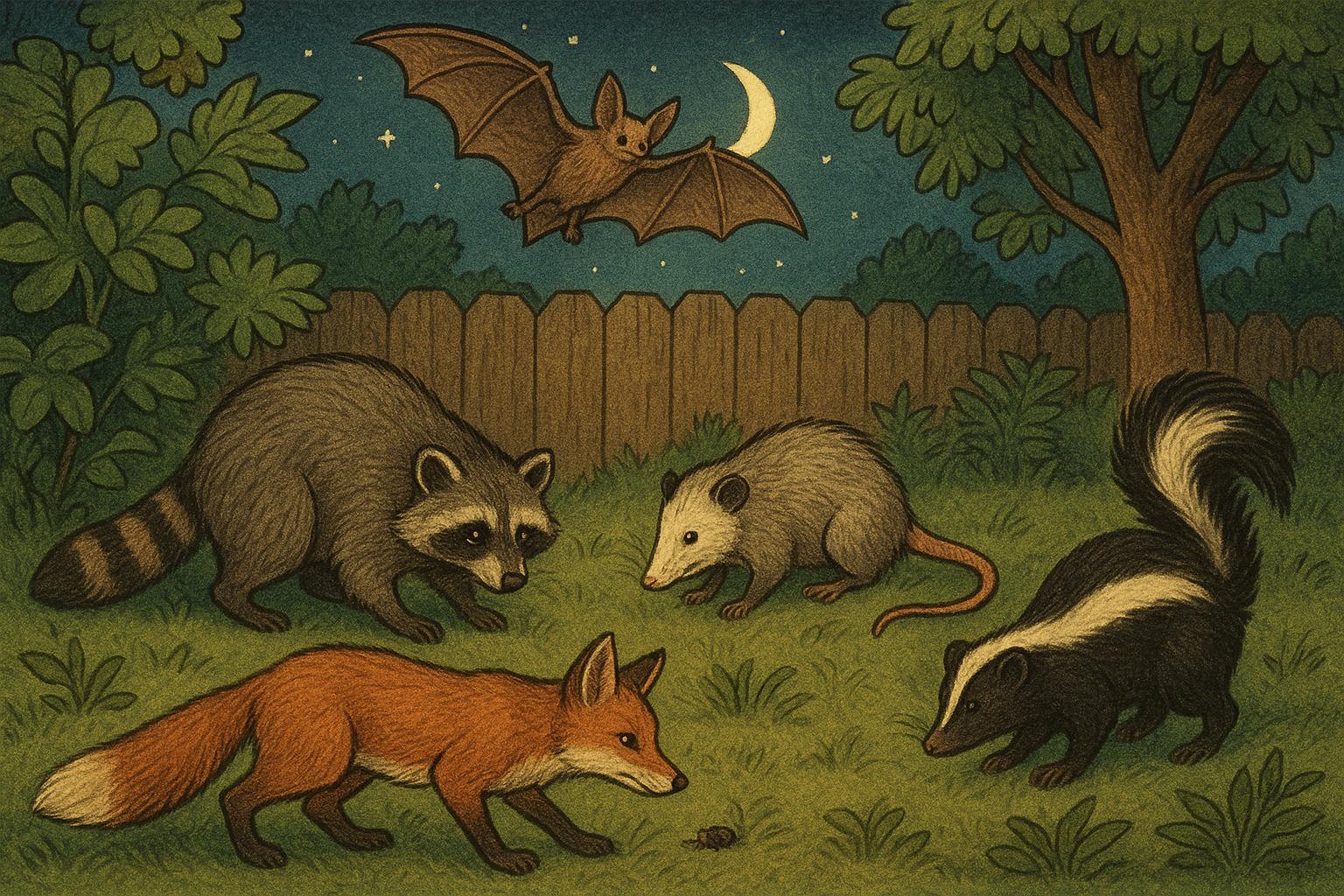
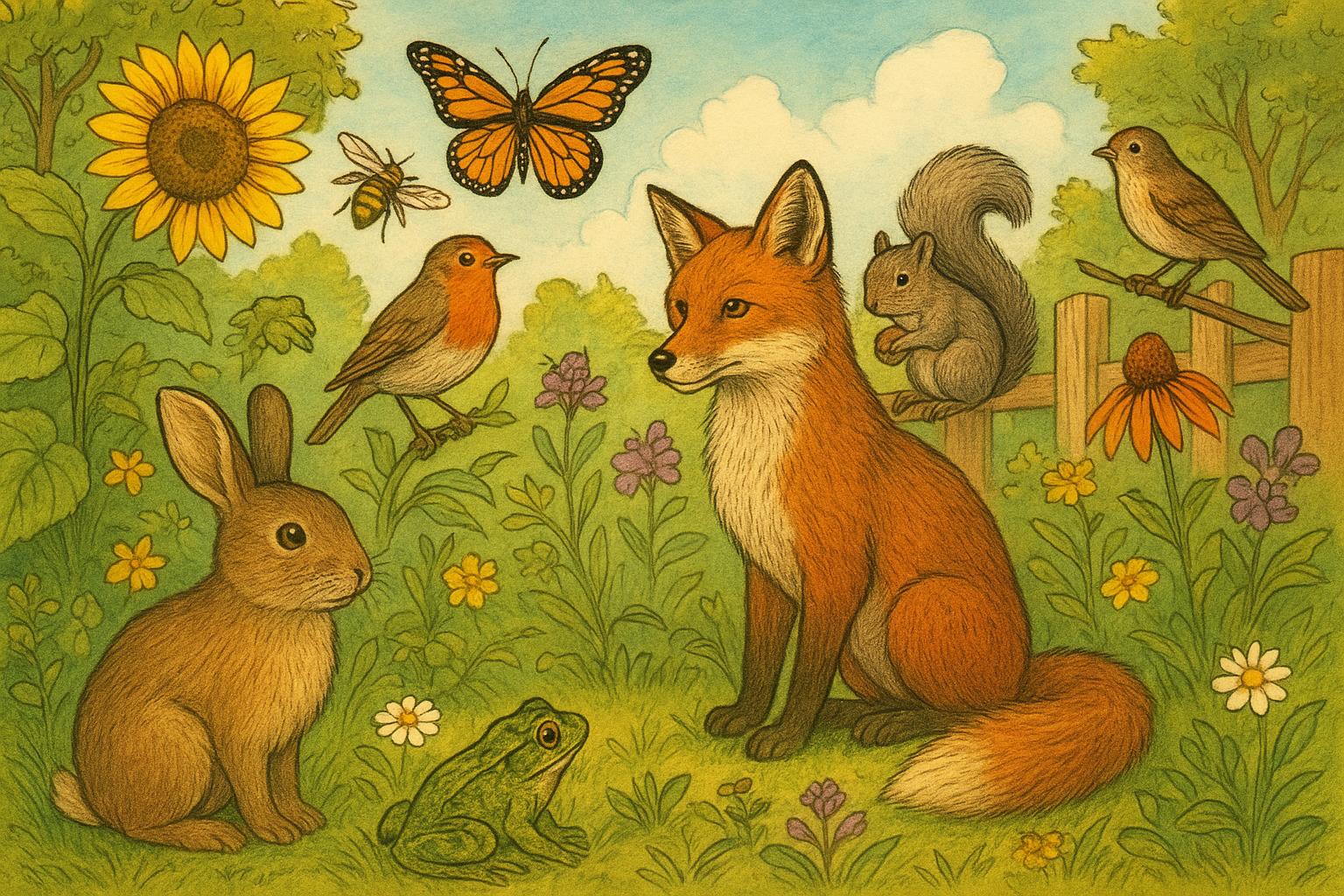
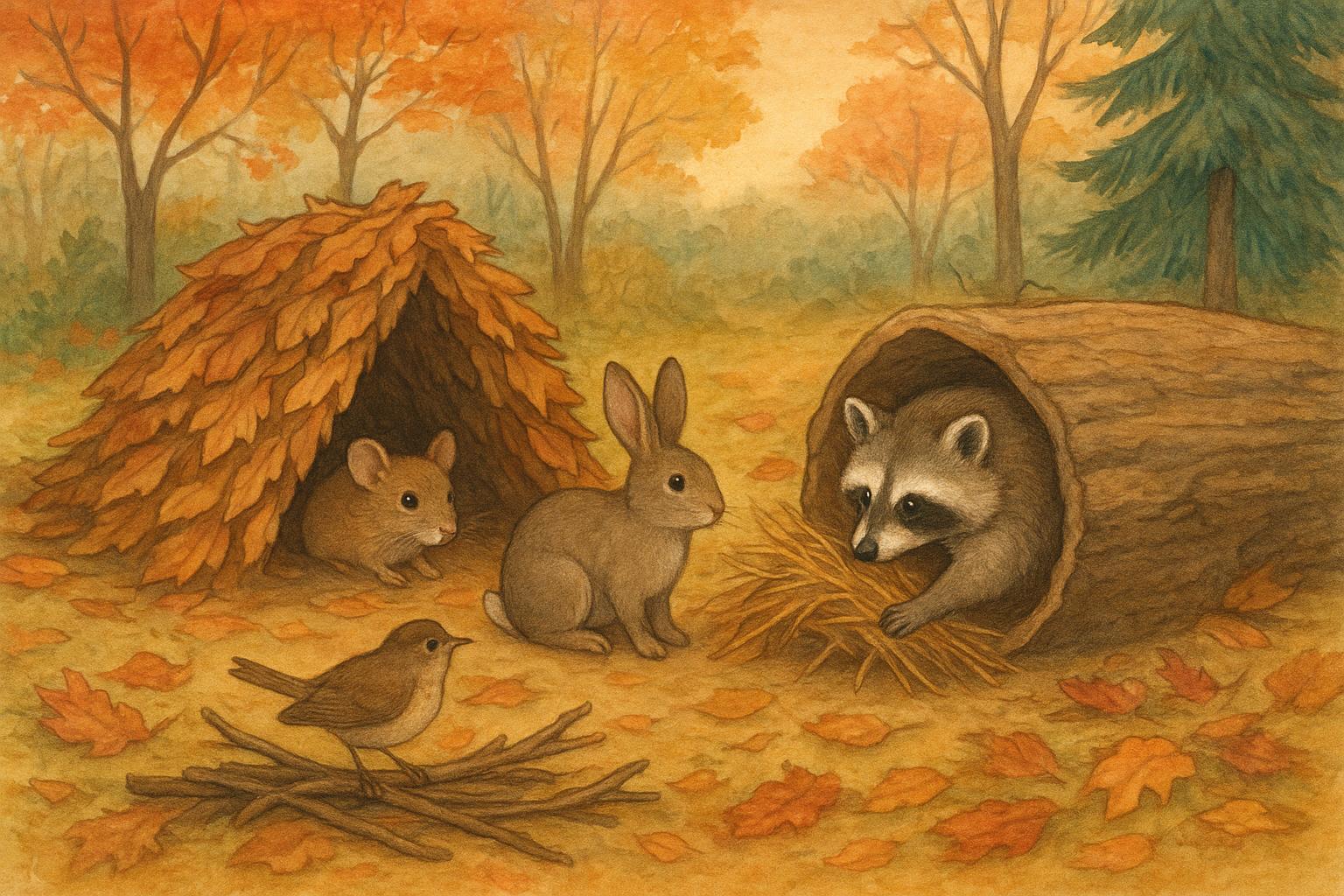
Raccoons and opossums are headline acts — obvious, loud, and prone to dramatic exits. But the quieter tenants are often the most interesting. Shrews, voles, and mice love the insulating properties of a dense log pile. They tunnel into the duff and leaf litter, feeding on insects and seeds while staying impressively hidden.
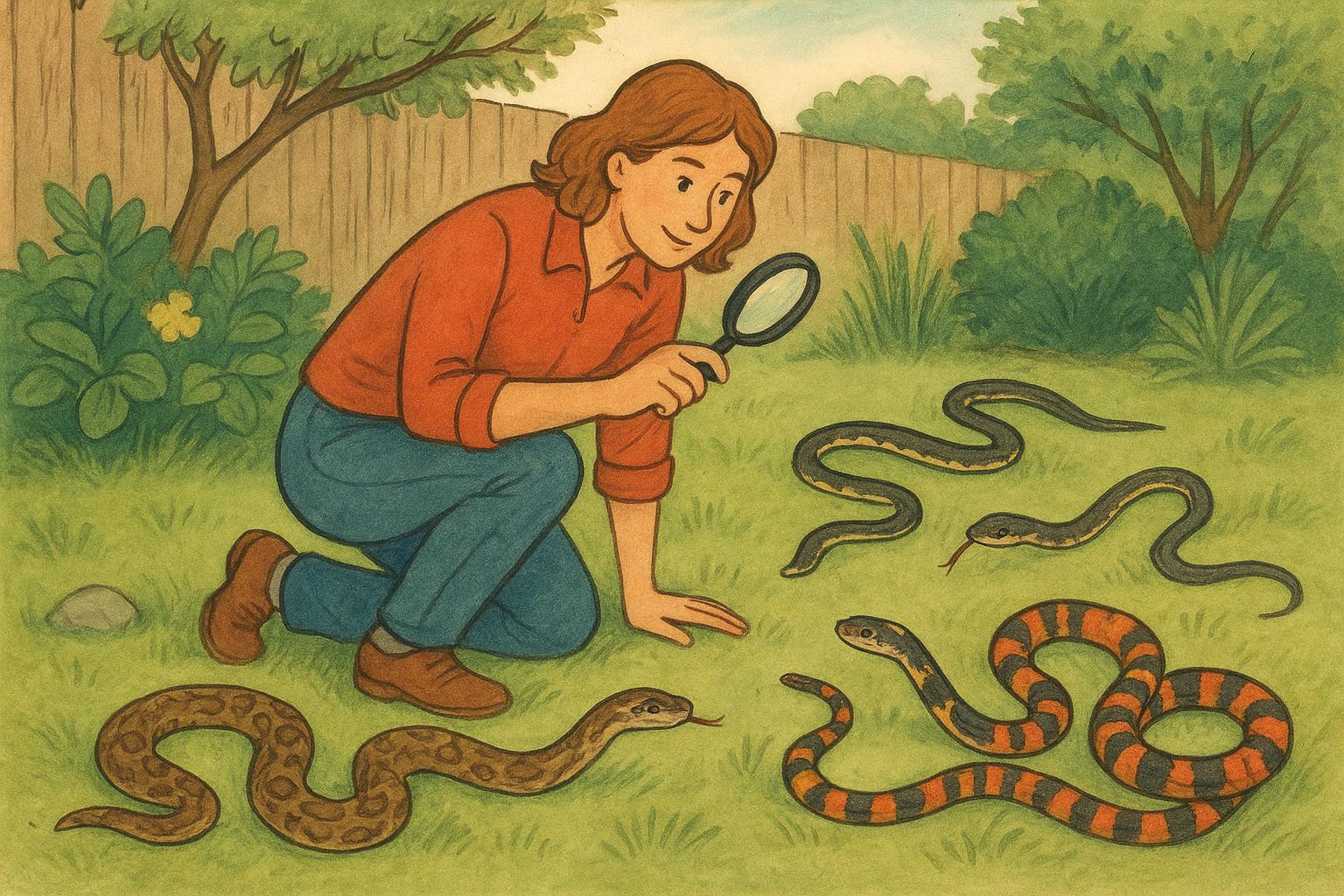
Reptiles and amphibians see log piles as luxury resorts — salamanders, toads, garter snakes, and skinks use the damp, cool microclimate for hydration and hunting. These creatures play a key role in pest control, gobbling snails and insect larvae that might otherwise overstay their welcome in your garden.
### Birds, Insects And Fungi That Call Logs Home
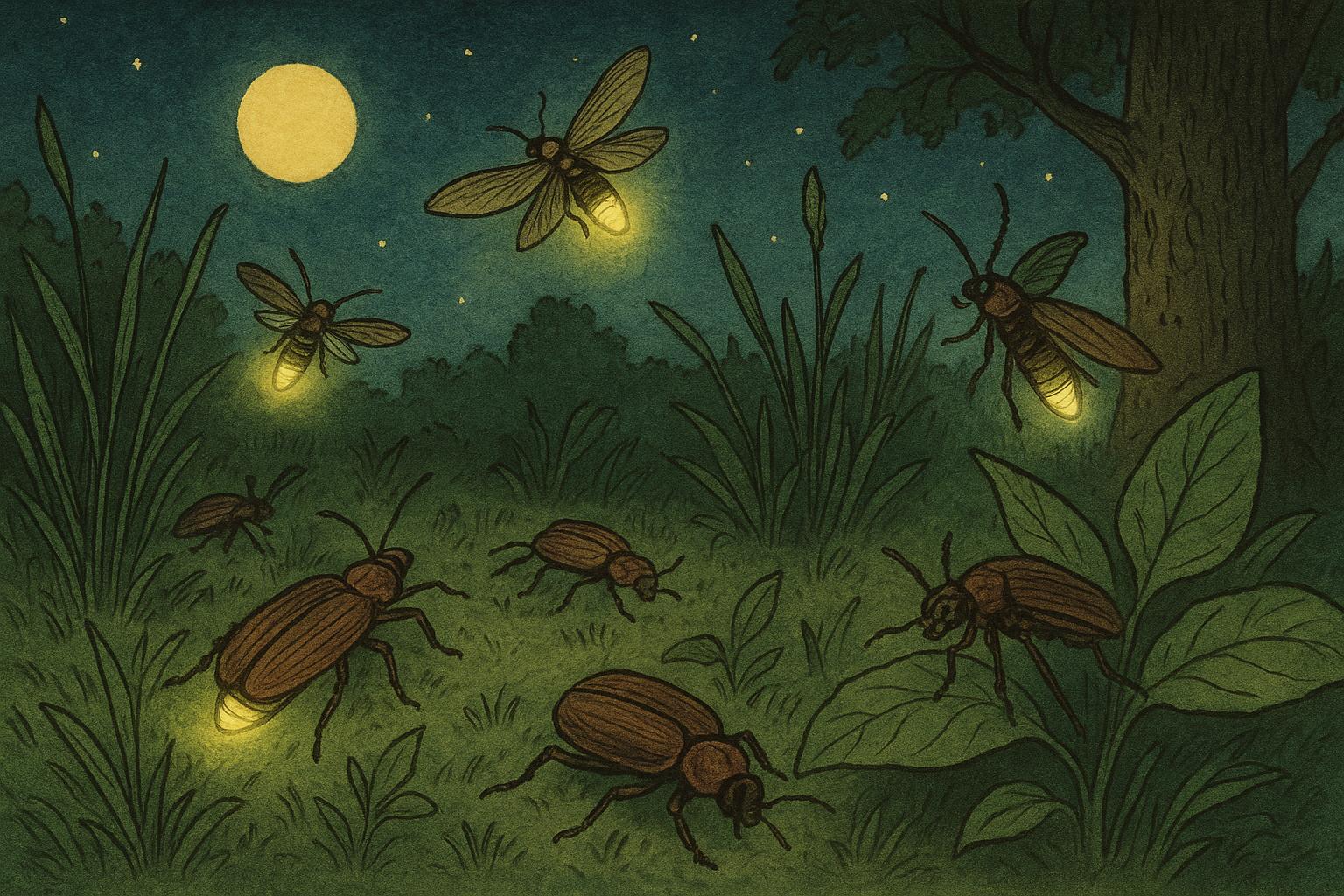
Sapsuckers and woodpeckers are nature’s remodelers; a single peck can open a cavity that later becomes a nesting site for other birds or bats. Insects are the unsung majority: beetles, termites, and an array of larvae break down wood into soil-friendly bits. These insects are food for so many others — making log piles a keystone asset for backyard biodiversity.
Fungi quietly orchestrate the decomposition, releasing nutrients and creating habitat complexity. Your log pile may smell a bit like a woodland stroll for a reason — that earthy aroma is a sign of life doing its work.
#### Good Guests Versus Problem Tenants
Most creatures in a log pile are beneficial, but sometimes you’ll encounter trouble. Wasps and hornets can build nests in cavities; rats may find the low, sheltered areas ideal; and if logs are too close to your home, they can offer a bridge for pests. Placement and management matter. Keeping some logs for wildlife while reducing risk near structures is the practical sweet spot.
## 1. Manage Log Piles For Wildlife-Friendly Shelter
When you want to encourage the good tenants and discourage the problematic ones, thoughtful management is the remedy. The following guidance is formal and precise: it explains materials, steps, and safe practices for creating or modifying log piles so they support biodiversity without creating hazards.
Materials/Required Items:
– Hand saw or pruning saw
– Gloves (leather recommended)
– Long sleeves and sturdy boots
– Rake and pitchfork
– Masonry starter or brick pavers (optional, for raised base)
– Mulch or leaf litter (to add bedding)
– Field guide or app for local species (recommended)
Step-by-Step Creation and Application:
1. Site Selection: Choose a location at least 10–15 feet from your house and away from wooden fences or sheds to reduce pest transfer risk. Prefer a partially shaded spot near plants or a hedge for natural corridors.
2. Prepare the Base: Clear a small footprint of grass; if drainage is poor, lay brick pavers or coarse gravel to reduce prolonged wetness at the contact point and slow rot that attracts wood-boring pests.
3. Build the Pile: Place larger logs on the bottom and stack progressively smaller ones above, forming air pockets and tunnels. Logs placed with some gaps create nesting cavities and movement channels.
4. Add Bedding: Scatter leaf litter, pine needles, or fine mulch over and around the pile. This softer material provides immediate bedding for small mammals and retains moisture for amphibians.
5. Orient and Secure: Position cut ends of logs down or slightly elevated to keep moisture distribution even. For safety, avoid stacking logs higher than the height you can safely lift; sudden collapse can harm wildlife and people.
6. Monitor Seasonally: Inspect the pile each season using a flashlight rather than prying logs open. Look for unintended occupants (e.g., wasp nests) and make minor adjustments rather than wholesale disruption.
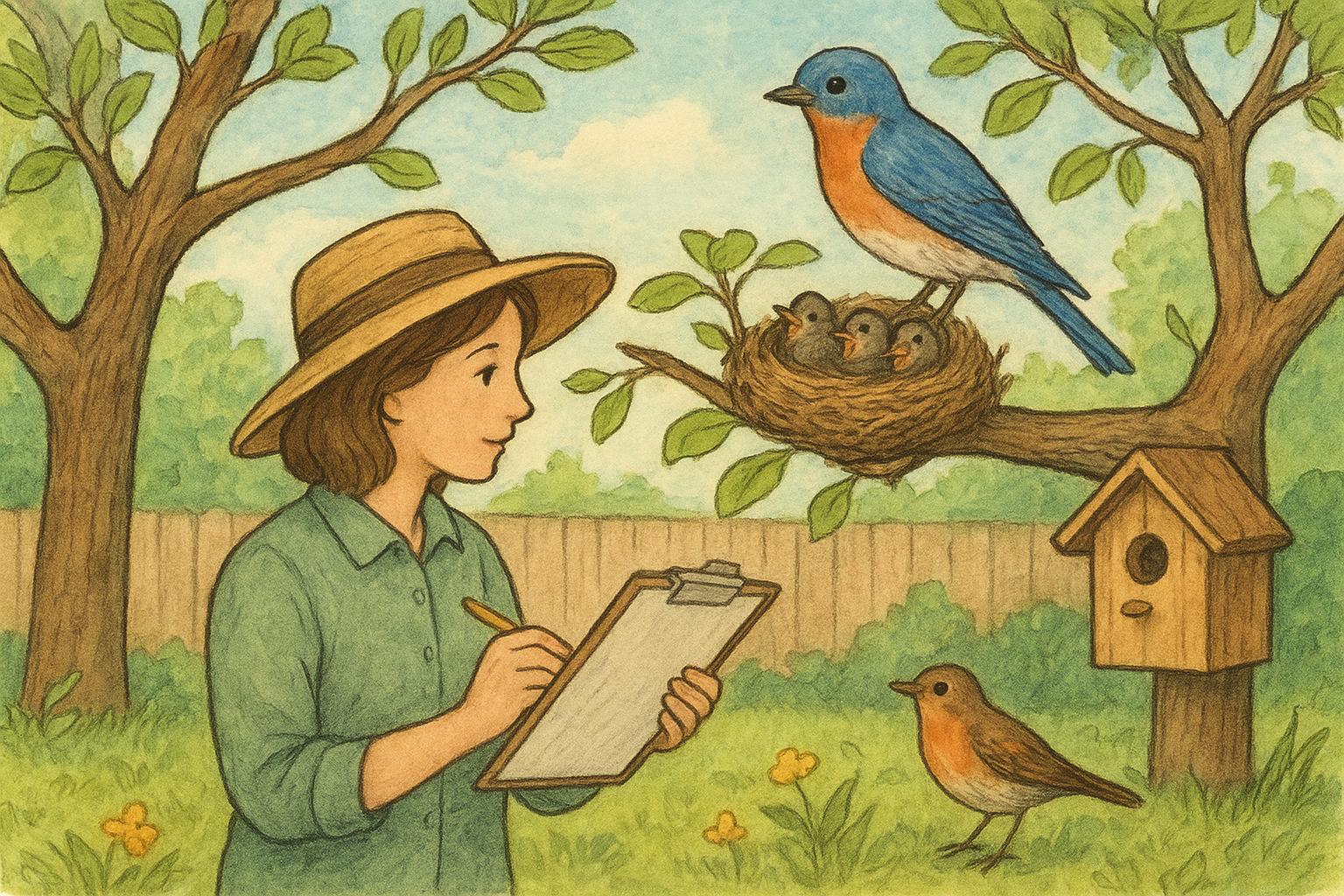
7. Document and Learn: Record observations — species seen, dates, and any unexpected issues. Over time you’ll refine how your managed log pile functions in your specific landscape.
These steps favor a wildlife-friendly approach while addressing human safety and property concerns. They are suitable for both new log piles and refurbishing existing ones.
## 2. Safe Removal Or Relocation Of Log Piles
If a log pile presents a hazard—too close to the home, infested with invasive pests, or heavily colonized by stinging insects—removal or relocation must be done carefully. Follow a formal, safety-focused process to minimize stress on wildlife and reduce risk to people.
Materials/Required Items:
– Protective clothing (long sleeves, pants, gloves, eye protection)
– Respirator mask (if mold or spores are present)
– Heavy-duty garbage bags or large wheelbarrow
– Pruning saw or chainsaw (if large pieces require cutting)
– Wasp/hornet spray (EPA-approved) if active, nests are present
– Permits (if applicable for protected species in your area)
Step-by-Step Creation and Application:
1. Survey the Pile: Before touching anything, observe for several days at different times to identify active nests, mammals, or reptiles. Note any protected species that would legally require special handling.
2. Time It Right: Relocate or remove during cooler parts of the day, ideally late fall or winter when many species are less active or in diapause, reducing the chance of displacing offspring.
3. Prepare Your Gear: Put on protective clothing, and set up containment (bags, wheelbarrow). If you suspect a nest, have the appropriate insect control product and know local regulations for use.
4. Remove In Layers: Start at the top and work downward, gently lifting each log and placing it in the wheelbarrow. Use a soft-spade or gloved hands to let animals move away on their own. Avoid heavy banging or sudden movements.
5. Check Each Piece: Use a flashlight to inspect for stowaways. If you find a bat, bird, or other protected species, stop and contact local wildlife rehabilitation professionals for guidance.
6. Relocate Thoughtfully: If moving to a new site, recreate the structural complexity — base logs, air spaces, and beds of leaf litter — to preserve habitat value. Reposition at least 50 feet from the original spot and ideally near vegetation corridors.
7. Dispose Responsibly: If disposal is necessary due to disease or invasive pests, follow local regulations. Burn or chip only when permitted and safe; otherwise, professional removal may be required.
Adhering to these steps reduces harm to wildlife and keeps human safety paramount. If unsure about species identification or legal protections, consult local conservation authorities before proceeding.
### Signs To Watch For And Quick Identification Tips
– Fresh gnaw marks and tracks can indicate rodents or squirrels.
– Flattened bedding or droppings often signal small mammals; droppings differ in size and shape — compare to a field guide.
– Smooth, wet-looking patches under logs at dawn can mean salamanders or frogs are present.
– Sawdust-like frass near holes suggests wood-boring beetles. A few such tunnels are normal, but widespread infestation close to structures merits action.
### Legal And Safety Considerations
Wildlife laws vary by region. Birds, bats, and certain reptiles receive protection at specific times of year (e.g., nesting season). Before removing or disturbing a log pile that houses or may house a protected species, contact local wildlife agencies. For stinging insect nests, professional pest control should be engaged if nests are large or in high-traffic areas.
If your log pile is harboring invasive pests like Asian longhorned beetle or emerald ash borer, report findings to agricultural authorities. Prompt reporting helps protect broader ecosystems.
### Encouraging Wildlife Without Sacrificing Comfort
You don’t need to choose between a tidy yard and wildlife-friendly practices. Position a managed log pile as a designated habitat zone, keep structures lean and stable, and maintain a simple inspection routine. Think of it as hosting a houseplant that sometimes has guests — it’s easier and more enjoyable once you know the rules.
End your log-pile explorations with curiosity, not panic. With a bit of planning and thoughtful management, those stacks of wood behind the shed can be both a boon for biodiversity and a safe element of your backyard routine.
















Leave a Reply