
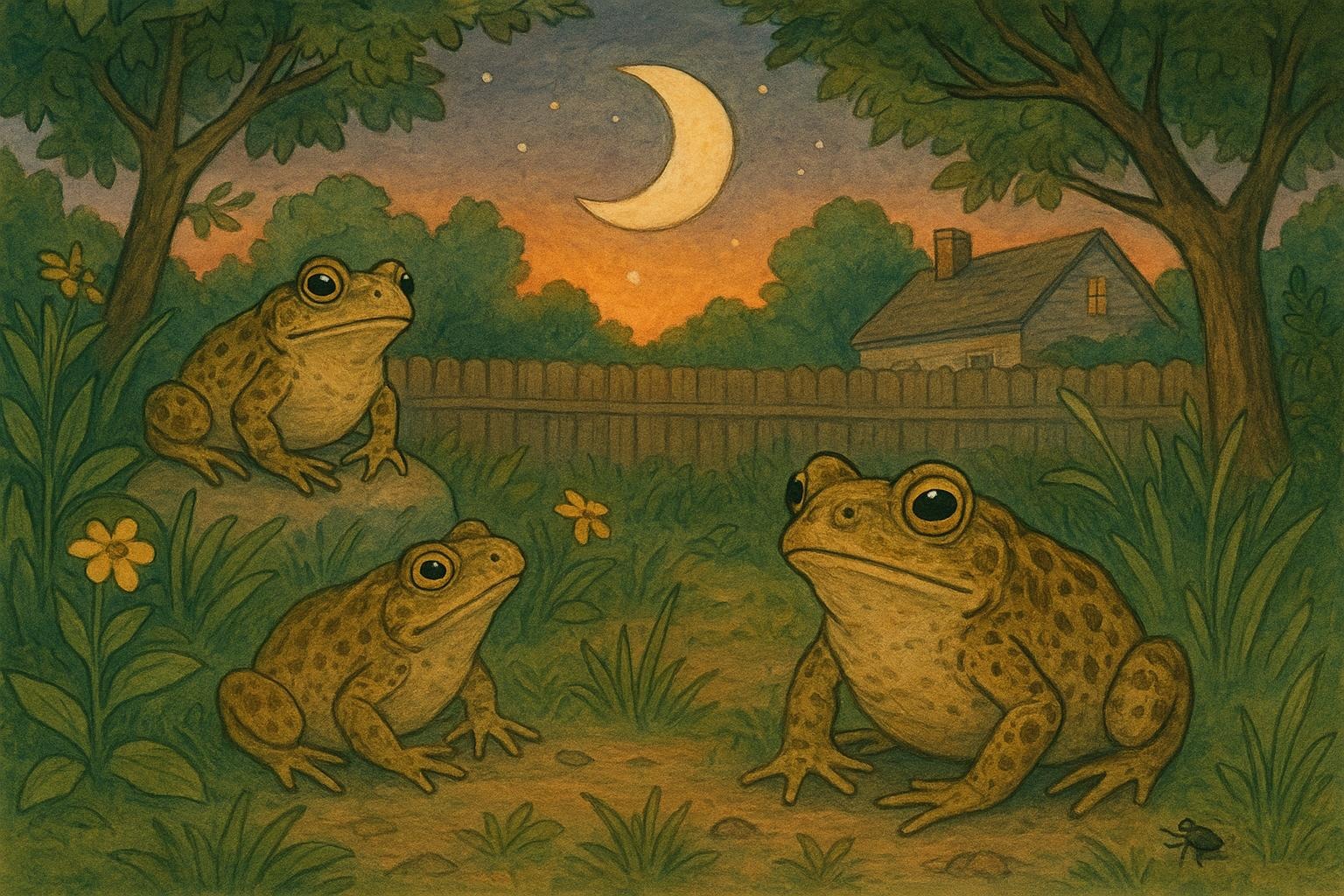
There’s a certain hush that falls over the yard when the sun dips—fireflies start their polite blinking, the grill cools, and the amphibian shift change begins. If you’re lucky, you’ll hear the little nasal brrr-unk that announces the arrival of toads. They’re low-key, amphibious neighbors: humble, a little warty, and surprisingly useful.
## Toads At Dusk: What To Expect
The twilight hours are prime time for these squat, hopping insect-eaters. As temperatures drop and humidity rises, toads become active, searching for bugs, mates, and cozy hiding spots. Unlike their treefrog cousins, most toads are terrestrial. They’ll patrol lawn edges, garden beds, and the moist microhabitats you’ve accidentally provided—like under a sagging tarp or among a pile of autumn leaves.
### Why They’re Helpful
Toads are natural pest control. A single adult can eat dozens of insects in a night—beetles, slugs, moths, and the occasional mosquito. They don’t chew ornamental plants to pieces; they’re after protein, not petunias. At dusk you’re essentially hosting an open-air bug patrol.
### How To Tell Them Apart
Bullfrogs and treefrogs have their own signatures. Toads often:
– Have drier, bumpier skin than many frogs.
– Walk or short-hop rather than perform long leaps.
– Spend more time on land and less time in open water.
– Produce a distinct parotoid gland bulge behind the eyes (it’s part of their mild defense system).
## Habitat: Making Your Yard A Toad-Friendly Zone
To keep toads visiting (or moving in), think moisture, shelter, and a pesticide-free buffet. A few simple adjustments send a very clear RSVP: “Welcome!”
### Moisture Sources
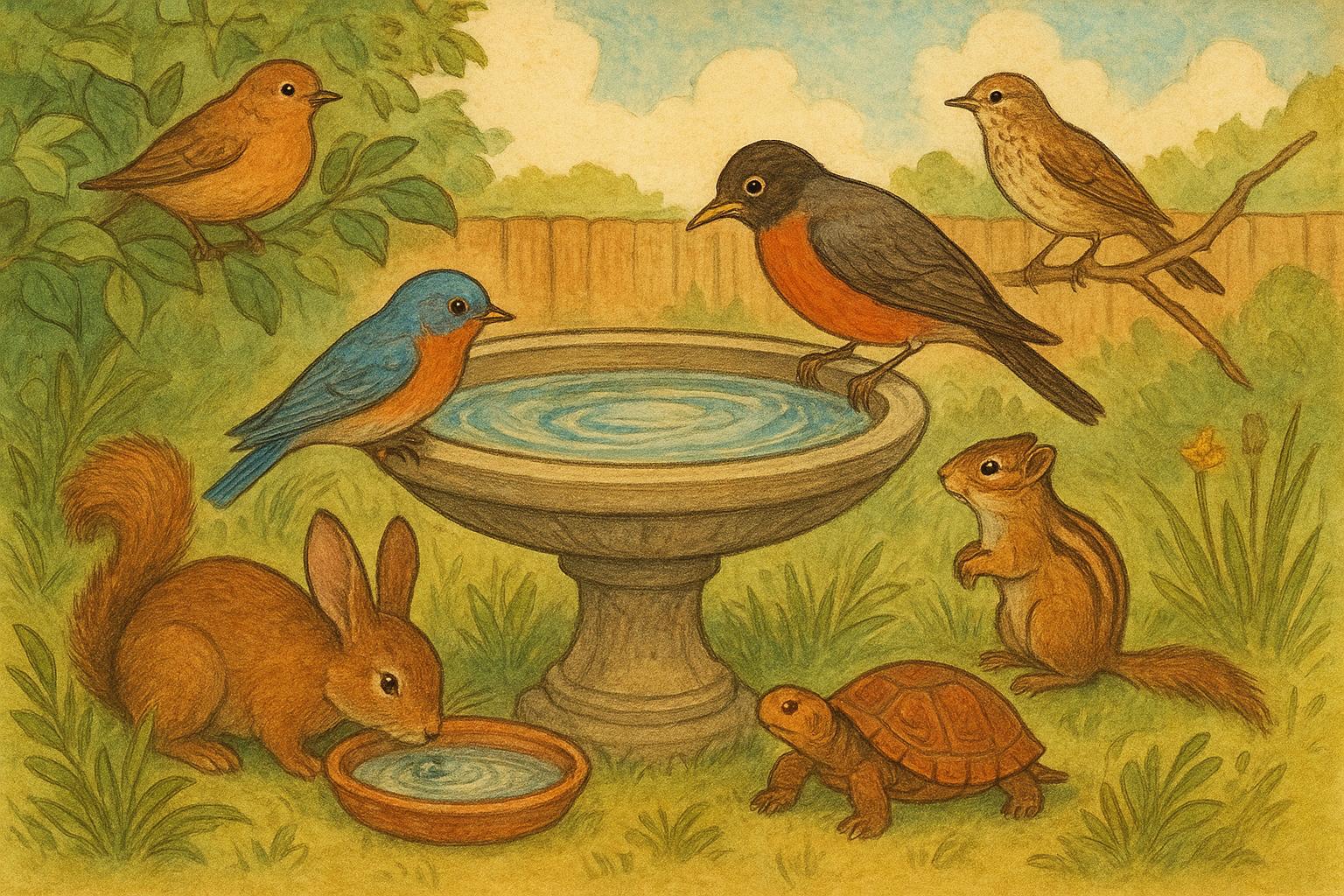
Shallow water features, damp mulch beds, and low spots that hold some rain will get more activity. Toads aren’t picky—just offer consistent pockets of humidity.
### Shelter And Hiding Spots
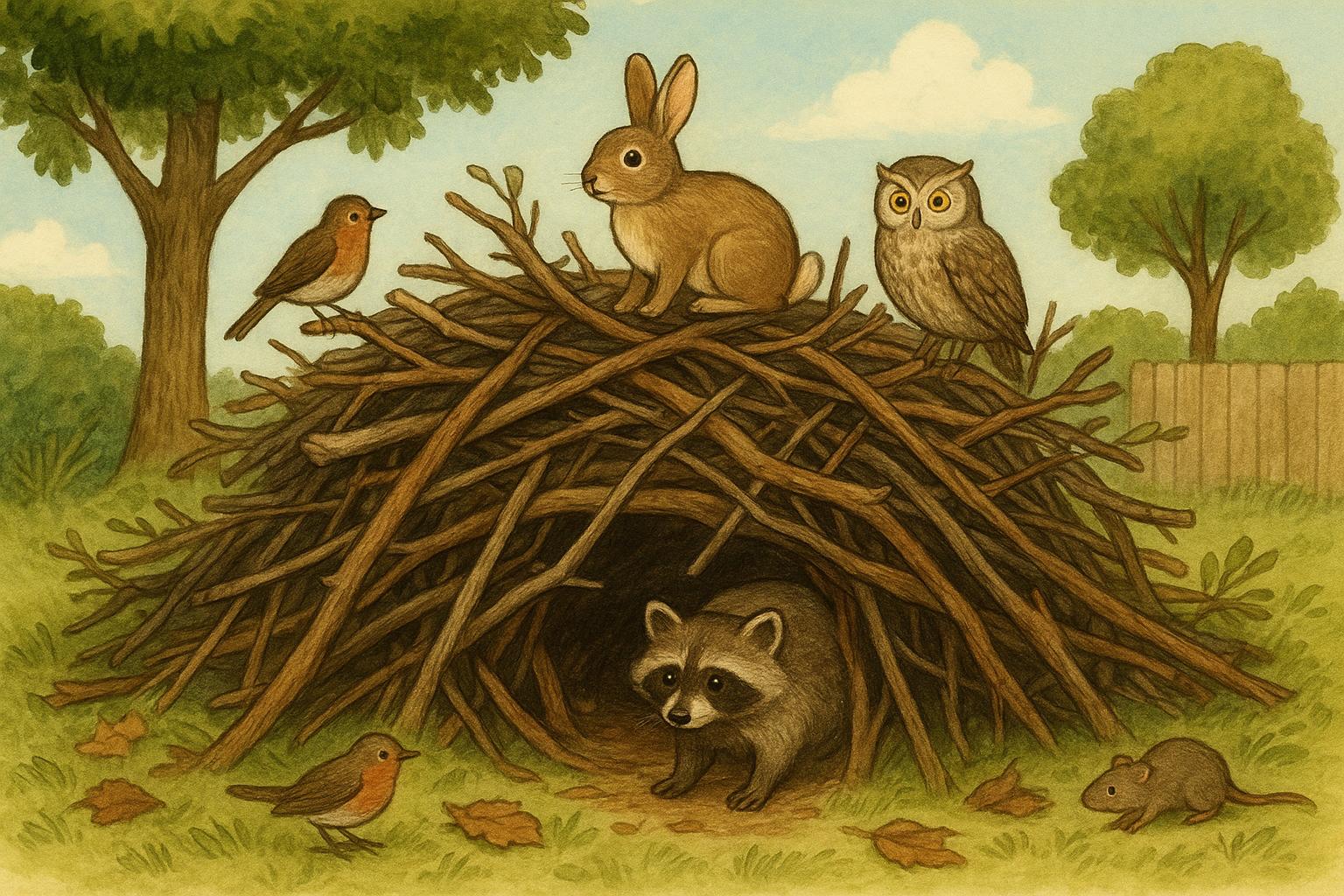
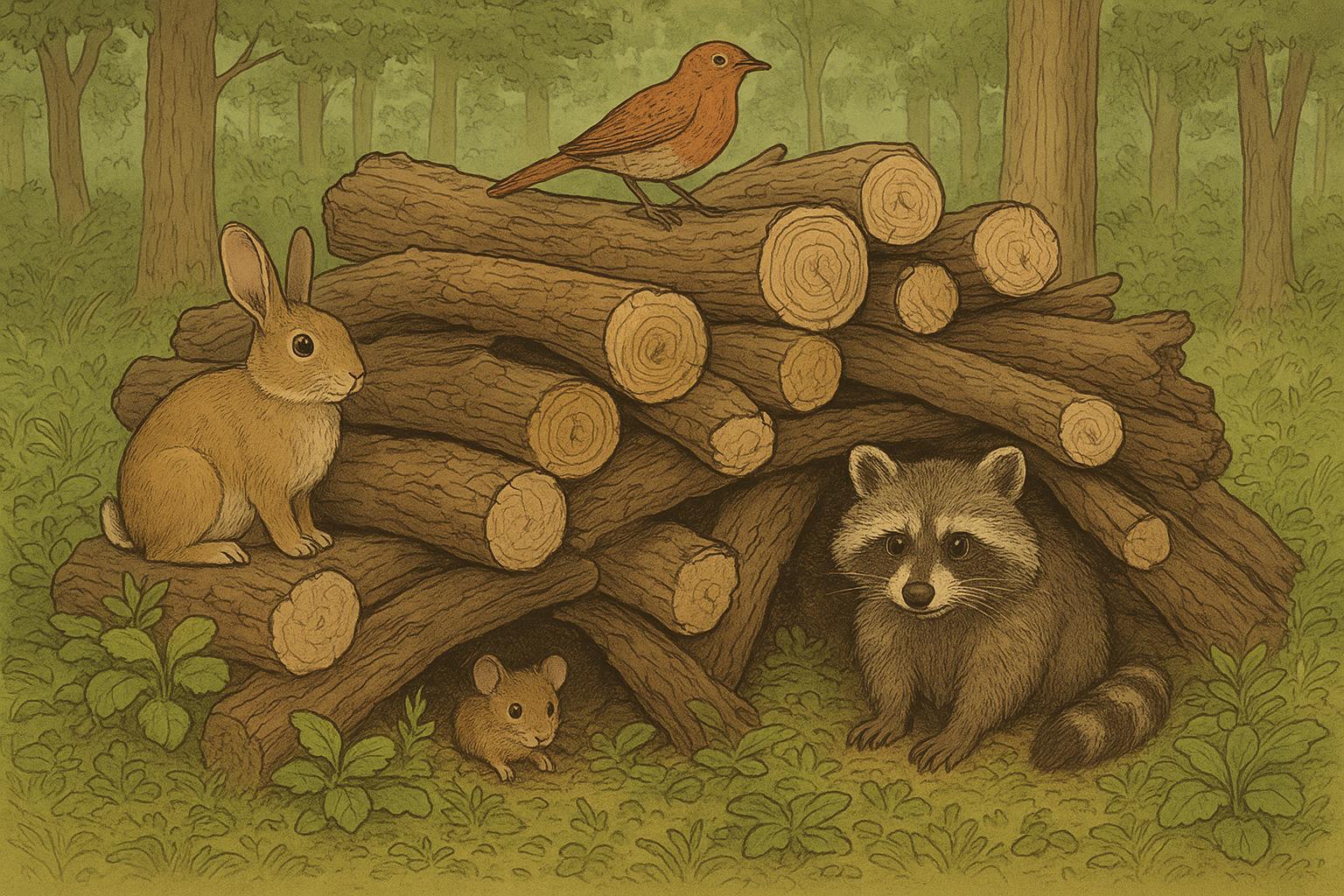
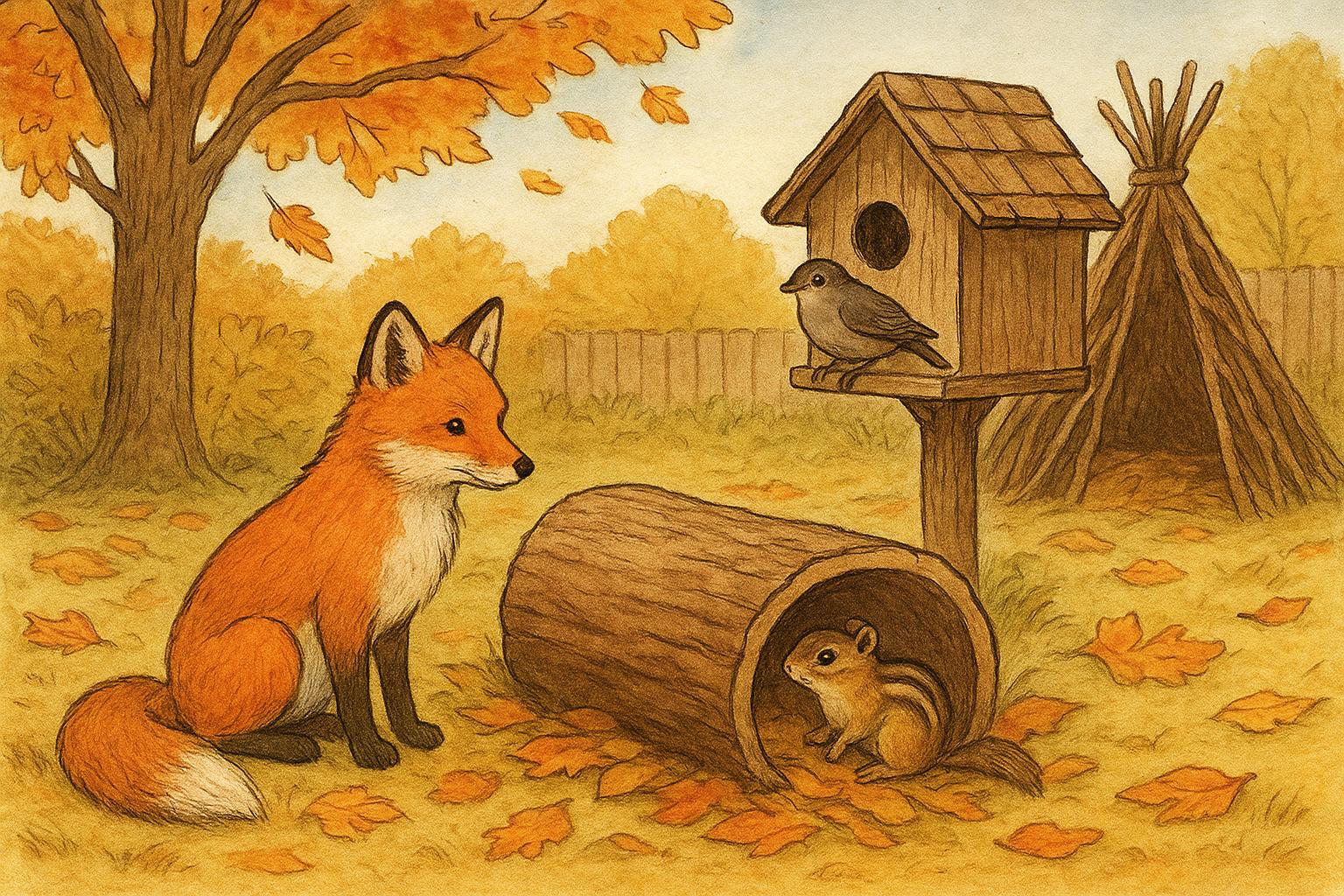
Create nooks with natural refuges: stone piles, overturned pots, log sections, or purpose-built shelters. Avoid bright lights around these zones—the glow attracts insects but can also disorient nocturnal wildlife.
### Chemical Caution
If you use slug bait, insecticides, or herbicides, expect fewer amphibians. These chemicals harm toads directly or reduce their food supply. Switch to physical controls or pet-safe alternatives if you want a toad-friendly yard.
## Remedy 1: Build A Simple Toad House
This remedy explains how to create a sheltered home for toads. The instructions are practical and precise to ensure safe, durable habitat.
### Materials Required
– One shallow plastic tray or ceramic plant saucer (at least 12 inches across)
– One unglazed terracotta pot (10–12 inches) or a wooden box (approx. 12x12x6 inches)
– Soil and leaf litter or coconut coir
– Stones or bricks (to stabilize and elevate)
– Optional: damp sphagnum moss or a bit of compost
### Steps To Create And Place
1. Select A Location: Choose a cool, shaded spot near a moisture source—under shrubs, beside a pond, or near a rain garden.
2. Prepare The Base: Level the ground and place two or three bricks or flat stones to slightly elevate the shelter’s entrance for drainage.
3. Position The Tray: Set the tray or saucer on the base. This will help retain moisture and provide a landing pad.
4. Add The Shelter: Invert the terracotta pot with a side opening, or place the wooden box with a small entrance hole. Ensure the entrance is at or slightly above ground level so toads can walk in easily.
5. Add Bedding: Fill the inside with damp leaf litter, soil, or moss. This mimics natural hiding spots and holds humidity.
6. Camouflage: Scatter a few leaves and a light dusting of soil around the exterior edge to blend the shelter into the landscape.
7. Monitor: Check weekly for occupancy and to ensure no standing water accumulates inside. Clean out accumulated debris only if it becomes waterlogged or moldy.
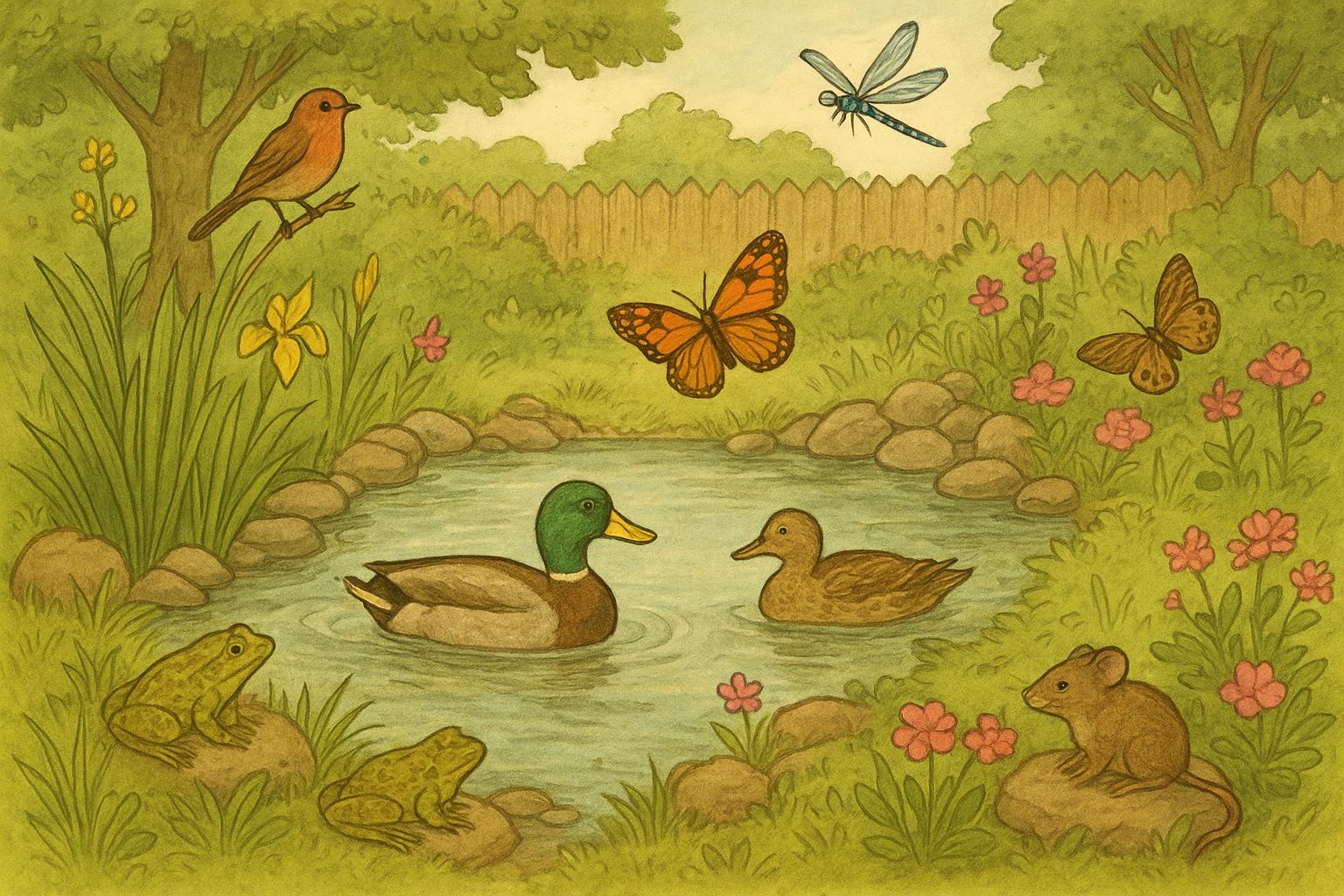
## Remedy 2: Create A Small Toad-Friendly Pond
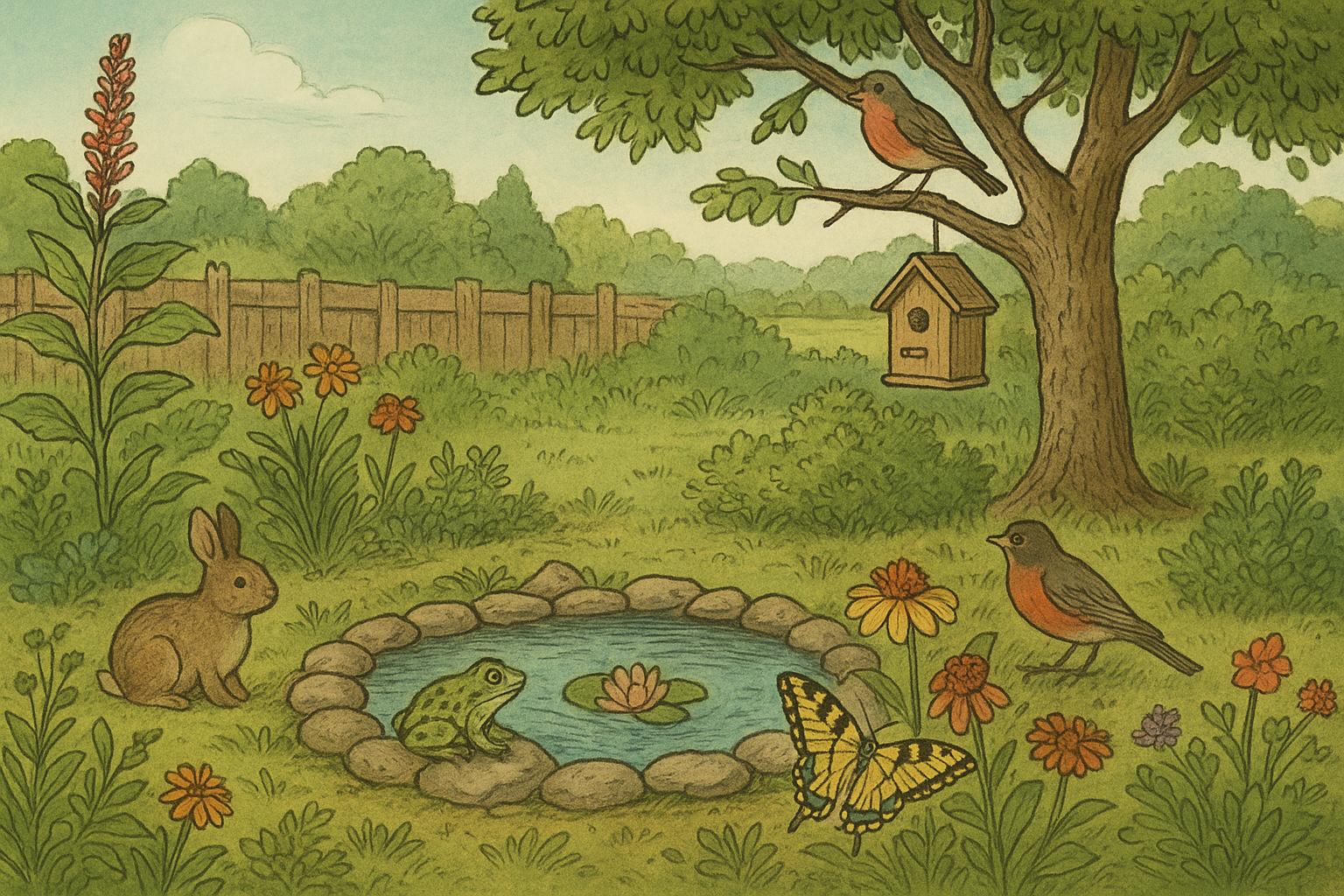
A tiny pond attracts amphibians, supports breeding where appropriate, and benefits overall garden biodiversity. Construct it carefully to avoid creating mosquito nurseries or hazards for pets.
### Materials Required
– Preformed pond liner or flexible rubber liner (3–6 feet diameter recommended)
– Underlay fabric or sand for bedding
– Rocks and flat stones for edges and shallow entry zones
– Native aquatic plants (e.g., water lettuce, iris, rushes)
– Shaded location or partial shade
– Optional: small solar pump for gentle circulation
### Steps To Create And Maintain
1. Site Selection: Choose a partly shaded area close to shelter spots and away from heavy runoff or tree roots.
2. Dig The Basin: Excavate a shallow depression with varying depths (a few inches to 18 inches) to create microhabitats.
3. Bed And Line: Add an underlay to protect the liner. Place the liner into the hole, smoothing wrinkles and ensuring shallow shelves for plants.
4. Edge And Access: Arrange rocks and flat stones to create gradual entry points. Toads need easy, sloped access; avoid steep edges.
5. Add Substrate And Plants: Use a mix of gravel and native plants in the shallow zones. Plants provide cover and help oxygenate water.
6. Fill And Finish: Add rainwater or dechlorinated tap water. If possible, allow the pond to settle a day before introducing plants or allowing wildlife access.
7. Maintenance Protocol: Maintain gentle circulation if possible to deter mosquitoes. Remove excessive algae by hand and avoid chemical treatments. Inspect monthly for water levels and signs of pollutants.
### Formal Care Notes
When constructing habitats, prioritize native plants and materials. Avoid introducing fish that might prey on amphibian eggs. If you observe tadpoles, maintain stable water conditions and avoid sudden draining. Consistent monitoring reduces stress on resident amphibians and helps you spot hazards—like pet predators or run-off contamination—early.
## Nighttime Etiquette For Backyard Amphibians
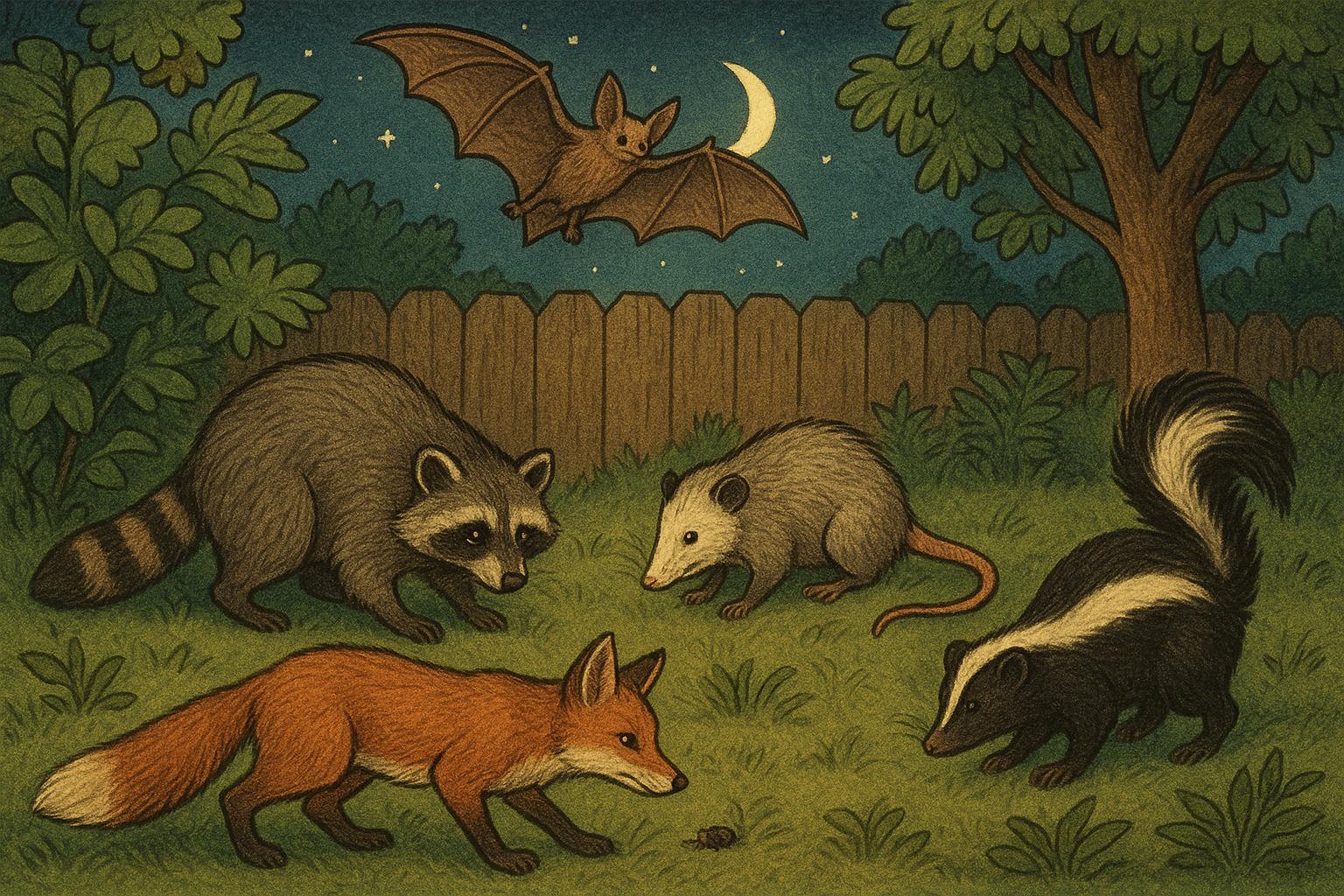
Toads are low-drama tenants but deserve respect. Keep pets supervised at dusk, reduce yard lighting where possible, and avoid loud late-night activities near dense cover. If you’re observing, use a red flashlight to minimize disturbance.
### Handling And Relocation Guidance
Do not handle toads unless absolutely necessary. If relocation is required (for example, imminent danger from lawn equipment), use clean, gloved hands or a small container. Relocate only short distances to similar habitat—amphibians have limited ranges and can become disoriented. Wash hands after contact; while toads’ skin secretions are not typically dangerous to humans, amphibian-safe handling protects both parties.
### When To Call A Pro
If you find injured animals, persistent die-offs, or suspect contamination (fertilizer runoff, pesticide spills), contact local wildlife rehabilitation or a conservation agency. Professional advice ensures appropriate care and helps identify broader environmental concerns that could affect your entire yard ecosystem.
## Signs Of A Happy Toad Community
Look for:
– Active foraging at dusk
– Shallow tracks or slight burrow impressions in soft soil
– Mating calls in spring or early summer (depending on region)
– Occasional egg strings or clumps in still water if breeding habitat is present
Toads are resilient little creatures, but they respond quickly to habitat changes. By providing moisture, food, and safe shelters, you’ll not only enjoy nightly garden entertainment but also gain an eco-friendly partner in pest control.
#### Quick Tips For Fast Wins
– Pause pesticide use for a season.
– Leave a small leaf pile or overturned pot in an out-of-the-way corner.
– Add a shallow dish with a few stones as a temporary water source after hot, dry spells.
Enjoy the chorus at dusk. With gentle stewardship, your yard can become a five-star stopover for toads—good company for summer evenings and a quiet, warty reminder that nature likes to RSVP to simple hospitality.







Leave a Reply