
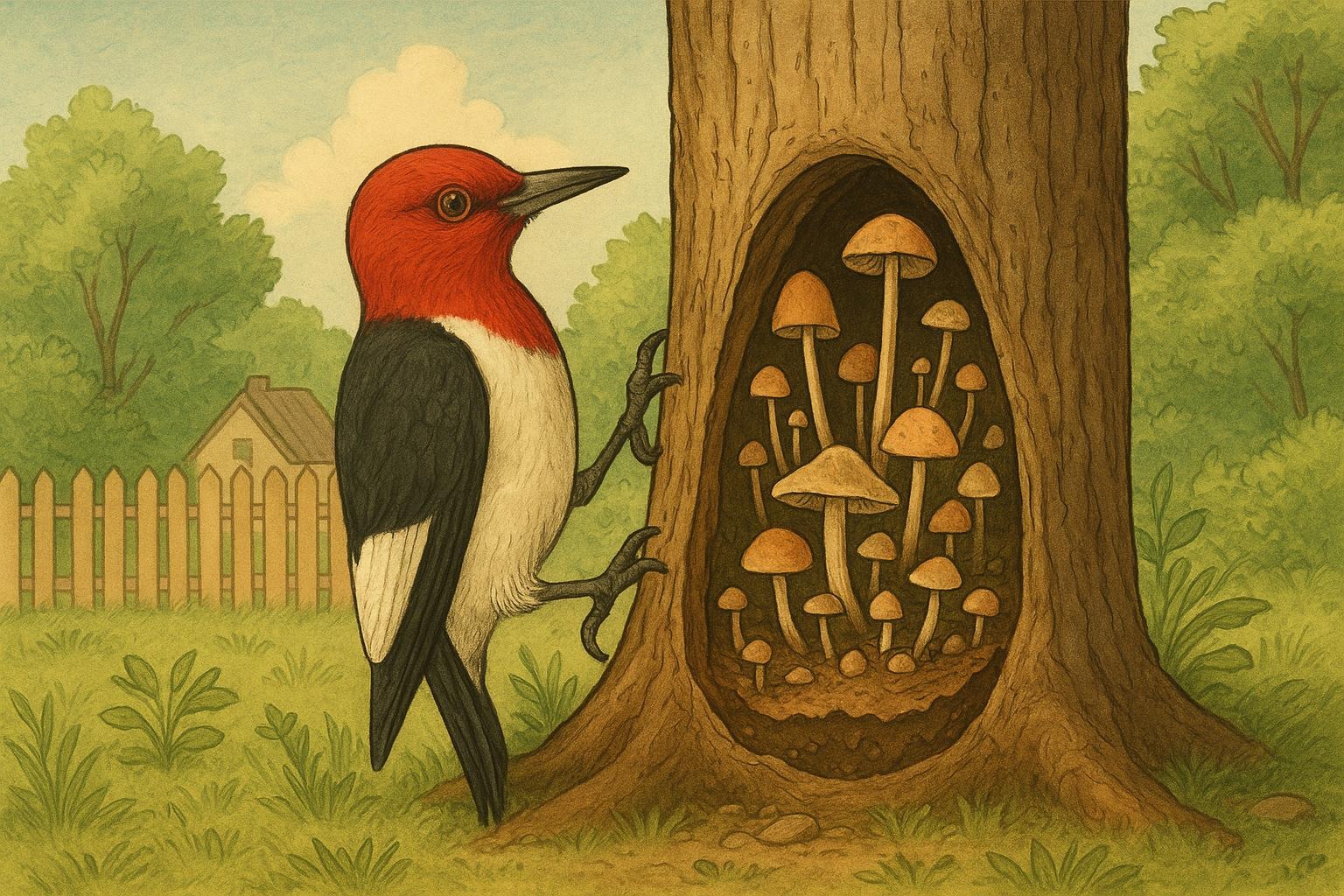
If you’ve ever woken up to a percussive drumline on your roof or your favorite tree looking like a Swiss cheese experiment, you’re not imagining things. Those feathered percussionists have stories to tell, and yes, they’re as dramatic as their beaks make them sound. Let’s get cozy on the porch and unpeel some of the surprising behaviors that woodpeckers bring right into your backyard.
## What Woodpeckers Are Trying To Tell You
Woodpeckers aren’t random demolition crews. They have very good reasons for the tapping and the holes: feeding, nesting, and communication. The sound that so many of us mistake for construction work is often a territorial announcement—an avian drum solo to say “this is mine” or “I found a tasty beetle.” Some species tap on resonant surfaces to amplify their reach, which is why gutters, aluminum siding, and metal vents become attractive drumheads.
### Signs Of Presence And Preference
Look for neat piles of wood chips at the base of a tree or under a porch—those are feeding stations, not a sign you should call an arborist immediately. Different species prefer different substrates; sapsuckers, for instance, make orderly rows of small holes to harvest sap and the insects it traps, while larger woodpeckers punch deep, irregular cavities for nesting or excavating wood-boring beetles.
## Why Woodpeckers Target Your House
It’s tempting to imagine your siding or eaves are especially delicious, but often the issue is practical: resonant surfaces, visible insects under shingles, or existing cavities that are easy to expand. During breeding season, some woodpeckers inspect multiple potential nest sites and may peck at wood just to check depth or rot. Older, untreated wood and softwoods are particularly attractive.
#### The Seasonal Rhythm Of Activity
Peak activity usually syncs with spring breeding and late summer insect outbreaks. Around spring, the noises ramp up—males are staking territory and attracting mates. Later in the year, when some pests become more abundant under bark, feeding-driven excavation rises.
### 1. How To Deter Woodpeckers Humanely
This remedy is presented in a formal, informative tone. The objective is to protect structures without harming birds or disrupting local populations. The following method combines physical barriers, habitat modification, and non-lethal deterrents proven effective in many residential settings.
#### Materials And Required Items
– Exterior-grade hardware cloth or bird netting (1/4” to 1/2” mesh)
– Galvanized screws and washers or staple gun suitable for outdoor use
– Long-handled pruning shears and gloves
– Exterior wood primer and paint, or a protective cedar stain (as appropriate for siding)
– Reflective tape or lightweight Mylar strips (optional)
– Ladder and personal safety equipment (harness recommended for roof work)
#### Step-By-Step Application
1. Conduct An Inspection: Carefully inspect the area to identify exact pecking sites, nearby trees that might be used as staging areas, and any insect damage that may attract woodpeckers. Document the locations to plan barriers and treatments.
2. Address Insect Infestations: If beetles or larvae are present under bark or in siding, treat the infestation first using appropriate insecticide treatments or consult a licensed pest control specialist. Removing the food source reduces the likelihood of re-targeting.
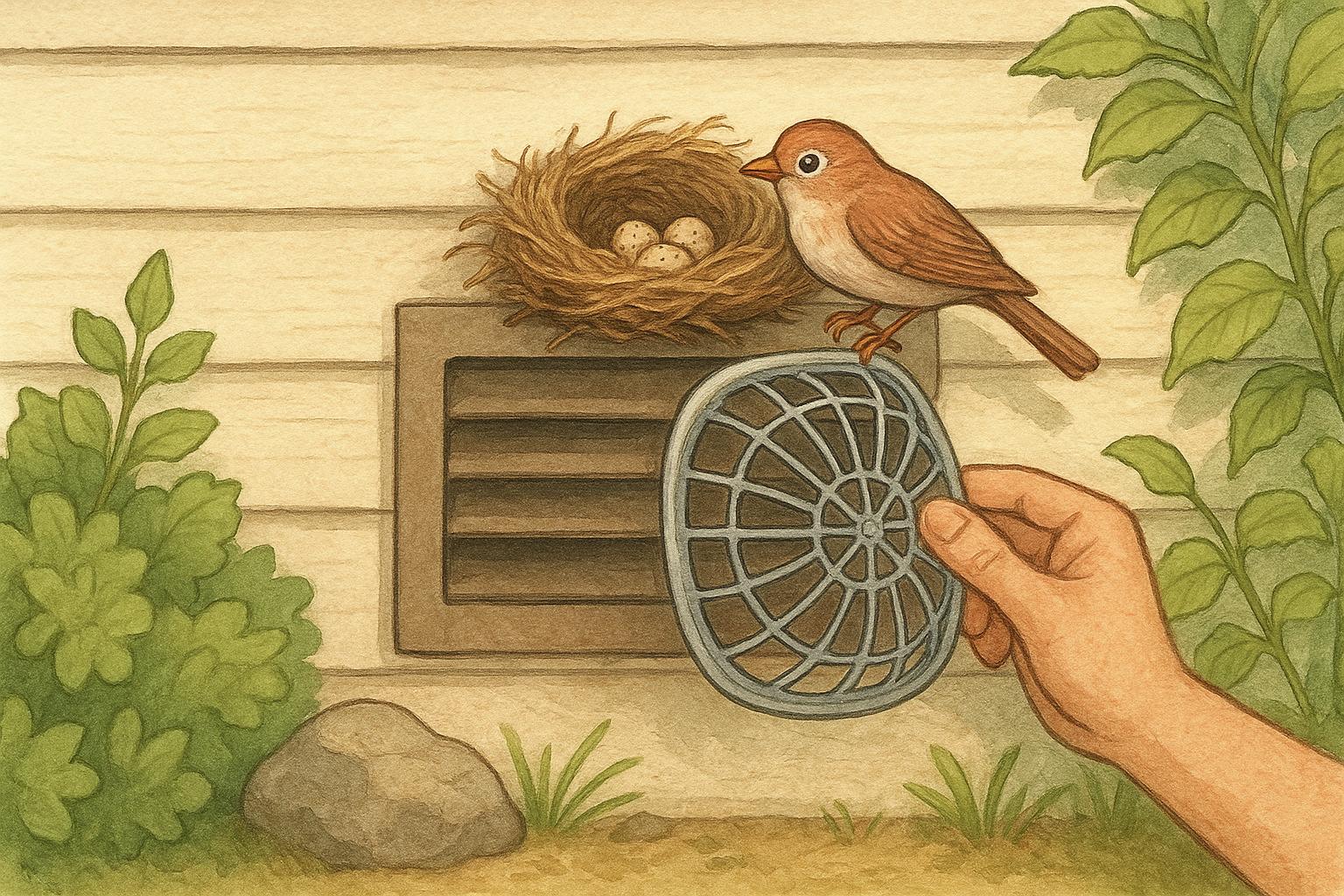
3. Install Physical Barriers: For localized pecking on siding or vents, cut hardware cloth or bird netting to size and attach it at least six inches away from the surface to prevent direct access. Secure with galvanized screws and washers to avoid rust and ensure long-term durability.
4. Repair And Protect Wood Surfaces: Remove loose or rotted wood and fill holes with exterior-grade wood filler. Prime and apply a durable exterior finish—paint or stain—to reduce resonance and make the surface less attractive. Paint increases surface hardness and often deters repeated drumming.
5. Create Visual And Acoustic Disincentives: Hang reflective tape or Mylar strips near problem areas if permitted by local ordinances. These create motion and light disturbance that many woodpeckers avoid. Rotate placements periodically to prevent habituation.
6. Maintain Vegetation: Trim branches that allow easy access to eaves or siding. This reduces perch points and increases the birds’ reluctance to approach the house.
7. Monitor And Adjust: Check the installations weekly for the first two months. Replace any damaged netting and reapply deterrents if needed. Document changes in pecking behavior to evaluate effectiveness.
Follow municipal wildlife regulations and recommendations from bird conservation organizations. The use of nets and barriers should be done thoughtfully to avoid unintended entanglement of other wildlife.
## The Surprising Positive Side Of Woodpeckers
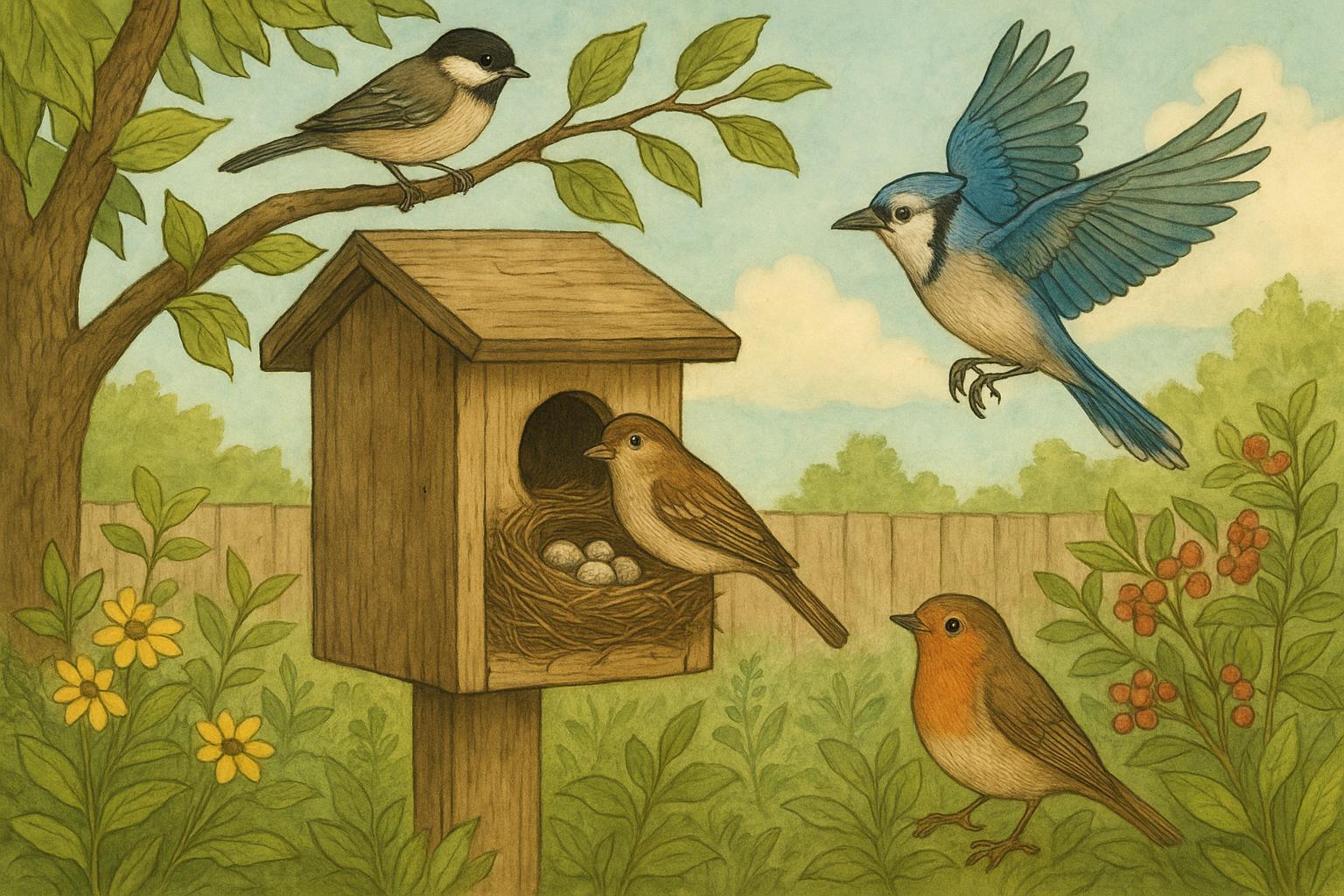
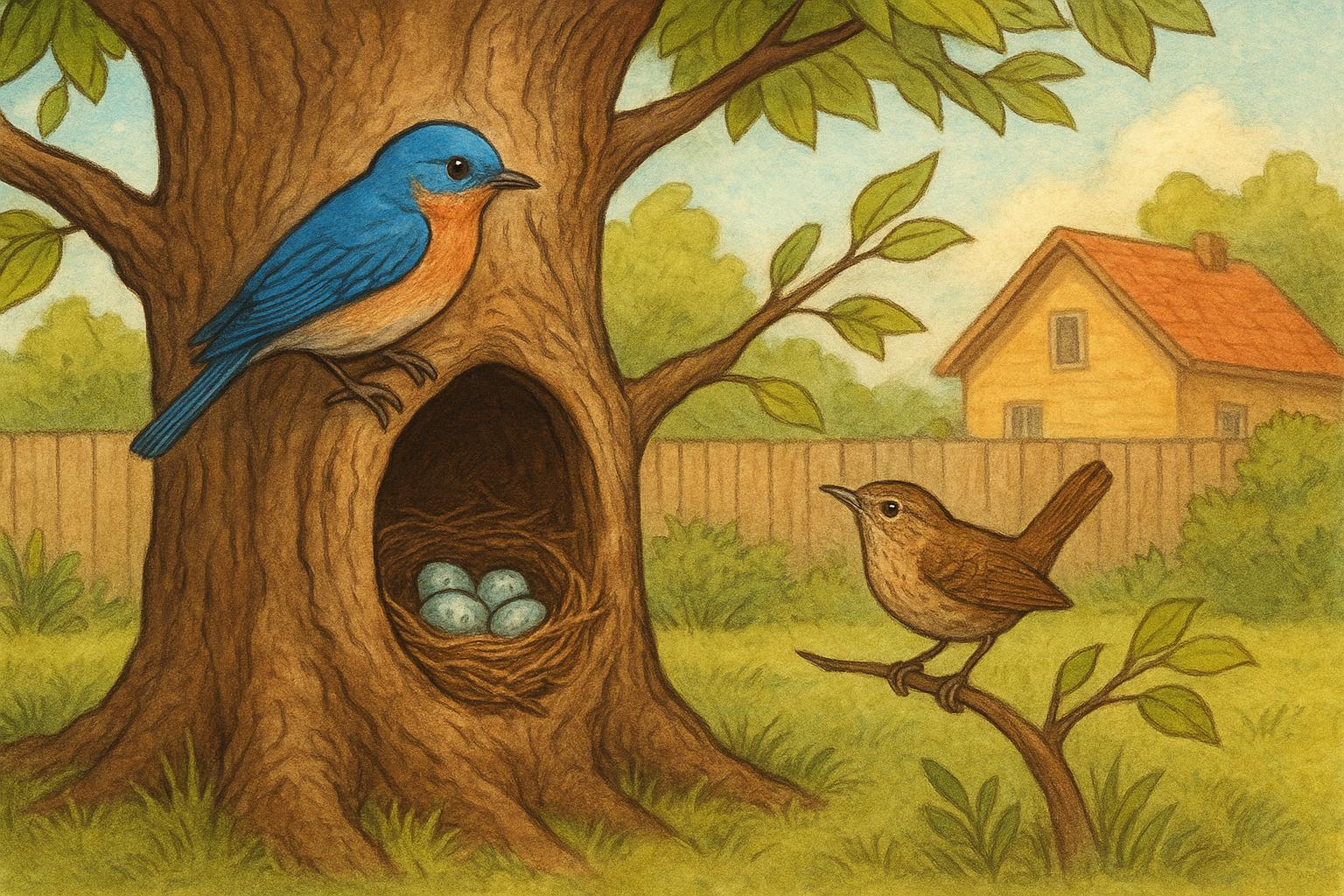
Believe it or not, woodpeckers are pest control allies. They feast on wood-boring insects that can damage trees and sometimes structures. Their nesting cavities are often later used by species like bluebirds, chickadees, and owls. So while they can cause frustrating cosmetic damage, they also contribute to backyard biodiversity.
### Safety And Legal Considerations
Many woodpecker species are protected under migratory bird protections in various countries. Do not disturb active nests. If you find a nest in active use, consult wildlife authorities or a licensed rehabilitation professional for guidance.
### 2. How To Attract Woodpeckers For Birdwatching
This remedy is also presented formally to ensure an effective, safe approach to attracting woodpeckers for observation. If your goal is to enjoy their antics rather than discourage them, here’s how to provide habitat and food while minimizing risky behaviors like pecking at your home.
#### Materials And Required Items
– Suet feeders (solid cage type)
– Peanut feeder or platform feeder with a roof
– Unsalted peanuts in the shell or shelled peanuts (no additives)
– Mixed suet cakes (insects, seeds, fruit-based)
– Native trees or dead snags if your property allows (or limb-sparing deadwood)
– Mounting pole or tree hook; tools for safe installation
#### Step-By-Step Application
1. Select Appropriate Locations: Place feeders near mature trees but away from eaves and siding—ideally 10–20 feet from the house—to encourage birds to forage in the yard instead of on structures.
2. Install Feeders Securely: Mount suet cages on poles at eye-level or slightly higher, ensuring they are stable and resistant to strong winds. Use baffles to deter squirrels if necessary.
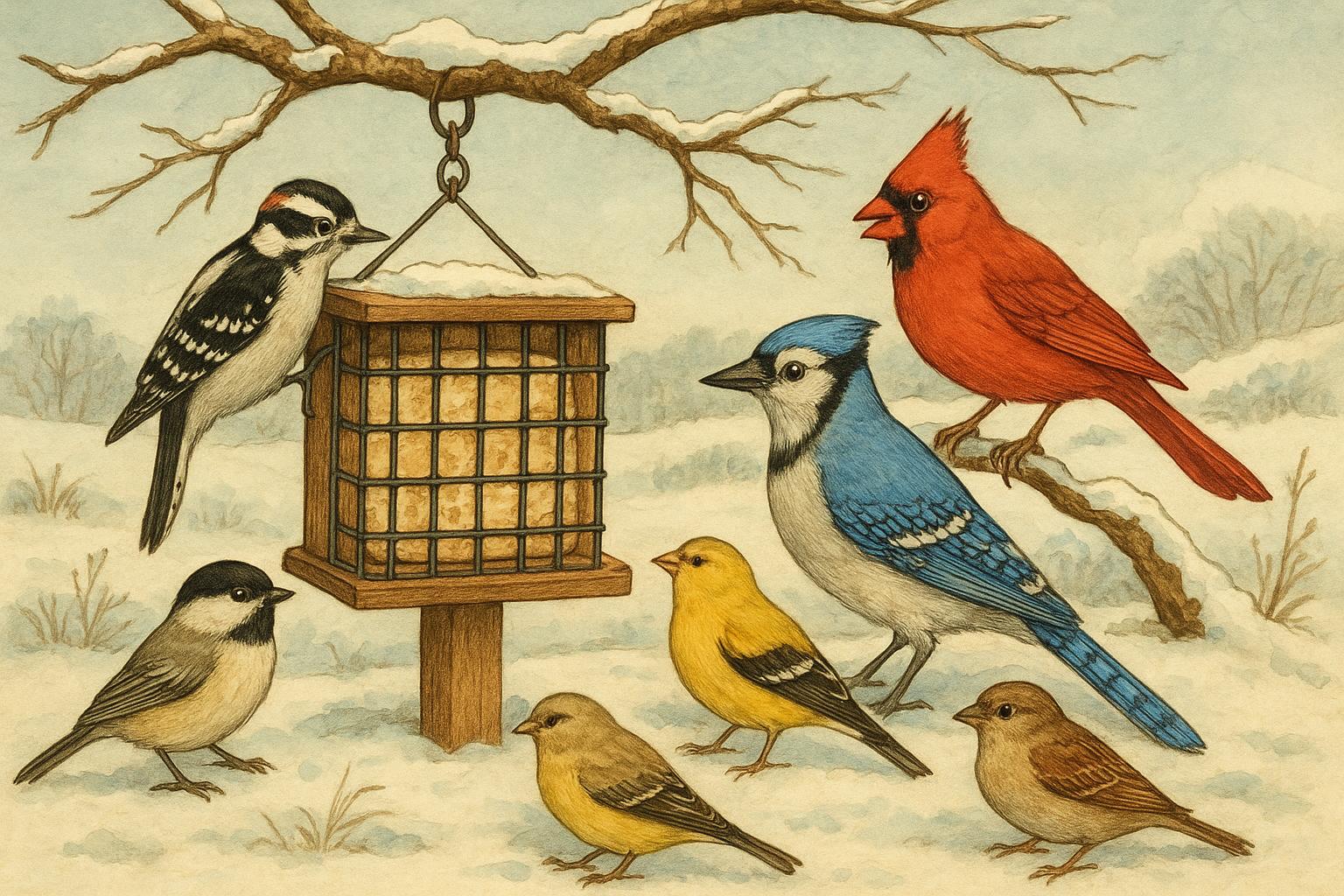
3. Offer Attractive Foods: Fill suet feeders with cakes containing insects and seeds; supplement with shelled peanuts during colder months when energy needs rise. Rotate food types seasonally to keep interest high.
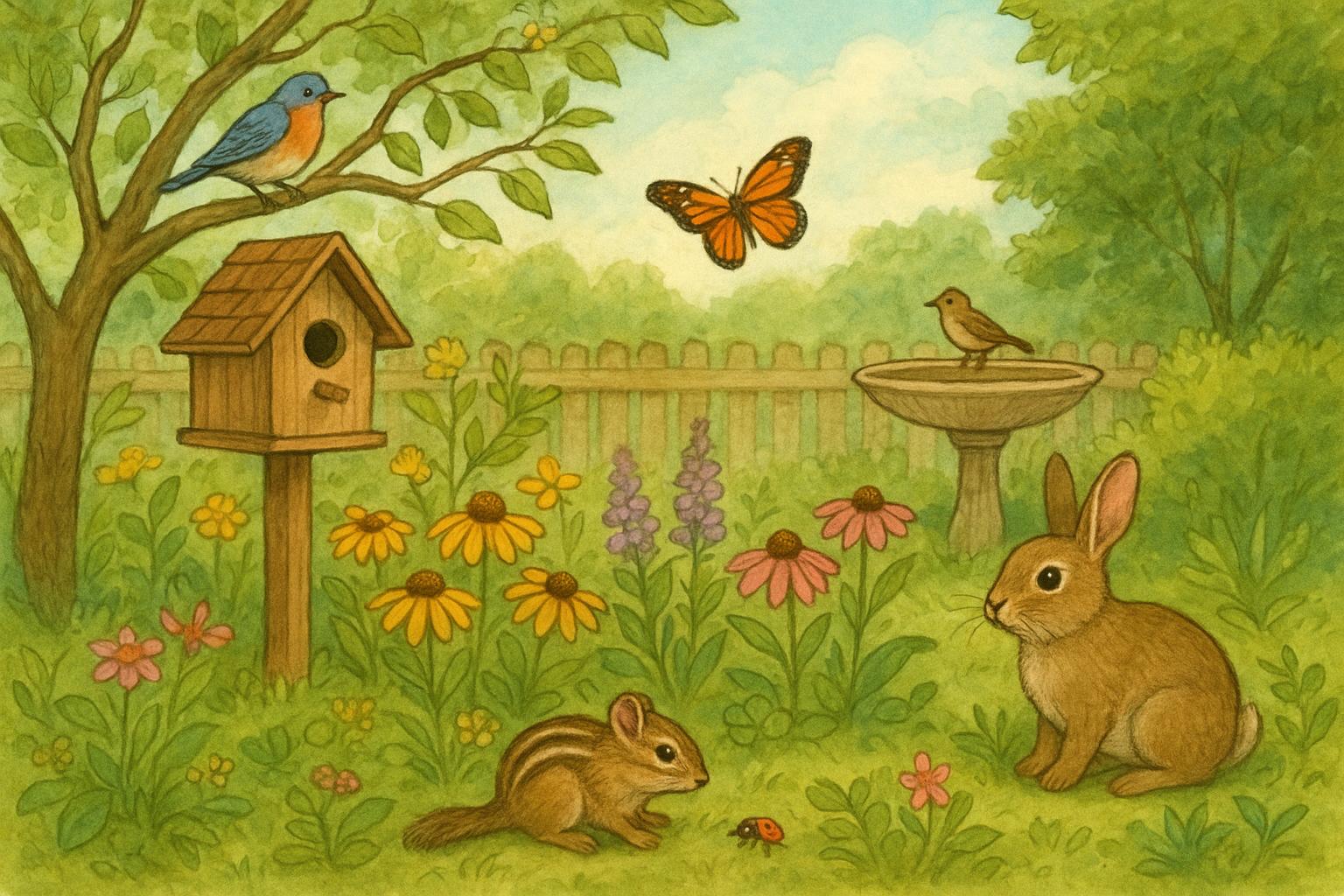
4. Provide Natural Habitat Elements: If local ordinances and safety allow, leave dead snags standing or install a roosting post; many woodpeckers prefer to excavate in softer deadwood. Plant native trees and shrubs that support insects and nesting opportunities.
5. Maintain Cleanliness: Clean feeders regularly to prevent mold and disease. Replace old suet and store excess food in airtight containers.
6. Observe From A Distance: Use binoculars or a spotting scope to enjoy behavior without interfering. If birds show signs of distress or aggression around feeders, reduce feeding or adjust placement.
7. Record And Share Sightings: Keep a small log of species, dates, and behaviors. This helps you adapt feeding strategies and contributes to local citizen science projects if you choose to share.
## Common Myths And Quirks About Woodpeckers
One myth: woodpeckers cause structural collapse. Unlikely—most damage is superficial and localized. Another: they hammer strictly for bugs. Not true—males drum primarily for territory and mate attraction. And the quirky truth: woodpeckers have barbed tongues for extracting insects, and their skulls are built like a crash helmet to withstand the constant impact. Nature’s tiny engineers are impressive.
#### Quick Tips For Peaceful Coexistence
– Install decoy feeders at safe distances to redirect activity.
– Use exterior paints that harden wood surfaces to reduce tempting soft spots.
– Monitor tree health; sometimes treating a decaying tree reduces backyard activity.
If you want help identifying the exact species in your yard or planning a targeted remediation or attraction strategy, I can walk you through species-specific behaviors, nest timing, and localized regulations so your yard becomes both bird-friendly and house-friendly.















Leave a Reply