
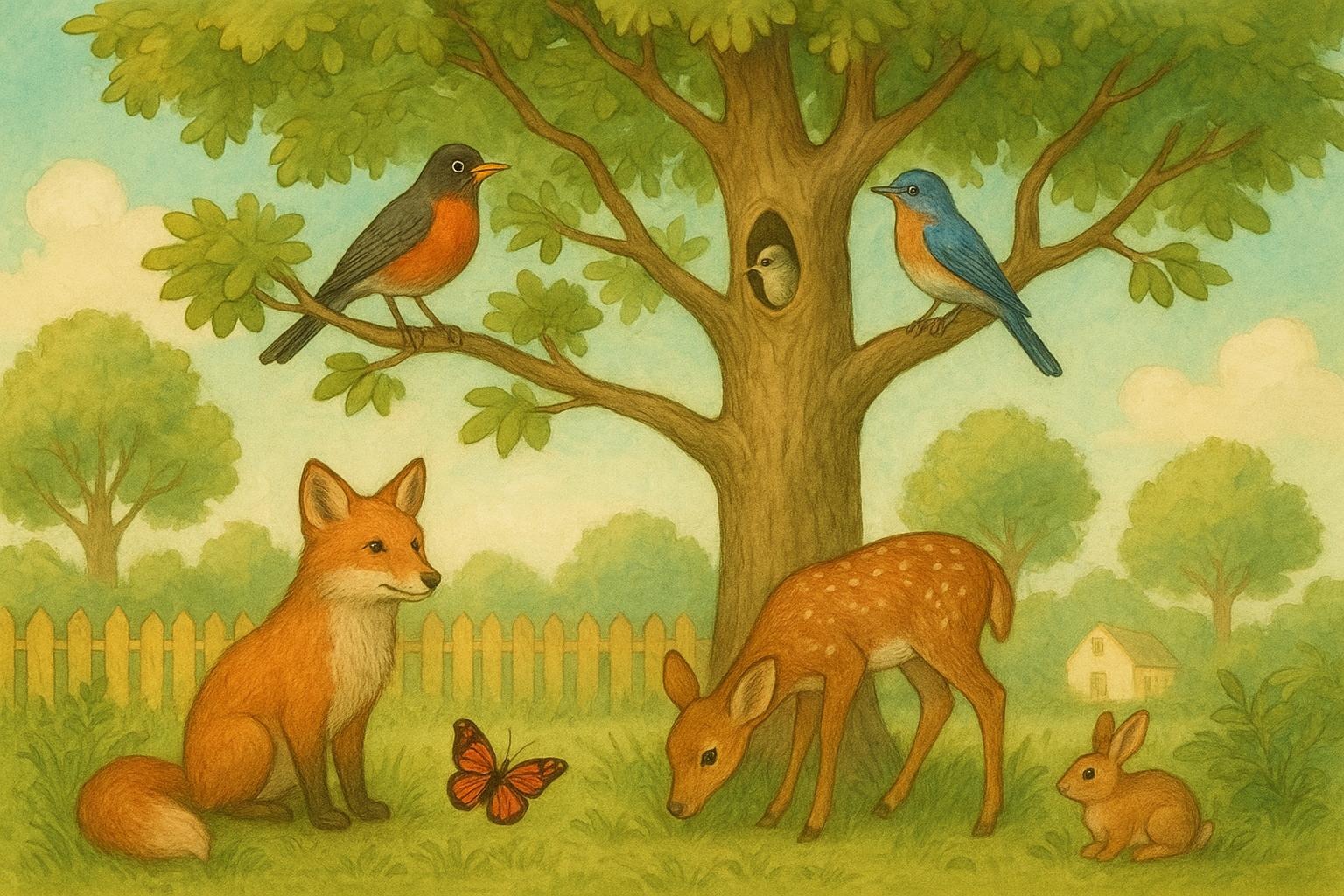
If you’ve ever watched a robin unzip the sky for a worm or seen a moth take a wrong turn into your porch light and felt an odd, tender responsibility for the whole backyard ecosystem — good. You’re already halfway to being a wildlife-friendly gardener. The other half is letting the right plants do the heavy lifting, and nothing does more heavy lifting for local critters than native trees.
## Native Trees That Supercharge Backyard Wildlife Today
Planting native trees isn’t just a feel-good thing for nature lovers. These trees are the backbone of healthy backyard ecosystems: they feed caterpillars that feed birds, shelter pollinators, stabilize soil, and hold more food web value than many imported ornamentals. If you want a yard that hums with life (and not just mosquitoes), prioritize species that evolved here alongside your local wildlife.
### Why Native Trees Matter For Wildlife
#### Coevolution Means Better Food
Many insects have coevolved with specific trees. Oak leaves, for example, host hundreds of caterpillar species; those caterpillars are a primary food source for breeding birds. A native tree’s chemistry, timing, and structure match the life cycles of local insects and pollinators far better than exotic alternatives.
#### Shelter, Nesting, And Microclimates
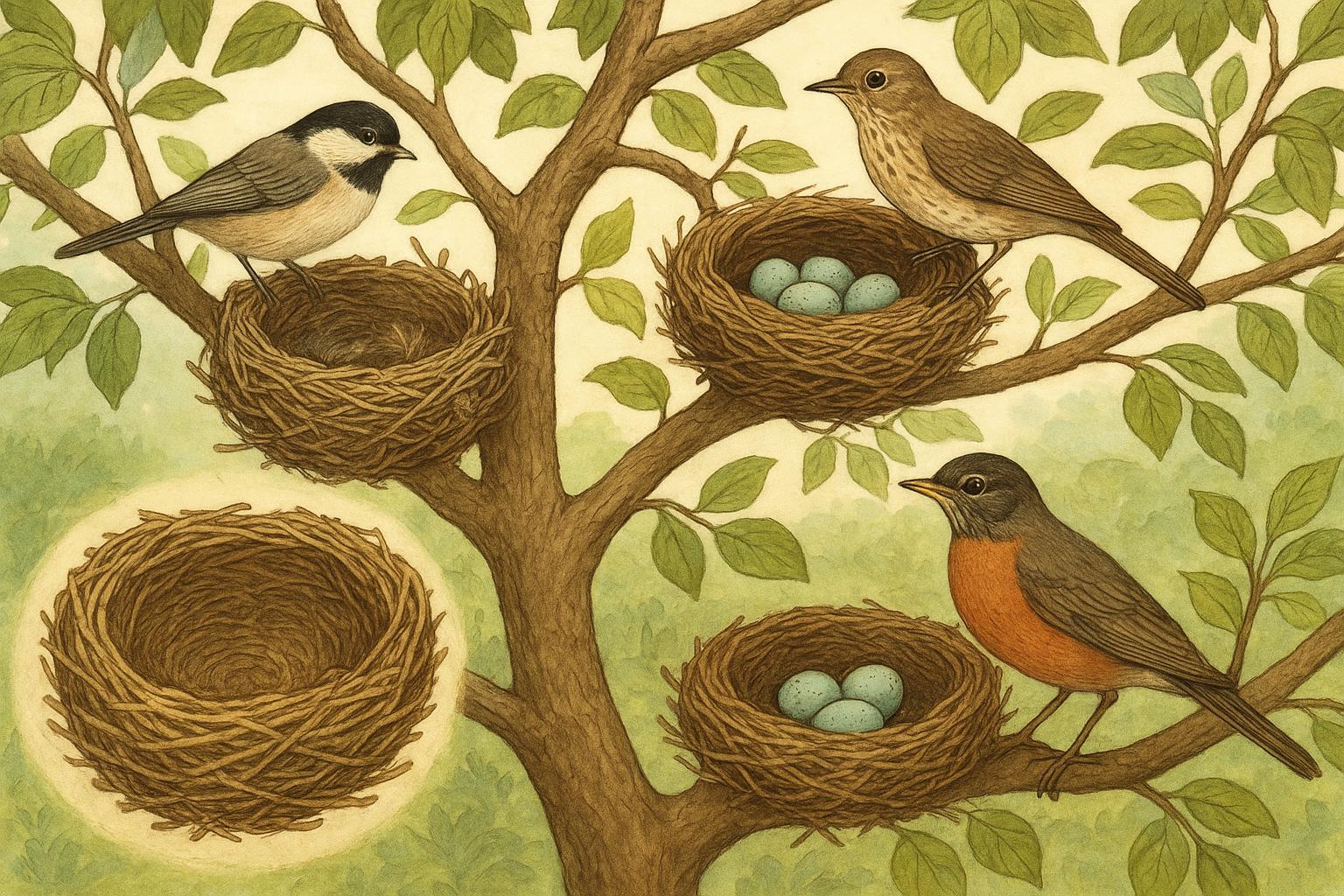
Native trees provide the right branch structure and leaf density for nests, dens, and cover. Their root systems create soil porosity that supports communal fungi and invertebrates. They also moderate temperature extremes by creating shade and windbreaks that help delicate understory plants and migrating insects survive.
#### Supporting Biodiversity At Scale
A single mature native tree can support dozens to hundreds of species across multiple seasons — from spring blossoms that feed bees to autumn nuts and seeds for squirrels and birds. Planting native trees is one of the most efficient ways to increase backyard biodiversity.
### Top Native Trees To Consider (General Guide)
Pick species suited to your climate and soil. Here are reliable categories and examples — check local extension services or native plant societies for region-specific recommendations.
#### Oaks (Quercus Spp.)
Oaks are champions: support hundreds of insect species, acorns feed mammals and birds, and they live long. Even small yard oak varieties are high-value wildlife factories.
#### Willows (Salix Spp.)
Fast-growing, excellent for pollinators and as early spring nectar sources. Good near water or in moist soils; their flexible branches are often used by nesting birds.
#### Native Maples (Acer Spp.)
Provide early spring sap, spring flowers for bees, and seeds for birds. Many maples also create shade and fall color that enriches the understory environment.
#### Serviceberry, Dogwood, And Hawthorn
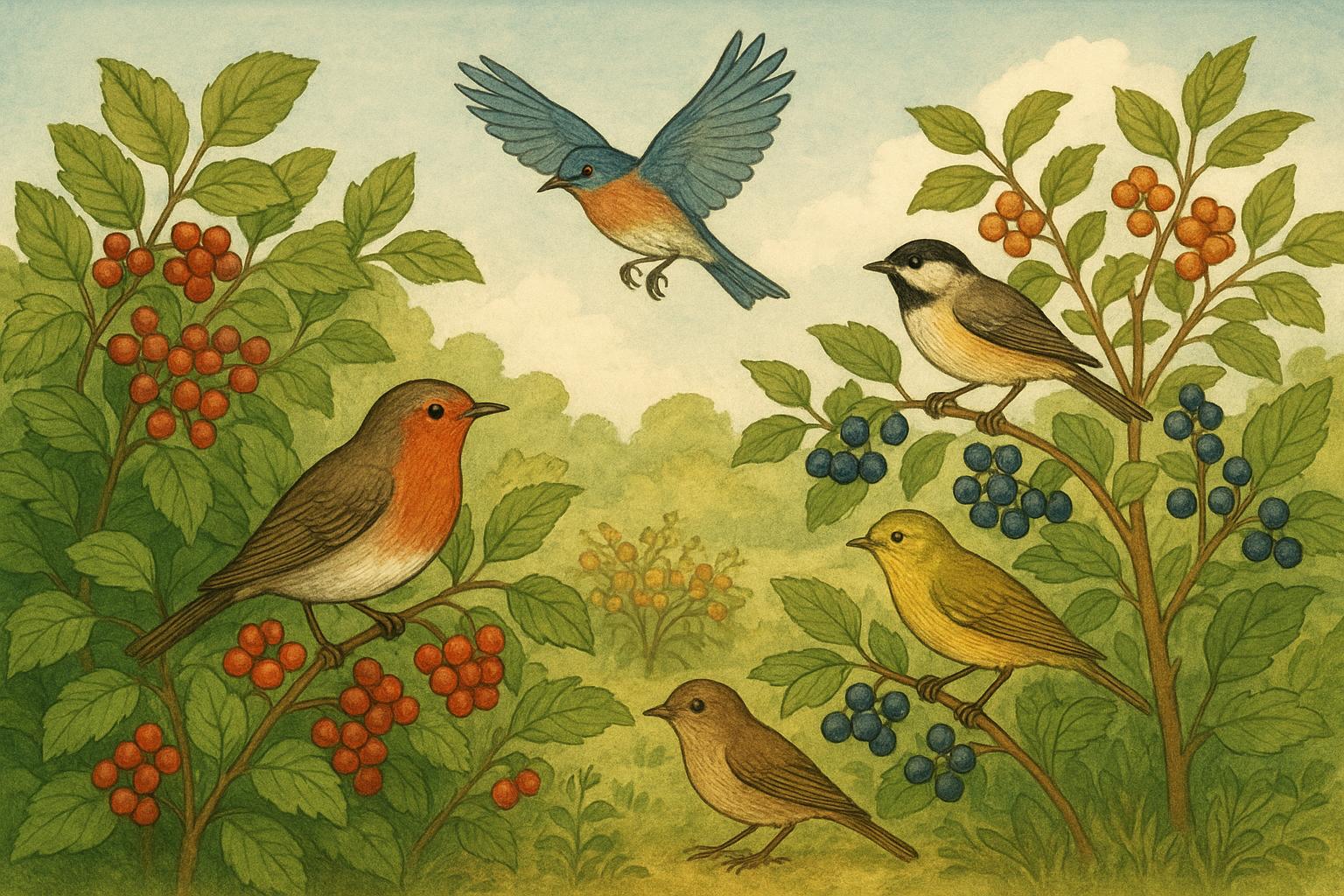
Smaller trees or large shrubs that provide spring flowers, summer berries, and shelter. Birds adore the fruit and insects love the blossoms.
#### Pines And Other Conifers
Evergreen structure offers year-round cover for birds and mammals; some cones provide seeds for crossbills and squirrels.
### Designing Your Backyard With Native Trees
Start with a plan. Think beyond a single specimen; imagine a layered habitat. Place taller native trees as a canopy backbone, intersperse mid-story fruiting natives like serviceberry or dogwood, and finish with native shrubs and perennials.
#### Layering And Diversity
Layering creates niches: canopy trees, understory trees, shrubs, and herbaceous plants each host different species. Aim for a mix of evergreen and deciduous, early and late bloomers, and plants that produce different fruit types and seed timings.
#### Water, Soil, And Microhabitat Considerations
Observe your yard for wet spots, dry ridges, sun, and shade. Match tree species to these conditions so they thrive without constant intervention. Healthy trees mean more insects and better habitat.
## Remedy 1: How To Plant A Native Tree For Wildlife
When you’re ready to take action, follow this formal, step-by-step remedy to ensure high survival and wildlife benefit. This section is intentionally precise to maximize success.
### Ingredients/Required Materials
– One appropriately sized native tree sapling (1–2 years old, balled and burlapped or container-grown)
– Organic compost or well-aged leaf mulch (2–4 cubic feet)
– Shovel or planting spade
– Garden gloves and protective footwear
– Water source (hose or watering can)
– Mulch (wood chips or leaf mulch, 2–3 inches depth)
– Tree stake and soft tie (only if planting in windy location)
– pH test kit (optional, if soil adjustment is needed)
– Local planting guide or extension service contact for species-specific needs
### Step-By-Step Creation And Application
1. Select The Right Spot
– Choose a location suited to the species’ mature height, root spread, light, and moisture requirements. Consider proximity to structures and utilities to avoid future conflicts.
2. Time The Planting
– Plant in the dormant season (late fall after leaf drop or early spring before bud break) to reduce transplant shock.
3. Prepare The Planting Hole
– Dig a hole 2–3 times wider than the root ball and no deeper than the root ball’s height. Wider soil encourages root spread; deeper holes cause settling and root suffocation.
4. Inspect And Position The Tree
– Gently remove the container (or peel back burlap if required) and inspect roots. Tease out circling roots to prevent girdling. Place the root crown at or slightly above surrounding soil level; the first major root should be just below grade.
5. Backfill With Native Soil And Compost
– Mix a small amount of compost into the native soil (max 10–20% compost by volume) to improve structure while preserving local soil characteristics. Avoid excessive amendments that discourage roots from growing outward.
6. Water Thoroughly
– Water the planting hole until the soil settles and no air pockets remain. This establishes immediate root-soil contact.
7. Mulch Carefully
– Apply 2–3 inches of mulch, keeping it 2–4 inches away from the trunk to prevent rot. Mulch conserves moisture, moderates soil temperature, and supports soil organisms.
8. Stake Only If Necessary
– Stake the tree only if wind or steep slopes threaten stability, and remove stakes after one growing season to allow natural trunk strengthening.
9. Establish A Watering Regimen
– Water deeply once or twice weekly the first growing season (depending on rainfall). Gradually reduce frequency in year two as the tree establishes.
10. Monitor And Protect
– Protect young trees from lawn mower and string-trimmer damage with guards. Watch for pests and disease but favor biological controls; intervene only when necessary to prevent tree loss.
When planting multiple trees, consider spacing for eventual canopy spread and plan for successional habitat (some species benefit from drop-nest debris for ground-dwelling fauna).
### Maintenance Notes (Formal)
– Prune only to remove dead or damaged wood, and avoid drastic pruning that reduces mast or flowering potential.
– Avoid fertilizers unless soil tests indicate deficiency; unnecessary nitrogen can favor leaf growth over flowering and fruiting, which reduces food for wildlife.
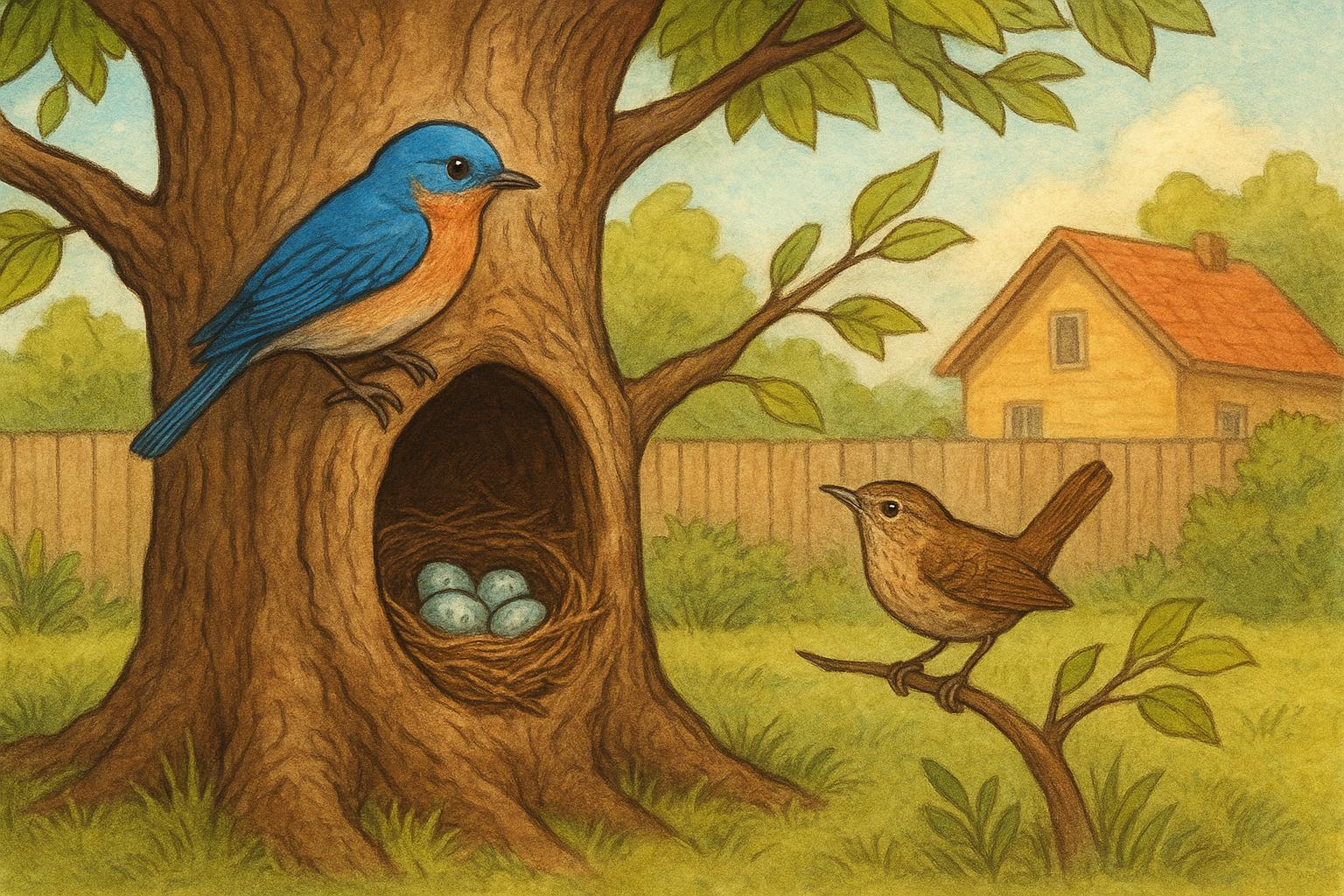
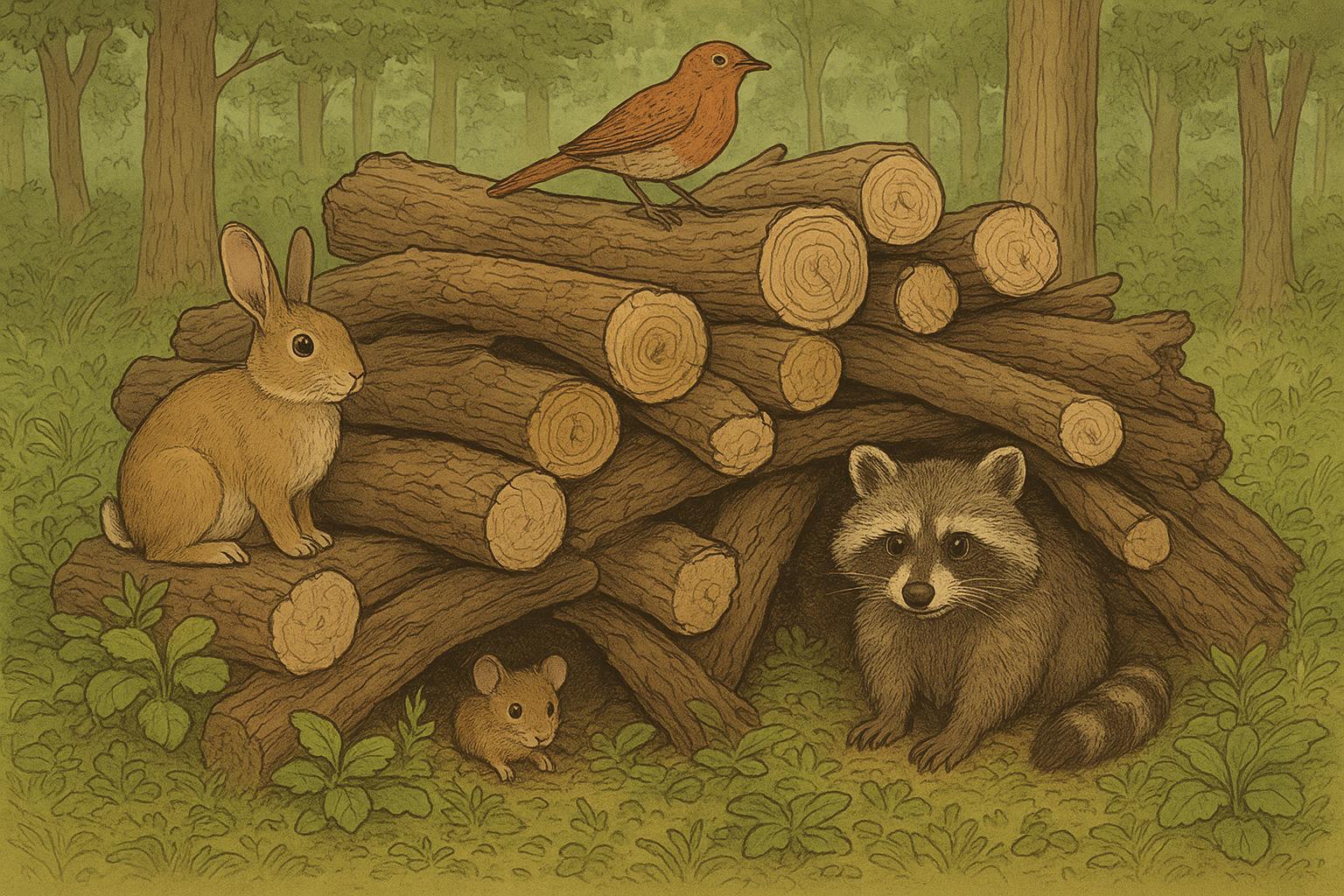
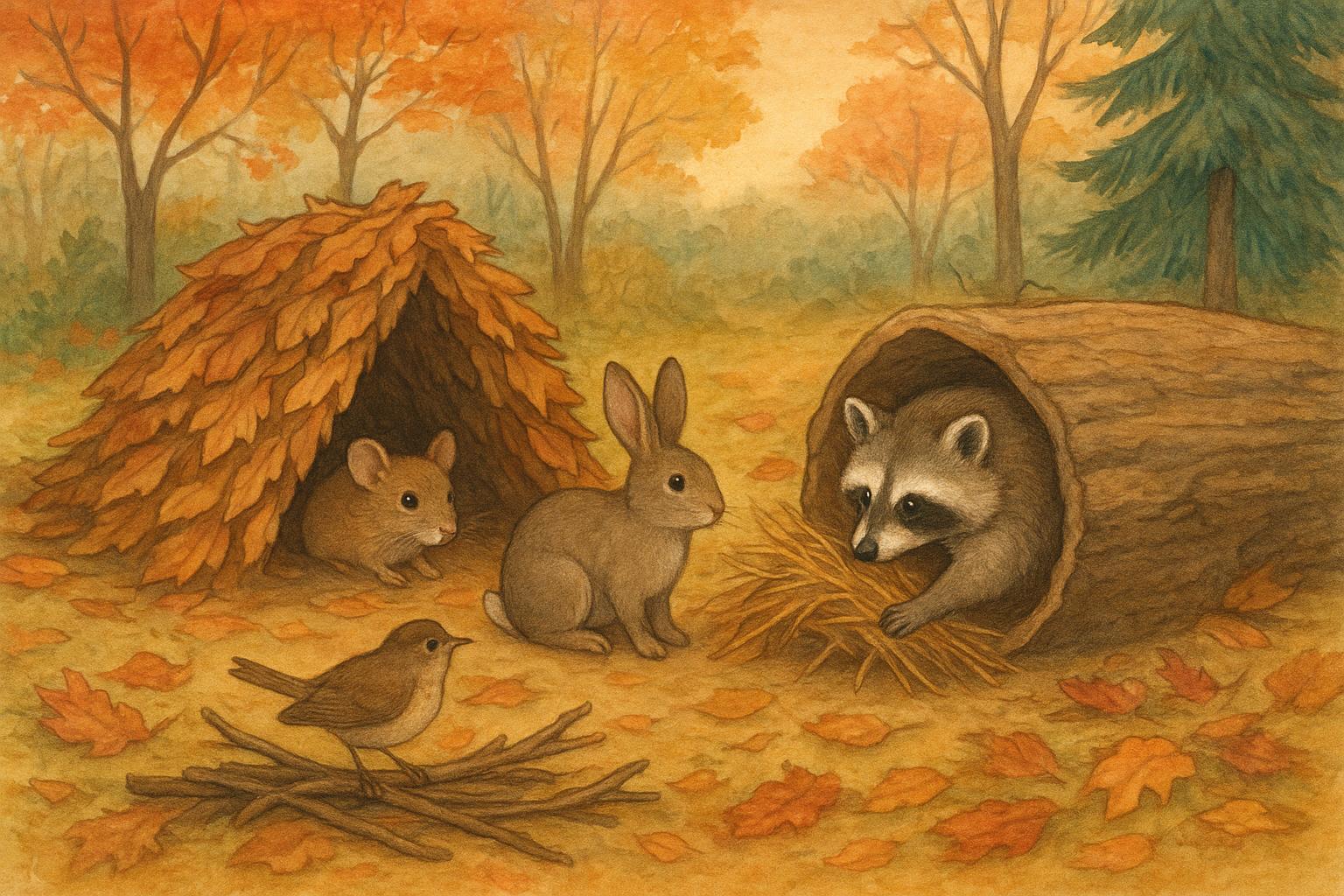
– Retain standing dead wood (when safe) for cavity-nesting species and decomposer habitats.
### Practical Examples Of Planting Combinations
Pair an oak (canopy) with serviceberry (understory) and native shrubs like elderberry or goldenrod in the periphery. This combination yields early blossoms, mid-season berries, and mast for winter—supporting insects and birds year-round.
### Encouraging Pollinators And Beneficial Insects
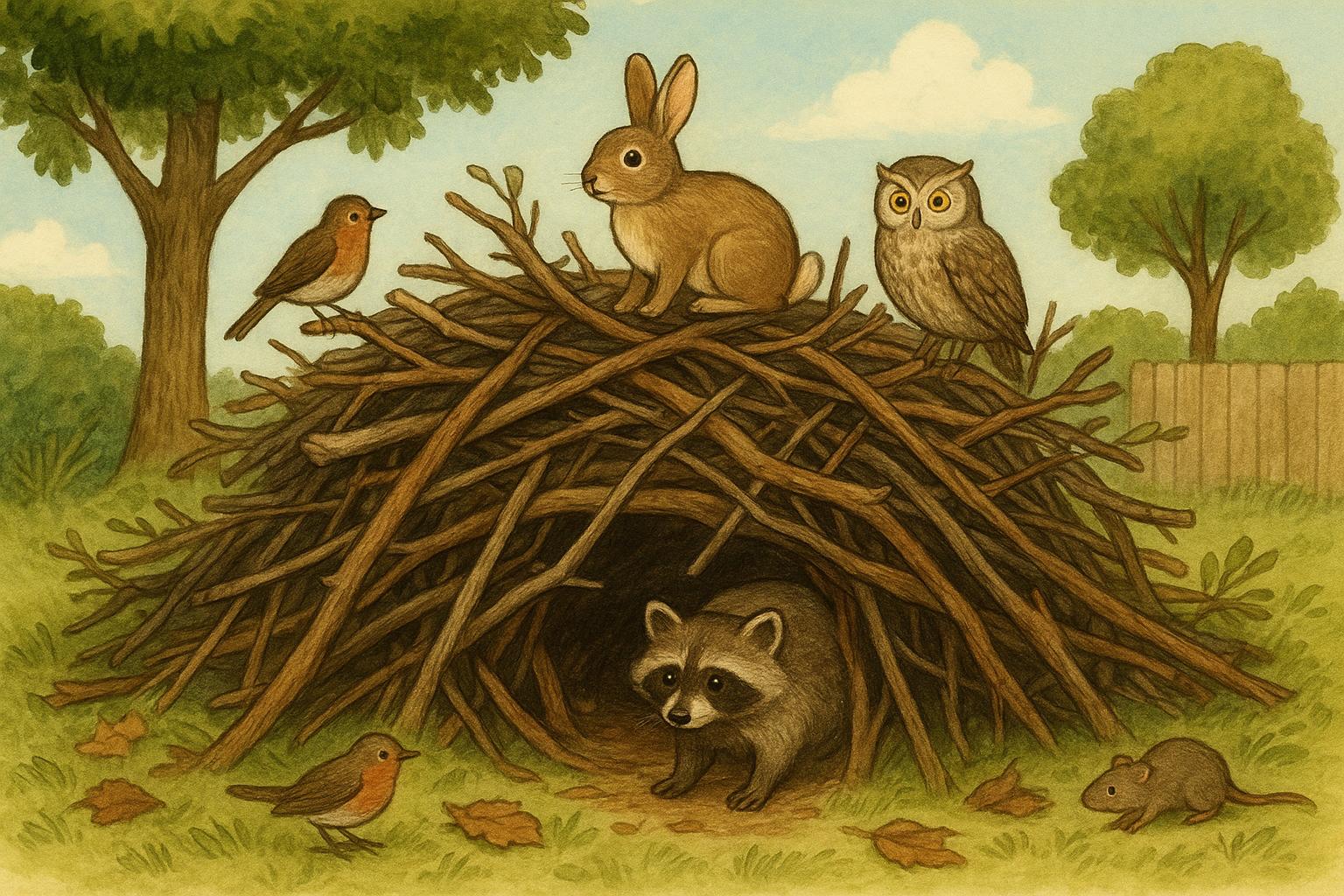
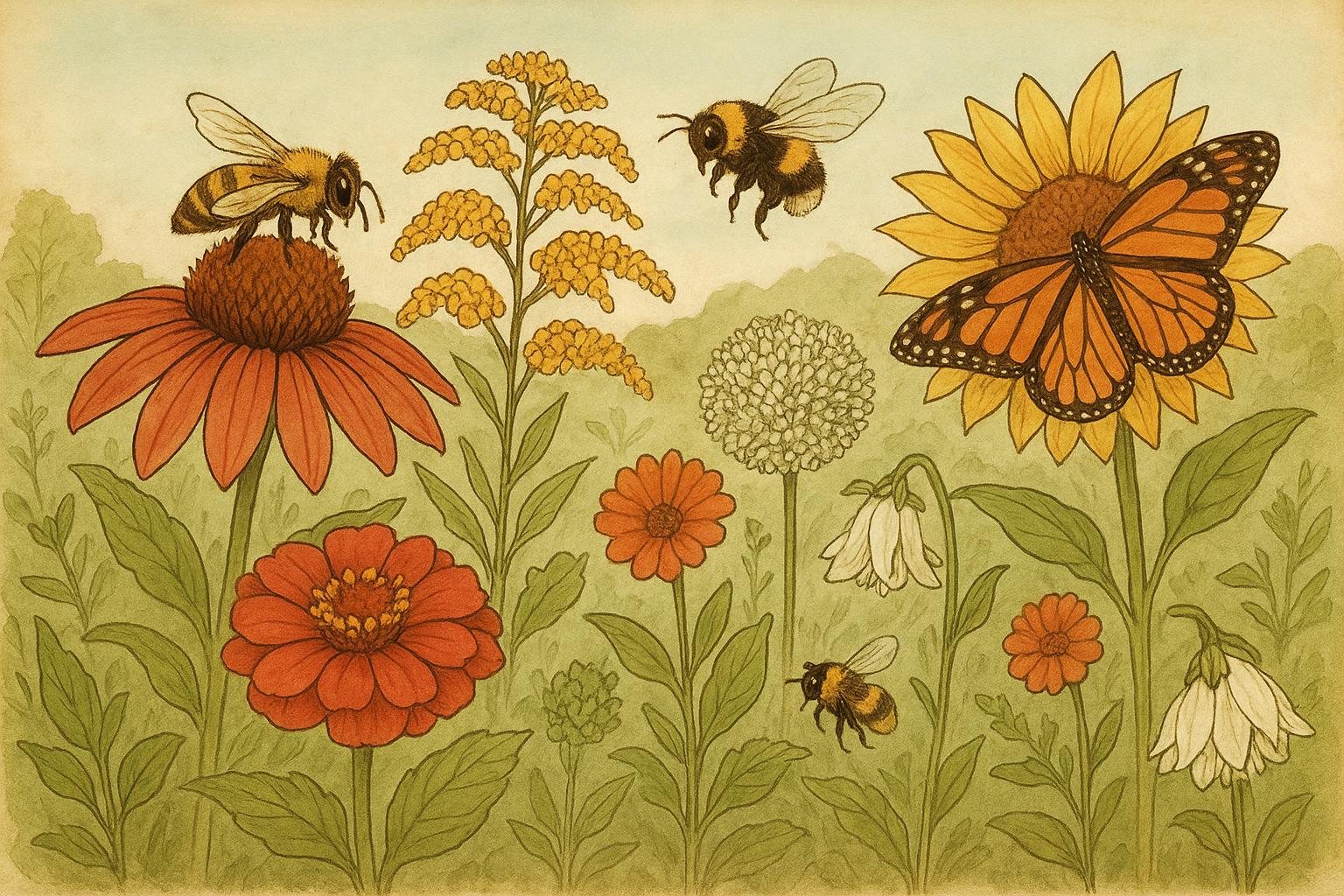
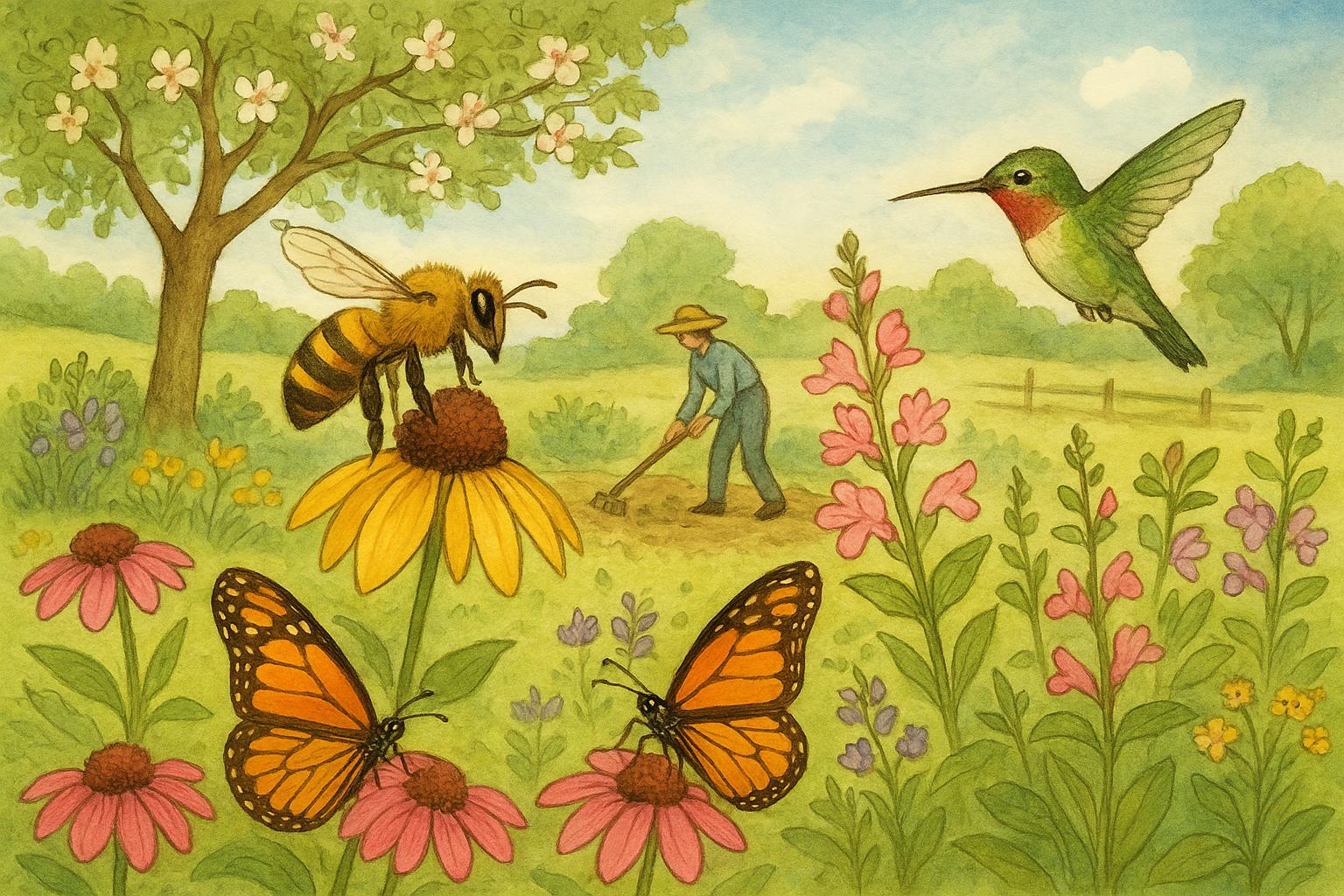
Plant native trees with staggered bloom times to provide continuous nectar. Complement trees with native wildflowers and leave some leaf litter and twig piles for ground beetles and solitary bees. Resist the urge to sanitize the yard; a little mess equals a lot of biodiversity.
### Dealing With Common Challenges
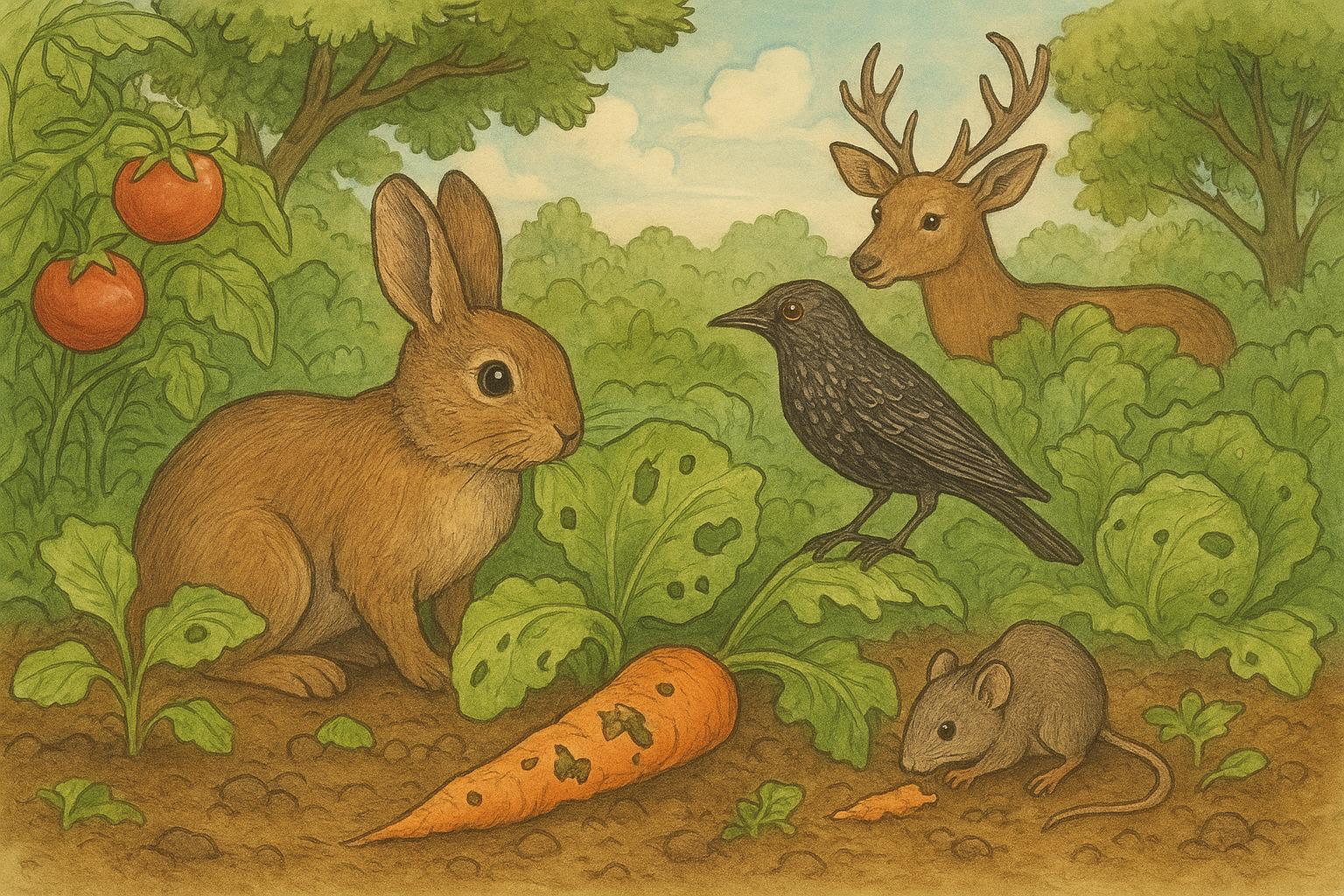
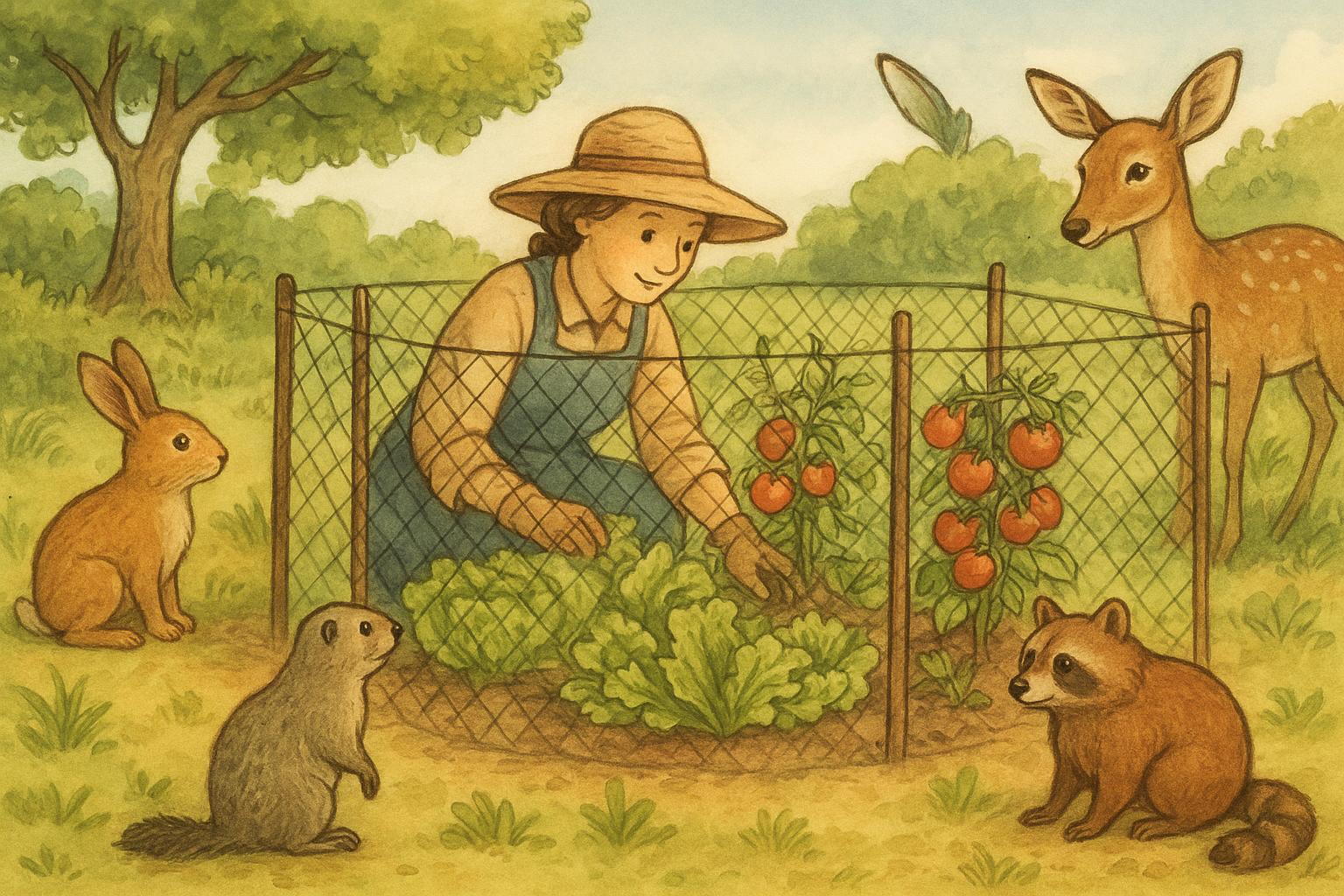
If deer or rodents feed on young trees, use tree guards, fencing, or targeted repellents. For drought-prone sites, select drought-tolerant native trees and water deeply but infrequently. For compacted soils, employ core aeration or plant species known to tolerate heavier soils.
### How To Measure Success (A Friendly Tip)
Success isn’t immediate. Look for increasing numbers of caterpillars, more songbirds during breeding season, and a rise in pollinator visits. If a patch of your yard becomes an unofficial nature reserve with frequent winged guests, you’re doing it right — and you can tell your neighbors you’re “practicing proactive biodiversity.”
### Additional Actions To Complement Native Trees
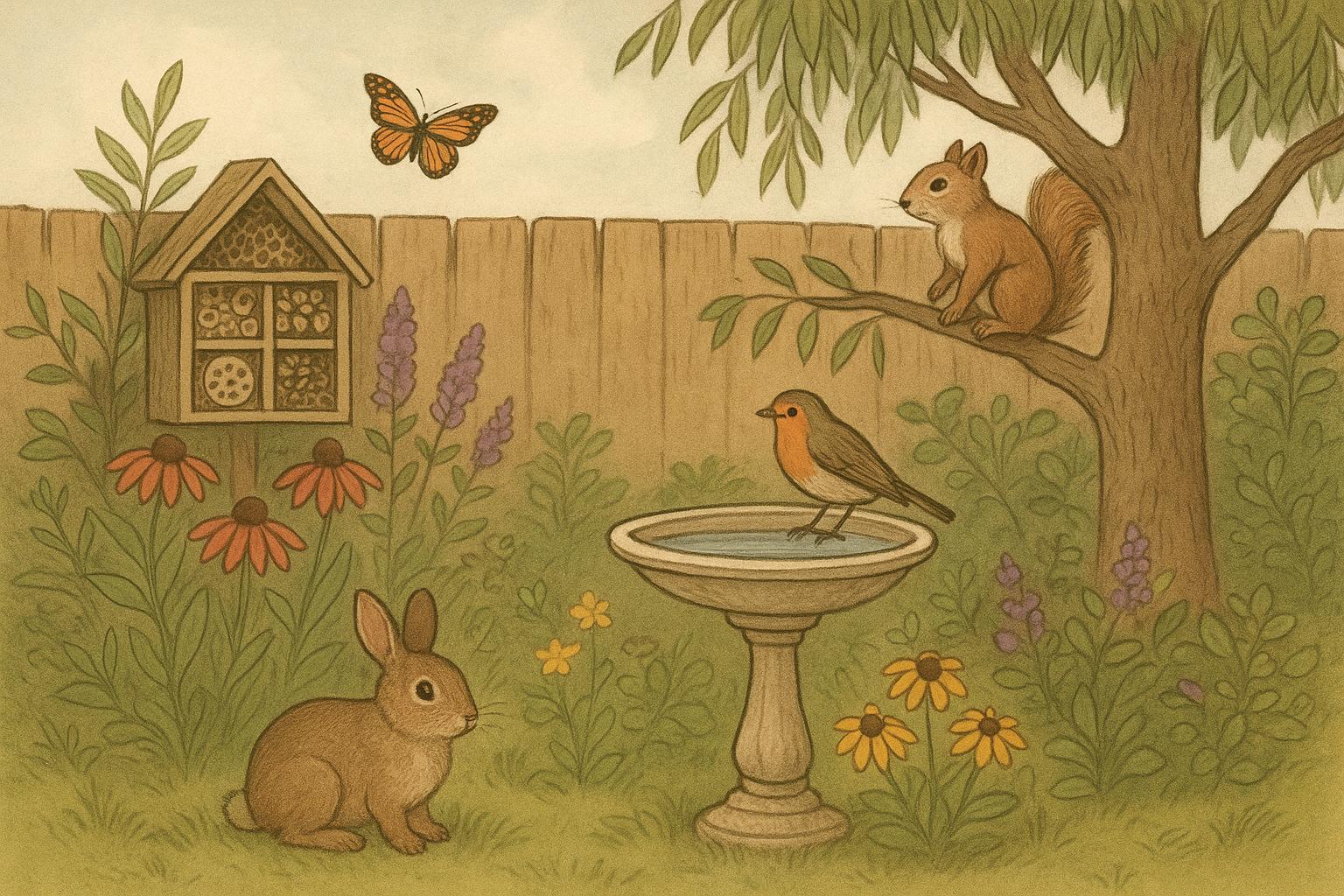
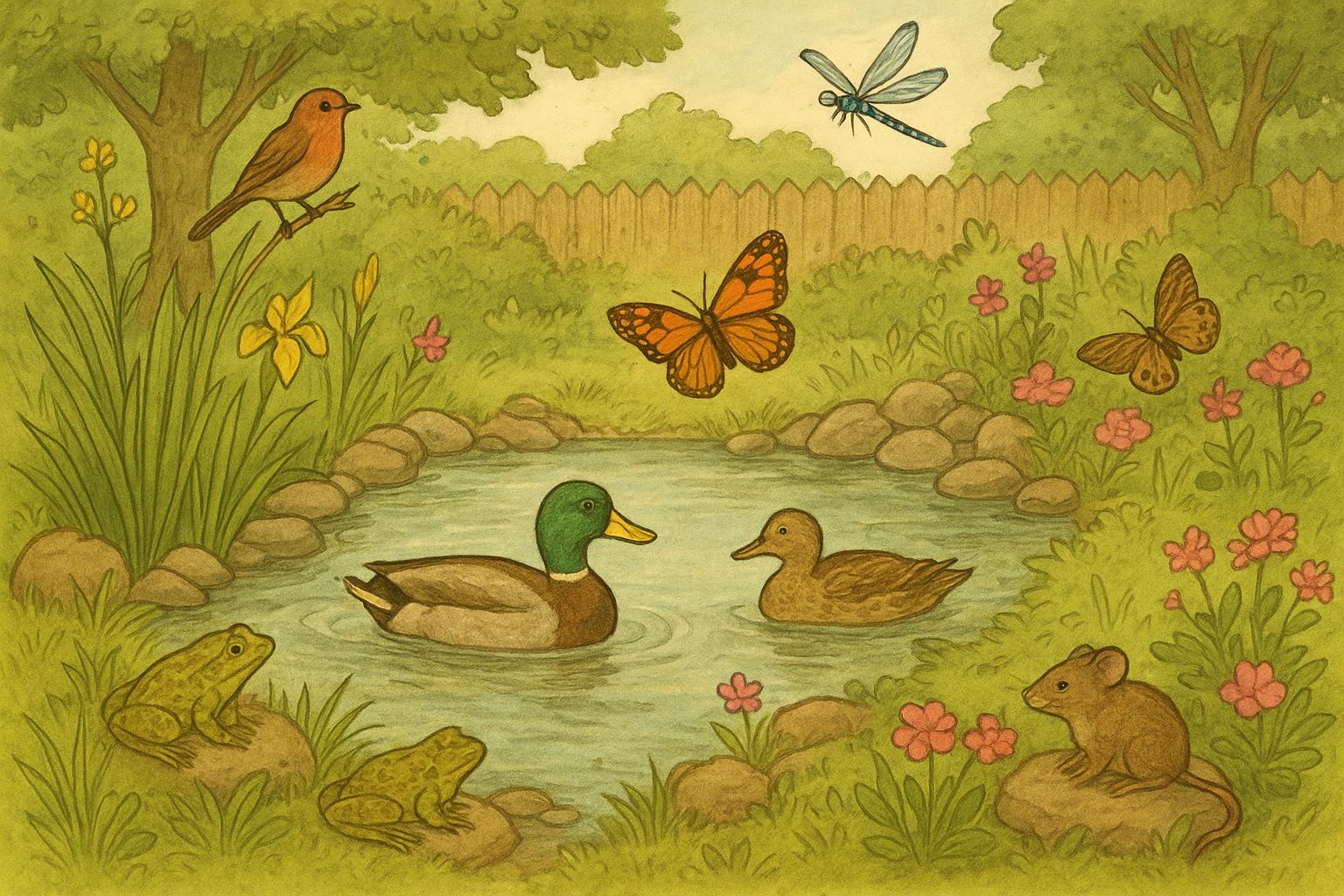
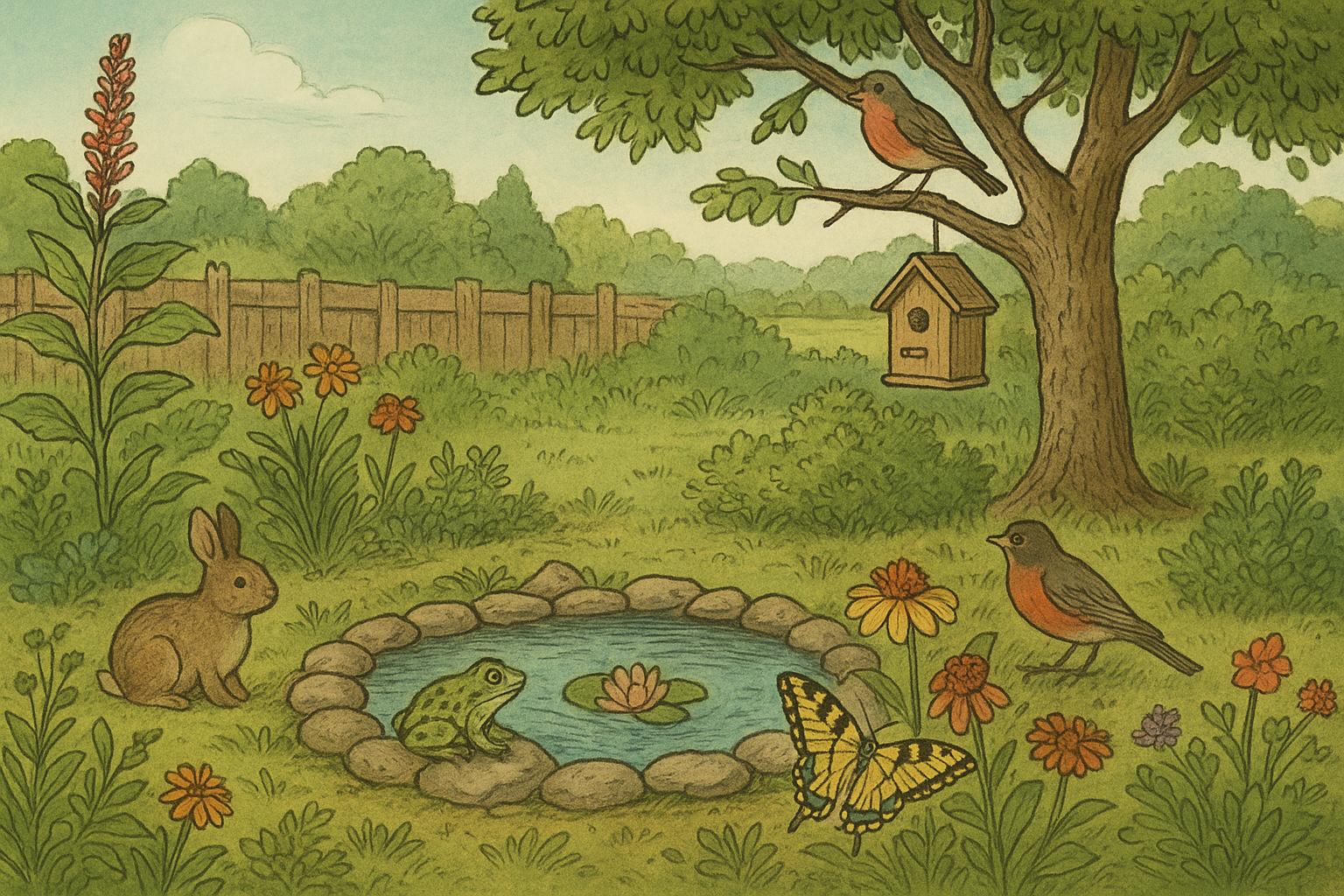
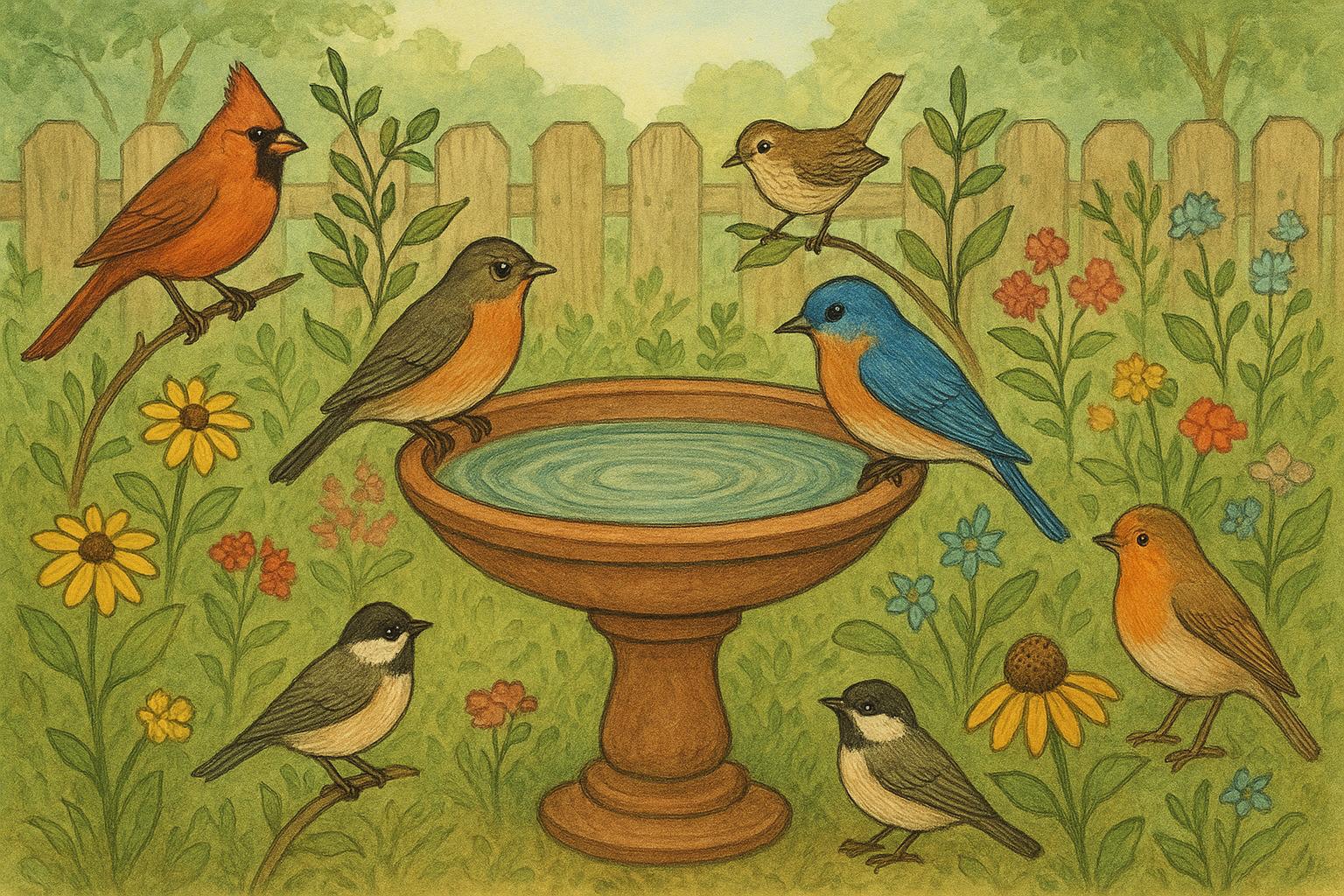
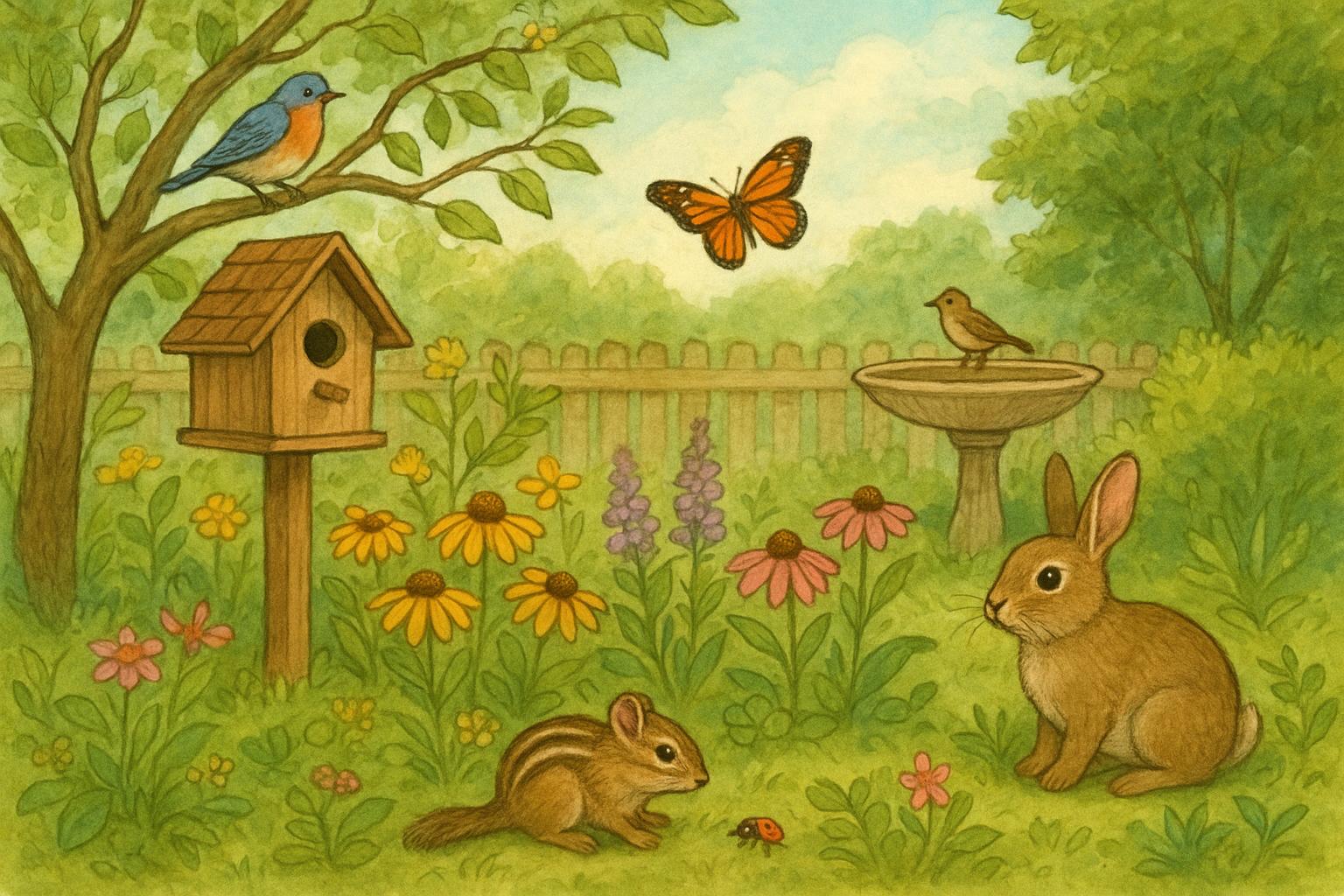
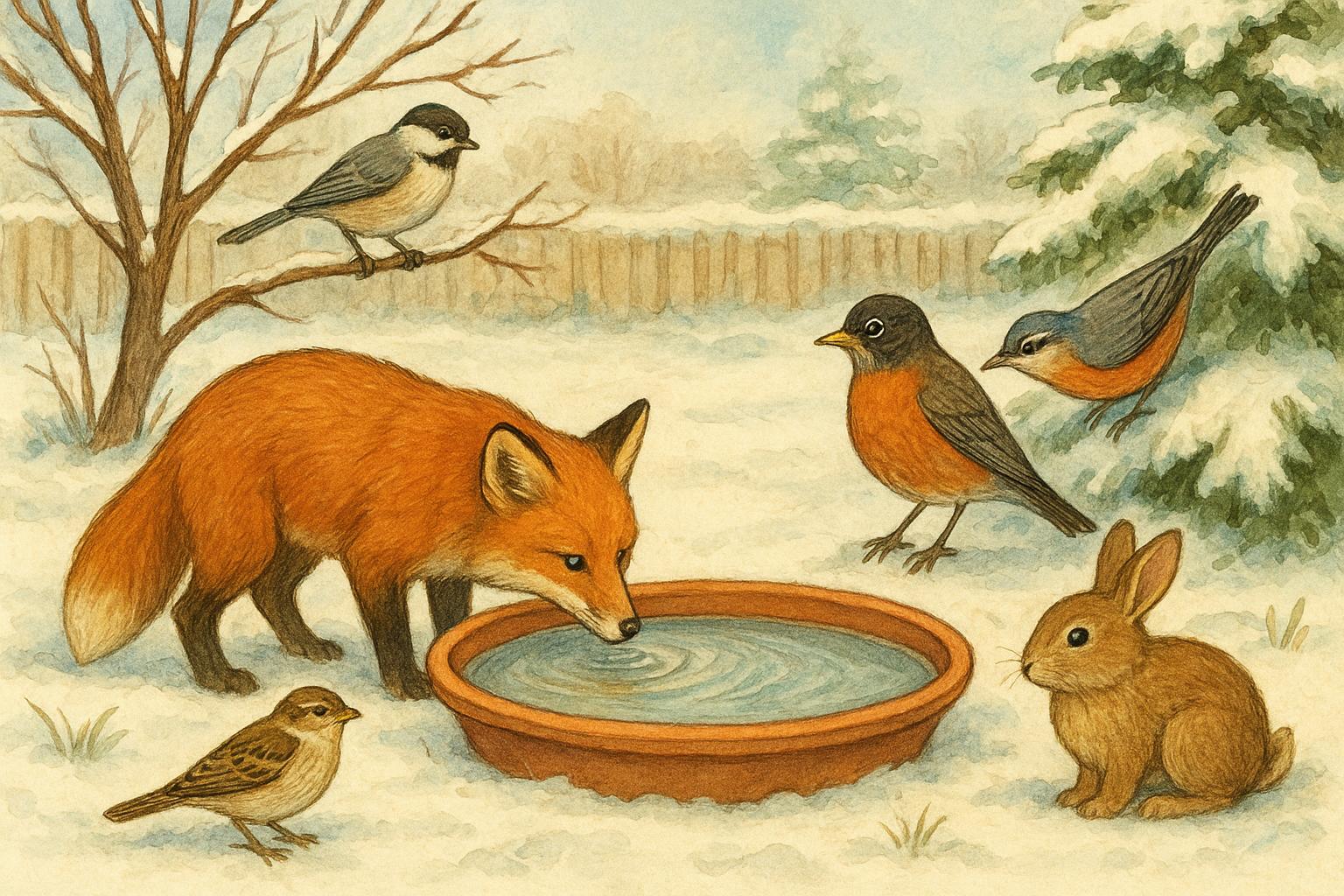
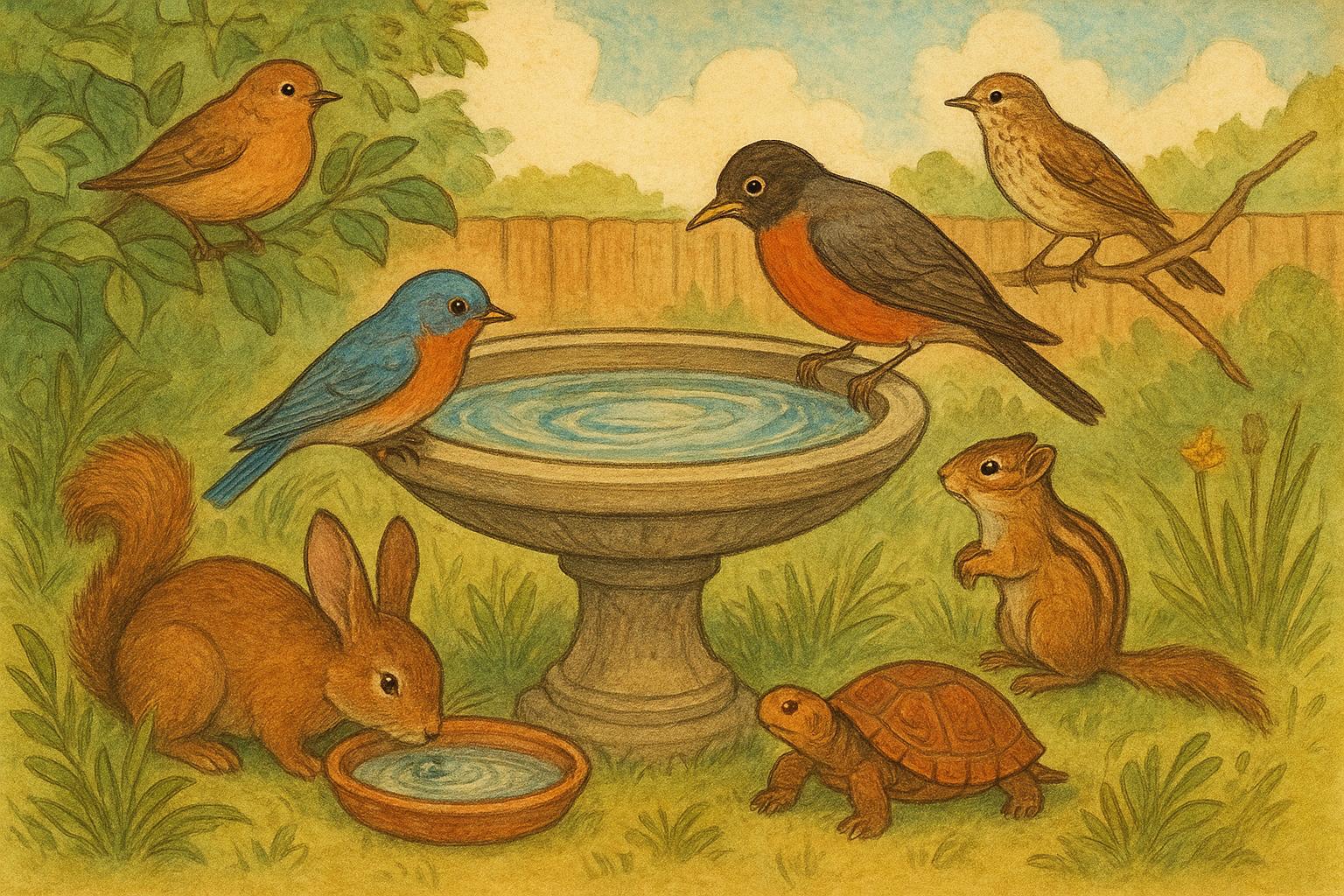
Add a small water feature, like a shallow birdbath or puddler, and keep a few snags where safe. Avoid broad-spectrum pesticides; they wipe out the very insects that feed birds. Small, consistent changes multiply over seasons to create a backyard that truly supports wildlife.
Keep the humor light and the mulch plentiful: native trees do the heavy lifting, but your patience and planning are the catalysts that turn a yard into a thriving habitat.



Leave a Reply