
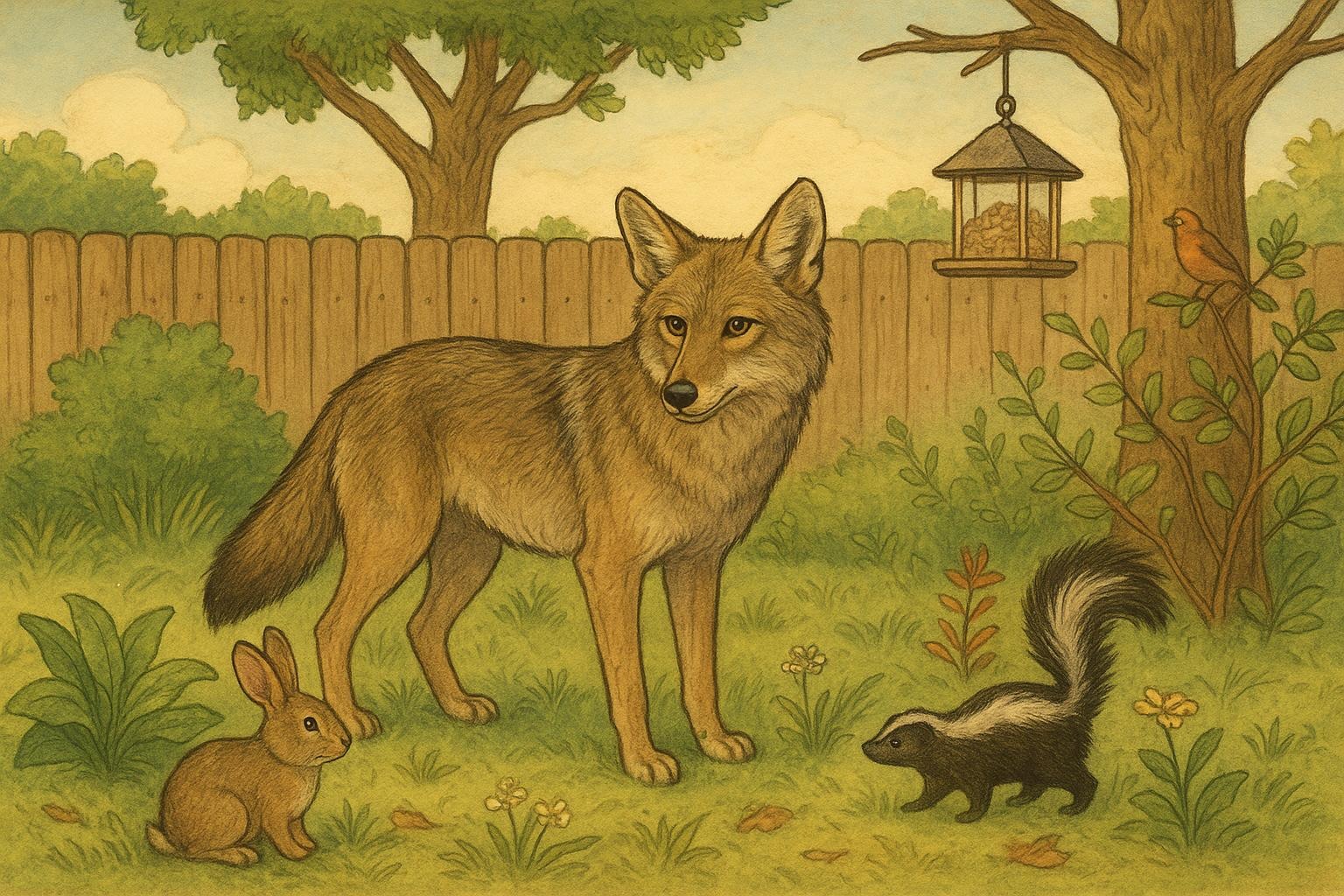
Hello neighbor—glad you stopped by. If you’ve noticed a fox-size silhouette padding through your yard at dusk, or found a half-filled bird feeder and a suspiciously clean seed tray, you’re in the right place. This guide covers what to expect, how to reduce conflict, and practical steps you can take to keep people and pets safe while coexisting with neighborhood wildlife.
## What Is A Coyote And Why They Visit
Coyotes are adaptable canids that have expanded from open plains into cities and suburbs because food and shelter are available—sometimes unintentionally supplied by us. They are generally smaller than wolves, larger than foxes, and have a curious intelligence that lets them exploit new environments.
### Typical Coyote Behavior
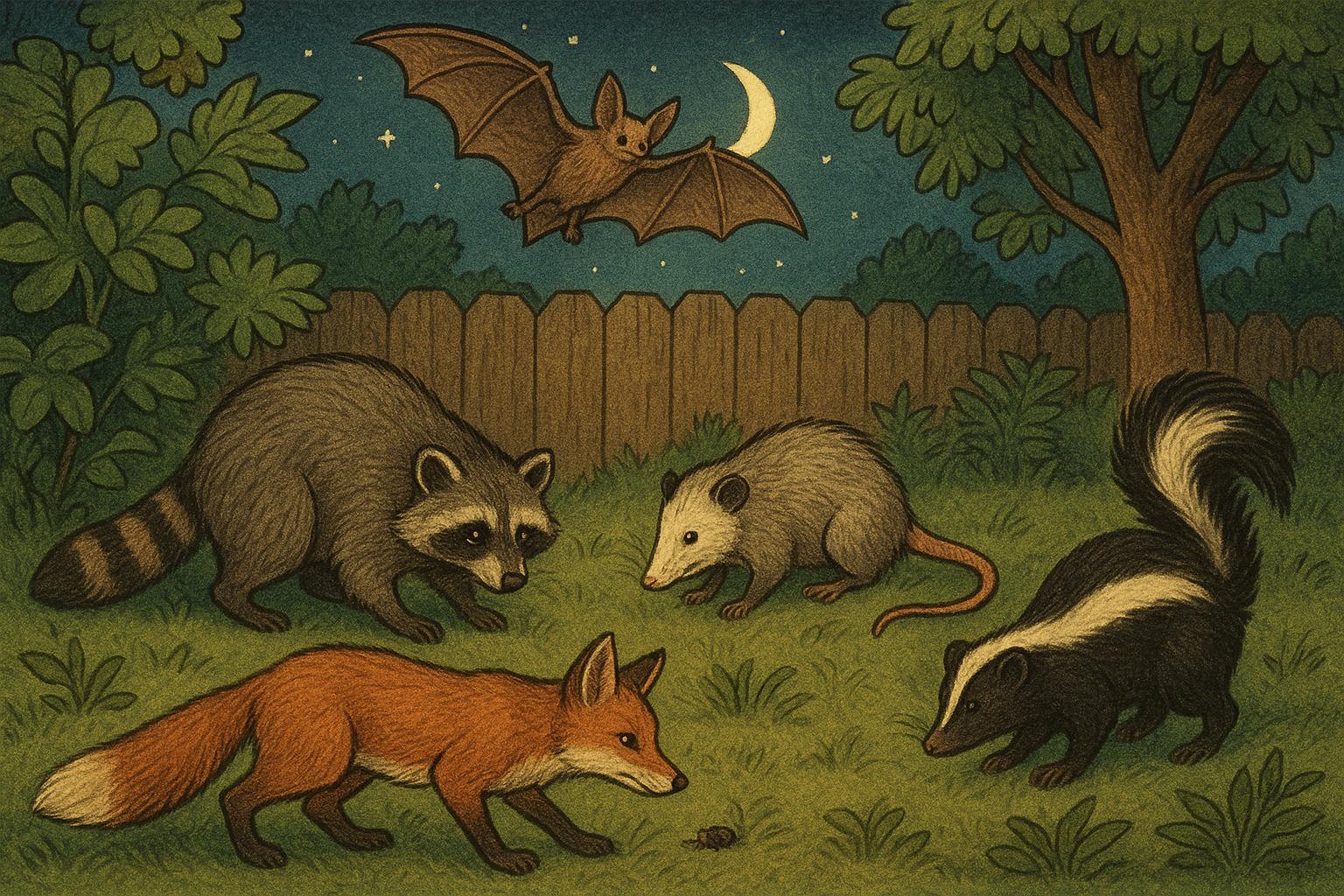
Coyotes are crepuscular, most active at dawn and dusk, though they may appear at any hour if conditions are right. They hunt small mammals, birds, fruits, and human-sourced food like pet food, compost, or unsecured garbage. In urban areas, coyotes may lose some fear of humans if they consistently encounter food or tolerate human presence.
### Signs You Have Coyotes Around
Look for tracks (longer than a cat’s, narrower than a dog’s), scat with fur or bones, howling or high-pitched yips at night, and repeated sightings along a similar route. You might spot a den in a thick shrubbery, rock pile, or under a porch.
#### Tracks, Scat, And Other Clues
Coyote tracks are narrow and oval; claws may show. Scat often contains fur, bones, and fruit seeds. If you find multiple indicators near your property, assume coyotes are using your yard or a nearby green corridor.
## How To Stay Safe Around Coyote Encounters
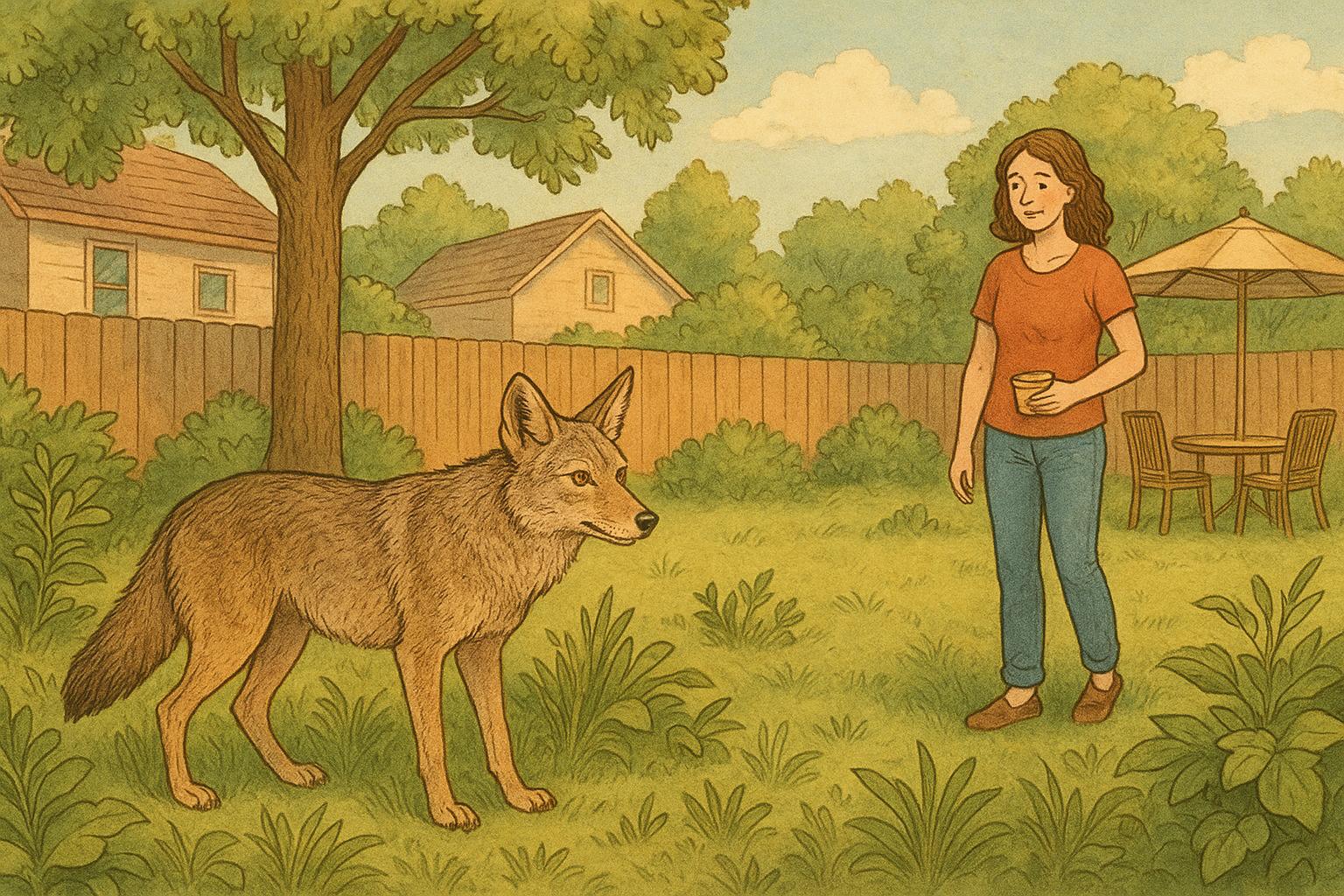
Seeing coyotes doesn’t mean immediate danger, but it’s smart to be proactive. Keep calm, make your presence obvious during an encounter, and avoid behaviors that make coyotes comfortable around people.
### Interacting With Coyotes: What To Do And Not Do
Do not feed coyotes. Do keep a safe distance and never approach a coyote with food or a camera if that encourages bold behavior. If a coyote approaches, make loud noises, wave your arms, and move toward it—this “hazing” teaches coyotes to keep their distance. Carrying a whistle, air horn, or a sturdy walking stick can help if you need to assert yourself.
### Protecting Children And Pets
Supervise small children outdoors at dawn, dusk, and night. Keep pets on a leash and attend to them while outside—especially cats, which should ideally be kept indoors. If you have a dog that runs free, consider training and containment, as free-roaming dogs can be targeted or provoke coyotes.
## 1. Non-Lethal Coyote Deterrent: Motion-Activated Lighting And Sound
Materials:
– Motion-activated LED floodlights (weatherproof)
– Motion-activated deterrent alarm or strobe (commercial wildlife deterrents)
– Mounting hardware and weatherproof wiring (or battery packs)
– Ladder and basic tools (screwdriver, drill)
– Optional: solar panels for off-grid power
Step-by-Step Installation And Use:
1. Site Assessment: Walk your yard at night or use a flashlight to identify likely approach paths, den sites, and attractants (compost, pet food, accessible trash).
2. Placement: Install motion-activated lights approximately 6–8 feet above ground near dark approach corridors, fence gaps, and entry points to your yard. Ensure lights face the approach path but won’t blind neighbors.
3. Alarm Positioning: Mount motion-activated deterrent alarms or strobe devices near feed and water sources, or at likely crossing points. Devices should be enclosed or positioned to avoid weather damage if they are not rated for outdoor use.
4. Power Setup: Connect devices to existing outdoor power, battery packs, or solar panels. Test triggers by walking through the detection zone at dusk and dawn to confirm activation range.
5. Maintenance: Clean sensors seasonally, replace batteries as needed, and adjust angles if false triggers occur from tree branches or small animals. Keep the area tidy so devices respond to coyotes and not to frequent small wildlife.
6. Application Protocol: Use the lighting and sound as part of an integrated hazing plan. If a coyote approaches, activate your alarm manually (if possible) while performing hazing behaviors—making loud noises, waving arms, and throwing soft objects like a towel toward (not at) the animal to encourage retreat.
This remedy is formal in application: installation should meet local electrical codes and, if altering structures, follow homeowners’ association rules. Non-lethal deterrents reduce habituation when used consistently and in combination with removing attractants.
## 2. Fencing And Vegetation Management For Coyote Proofing
Materials:
– Heavy-gauge welded-wire fencing (6 feet tall)
– Slanted top extension or outward-angled roller bar (to prevent climbing)
– Concrete or gravel footer material (to prevent digging)
– Gate hardware with secure latches
– Pruners, shovels, posthole digger, and a level
Step-by-Step Construction And Use:
1. Site Survey: Map property lines and identify low spots where coyotes could burrow under a fence.
2. Fence Design: Install fencing at least 6 feet high. Attach a 1- to 2-foot outward-angled extension at the top, or use a coyote roller bar system to prevent climbing. Bury the bottom of the fence 6–12 inches or extend an apron of gravel/concrete to prevent digging.
3. Posts And Anchoring: Set sturdy posts in concrete footings at regular intervals according to the fence manufacturer’s recommendations. Use tension wires or top rails to prevent sagging.
4. Gates: Ensure gates meet the same height and anti-dig specifications. Use secure latches that can be locked to deter children and pets from leaving and to keep wildlife out.
5. Vegetation Management: Trim shrubs and ornamental grasses to eliminate dense cover near the fence and home. Replace food-producing plants near access points with less attractive landscaping choices.
6. Monitoring: Inspect fences regularly for breaches, loose posts, and dig-outs. Repair promptly to maintain effectiveness.
Fencing is a long-term solution and should be implemented with attention to local ordinances and neighbor relations. Proper installation reduces the likelihood of a coyote establishing a route through your yard.
## Identifying Attractants And How To Remove Them
Coyotes are opportunists. Remove food and shelter to discourage repeat visits.
### Household Sources Of Attractants
Leftover pet food, unsecure trash, fallen fruit, accessible compost, and bird feeders that attract rodents are all invitations. Even small water sources like low bowls or poorly drained areas can be attractive during dry spells.
#### Practical Steps To Minimize Attractants
Secure trash in wildlife-proof containers with tight lids. Bring pet food and water inside at night. Use rodent-proof bird feeders or clean up spilled seed. Compost in enclosed, sealed bins and avoid meat scraps. Regularly inspect yards for holes or shelter opportunities and close them. These actions, while simple, are often more effective than single deterrents.
## Hazing Techniques: Training Coyotes To Give You Space
Hazing is a set of assertive behaviors used to reinforce a healthy fear of humans in coyotes. Hazing works best when consistent, assertive, and varied.
### How To Haze Correctly
Make loud noises using your voice, a whistle, or an air horn. Wave your arms, throw sticks or light objects near (not at) the animal, and advance toward the animal to show it you are not prey. Never run; running can trigger a chase response. Repeat hazing if the coyote returns and coordinate with neighbors so the animal receives the same message from multiple people.
## When To Contact Authorities
If a coyote acts aggressively—approaches people, fails to flee when hazed, attacks pets in daylight, or displays obvious signs of rabies (disorientation, excessive drooling, stumbling)—contact local animal control or wildlife authorities immediately. Law enforcement or wildlife agencies can assess risk, test animals when appropriate, and advise on legal removal or containment.
### Reporting And Legal Considerations
Keep records of encounters (date, time, behavior). In many jurisdictions, lethal control is restricted and managed by public agencies. Working with authorities ensures compliance with regulations and humane treatment.
## Living With Coyotes: A Neighborly Approach
Coyotes are part of the urban wildlife tapestry. With a few practical changes—securing attractants, installing deterrents, supervising pets, and learning how to haze responsibly—you can reduce conflict while appreciating the role coyotes play in controlling rodents and other urban pests. If neighbors cooperate, your combined efforts will be far more effective than acting alone.
(End of article — no summary provided.)














































Leave a Reply