
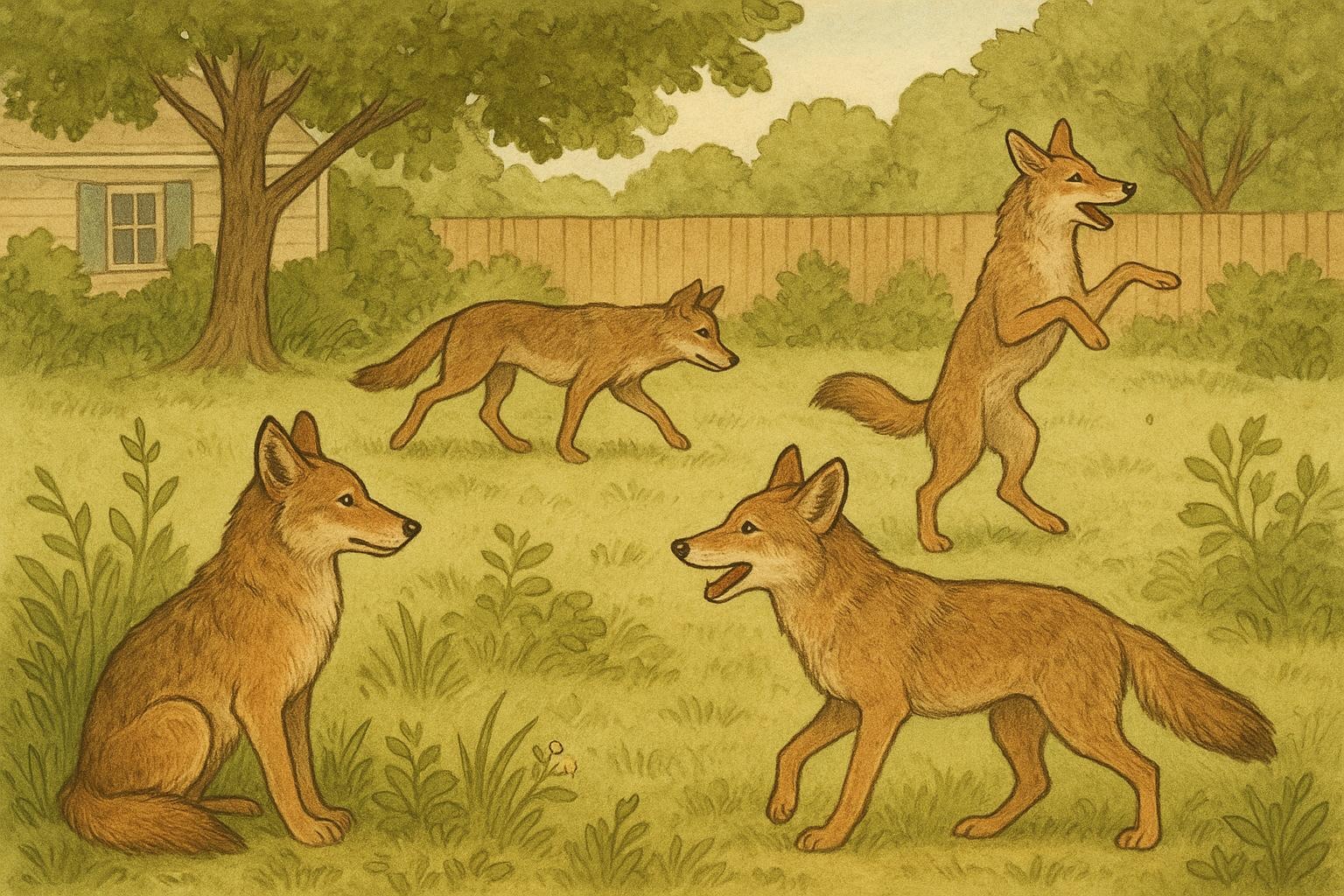
If you enjoy your backyard with a side of wildlife, you’ve probably noticed the slender silhouettes and melodic yips after dusk. Coyotes are part neighbor, part wild cousin—and understanding them comes down to one big concept: how a canid thinks, moves, and communicates. Stick around; I’ll make it friendly, useful, and only mildly opinionated about their taste in suburban landscaping.
## Canid Behavior In Coyotes: A Backyard Wildlife Guide
### Why Canid Behavior Matters For Your Yard
Coyotes are members of the canid family, and their instincts are consistent with other canids: curiosity, territoriality, and opportunistic feeding. Observing canid behavior in your backyard tells you whether you’ve got transient visitors, a resident pair, or a family den nearby. That matters because a resident family behaves differently—more bold, more vocal, and more protective—than a lone transient.
### Social Structure And Pack Dynamics
Coyotes show flexible social systems. Some live solo, some as mated pairs, and some in family groups that resemble small packs. The social dynamics influence canid behavior in several ways:
– Territorial marking and scent posts increase with a stable group.
– Pups change movement patterns: the adults might forage farther to provision them.
– Presence of multiple coyotes often increases vocalizations (yipping, howling) to coordinate or advertise territory.
### Communication: How Coyotes Talk
Coyotes have a broad vocal toolkit: yips, barks, howls, and a high-pitched “yapping.” Body language is equally important—pricked ears, tail position, and piloerection (fur raised) say more than a single howl. Recognizing these cues is part of studying canid behavior: the same signals you’d interpret when meeting a dog tell you if a coyote is curious, playful, anxious, or defensive.
### Movement Patterns And Home Range
Coyotes are adaptable travelers. Urban and suburban coyotes tend to have smaller home ranges than rural ones because food and shelter are more concentrated. Nighttime activity is common where human presence is high, but in quiet neighborhoods they may become diurnal. Tracking movement and understanding canid behavior can help you predict where and when they’re likely to appear.
#### Denning And Reproduction
Coyotes typically den in spring; pregnant females choose secluded places like culverts, heavy brush, or rock piles. If you notice increased scent-marking or frequent visits at dawn and dusk, you may be seeing signs of denning activity. Respecting those areas and giving space is critical to reduce conflict.
### Foraging Behavior: What Attracts Them
Coyotes are omnivores and opportunists. Their diet includes rodents, rabbits, fruit, insects, garbage, and even pet food left outside. Understanding canid behavior around food tells the story: a coyote that returns nightly to the same spot is likely getting a consistent reward. Solving backyard conflicts often starts with addressing the attractants.
### Coyotes And Pets: Safety By Understanding Canid Behavior
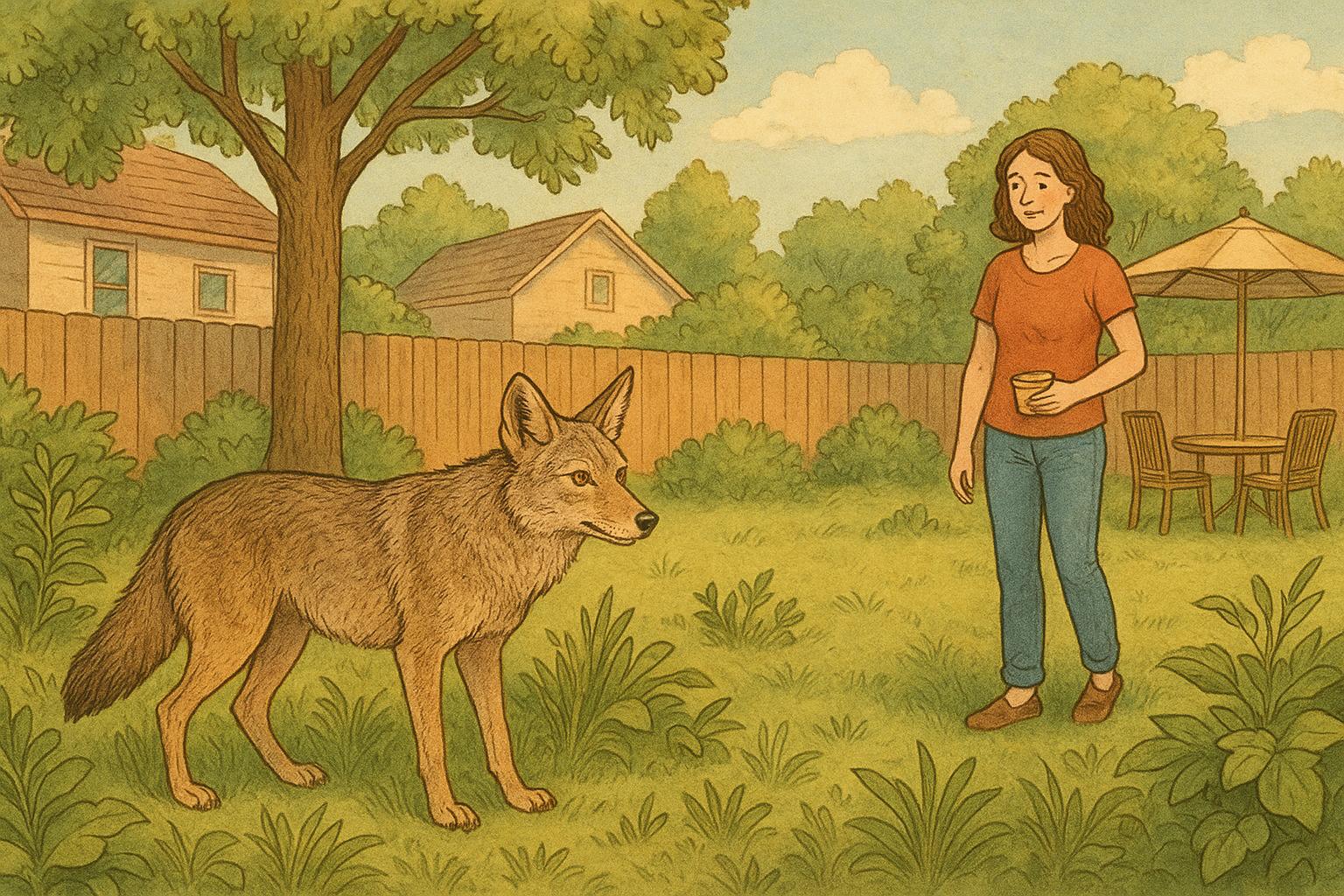
Small pets can trigger predatory responses. Not every close encounter is predation; many are investigative. Still, an understanding of canid behavior advises keeping cats indoors at night and supervising small dogs in the yard. If a coyote begins to follow or wait near areas your pet uses, consider modifying routines and securing pet access.
### Coexistence Strategies Based On Canid Behavior
Living with coyotes is mostly about prevention and respectful deterrence. Many neighborhoods successfully coexist by learning a few basics of canid behavior and applying them to backyard management:
– Secure trash and compost.
– Remove outdoor pet food and fallen fruit.
– Keep shrubs trimmed to eliminate hiding spots near doors and play areas.
– Supervise small pets and children during peak activity hours (dawn/dusk).
## 1. Non-Lethal Deterrent: Motion-Activated Lights And Sprinklers
Materials/Ingredients:
– Motion-activated floodlights (LED recommended)
– Motion-activated sprinkler (rotating or spray)
– Weatherproof extension cord and GFCI outlet (if needed)
– Mounting hardware or stake
Step-By-Step Installation And Application:
1. Identify Frequent Paths: Note the routes coyotes use, usually along fence lines, garden edges, or under shrub cover.
2. Position the Devices: Mount lights/sprinklers where motion sensors will cover the identified paths without triggering on passing cars or tree branches.
3. Install Power Safely: Use a GFCI outlet and outdoor-rated extension cords. Ensure all electrical connections are off the ground and shielded from weather.
4. Test Sensitivity: Walk the path to confirm the device triggers for human-sized motion; reduce sensitivity if it’s too easily activated by small animals.
5. Monitor Effectiveness: Replace batteries or adjust angles as needed. The surprising splash or sudden light will condition coyotes to avoid those spots over time.
6. Maintain Consistency: Deterrents work best when used consistently. Rotate locations or combine with other measures for longer-term effect.
## 2. Habitat Modification And Secure Food Sources
Materials/Ingredients:
– Heavy-duty trash cans with locking lids or bungee straps
– Rodent-proof compost bin
– Birdfeeders with catch trays and timed feeders (optional)
– Pruning tools and outdoor lighting
Step-By-Step Creation And Application:
1. Audit Your Yard: Walk the property at different times and list potential food sources and hiding spots. Include fallen fruit, pet food bowls, and easy-access compost.
2. Secure Waste: Replace flimsy trash cans with locking lids. If you’re in a region with known wildlife issues, store cans in a garage or shed until pickup day.
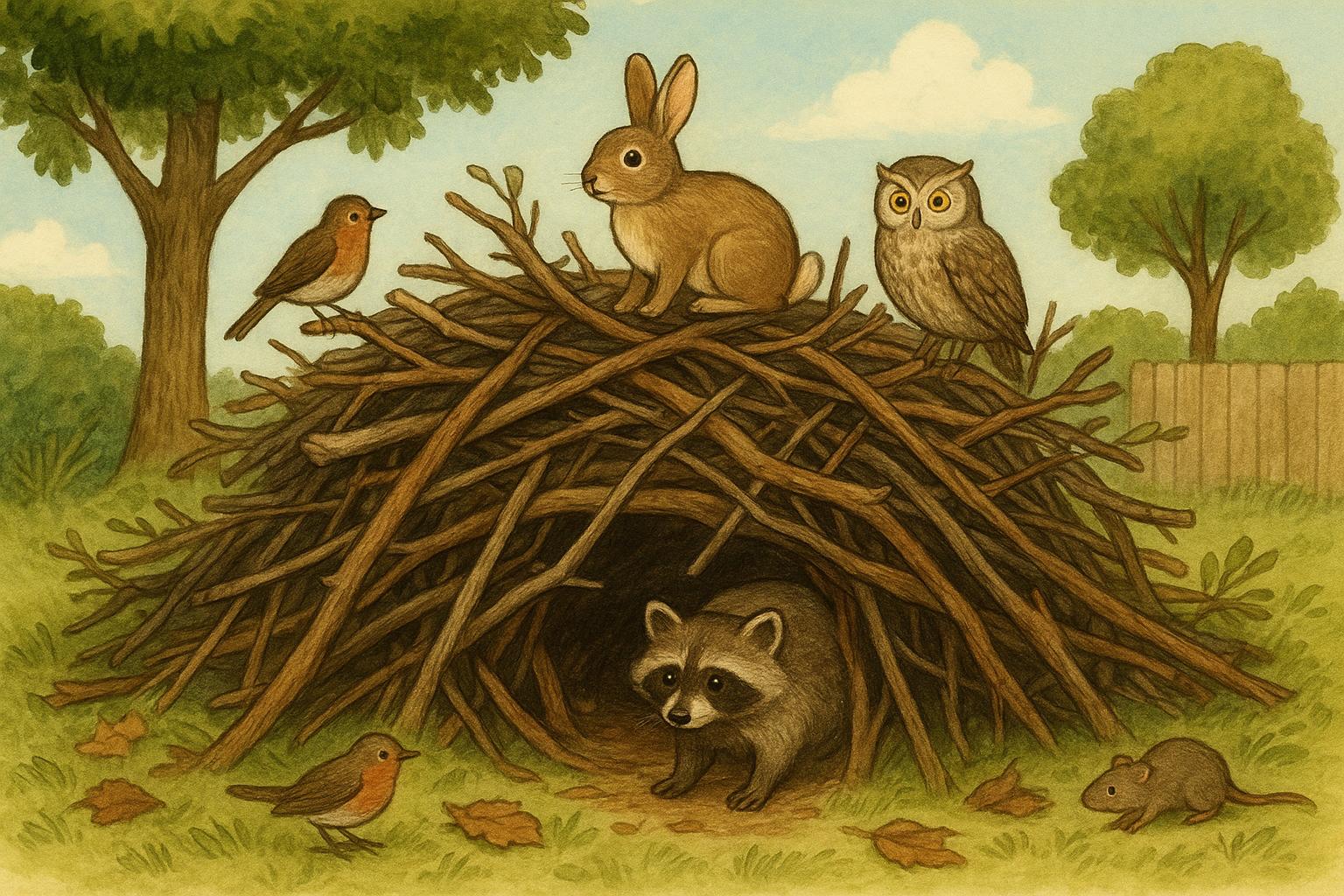
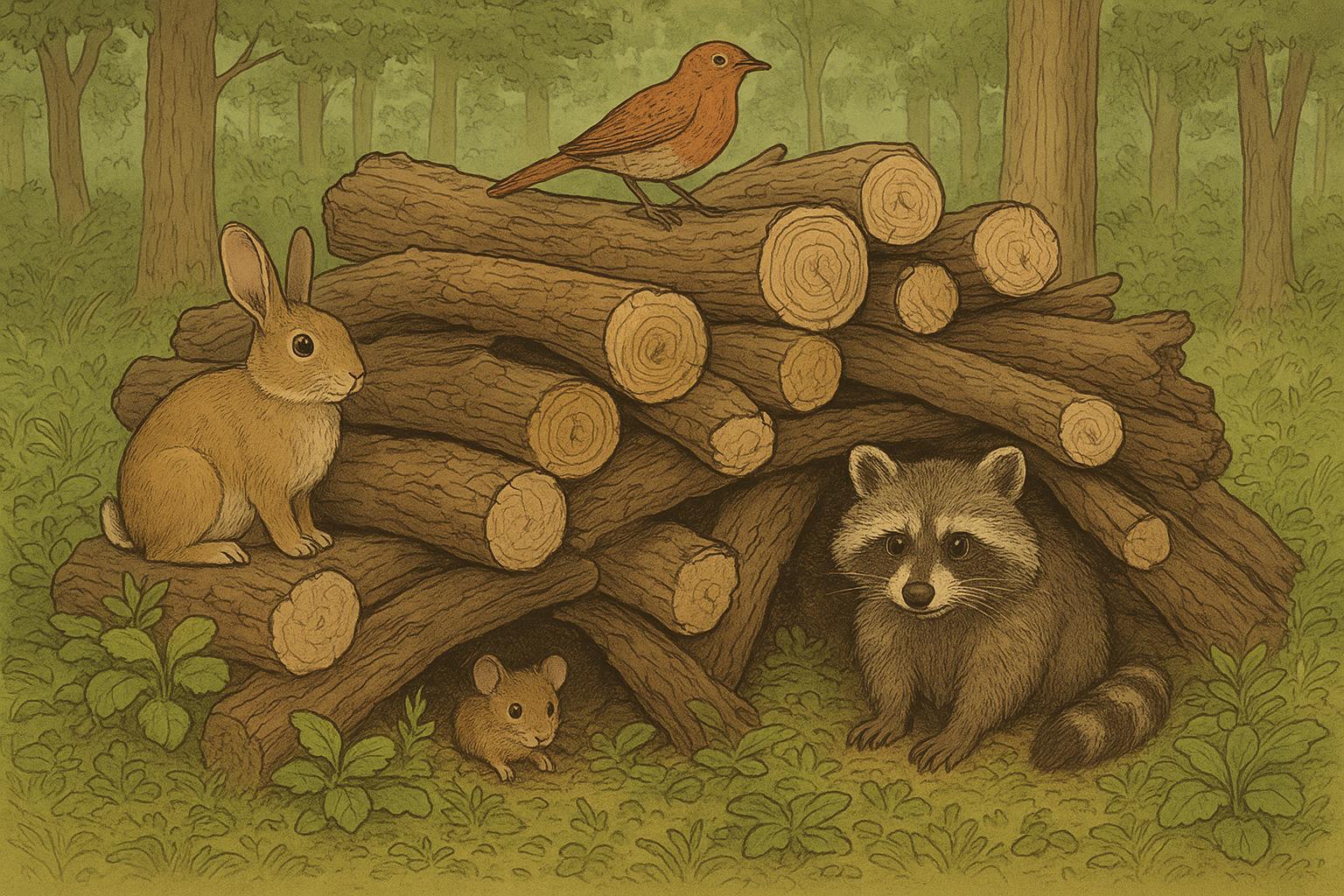
3. Modify Plantings: Trim shrubs and remove brush piles close to living spaces. Thin dense ground cover that provides ambush points near doors and play areas.
4. Adjust Birdfeeding Practices: Use feeders that minimize spillage and place them away from fences and shrubs. Consider timed feeding to limit nighttime seed availability.
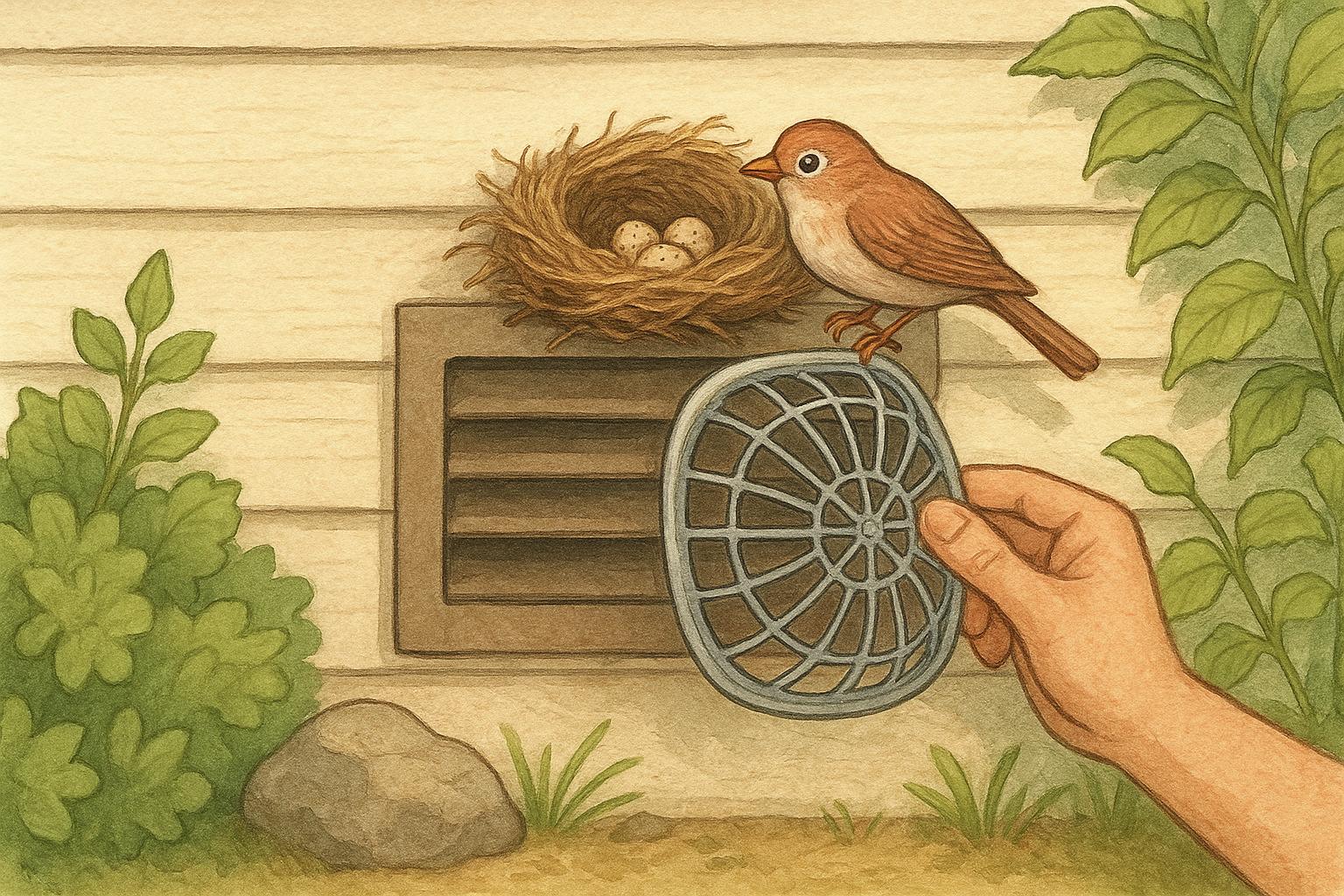
5. Eliminate Small-Prey Harborages: Seal openings under decks, porches, and sheds. Reduce rodent attractants by storing pet food and birdseed in metal containers.
6. Review Nighttime Lighting: Combine landscape lighting with other measures to reduce safe, dark pathways coyotes prefer.
### When To Contact Professionals
If you observe wounded animals, coyotes repeatedly approaching humans, or a bold individual that refuses to leave, contact local wildlife authorities or animal control. Understanding canid behavior helps determine whether the animal is habituated (trained to humans) or merely opportunistic. Professional assessment will recommend whether aversive conditioning, relocation, or other legal measures are appropriate.
### Using Aversion Training (Safe, Formal Approach)
Aversive conditioning involves making an animal’s experience unpleasant without harming it—hence the formal tone here. Common techniques include:
– Loud noises (air horns, canned air bursts) fired when coyotes approach.
– Active hazing (yelling, waving arms, using a noisemaker) to re-establish fear of humans.
– These should be implemented consistently by all household members and neighbors to be effective.
Materials/Ingredients:
– Air horn or compressed air can
– Flashlight or bright light
– Noxious but non-toxic deterrent spray (commercial animal repellent)
Step-By-Step Application:
1. Prepare Tools: Keep the air horn and flashlight accessible when outside at dawn/dusk.
2. Approach Carefully: If you encounter a coyote, maintain eye contact, stand tall, and don’t run.
3. Haze Immediately: Use the horn, shine a light, and make yourself large and loud until the animal retreats.
4. Repeat And Document: Use hazing consistently each time the coyote returns. Note dates and times and any change in behavior.
5. Coordinate With Neighbors: Habituated coyotes learn from the neighborhood. A coordinated hazing program is much more effective.
### Legal And Ethical Notes About Control
Coyotes are protected differently across jurisdictions; lethal control is often regulated and not a long-term solution. Ethical coexistence starts with habitat management and humane deterrence. If lethal removal is legally considered, it should always be a last resort under official guidance, because removing animals can create ecological vacancies that attract more coyotes in short order.
If you want help mapping likely coyote routes in your yard or choosing deterrents that match your property, tell me about your yard layout and I’ll suggest a specific plan.















































Leave a Reply