
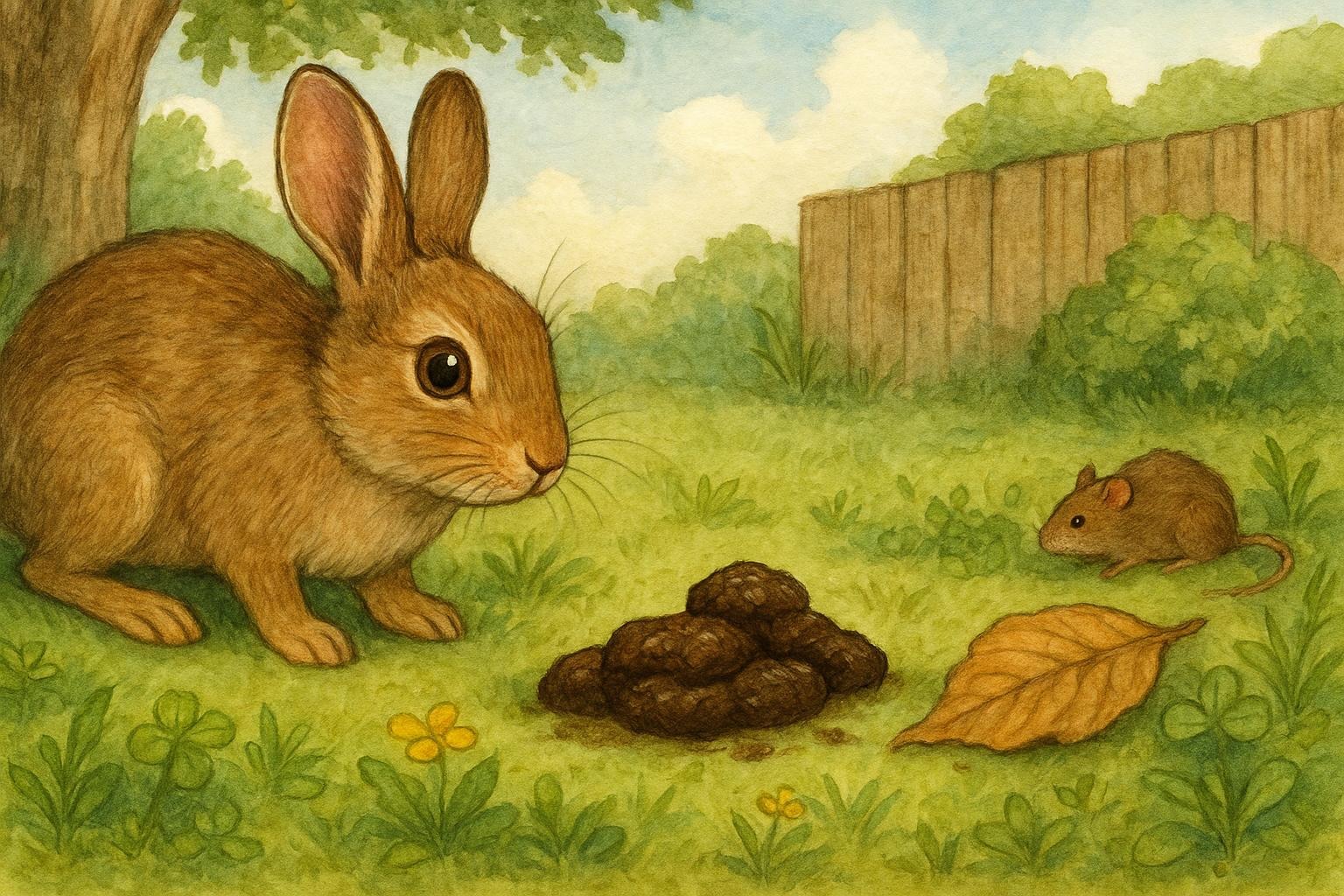
## Is That Scat Or Pet Waste?
Finding a mystery pile in your lawn can feel like a low-budget CSI episode. Before you call the neighborhood association or assume your terrier has been moonlighting, there are reliable ways to tell wild animal scat from pet waste. This little field guide will help you identify the culprit and decide the best next step—without needing a microscope or a PhD in zoology.
### How To Tell By Shape And Size
Size and form are your first clues. Domestic dog waste is typically tubular and fairly uniform, reflecting their consistent diets and digestive systems. Wild carnivores—foxes, coyotes, raccoons—often produce tapered, segmented, or variable droppings that may include fur, bone shards, or fruit seeds. Rodent scat is small and pellet-like; rabbit droppings are round and compact. Keep in mind that diet changes everything: a fox with a berry-heavy meal will look different from one that ate a vole.
#### What To Look For Up Close
– Tapered ends or segmented appearance suggest a wild carnivore.
– Visible undigested bits (fur, seeds, shells) give dietary clues.
– Very uniform, soft deposits in the middle of a yard often mean a pet.
### How To Tell By Smell And Contents
Smell will tell you something but it’s not foolproof. Pets eat concentrated commercial food, so their waste can be particularly pungent. Wild animals’ droppings can smell equally strong if they’ve been dining on carrion. Look for content: kibble, plastic wrapping (yes, some urban raccoons), or shiny shotgun of seeds and pulp. If you can take a quick photo and compare to regional ID guides, do it—images persist where noses forget.
### How Location And Pattern Help
Pay attention to where deposits appear and whether they form a pattern. Pets tend to leave waste along walks, in open lawns, or near doors. Wild animals prefer edges—along fences, under shrubs, or along narrow trails. If you find scat lined up like beads along an obvious path, you’re more likely dealing with small mammals or rodents making a highway of your yard.
### Look For Tracks, Smears, And Timing
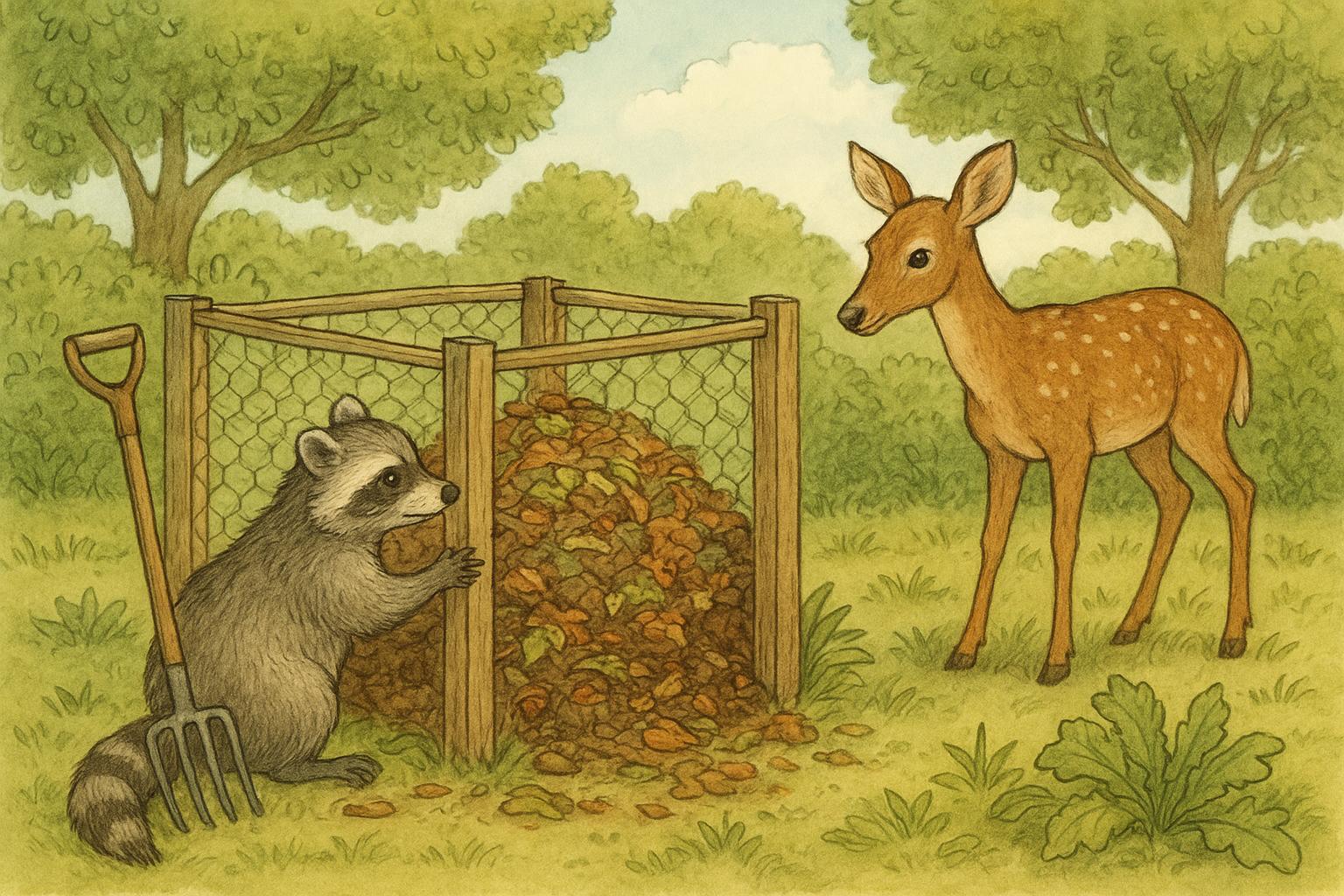
Tracks, claw marks, and the timing of deposits are useful. A nightly pattern of fresh droppings near a compost pile points to wildlife, especially if you spot paw prints or disturbed mulch. If you catch visitors on a motion-activated camera, you’ll solve the mystery quickly—and perhaps giggle a little at the raccoon caught stealing breakfast.
## When Scat Carries Risks For Pets And People
Animal droppings can harbor parasites, bacteria, and viruses. Toxoplasma gondii (from cat feces), roundworm eggs (from raccoon latrines), and certain bacteria can pose risks to children, garden vegetable beds, and pets. Always err on the side of caution: use gloves, avoid inhaling dried material, and wash hands thoroughly after handling waste or contaminated soil. If you suspect the droppings are from a sick or aggressive animal, contact local animal control rather than confronting it yourself.
### Seasonal Patterns And Activity
Many animals have seasonal peaks—raccoon latrines in spring, fox activity in late summer, and rodent droppings year-round. During breeding or denning seasons you may see more territorial marking. Keeping a diary or quick notes about when and where you find deposits will help identify both species and patterns.
## Remedy 1: Homemade Predator Scent Spray (Scare And Redirect)
Materials/Ingredients:
– 1 quart of water
– 2 tablespoons household ammonia (use in well-ventilated area)
– 1 tablespoon dish soap (helps mixture cling to surfaces)
– 10–15 drops of peppermint essential oil (optional, for extra deterrent)
– A clean spray bottle labeled clearly
– Safety gloves and goggles (for mixing)
Creation And Application (Step-By-Step):
1. Put on gloves and goggles. Work outdoors or in a well-ventilated space.
2. Combine 1 quart of water with 2 tablespoons of household ammonia in a bucket. Stir gently. Add the dish soap and, if using, the peppermint oil.
3. Pour the mixture into the labeled spray bottle using a funnel to avoid spills.
4. Test-spray a hidden patch of lawn or mulch to check for plant sensitivity. Wait 24 hours to inspect for any discoloration.
5. Apply the spray along perimeter areas where you regularly find wildlife activity—fence lines, shrub bases, compost edges. Reapply every 3–5 days and after heavy rain.
6. Store leftover solution out of reach of children and pets. Discard after two weeks; make a fresh batch as effectiveness decreases.
Notes: This approach mimics the scent-based “danger” cues that some animals avoid. It is not species-specific and may also perturb neighborhood pets, so use selectively and follow label safety for ammonia. Do not pour undiluted ammonia on soil or plants.
## Remedy 2: Low-Cost Barrier And Cleanup Protocol
Materials/Required Tools:
– Disposable gloves (nitrile preferred)
– Pooper-scooper, shovel, or sturdy scoop
– Heavy-duty plastic bags or biodegradable waste bags
– Bucket and mild disinfectant (1 part household bleach to 9 parts water — or a pet-safe disinfectant)
– Garden rake and small trowel
– Hardware cloth, chicken wire, or low vegetable fencing (for barrier)
– Landscape staples or stakes
– Motion-activated light or camera (optional)
Creation And Application (Step-By-Step):
1. Put on gloves and approach the deposit carefully. If you see signs of illness (unusual color, foamy, or animals acting odd), avoid direct cleanup and contact animal control.
2. Use the pooper-scooper or shovel to pick up the scat. Place it in a heavy-duty plastic bag and seal. Double-bag for extra security.
3. For small, soiled areas on hard surfaces, apply the disinfectant solution, allow 10 minutes of contact time, and then rinse. For soil or mulched beds, remove the top 1–2 inches that look contaminated, bag it, and replace with fresh soil or mulch. Avoid heavy use of bleach near plants; prefer pet-safe disinfectants for garden beds.
4. Wash reusable tools with disinfectant and store them separately from household tools.
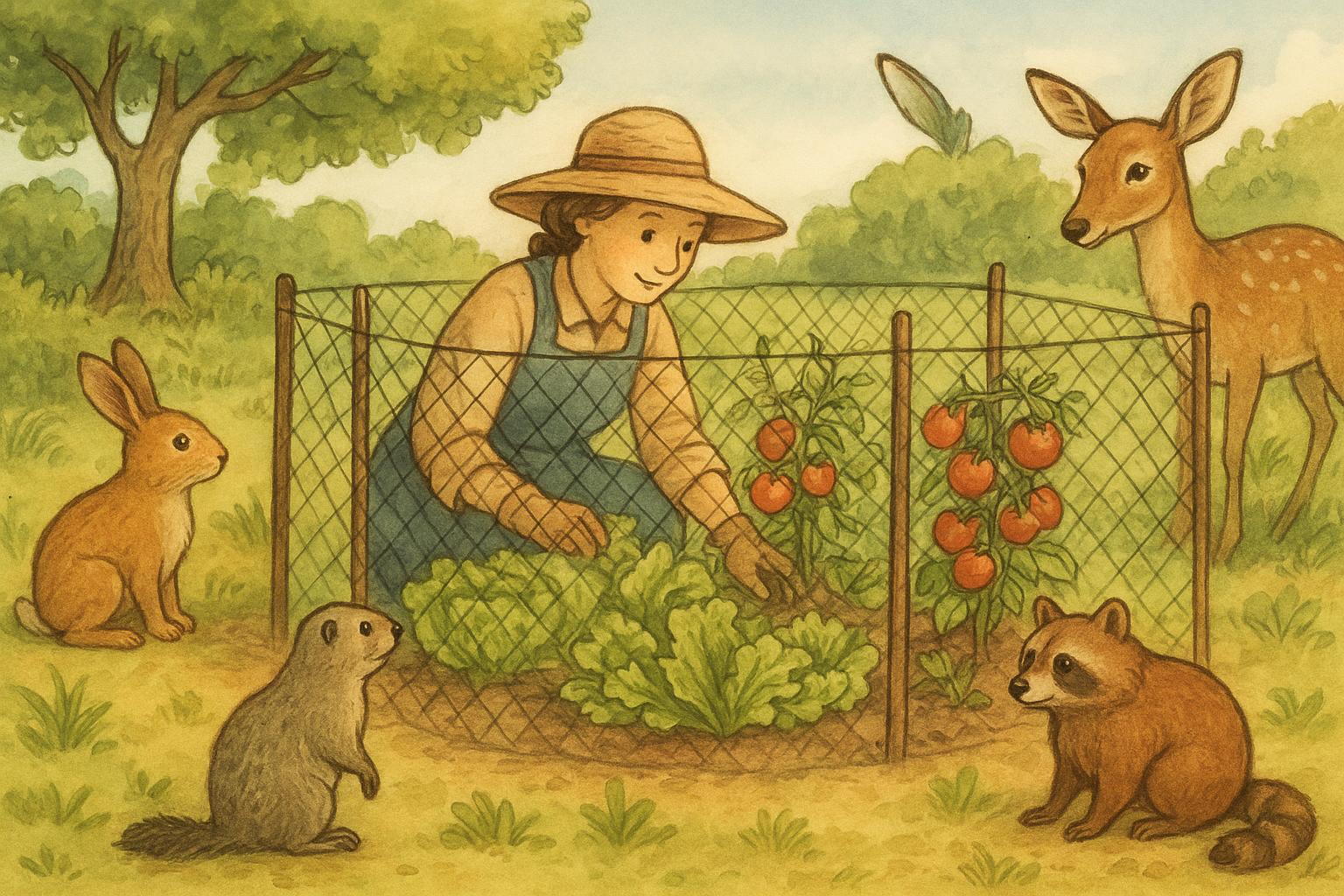
5. Install a low barrier around sensitive areas (garden beds, under decks, compost bins): unroll hardware cloth or chicken wire, secure with landscape staples, and angle slightly outwards if burrowing is suspected. For compost, ensure lids are secure and food scraps are covered or buried.
6. To deter repeat visitors, pair barriers with removal of attractants: secure trash, bring pet food indoors, and clean bird feeder spills.
7. Monitor the area. If repeat deposits occur in spite of barriers and cleaning, document occurrences with dates and photos for professional advice.
Notes: When handling any unknown waste, always assume infectious risk. Keep pets and children away from freshly cleaned spots for at least 24 hours.
### When To Call A Professional
If scat appears in large quantities, contains bright blood, has an unusual odor suggesting decay, or is associated with animals showing erratic behavior, contact local animal control or a wildlife removal specialist. For possible rabies exposure or if you find a dead animal nearby, notify authorities immediately—do not attempt to move or test the animal yourself.
#### Helpful Documentation For Experts
Take clear photos from several angles, note the time and location, and, if possible, set up a motion-activated camera to capture future activity. This evidence makes species ID and solution planning much faster and reduces unnecessary guesswork.
### Small Steps That Make A Big Difference
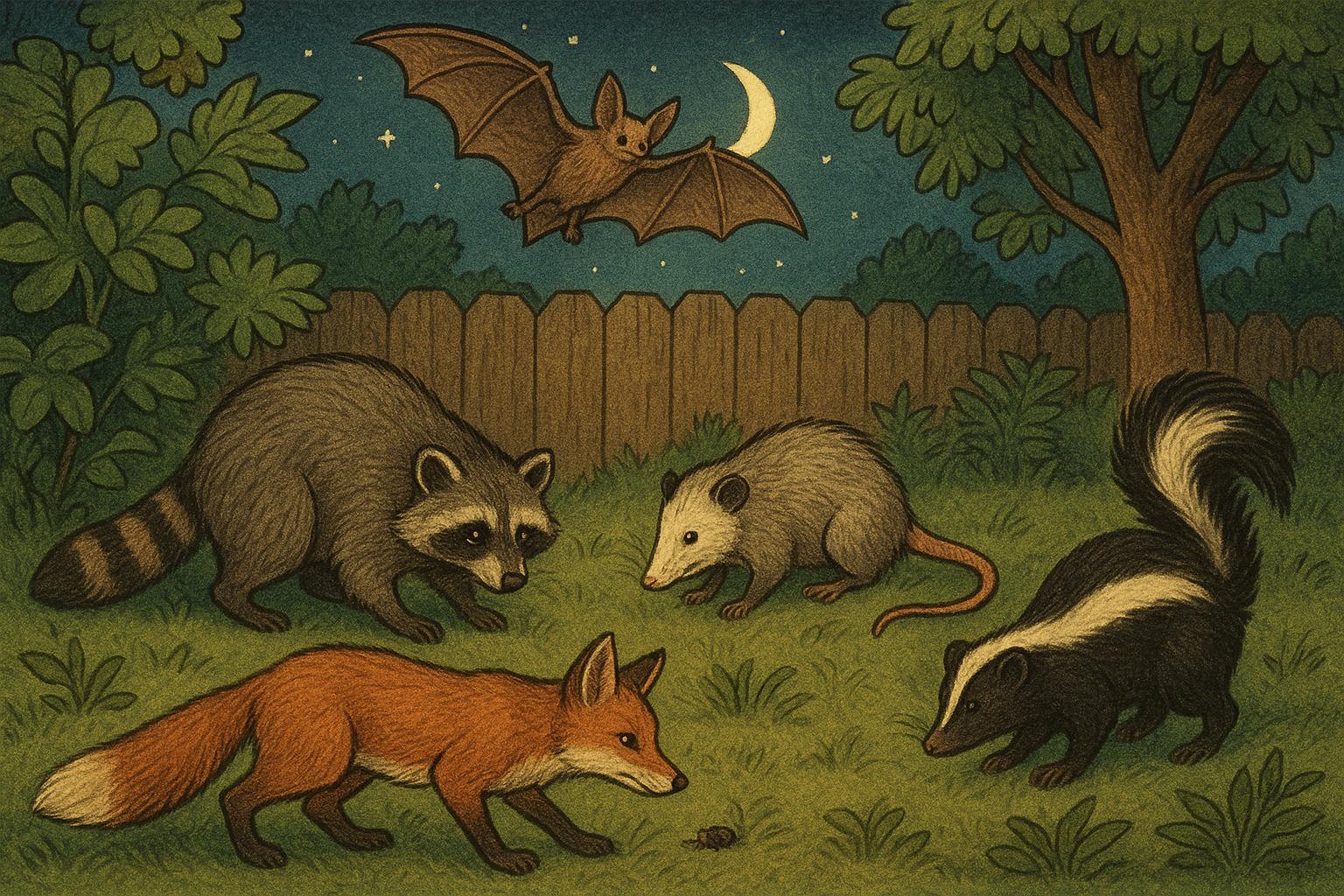
Beyond direct cleanup and deterrents, small daily habits can prevent most problems: bring pet bowls inside overnight, secure compost, and trim dense shrubbery where animals like to hide. A tidy yard is a less attractive yard to nocturnal guests.
When persistence or health risks are a concern, professional assessment is the formal route to safe resolution—public health officers and certified wildlife control operators can test samples, advise on legal protocols, and remove animals humanely if necessary.










Leave a Reply