
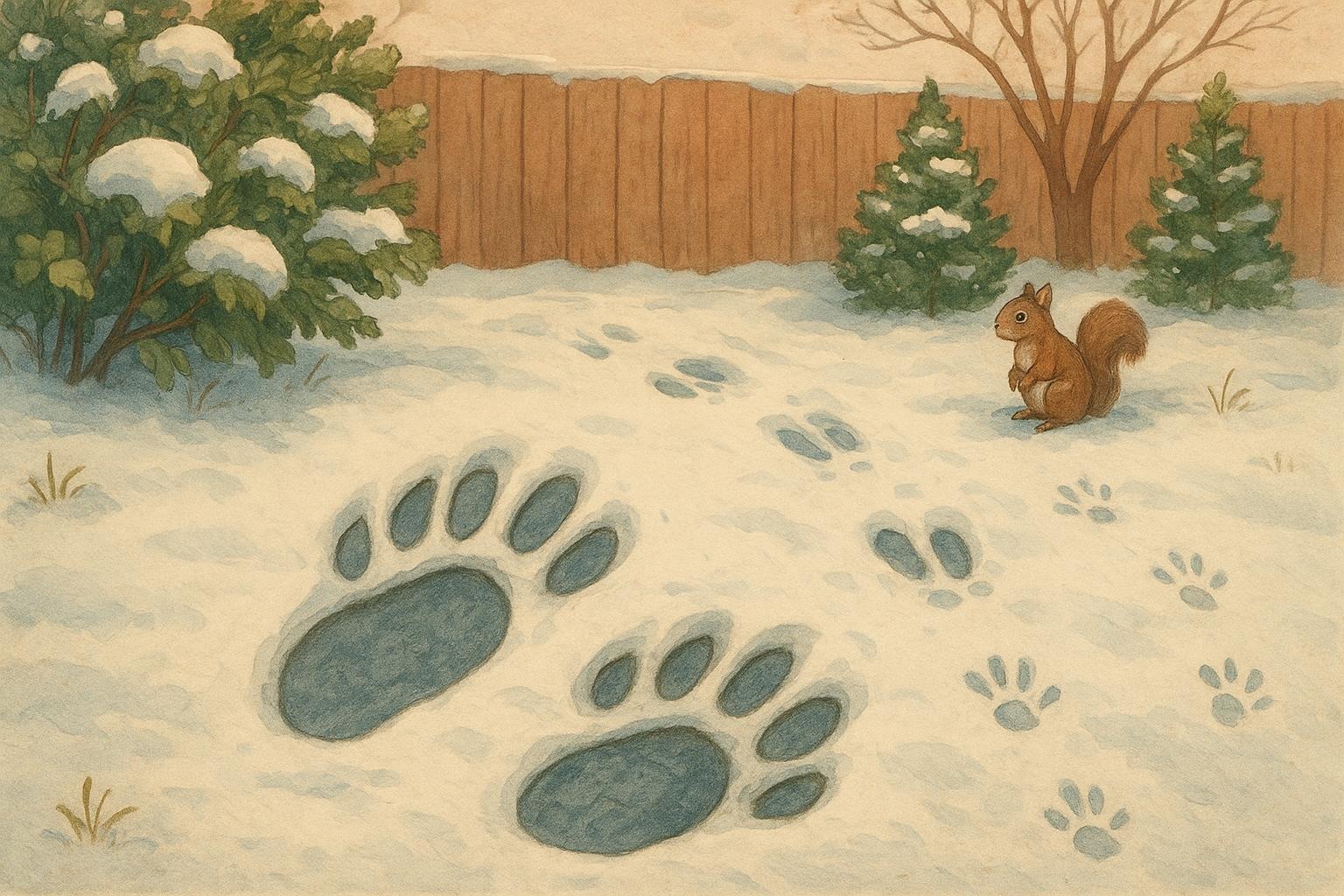
Woke up to a miniature mystery scene in your yard? Don’t worry — the snow was just taking notes on who dropped by last night. Those delicate impressions tell surprisingly detailed stories if you know how to read them. Pull on a warm pair of socks, pour a cup of something hot, and let’s walk through what those patterns mean (and what to do if you’d rather the neighborhood wildlife stop signing their names in your flowerbed).
## Animal Tracks Snow: What You’re Seeing
Snow is the backyard’s instant scrapbook. The phrase animal tracks snow is rightfully a search winner because people are curious — and for good reason. Tracks can indicate species, size, direction of travel, behavior (hunting, foraging, fleeing), and even the time of visit. A few basic principles will immediately make you feel less like a perplexed detective and more like a savvy neighborhood naturalist.
### Basic Track Anatomy And Gait
Look for toe number, claw marks, pad shapes, and the spacing between prints. Is there a single line of prints (like a rabbit hopping), or paired prints (deer or fox), or webbed impressions (ducks)? The gait — the pattern of foot placement — tells you whether the animal was cruising, trotting, or bounding.
#### How Snow Changes The Story
Fresh, powdery snow preserves crisp outlines; crusty or melting snow softens edges and can create misleading blobs. Wind can partially fill prints, while refreezing makes the impression taller than it is wide. Keep this in mind before you confidently declare, “That’s definitely a badger!” (But maybe it is.)
## Common Backyard Visitors And Their Signatures
You’ll recognize some of these instantly; others are sneaky. Below are familiar suspects and how their prints typically appear in the winter landscape.
### Deer
Deer tracks are heart-shaped (or teardrop) cloven hooves, usually in pairs forming a single line. Stride length and depth indicate weight and speed. Expect deer tracks in quiet corridors and near shrubs where they browse.
– animal tracks snow note #1: Deer often step lightly on crusted snow so their prints may appear shallow.
### Rabbit
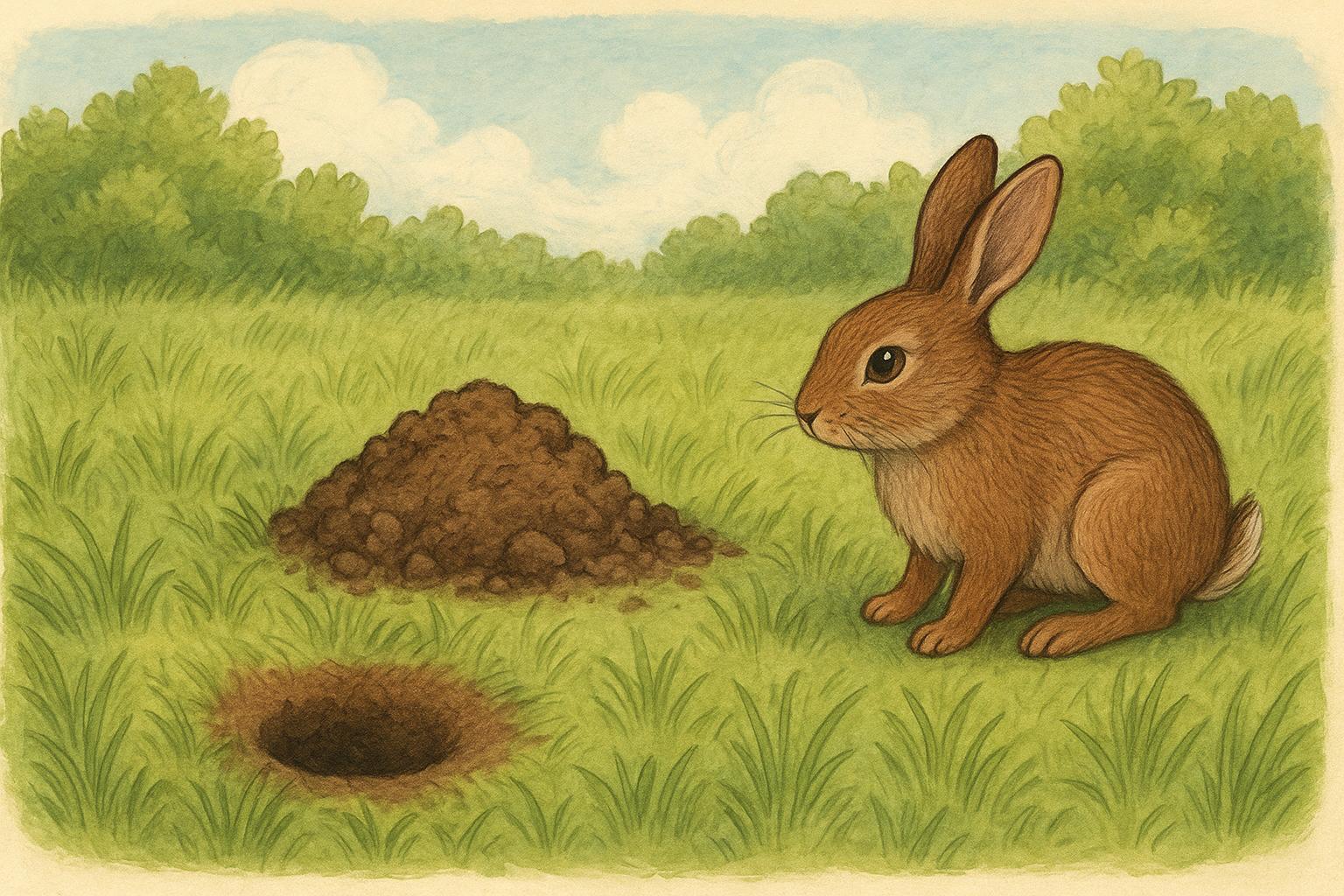
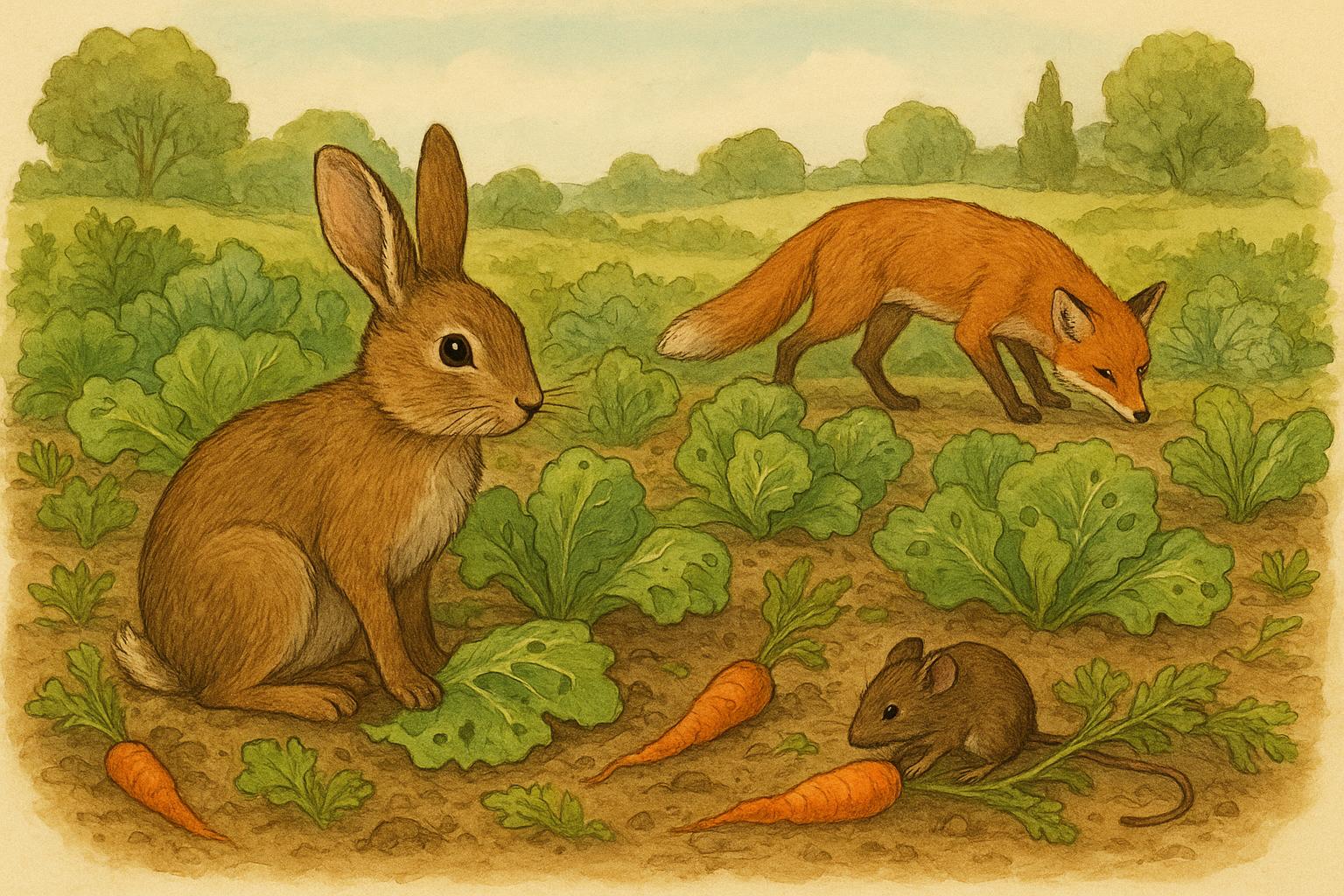
Rabbits have a distinctive pattern: two large hind prints that land ahead of two smaller front prints when they leap. In deep snow you’ll see long bounds; in shallow or crusted snow they might leave more scuffle marks as they scramble.
### Squirrel
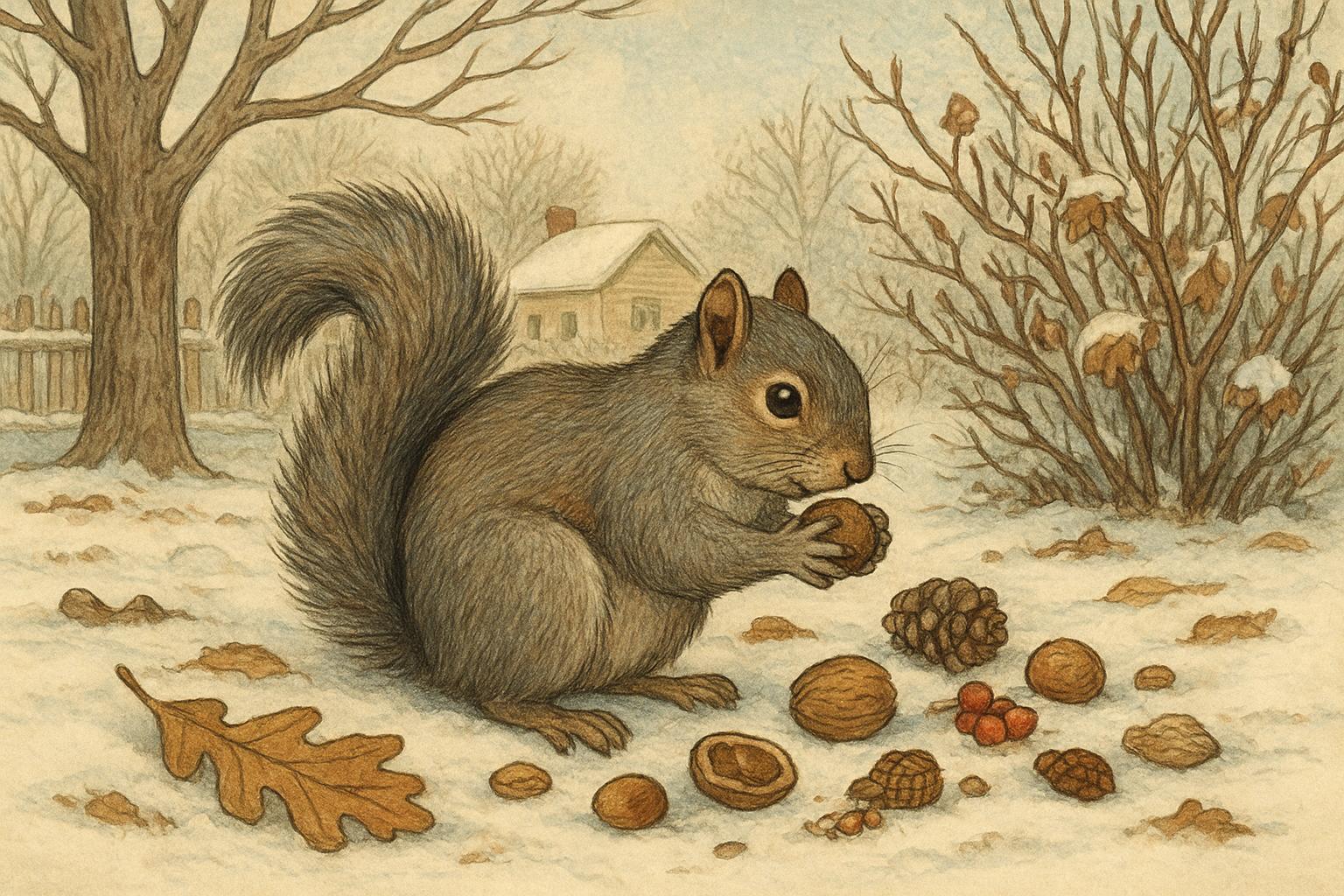
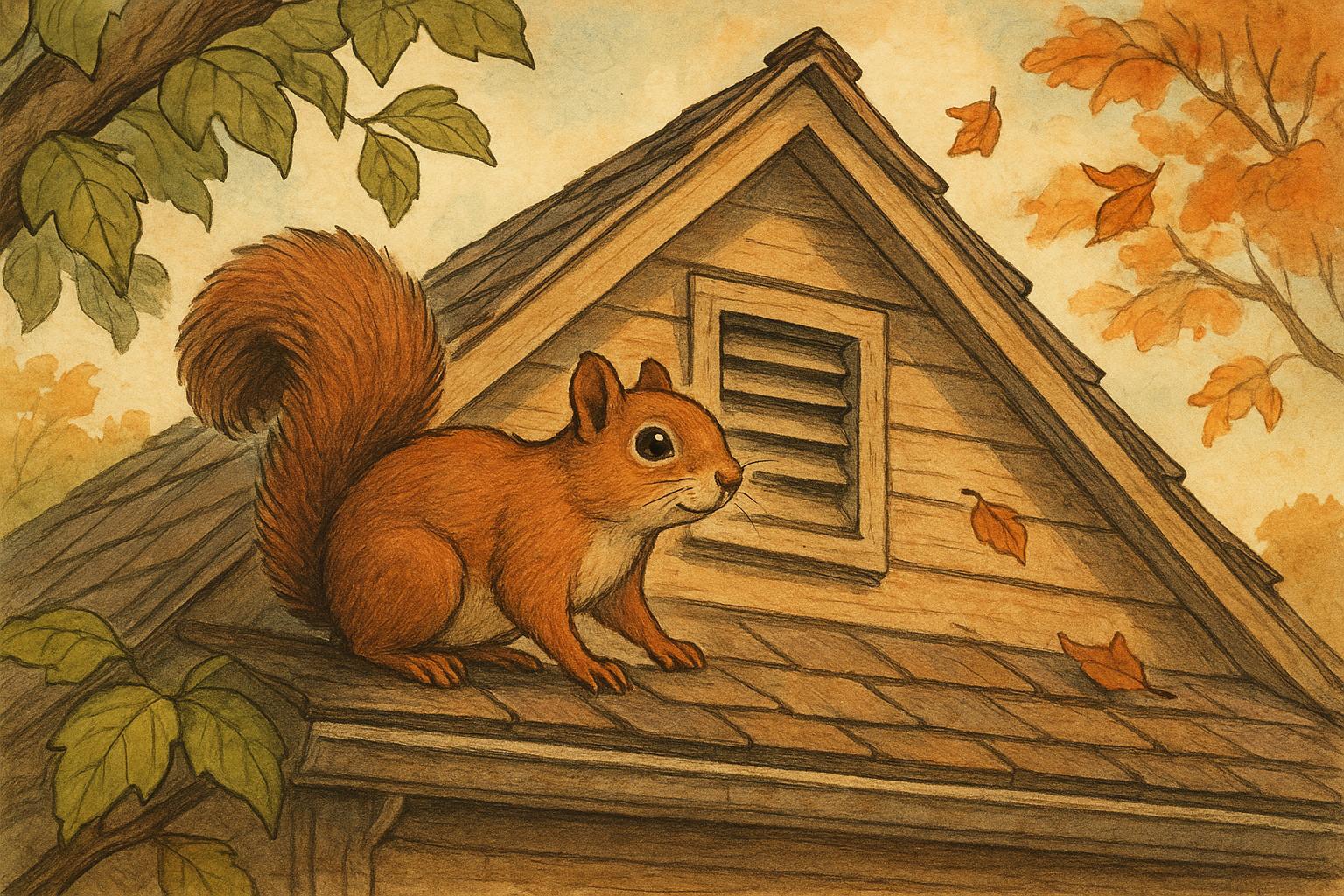
Squirrels create a diagonal hopping pattern with tiny front paws paired closely and larger hind prints offset. You’ll also see tail drags or jump smudges when they leap from branch to branch.
### Fox And Coyote
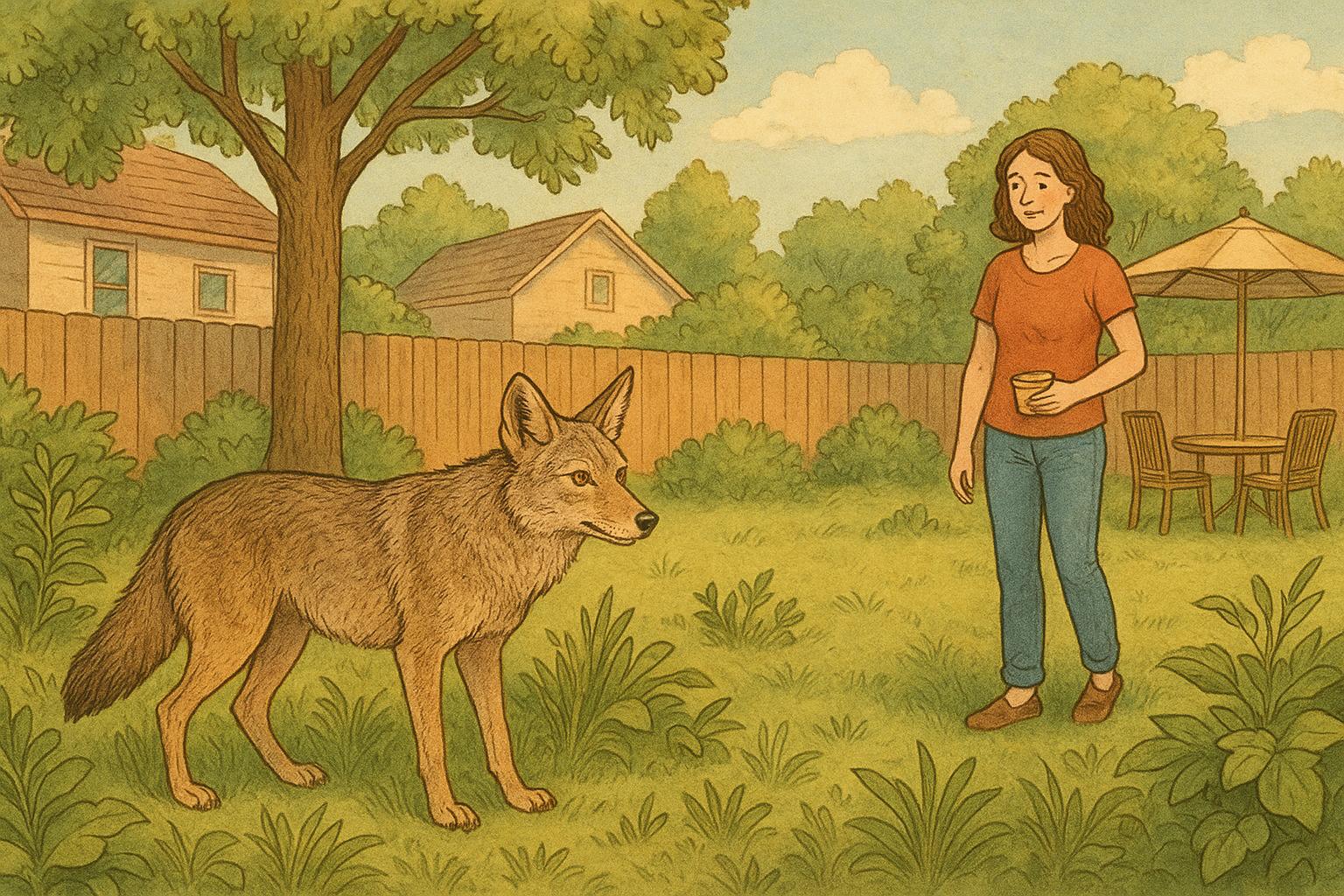
Canid tracks (foxes, coyotes, dogs) show four toes with visible claw marks and a roughly triangular pad. Fox tracks are often in a straight line and more delicate; coyotes are larger and leave deeper impressions.
### Raccoon
Raccoon prints look eerily human, with five slender toes and dexterous front paw impressions. They often explore near trash cans, decks, and bird feeders.
### Birds
Bird tracks are three forward-pointing toes and sometimes a small backward toe. Wading birds or ducks show webbing; corvids (crows) leave long strides.
## Reading Behavior From Prints
Tracks bundled with scat (droppings), overturned leaf litter, or a line of disturbed ground tell stories beyond identity. A looping track pattern near a bird feeder? Likely a raccoon or squirrel. A series of small, rapid prints crossing a lawn in zigzags? A fox hunting rodents, using a high pounce technique that leaves an X-shape on landing. Over time, tracking becomes a gentle pastime that connects you to daily rhythms of your yard.
## Why Tracks Look Different In Snow
Not all prints are created equal. The physical properties of snow — temperature, crystal size, wetness, and recent weather — all alter how tracks appear. Colder, dry snow holds crisp edges; wet snow compresses and can create a rim around the print as it freezes. Repeated thaw-freeze cycles can create false halos or refilled prints that look like shallow craters. Also consider substrate beneath the snow: soft soil versus compacted pavement yields different depths even for the same animal.
### Timing And Environmental Clues
If prints are sharp and the surrounding snow is untouched, the animal likely passed after the last snowfall. If the edges are softened, wind or light melting has occurred. Look for overlapping tracks to establish order of passage — dogs wandering over deer prints tell a clear chronological tale.
## ## 2 Humane Remedies To Reduce Animal Tracks In Snow
If you’d prefer fewer footprints in your flowerbeds (or fewer visitors rooting through trash), here are two humane, practical remedies. The following sections present materials and step-by-step procedures in a formal, informative tone.
### ### 1. Motion-Activated Light And Sound Barrier
#### #### Materials And Equipment
– One or more motion-activated LED floodlights with dusk-to-dawn sensors
– Battery or solar power kit (if no external power available)
– Weatherproof mounting hardware (screws, mounts)
– Optional: motion-activated ultrasonic deterrent (verify local wildlife regulations)
– Safety gear: ladder (if mounting high), gloves, eye protection
#### #### Installation And Application Steps
1. Site Assessment: Identify focal points where tracks concentrate (e.g., feeding stations, trash cans, garden beds). Measure distances for light coverage and sensor range.
2. Select Units: Choose floodlights rated for outdoor use with adjustable sensitivity and beam width. Confirm power source availability.
3. Mounting: Securely mount the lights at a height of 6–10 feet to provide broad coverage while preventing direct glare into neighbor windows. Angle sensors slightly downward.
4. Calibration: Adjust motion sensitivity to minimize false activations from small birds but still respond to medium-sized mammals. Set timer settings if available (e.g., active dusk to dawn).
5. Optional Sound: Install ultrasonic devices where legal and appropriate. Monitor for any unintended impacts on domestic animals.
6. Monitor And Adapt: Run the system for several nights, observe animal responses from a safe distance, and adjust sensitivity and placement as necessary. Maintain batteries or solar panels seasonally.
Effectiveness: Motion-activated lights and sound create an unfamiliar environment that many nocturnal mammals avoid. This method is humane, non-invasive, and reversible.
### ### 2. Physical Plant And Perimeter Modification
#### #### Materials And Equipment
– Heavy-gauge hardware cloth or welded-wire fencing (mesh size 1/2″–1″)
– UV-resistant zip ties or galvanized U-staples
– Wooden stakes or metal posts (18–36 inches tall)
– Mulch or coarse gravel (optional, for ground deterrence)
– Pliers, wire cutters, tape measure, post driver or hammer
– Work gloves and safety glasses
#### #### Installation And Application Steps
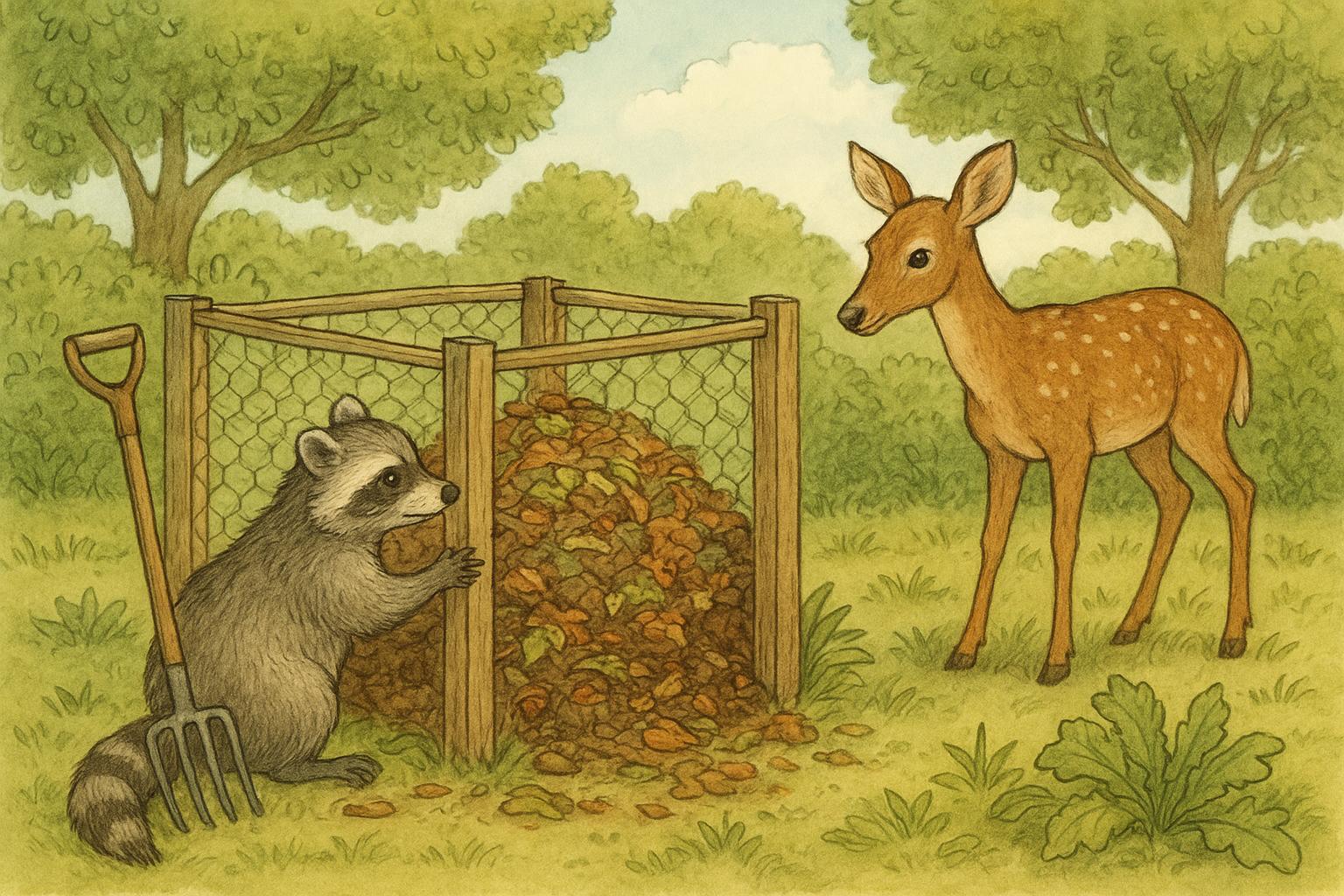
1. Identify Areas to Protect: Choose flowerbeds, compost piles, and under-deck spaces where tracks and access are frequent.
2. Measure and Cut: Measure perimeter lengths and cut fencing to size, allowing overlap. For under-deck areas, measure height clearance.
3. Install Posts: Space posts 4–6 feet apart, ensuring they are driven firmly into the ground. For temporary snow-season installations, stake depth of 12–18 inches is often sufficient.
4. Attach Fencing: Secure hardware cloth to posts using U-staples or zip ties. Overlap adjacent pieces by at least 6 inches and fasten securely to prevent gaps.
5. Bury Bottom Edge: Dig a shallow trench (2–4 inches), set the bottom edge of the fencing into the trench, and backfill, or bury the bottom 4–6 inches to prevent digging under the barrier.
6. Add Ground Layer (Optional): Spread coarse gravel or mulch inside the protected area; these textures are less attractive for animals to cross when compared to soft soil.
7. Maintenance: Check for loosening after heavy snow or ice storms. Repair any gaps promptly to maintain integrity.
Effectiveness: This method physically prevents access, protects vegetation, and is long-lasting. Properly installed barriers are one of the most reliable ways to stop recurring animal tracks in snow without harming animals.
## When To Call A Professional
If tracks suggest a larger or potentially dangerous animal repeatedly using your property (e.g., frequent coyote sightings near children or aggressive animal behavior), contact local wildlife control or your municipal animal control agency. Provide clear photos of tracks and any additional evidence (scat, damage). Professionals can assess risks, recommend exclusion techniques tailored to your property, and, when necessary, safely relocate animals in a manner compliant with local laws.
### Legal And Ethical Considerations
Many wildlife species are protected or regulated. Always check local ordinances before employing repellents or capture methods. Non-lethal, humane measures are typically preferred and often the most effective long-term solution.
## Tracking As A Backyard Hobby
Once you start, reading animal tracks in the snow becomes an addictive but peaceful hobby. Keep a small notebook or take photos with a timestamp for a seasonal log. You’ll begin to anticipate which critters visit when and where, and that knowledge will shape how you design, protect, and enjoy your outdoor spaces this winter.
A final practical tip: if you live in a neighborhood with free-roaming cats, consider adding a covered, elevated feeding station for birds and a separate, secure spot for domestic pets. This reduces cross-attraction and helps keep those dramatic, shocking trails out of your prized garden beds.











Leave a Reply