
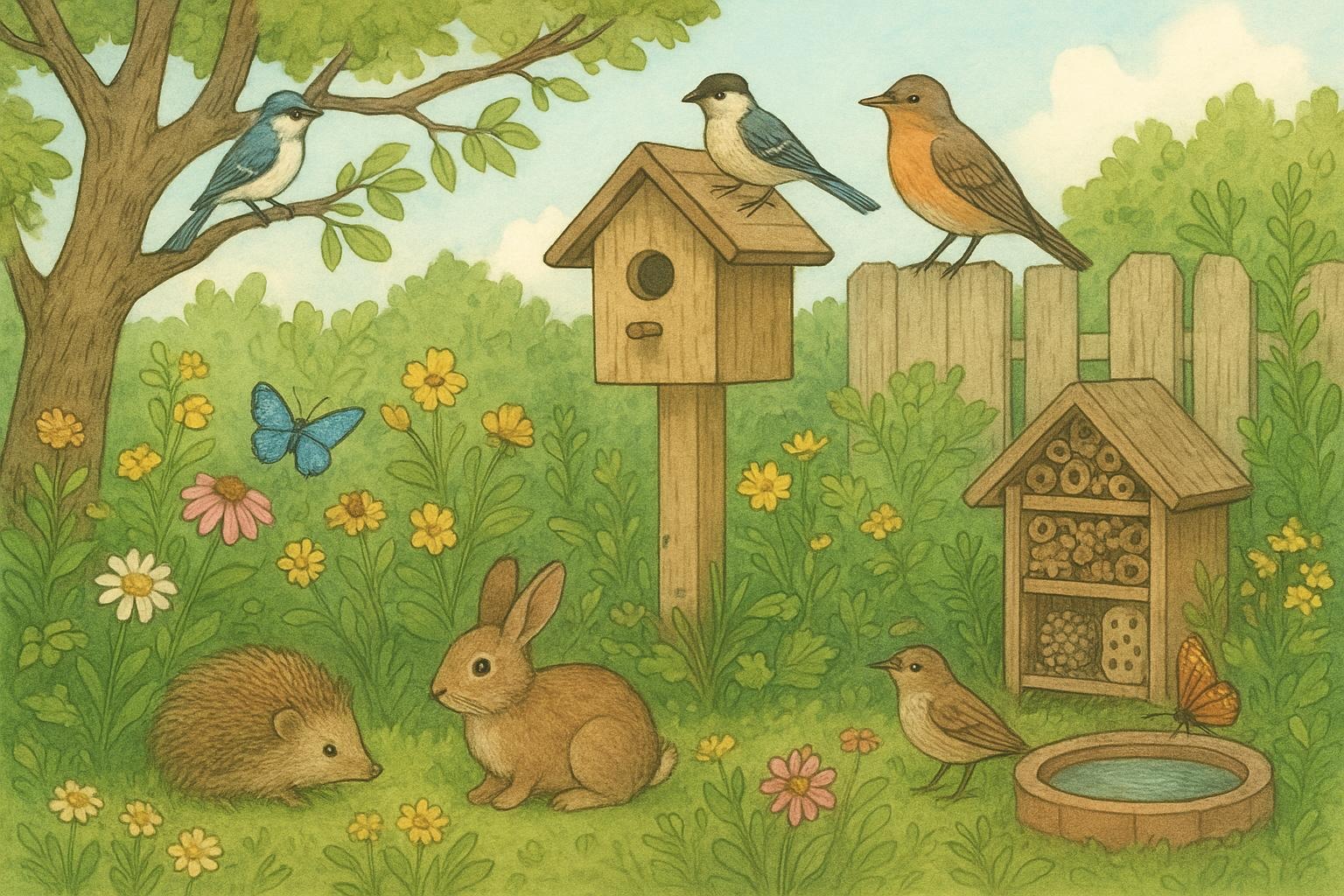
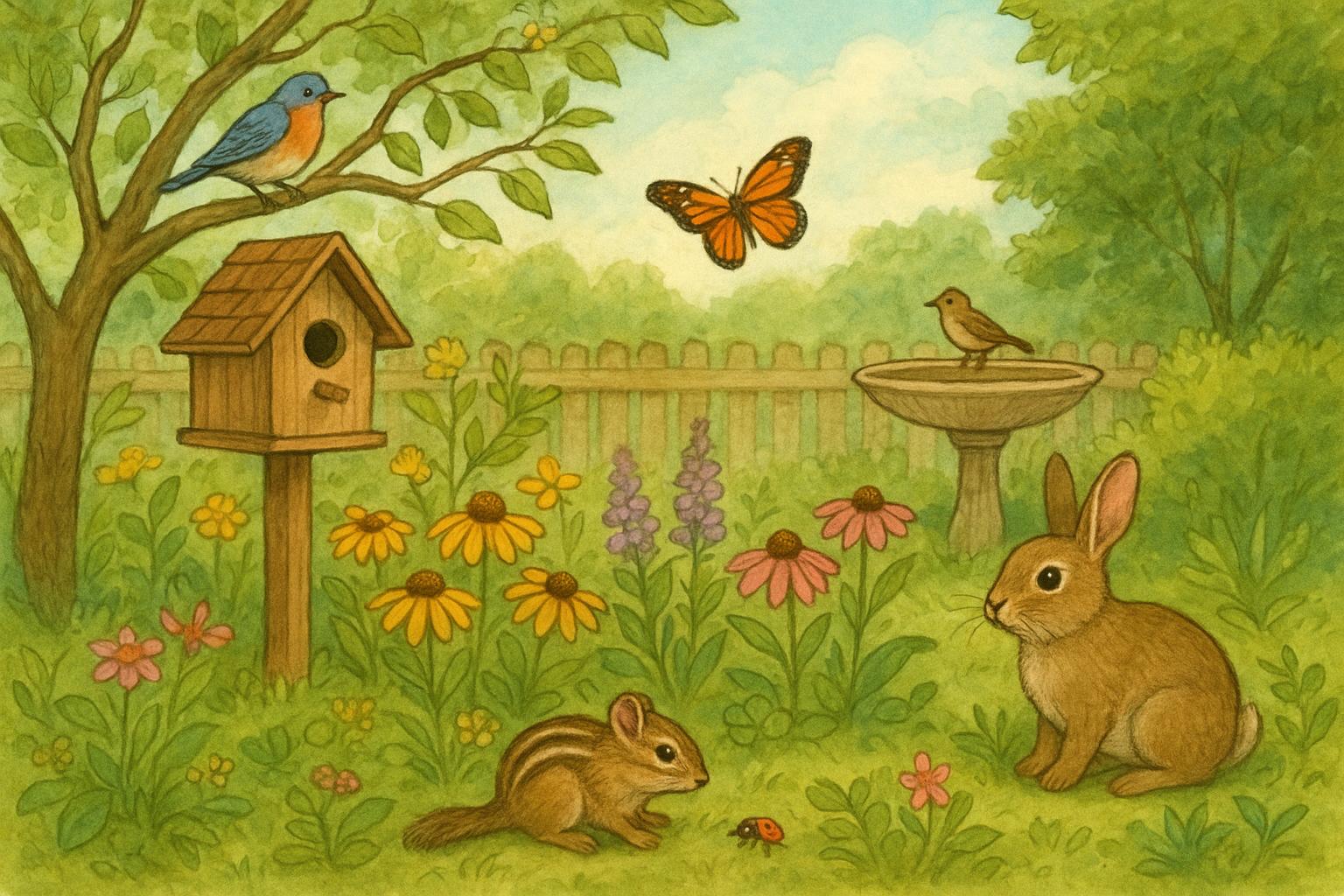
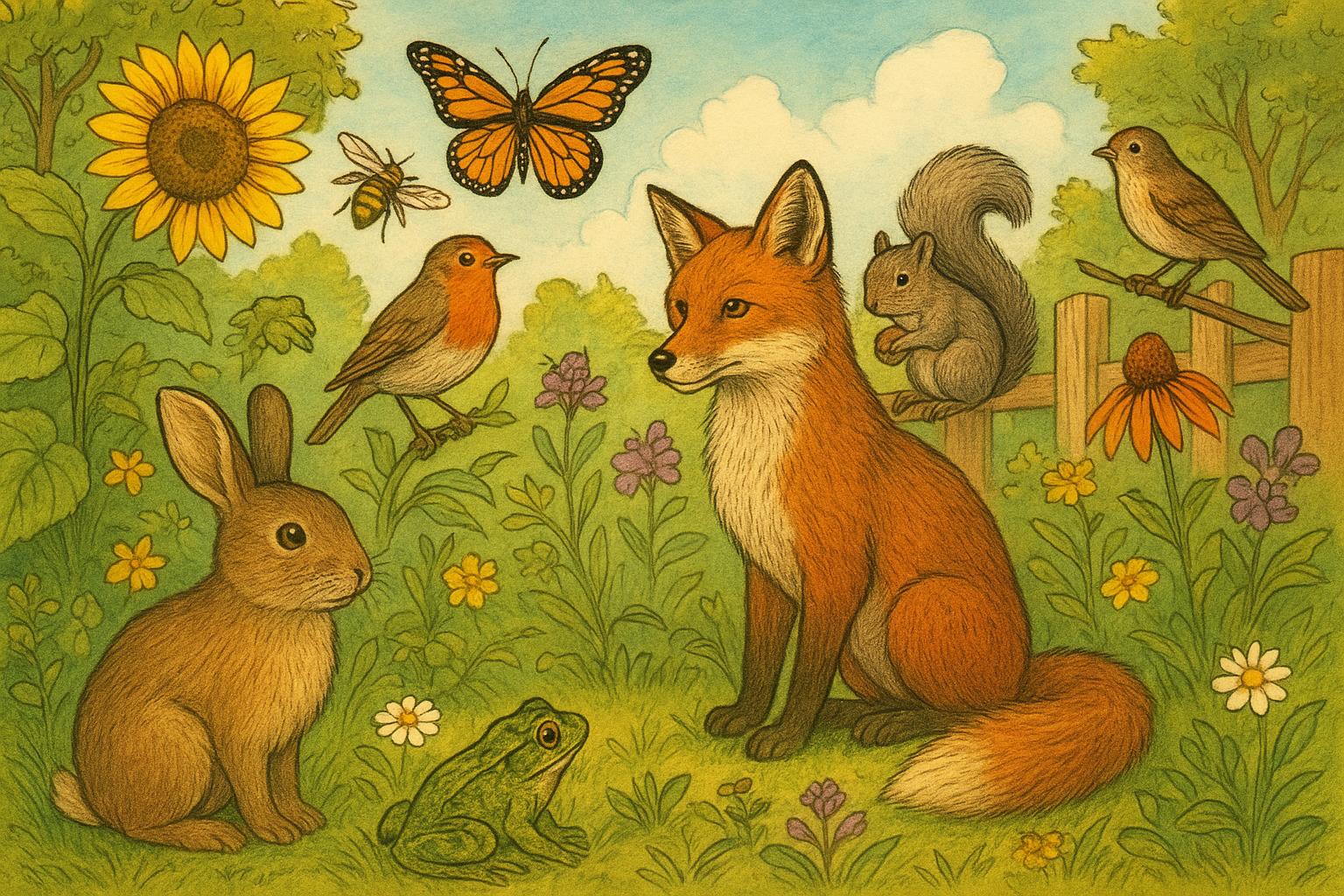
Welcome to the tiny-but-mighty world of habitat creation, where square footage is modest but biodiversity potential is not. If you’ve got a postage-stamp yard, balcony, or shared courtyard, you can still make a big difference for birds, pollinators, amphibians, and beneficial insects by designing a small yard habitat that’s intentional, layered, and welcoming.
## Small Yard Habitat Design Principles
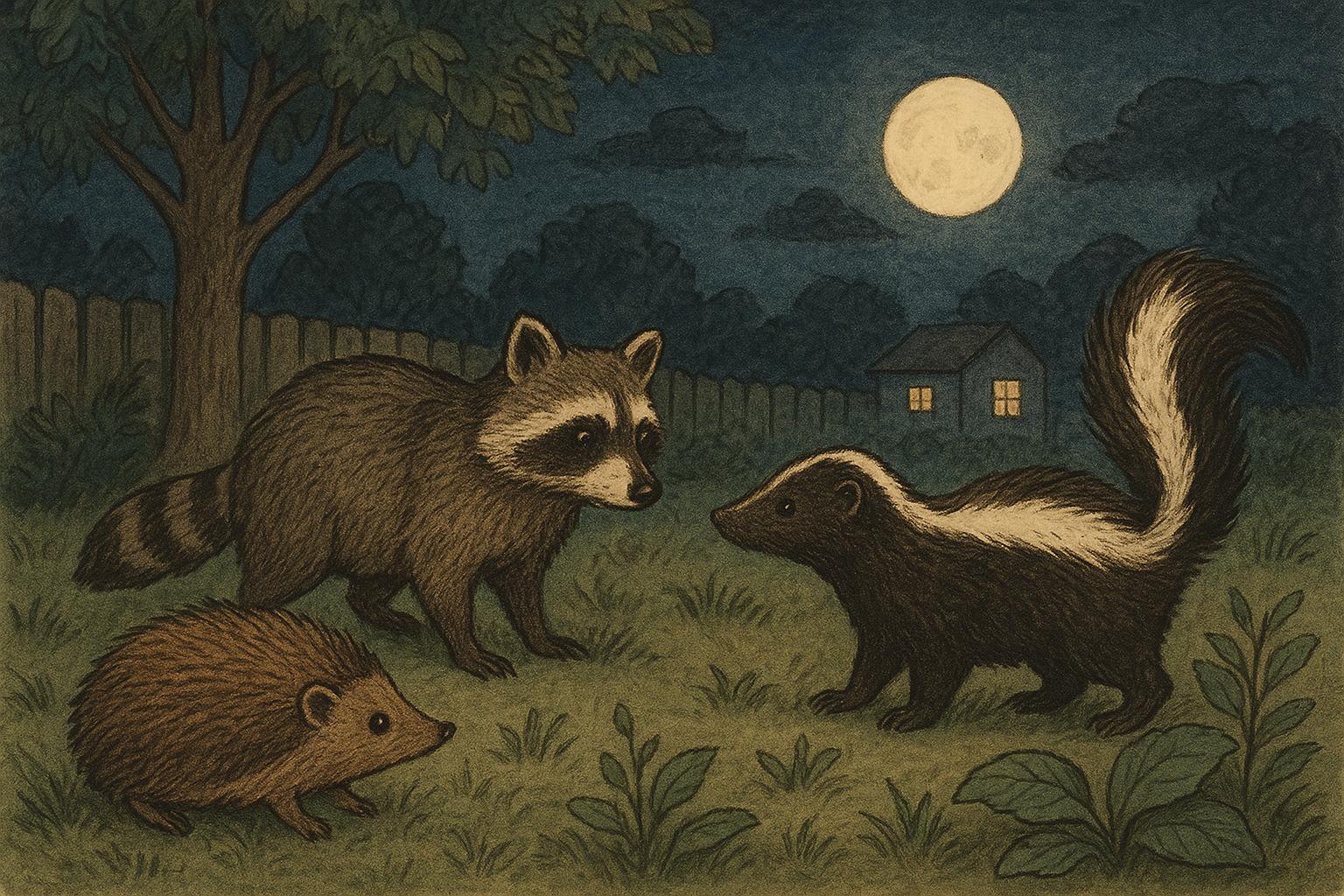
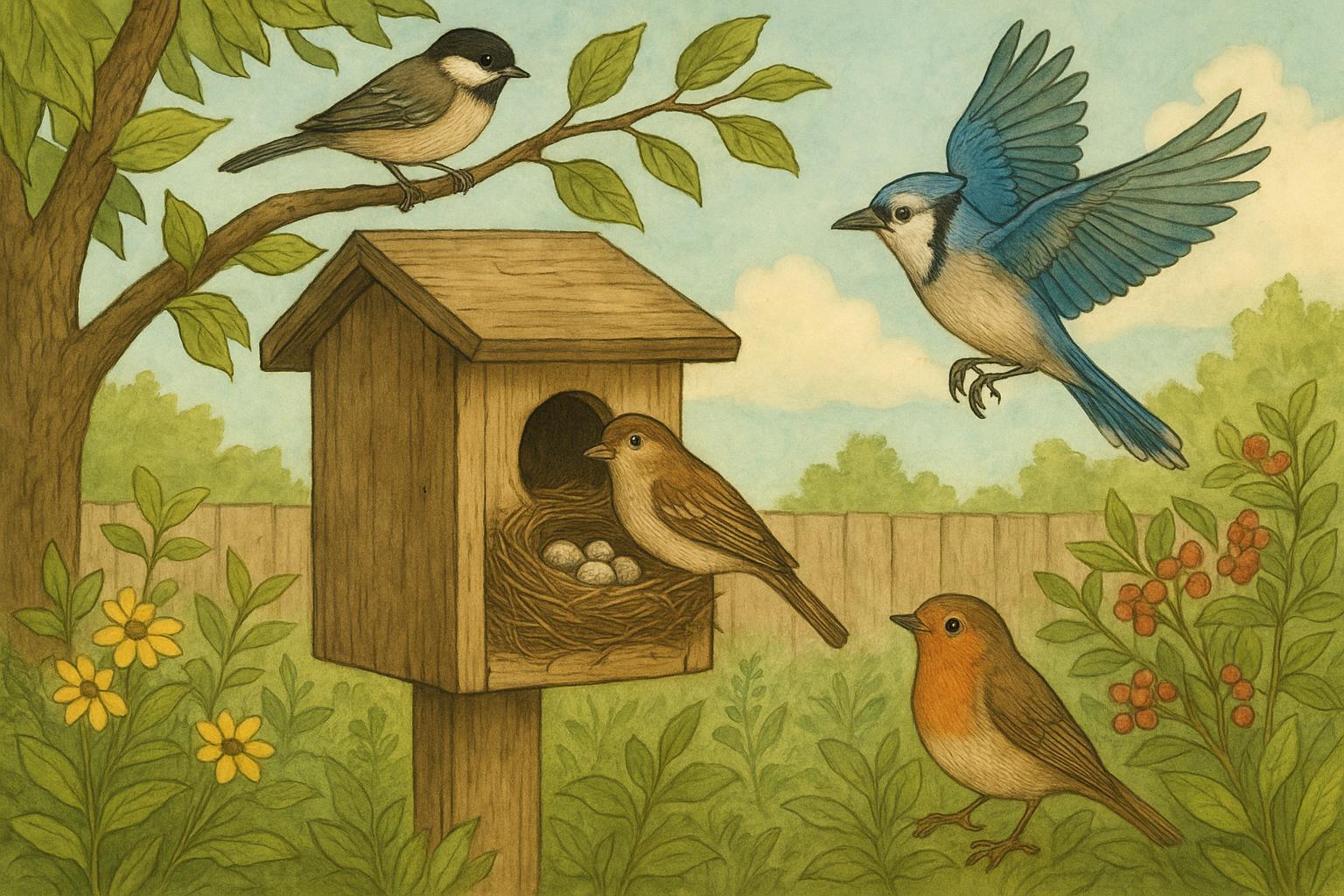
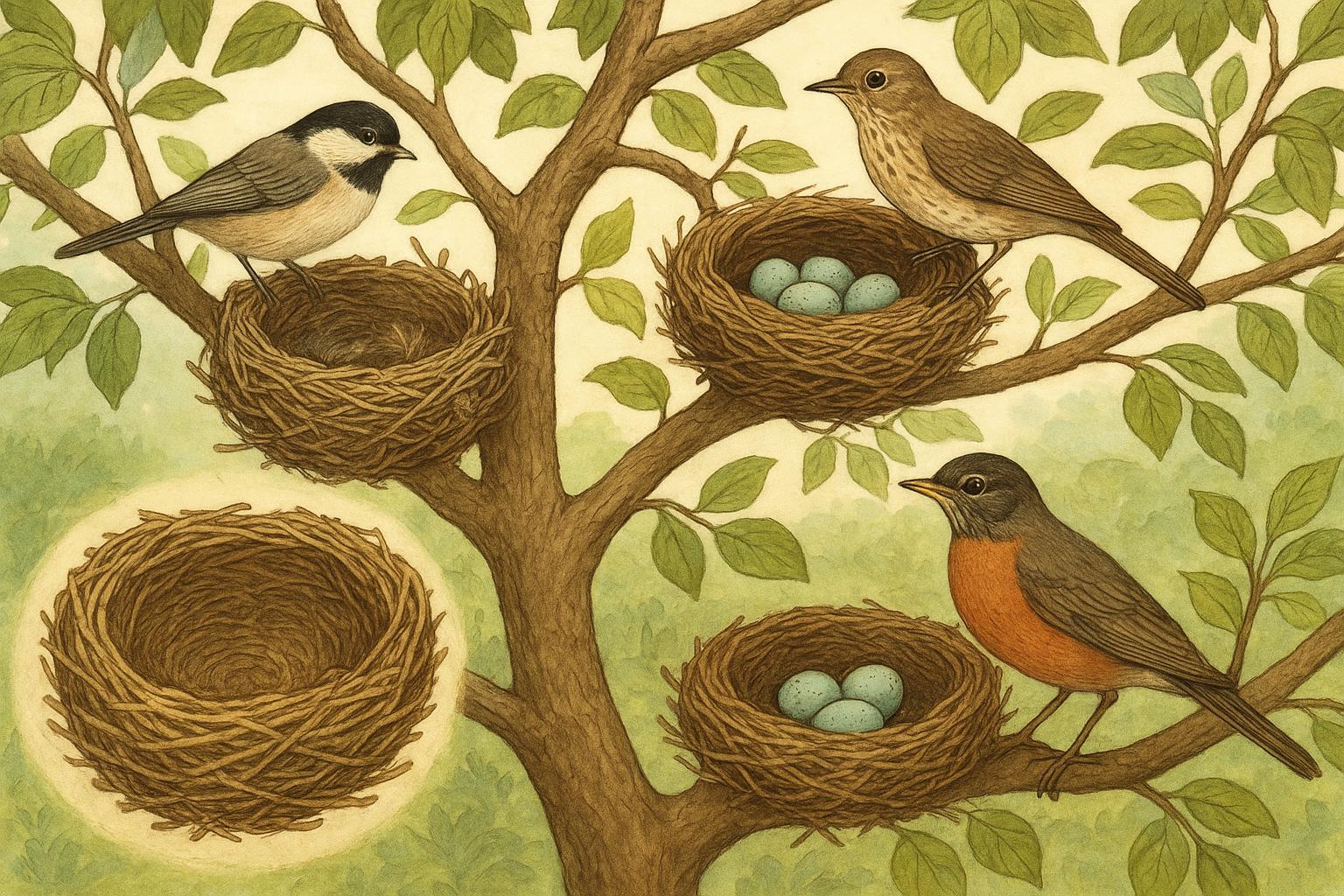
Designing a small yard habitat starts with a few core principles that keep wildlife needs and human livability in balance. Think of it as hosting a dinner party where the guests are bees, robins, and maybe an occasional hedgehog — everyone needs a place to eat, sleep, and get safe from predators.
Start with these basics:
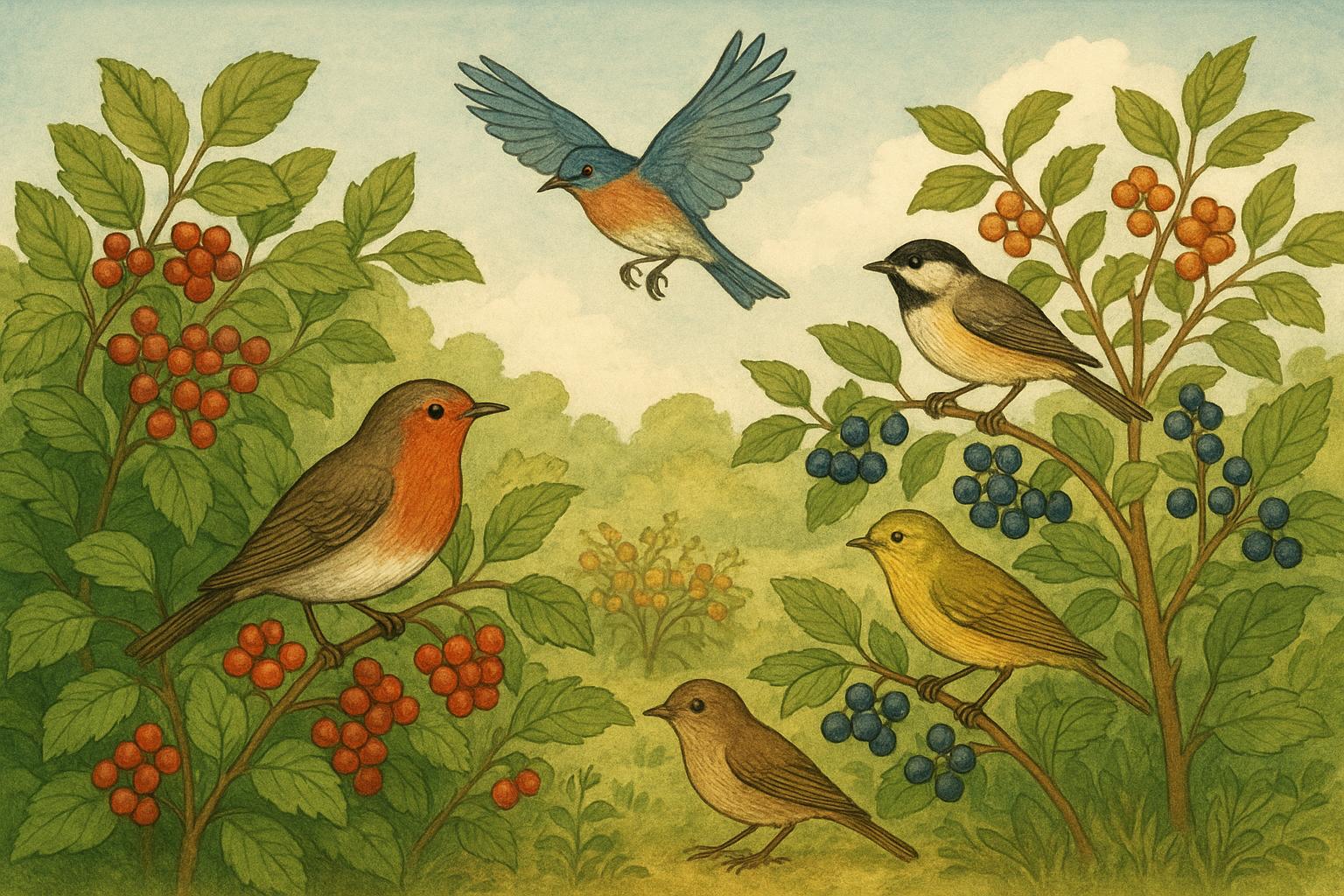
– Food: Native flowering plants, seed-producing grasses, and shrubs that provide nectar, pollen, seeds, berries, and insects.
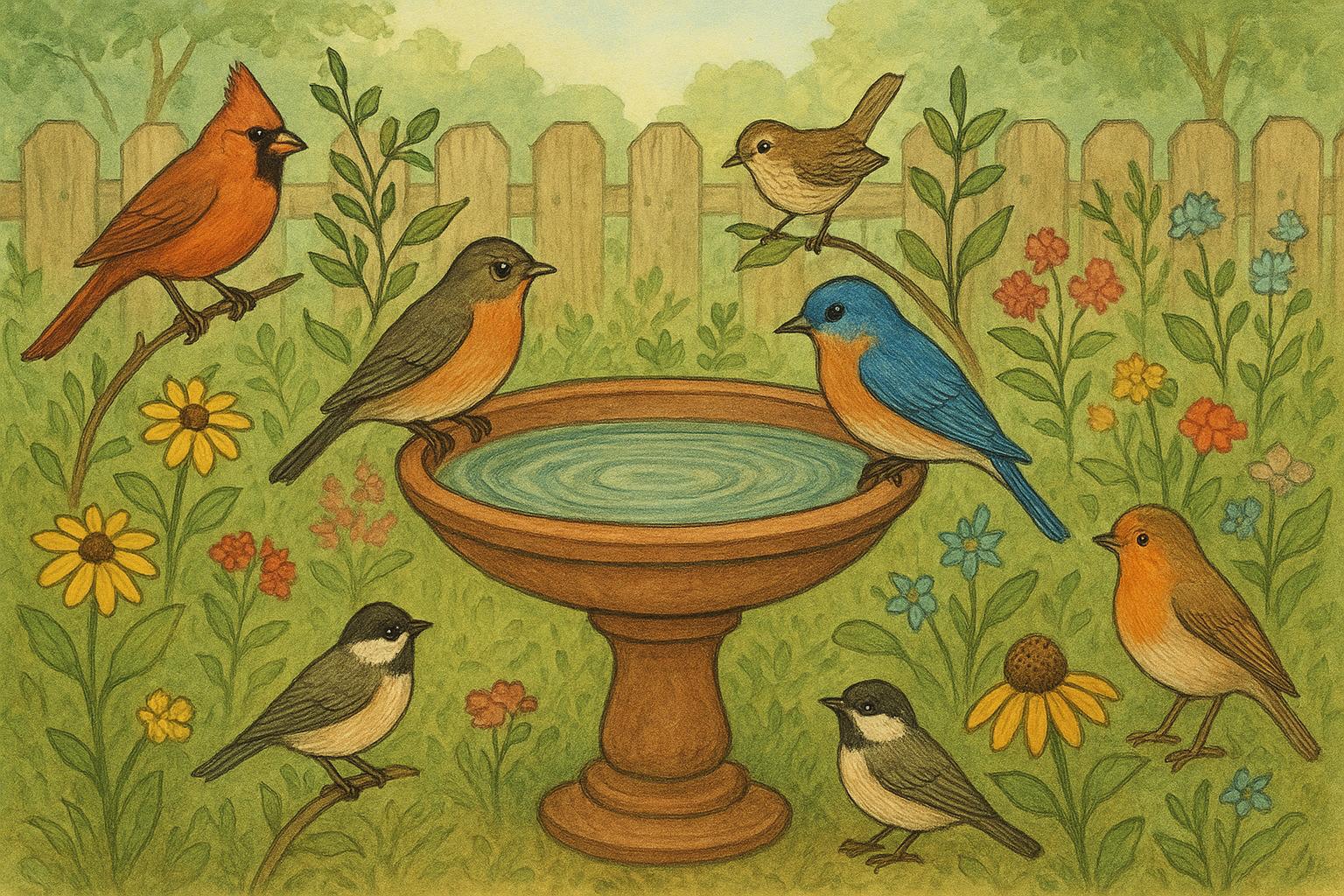
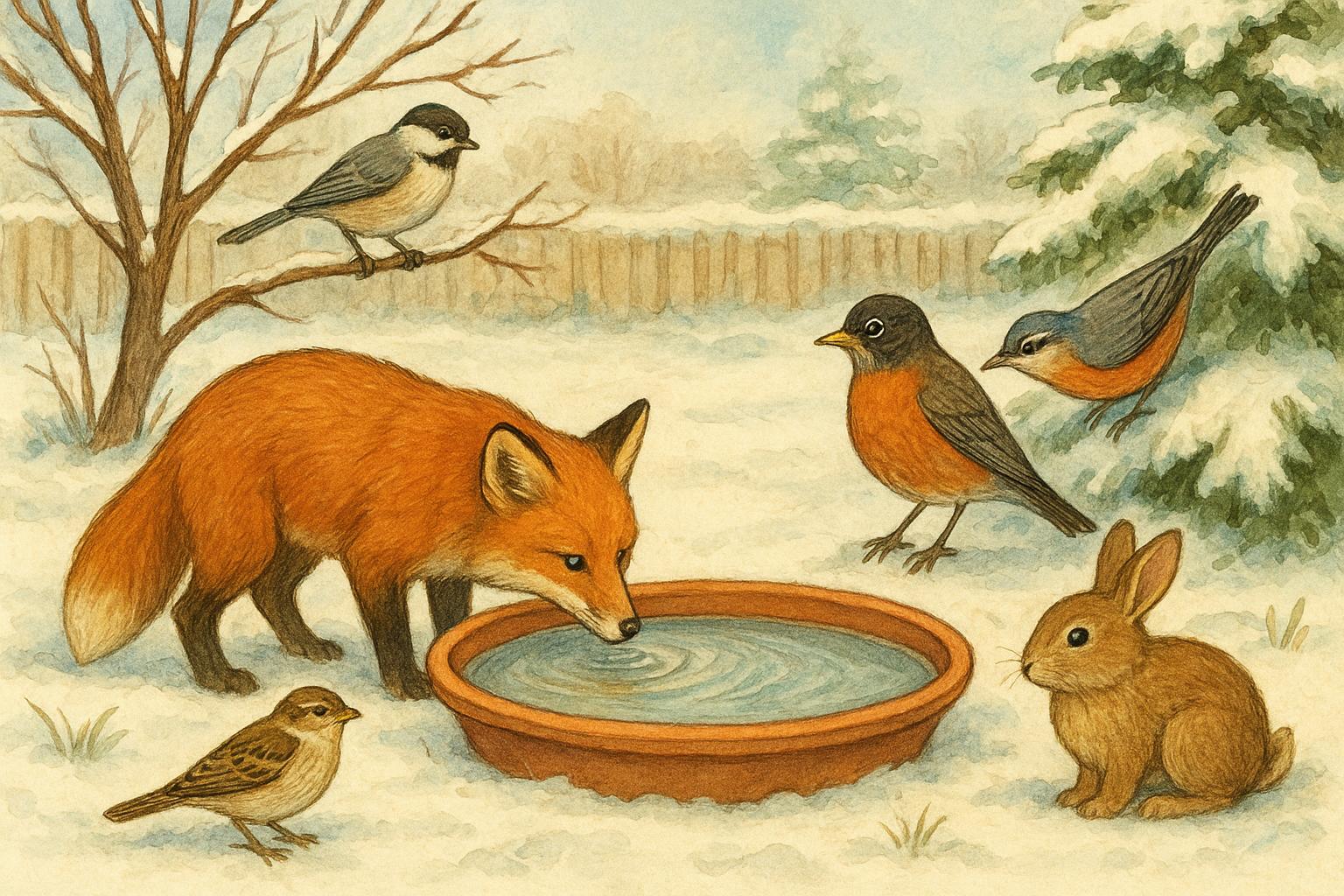
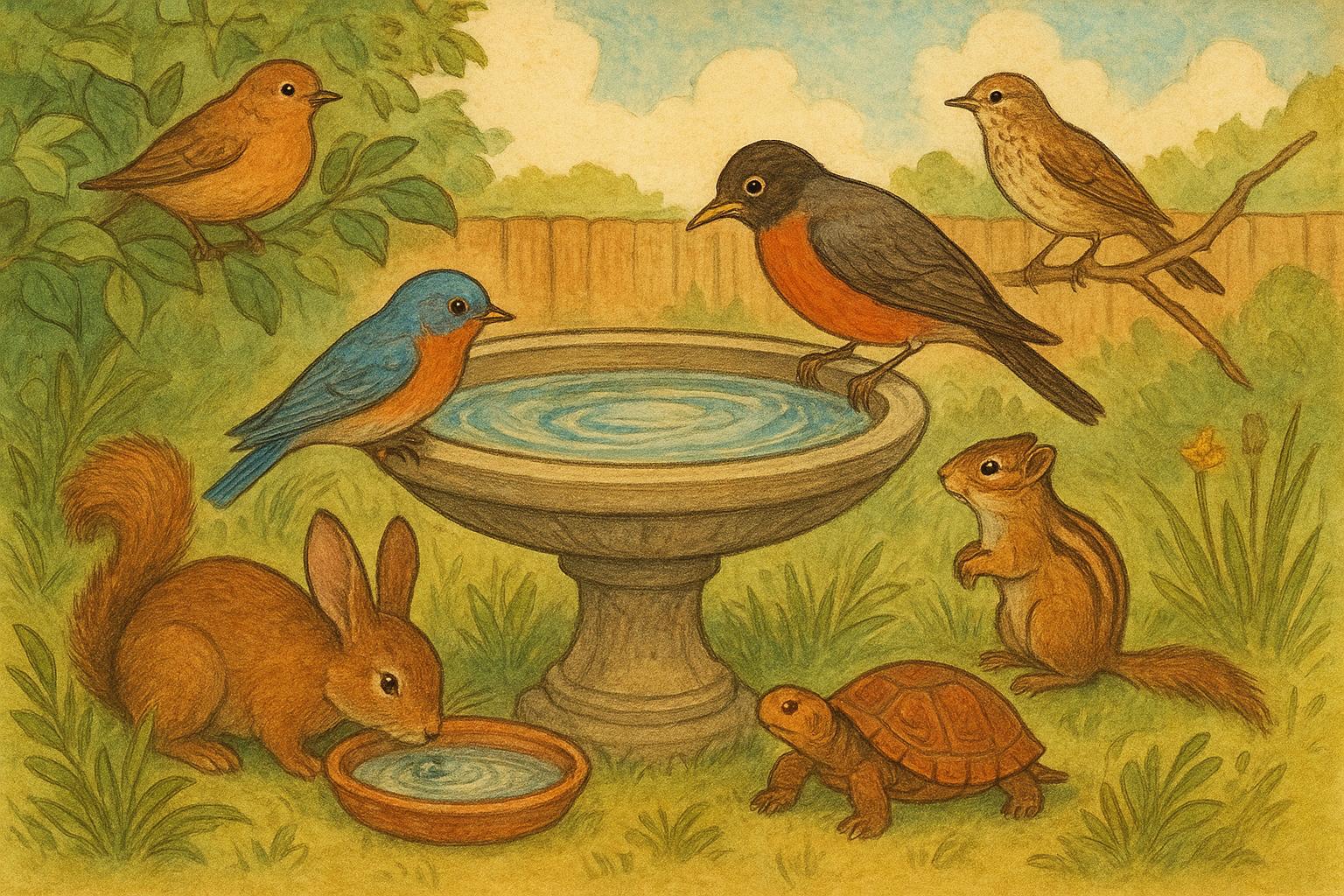
– Water: A reliable shallow water source that’s safe year-round.
– Shelter: Dense shrubs, brush piles, cavities, and layered vegetation.
– Connectivity: Even small green corridors, window boxes, or vine-covered trellises help animals move through urban areas.
– Safety: Avoid broad-spectrum pesticides; choose pet- and wildlife-friendly materials.
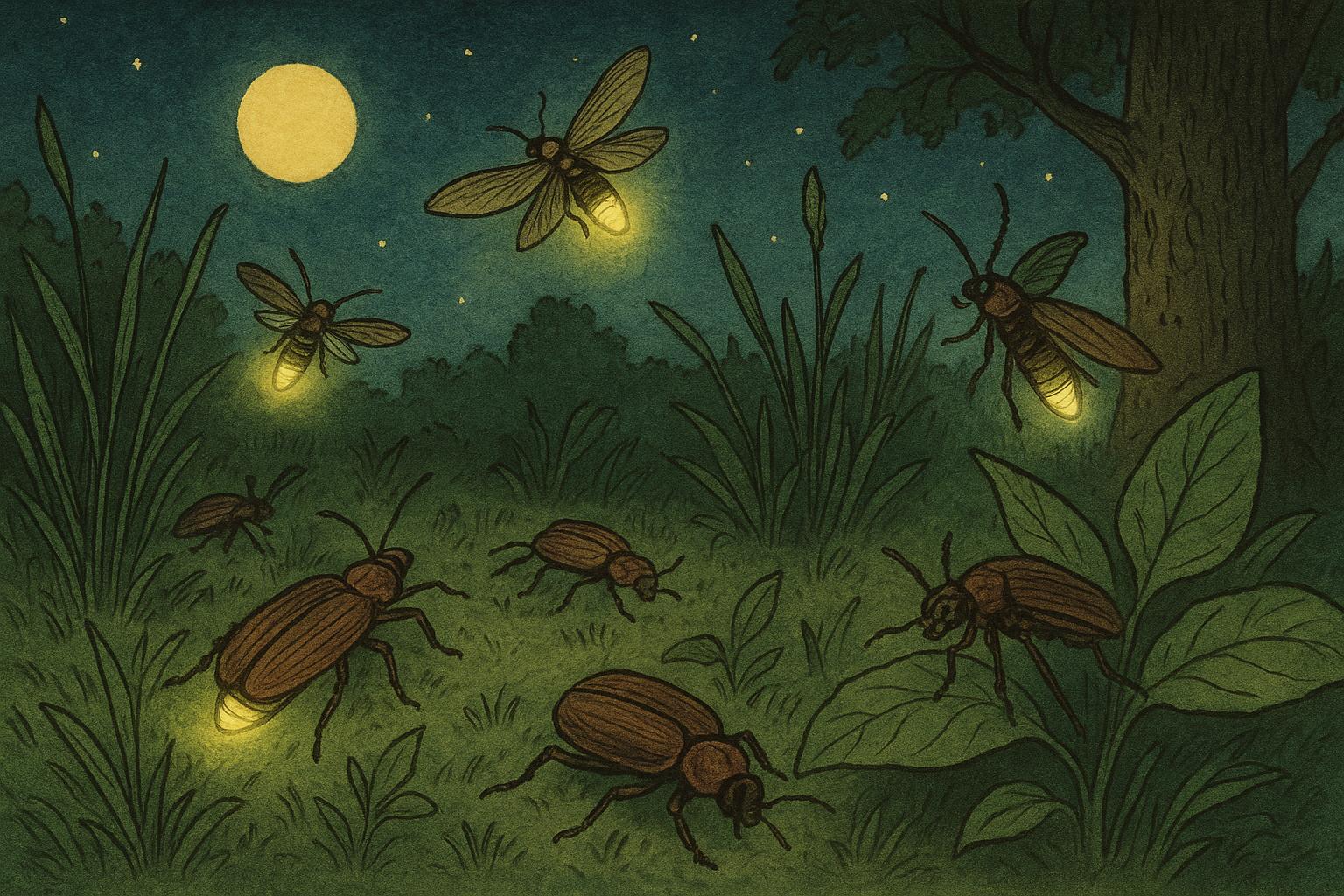
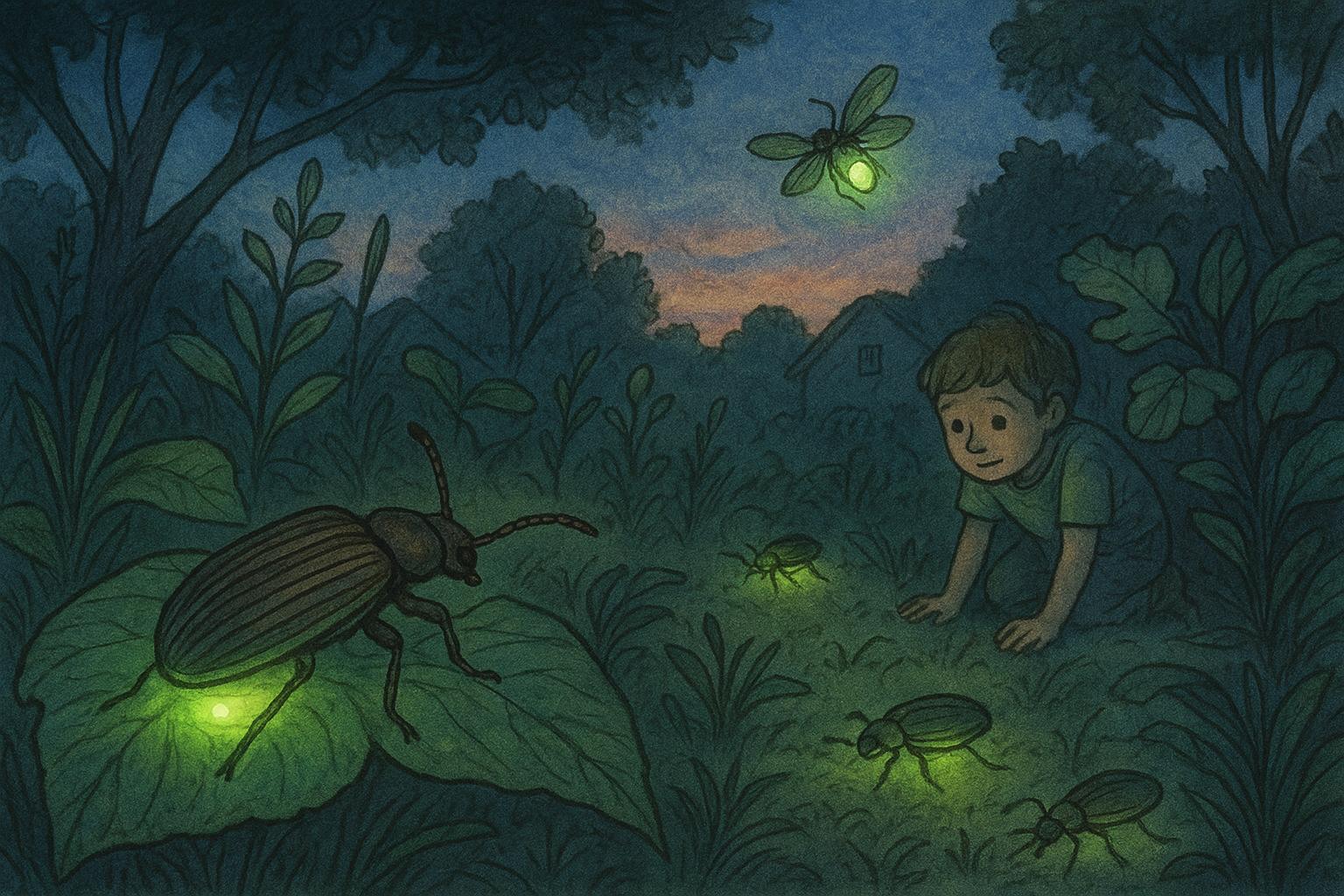
In a compact area, every square foot should pull double (or triple) duty—flowering groundcovers beneath a shrub can feed pollinators and hide beetles, while a potted native tree offers perching spots for birds. Prioritize native species; they co-evolved with local wildlife and support more insects than exotic alternatives.
### Plan For Layering And Seasonality
A vibrant small yard habitat uses vertical and seasonal layers: groundcovers, perennials, herbaceous plants, shrubs, and small trees. Layering maximizes habitat value in limited space and extends resources across seasons. Aim for species that bloom at staggered times and produce fruit or seeds into fall and winter.
### Think Like A Local Creature
Observe your yard through the eyes of the animals you want to attract. Where does water collect? Which corners get morning sun? Which fence lines form natural corridors? Even a small pile of twigs tucked into a corner becomes valuable real estate for ground-nesting bees or toads.
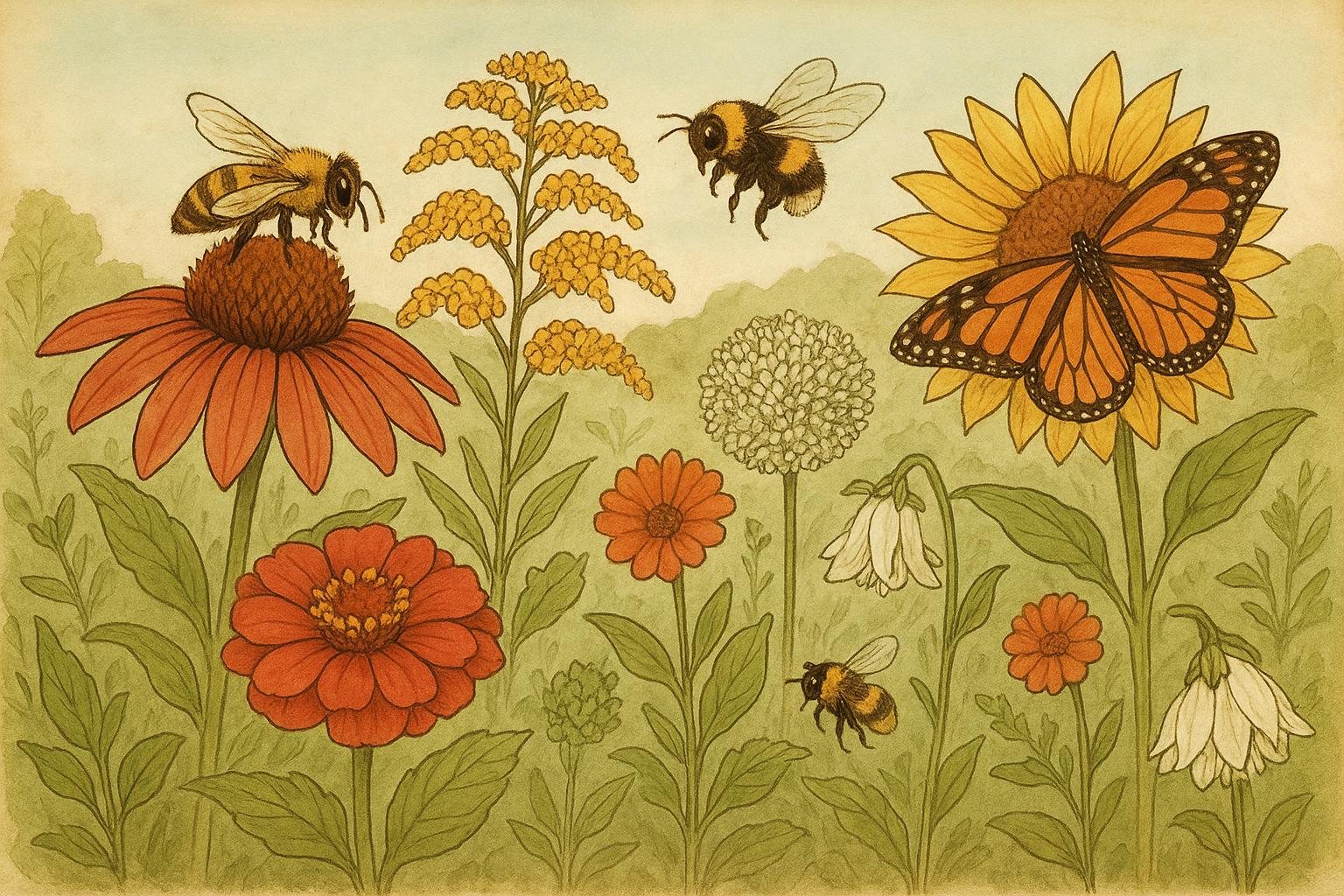
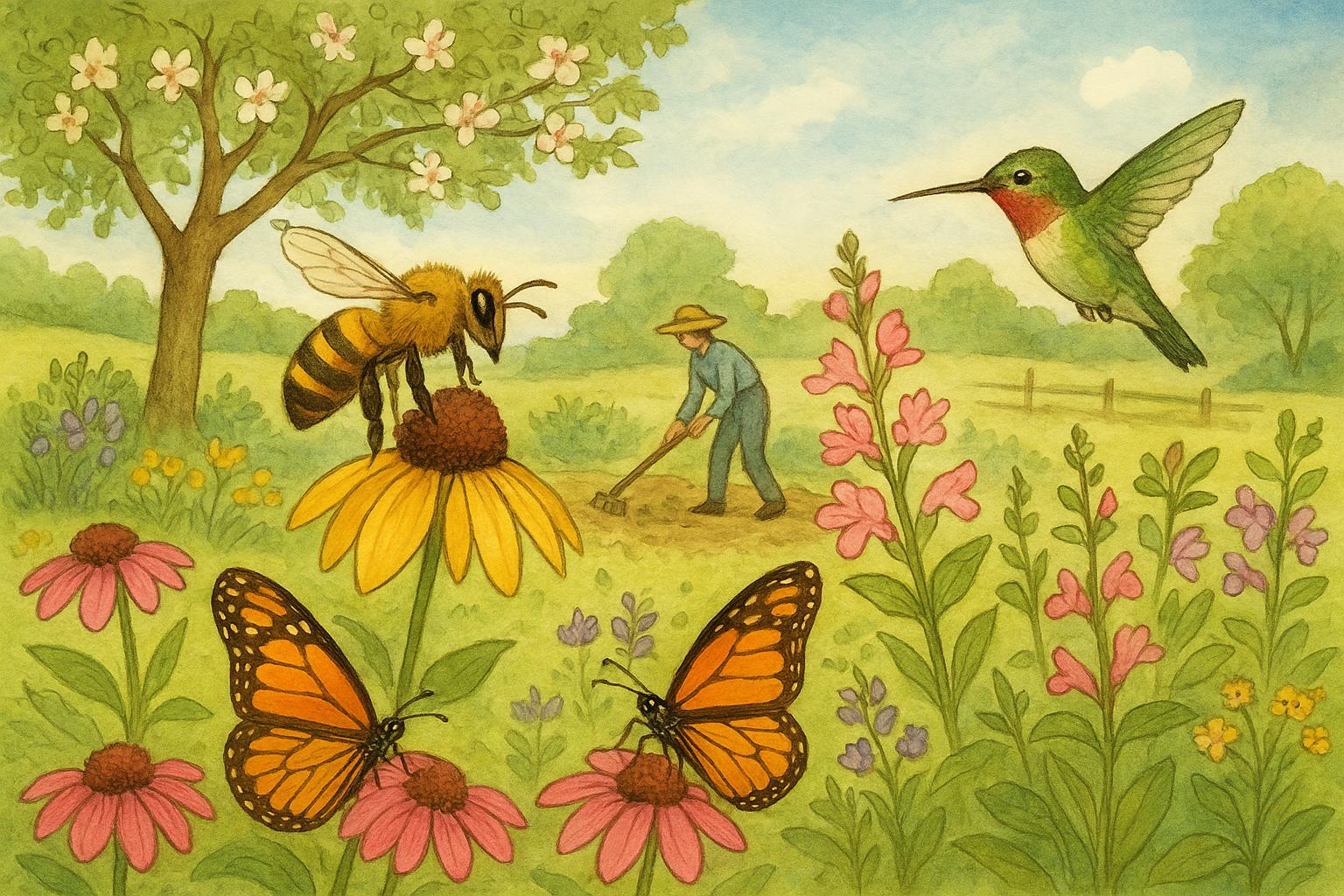
## Remedy 1: Create A Native Pollinator Patch
When the remedy is a pollinator patch, follow a well-structured plan. This is a practical, replicable solution for adding concentrated forage and nesting habitat in a confined space.
Materials/Ingredients:
– A bed area (at least 3 x 3 feet, larger if possible)
– A selection of 6–10 native flowering plant species (spring through late-summer bloom sequence)
– Native grass plug or two for structure
– Organic compost and mulch (shredded bark or straw)
– Hand tools: shovel, trowel, gloves
– Optional: a small bee block (wood block with drilled holes) or low stone pile for nesting
Step-by-Step Creation:
1. Select Location: Choose a sunny spot that receives at least 5–6 hours of direct sun; most pollinators prefer sunny, sheltered sites.
2. Prepare Soil: Remove turf or invasive weeds from the patch. Loosen soil to a depth of 6–8 inches and incorporate a 1–2 inch layer of organic compost to improve structure and fertility.
3. Layout Plants: Arrange plants in groups of three to five of the same species to make visual and foraging “targets” for pollinators. Place taller species at the back or center if the patch is viewable from all sides.
4. Planting: Dig holes twice the width of the root ball, set plants at the soil line, backfill gently, and firm soil to eliminate air pockets. Water in thoroughly.
5. Mulch: Apply a thin 1–2 inch layer of mulch around plants, keeping it away from crowns to prevent rot. Mulch conserves moisture and suppresses weeds.
6. Install Nesting Features: Place a bee block in a sunny, protected location facing southeast, or leave a small bare soil patch and a shallow stone pile for ground-nesters and solitary bees.
7. Watering And Maintenance: Water regularly until plants are established (usually the first growing season), then reduce frequency. Avoid pesticides; if management is necessary, use targeted, least-toxic options in the evening when pollinators are less active.
Application Notes: Plant selections should be appropriate for your region. Examples include native asters, coneflowers, goldenrod, milkweed (for monarchs), and salvias. A diverse species list that spans early spring to late fall provides sustained forage and supports higher insect diversity.
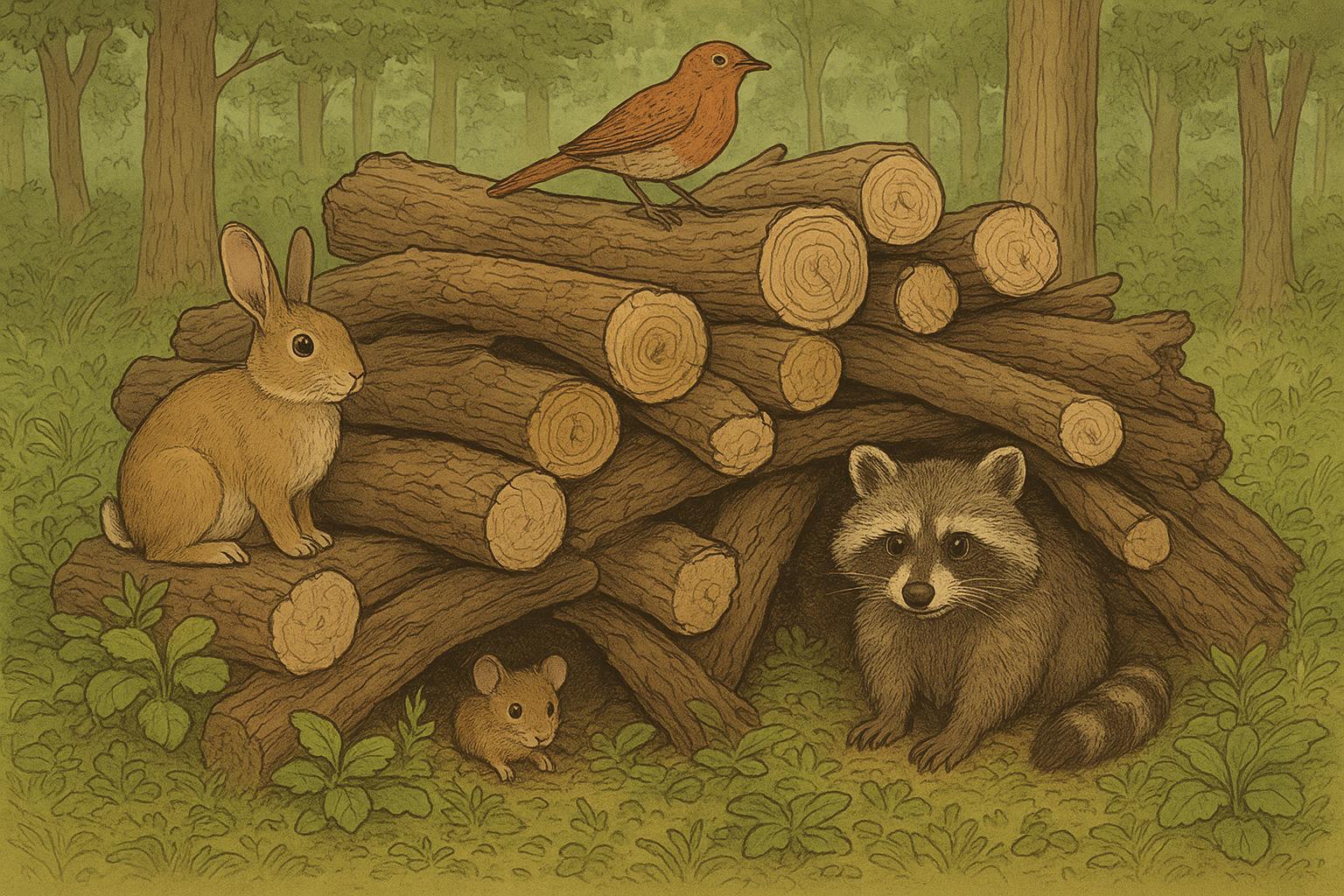
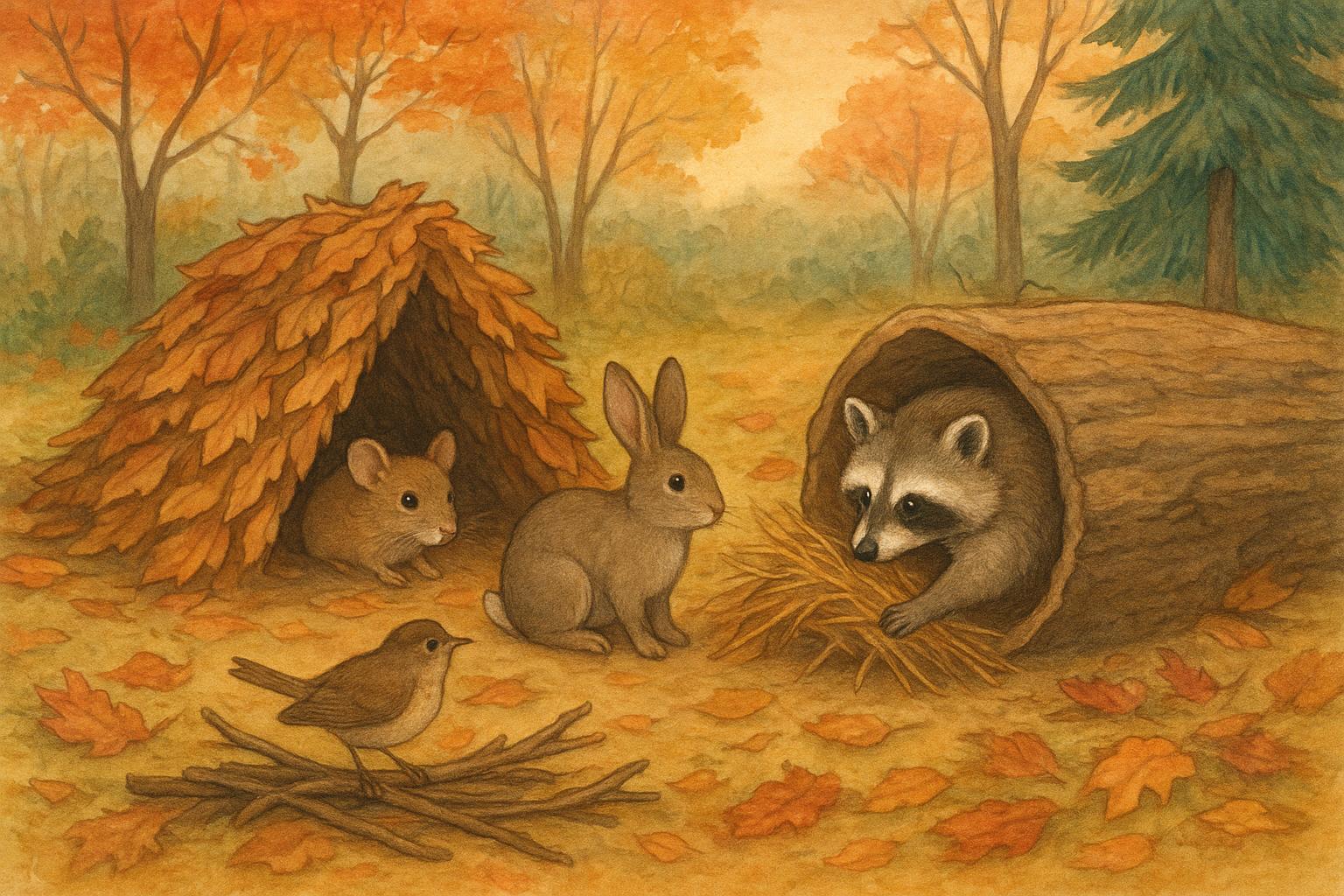
## Remedy 2: Install A Tucked-Away Brush Pile, Hedge, Or Cavity Wall
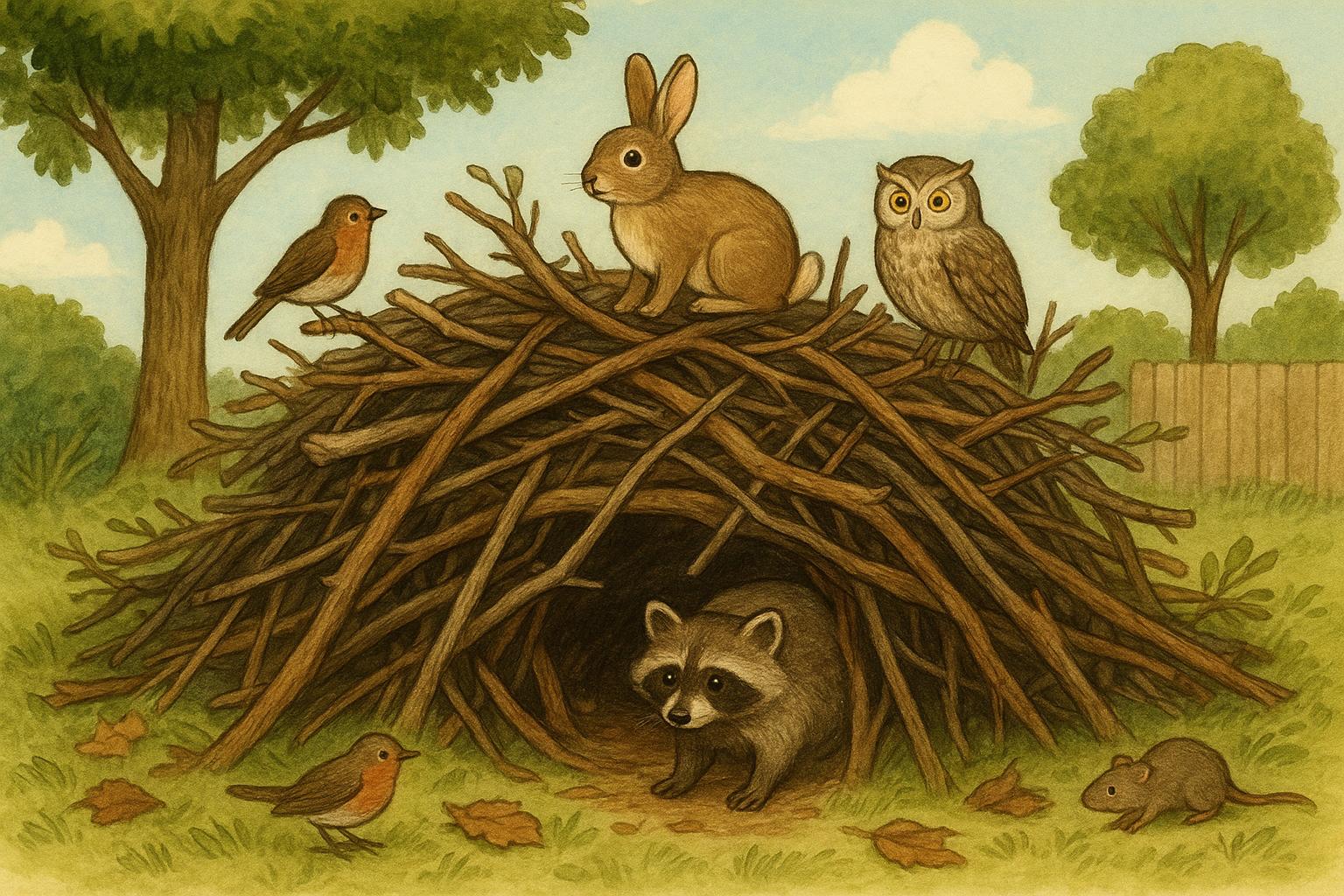
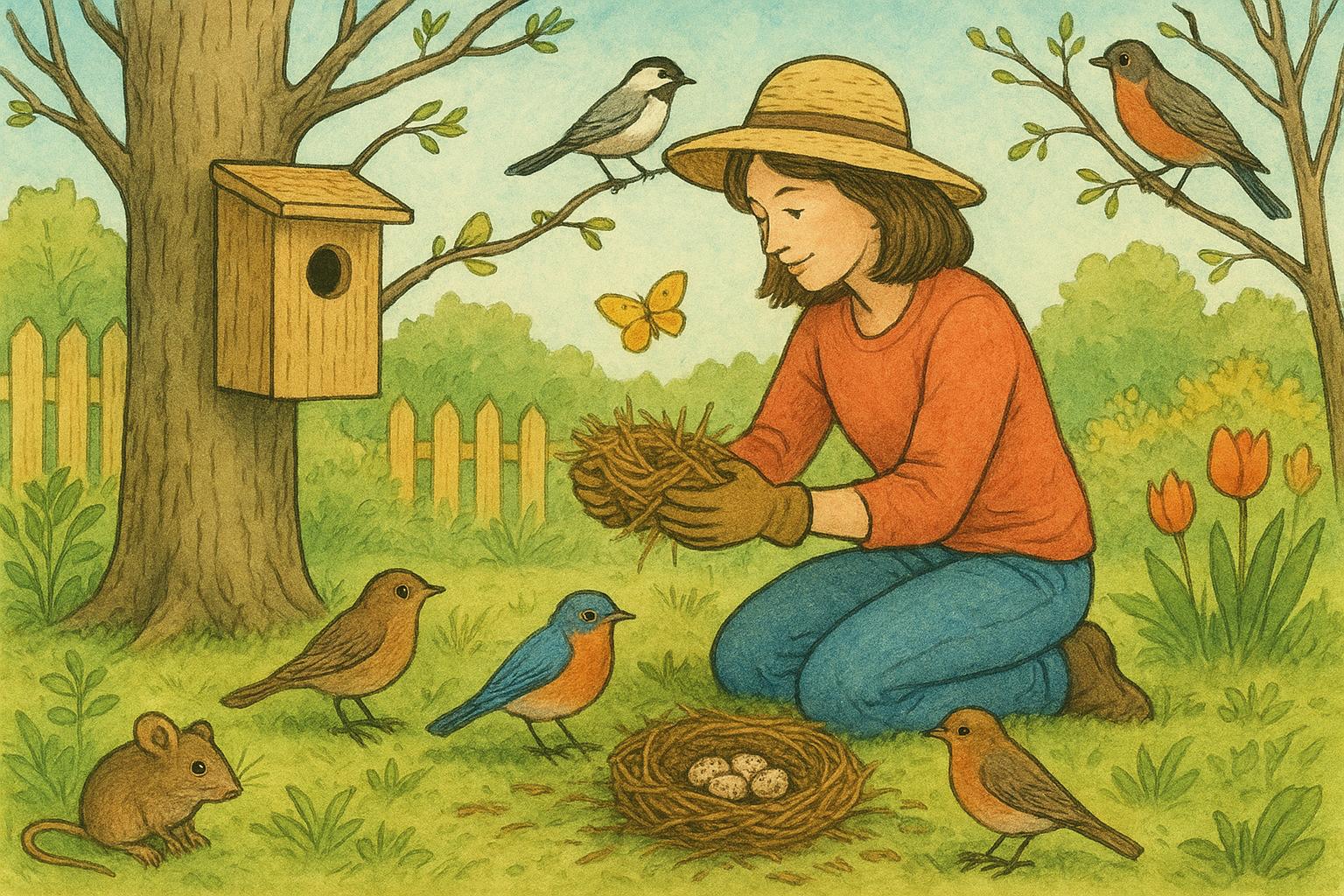
Small yards often lack dead wood and dense cover. Remedy 2 provides shelter and nesting opportunities for birds, small mammals, amphibians, and beneficial insects with modest resources and maintenance.
Materials/Ingredients:
– Fallen branches and twigs of varying thicknesses
– Logs or larger woody material (ideally cut to fit the space)
– Pruned shrub material or evergreen boughs
– Optional: hollow logs, clay bricks with holes, or small rough-cut timber to create cavities
– Burlap or natural twine (if tying materials for stability)
– Hand saw and pruners
Step-by-Step Construction:
1. Choose A Hidden Corner: Place the brush pile against a fence or near existing shrub cover for additional security from predators and prevailing winds.
2. Create A Base: Lay larger logs parallel to the ground to form a stable base. This prevents pile collapse and allows small mammals to move underneath.
3. Layer Materials: Add branches, twigs, and prunings in crisscross layers to create air pockets and structural complexity. Include evergreen boughs near the exterior to provide year-round cover.
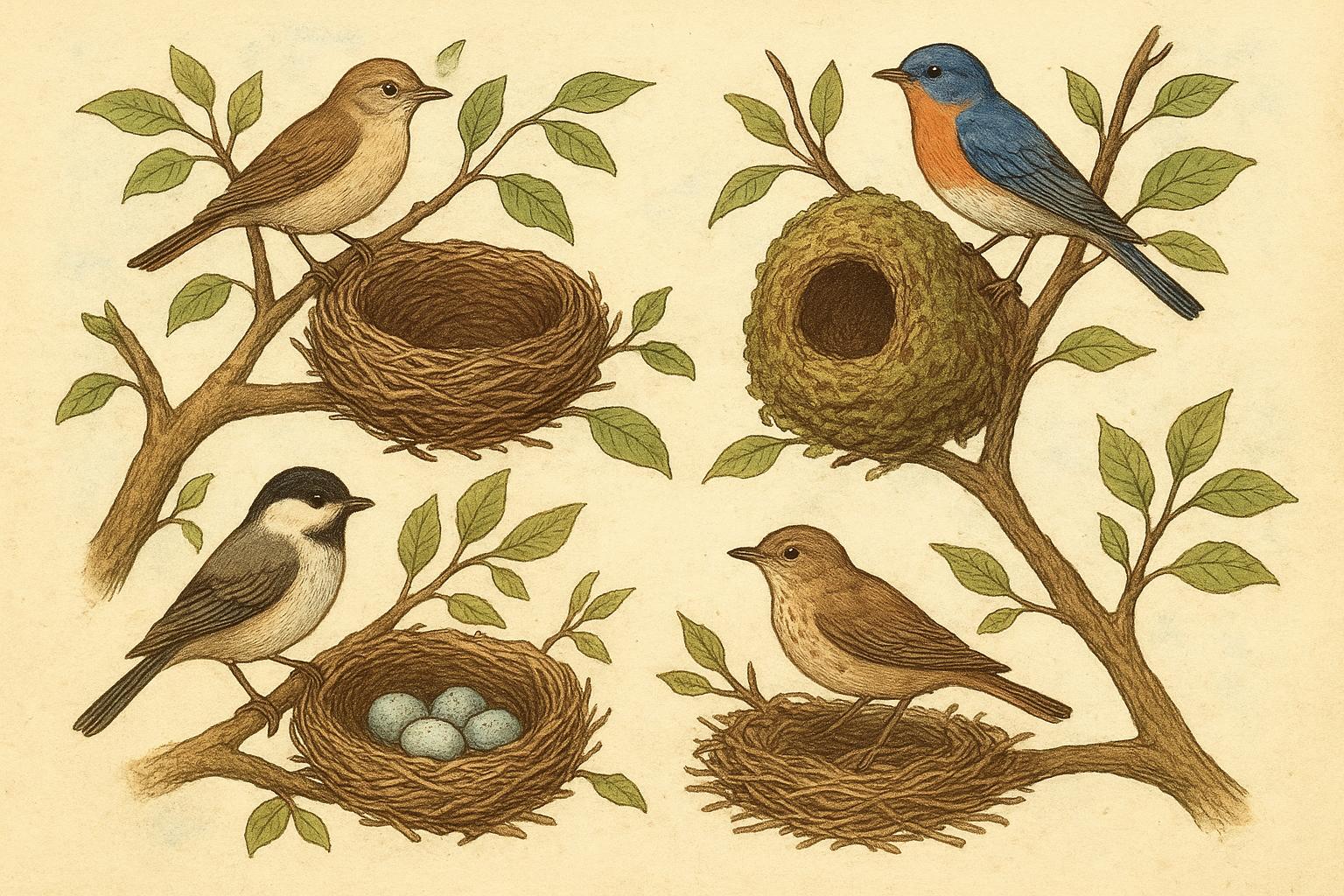
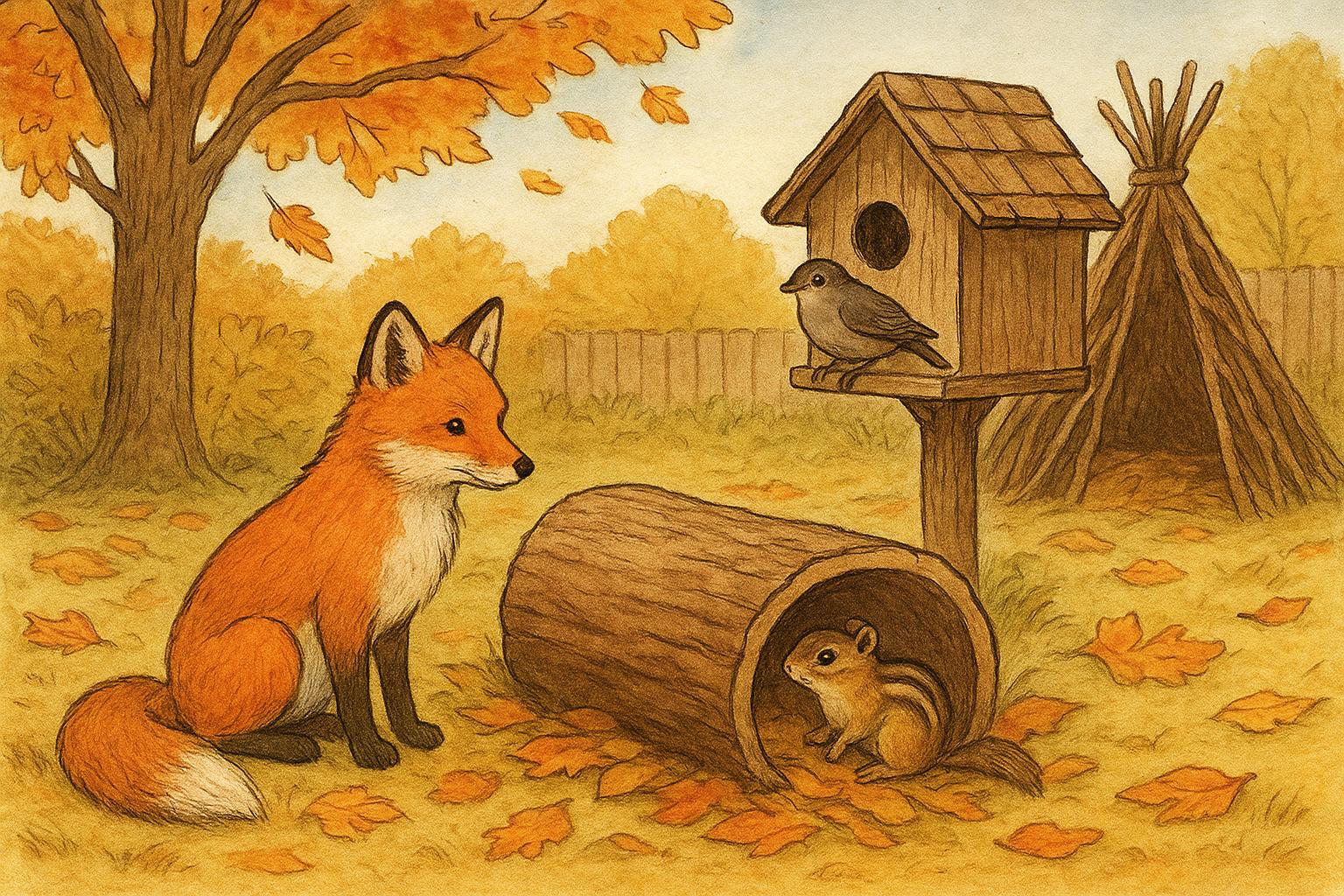
4. Add Cavities: Tuck hollow logs or drilled bricks into the pile to create nesting cavities. These elements increase suitability for solitary bees, small mammals, and amphibians.
5. Secure If Needed: If the pile is in a high-traffic area or exposed to wind, use natural twine or stakes to anchor larger pieces. Avoid concrete, plastic, or treated lumber that can be harmful to wildlife.
6. Monitor And Refresh: Periodically add fresh prunings as materials break down, keeping the pile functional. Avoid complete dismantling during nesting season (spring–summer).
Application Notes: Brush piles are multifunctional: they retain moisture, attract decomposition-dwelling insects (food for birds and amphibians), and create microclimates beneficial to a range of species. In urban settings, keep piles tidy-looking by containing them within a discrete corner or low timber frame.
### Additional Habitat Features For Small Spaces
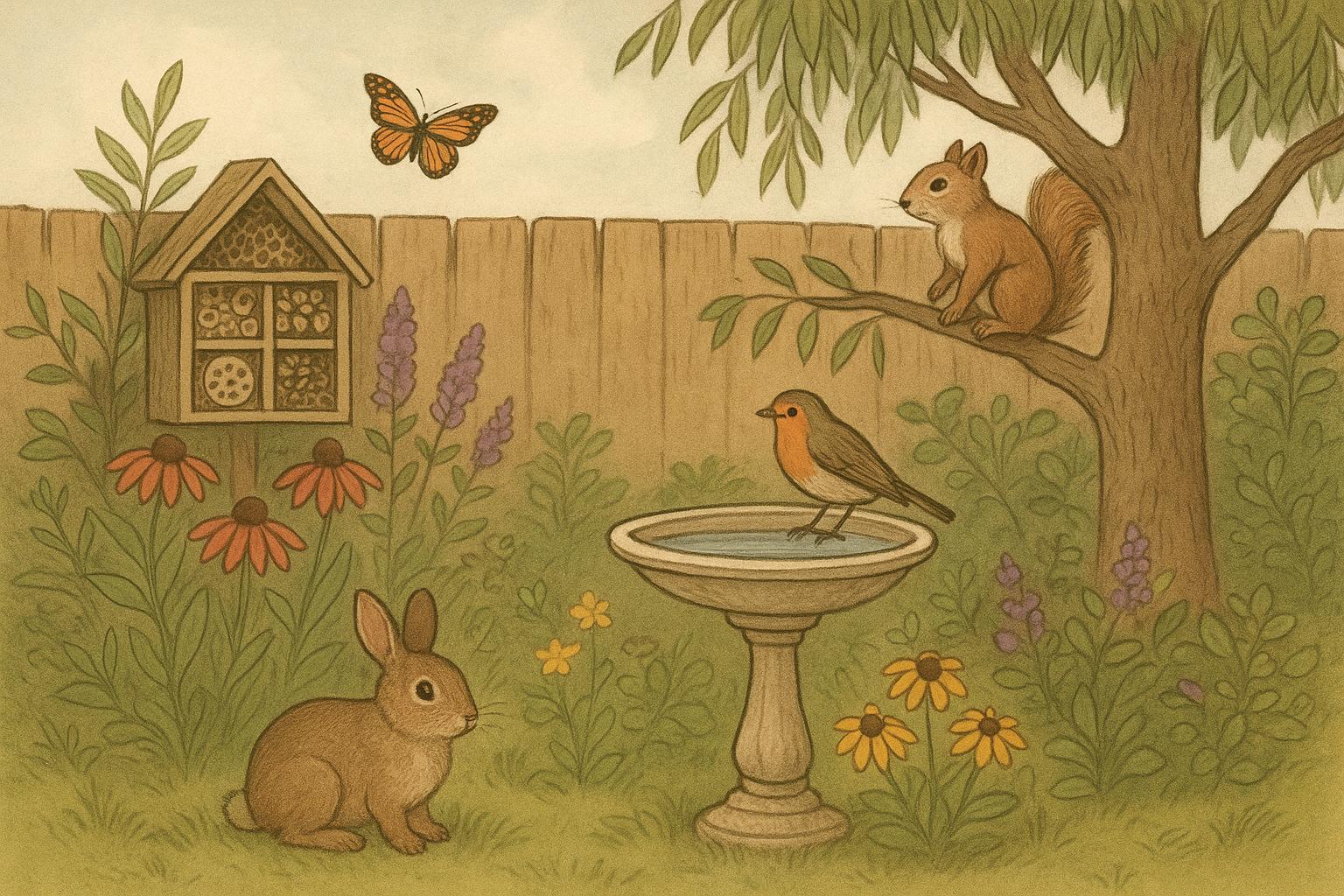
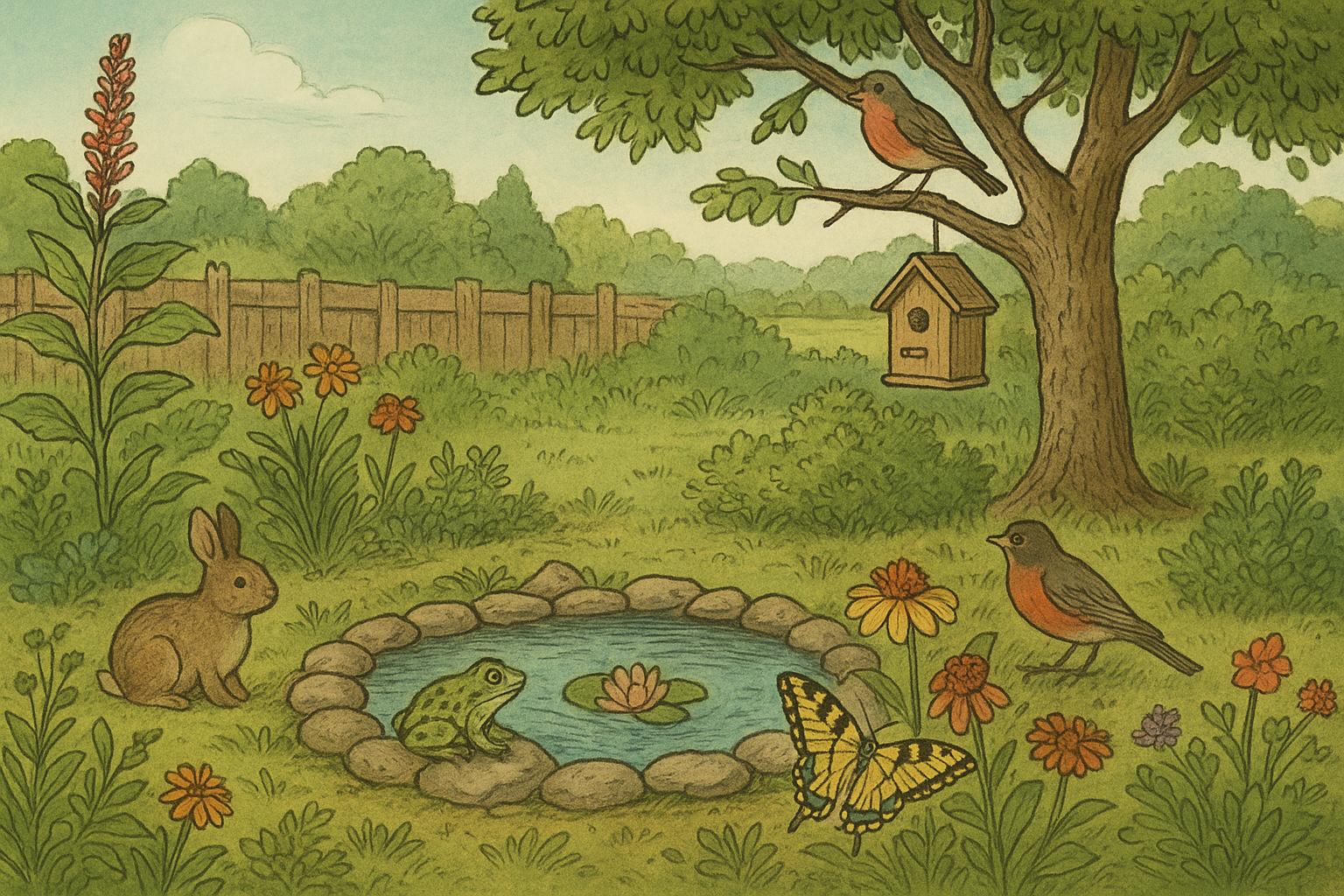
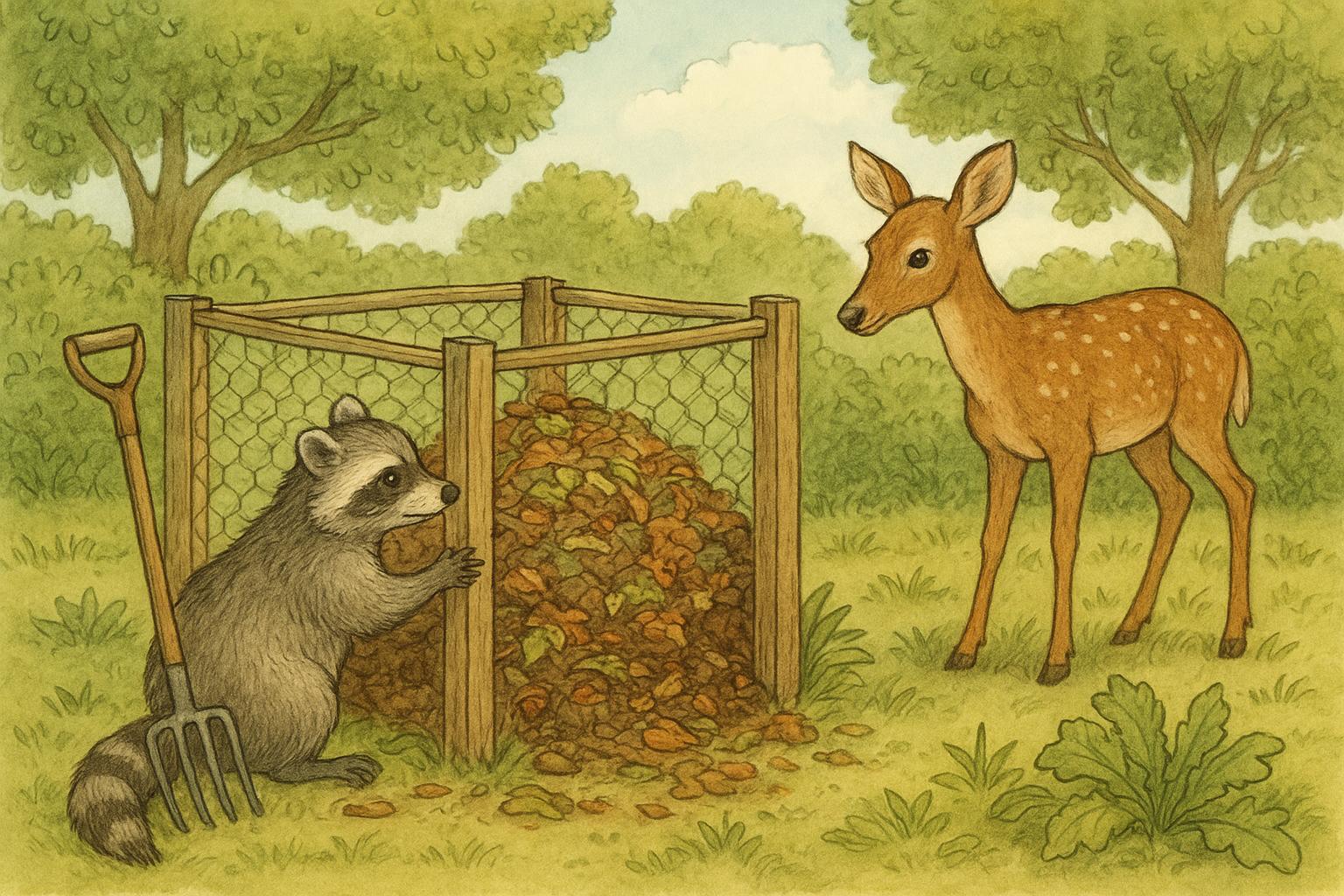
Beyond these remedies, incorporate small but high-impact features. A shallow basin or birdbath on a pedestal, a worm-friendly compost area, vertical planters with native vines, and a small native shrub can each add disproportionate biodiversity value. Use gravel patches or bare soil areas for ground-nesting bees and place small logs flat to offer amphibian refuges.
### Safety And Coexistence Tips
– Use selective, least-toxic pest control methods. Mechanical removal, targeted traps, or biological controls (beneficial nematodes for grubs, Bacillus thuringiensis for certain caterpillar pests) are preferable.
– Keep cats indoors or provide enrichment; domestic cats are major predators of small wild animals.
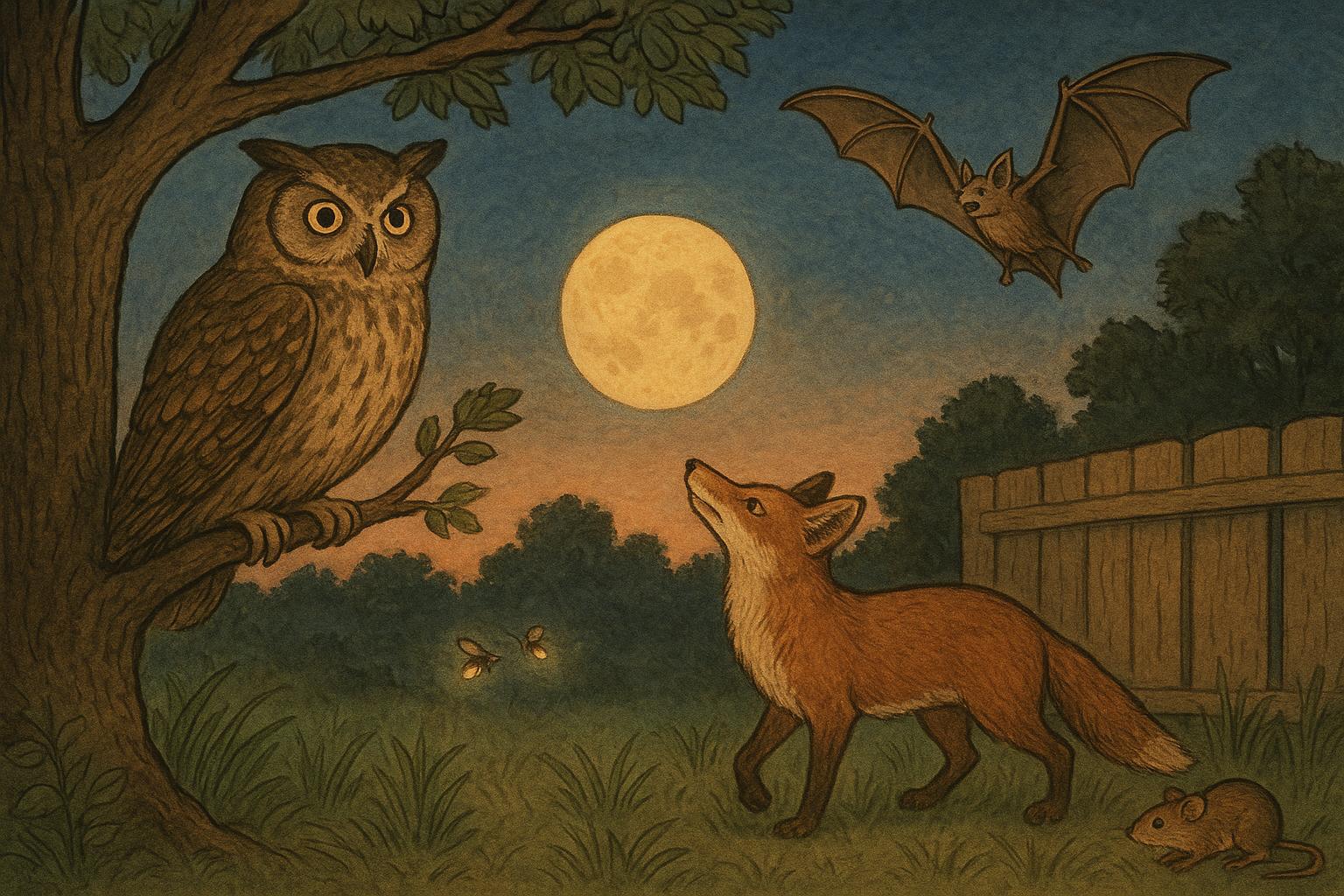
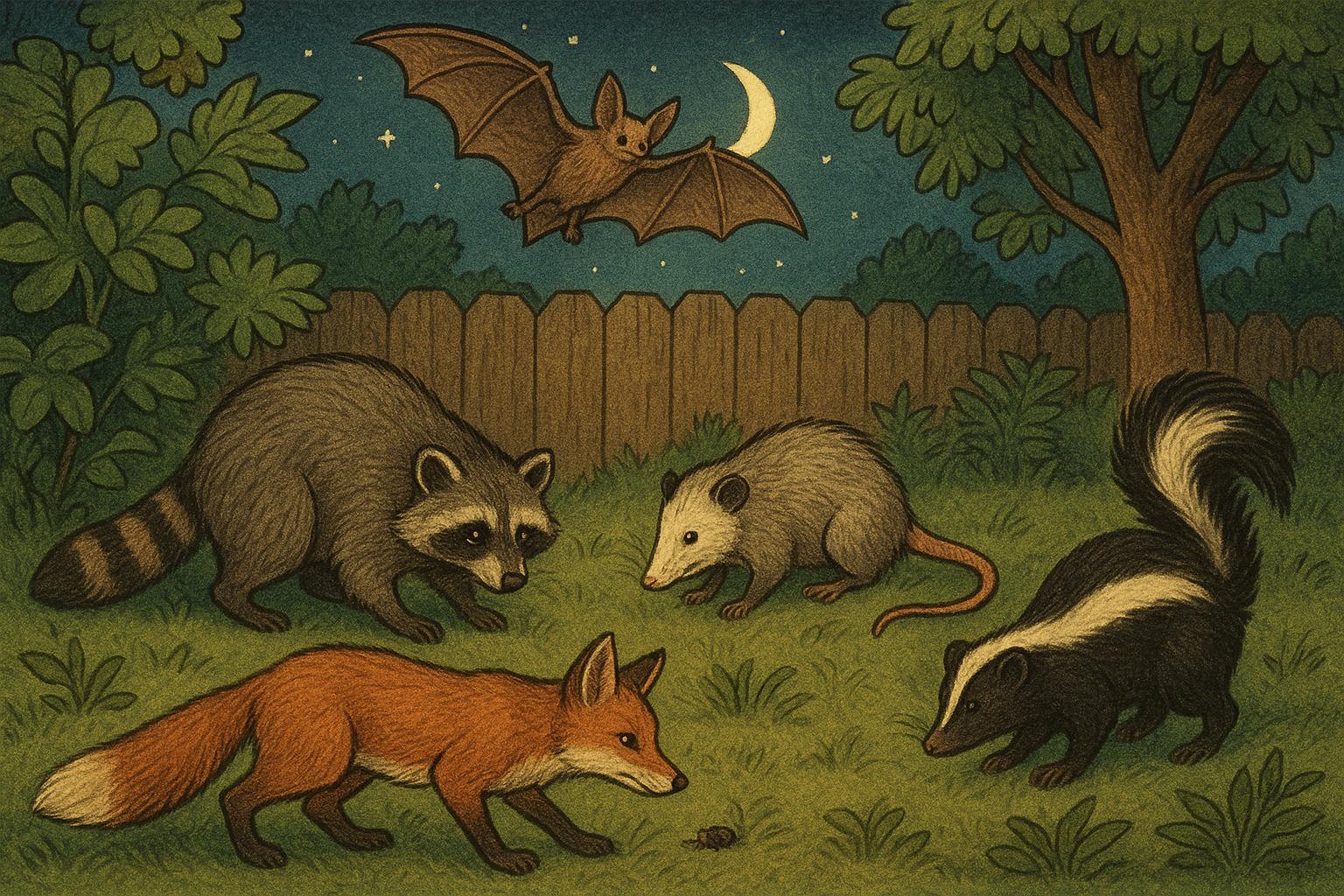
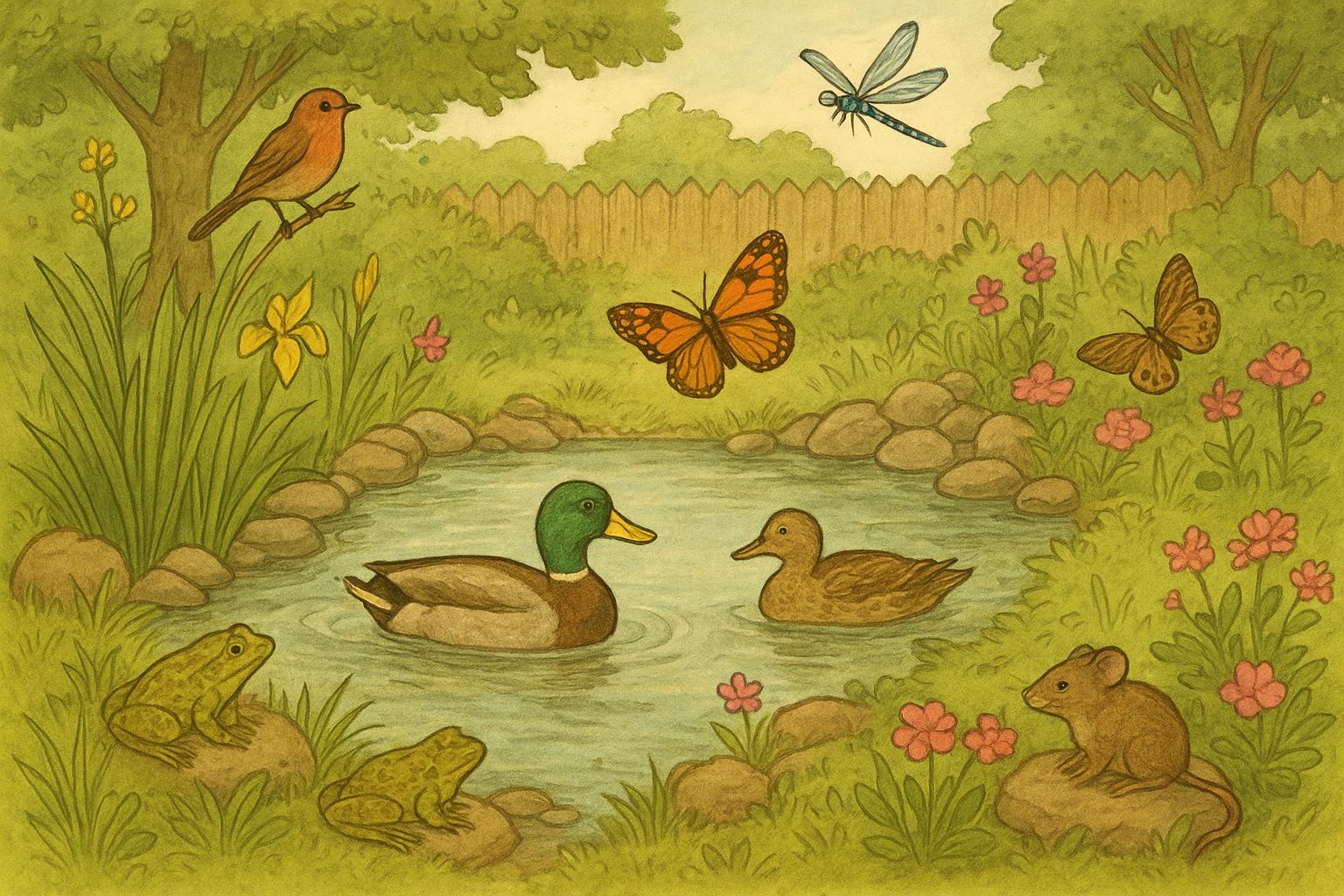
– Be mindful of local regulations regarding wildlife habitats; some municipalities restrict certain features like standing water in mosquito-prone areas. If mosquitoes are a concern, design shallow moving water (drippers, fountains) or introduce mosquito-eating dragonfly plants and encourage predators like bats and birds.
#### Microclimate Management
Pay attention to sun exposure, prevailing winds, and soil drainage. In compact yards, microclimates can vary drastically from one corner to the next; use this to your advantage by matching plants and features to each niche.
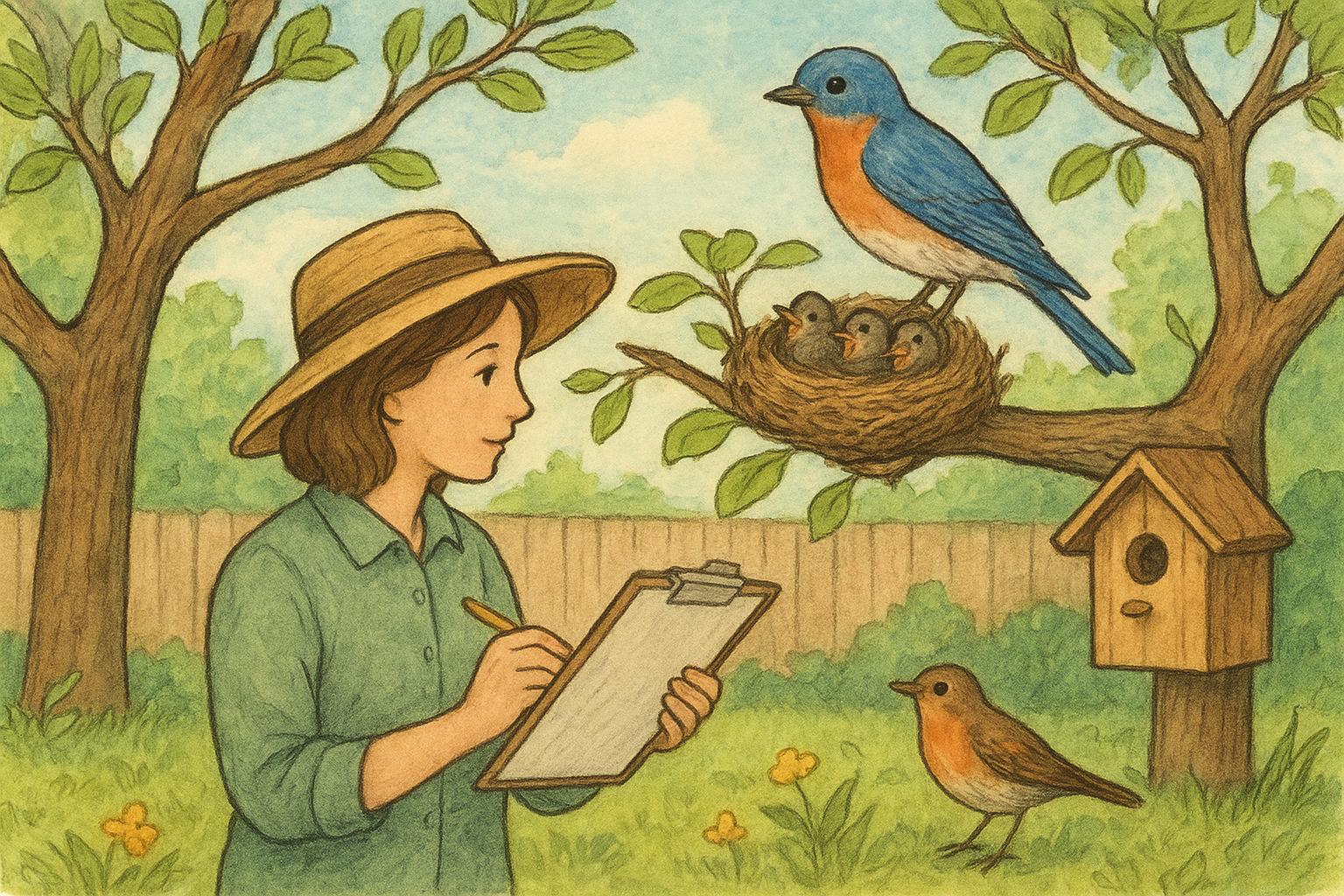
#### Monitoring Success
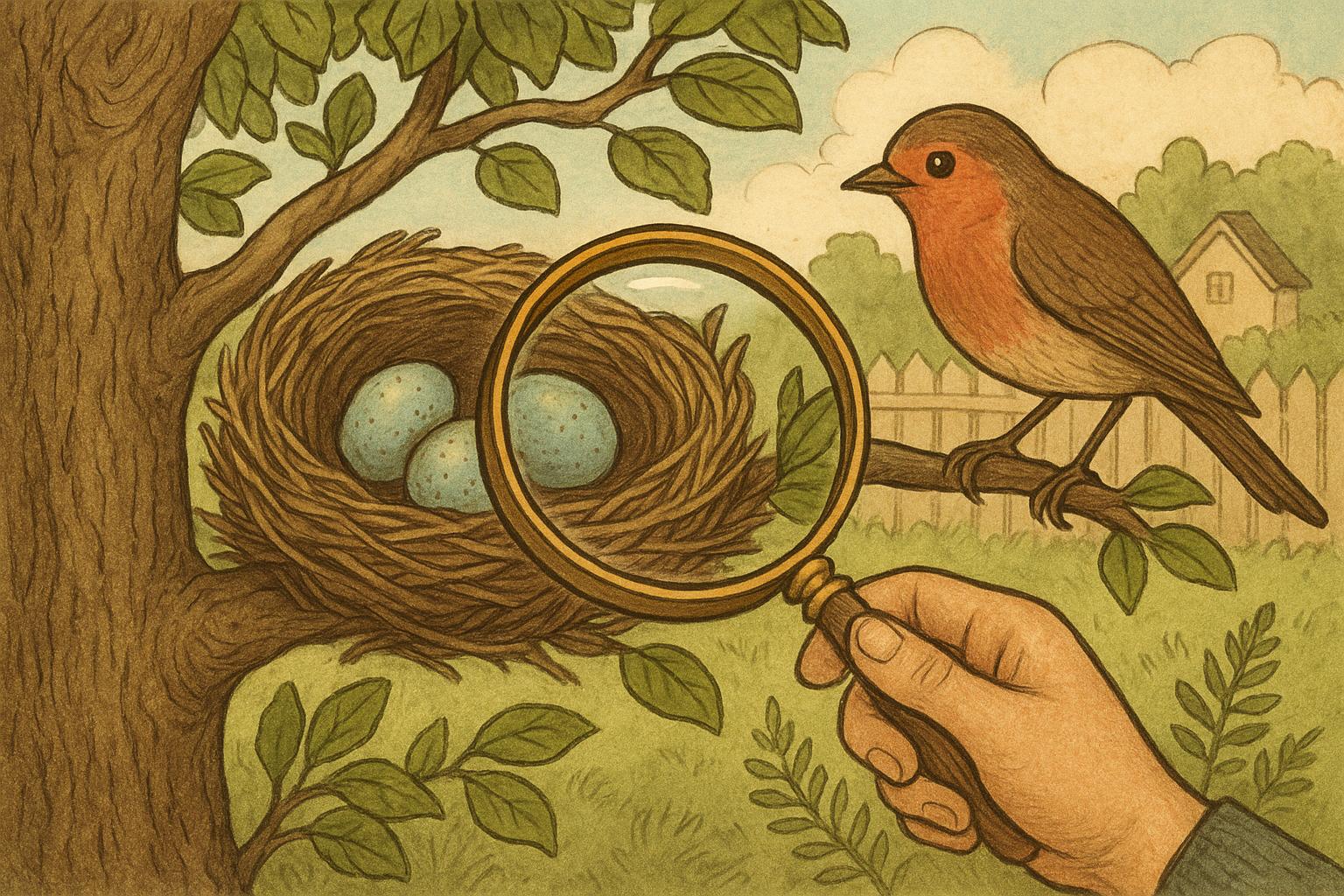
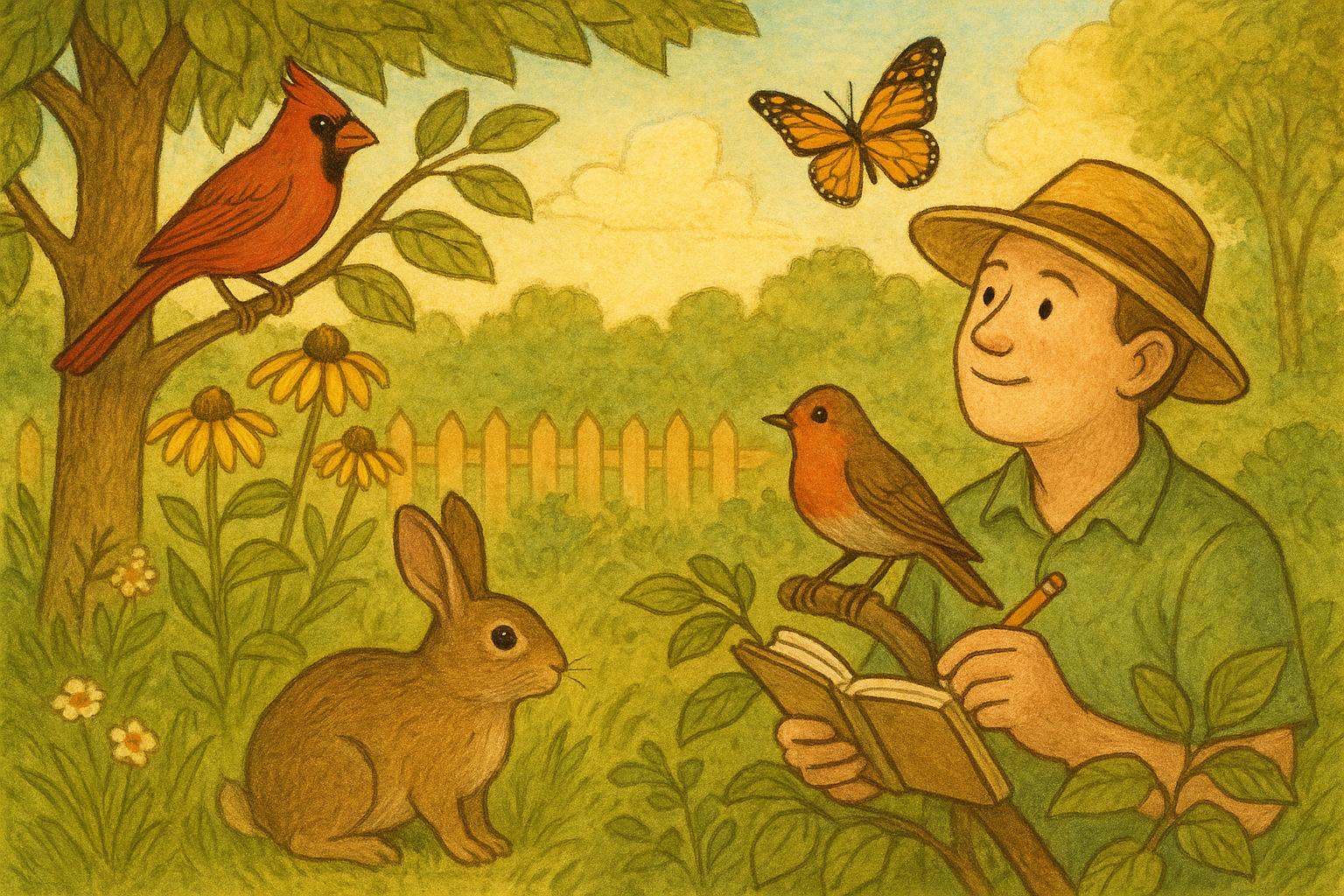
You don’t need scientific equipment—just a notebook and binoculars. Record species observed across seasons, note flowering times, and adjust plantings based on what wildlife actually uses. Small changes over time compound into a resilient, wildlife-friendly patch.
If you want species suggestions for your region, tell me your USDA zone or city and I’ll list native plants suited for a high-value small yard habitat.




Leave a Reply