
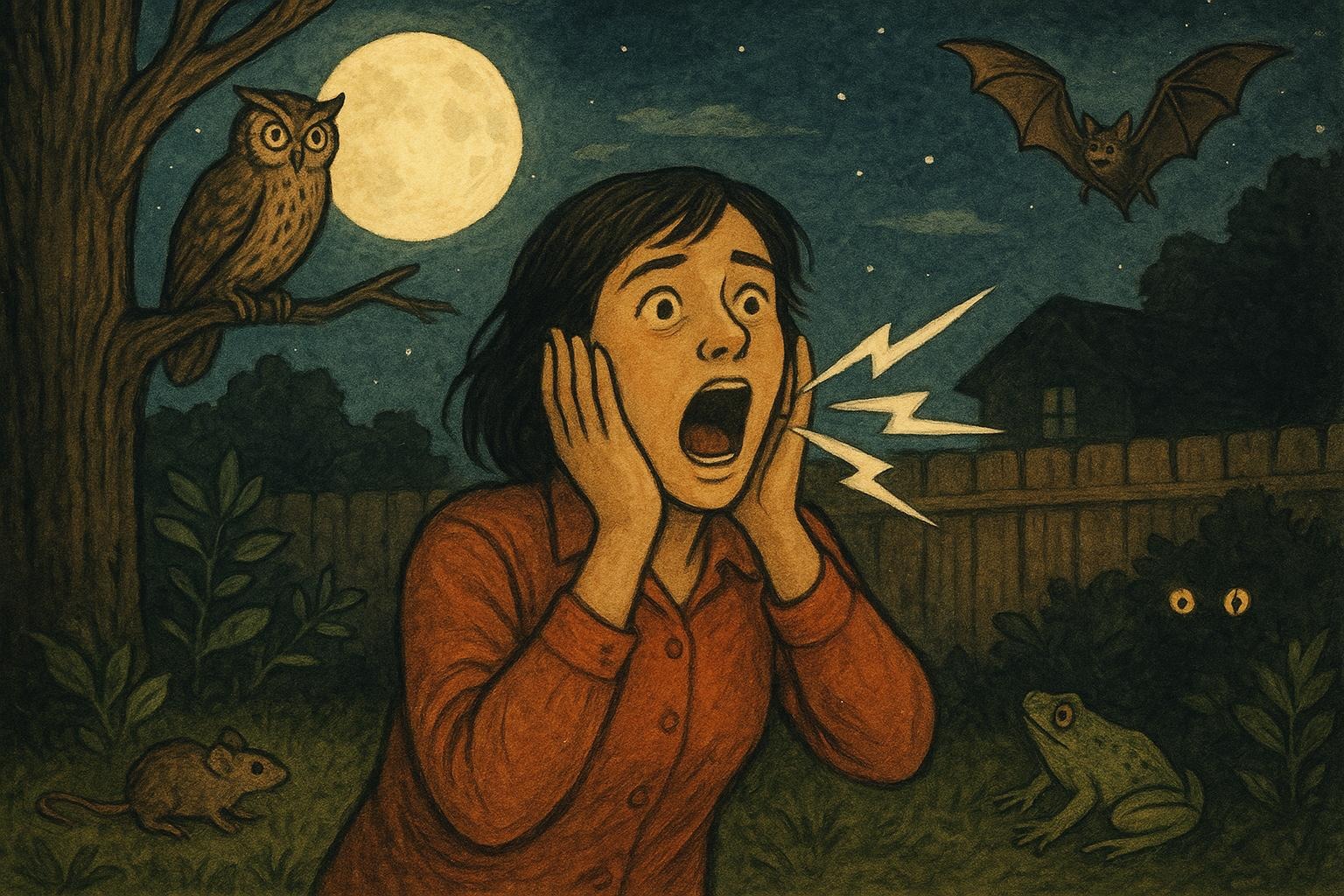
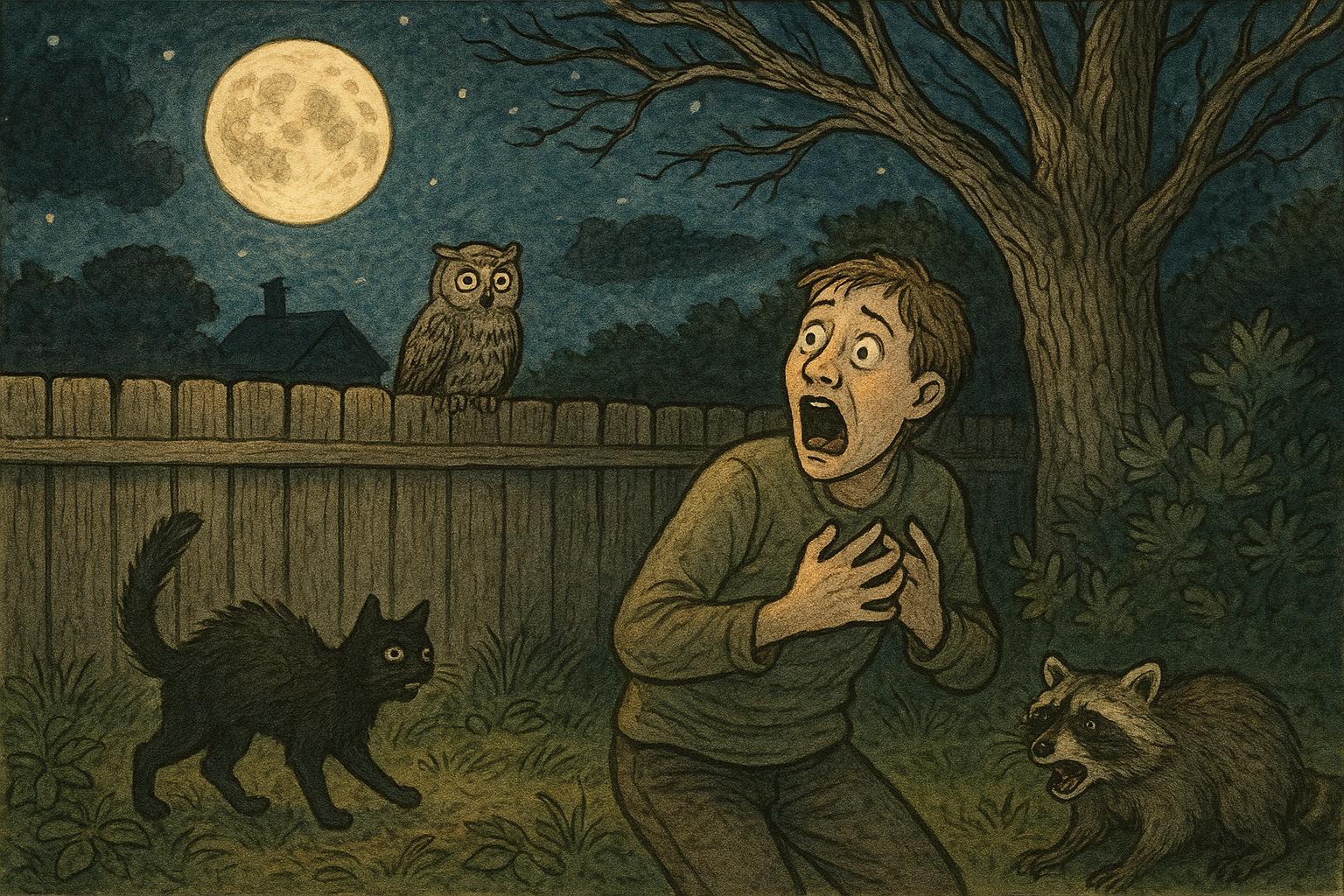
Ever been jolted awake by a bloodcurdling shriek from the yard and wondered, “What on earth is that?” You’re not alone — backyard nights can be surprisingly theatrical. Whether it’s a lone fox practicing its opera or an owl having a very bad breakup with a sound, knowing what’s making the racket helps calm nerves and informs the right response.
## Screaming At Night: Common Backyard Sounds
“Screaming at night” covers a surprising variety of calls. Some are territorial yelps, others are mating screams, and a few are distress signals. You’ll hear these sounds more in certain seasons (breeding season and late winter are especially vocal), and the context — like whether the sound is repeated, paired, or coming from the trees vs. the ground — matters for identification.
## Who’S Doing The Screaming?
Animals have different reasons for screaming: attracting mates, defending territory, warning others, or signaling distress. Here are the usual suspects you’re likely to encounter in a typical suburban backyard.
### Red Foxes
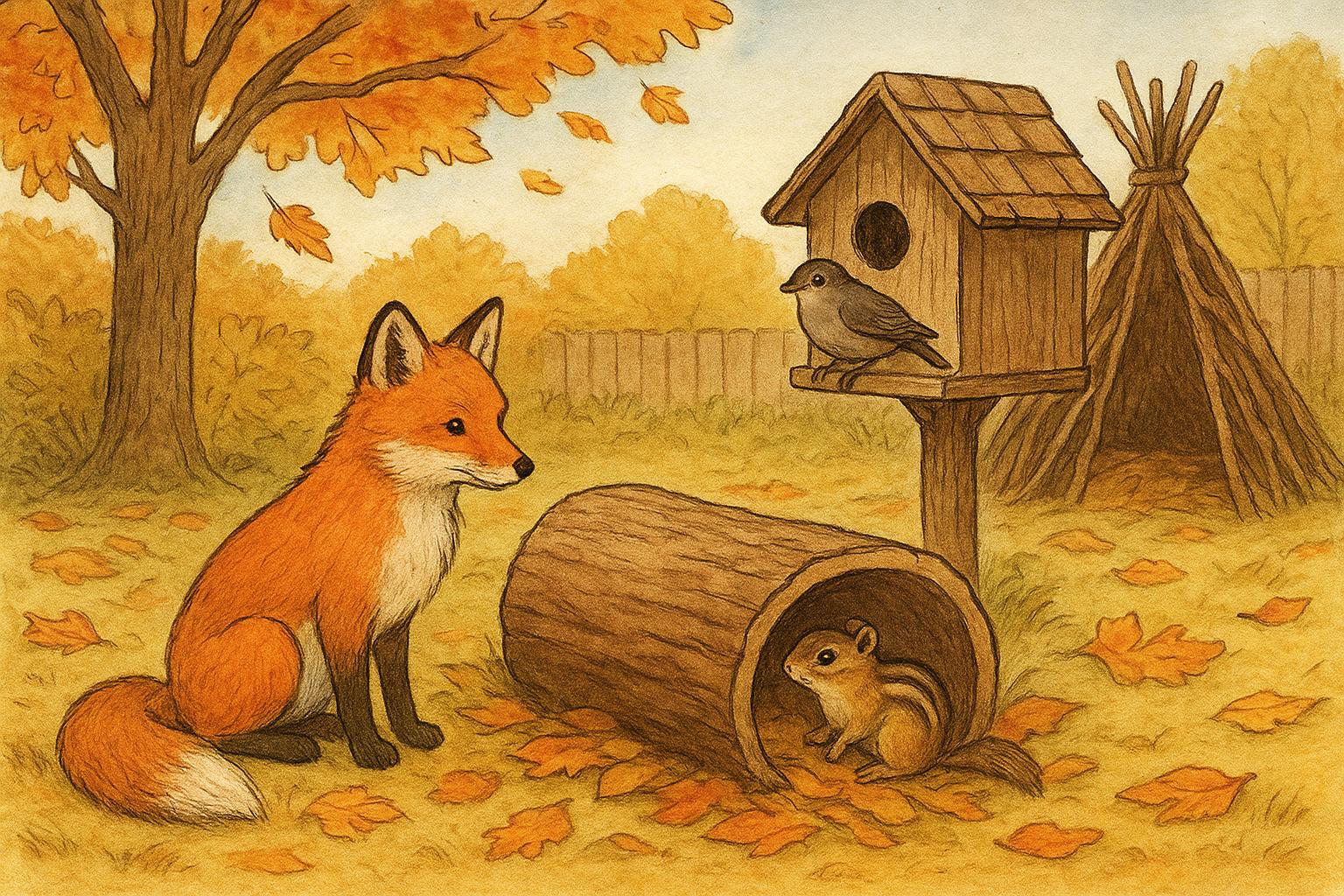
Foxes produce a high-pitched “scream” that can sound eerie and human-like. It’s especially common during mating season in late winter and early spring. Single long wails and staccato barks are typical. The call often seems to come from low to the ground, around brushy areas or fence lines.
#### Key Distinguishing Features
– High-pitched, thin wail.
– Often repeated; sometimes a series of quick barks follows.
– Usually near ground cover or hedges.
### Coyotes
Coyotes make a wide range of vocalizations, including yips, howls, and a high, wavering scream when excited or communicating with pack members. Their screams are usually more variable than fox screams and can echo across open spaces.
#### Key Distinguishing Features
– Group yips and howls common.
– Sound carries farther across open landscapes.
– Often heard in sequences of variable pitch.
### Owls (Screech and Barred Owls)
Owls are vocal at night. Screech owls make descending or whinnying calls and can sound eerie, while barred owls have a characteristic “who cooks for you” hoot. Some owl screams can be surprisingly loud and human-like, especially when juveniles are hungry.
#### Key Distinguishing Features
– Perched in trees, calls from canopy level.
– Repetitive patterns (barred owls) or trilling/descending screeches (screech owls).
– Often accompanied by wing-flapping as they move between perches.
### Raccoons And Opossums
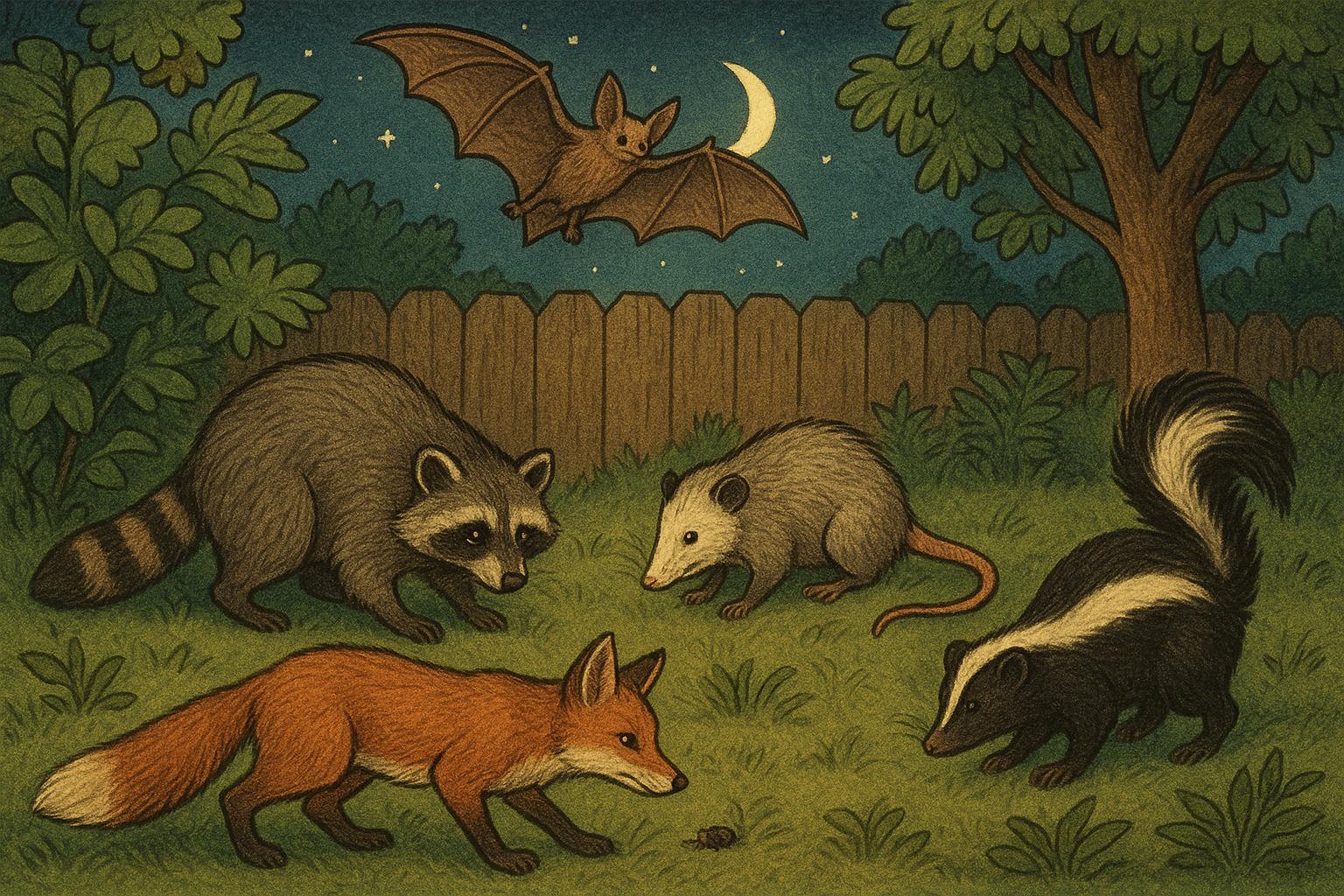
Raccoons can produce guttural snarls, shrieks, and hisses, especially when threatened or fighting. Opossums sometimes make high-pitched hissing or barking sounds when distressed. These noises tend to be shorter and more choked than fox or owl screams.
#### Key Distinguishing Features
– Sounds from ground level, often near trash cans, decks, or sheds.
– Accompanied by rustling, movement, or visible animal activity.
– Short, sharp shrieks or hisses more than long wails.
### Domestic Animals And Humans
Sometimes the culprit is a neighbor’s catfight, a loose dog, or even a person calling out. Human screams have a different cadence and are usually more panicked and inconsistent than animal calls. Don’t assume wildlife first — check for a sensible explanation before escalating.
## How To Identify The Source
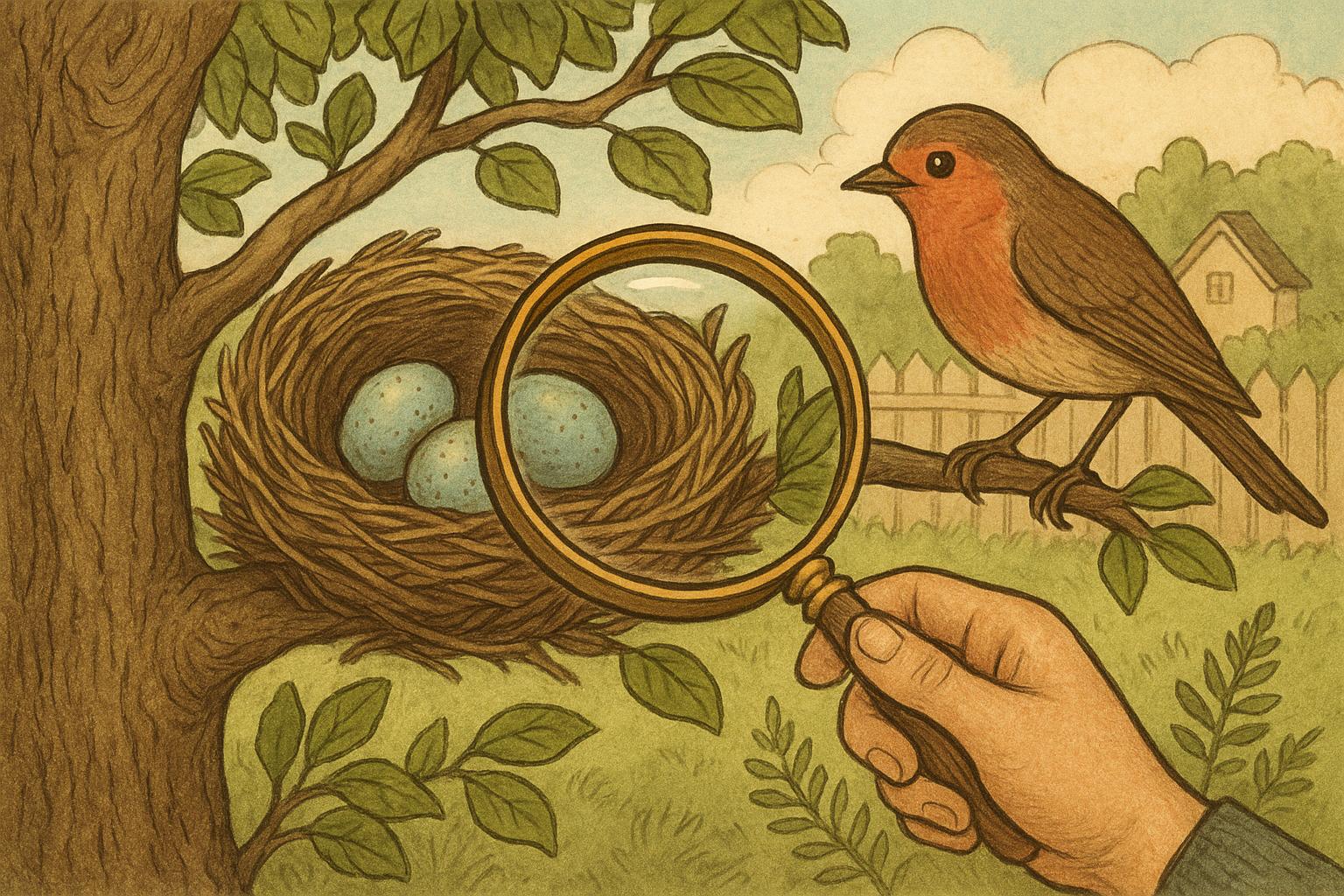
If you want to be Sherlock in your own backyard, here’s a practical, low-tech approach. First, note the time, duration, and pattern. Then, if safe, try to locate the general direction and habitat type (tree canopy, brush, open yard, roofline).
### What To Note
– Time of night and duration of calls.
– Single vs. repeated calls; whether multiple callers are present.
– Location of sounds and any visible movement.
### How To Record Without Becoming A Night Stalker
A short audio or video recording can be invaluable if you need professional help. Use your phone and try to capture 10–30 seconds. If you’re recording, stand a safe distance away and avoid flushing animals or putting yourself at risk near roadways.
#### Recording Tips
– Turn on a flashlight only briefly if needed for safety.
– Keep a note of the exact time and weather conditions.
– Upload or back up recordings for later review.
## Remedy 1: Non-Lethal Deterrents For Screaming At Night
If the screaming at night is frequent and disturbing quality of life, non-lethal deterrents can reduce unwanted visitors or make the area less attractive for vocal behavior. Use humane methods that target the cause (food, shelter, or mating congregation) rather than indiscriminately trying to silence wildlife.
Materials Required
– Motion-activated lights (outdoor-rated).
– Motion-activated sprinkler or ultrasonic deterrent (check local regulations).
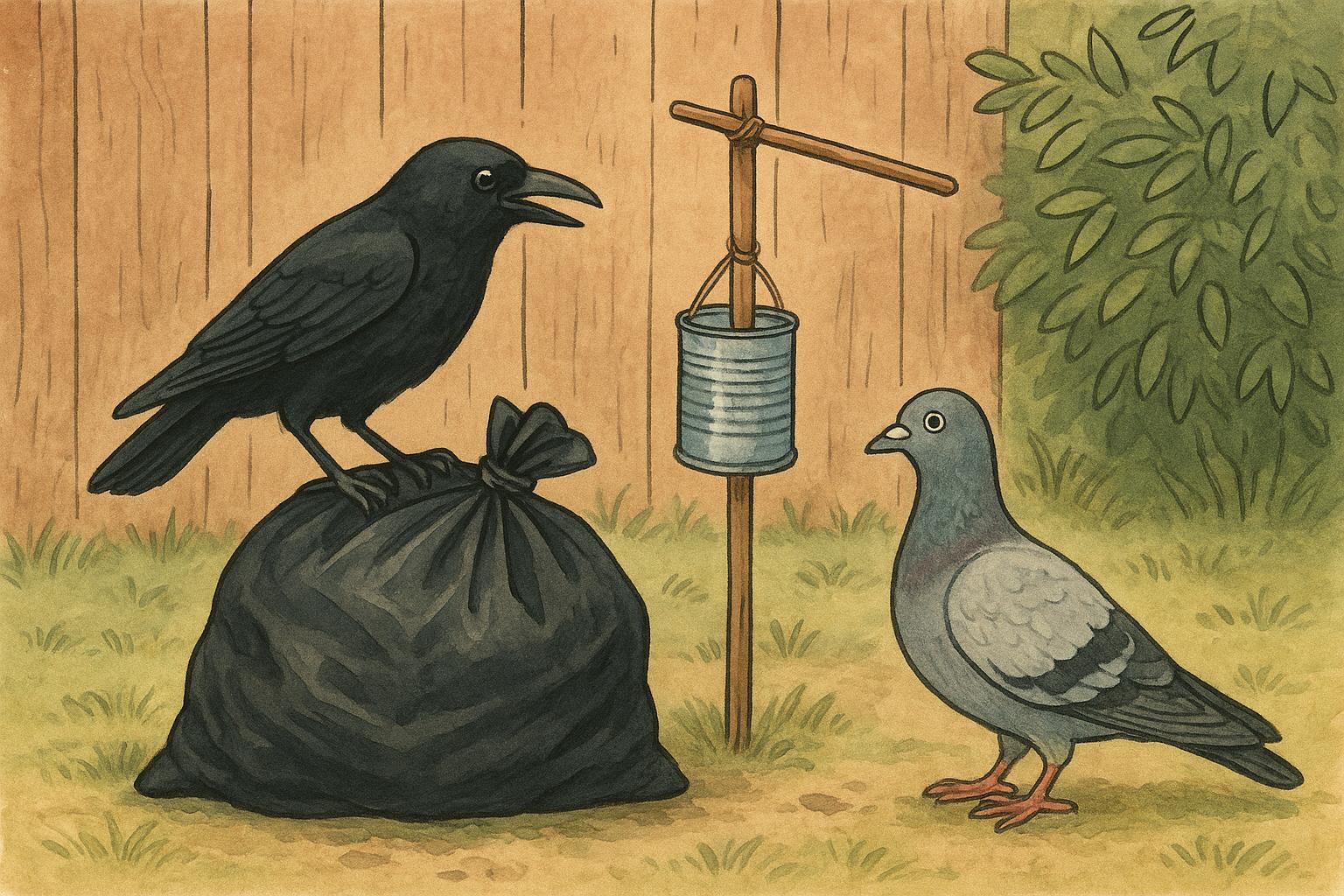
– Secure trash cans with bungee straps or locking lids.
– String or netting to block access to potential den sites (zip ties, gloves).
– Reflective tape or wind chimes (optional).
Step-by-Step Application (Formal)
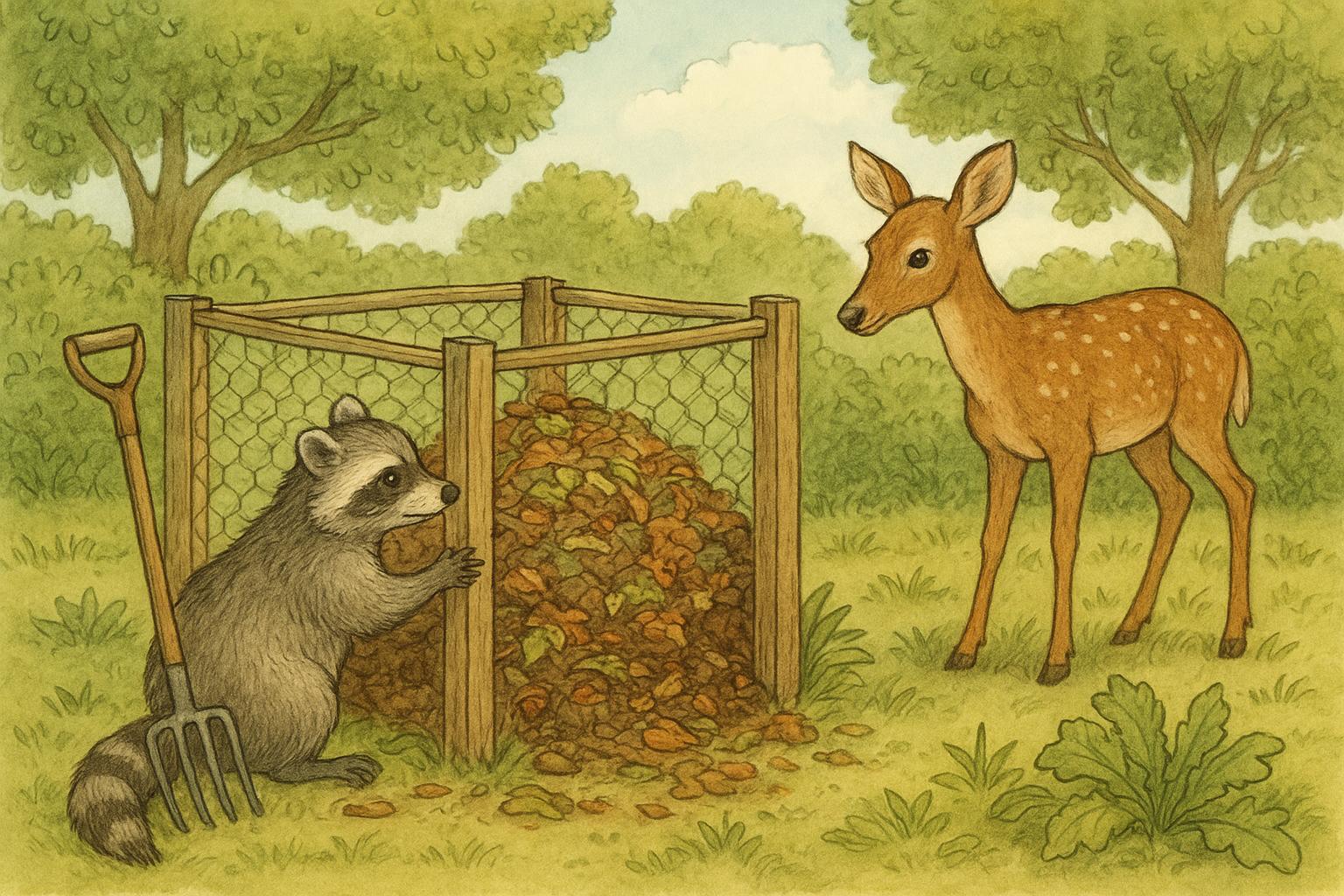
1. Conduct a Site Assessment: Document where the sounds originate and identify attractants such as pet food, bird feeders, fruit trees, exposed compost, and unsecured garbage.
2. Remove Attractants: Secure trash cans with locking lids, bring pet food indoors at night, and pick up fallen fruit. Clean grills and outdoor dining areas.
3. Install Motion-Activated Lighting: Position lights to illuminate likely approach paths and den entrances. Test settings so they activate on animal movement but do not flood the neighborhood with light.
4. Deploy Motion-Activated Sprinklers: Aim sprinklers to cover lawn approaches and known movement corridors. Adjust sensitivity to avoid false activations.
5. Use Visual And Auditory Deterrents Sparingly: Reflective tape and wind chimes can deter some species temporarily. Ultrasonic devices may have limited effectiveness and can be regulated—consult local wildlife guidelines.
6. Monitor And Adjust: Keep a log of sightings and noise events after deployment. If animals adapt, rotate deterrent types and locations to maintain effectiveness.
## Remedy 2: Habitat Modification And Exclusion
Altering the environment can reduce nesting, denning, and congregation sites that lead to vocal territorial behavior. This approach works well for persistent cases and has long-term effects when implemented properly.
Materials Required
– Heavy-duty hardware cloth or wire mesh (1/2″ to 1″ mesh size).
– Exterior-grade screws, washers, and mounting hardware.
– Landscape fabric and mulch for hiding spots you plan to remove.
– Gloves, trimming shears, and pruning saw.
– Door sweeps and weather-stripping for gaps under structures.
Step-by-Step Application (Formal)
1. Inspect The Perimeter: Walk your property at dusk if possible and look for burrows, under-deck spaces, gaps under sheds, and dense brush. Mark locations for exclusion work.
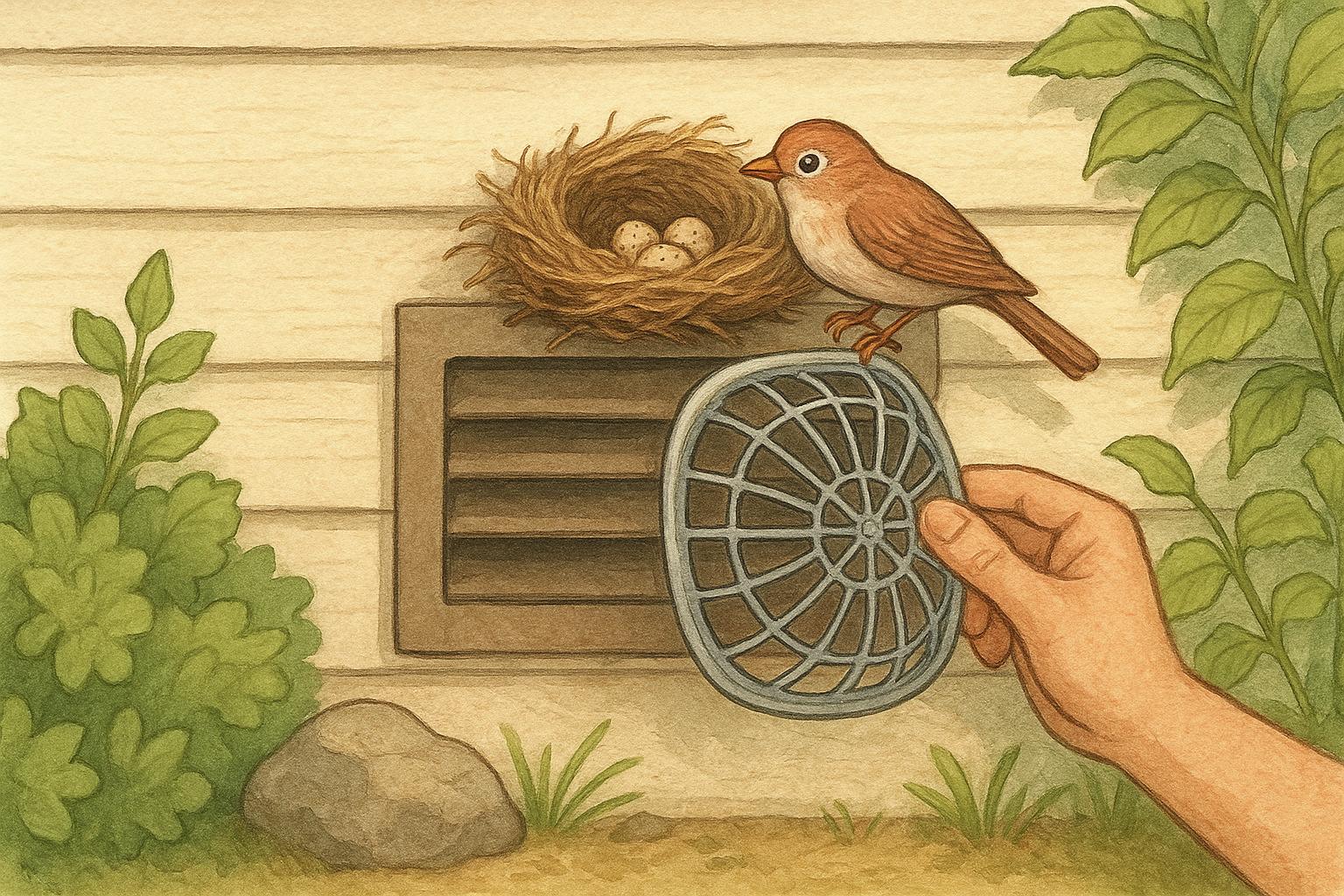
2. Deny Access: Attach hardware cloth to the bases of decks, sheds, and crawlspace openings. Bury mesh 6–12 inches into the soil to prevent digging under.
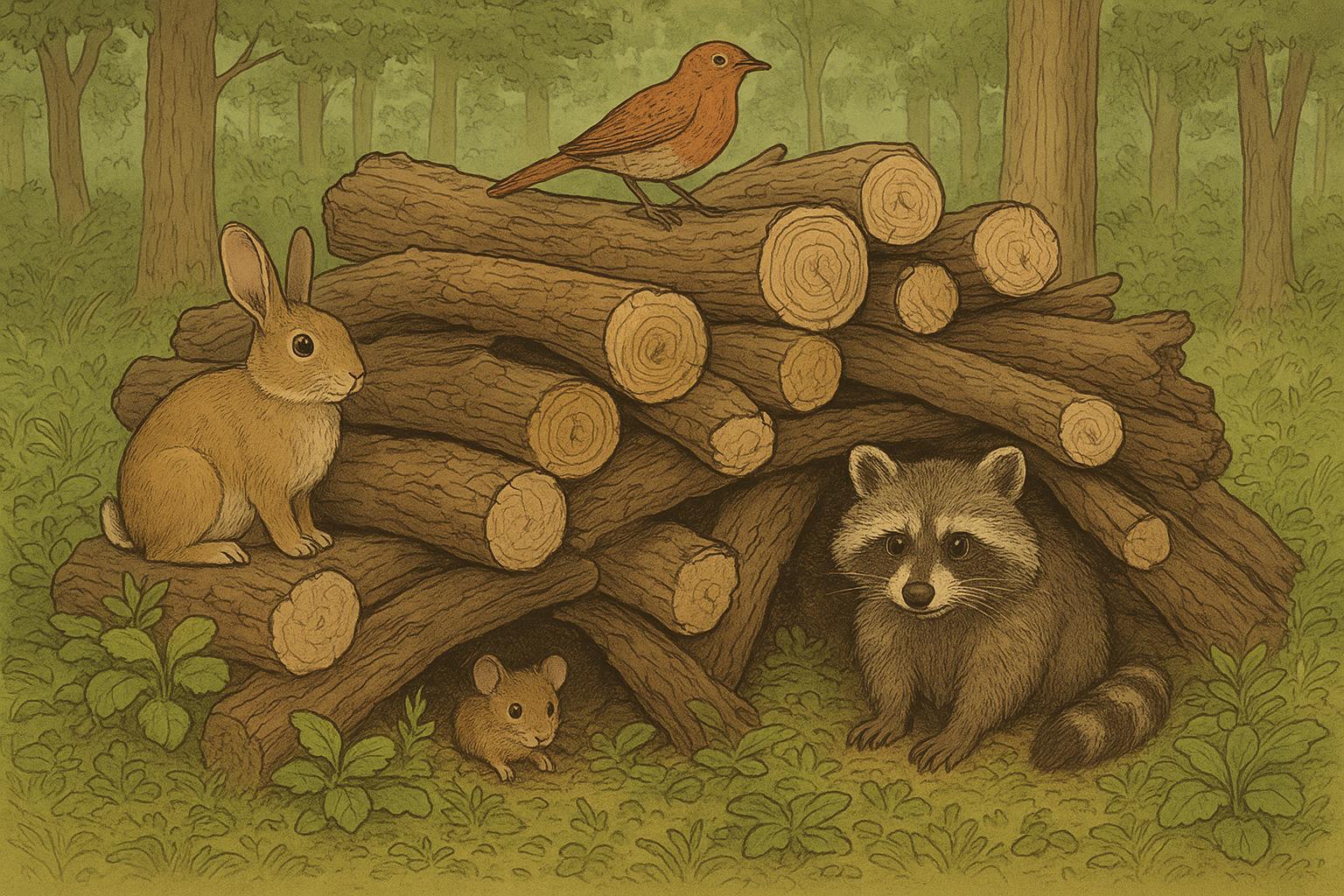
3. Remove Concealment: Trim back dense vegetation and remove stacked wood piles or unused building materials. Replace dense ground cover near foundations with low-maintenance gravel or clear mulch.
4. Secure Entry Points: Install door sweeps and seal gaps around vents and eaves. Use metal flashing to close persistent openings.
5. Modify Roosting Sites: For tree-perching birds causing nighttime noise, consider trimming low branches that provide easy access to house eaves or vent pipes (do so outside of nesting season).
6. Reassess Regularly: Re-check exclusion points seasonally and after storms to ensure integrity of barriers.
## Remedy 3: When To Contact Professionals
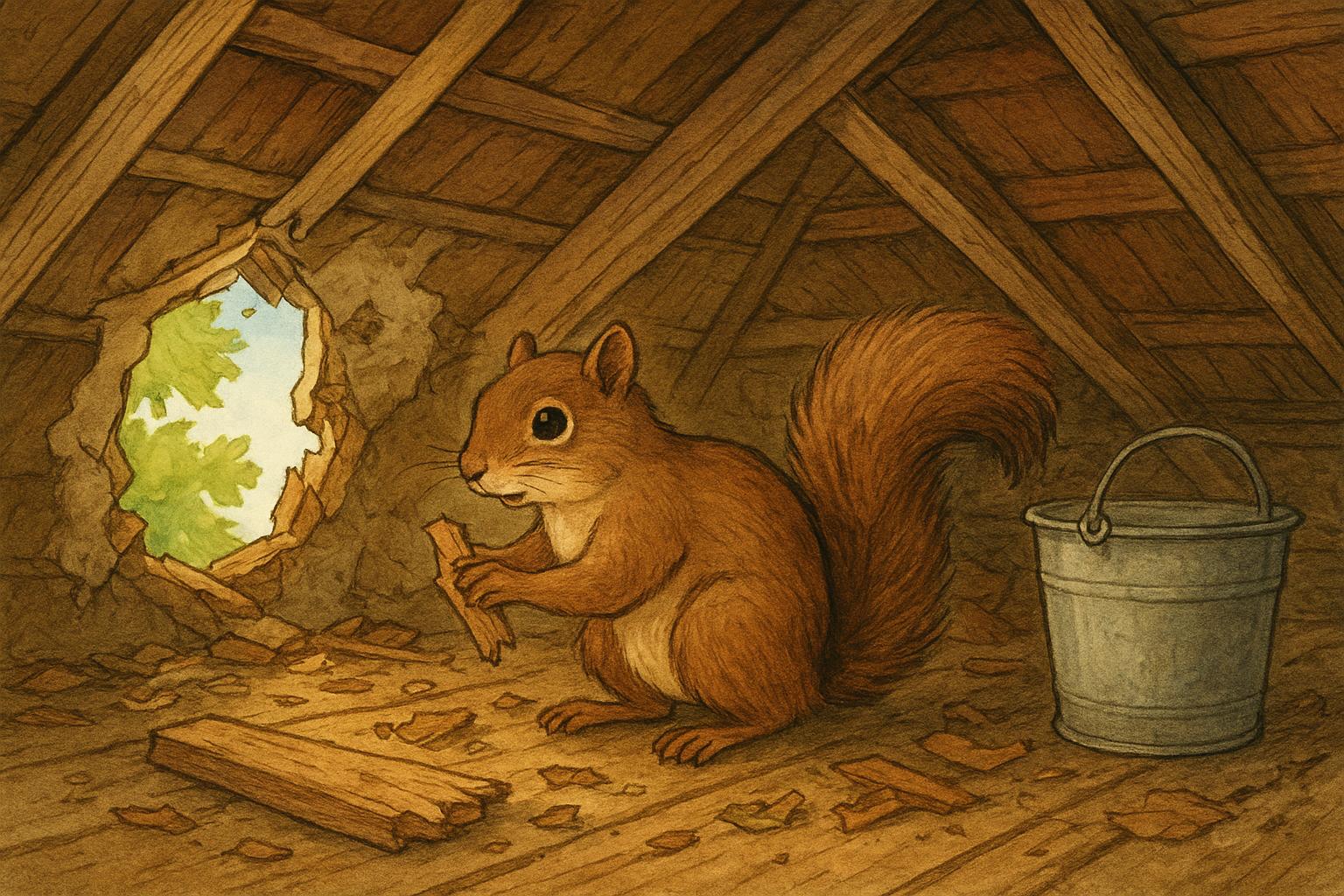
If you’ve identified an injured animal, bats in the attic, or a situation where species protection laws apply (certain raptors and bats are protected), contact a licensed wildlife rehabilitator or pest management professional.
Materials Required
– Audio/video recordings of the incident.
– Exact location details and property map if possible.
– Local wildlife rehabilitator or animal control contact information.
– Any relevant medical or safety concerns (e.g., pet exposure, person bitten).
Step-by-Step Application (Formal)
1. Document the Event: Save recordings and note precise timing, behavior, and any visible injuries or repeated patterns.
2. Research Local Resources: Locate licensed wildlife rehabilitators, municipal animal control, or humane wildlife removal services. Verify credentials and reviews.
3. Make Contact: Provide concise information: species (if known), urgency, location, and the behavior you observed, including how many animals and the nature of the screaming at night.
4. Follow Professional Guidance: Professionals will advise on immediate safety steps and whether on-site intervention is needed. Avoid handling wildlife yourself unless trained.
5. Implement Recommendations: Follow any remediation or exclusion instructions provided by the professional and monitor outcomes.
## Practical Safety Tips And Community Etiquette
When dealing with screaming at night, prioritize safety for people, pets, and wildlife. Avoid confrontation, never attempt to trap or relocate wildlife yourself unless permitted and trained, and be considerate of neighbors who may be disturbed. If a pattern emerges community-wide, coordinate with local wildlife services — sometimes a neighborhood-level solution (like securing shared dumpster areas) is far more effective than acting alone.
If you’re trying to sleep through mother nature’s late-night concert, a combination of observation, humane deterrents, and targeted exclusion usually quiets things down. Keep records, use deterrents responsibly, and reach out to professionals when in doubt — and, yes, it’s okay to enjoy a dramatic fox aria from a safe distance.







































Leave a Reply