
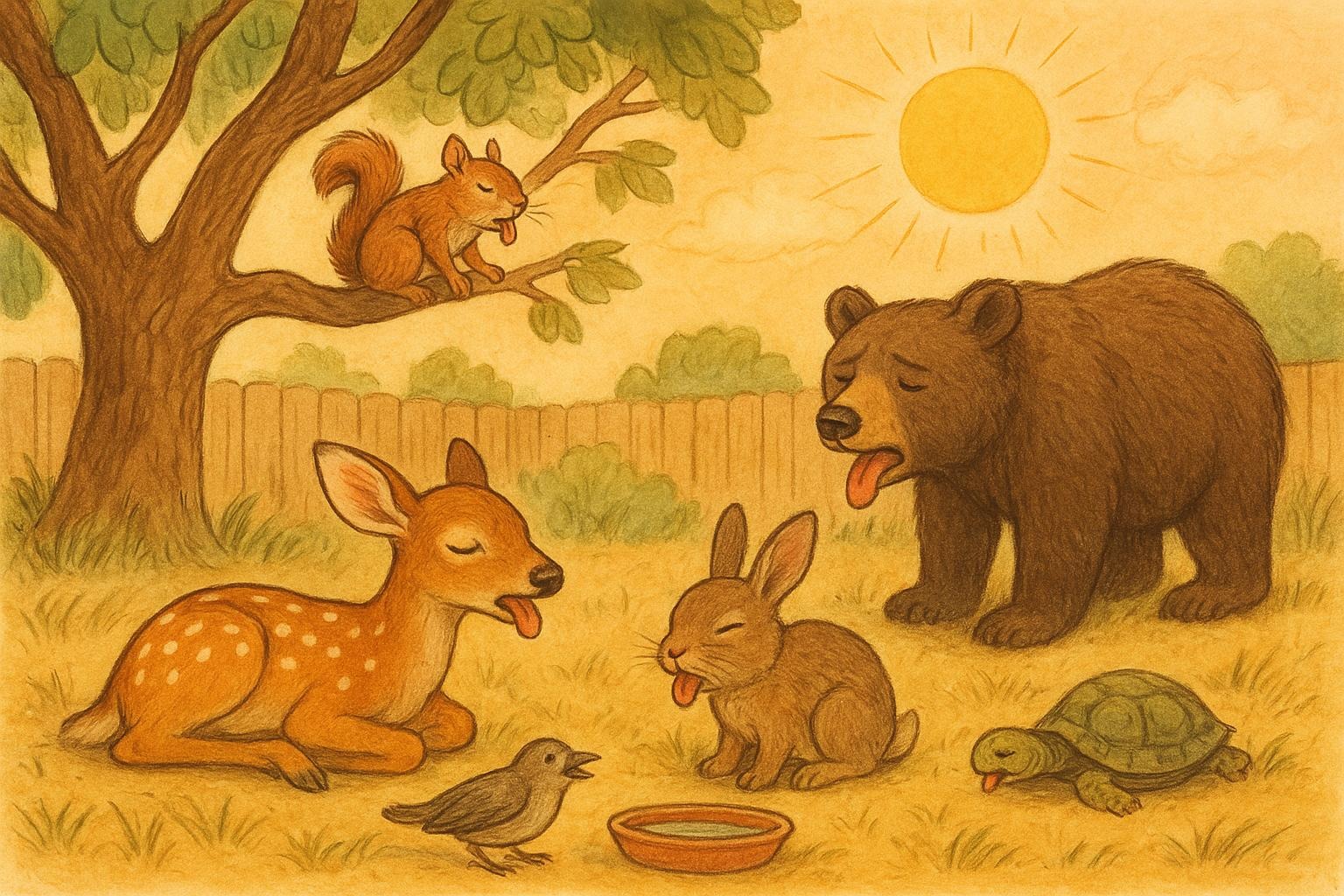
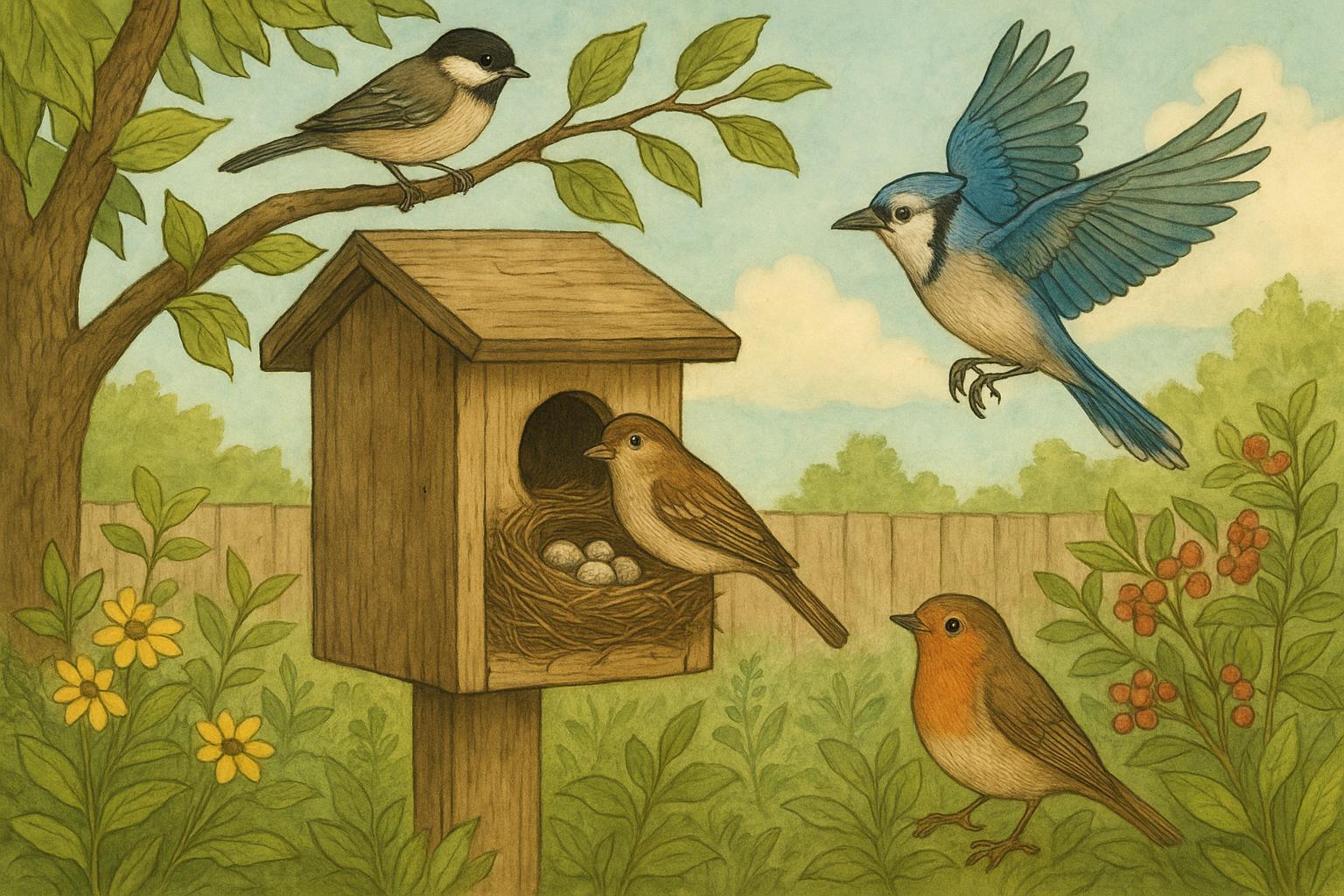
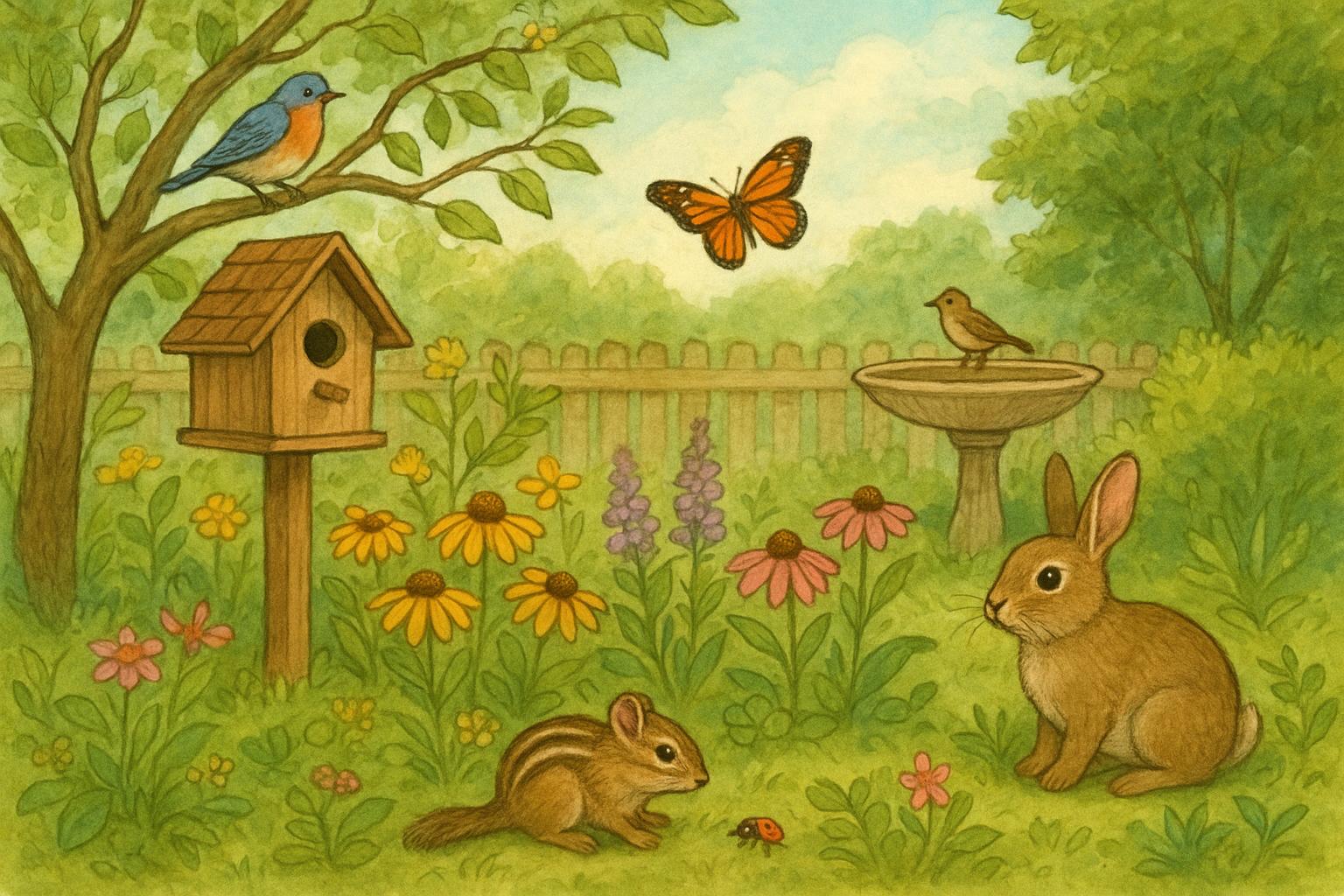
Summer in the backyard is a busy season: birds squabble at feeders, squirrels audition for acrobatics, and the occasional opossum makes a cameo at dusk. But when temperatures climb, those familiar visitors are under more than just bad hair days — they’re at risk of heat-related illness. Helping them doesn’t require a PhD in wildlife biology; a few thoughtful changes can make your yard a cool oasis.
## Heat Stress Wildlife: Signs And Risks
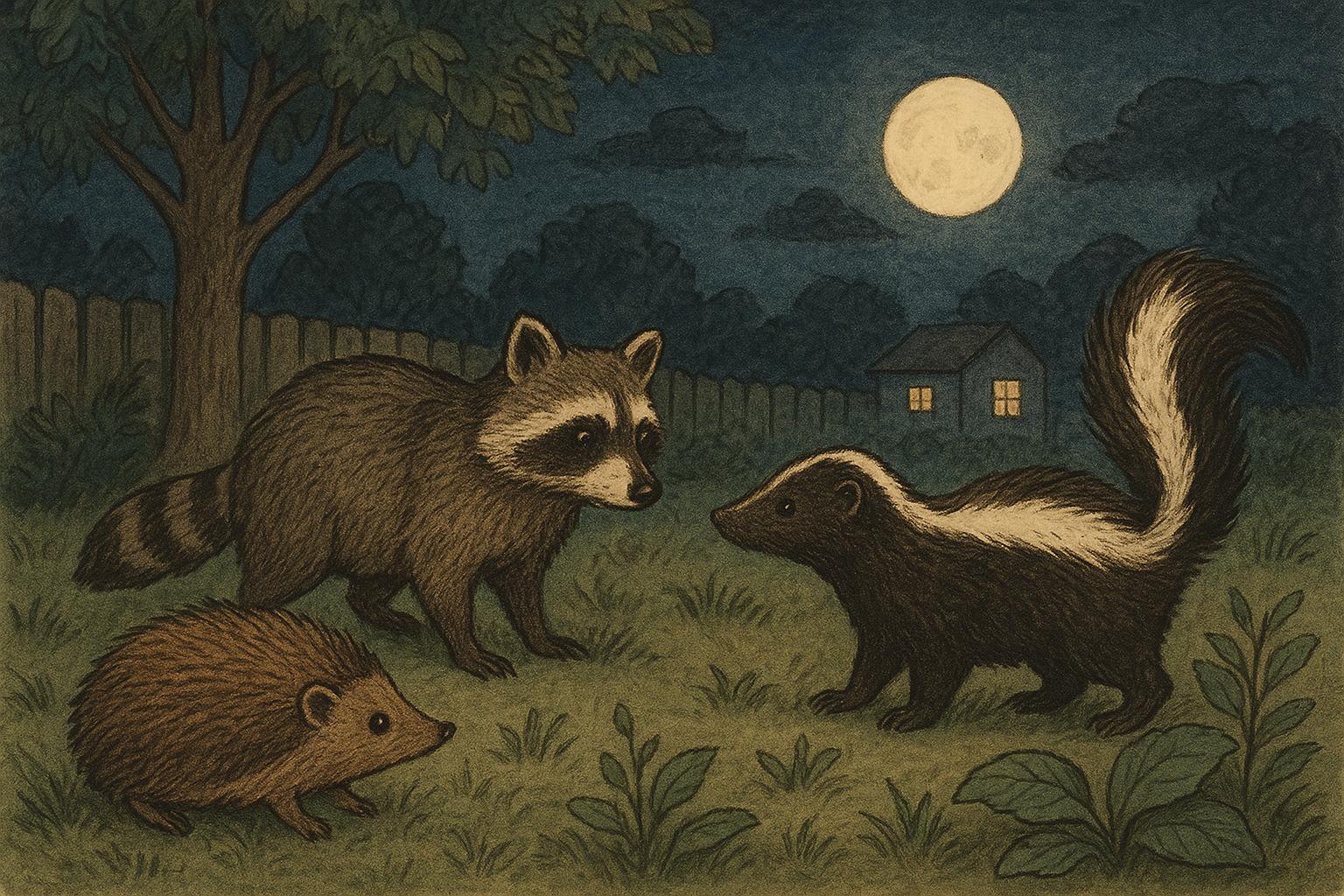
Wild animals experience heat strain much like we do. When ambient temperatures rise and water becomes scarce, mammals, birds, reptiles, and even amphibians can suffer from dehydration, hyperthermia, and altered behavior. Typical signs you might notice in the backyard include lethargy, panting in mammals, drooping wings in birds, slow or disoriented movement, and, in some cases, increased daytime activity in normally nocturnal species as they search for water.
Heat stress wildlife problems escalate when food and shelter are also compromised. For instance, birds that expend extra energy locating water may have less to feed nestlings. Bats forced to forage during hotter nights can experience reduced insect availability, compounding the stress. The risks extend beyond individual animals; a population-level impact can occur in neighborhoods where shade, water, and safe refuges are limited.
### Who Is Most Vulnerable
– Small mammals (shrews, mice, young squirrels) lose body heat less efficiently, making them prone to dehydration.
– Nesting birds and young animals that can’t relocate quickly are at higher risk.
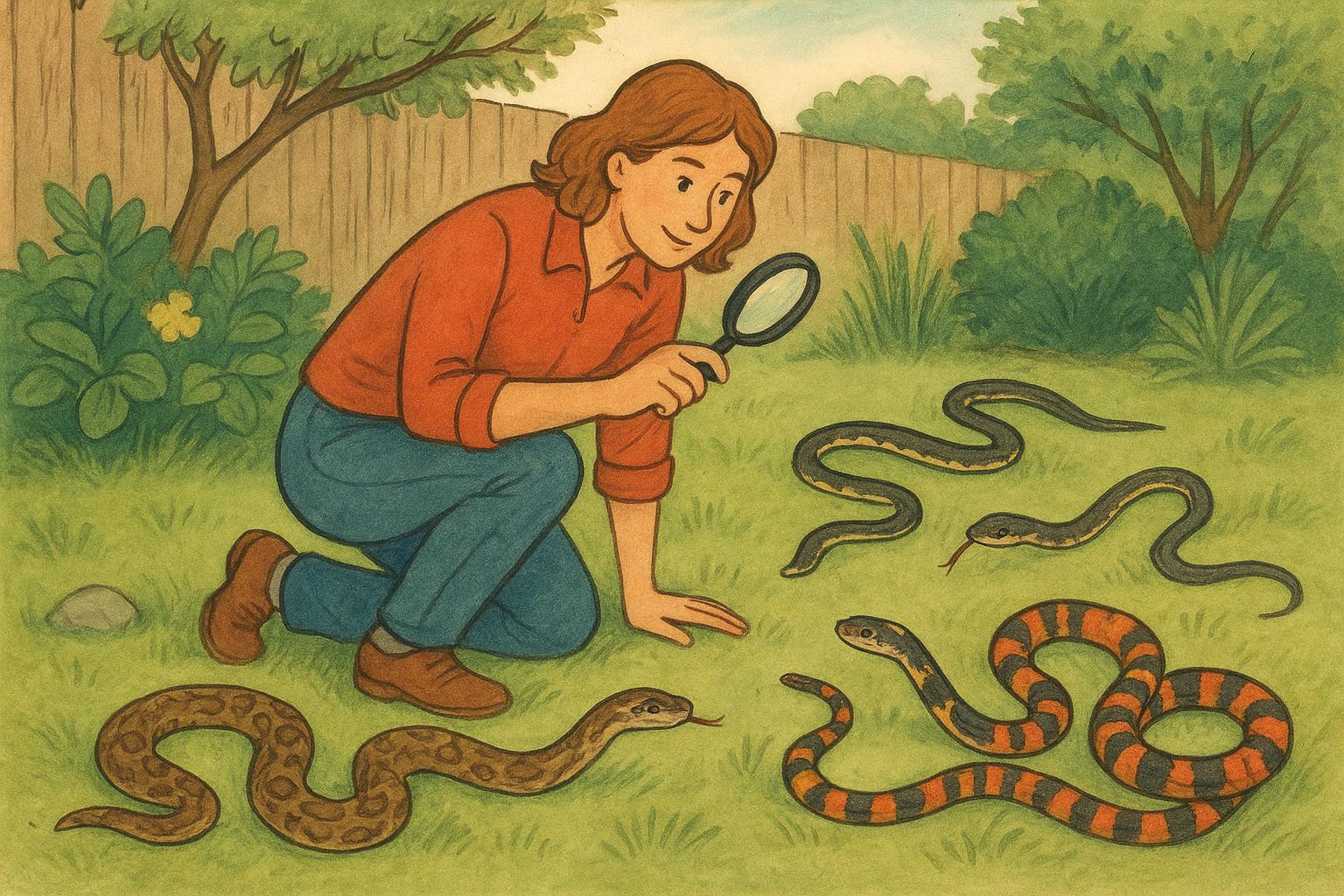
– Reptiles and amphibians depend on suitable microhabitats and can’t internally regulate temperature the same way mammals do.
– Overweight or injured animals and those with parasitic loads are less likely to cope with extreme heat.
### Season-Long Stressors
Even if a single hot spell doesn’t cause visible casualties, repeated heat events can reduce reproductive success and survival rates over the season. Therefore, preventing or mitigating heat stress wildlife issues is both humane and beneficial for local biodiversity.
## 1. Remedy: Provide Reliable, Safe Water Stations
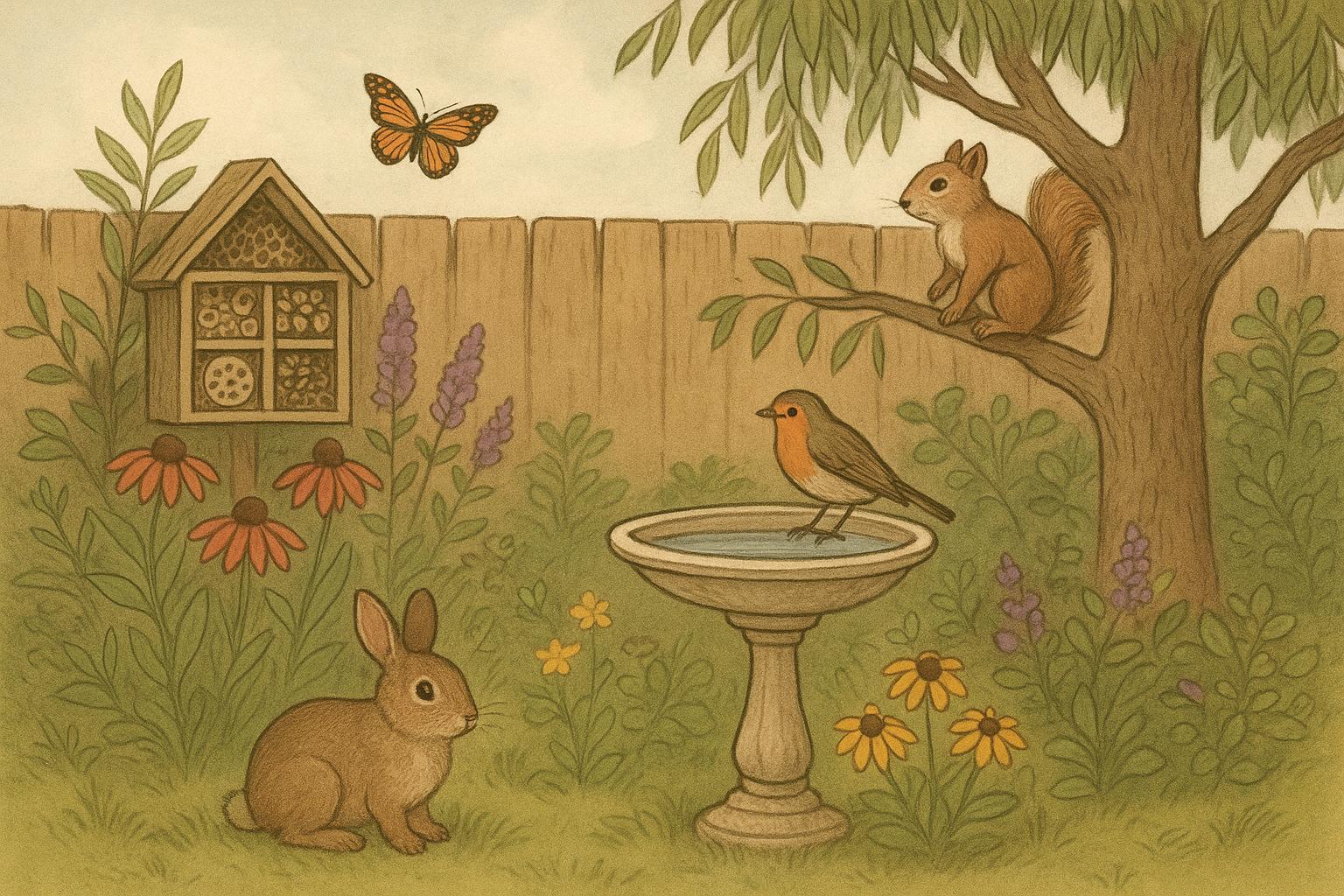
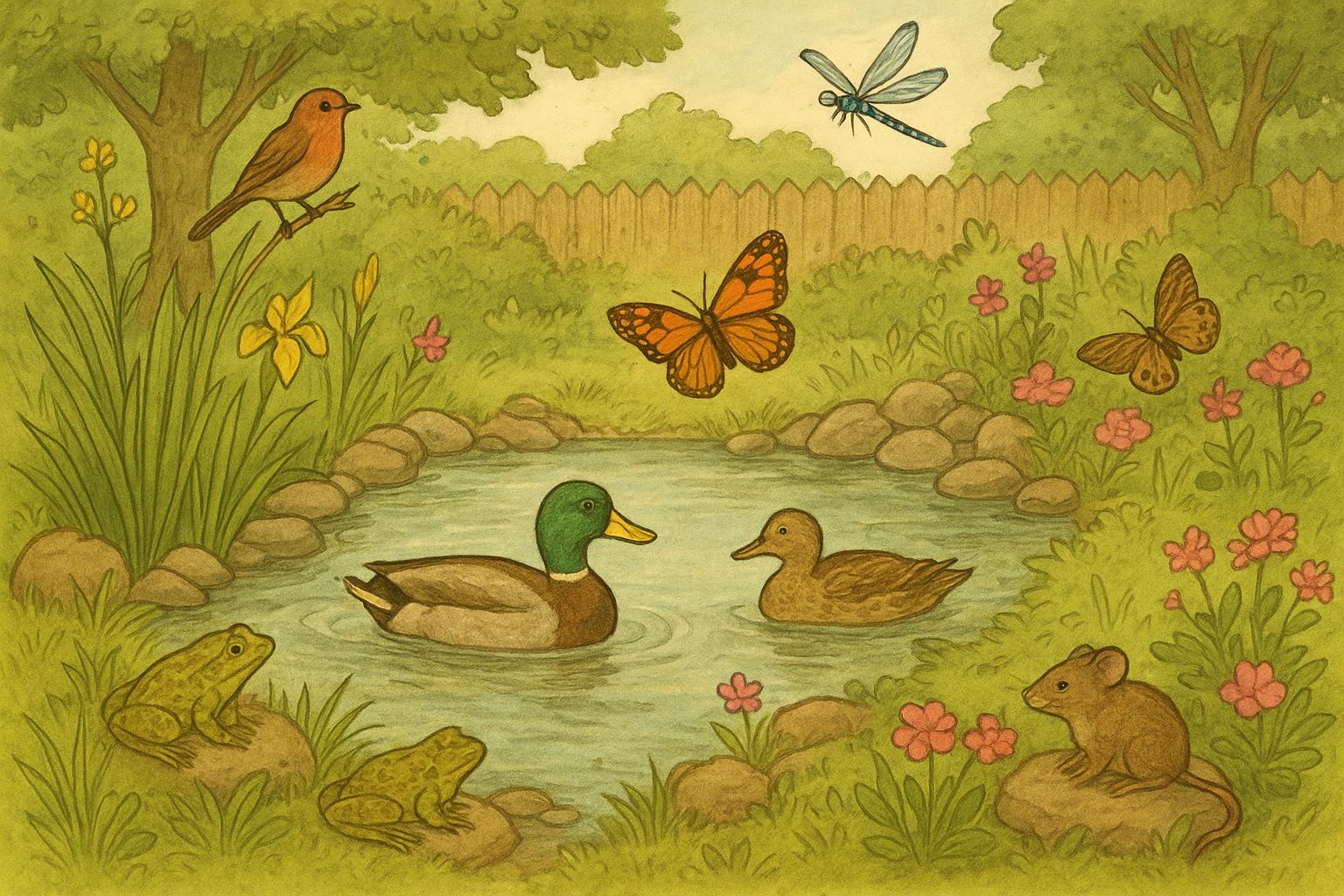
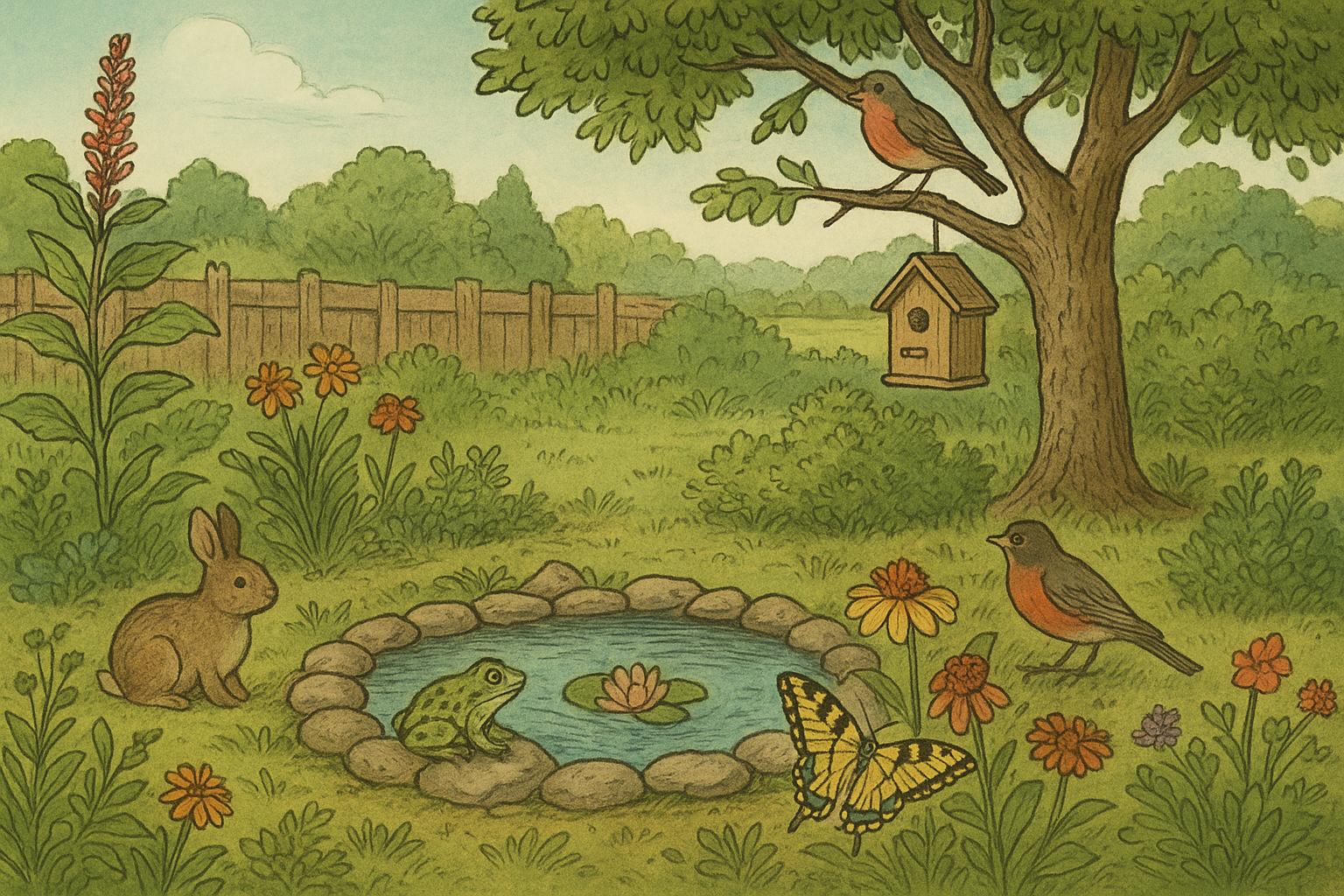
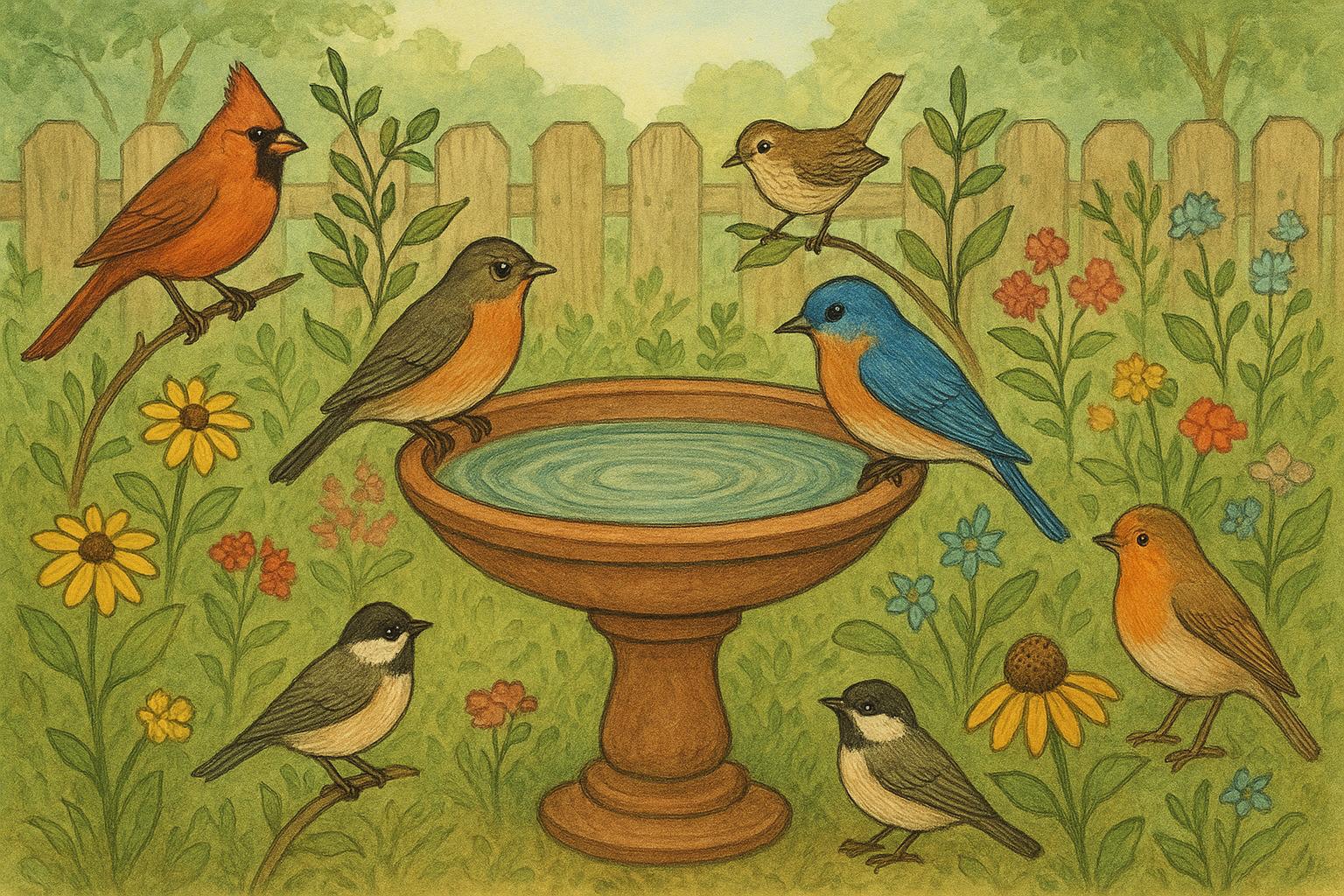
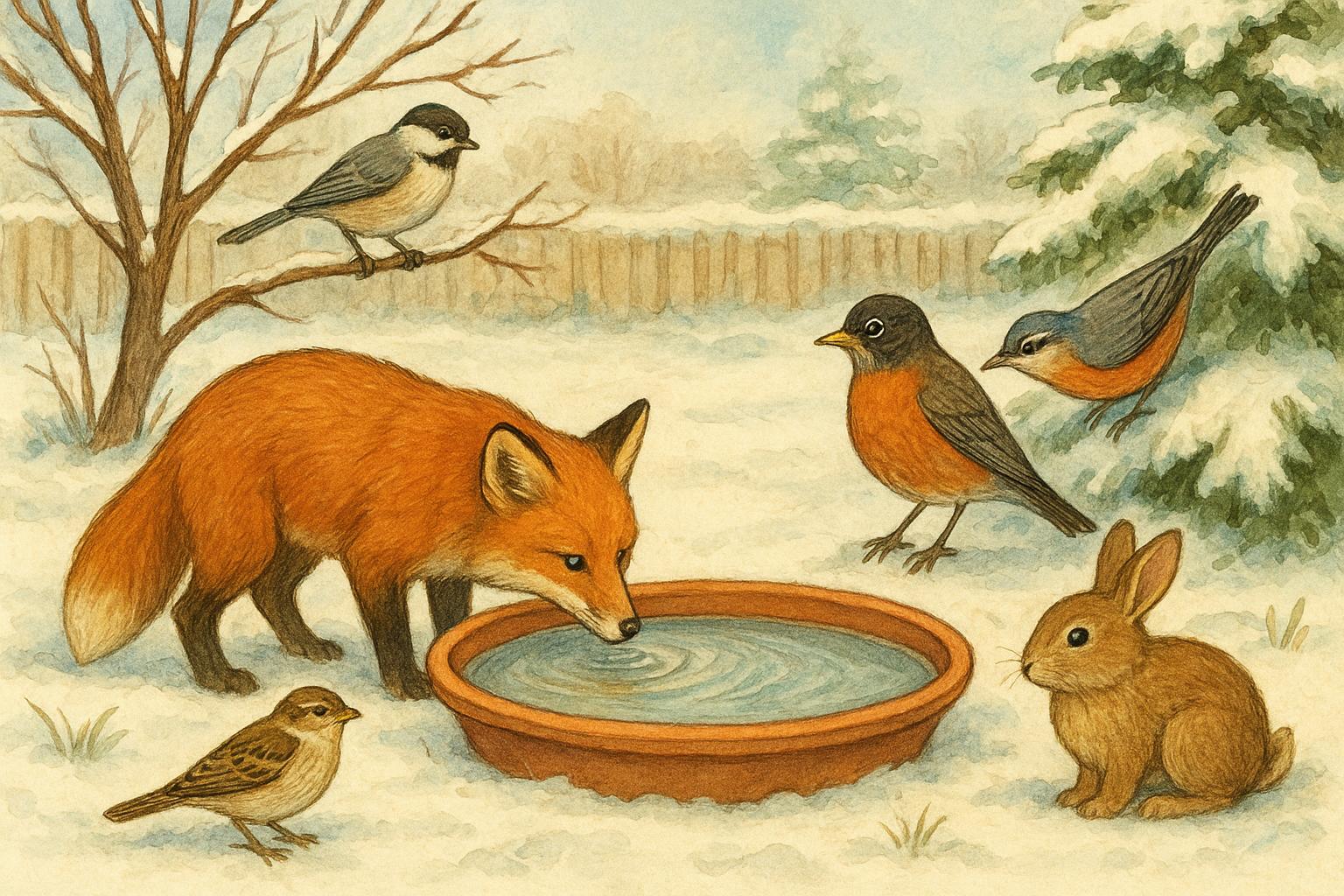
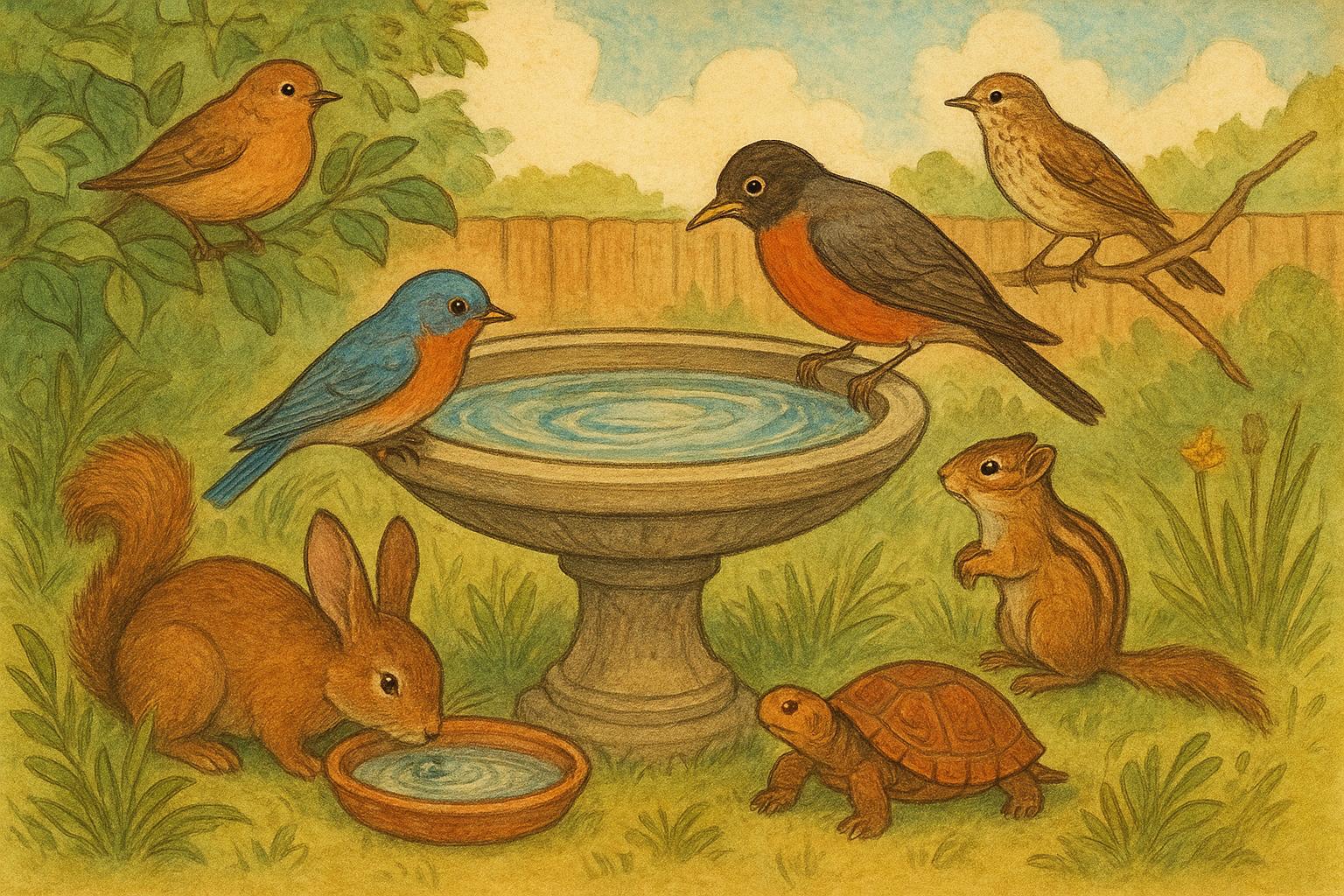
When the mercury rises, offering water is one of the most effective ways to help. This remedy is practical and scalable — from a small birdbath to a simple pond retrofit.
#### Materials Needed
– Shallow basins or birdbaths (various sizes)
– Stable stands or flat stones to level basins
– Small rocks or pebbles for perches
– Clean water source (tap water is fine)
– Optional: solar-powered fountain pump
#### Creation And Application Steps
1. Select Locations: Place basins in shaded or semi-shaded spots to keep water cooler and reduce evaporation. Position near shrubs or low branches so small animals can access water while feeling sheltered.
2. Prepare Basins: Fill shallow basins to a depth of 1–3 inches for birds and small mammals. Add larger basins with a sloped edge for raccoons and larger fauna.
3. Add Perches: Scatter small rocks or pebbles so tiny birds and amphibians have dry spots to stand on while drinking.
4. Maintain Cleanliness: Replace or top off water daily during heat waves. Clean basins weekly with a scrub brush and rinse thoroughly to prevent algae and mosquito larvae. If mosquito risk is high, consider adding a small pump to keep water moving.
5. Monitor Use: Observe from a distance to ensure the station is being used and remains safe from predators. Move or modify if it causes conflict between species.
This approach reduces immediate dehydration risk and provides a cooling microclimate for many species. Be mindful of pet access and local ordinances regarding standing water.
## 2. Remedy: Create Shade And Cool Microhabitats
Shade and sheltered microhabitats are essential for thermoregulation. Small changes to landscaping can produce disproportionately large benefits for wildlife.
#### Materials Needed
– Native shrubs or shade-tolerant plants
– Mulch or leaf litter
– Rocks and logs (for reptile and amphibian refuge)
– Shade cloth or lattice (temporary solution)
– Hand tools for planting and arranging materials
#### Creation And Application Steps
1. Plan Placement: Identify sunny areas where wildlife congregates and determine where shade would help most — near water stations, feeders, or nesting areas.
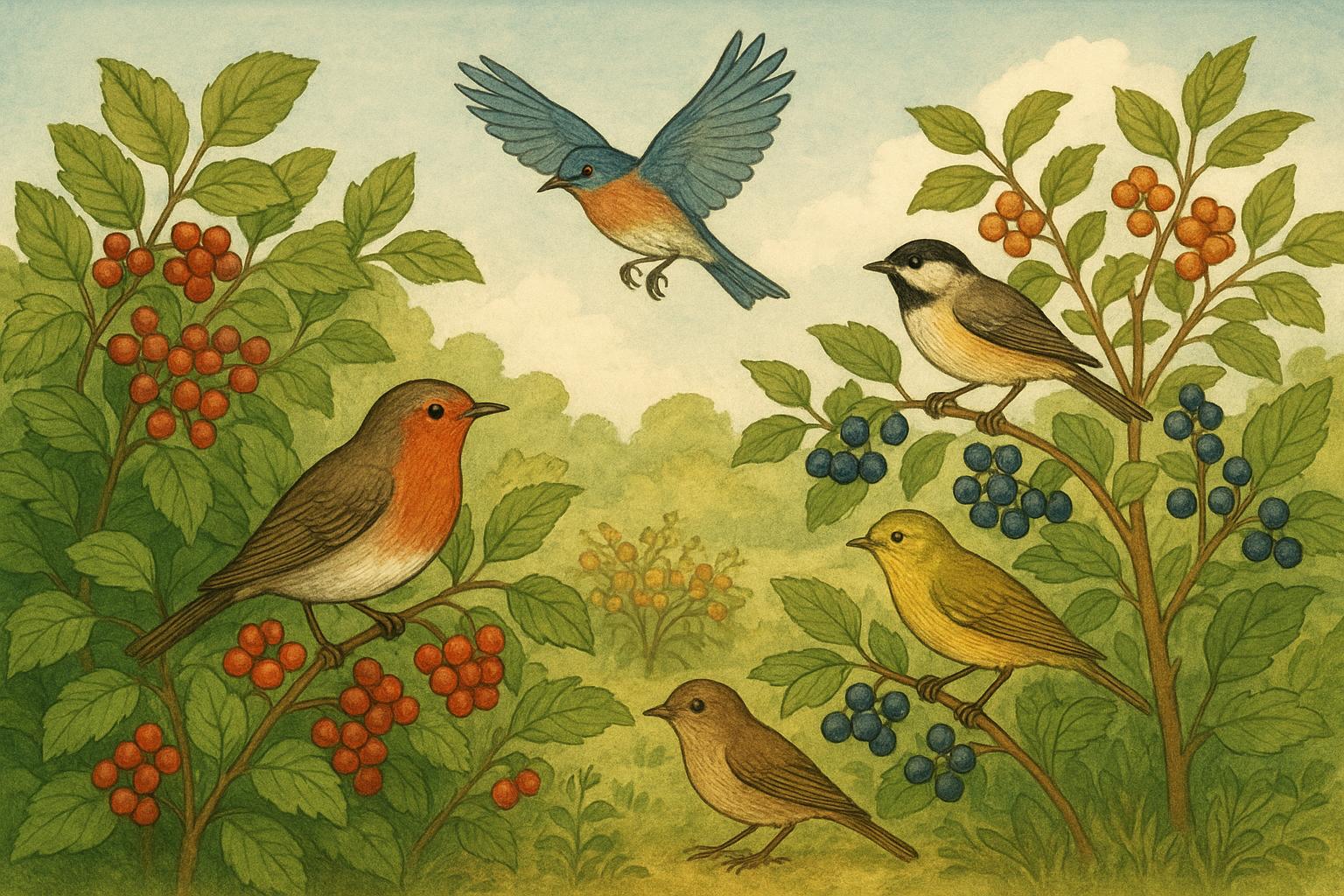
2. Plant Strategically: Use native, drought-tolerant shrubs to provide long-term shade and berries for food. Group plantings to create layered habitats with ground cover, mid-story shrubs, and low branches.
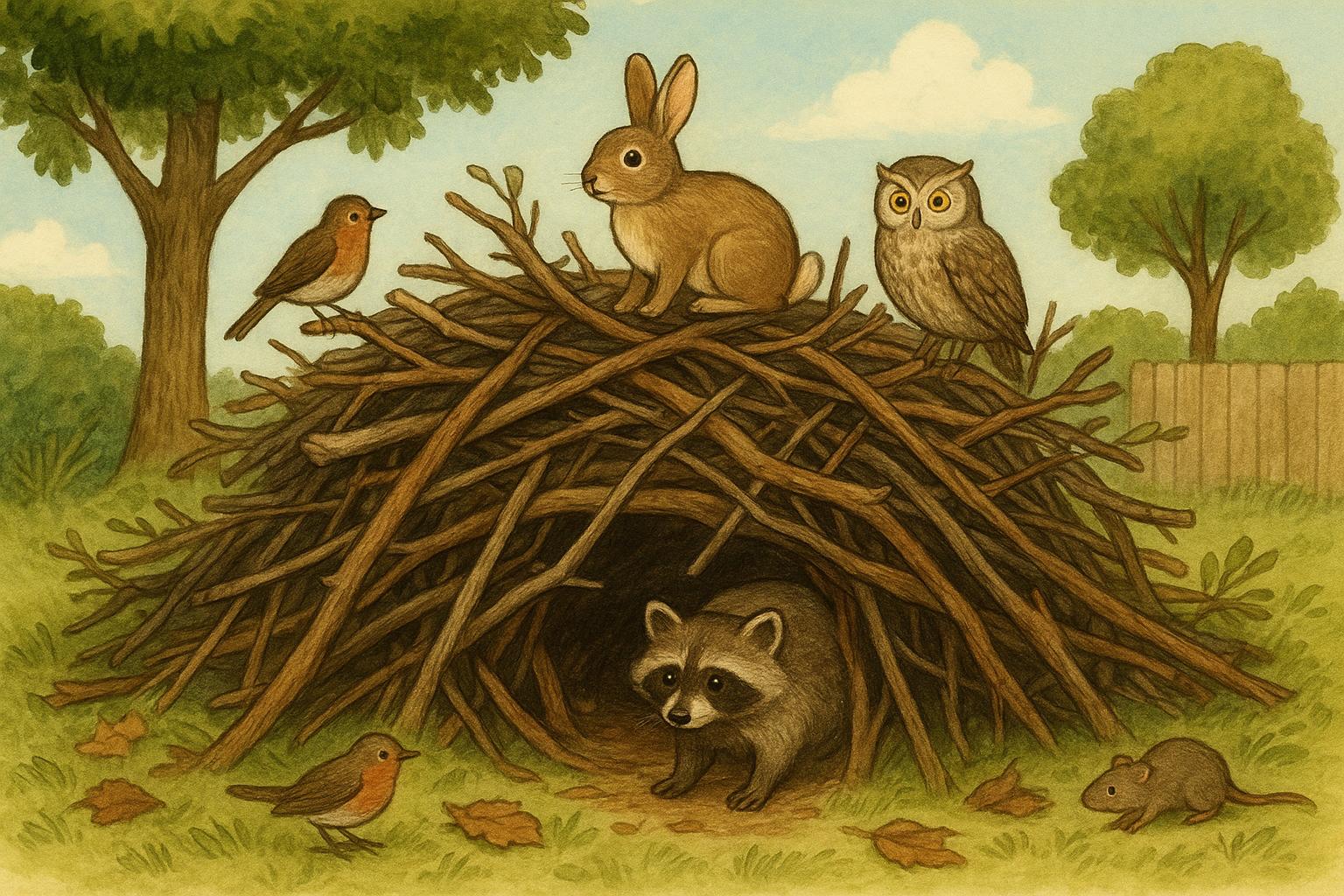
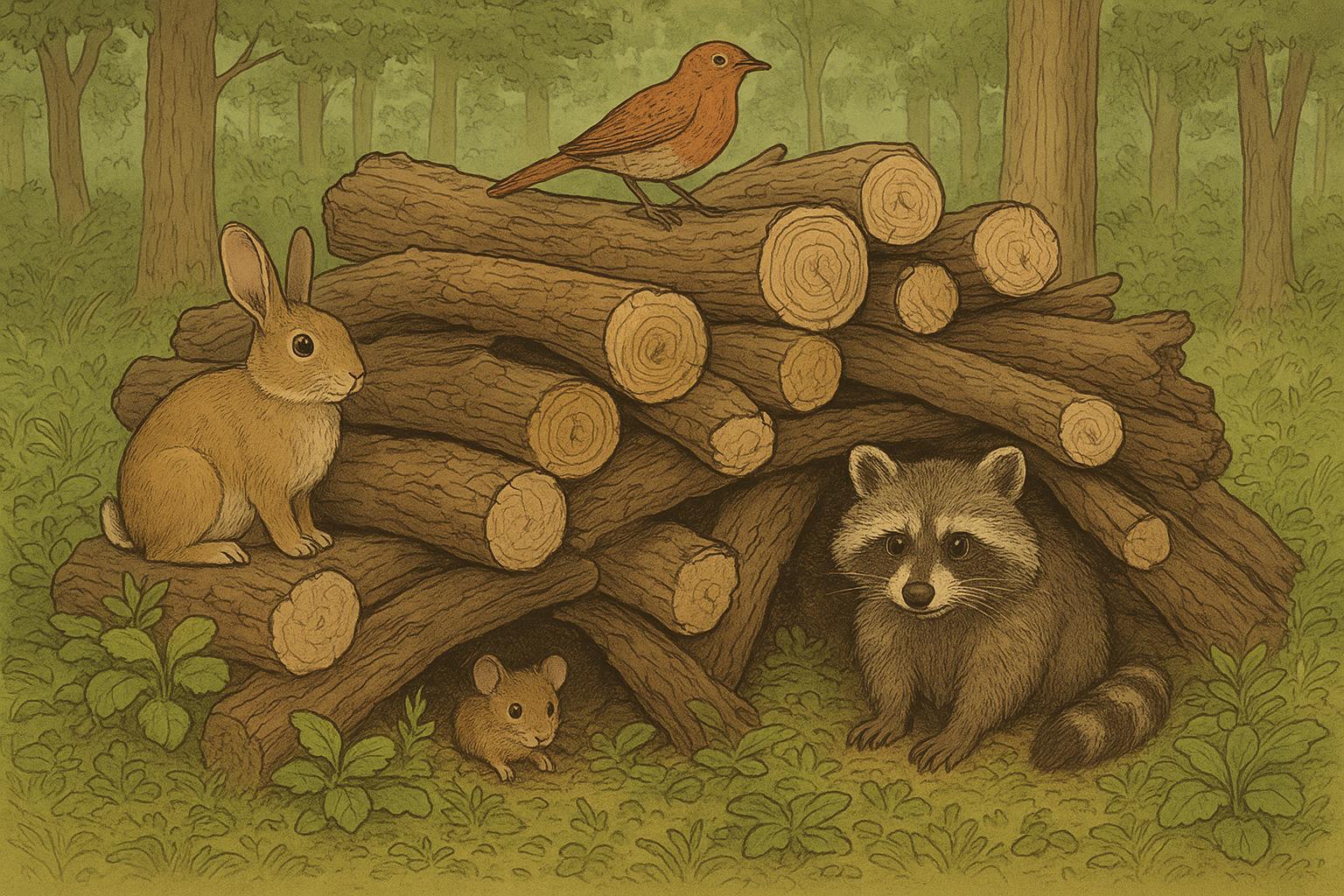
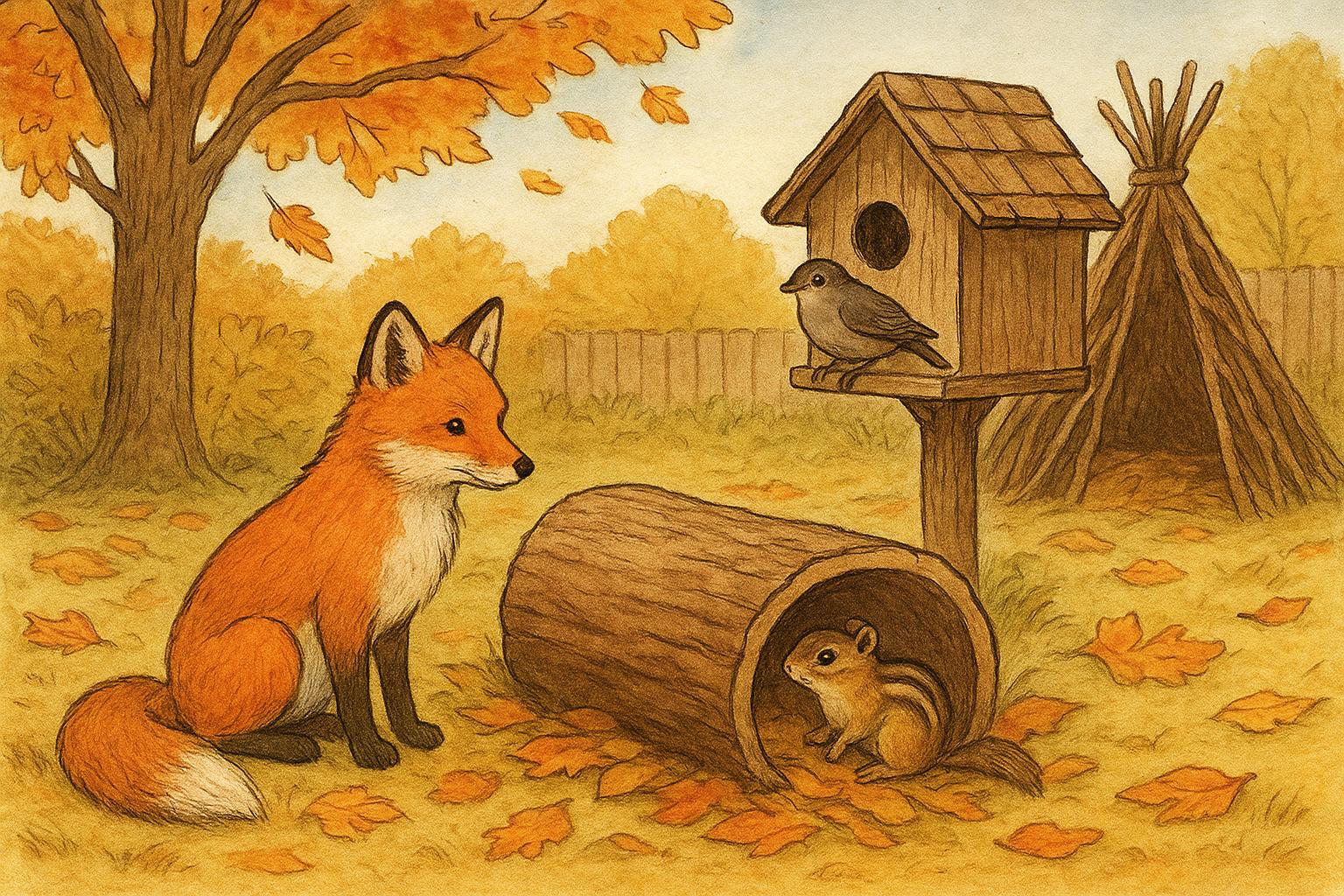
3. Add Structural Refugia: Arrange rocks, logs, and brush piles in shady corners to create cool retreats. Leave sections of leaf litter undisturbed for invertebrates and amphibians.
4. Install Temporary Shade: For immediate relief during intense heat waves, erect shade cloth over feeders and water stations. Ensure the structure is secure and won’t trap or injure animals.
5. Maintain Naturally: Replenish mulch in hot beds to keep soil cooler and retain moisture. Avoid excessive tidiness; a slightly untamed patch is a boon for wildlife.
These measures are preventive and persistent. They reduce the likelihood of heat stress wildlife incidents by creating a variety of thermal options animals can choose from.
### Best Practices For Planting And Landscaping
– Prioritize native species adapted to your climate; they require less watering and provide familiar food resources.
– Cluster plantings to create sheltered corridors that allow animals to move between cool spots without exposing themselves.
– Avoid pesticides and herbicides; stressed animals are more susceptible to toxins.
## Emergency First Aid For Affected Animals
If you encounter an animal that appears overheated, respond carefully. Do not attempt to handle large or wild animals without proper training. For small, non-aggressive animals:
– Move to Shade: Gently relocate the animal to a cool, shaded spot if it’s safe to do so.
– Offer Water: Provide a shallow dish of cool water. Do not force-feed or hold water to an animal’s mouth.
– Cool Gradually: Use damp towels or a spray bottle with lukewarm water to lower body temperature. Avoid ice-cold water as it can cause shock.
– Contact Professionals: If the animal is non-responsive, severely disoriented, or a protected species, contact your local wildlife rehabilitator, animal control, or a vet experienced with wildlife.
### When To Call For Help
Serious signs include seizures, severe lethargy, uncontrolled bleeding, open-mouth breathing in birds, or inability to stand. Prompt professional intervention increases the odds of recovery.
## Tips For Long-Term Yard Management
A few routine practices will make your backyard a dependable refuge during every hot season:
– Keep water stations filled and shaded.
– Maintain a mix of native plants and structural refuges.
– Reduce mowing frequency in late afternoon to preserve cover.
– Provide quiet, low-traffic zones where animals can rest.
– Coordinate with neighbors to create a larger cooler corridor; animals don’t stick to property lines.
A backyard set up this way not only helps reduce heat stress wildlife problems but also turns your space into a vibrant, resilient mini-ecosystem. You’ll get more visitors, more morning serenades, and, yes, probably more squirrel antics — but that’s half the charm.


Leave a Reply