
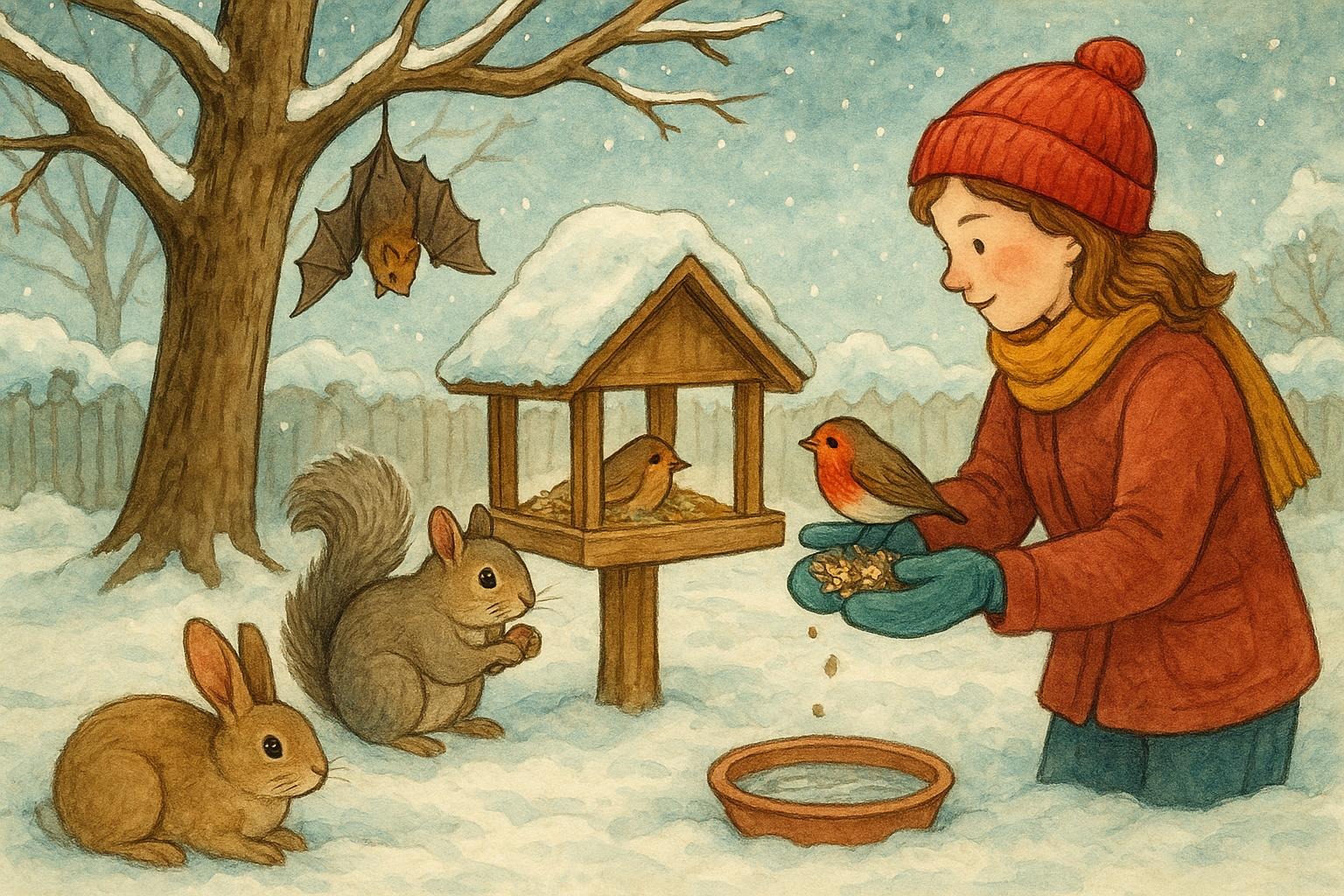
Cold nights can feel harsh to us, but to a backyard sparrow or hedgehog they can be downright shocking. If you care about the critters that share your yard, a little effort now can mean the difference between a rough season and a rescue. Read on for practical, sometimes surprising actions that actually help.
## Shocking Winter Freeze Tips That Rescue Backyard Wildlife
(written for gentle humans who like to help)
### Why Winter Is So Dangerous For Small Wildlife
Smaller animals lose heat quickly, and when food and liquid sources freeze up, their energy reserves plummet. Birds need easy access to unfrozen water to preen and digest properly; small mammals need sheltered microclimates where they can rest without burning calories. These are the realities behind the “winter freeze tips” that follow — they aren’t just niceties, they address the basic survival needs animals lose in a deep cold snap.
### How To Recognize Animals In Trouble
Signs an animal is in distress include lethargy, puffed-up feathers or fur, unusual daytime activity in normally nocturnal species, or repeated visits to the same spot searching for food or shelter. If you see animals huddled at foundations, under porches, or near sources of heat and water, they may be trying to survive the freeze. That’s when effective winter freeze tips become lifesavers.
### Quick Mindset Notes Before You Help
A few friendly reminders: don’t handle wild animals unless trained, avoid feeding inappropriate foods (bread is bad for birds in winter), and check local wildlife rehabilitation rules before intervening. The aim is to provide safe resources, not to habituate or harm.
## 1. Emergency Heated Water Station
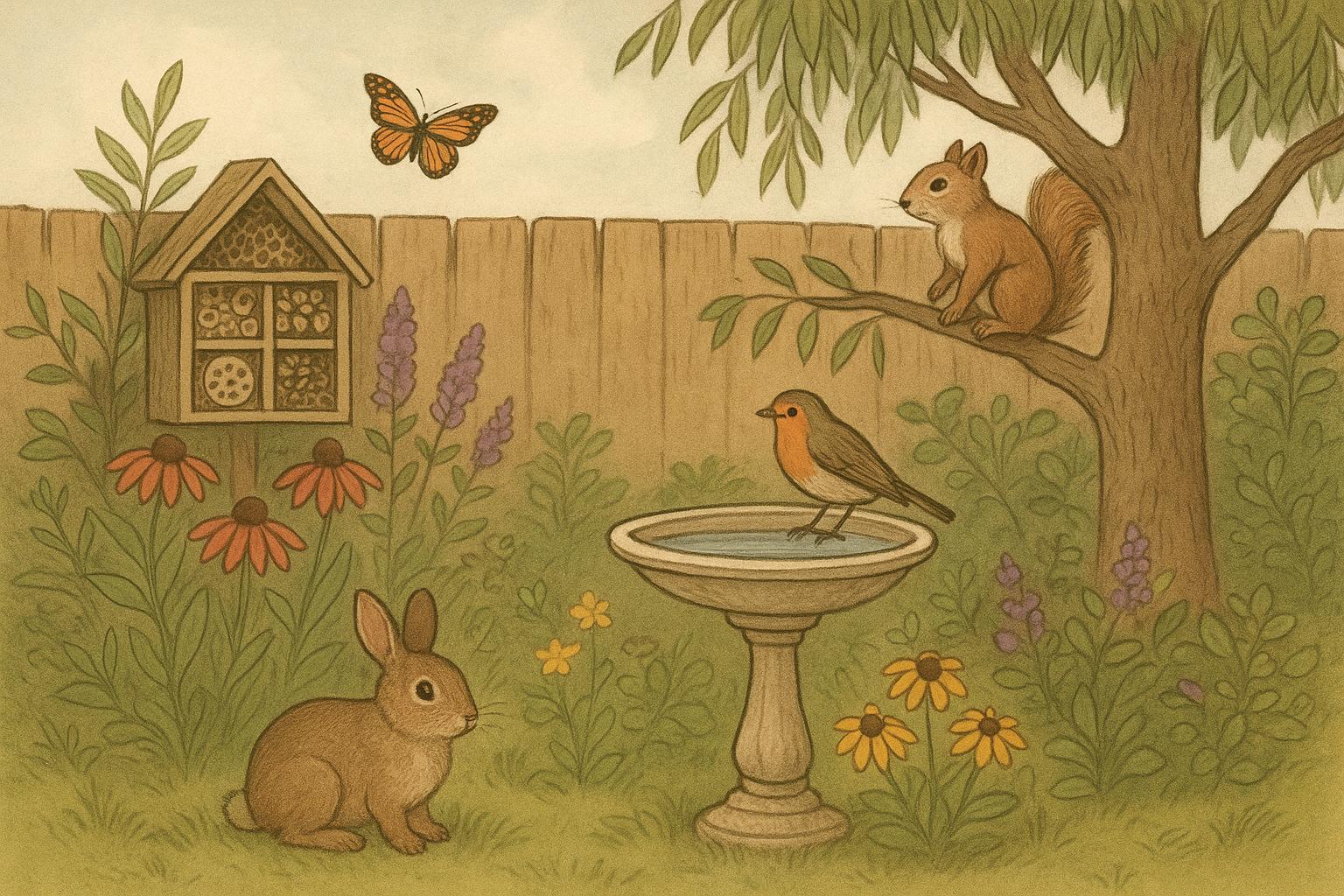
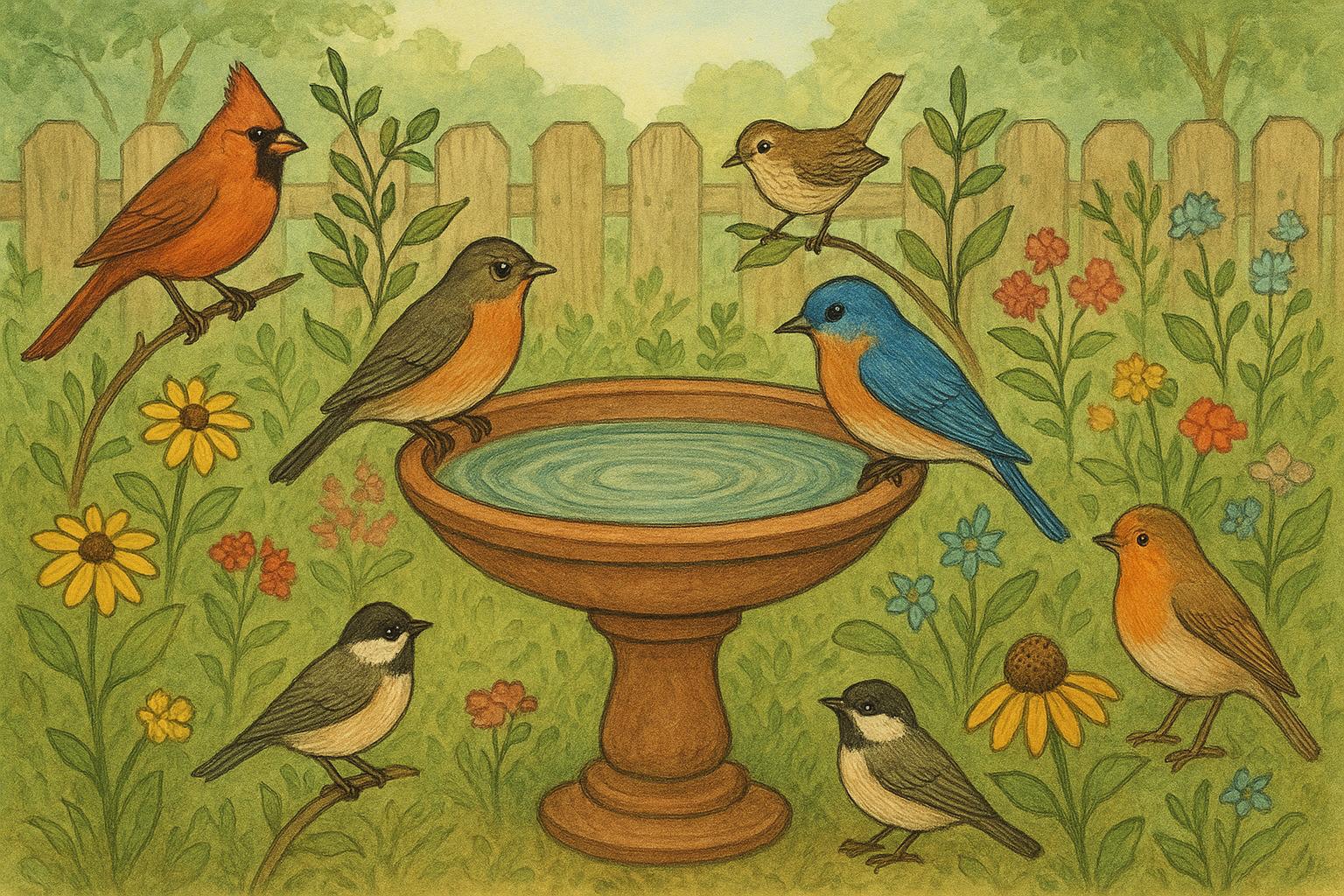
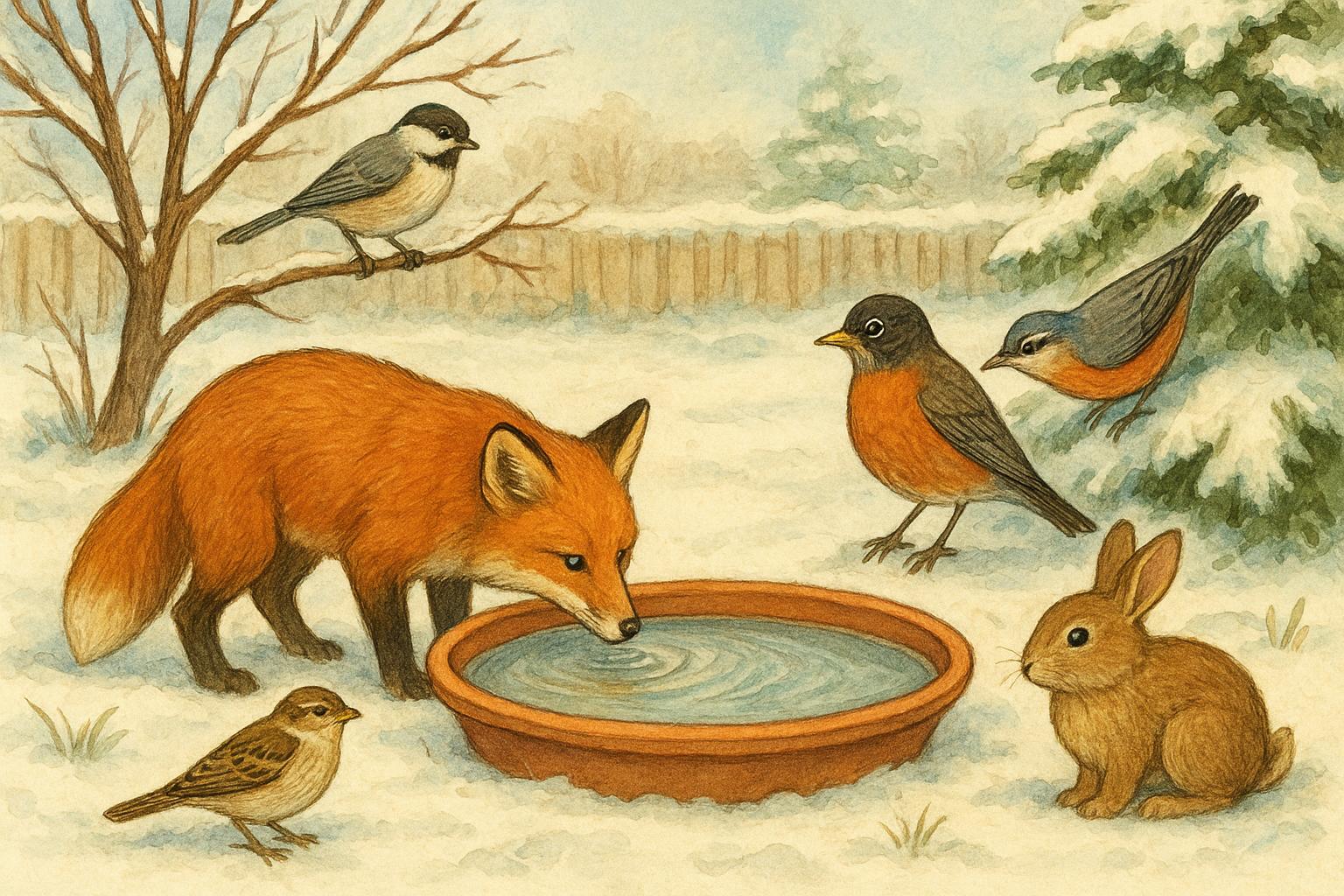
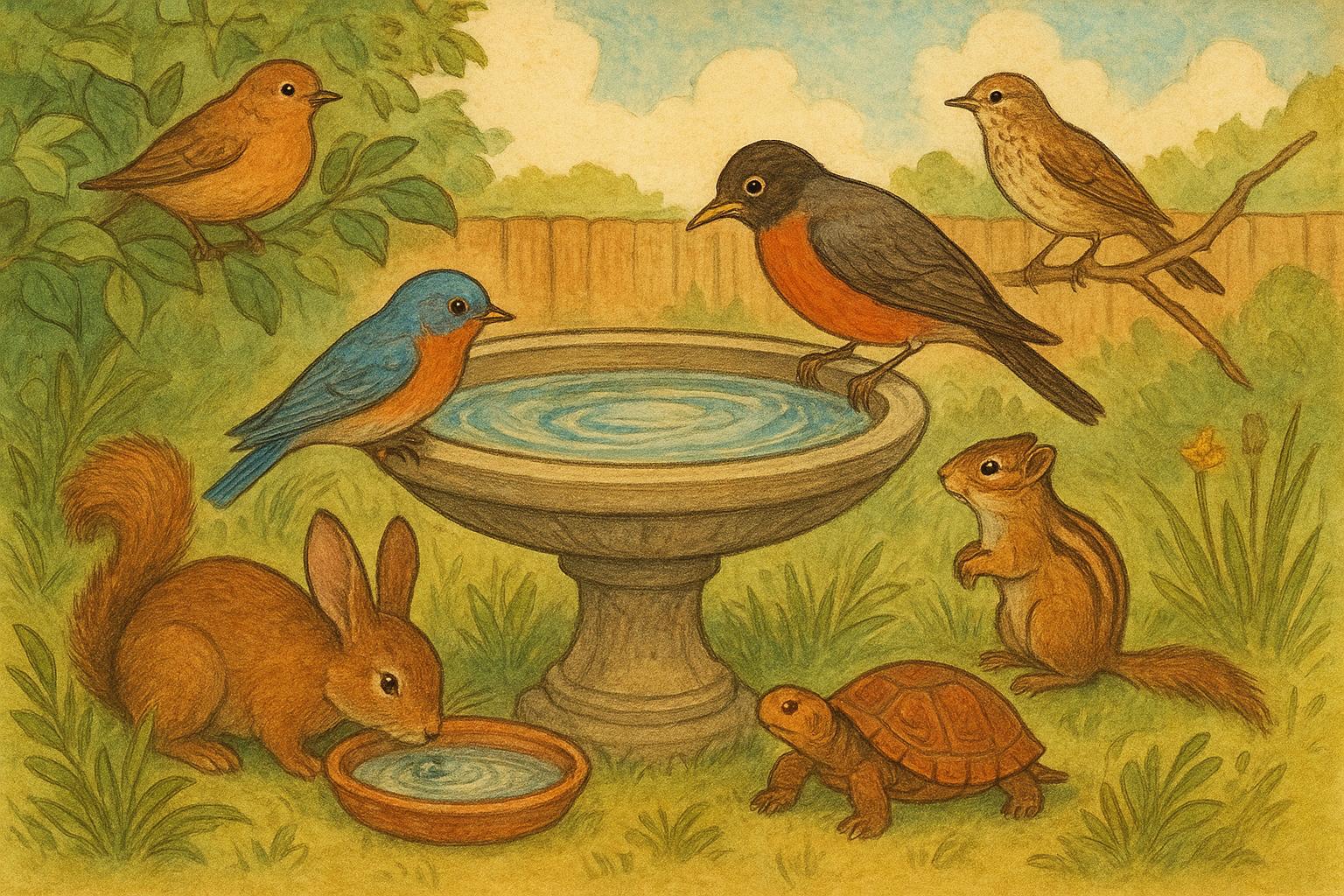
Providing reliable liquid water is one of the most effective winter freeze tips. Birds and mammals alike rely on water, and a heated option keeps them hydrated and able to thermoregulate.
#### Materials Required
– Battery-operated or outdoor-rated heated birdbath or de-icer (sized appropriately)
– Shallow tray or birdbath (if using de-icer)
– Extension cord rated for outdoor use (if unit requires mains power)
– Grit/base (small gravel) to create shallow pockets
– Thermometer (optional, to monitor freeze risk)
#### Step-By-Step Creation And Application
1. Select Location: Place the water station where animals feel safe—near shrubs or trees that provide quick cover. Avoid open, exposed areas where predators might have the advantage.
2. Set Up The Basin: Use a shallow basin no more than 2–3 inches deep for birds. Fill with fresh water and arrange small gravel to create micro-pockets where animals can drink without slipping.
3. Install The Heater: Secure the heated unit according to manufacturer instructions. If using an electric unit, run an outdoor-rated extension cord, protected from ice buildup and snow. If using battery-operated, check and replace batteries regularly.
4. Maintain Cleanliness: Refresh water daily or more often if it becomes dirty. Periodically scrub the basin to avoid algae and bacterial growth.
5. Monitor Safety: Avoid placing stations where small mammals could get trapped or where runoff could freeze into hazardous ice patches.
## 2. Insulated Critter Shelters For Small Mammals And Birds
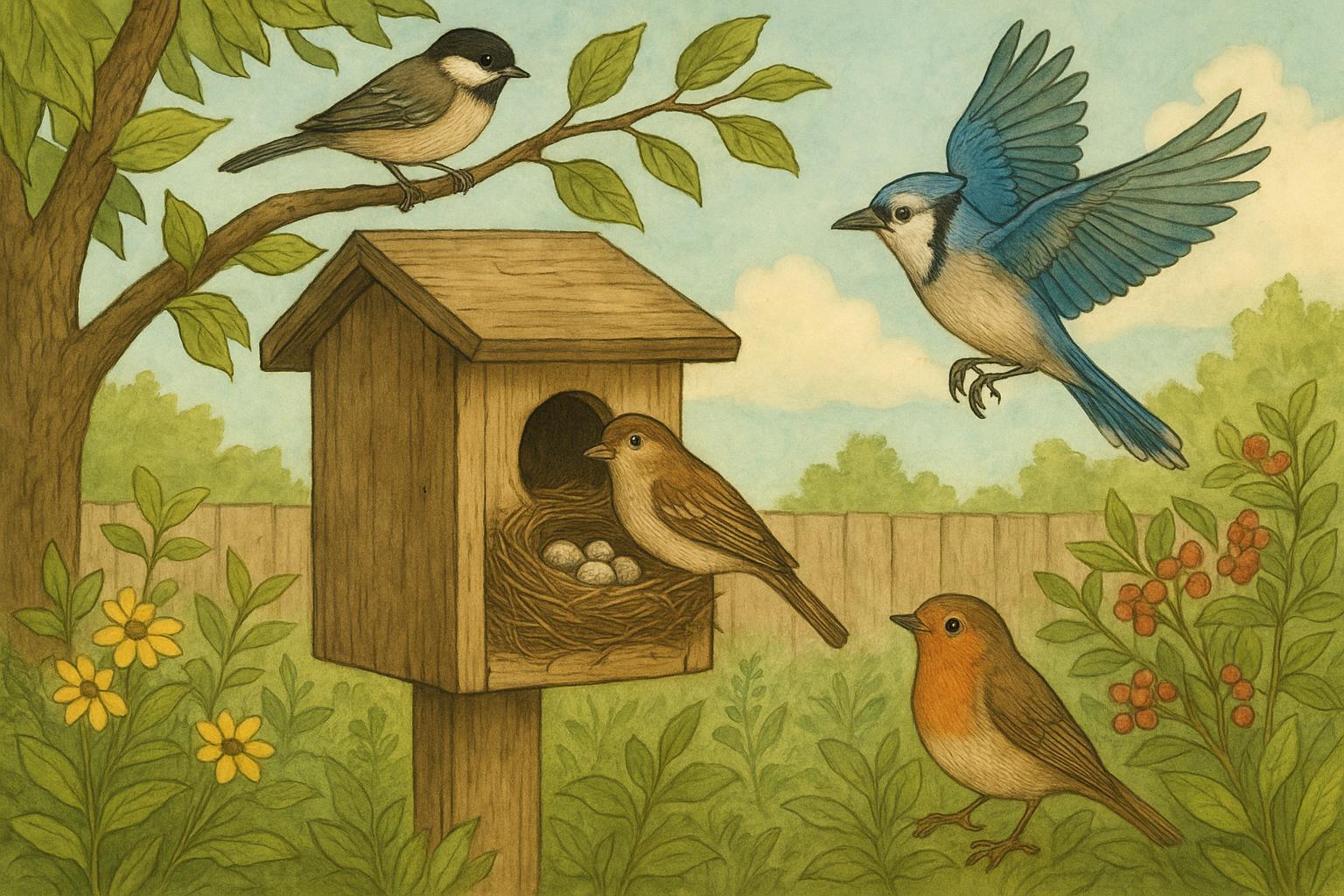
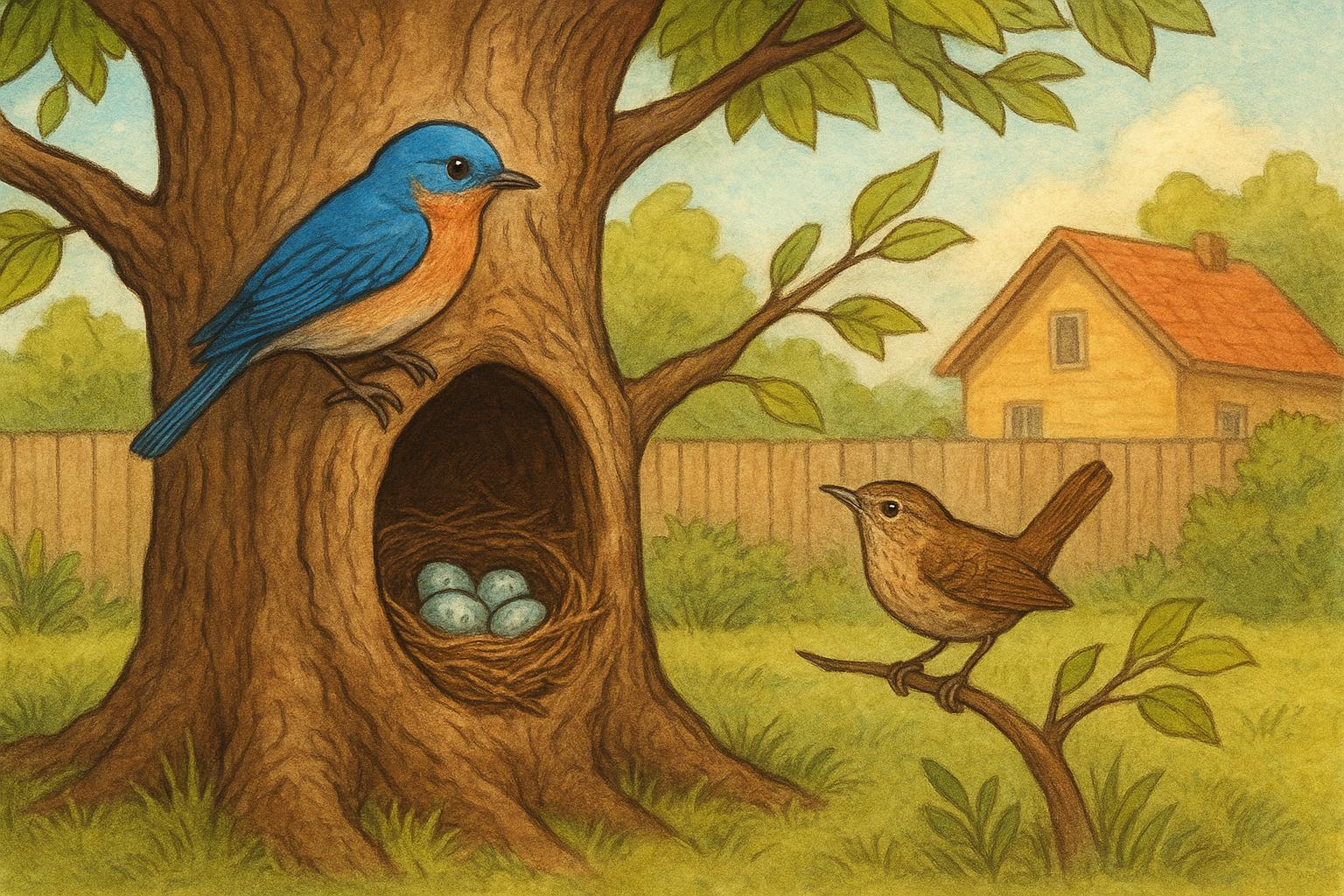
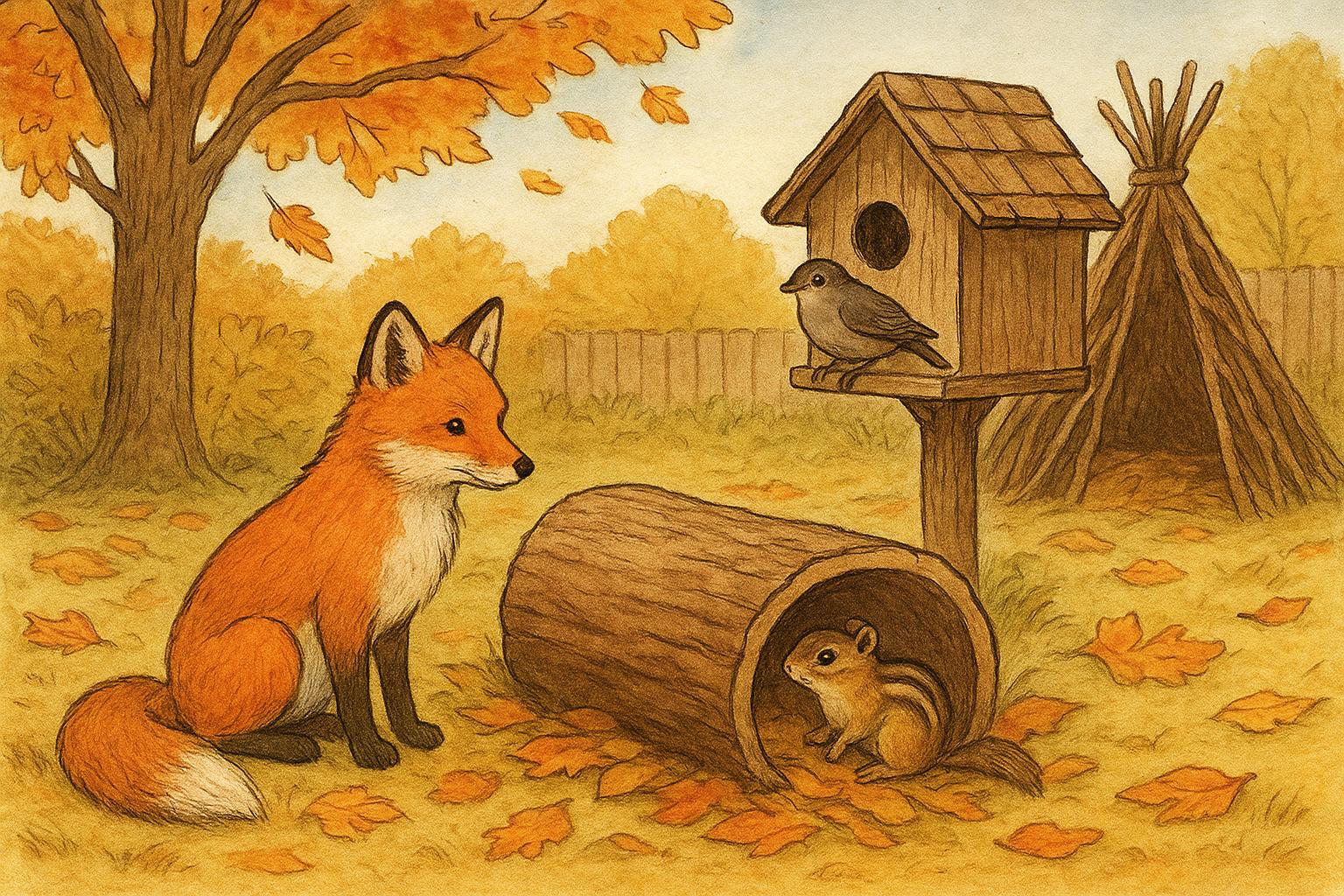
Providing insulated, dry shelters is another high-impact winter freeze tip. Winter roosting boxes and insulated ground shelters reduce heat loss and protect animals from wind and wet snow.
#### Materials Required
– Exterior-grade plywood or pre-made nesting boxes
– Straw (not hay) for insulation and bedding
– Weatherproof caulk and hinges
– Hardware cloth (for predator ventilation screening)
– Saw, drill, screws, and basic tools
– Non-toxic paint or stain (optional for exterior protection)
#### Step-By-Step Creation And Application
1. Choose Species-Appropriate Design: Use plans sized for the species you’re targeting (e.g., small bat boxes, squirrel boxes, small-mammal ground shelters). Ensure entrance hole sizes minimize predator access.
2. Construct With Insulation In Mind: Build double-walled boxes or add a layer of rigid foam insulation between inner and outer walls. Ensure ventilation but minimize drafts.
3. Install Bedding Correctly: Line the shelter with straw, which resists moisture better than hay. Replace bedding yearly or as it becomes soiled.
4. Mount Securely: Place boxes at recommended heights and orientations—often out of prevailing winds and with the entrance slightly sheltered. For ground shelters, select well-drained spots, raised slightly to avoid pooling water.
5. Check Legality And Ethics: Do not seal animals in; shelters should be available for wild occupancy without forcing residency.
### Simple, Temporary Warmth: Microwave Heat Packs For Rescued Small Birds (Use Only If Authorized)
If you find a cold, non-injured bird and local wildlife rehab permits temporary warming before transfer:
– Materials: Clean cotton sock, dry rice or flax, microwave.
– Steps: Fill sock 2/3 with rice, tie off, heat in microwave 30-second intervals until warm (not hot). Wrap in cloth and place near (not touching) the bird in a ventilated carrier. Monitor temperature closely and transfer to a rehabber as soon as possible.
## Shelter Landscaping That Helps
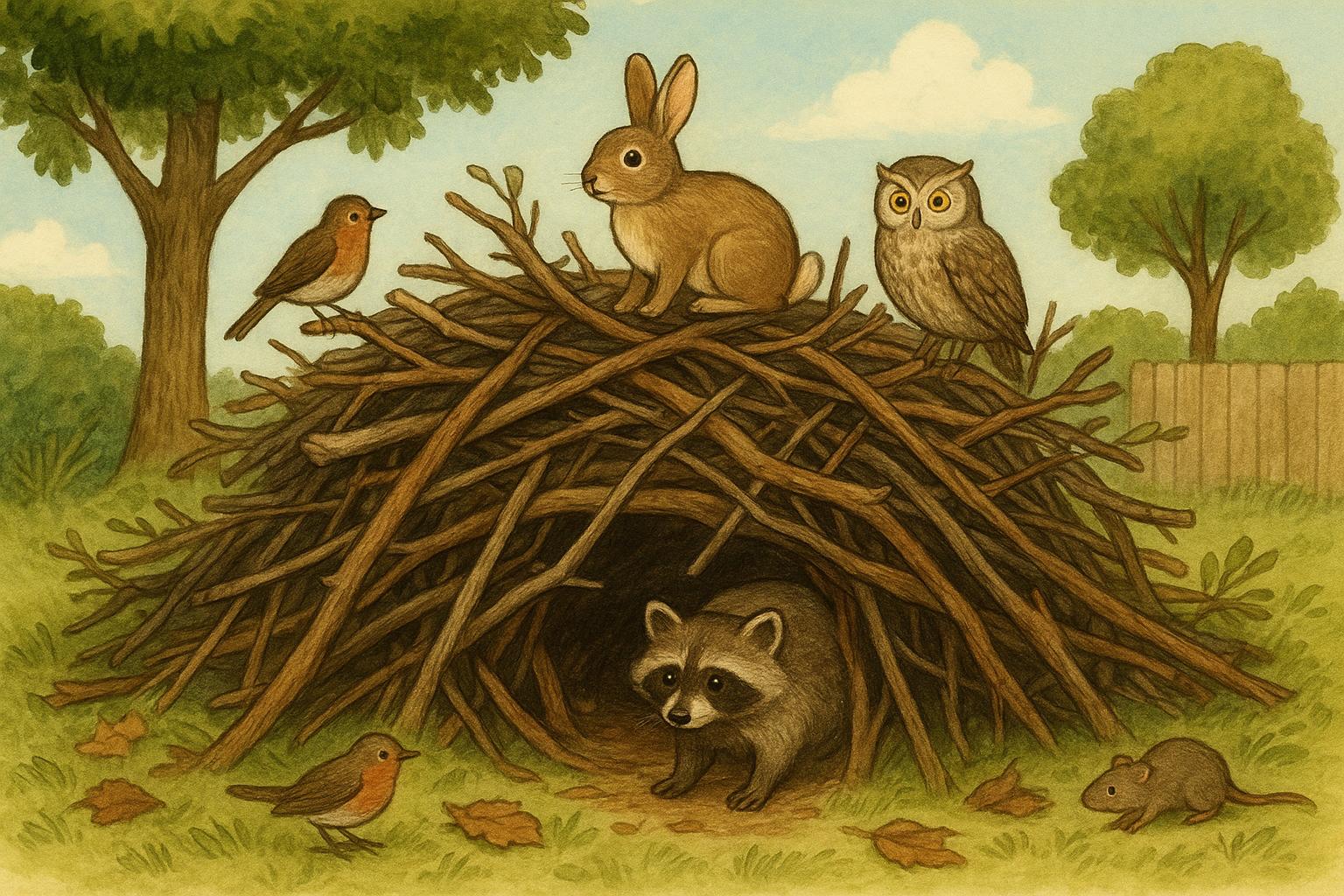
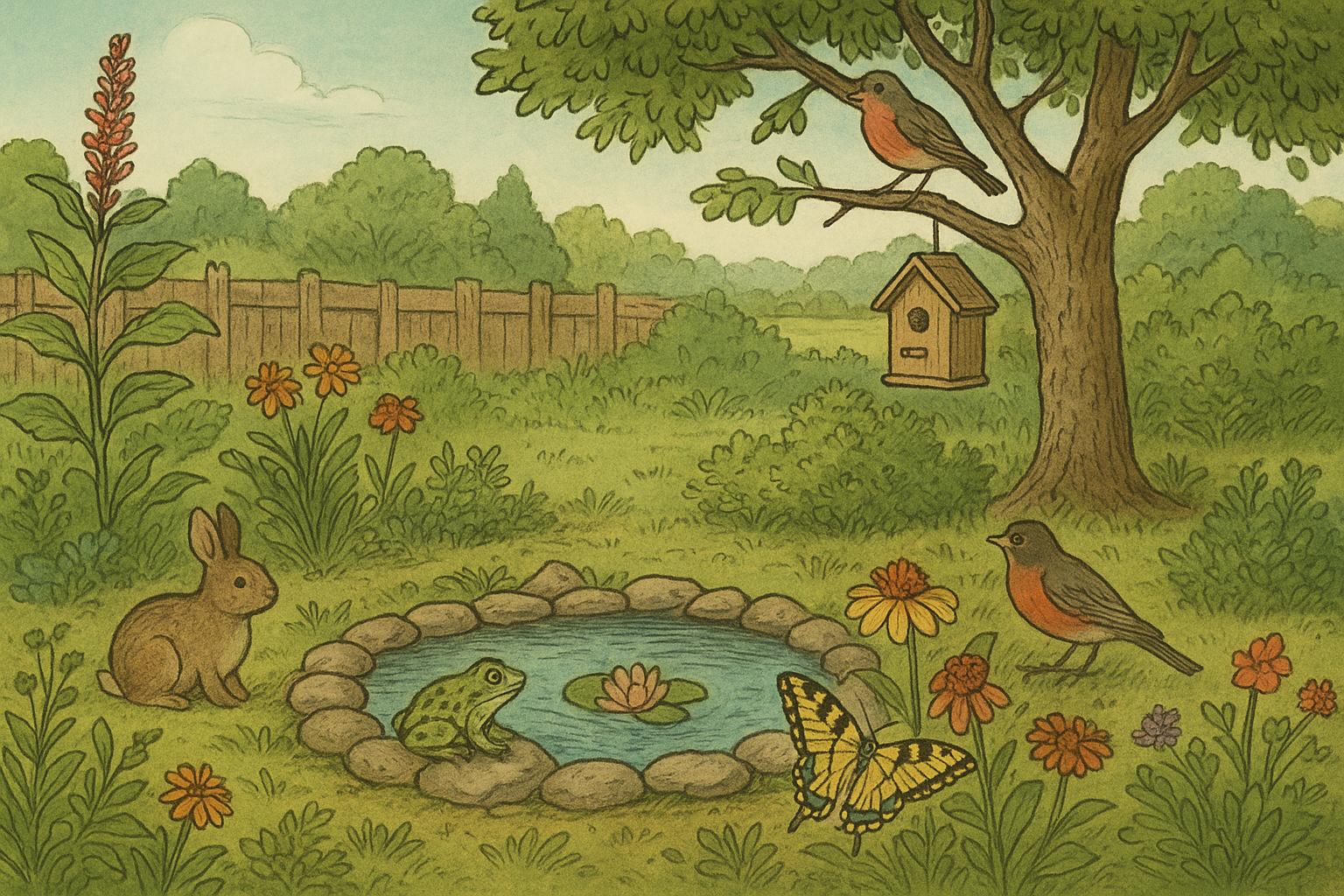
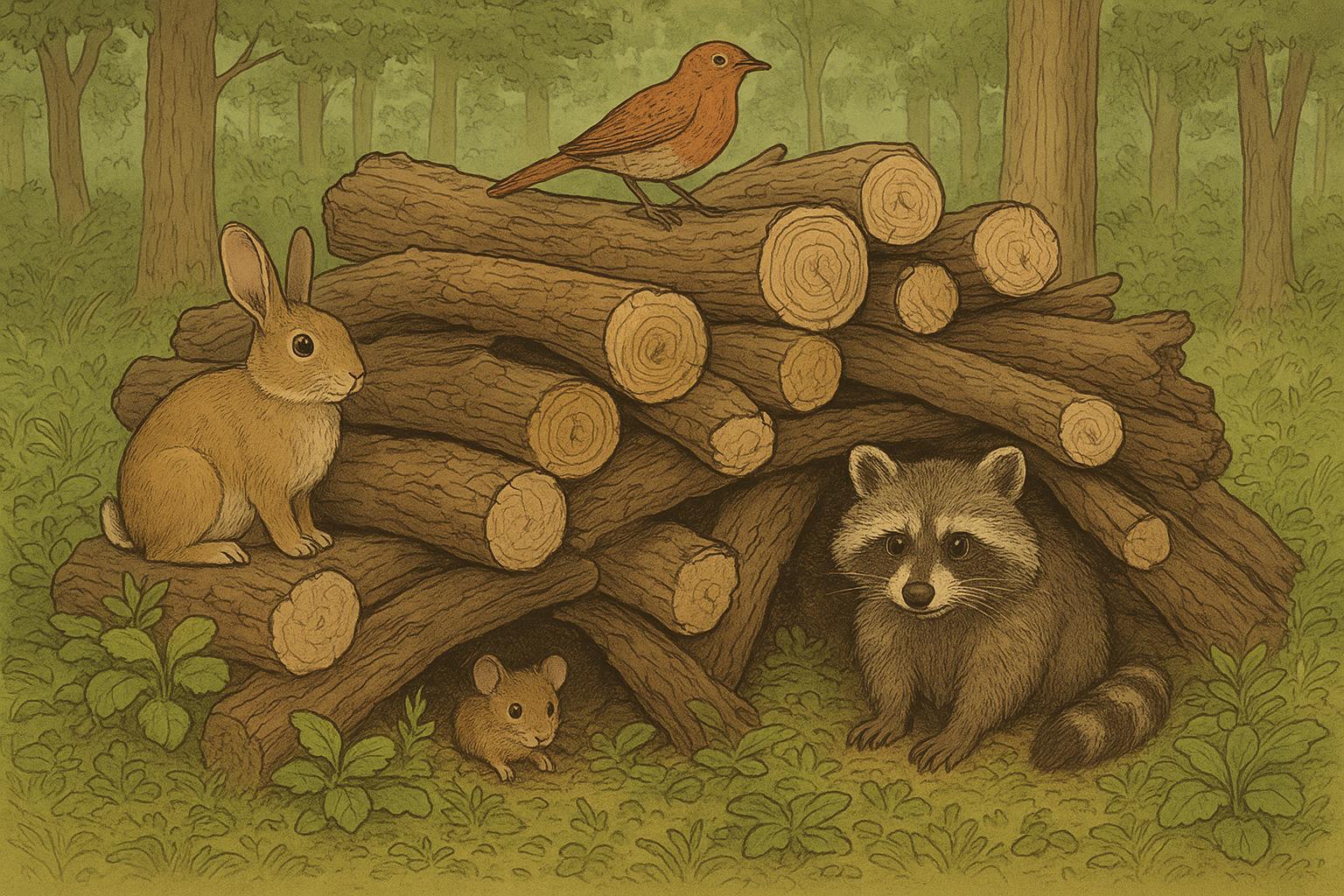
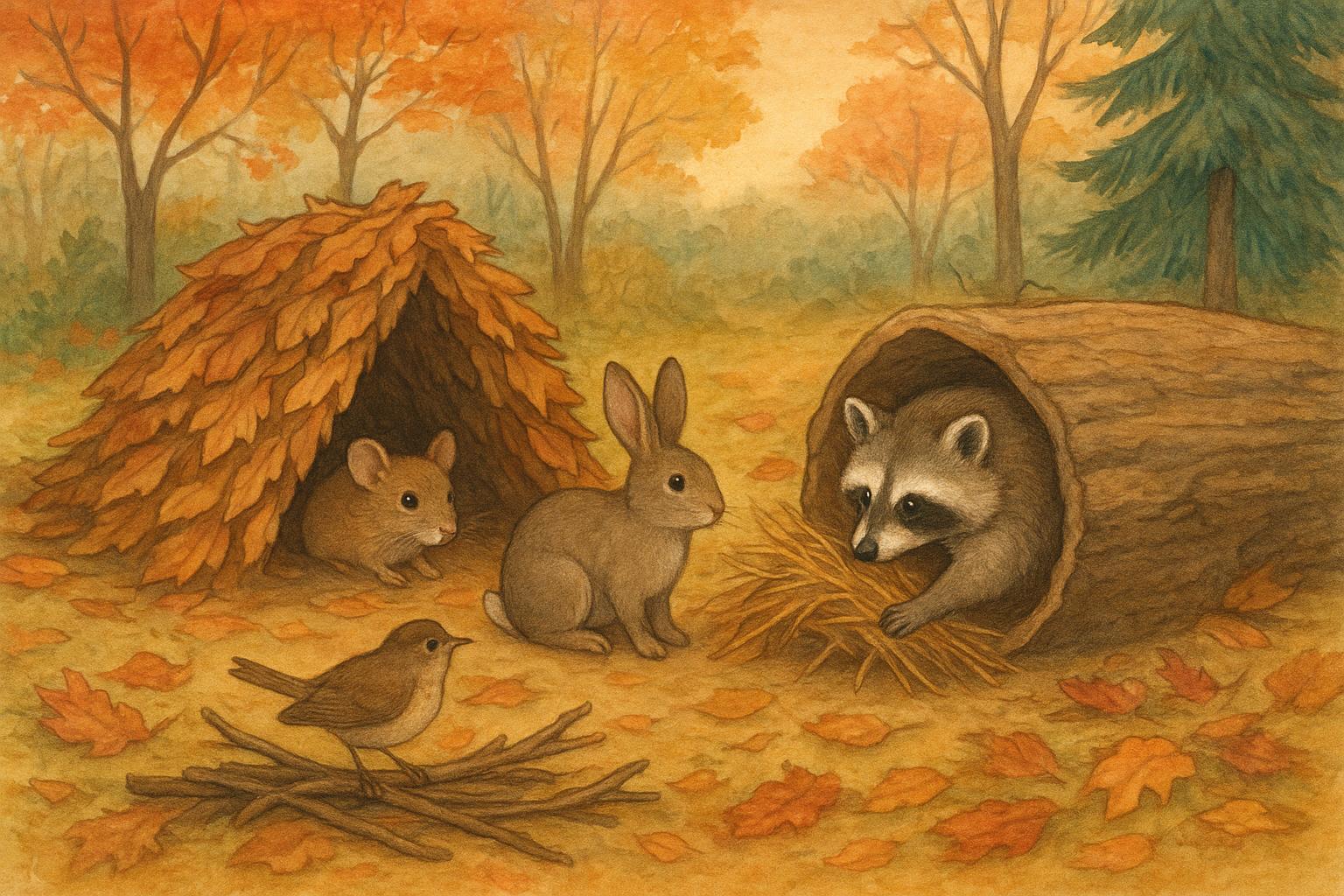
Landscaping choices are quietly powerful winter freeze tips. Leave brush piles, evergreen clumps, and leaf litter where safe; these provide microhabitats, insulating layers, and foraging opportunities. Replace excessive raking with targeted clearing—create a balance that keeps yards tidy but hospitable.
### Why Native Plants Matter
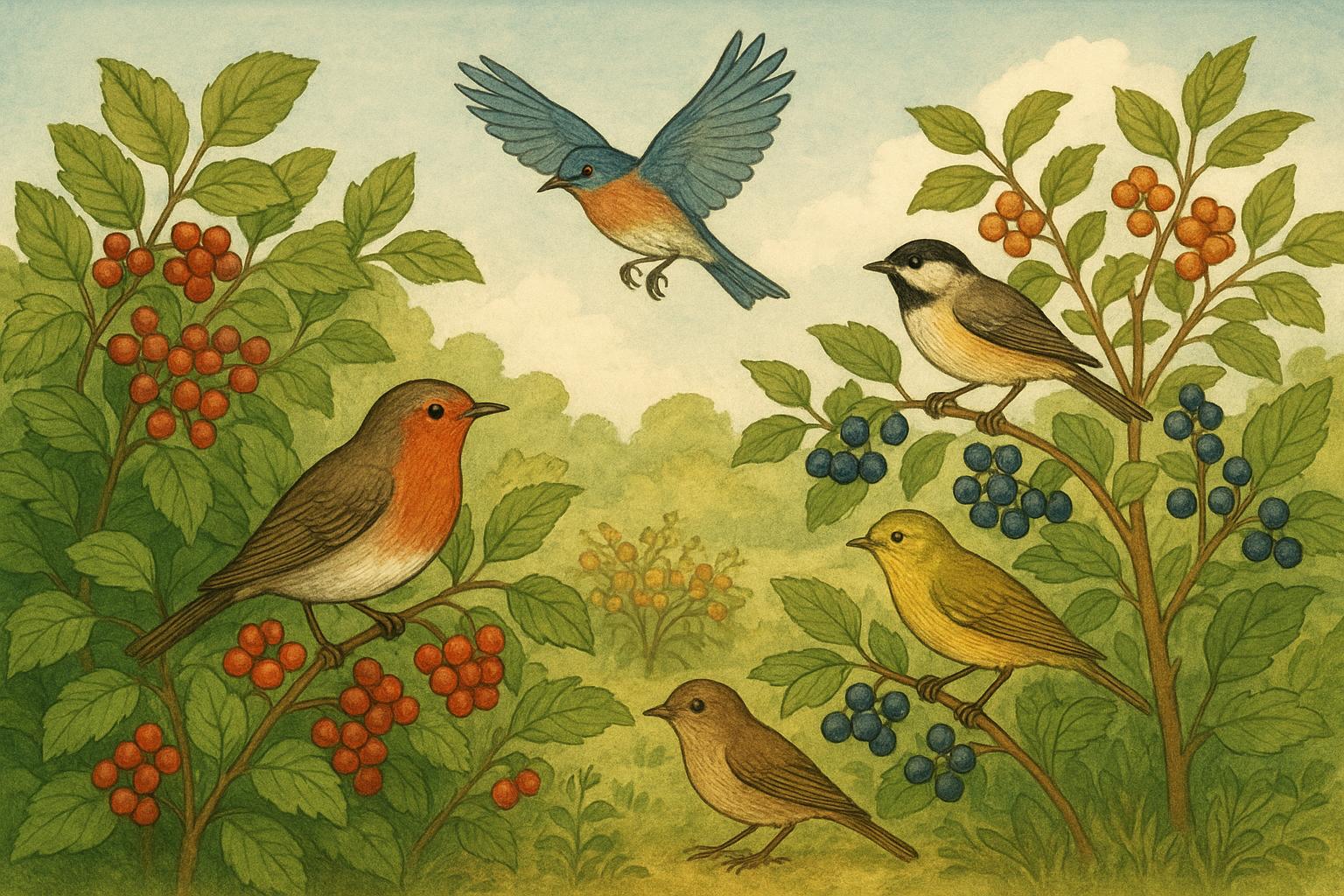
Native shrubs and seed-bearing perennials provide both food and cover late into the season. Planting a mix of berry-producing shrubs and seed heads means you’re creating a year-round pantry — one of the long-term winter freeze tips that pays dividends season after season.
#### Planting Essentials
– Choose native species adapted to local winters.
– Locate plants with windbreaks and near sheltered areas.
– Avoid invasive ornamentals that provide little real habitat value.
## Deer, Rabbits, And Larger Creatures: Keep Them Safe Without Encouraging Overdependence
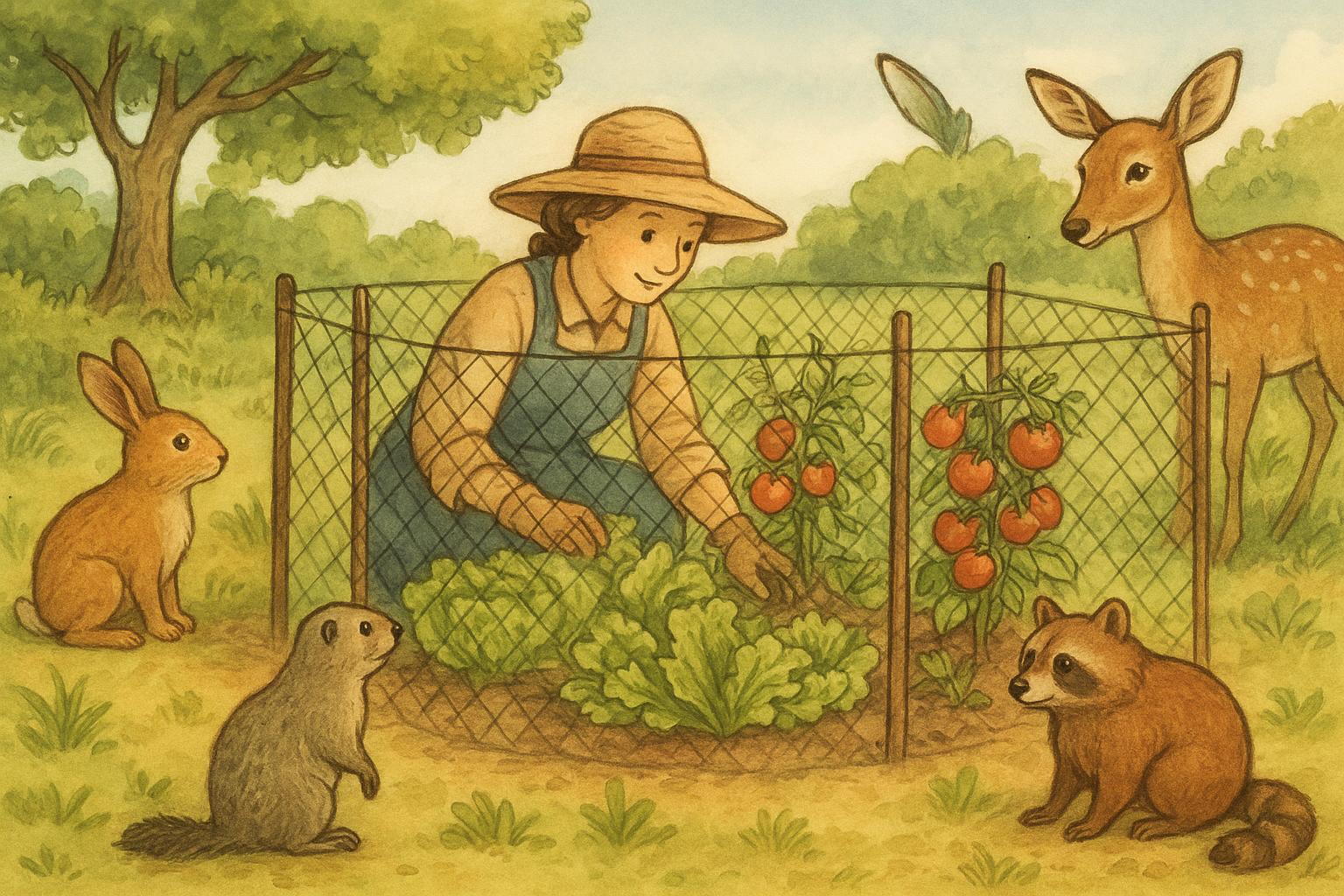
For larger backyard visitors, offering supplemental hay in sheltered racks and maintaining clear, snow-free paths near woodlines helps them conserve energy without becoming dependent on artificial feeding. These are pragmatic winter freeze tips: thoughtful, limited aid that supports wildlife without altering natural behaviors.
### Motion-Activated Lighting And Predation Considerations
When providing warmth and water, keep predator dynamics in mind. Motion-activated lights can deter nocturnal predators near feeder areas, but use sparingly to avoid disrupting natural cycles. Also, arrange shelters so escape routes are available.
## Practical Do’s And Don’ts Cheat Sheet
– Do: Provide unfrozen water, dry insulated shelters, and natural food sources.
– Do: Check local wildlife regulations before intervening.
– Don’t: Feed bread, milk, or processed human foods.
– Don’t: Use heat sources that pose fire risks or trap animals against structures.
### When To Contact A Wildlife Rehabilitator
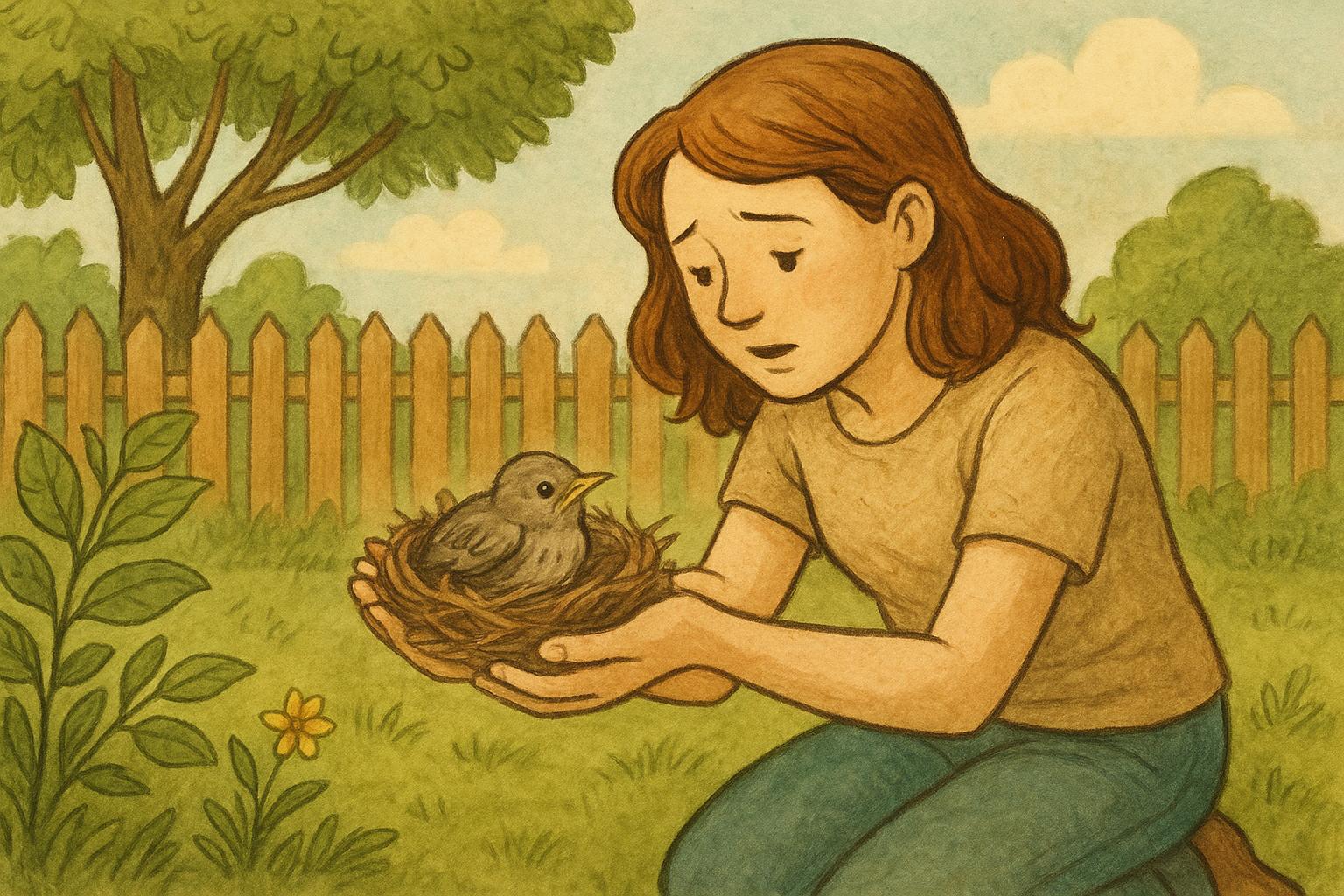
If an animal is visibly injured, hypothermic (very weak, unresponsive, or with glazed eyes), or you find orphaned young in suspicious circumstances, contact a licensed rehabilitator. Professional intervention is one of the most responsible winter freeze tips because trained staff can provide medical care and safe re-warming protocols.
## Handy Tools To Keep On Hand
A small wildlife kit can make timely help possible. Useful items include: gloves, towels, a small carrier or ventilated box, a low-heat source (approved warming packs), contact info for local rehabbers, and basic cleaning supplies. Having these items ready means your helpful instincts turn into effective action quickly.
### DIY Windbreaks And Snow Shelters
If a big storm is coming, temporary windbreaks (bales of straw, plywood leaning against fences, or dense shrub cover) can reduce wind-chill stress. For ground-dwelling species, clear shallow depressions under shrubs so animals can access softer snow-free pockets—simple winter freeze tips with measurable benefits.
## How To Keep Your Neighbors On Board
Community awareness helps: share these winter freeze tips with neighbors, organize a shelter-building day, or set up a communal heated water station in a safe, discrete location. Cooperation multiplies impact and reduces the likelihood of dangerous habituation or unintended consequences.
### Record-Keeping And Observation
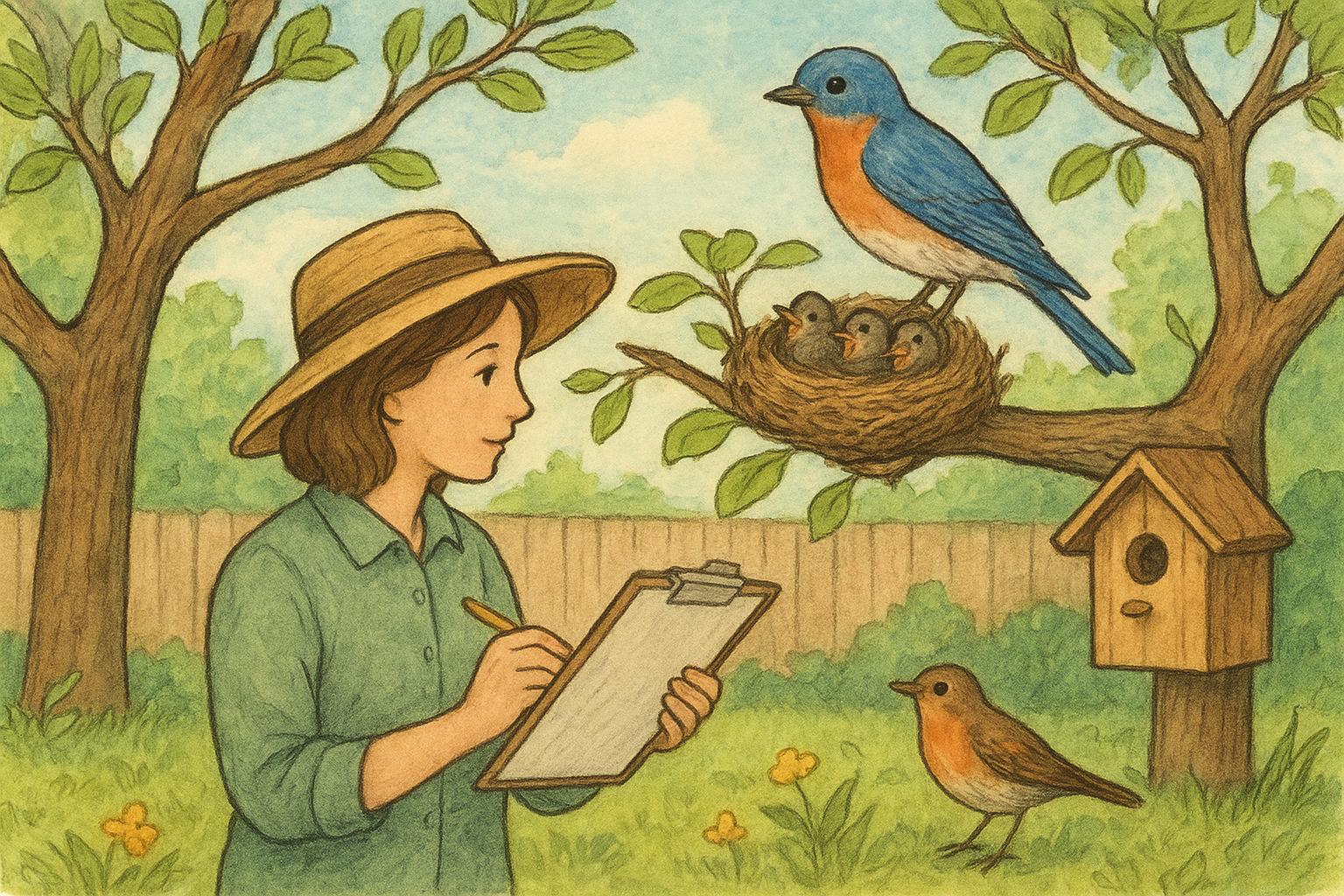
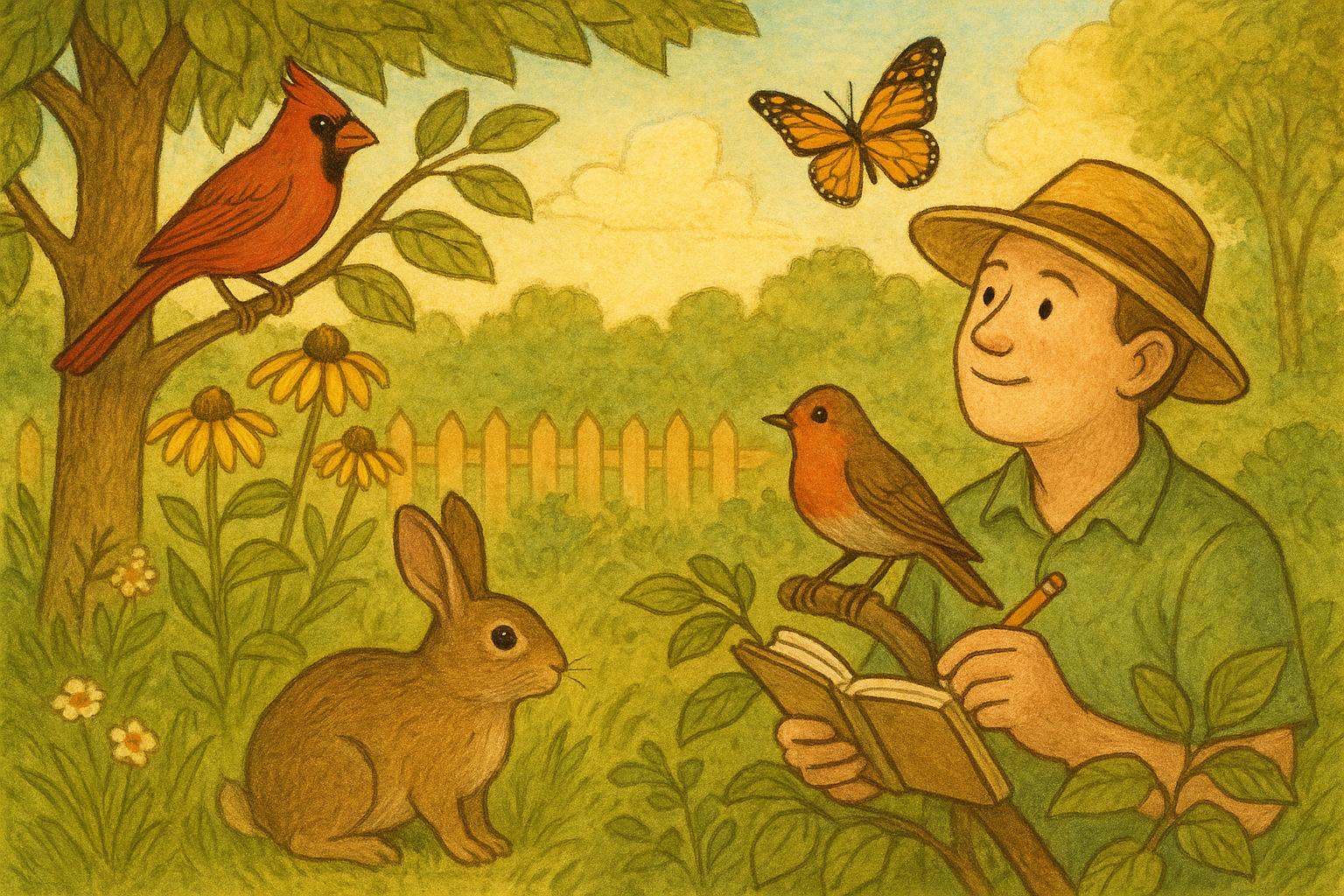
Finally, keep a simple log of what you provide and any wildlife responses. Notes on use patterns, species benefiting, and issues encountered help refine your approach year to year. Documenting outcomes is one of the more science-forward winter freeze tips; it makes your backyard a little refuge and a small experiment in humane stewardship.
Do your thing with a mug of hot cocoa in hand, and remember—small acts of preparedness and a few smart resources can turn a harsh winter into a survivable one for your backyard neighbors.


Leave a Reply