
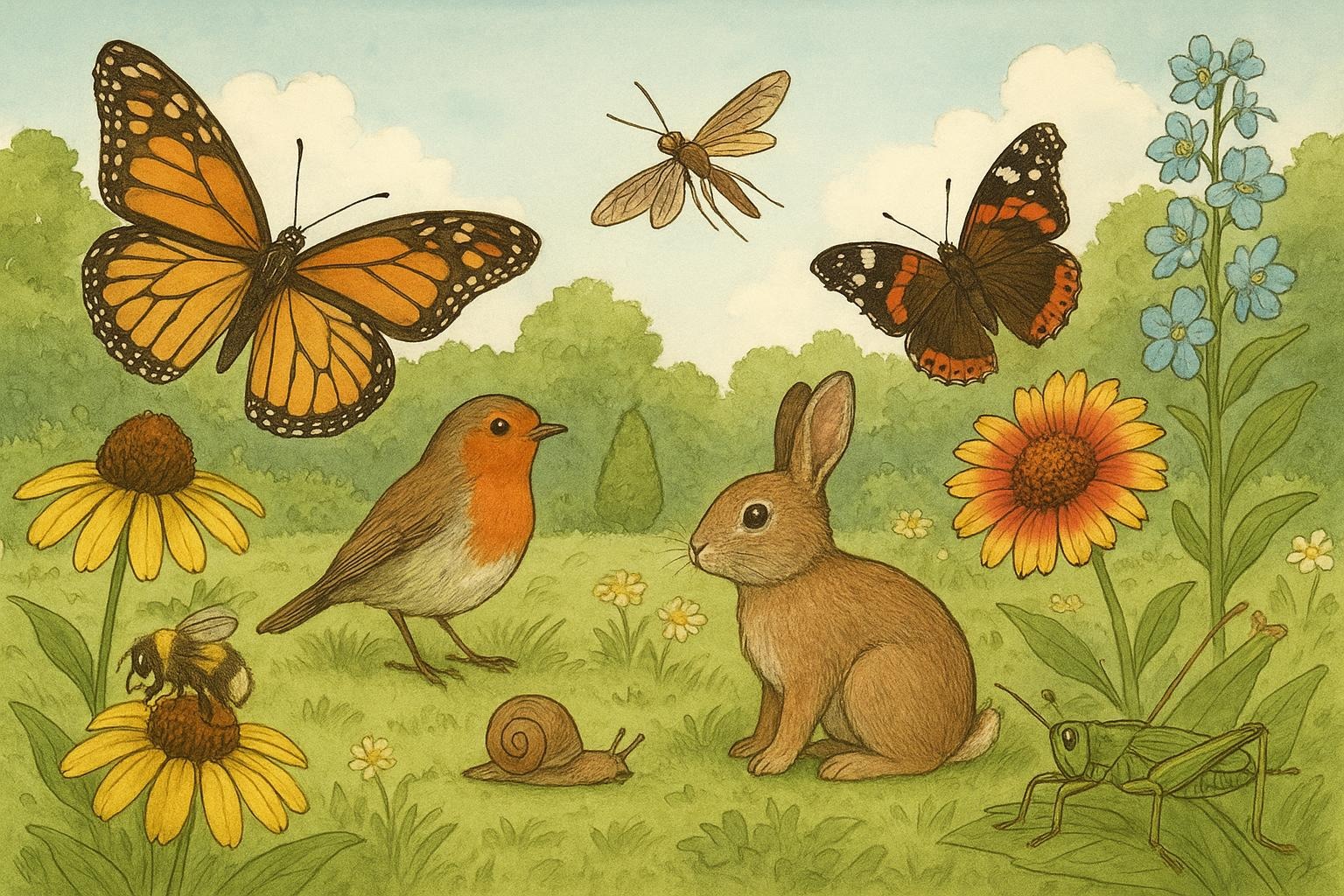
Summer is when the garden turns into a tiny, noisy, winged-and-furred metropolis. With longer days and abundant food, you’ll notice more visitors — some glamorous, some stealthy, and a few that make you wonder if the neighborhood raccoon went to charm school. This field guide will help you recognize the common players, understand their seasonal needs, and provide two practical remedies for supporting and managing summer wildlife in your garden. Think of it as polite backyard diplomacy with a sprinkle of nature nerd enthusiasm.
## Seasonal Summer Wildlife In Gardens A Formal Field Guide
### What Counts As Summer Wildlife In Your Garden
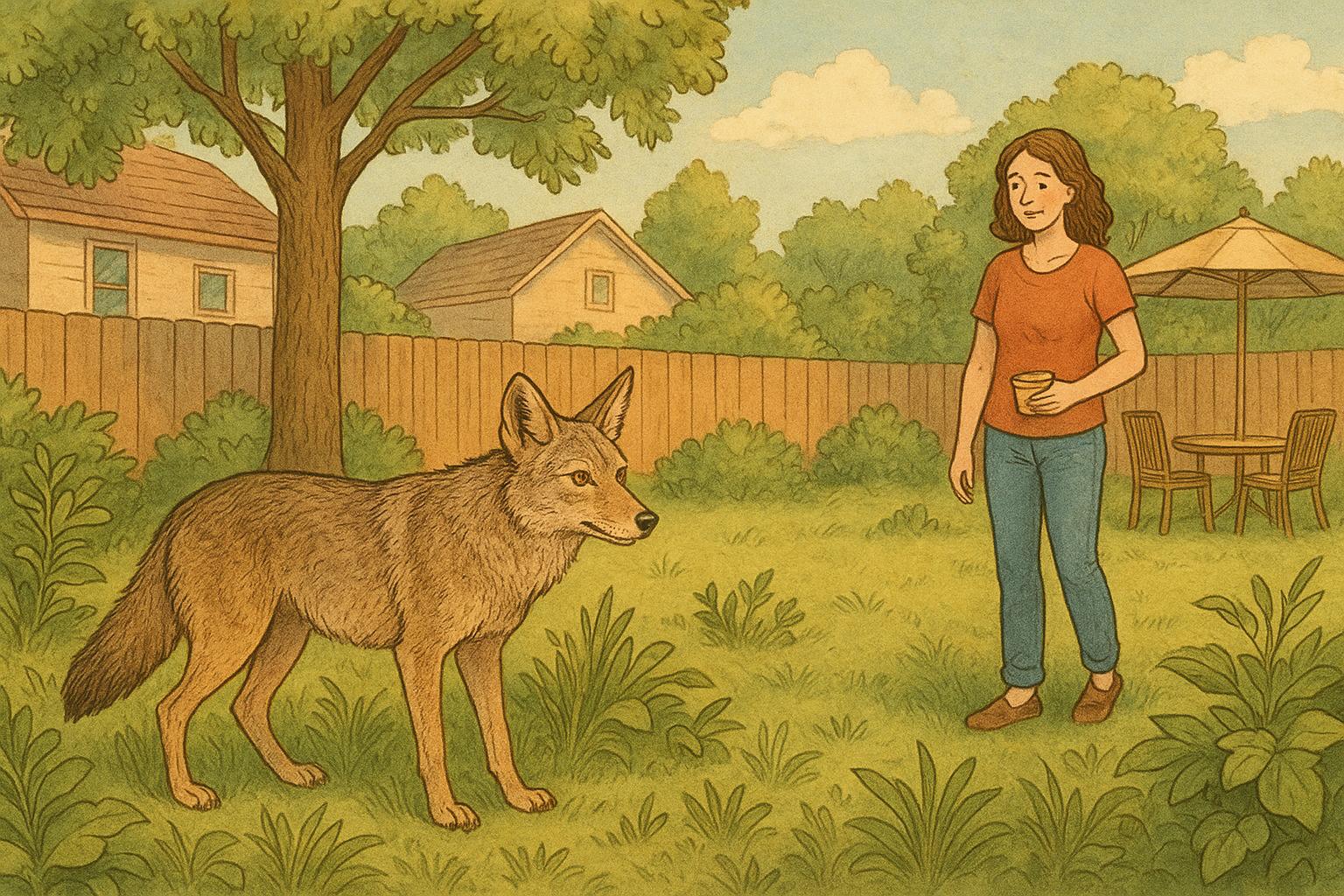
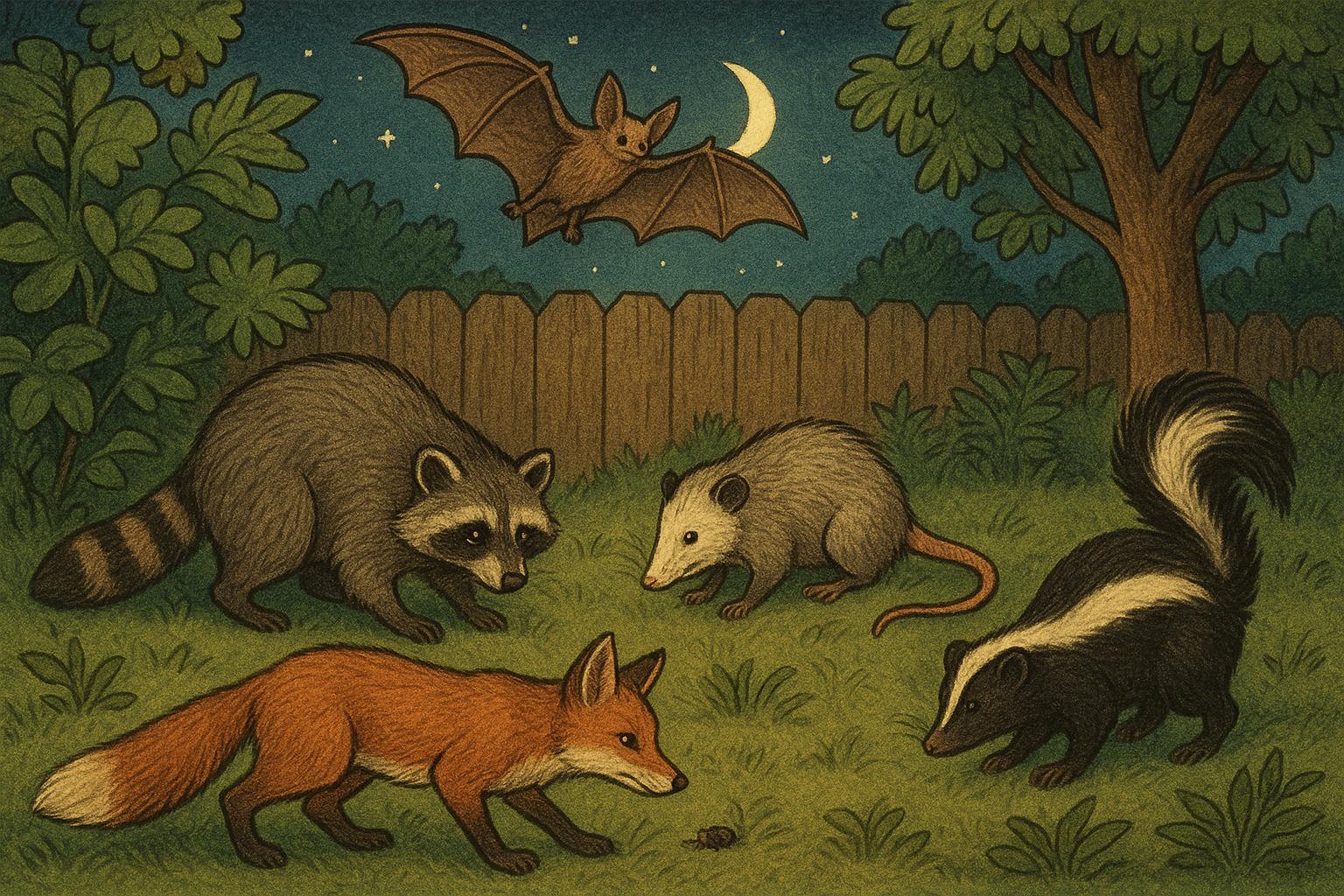
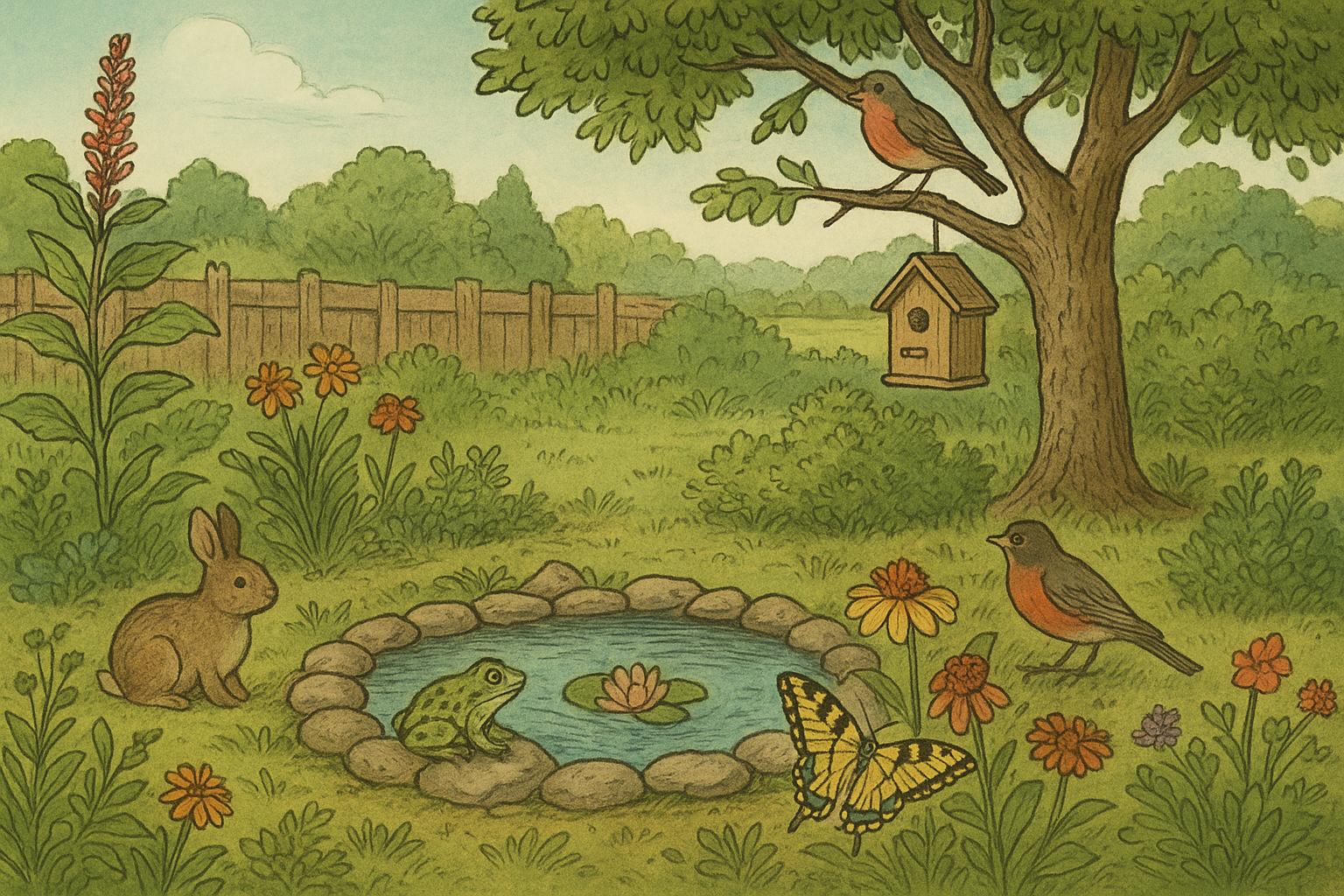
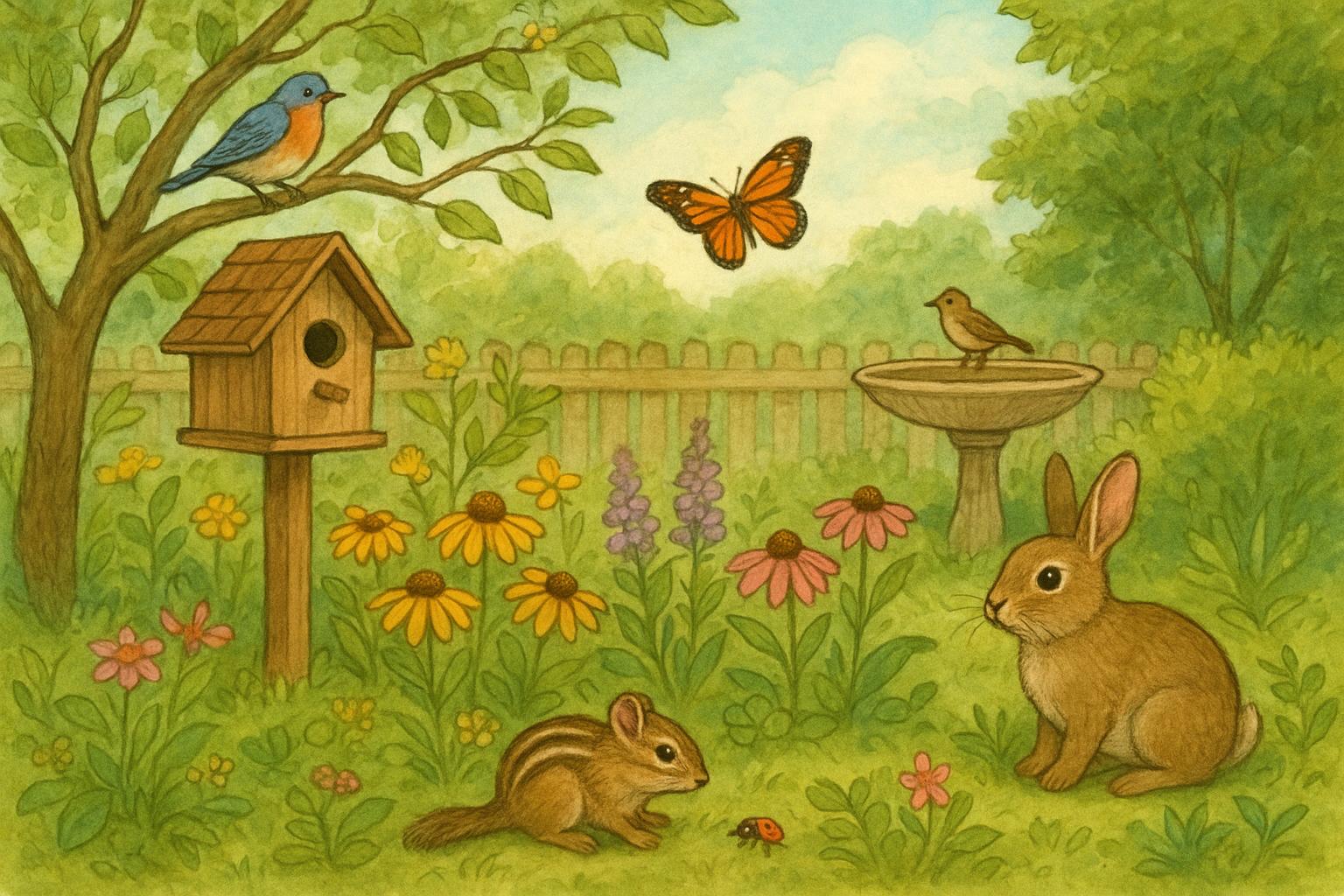
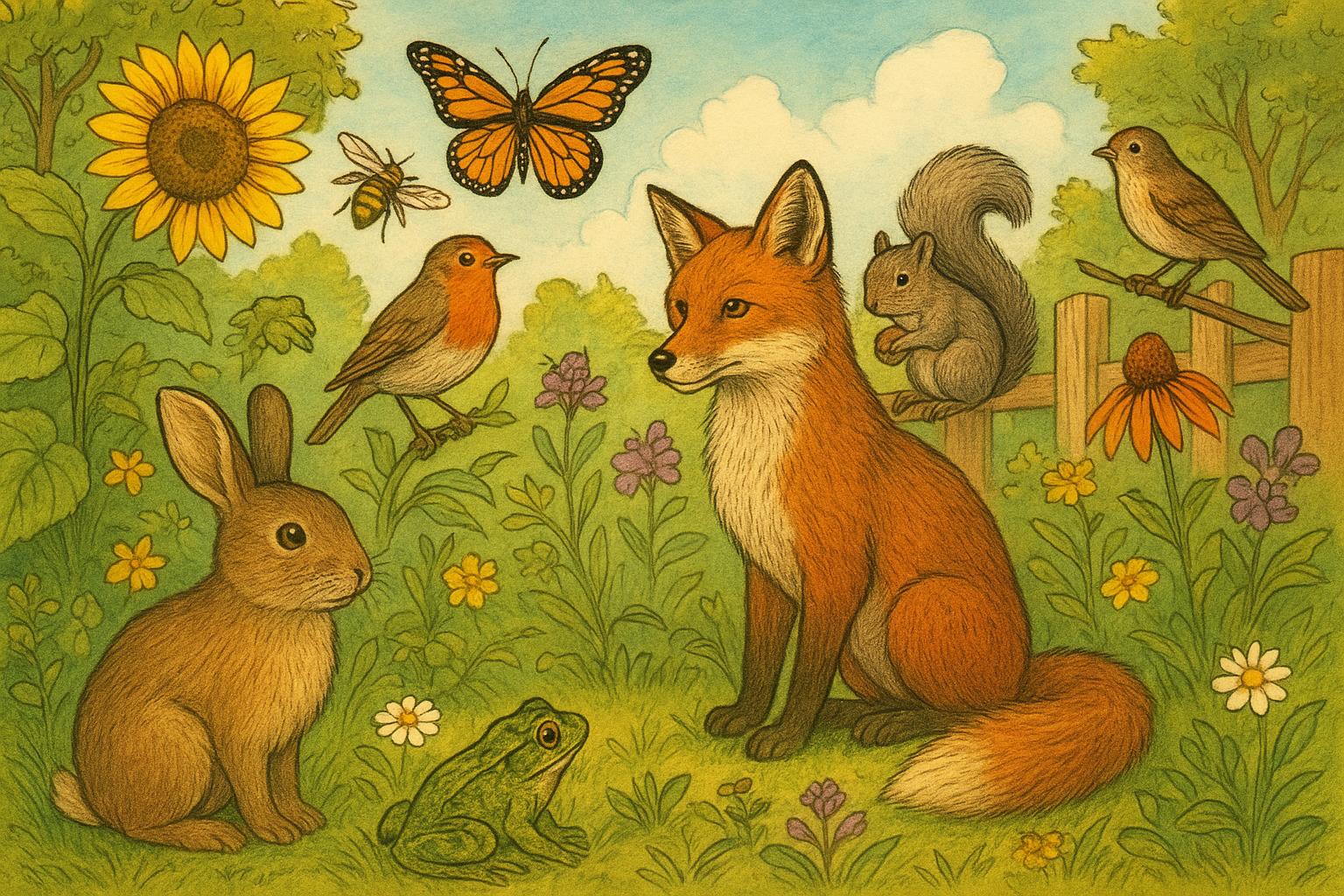
Summer wildlife includes any wild animals using your garden for food, water, shelter, or breeding: birds, butterflies, bees, bats, small mammals (squirrels, voles, mice), amphibians, reptiles, and the occasional larger visitor (deer, foxes, raccoons). The phrase summer wildlife fits a particular rhythm — more insects, fledglings learning to fly, and nocturnal creatures shifting into high gear as temperatures rise.
### Birds: The Obvious Tenants
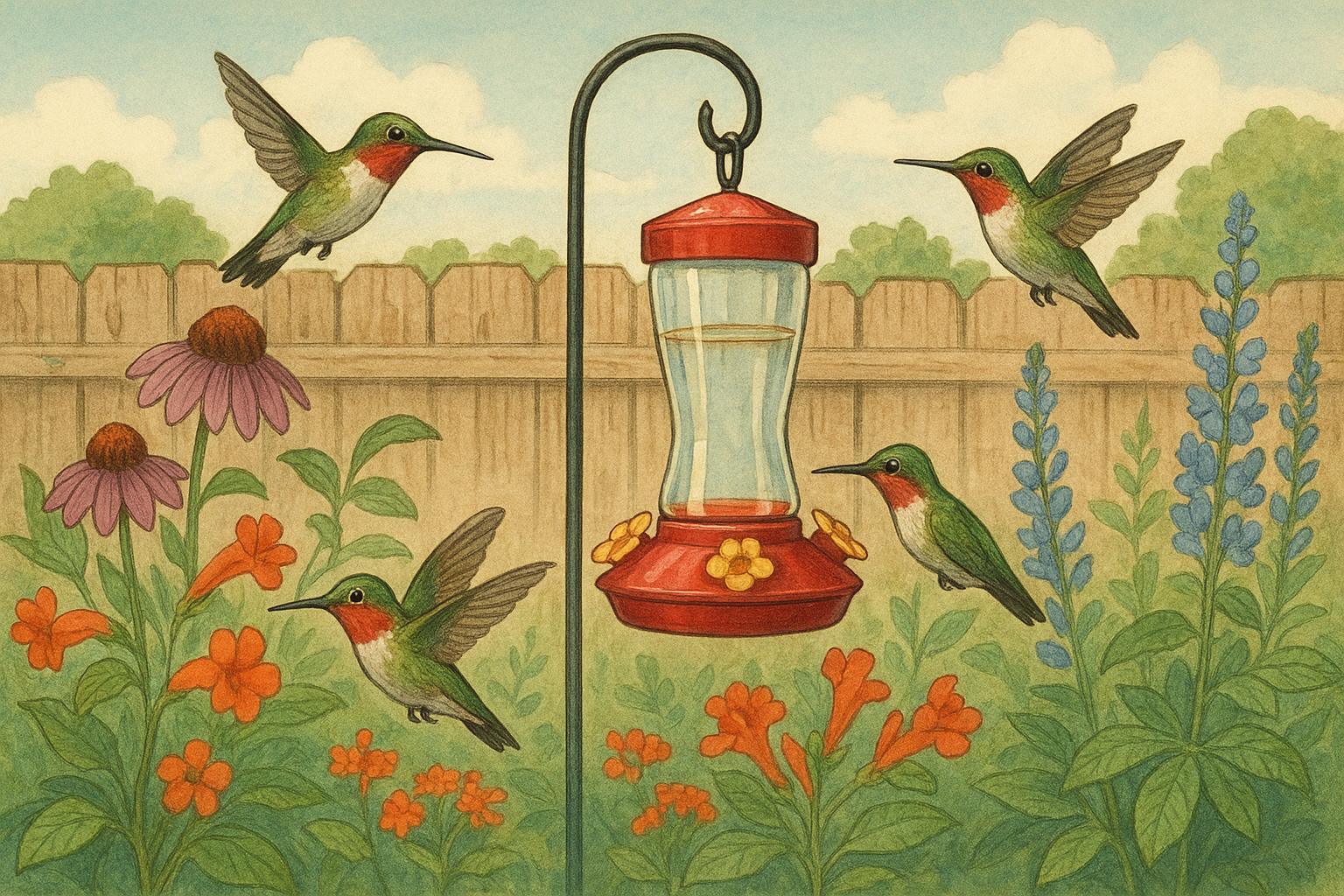
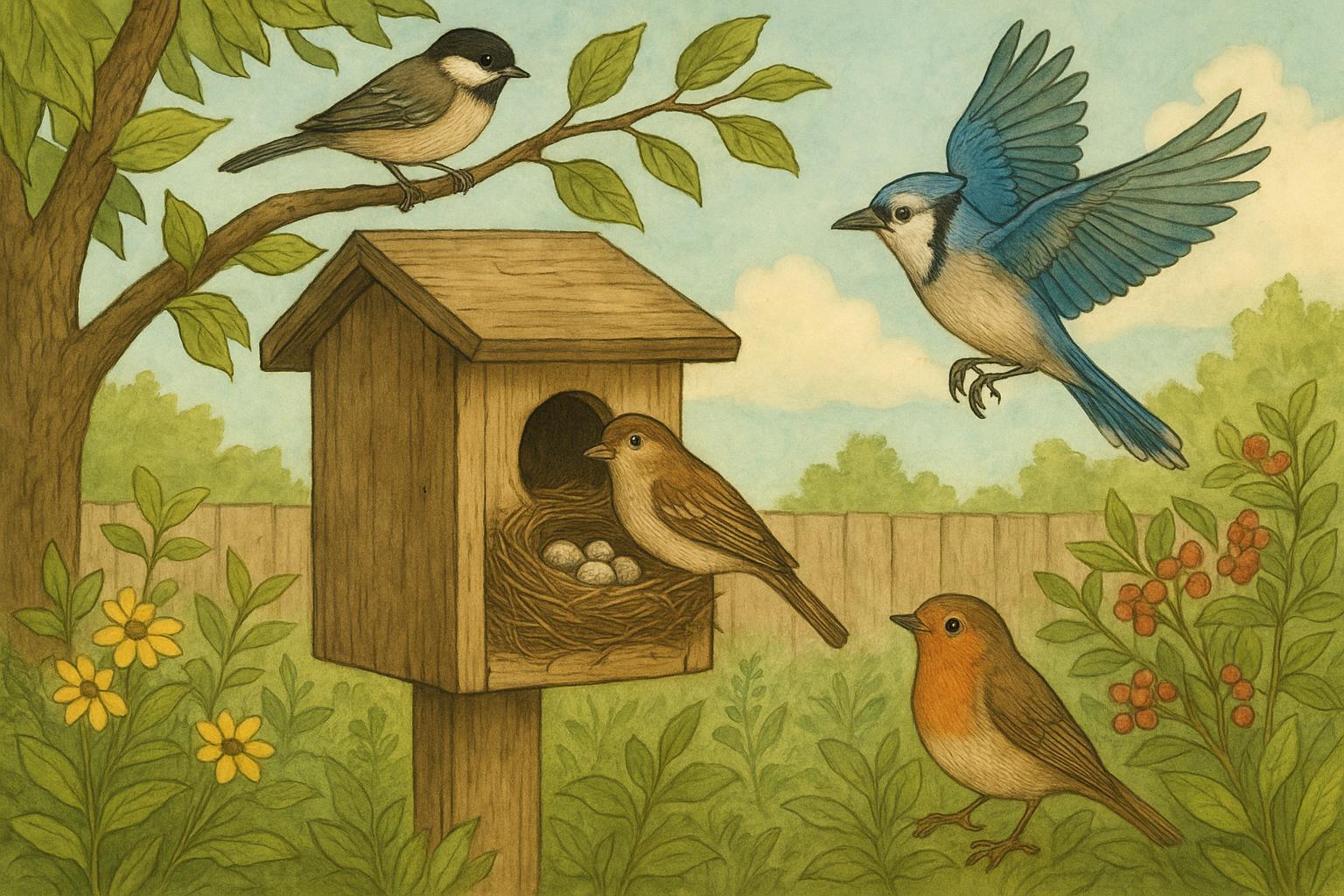
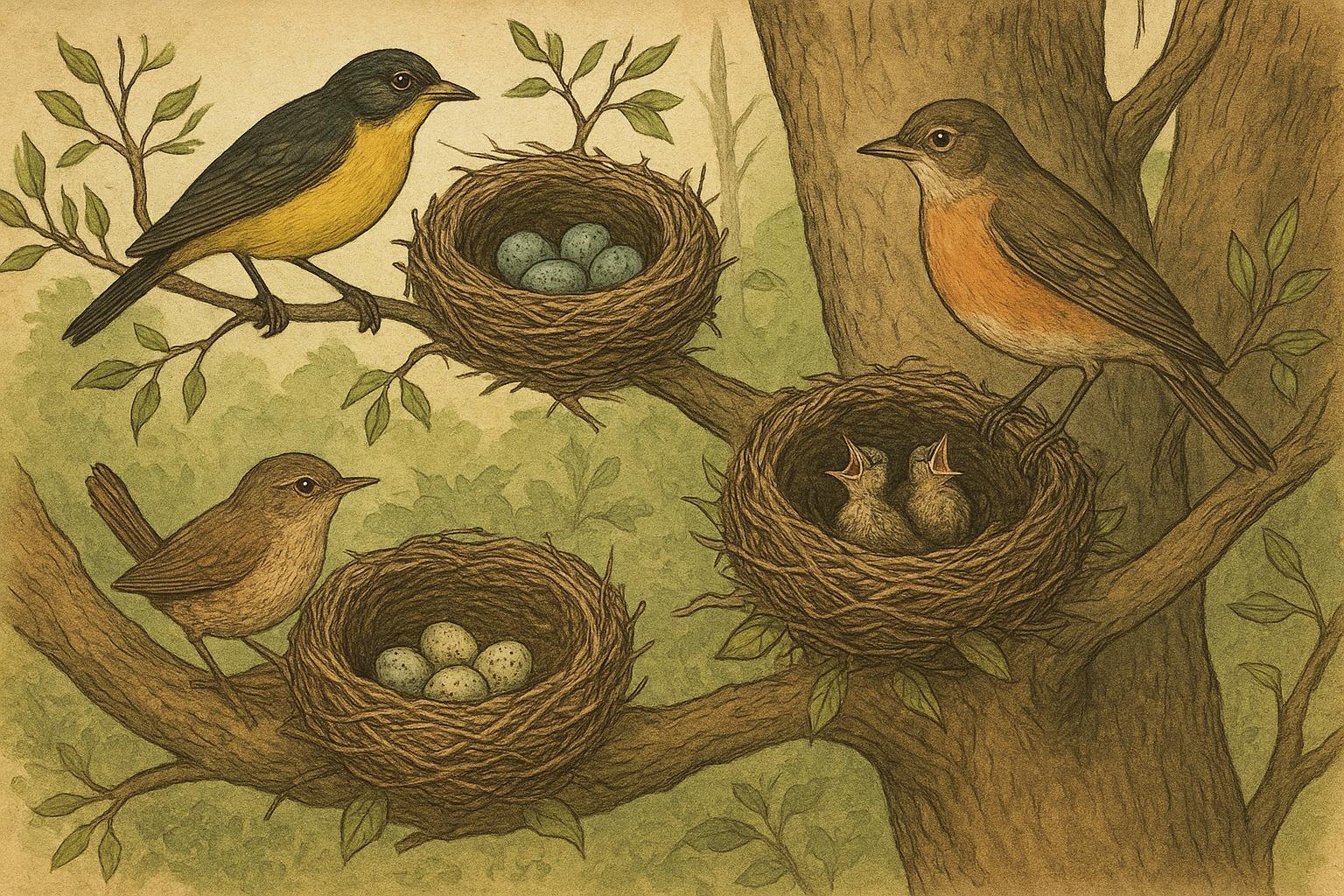
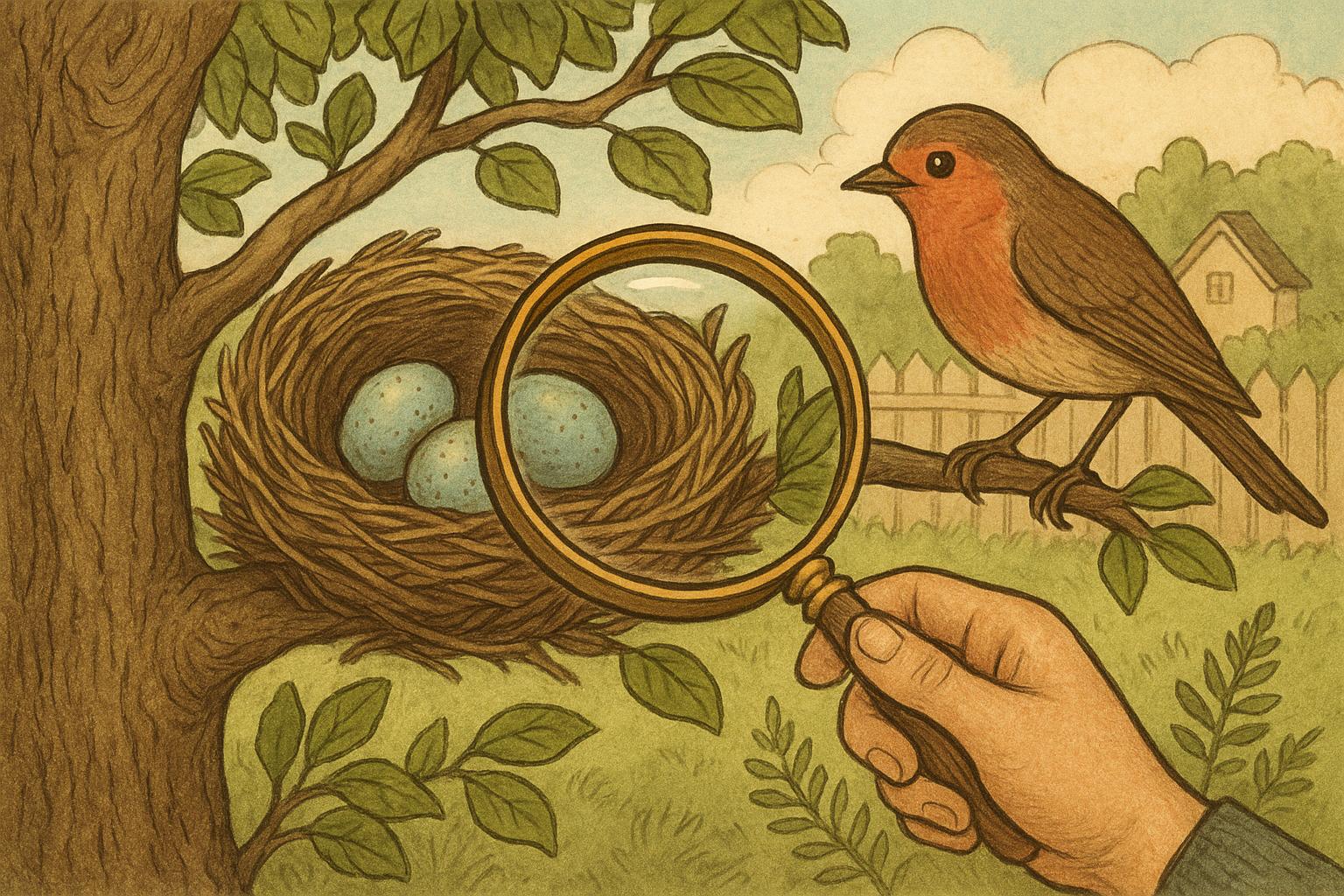
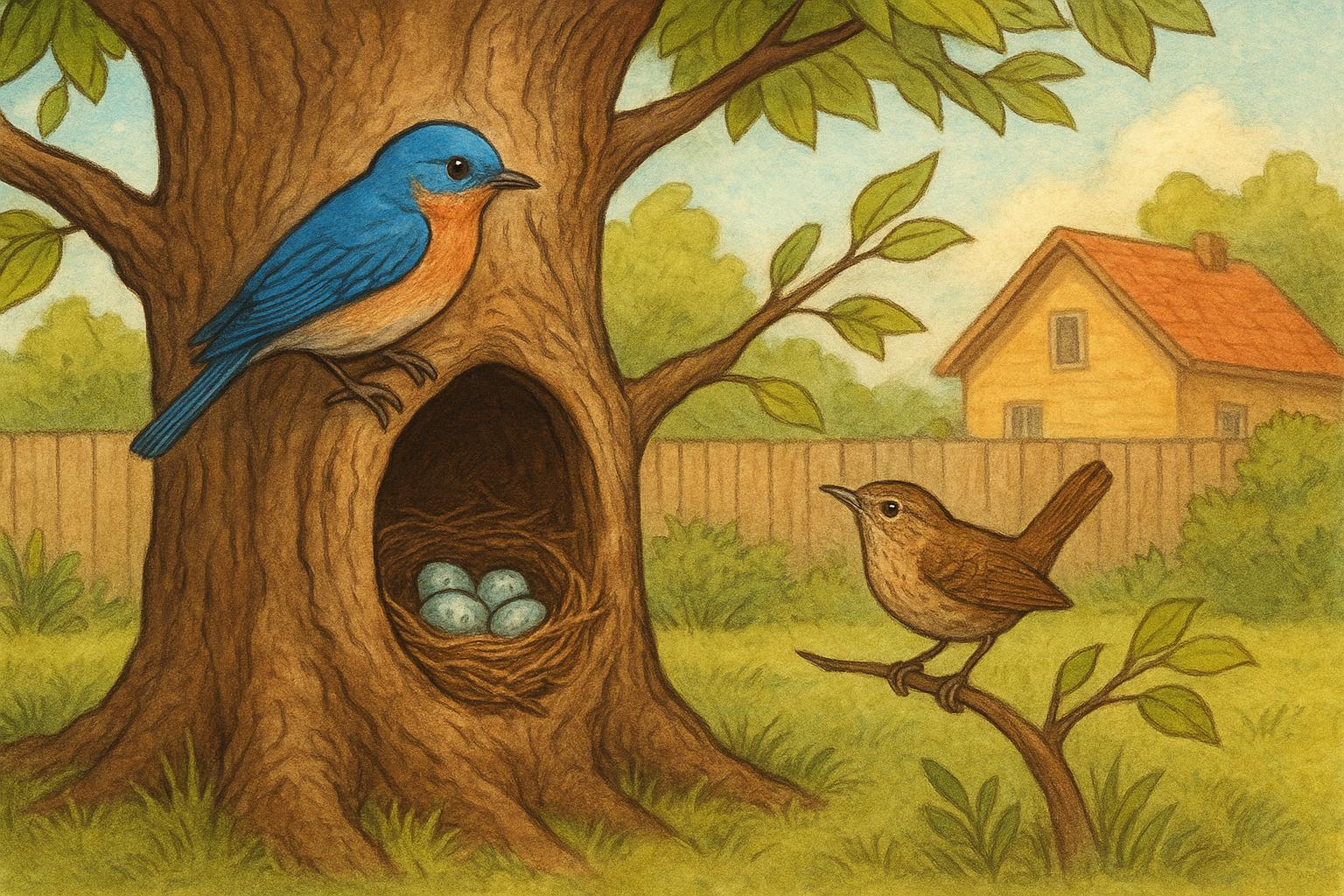
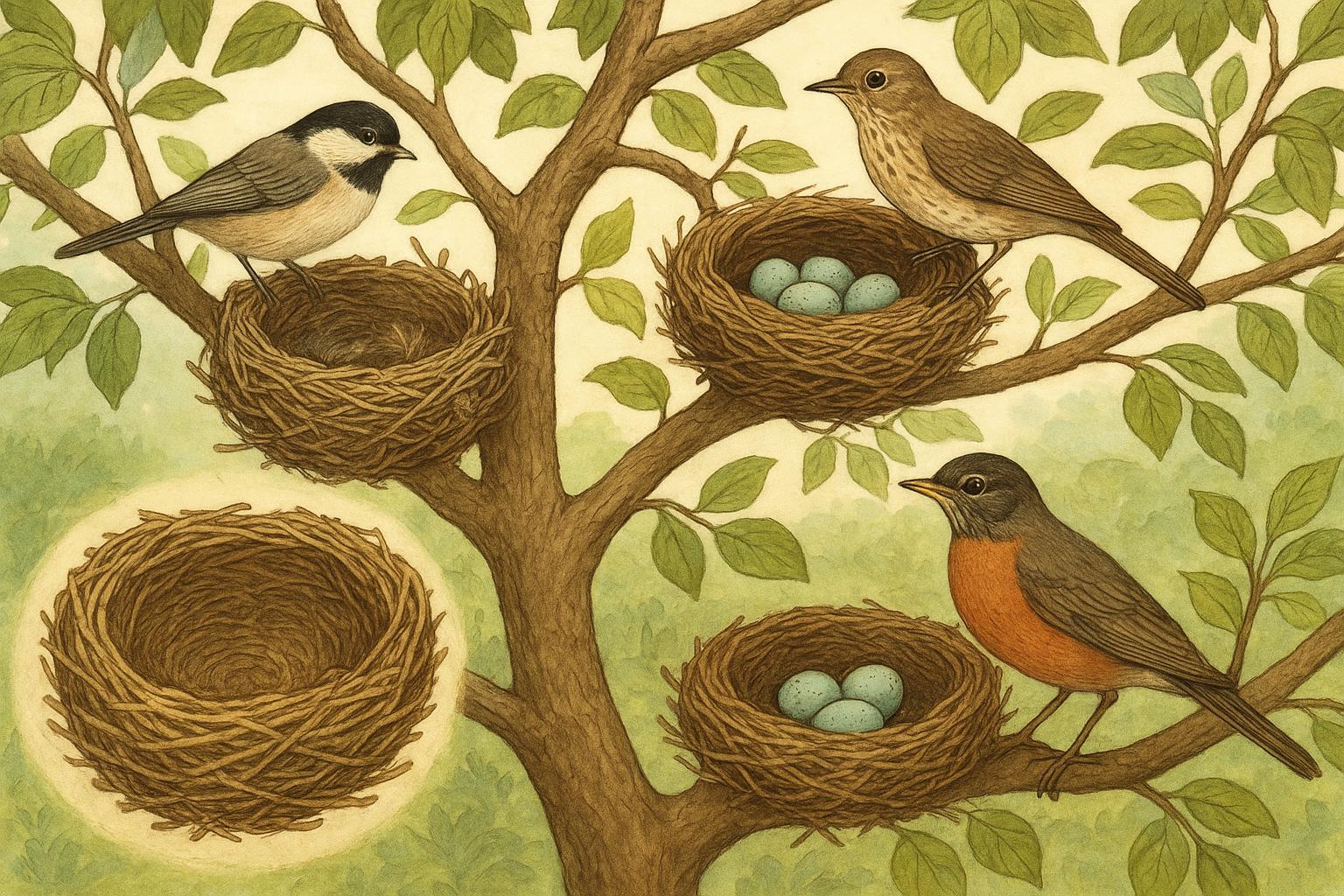
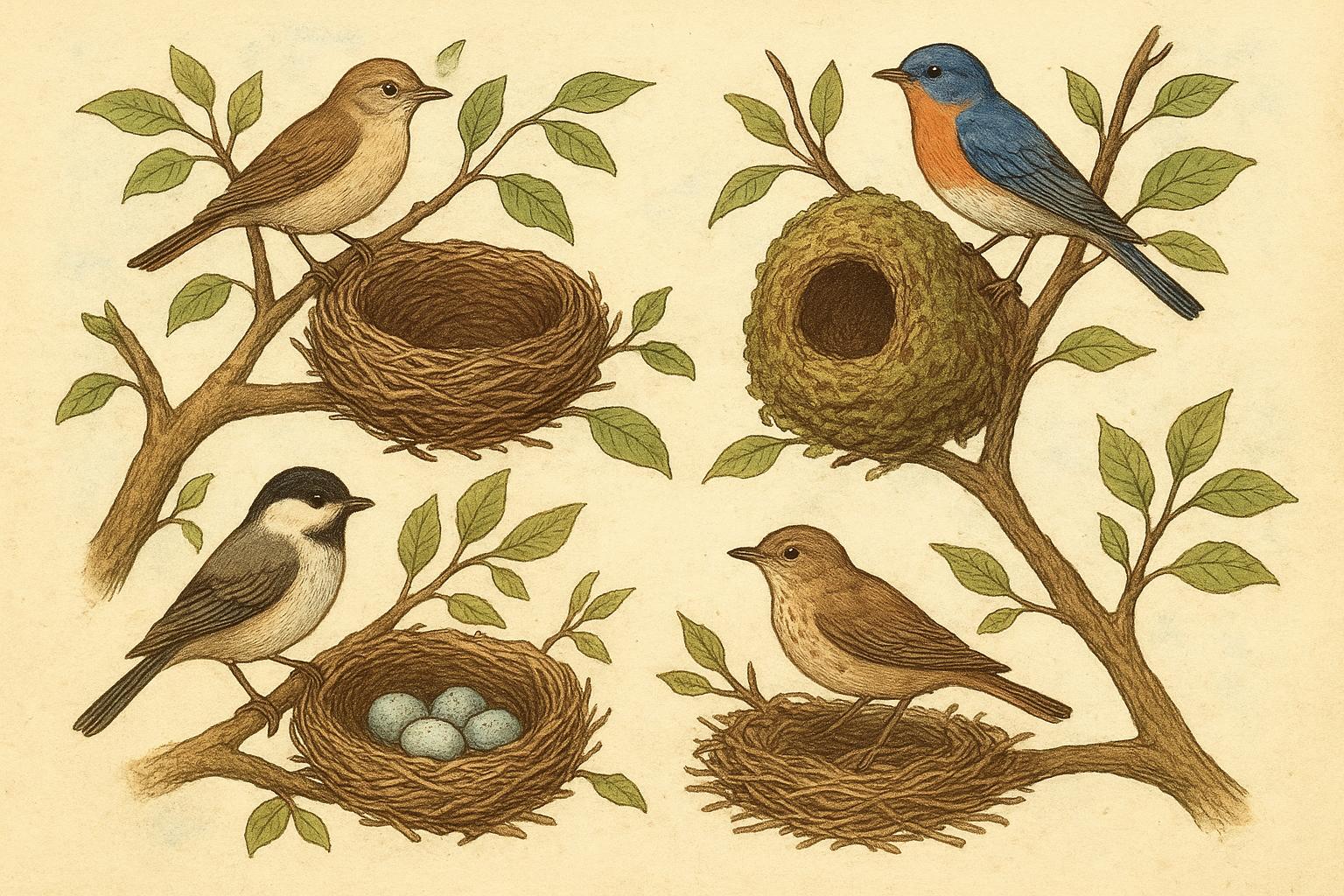
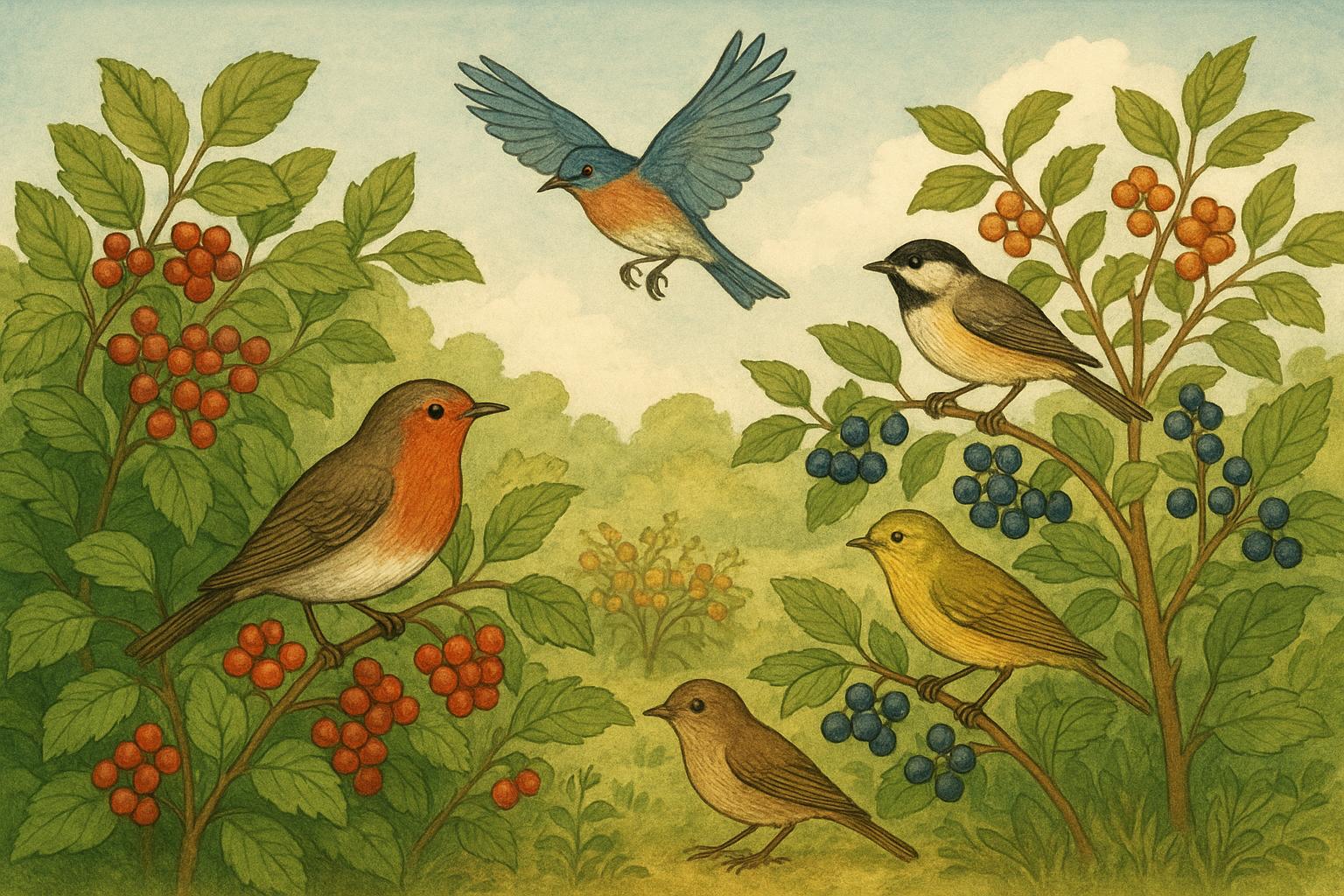
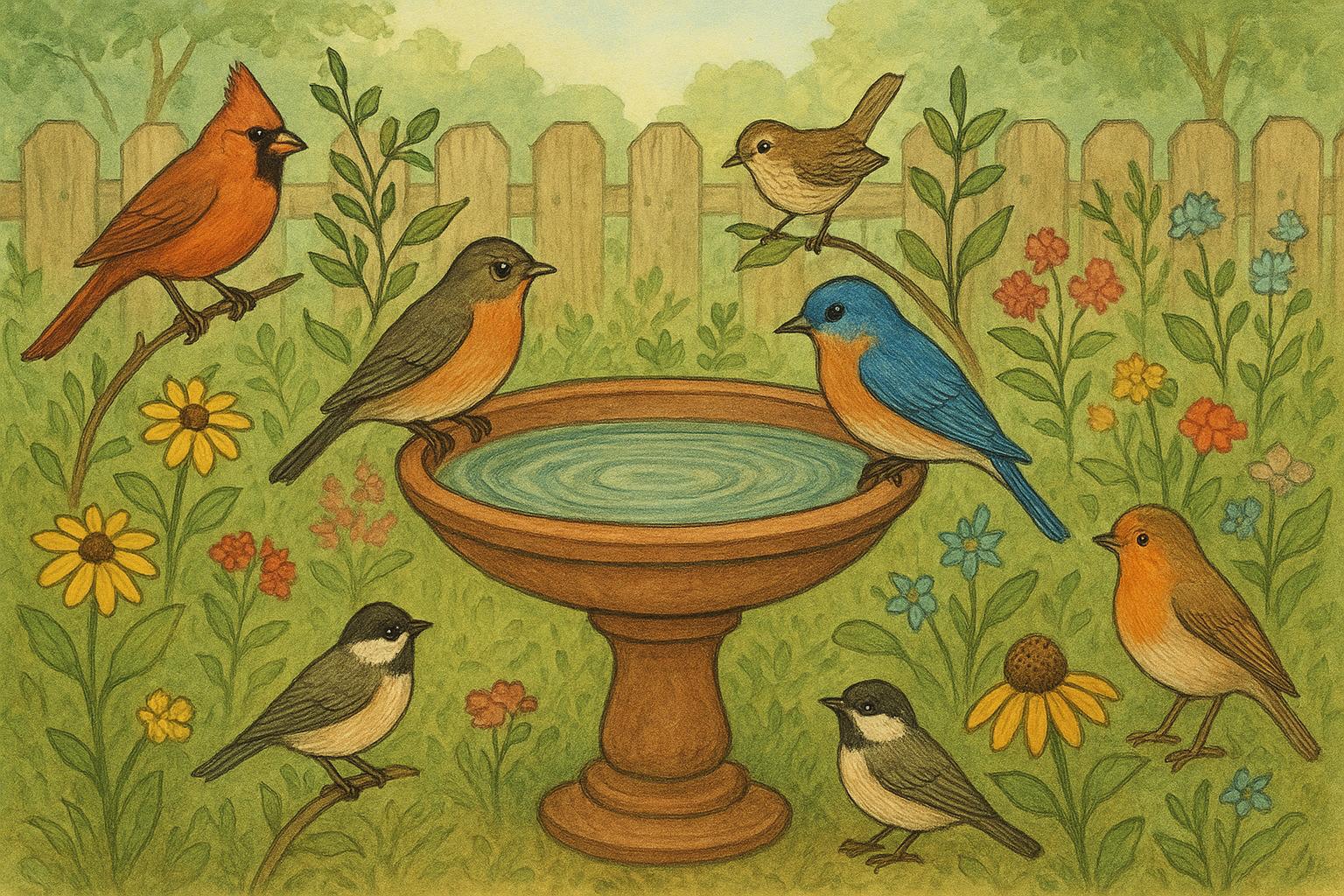
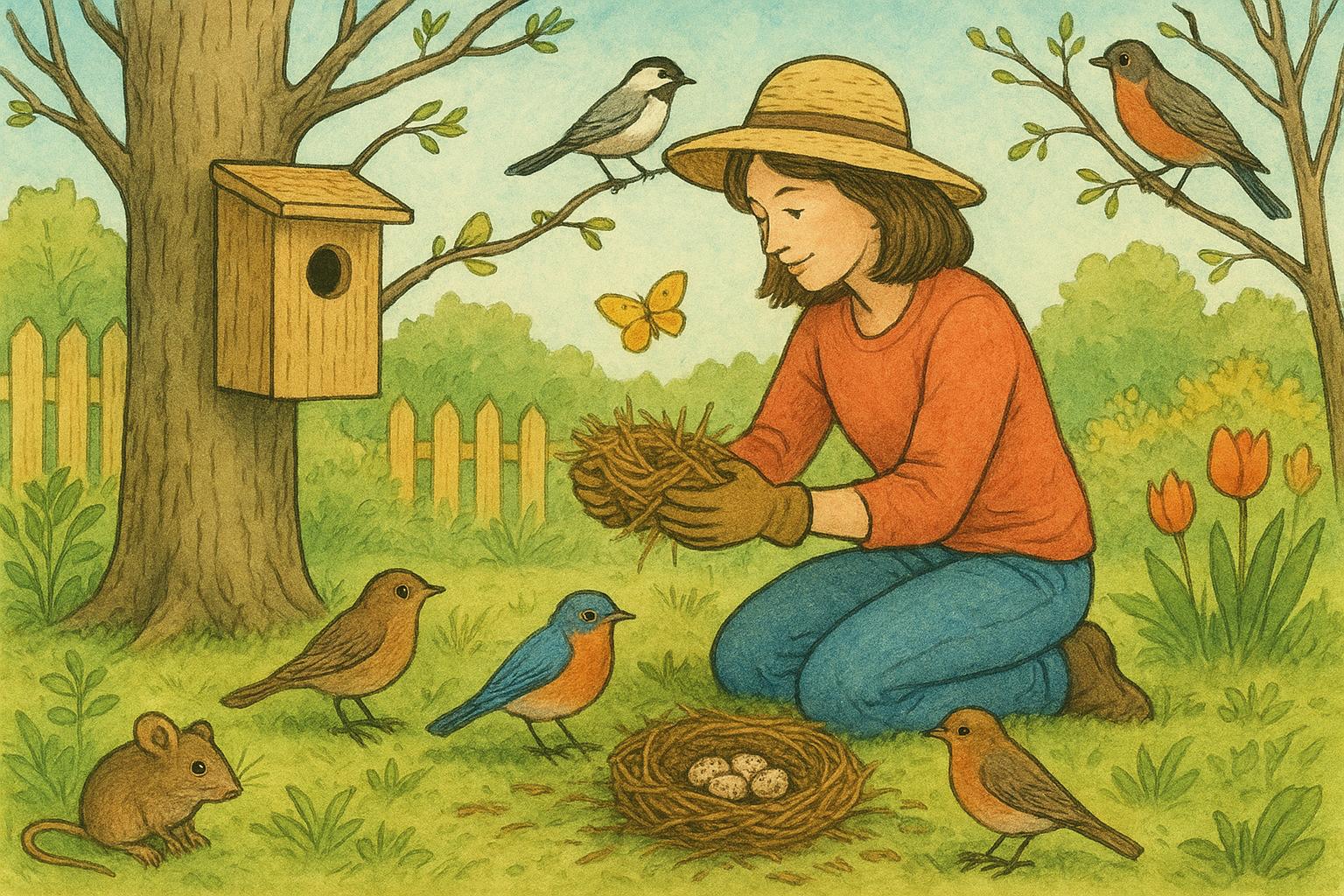
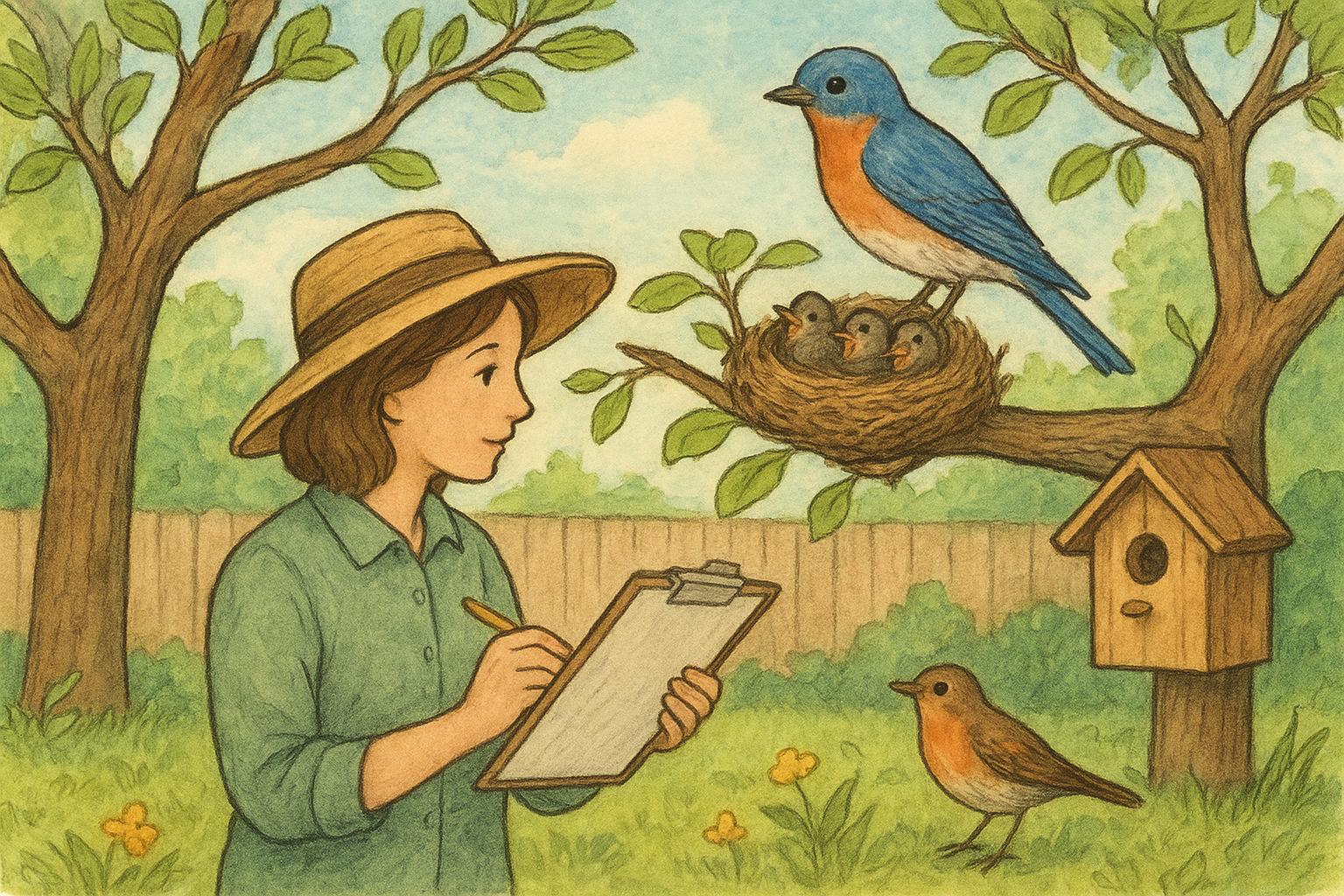
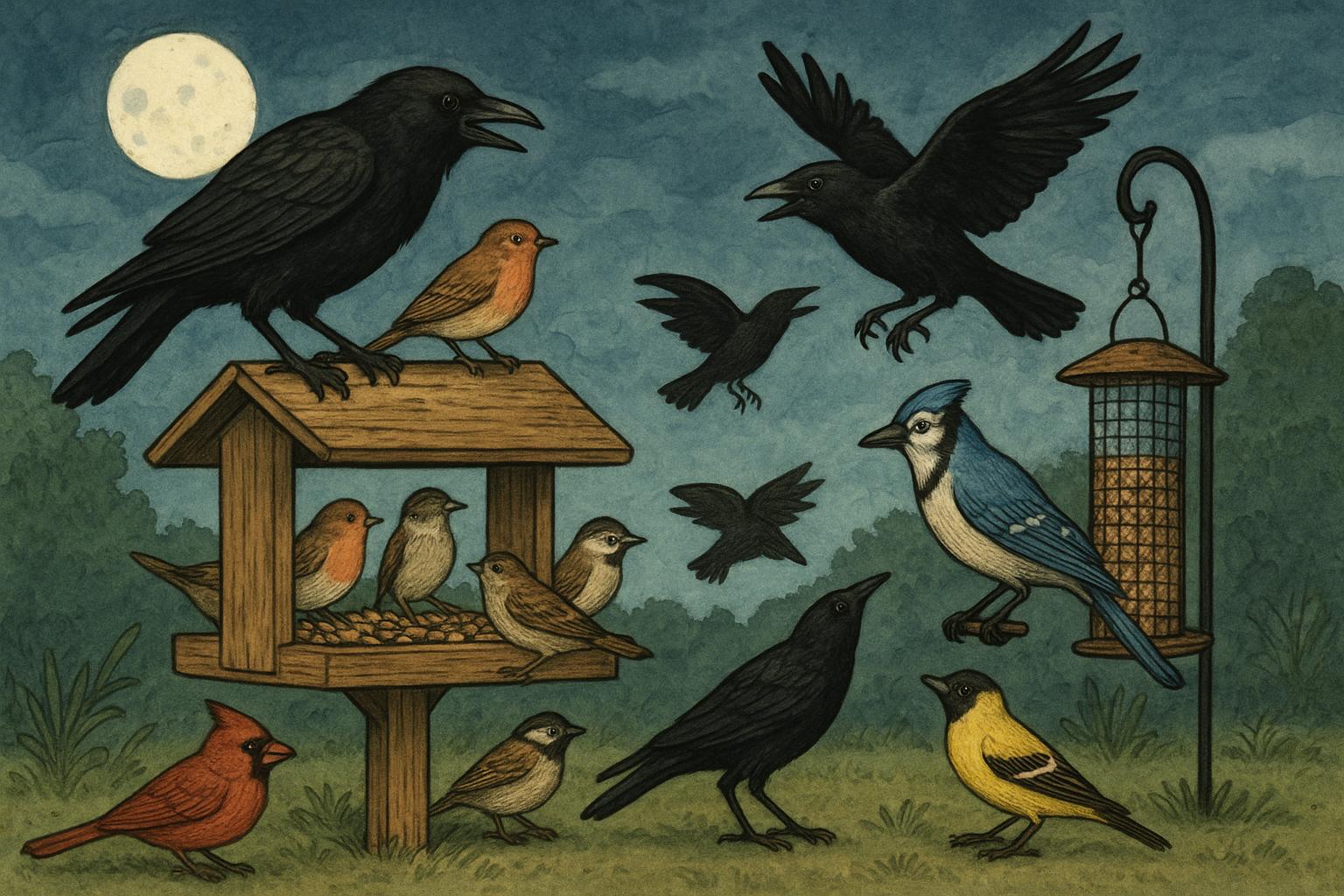
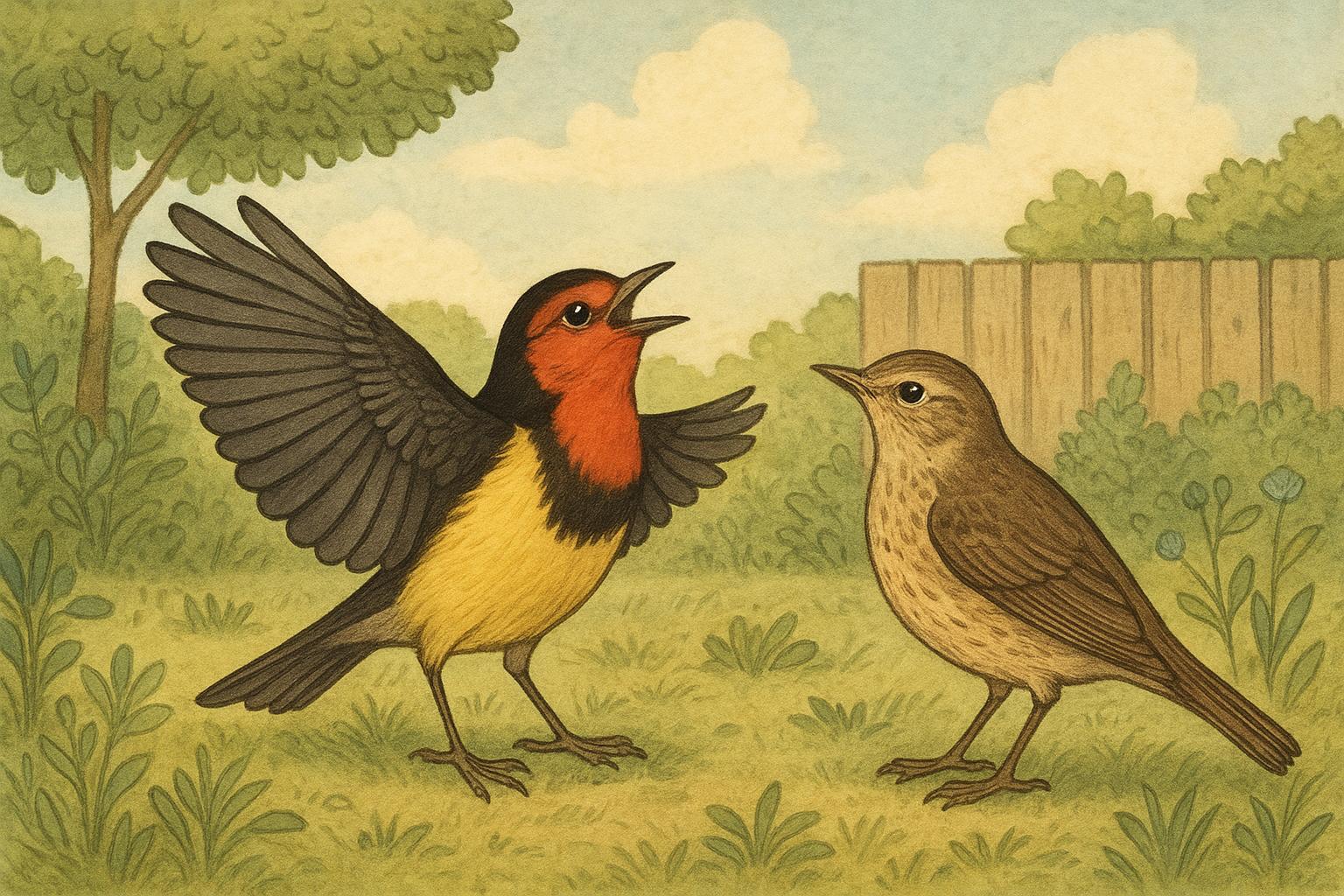
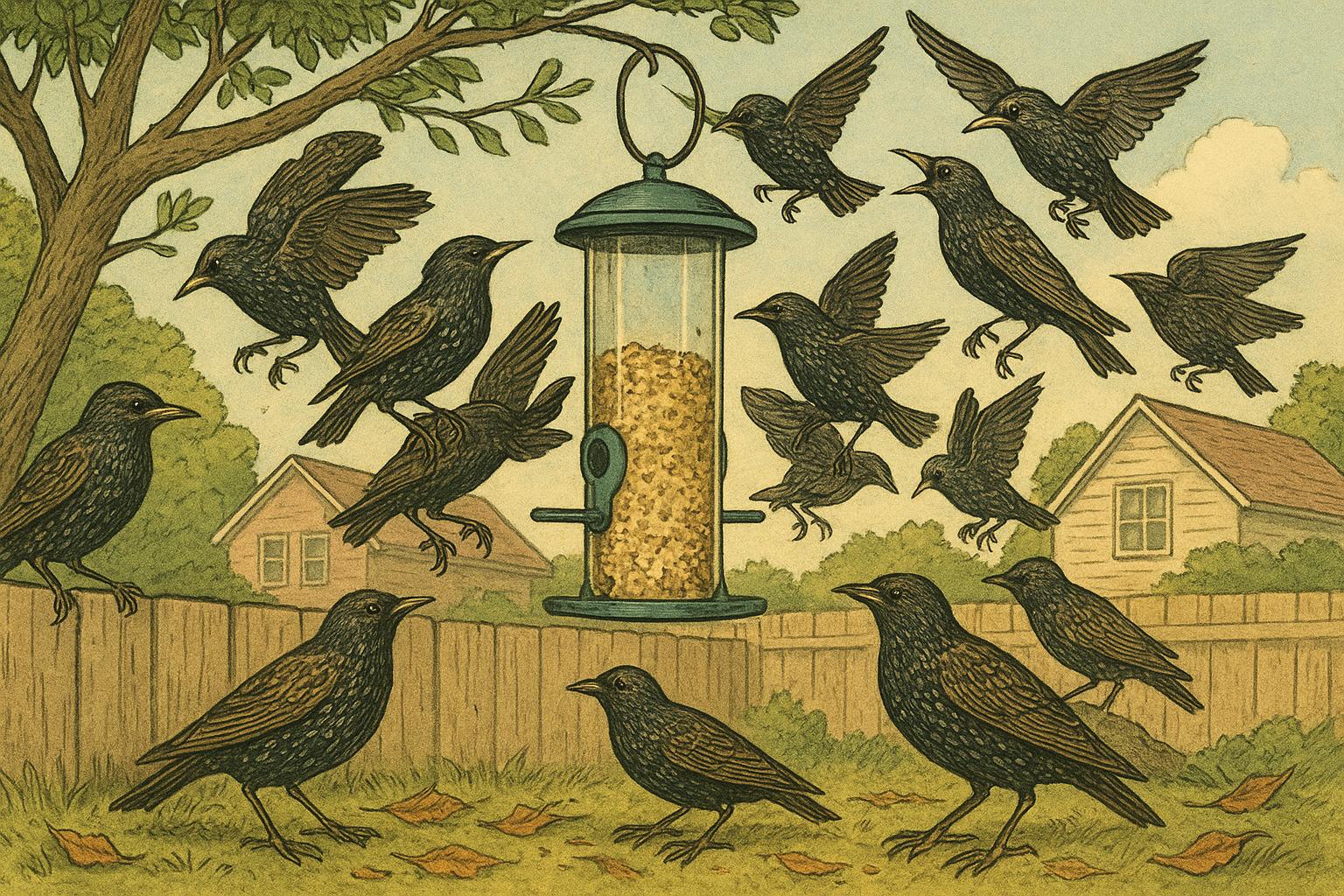
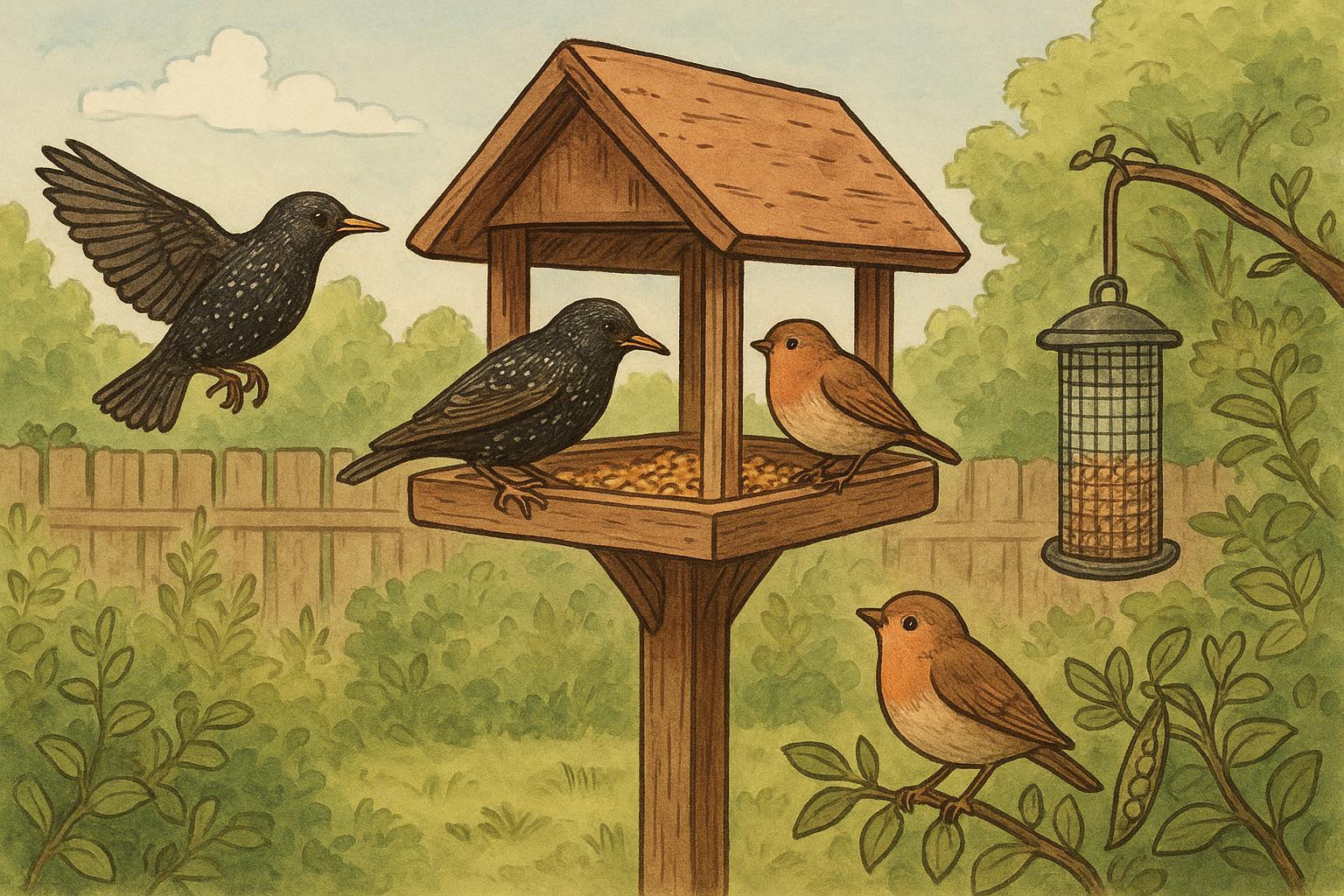
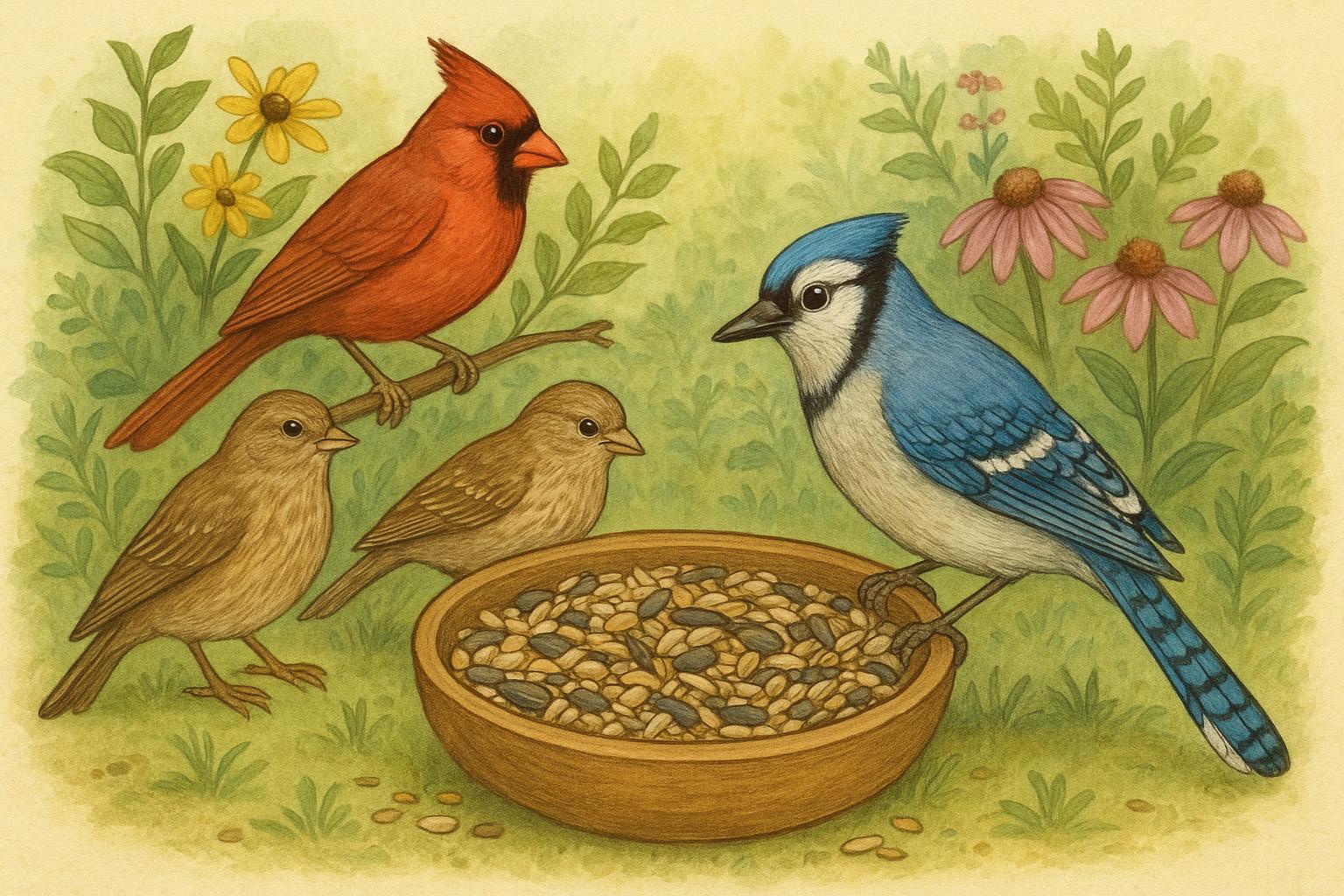
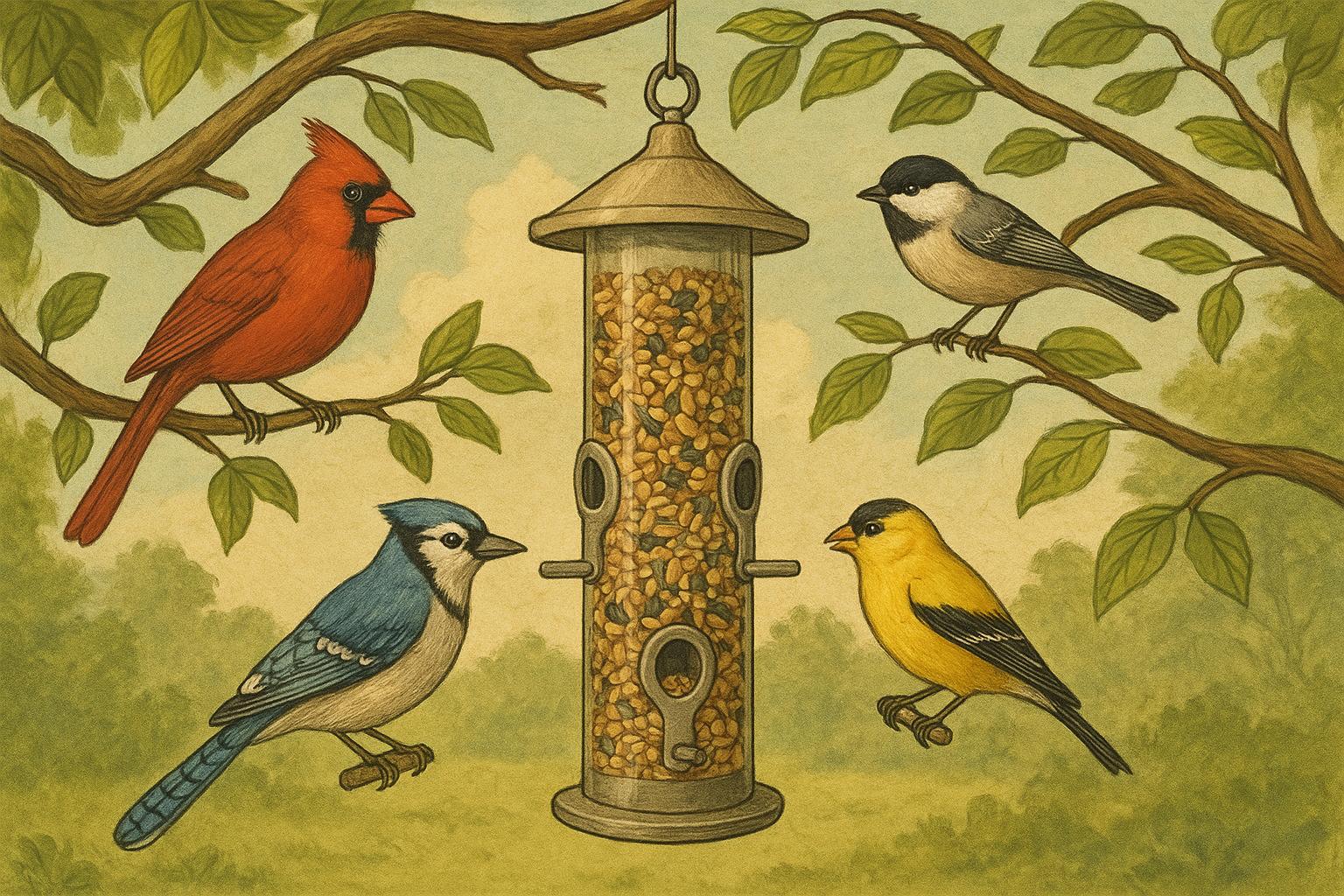
Bird activity usually peaks in summer. Expect to see adults feeding fledglings, warblers darting through shrubs, and hummingbirds visiting nectar-rich flowers. Look for increased bird noise in the morning and late afternoon. If you want to attract them, consider native berry-bearing shrubs and a clean, shallow water source.
### Pollinators And Beneficial Insects
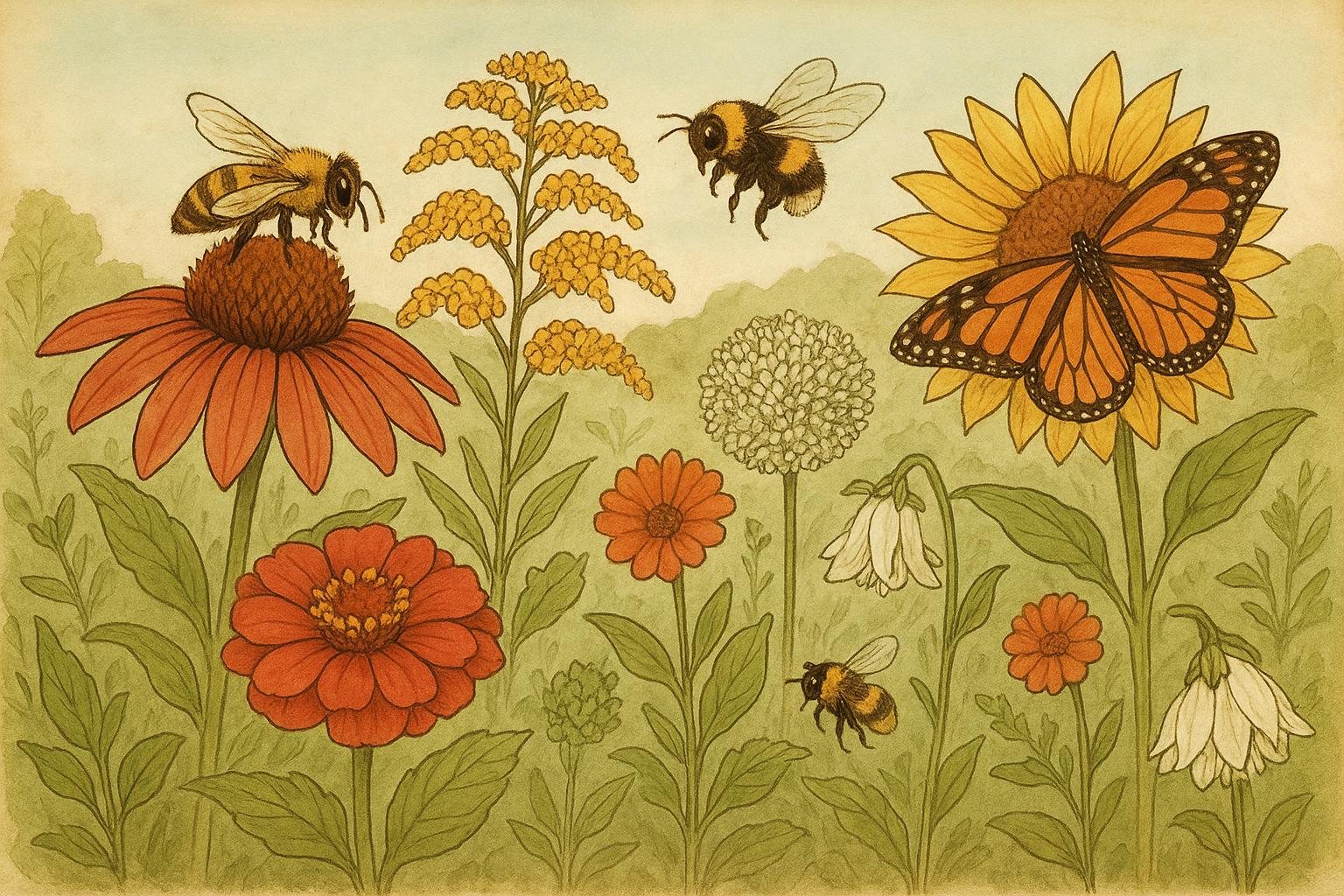
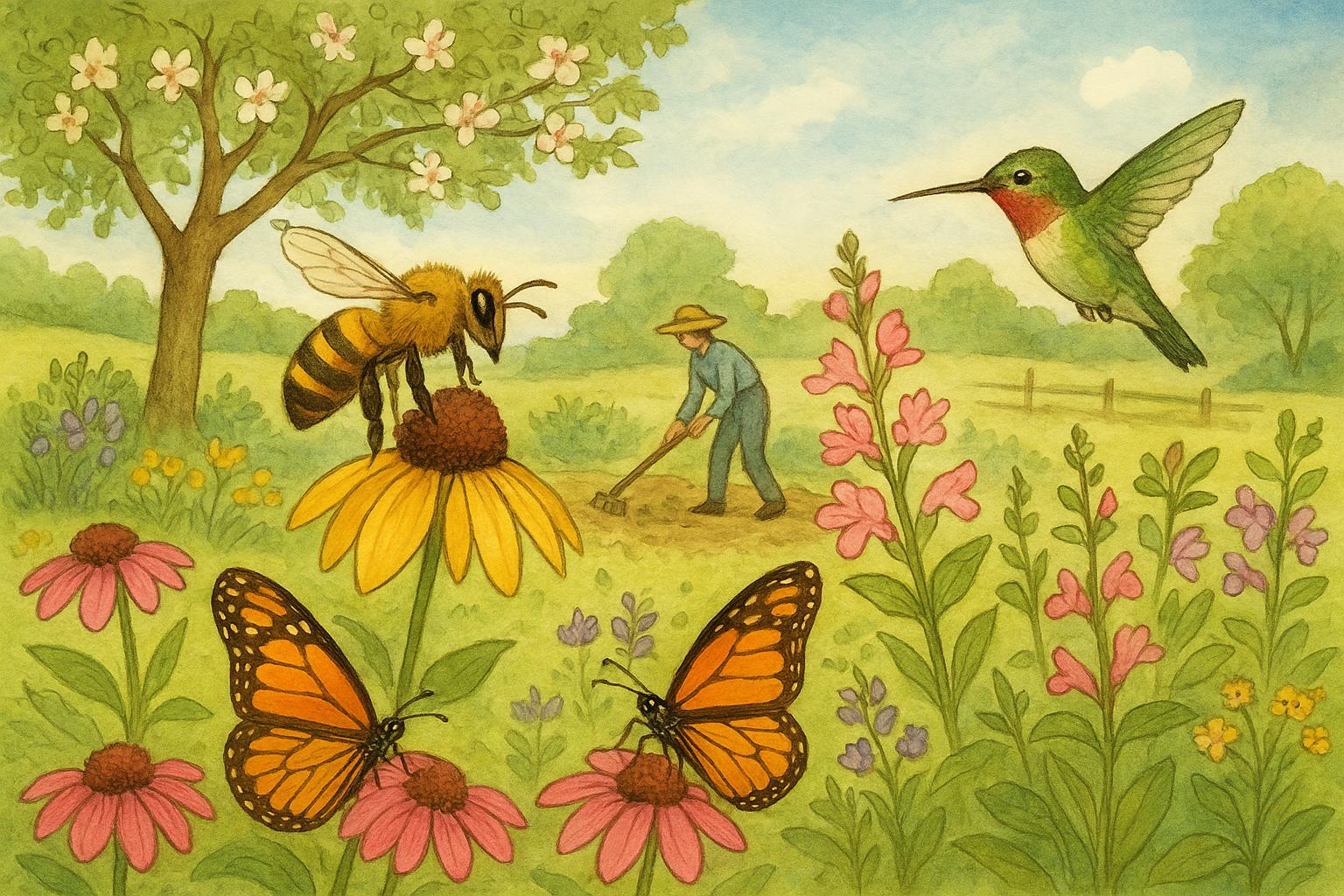
Bees, hoverflies, butterflies, and moths are the engine of any healthy summer garden. Native perennials and a succession of flowering plants will keep nectar and pollen available from early June through late August. Small patches of bare soil are also welcome for ground-nesting bees. Resist the urge to sanitize every inch — a little untidiness equals a lot of summer wildlife.
### Small Mammals And Ground-Dwellers
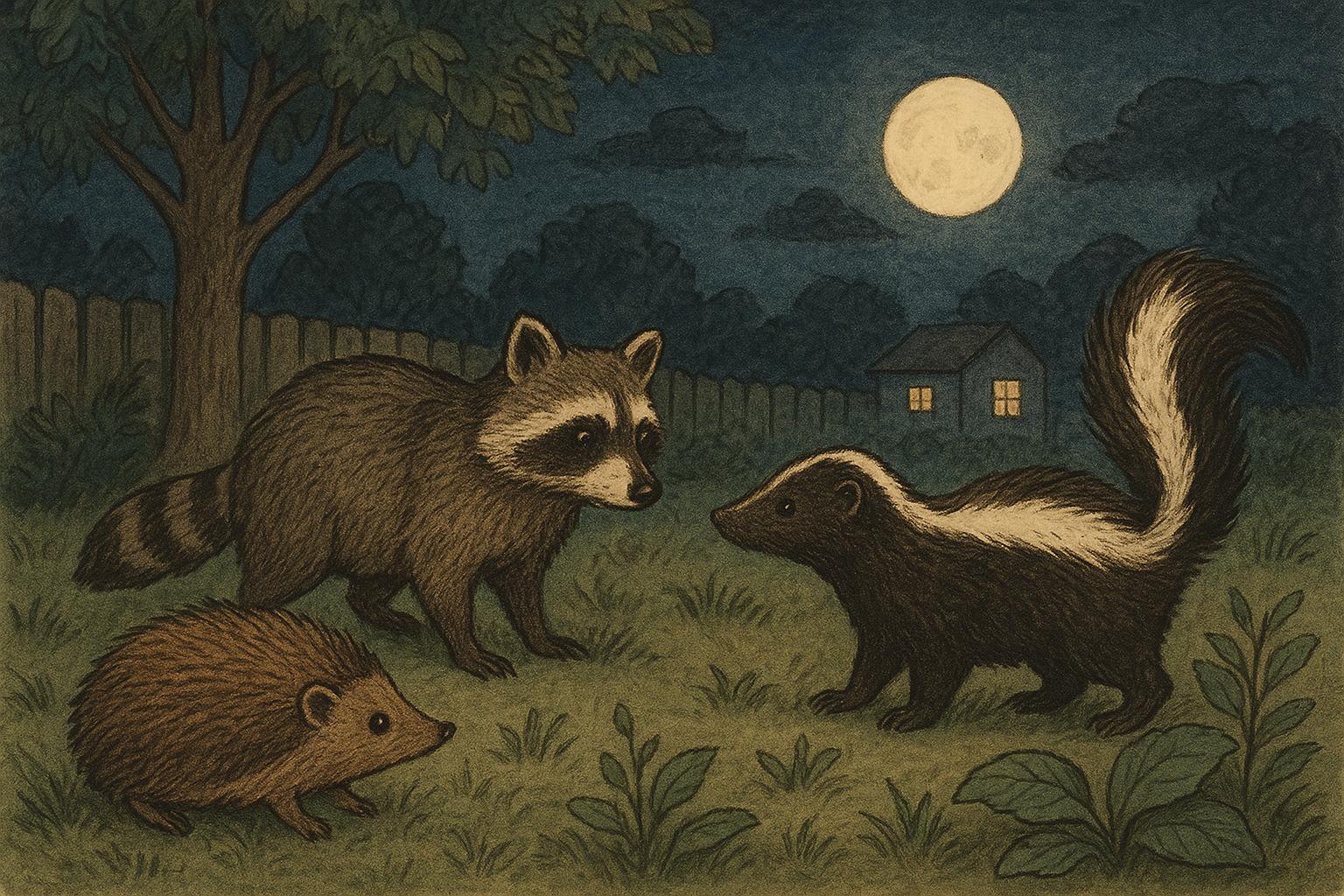
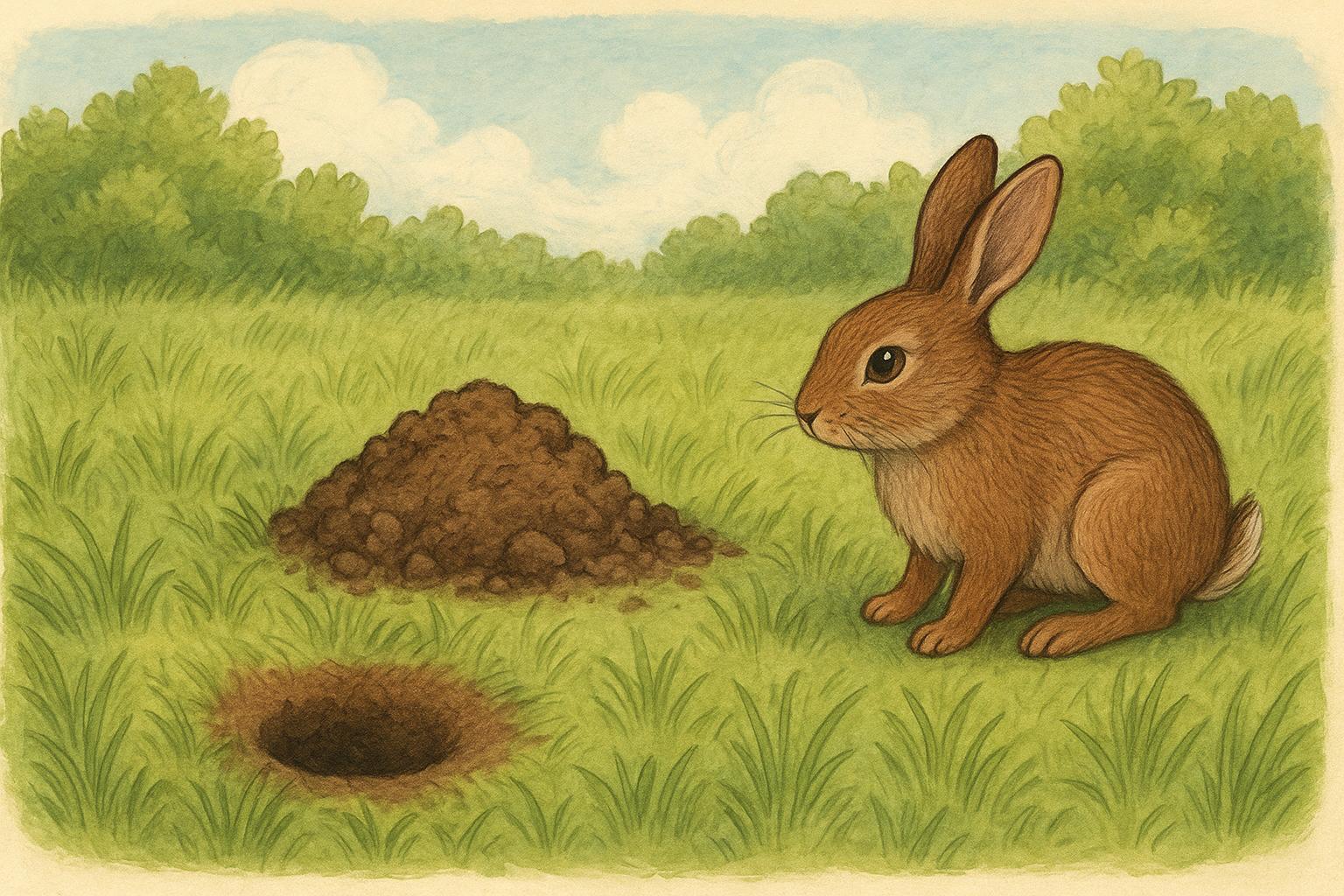
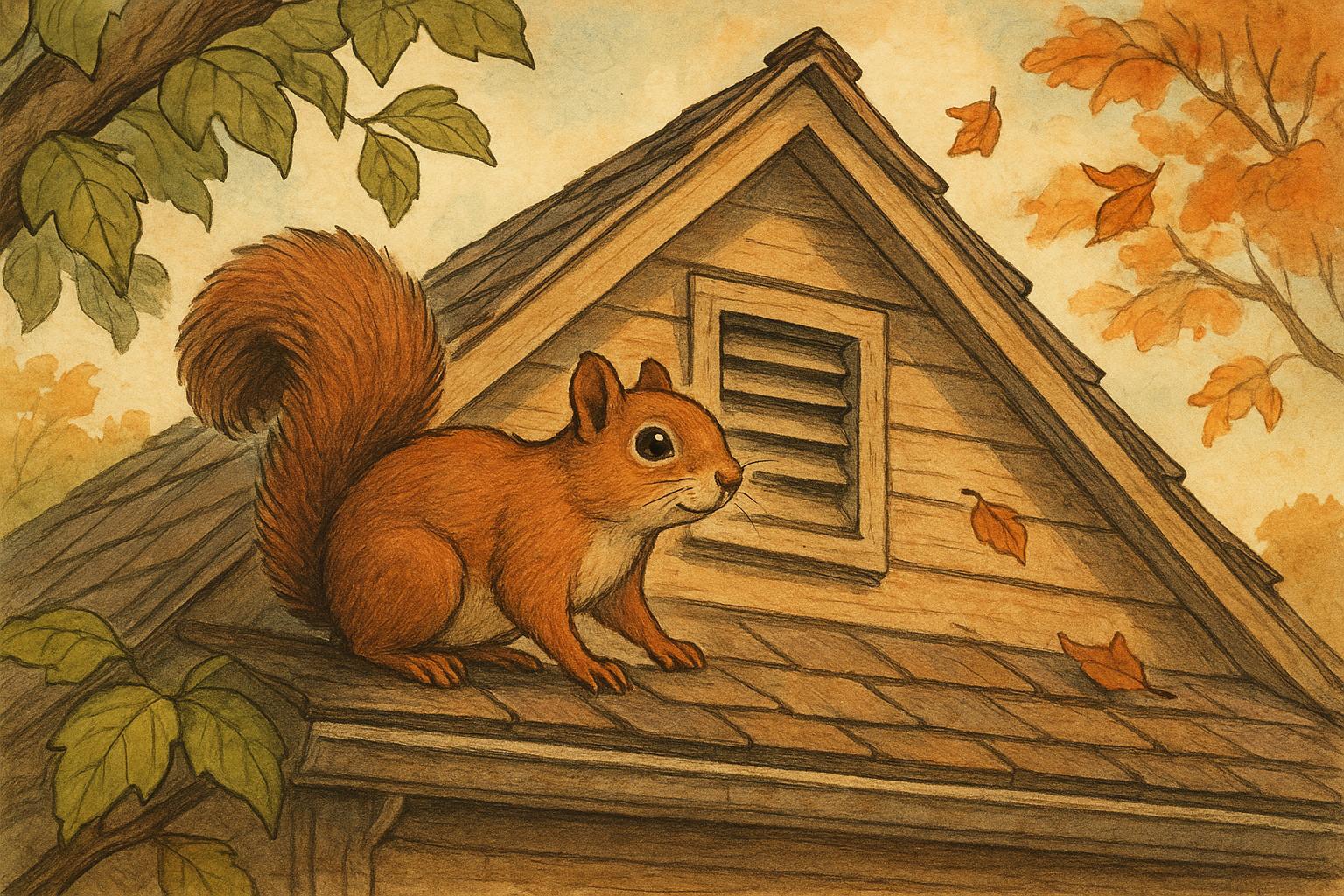
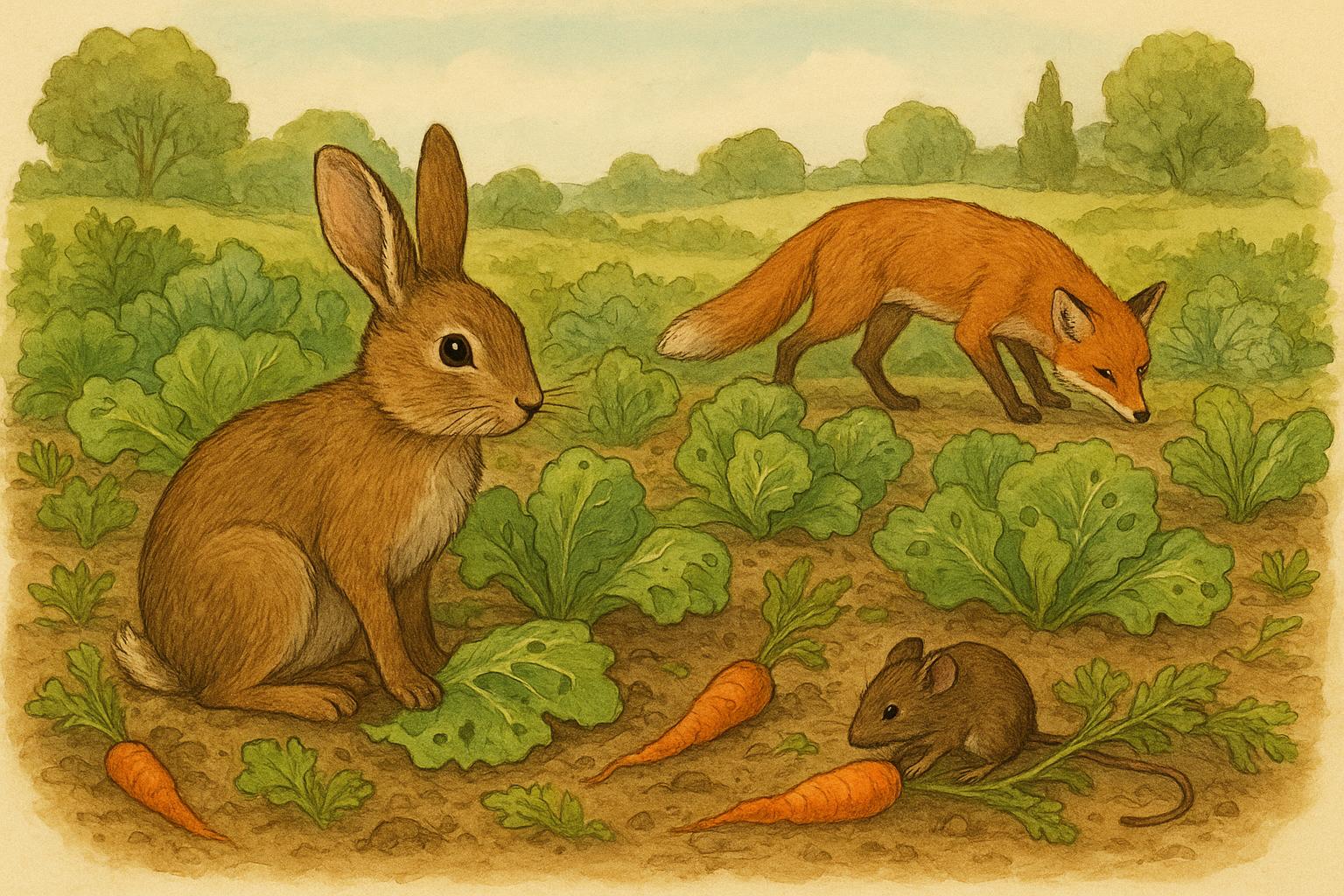
Squirrels and chipmunks are open to the buffet, while voles and mice prefer the under-story and mulch layers. Hedgehogs (where present) and rabbits will raid young plants. Signs to look for include chewed stems, runways through grass, or small burrow entrances. Trimming lower branches and using raised beds can reduce unwanted access without harming the animals.
### Reptiles, Amphibians, And Nocturnal Visitors
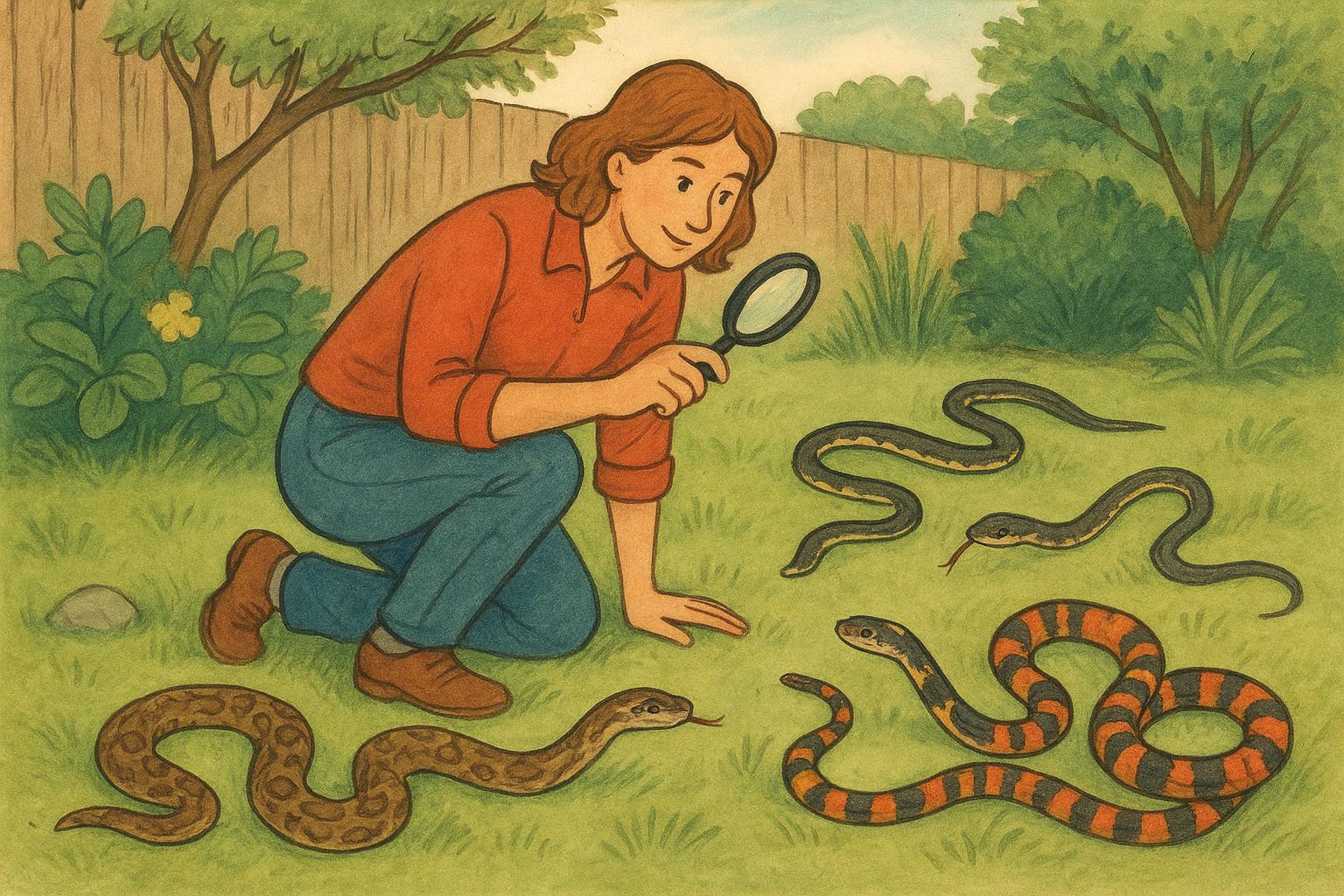
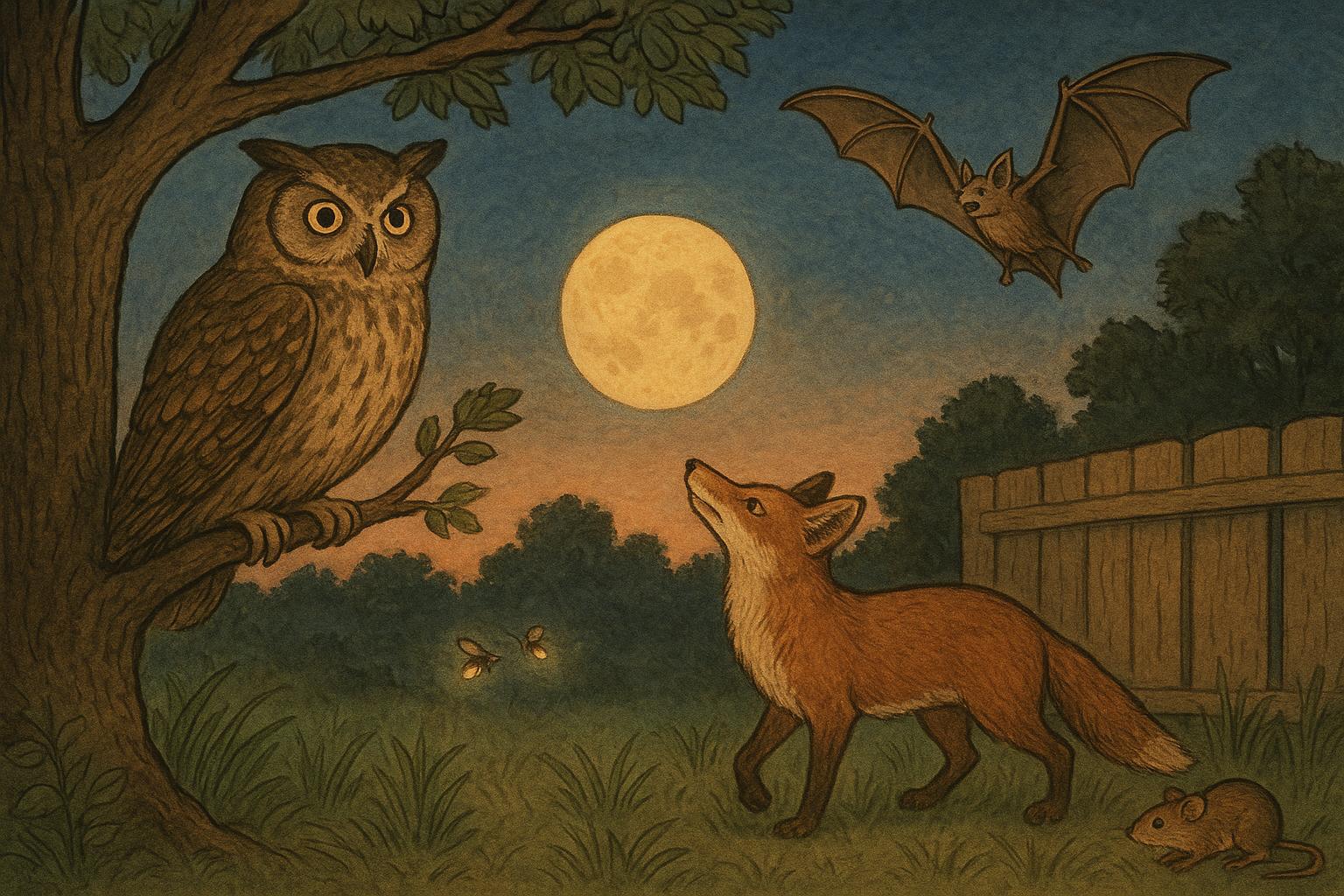
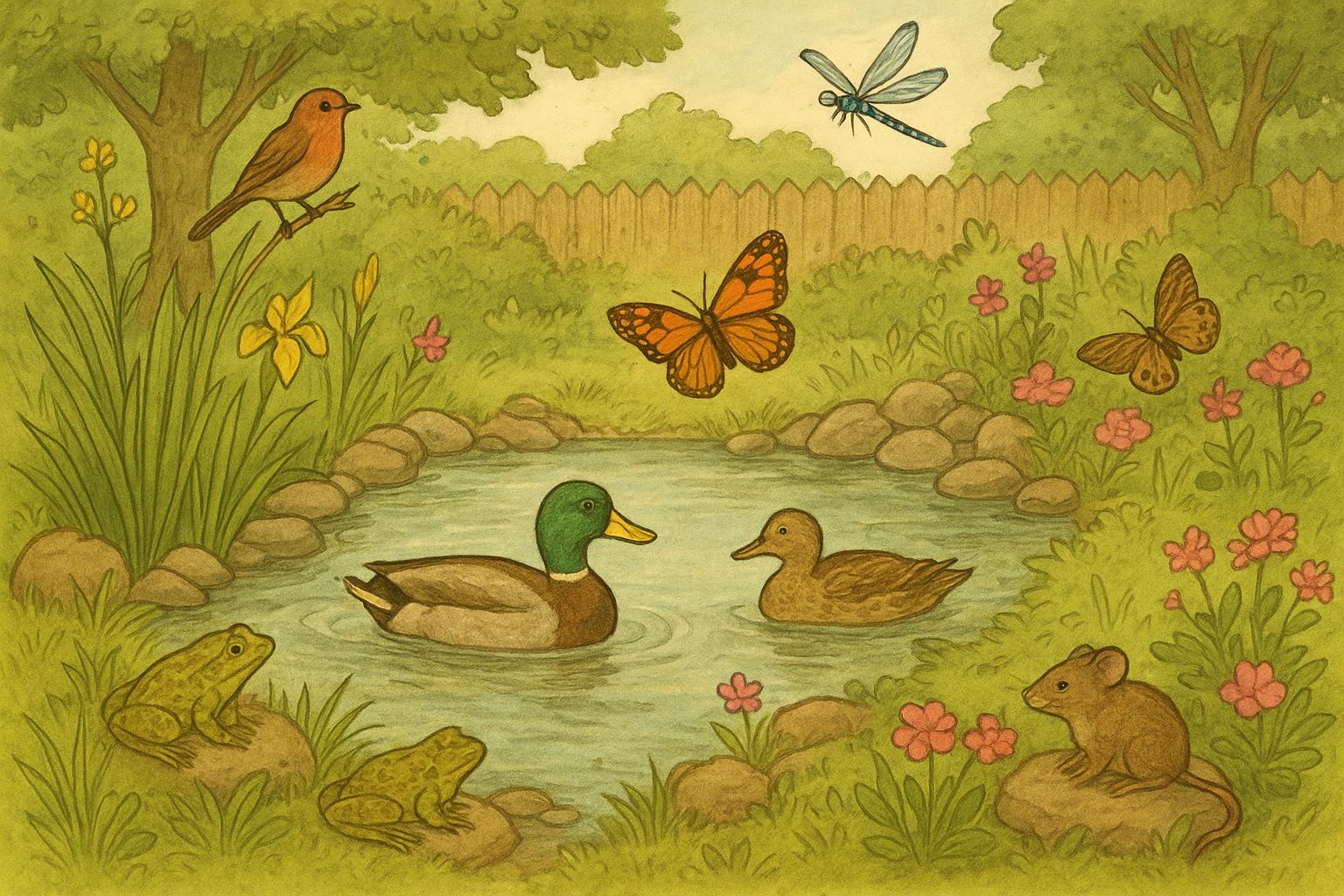
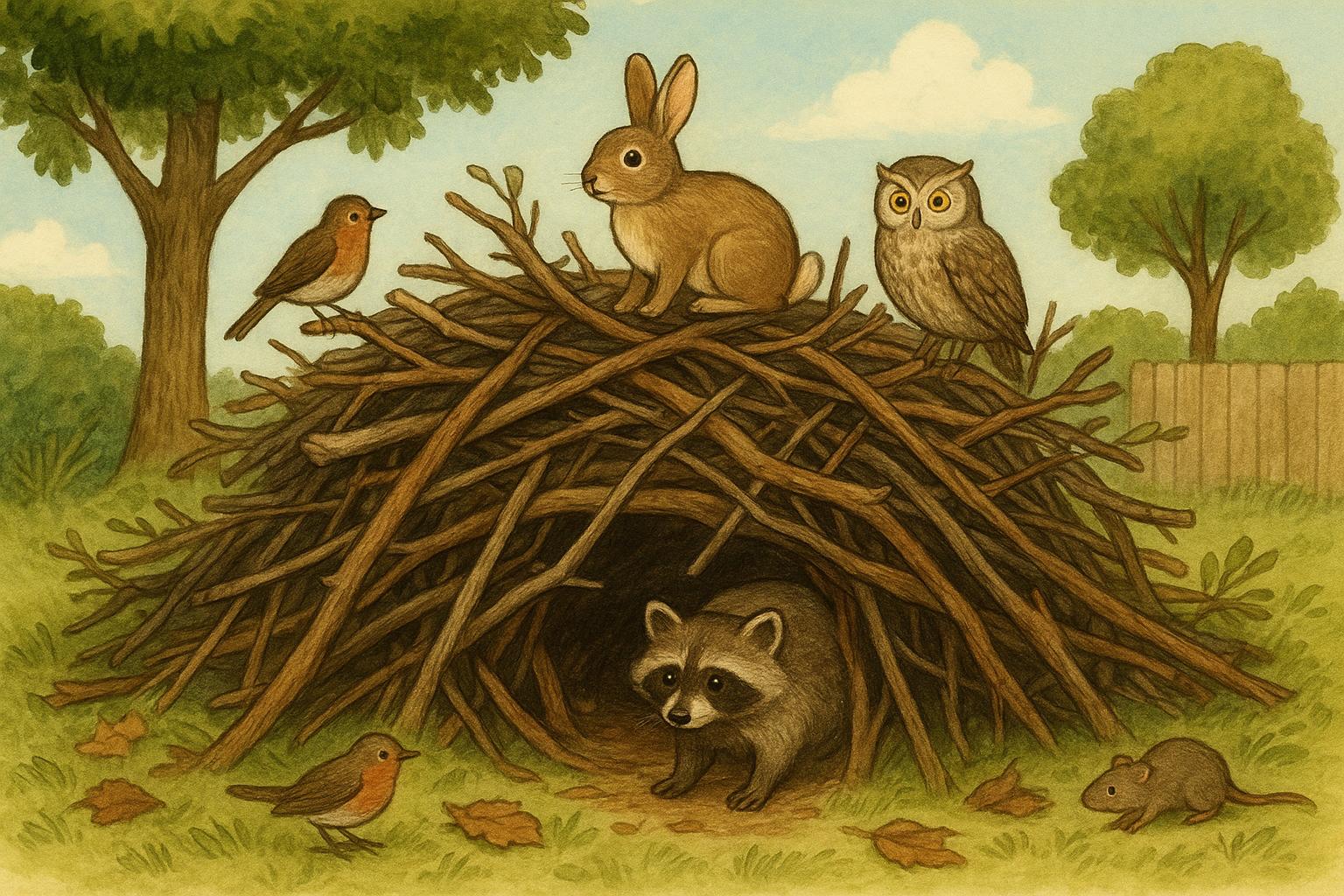
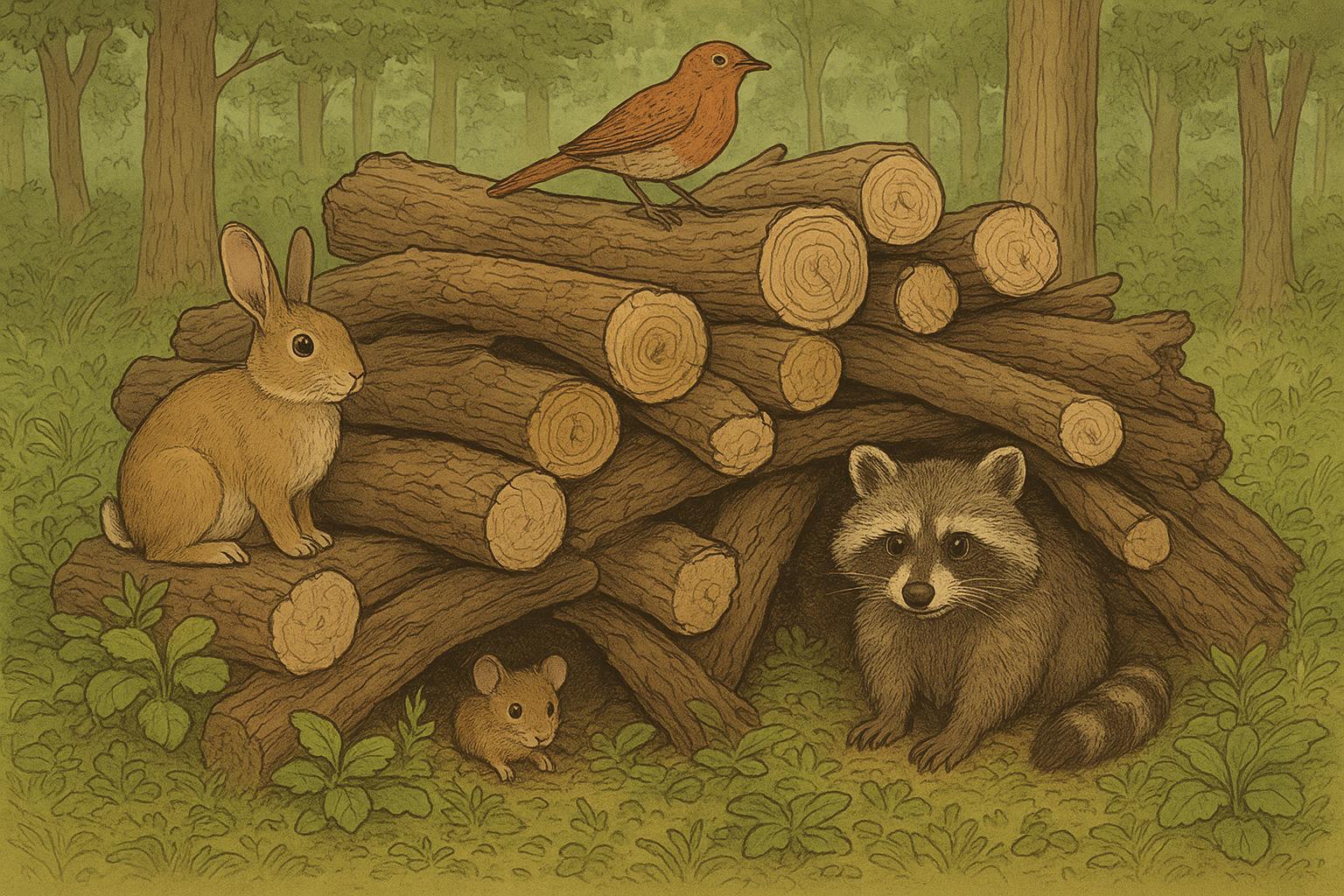
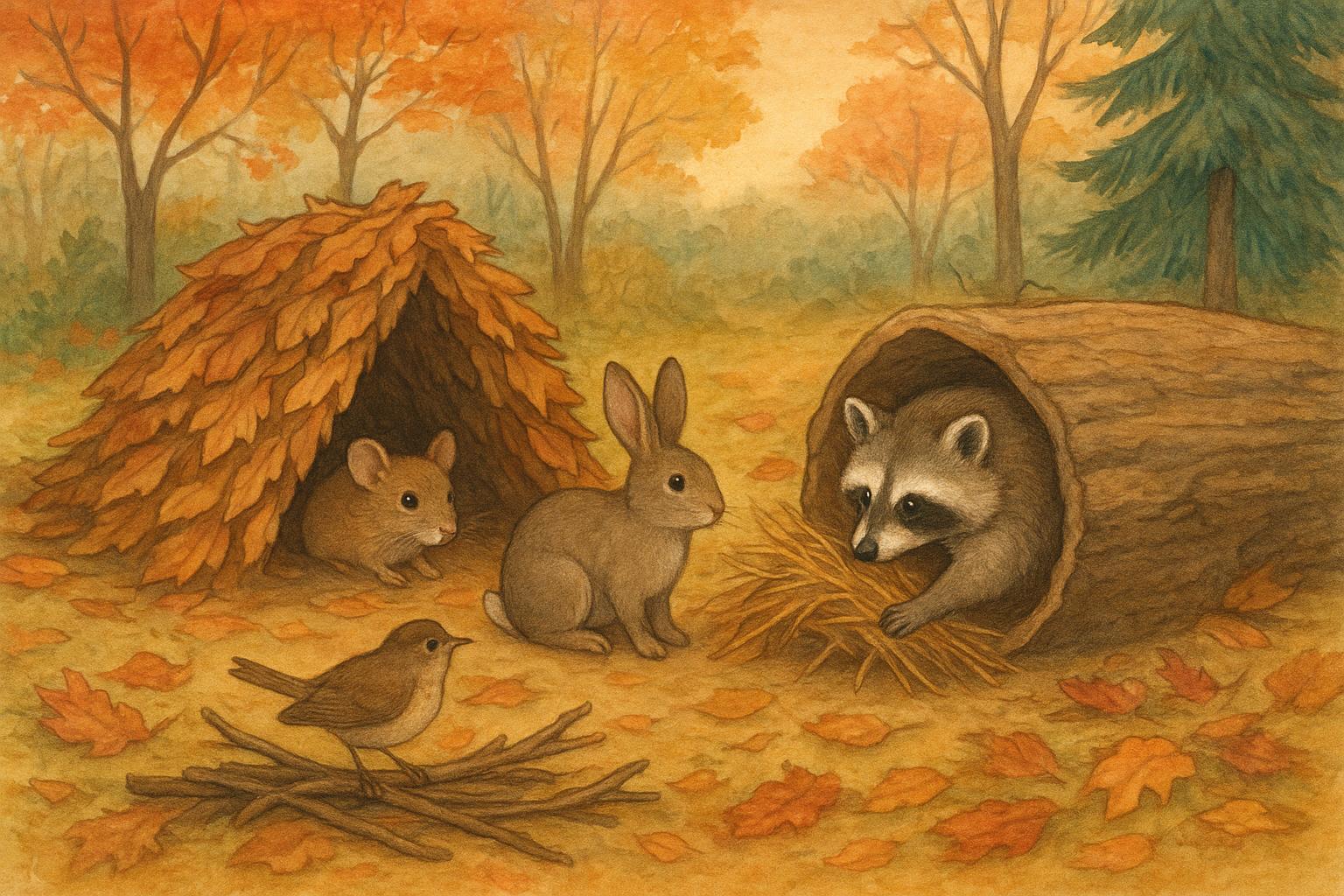
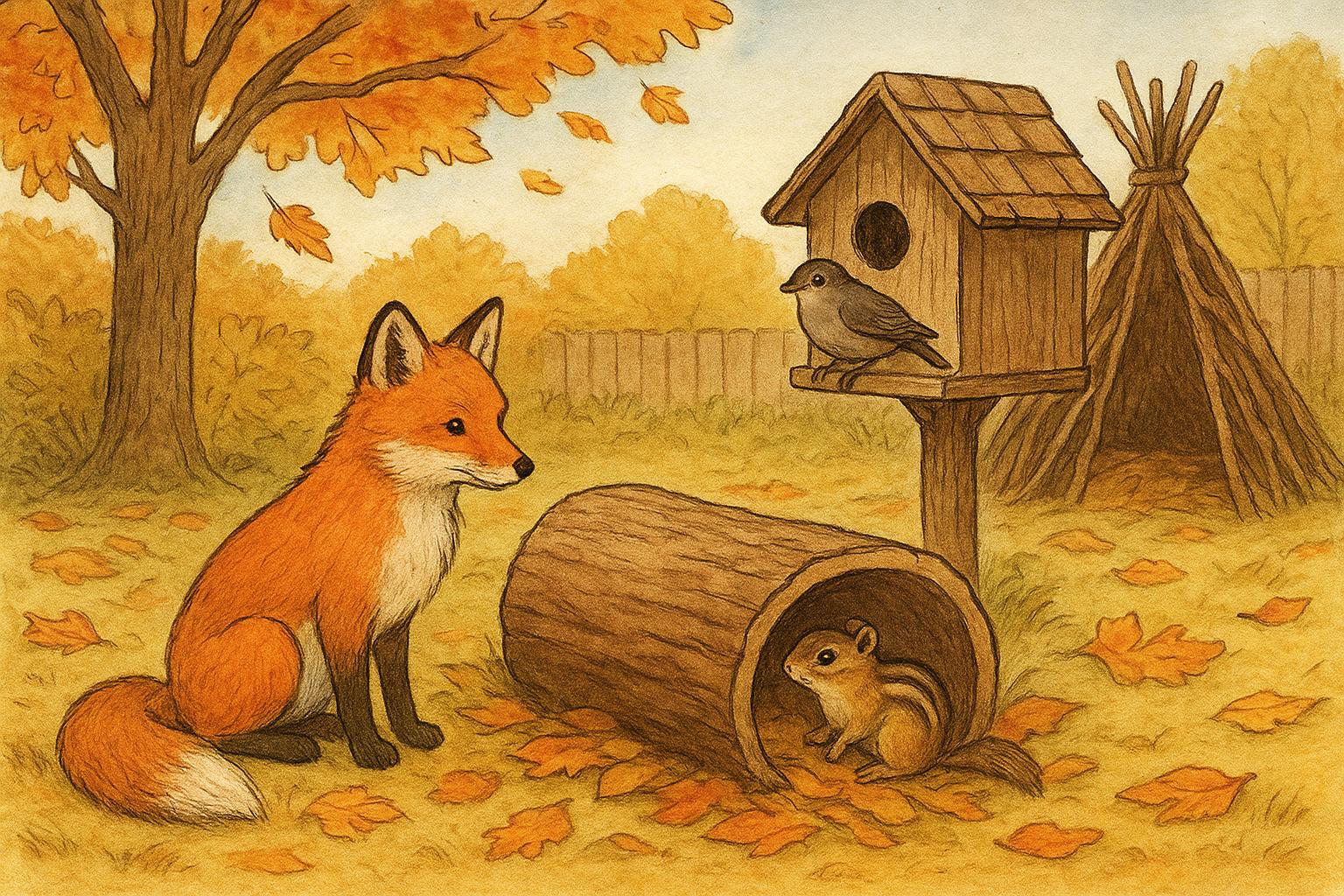
Frogs, toads, and small snakes are useful predators of pests such as slugs and insects. Bats are excellent mosquito controllers and are often more visible as dusk falls. Providing small, pesticide-free water sources and sheltered dark places (rock piles, log corners) helps these species thrive.
#### How To Read Tracks And Droppings
Tracks, droppings, and feeding signs are often the best clue to who’s visiting when you’re not watching. Size, shape, and placement give away the culprits: rounded droppings on raised surfaces often mean raccoons; tiny clustered droppings in a row suggest mice; long, segmented castings indicate earthworms eaten by birds. Photograph before you disturb — a handy record for identification.
## Remedy 1: Build A Simple Wildlife Water Station
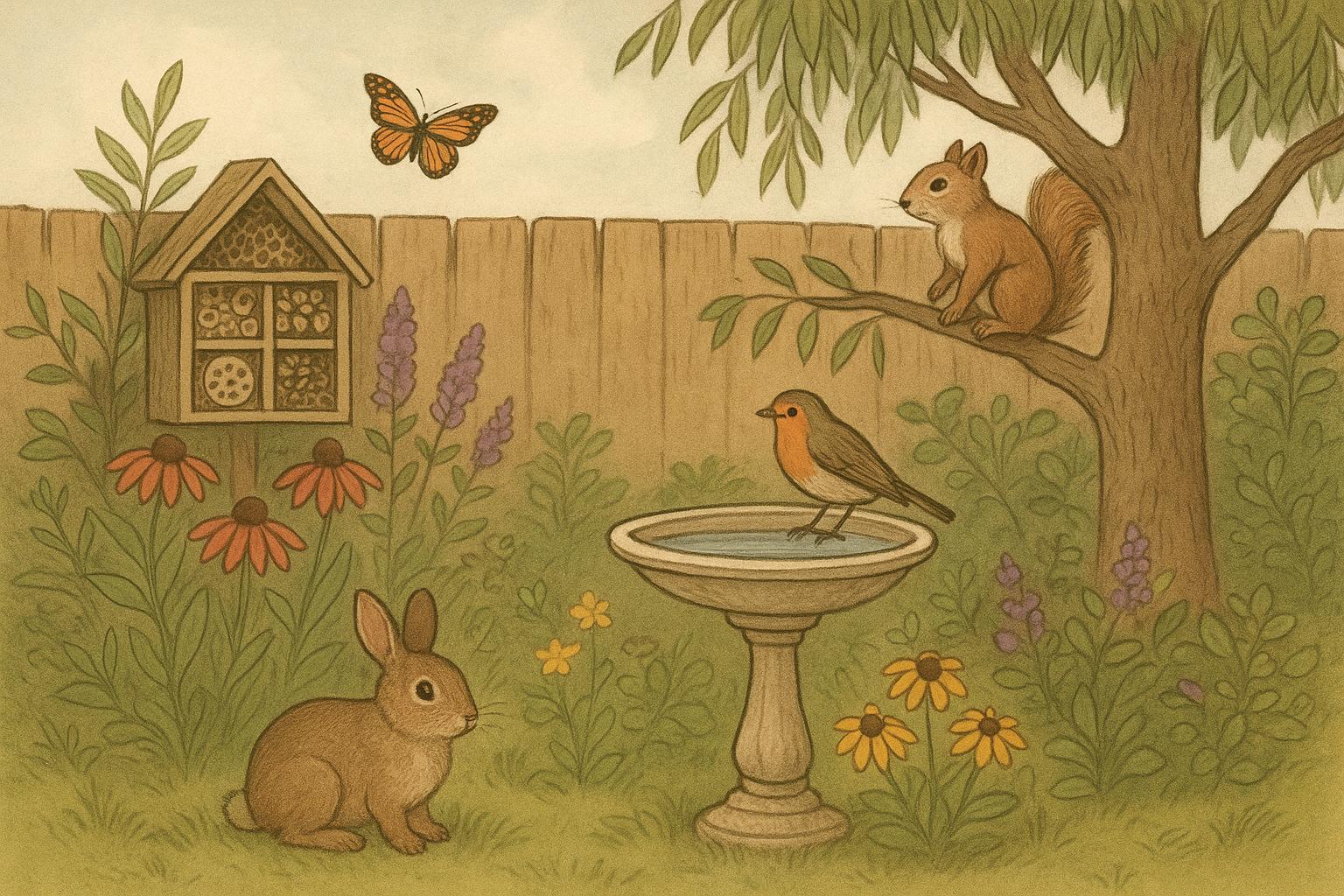
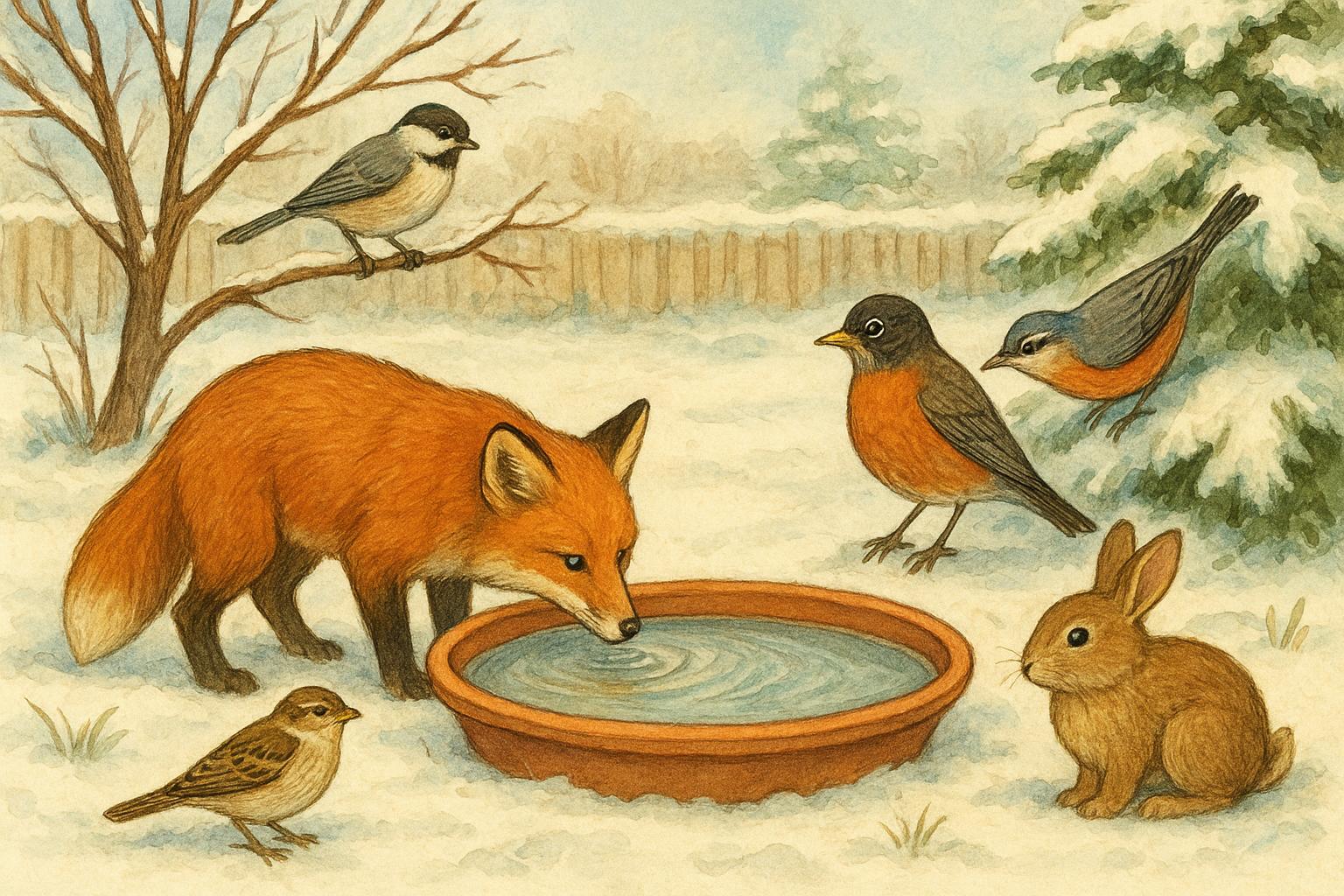
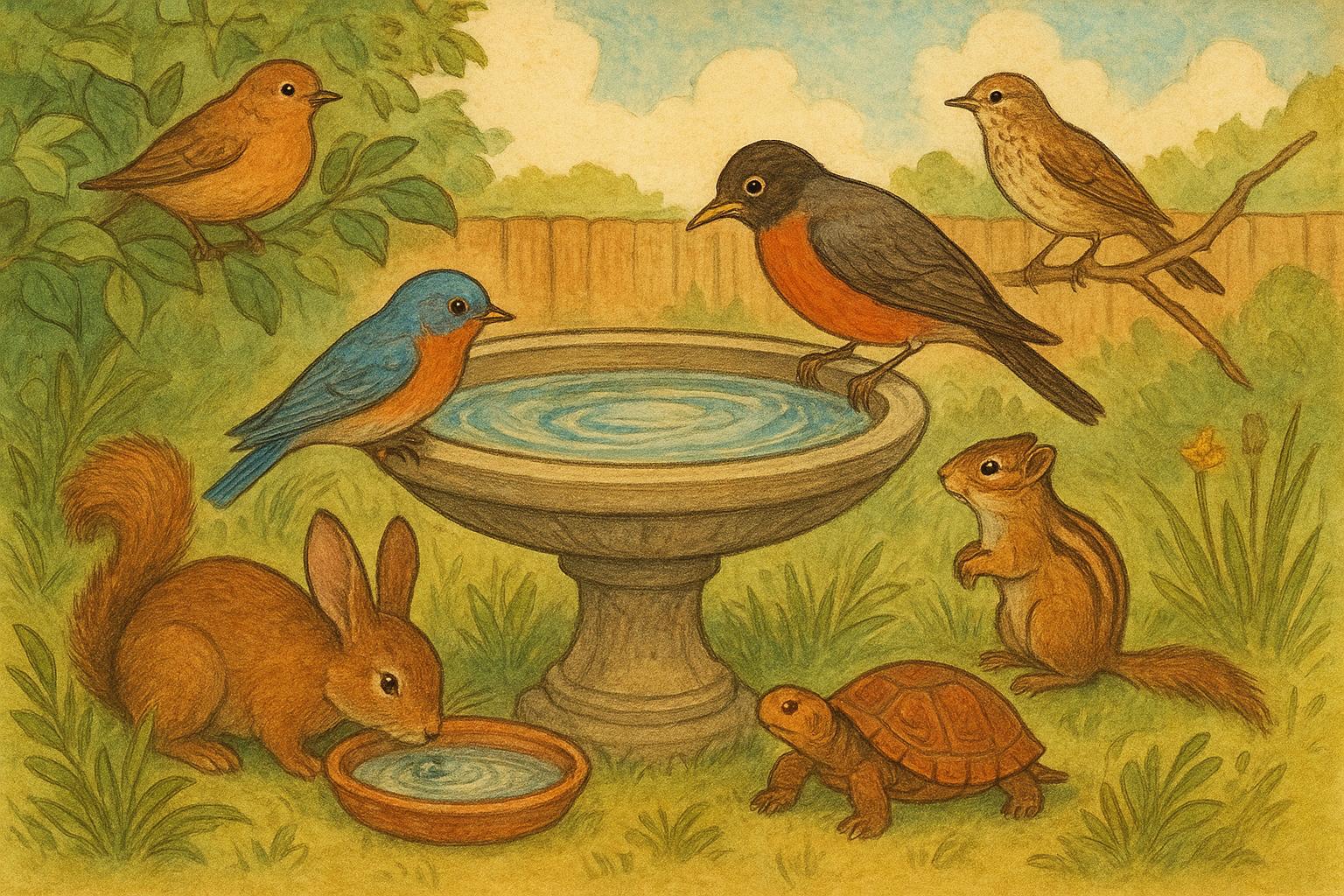
When the mercury climbs, clean water becomes a limiting resource for summer wildlife. A well-designed water station supports a broad range of species and reduces competition for scarce natural water. The following is a formal, step-by-step remedy to install a safe, low-maintenance water source.
Materials/Ingredients:
– A shallow basin or birdbath (6–10 cm deep is ideal)
– Stable pedestal, large flat stone, or brick base
– Sandstone or rough stones (for perching and traction)
– Freshwater (tap is fine; rainwater is best)
– Optional: small solar fountain pump (low-flow)
– Cleaning brush and mild detergent (for maintenance)
– Shade plant or canopy (optional)
Creation And Application:
1. Site Selection: Place the basin in a partially shaded area close to shrubs or low cover so small animals can approach and retreat quickly. Avoid exposing the water to predators’ line of sight over open lawns.
2. Installation: Ensure the pedestal or base is level and stable; the basin should not wobble. Set stones within the basin to provide shallow perching areas and enable insects and small mammals to drink safely without drowning risk.
3. Fill And Test: Fill with fresh water. If using a pump, install according to manufacturer instructions and test flow to maintain a gentle ripple — this attracts birds more effectively than stagnant water.
4. Safety Measures: Keep depth below 10 cm in central areas and ensure gradual slopes for easy exit. For larger basins, include multiple shallow ledges.
5. Maintenance Schedule: Empty and scrub the basin with a brush and mild detergent every 7–10 days in high heat, or more often if algae blooms or droppings accumulate. Rinse thoroughly before refilling.
6. Seasonal Adjustment: Keep the station shaded or place a canopy in peak sun to reduce evaporation. In late summer, replenish more frequently to meet demand.
This remedy is designed to benefit a broad array of summer wildlife while minimizing disease transmission and predator risks. Clean water paired with nearby cover and perches makes your garden a dependable stopover for both residents and migrants.
## Remedy 2: Humanely Deter Garden Predators And Protect Young Plants
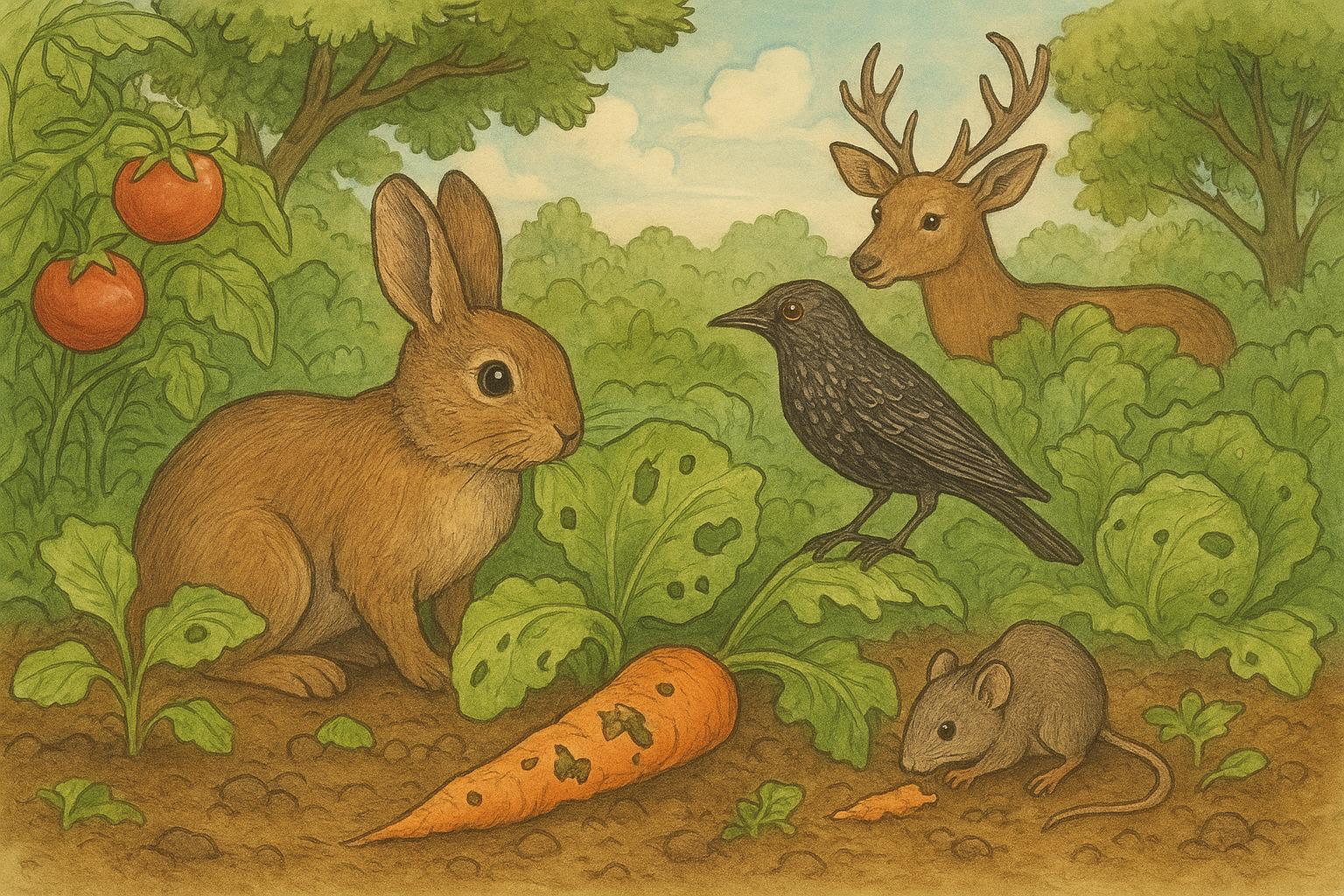
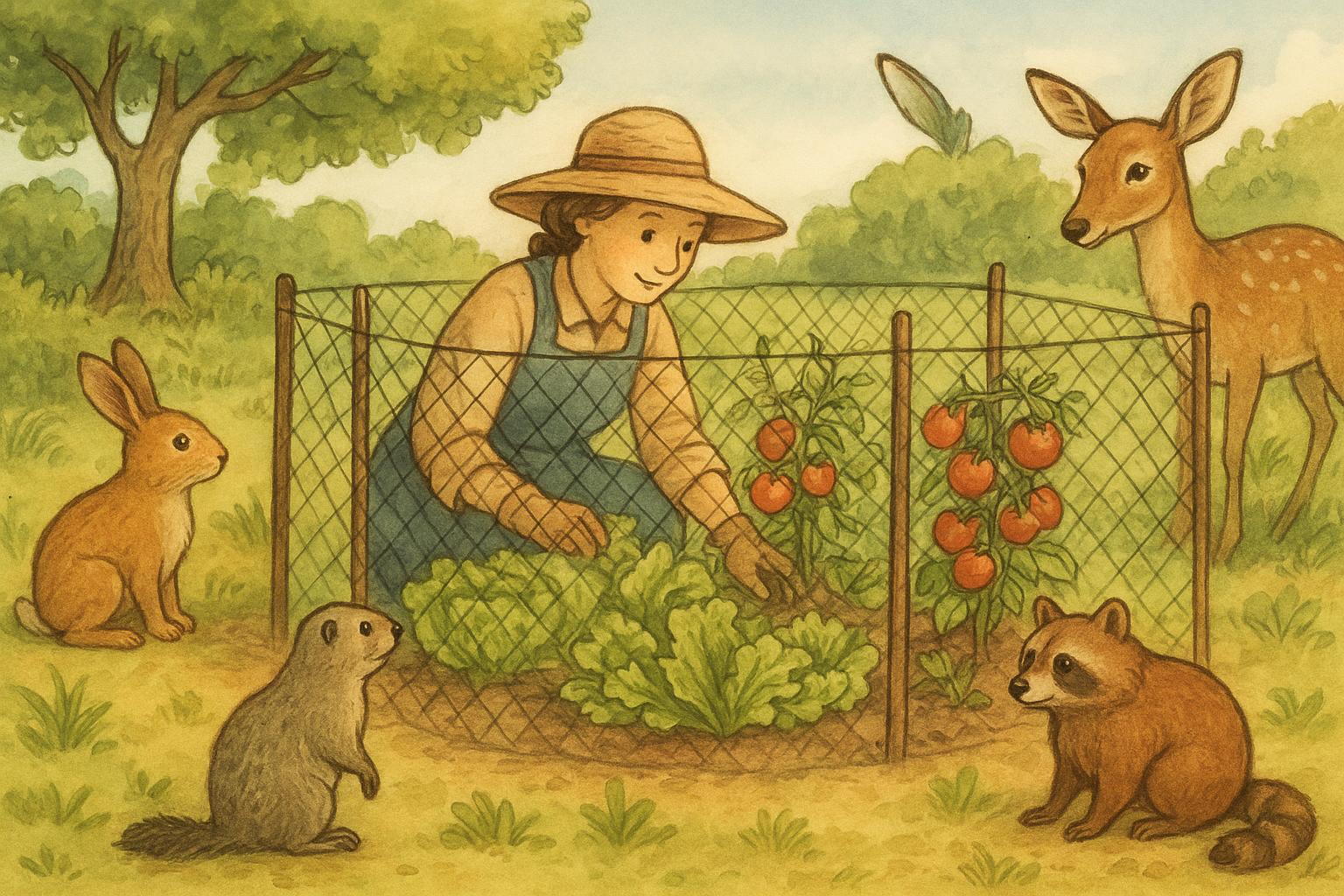
Sometimes the cost of hosting summer wildlife is chewed seedlings or a mysteriously absent tomato crop. Here is a formal, humane approach to reduce predation pressure on vulnerable plants without harming the animals.
Materials/Ingredients:
– Hardware cloth or 1/4″ mesh fencing
– Wooden stakes or metal T-posts
– Row covers (lightweight fabric)
– Organic mulch (straw or bark)
– Motion-activated lights or sprinklers (optional)
– Gloves and wire cutters
– Zip ties or garden twine
Creation And Application:
1. Assess Vulnerable Areas: Identify beds with young transplants, bulbs, or fruiting crops. Note typical time windows when damage occurs (day vs. night).
2. Install Protective Barriers: Secure hardware cloth around raised beds or vulnerable plants, extending at least 20–30 cm into the ground to prevent burrowing and 60–90 cm above ground to deter entry. Use stakes spaced no more than 1 meter apart.
3. Use Row Covers For Seedlings: Drape lightweight row covers over hoops or low frames to protect young plants from birds and small mammals. Ensure edges are well-anchored with soil or clips to prevent gaps.
4. Mulch Strategically: Apply organic mulch in a thin layer to reduce vole runway creation and obscure scent trails. Avoid deep mulch directly against plant stems to prevent moisture-related rot.
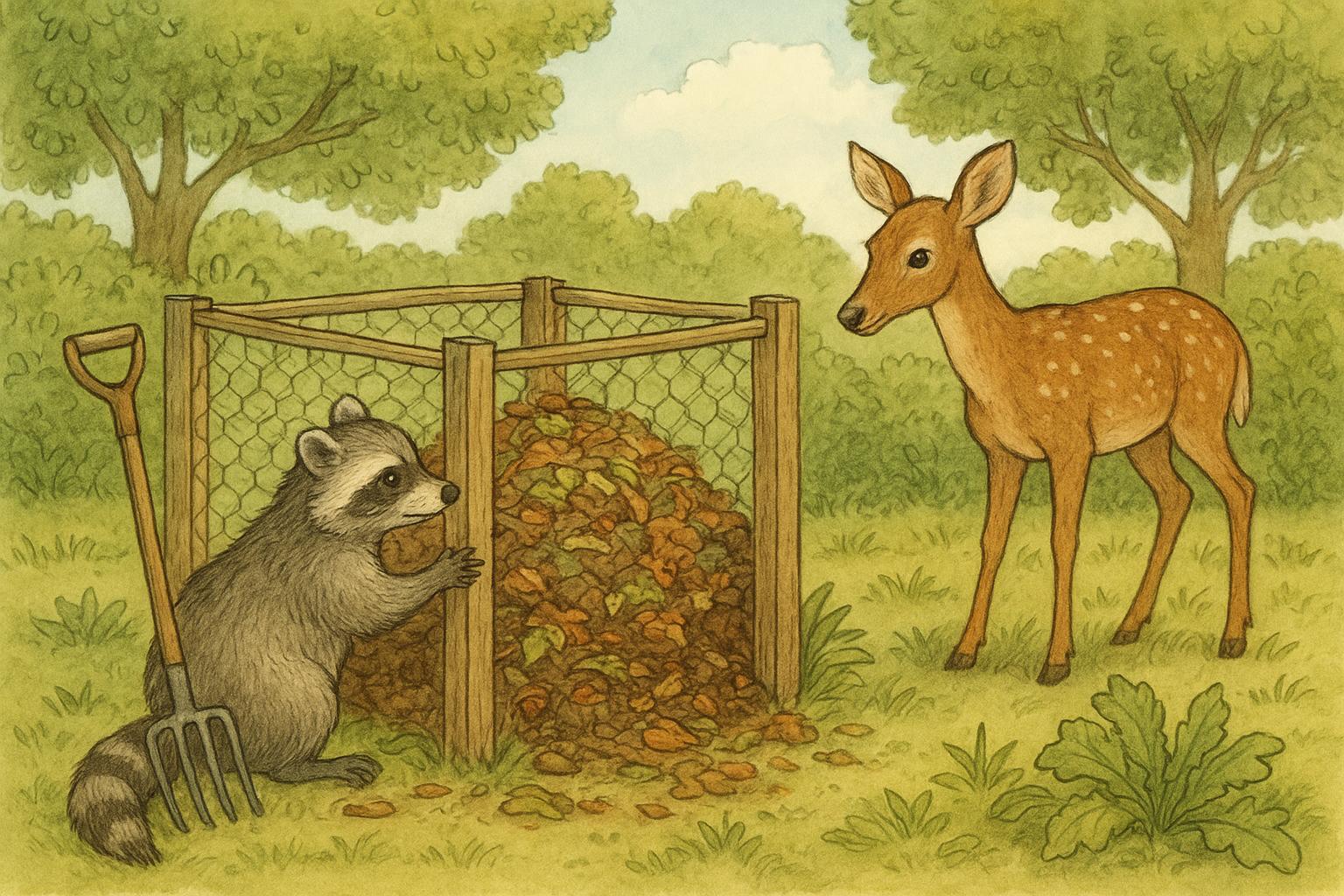
5. Add Non-Lethal Deterrents: Where appropriate, place motion-activated lights or sprinklers to startle nocturnal raccoons or deer. Rotate locations seasonally to avoid habituation.
6. Monitor And Adjust: Check barriers weekly for breaches, curved stakes, or signs of digging. Repair promptly. If a problem persists, reassess plant placement or use companion plants that deter specific pests (e.g., strong-scented herbs can reduce rabbit interest).
7. Legal And Ethical Considerations: Do not use poisons or lethal traps. Check local regulations regarding wildlife management. The goal is to protect crops while respecting wildlife health and local ecosystems.
When applied consistently, these measures reduce damage while keeping your garden part of the local summer wildlife network rather than a battleground.
### Seasonal Planting And Habitat Tips
To support a diverse summer wildlife community, think in layers: groundcover, herbaceous plants, shrubs, and small trees. Native species offer the best nutrition and timing for local insects and birds. Stagger plantings so something is always in bloom, and allow a few seed heads to persist into late summer for birds and insects that rely on them.
### Observational Notes For Birdwatchers And Naturalists
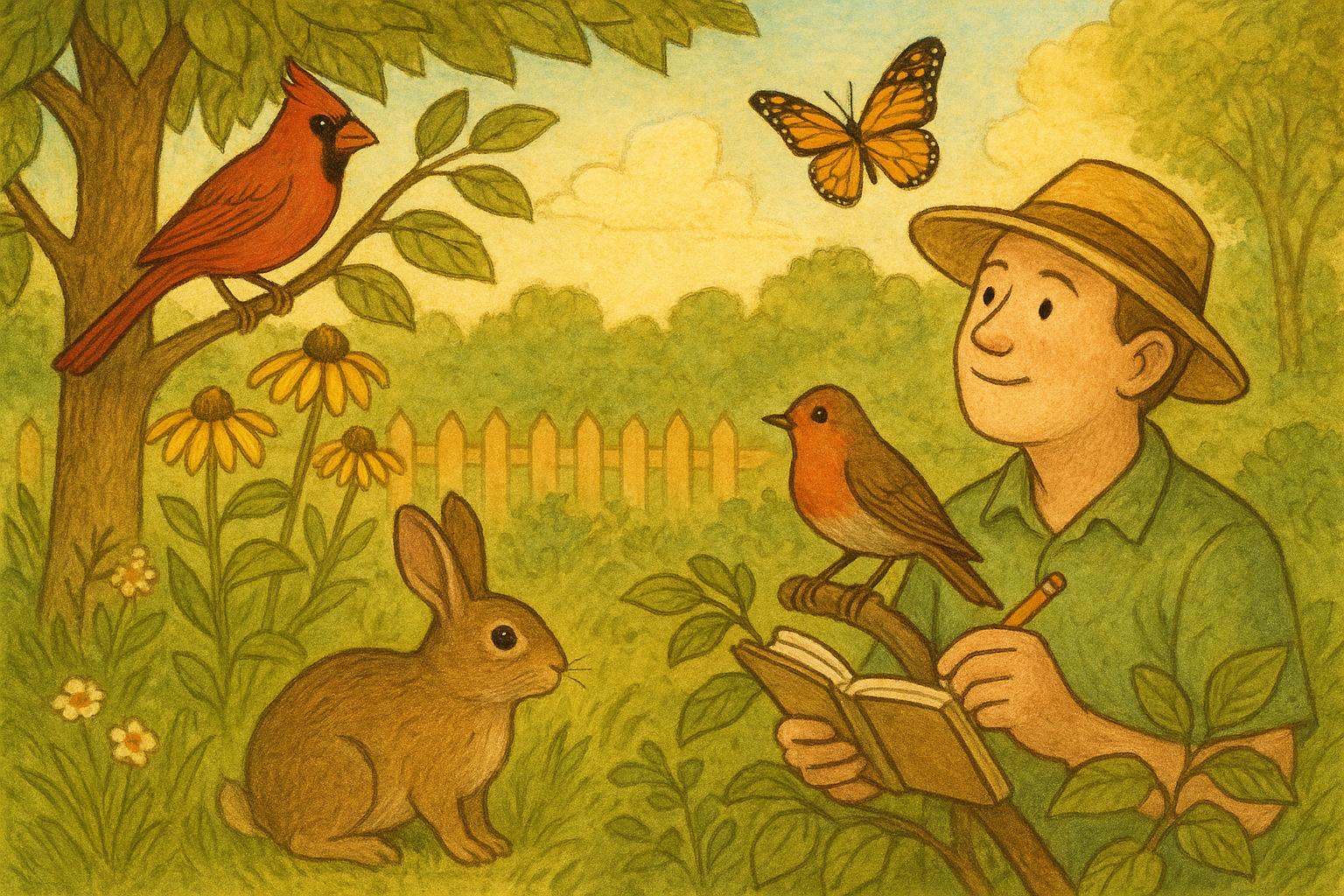
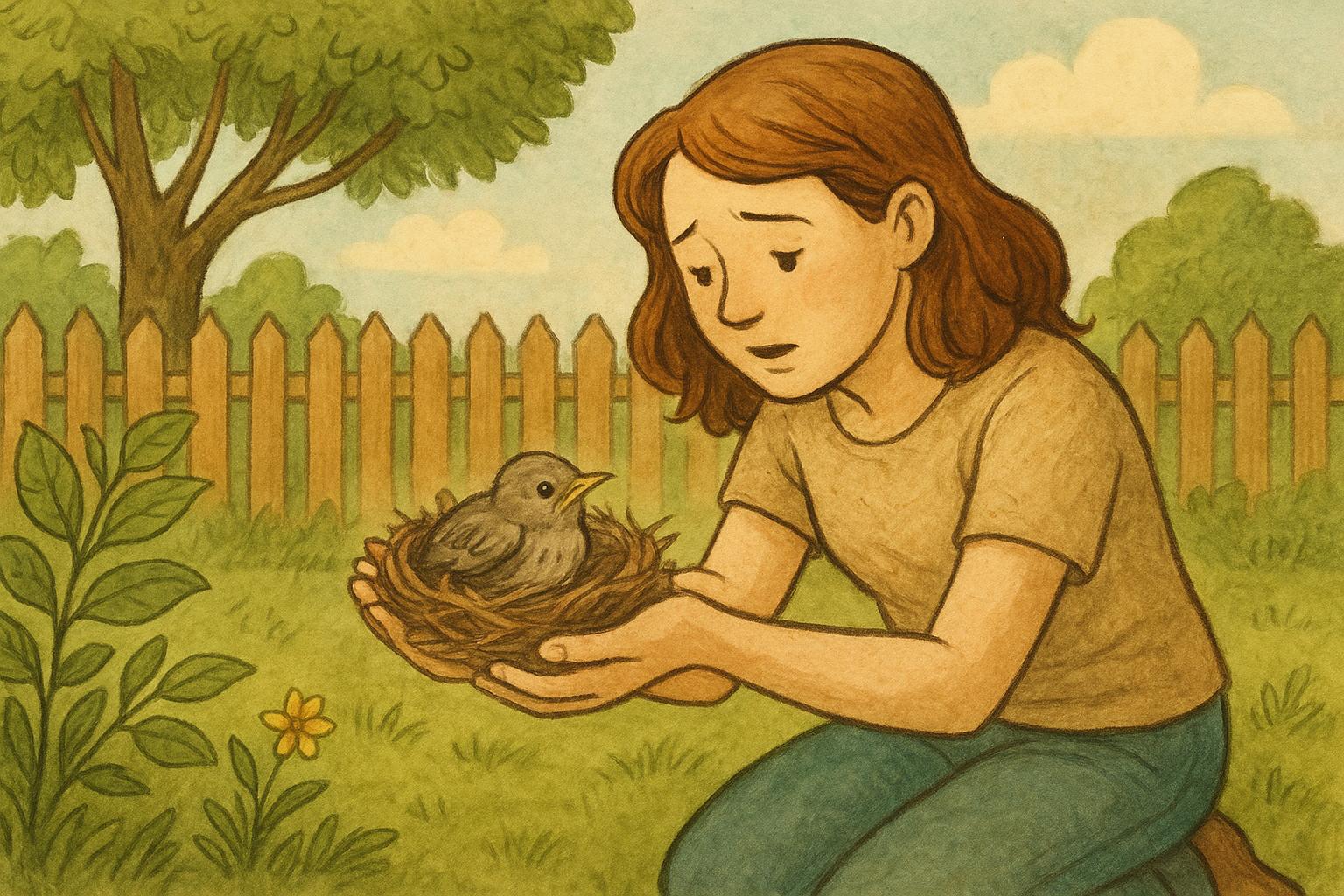
Keep a small notebook or phone app for sightings. Note date, time, behavior, and habitat use. Summer is also the season of fledglings — a clumsy fledgling being fed by its parents is normal; resist intervening unless the bird is clearly injured or in immediate danger.
### When To Call A Professional
If you detect signs of disease in wildlife (sick or clearly injured animals, repeated carcasses, or abnormal behavior), or the scale of damage is beyond DIY measures, contact local wildlife rehabilitation or pest management professionals. They can diagnose issues like mange, avian botulism, or invasive species pressures and recommend appropriately scaled interventions.
#### Recording Your Findings
A simple log of species, frequency, and the remedy you used helps refine your approach year to year. Summer wildlife patterns can change rapidly with weather and habitat shifts; informed adjustments are the best way to keep your garden both productive and wildlife-friendly.
Enjoy the soundtrack of summer — the buzz, the trills, and the occasional raccoon rattle. With a little planning and the remedies above, your garden will be both a sanctuary and a stage for fascinating seasonal interactions.



Leave a Reply