

Welcome to your garden seat — coffee in hand, binoculars ready, and the gentle chaos of feathers about to unfold. Choosing the right feed is like setting the playlist for your backyard concert: get the tune wrong and you’ll have crickets; get it right and you’ll have a full symphony. Here’s a practical guide to the best bird seed to attract specific backyard birds, with a couple of do-it-yourself mixes you can make at home.
## Best Bird Seed For Popular Backyard Birds
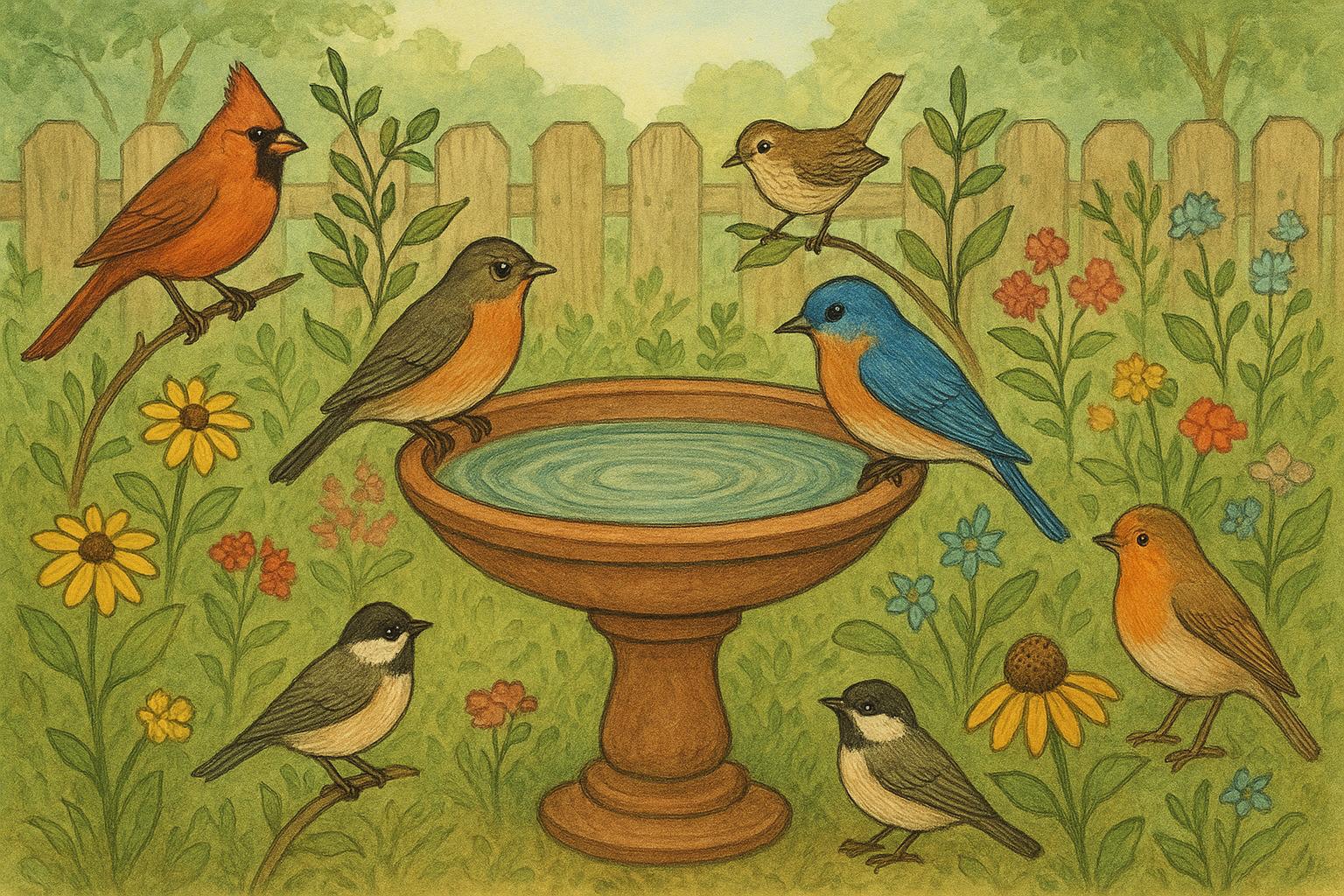
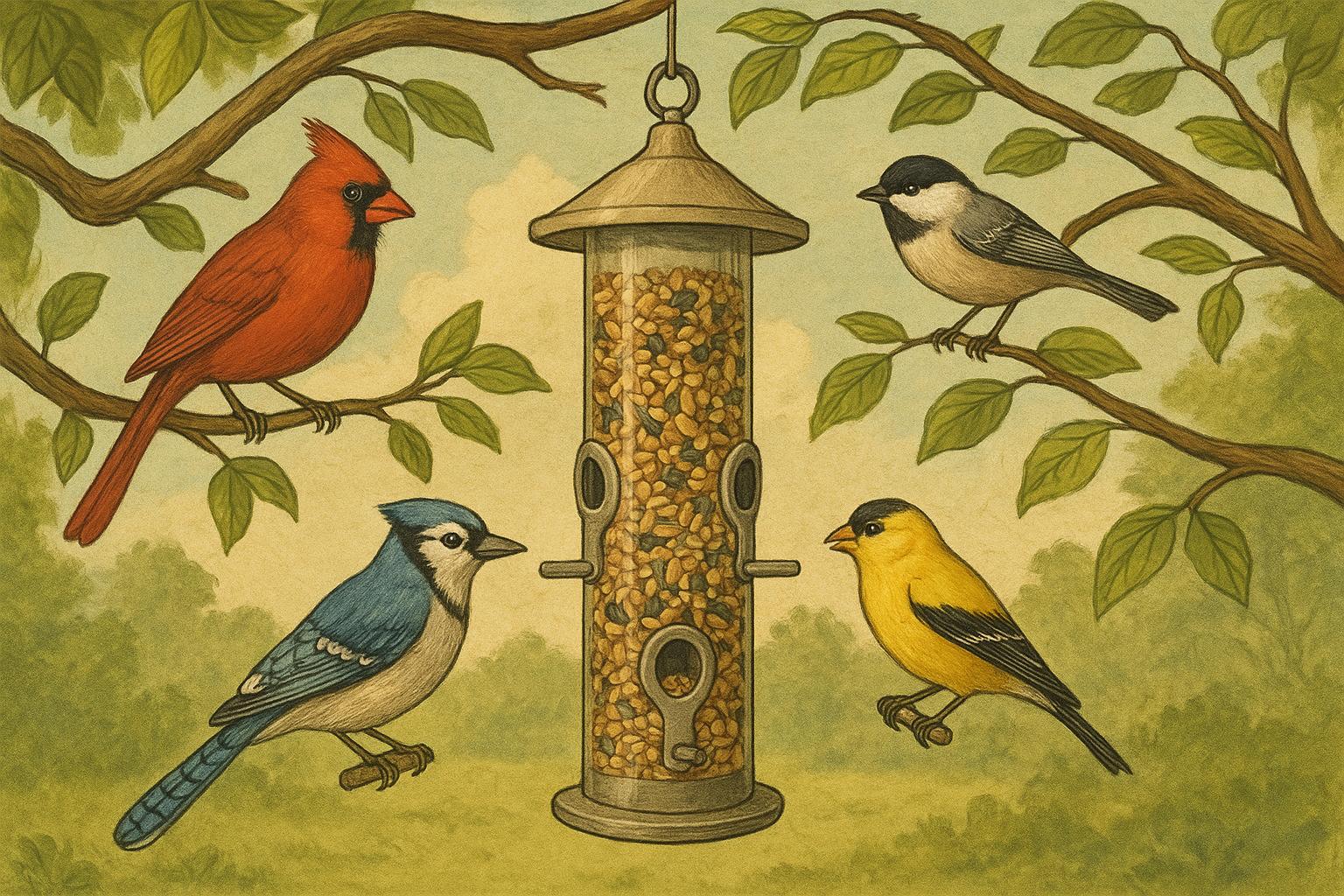
Different species have different tastes. Offering the best bird seed for the species you want will increase visits, reduce waste, and keep your feeders cleaner. Below are common backyard favorites and what they prefer.
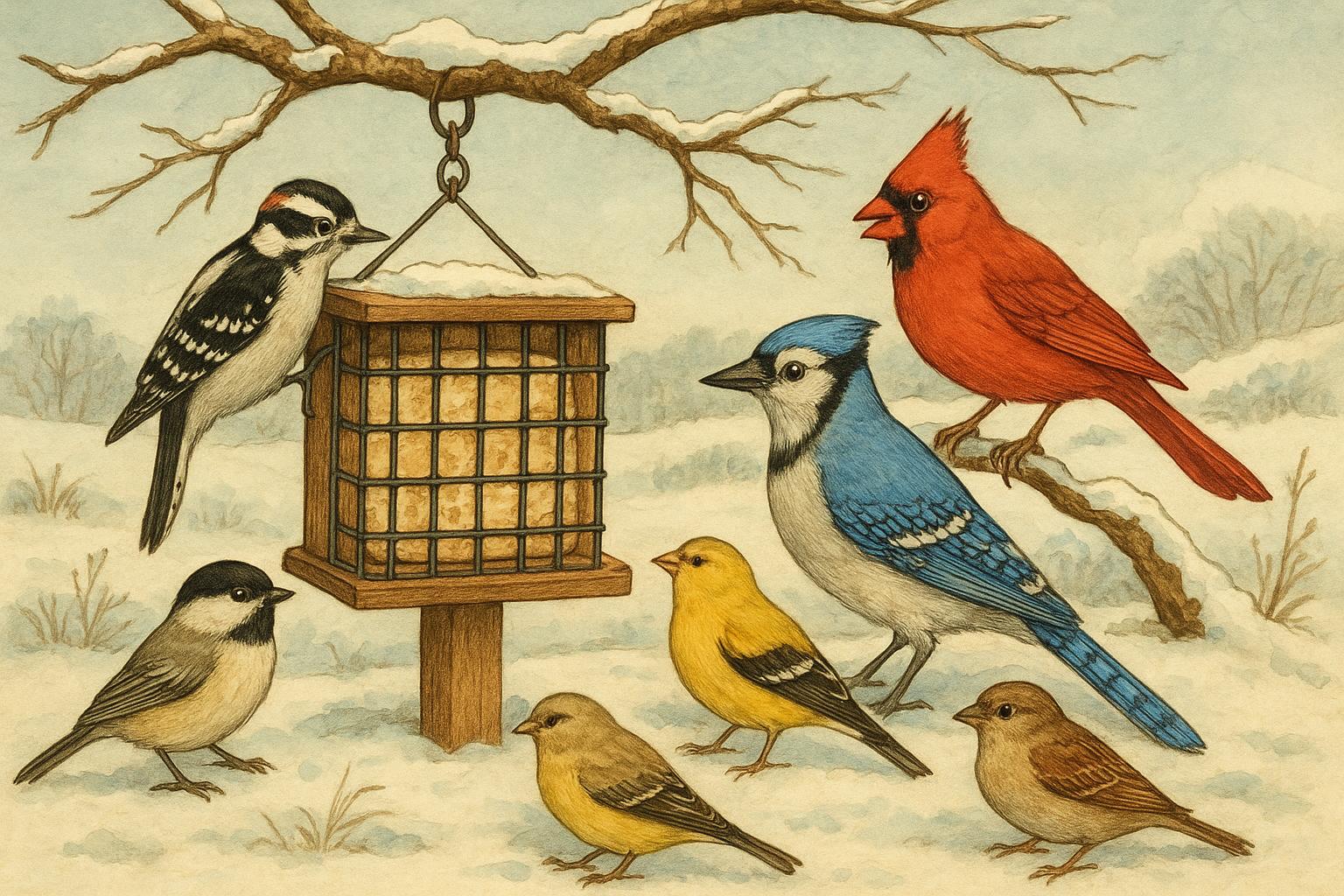
### Cardinals: Sunflower Lovers
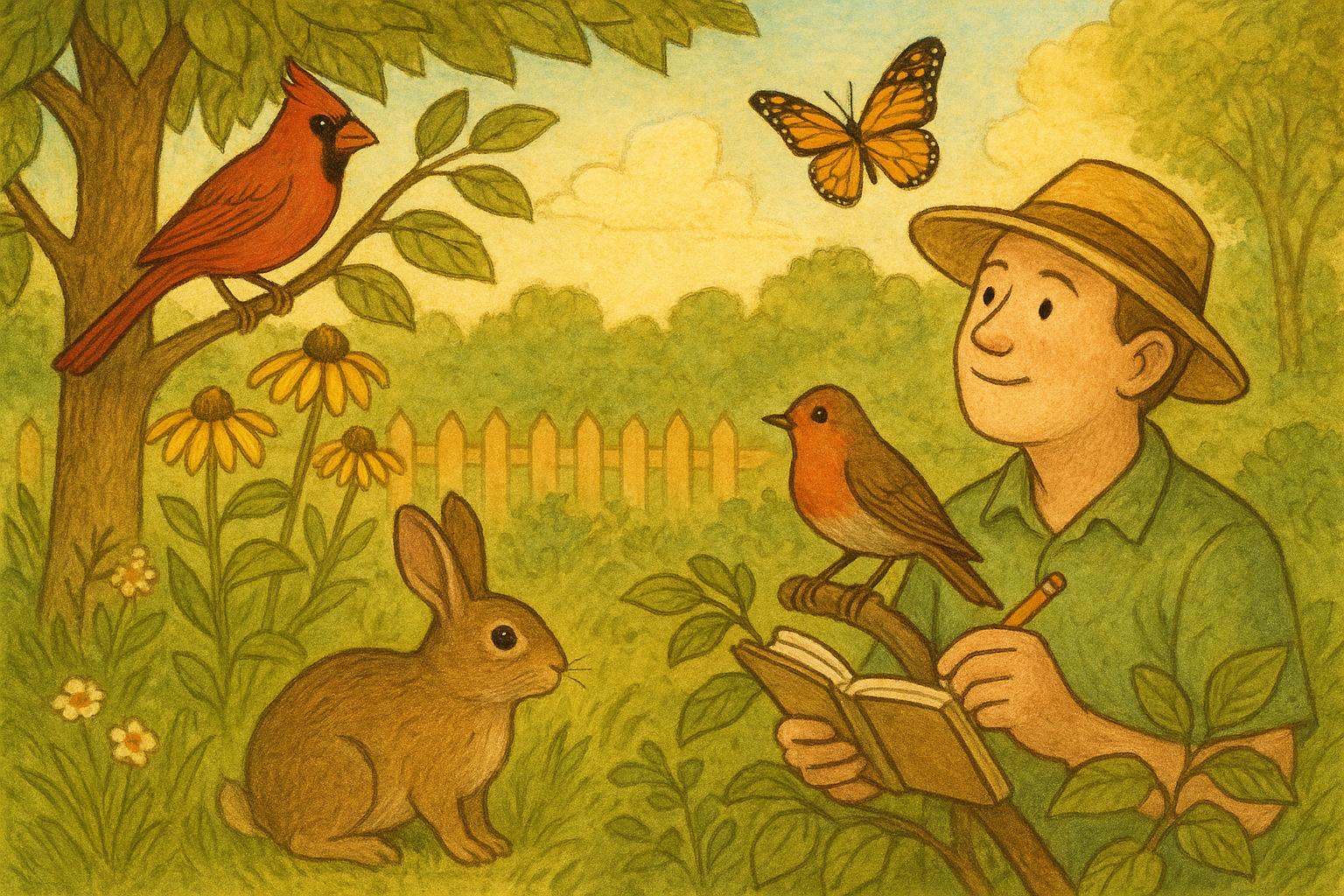
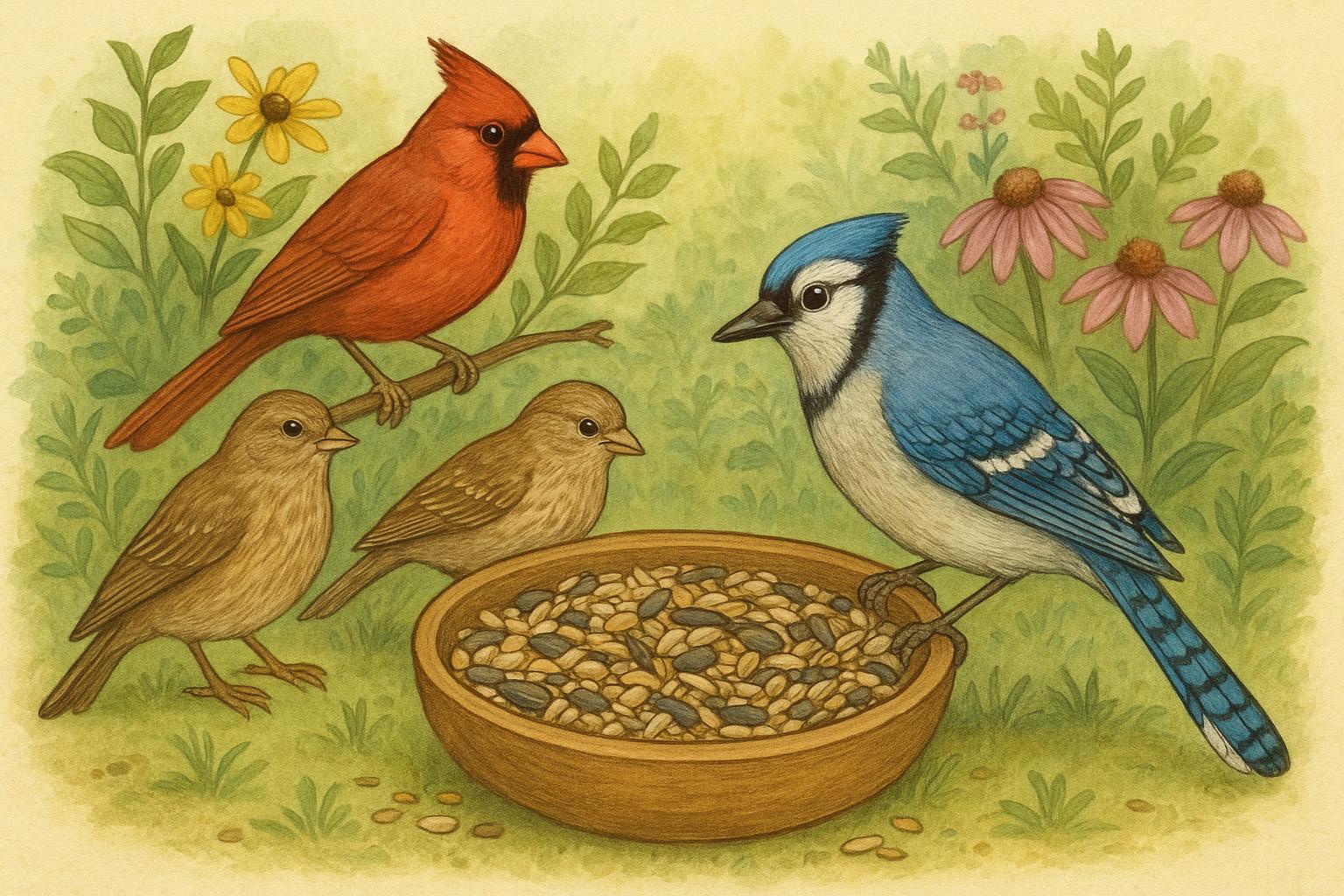
Northern Cardinals are showy, bold, and not shy about demanding a place at the feeder. Their favorite is black oil sunflower seed — it has a thin shell and a high meat-to-shell ratio, which makes it easy and nutritious for them.
#### Feeding Tips
– Use platform feeders or tube feeders with larger perches; cardinals prefer to sit while they eat.
– Keep sunflower fresh and stored in a cool, dry place to prevent rancidity.
### Finches: Thistle (Nyjer) Fans
Goldfinches and other finches have slender bills made for extracting tiny seeds. Nyjer (thistle) seed is tiny, oily, and highly attractive to finches. When you’re aiming to lure flocks of finches, nyjer is frequently the best bird seed choice.
#### Feeding Tips
– Use fine-mesh or tube feeders designed for nyjer to avoid spills.
– Buy nyjer in sealed bags; it’s small enough to lose flavor quickly if exposed to air.
### Chickadees, Nuthatches, And Titmice: Peanuts And Sunflower Chips
These energetic birds enjoy high-fat, high-protein foods. Shelled peanuts (or peanut pieces) and sunflower chips are favorites. Offer them in feeders with perches or on platform feeders.
#### Feeding Tips
– Avoid moldy peanuts; discard any that show moisture damage.
– Use metal feeders if squirrels are a problem; they’ll chew plastic quickly.
### Sparrows And Doves: Millet And Mixed Seed
Ground-feeding species like mourning doves and many sparrows favor millet and mixed seed blends that contain small seeds they can peck at easily. A quality mixed seed with a higher proportion of millet will attract these visitors.
#### Feeding Tips
– Use ground or tray feeders to accommodate ground-feeders’ natural behavior.
– Sweep up spilled seed regularly to reduce pest and rodent attraction.
### Woodpeckers: Suet And Peanuts
Woodpeckers are less about traditional seeds and more about energy-rich suet and large nuts. Suet cakes (often with added seeds or peanut bits) are ideal, particularly in winter.
#### Feeding Tips
– Use stable suet cages or specialized woodpecker feeders mounted on trees or poles.
– Rotate suet flavors seasonally; insects-filled suet is appealing in spring/summer, while peanut suet is a winter favorite.
## Remedy 1: High-Energy Seed Mix For Cold Months
This is a formal, stepwise blend aimed at helping small birds survive colder weather. It focuses on high-fat, high-protein ingredients to provide energy and insulation.
Ingredients / Required Materials
– 4 cups black oil sunflower seed
– 2 cups shelled peanuts (unsalted, chopped)
– 1 cup safflower seed
– 1 cup cracked corn
– Clean, airtight container for storage
– Measuring cup and mixing bowl
– Scoop and feeder suitable for mixed seed
Creation And Application (Step-By-Step)
1. Inspect Ingredients: Ensure all ingredients are dry and free of mold or pests. Discard any suspect material.
2. Measure And Mix: Combine all measured ingredients in a clean mixing bowl. Stir gently to distribute components evenly.
3. Portion For Feeders: Transfer the mix into the airtight container for storage. Use a scoop to fill feeders as needed. Keep a small portion in daily-use container to reduce exposure to the stored supply.
4. Placement And Maintenance: Fill platform feeders and tube feeders appropriate for medium-to-large seeds. Clean feeder trays weekly and wash with a mild bleach solution (1:9 bleach to water), rinse thoroughly, and dry before refilling.
5. Seasonal Use: Increase feeding frequency during cold snaps. Monitor usage to adjust portion sizes and reduce spoilage.
This mix is intentionally rich to meet metabolic demands in cooler weather and should be used in moderation as part of normal seasonal feeding.
## Remedy 2: Finch-Friendly Thistle Blend
This formal recipe produces a seed mix optimized for finches and other small-seed specialists. It emphasizes freshness and delivery in fine-mesh feeders.
Ingredients / Required Materials
– 6 cups nyjer (thistle) seed
– 1 cup finely ground sunflower hearts
– 1 small airtight nyjer feeder or fine-mesh sock feeder
– Measuring cup and funnel (optional)
Creation And Application (Step-By-Step)
1. Quality Check: Purchase nyjer from a reputable source. Nyjer loses flavor if it becomes rancid; ensure it is fresh-smelling and dry.
2. Mix Gently: Combine nyjer and ground sunflower hearts in a bowl and mix gently to avoid crushing the tiny seeds.
3. Fill Feeder: Using a funnel or careful scooping, fill the fine-mesh feeder. Avoid compacting the seed; finches prefer loose fill that’s easy to extract.
4. Placement: Hang the feeder in a sheltered spot, preferably near thin branches where finches can perch. Avoid direct sun in very hot climates to prevent seed spoilage.
5. Maintain Cleanliness: Refill in small quantities to ensure turnover. Clean the feeder monthly or more often in wet weather to prevent mildew.
This blend is formulated specifically to be the best bird seed option for finches and small-billed species.
## Choosing The Best Bird Seed: Buying And Storage Tips
Finding the best bird seed is part ingredient quality, part storage savvy, and part feeder strategy. Buying in bulk can save money, but freshness matters more than discount pricing.
– Read Labels: A higher proportion of whole, oil-rich seeds (like black oil sunflower) in a mix usually means higher nutritional value. Avoid mixes heavy on filler seeds you don’t want to attract.
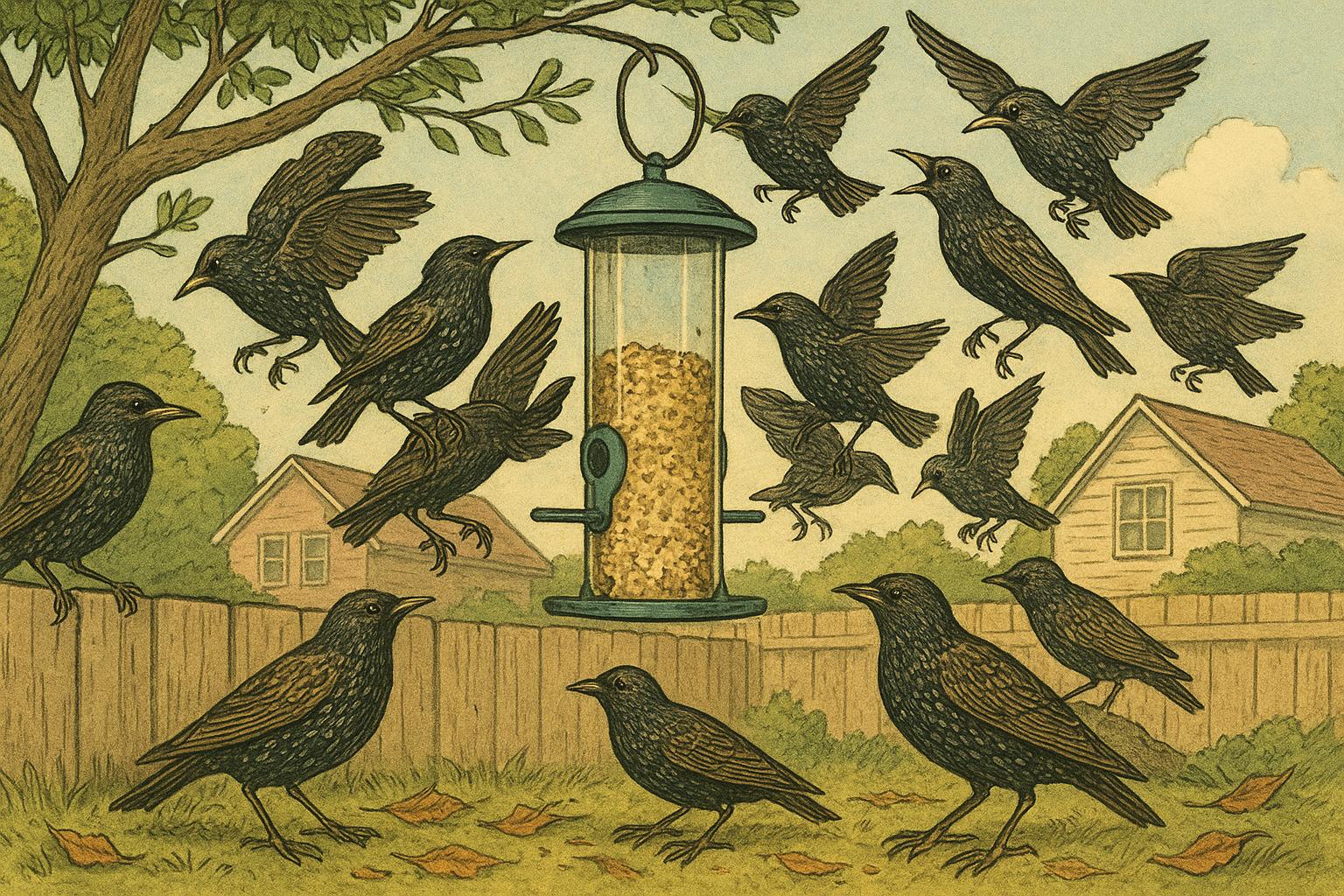
– Avoid Excess Fillers: “Mixed seed” bags often contain inexpensive fillers (red millet, wheat, oats) that many songbirds ignore while attracting pigeons and rodents. For selective attraction, pick targeted seed types.
– Storage: Store seed in airtight containers in a cool, dry place. Use seed within a few months, and keep smaller quantities in feeders to maintain freshness.
– Buy Quality: Porous or discolored seeds, or any with an off smell, indicate age or spoilage. Fresh seeds look plump, not shriveled.
## Feeder Selection And Placement For Best Results
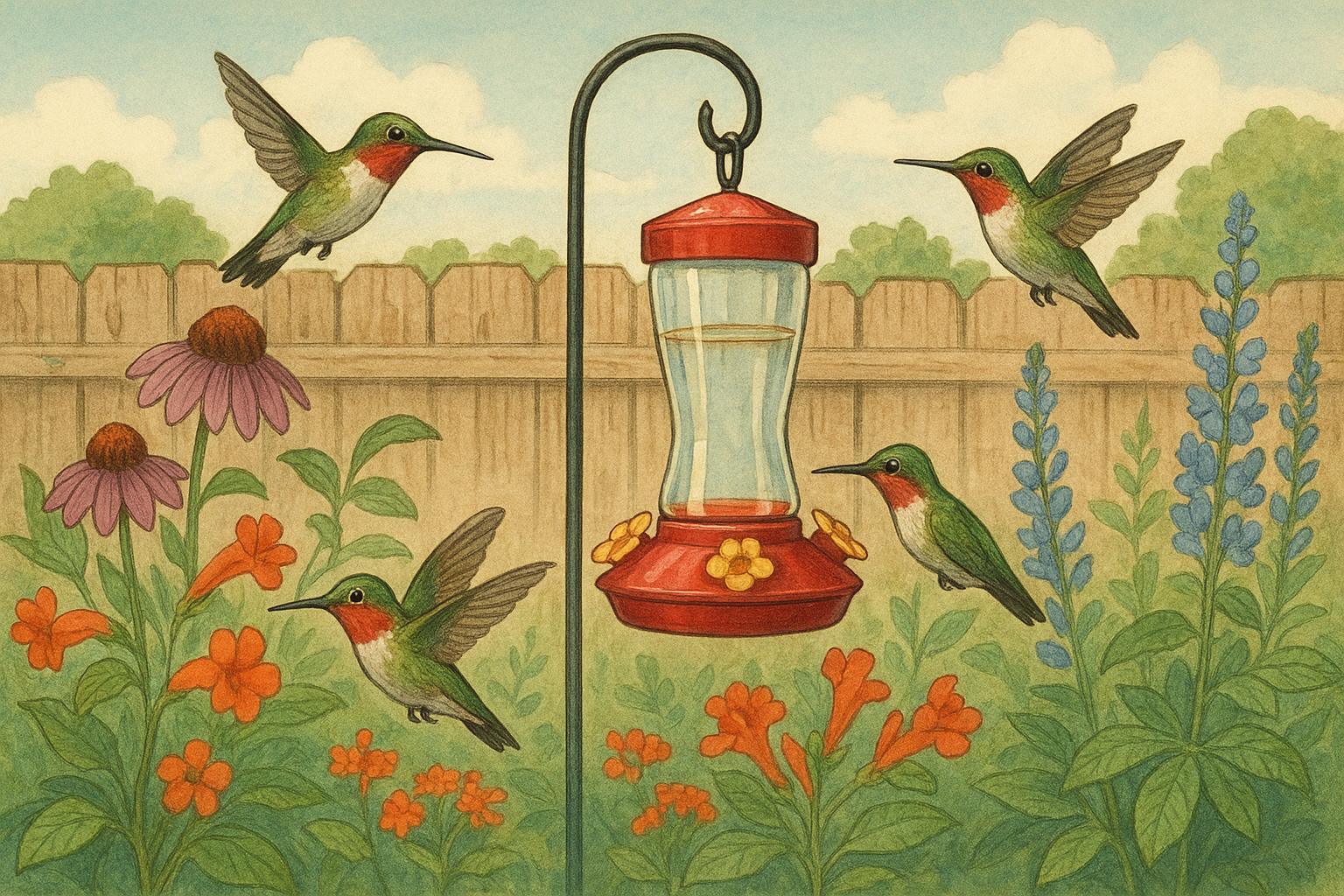
The best bird seed is only as effective as the feeder that holds it and the spot you place it.
### Feeder Types Matter
– Tube Feeders: Great for sunflower chips and mixed seeds; keep seeds dry and accessible.
– Mesh Feeders: Ideal for nyjer and thistle.
– Platform Feeders: Versatile for ground-feeders, cardinals, and mixed-seed types.
– Suet Cages: Necessary for suet and suet-based seed cakes.
### Placement Best Practices
– Height: Put feeders at varied heights to accommodate different species. Ground feeders for doves and tray feeders; mid-height for cardinals; high, twiggy spots for finches.
– Distance From Cover: Place feeders 10–20 feet from nearest shrub or tree. Close enough for birds to dart into cover, but not so close that predators can ambush them.
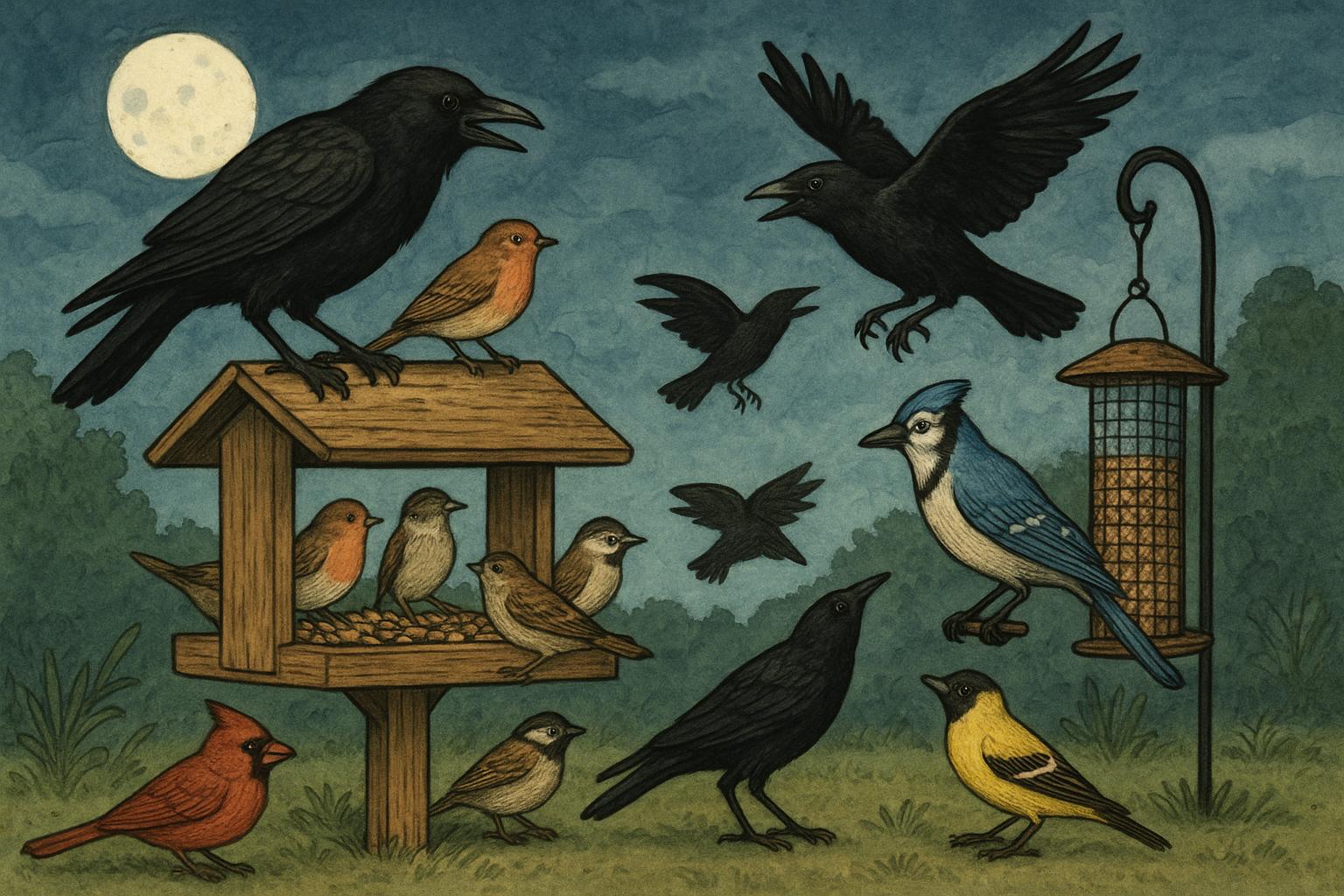
– Squirrel Considerations: If squirrels are an issue, mount feeders on poles with baffles or choose squirrel-resistant feeders. Avoid placing feeders within jumping distance from trees or fences.
## Common Mistakes When Choosing The Best Bird Seed
A few quick notes on what to avoid so your garden stays a vibrant bird hub instead of a disappointing snack bar.
– Buying Cheap, Heavy Filler Mixes: These often result in wasted seed and fewer songbird visitors.
– Letting Seed Sit Wet: Mold is a serious hazard. Remove and discard wet seed immediately and sanitize feeders.
– Overfilling Feeders: Excess seed on trays attracts rodents and leads to spoilage. Fill feeders according to regular usage, not capacity.
If you want to encourage specific species, matching feeder type, placement, and the best bird seed for that species will do most of the heavy lifting. With well-chosen seed and simple maintenance, your garden can become a bird magnet — and yes, you can take partial credit when your neighbor stops to ask how you did it.

Leave a Reply