
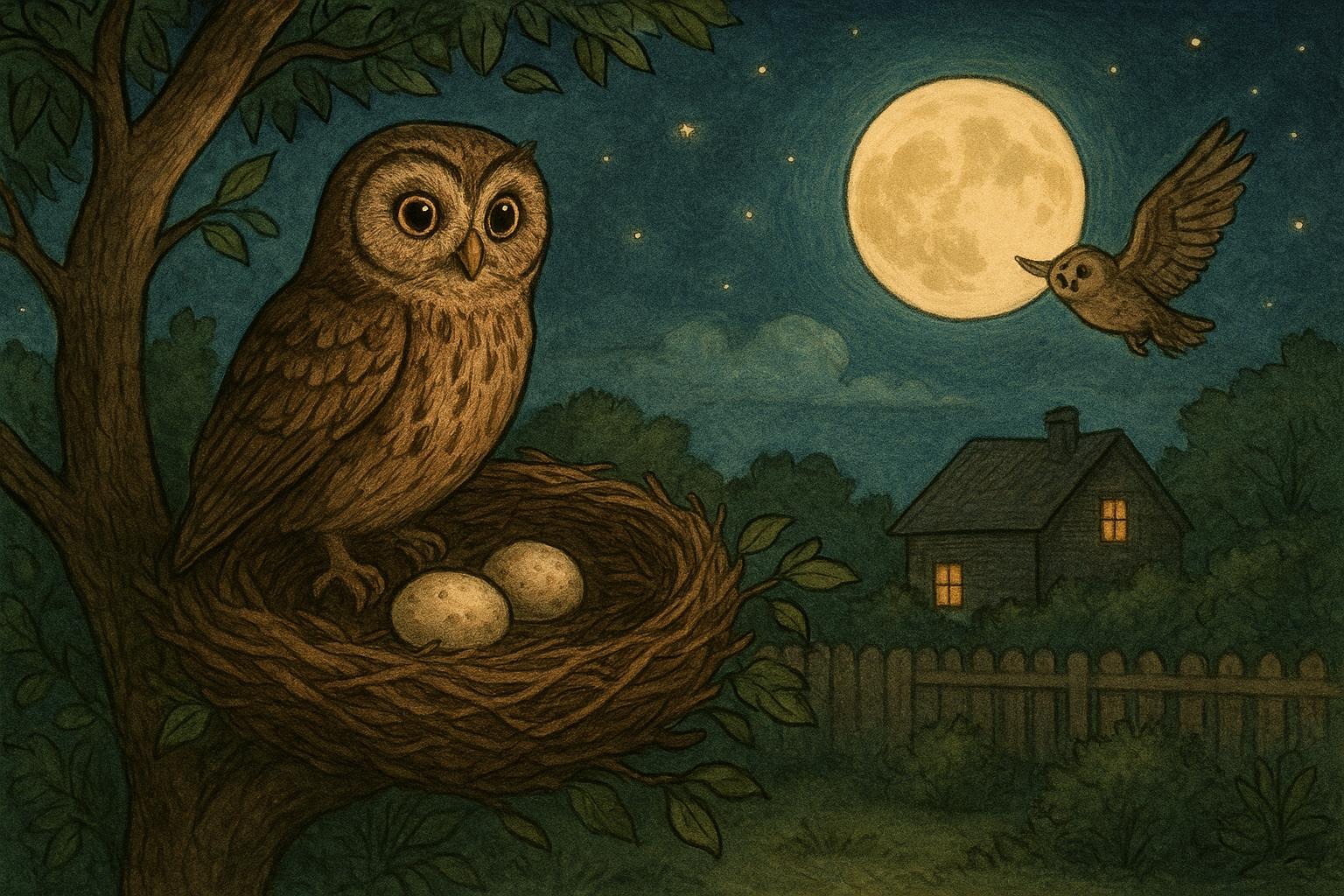
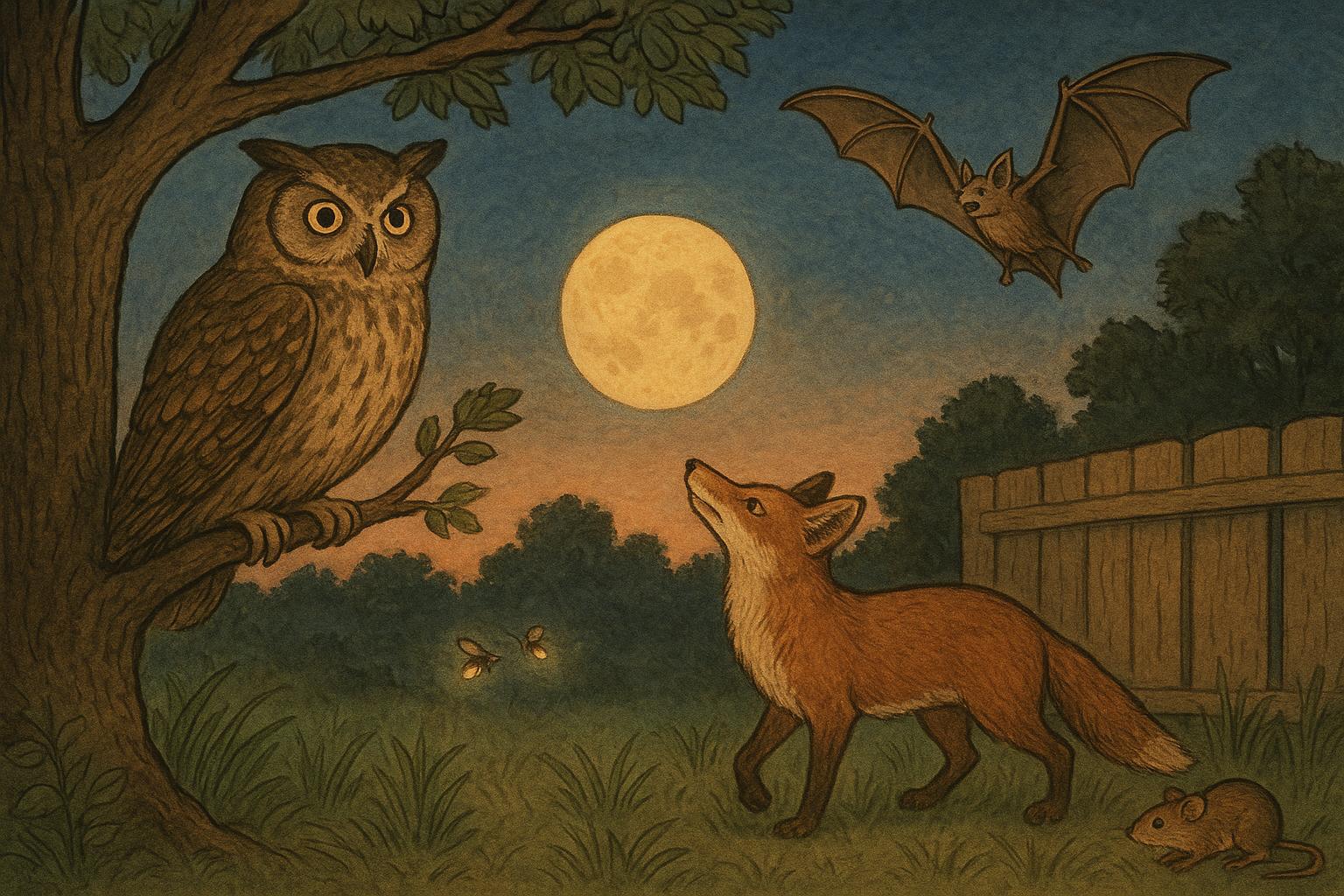
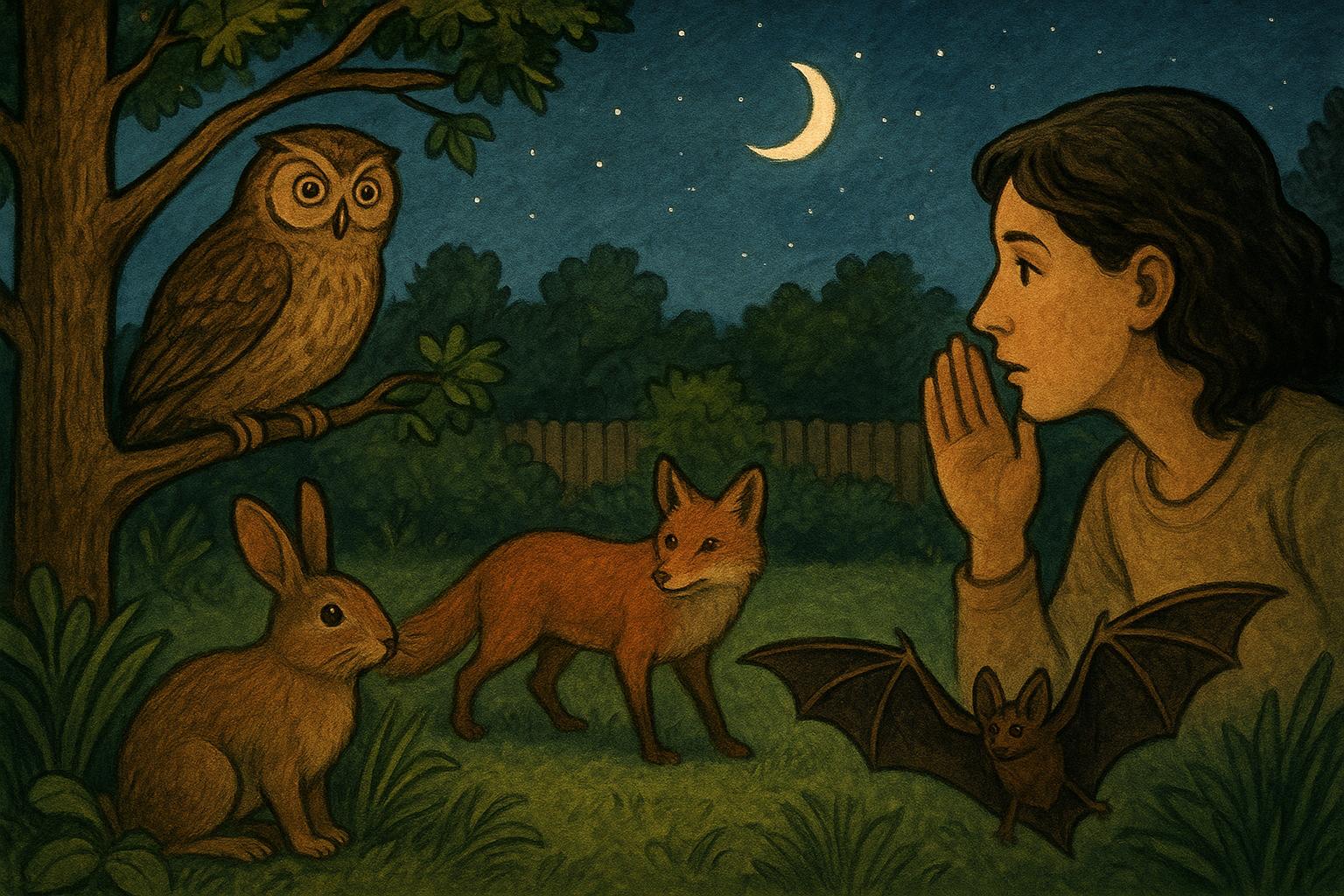
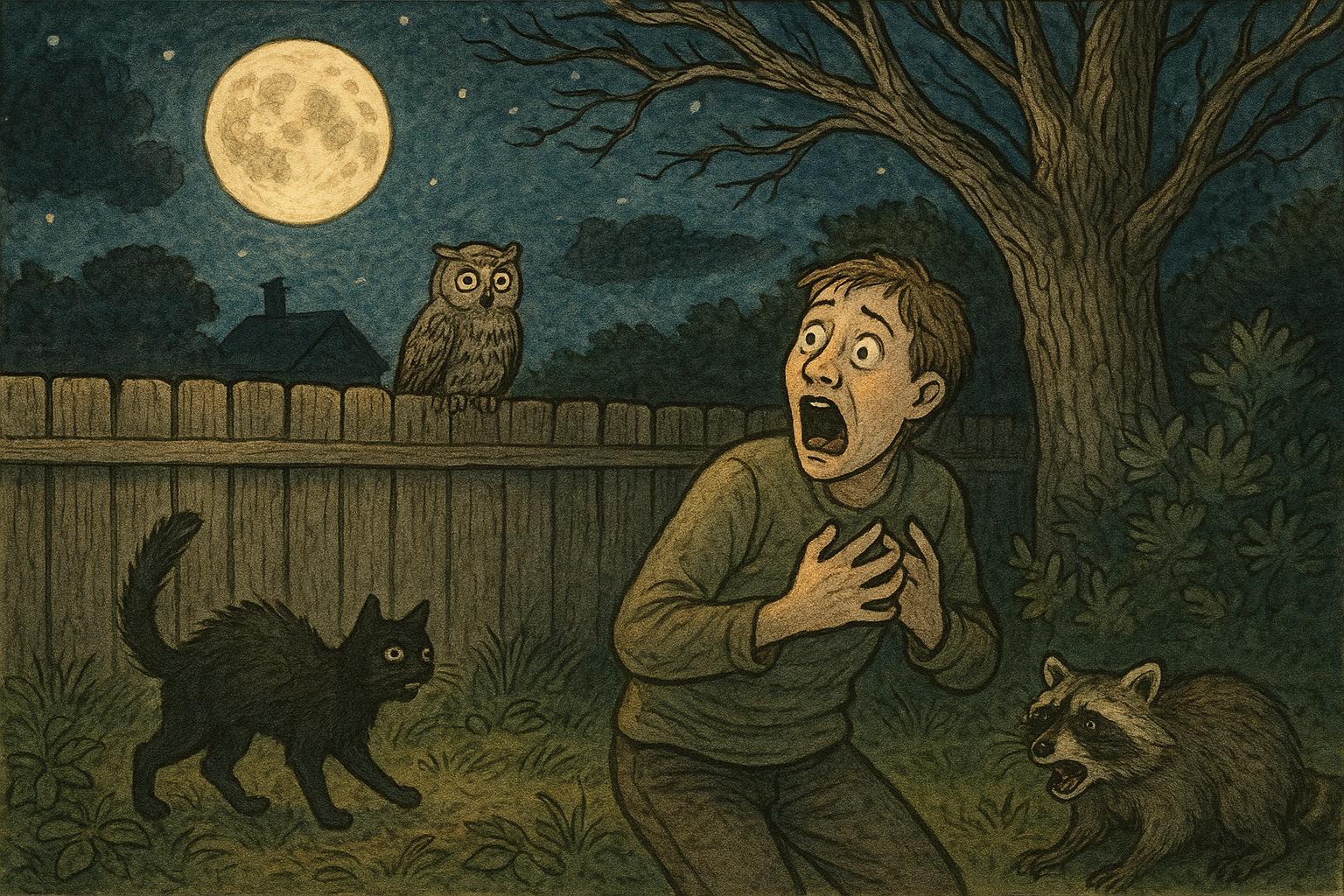
There’s something ineffably cozy about hearing a soft hoo or a curious trill drift across the yard on a silvered night. Whether you’re sipping tea by the kitchen window or sneaking a midnight gaze out to see what’s up, those moonlit messages can make your backyard feel like its own little nature documentary — and sometimes a sitcom, if the local owl has stage presence.
## Listening To Owl Calls In The Moonlight
Owl calls are the soundtracks of many quiet nights. They’re how these nocturnal neighbors announce territory, locate mates, and keep tabs on family. If you live near trees, fields, or even a surprisingly verdant suburban lot, your yard might be right on the main stage for a chorus of hoots, whistles, and rasping chatters that can be oddly comforting or startling depending on the hour.
### What Different Calls Mean
Owls are surprisingly expressive. Their calls can be grouped into several broad types:
– Territorial hoots: long, spaced hoots that declare “this is mine” to other owls.
– Courtship songs: softer, repetitive calls exchanged between potential mates.
– Alarm calls and screeches: sharp, urgent sounds when predators or disturbances are near.
– Contact calls: short notes used by parents and fledglings to locate each other.
When you hear those moonlit messages, you’re eavesdropping on a social life that’s mostly invisible. Learning to distinguish one call from another makes the whole experience richer — and helps you know whether to watch quietly, call wildlife rescue, or just enjoy the show.
### Listening Etiquette For Backyard Birdwatchers
If you want more owl-time, patience and subtlety win. Keep lights low, move slowly, and avoid loud noises. Owls are shy about showing off their private moments, and persistent disturbance can make them abandon a favored perch or nest. A red flashlight or a dim headlamp helps preserve night vision without blinding your feathered friends.
## Recognizing Local Species And Their Sounds
Different owl species have signature calls. A great horned owl’s deep, resonant hoot is a classic “hoo-hoo,” while a screech owl’s signature can be more wavering and eerie. Barn owls, with their ghostly heart-shaped faces, emit a long, raspy screech rather than a hoot. Learning the local lineup helps you understand what nightly narratives are unfolding above your fence.
### When Owl Calls Suggest Trouble
Most nighttime calling is normal, but certain patterns can indicate a problem:
– Repeated distress calls or long, frantic screeches might mean a nest is threatened or a bird is injured.
– Persistent calling during daylight can point to a fledgling that hasn’t mastered flying.
– Groups of birds calling frantically could mean an intruder (cats, raccoons, owls of a different species) is nearby.
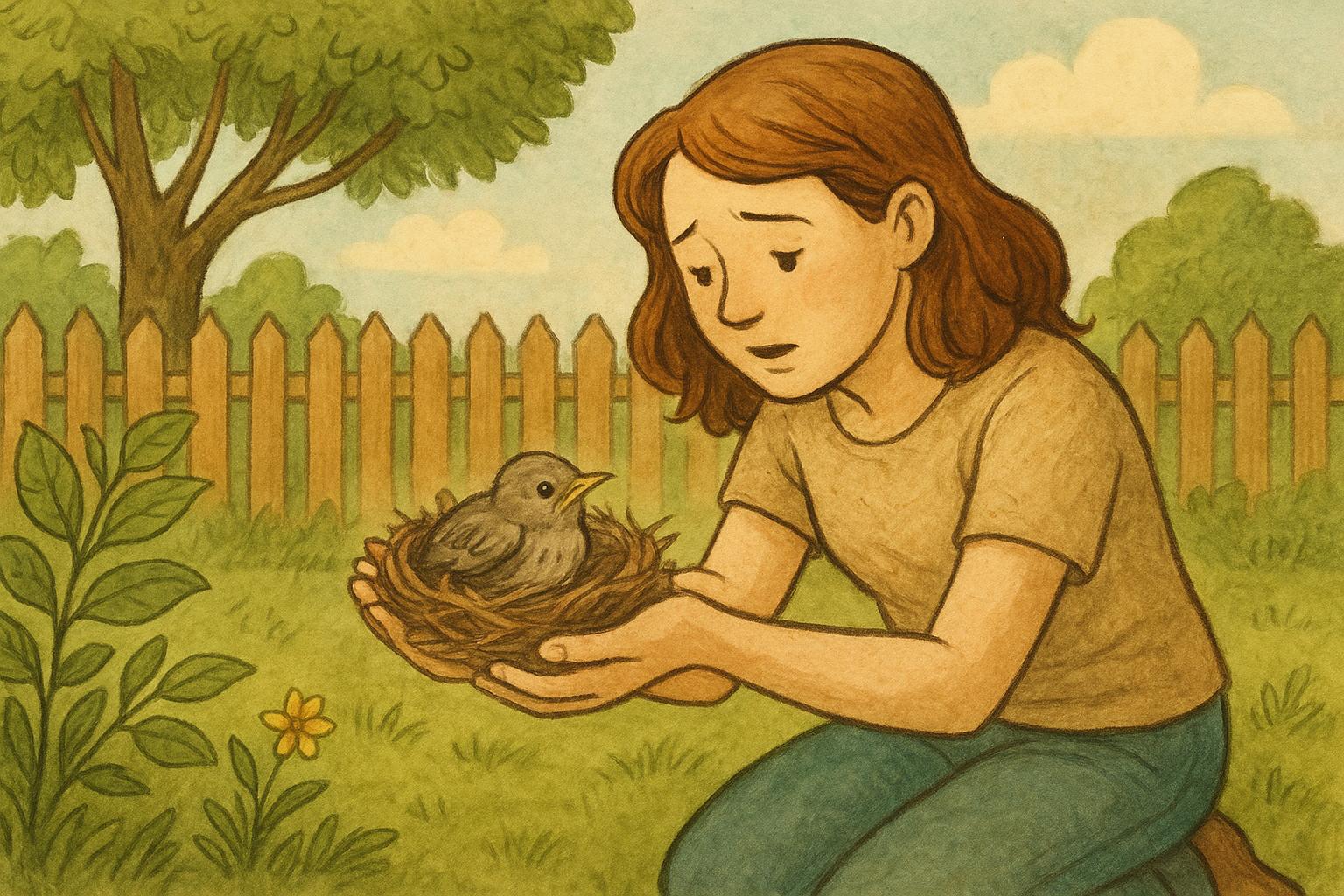
If you suspect an injured bird, contact a licensed wildlife rehabilitator rather than attempting a rescue yourself. Handling wildlife without training can cause more harm than good.
#### Safety Tips For Children And Pets
Keep curious kids and pets indoors or supervised during peak owl activity. Cats, in particular, can lure predators into risky encounters or become prey themselves. A secure screen door or evening playtime shift keeps both human and avian neighbors safer.
## How Owls Use Your Yard — And How You Can Help
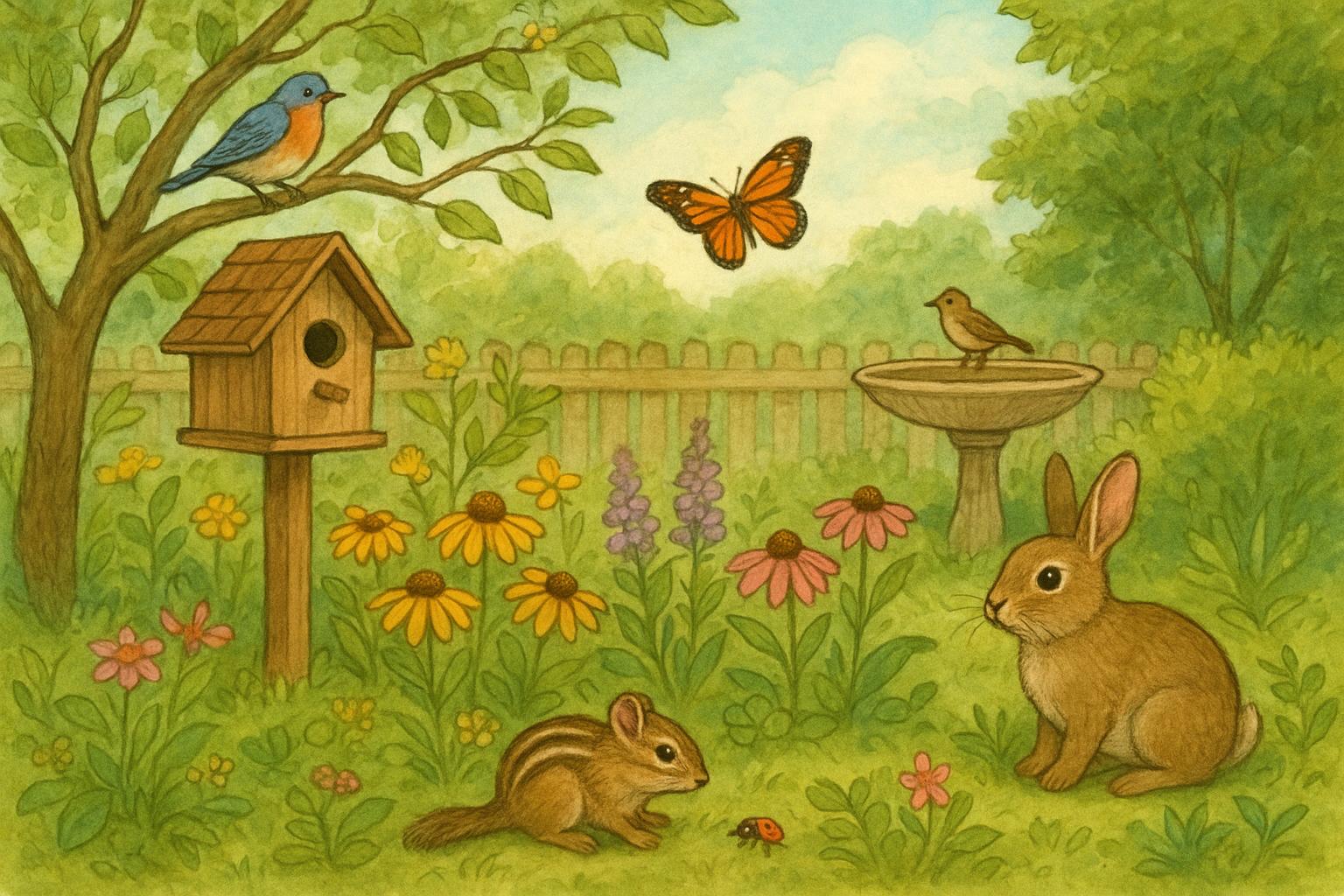
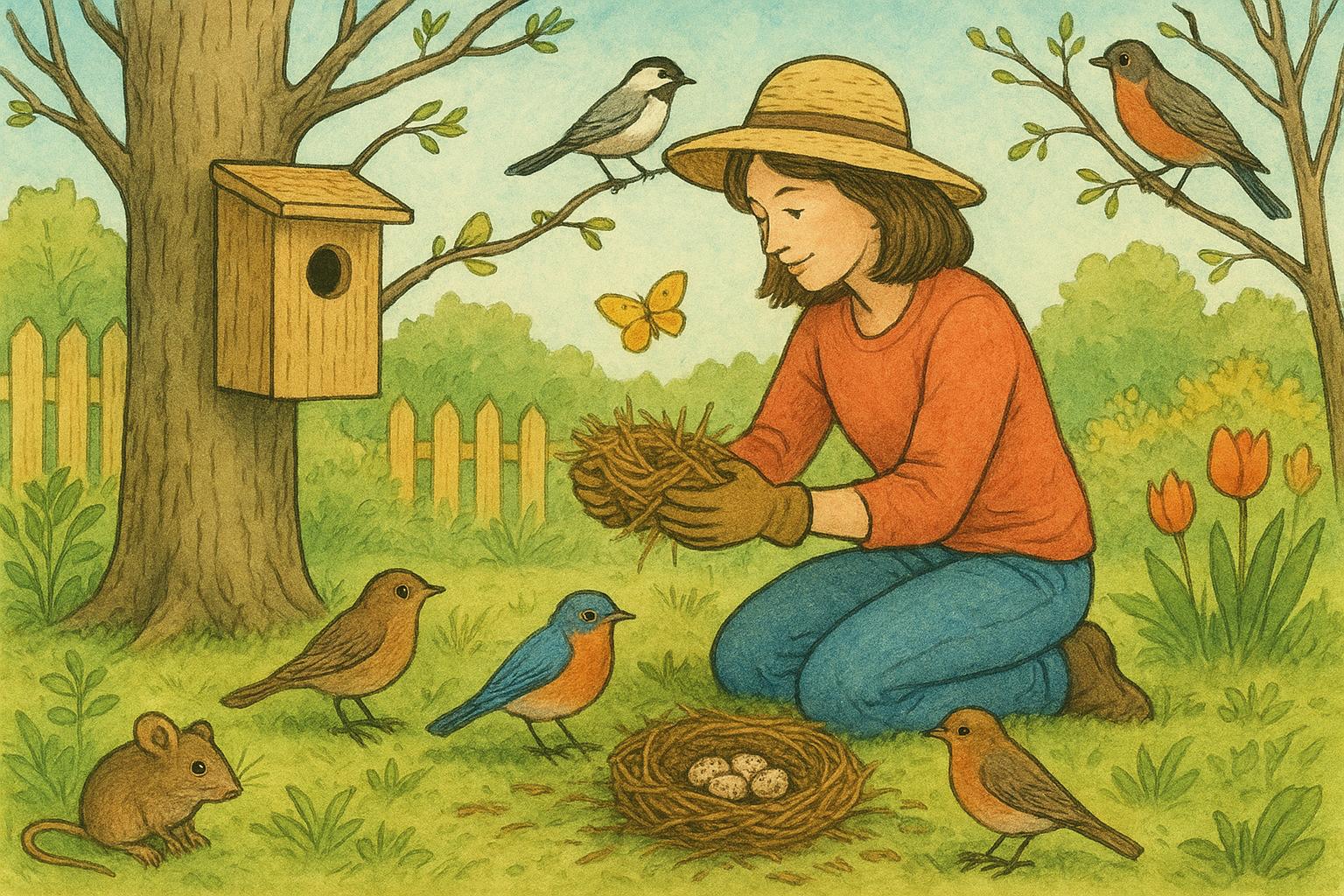
Your yard can be snack bar, nursery, or perch for passing owls. Birds of prey value a mix of open hunting space and sheltered roosts. If your goal is to encourage owls (for natural rodent control or simply for the joy of listening), thoughtful habitat improvements help.
### Attracting Owls Humanely
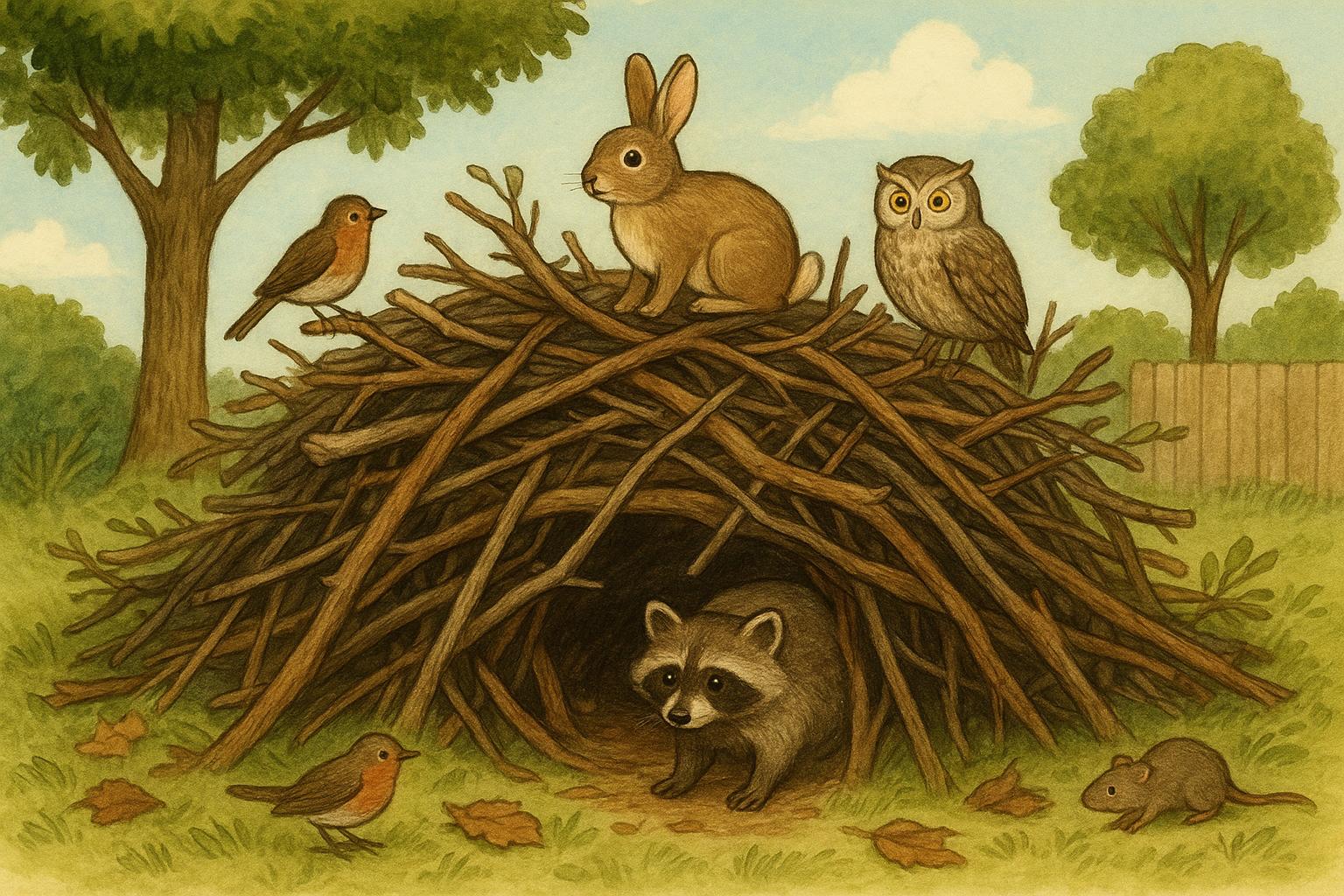
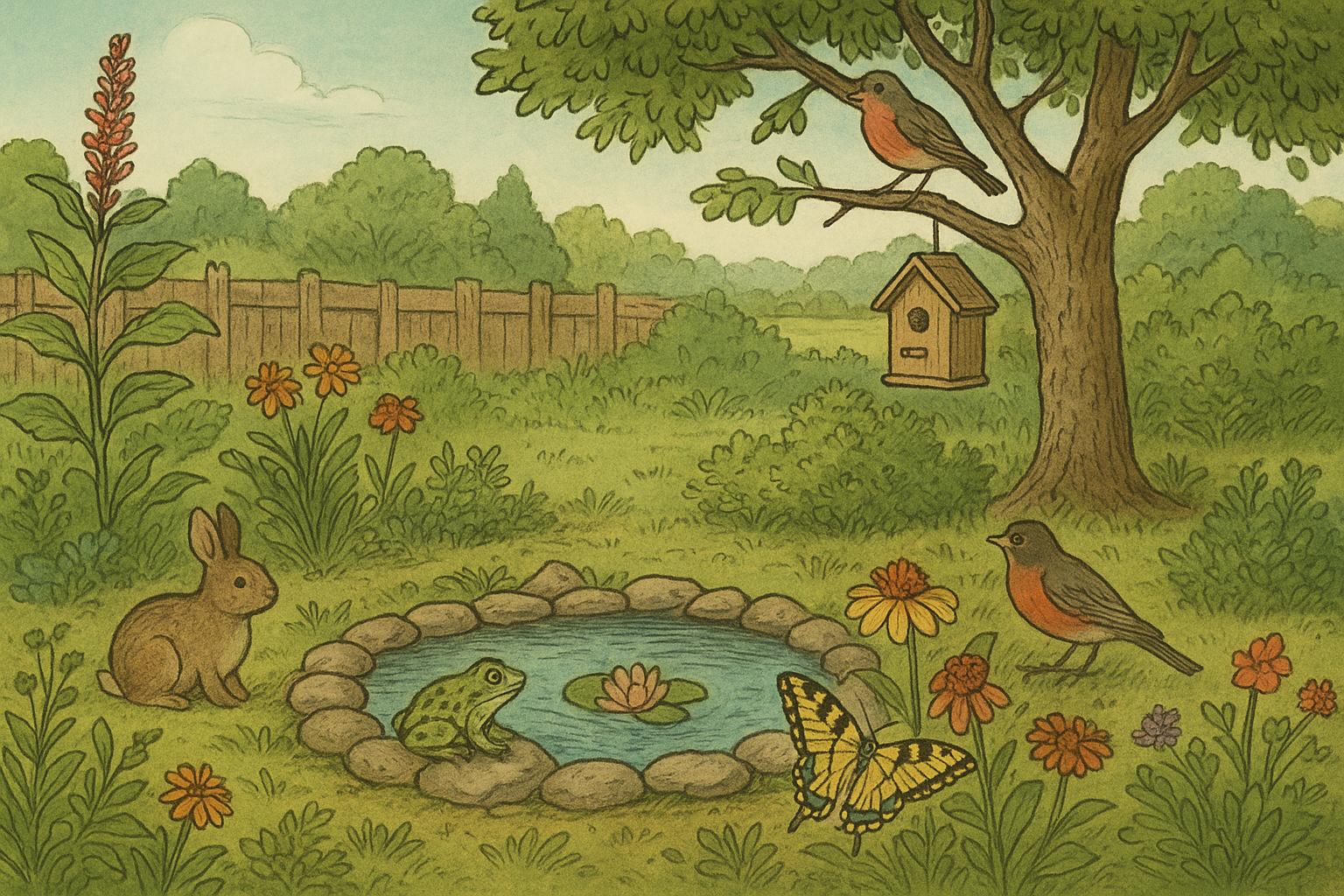
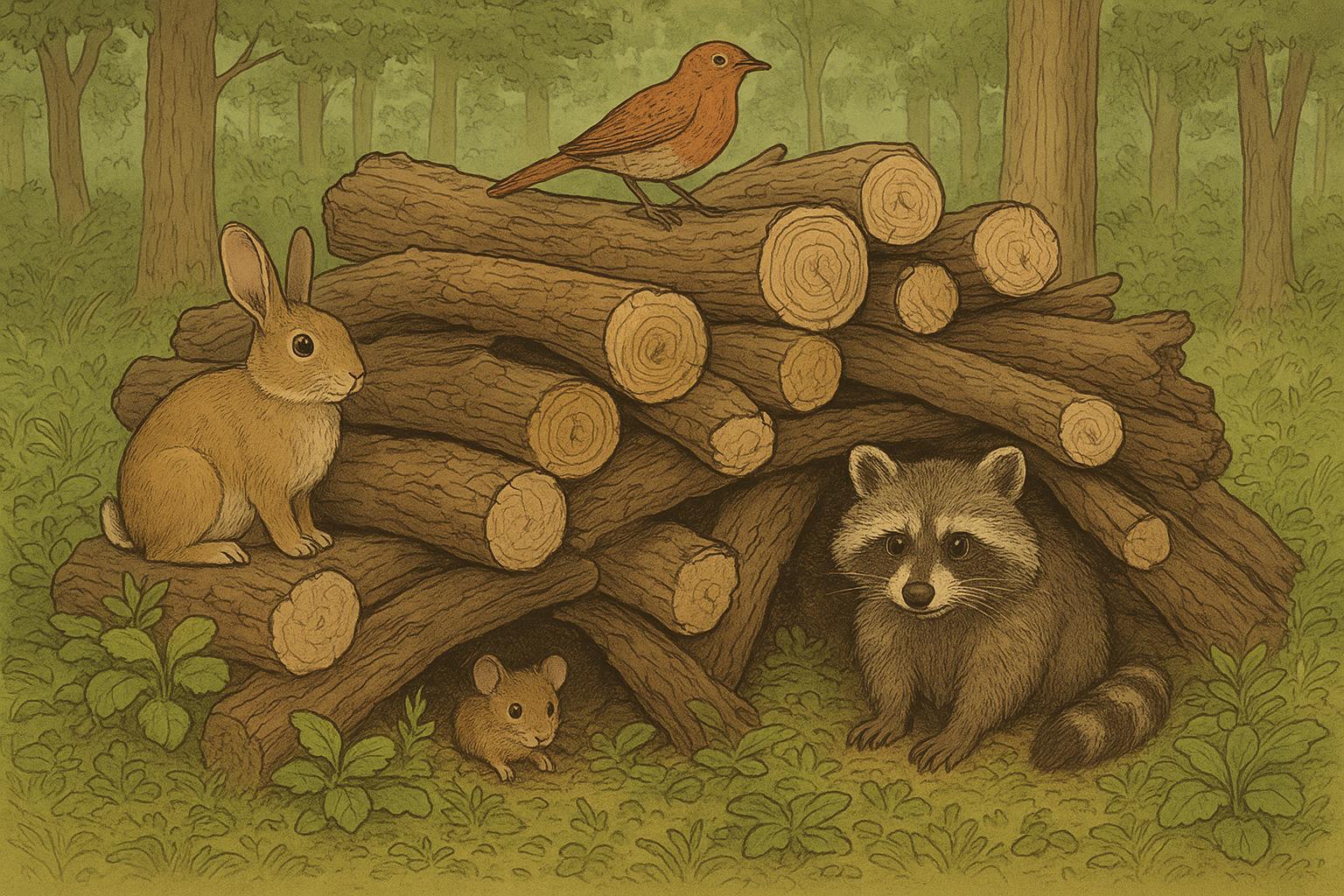
Attraction should be low-impact and wildlife-centered. Plant native trees and shrubs to provide cover; leave fallen logs and brush piles where safe; and avoid rodenticides that poison secondary predators like owls. Noise and bright lights discourage nightbirds, so consider motion-activated lighting that stays off most of the night.
## How To Build A Cozy Owl Nest Box
If you want to offer a safe, long-term home and encourage regular visits, a properly designed nest box is an effective remedy. The instructions below are practical and intended to be used by homeowners in temperate regions where nest boxes are appropriate for local owl species. Follow local wildlife guidelines and, when in doubt, consult a regional birding group or wildlife agency.
Materials Required:
– Exterior-grade plywood (3/4 inch thick) — enough for front, back, sides, floor, and roof
– Galvanized or stainless-steel screws (1-1/4” to 2”)
– Waterproof exterior wood glue
– Hinges and a hasp or latch for inspection access
– 1/2 inch mesh or wooden perch omitted (most owl boxes require no perch)
– Non-toxic exterior paint or stain (optional)
– Roofing felt or metal flashing for weatherproofing
– Mounting hardware (metal pole bracket or heavy-duty screws for tree mounting)
– Safety gear: gloves, eye protection, and a ladder (if mounting high)
Step-By-Step Construction and Installation:
1. Choose the Right Design:
– Select a box design specific to your local owl species (e.g., barn owl or screech owl). Dimensions vary: a screech owl box can be roughly 12”x12”x16”, whereas a barn owl needs substantially larger space. Use a vetted blueprint from a wildlife organization.
2. Cut the Pieces:
– Cut plywood for the front, back, two sides (with slight inward slope for water runoff), floor, and a sloped roof. Ensure the front has a proper-sized entrance hole; species-specific sizes minimize predator access.
3. Assemble Walls and Floor:
– Glue and screw the sides to the back panel, then attach the floor. Leave a small ventilation gap near the top on the sides and drainage holes in the floor.
4. Install the Roof and Inspection Panel:
– Attach a hinged roof or an inspection panel with a hasp. This allows you to check the box for occupancy and maintenance without dismantling it.
5. Weatherproof:
– Apply non-toxic exterior paint or stain on the outside surfaces only; do not paint the interior. Add roofing felt or metal flashing to the roof for extra protection.
6. Mounting Location:
– Install the box 10–20 feet high (species-dependent) on a tree trunk, pole, or building, facing away from prevailing winds and direct afternoon sun. Ensure the box is stable and inaccessible to predators.
7. Monitor Responsibly:
– Conduct minimal, non-invasive checks in appropriate seasons to avoid stressing nesting birds. Many regions restrict access during nesting season; consult local regulations.
8. Maintenance:
– Clean and inspect boxes during the non-breeding season. Replace weather-damaged components and ensure drainage and ventilation remain clear.
Application Notes:
– Avoid placing boxes too close to busy human activity.
– Do not bait boxes with food; natural hunting keeps owls healthy.
– Use predator guards on poles where necessary.
– Keep records of occupancy and timing; this citizen-science data supports local conservation.
### Placement, Timing, And Legal Considerations
Placement and maintenance protocols must follow local wildlife laws. In many areas, interfering with active nests is illegal. Only inspect boxes when allowed, typically outside nesting months, and always prioritize the birds’ well-being over curiosity. If you’re uncertain about species needs or legalities, reach out to a local Audubon society, bird club, or wildlife agency for advice and blueprints.
## Respectful Remedies For Noisy Nights
If the reason you’re reading this is that the nightly hooting is interrupting a movie night (or your sleep), there are gentle, legal measures to reduce disturbance without harming wildlife. Avoid lethal or harmful deterrents. Instead, consider:
– Sound masking indoors: white noise machines or fans can help make calls less intrusive.
– External privacy plantings that create a buffer between the nest area and your windows.
– Strategic scheduling: if daytime sleep is critical for you (shift workers), try sleeping aids that don’t affect your ability to respond to emergencies; consult a physician as needed.
### When To Call A Professional
Persistent signs of injury, a bird trapped in an unsafe place, or concerns about a vulnerable species warrant professional help. Contact a licensed wildlife rehabilitator or your local environmental agency. They can offer safe handling, treatment, and legal guidance.
Nighttime in the backyard can be a gateway to appreciating the rhythms of the natural world. Those owl calls carry messages older than your house — territorial poetry, family talk, and occasionally, an update on the local mouse population. Invite them in thoughtfully, keep your comedies inside, and remember: a properly placed nest box is an open invitation written in wood, screws, and a respect for the moonlit neighbors who hoot through our nights.

Leave a Reply