
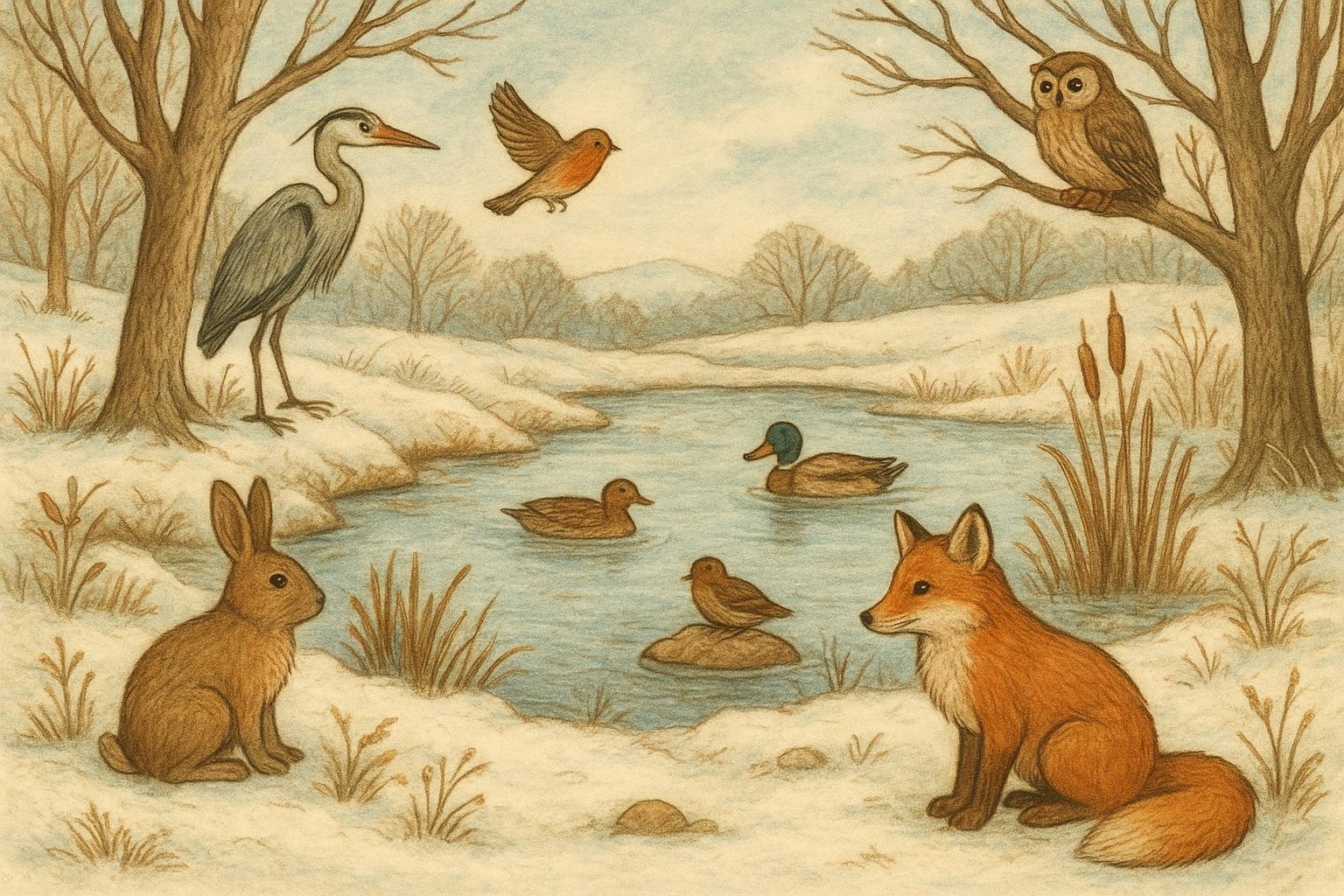
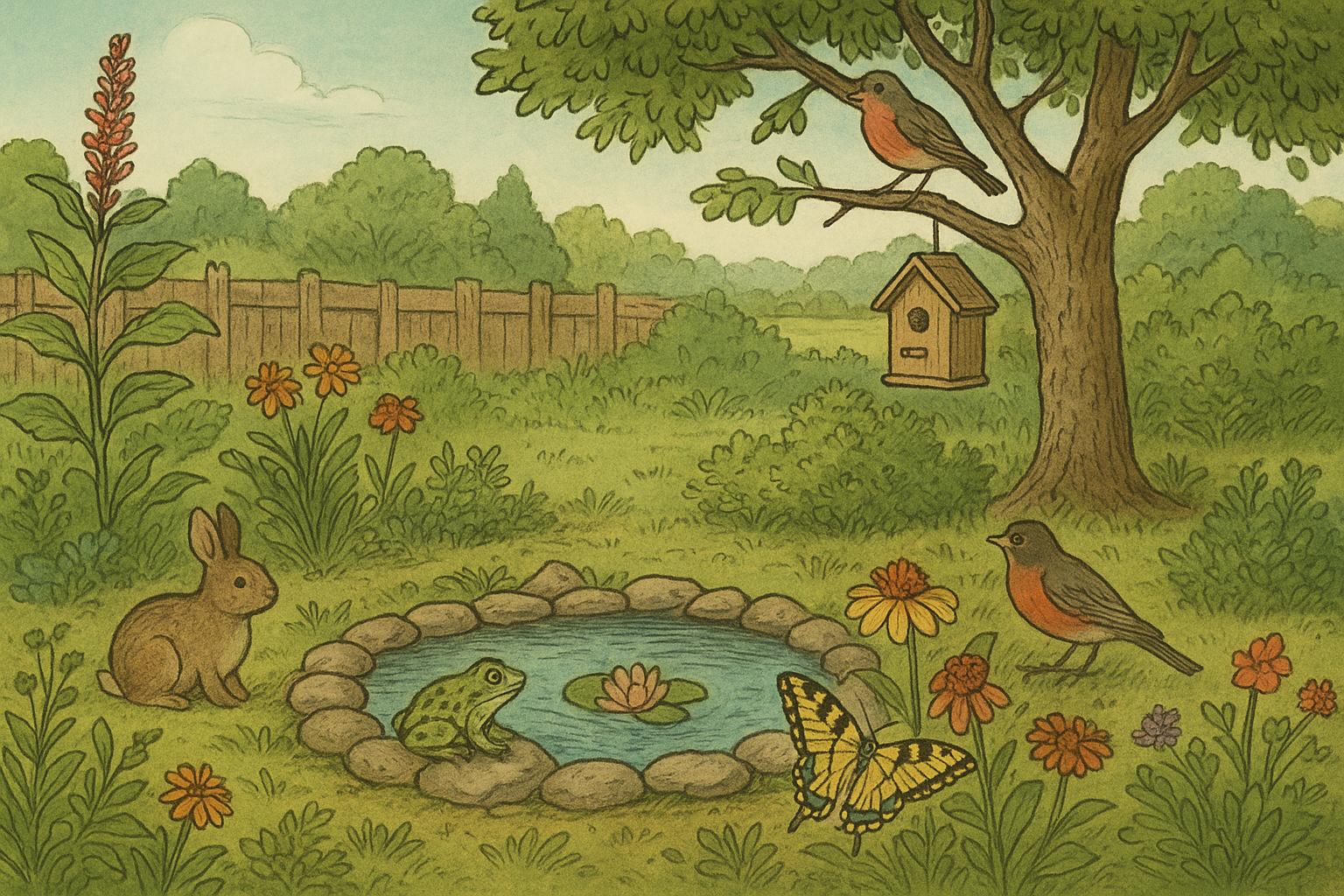
Winter months don’t have to mean a barren backyard. With a little planning, your small pond can become a vibrant winter refuge that keeps birds, mammals, amphibians, and beneficial insects fed, hydrated, and safe — even when frost paints the world silver. Think of it as a cozy hotel for local wildlife, open all season.
## Winter Pond Oasis For Wildlife In Cold Seasons All Year
### Why A Winter Pond Matters For Local Wildlife
A properly managed winter pond is more than just an aesthetic feature. When temperatures drop, water is one of the most valuable resources for animals. A winter pond provides:
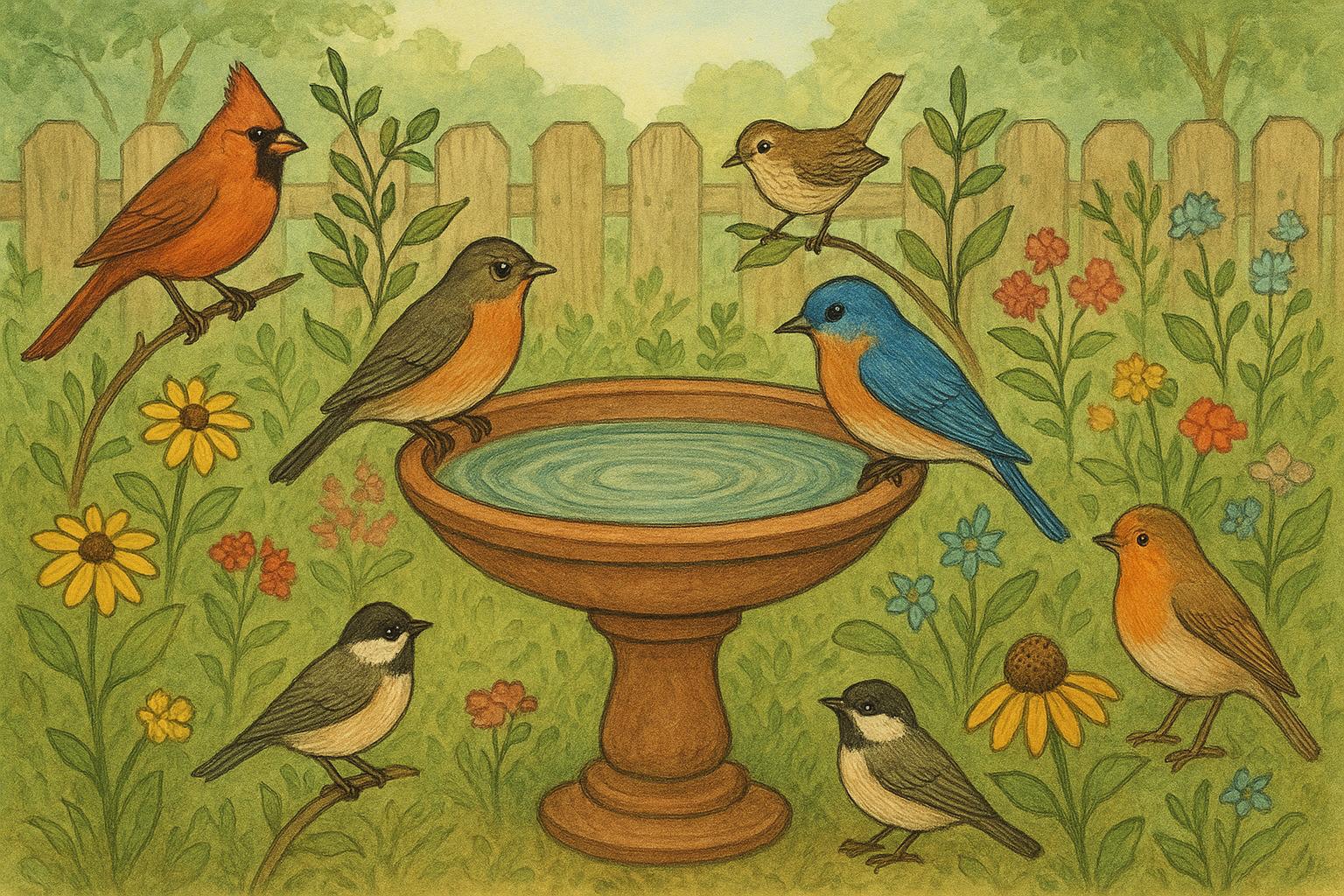
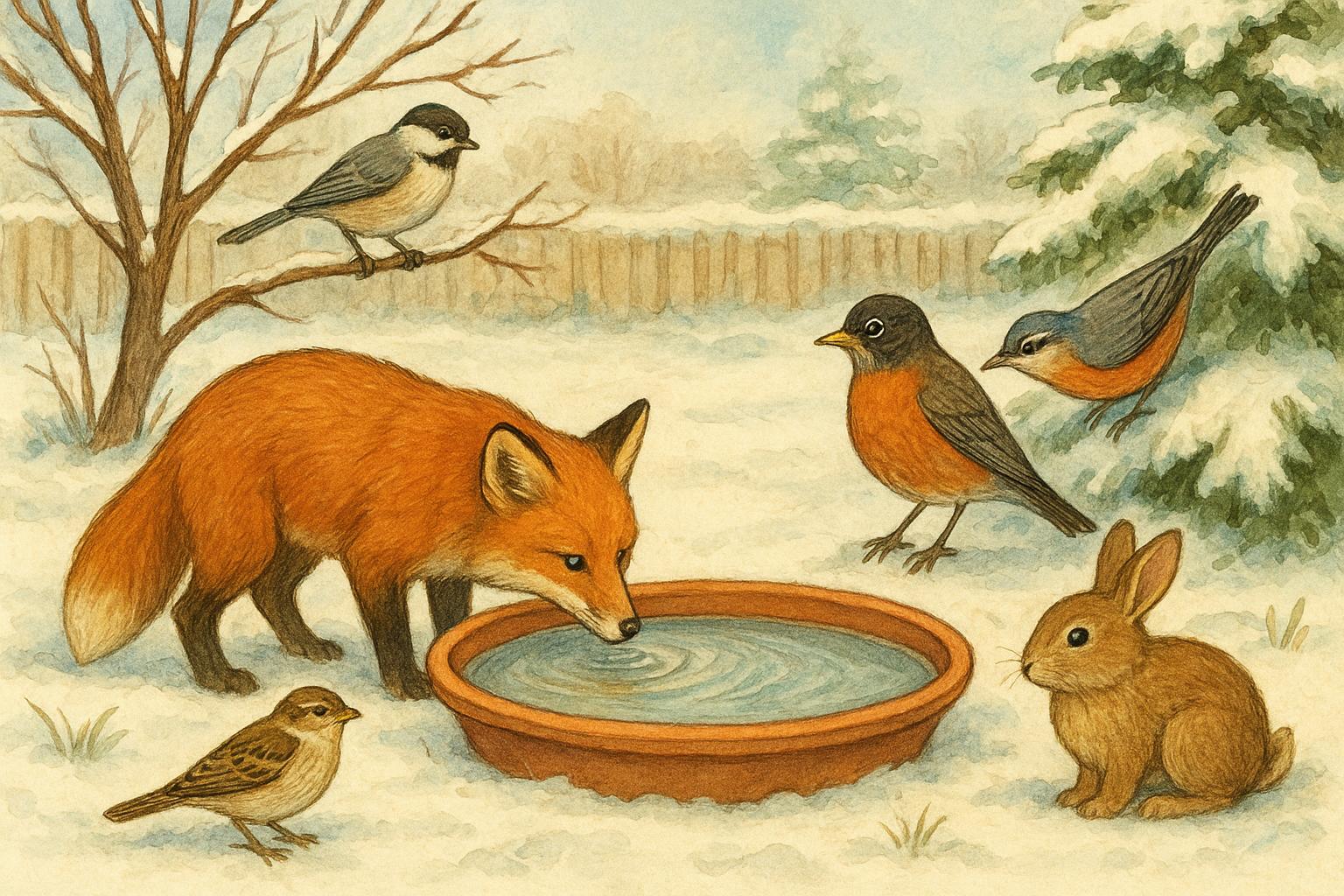
– Open water for drinking and bathing when other sources are frozen.
– Hunting and feeding sites for predators (benefiting ecological balance).
– Submerged and marginal habitats that moderate temperature and allow overwintering of aquatic life.
This isn’t about turning your pond into a tropical spa; it’s about maintaining crucial micro-habitats so that frogs, ducks, deer, and even overwintering insects have the resources they need. Even small ponds can have outsized benefits in urban or suburban landscapes where natural water is scarce.
### The Ecological Chain Reaction Of A Healthy Winter Pond
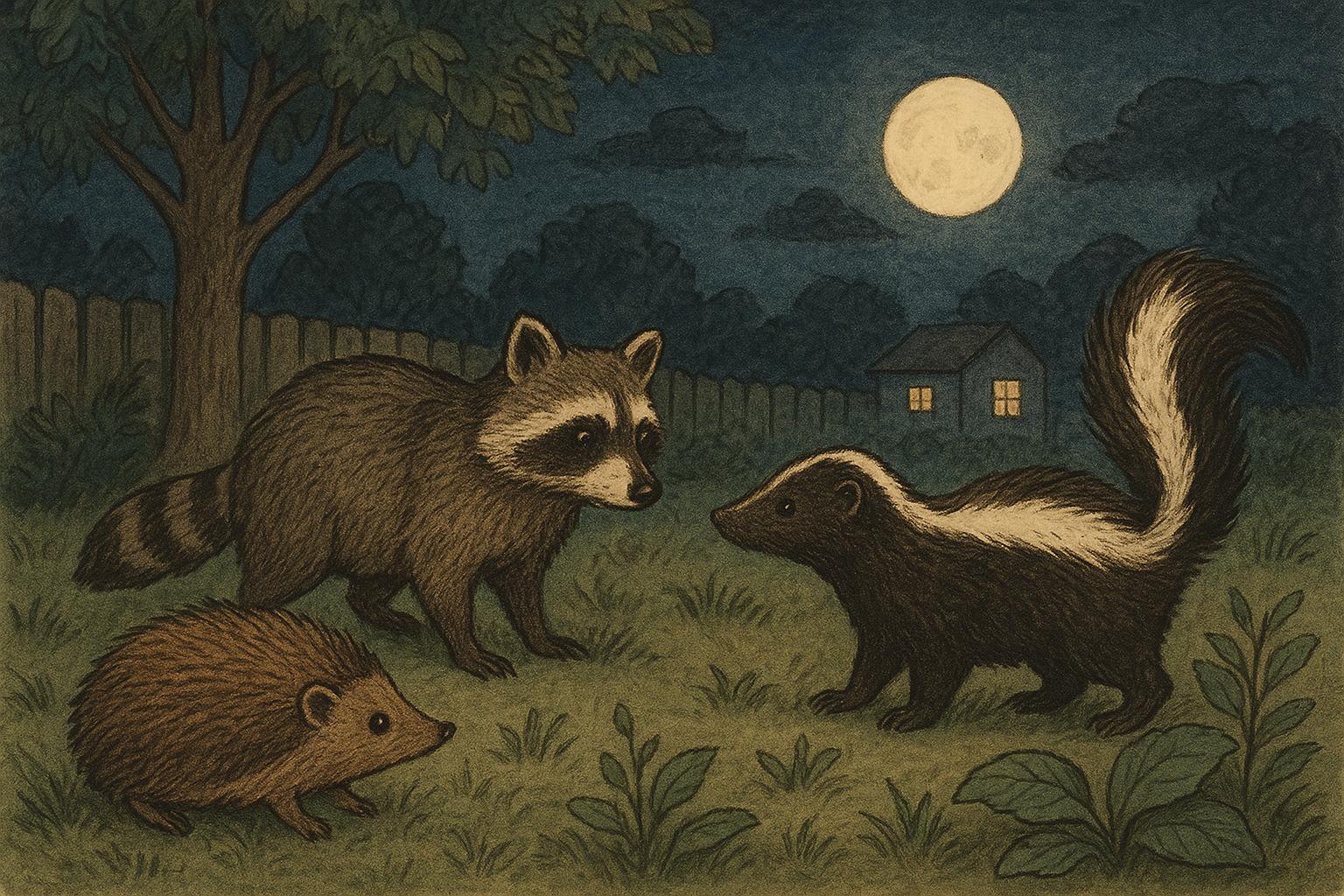
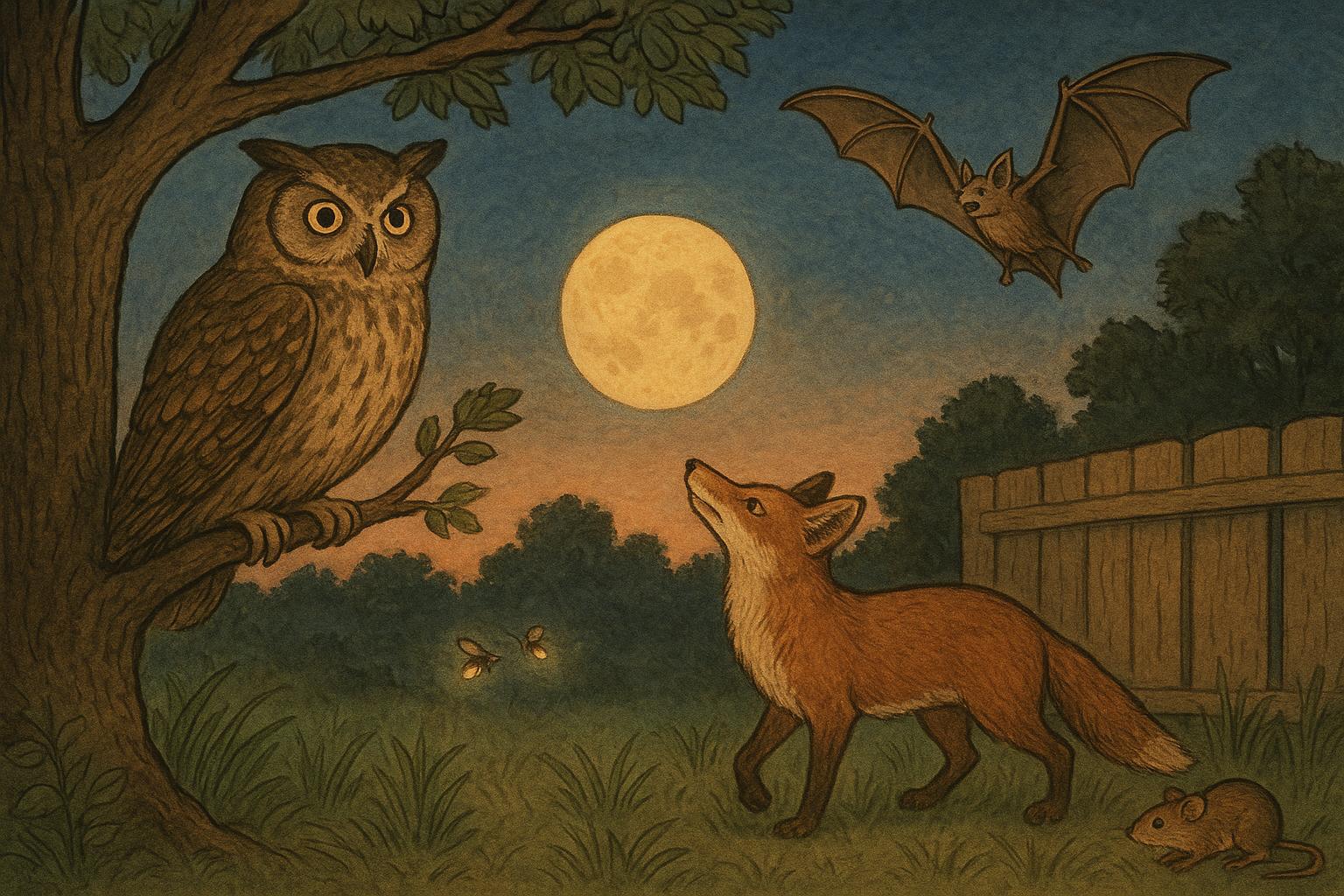
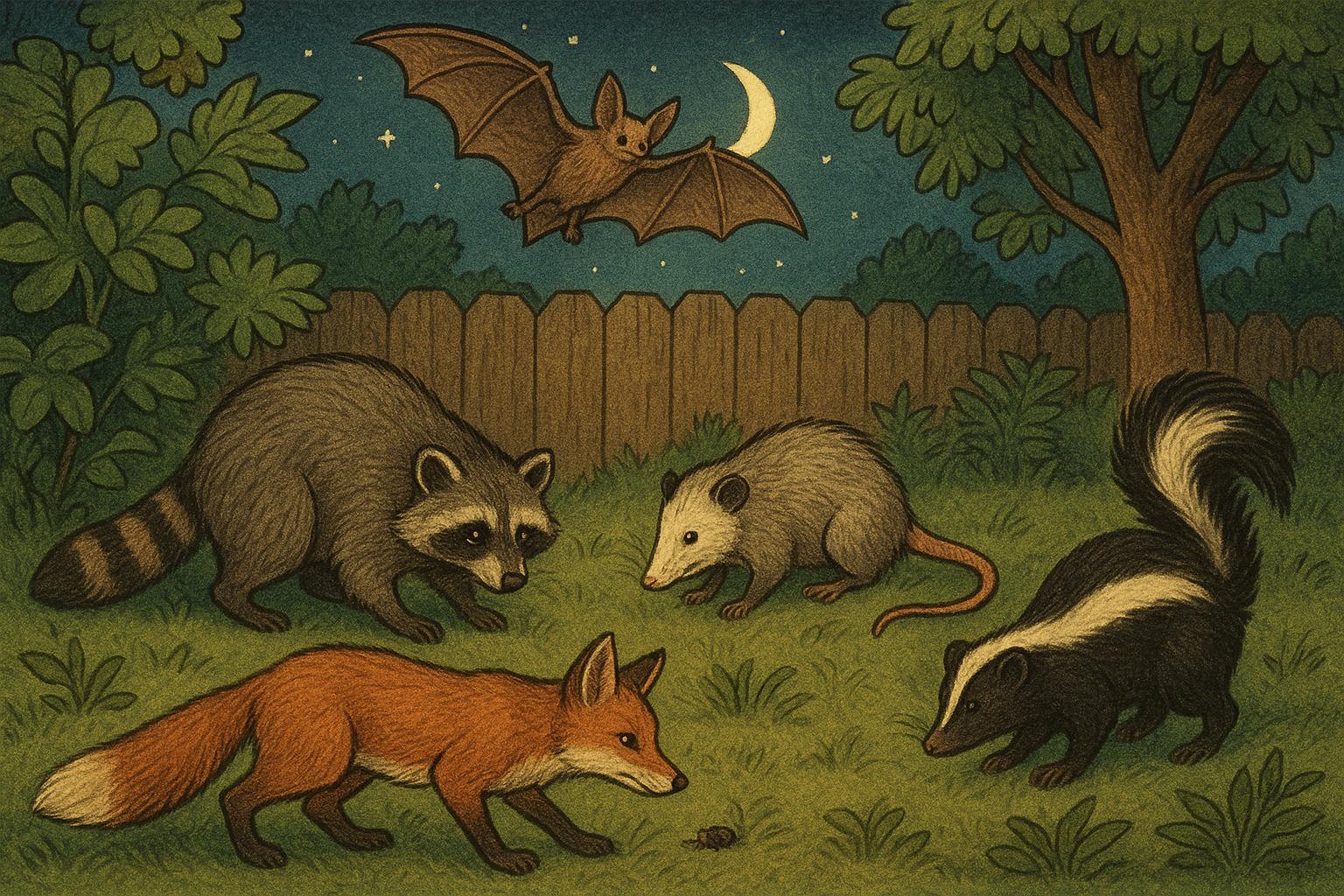
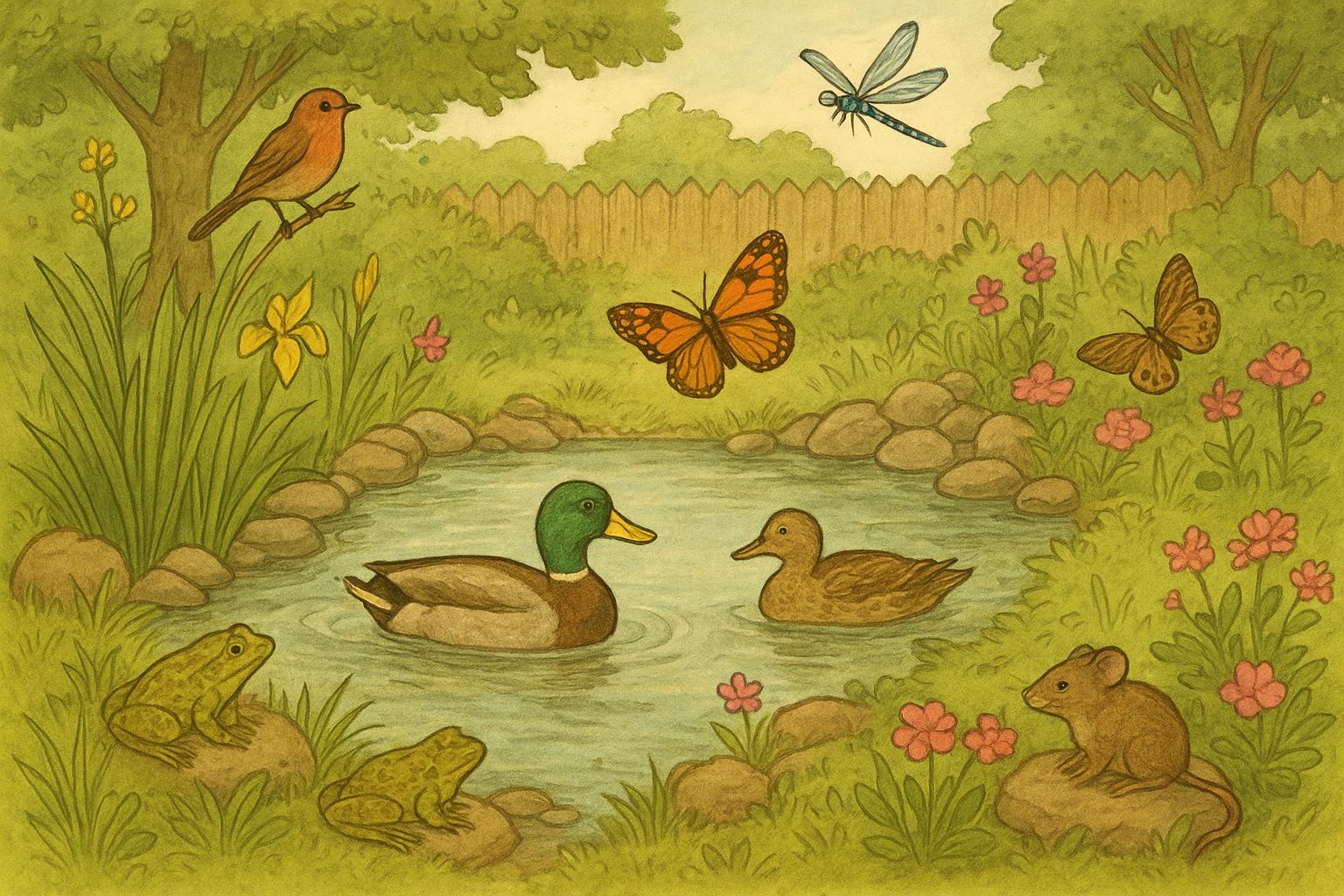
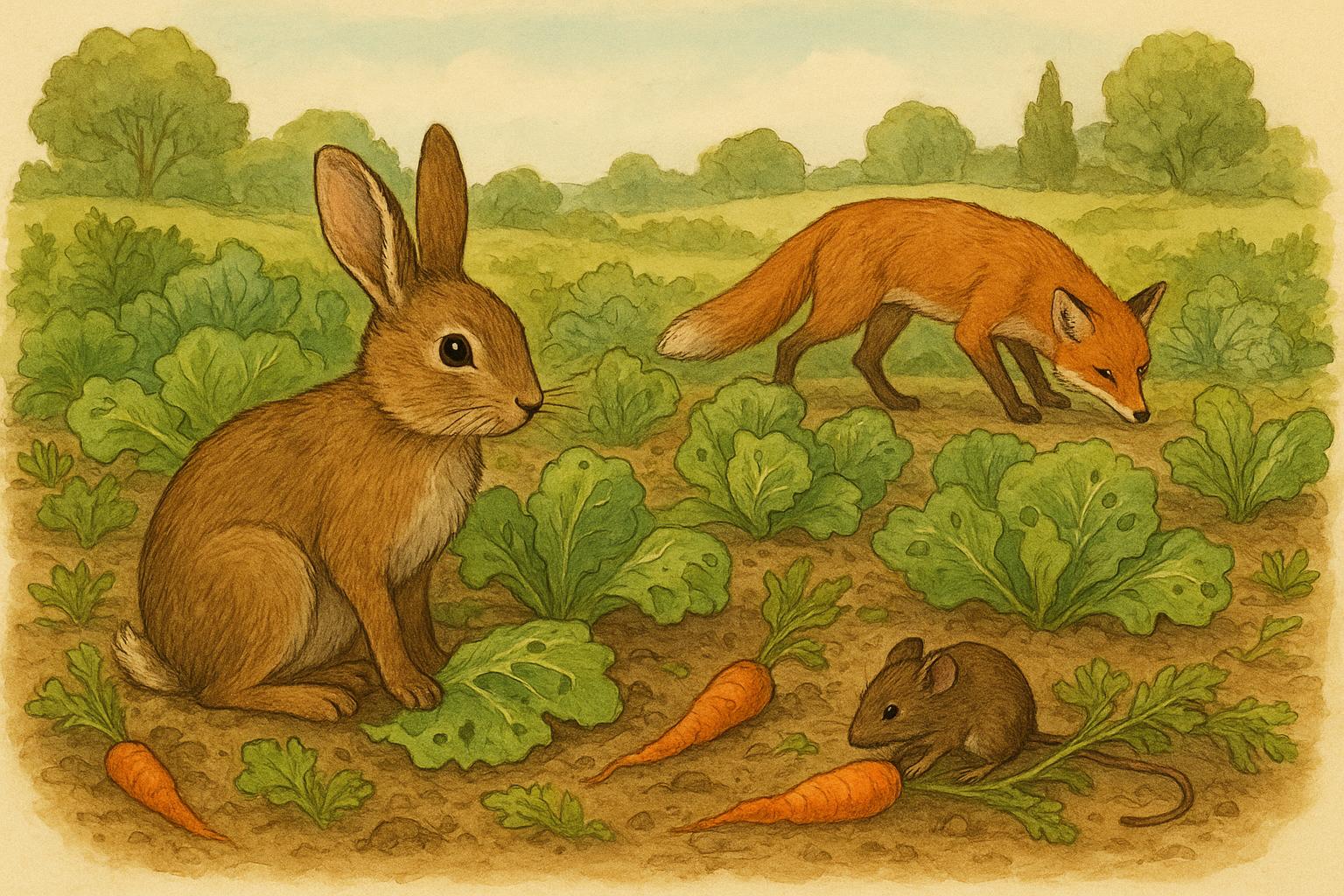
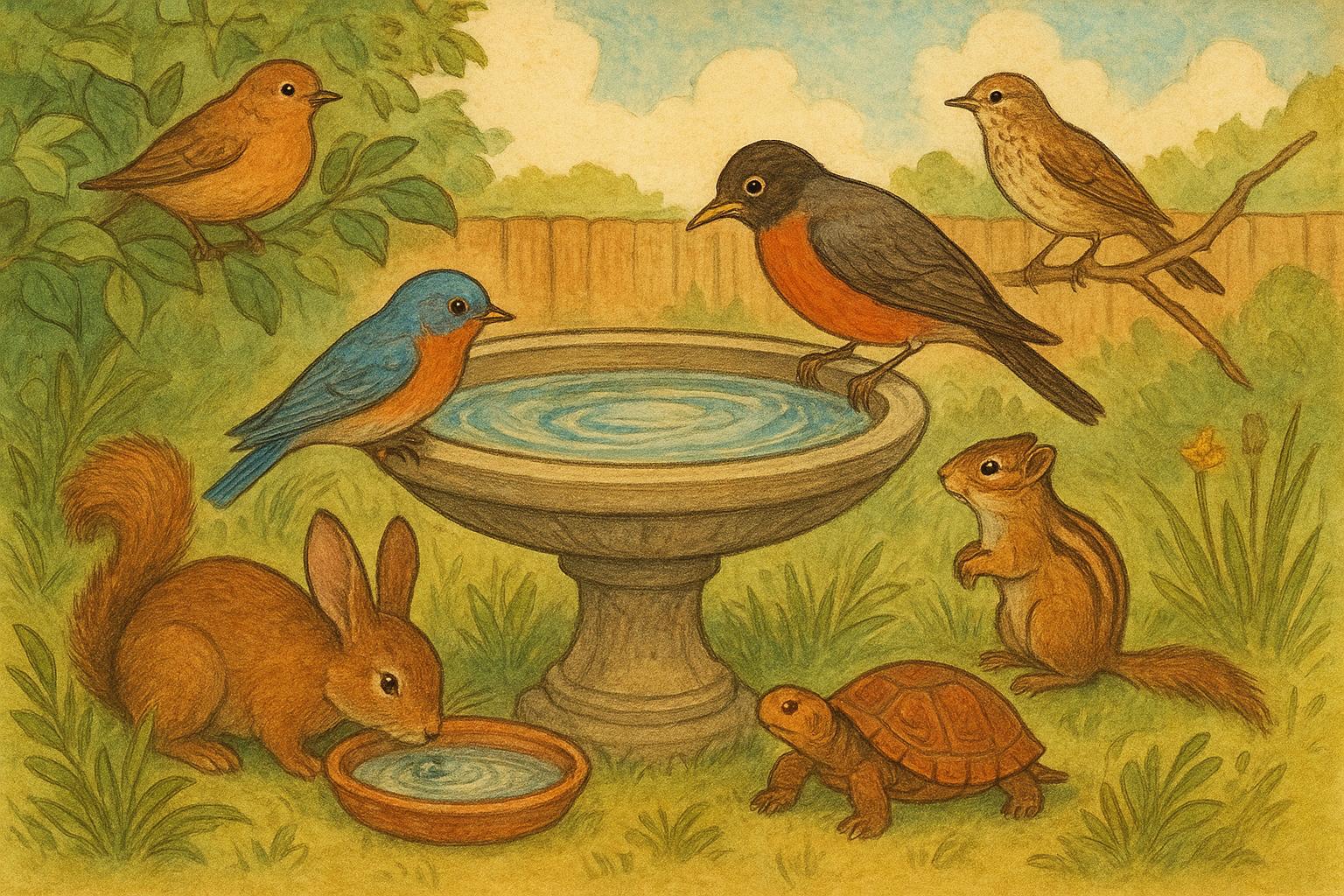
When you keep water accessible and habitats intact, you’re supporting a whole chain of life. Birds that sip and bathe at the edge drop seeds and nutrients. Amphibians find deep, oxygen-stable water to ride out the cold. Predators like owls and foxes use the pond edge for hunting, which keeps rodent populations in check. It’s a neighborhood potluck hosted by your pond.
## Design Essentials For Winter Pond Success
### Depth, Edge Complexity, And Native Plants
Design matters more in winter than you might expect. A pond that’s too shallow will freeze solid; a pond with unforgiving straight edges will be avoided by cautious critters. Consider:
– Depth: Aim for at least 18–24 inches in small backyard ponds so some areas remain unfrozen to the bottom. Larger ponds with deeper sections (3–5 feet) provide even better refuges.
– Edge Complexity: Sloped banks, rocks, and shallow shelves make it easy for birds and mammals to access the water safely.
– Native Plants: Retain some emergent vegetation (cattails, rushes) to break wind, capture snow, and provide structural habitat. Leave stems standing over winter rather than cutting everything to the ground, unless they pose a safety risk.
### Positioning And Shelter
Place your pond where it’s sheltered from the harshest winds but still has morning sun. A north-facing pond will stay colder longer and freeze faster. Adjacent shrubs and small trees provide perches and hiding places. Avoid placing lights that attract predators at night; darkness is a key safety feature for many small animals.
## Seasonal Practices To Keep A Winter Pond Vibrant
### Pre-Winter Preparation
As leaves fall and temperatures dip, take these practical steps: remove excess organic debris to reduce oxygen-draining decomposition under ice; leave some leaf litter in shallow zones for invertebrates that form part of the food web; and check pump and filter systems for functionality if you plan on running them through the cold season.
### Gentle Winter Monitoring
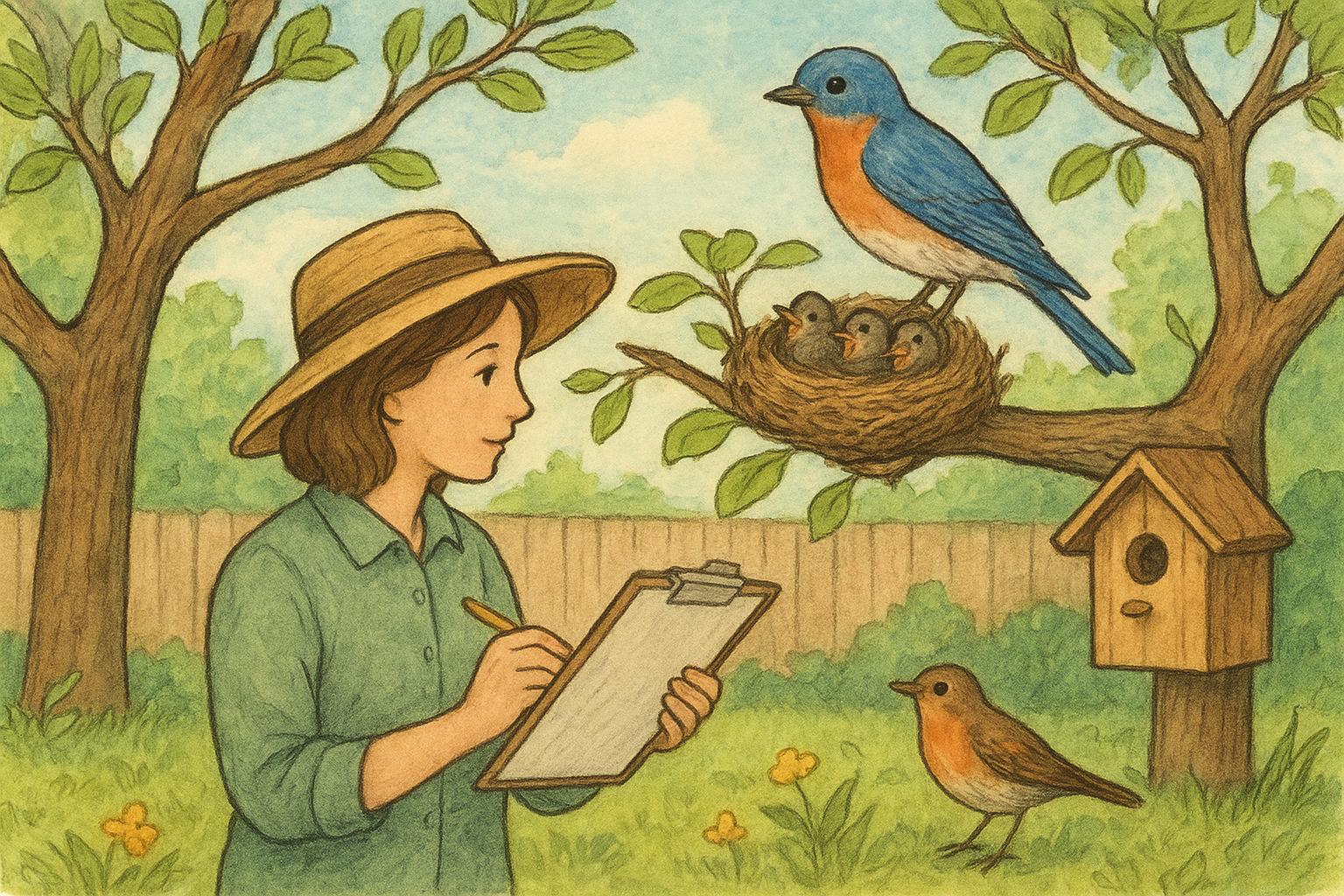
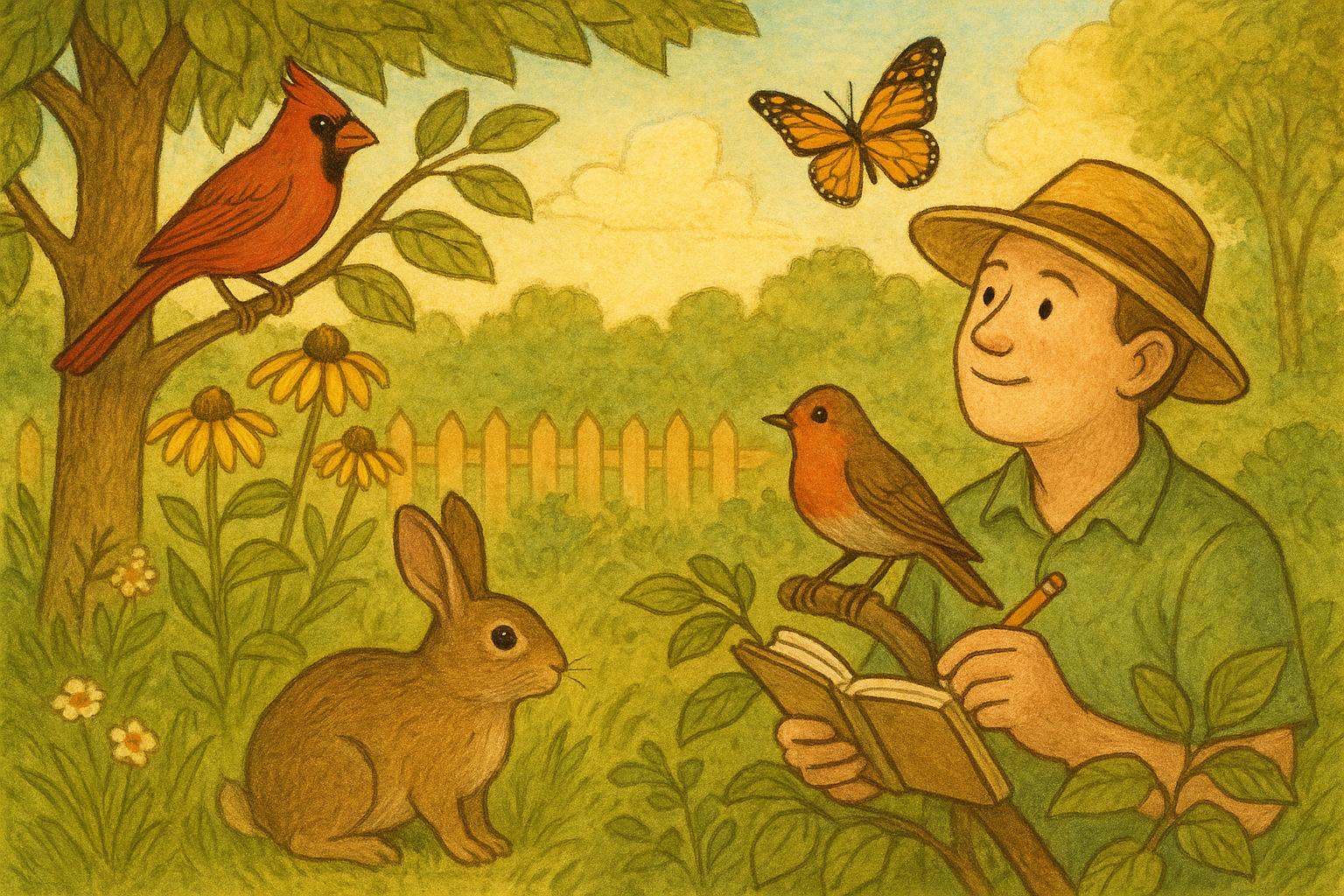
Check your pond once or twice a week for open-water issues, and observe wildlife patterns. If birds are avoiding the pond, there may be limited access or ice cover that needs attention. Observing quietly from a distance provides valuable clues without stressing animals.
## Remedy: Create An Open-Water Zone (Formal Instructions)
When ice seals the surface, the single most effective remedy is to maintain a small area of open water. This section is formal and prescriptive to ensure clarity and safety.
#### Materials And Equipment Required
– Submersible pond aerator or de-icer rated for the pond’s winter size
– GFCI-protected outdoor power source
– Pond net (for removing large debris)
– Two heavy-duty extension cords rated for outdoor winter use (if needed), secured above snow and ice
– Floating thermistor or thermometer (optional, for monitoring)
– Replacement parts (air stone, tubing) as specified by aerator manufacturer
– Warm clothing and non-slip footwear for safe access
#### Step-By-Step Creation And Application
1. Inspect And Prepare: Verify the aerator/de-icer is free of damage and manufacturer recommendations for winter installation. Ensure cords and plugs are dry and intact. Confirm electrical supply is GFCI-protected.
2. Clear A Working Area: Remove large floating debris and loose leaves from the intended device location using the pond net. This reduces the risk of clogging and improves aeration efficiency.
3. Positioning The Device: Place the aerator (or de-icer) in the deepest part of the pond if using an aerator, so water circulation is maximized. For de-icers designed to float, position centrally in the area you want to keep open. Ensure cords are routed safely and elevated above likely snow drifts to prevent compression damage.
4. Power-Up Safely: Connect the device to the GFCI outlet. Verify operation and observe the formation of an open-water area. For aerators, expect bubbles and gentle circulation; for de-icers, a small hole will persist as surrounding ice thins.
5. Monitor Regularly: Check twice weekly for ice buildup around the device, proper functioning, and cord integrity. Adjust position if wind, snow accumulation, or current shifts close off the open area.
6. Winter Maintenance: If the device manufacturer permits, perform mid-winter inspections and replace air stones or tubing as needed. Always power down and remove electronic devices for servicing per instructions.
7. Spring Transition: Once sustained warm temperatures arrive and the ice is gone, turn off and remove the device for cleaning and storage. Flush tubing and store in a dry, frost-free place to prolong lifespan.
Safety Notes: Never chip or hammer heavy ice near animals or device locations — this risks sudden collapse and stress to wildlife. Avoid gasoline-driven heaters; these are hazardous around waterfowl and can be fire risks.
## Encouraging Wildlife Without Creating Dependency
### Responsible Feeding And Water Provision
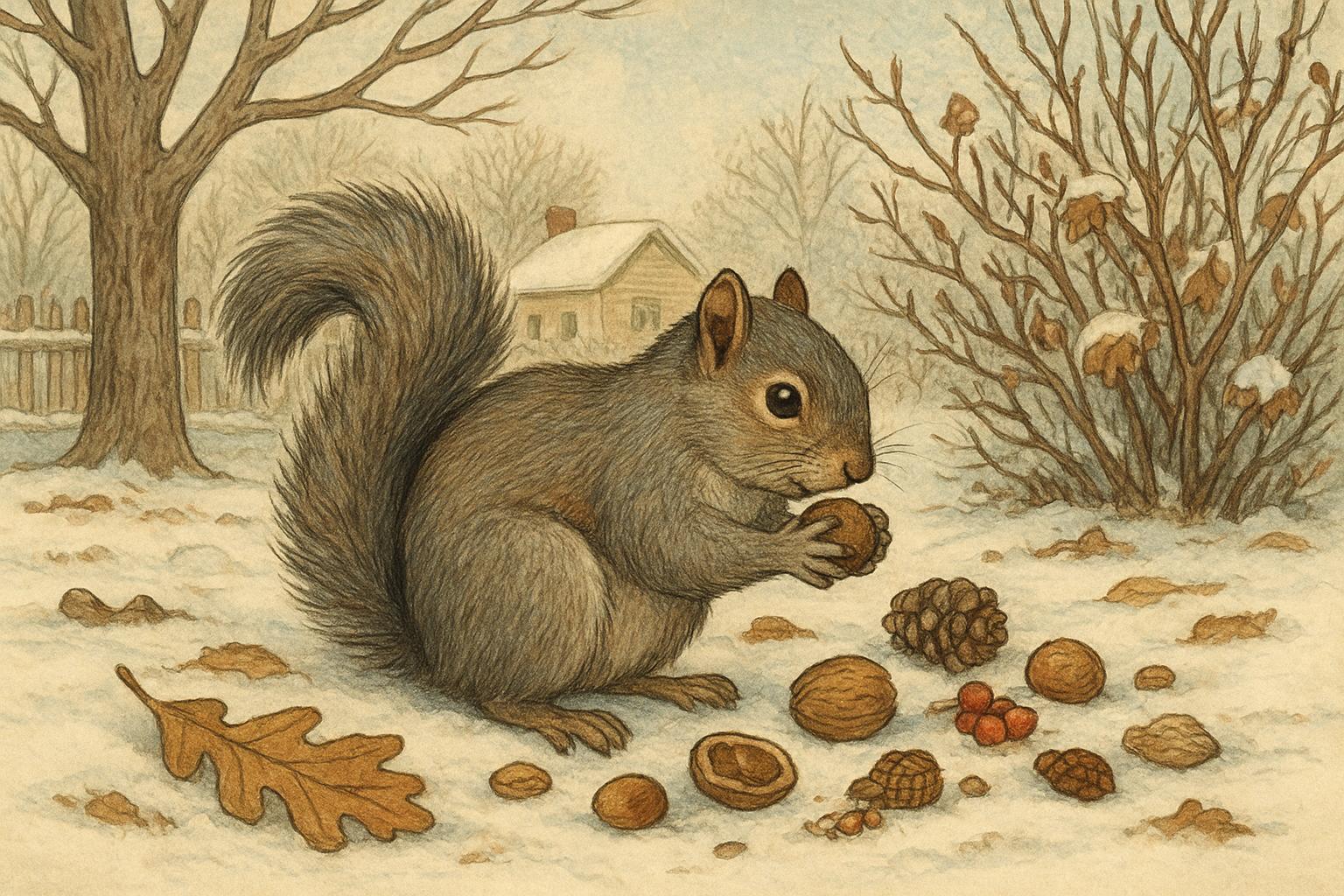
Offering food at the pond edge can help local birds and mammals, but don’t create reliance. If supplementing with seed or suet, place offerings away from the water’s immediate edge so animals are not trapped by predators while feeding. Fresh water should be prioritized over food; even small heated areas of a winter pond are more valuable than occasional seed.
### Managing Predators And Human Interaction
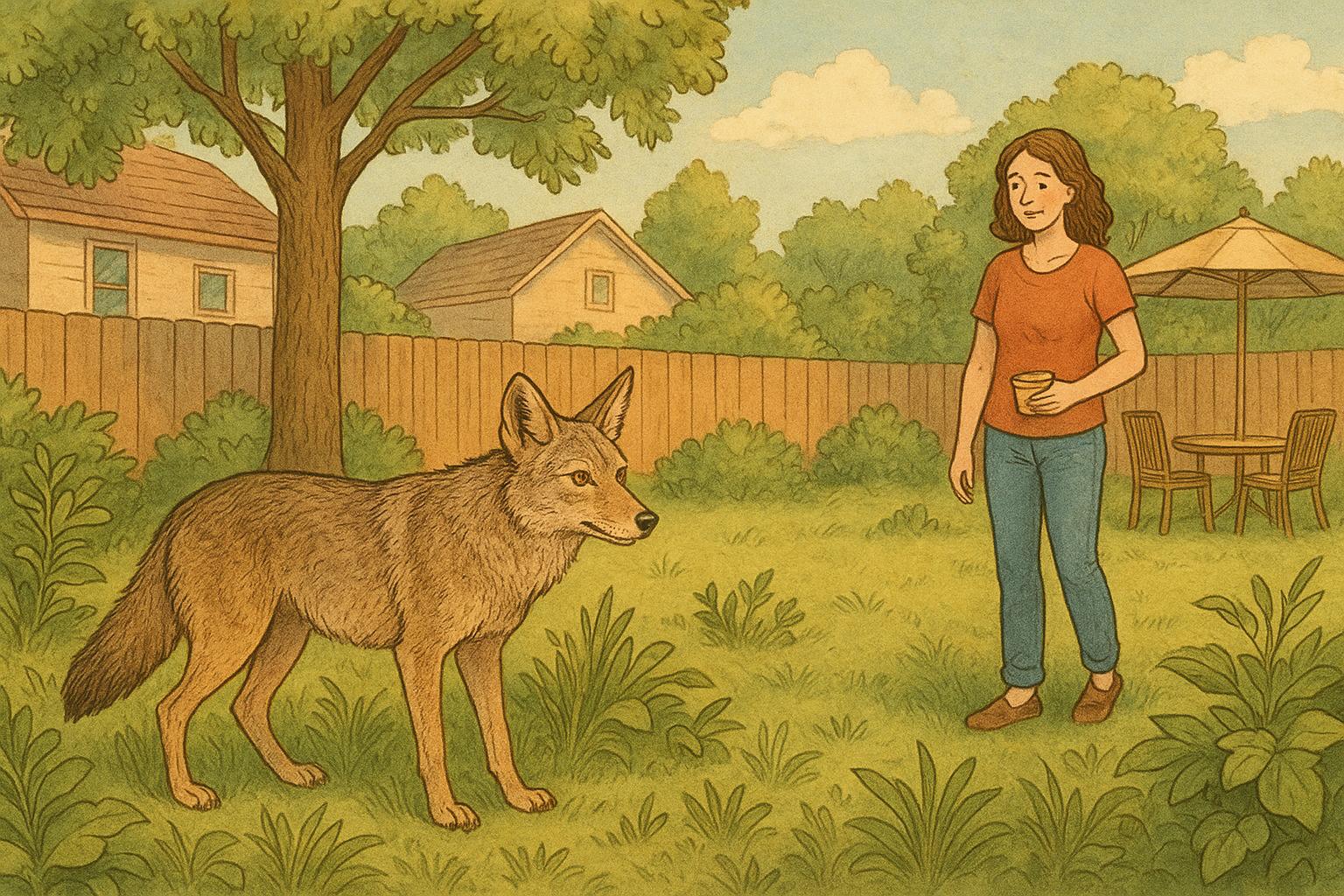
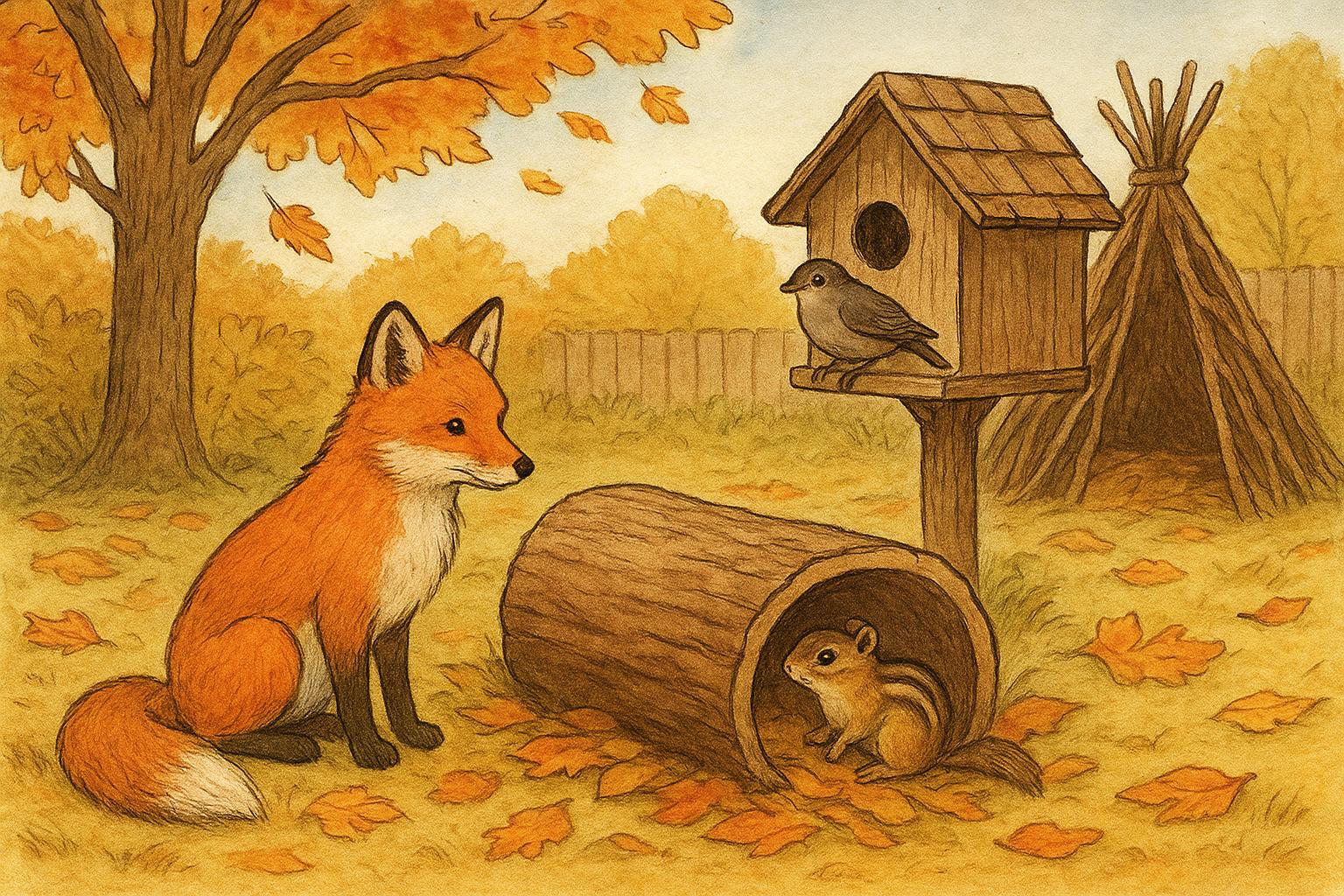
Predators are part of a healthy ecosystem — owls and foxes are helping balance populations. Avoid scaring wildlife away repeatedly; consistent disturbance can force animals to abandon critical resources. Keep pets supervised and away from sensitive edge areas to reduce stress on wildlife.
## Small-Scale, Low-Budget Options For Urban Yards
### Passive Techniques That Work
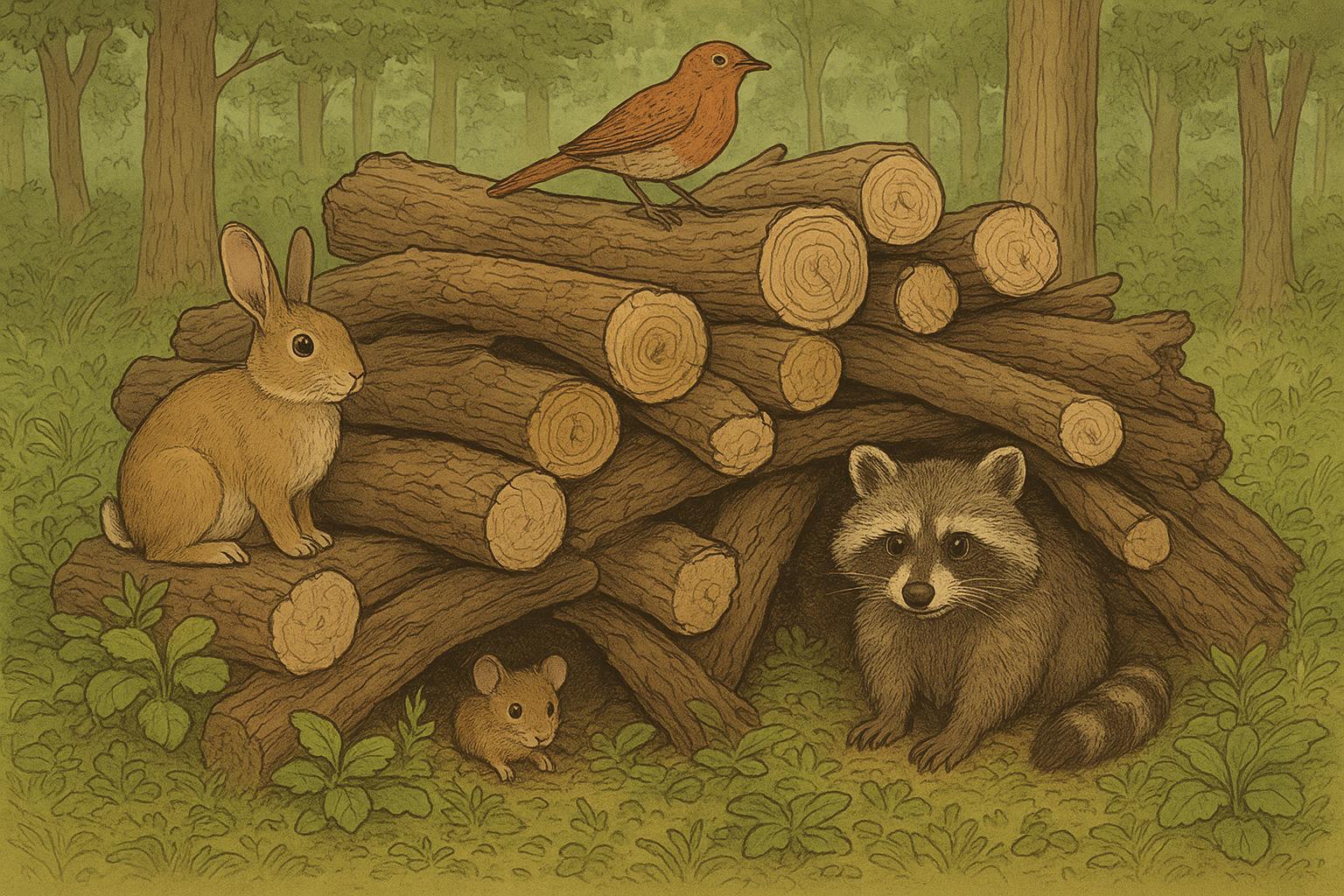
If a powered aerator is out of the question, passive techniques can still maintain habitat value. Leave deeper sections unshaded where possible so solar input can keep those pockets slightly warmer. Install shallow rock ledges and log edges to make access easy. Keep some marginal plants standing and avoid total clearing in late fall.
### DIY Bubblers And Solar Aids
For those comfortable with DIY, solar-powered de-icers or small solar aerators can offer modest open-water areas without continuous electricity costs. These units are less powerful than mains devices but can be effective in mild freezes. Always follow manufacturer instructions and prioritize GFCI protection when using any electrical devices outdoors.
## Winter Pond Etiquette And Community Benefits
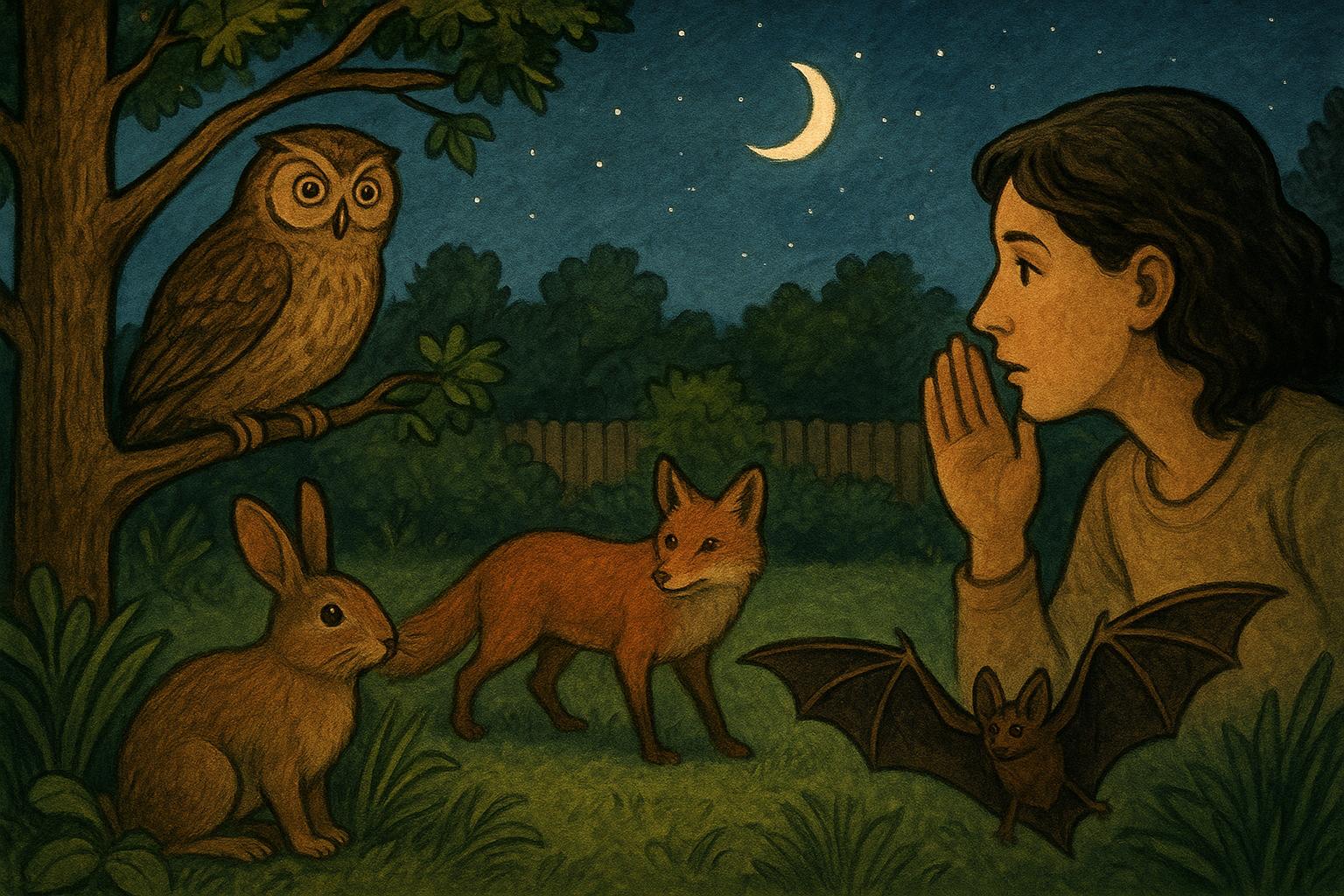
Creating a winter pond oasis often inspires neighbors. Share tips, maintain clear boundaries, and post gentle signage if your pond attracts lots of people. A well-kept winter pond can encourage educational moments for kids and adults alike, showcasing how localized stewardship supports broader biodiversity.
Keep an eye on water quality, avoid chemical treatments that could harm overwintering life, and document visitors — you may be surprised at how many species rely on a single winter pond.


Leave a Reply