
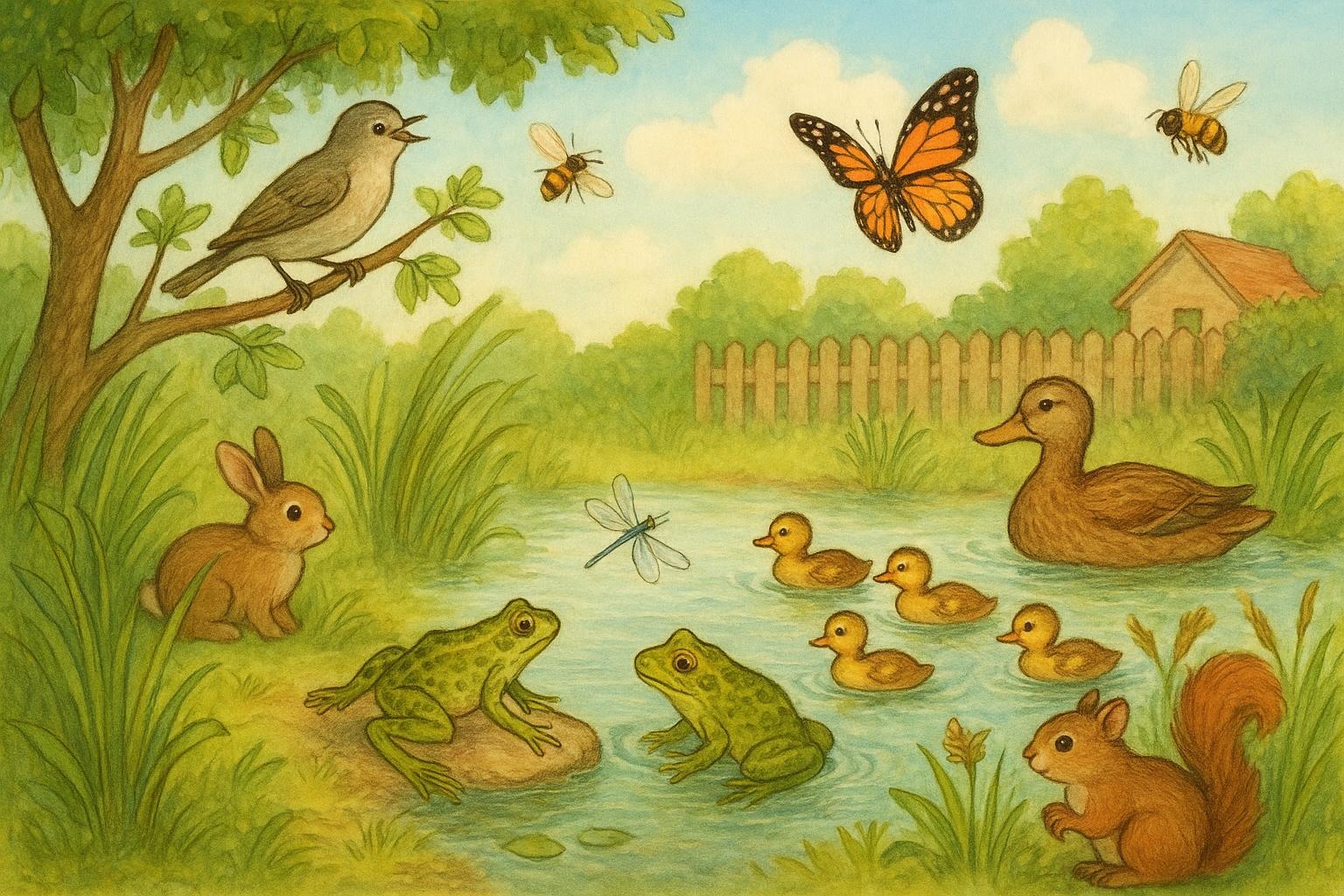
This summer, your backyard might be the hottest ticket in town — and the guest list is wildly diverse. One small, shimmering thing often sets the whole scene: pond water. Leave a shallow basin, a mini-pond, or a neglected birdbath and you’ll soon find an ensemble of visitors taking advantage of the liquid invitation. Expect the soundtrack of croaks, wings, and occasional splashy acrobatics.
## Pond Water Sparks Summer Wildlife Frenzy In Your Backyard
Why does a simple puddle or small garden pond cause such a commotion? For many creatures, pond water is both a resource and a stage. It provides drinking water, breeding habitat, hunting grounds for predators, and a microclimate that supports a cascade of insects and plants. In short: water equals life, and life likes to congregate where it’s easy to find.
### Why Shallow Pond Water Is So Irresistible
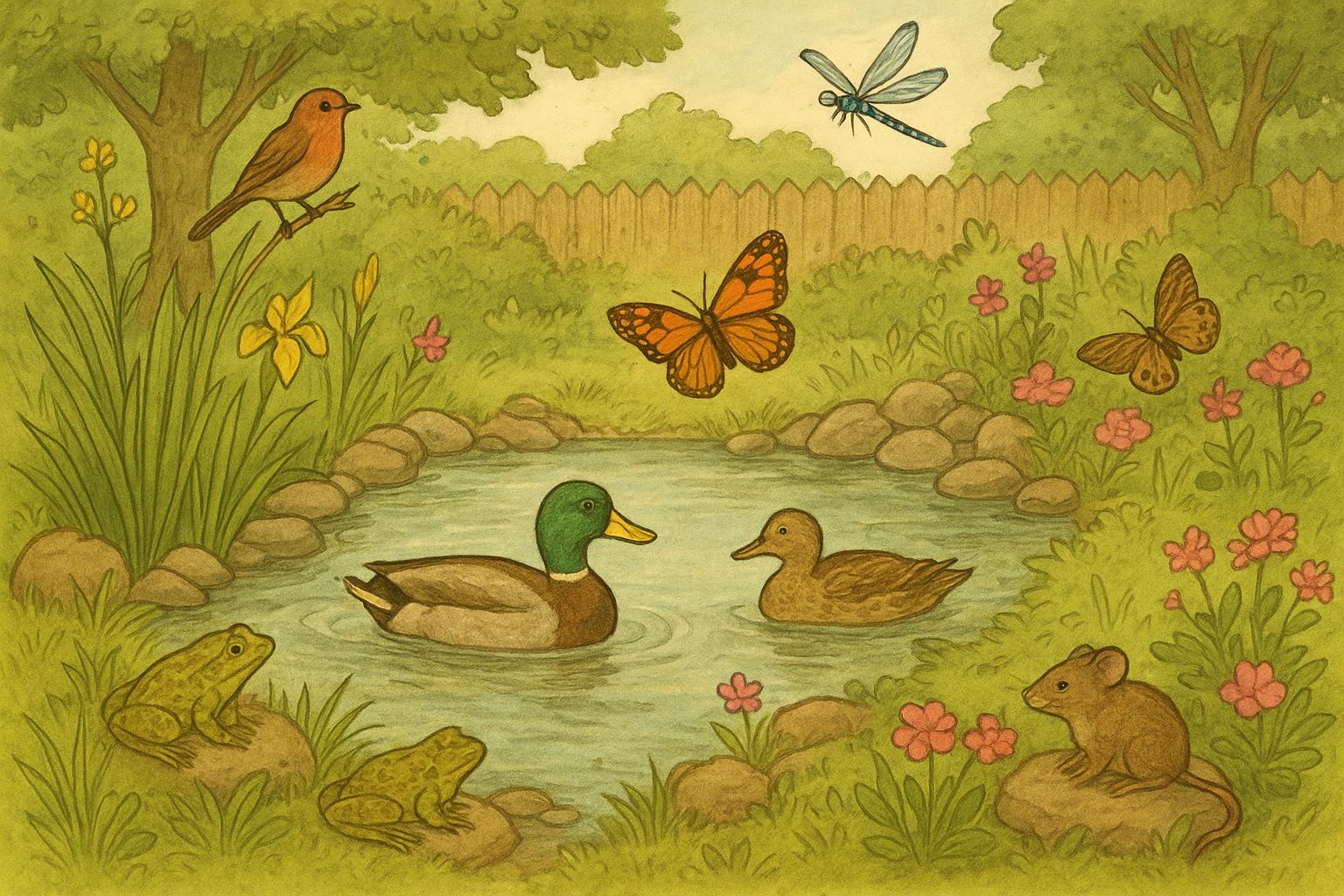
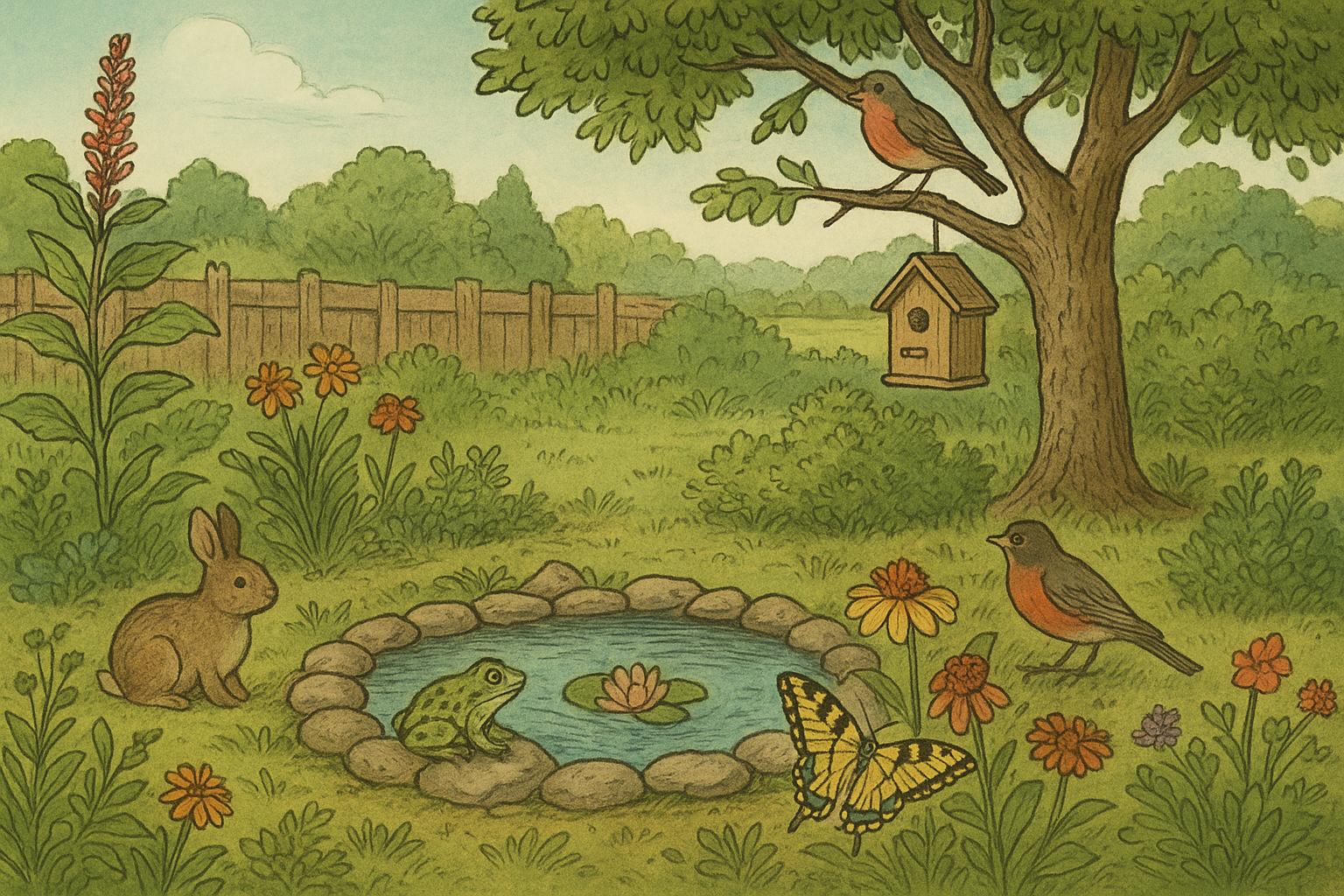
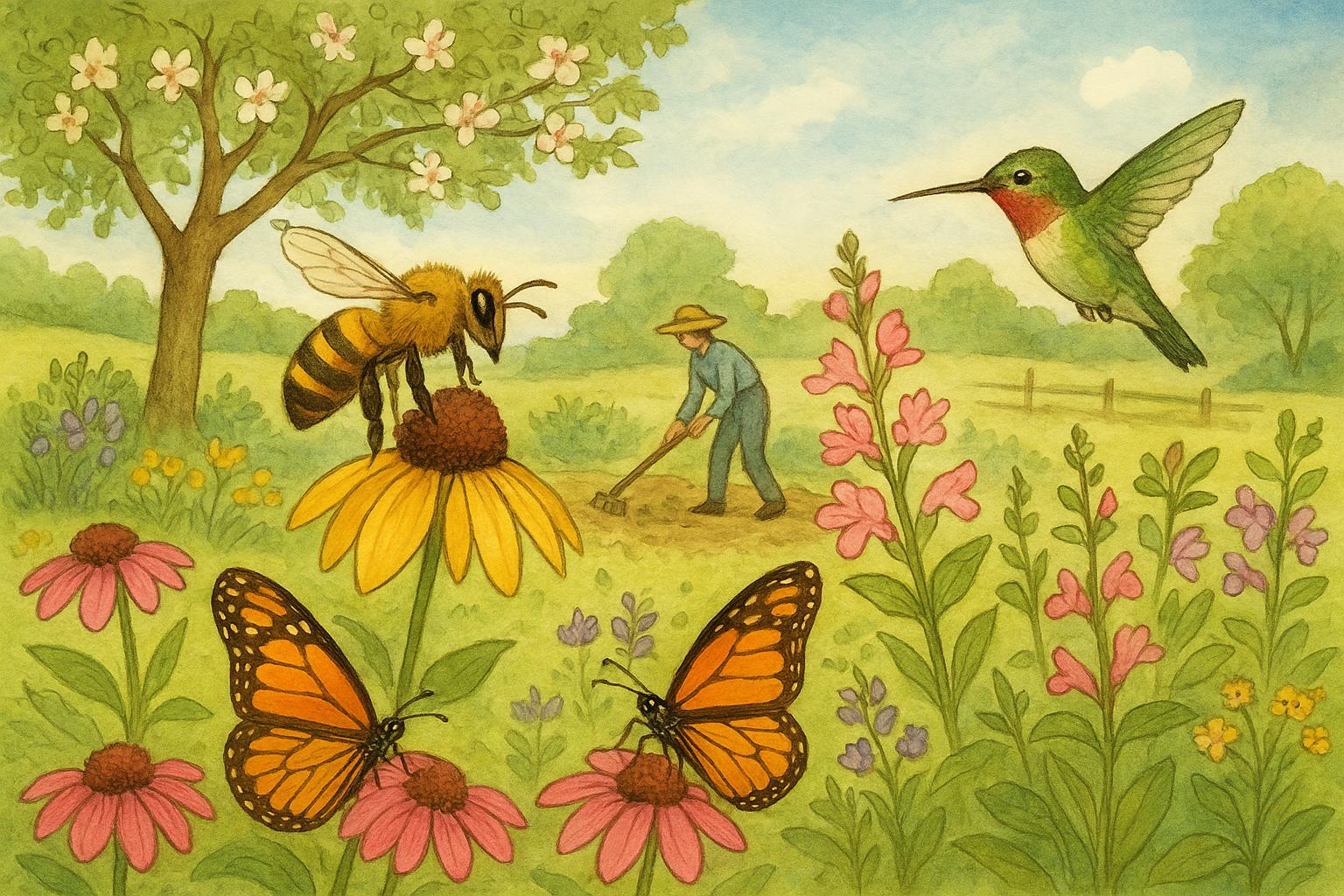
Shallow, warm water heats quickly and supports algae, aquatic plants, and insect larvae — prime foraging grounds for birds, bats, amphibians, and small mammals. Dragonflies use the surface and emergent plants to lay eggs; frogs deposit gelatinous strings full of future tadpoles; bees and butterflies drop in for a quick sip. Small predators follow the prey, leading to a gratifyingly lively backyard ecosystem.
#### The Hidden Food Chain In A Cup Of Pond Water
A teaspoon of pond water under a microscope would show algae, protozoa, and tiny crustaceans. Move up a few orders of magnitude and you’ve got mosquito larvae, mayflies, and water beetles — a smorgasbord for juvenile fish, salamanders, and wrens who feel like an instant buffet.
### Typical Visitors And Their Behavior
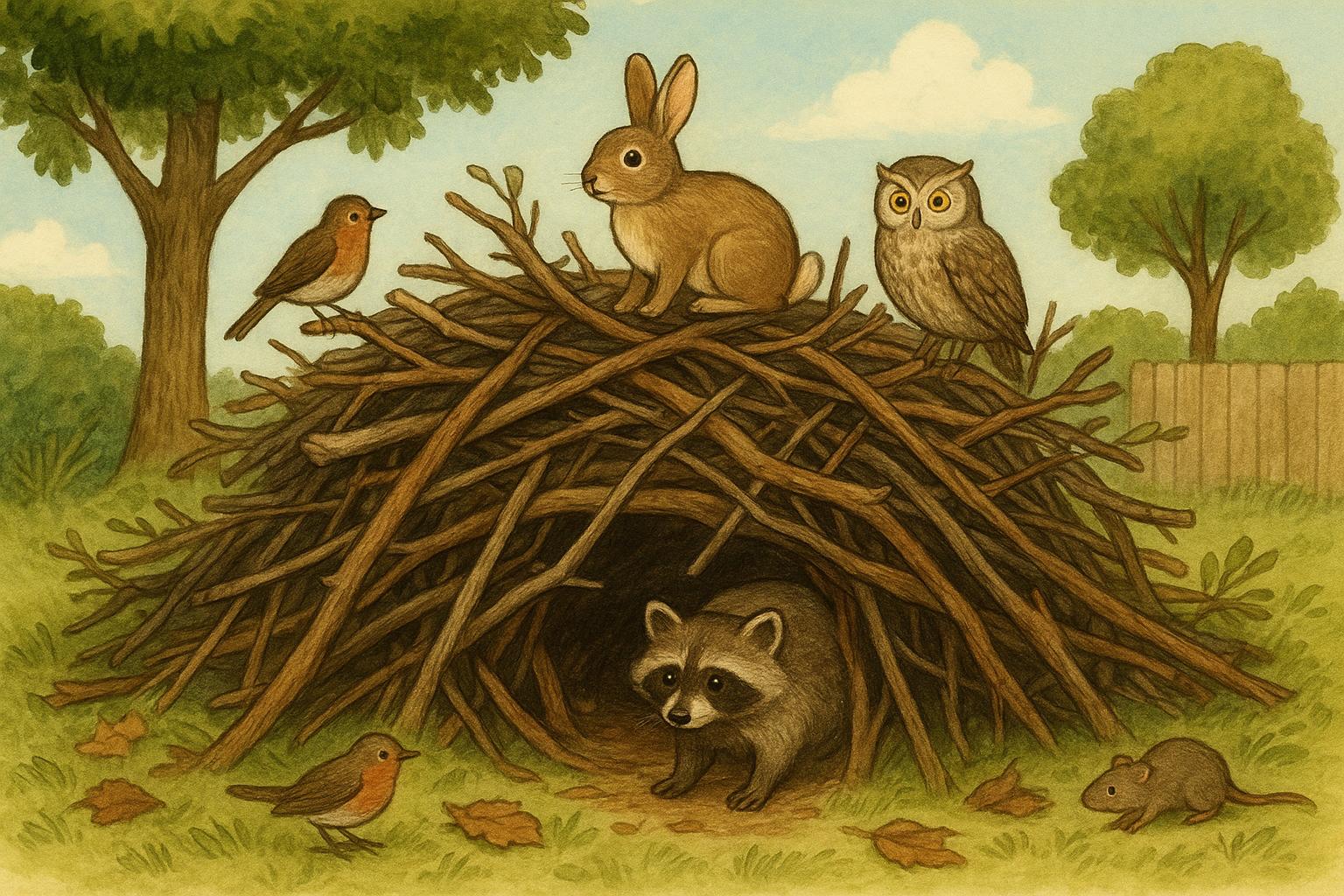
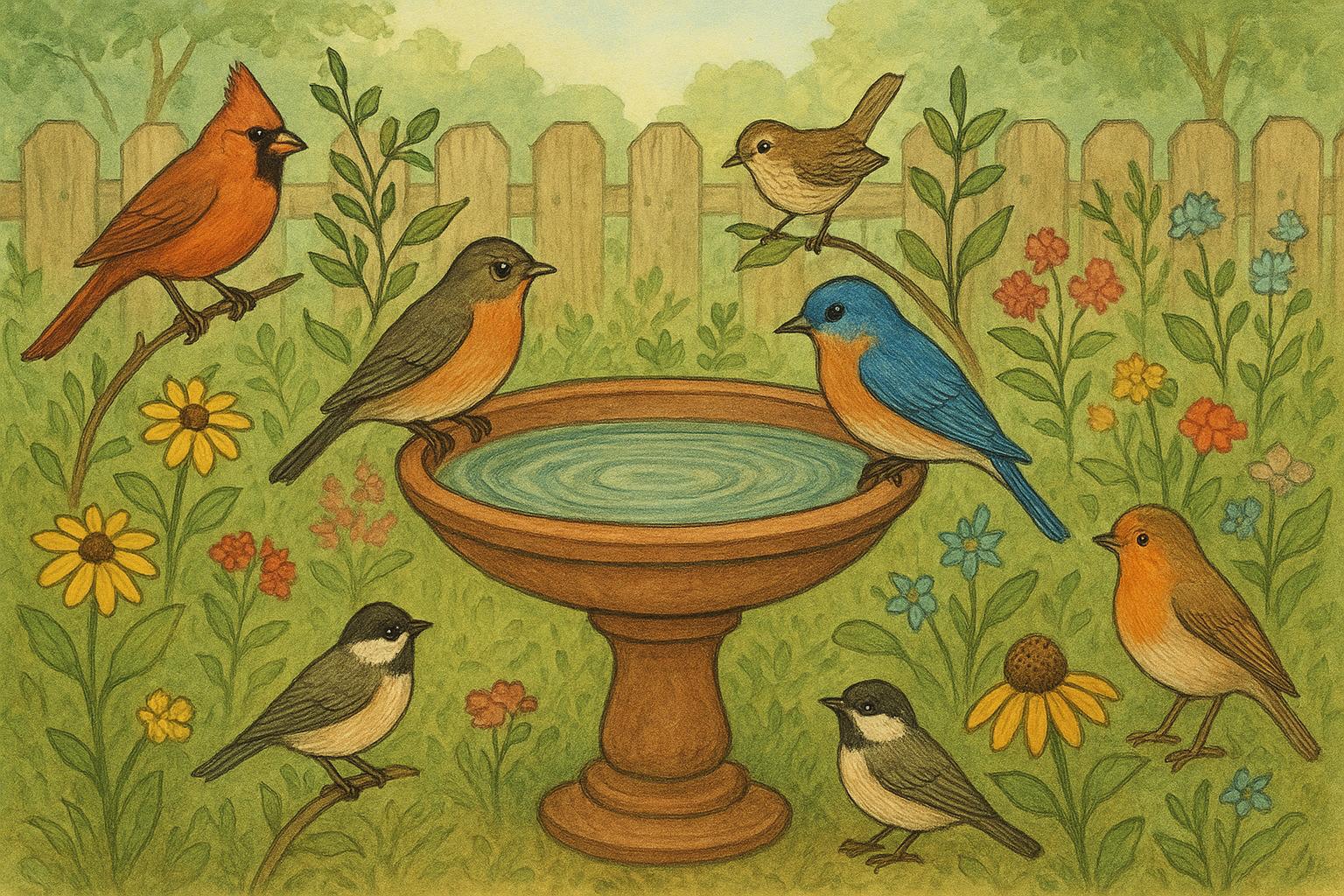
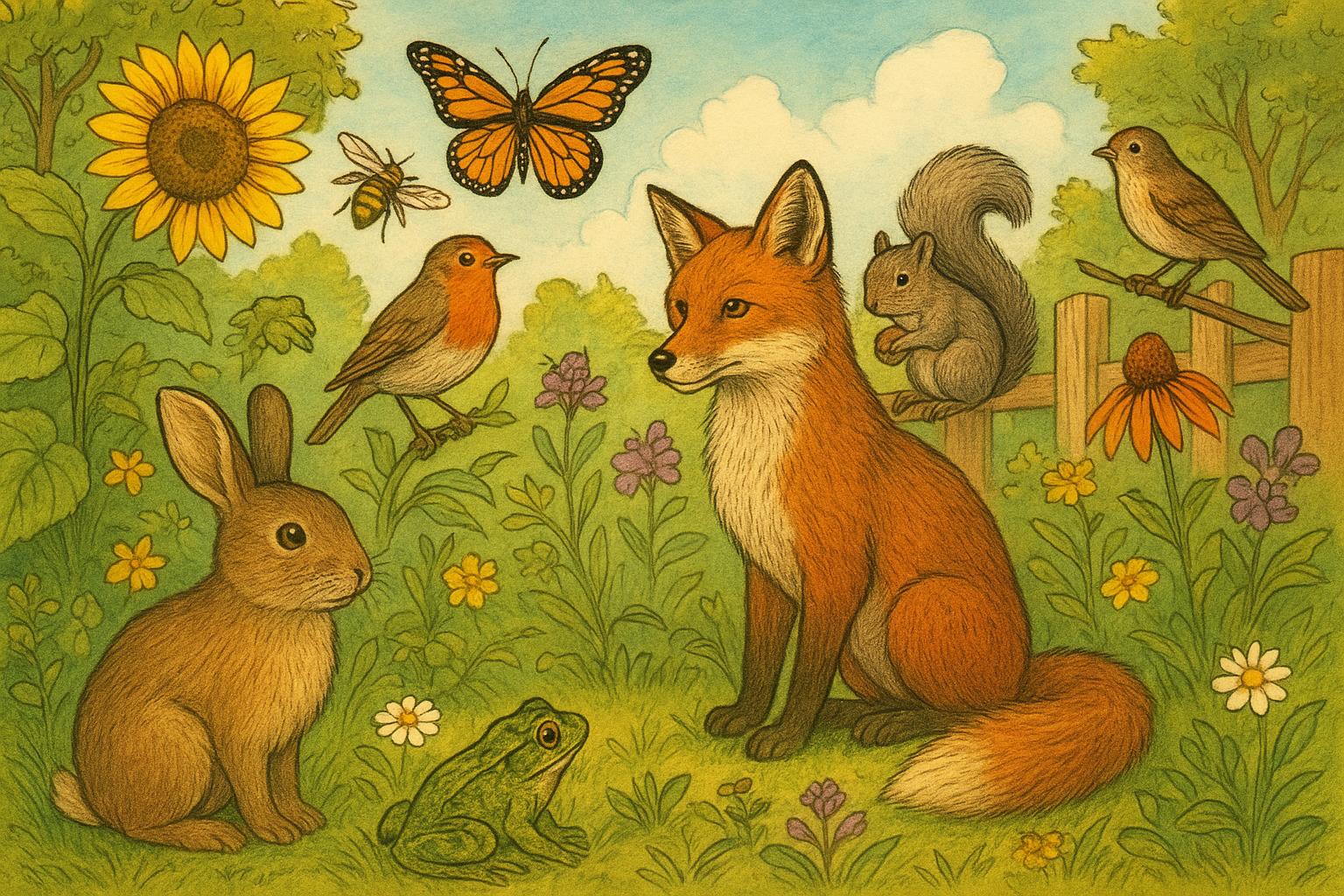
Expect a rotating cast: tree frogs sunning on lily pads, herons dropping by if your pond is large enough, raccoons investigating at dusk, and songbirds splashing in the shallows. You might be entertained by dragonflies patrolling like tiny fighter pilots and by the gradual arrival of juvenile toads that will hang out at the margins until they’re ready to move on.
#### How Pond Water Changes Backyard Dynamics
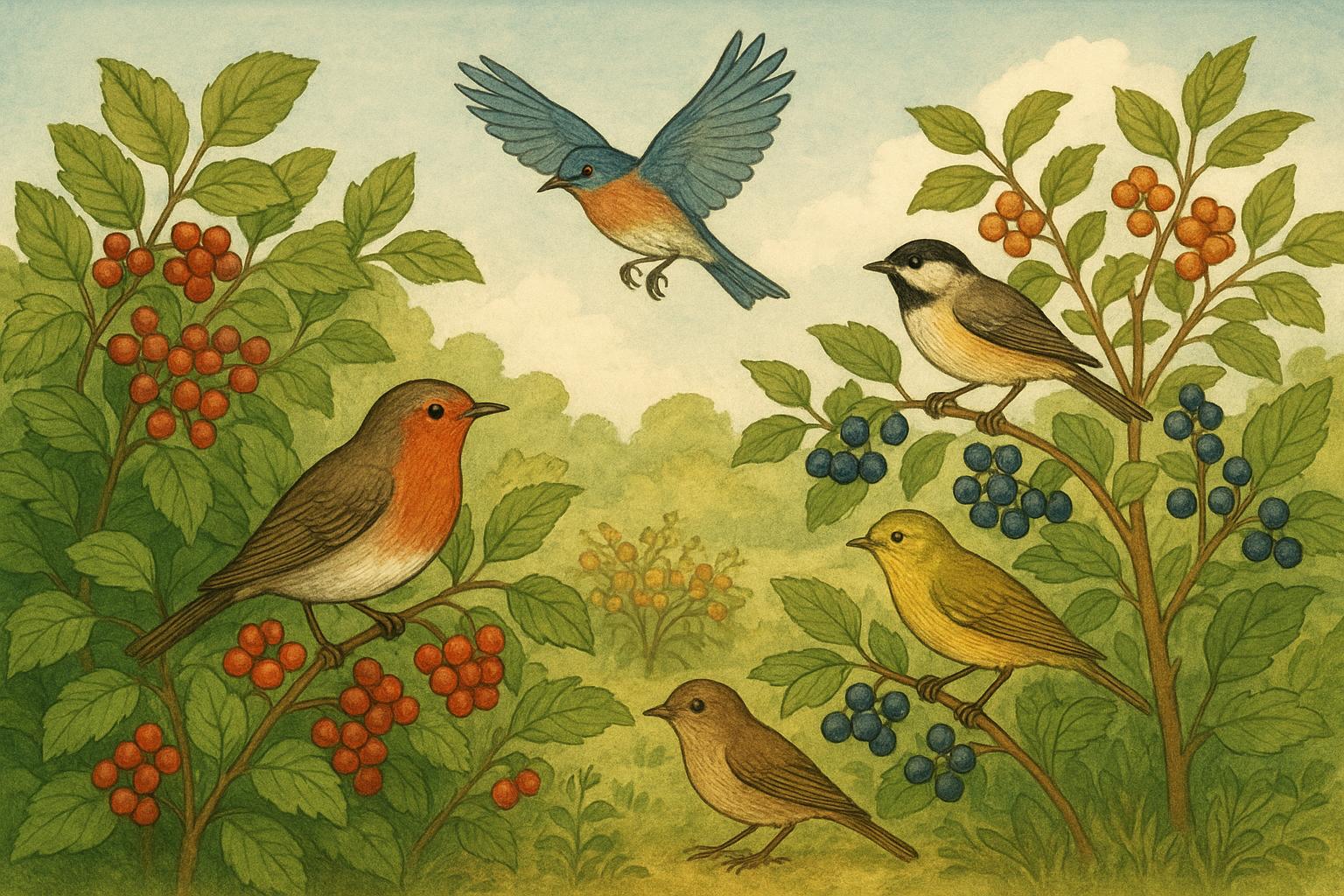
Even a modest pond shifts predator-prey balances. Birds that previously relied on berries might spend more time picking off insects near the water. Bats, appreciating the insect uptick, will swoop more often at dusk. As biodiversity increases, so does the resilience of the little garden ecosystem — but it also means you may notice more critter droppings, tracks, and the occasional slug congregation.
### Safety And Neighborly Considerations
Water attracts people as well as wildlife. Keep pond water clean and balanced to minimize mosquito breeding, avoid harmful algal blooms, and reduce the risk of diseases that can affect pets. Use native plants and non-toxic materials. If you have young children or pets, provide gently sloped edges or rocks so small ones can climb out easily.
## Remedy 1: Natural Filtration To Keep Pond Water Clear
When your backyard becomes a wildlife magnet, the practical follow-up is keeping that pond water healthy. Below is a formal, informative remedy for creating a natural filtration system that supports wildlife without harsh chemicals.
Ingredients / Required Materials:
– Native aquatic plants (e.g., water lilies, rushes, arrowhead) and marginal plants
– Coarse gravel and river rock
– A small submersible pump (size matched to pond volume) and a fountain or waterfall outlet
– A biofilter unit or a DIY container filled with medium-grade filter media (lava rock, ceramic rings)
– Pond-safe beneficial bacteria additive (optional)
– Pond liner (if creating or relining a pond)
– Netting or mesh for initial protection (optional)
Step-by-Step Creation And Application:
1. Assess Pond Size And Depth: Measure the surface area and deepest point to determine plant quantities and pump flow rate (typical pump flow = pond volume × 1 to 2 times per hour for small ponds).
2. Install A Gently Sloping Edge: For wildlife access, create a shallow margin 6–12 inches deep with gradual slope using gravel. This helps insects and small animals approach safely.
3. Place Gravel And Plants: Add a 2–4 inch layer of coarse gravel in planting pockets. Plant native marginal species along edges and submerged oxygenators in deeper zones. Aim for 60–70% plant coverage to balance nutrients and shade the surface.
4. Set Up Mechanical Filtration: Install the submersible pump in the deep zone, run tubing to a biofilter. The biofilter should house porous media for beneficial bacteria to colonize and breakdown waste.
5. Create Water Circulation: Route filtered water back into the pond via a small waterfall or stream to increase oxygenation. Flow should be gentle; avoid churning or rapid falls that stress wildlife.
6. Introduce Beneficial Bacteria: Apply pond-safe bacteria per manufacturer instructions to accelerate decomposition of organic matter and reduce ammonia and nitrate spikes.
7. Seasonal Maintenance: Monthly skim debris, trim dead plant material, and check pump/filter. In late fall remove excess organic sediment if buildup exceeds 25% of pond depth.
This approach maintains clearer pond water with minimal disturbance to wildlife and avoids chemical algicides that can harm frogs, dragonflies, and beneficial microbes.
### Practical Tips For Long-Term Stability
Keep plantings diverse and replace invasive species promptly. If algae becomes persistent, reassess nutrient inputs — overfertilized lawns and runoff are common culprits. Use a leaf net during autumn to capture falling debris before it becomes muck.
## Remedy 2: Mosquito Management And Wildlife Safety
Mosquitoes are a frequent concern when pond water is present. Here is a formally presented, wildlife-safe method to control mosquitoes while supporting the broader backyard ecosystem.
Ingredients / Required Materials:
– BTI (Bacillus thuringiensis israelensis) mosquito dunks or granules (pond-safe)
– Floating plants (e.g., duckweed) and structural elements to encourage predators
– Native predatory insects and fish only if appropriate and legal in your region (consult local regulations)
– Pond aeration device (a small fountain or bubbler)
– Fine mesh or splash guard for small birdbaths (optional)
Step-by-Step Creation And Application:
1. Inspect Water Surface Weekly: Identify still pockets and shallow containers where mosquitoes lay eggs. Remove or refill stagnant accumulations. Ensure pump and circulation reach all zones.
2. Apply BTI According To Label: Place BTI dunks in areas of standing water following the product’s dosage schedule. BTI targets mosquito larvae specifically and has minimal impact on vertebrates and most beneficial insects when used correctly.
3. Increase Predatory Habitat: Plant emergent vegetation and add a few submerged structures (rocks, logs) to encourage dragonflies, damselflies, and amphibians that feed on larvae. Avoid introducing non-native fish unless permitted.
4. Use Aeration Strategically: Install a small bubbler or fountain to keep water moving. Mosquitoes prefer calm water; circulation reduces safe egg-laying sites and improves oxygen for predators.
5. Monitor And Repeat: Reapply BTI as directed (often every 30 days in warm weather) and inspect for new standing water sources after storms.
This protocol minimizes mosquito populations without broad-spectrum pesticides, protecting the pond’s wildlife community.
### Integrating Remedies For Maximum Benefit
Combine natural filtration with mosquito management for the best outcome. Clearer, oxygen-rich pond water supports more predators of pest species, and stable plantings reduce nutrient spikes that drive algal blooms. Maintaining records—what you plant, when you added BTI, pump specs—helps diagnose issues in future seasons.
#### Small Adjustments With Big Returns
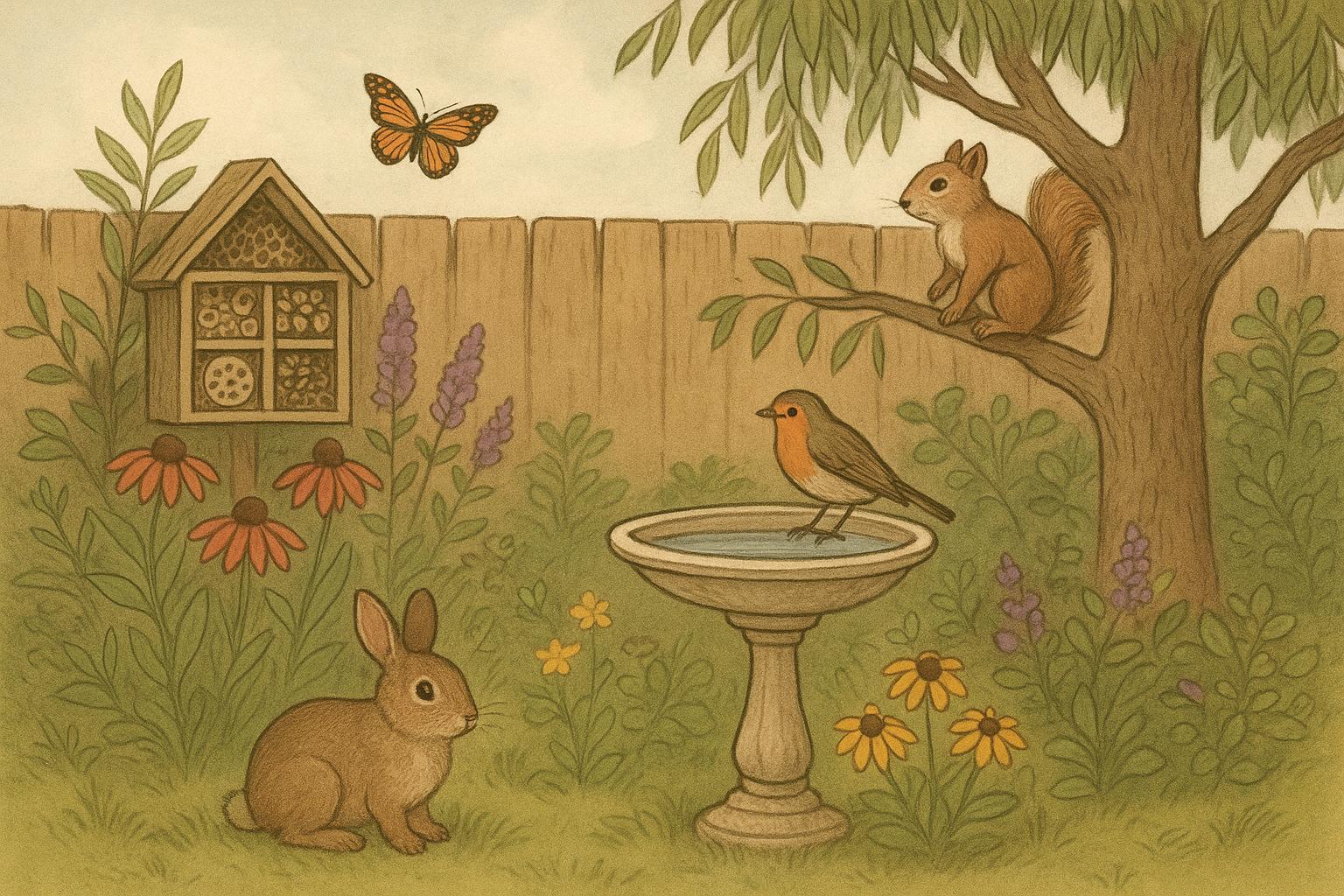
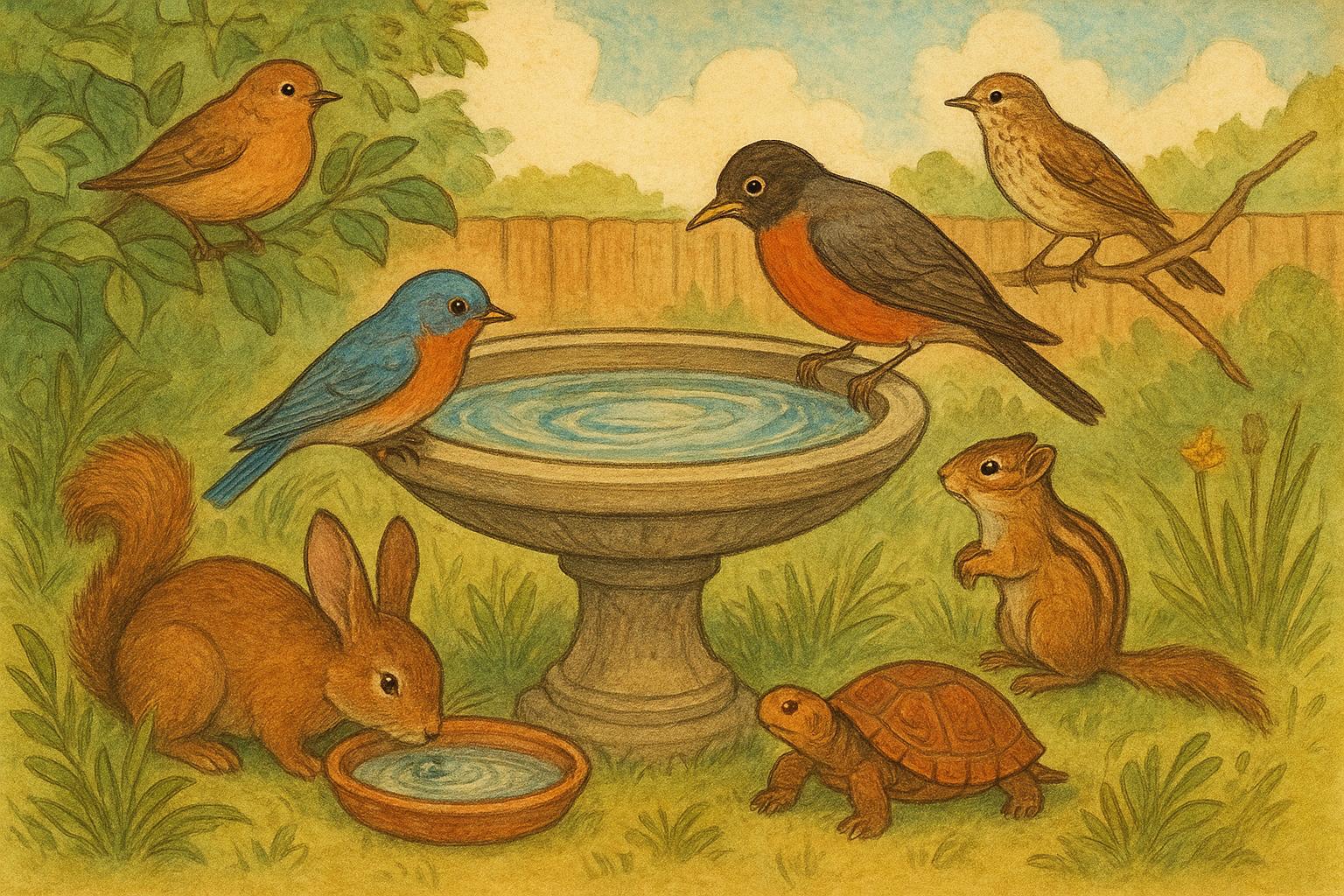
Sometimes the fix is as simple as lowering the lawn fertilizer near the pond, swapping a plastic container for a perforated one that doesn’t hold water, or adding a shallow dish of stones for bees to land on while drinking. These small changes keep the wildlife frenzy friendly for both creatures and people.
### Encouraging Responsible Wildlife Viewing
If you love the show, consider adding a bench a respectful distance from the water and avoid feeding wildlife. Human food alters natural behaviors and can increase disease transmission. Instead, enjoy binoculars and a notebook; you may be surprised how quickly the local cast learns to trust the camera shutter.
Enjoy the symphony — and the occasional splash — that pond water brings to summer. With a few thoughtful interventions, your backyard will remain a lively, balanced habitat that delights you and supports wildlife through the warm months.














Leave a Reply