
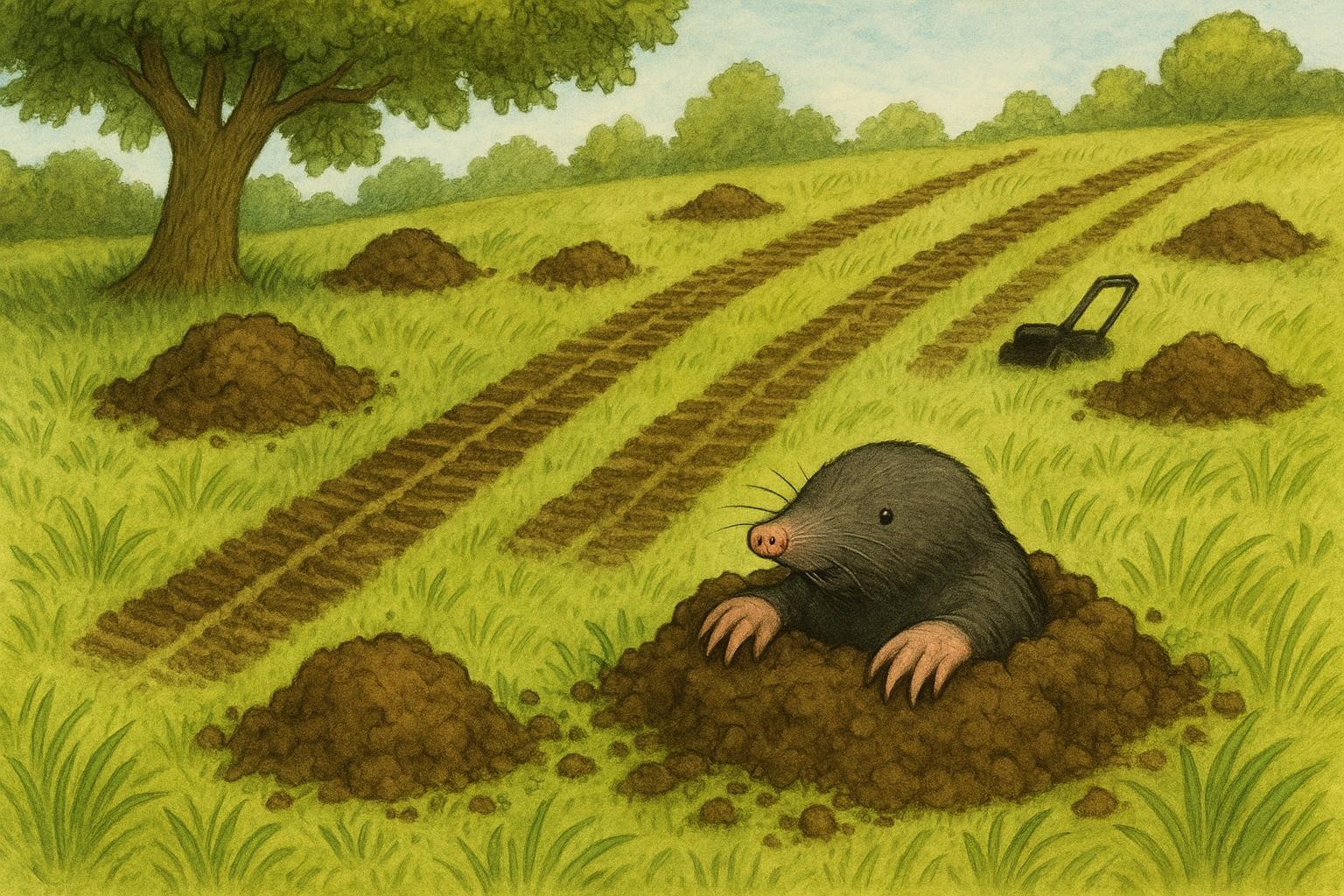
You step outside for your morning coffee and freeze: little volcanoes, raised ridges, and detoured sprinkler heads. Deep breaths. You might have an uninvited subterranean roommate—or several. Below are friendly, practical, and slightly cheeky notes on what those critters are doing and how to handle them, with clear, formal remedies when it’s time to act.
## Shocking Moles In Lawn Expose Your Hidden Yard Threat
Moles aren’t rodents that nibble roses—they’re diggers with a voracious appetite for grubs and earthworms. That sounds fine in theory, but when their tunneling turns your turf into a lunar landscape, they become a real problem. If you’ve been googling why your once-perfect grass looks like a mini-meteor field, you’re in the right place.
### What A Mole Is And Why It Loves Your Yard
These small, velvety mammals are built for life underground: paddle-like forelimbs, poor eyesight, and an appetite geared toward soil-dwelling insects. A single adult mole can eat 50–100% of its body weight daily. That means yards rich in grubs and insects become mole magnets.
### How To Tell The Difference Between Moles And Other Lawn Pests
Not every bump is a mole. Voles, gophers, and raccoons can leave different signatures.
– Raised ridges that look like long tracts of loose soil and signature surface tunnels typically indicate moles.
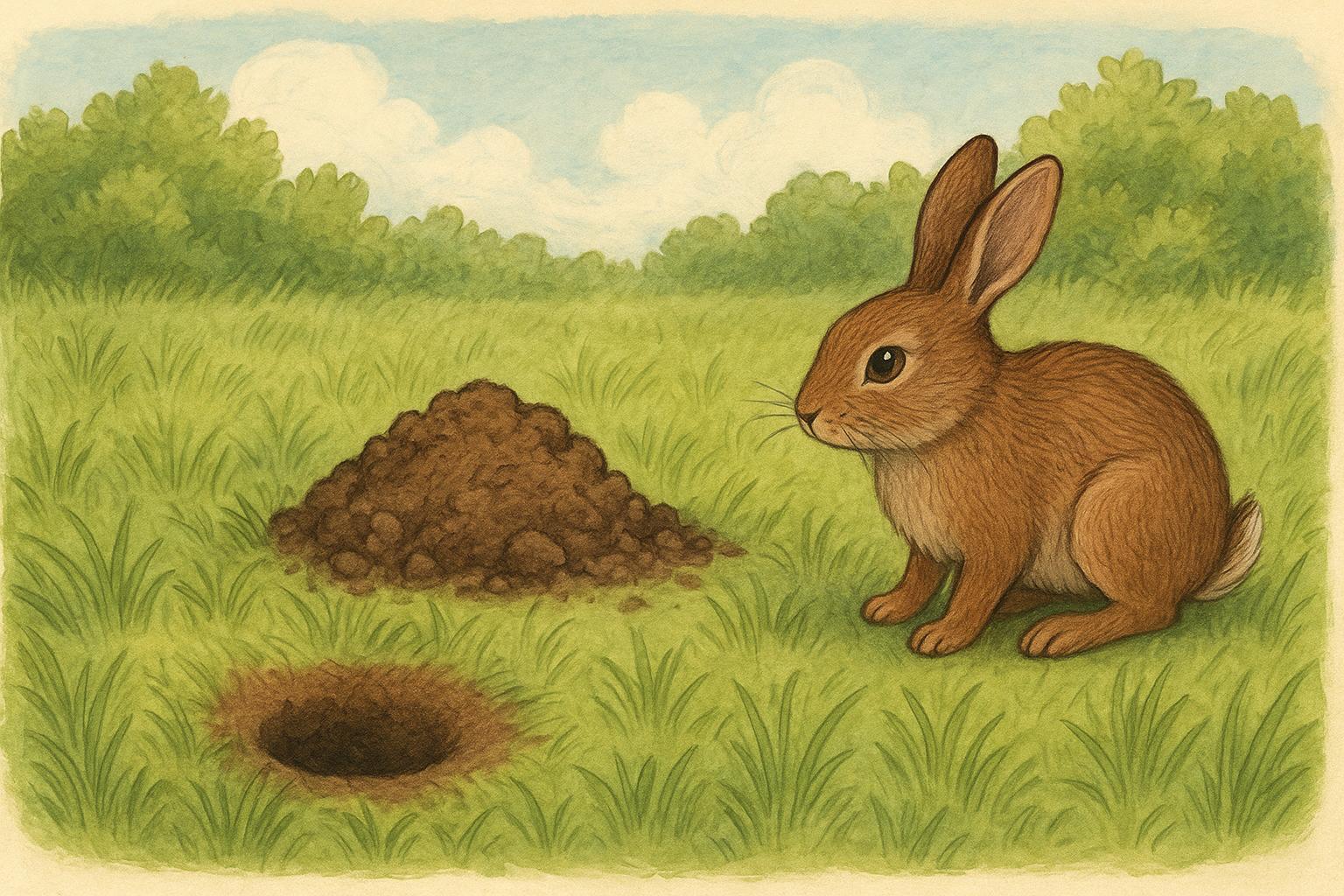
– Round, cone-shaped mounds with a plugged hole often point to gophers.
– Shallow surface runways through vegetation? Voles might be at play.
If you’re seeing long, winding, raised tunnels across the lawn, you’re likely looking at classic mole handiwork. Remember: appearance can vary by species and soil type.
## Why Moles In Lawn Cause Bigger Problems Than They Seem
Beyond aesthetics, moles can damage root systems and disrupt irrigation patterns. Their tunnels can:
– Uproot young plants and newly sodded areas.
– Create hazards for bare feet and lawn mowers.
– Allow water to divert or pool, creating soggy spots.
Also, because moles feed on grubs, their presence can indicate an underlying pest problem. Sometimes removing the moles without addressing the food source just invites a new mole family in later.
### Seasonal Patterns And Activity Levels
Mole activity often spikes in spring and fall. In wet conditions the soil is easier to tunnel, and insect prey is more active. Summer activity can continue, especially in irrigated lawns. Monitoring the rate of new tunnels helps determine whether you’re dealing with a transient visitor or an established resident.
### Humane Considerations And Local Rules
Before you act, check local wildlife regulations. Some regions have rules about trapping or relocating wildlife. Also consider humane approaches: if damage is minimal, deterrence and habitat modification can be effective and kinder to wildlife.
## Remedy 1: Trapping And Targeted Removal (When Necessary)
When a mole infestation is active and causing significant damage, professional trapping is often the most reliable solution. This remedy is practical and, when done correctly, humane and effective.
#### Materials And Tools Required
– Mole traps (scissor-style, harpoon, or choker loop—choose models designed for moles)
– Gloves (to avoid leaving human scent)
– Shovel or probe
– Spray paint or flags to mark tunnel sections
– A measuring tape to monitor tunnel run length
– Safety goggles and sturdy footwear
#### Step-By-Step Application
1. Identify Active Tunnels: Press down sections of surface tunnels or flatten a portion of a raised ridge. Check within 24–48 hours. If the tunnel is raised back up, it’s active.
2. Locate The Run: Use a probe or carefully cut a small window into the highest point of the raised tunnel to find the main run. The main feeding run is usually deeper than surface runways.
3. Set The Trap Per Instructions: Each trap model has specific installation directions. Position the trap in the open tunnel with the jaws aligned perpendicular to the runway. Follow manufacturer torque and safety recommendations.
4. Camouflage And Secure: Cover the trap area lightly with sod or debris to prevent light or soil collapse from interfering. Do not pack soil tightly—moles need to detect changes and the trap must be able to spring.
5. Check Traps Daily: For humane reasons and legal compliance, check traps at least once every 24 hours. Remove captured animals per local regulations.
6. Re-Assess And Re-Set As Needed: Moles can shift runs. Repeat detection steps and re-place traps until activity ceases.
Professional pest control or wildlife trappers can provide expertise and compliance with local laws. If you’re uncomfortable setting traps, hire a licensed operator.
## Remedy 2: Habitat Modification And Repellents
If you prefer a less lethal approach or want preventative measures, altering the yard’s habitat and using repellents can reduce the attractiveness of your lawn to moles.
#### Materials And Tools Required
– Biological grub controls (Bacillus thuringiensis galleriae or beneficial nematodes)
– Lawn aerator and dethatcher
– Soil moisture meter (optional)
– Commercial granular or castor oil-based mole repellents (EPA-registered where required)
– Gardening gloves and spreader
– Mulch and edging materials for garden beds
#### Step-By-Step Application
1. Reduce Food Sources:
– Apply beneficial nematodes or Bt galleriae to target grub populations. Follow product label rates and application timing—usually late spring or early fall when grubs are active.
– Maintain healthy turf through proper mowing, fertilization, and drainage; stressed turf attracts more pests.
2. Adjust Watering Practices:
– Avoid overwatering. Use a soil moisture meter to water deeply but less frequently. Drier soils tend to harbor fewer grubs and pests.
3. Use Repellents Per Label:
– Apply castor oil-based repellents across active areas according to manufacturer instructions. These make the turf less favorable without killing the moles.
– Reapply after heavy rain as directed.
4. Modify Landscape Features:
– Create physical barriers around flower beds and vegetable gardens using hardware cloth buried vertically to a depth of at least 18 inches.
– Use raised beds or containers for delicate plantings.
5. Monitor And Maintain:
– Regularly walk the lawn, flatten suspect tunnels, and note any reappearance. Habitat measures often take weeks to show effect.
When using biologicals or repellents, always follow label directions and local regulations. These measures can reduce mole attraction but are usually slower and may not eliminate an established population quickly.
### Combining Methods Smartly
Often the smartest approach is integrated: trap years with heavy damage while simultaneously reducing food sources and improving lawn health to prevent future problems. A combined strategy reduces recurrence and the number of moles needed to achieve control.
## Signs You’ve Taken The Right Steps
After treatment, active runs will stop rising within a few days to a couple of weeks. New mole activity typically decreases when grub numbers fall and the habitat becomes less inviting. Continue monitoring for at least two months after the last visible activity to ensure the issue has been resolved.
### When To Call A Pro
If traps fail repeatedly, tunnel networks are unusually extensive, or you don’t want to handle trapping or biological applications yourself, call a licensed wildlife control or pest management professional. They bring experience, equipment, and knowledge of humane and legal options.
## Preventive Yard Habits To Keep Moles At Bay
Maintain a balanced, well-drained lawn, fix irrigation issues, and control grubs proactively. Dense, healthy turf is your first line of defense. Think of it as fortifying the castle so the subterranean invaders have fewer reasons to settle in.
### Quick Tips For Less Stressful Mowing Seasons
– Don’t cut the lawn too short; a slightly longer blade supports root health.
– Dethatch in the fall to reduce areas where grubs and insects thrive.
– Inspect new compost or topsoil for insect hitchhikers before spreading.
If your yard has historically had mole activity, routine seasonal checks and minimal maintenance effort can prevent those “surprise volcano” mornings from becoming a regular part of life.


































Leave a Reply