
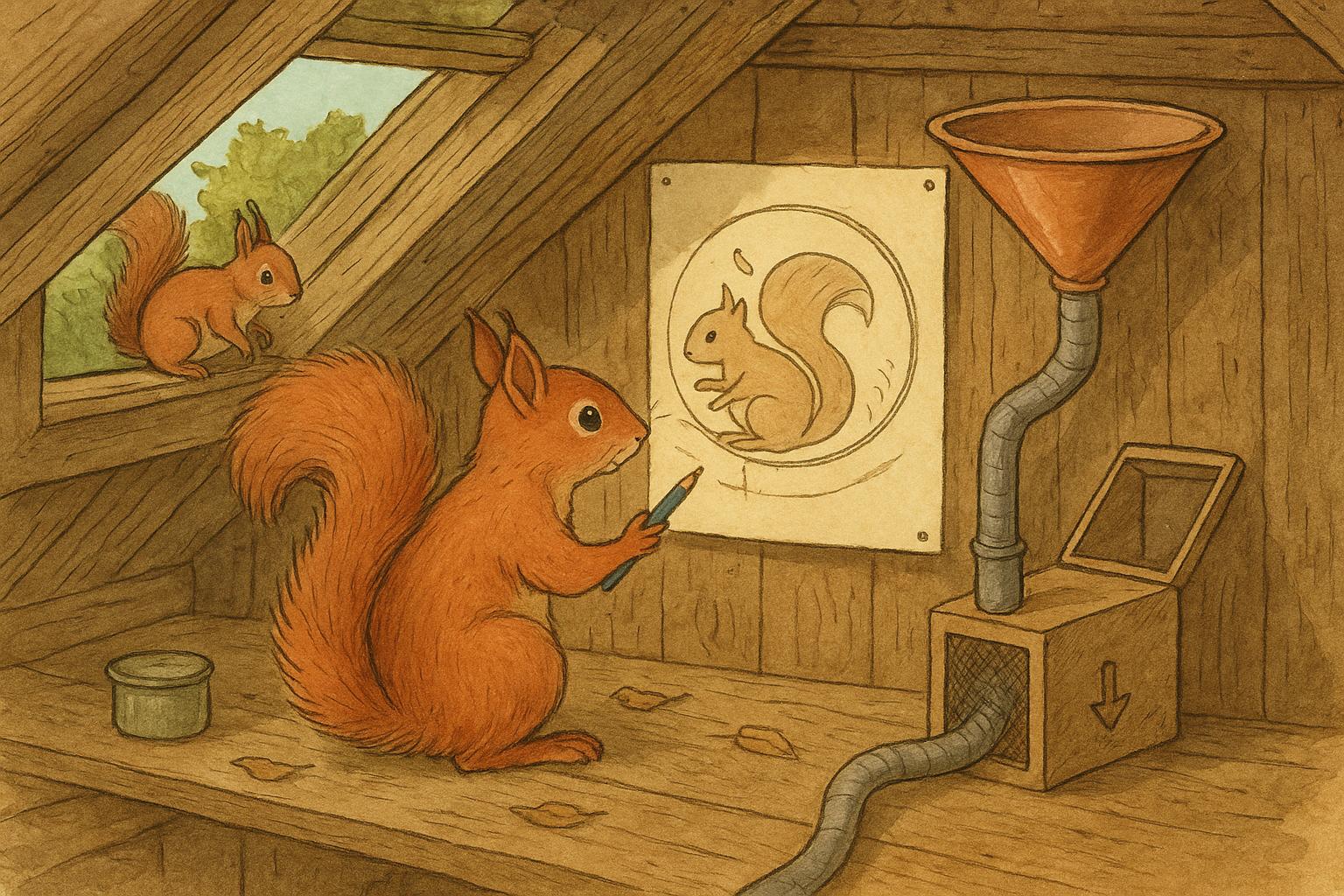
## Creative Solutions For Squirrels In Attic Problems
So you’ve caught that telltale scuttling above your ceiling or found shredded insulation and a stash of chewed wiring. Welcome to the exclusive club of people who’ve lived with squirrels in attic spaces. It’s almost quaint until the critter starts redecorating with drywall and insulation. This article lays out friendly, practical, and—when it counts—formal solutions to evict those fuzzy tenants and keep them from moving back in.
### Why Squirrels Enter Attics
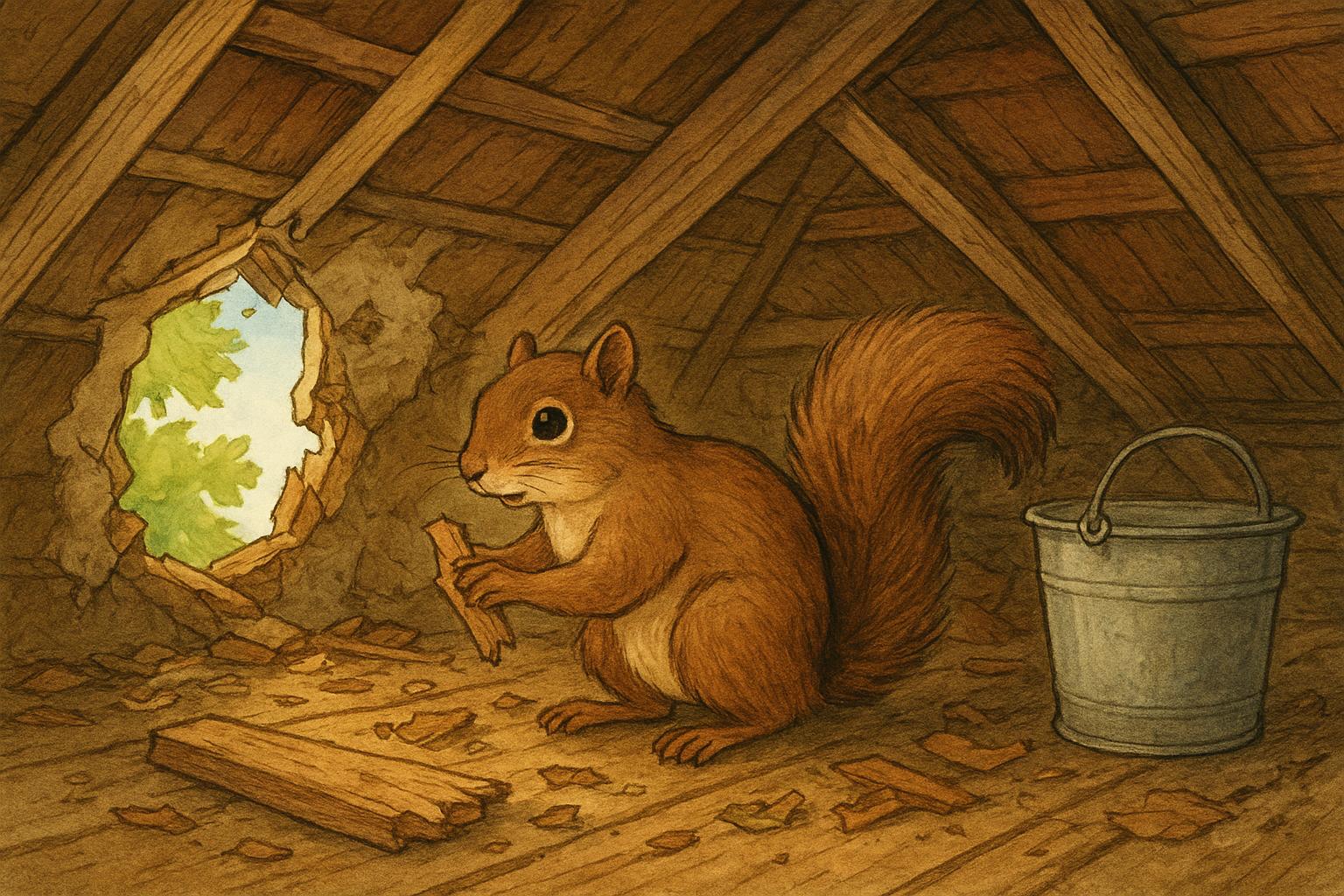
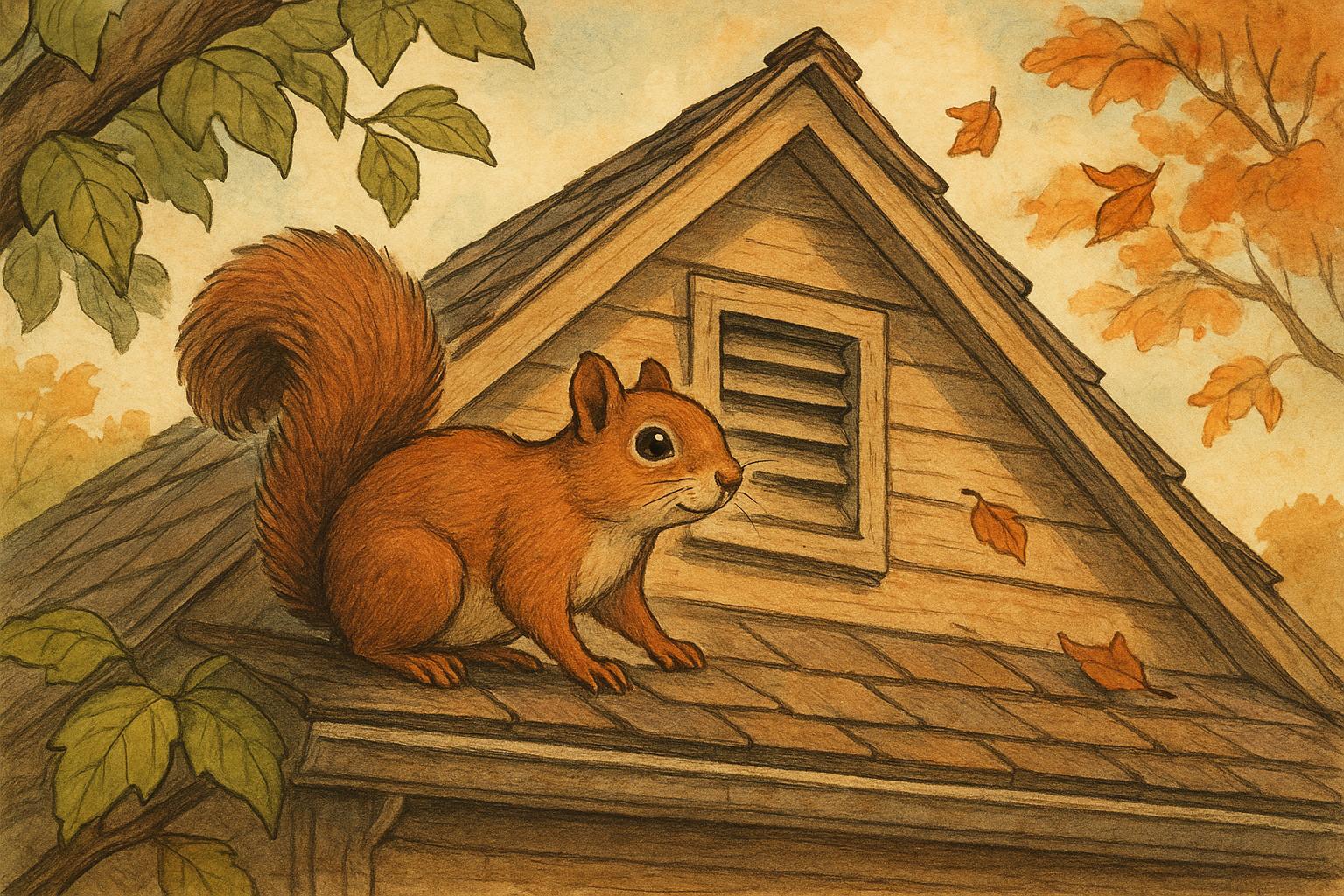
Squirrels are opportunists. Attics offer warmth, shelter from predators, and a dry place to stash a snack or raise a family. Typically they get in through soffit gaps, unsealed vents, loose chimney flashing, or damaged rooflines. Once inside, they make noise, create nesting material from insulation, and sometimes chew on electrical wires—an unwelcome combination that can lead to fire hazards.
### Common Signs You Have Squirrels In Attic
Detecting squirrels early makes removal less costly. Listen for scratching or scampering after dark and at dawn. Look for droppings, chewed vents, and entry holes. You might see a lighter trail of nesting material poking through gaps or find acorns and other food stored in odd places. If you suspect squirrels, don’t ignore it; prompt action reduces damage.
## 1. One-Way Door Exclusion For Squirrels In Attic
This is the humane, widely recommended first-line remedy: allow squirrels to leave but not return. It’s effective when young are not yet present or when you time it outside breeding/pupping seasons.
Materials Required:
– Sturdy one-way exclusion door (prefabricated or a simple wire-flap unit)
– Heavy-gauge wire mesh (¼” to ½” hardware cloth)
– Galvanized screws and washers
– Weatherproof caulk or sealant
– Wire cutters, drill, screwdriver, and ladder
– Work gloves and safety glasses
Step-By-Step Application:
1. Inspect Attic To Locate Entry Points: During daylight, watch where squirrels enter and exit. Note primary holes and runways. Confirm no dependent pups are present (observe activity for a few days).
2. Fit The One-Way Door Over The Primary Hole: Attach the one-way exclusion device so squirrels can push out but cannot pull back in. Use hardware cloth to secure surrounding gaps and prevent alternative entries.
3. Seal Secondary Openings: Use wire mesh and sealant to close smaller gaps; secure larger holes with patching material and screws.
4. Monitor For 3–5 Days: Observe the exclusion to ensure inhabitants leave. If squirrels persist or if you see distressed juveniles, cease and consult a wildlife professional.
5. Permanently Repair The Hole: Once attic activity stops, remove the one-way device and permanently repair the structure with flashing, new siding, or soffit panels and caulk as needed.
Note: One-way exclusion must be employed with caution during breeding seasons. If juveniles cannot leave, exclusion could cause harm. When in doubt, contact a licensed wildlife removal specialist.
## 2. Seal And Proof Home Vulnerabilities
Prevention through exclusion is more permanent than repeated removals. This is about fortifying the house so the attic isn’t an open invitation.
Materials Required:
– Metal flashing and vent covers
– ¼” to ½” hardware cloth
– Exterior-grade caulk and construction adhesive
– Siding and soffit repair materials
– Galvanized screws, washers, and a drill
– Ladder, measuring tape, and safety gear
Step-By-Step Application:
1. Roofline Assessment: Walk the perimeter of your roof (or hire a pro) to identify damaged soffits, loose fascia, and gaps around vents and chimneys.
2. Replace Or Reinforce Vulnerable Materials: Install metal flashing around chimneys and vents. Replace rotted wood and secure loose fascia with screws rather than nails.
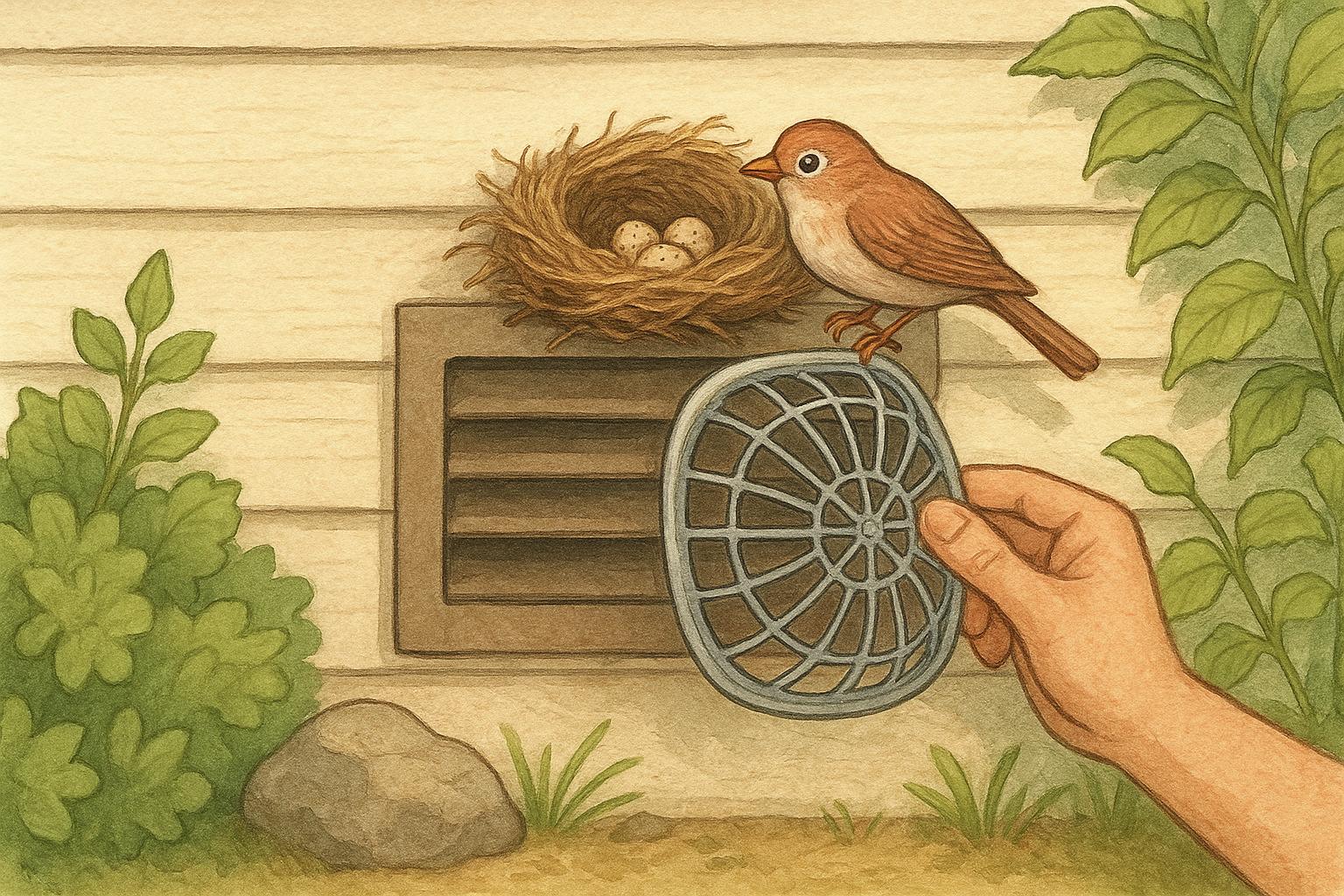
3. Screen Openings: Cover attic vents, gable vents, and soffit intakes with hardware cloth; ensure airflow isn’t completely blocked—maintain required ventilation clearances.
4. Caulk And Seal Small Gaps: Use exterior-grade caulk to seal gaps under eaves, around window trim, and near utility penetrations.
5. Final Inspection: From the attic interior, check for remaining light leaks or drafts and seal from inside if necessary.
Formal note: Use corrosion-resistant fasteners and stainless or galvanized mesh where contact with moisture is likely. A thorough, permanent seal reduces repeat squirrel invasions and helps with insulation efficiency.
### 3. Trapping And Relocation—When And How (Professional Emphasis)
Live-trapping can be effective but is regulated in many areas and can be harmful if done without knowledge of wildlife behavior or local laws. If you choose this route, following formal protocols is essential.
Materials Required:
– Large, humane live traps (sized for squirrels)
– Bait (peanut butter, sunflower seeds)
– Gloves and handling tools
– Transport crate and permits (where required)
– A professional wildlife control number for backup
Step-By-Step Application:
1. Verify Legal Requirements: Check local wildlife regulations; some jurisdictions prohibit relocation or require permits.
2. Set Traps Near Activity Points: Place traps along runs or near entry holes, bait them, and camouflage with leaf litter if needed.
3. Monitor Traps Regularly: Check traps daily—animal welfare and local laws typically require prompt checks.
4. Act Ethically And Lawfully For Relocation: If relocation is permitted, transport animals to a suitable habitat away from populated areas. If not permitted, arrange humane euthanasia or call a professional.
5. Post-Trapping Repairs: After removal, implement permanent exclusion measures immediately to prevent new animals from using the cleared space.
Important formal guidance: Many wildlife rehabilitators and pest professionals advise against relocation because moved squirrels often fail to survive and relocating can spread disease. Hiring a licensed professional minimizes public safety and animal welfare risks.
#### Attic Cleanup And Insulation Repair
Once the squirrels are gone, address contamination and damage. Remove soiled insulation, replace chewed wiring, and sanitize nesting areas to deter odors that might attract other animals.
Materials Required:
– Disposable respirator (N95 or better)
– Heavy-duty gloves and disposable coveralls
– Trash bags, insulation material (batts or blown-in)
– Antibacterial disinfectant and enzyme odor remover
– Flashlight and inspection camera (optional)
Step-By-Step Application:
1. Enter With Safety Gear: Wear respiratory protection and avoid direct contact with droppings.
2. Remove Contaminated Material: Bag and dispose of soiled insulation and nesting debris according to local regulations.
3. Inspect For Structural And Electrical Damage: If wiring is chewed, hire a licensed electrician to repair. Check for chewed ducts or vents and replace if necessary.
4. Sanitize The Area: Use enzyme-based cleaners to remove odors that could attract other wildlife.
5. Replace Insulation And Restore Venting: Install appropriate insulation and verify attic ventilation to building code standards.
## Preventive Landscaping And Deterrents
Squirrels are part neighborhood guests, part garden thieves. Simple, low-effort landscape changes reduce the temptation for squirrels to hang around your house.
– Trim tree branches at least 6–8 feet from the roofline to prevent squirrels from jumping onto the house.
– Avoid planting nut-bearing trees close to the home; consider alternatives like fruit trees placed away from structure.
– Secure compost bins and bird feeders—both are major attraction sources.
Use of commercial repellents can be supportive but is rarely a standalone fix. Many deterrents only work short-term and should be paired with exclusion and repair work.
### When To Call A Professional
If you observe aggressive squirrels, multiple animals, young inside the attic, or any electrical damage, call a licensed wildlife removal specialist. Professionals can safely assess breeding season concerns, handle legal issues like permits, and perform repairs or recommend contractors for structural and electrical remediation.
Takeaway: Acting promptly and thoughtfully—sealing entry points, employing humane exclusion where appropriate, cleaning up, and making preventive changes—offers a high chance you’ll end your stint with squirrels in attic stories and reclaim your quiet evenings.









Leave a Reply