

Winter evenings can feel long for backyard birds—and for the humans who try to help them. If your schedule is packed but your heart is full for feathered visitors, here’s a friendly, practical guide to getting your winter bird feeding set up humming with minimal fuss and maximum benefit.
## Winter Bird Feeding Essentials For A Busy Backyard Wildlife
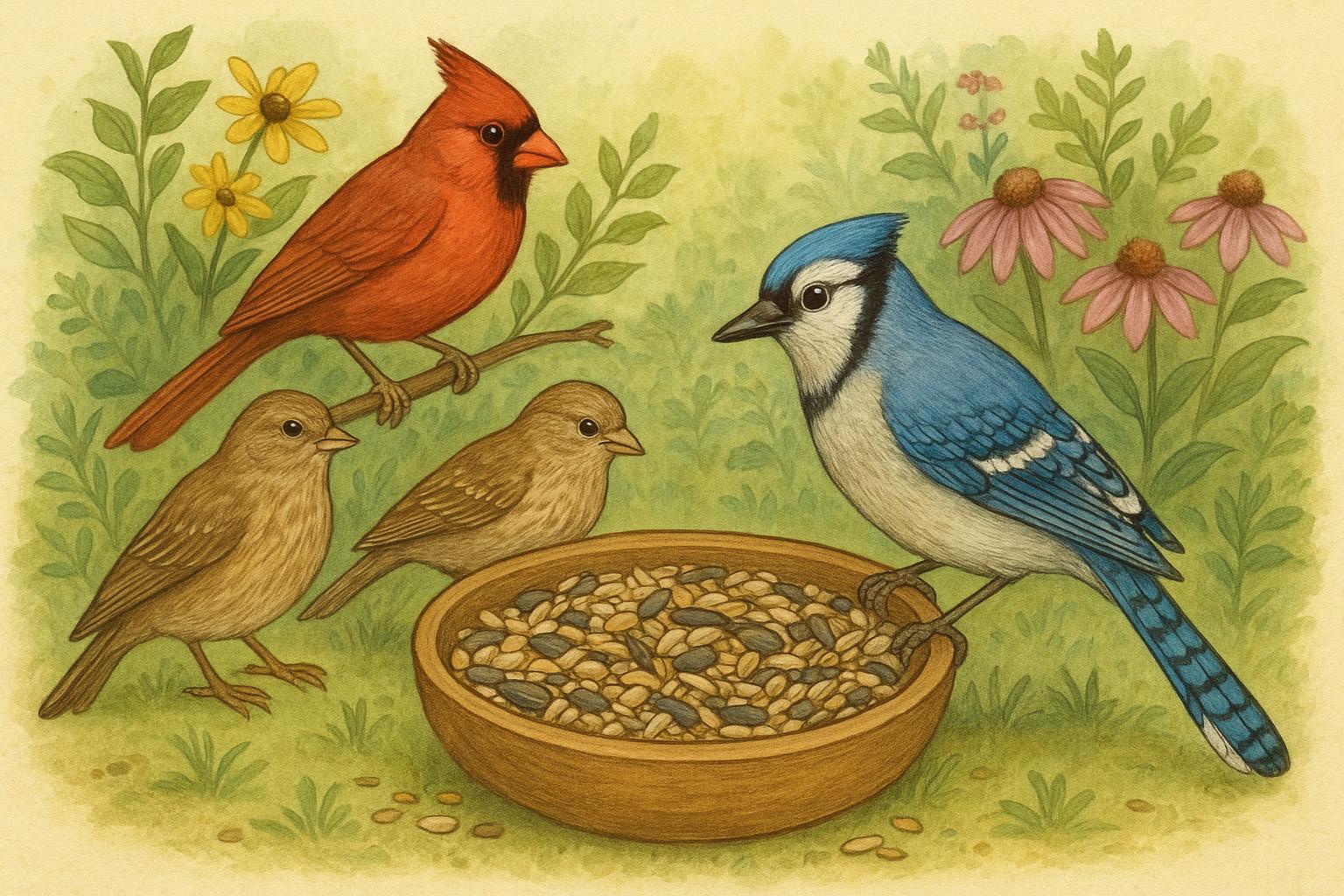
A few strategic choices make a huge difference. With a little planning up front, you can keep birds nourished through the cold months without becoming a full-time wildlife concierge. Think simple routines, durable supplies, and food that packs a caloric punch. You’ll attract a parade of chickadees, nuthatches, woodpeckers and sparrows—plus the occasional drama queen cardinal—without constantly refilling or fussing over details.
## Bird Feeding Basics For Winter
Birds burn a lot more energy staying warm in winter. That means your winter bird feeding choices should prioritize calories, fat, and convenience. Here are the core principles:
– Offer high-energy foods like suet, peanuts, and oily seeds (sunflower, safflower).
– Provide platforms or feeders that stay clear of deep snow and ice.
– Keep fresh water available; moving water is best because it doesn’t freeze as quickly.
– Clean feeders routinely to prevent disease—especially important when birds are concentrated at reliable food sources.
## Choosing The Right Feeders
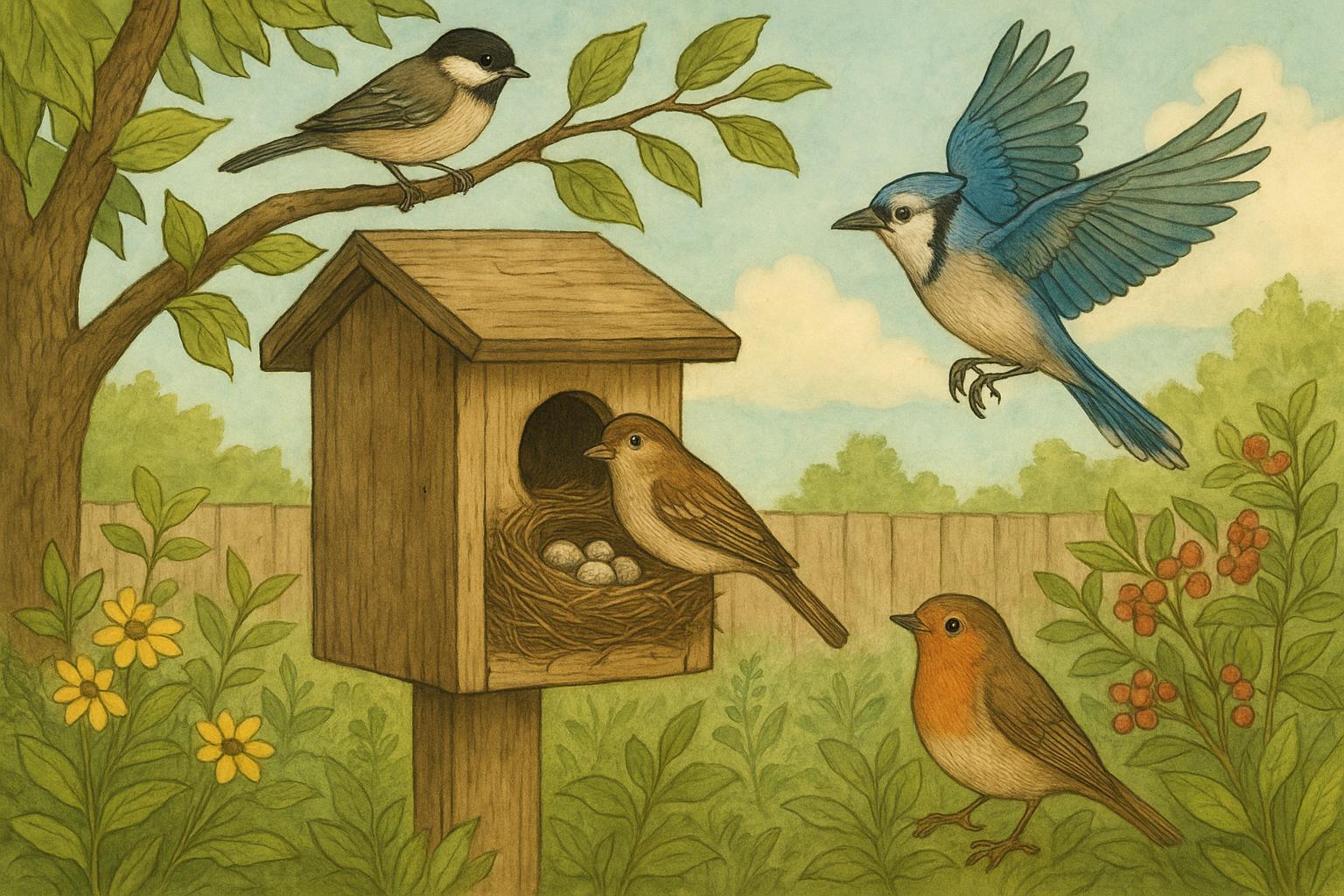
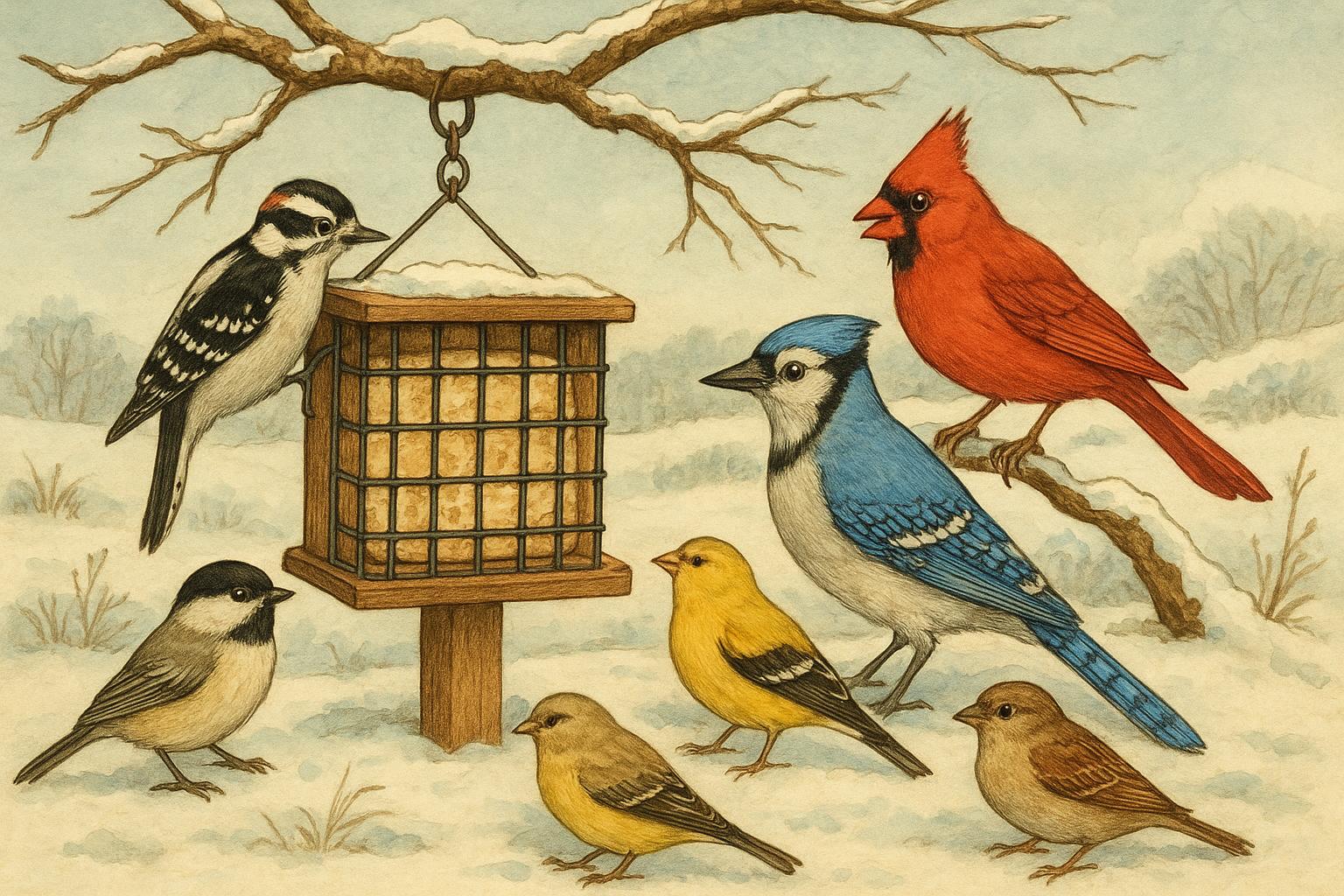
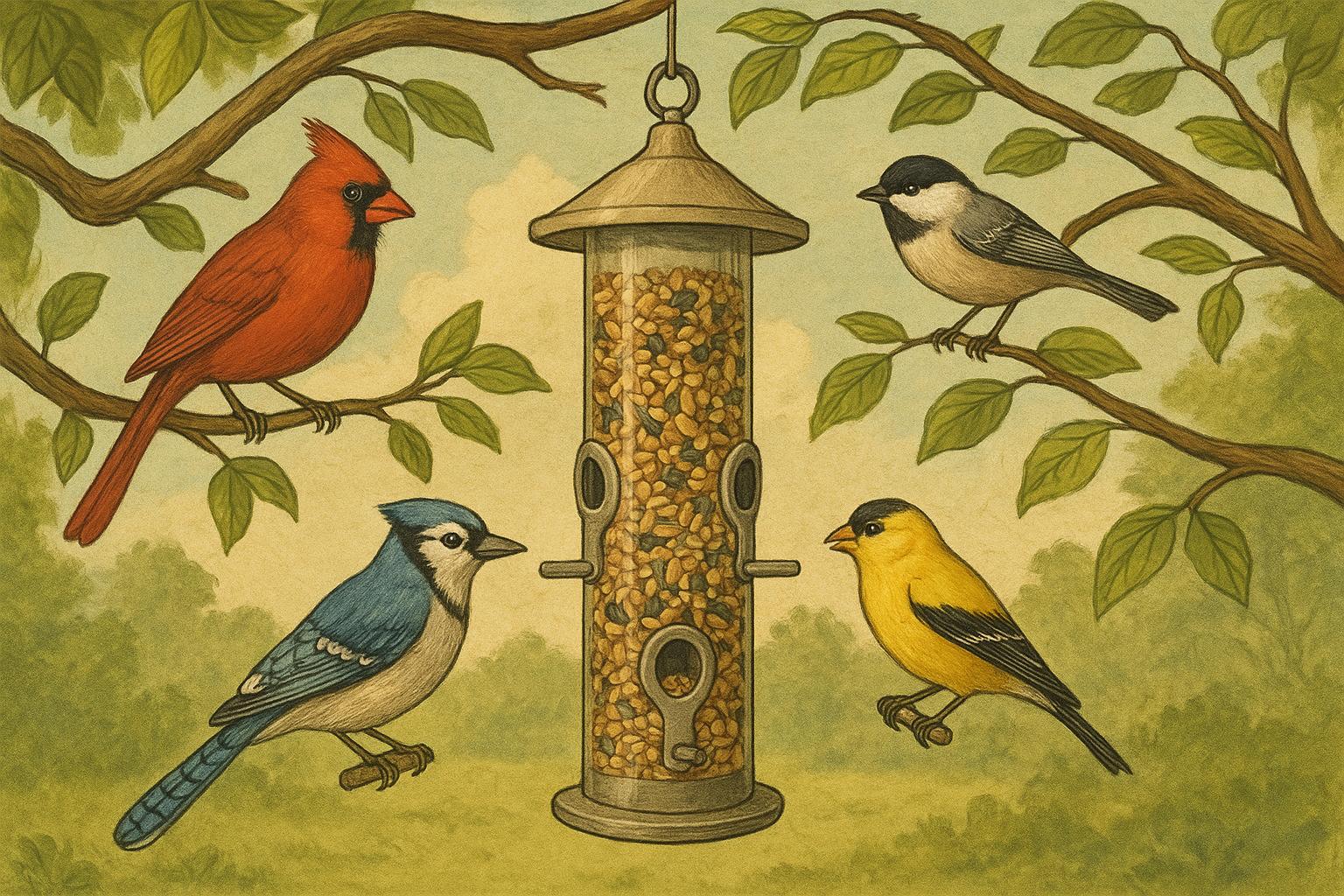
Match feeder type to the species you want to support and the amount of maintenance you can commit to. Tube feeders are great for small songbirds and keep seed dry; hopper feeders hold more food but require occasional cleaning; suet cages attract insect-loving species like woodpeckers. For a busy yard, choose 1–2 large-capacity feeders placed where you can easily refill them—ideally in a sheltered spot near trees or shrubs for quick cover.
### Feeder Placement And Predator Safety
Position feeders at least 4–6 feet away from launch points that predators could use. Keep them within view of cover so birds can dart to safety, but not so close that cats can hide and ambush. Mount feeders at different heights to attract a wider variety of species and to reduce crowding.
## Best Foods For Cold Weather
Offer calories first. In winter, fat and protein are the priorities because they produce the most warmth-per-bite.
– Black-oil sunflower seed: high energy, favored by many species.
– Safflower seed: less attractive to squirrels and some blackbirds.
– Peanuts (unsalted): calorie-dense and loved by titmice and nuthatches.
– Suet: pure energy in a block; ideal for very cold days.
– Mixed seed blends: OK in a pinch, but better to supplement with higher-fat options.
Keep in mind that table scraps and bread are poor winter choices—they provide little nutritional value and can spoil.
## Remedy 1: Homemade High-Energy Suet Cakes
When done properly, suet cakes are an efficient, long-lasting winter fuel. Below is a reliable formula and method for making suet cakes that hold up in cold weather and attract a wide range of birds.
Ingredients / Required Materials:
– 2 cups rendered beef suet or high-quality vegetable shortening
– 3 cups quick oats or cracked corn
– 1 cup peanut butter (natural, unsalted)
– 1 cup mixed seeds (sunflower seeds preferred)
– 1/2 cup chopped unsalted peanuts (optional)
– Suet molds or small loaf pans
– Suet cages or mesh feeders for hanging
Step-By-Step Creation And Application:
1. Sanitation: Ensure all utensils, pans, and molds are clean and dry.
2. Melt: Gently heat the suet or vegetable shortening in a double boiler until fully liquified. Avoid high direct heat to prevent burning.
3. Combine: Remove from heat and stir in peanut butter until homogenous.
4. Mix: Add oats or cracked corn, mixed seeds, and chopped peanuts. Stir thoroughly to ensure an even distribution of solids.
5. Mold: Spoon the mixture into suet molds or loaf pans, pressing firmly to eliminate air pockets.
6. Cool: Allow to cool at room temperature until solid, then refrigerate for at least 2 hours to firm completely.
7. Deploy: Unmold and place the suet cakes in suet cages hung from sturdy branches or feeders. Position cages where birds can access them but where squirrels will have a harder time.
8. Maintenance: Replace suet if it becomes rancid or moldy. Monitor for any signs of spoilage, especially if you use vegetable-based shortening which can oxidize.
This method yields dense, calorie-rich cakes that are best used when temperatures are near or below freezing; they will soften in warmer conditions.
## Remedy 2: No-Bake Nutty Seed Cake For Platform Feeders
A second, no-bake option is ideal if you prefer to avoid heating fats. It creates a compact seed cake that fits platform feeders or trays and provides high energy.
Ingredients / Required Materials:
– 3 cups mixed seeds (sunflower, millet, nyjer optional)
– 1 cup crushed unsalted peanuts
– 1/2 cup dry mealworm bits (optional for extra protein)
– 1 cup corn syrup or honey (use sparingly as a binder)
– 1/2 cup peanut butter, warmed slightly to be pourable
– Fruit rind or small shallow trays for shaping
– Parchment paper and a spoon or spatula
Step-By-Step Creation And Application:
1. Preparation: Line a tray or shallow container with parchment paper for easy removal.
2. Mix Dry Ingredients: In a large bowl, combine mixed seeds, crushed peanuts, and mealworm bits. Stir to blend uniformly.
3. Combine Binders: In a separate container, mix warm honey/corn syrup with the warmed peanut butter until smooth.
4. Blend: Pour the binder mixture over the dry ingredients, stirring briskly until all solids are coated and the mixture adheres.
5. Shape: Press the mixture into the tray or into molds. Use a flat object to compress the mixture tightly.
6. Set: Allow the mixture to set in a cool, dry place until firm—several hours to overnight.
7. Place: Cut or unmold and place pieces onto a platform feeder or shallow tray where birds can easily feed.
8. Monitor: Replace when mold appears or if the mixture becomes overly wet from snowmelt or rain.
These cakes are less weather-resistant than suet but are quick to make without melting fats.
## Keeping Feeders Clean And Reliable
Disease prevention is not glamorous, but it is essential. Clean feeders every 2–4 weeks in winter and immediately if you notice droppings, mold, or clumping seed. Use a solution of one part bleach to nine parts water for disinfecting, rinse thoroughly, and dry completely before refilling. Rotate and clean water sources often to prevent ice formation and bacterial growth—add a small, thermostatically controlled bird bath heater if you can.
#### Safe Refilling Routine For Busy Schedules
Plan a weekly maintenance slot: top off game-changing supplies (sunflower, peanuts, suet) and sweep the immediate landing area for waste. Use larger-capacity feeders to reduce refill frequency. Consider placing an easy-to-access secondary feeder near your usual path so refilling becomes a five-minute habit rather than a project.
## Dealing With Squirrels And Other Pests
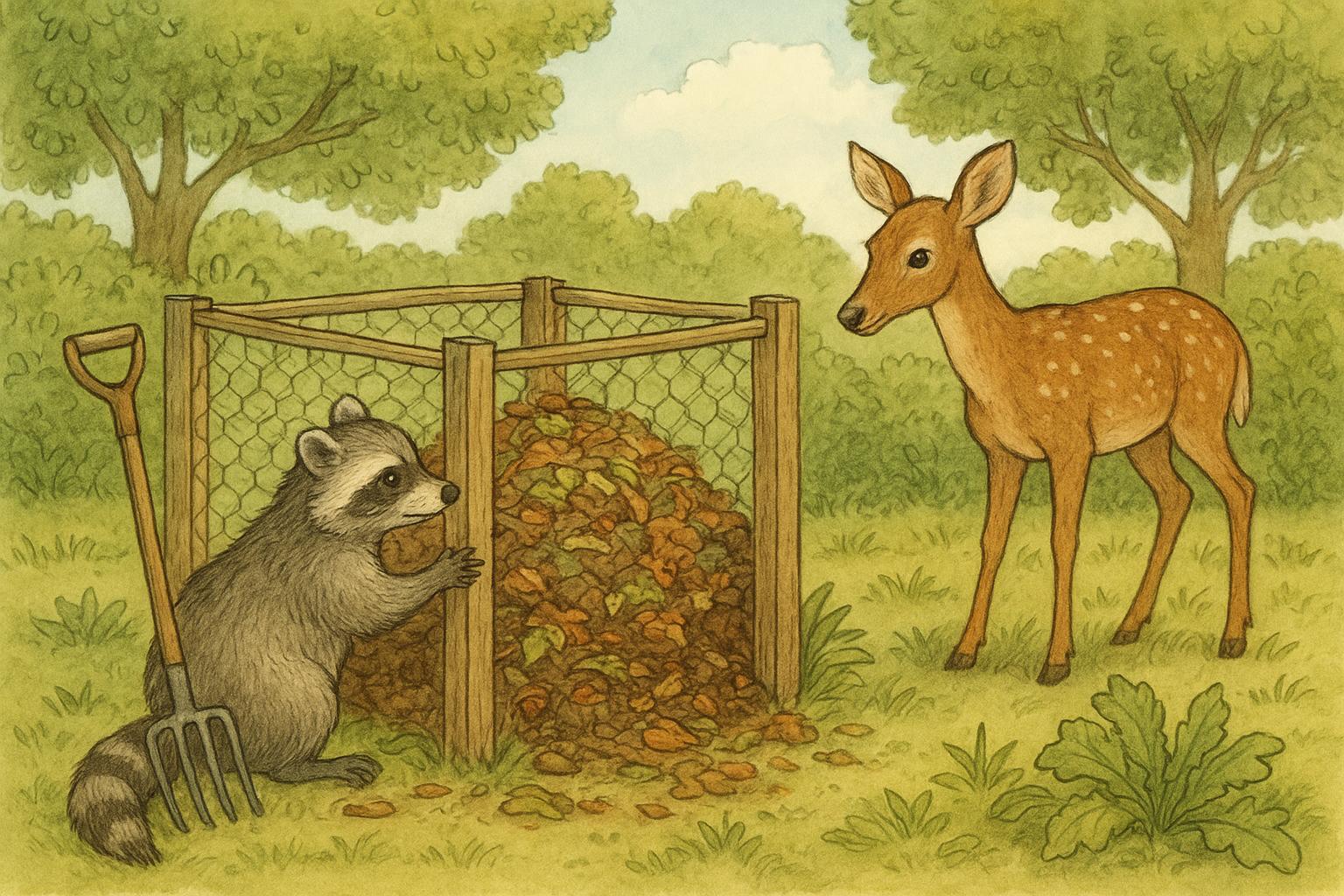
Squirrels will appreciate your generosity perhaps a little too enthusiastically. Use cage feeders for peanuts and suet, consider weight-sensitive feeders that close for heavy mammals, and anchor feeders securely. Safflower seed and nyjer are less attractive to some pests. If a raccoon becomes persistent, remove food overnight—most songbirds feed during daylight and will still find food in the morning.
## Winter Water Management
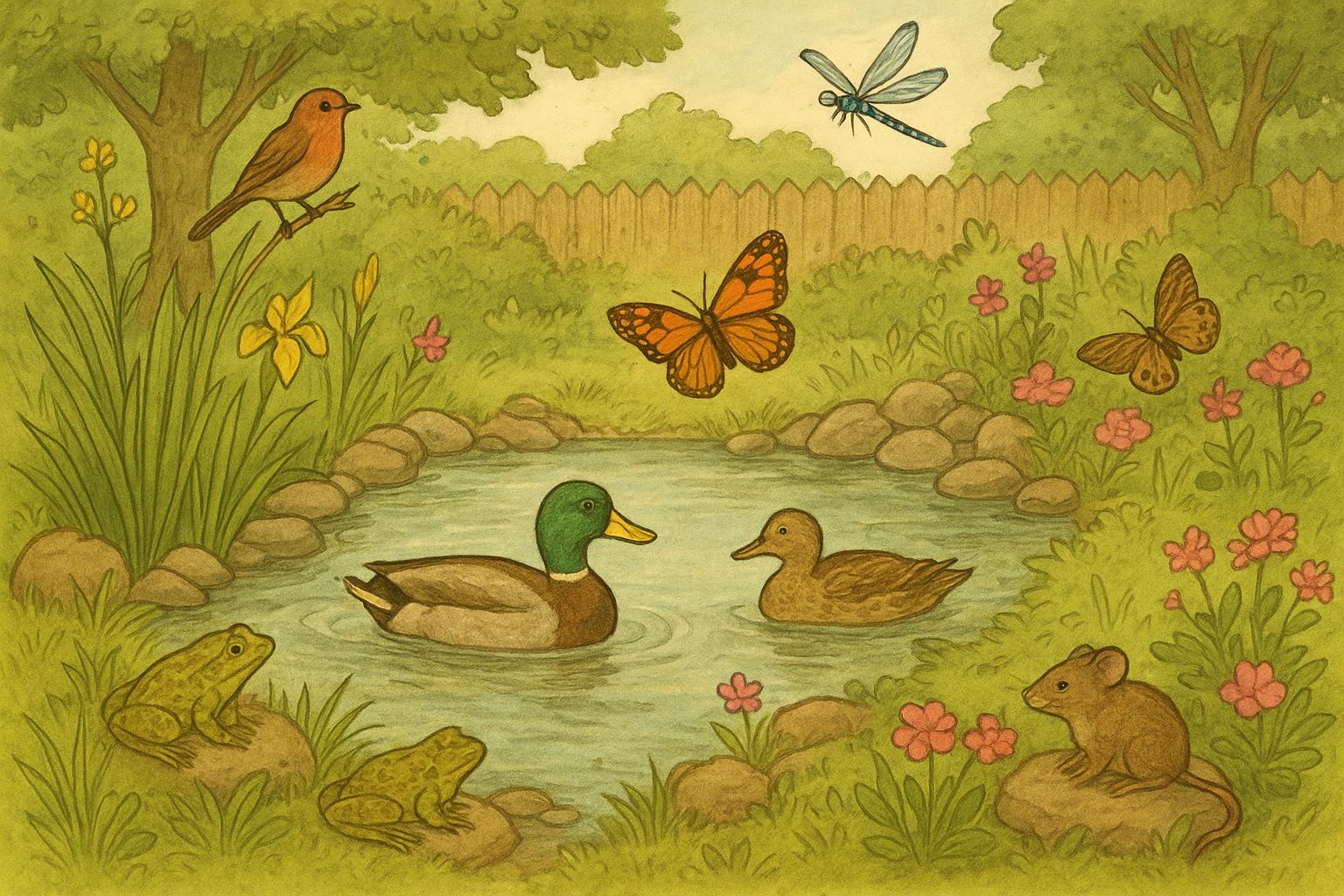
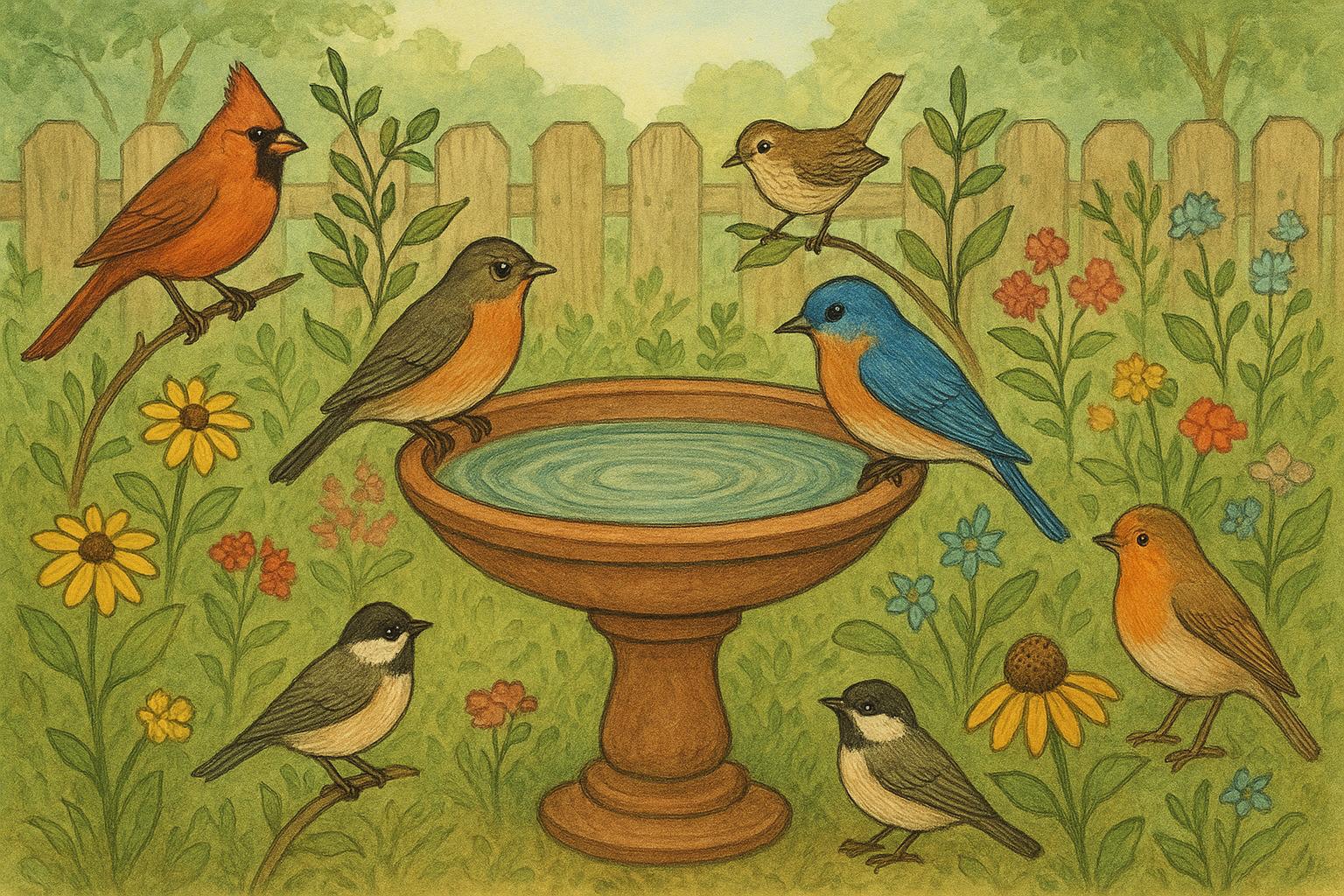
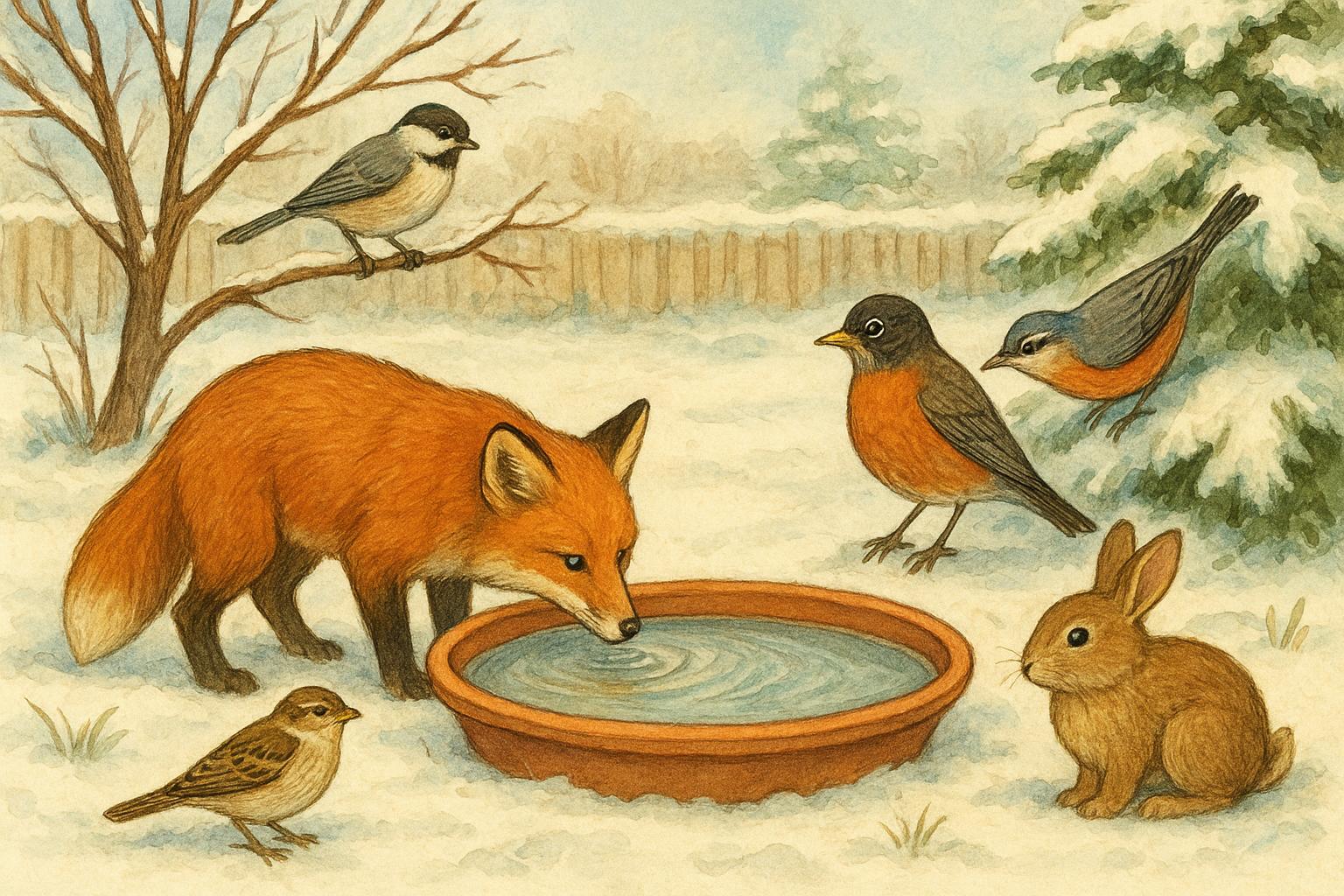
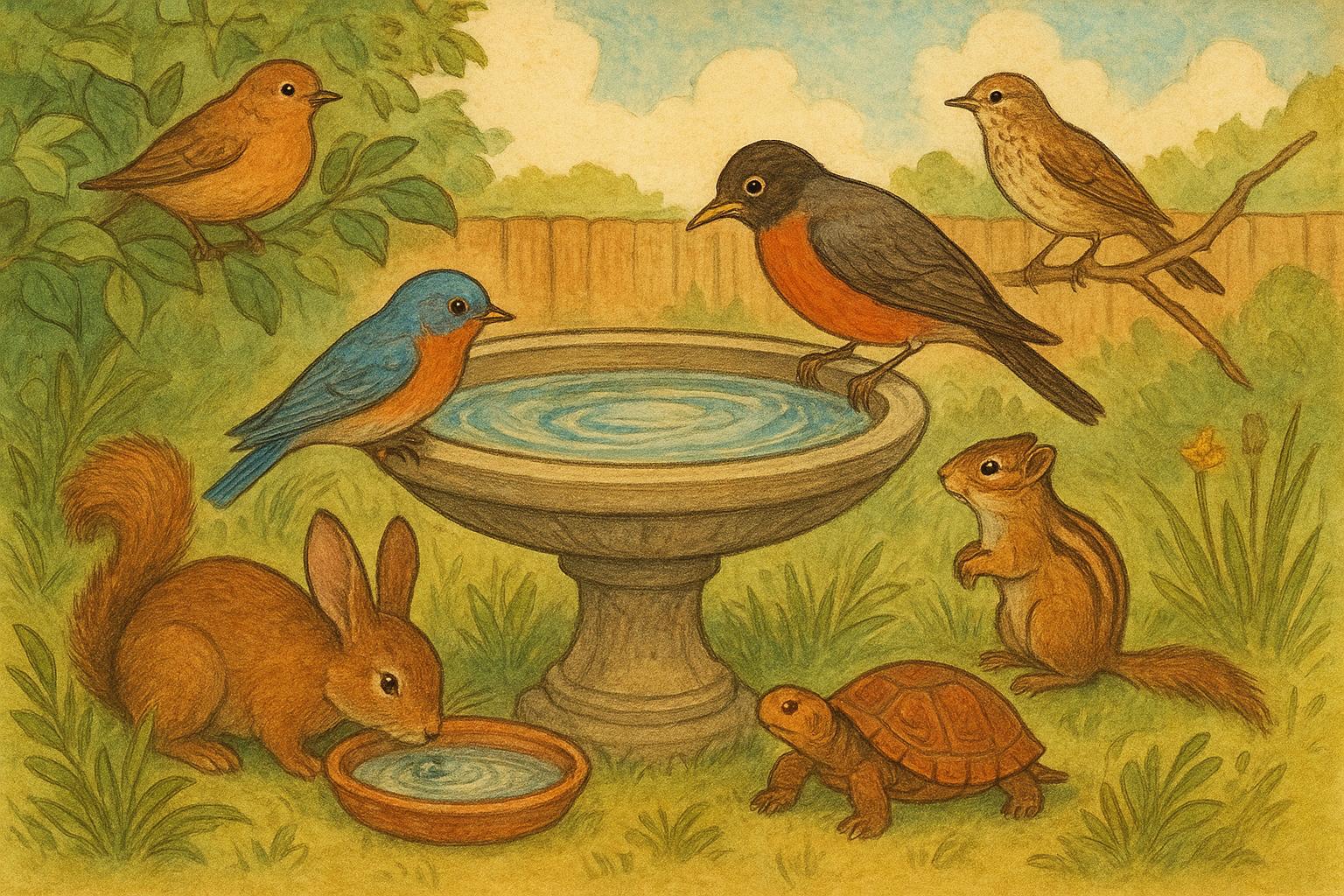
Birds need water as much as food. A heated bird bath or a simple shallow dish with an aerator keeps water moving and unfrozen longer. If a heated option isn’t feasible, check and replenish water midday when temperatures are slightly warmer. In subfreezing conditions, even a few minutes of liquid water can make a big difference.
## Encouraging Natural Foraging
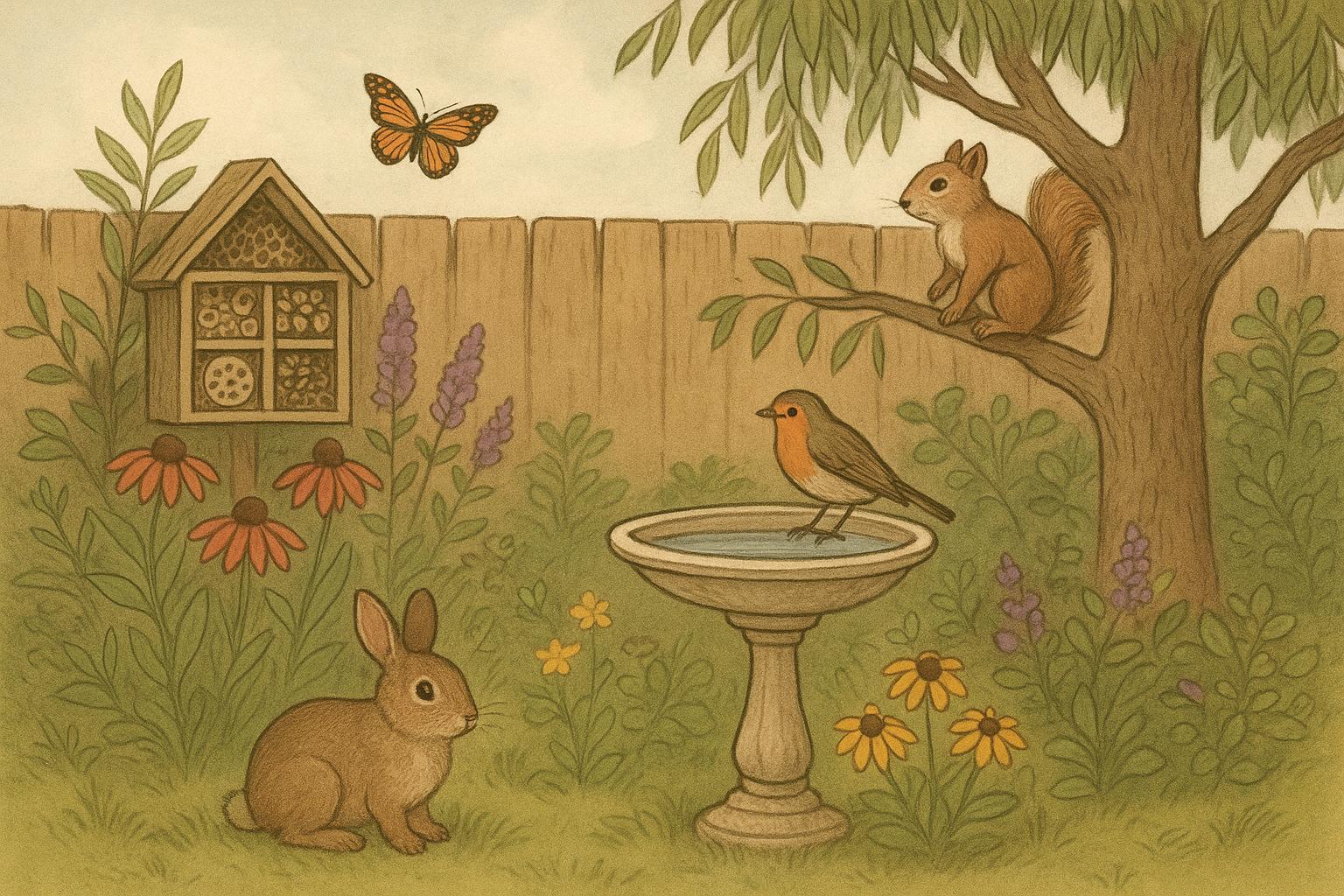
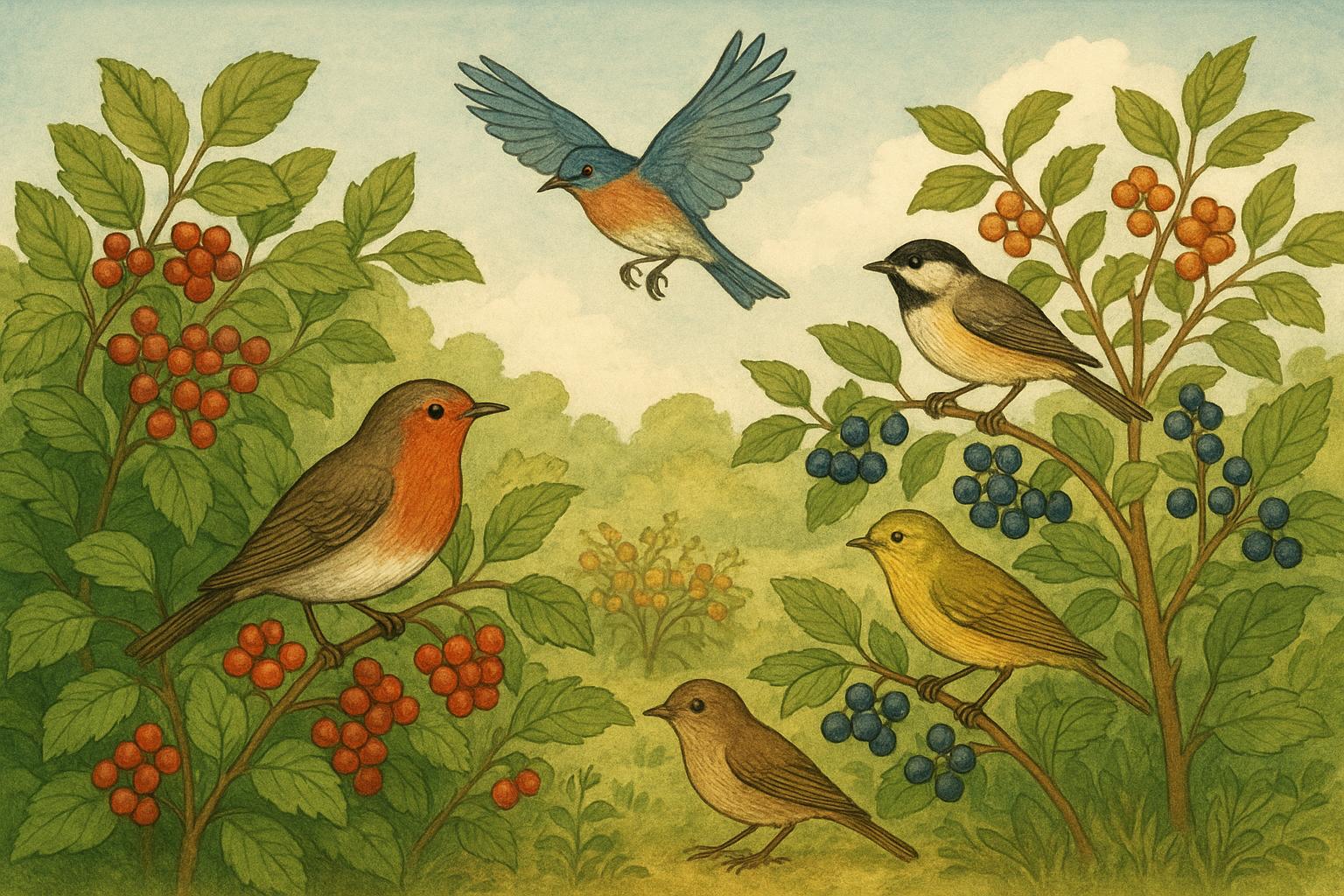
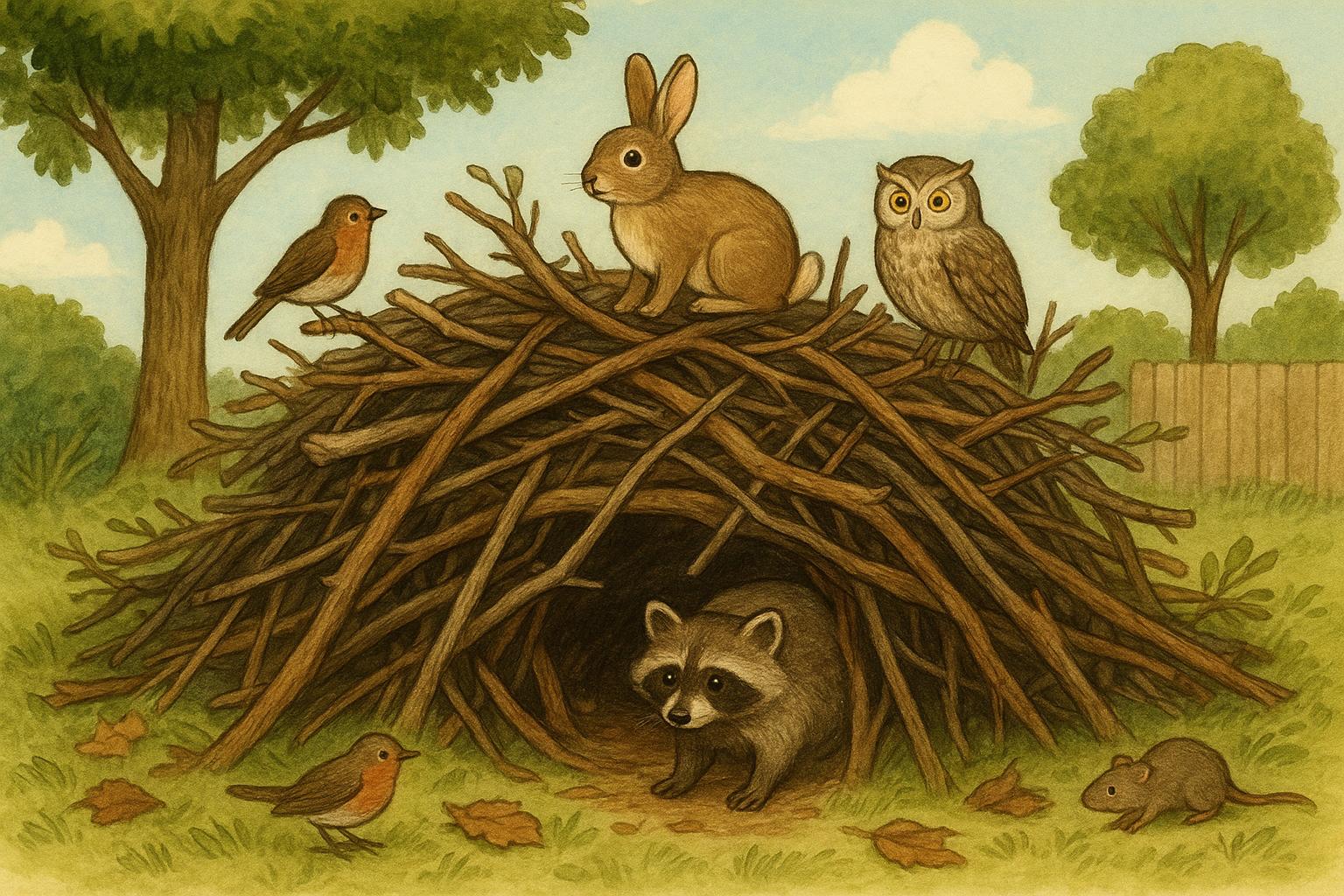
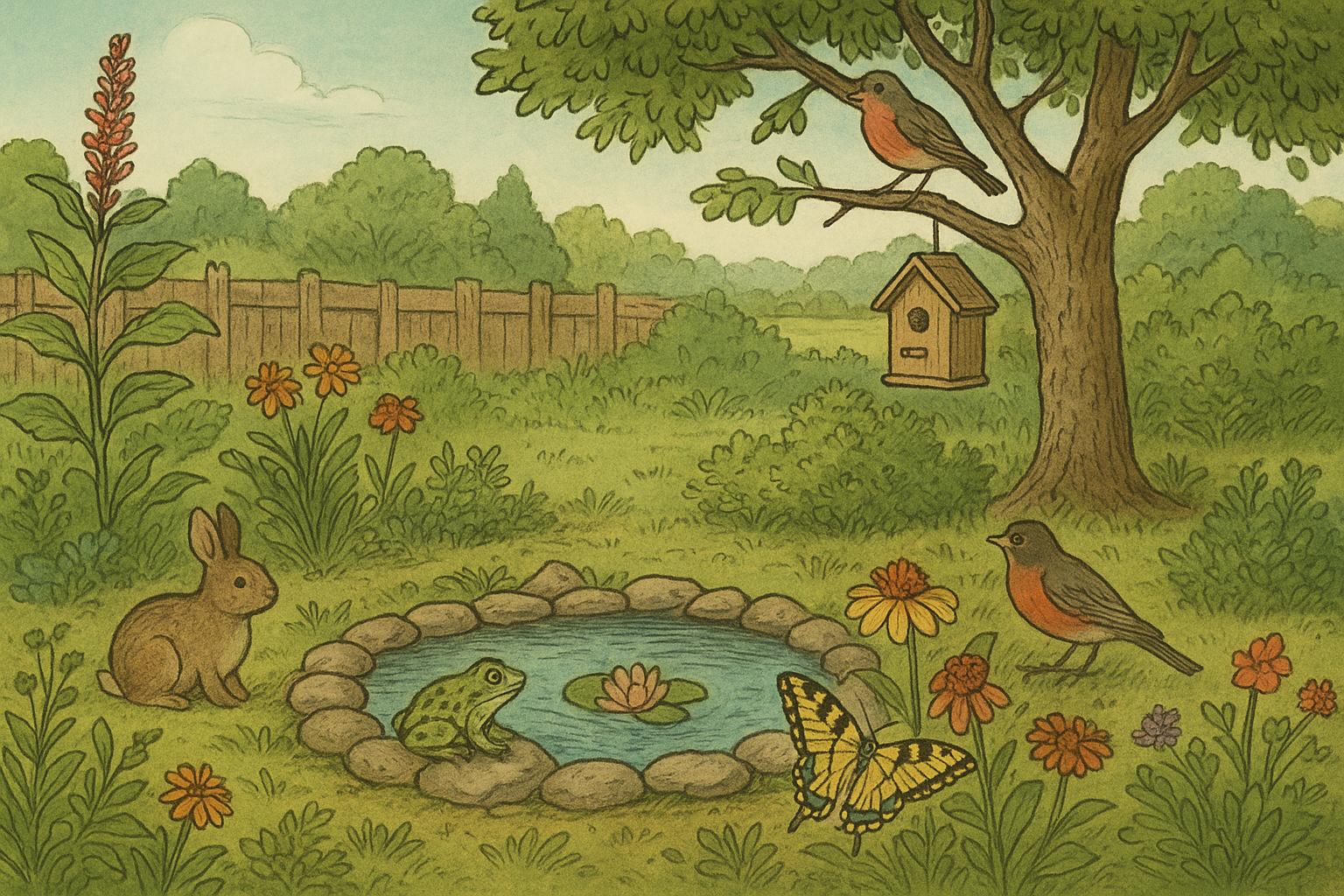
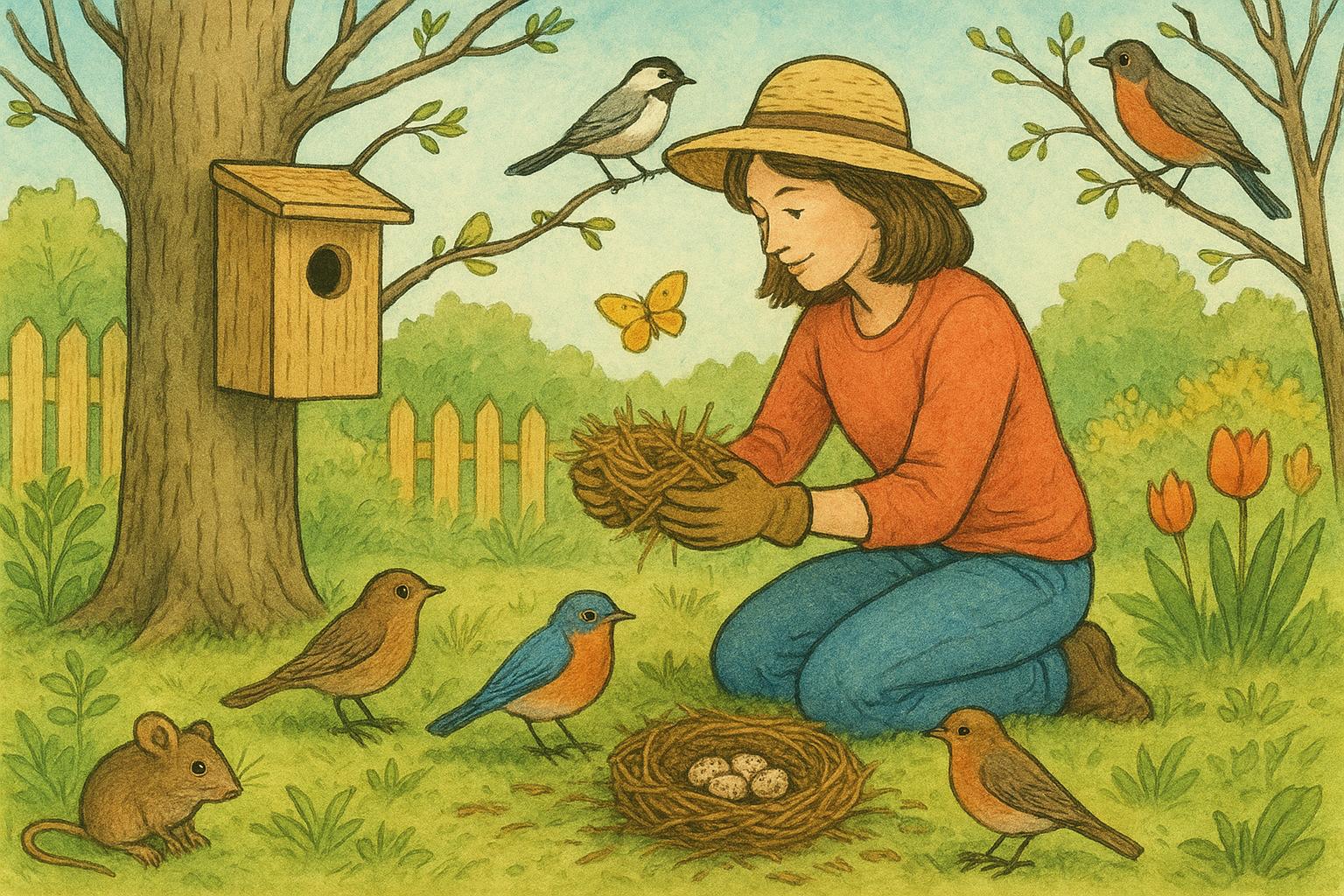
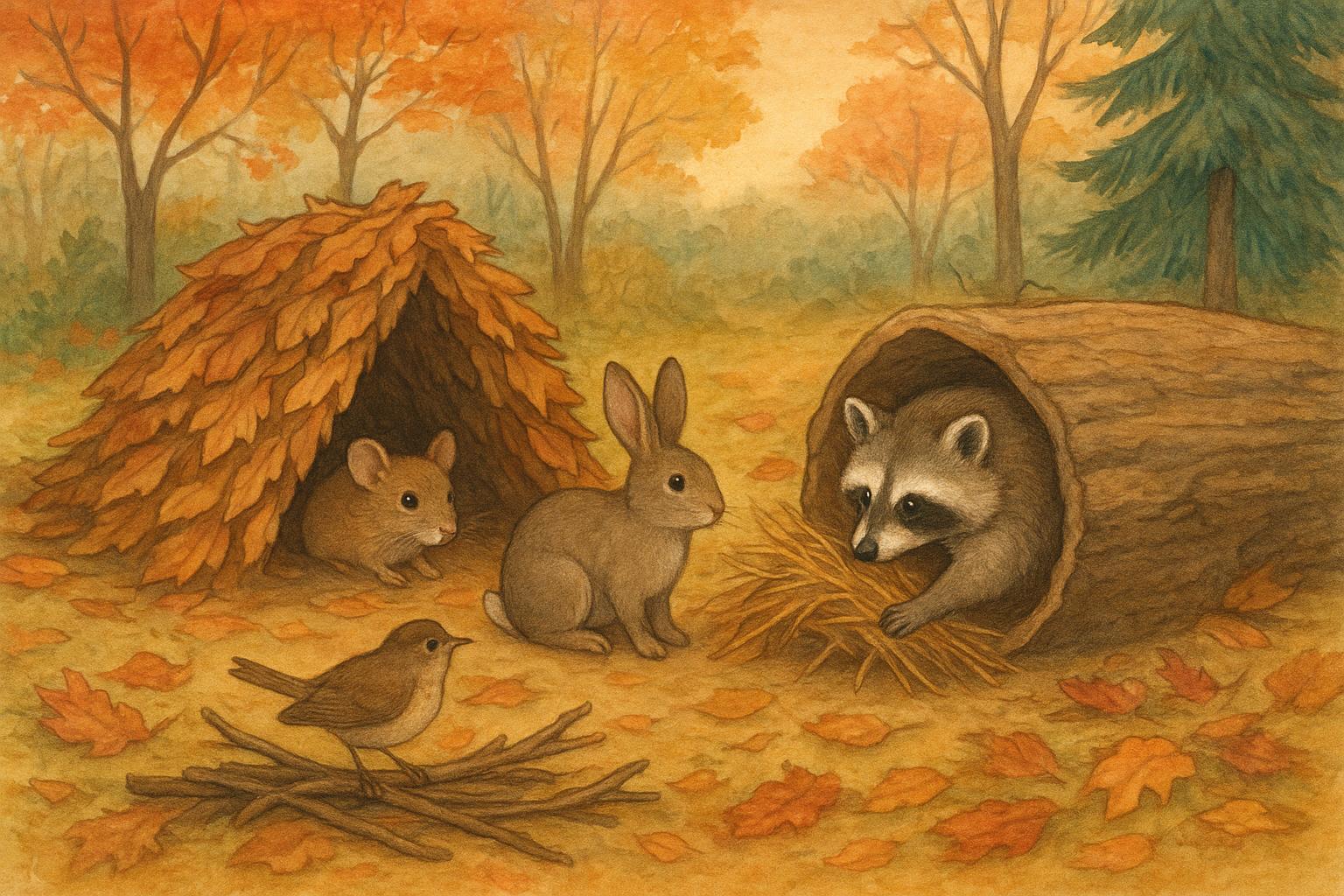
Supplemental bird feeding is most helpful when paired with habitat features that allow birds to find natural foods and shelter. Maintain native shrubs with berries, leave seed heads on garden plants through winter, and allow leaf litter to persist in sheltered areas. These practices help birds diversify their diet beyond your feeders and reduce dependency.
A little preparation goes a long way. Keep things simple, choose high-energy foods and durable feeders, and apply routine cleaning and refill practices that fit your busy life. The birds will notice—and they may repay you with lively backyard entertainment, seasonal songs, and that excellent feeling of doing something good without losing your entire weekend to wildlife management.




Leave a Reply