
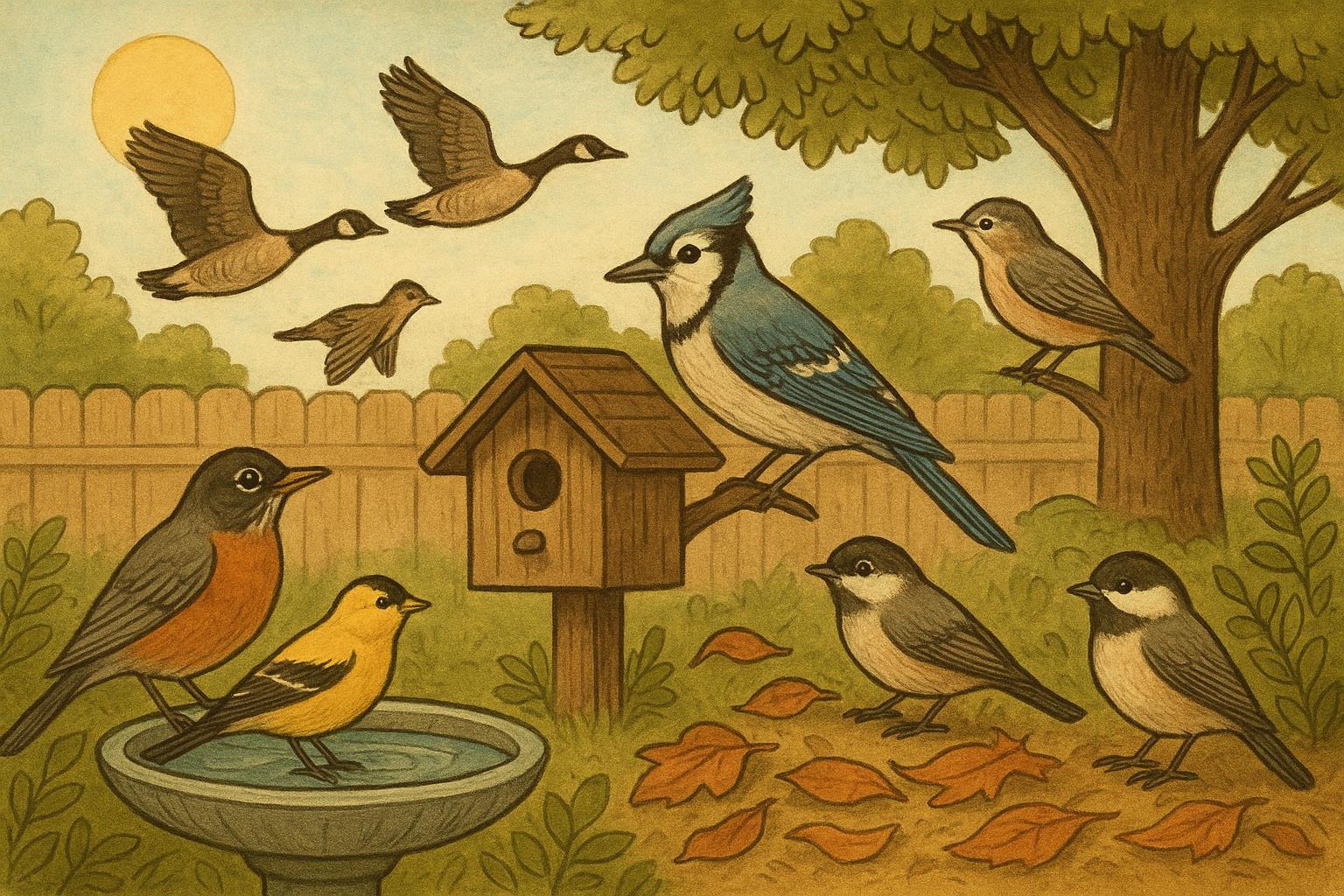
Hey there — ready to roll out the red carpet for feathered travelers? Fall is a magical time in the yard: skies full of movement, a chorus of calls, and the annual parade of migrant birds making pit stops on their long journeys. Below are friendly, practical ways to tune your backyard into a comfortable, safe stopover. Expect some helpful tips, a little humor (the birds appreciate it, I promise), and clear, formal remedies you can implement this weekend.
## Migrant Birds Migration Prep For Fall Season In Backyard
## Migrant Birds: What To Expect In Fall
Migration timing varies by species and region, but many small songbirds begin moving south in late summer through October. You’ll notice flocks forming, increased activity at feeders during calm days, and the occasional exhausted individual needing a rest. These are your cues: birds are looking for food, water, and safe roosting spots before they continue.
Migratory stopovers can be intense. A yard that provides concentrated resources saves precious energy for the birds. Thoughtful prepping helps not just the easy-to-recognize warblers and thrushes, but also less obvious migrants like flycatchers and vireos. If you pay attention, your backyard becomes a tiny, well-run inn for the avian world.
### Signs That Migrant Birds Are Passing Through
– Sudden spikes at feeders on warm, clear days.
– Mixed-species flocks (e.g., warblers, sparrows, and thrushes traveling together).
– Ground-feeding birds scratching more than usual — they’re refueling.
– Increased vocalizations at dawn and dusk.
### Why Your Yard Matters
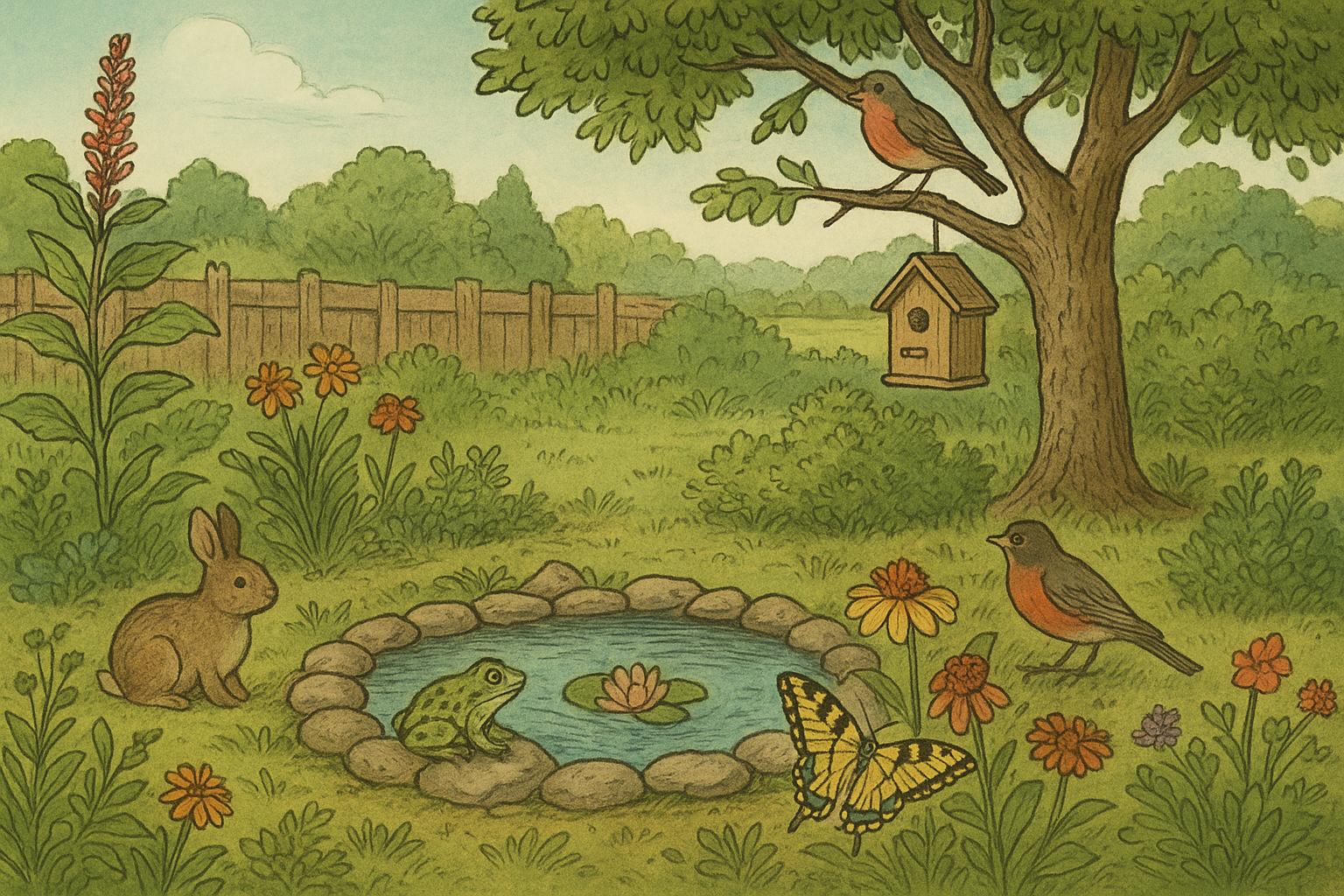
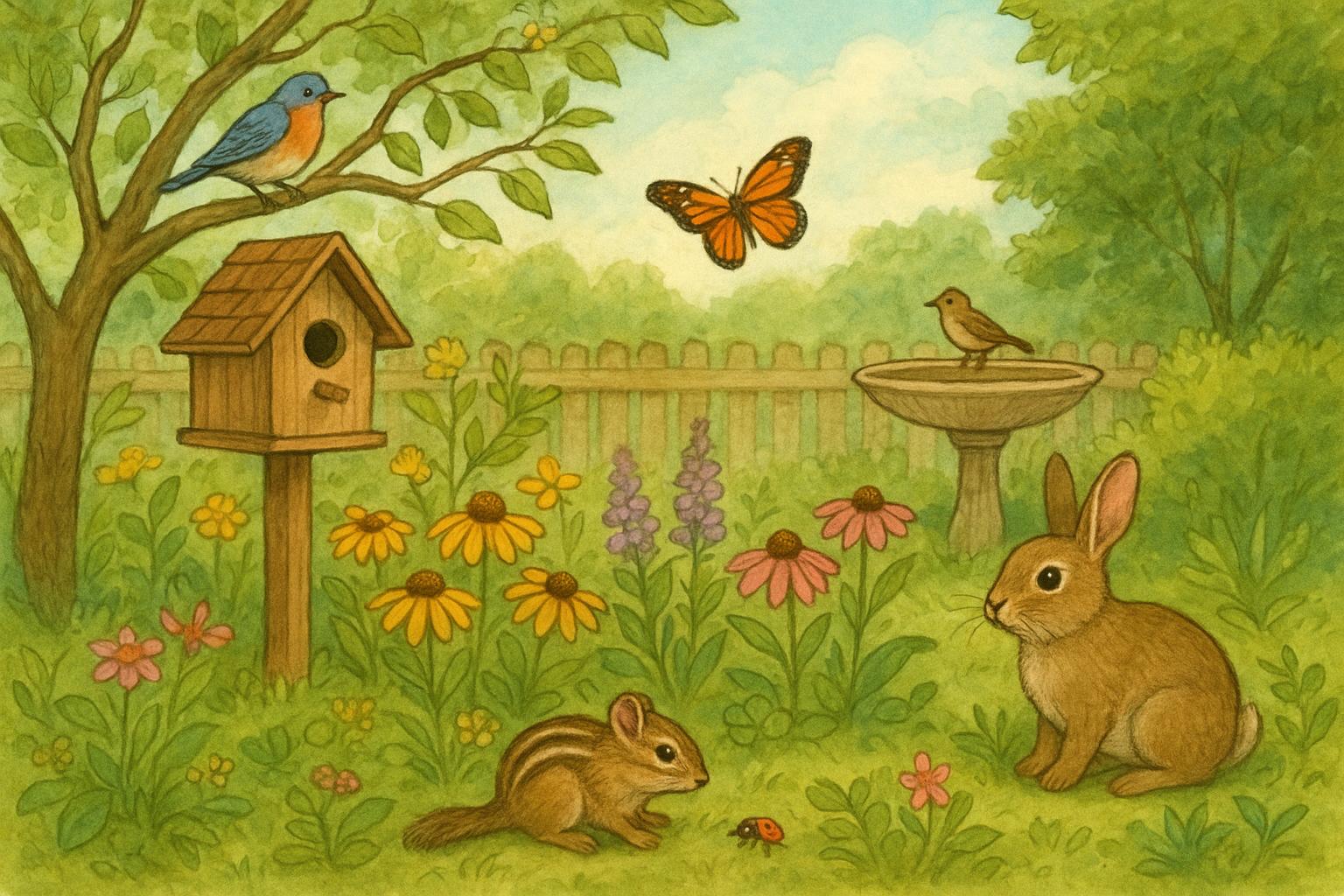
Even small yards with dense vegetation, native plants, and a reliable water source become valuable stopovers. Urban and suburban green spaces are increasingly crucial as natural habitats shrink. A well-prepared backyard can make the difference between a successful migration and one that costs a bird too much energy.
## Simple Yard Habits That Help Migrant Birds
A few low-effort habits go a long way and won’t cost you much time. Keep cats indoors during peak migration windows (dawn to late morning and dusk). Delay extensive pruning until after peak migration so nests and cover remain available. Keep your feeders steady: abrupt removal can cause starvation for a tired transient bird.
### Plant Choices That Attract Migrant Birds
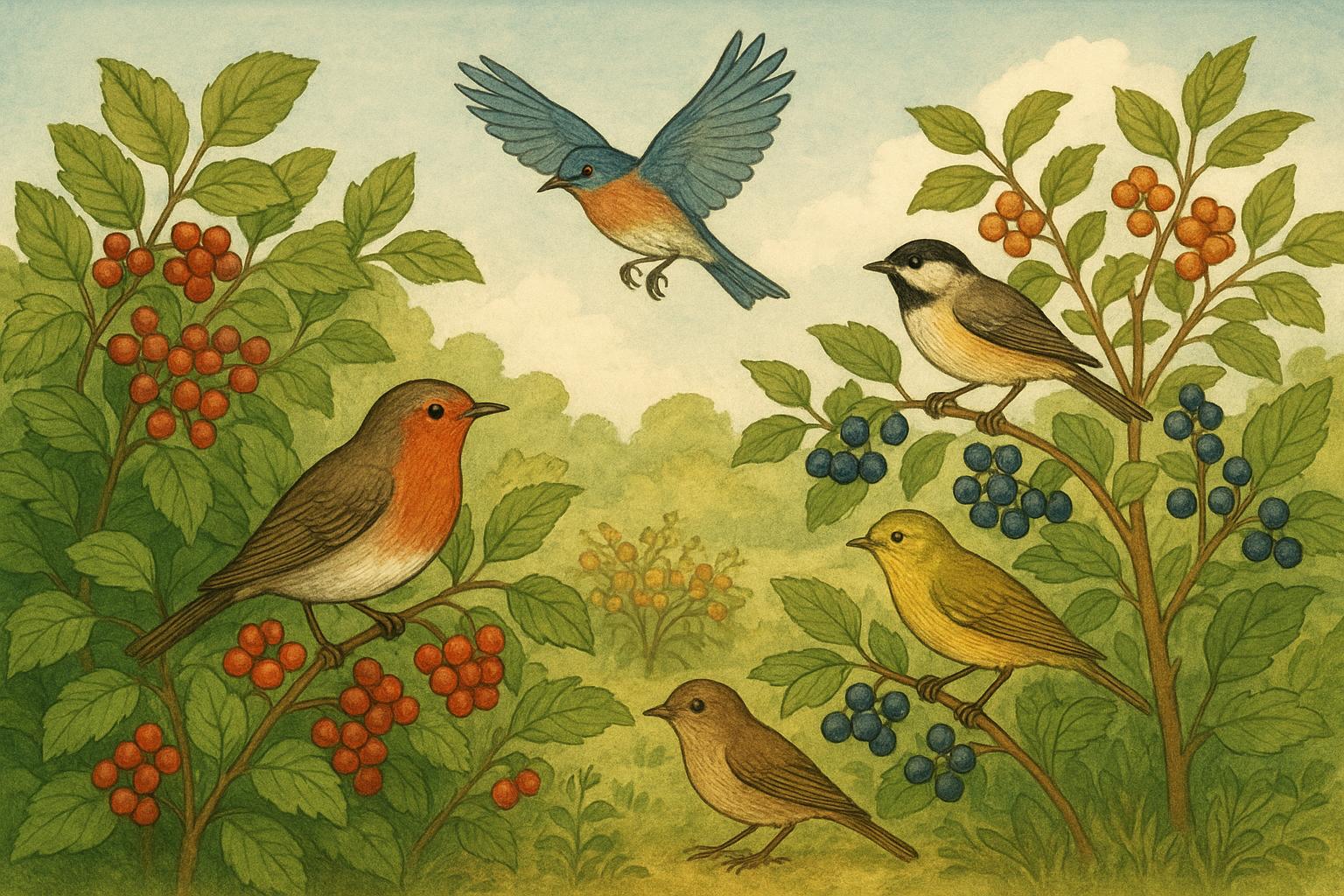
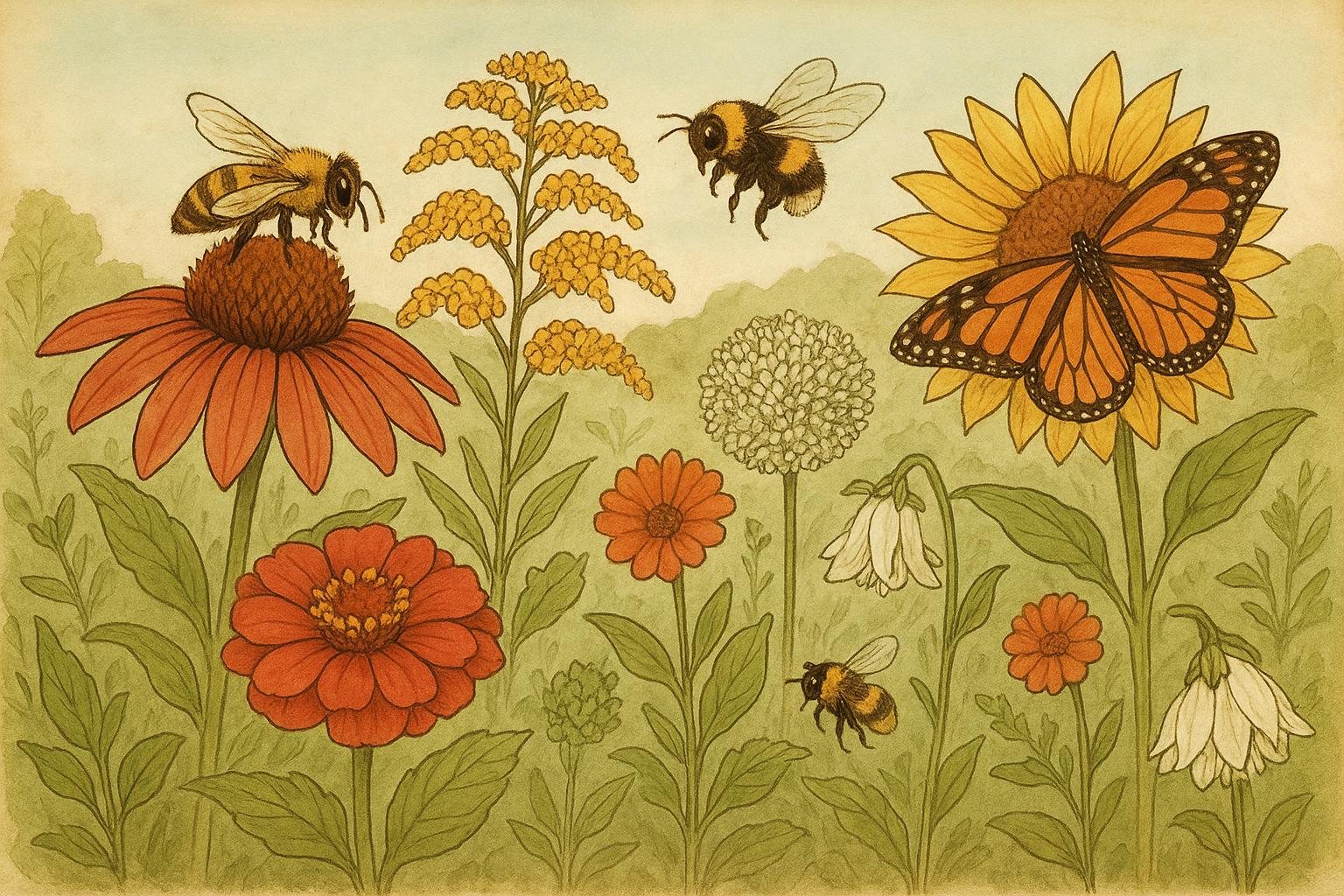
Native berry-producing shrubs and late-blooming native flowers provide both high-energy fruit and insect sources. Consider species like serviceberry, elderberry, and winterberry holly. Even a small patch of native asters or goldenrod invites insects that many migrants rely on.
### Lighting And Window Safety
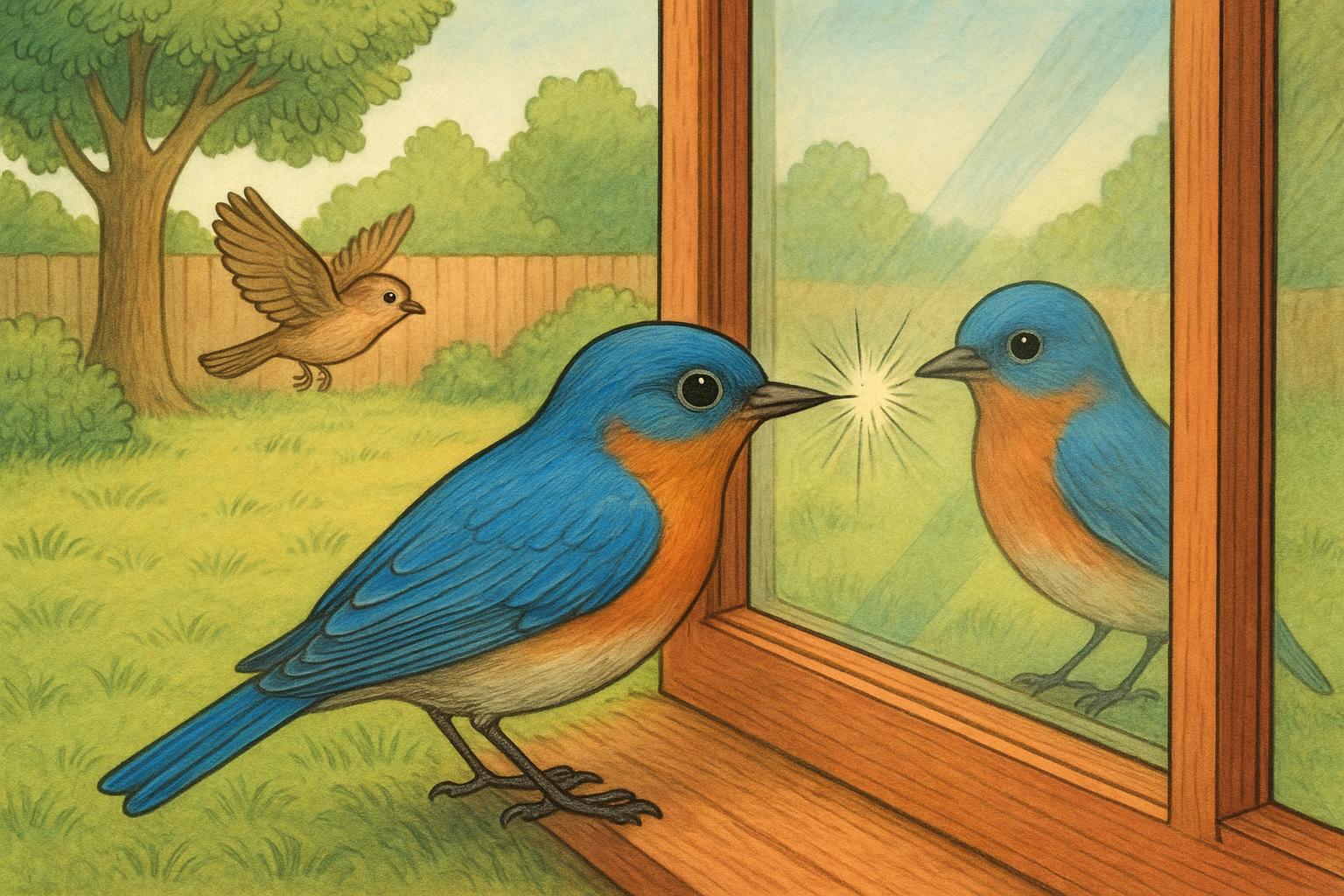
Reduce night lighting during migration peaks; many migrants migrate at night and artificial light disorients them. Apply simple window decals or screens to prevent collisions.
## Remedy 1: Build A Migrant Birds-Friendly Feeding Station
(Professional and formal instructions follow — these are practical, tested approaches to maximize safety and nutritional value for migrants.)
Materials Needed:
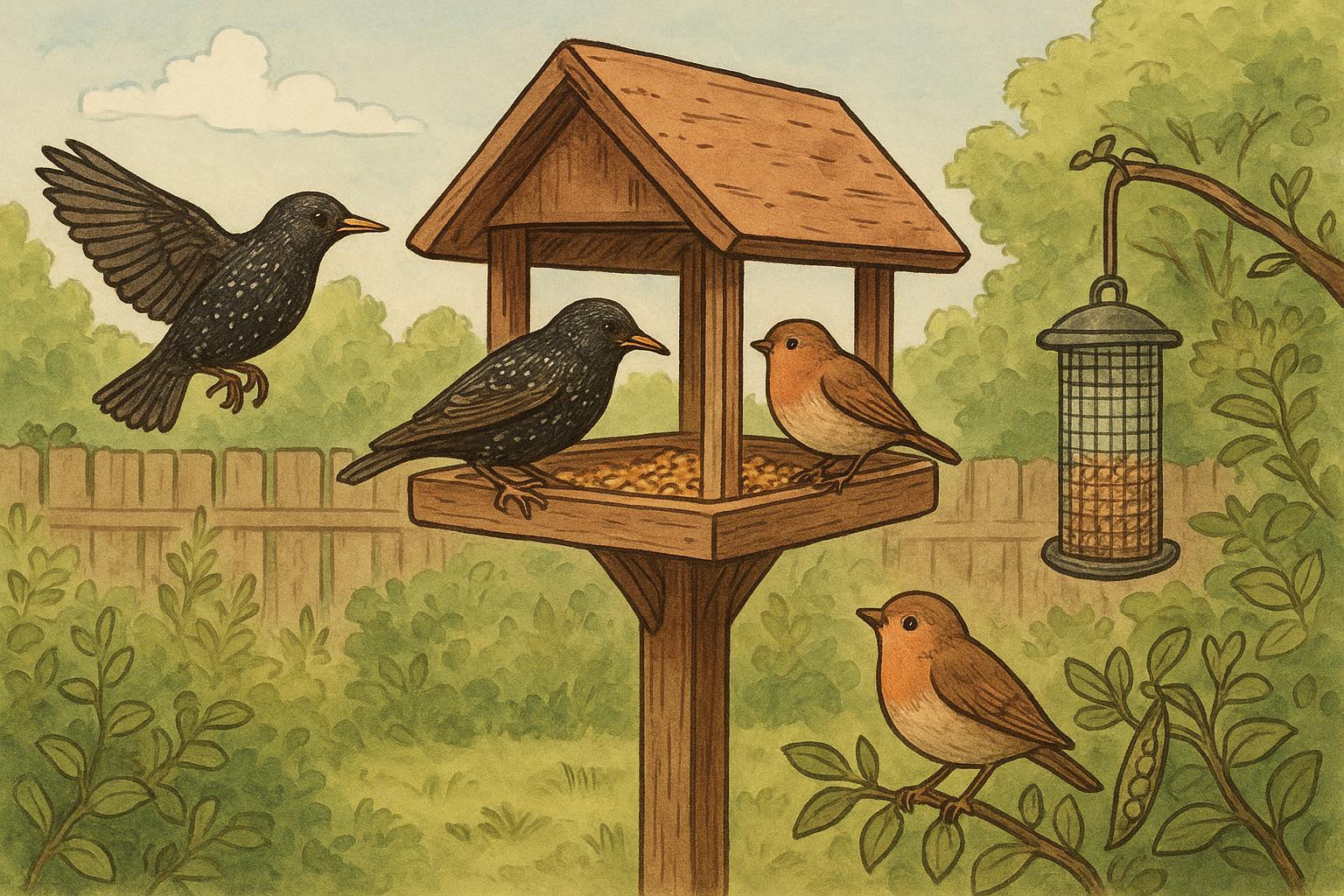
– Platform feeder (sturdy, flat surface) or tray feeder with drainage holes
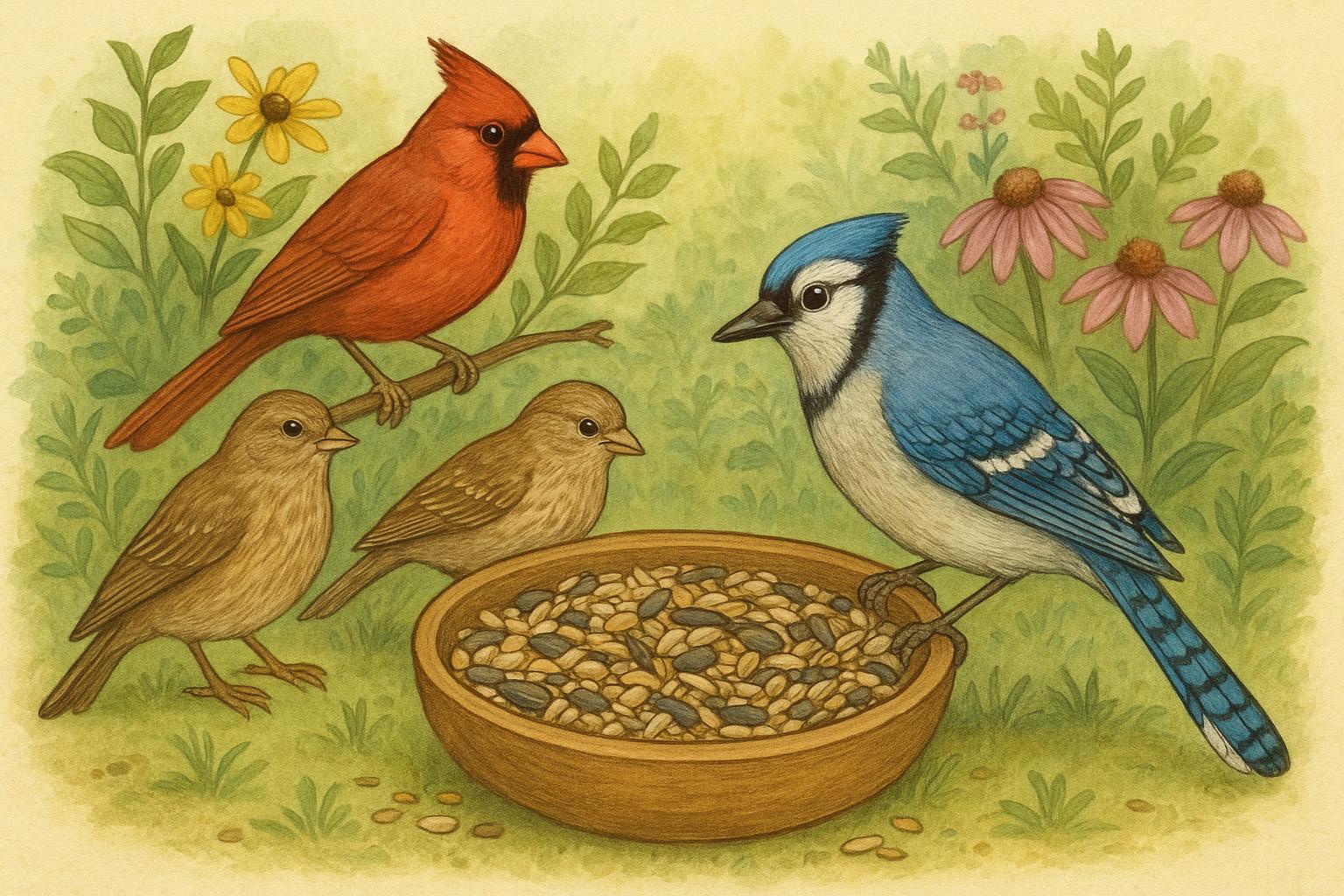
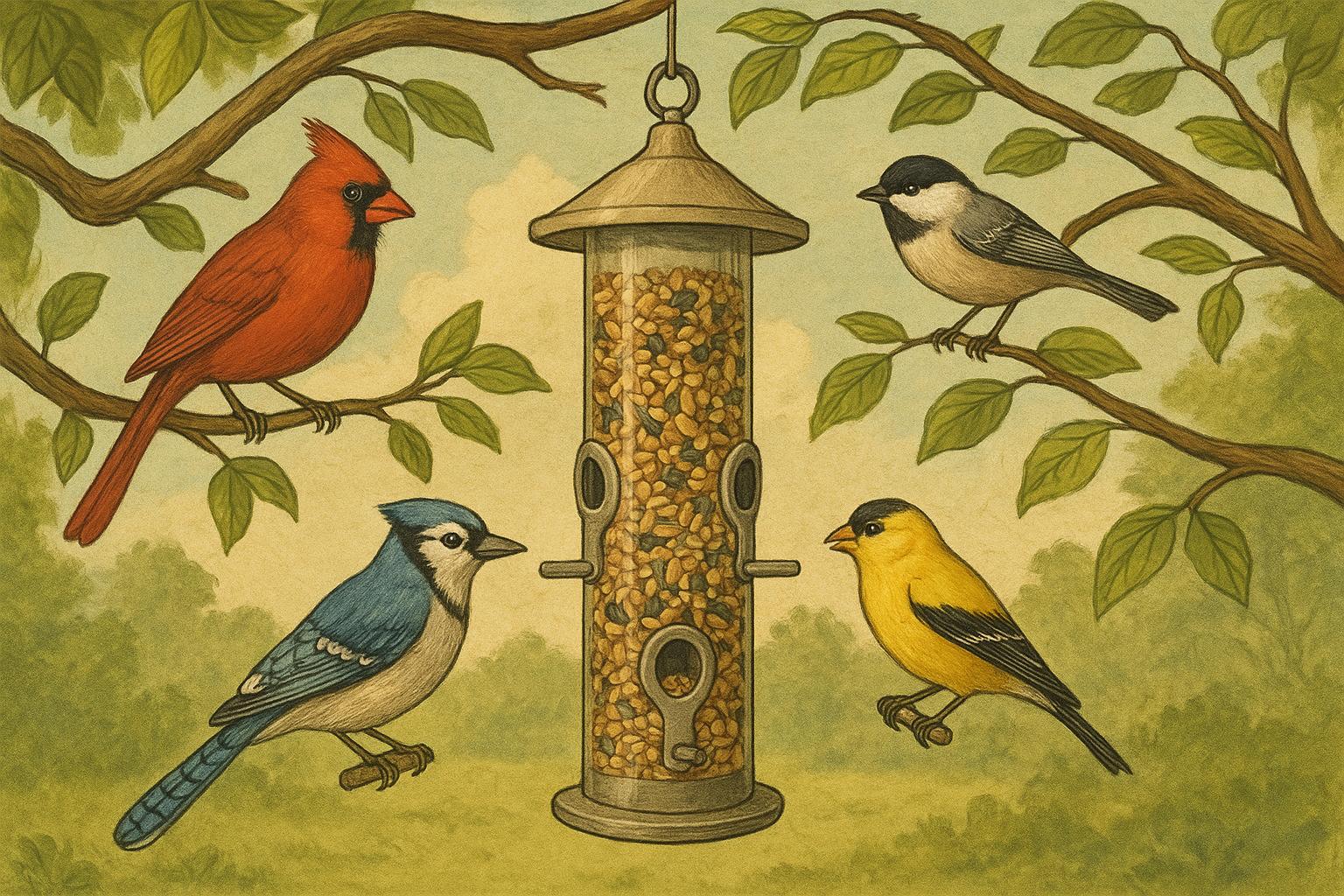
– Seed mix: mostly sunflower hearts and hulled oats; small proportion of millet
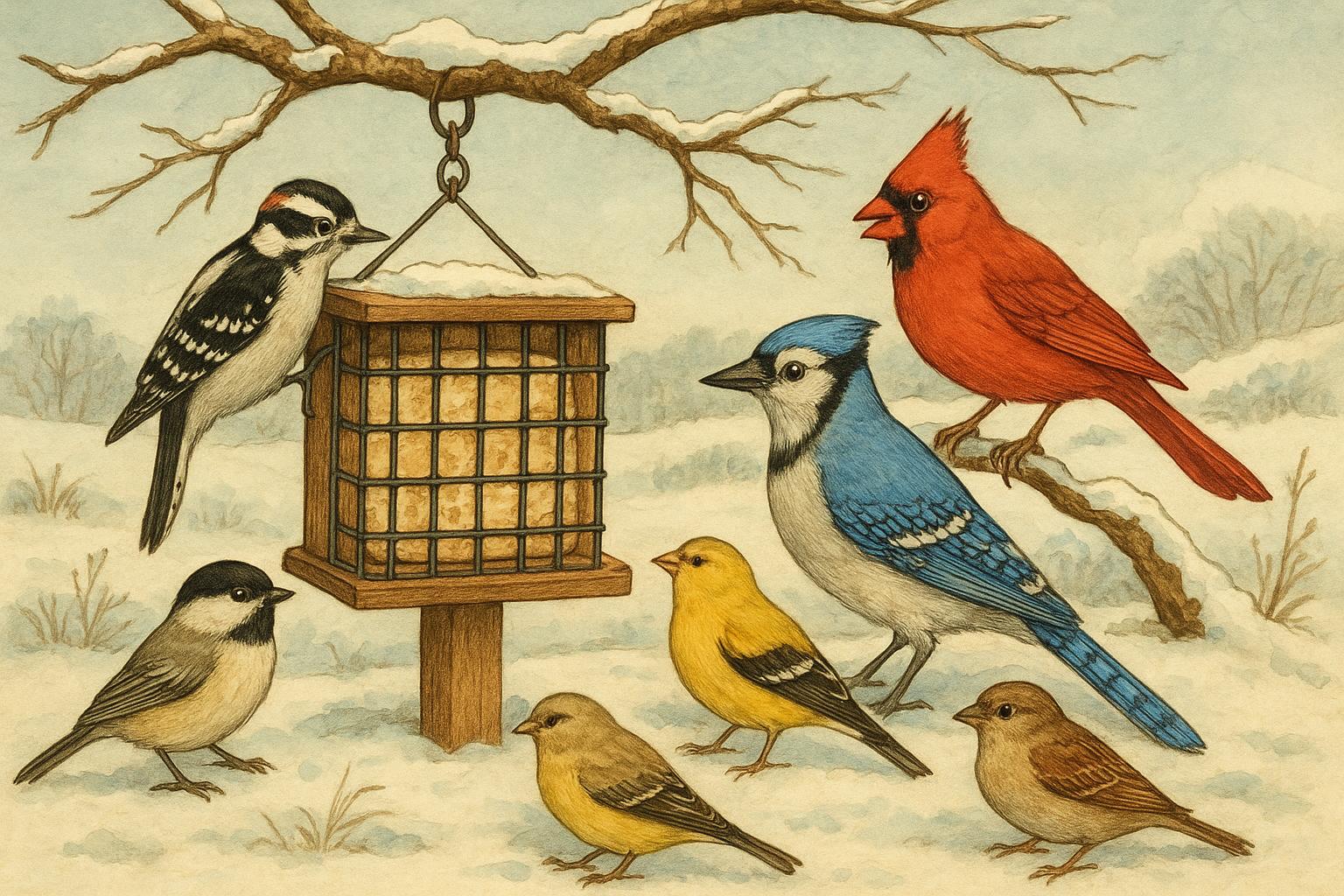
– Suet cakes (in a suet cage) for protein-rich fat
– Fresh fruit (halved apples, sliced oranges)
– Clean, shallow water dish or dripper (see Remedy 2 for full water system)
– Squirrel-proofing accessories (baffle and/or weight-sensitive feeders)
– Soft-bristled brush and mild soap for cleaning
– Gloves and wire cutters (for feeder assembly/installation)
Step-by-Step Creation:
1. Select Location: Place the feeding station in a quiet part of the yard close to cover (shrubs or trees) so birds can quickly escape predators, but not so close that predators can ambush. Aim for 4–8 feet from dense cover.
2. Install Feeder Platform: Mount the platform feeder at a height of 4–10 feet. Ensure it is level and securely fastened to minimize swinging.
3. Prepare Feed: Use high-quality sunflower hearts as the primary feed for energy and ease of digestion. Supplement with small amounts of millet to attract smaller sparrows and finches.
4. Add Protein: Install a suet cage for suet cakes, especially on cooler days or when insect availability is low. For migrating insectivores, suet provides concentrated energy.
5. Offer Fresh Fruit: Place small amounts of fresh fruit on a separate section of the feeder to attract species that favor fruit during migration stopovers.
6. Implement Squirrel Deterrents: Add a baffle or place the feeder on a weight-sensitive pole to limit access by larger mammals.
7. Routine Maintenance: Clean feeder weekly with hot, soapy water; rinse thoroughly. Replace soiled feed immediately. Regular maintenance prevents disease spread among bird populations.
Application Notes:
– Keep feed available consistently during peak migration days; sudden removal can stress tired visitors.
– Rotate feed types seasonally. As insect availability decreases, increase fat and seed content.
– Monitor for mold or spoilage, especially in humid climates. Dispose of damp seed immediately.
## Remedy 2: Create A Restful Water And Shelter Area
(Structured, formal instructions for building a reliable water source and providing safe, natural shelter.)
Materials Needed:
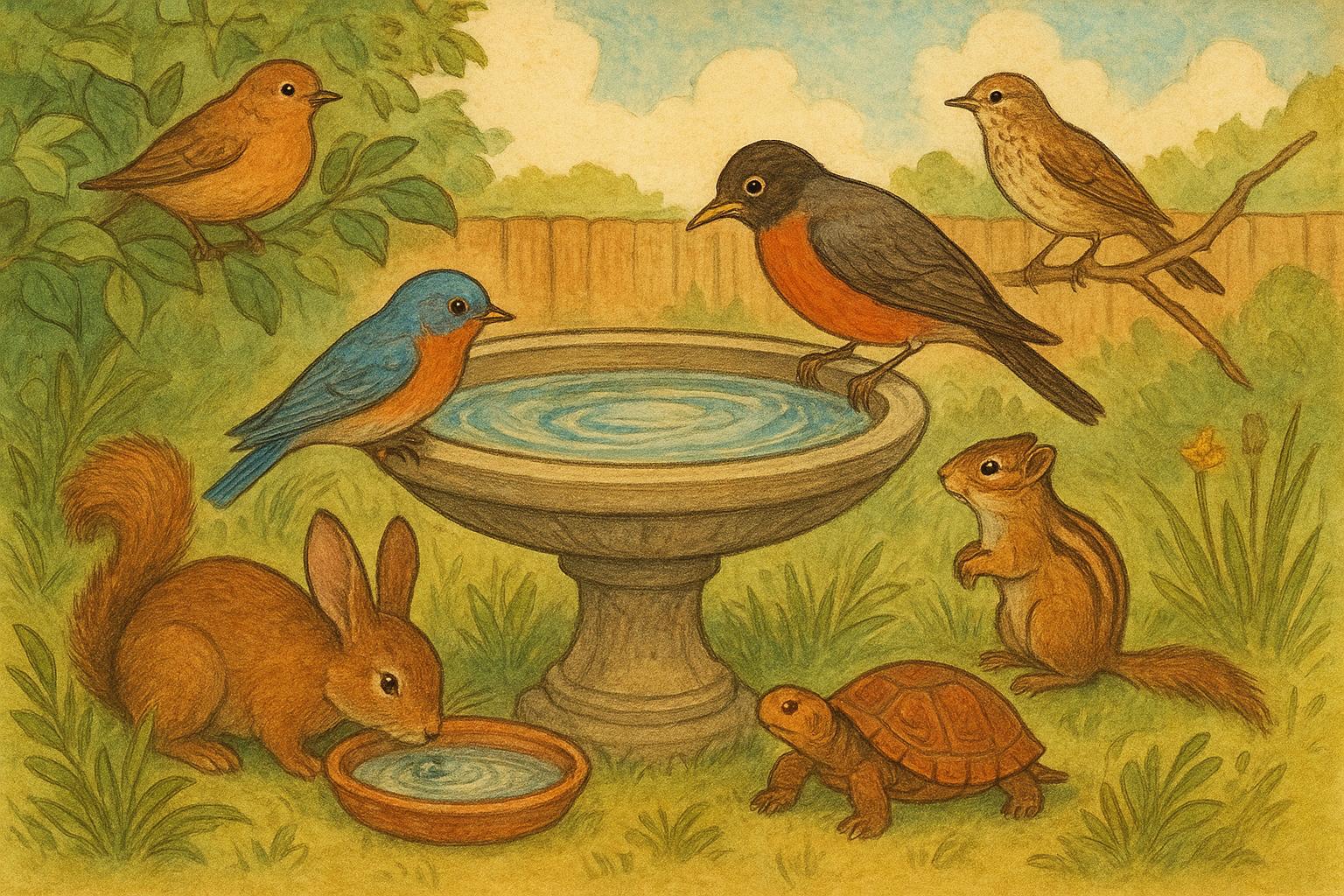
– Shallow bird bath or large, shallow ceramic dish with a broad rim
– Small pump and tubing (optional) for creating a gentle dripper or bubbler
– Rocks or pebbles to create shallow perches within the bath
– Native shrubs and evergreen screening plants (e.g., native holly, dogwood, juniper)
– Mulch and leaf litter area (for ground-feeding insects)
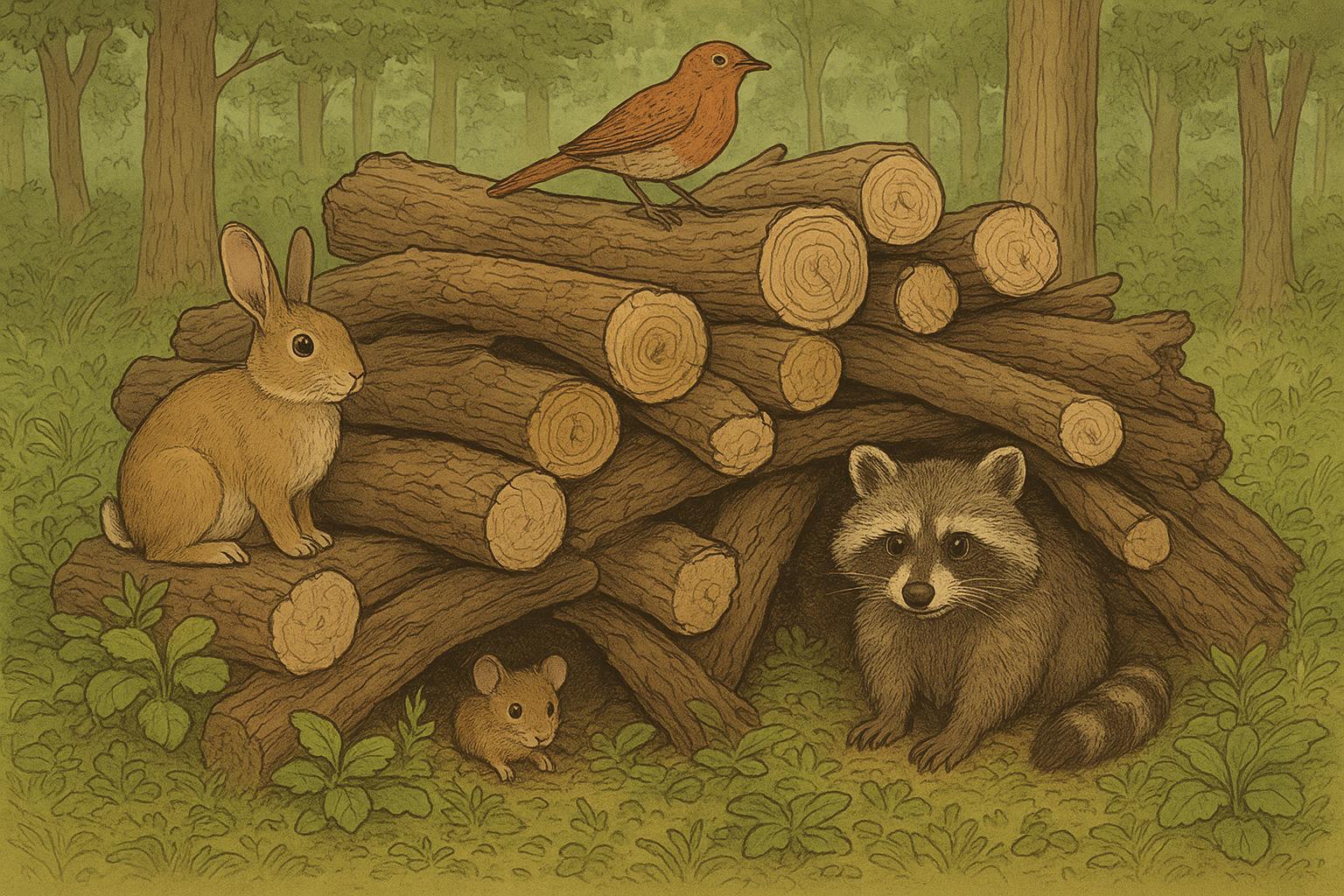
– Small branches and brush pile materials (deadwood, twigs)
– Gloves and pruning tools for planting and placement
Step-by-Step Creation:
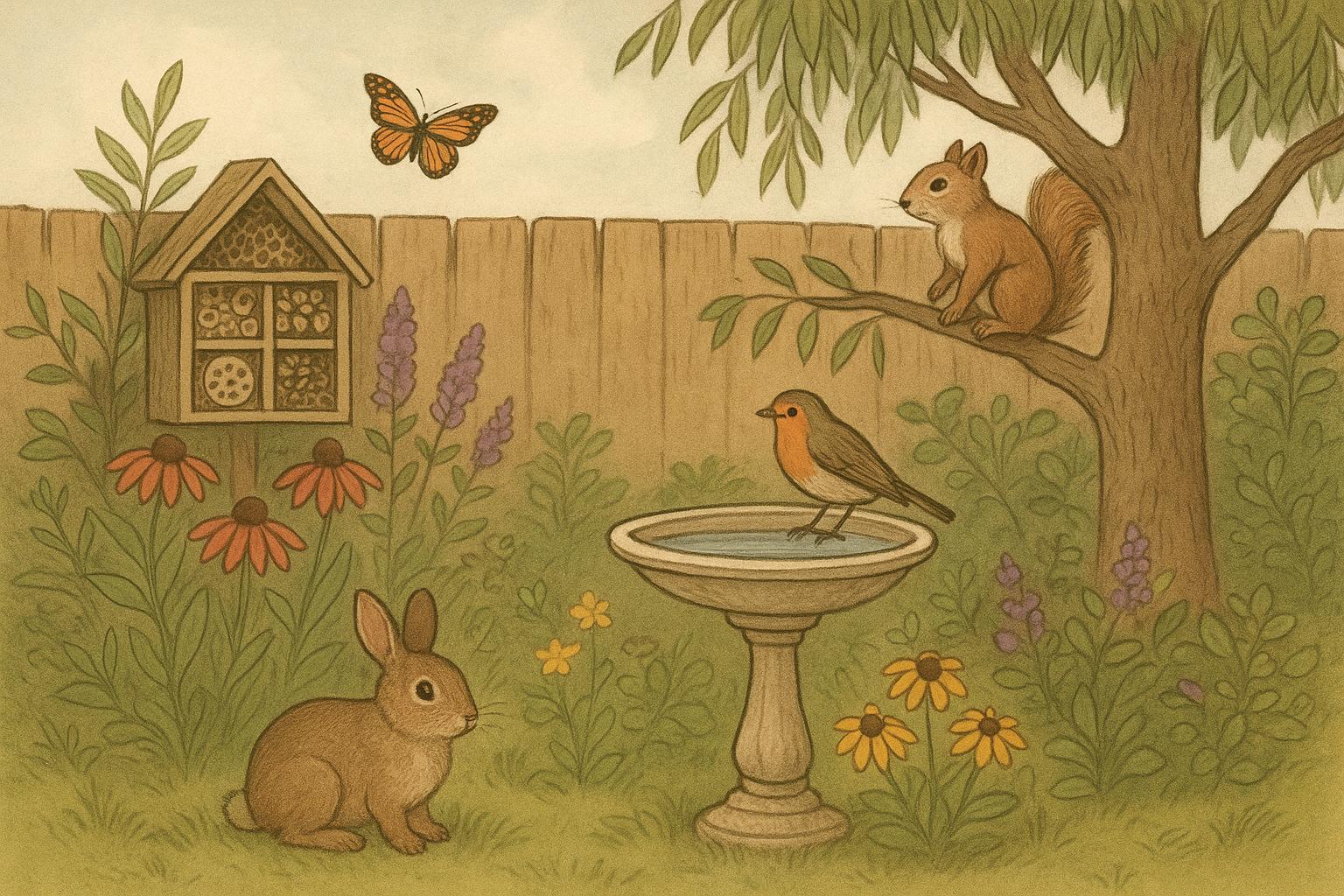
1. Choose a Water Site: Place the bath near cover but visible to foraging birds. Avoid open, exposed spots where predators (including cats) can easily ambush.
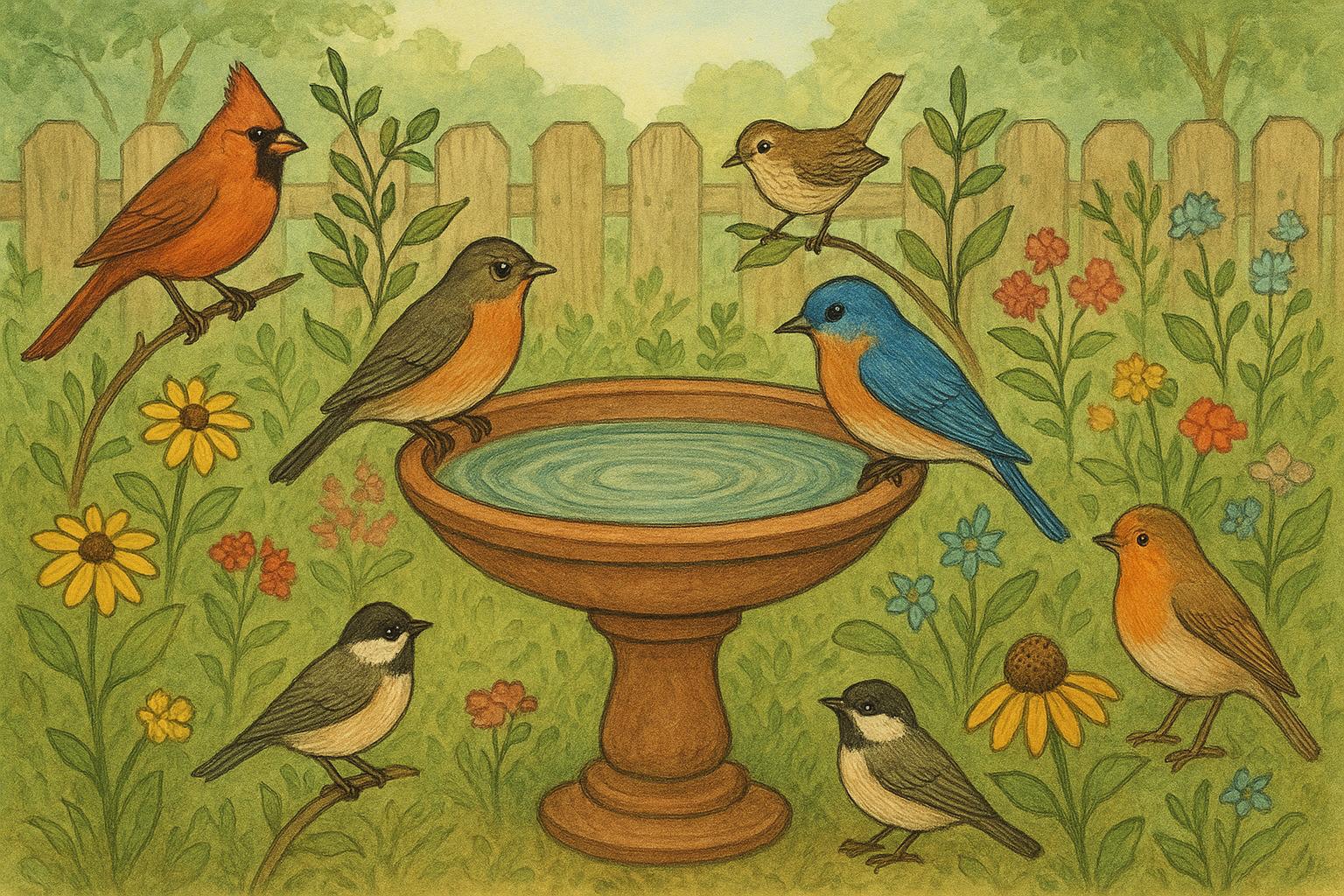
2. Set Up The Bath: Install a shallow bath (depth 1–2 inches in middle). Add flat stones or pebbles so birds of different sizes can perch safely.
3. Add Movement If Possible: If using a small pump, create a gentle drip or fountain. Moving water attracts birds more reliably than still water and reduces mosquito breeding.
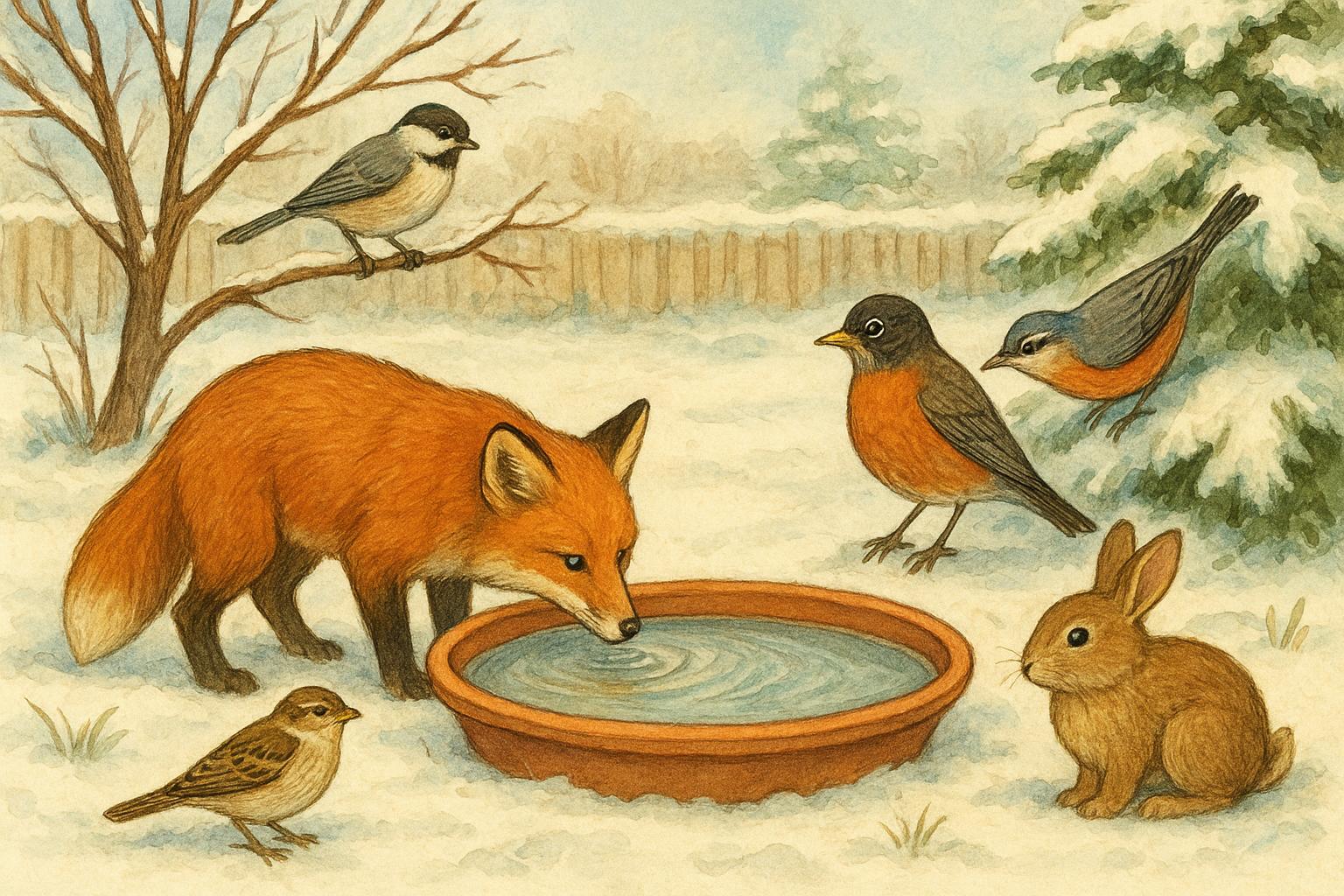
4. Keep Water Clean: Empty, scrub, and refill the bath every 2–3 days. In cool weather, maintain water to prevent icing if possible.
5. Create Shelter: Plant a mix of native shrubs and small evergreens to offer roosting and concealment. Include dense, low-growing species for small birds to drop into quickly.
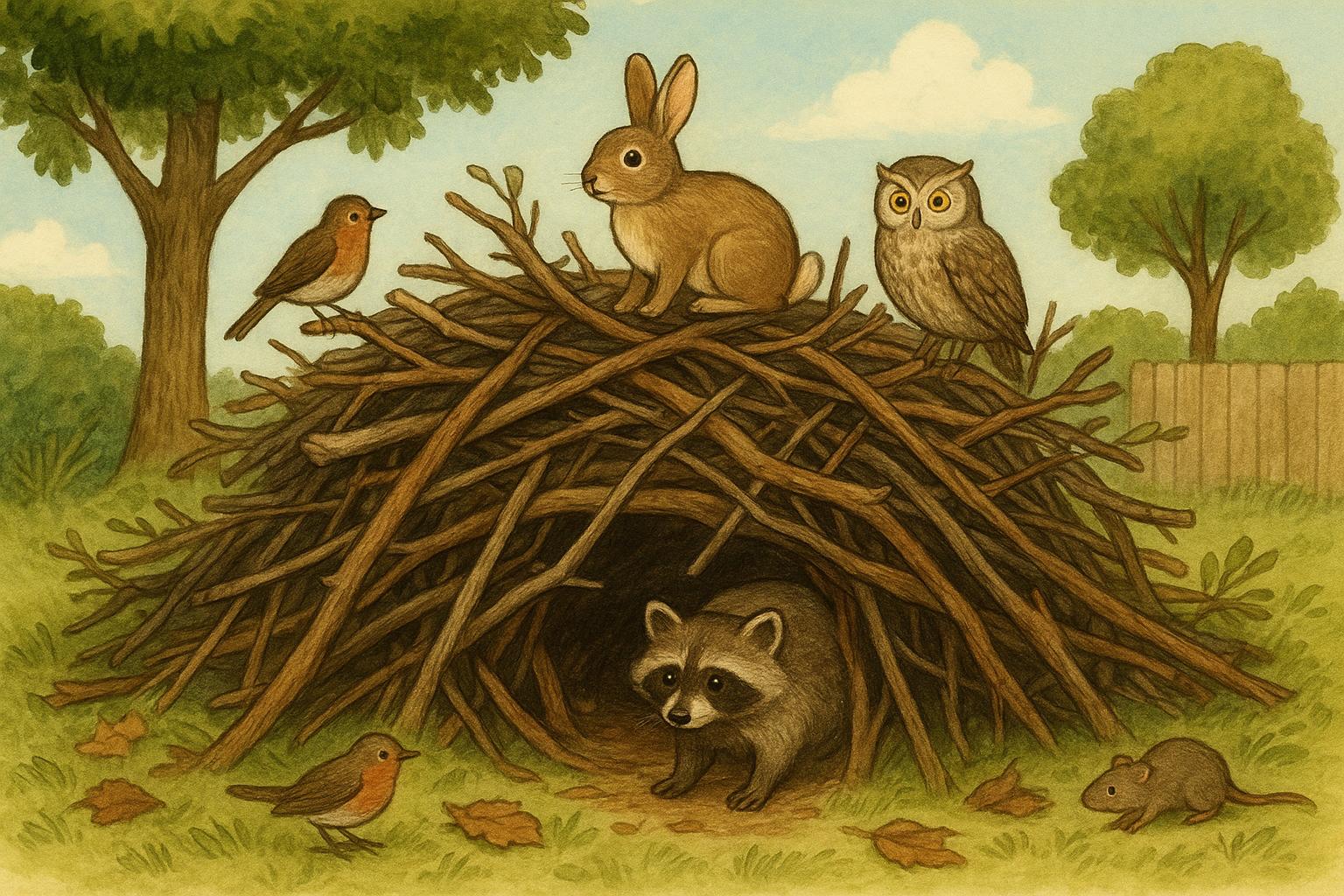
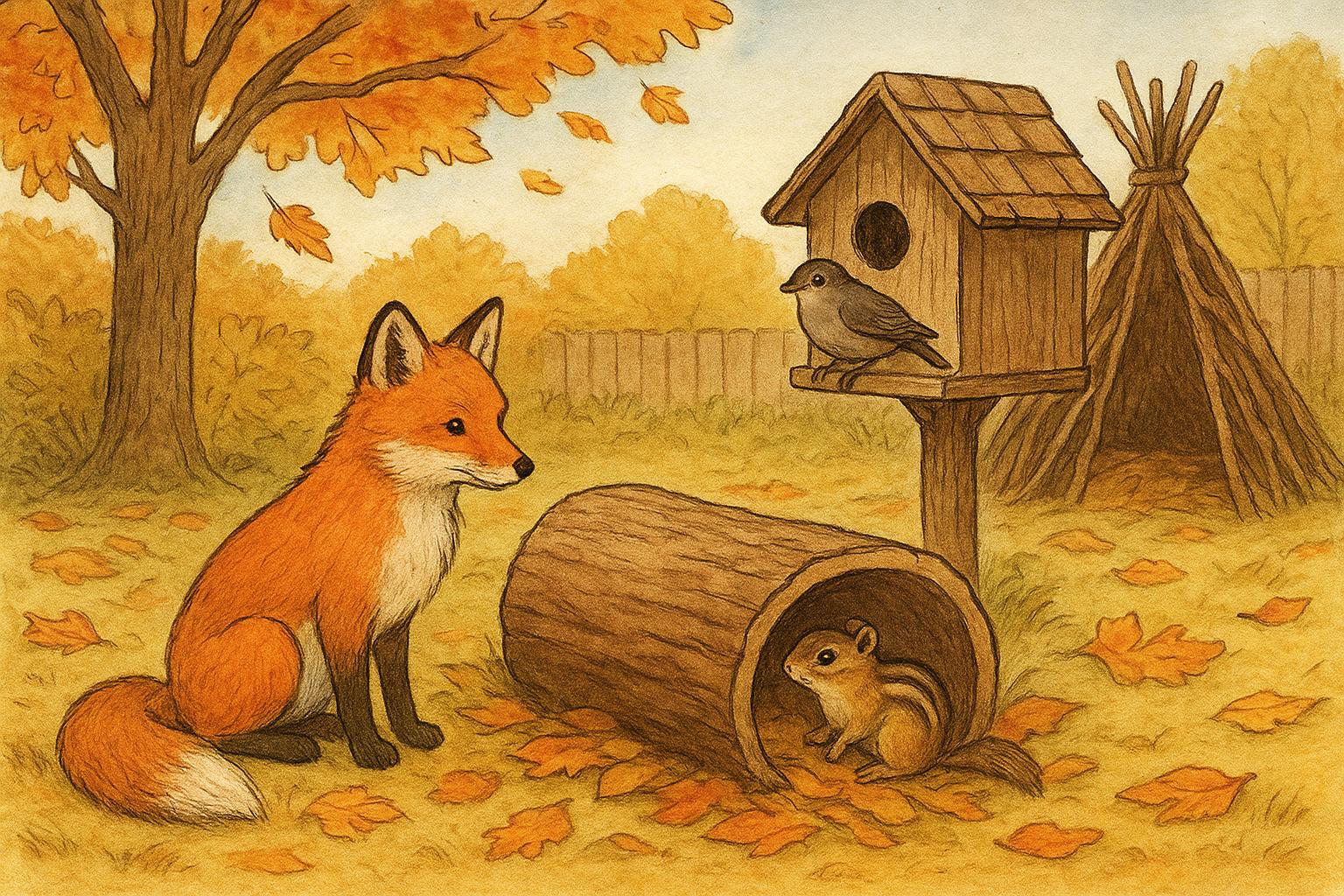
6. Incorporate Natural Debris: A modest brush pile and areas of leaf litter promote insects for insectivorous migrants and offer shelter.
7. Seasonal Adjustment: Leave some seed heads and dried stems through late winter where possible; they provide food and structure.
Application Notes:
– Position water and feeders at least 6–8 feet apart to reduce contamination of water from seed debris.
– Maintain visibility lines so birds can see predators approaching—dense cover is for quick shelter, not full concealment.
### Monitoring Health And Safety
If you notice sick or weak birds frequently, reduce feeder density and contact a local wildlife rehabilitator or bird health expert. Signs of illness include ruffled feathers for long periods, labored breathing, or discharge. Prompt reporting can prevent wider issues.
### Recording Your Visitors
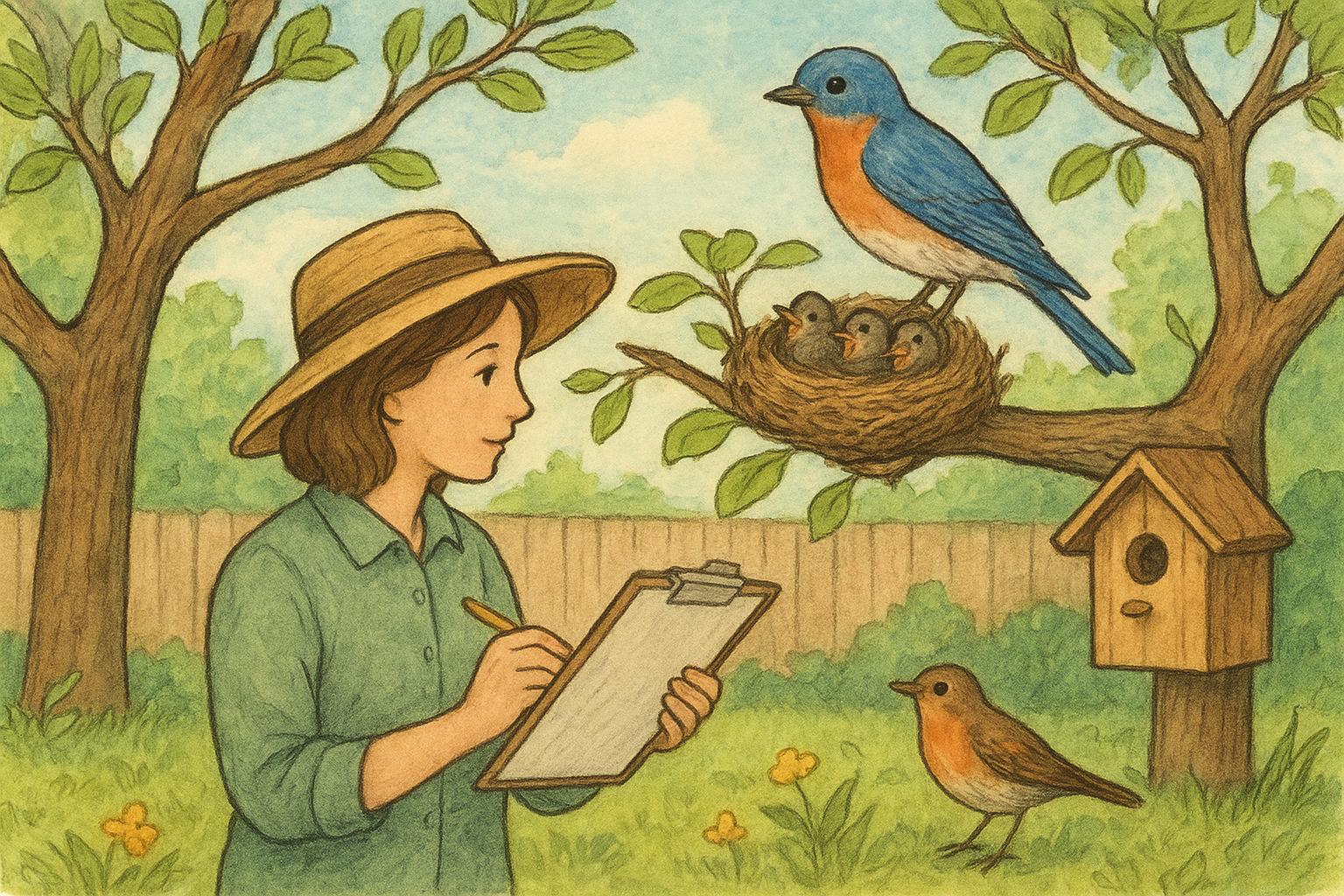
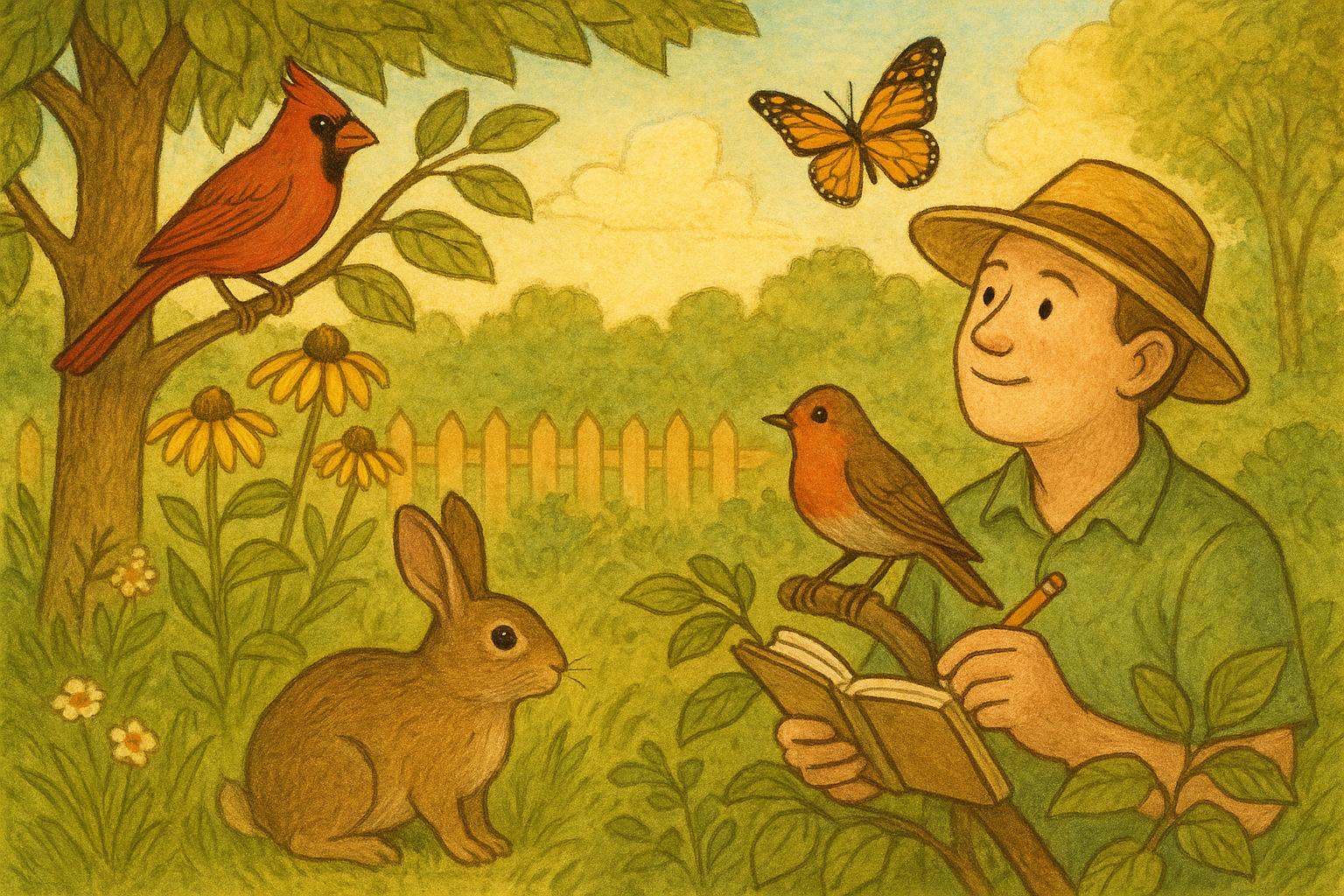
Keeping a simple log of species, dates, and numbers not only enriches your backyard experience but contributes to citizen science. Apps like eBird make it easy to submit observations; your entries help researchers track migration timing and population trends.
#### Weather Watch
Pay attention to major weather systems. Cold fronts, storms, or sudden heat can delay migrants or force large numbers to land. Provide extra water and shelter in the immediate aftermath of turbulent weather.
#### Predator Considerations
Limit risks by placing feeders and baths away from perches that give raptors easy access. If cats are present, consider motion-activated deterrents or relocate high-traffic feeding sites.
## Enjoying The Show
There’s nothing quite like the focused hush of a migratory day: brief, intense activity followed by a peaceful pause. Keep your camera handy, but also practice quiet observation. Migrant birds repay patience with incredible moments — a flash of yellow, a tiny beak preening, the sudden burst of a mixed flock lifting off.
If you’d like, I can help design a planting map tailored to your climate and yard size, pick the right feeder models for local species, or draft a seasonal maintenance schedule. Just tell me your zip code and the size of your yard, and we’ll make it migration-ready.






Leave a Reply