
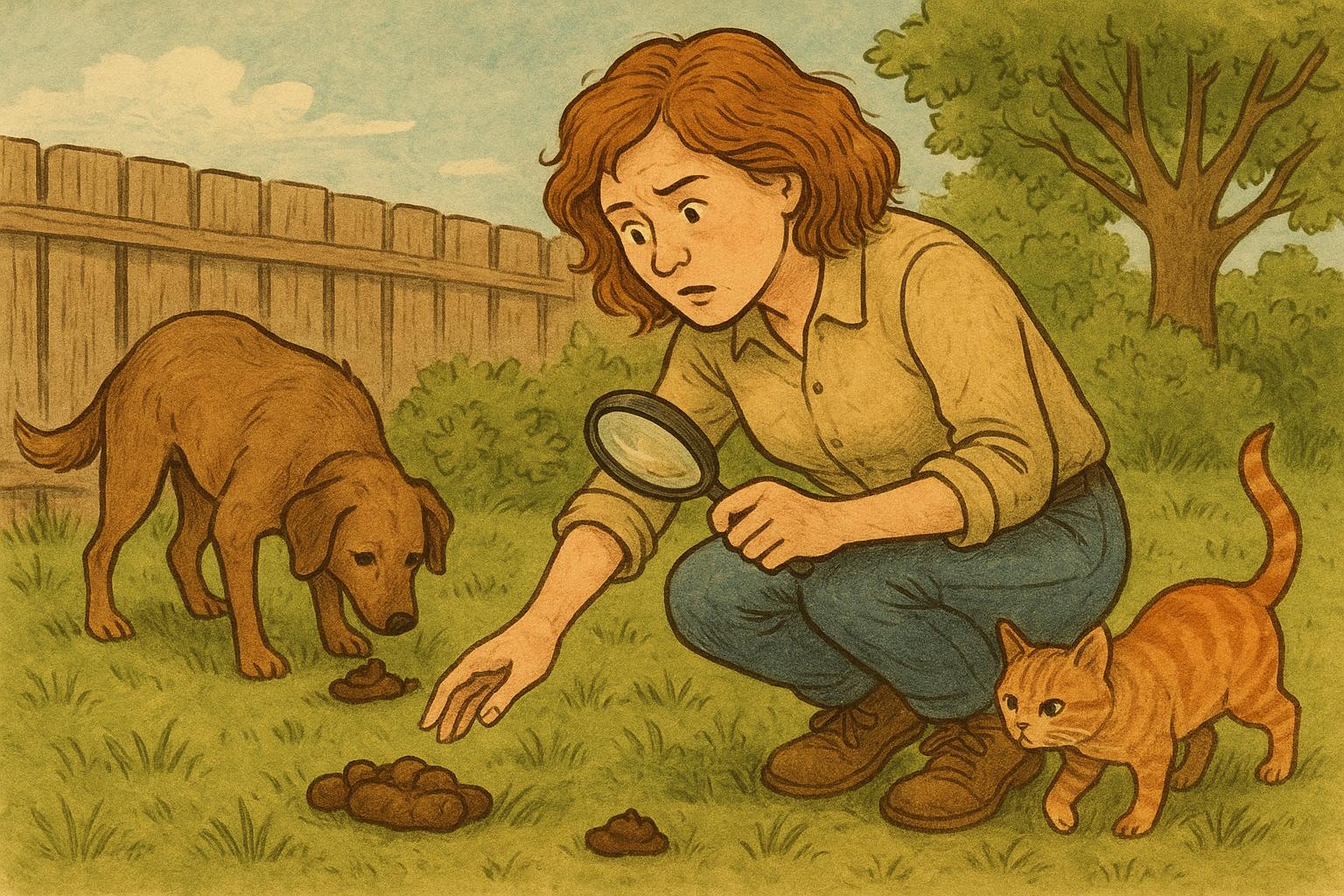
So you step outside with your coffee and discover a fresh surprise on the lawn. Before you groan, there’s a small science project here: is it wildlife scat or the neighbor’s dog being dramatic again? A little bit of fecal ID can save you from false accusations, prevent health risks, and help protect the local wildlife. Let’s walk through how to tell who left that deposit, with practical tips you can actually use without becoming a full-time detective.
## Fecal Id: First Look Tells A Lot
Start with a visual scan. Size, shape, consistency, and contents give quick clues. If something smells like a gym locker and is way too uniform, you’re probably looking at dog waste. If it’s segmented, tubular, or contains fur and bone fragments, odds are it’s wild. Keep in mind that diet, age, and health affect stool, so think in probabilities, not absolutes.
### Size, Shape, And Texture Basics
Small, pellet-like droppings (think grape-sized) usually mean rodents or rabbits. Rabbit scat is rounded and dry; rodent droppings are typically pointy on the ends. Tubular stools, anywhere from the size of a nickel to a banana, often indicate a canid (fox, coyote, or dog) or a raccoon, depending on the contents and diameter.
#### Round Pellets Versus Tubes
If you find neat little pellets in bunches, picture a rabbit hanging around your garden. Tubular and segmented—especially with twisted ends—you might be dealing with a fox or a larger dog. Remember that fecal moisture can change after rain, which may make older droppings misleading.
### Contents Give Clues Too
Look for hair, bones, seeds, or insect parts. Wild carnivores often leave fur and bone fragments. Omnivores like raccoons and opossums will have a mixed bag of fruit, seeds, and invertebrates. Pets, especially those on commercial diets, have more homogenous, compact stools.
## Where It’s Found: Location Is Part Of The Puzzle
Patterns matter. A single pile in a landscaped bed could be a cat marking territory; multiple piles along a path point to a neighbor’s dog or wildlife trail. Dogs tend to leave droppings in the middle of a lawn or on a walk route; wild animals usually stick to edge habitat, mulch, or under shrubs.
### Freshness And Timing
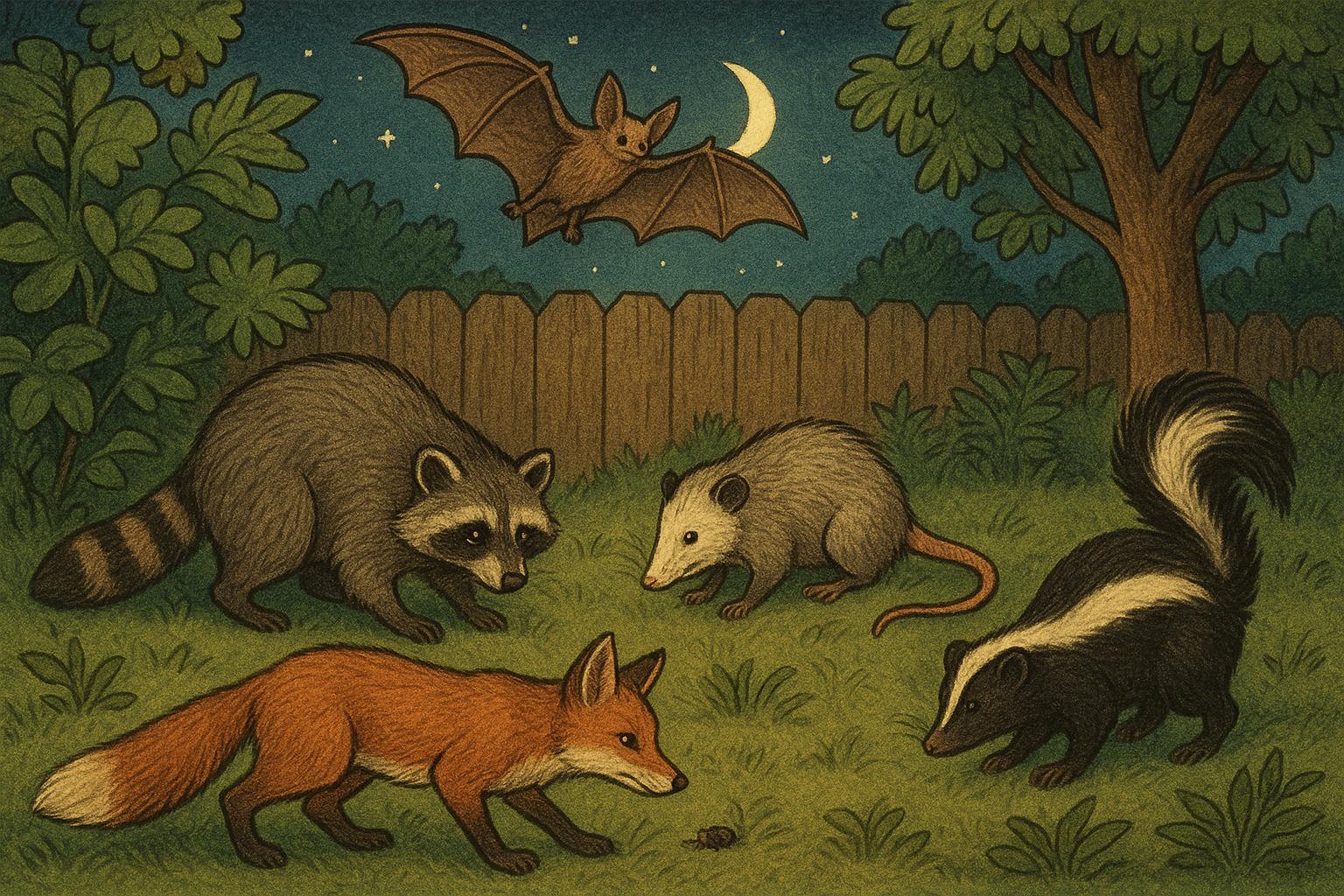
Note how fresh the deposit is—moisture, sheen, and smell fade with time. Fresh feces will be moist and glossy. If it’s crusty or bleached, it’s older. Observing at different times of day can catch nocturnal visitors in the act.
## When To Consider Testing (And How)
If you suspect wildlife carries disease or you need confirmation for local animal control, testing is an option. DNA tests can identify species from scat, and labs can screen for parasites. This is generally only necessary for public-health concerns or legal issues.
### Safety First
Avoid direct contact. Use gloves and a sealed container. Many zoonotic pathogens persist in feces. If you need to collect a sample for testing, follow lab instructions closely to avoid contamination.
## Remedy 1: Natural Scent Barrier To Deter Wildlife
When wildlife or neighborhood pets keep treating your flower beds like a bathroom, a scent-based deterrent can be effective. The following remedy focuses on creating an environmentally friendly barrier that discourages mammals from entering your planted areas.
Materials:
– 1 cup ammonia (household, unscented)
– 1 cup vinegar (white)
– 1 cup water
– 2 tablespoons hot pepper sauce or 1 teaspoon ground cayenne
– Spray bottle (at least 32 oz)
– Gloves and safety glasses
– Mason jar or mixing container
Creation And Application Steps:
1. Put on gloves and safety glasses. Work in a well-ventilated area; ammonia fumes can be strong.
2. In the mason jar, combine 1 cup water with 1 cup vinegar. Stir gently.
3. Add 1 cup household ammonia to the mixture. Carefully cap and mix by inverting once—do not shake vigorously.
4. Add the hot pepper sauce or ground cayenne. Cap and invert again to distribute.
5. Transfer the solution to the spray bottle using a funnel. Label the bottle clearly.
6. Test spray on a small, discreet area of plant material to ensure there is no phytotoxic reaction; wait 24 hours.
7. If safe, spray the perimeter of garden beds and mulch lines, focusing on entry points and areas where droppings have appeared. Reapply every 7–10 days and after heavy rain.
8. Store solution out of reach of children and pets. Reapply as necessary; effectiveness varies with animal species and habituation.
Note: This deterrent is intended to create an unpleasant scent cue for mammals; it is not harmful at the recommended dilutions. Avoid direct spraying of edible produce and rinse vegetables before harvest. If your neighborhood includes pets with respiratory issues, consult a vet before widespread use.
## Remedy 2: Pet-Proofing And Yard Management For Lasting Results
A systematic approach reduces repeat incidents. This remedy covers physical barriers, sanitation, and behavior changes.
Materials:
– Sturdy fencing or mesh (height and depth vary by species)
– Motion-activated sprinkler or light (optional)
– Covered garbage cans with tight lids
– Outdoor signage (if applicable)
– Poop bags and disposal bin for pet owners
– Mulch types that discourage digging (stone mulch, sharp-edged mulch)
Creation And Application Steps:
1. Assess Entry Points: Walk your property perimeter and note low fence areas, gaps under decks, and hedge tunnels where animals enter.
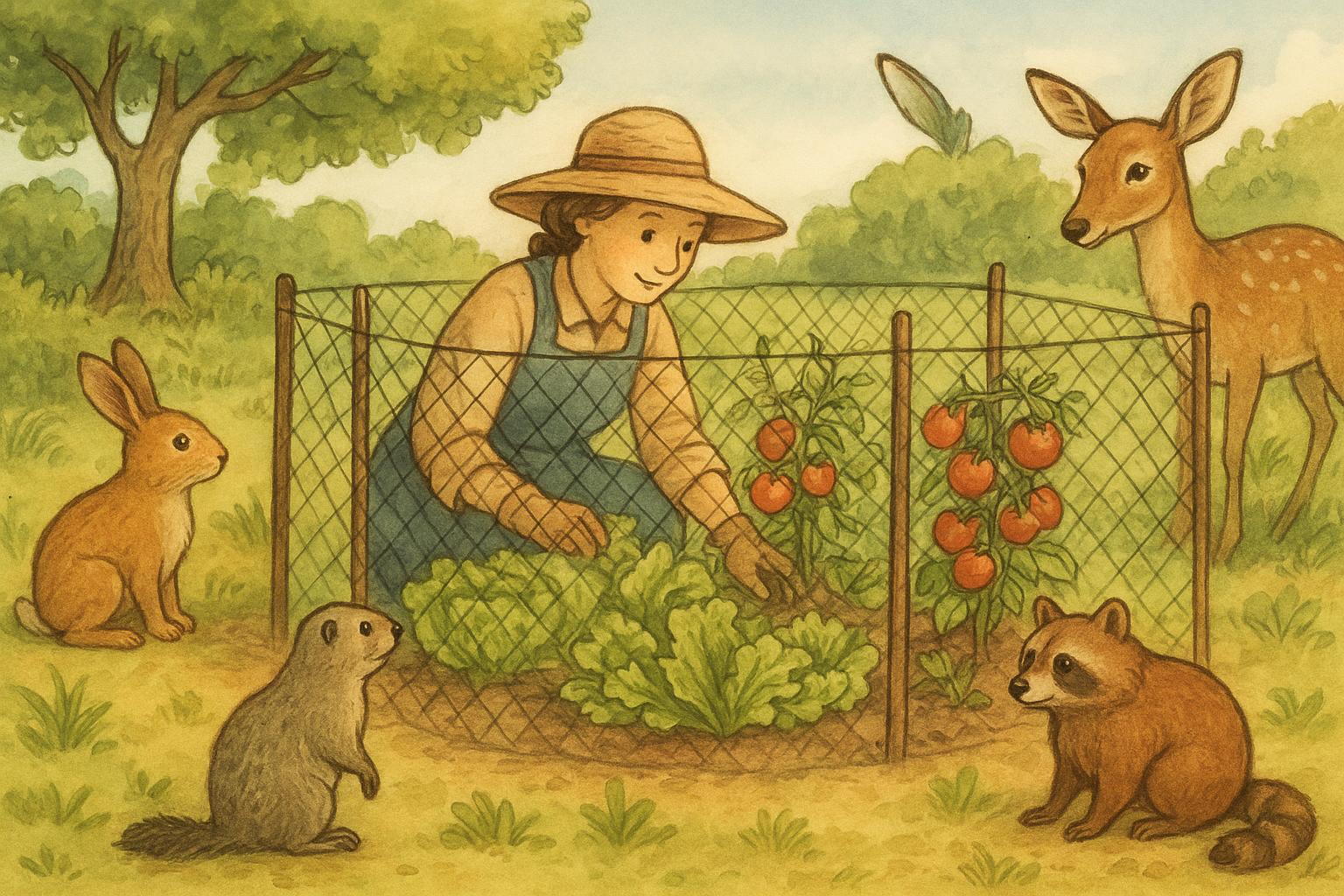
2. Select Barrier Type: For small mammals, bury mesh at least 12 inches deep and tilt outward to prevent digging; for dogs, a 4–6 foot fence is typical.
3. Install Fencing: Secure posts and affix mesh or wood panels. Ensure gates latch tightly and fill gaps.
4. Implement Motion Deterrents: Install motion-activated sprinklers near garden beds and compost piles. Test sensitivity and angle to minimize false triggers.
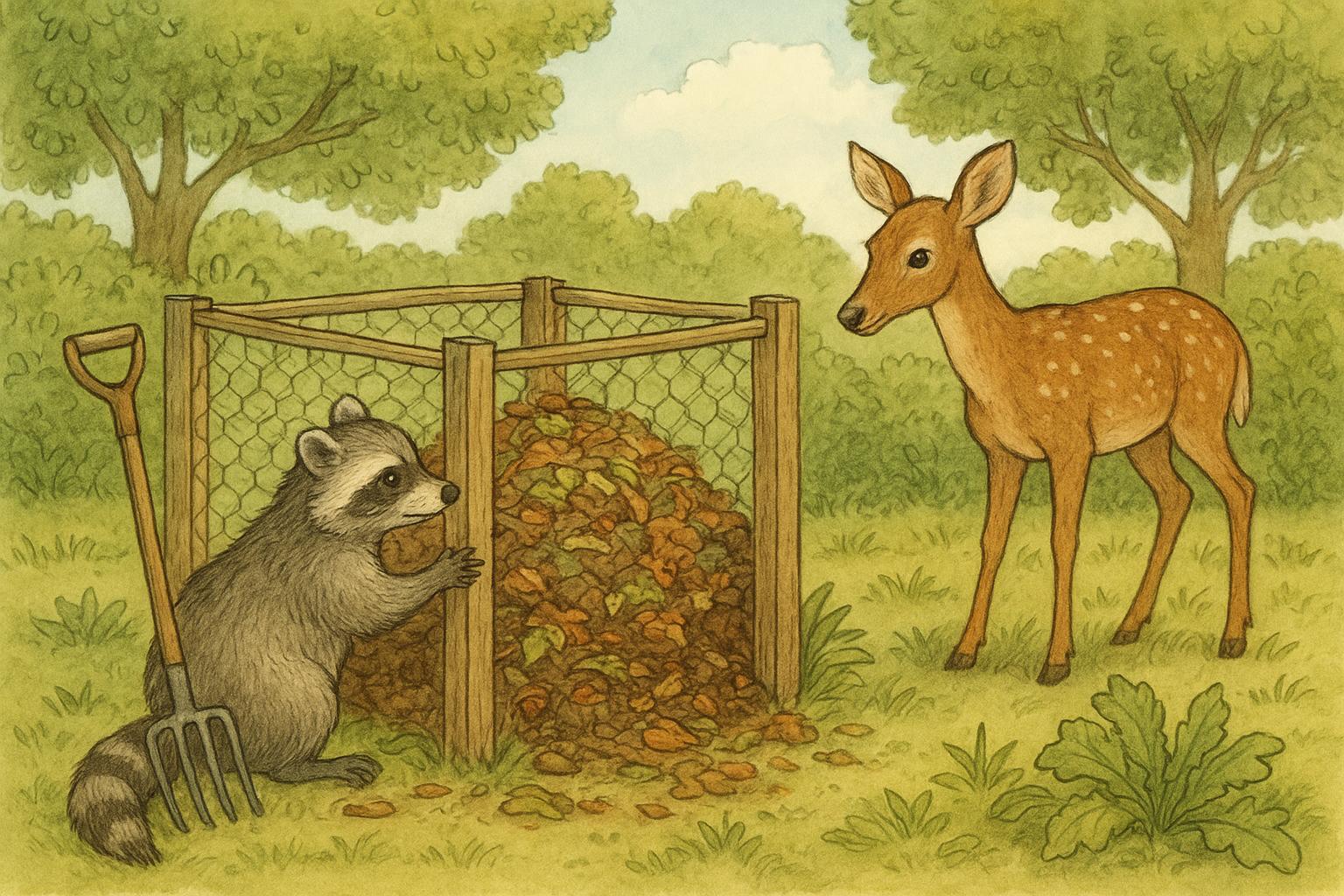
5. Manage Food Sources: Secure garbage in sealed bins, clean up fallen fruit, and avoid leaving pet food outside. Compost in enclosed bins if possible.
6. Use Landscaping Choices: Replace soft mulch with materials less attractive to digging, and plant deterrent borders (e.g., thorny shrubs) where appropriate.
7. Educate Household and Neighbors: Provide designated pet waste bags and a disposal station. Politely request neighbors to supervise pets. Clear communication reduces repeat offenses.
8. Monitor and Adjust: Keep a log of sightings and droppings. If one method fails, adapt—some animals habituate, and integrated measures work best.
These steps focus on removing attractants, denying easy access, and using humane deterrents. When installed correctly, they create a low-maintenance environment that discourages recurring visits.
### When To Call Professionals
If you’re unsure whether droppings are from a protected species, spot signs of rabies (unusual daytime activity, lack of fear), or face persistent, aggressive animals, call local wildlife control or animal control agencies. They can offer species-specific guidance and safe removal options. For sanitation issues that might pose human health risks, consult public health services.
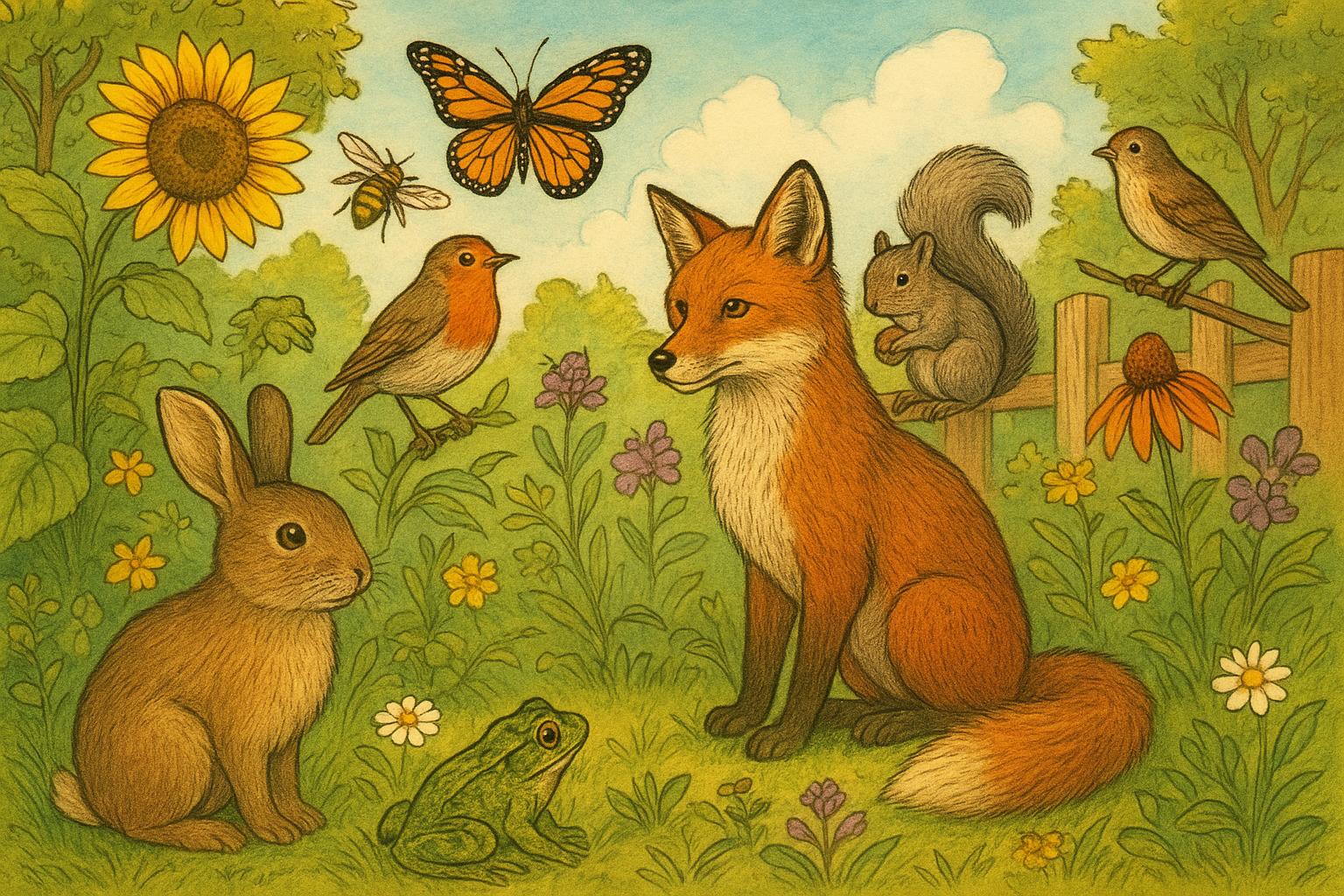
## Identifying Common Yard Culprits
A quick cheat sheet for common players:
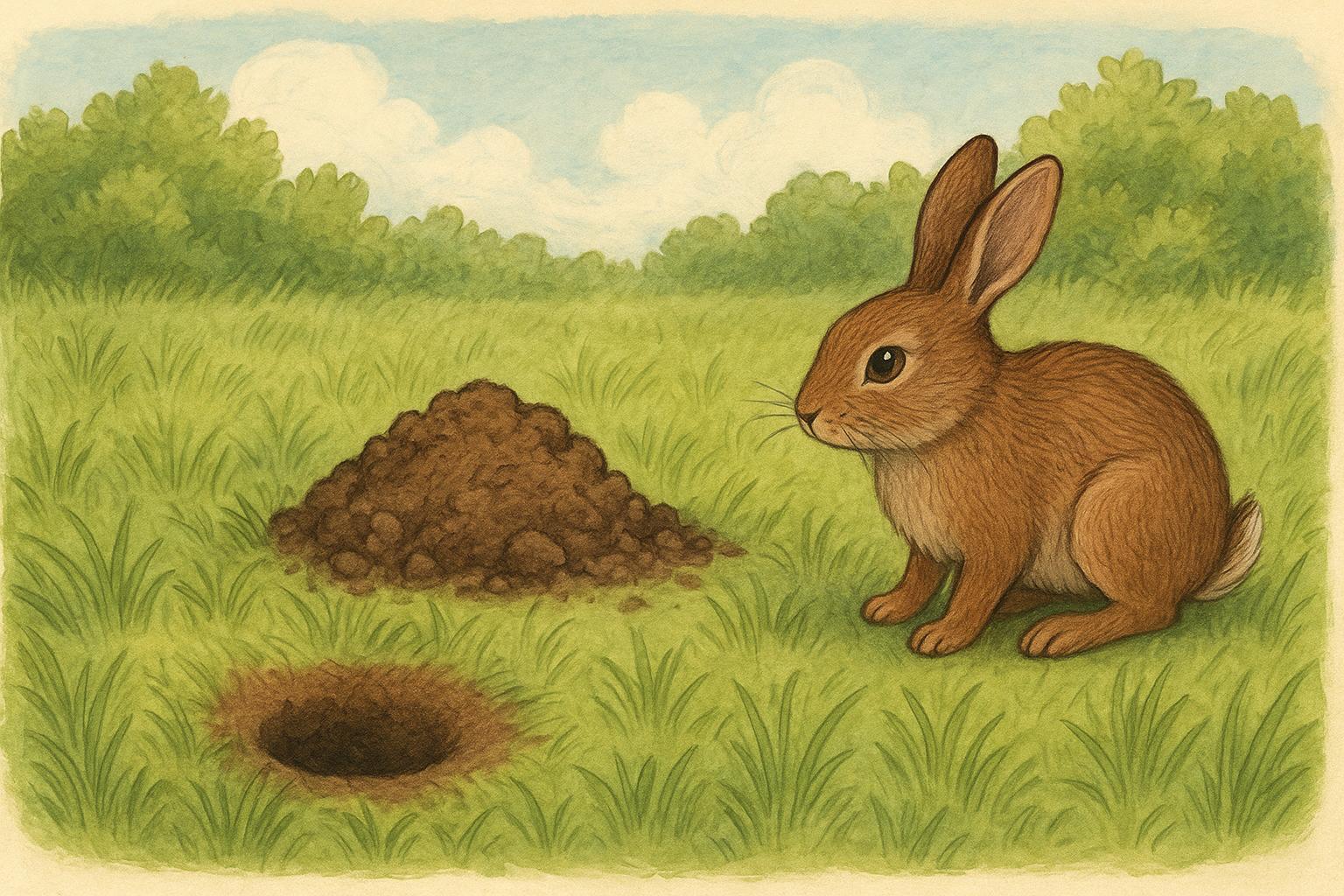
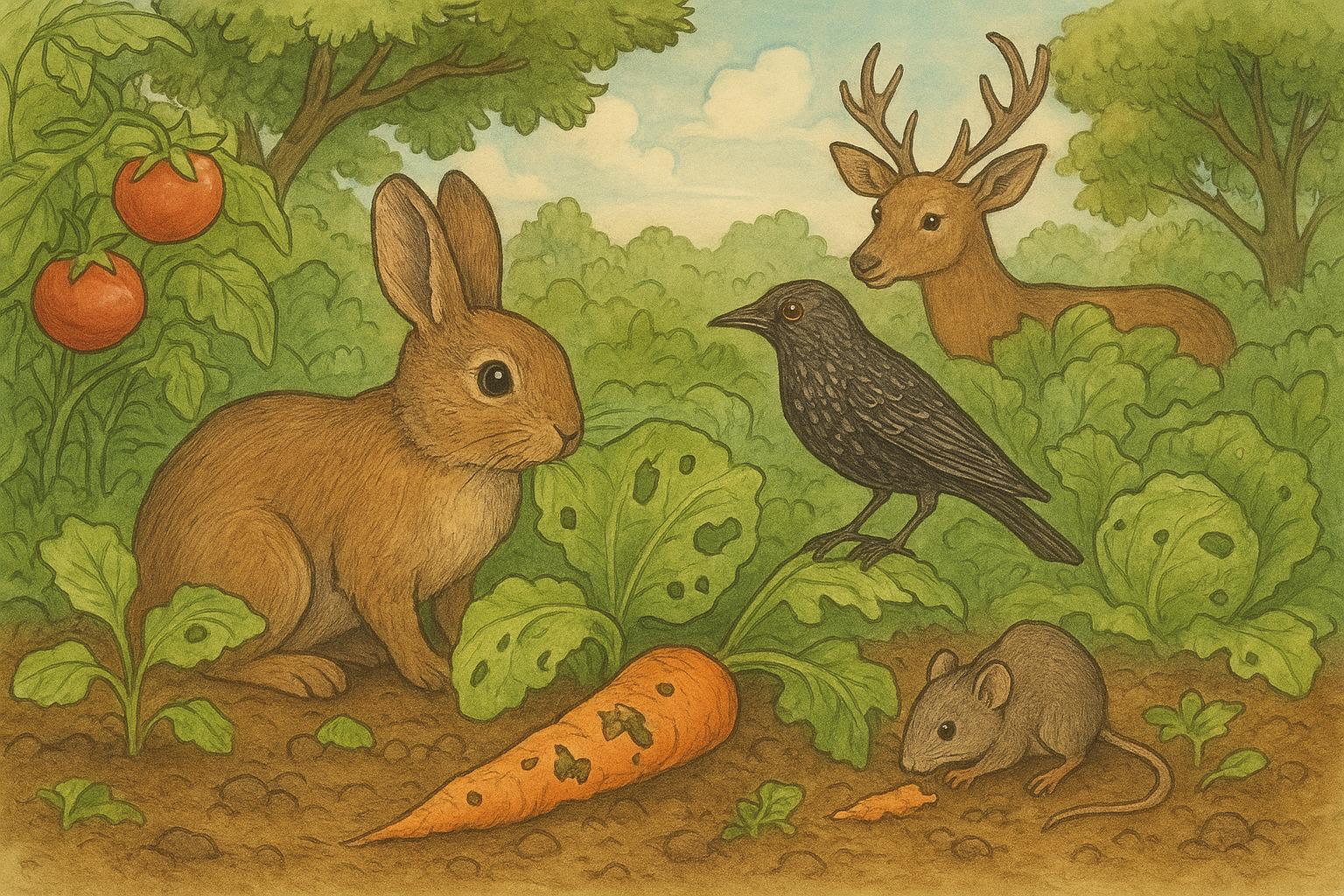
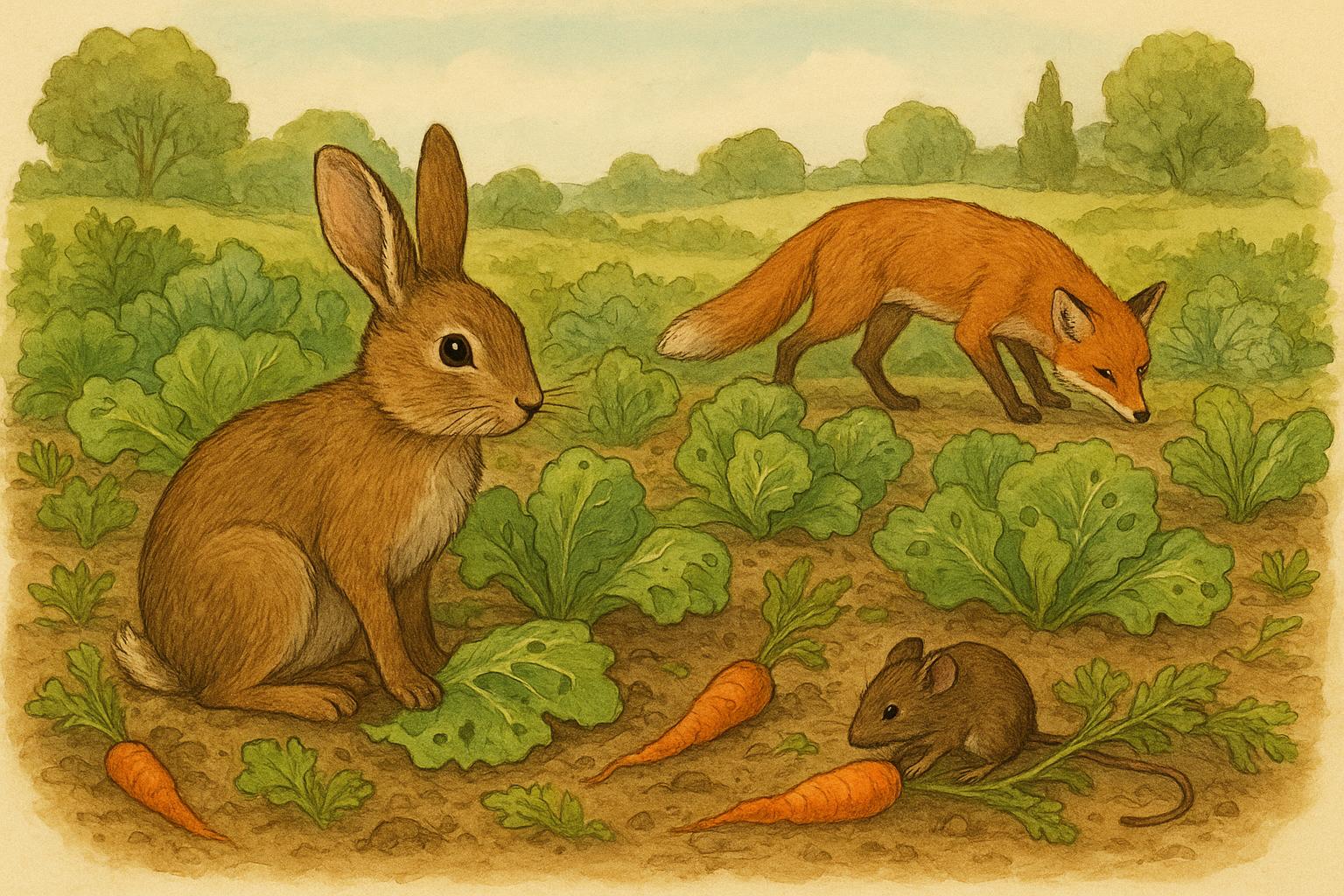
– Rabbits: Small, round droppings, clustered; nibble marks on plants.
– Deer: Larger, oval pellets; droppings often in piles near browse.
– Foxes/Coyotes: Tubular, segmented scat with fur and bone; often on trails.
– Raccoons: Larger, often contain fruit or small bones; may be smeared on edges.
– Cats: Soft, buried or in mulched areas, often with hair or litter odor.
– Dogs: Variable size, often more uniform and can be flattened on the bottom.
A careful blend of observation and simple trials (a motion camera, a night flashlight, or the deterrents above) will usually solve the mystery without drama. Keep your sense of humor—after all, we’re just trying to keep the yard usable, not solve a noir film—while being mindful of health and neighborhood relations.
Keep the gloves handy, and happy sleuthing.











Leave a Reply