
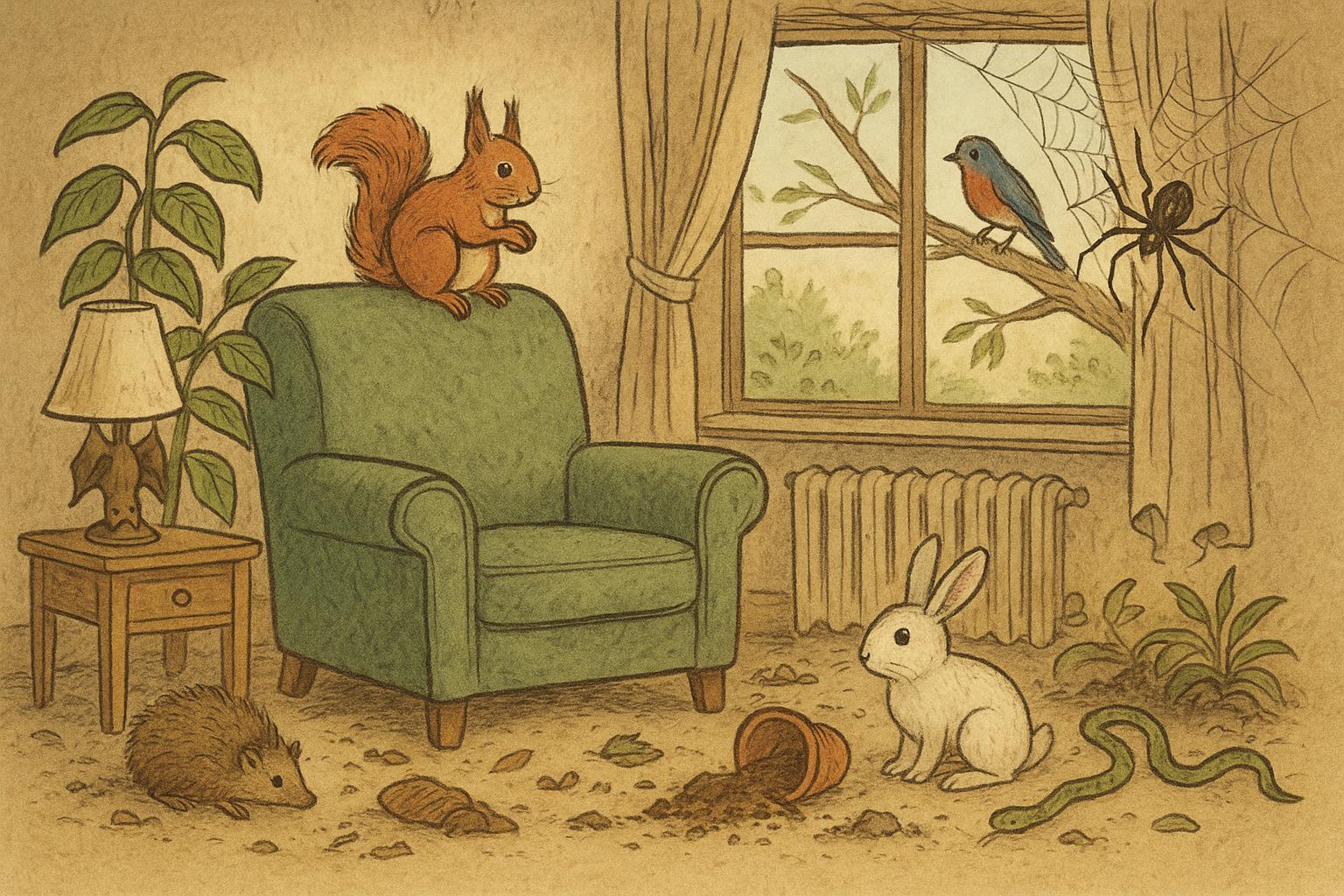
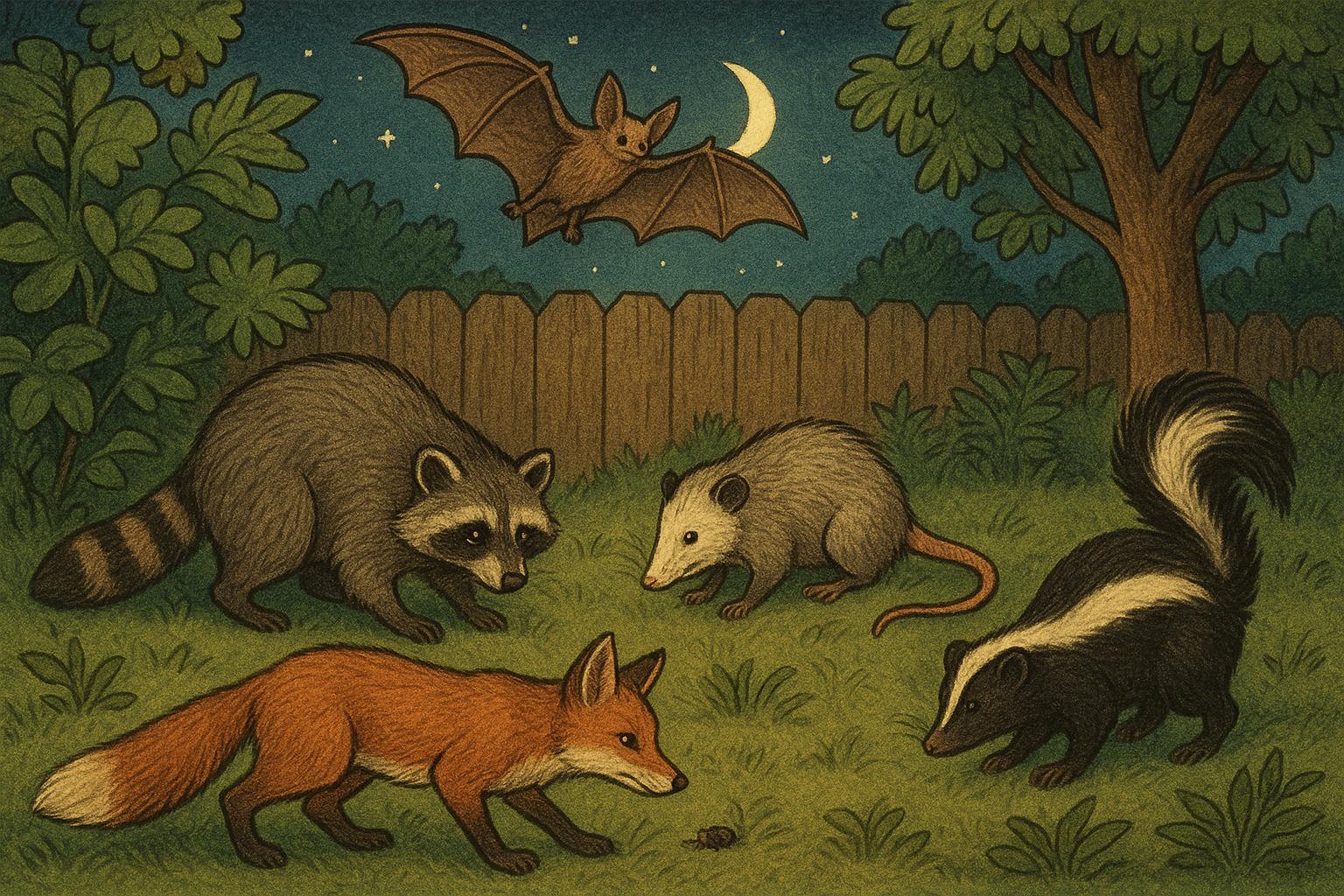
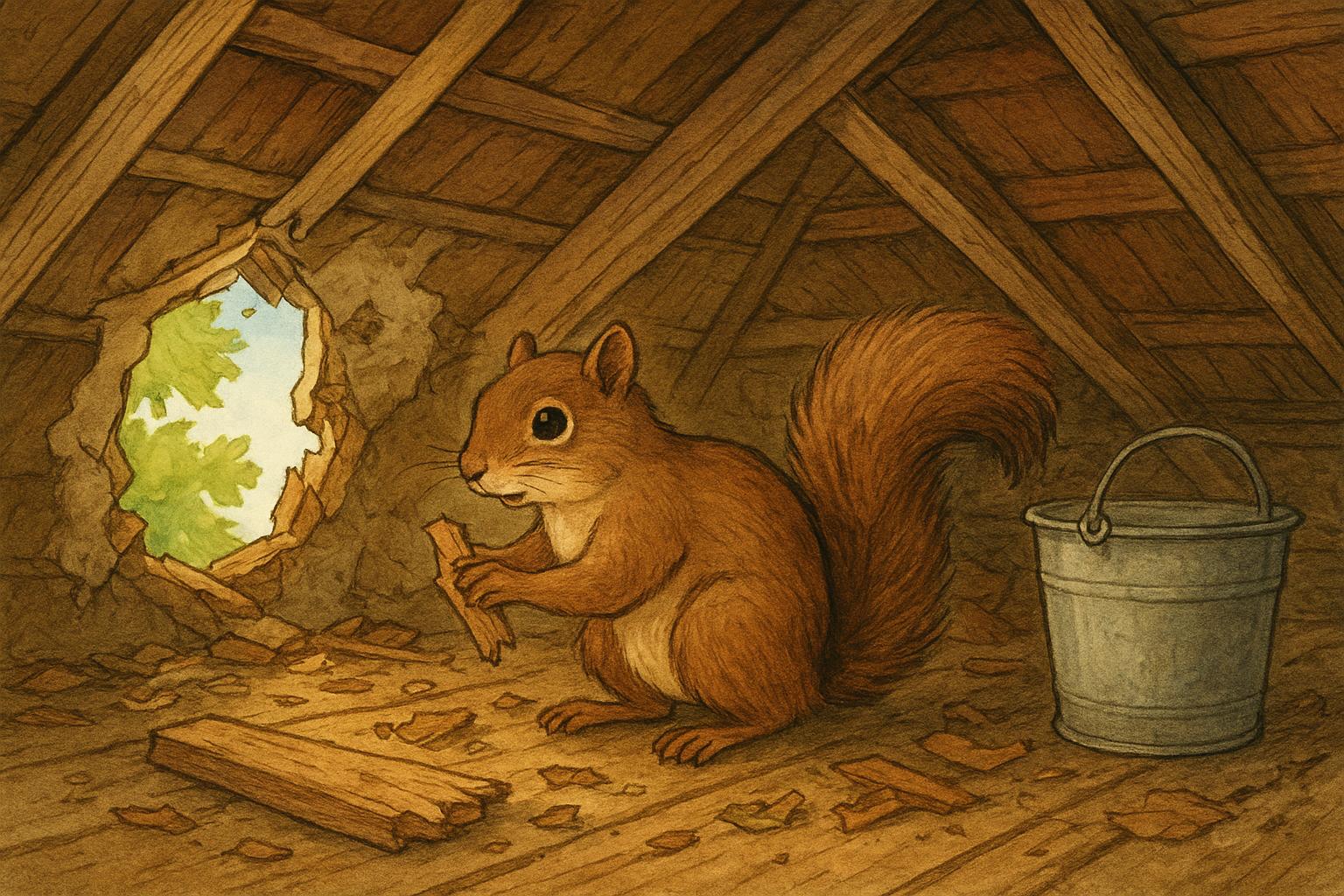
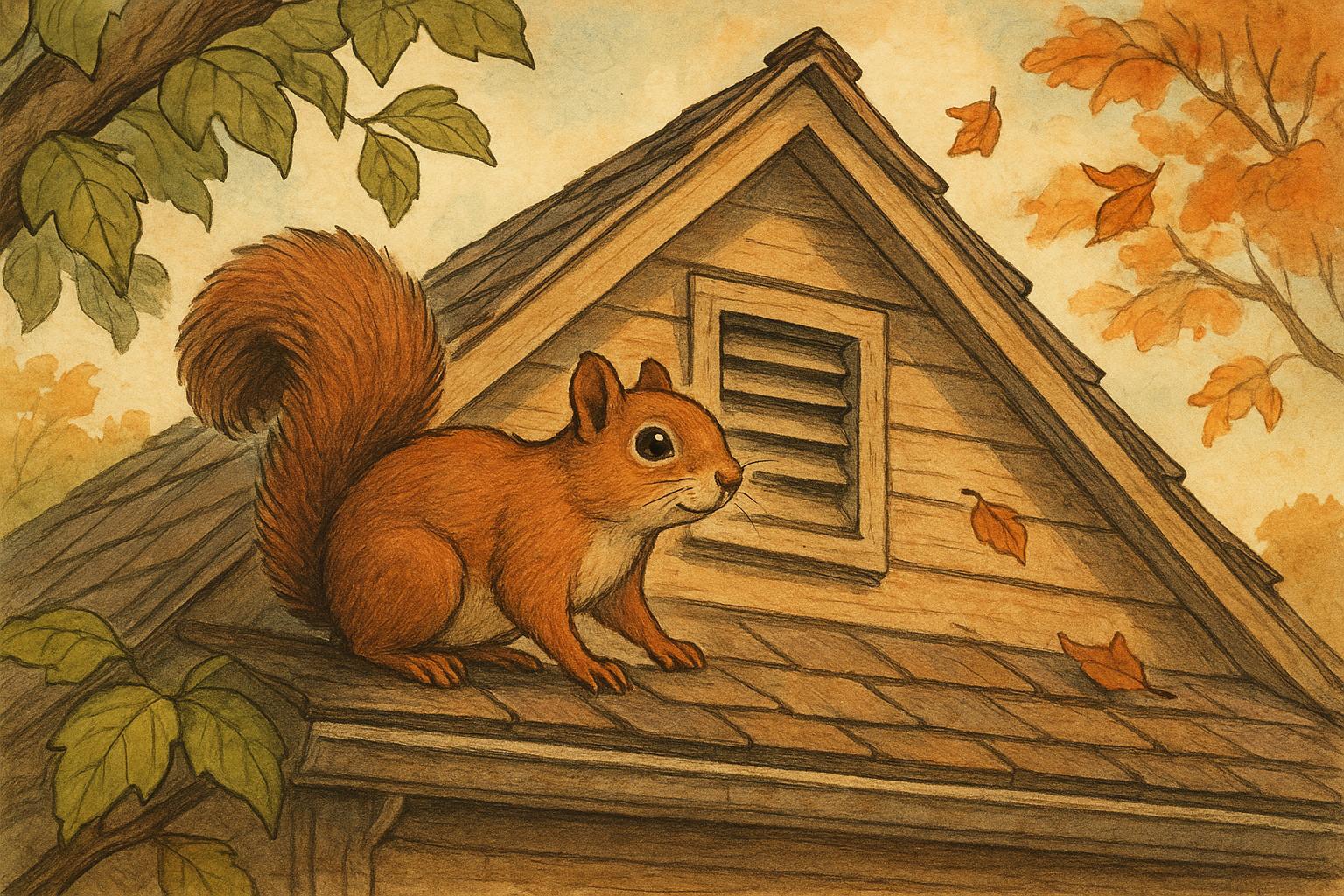
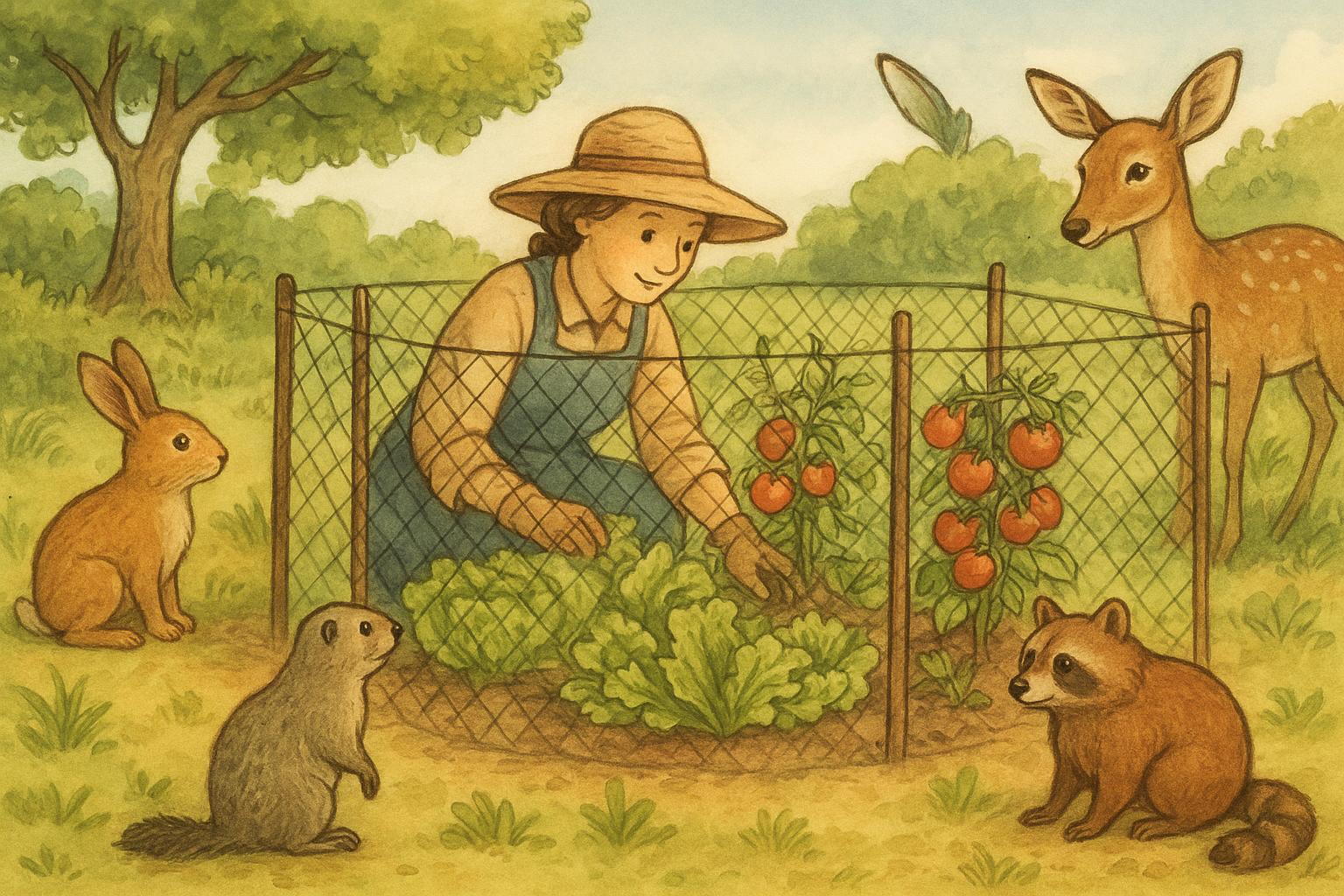
You might love the birds, the occasional backyard fox cameo, and the raccoon that performs nightly dumpster dives like a tiny trash-suited acrobat. But when the chipmunk moves into the attic or the skunk claims the shed as prime real estate, that warm-and-fuzzy feeling starts to come with sleepless nights and chewed insulation. If you’re thinking about taking matters into your own hands, let’s have a frank, friendly chat: there is no valid option for wildlife maintenance at home that keeps everyone safe, legal, and humane.
## Why Wildlife Maintenance Isn’t A DIY Option
Let’s be real: “wildlife maintenance” sounds like a to-do list item right next to mowing the lawn. It’s not. Wild animals are not domestic pets that respond to training or predictable behavior. Home-based attempts at wildlife maintenance—trapping, relocation, or improvising deterrents—are fraught with practical pitfalls and legal complications. You can certainly Google “how to” and feel emboldened, but emboldened homeowners often create bigger problems for themselves and the animals.
### Risks To People And Pets
Wild animals can carry diseases (rabies, leptospirosis, and various parasites), and they can act unpredictably if cornered or injured. Bites and scratches are not only painful; they can require emergency medical care. Attempting wildlife maintenance without proper vaccinations, protective gear, and training increases the chance of exposure for both you and your pets.
### Risks To The Animals And The Law
Incorrectly handled wildlife suffers. Improper traps, inexpert relocations, or home remedies can lead to stress, starvation, permanent injury, or death. On top of that, many species are protected by state or federal laws. What you might think is “helpfully” moving an animal could be illegal without a permit. Violations can lead to hefty fines and even criminal charges.
## Common DIY Methods Fail And Make Things Worse
I get it: the idea of setting a trap or building a fence feels like a weekend project. But the reality is less satisfying. DIY exclusion often leaves secondary access points, false shelters, and dead animals in walls. Scent-masking, questionable repellents, and crude traps can disperse a family into neighboring properties, turning a localized problem into a neighborhood headache.
### Why Repellents And Traps Backfire
Many over-the-counter repellents provide temporary relief at best; they may repel one animal only to attract another. Foaming, sticky, or toxic products can also contaminate yards, harm pets, and injure wildlife when misused. Live traps, when used without a release plan or permit, can cause animals to suffer or to be abandoned in unfamiliar terrain where they cannot survive.
## 1. Professional Removal And Rehabilitation (Recommended Remedy)
If you’re seeking a proper remedy rather than a guess, professional intervention is the valid path. This is the most responsible option for wildlife maintenance concerns because it integrates safety, legal compliance, and humane outcomes.
Required Materials
– Contact information for licensed wildlife removal service(s) and/or local wildlife rehabilitation centers.
– Photographs or video of the issue (attic entry points, droppings, tracks, damage).
– Property maps or notes showing likely entry/denning areas.
– Your local municipal wildlife or fish and game regulations (accessible online).
– A simple log of sightings: time, behavior, and frequency.
Step-By-Step Creation And Application
1. Document the Problem: Take clear photos and videos of the animal, damage, droppings, and potential entry points from a safe distance. Note times and behavior. This information helps professionals diagnose species and urgency.
2. Research Licenses: Verify that any provider you contact is licensed and insured. Ask for their state permit number if applicable, and check it against state databases.
3. Contact Multiple Providers: Get at least two quotes or evaluations. Ask whether they are wildlife rehabilitators, pest control contractors, or removers, and whether they use exclusion, relocation, or in-house rehabilitation.
4. Ask Key Questions: Will they humanely remove animals? How will they handle offspring? What proof of compliance with wildlife laws will they provide? What guarantees do they offer for re-entry prevention (exclusion work)?
5. Schedule An Inspection: Professionals will inspect, remove, and recommend exclusion and habitat modification measures. They should provide a written plan, timeline, and cost estimate.
6. Implement Recommendations: Most legitimate services include exclusion work—repairing vents, sealing gaps, installing one-way exclusion doors (when legal), and addressing attractants.
Expect accuracy, documentation, and humane handling. Professionals also coordinate with wildlife rehabilitators if an animal is injured or orphaned. This is not a cheap option, but it is the only legally and ethically sound one for most situations involving mammals, raptors, or protected species.
### What To Expect From A Wildlife Professional
A responsible company will balance immediate removal with long-term prevention. They should offer: humane eviction strategies, structural repairs or recommendations, and follow-up inspections. Ask for written warranties on exclusion work and clear communication about any animals transported or euthanized—transparency matters.
#### Licensing And Permits
Different states and municipalities regulate capture, transport, and relocation. Professionals should show you the permits or affiliations (state wildlife agency, rehabilitator networks). If someone says permits aren’t needed, that’s a red flag.
## 2. Safe Temporary Mitigation Kit For Homeowners
If a professional can’t arrive immediately or you need to reduce risk while awaiting help, there are legally safe, temporary mitigation steps homeowners can take. Note: these are not long-term wildlife maintenance solutions; they are short-term measures to reduce harm and exposure until a licensed professional acts.
Required Materials
– Heavy-duty work gloves (puncture-resistant).
– N95 or higher respirator mask.
– Portable motion-activated light(s).
– Secure, lidded trash cans with bungee straps.
– One-way exclusion devices only if legal in your jurisdiction (purchase through professional suppliers).
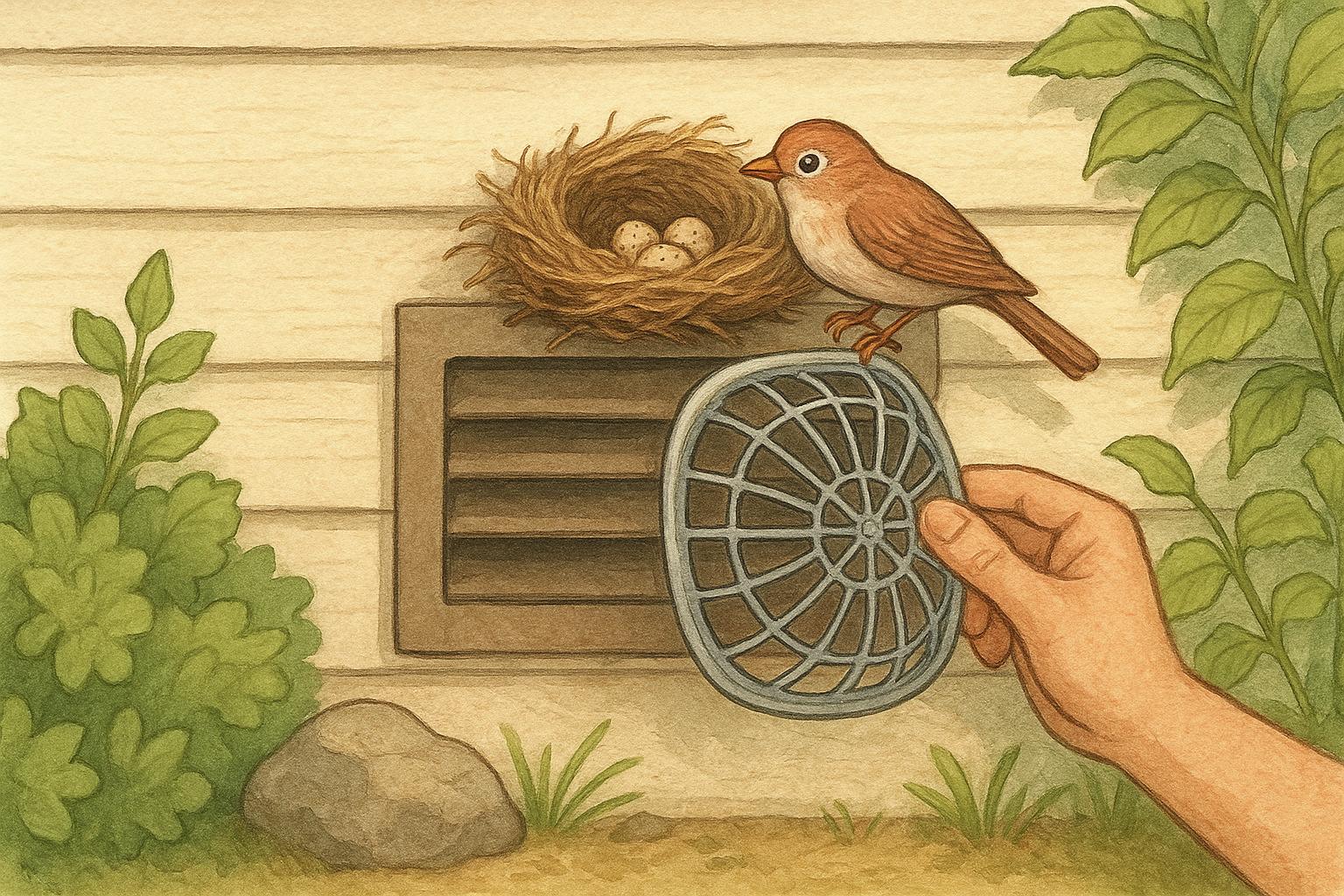
– Caulk, metal flashing, and steel wool for temporary sealing of small gaps (for daytime-only use; never seal animals inside).
– Dry bleach-free enzymatic cleaner (for droppings on non-structural surfaces) and disposable absorbent rags.
– Snap-type door stoppers or wedge devices to discourage access to unsecured doors.
Step-By-Step Creation And Application
1. Prioritize Safety: Don protective gloves and a mask before approaching areas with droppings or nesting material. Avoid direct contact with feces, urine, or nesting materials.
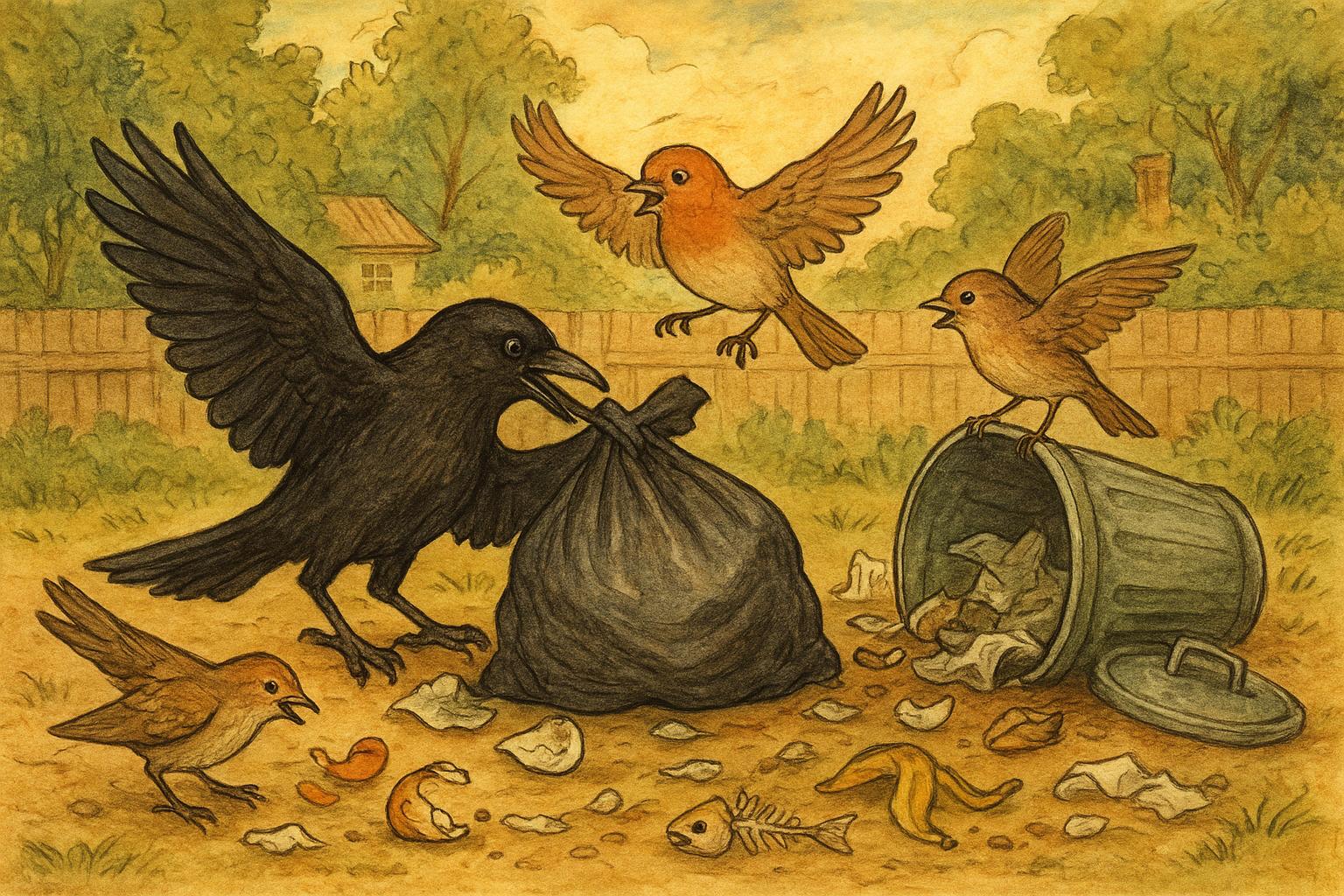
2. Secure Food Sources: Place pet food indoors, store birdseed in sealed containers, and ensure trash cans are closed and fastened with bungee cords. Reduce attractants by clearing fallen fruit and cleaning grills.
3. Light And Sound Deterrents: Install motion-activated lights near known access points. Bright light in nocturnal animals’ pathways can discourage frequent visits without causing harm.
4. Temporary Barrier Work: During daylight, seal small exterior gaps that are not in active use by animals with steel wool and caulk. Always confirm no animals are inside before sealing; sealing animals inside is both cruel and often illegal.
5. Remove Bedding From Open Areas: If animals are creating bedding in accessible, non-structural spots (under decks, in sheds), safely remove the material wearing gloves and mask, place it in a double bag, and dispose per local waste rules.
6. Clean High-Risk Areas Safely: Use enzymatic cleaner on droppings found on decks or patios. Disinfectants and bleach can aerosolize pathogens; follow product instructions and ventilate the area.
7. Document Changes: Keep a clear log of what you changed and why, and share it with the wildlife professional upon their arrival. This helps avoid redundant work and ensures a coordinated plan.
#### When Temporary Measures Are Not Enough
If an animal is injured, aggressive, or clearly trapped inside your structure, do not attempt internal removal. Call a licensed professional or animal control immediately. Temporary mitigation must never substitute for humane, skilled intervention.
### Legal And Ethical Reminders
Always check your local laws before taking any action. For instance, some species cannot legally be trapped and relocated by residents. Even well-meaning relocation can spread disease or introduce animals into unsuitable habitats. The right call is usually to defer to licensed wildlife experts.
A final practical note: short-term measures reduce immediate risk but do not replace the professional exclusion and repairs needed to prevent recurrence. If you’re serious about humane, effective wildlife maintenance, investing in one professional inspection often yields the most cost-effective long-term results.






Leave a Reply