
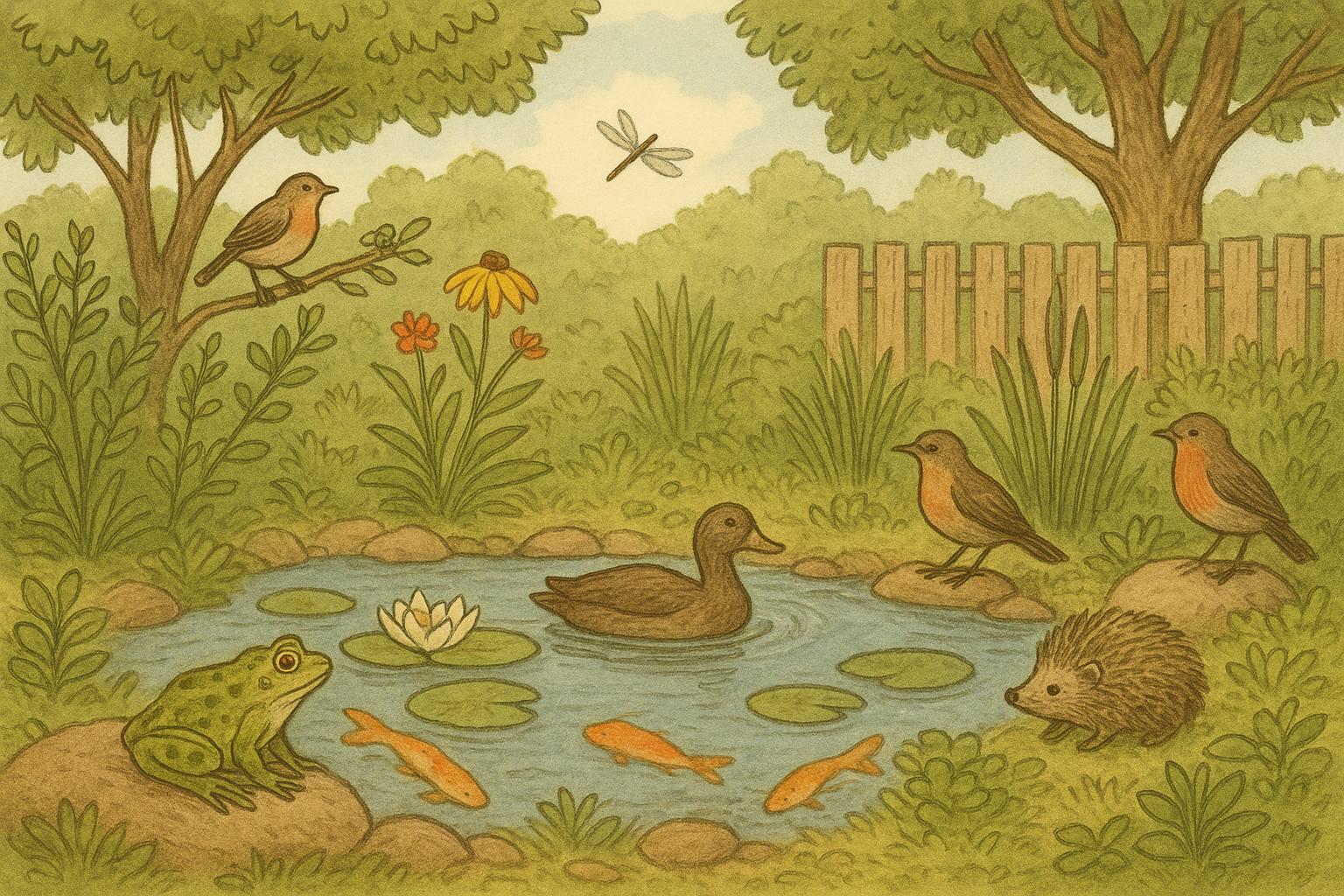
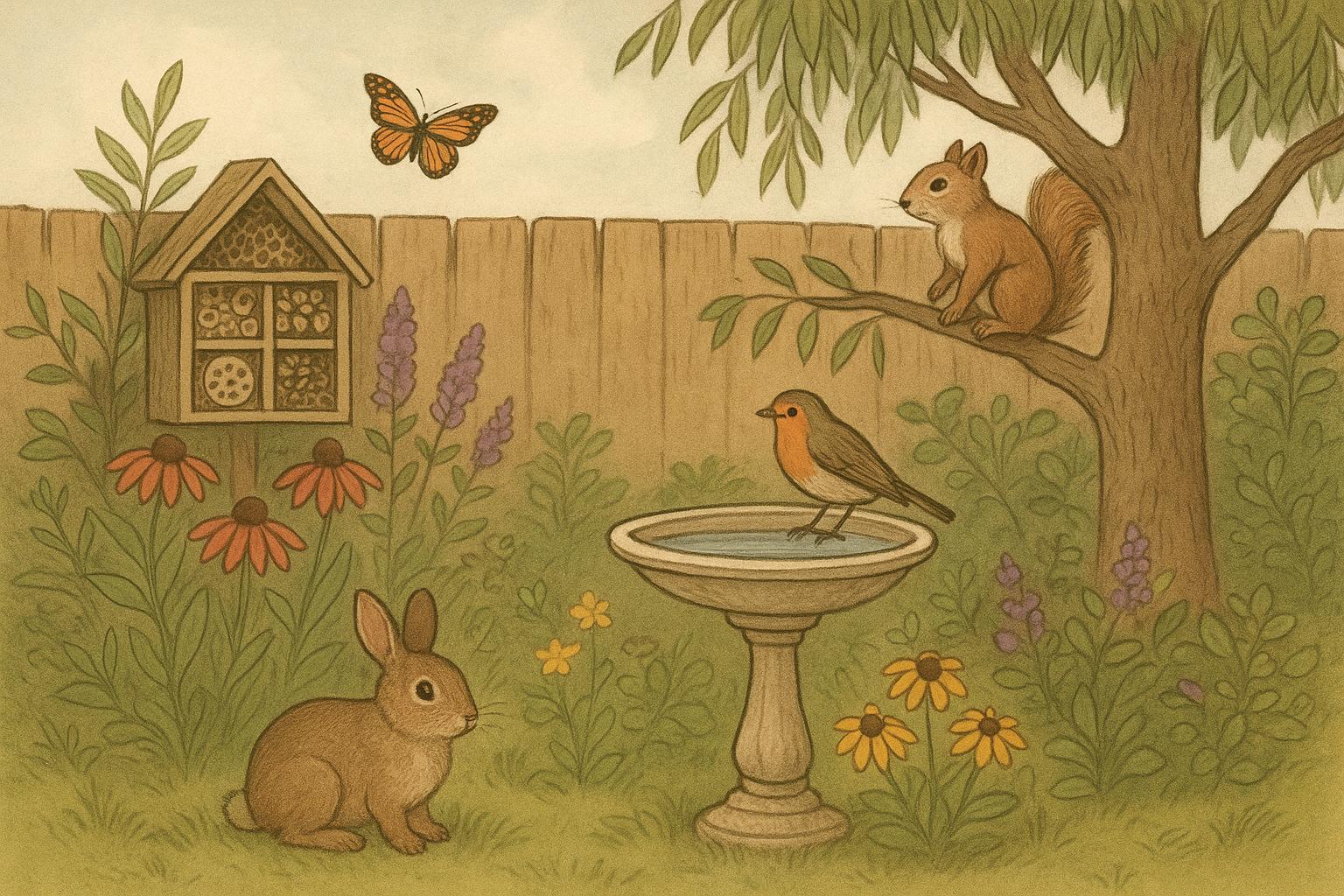
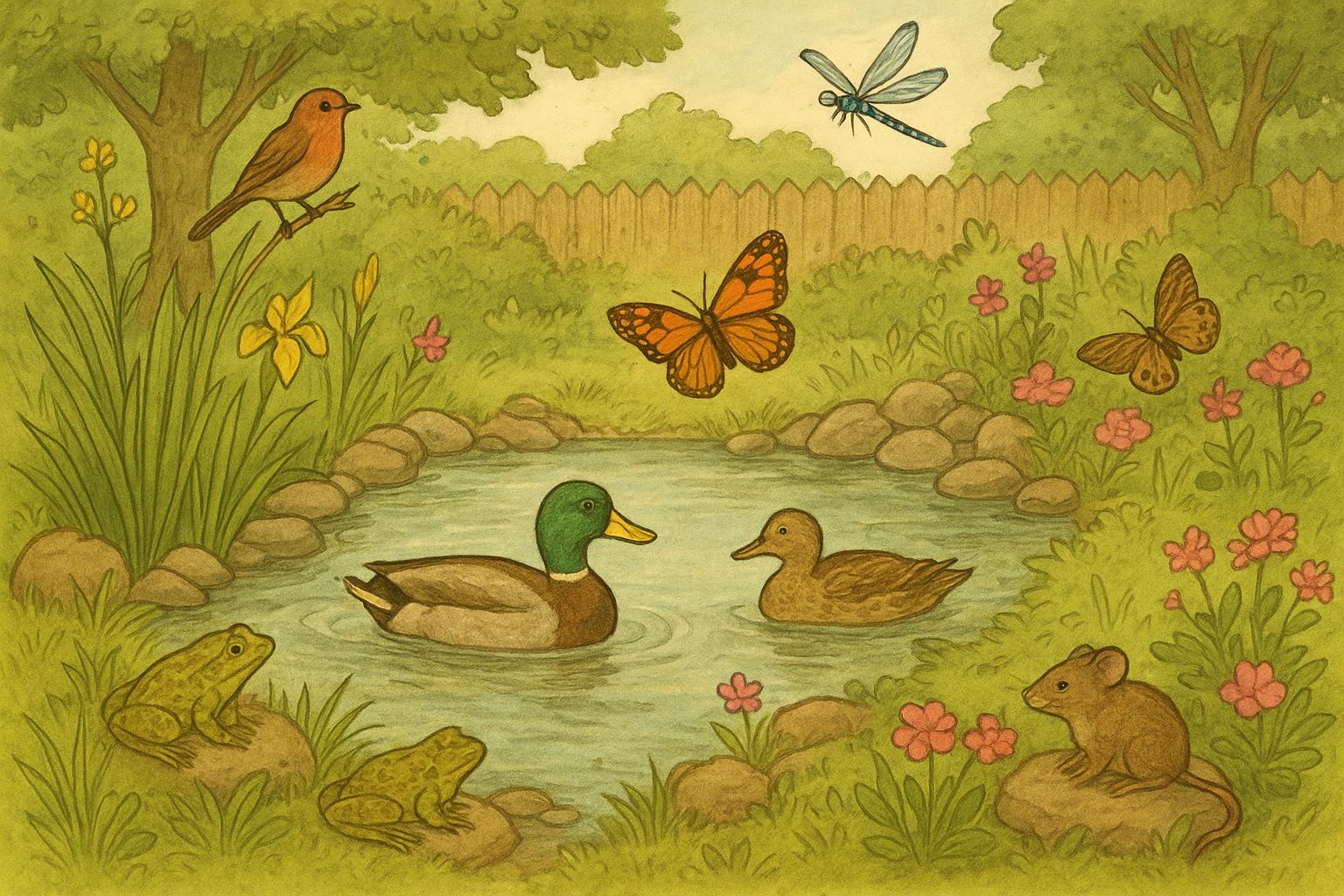
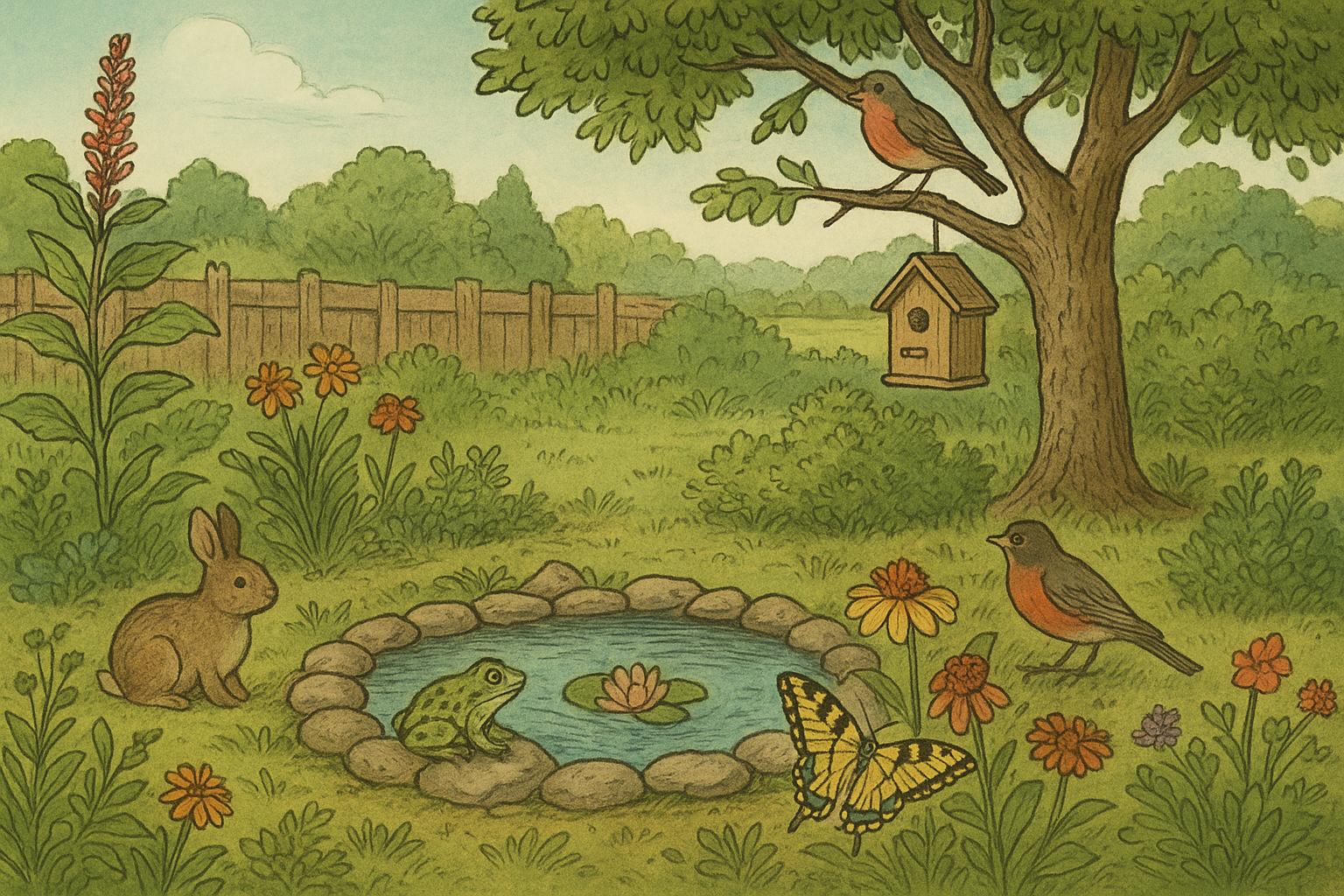
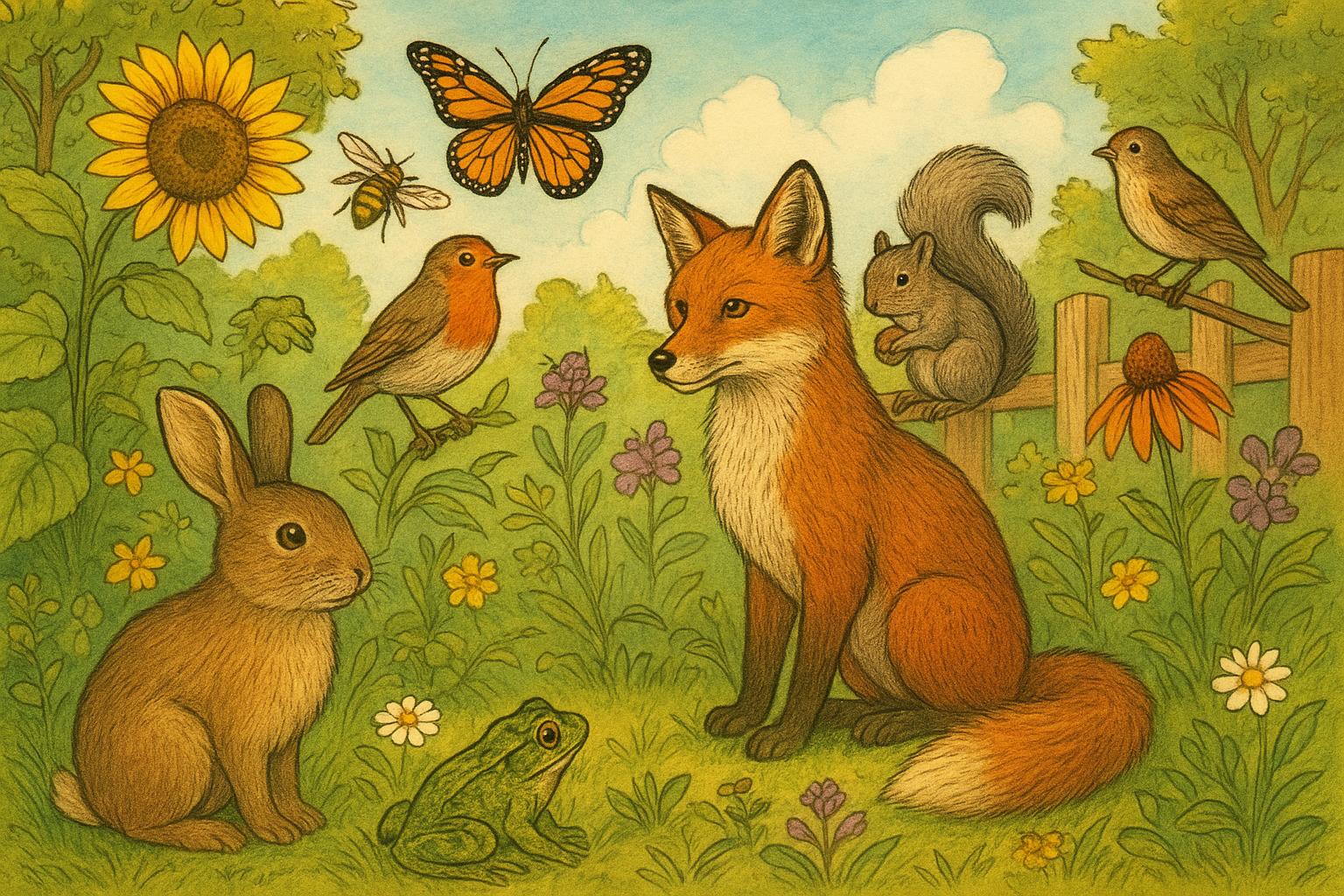
A small backyard can become a lively, breathing habitat with a little water, some plants, and a dash of patience. A well-placed pond draws birds, dragonflies, frogs, beneficial insects, and even the occasional bashful bat. It turns a postage-stamp lawn into a neighborhood hotspot for wildlife without requiring acres or a landscaper’s ego.
## Pond Placement And Design
Location matters. In a small yard the wrong spot can turn your wildlife feature into an algae-powered swamp or a mosquito spa. Aim for part sun and part shade: morning sun and afternoon shade is ideal. Too much sun overheats shallow sections and encourages algae; too much shade limits plant growth. Also consider sightlines — place the water where you can enjoy wildlife from a window or patio.
Think about scale and shape. Natural-looking, irregular edges create more habitat per square foot than a geometric bowl. Create shallow shelves and deeper central areas (even a 12–18 inch deep center with 3–6 inch shelves works wonders) so amphibians can bask and invertebrates can find shelter. Avoid placing the pond under big trees to reduce leaf litter and root interference.
### Water Source And Safety Considerations
Use rainwater when possible (it’s softer and chemical-free). If using tap water, allow it to sit for 24 hours or use a dechlorinator. For safety, ensure any deeper sections have gradual slopes or exit points so small animals (and kids) can get out. Consider a near-invisible wire mesh below floating plants to prevent small predators from surprising nesting frogs — discreet, effective, and less dramatic than a soap-operatic heron rescue.
## Selecting Plants And Features For Wildlife
Plants are the backbone of a wildlife pond. Marginal plants (those that like their roots wet but leaves above water) provide nesting, shelter, and egg-laying sites. Submerged plants oxygenate the water and compete with algae. Floating plants shade and cool the surface. Aim for a mix of these groups for a balanced micro-ecosystem.
Include rocks and logs on the margins for perching and basking. A slightly sloped gravel shelf makes a good amphibian entry/exit. Add a shallow dripping feature or small fountain for moving water; many species, including pollinators and birds, are attracted to the sound of flowing water.
### Feeding Wildlife Without Feeding Problems
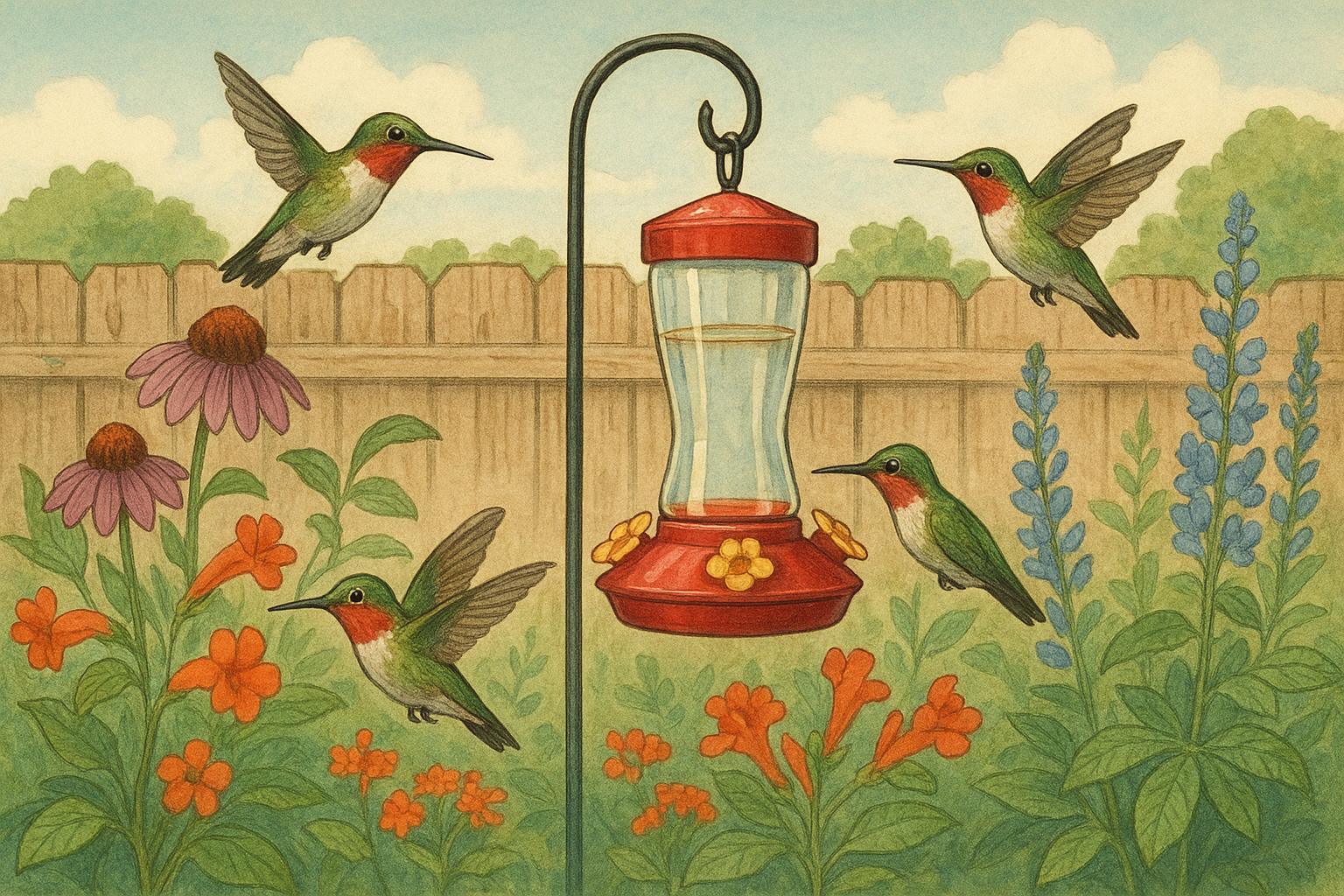
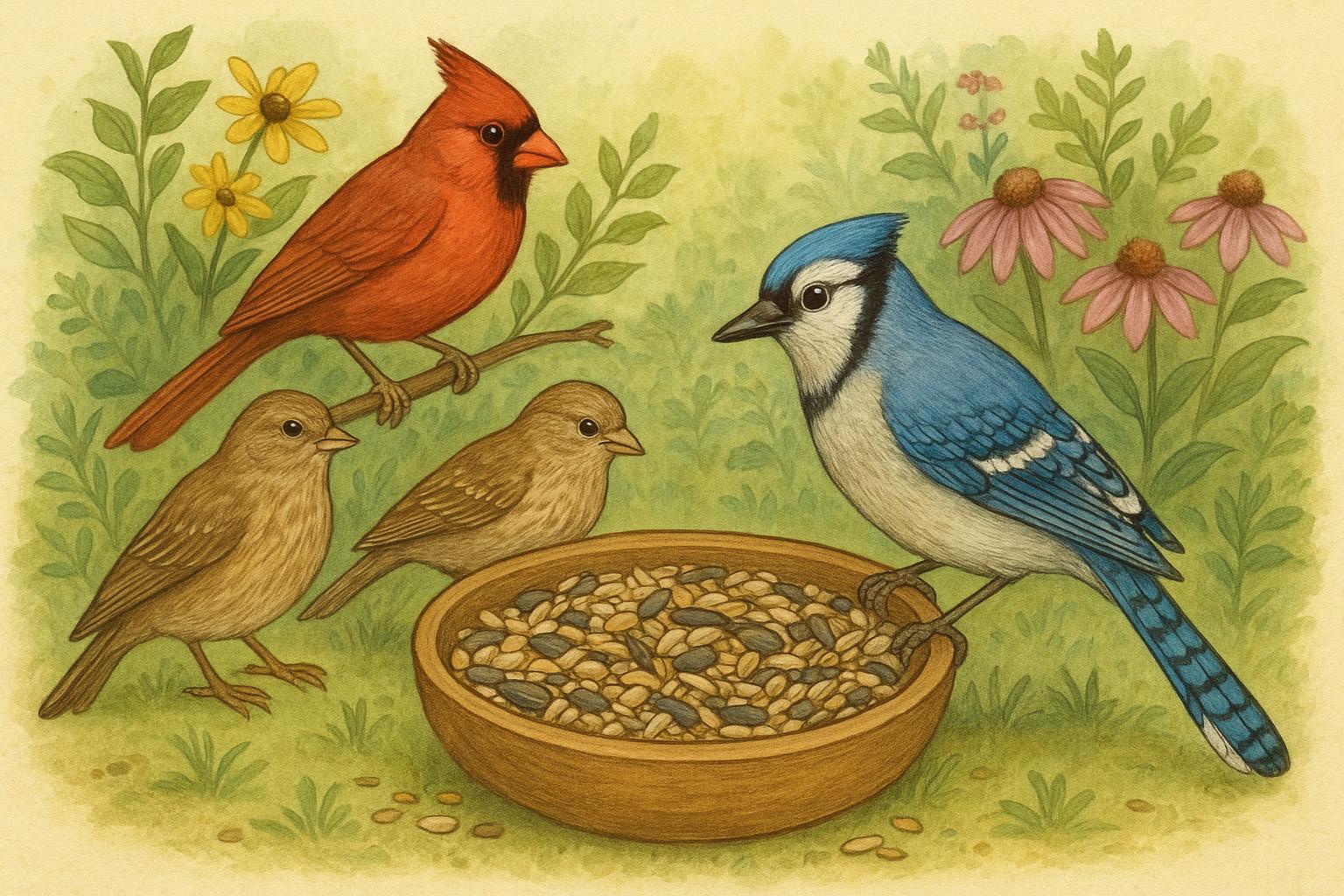
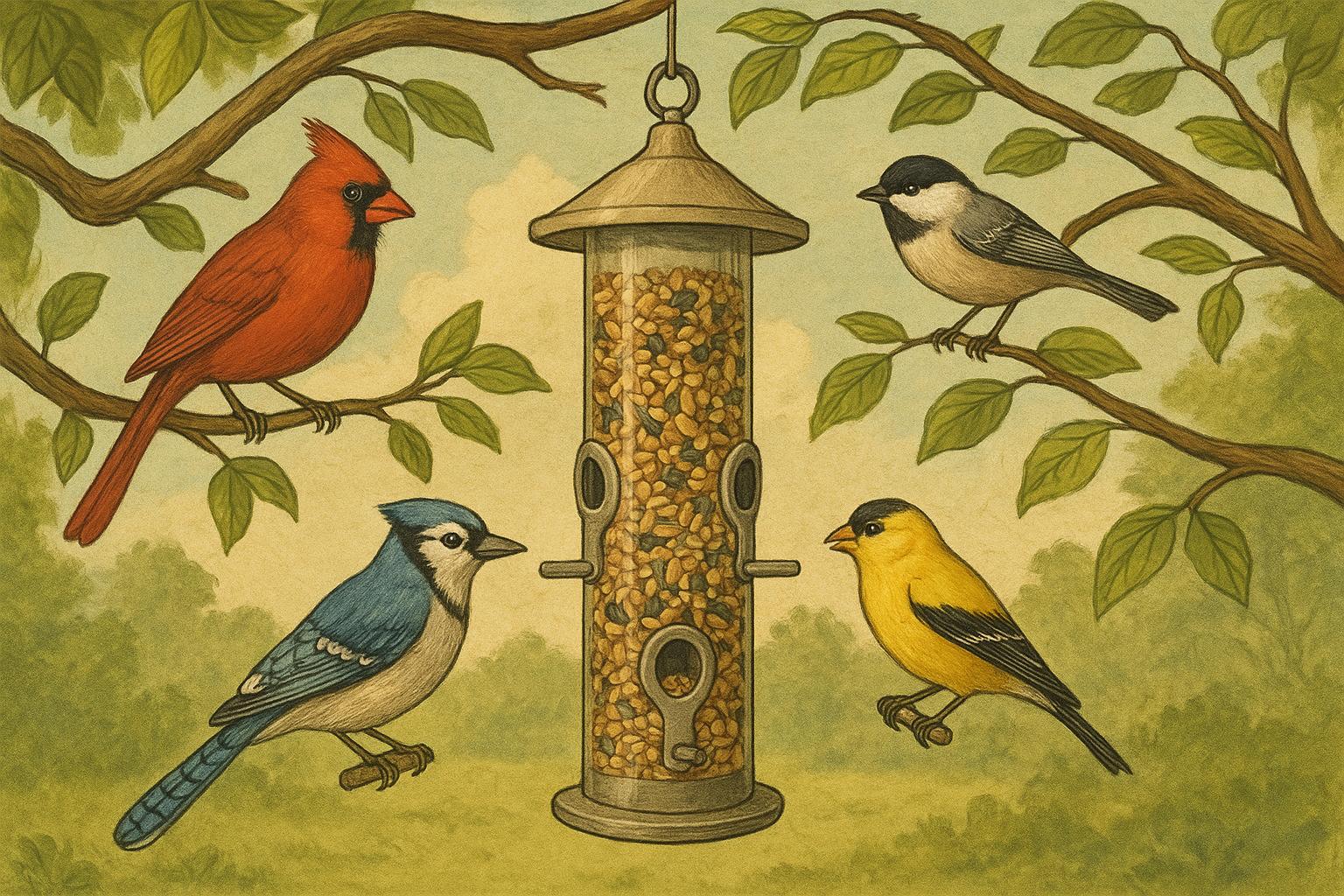
Avoid feeding wildlife directly; it creates dependency and concentrates disease. Instead, design the habitat to provide natural food: nectar plants nearby for pollinators, native emergent plants for insects, and structural diversity for shelter. If you want to provide supplemental food (e.g., a hummingbird feeder away from the water), site it carefully and clean it regularly.
#### Recommended Native Plant Types
– Marginals: iris, pickerelweed, marsh marigold.
– Submerged: hornwort, elodea.
– Floating: water lettuce or native alternatives that won’t overrun the system.
Choose local native species whenever possible; they’re adapted to regional conditions and support local invertebrates and birds more effectively.
### 1. Build A Small Container Pond (Remedy)
Formal instructions follow for creating a simple, low-maintenance container pond — ideal if you rent or have very limited space. This remedy focuses on durable materials and simple steps so you don’t spend your weekend wrestling an uncooperative liner.
#### Materials
– A sturdy container (half whiskey barrel, large ceramic pot, or preformed pond basin) sized to your space.
– Pond-safe soil or aquatic planting media.
– Gravel and pebbles for margins and shelves.
– Aquatic plants: one marginal, one submerged, one floating.
– Pond dechlorinator (if filling with tap water).
– Small solar or low-voltage pump with a fountain head (optional).
– A mesh cover for winter and predator protection (optional).
– Pond-safe water conditioner and starter bacteria (optional).
#### Steps
1. Choose the container and site it on a level surface, slightly sunk into the ground if possible for stability and insulation.
2. Create shelves using bricks or stable blocks, then cover with landscape fabric to prevent soil washing into the water.
3. Add a layer of pond soil to the shelves and central basin; keep soil out of open water where possible by potting plants or using gravel edging.
4. Place plants into pots filled with aquatic soil, anchoring with gravel, and situate them on the shelves according to depth preferences.
5. Fill slowly with rainwater or dechlorinated tap water. Add dechlorinator following label directions.
6. Install a gentle pump or fountain to keep water moving if you choose; moving water helps deter mosquitoes and oxygenates the habitat.
7. Wait a few days before introducing any wildlife intentionally; allow the system to stabilize. Add beneficial bacteria per product instructions to jump-start biological filtration if desired.
Application: Check water levels weekly, remove debris, and thin plants as they spread. In warmer climates, partial water changes (10–20%) monthly can keep nutrients balanced.
### 2. Create A Shallow Marginal Pond (Remedy)
This remedy is for homeowners ready to dig a small in-ground feature focused on wildlife rather than fishkeeping. A shallow design emphasizes habitat for frogs, newts, insects, and beneficial birds, keeping maintenance manageable.
#### Materials
– Liner (EPDM pond liner sized to your planned hole) or preformed basin.
– Underlayment felt to protect liner from puncture.
– Sand for bedding.
– Rocks for edging and shelves.
– Gravel for marginal areas.
– A selection of native marginal and emergent plants.
– Shovel, level, and measuring tape.
– Water testing kit (optional but recommended).
#### Steps
1. Mark the outline on the ground. Design shallow shelves (3–6 inches wide) around the perimeter with a deeper center of 12–24 inches in the middle.
2. Excavate to shape. Use sand bedding to level and smooth contours. Place underlayment and then liner, allowing extra around edges for clipping later.
3. Secure the liner with rocks around the edge and fold it neatly under decorative stones to hide it. Use larger boulders at focal points to create natural appearance.
4. Create pockets for plants on the shelves using aquatic planting baskets or pots filled with pond soil; avoid loose soil entering open water.
5. Fill with rainwater or dechlorinated tap water; stagger plantings to establish cover and reduce nutrient spikes.
6. Add gravel to marginal zones for egg-laying and insect habitats. Install a low-flow pump if you want a circulation feature, but for wildlife-only ponds, minimal water movement is fine.
7. Test water occasionally and control excess nutrients by removing decaying plant matter and avoiding fertilizer runoff.
Application: Monitor plant growth and thin aggressive species. In spring, leave some leaf litter in shallow spots for insects, but clear out heavy deposits that could decompose and raise ammonia levels.
## Managing Mosquitoes And Algae Without Chemicals
Mosquitoes and algae are the two common complaints about small water features. Fortunately, both are manageable through design and ecology rather than heavy-handed chemicals.
Encourage mosquito predators: dragonflies, damselflies, frogs, and bats all dine on larvae. Moving water via a small fountain or bubbler discourages egg-laying. If mosquitoes persist, introduce mosquito dunks containing Bacillus thuringiensis israelensis (Bti) for targeted larval control — safe for wildlife when used according to label directions.
For algae, balance is key. Reduce nutrient inputs by keeping fertilizer away, providing plant cover to shade open water, and removing decaying leaves. If algal blooms occur, physically rake or siphon the excess and increase marginal plantings. Consider adding submerged oxygenating plants to compete with algae. Use algaecides only as a last resort and follow product instructions precisely to avoid harming the very animals you’re trying to attract.
### Wildlife Watching Etiquette
Enjoy quietly. Move slowly and keep pets supervised to avoid scaring away wildlife—or worse, turning your frog population into dog hors d’oeuvres. Use binoculars and a camera with a long lens if you want close-up views. Offer a bench or a shady view nearby so you and your guests can linger without becoming part of the exhibit.
#### Seasonal Care Tips
– Spring: Add fresh plants, clean out heavy winter debris, and check pumps.
– Summer: Monitor water levels, thin aggressive vegetation, and provide shade with floating plants.
– Autumn: Net or remove excess falling leaves, but leave some leaf litter for invertebrates.
– Winter: In cold climates, keep a small hole open with a pond heater if there are overwintering amphibians; otherwise, a frozen surface is fine.
A small, thoughtfully designed pond can transform your yard into a compact wildlife refuge. With the right placement, plants, and a couple of low-maintenance construction methods, you’ll have more visitors than your local Starbucks—most of them quieter, furrier, and less interested in your Wi-Fi password.




Leave a Reply