
## No Valid Option Apart From Woodpile Habitat In Brush Piles
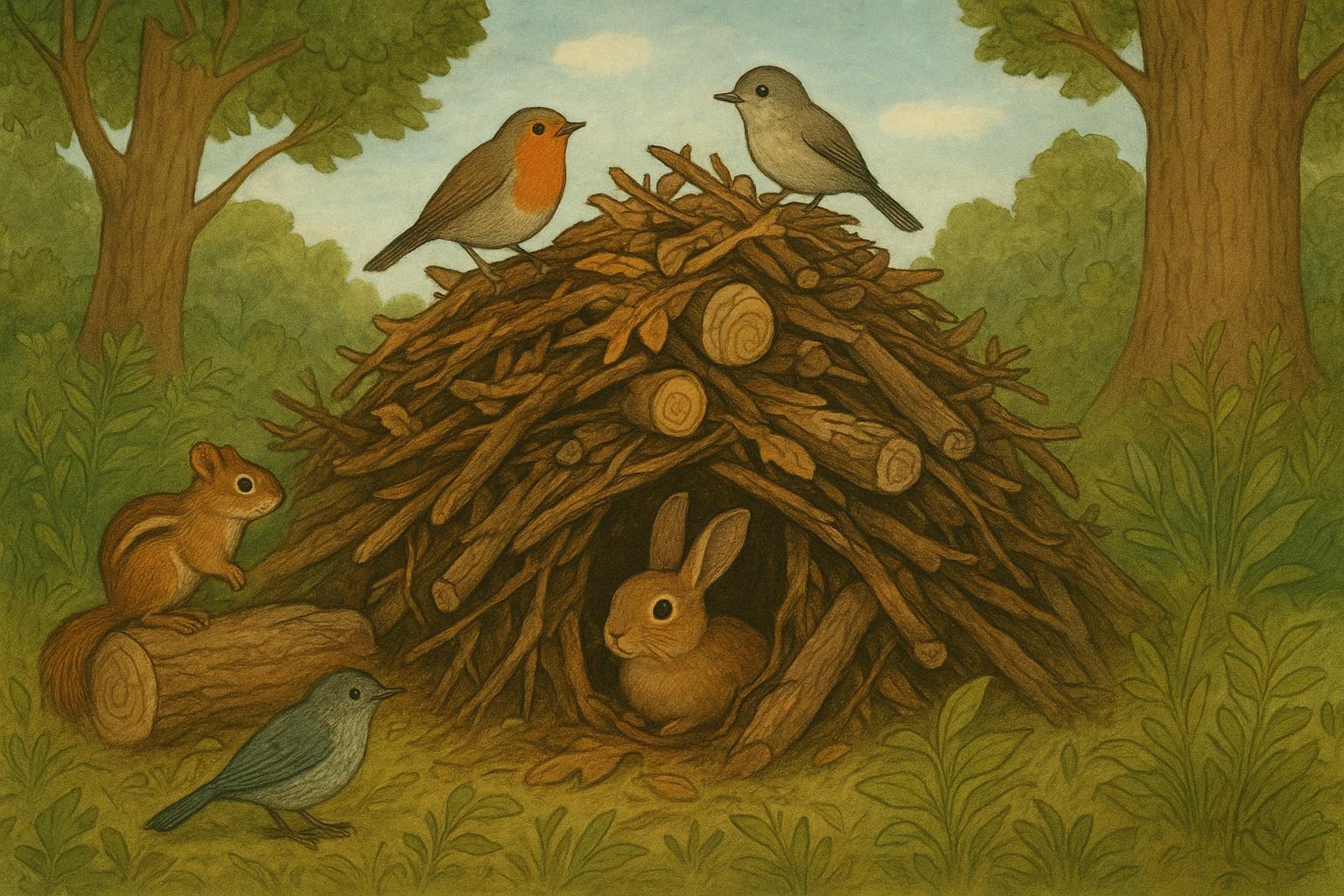
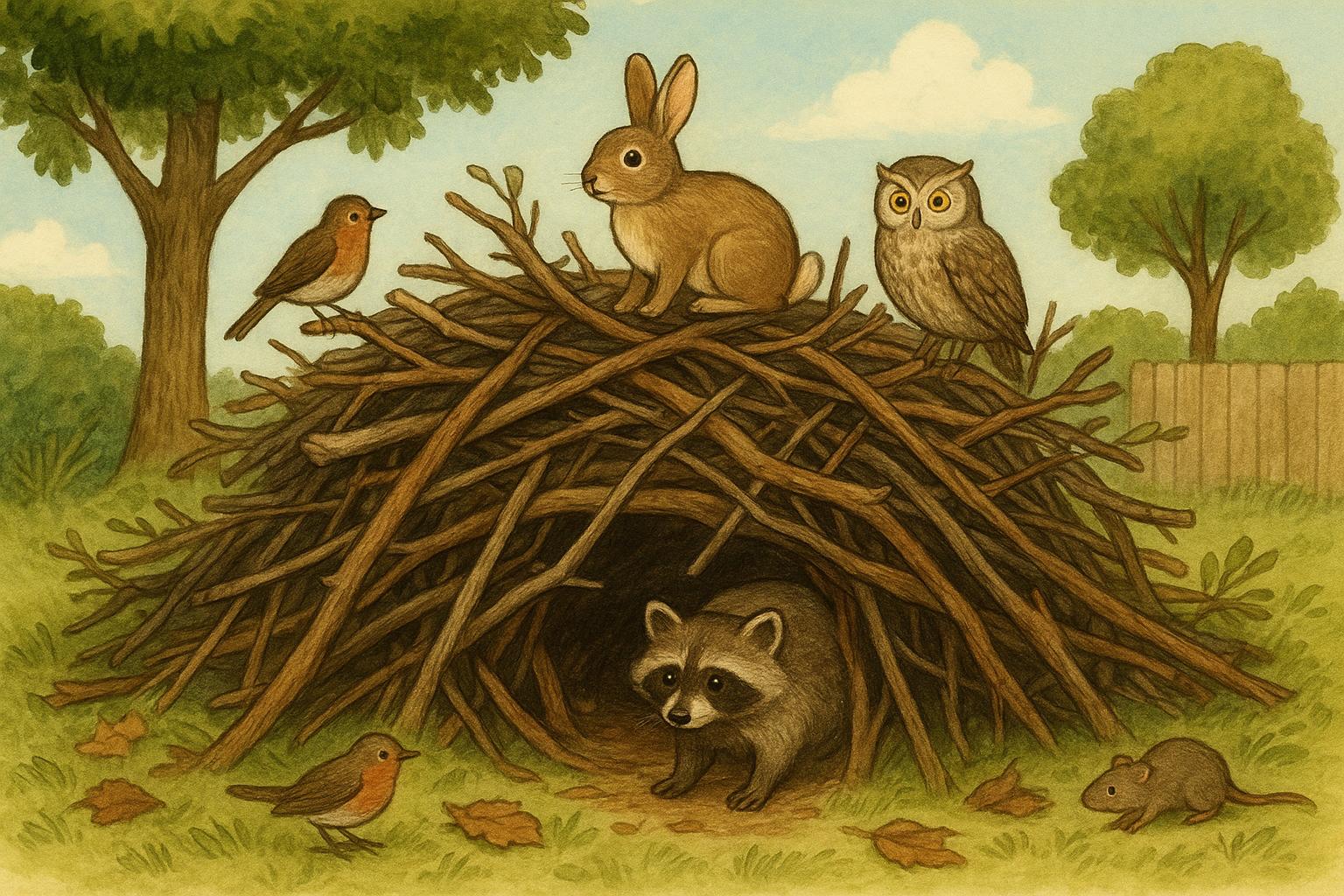
If your backyard looks like the aftermath of one too many storms and an enthusiastic yard sale for branches, you’re in the right place. A woodpile habitat is one of the friendliest ways to turn that chaotic brush pile into something that benefits local wildlife — and your peace of mind. Think of it as a tidy, intentional pile that invites beneficial critters and discourages the troublemakers.
A haphazard brush pile is like leaving an open invitation on the front door: mice, rats, and sometimes snakes RSVP. A properly built woodpile habitat, on the other hand, is more like a carefully curated Airbnb for hedgehogs, toads, beetles, and birds — with rules and maintenance. You get habitat value without turning your yard into a permanent wildlife motel for pests.
### Why Brush Piles Are Popular And Problematic
Brush piles are popular because they’re quick: you toss limbs and twigs into a heap and call it a day. They provide shelter and nesting material, which is great for some species. The problem is that uncontrolled brush becomes a hiding place for critters you don’t want close to your house or your pets. Brush piles can:
– Create a damp, compacted environment where invasive plants and fungus thrive.
– Attract rodents that carry ticks and disease.
– Provide cover for snakes and other predators that may be hazardous to people and domestic animals.
A little structure goes a long way. Instead of a random mound, converting that brush into a defined woodpile habitat gives wildlife specific niches to occupy while allowing you to manage the pile for safety and aesthetics.
### What A Woodpile Habitat Actually Provides
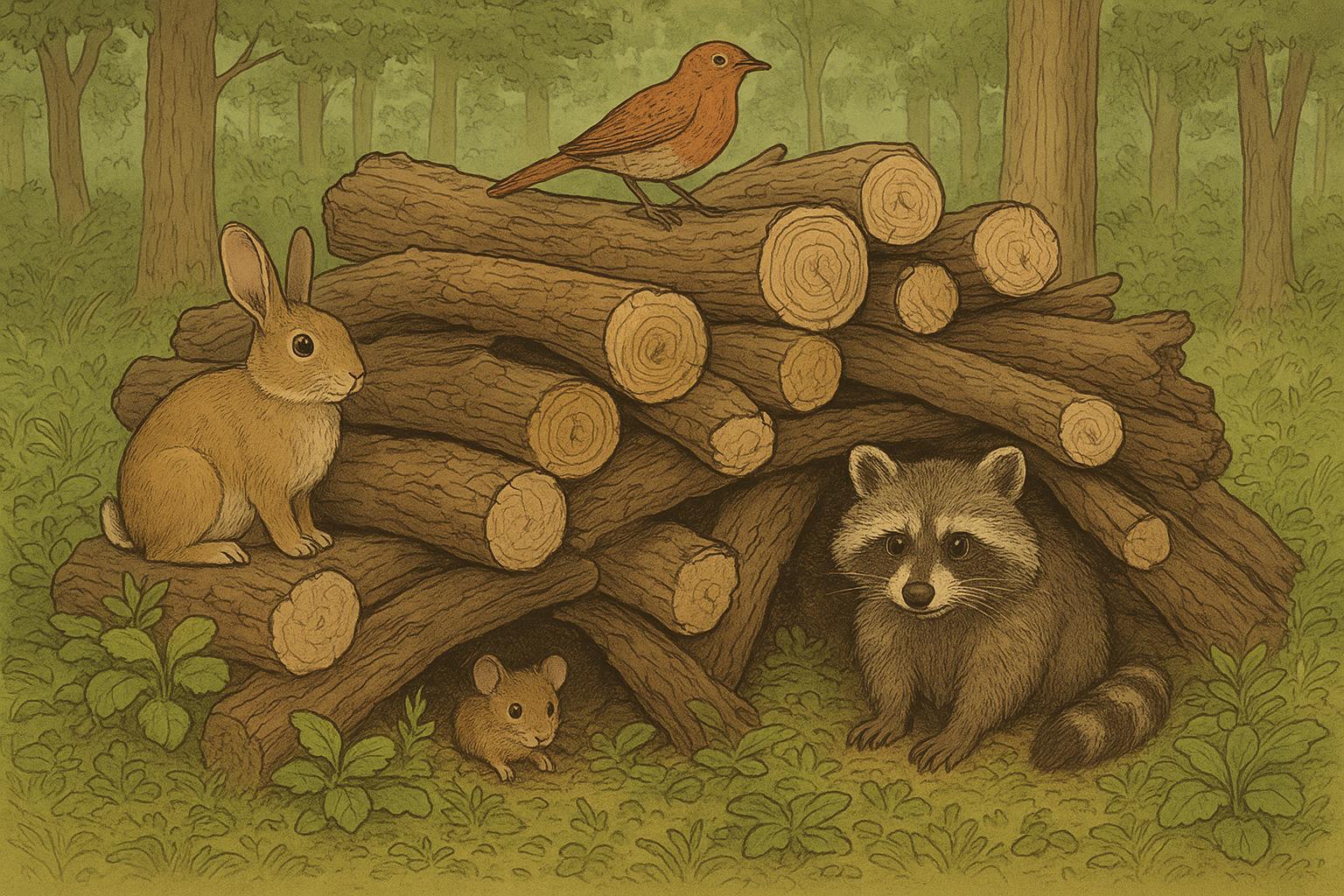
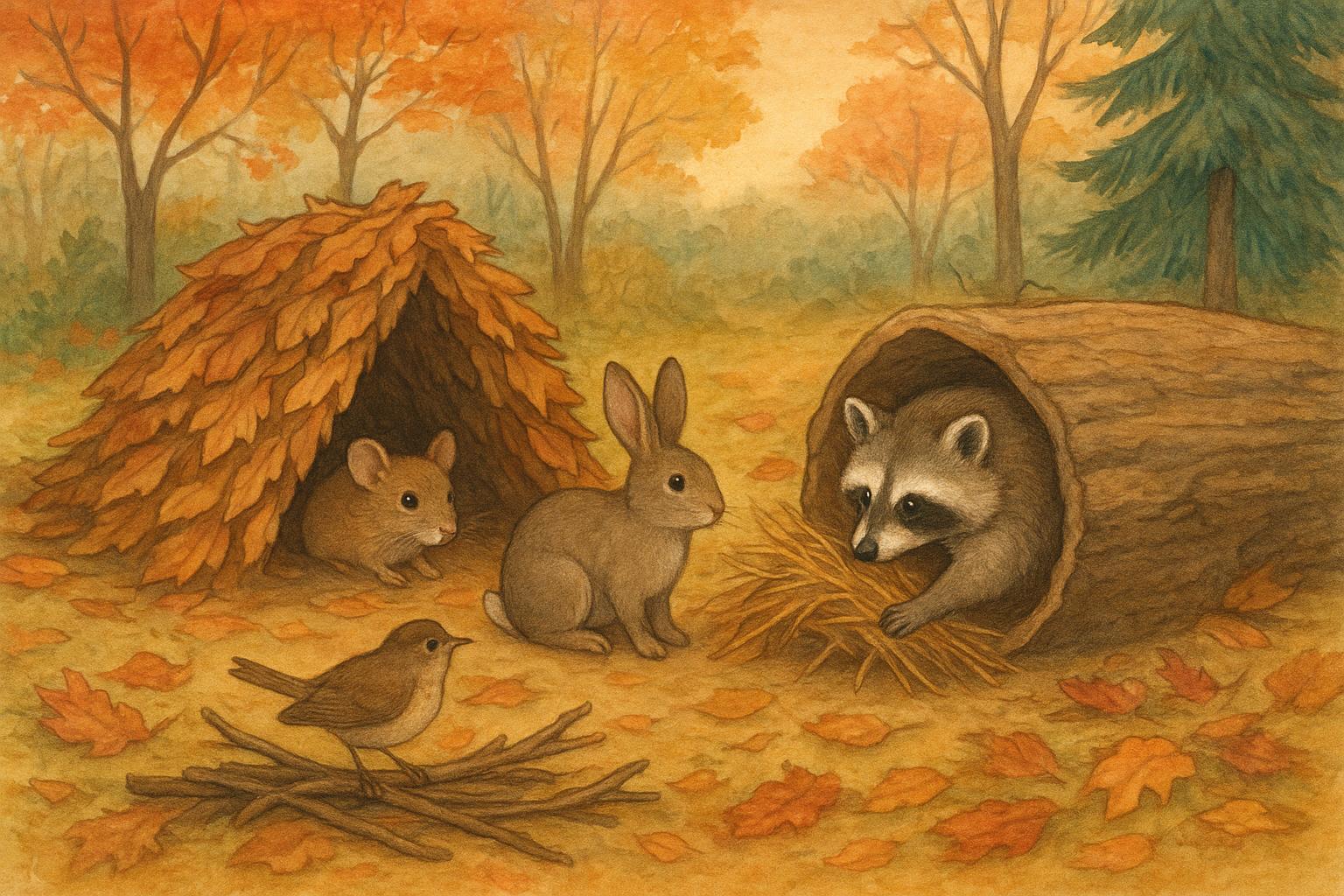
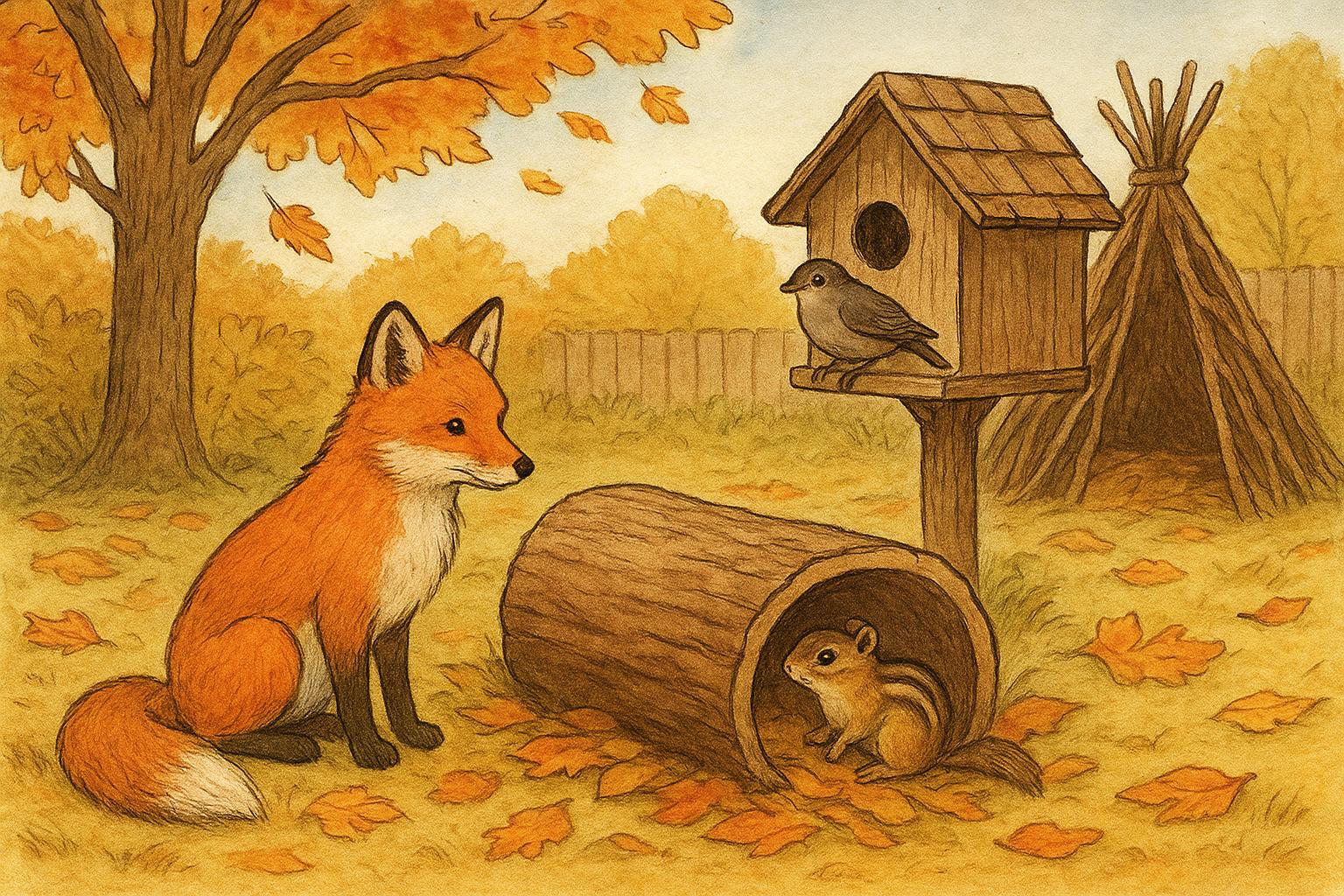
A thoughtfully assembled woodpile habitat delivers layered benefits. It creates a range of microclimates: sun-exposed outer layers for warmth-loving insects and birds, drier inner cavities for overwintering amphibians, and decomposing logs that support fungi and detritivores essential to nutrient cycling. The diversity in structure supports a wider variety of species than a single dense brush pile.
Beyond biodiversity, a woodpile habitat can be strategically located to act as a buffer between your home and wilder areas, reducing the likelihood that undesirable animals make their way into living spaces. It’s a functional, low-effort form of habitat enhancement that suits suburban and rural yards alike.
#### Four Key Benefits Of A Managed Pile
– Encourages beneficial predators (like beetles and shrews) that keep pest populations in check.
– Provides nesting material for birds and small mammals.
– Supports decomposition and soil health through fungi and invertebrates.
– Reduces the risk of fire and pest concentration when placed and maintained properly.
### When Not To Use A Woodpile Habitat
There are times when a woodpile habitat isn’t the best choice. If you live in an area prone to rat infestations, or if strict local ordinances prohibit outdoor wood storage within certain distances of structures, reconsider. Similarly, properties with small children or free-roaming pets might need extra safeguards to prevent encounters with snakes or other wildlife that could be drawn to the pile.
If you choose not to build a woodpile habitat, consider alternative habitat features like native hedgerows, managed compost heaps, or bird boxes — but be aware those alternatives have their own maintenance needs and ecological trade-offs.
### Building A Safe Woodpile Habitat (Remedy 1)
Below is a formal, step-by-step remedy for converting a brush pile into a safe, effective woodpile habitat. Follow the materials list and the procedure carefully to maximize habitat value while minimizing risk.
Materials / Required Items
1. Dry, seasoned hardwood logs (assorted lengths, roughly 12–24 inches).
2. A few larger pieces of split wood or logs for foundational support.
3. Plywood or concrete blocks to elevate the base slightly off the ground (optional but recommended in damp areas).
4. Wire mesh or hardware cloth (1/4″–1/2″ mesh) — only if you need to shield the base from burrowing pests.
5. A hand saw or splitting maul (for safe sizing of logs).
6. Work gloves, safety goggles, and sturdy footwear.
7. Long-handled rake or pitchfork for clearing the site.
8. Mulch or leaf litter for top dressing (optional).
9. A measuring tape or small stakes and string for layout.
Step-By-Step Construction And Application
1. Select A Location
– Choose a spot at least 15–20 feet from your home or outbuildings to reduce the chance of rodents moving indoors.
– Prefer a sunny-to-part-shade edge of the yard — near hedgerows or tree lines is ideal.
– Ensure the site has reasonable drainage; avoid low, waterlogged areas to prevent rot and pest buildup.
2. Prepare The Base
– Clear vegetation and level a footprint roughly 3–4 feet wide and 6–8 feet long (adjust to the amount of material).
– If your soil is very damp, lay down a few concrete blocks or a sheet of untreated plywood to keep the wood off direct soil contact. This improves airflow and reduces rapid decay that attracts pests.
– If burrowing pests are a significant concern, line the base with hardware cloth and anchor it with landscape staples; leave the cloth loosely draped so small invertebrates can still access the woodpile from the sides without creating large tunnels for rodents.
3. Build The Foundation Layer
– Place the largest logs crosswise to create a stable foundation. Align them so there are natural gaps and cavities.
– Aim for a base height of 6–10 inches to lift the rest of the pile and promote airflow.
4. Stack Strategically
– Lay the next layers perpendicular to the foundation logs to lock the structure. Alternate directions every few layers to build stability.
– Incorporate a mix of sizes: larger logs for structure, medium pieces for cavities, and smaller deadwood to fill crevices.
– Avoid compact stacking; intentionally leave varied gaps and cavities between pieces to create microhabitats.
5. Create Sheltered Cavities
– Intentionally leave a few sheltered nooks by arranging logs against larger pieces at an angle. These protect amphibians and invertebrates from sun and predators.
– Include a shallow pocket lined with leaf litter and small twigs for nesting birds or overwintering insects.
6. Top Dressing And Camouflage
– Add a light layer of leaf litter or dry brush on top, but don’t smother the stack. This top dressing provides nesting material while still allowing ventilation.
– If you want a neater look, use native grasses or small shrubs planted a few feet away to visually integrate the pile into the landscape.
7. Maintenance Schedule
– Inspect the woodpile every 3–6 months. Remove any signs of rodent burrows or unwanted denning animals.
– Rotate or replace the top layer after 2–3 years to refresh habitat value and reduce pest buildup.
– Keep a 2–3 foot clear zone around the pile free of combustible debris to minimize fire risk.
8. Monitoring And Adaptive Management
– Use simple monitoring: occasional evening observations, motion-activated cameras, or note card surveys of species sign (tracks, droppings).
– If rat activity increases, reduce the number of small twigs and leaf litter that provide nesting material. Consider professional pest advice if problems persist.
#### Safety And Legal Considerations
– Check Local Regulations: Some municipalities restrict the storage of wood and brush near structures or property lines. Confirm local codes before building.
– Fire Safety: Keep the pile away from combustible structures and adhere to local ordinances about combustible materials. Trim overhanging branches that could facilitate fire spread.
– Health Precautions: Wear gloves and eye protection when handling old wood and brush; ticks and wasps commonly take shelter in piles. If you encounter a venomous snake or protected species, contact local wildlife authorities for guidance.
### Tips For Encouraging Desired Wildlife
– Water Source: Place a shallow dish of water nearby seasonally to attract amphibians and birds, making sure it’s cleaned regularly.
– Plant Native: Surround the woodpile habitat with native plants to increase food availability and cover for visiting species.
– Avoid Pesticides: Chemical use nearby can reduce the beneficial insects the pile is meant to support.
You’ll find that a woodpile habitat, when constructed and managed intentionally, offers the sweet spot between habitat creation and household safety. Follow the materials and steps above carefully, observe and adapt as wildlife settles in, and you’ll have a functional, modestly charming ecosystem feature that’s far better than a random mound of brush.





























Leave a Reply