
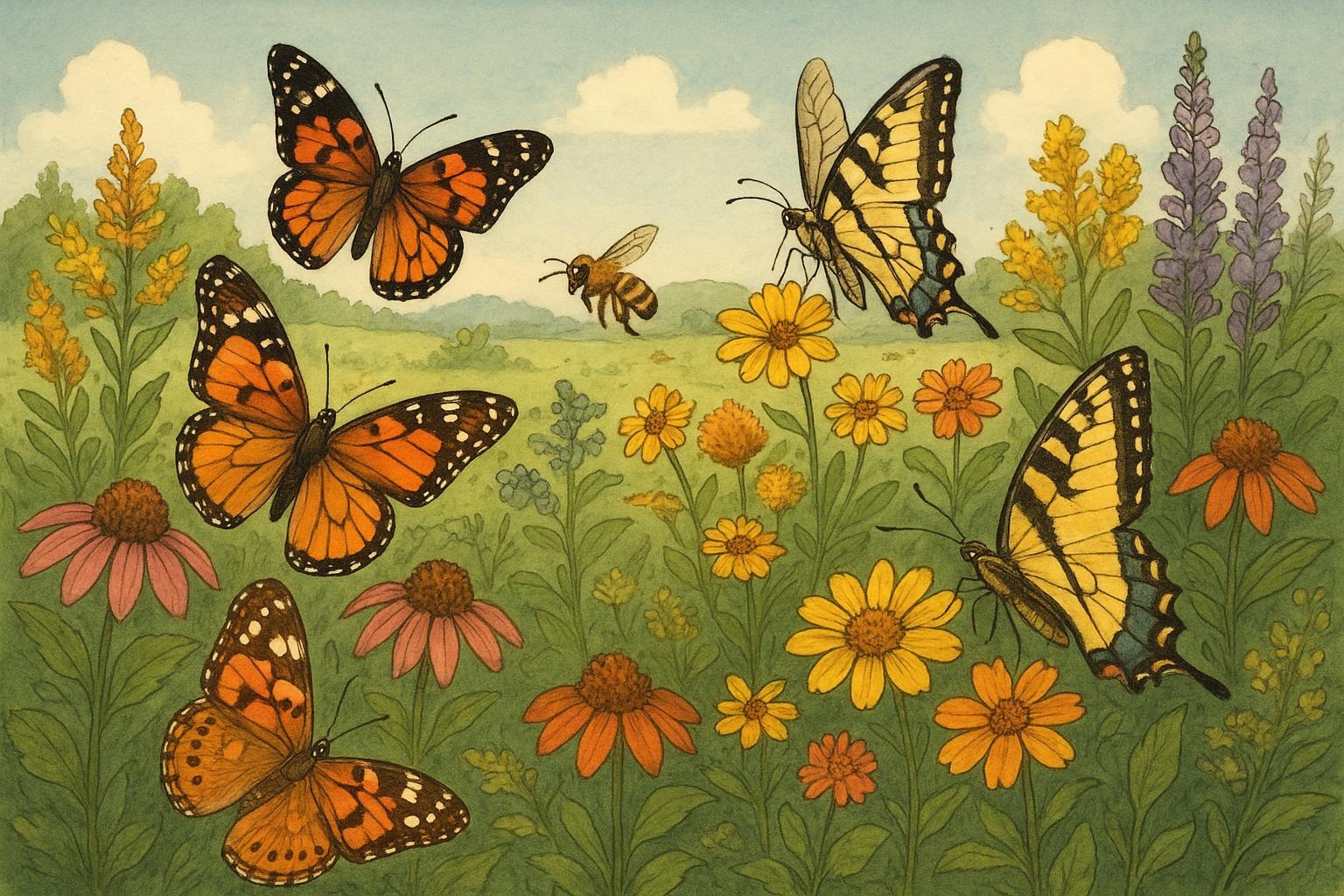
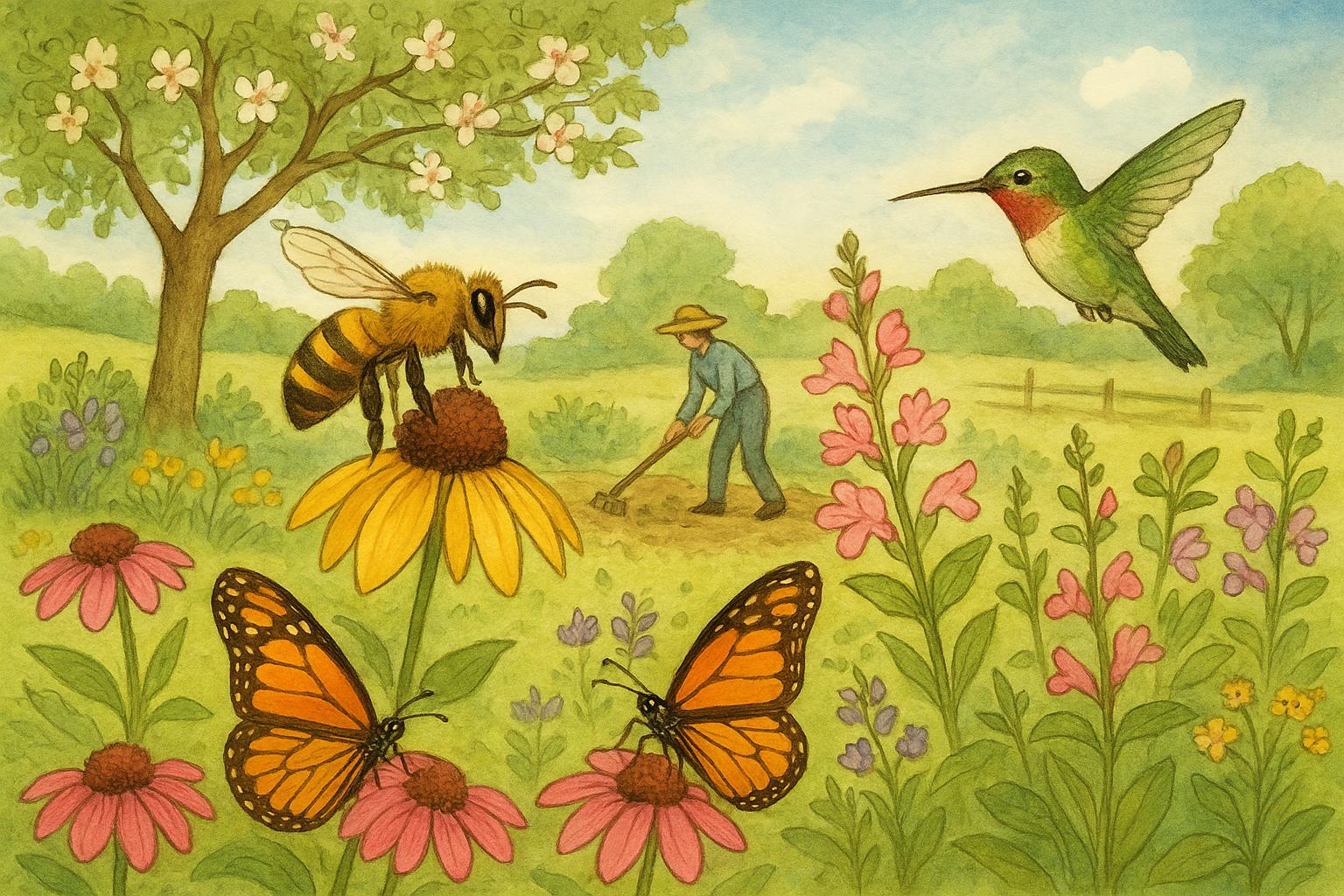
Welcome to the sunny side of your backyard, where tiny winged celebrities sip, dance, and perform garden acrobatics for free. If you’ve ever watched a swallowtail hover over your coneflowers and thought, “I should charge admission,” you’re not alone. But beyond the charm and the occasional Instagram-worthy moment, there’s a very practical reason to cultivate a garden that’s irresistible to these pollinators: they help keep your ecosystem humming. One simple, powerful way to do that is by providing quality butterfly nectar throughout the growing season.
## Butterfly Nectar Boosts Pollinator Garden Habitats
Creating and maintaining a habitat that supports butterflies starts with the basics: host plants for caterpillars and reliable sources of nectar for adults. The right nectar sources will keep butterflies on-site longer, bolster population resilience, and increase pollination for the rest of your garden. Nectar-rich plants not only attract butterflies, they nourish them—fueling migrations, mating flights, and the daily hustle of survival.
### Why Nectar Variety Matters
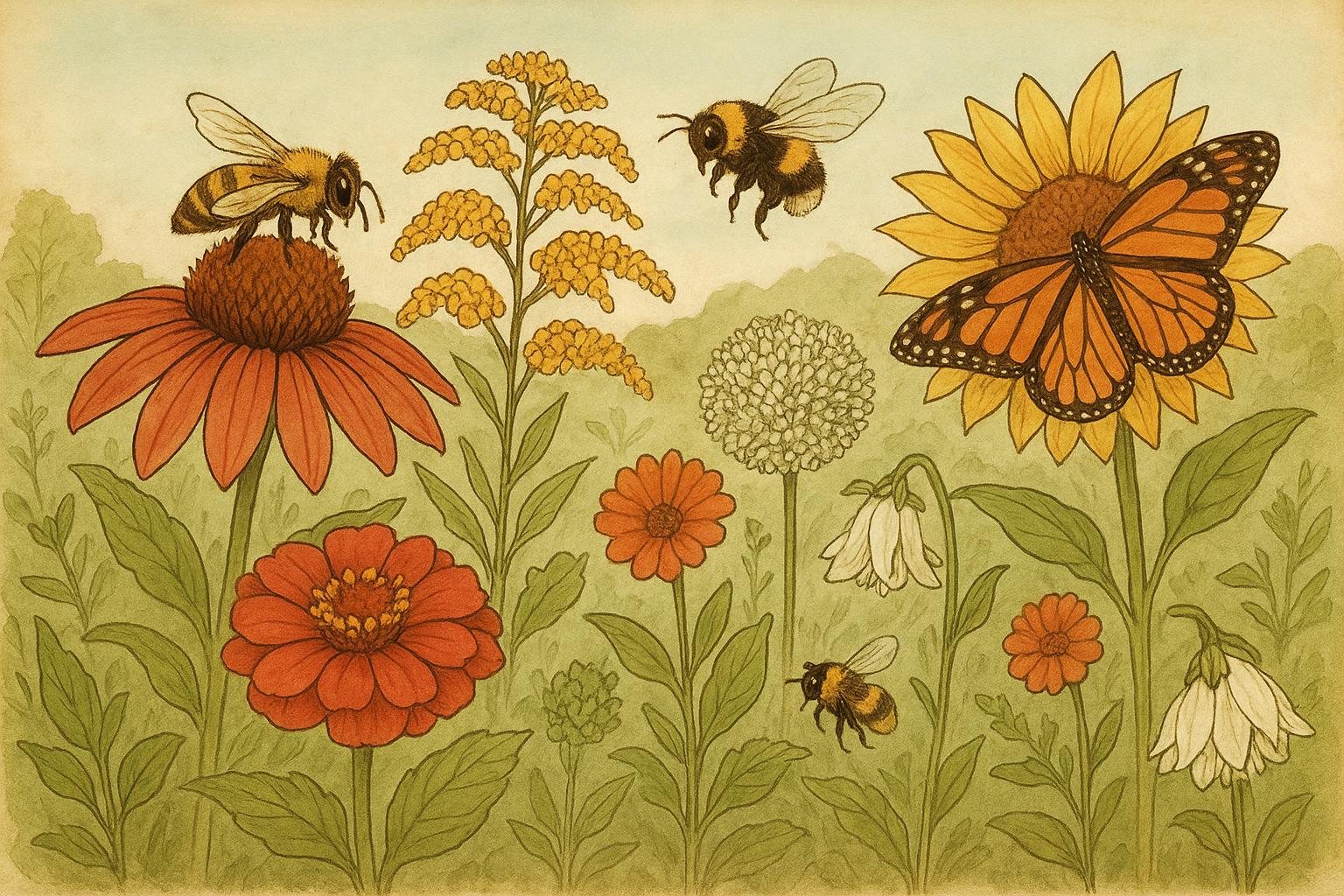
Butterflies are picky about more than colors and patterns. Different species prefer different flower shapes, colors, and nectar concentrations. Tubular blossoms attract long-tongued species like hawk moths and monarchs, while open, flat flowers are favorites of skippers and fritillaries. Diversity in your plantings ensures that as many species as possible find something that fits their needs.
#### Flower Shape And Feeding Mechanisms
Butterflies have a proboscis—think of it as a telescoping straw—and the length and strength of that straw influence which flowers they can access. Planting both deep, tubular blooms and shallow composite flowers provides for short- and long-tongued visitors alike.
#### Timing Nectar Availability
Stagger your bloom times so nectar is available from early spring through late fall. Early-blooming native plants help emerging adults, while late-bloomers sustain migrating butterflies or those preparing to overwinter.
### Native Plants: The Backbone Of Nectar-Rich Gardens
Native plants have co-evolved with local pollinators, offering nectar that’s the right composition and accessible at the right times. Examples include milkweed for monarchs, bee balm for many species, and native asters that provide late-season nectar. Incorporating natives also helps your garden be more resilient to local pests and weather.
## Remedy 1: Homemade Butterfly Nectar Feeder
When flowers are scarce—think long stretches of rain, newly planted gardens, or urban areas with limited blooms—a supplemental nectar feeder can be a beneficial temporary measure. The following remedy gives you a safe, reliable concoction and the proper application method. This section is presented in a formal, instructive tone to ensure best practices and pollinator safety.
Materials And Ingredients:
– Distilled or filtered water: 2 cups
– Granulated white sugar: 1/4 cup (ratio 4:1 water to sugar)
– Clean saucepan
– Measuring cup and spoon
– Clean, shallow dish or saucer (ceramic or heavy plastic preferred)
– Optional: sponge or cotton wick (food-safe) for trickle-feeding
– Optional: small branch or flat rocks to provide landing spots
Step-By-Step Preparation:
1. Combine Ingredients: Measure 2 cups of distilled or filtered water and 1/4 cup of granulated white sugar into the saucepan.
2. Heat Mixture: Warm the mixture gently over low heat until the sugar dissolves completely. Do not boil; bringing to a simmer is unnecessary and can concentrate the solution if evaporation occurs.
3. Cool Completely: Remove from heat and allow the sugar solution to cool to room temperature. Cooling prevents harm to butterfly proboscises and avoids attracting unwanted microbes from heat shock.
4. Prepare Feeder: Place the clean, shallow dish in a semi-sunny, sheltered location, ideally near flowering plants. If using a sponge or cotton wick, partially submerge one end in the solution and lay the rest across the dish to create a moist surface.
5. Add Landing Spots: Arrange small rocks or a short twig so butterflies can land comfortably and sip without slipping.
6. Replace Regularly: Replace the solution every 2–3 days in warm weather or sooner if it becomes cloudy, fermented, or contaminated. Wash the dish thoroughly with hot water (no soap residue) before refilling.
7. Monitor Use: Observe feeder usage; if ants, wasps, or other unintended visitors dominate, consider ant moats on stands or shifting the feeder closer to insectary flowers to reduce competition.
Safety Notes And Best Practices:
– Do not use honey, brown sugar, or artificial sweeteners. Honey contains microbes harmful to butterflies; brown sugar and molasses attract ants and ferment faster. Artificial sweeteners lack caloric value and are useless as nutrition.
– Maintain hygiene. A clean feeder prevents microbial blooms that can harm butterflies.
– Use feeders as a supplement, not a replacement. Natural flower nectar contains trace minerals and other compounds beneficial to butterflies; aim to increase native flowering plantings concurrently.
### Placement And Design Tips For Feeders
Position your feeder in a sheltered spot that receives morning sun and afternoon shade. Butterflies are cold-blooded and need warmth to be active. A sunny morning allows them to warm up and feed. Consider multiple small dishes rather than a single large one to reduce crowding and contamination.
#### Integrating Feeders With Plantings
Place feeders near clusters of nectar-rich plants so butterflies can refuel naturally. Think of the feeder as a backup generator—useful during outages, but you want the mains (flowers) doing the heavy lifting.
### Seasonal Care And Adjustments
In spring, focus on early-blooming natives and provide feeders sparingly as plants kick into gear. In peak summer, offer plenty of shade and shallow water sources; nectar can become scarce during heatwaves. In fall, prioritize late-blooming asters and goldenrods; if planning for migrating species, increase nectar density and ensure uninterrupted supplies for stopover feeding.
## Habitat Enhancements Beyond Nectar
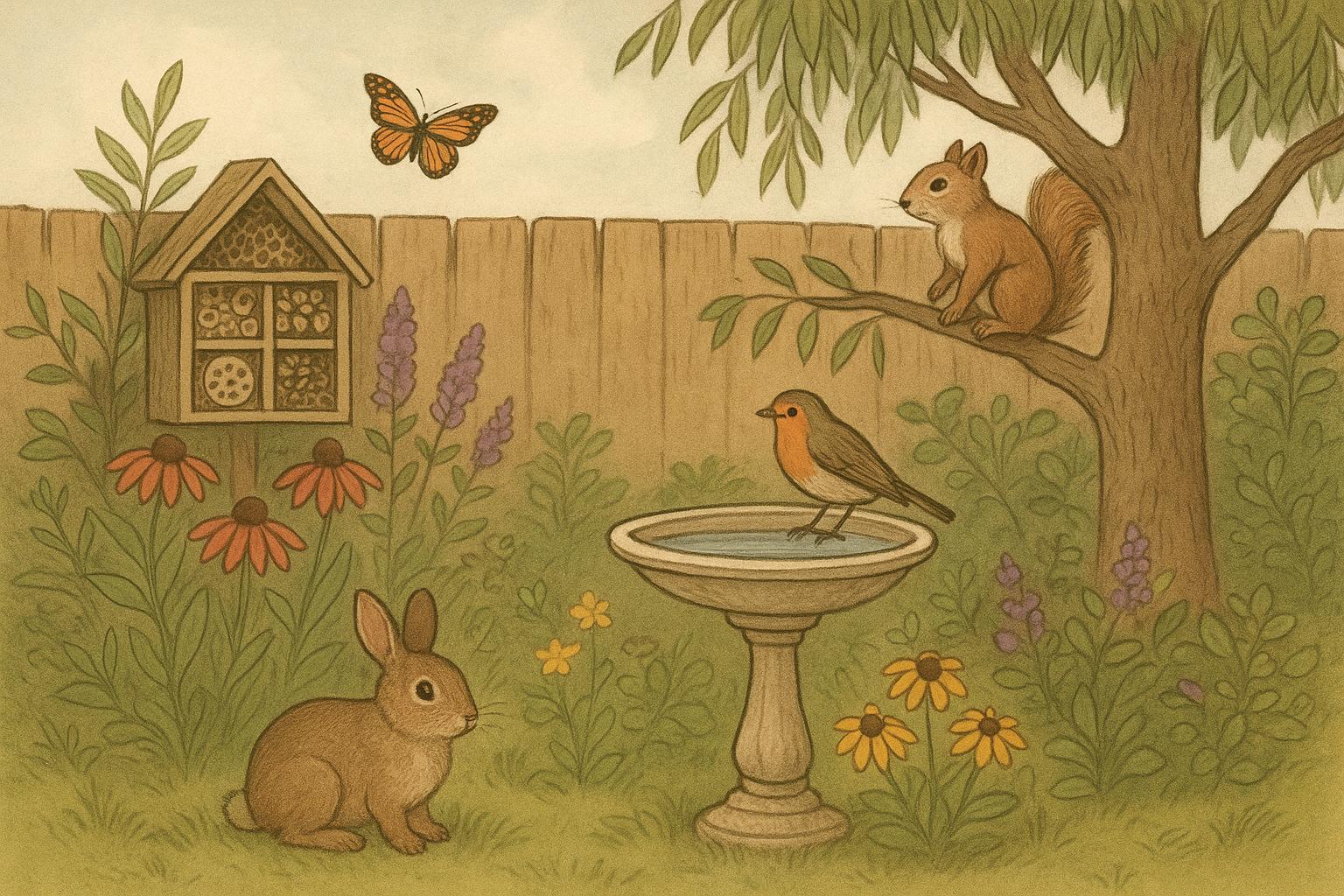
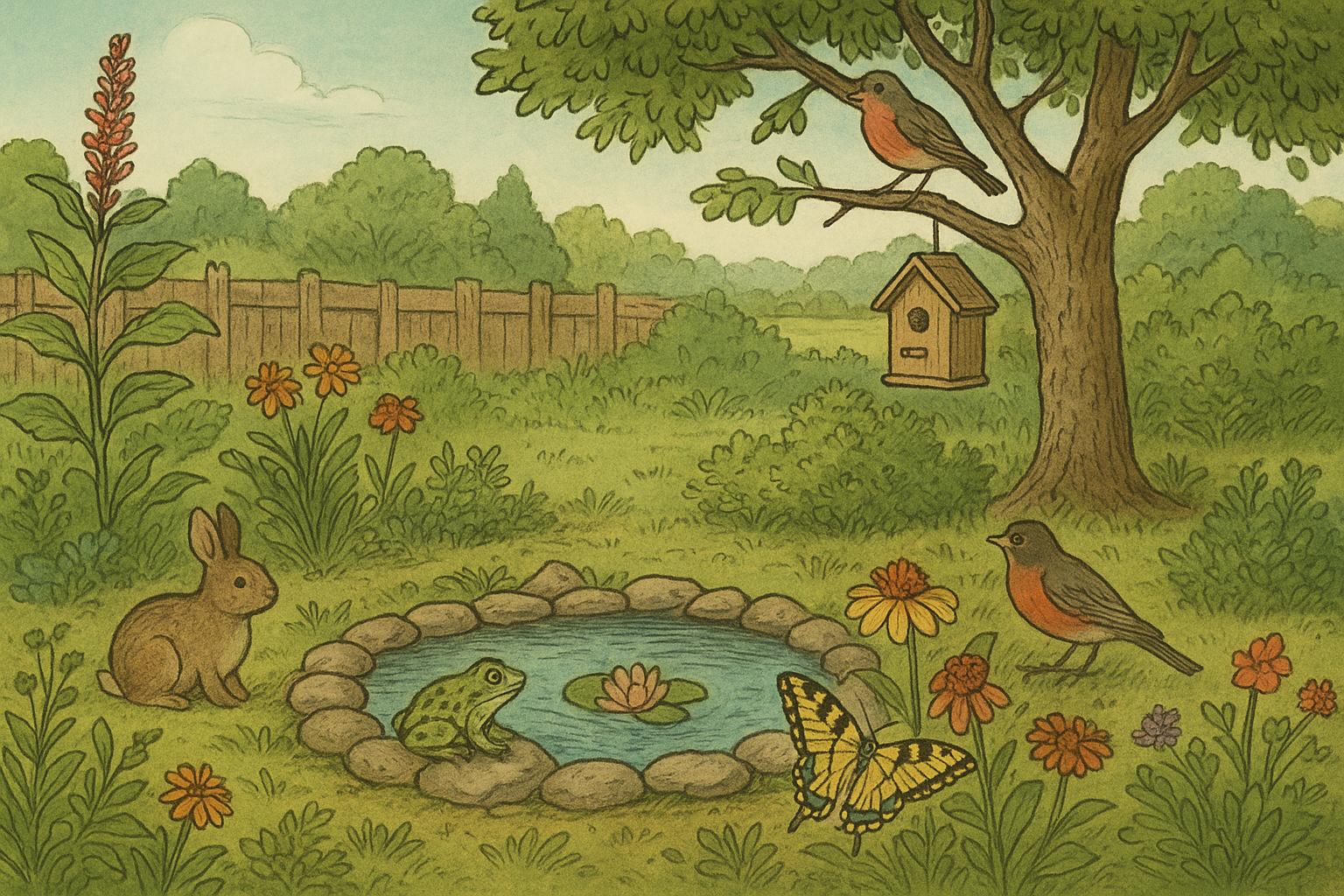
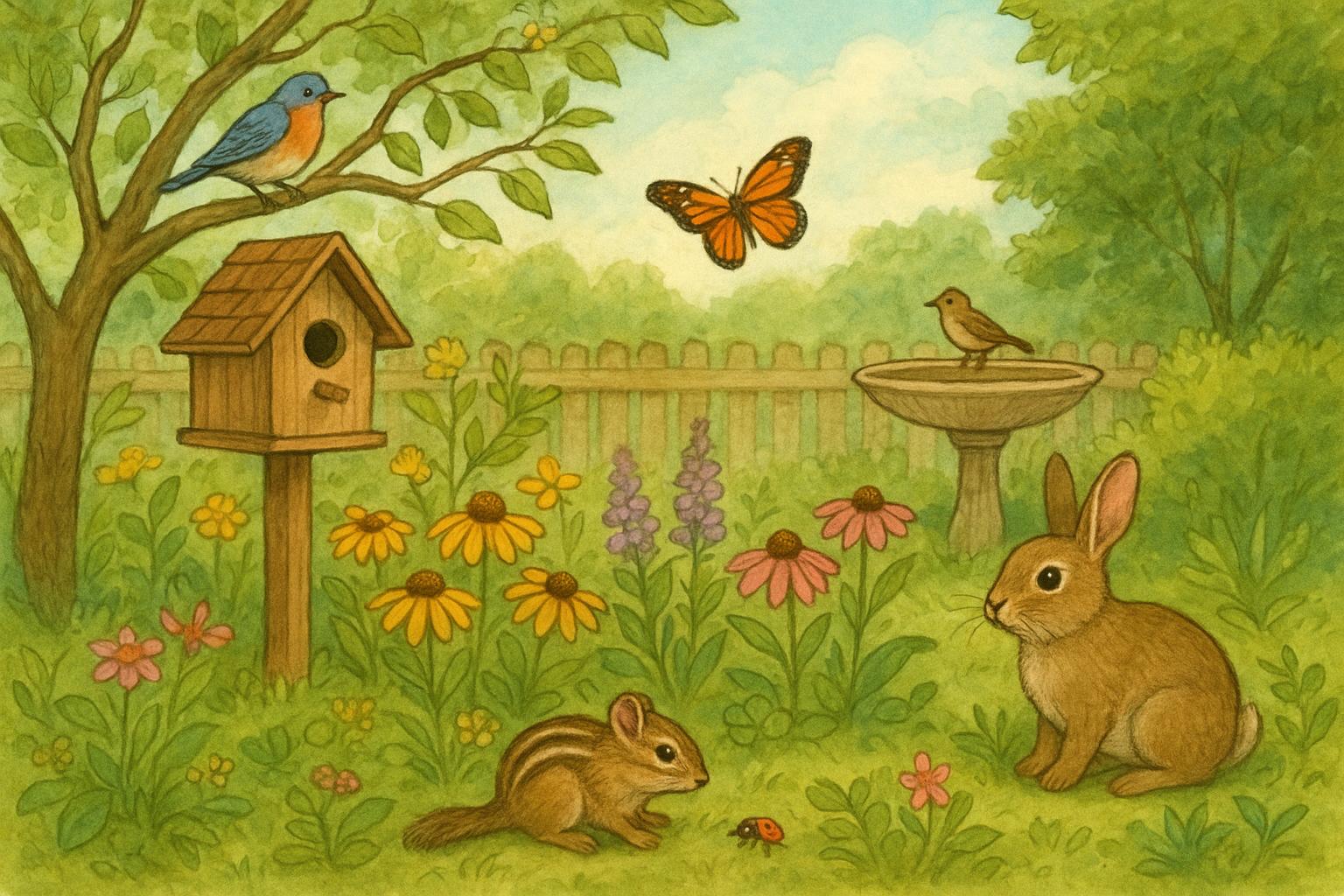
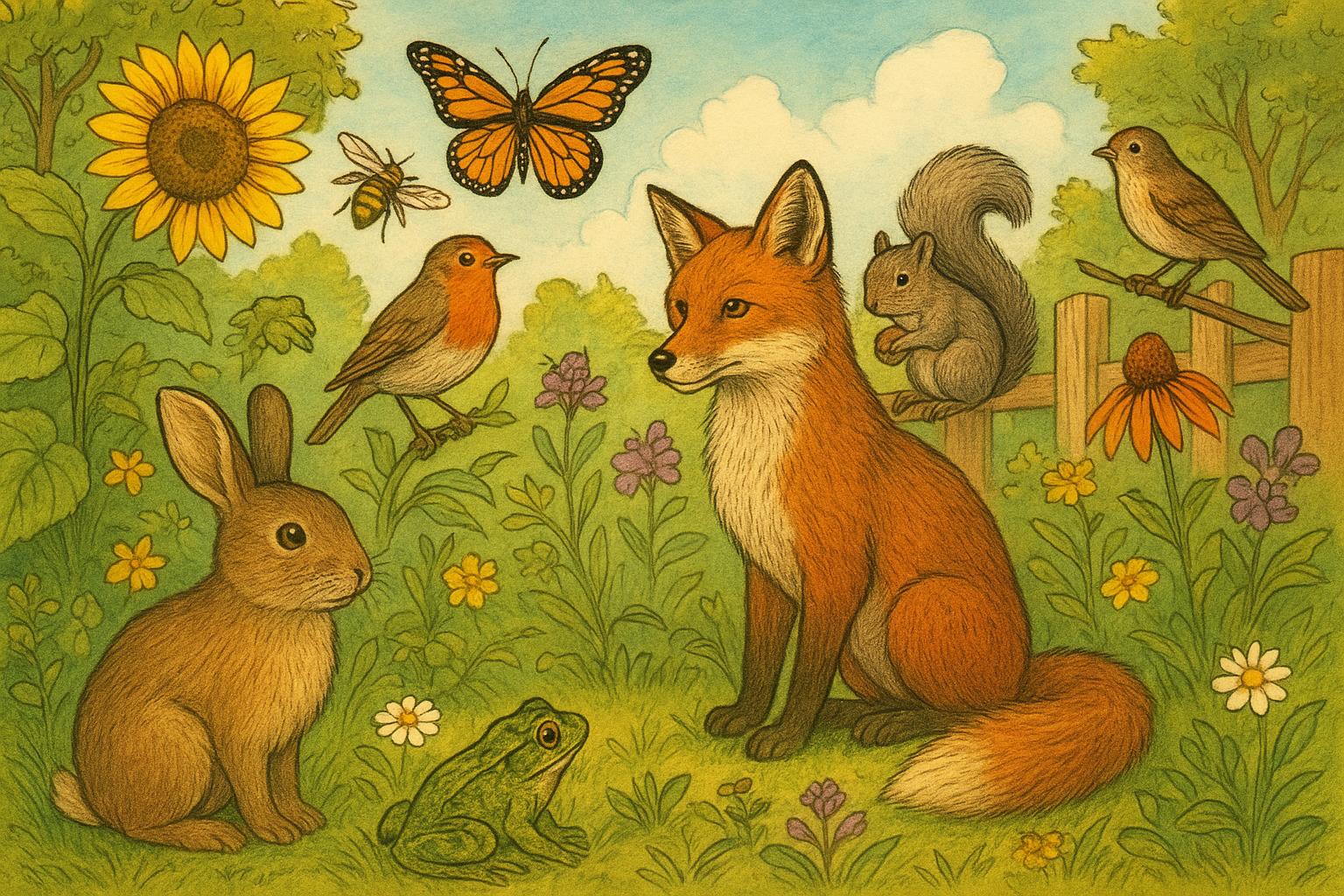
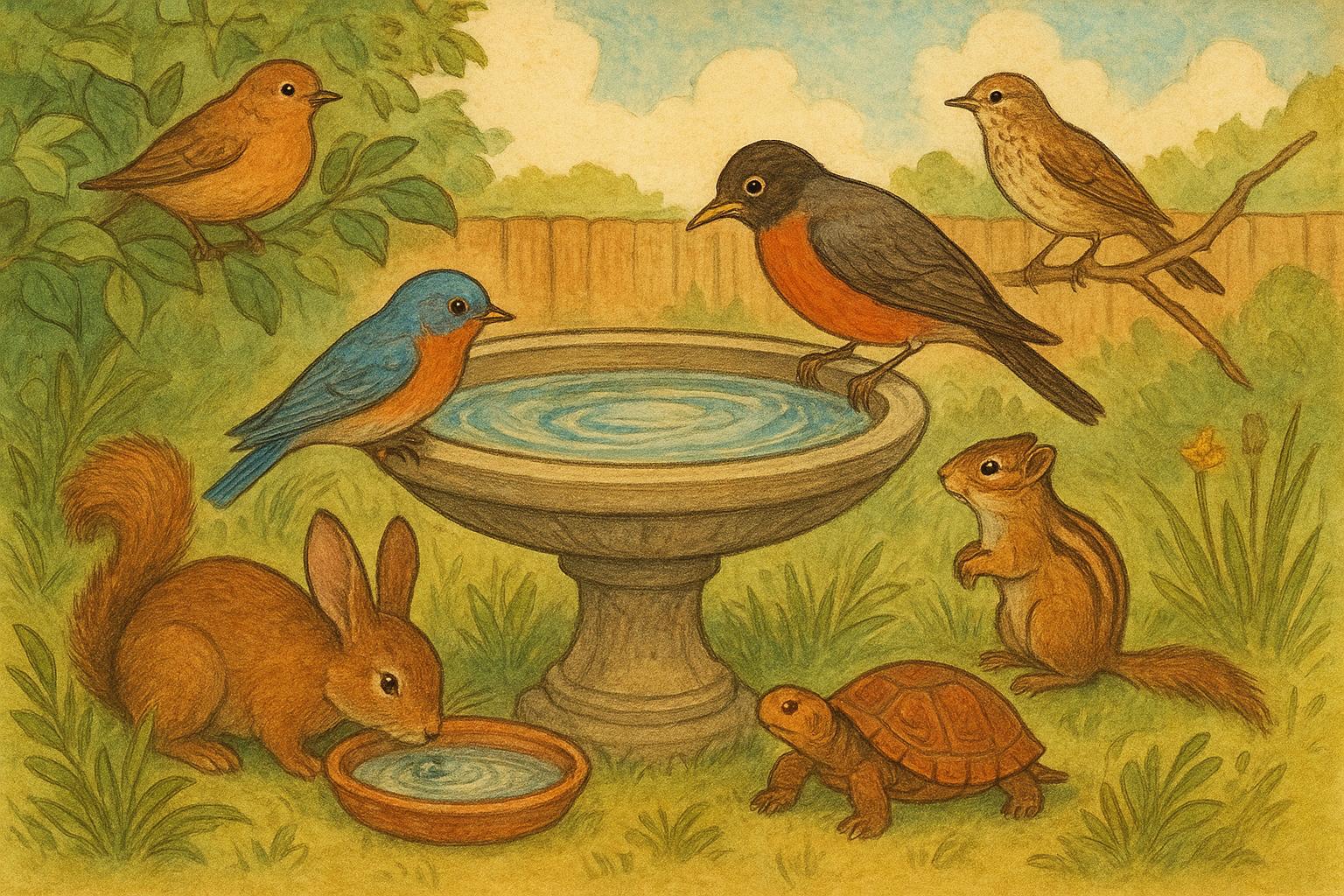
A true pollinator garden is more than a bouquet of nectar plants. Include host plants for larval stages, sheltering vegetation, and small water features. Patches of bare ground or lightly mulched areas can be valuable for certain species that pupate in place.
### Designing For Space And Movement
Create nectar corridors—linear plantings or clusters—to allow butterflies to move between resources without long exposed flights. Even small urban yards can support pollinators if plants are grouped and paths allow movement.
#### Pesticide Policies
Avoid broad-spectrum insecticides and systemic chemicals. When dealing with pests, use targeted, least-toxic methods and apply treatments at times when butterflies and other beneficials are least active (late evening). Integrated pest management reduces collateral damage to pollinators.
### Friendly Neighbors: Plants That Play Well Together
Combine perennials, annuals, and shrubs that offer staggered blooms. Examples: early spring violets and penstemons, midsummer monarda and zinnias, and late asters and sedums. This layered approach ensures a continuous buffet.
A thriving pollinator habitat is part science, part garden choreography, and a dash of patience. With the right mix of native plants, smart placement, and responsible supplemental feeding when needed, your backyard can become a dependable stop on the butterfly circuit. Keep an eye on those wings—they’re doing the hard work, and with a little help from well-made butterfly nectar and thoughtful planting, your garden will be a happier, busier place for all.




Leave a Reply