
Summer evenings have a way of softening the edges of a day. When those tiny, blinking lanterns appear over the grass, it feels a little like the yard put on a fairy-light show just for you. If you’ve ever wondered what those flashes represent beyond pure backyard enchantment, you’re in good company—let’s walk through how these glow-gifted insects live their lives and how you can invite them to stick around.
## Charmed Nights The Firefly Life Cycle Steps In Your Backyard
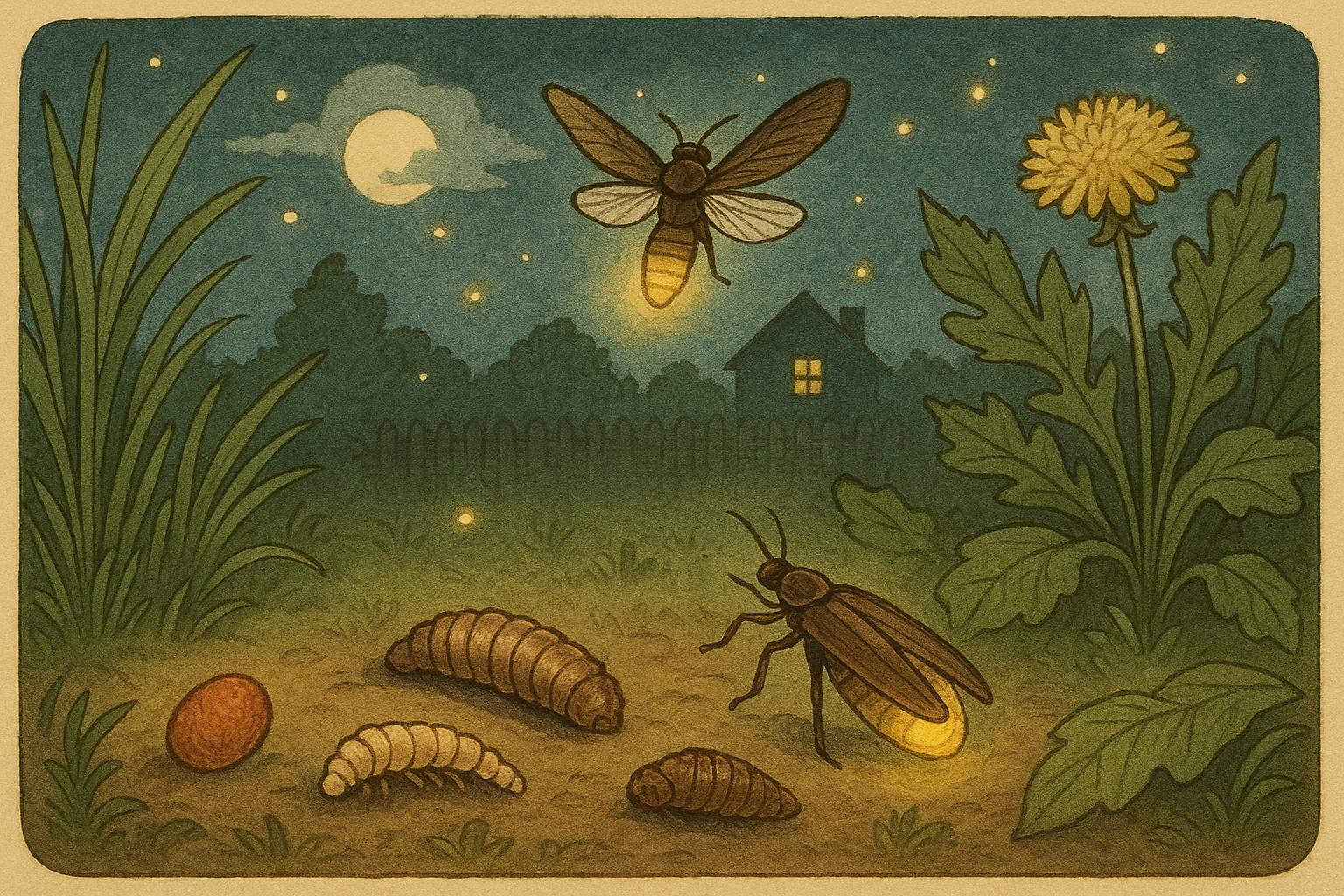
Fireflies aren’t flies, and they’re not luminescent nightriders for very long. The firefly life cycle is a multi-stage story that unfolds mostly out of sight, and knowing each chapter helps you design a yard that supports them. From eggs tucked into moist soil to adults sparking courtship displays at dusk, each stage has habitat needs and timing that matter if you want to see more light shows.
### Eggs: Tiny Beginnings In Damp Places
Most of the firefly life cycle begins when a female slips her eggs into leaf litter, moss, or shallow soil. These silvery little eggs are deceptively small and vulnerable to drought and disturbance. In many species the eggs glow faintly—nature’s subtle “don’t eat me” sign.
#### Where Eggs Hide
Eggs are placed in shaded, moist microhabitats. If your yard is heavily raked, mulched with dry material, or over-tilled, you may have fewer eggs surviving to the next stage.
### Larvae: Hungry, Glowing Ground-Dwellers
Larvae are the longest phase in the firefly life cycle. These little caterpillar-like critters live in or on soil and feed on snails, slugs, and other small invertebrates. They glow too—often more consistently than adults.
#### How Long Larvae Stick Around
Larval periods vary by species and climate but often last months to a few years. Because they spend so much time underground, lawn practices that expose or dry out soil reduce larval survival.
### Pupae: Quiet Transformation
After feeding, larvae pupate in the soil or under debris. This is when metamorphosis occurs. They don’t flash while pupating, but they’re safely tucked away transforming into the familiar winged adults.
#### Signs Of Pupation
Look for small, oblong pupal casings in leaf litter or loose soil. Disturbing these areas can prematurely expose developing adults.
### Adults: The Short-Lived Light Show
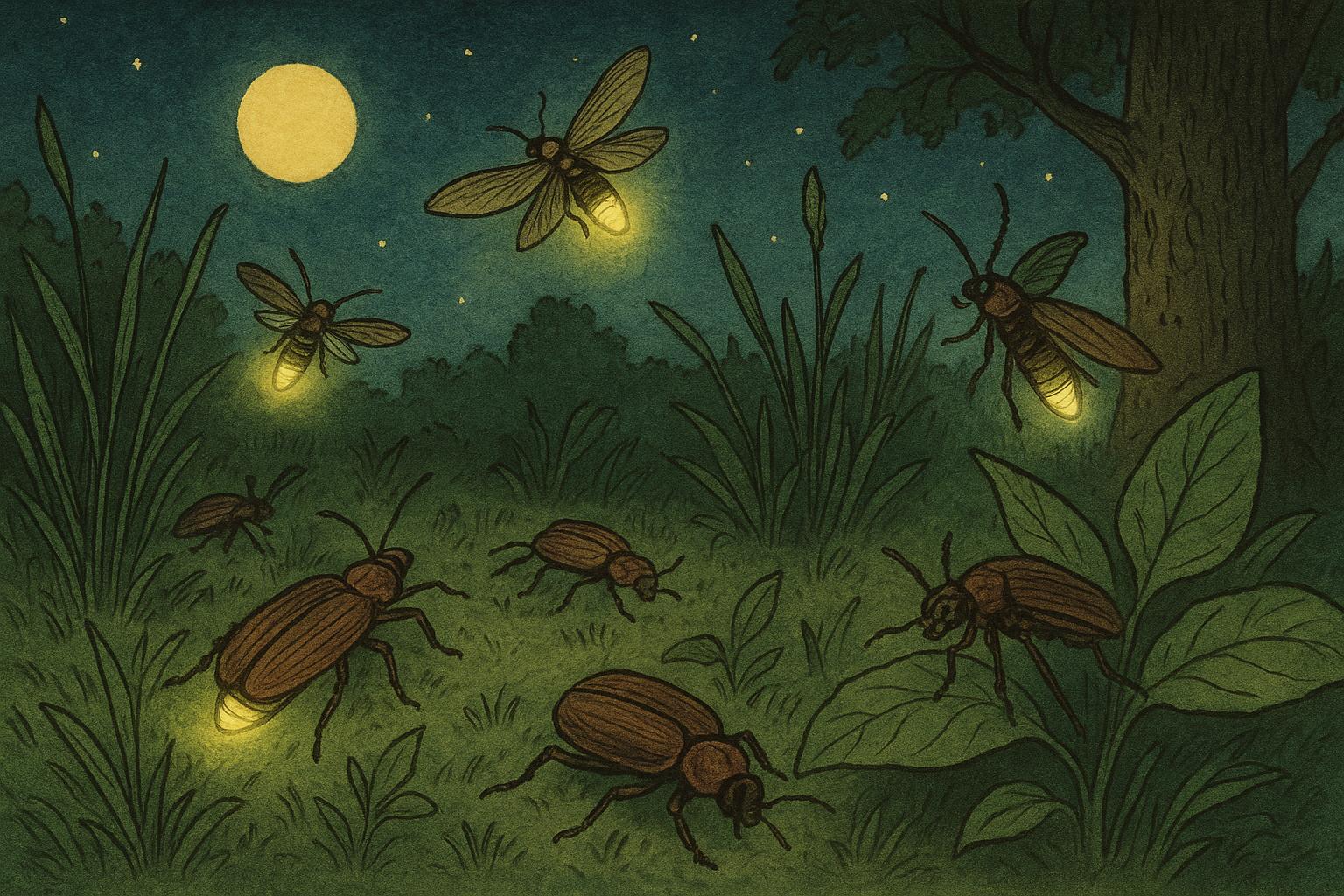
Adult fireflies typically live just long enough to mate and lay eggs. The world-famous blinking patterns are primarily used for courtship. Different species have distinct flash sequences—hard to resist watching, even if you’re wearing sweatpants.
The adult stage completes the firefly life cycle, but it’s the earlier stages—eggs and larvae—that most influence how many adults you’ll see in any season.
## Where And When To Watch The Firefly Life Cycle In Your Yard
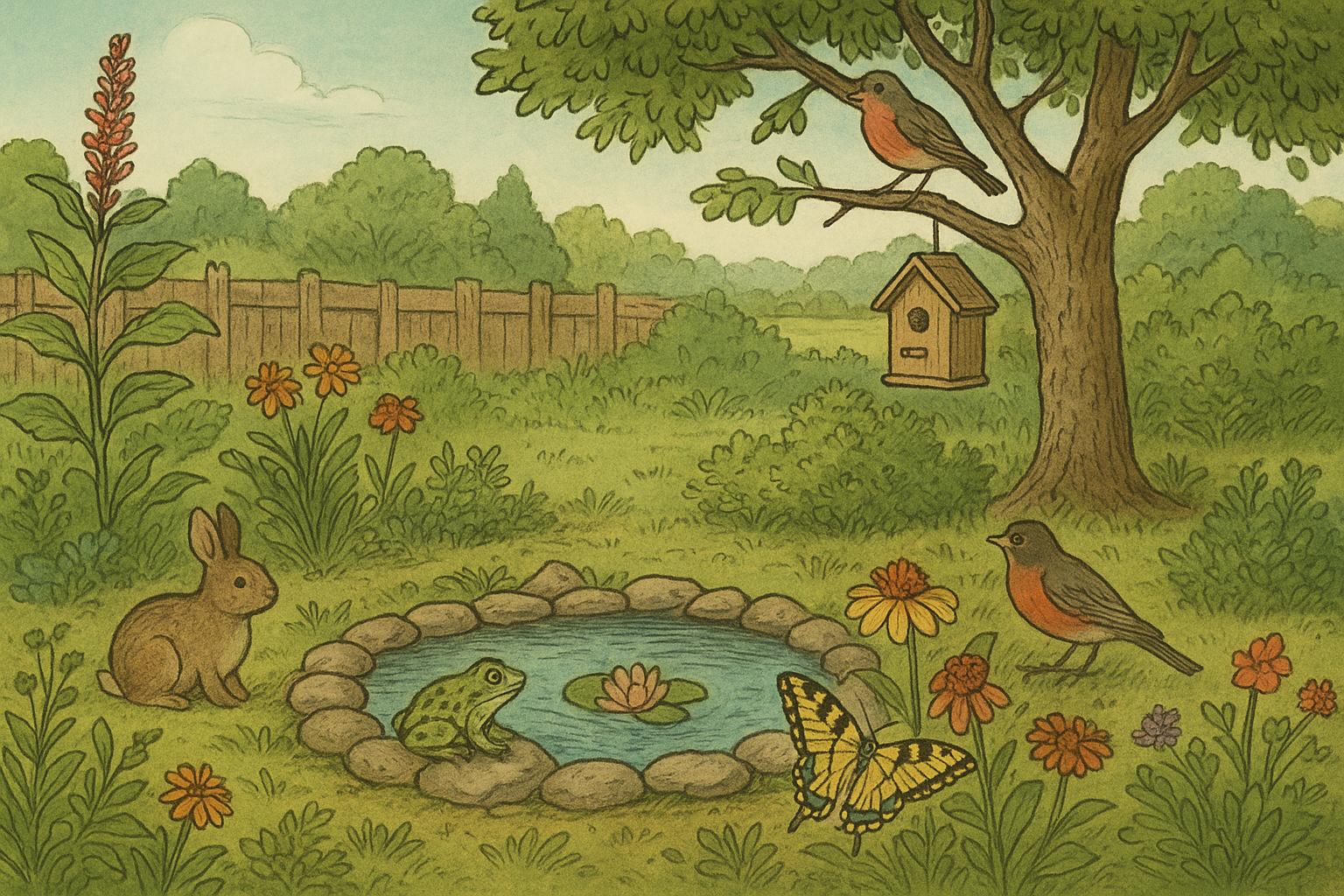
Timing varies by species and region. In many temperate areas, peak adult activity is late spring through midsummer. The best viewing windows are warm, humid evenings with little wind. Fireflies tend to congregate near moist habitats—pond edges, tall meadow grasses, and unmowed patches.
### Habitats They Prefer
– Moist, shaded leaf litter and compost areas
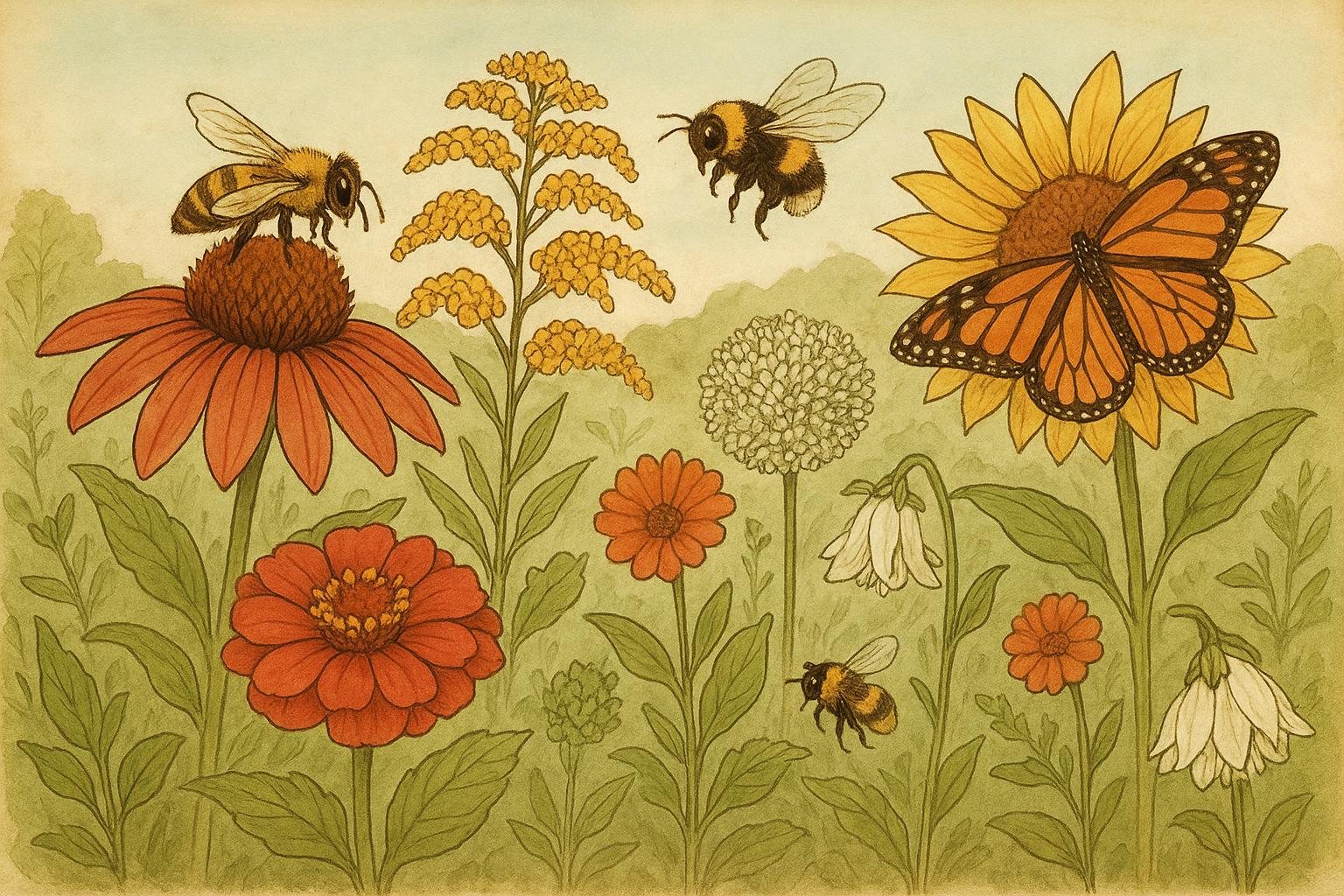
– Tall grasses and wildflower patches that offer perches
– Areas near freshwater or zones that retain overnight dew
Be patient. Fireflies are sensitive to habitat changes and light, so a single tidy yard makeover might not produce instant results. Think seasons, not days.
## 1. Create A Damp Habitat For Fireflies (Remedy)
When you want to help fireflies through the full firefly life cycle, habitat is the single most effective intervention. The guidance below is formal and precise so you can implement it confidently.
Required Materials
– Mulch: coarse, natural (leaf mulch recommended)
– Native grasses or a wildflower seed mix
– Shaded compost or log pile materials (rotting wood or brush)
– Garden hose or irrigation system capable of light evening watering
– Soil thermometer (optional)
Step-By-Step Creation And Application
1. Designate a “wild corner” of your yard that you’ll allow to remain relatively undisturbed. Choose a shady or partly shaded spot near a water source if possible.
2. Apply a layer (2–4 inches) of leaf mulch or coarse compost to the soil surface in that area. Avoid fresh wood chips—they dry out quickly. Leaf litter mimics natural forest floor conditions preferred by egg and larval stages.
3. Plant a strip of native grasses or wildflowers adjacent to the mulched area to provide adult perching and hunting sites. Select species adapted to local moisture conditions.
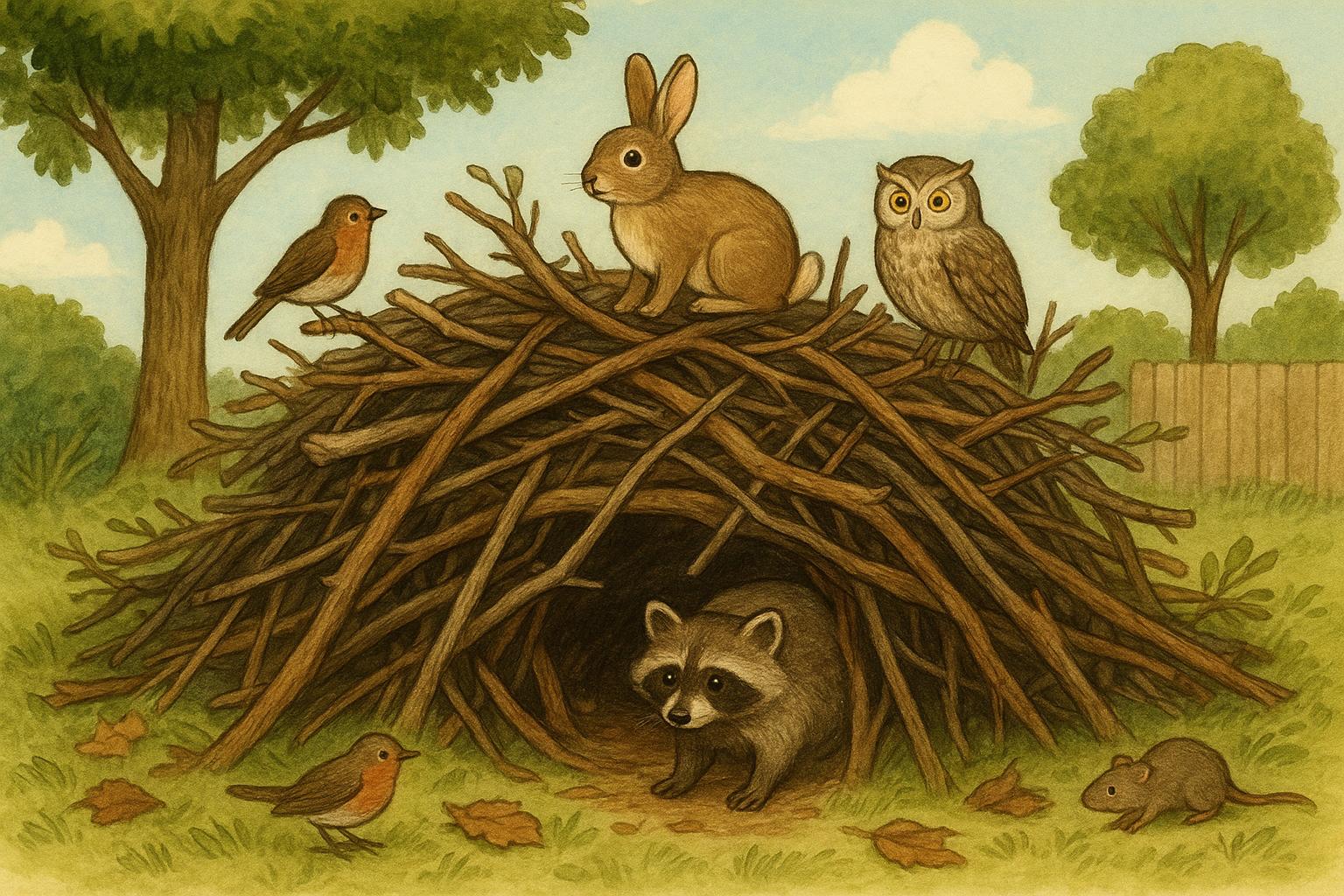
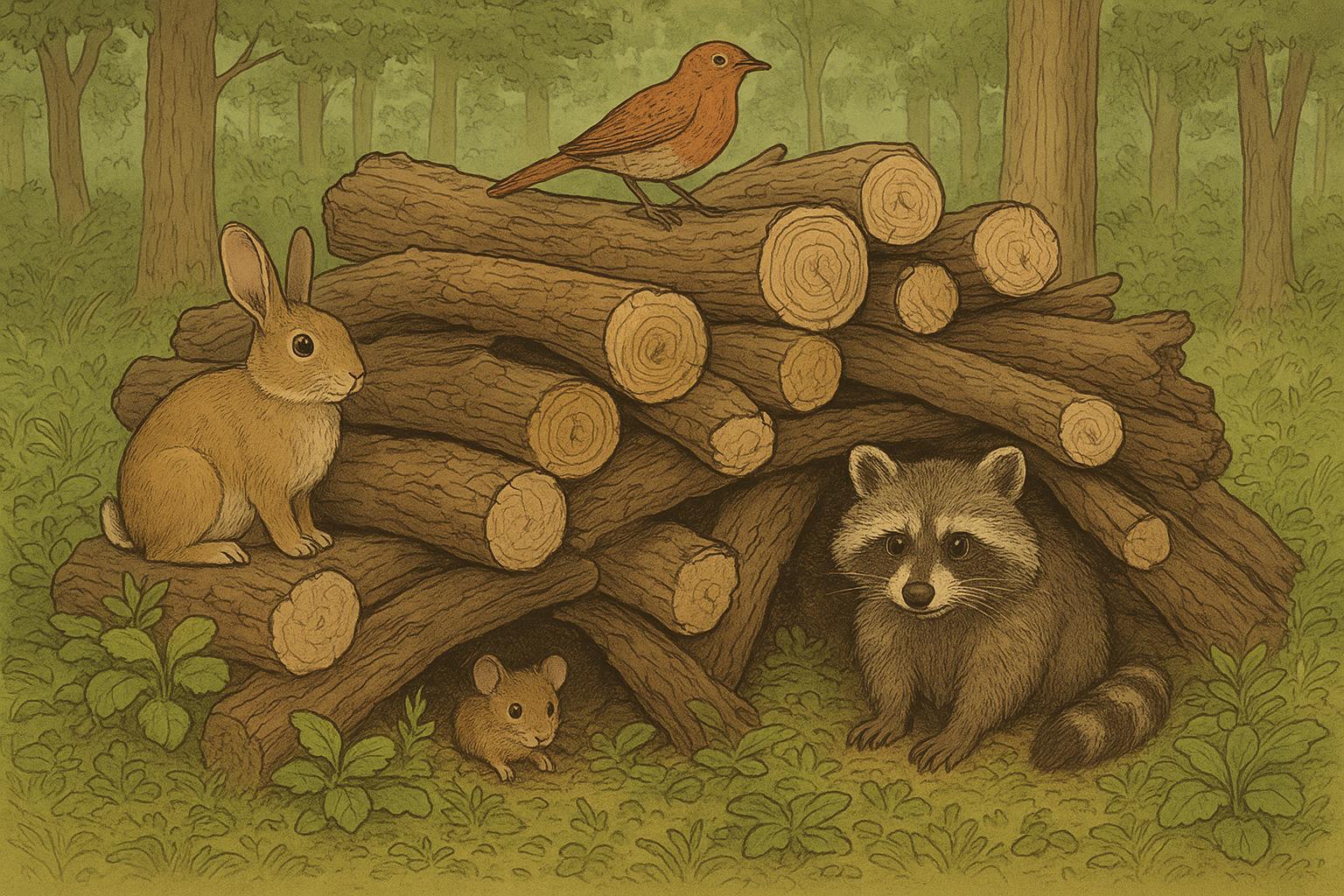
4. Create microhabitats by arranging rotting logs, a small brush pile, or a shallow rock pile. Leave some smaller branches to break down naturally; larvae use these sheltered locations for pupation.
5. Maintain gentle soil moisture through the breeding season by ensuring the area receives evening misting or passive irrigation—aim to replicate overnight dew rather than flooding. A morning check with a soil thermometer or simple touch test helps maintain suitable moisture without oversaturation.
6. Avoid frequent raking, deep tilling, or leaf removal in the designated area. Let leaves and decomposing material build up to feed the invertebrate prey base that larvae require.
## 2. Reduce Light And Chemical Disturbance (Remedy)
Light pollution and pesticides are two of the most damaging human-caused stressors to the firefly life cycle. The following mitigation steps are evidence-based and written in formal style for precise execution.
Required Materials
– Warm-color, low-intensity outdoor bulbs (e.g., <3000K)
- Shielded fixtures or motion-activated lights
- Non-chemical snail and slug controls (beer traps, copper tape, diatomaceous earth, hand removal tools)
- Organic lawn care products or a plan to reduce synthetic pesticide use
Step-By-Step Creation And Application
1. Audit Outdoor Lighting: Replace bright, blue-rich bulbs with warm, low-intensity lights and install shielding to direct light downward. This reduces skyglow and preserves natural nightscapes used by fireflies for signaling.
2. Implement Motion or Task Lighting: Convert constant-on lights to motion-activated systems or low-level pathway lighting. Constant nocturnal illumination interferes with mating signals and reduces adult activity.
3. Cease Broad-Spectrum Pesticide Use: Eliminate or reduce use of synthetic insecticides and molluscicides that kill larval prey or larvae directly. Transition to targeted, non-chemical controls for pests (traps, barriers, manual removal).
4. Use Non-Chemical Slug Controls: If slugs and snails are problematic, employ beer traps, copper tape, or diatomaceous earth placed strategically. These methods reduce prey control without introducing toxins that harm fireflies.
5. Communicate With Neighbors: Light and chemical use are community-level issues. Share information about how reducing night lighting and pesticide application benefits local firefly populations and other nocturnal wildlife.
### Common Mistakes To Avoid
- Over-Mulching With Fresh Wood Chips: Fresh chips can create dry, hot surfaces that are unfavorable for eggs and larvae.
- Excessive Lawn Hygiene: Removing all leaf litter and dead wood removes critical habitat. A tidy yard isn’t always a healthy yard for fireflies.
- Bright, Constant Lighting: Even small LED floodlights can erase mating signals across a yard. Use dimming and directional fixtures.
### How Long Until You See Results?
Because the larval stage can last months to years, improvements in adult counts may take time. Installing proper habitat and reducing light and chemical stressors can lead to measurable increases in adult sightings within one to three seasons depending on species, local climate, and the degree of habitat connectivity with nearby green spaces.
### Monitoring And Citizen Science
If you’re excited to track progress, simple monitoring helps. Count flashes during fixed 10-minute periods on warm evenings and record dates, weather, and location. Contributing to local firefly monitoring projects can help scientists map changes and support conservation efforts.
The firefly life cycle is a delicate choreography between moisture, prey availability, shelter, and darkness. Foster those conditions, and your backyard can become an open-air theater for one of nature’s most charming performers—no expensive ticket required.









Leave a Reply