
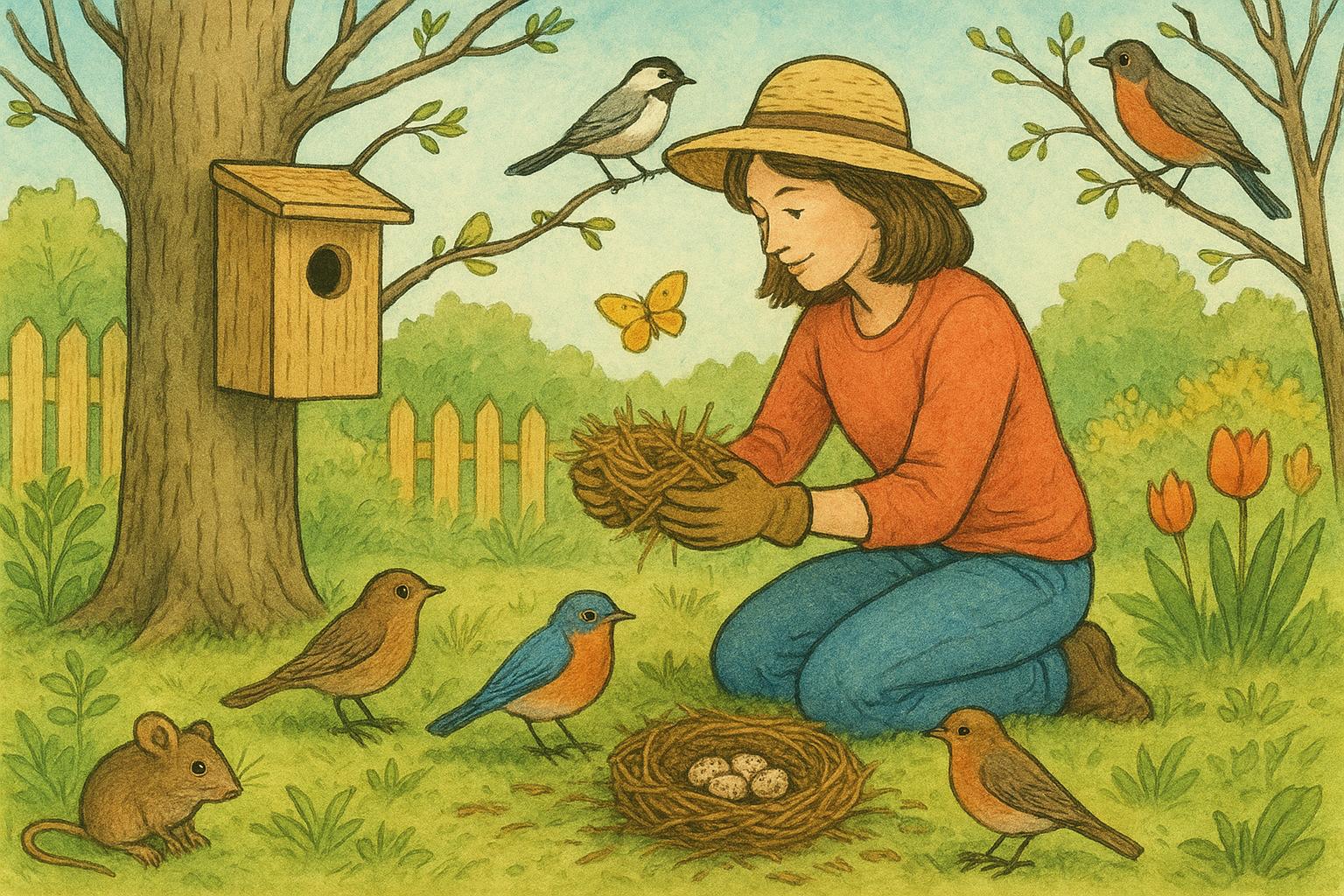
Start by walking your yard on a cool morning. Notice where the light falls, where the wind funnels, and which shrubs hold the most insects. That first survey will shape everything else you do for spring nest prep for backyard wildlife.
## Spring Nest Prep For Backyard Wildlife: Where To Begin
Take a practical view. Wildlife are looking for three things in spring nests: shelter, food, and safe places to raise young. You don’t need a big plot of land to make a real difference. A single hedgerow, a small brush pile, or one well-placed nest box can change which species show up and how successfully they breed.
### Do A Quick Habitat Audit
Walk every corner of your yard and jot down specifics. Which trees are native? Are there dead limbs or snags that could serve as cavities? Where does water pool after a rain? Note open, sunny patches versus dense shade. That data tells you where to put nest boxes, where to plant native shrubs, and which areas to leave alone.
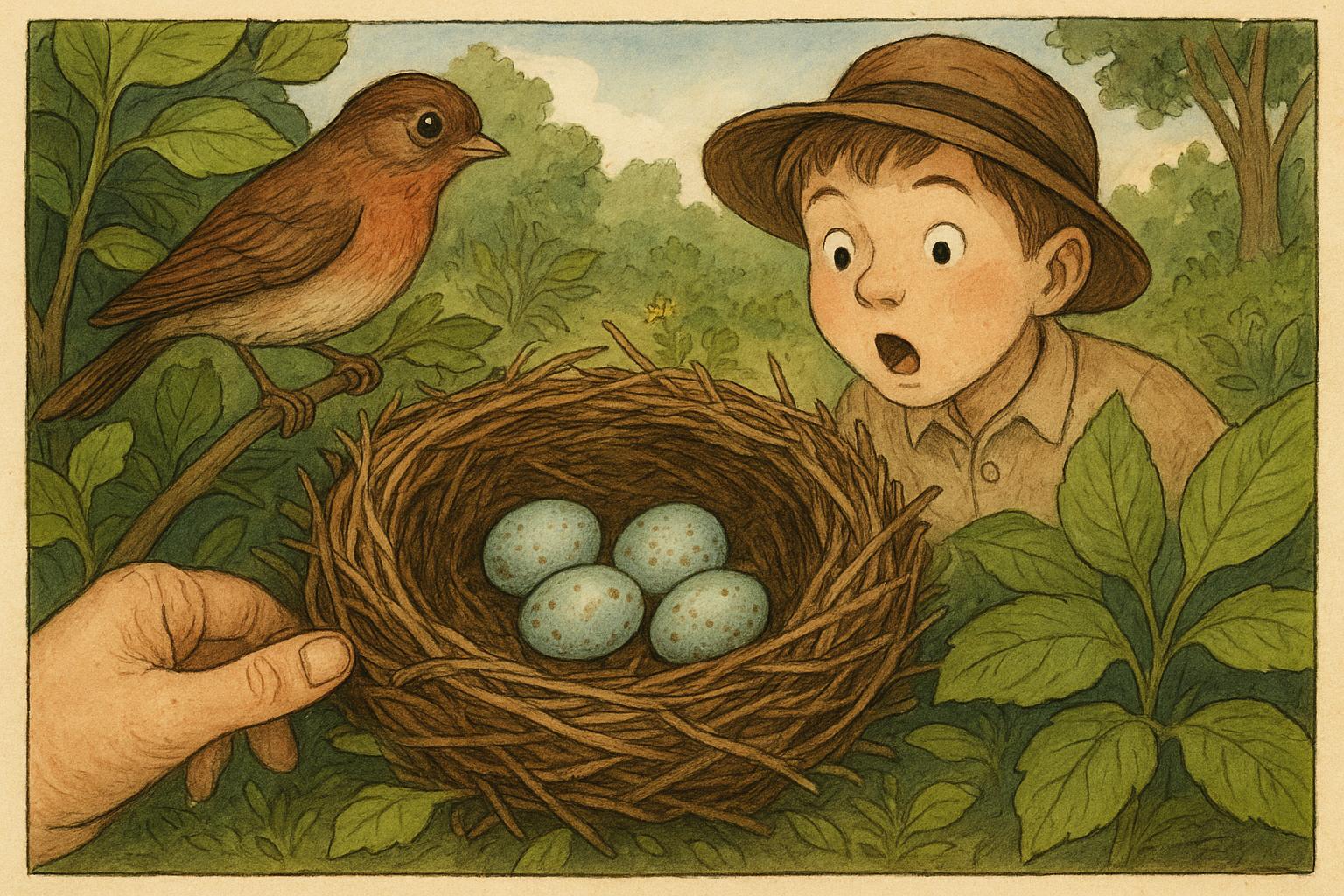
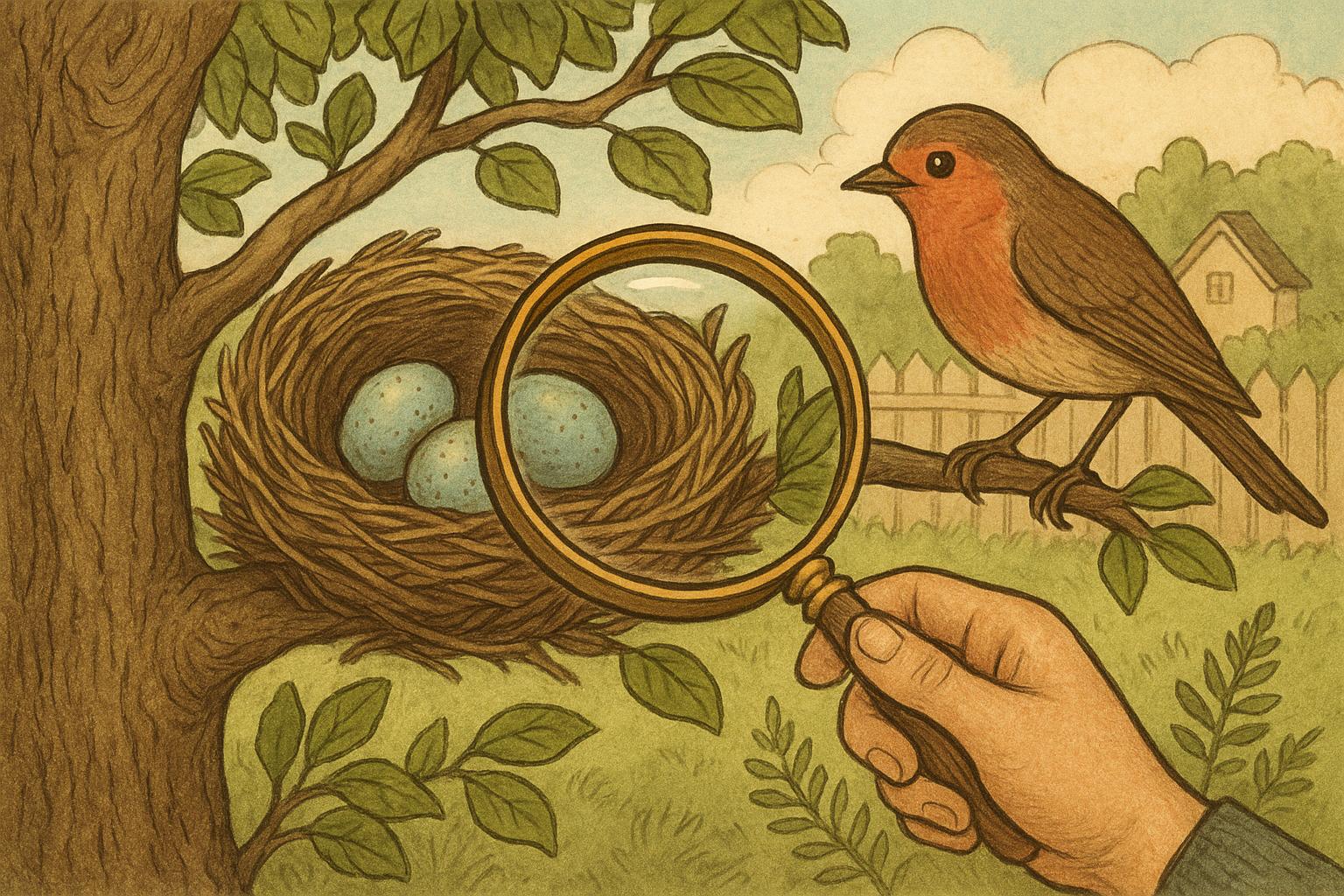
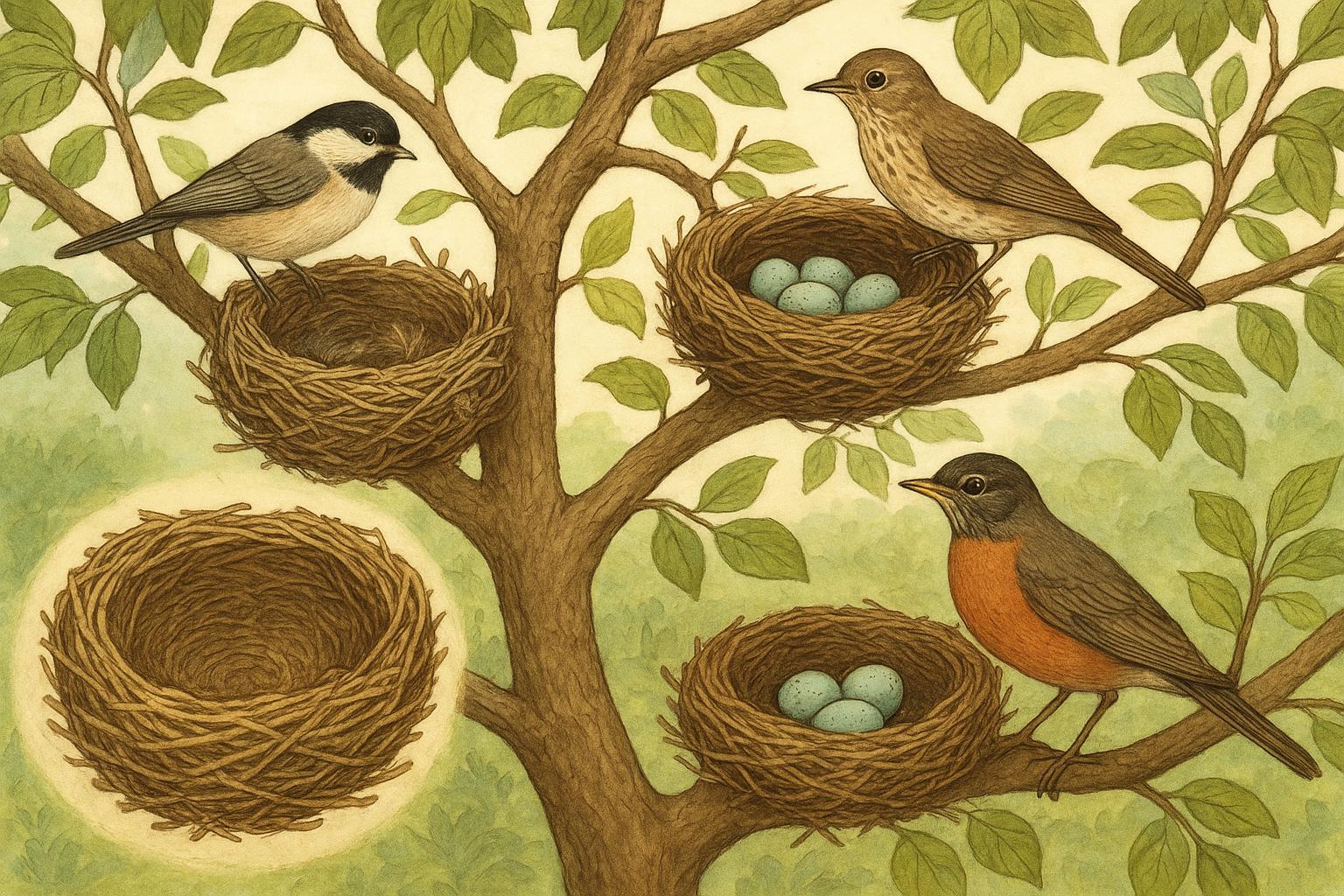
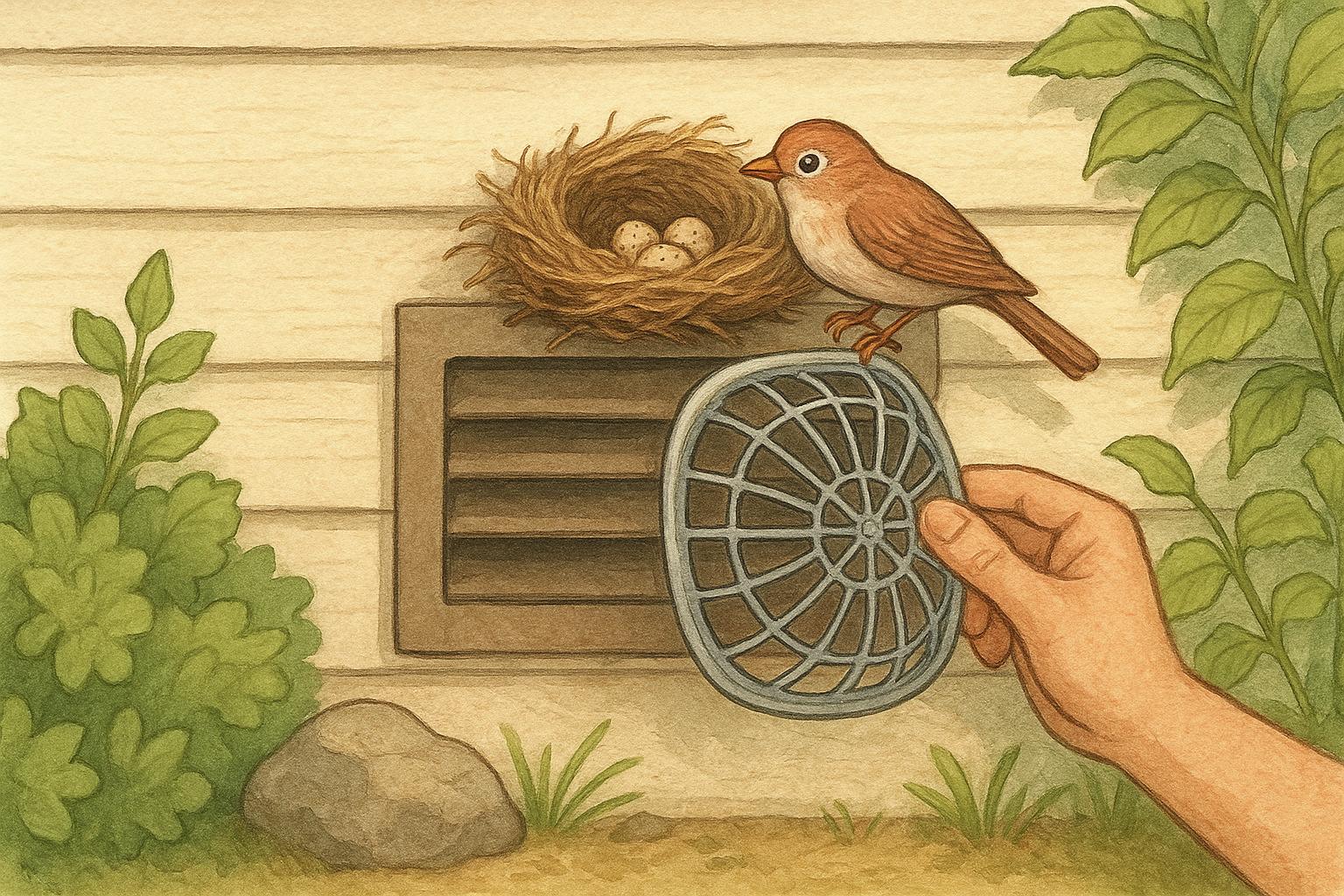
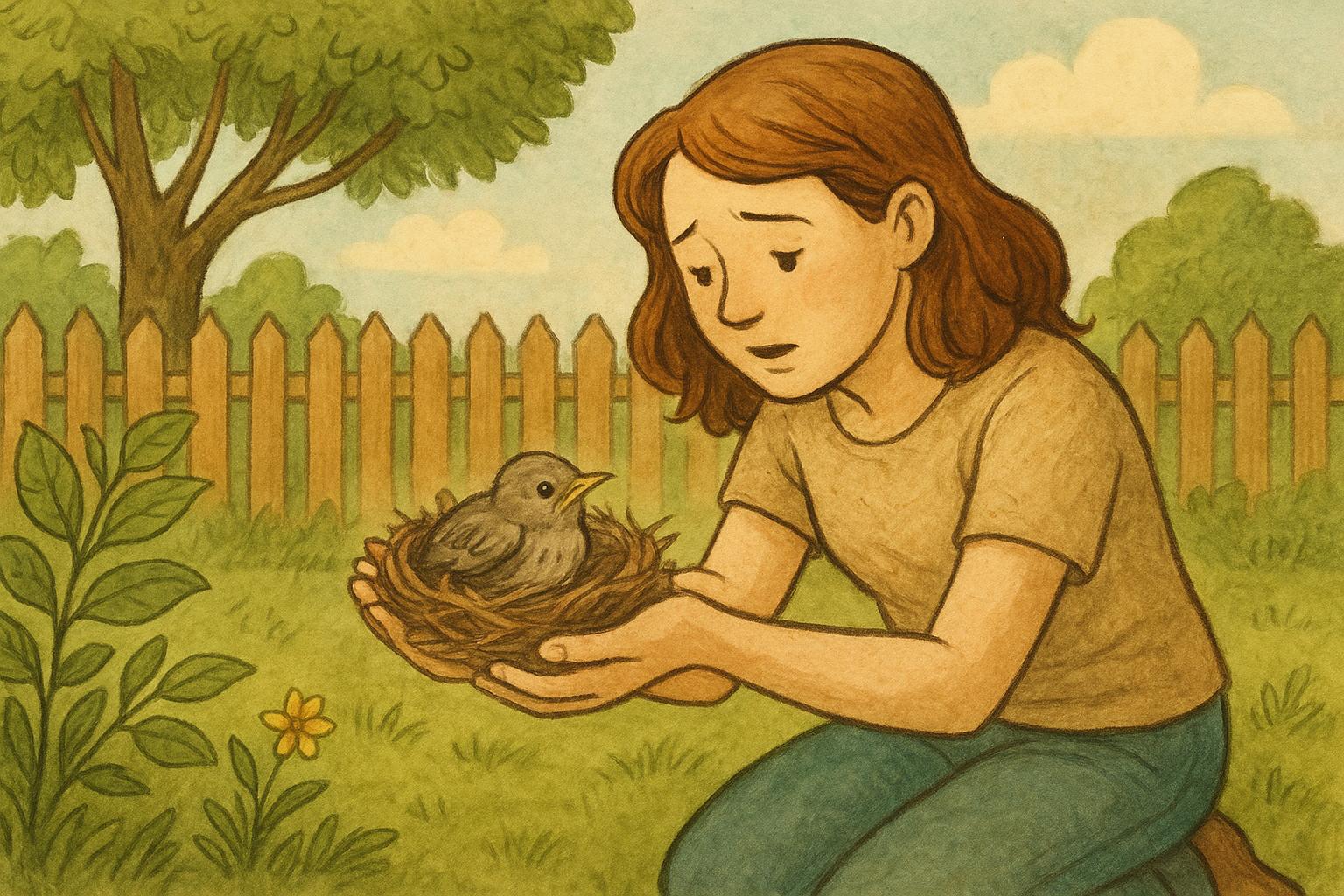
– Look for existing nests. Robins build open-cup nests in early spring; if you find one, keep your distance.
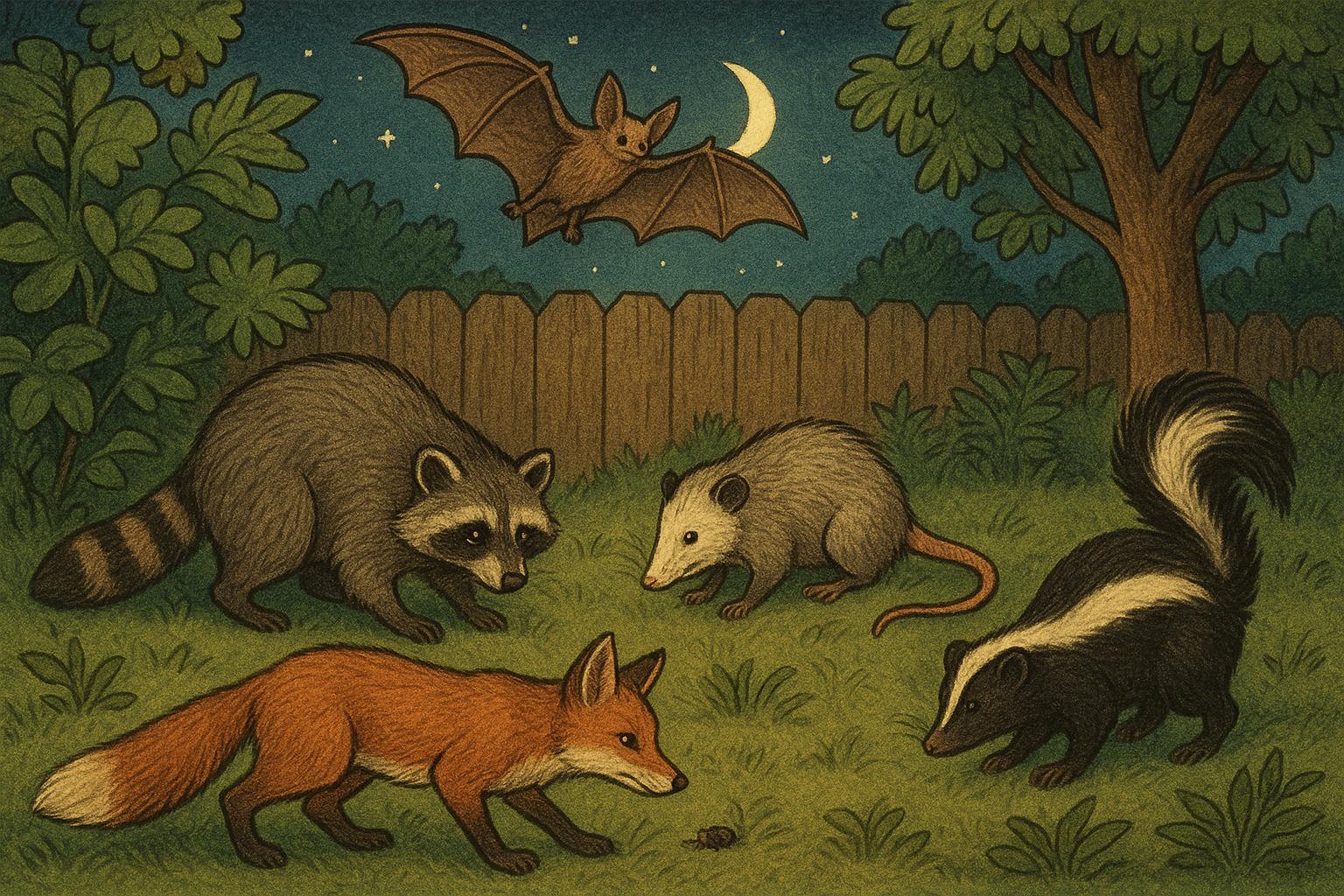
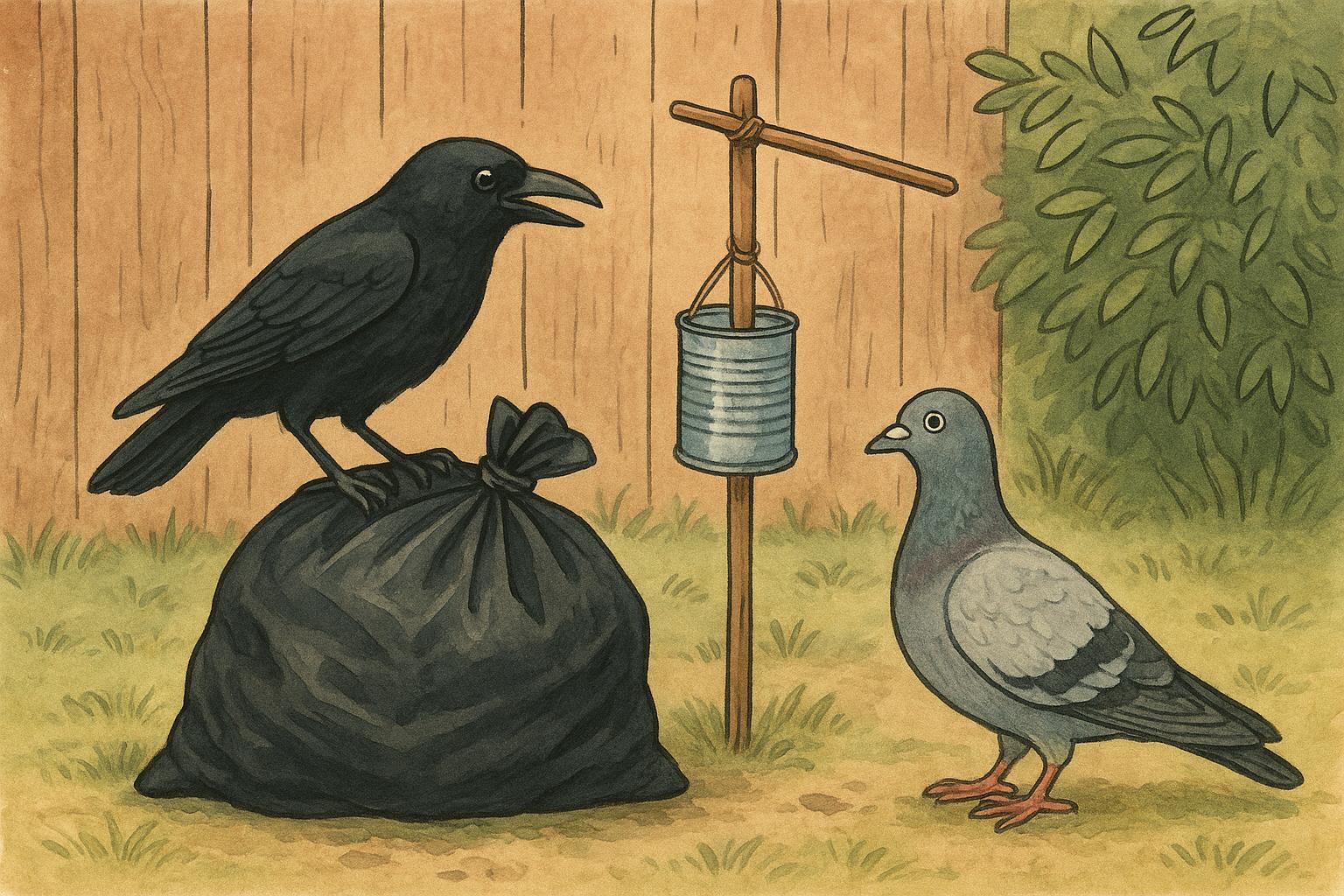
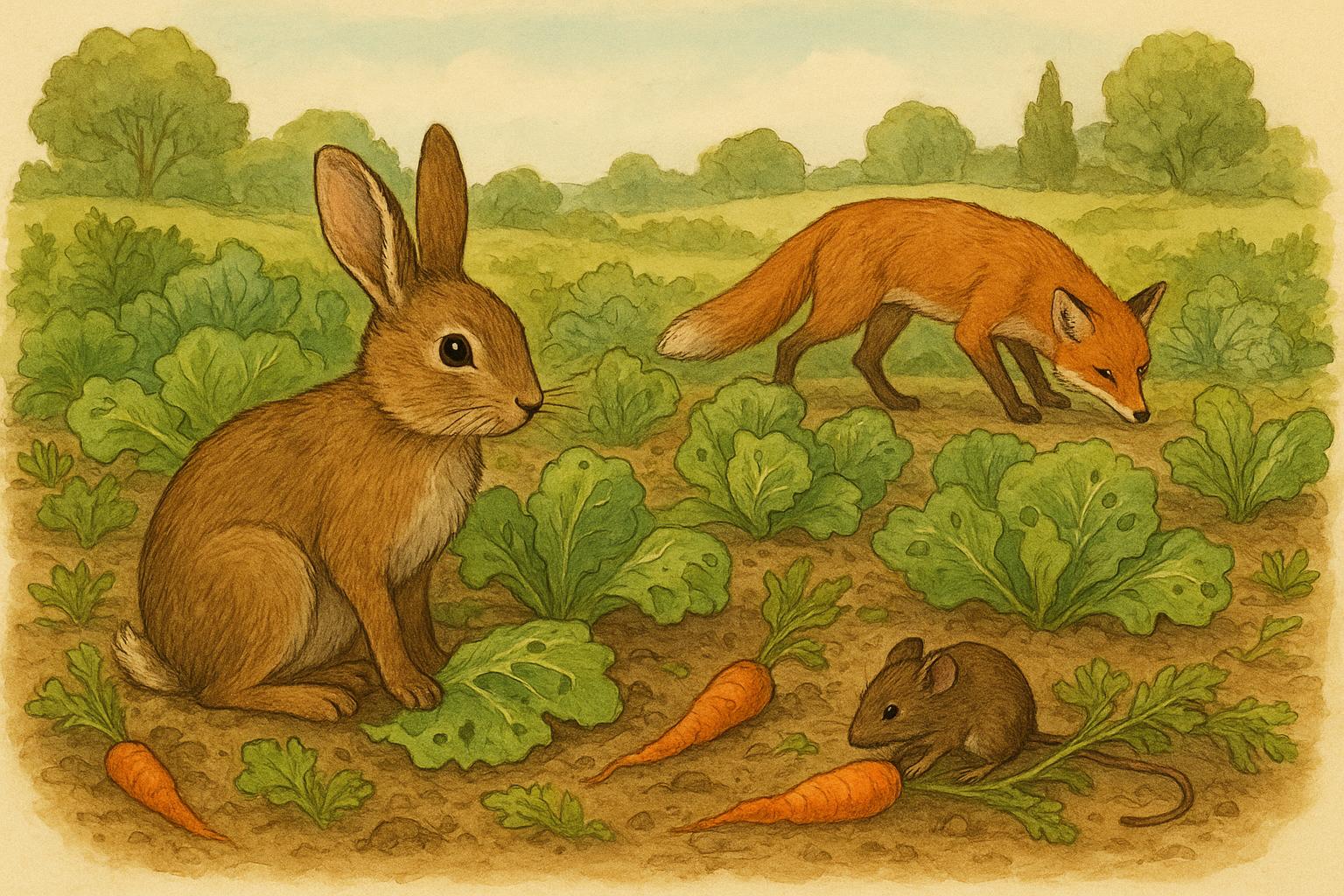
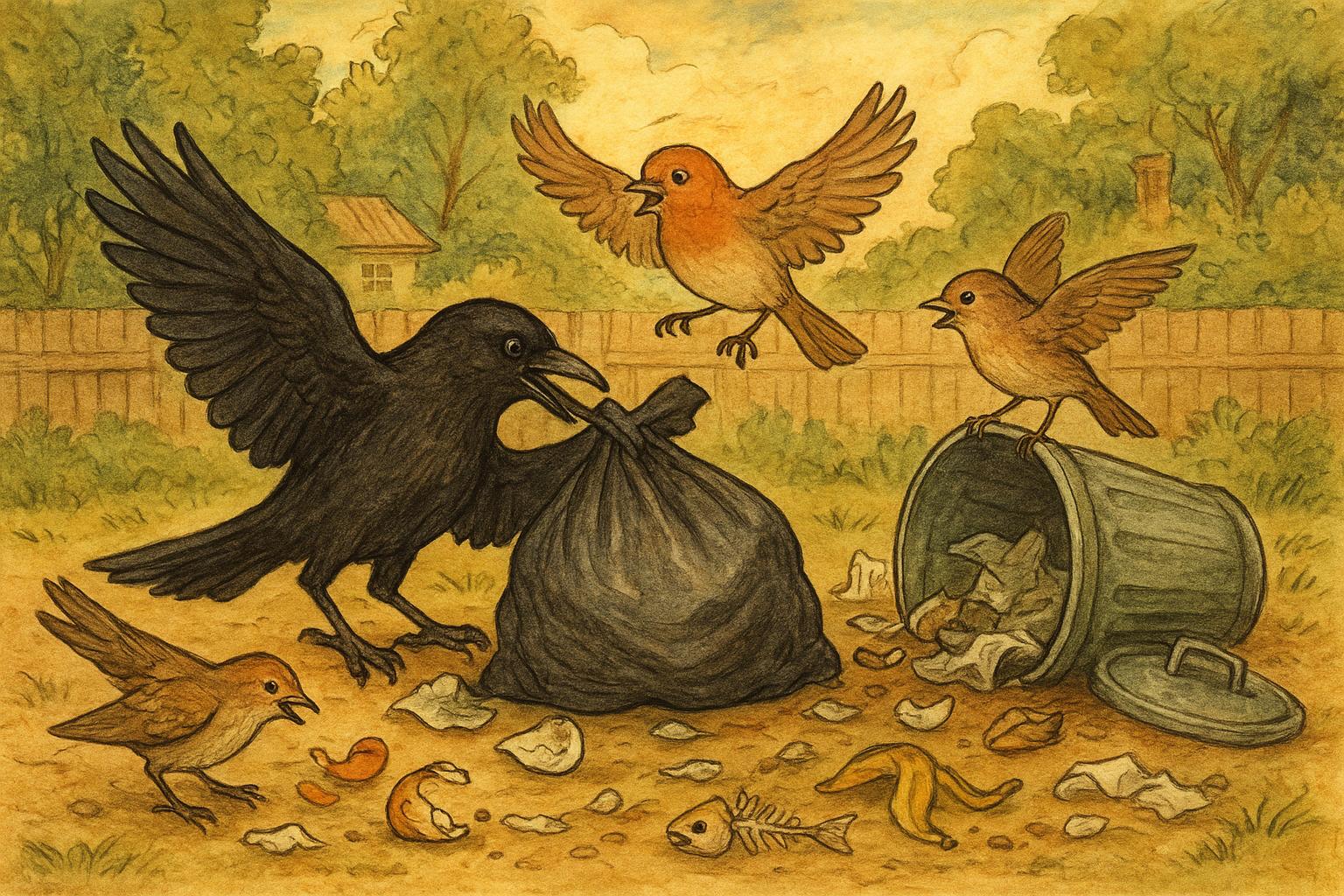
– Map predator hotspots. Cats, raccoons, and even neighborhood crows often use predictable routes.
– Check your neighbors’ yards too. Wildlife don’t respect fences; a coordinated neigborhood approach can multiply results.
### Timing Matters More Than You Think
Aim to finish most prep work before the first real nesting activity. For many temperate regions that means late winter to early spring. But species vary. Hummingbirds, swallows, and some migratory songbirds arrive later. If you’re doing work that could disturb eggs or chicks—cleaning a box, cutting back shrubbery—wait until you’re certain nesting hasn’t begun.
## Practical Nest Prep Tasks You Can Do Now
Nest prep doesn’t require exotic materials. Use what works and avoid things that create hazards.
### Provide Nesting Materials Safely
Birds and other creatures collect fibers and fluff, and you can make that easier without putting them at risk. A container with natural fibers lets birds pull what they need.
– Offer short, loose fibers: wool roving, coconut fiber, dried grass clippings. Keep lengths short so nothing can tangle.
– Avoid long strings, yarn, or synthetic threads that can entangle legs and necks.
– Pet fur is useful, but only if it’s free of flea treatments and pesticides. Better to spread it in small clumps than to stuff it into boxes.
Calling this part of your plan “nest prep” makes it easier to remember: material, placement, and safety.
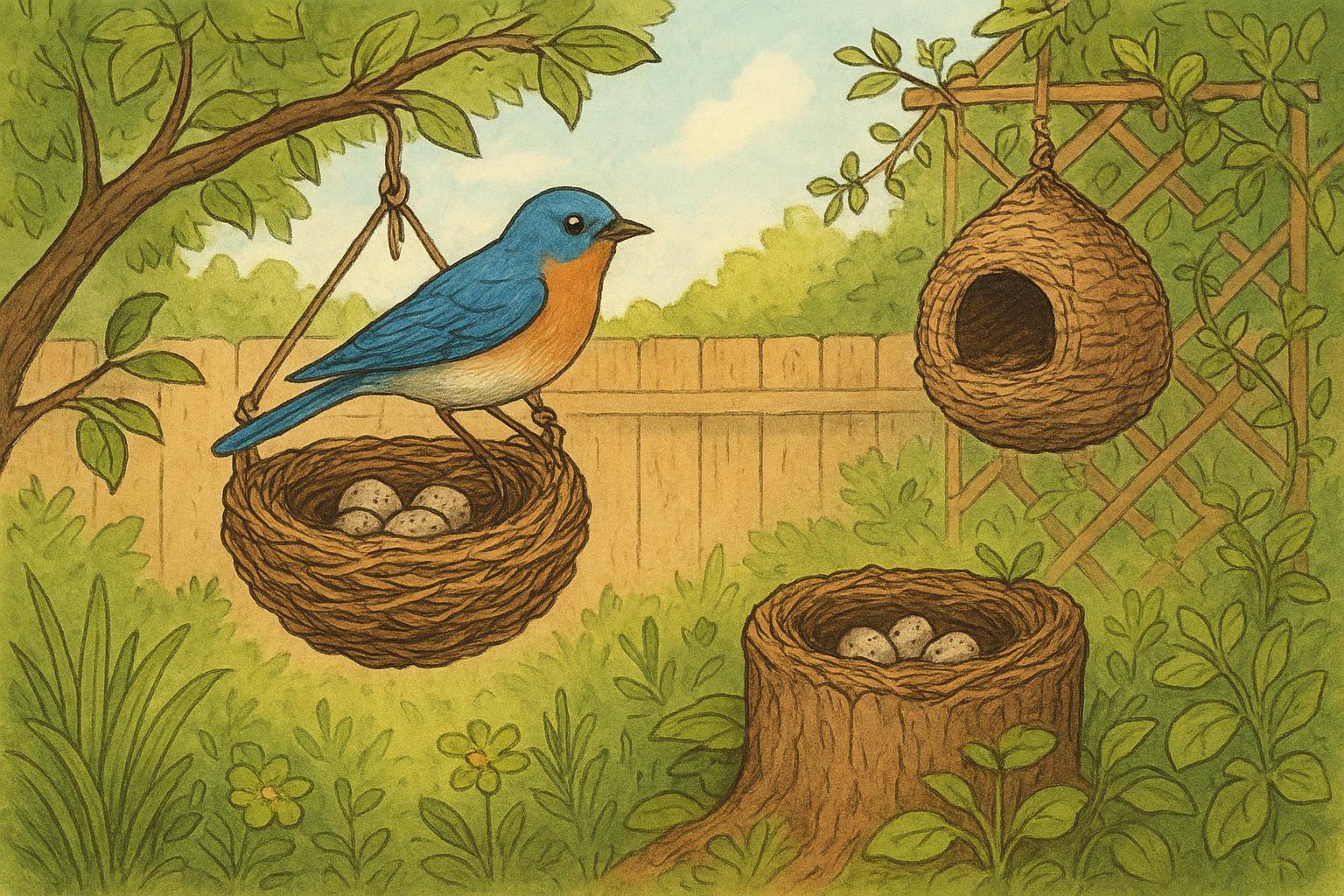
### Install Or Repair Nest Boxes
Nest boxes are high-impact. Here are specifics that actually work.
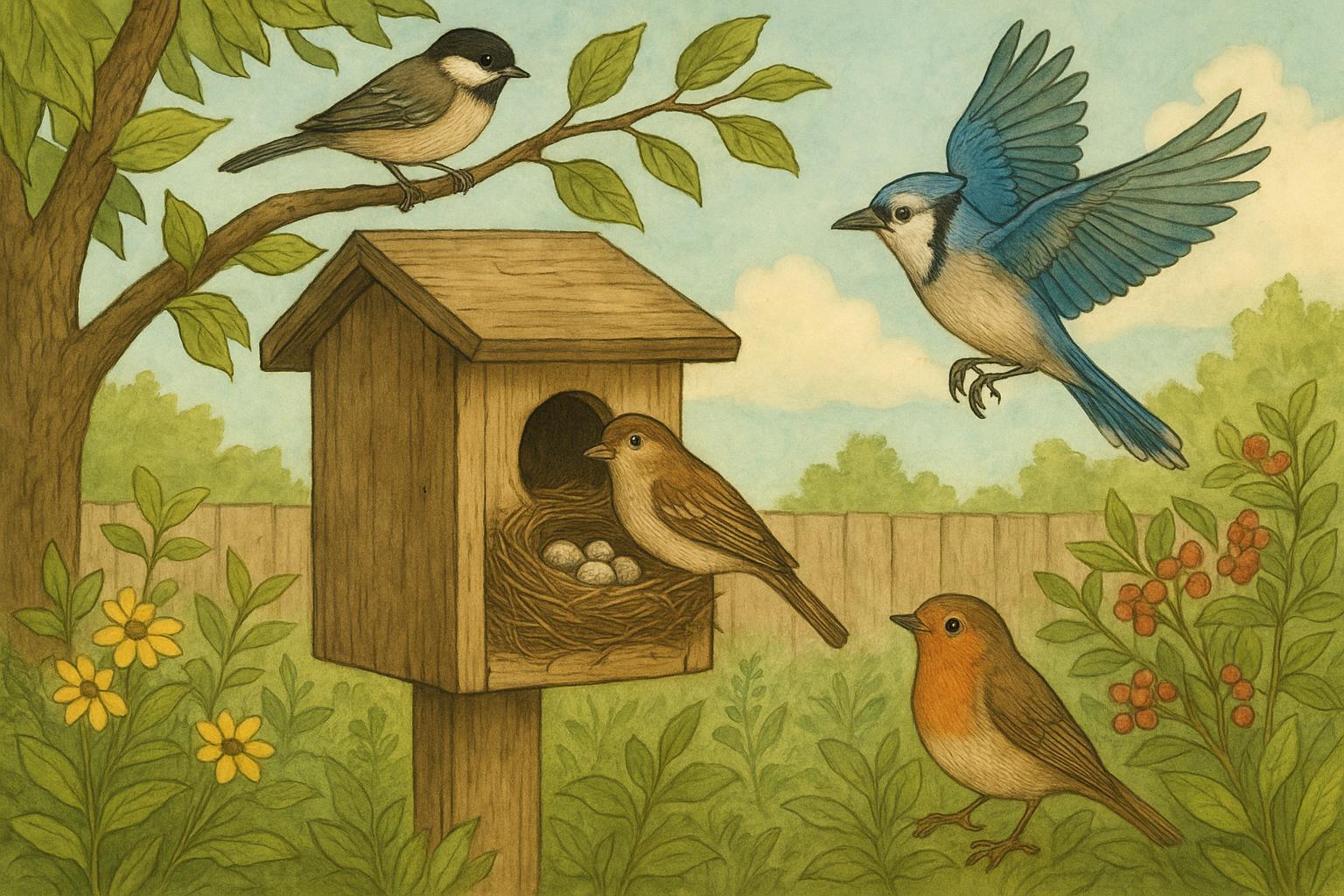
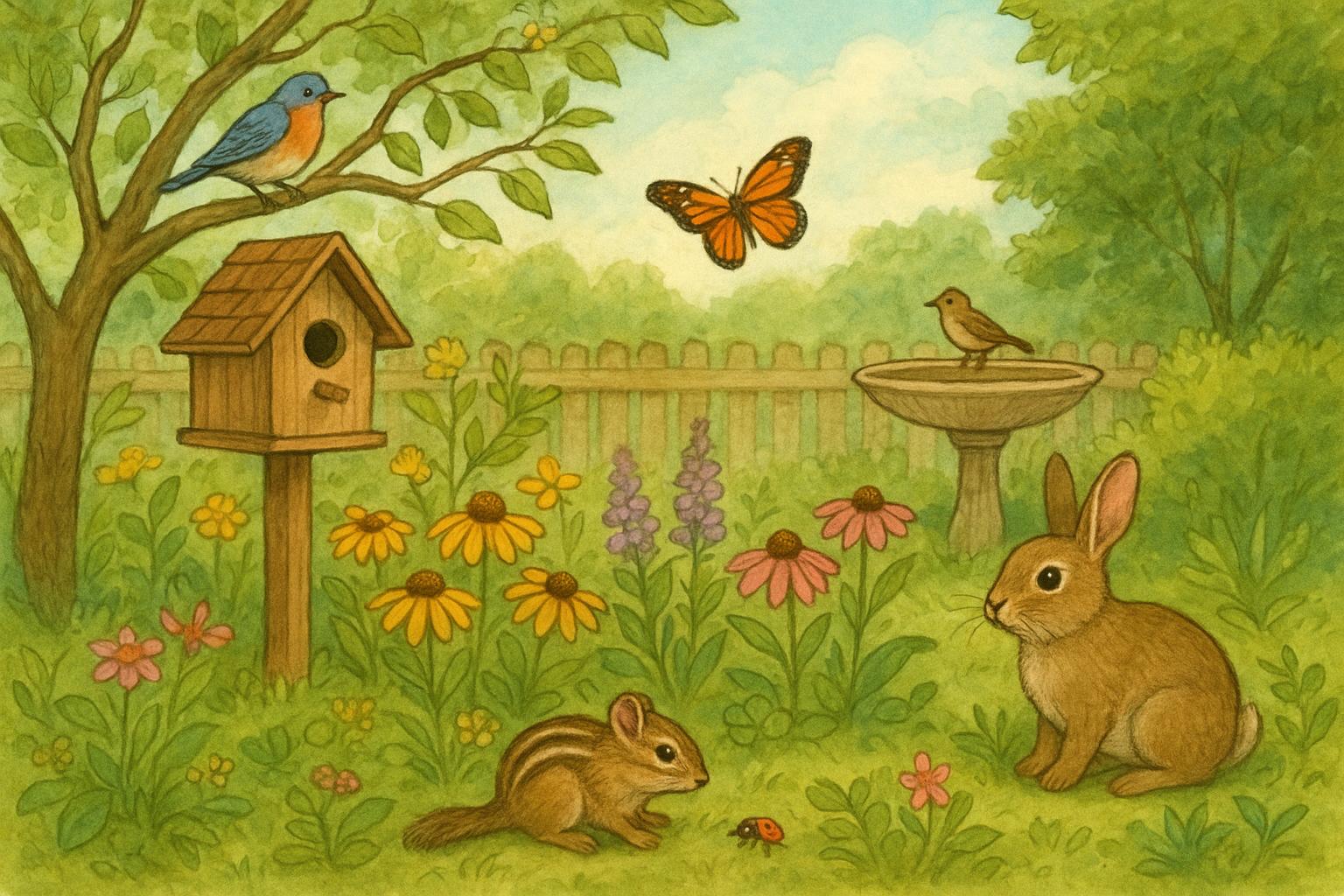
– Match box dimensions to the species you want. Chickadees need a smaller box with a 1-1/8 inch hole; owls need much larger cavities.
– Mount boxes securely on posts or trees. Put them at the recommended height for your target species and face them away from prevailing winds.
– Add predator guards if raccoons or cats are common. A metal baffle on the pole is simple and effective.
– Do maintenance before nesting starts. Clean out old nesting material in late winter. Do not clean occupied boxes—disturbing active nests can lead to abandonment.
### Create Microhabitats For Different Species
Not every species uses the same kind of nest. Plan for diversity.
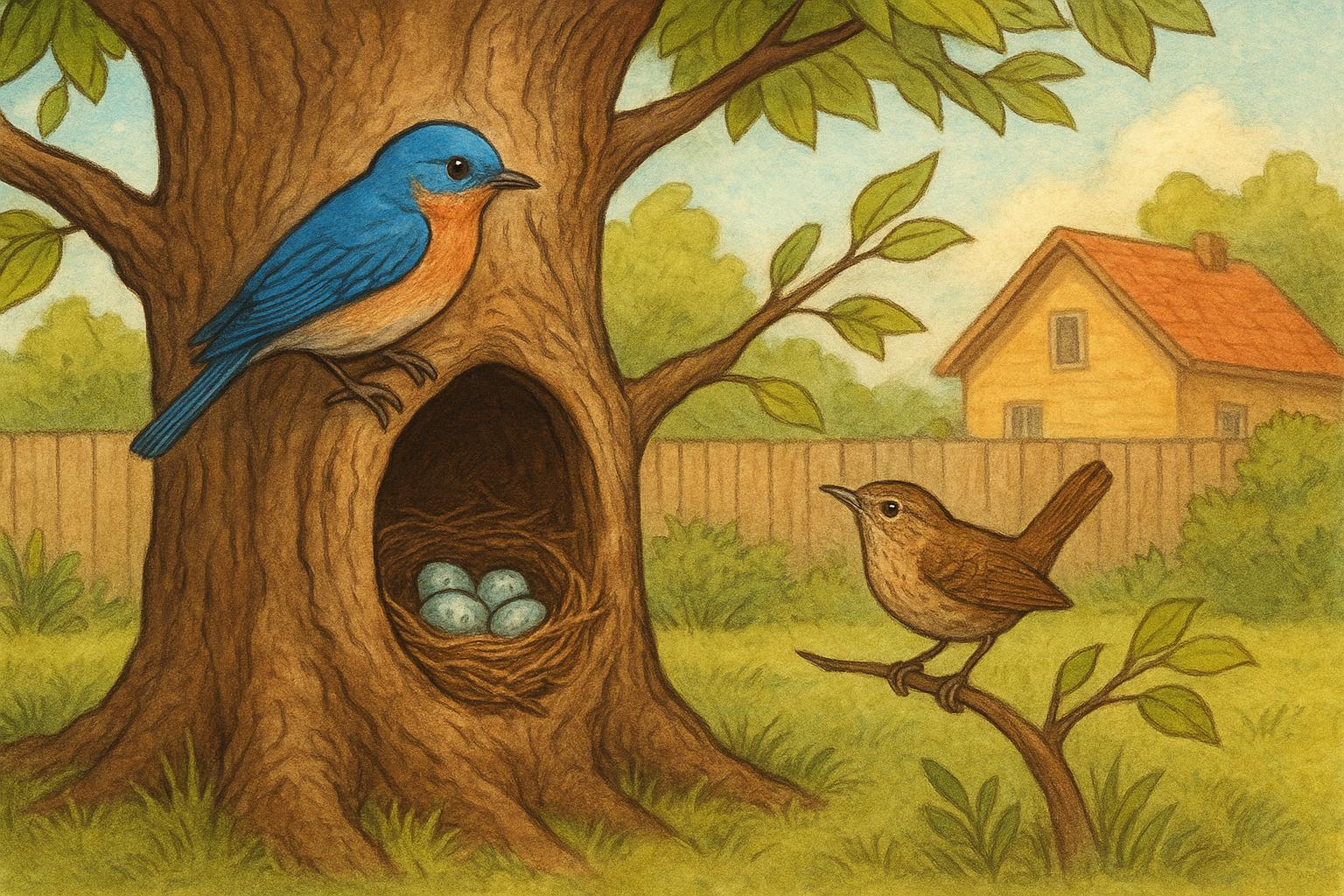
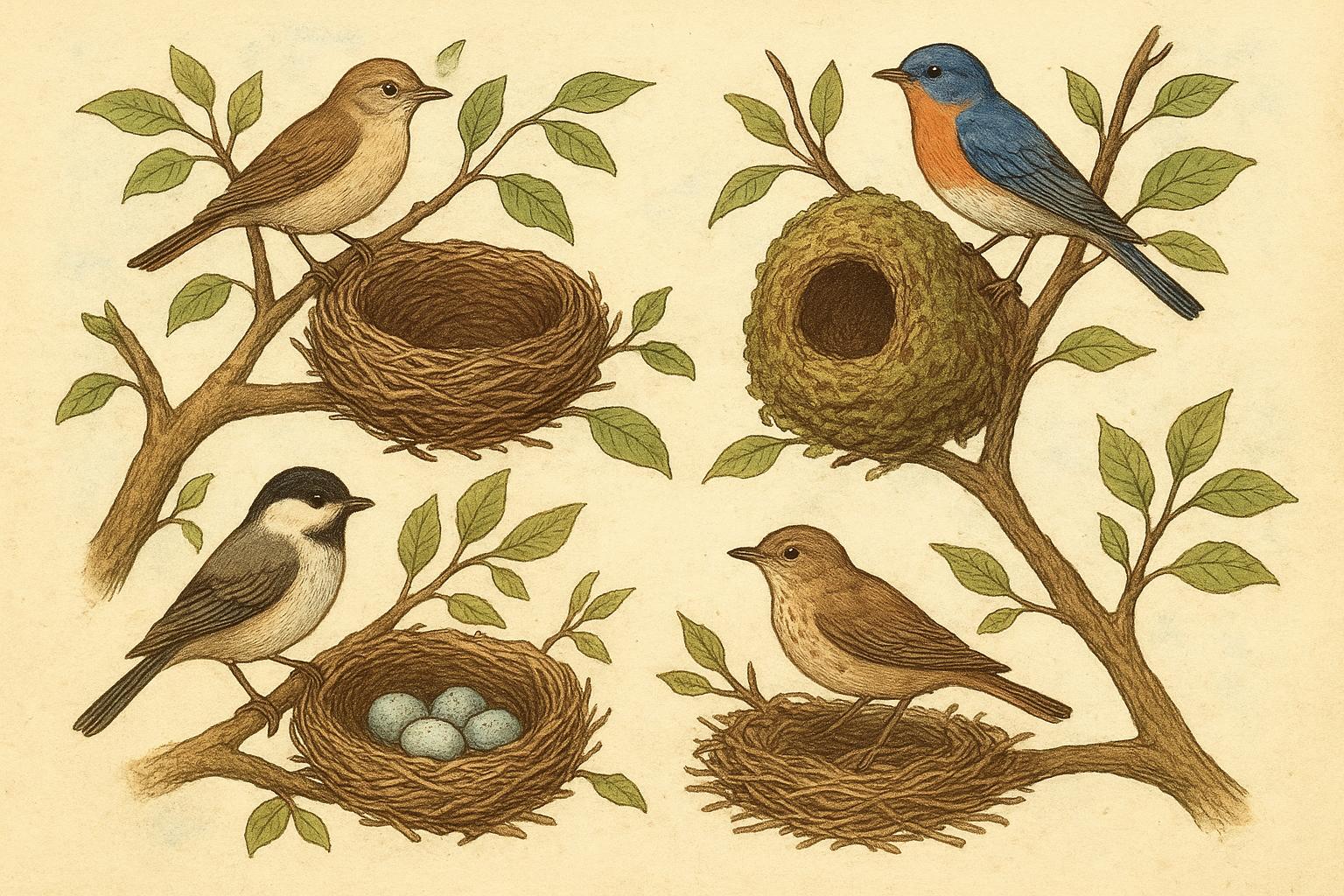
– For cavity-nesters (bluebirds, titmice): keep or install nest boxes and retain snags where safe.
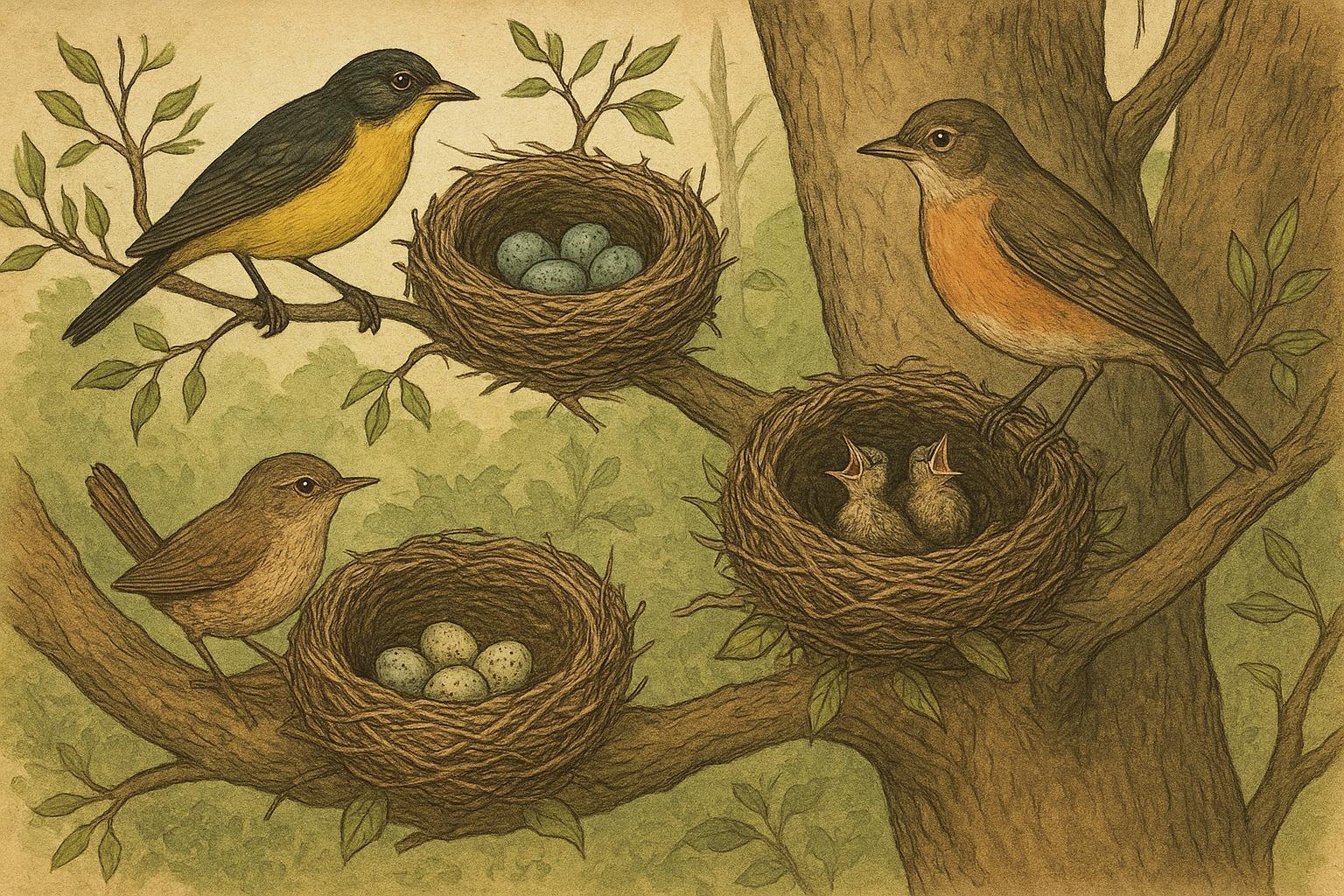
– For open-cup nesters (robins, cardinals): leave dense shrubs and low branches undisturbed.
– For ground-nesters (killdeer, some sparrows): leave patches of native grasses and avoid heavy mowing until later in the season.
– For solitary bees and cavity-nesting insects: leave bundles of hollow stems and drill holes in blocks of untreated wood. Place these in sunny, dry locations.
## Plants That Make Spring Nests Happen
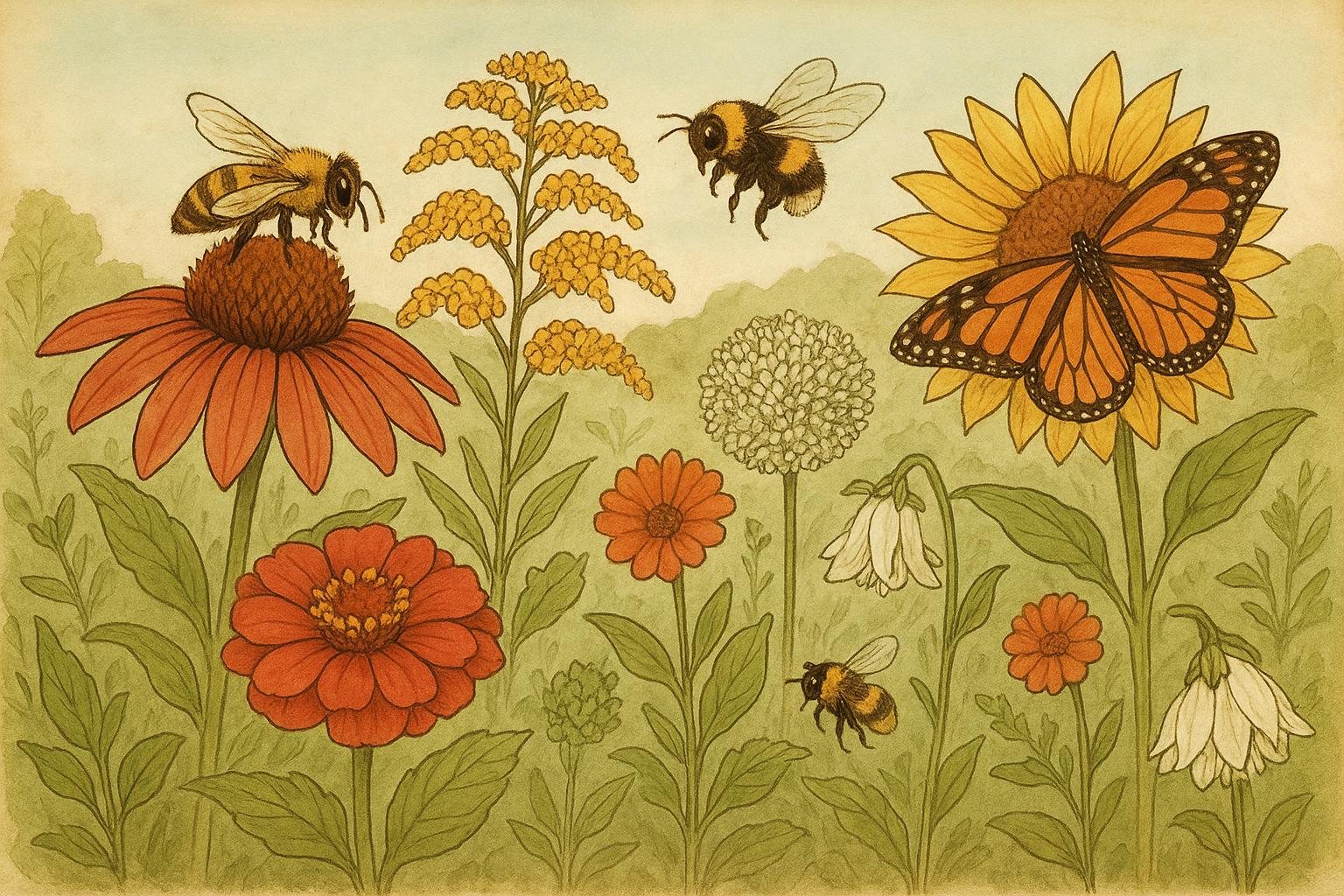
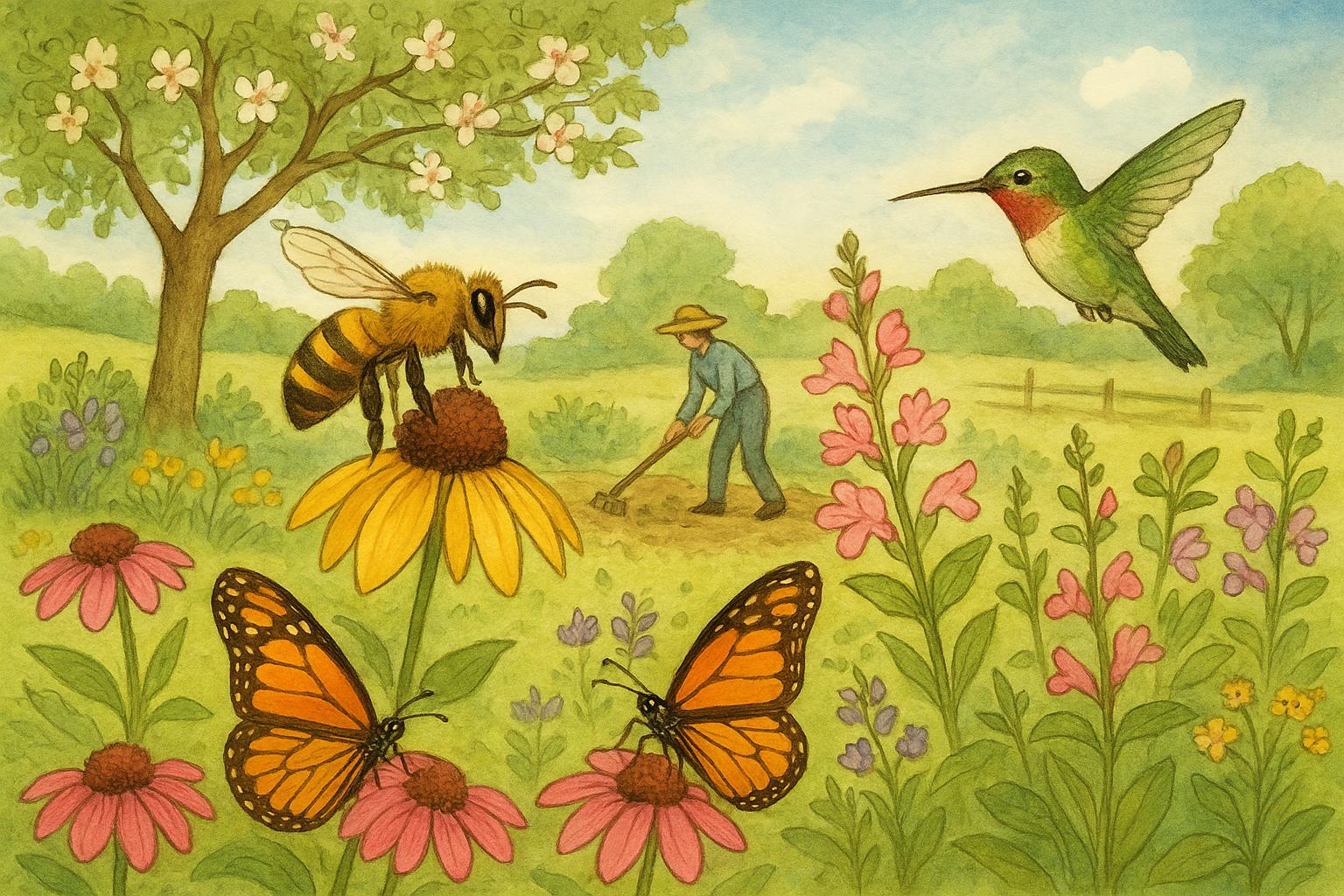
The right plants supply nesting material and the insects that feed nestlings. Pick natives and layer them.
### Shrubs, Trees, And Groundcover To Prioritize
Native species attract native insects and provide structure.
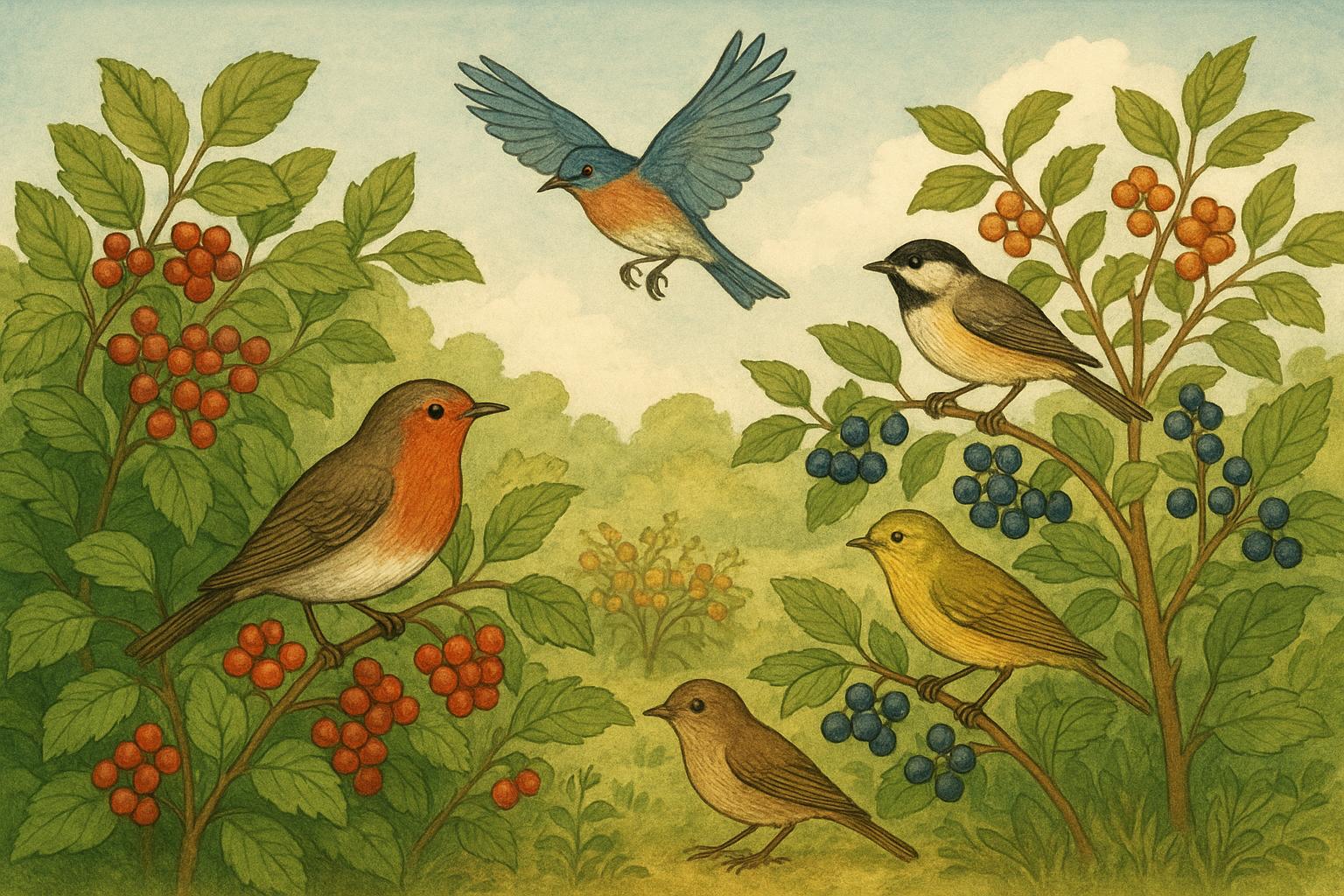
– Shrubs with dense branches like serviceberry and viburnum give cover for open-cup nests.
– Native oaks and willows host huge numbers of caterpillars, a critical protein source for chicks.
– Grasses and sedges offer nesting fibers and shelter for ground nesters.
Planting isn’t instant gratification. Think in seasons. A shrub planted now will be prime nesting cover in a few years.
### Avoid Neatness That Kills Habitat
There’s a tendency to tidy up every mess. Resist it.
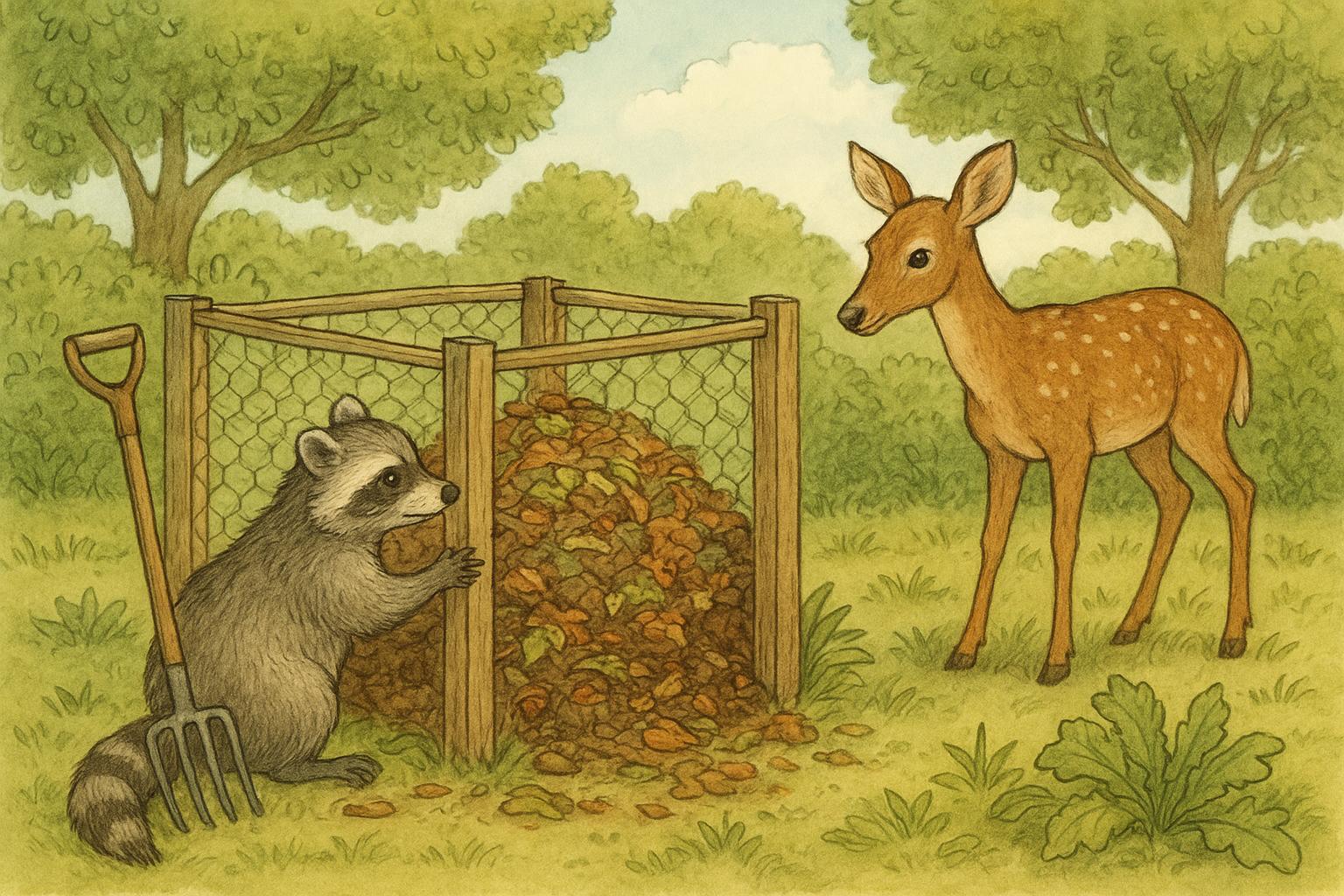
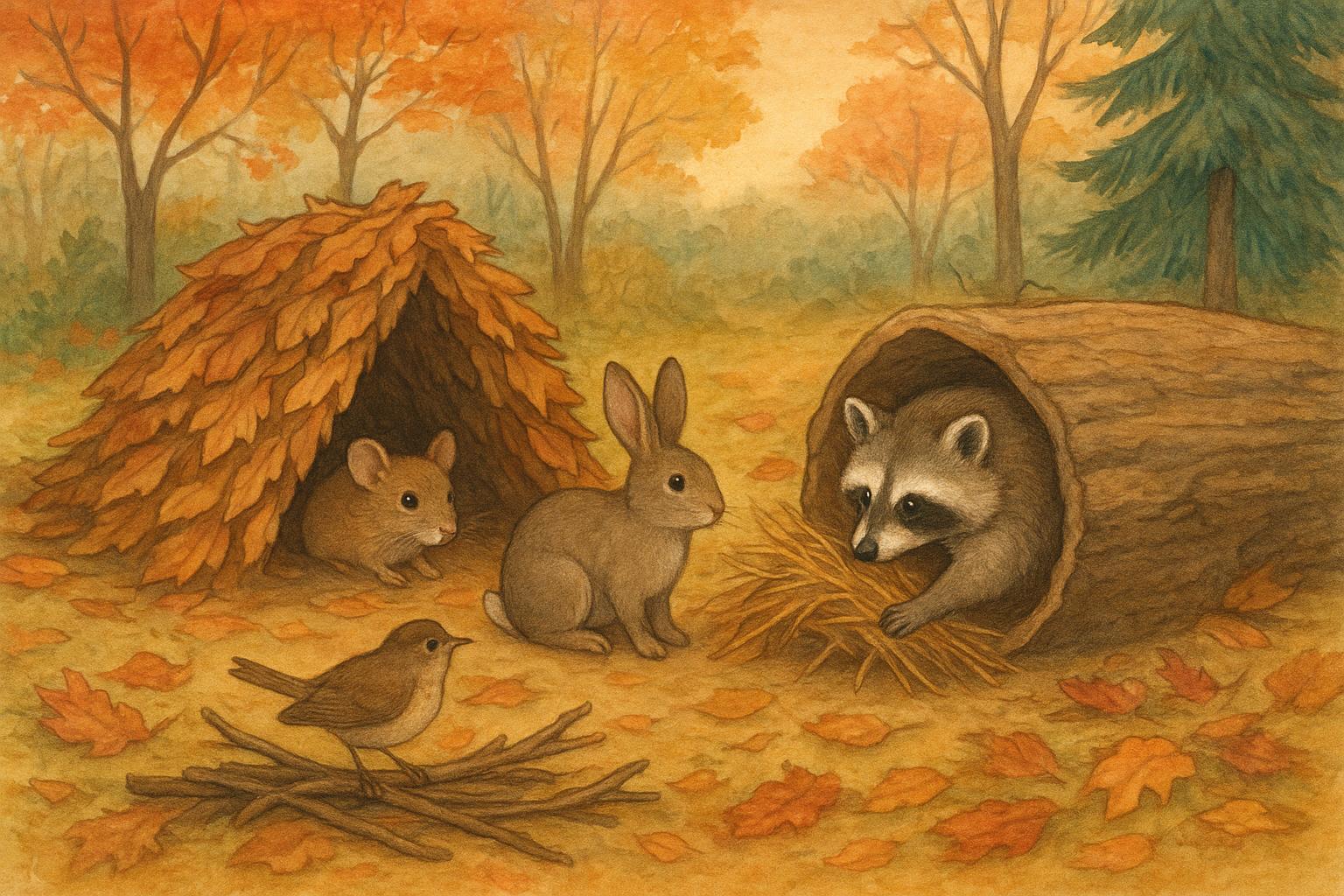
– Leave leaf litter in some corners through early spring; it’s full of insects that birds use to feed young.
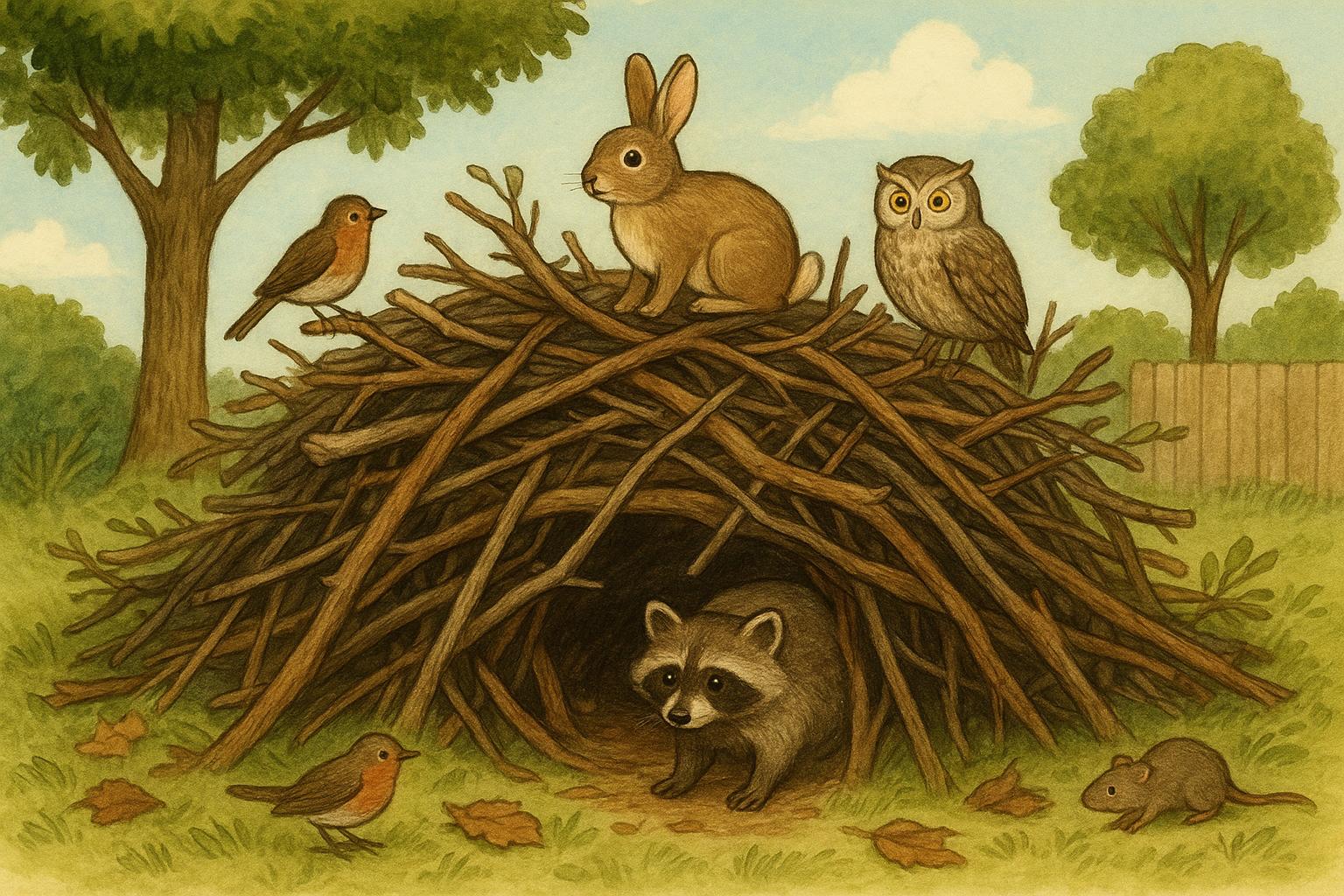
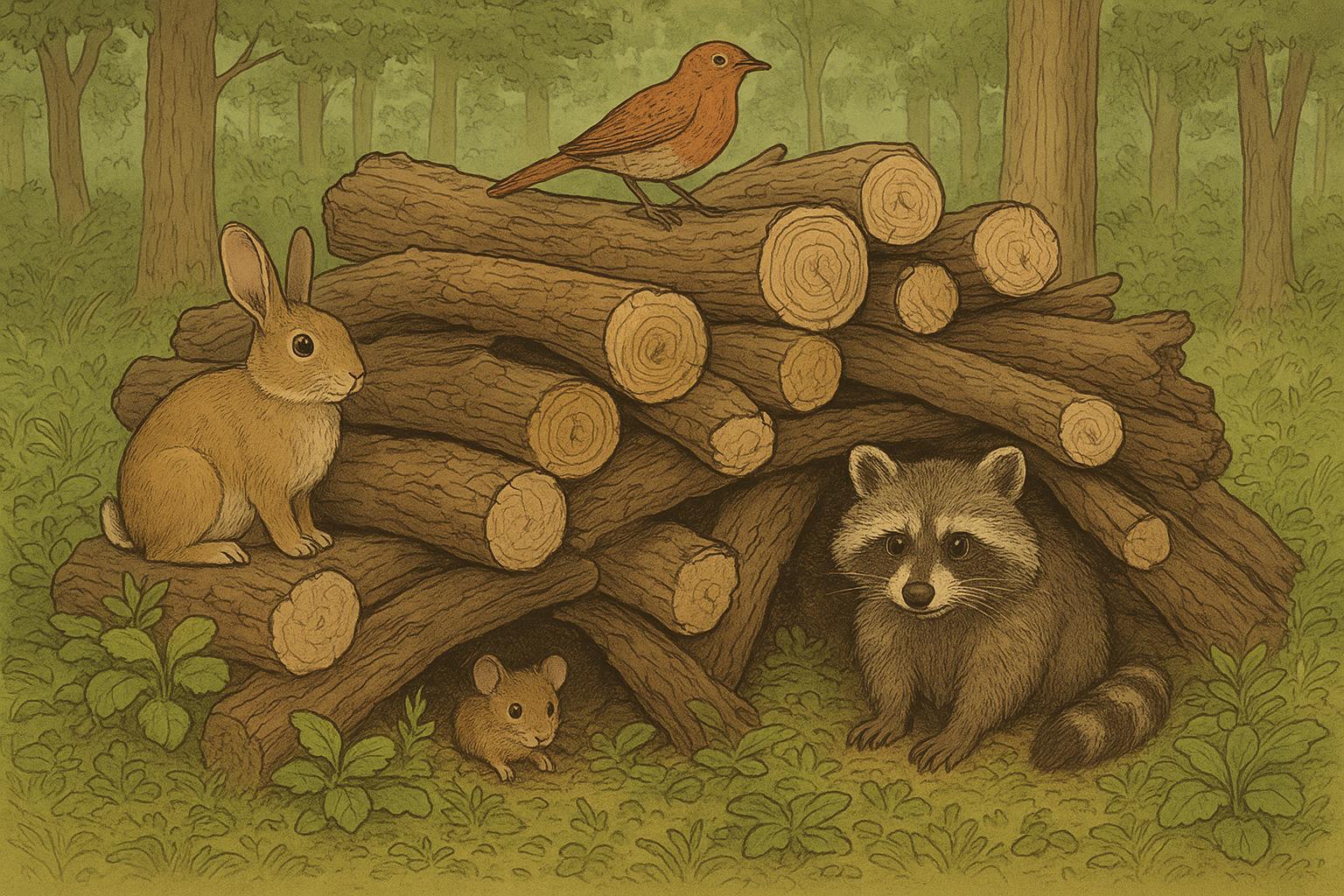
– Keep small dead branches and brush piles in hidden spots. They’re excellent for wrens, small mammals, and insects.
– Wait to prune non-hazardous branches until after the nesting season whenever possible.
## Water, Bathing, And Thermoregulation
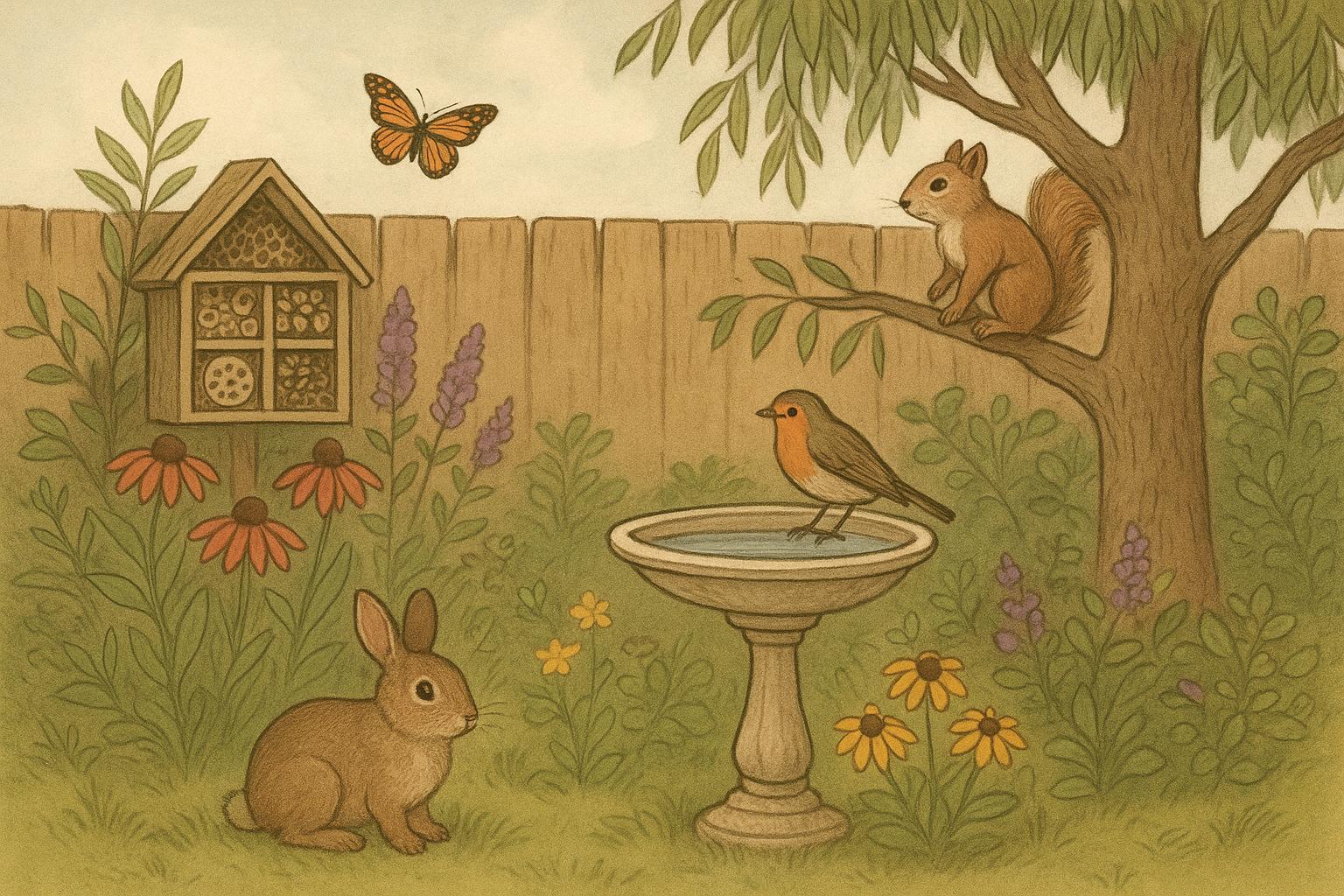
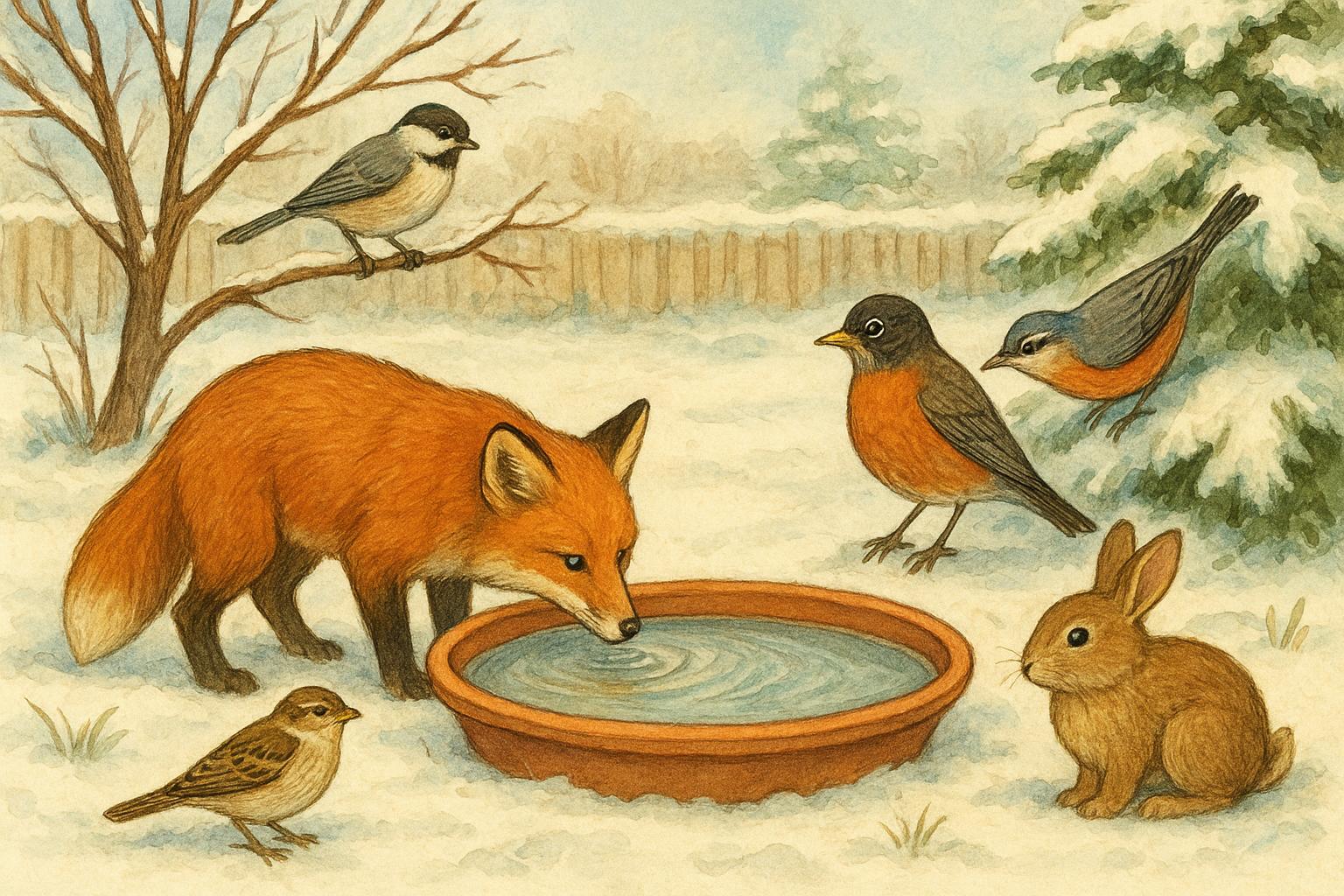
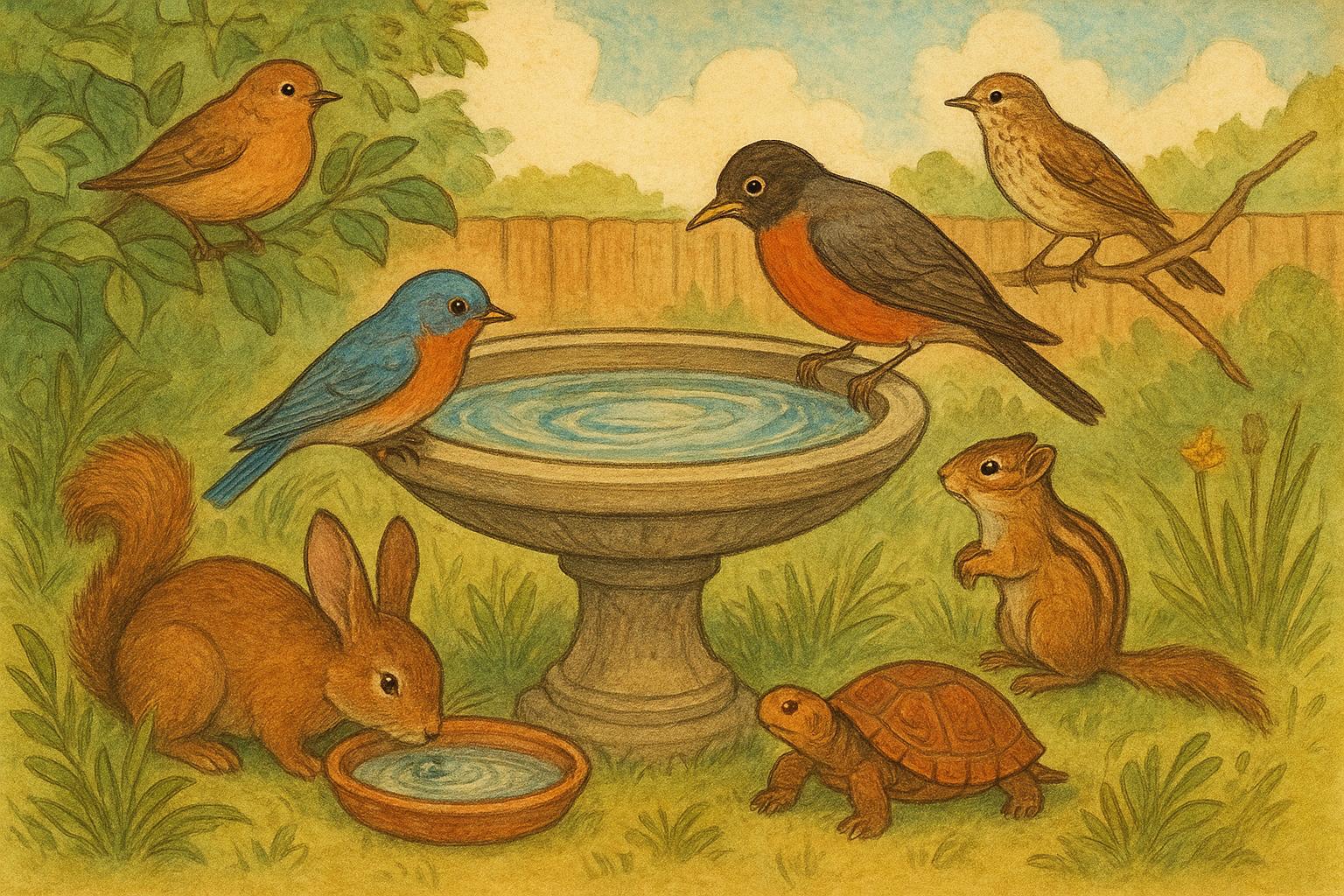
Water is as important as shelter. Birds use shallow baths to stay clean and to cool nestlings. Amphibians and other wildlife depend on puddles and shallow pools.
### Maintain Birdbaths For Nesting Season
A few simple rules keep the water useful and safe.
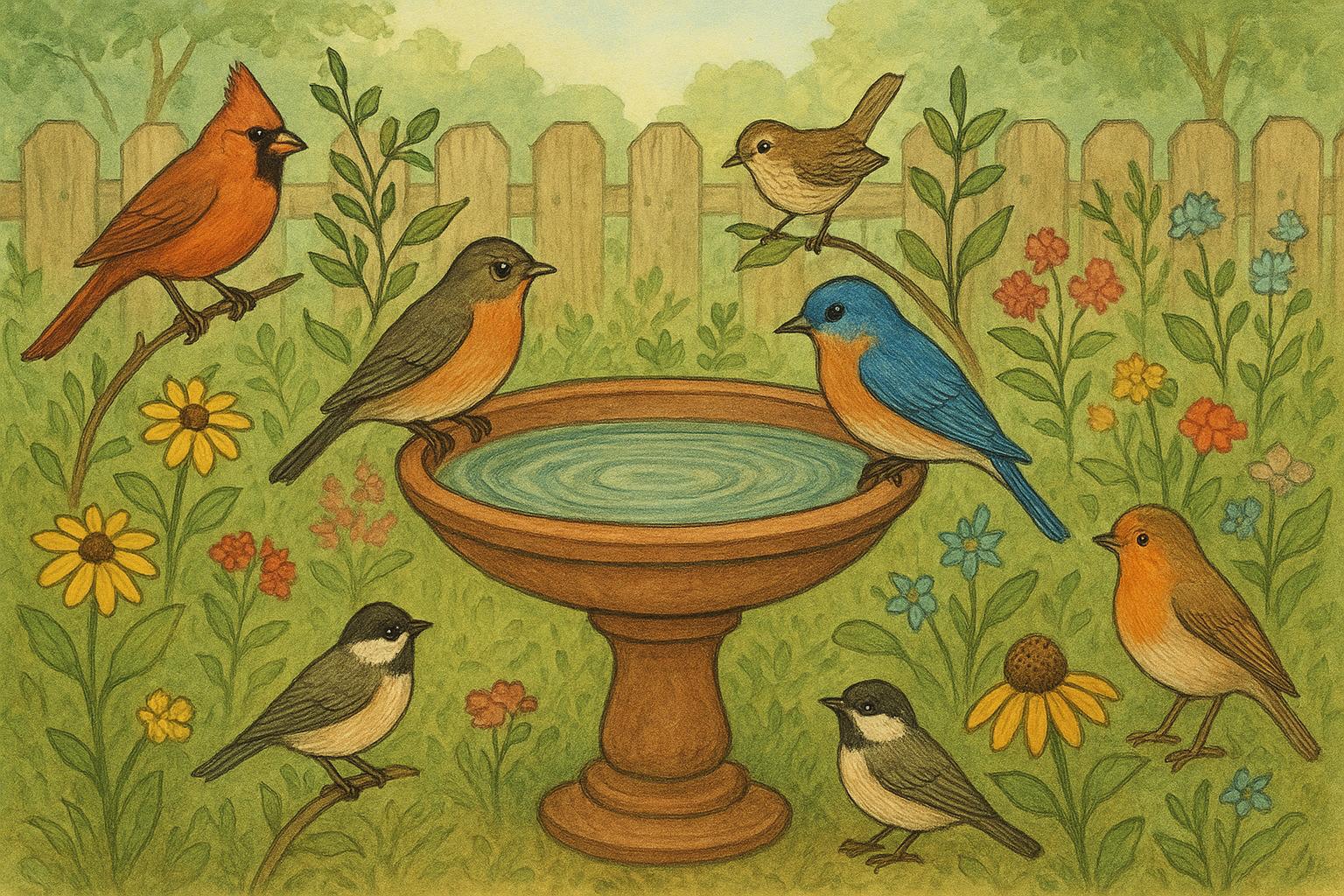
– Keep water shallow and change it frequently to prevent mosquito larvae.
– Move baths closer to cover so birds can escape predators quickly.
– If your area freezes, consider a small heater or change water often on warm days.
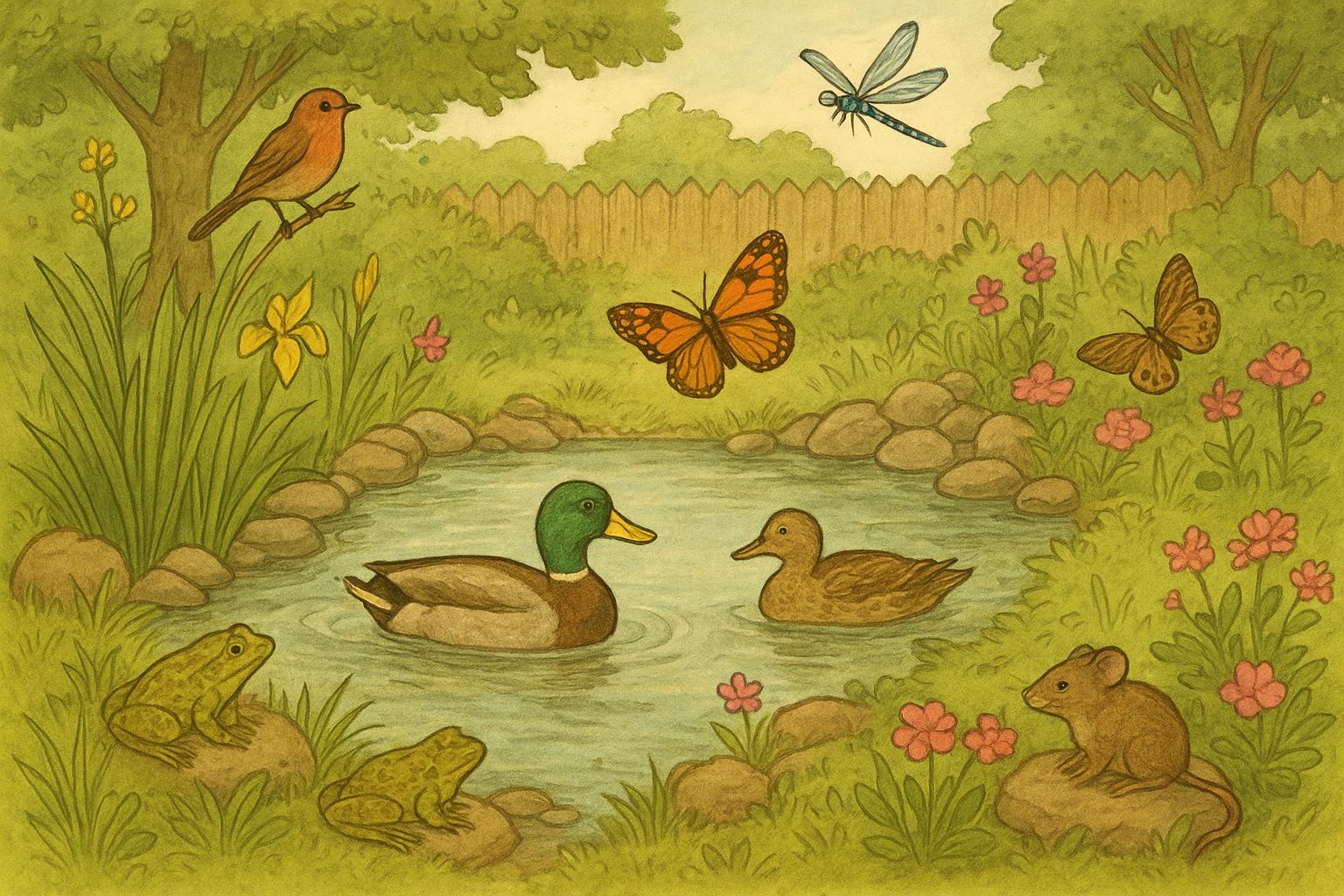
### Small Pools And Damp Patches
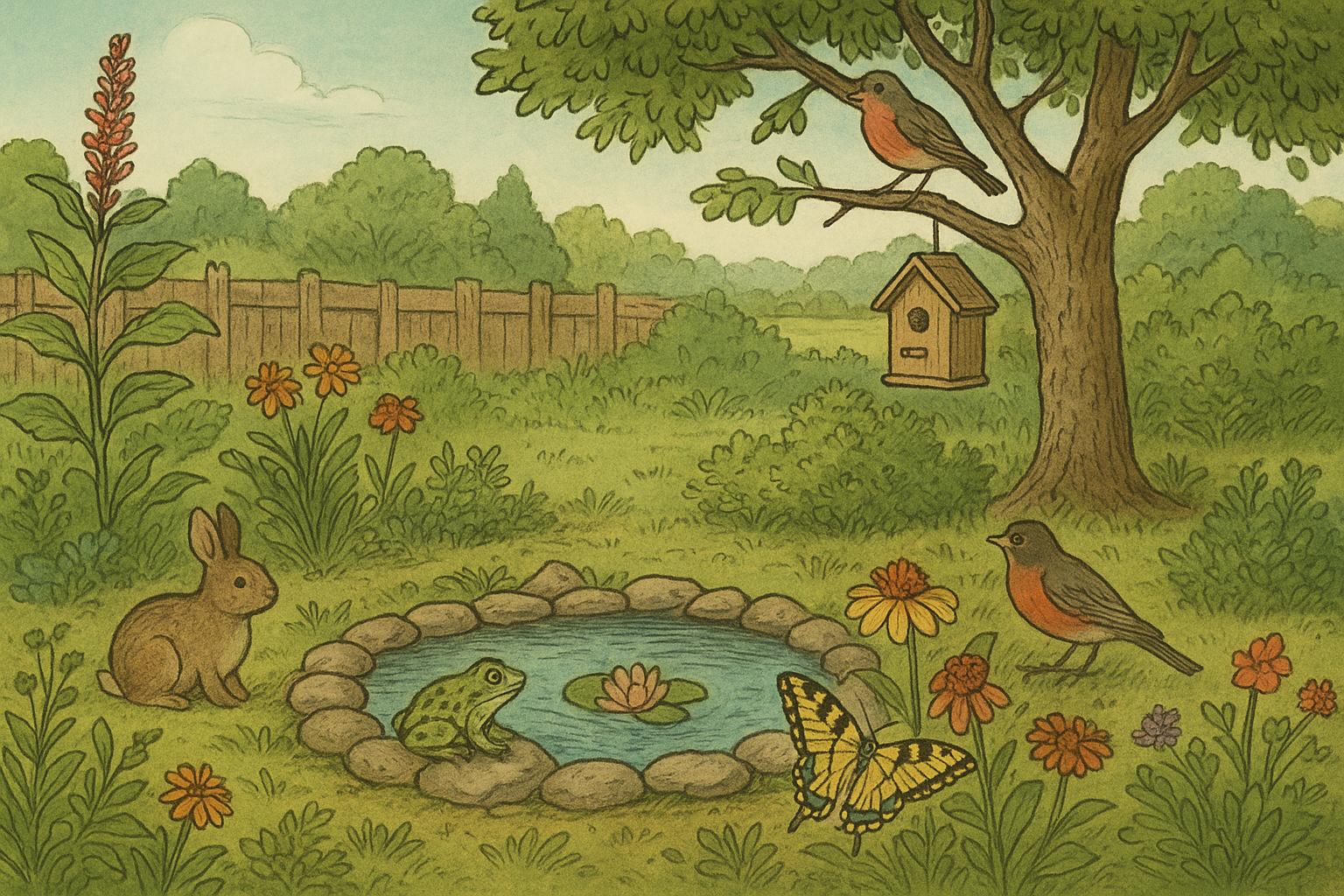
Dig a shallow depression and line it with compacted soil to hold water briefly. These ephemeral pools attract insects and provide drinking spots for many species.
## Predators, Windows, And Human Hazards
Your yard is a neighborhood. Cats, windows, and pesticides rearrange the odds against nesting success.
### Cat Management
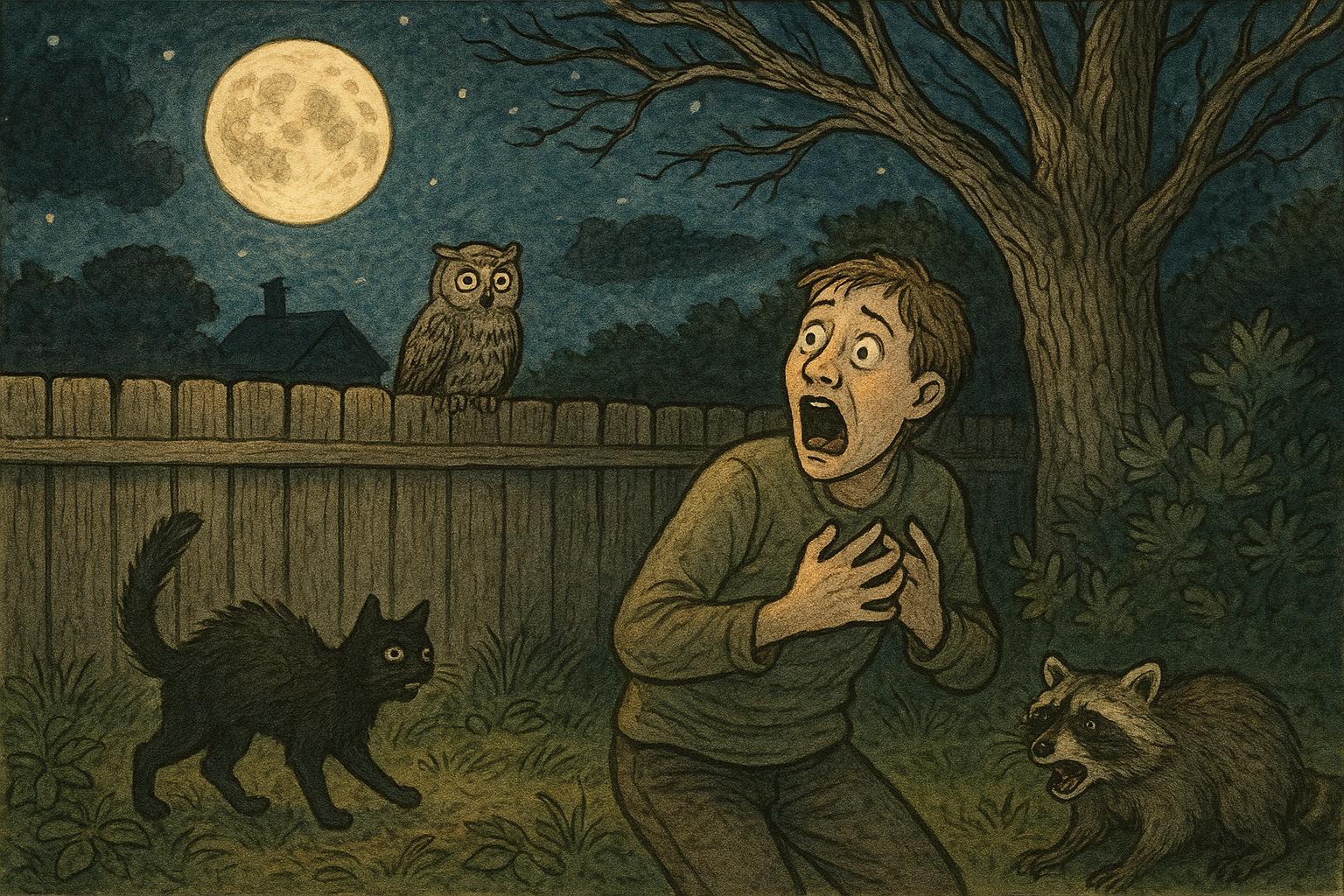
Free-roaming cats are a leading cause of nest failure. Encourage indoor time.
– Keep cats indoors, especially from dawn to mid-morning when many birds are most active building nests and feeding young.
– If cats must go out, consider a bell collar or supervised enclosure.
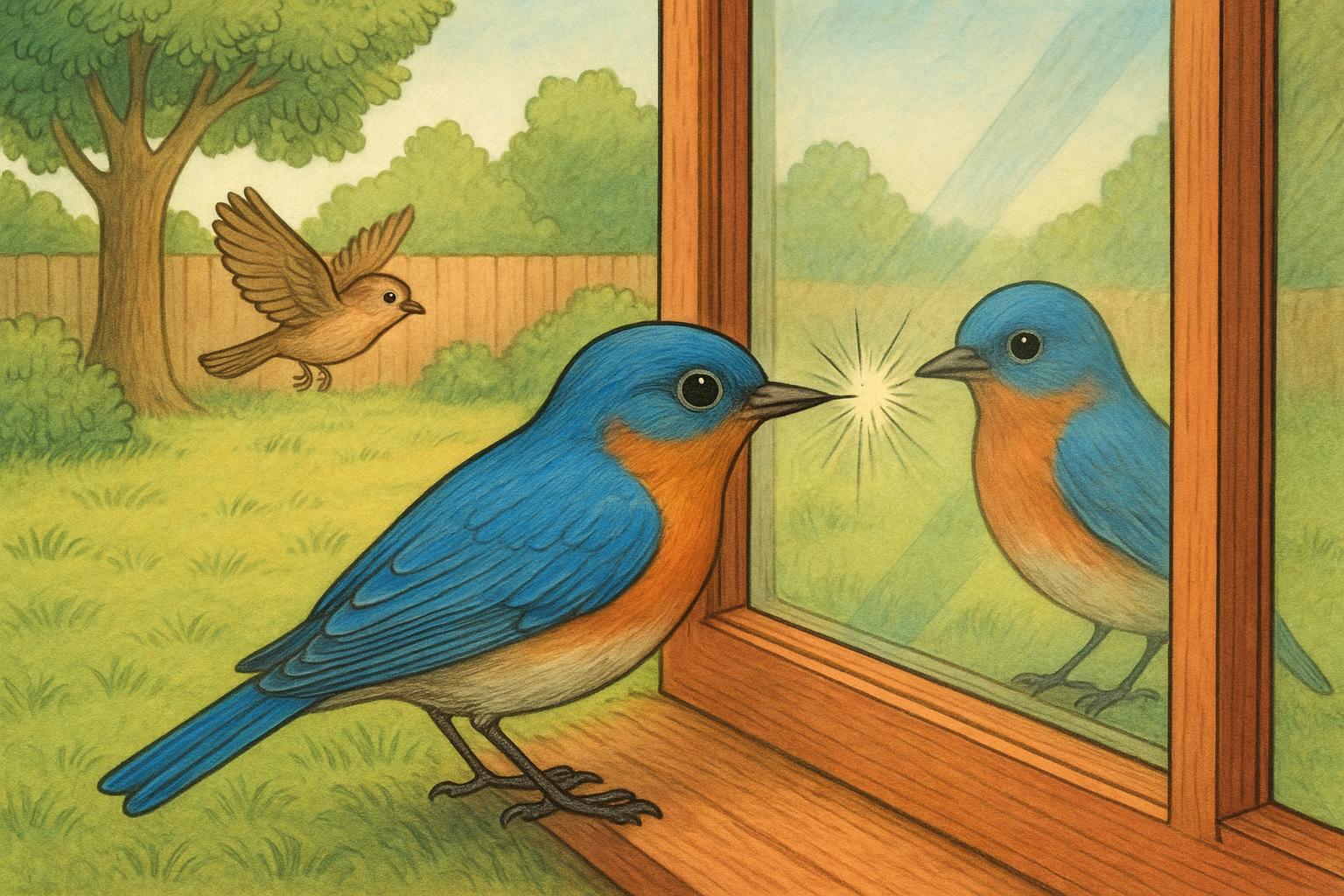
### Reduce Window Collisions
Nesting birds are vulnerable to window strikes.
– Apply two-by-four spacing of decals on the outside of glass to break reflections.
– Use screens or netting where possible during high-traffic nesting months.
### Eliminate Pesticides
Avoid chemical sprays that kill insects. If your yard is a food factory for nestlings, you need those caterpillars and beetles. Opt for mechanical removal or targeted, least-toxic methods only as a last resort.
## Monitoring Without Disturbing
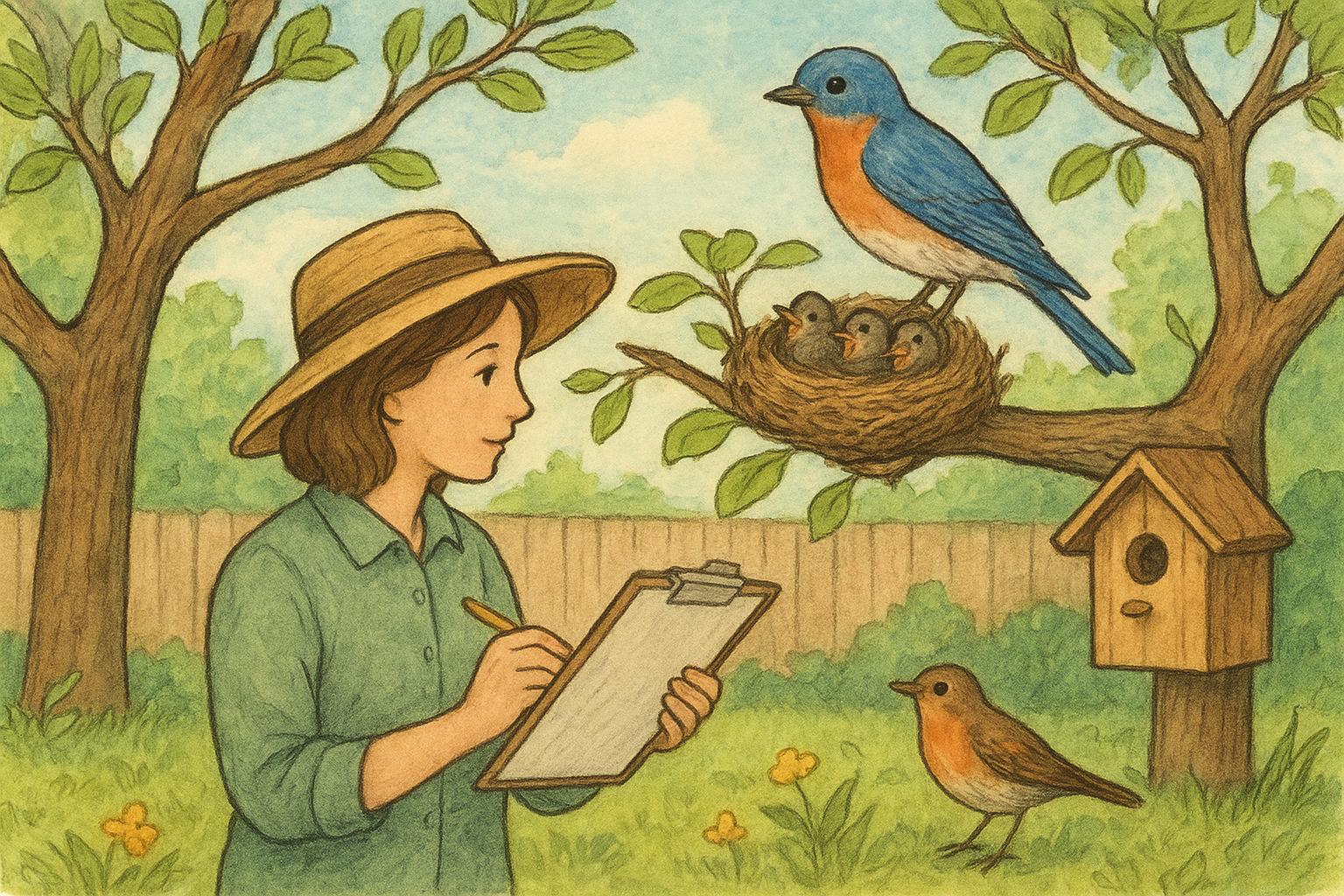
Part of nest prep is planning to watch with restraint. Observing behavior from a distance gives you clues without stressing wildlife.
### What To Record
Keep brief notes about species seen and where they’re active. A photo or two from afar helps you remember details later. Look for repeated trips to a particular shrub: that’s a likely nest site.
### Use Technology Wisely
Trail cameras can be useful, but place them carefully so they don’t attract predators or reveal nest locations to curious neighbors. Don’t livestream active nests; constant human attention can flag a nest to predators.
#### When To Intervene
If a nest is in peril from an obvious human threat—like a tree about to be cut—take action. Otherwise, hands-off is often best. Wildlife evolved to handle many natural risks. Your role is to reduce unnecessary human-made dangers.
## Grooming Your Yard For Long-Term Nest Success
Small investments compound. Plant replacement shrubs, install a few nest boxes, and commit to leaving some mess.
### Yearly Checklist For Spring Nest Prep
A short seasonal checklist helps you stay on track.
– Late winter: clean and repair nest boxes; stock nesting material stations.
– Early spring: finish any yard work that could disturb nests; set up birdbaths.
– Mid-spring: monitor nest activity from a distance; leave leaf litter and brush piles in place.
– Late spring: note successful species and adjust plans for next year.
Only a few items each season, but they add up to a yard that keeps getting better for wildlife.
## Community Actions That Multiply Success
Your yard matters, but so does the block. Talk to neighbors about keeping cats indoors, planting native hedges, and leaving snags where safe. A row of houses that all commit to sensible spring nest prep for backyard wildlife creates corridors and safe stopover points for migrating birds.
### Volunteer Opportunities
Join or start a local group to map nesting hotspots, coordinate plant swaps of natives, or host a nest-box workshop. Shared knowledge and tiny actions scale quickly.
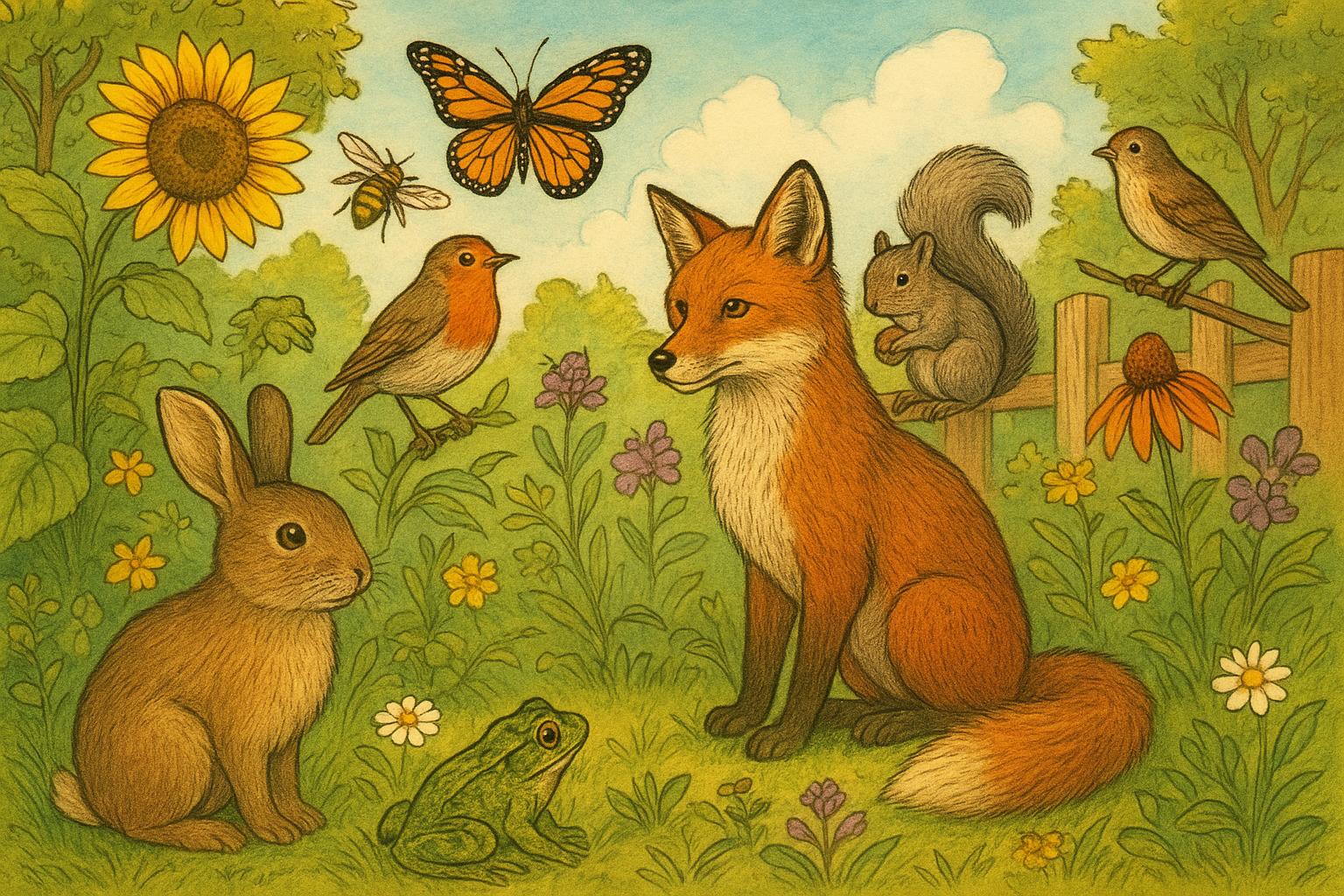
Keep an eye on how your yard changes year to year. You’ll notice species that once skipped your street start to appear. A few targeted moves at the right time of year, and the backyard becomes a living nursery. It takes patience, not perfection. Occassionally you’ll find things don’t go the way you planned. That’s part of it. Learn, tweak, and try again.




Leave a Reply