
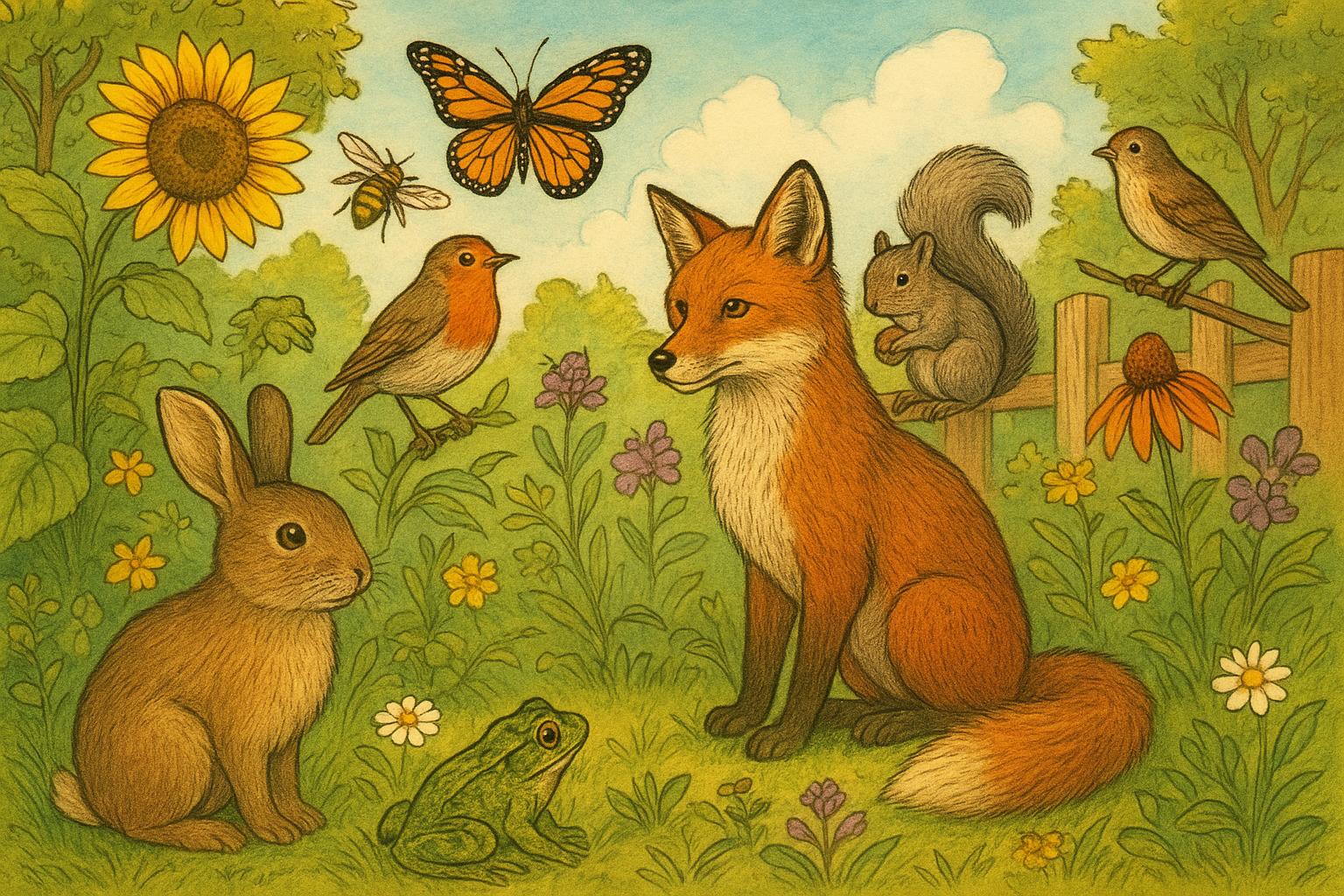
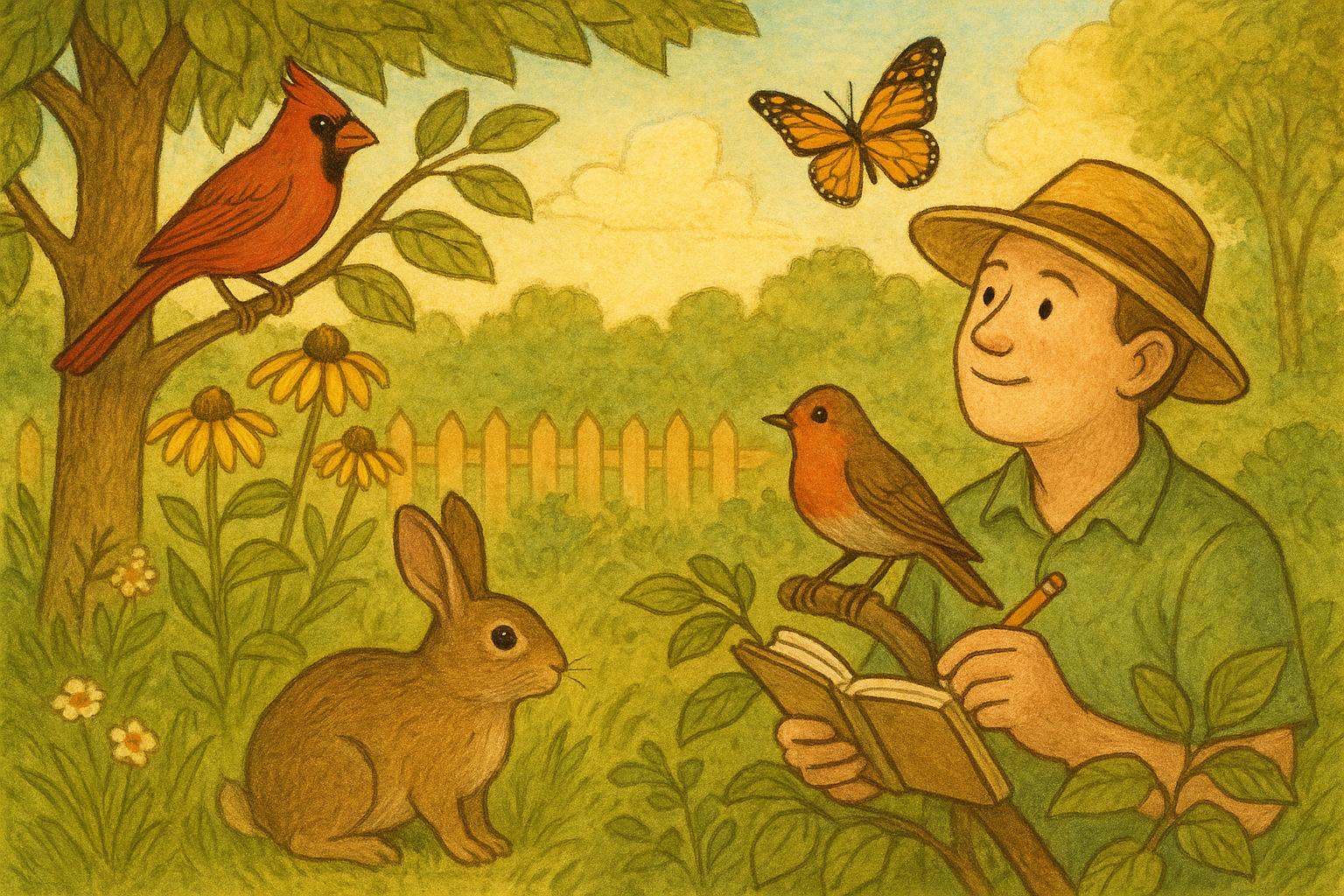
I keep a notebook by the back door. When I go out with my coffee, I jot a few lines about what I saw: a pair of goldfinches on the thistle feeder, a fox trotting along the fence at dusk, the small red moth that kept bumping against the kitchen window. Those quick notes are how I started to notice patterns. Summer garden wildlife sightings are not random; once you start paying attention, you’ll spot rhythms—who shows up at dawn, what blooms draw the most pollinators, which hiding places the local toads prefer.
## Summer Garden Wildlife Sightings: What To Expect This Year
Summer is when yards become full of business. The word that comes up most often in my notebook is “movement.” Hummingbirds are the obvious flash of motion, but there’s also slow, steady movement: a female rabbit pushing through tall grass, a bat skimming the pool for mosquitoes, a spider rebuilding a web every morning. If you’re waiting for moments that feel cinematic, you’ll get some; most sightings are smaller, quieter things that add up.
The specific mix of species depends on where you live, but here are common categories you’ll likely see: songbirds, pollinators (bees, butterflies, moths), small mammals (squirrels, rabbits, sometimes deer), reptiles and amphibians (garden snakes, toads), and the insects that keep everything fed. Expect variability day to day. One week the yard feels like a bird cafe; the next, a cloud of dragonflies makes a late-afternoon appearance.
### Patterns Over Days And Weeks
Keep a loose log. Note weather, temperature, what’s blooming, and the time of day. You’ll notice that some creatures show up predictably after rain. Others respond to a particular shrub coming into flower. For instance, in my neighborhood, the elderberry bushes are a magnet: within days of flowers opening, I get a surge in syrphid flies, honey bees, and occasionally a butterfly species that disappears the rest of the summer.
## Favorite Backyard Visitors And How They Behave
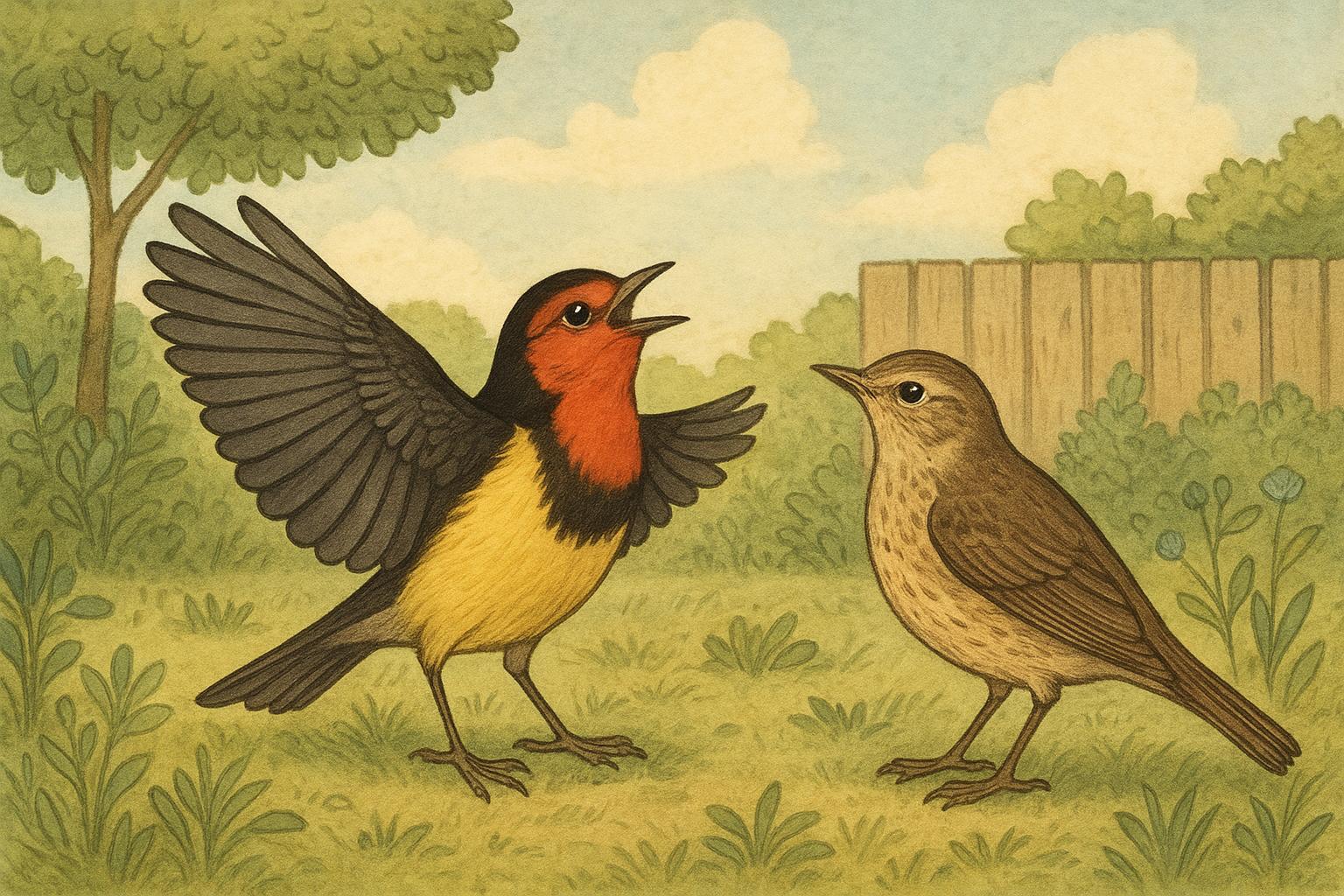
Knowing what to expect makes sightings more meaningful. You begin to recognize behavior: the way a robin tilts its head, how a fox pauses at the gate, how a bumblebee zigzags in a patch of clover. Those little tells are part of what makes summer garden wildlife sightings satisfying.
### Birds: The Most Obvious Guests
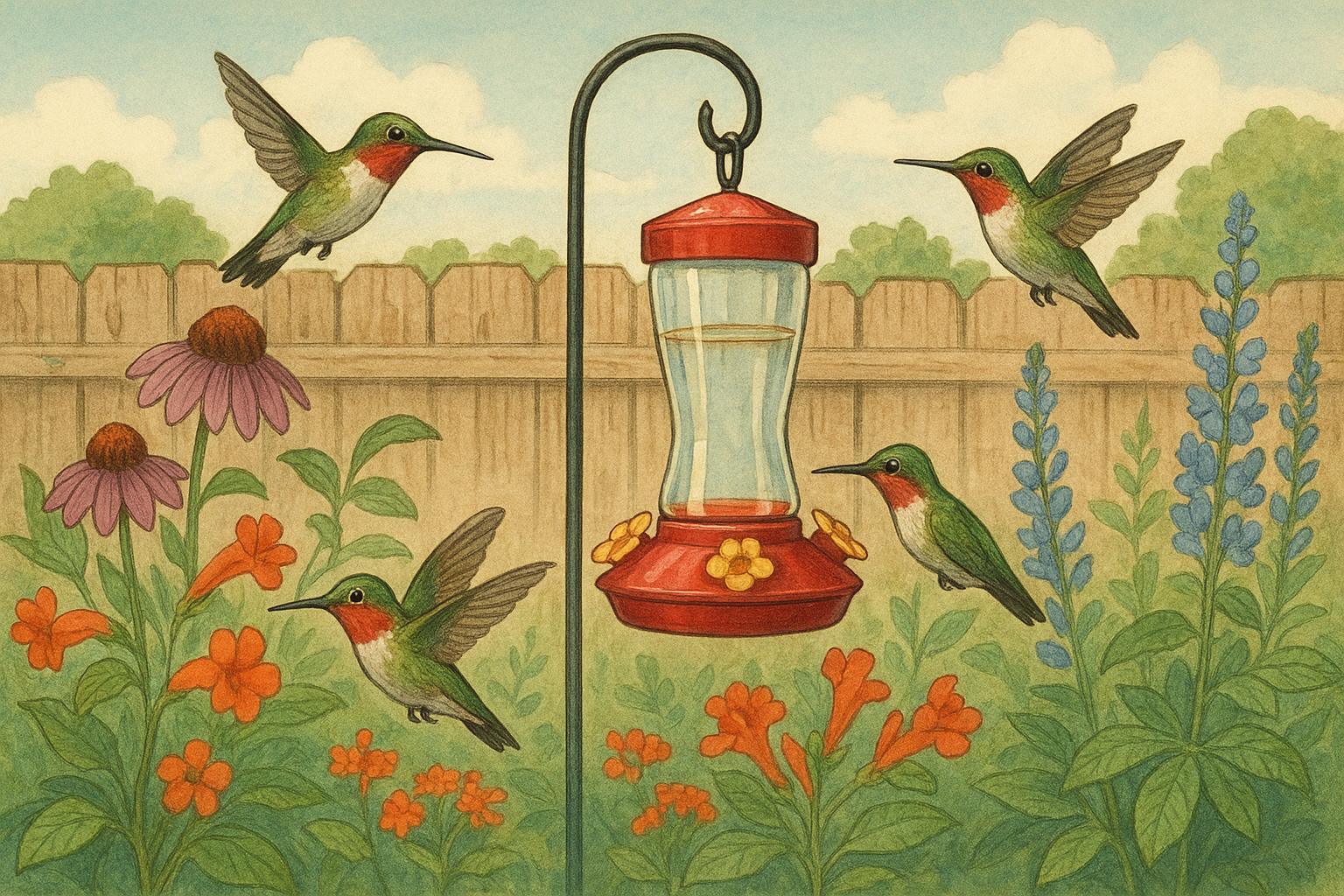
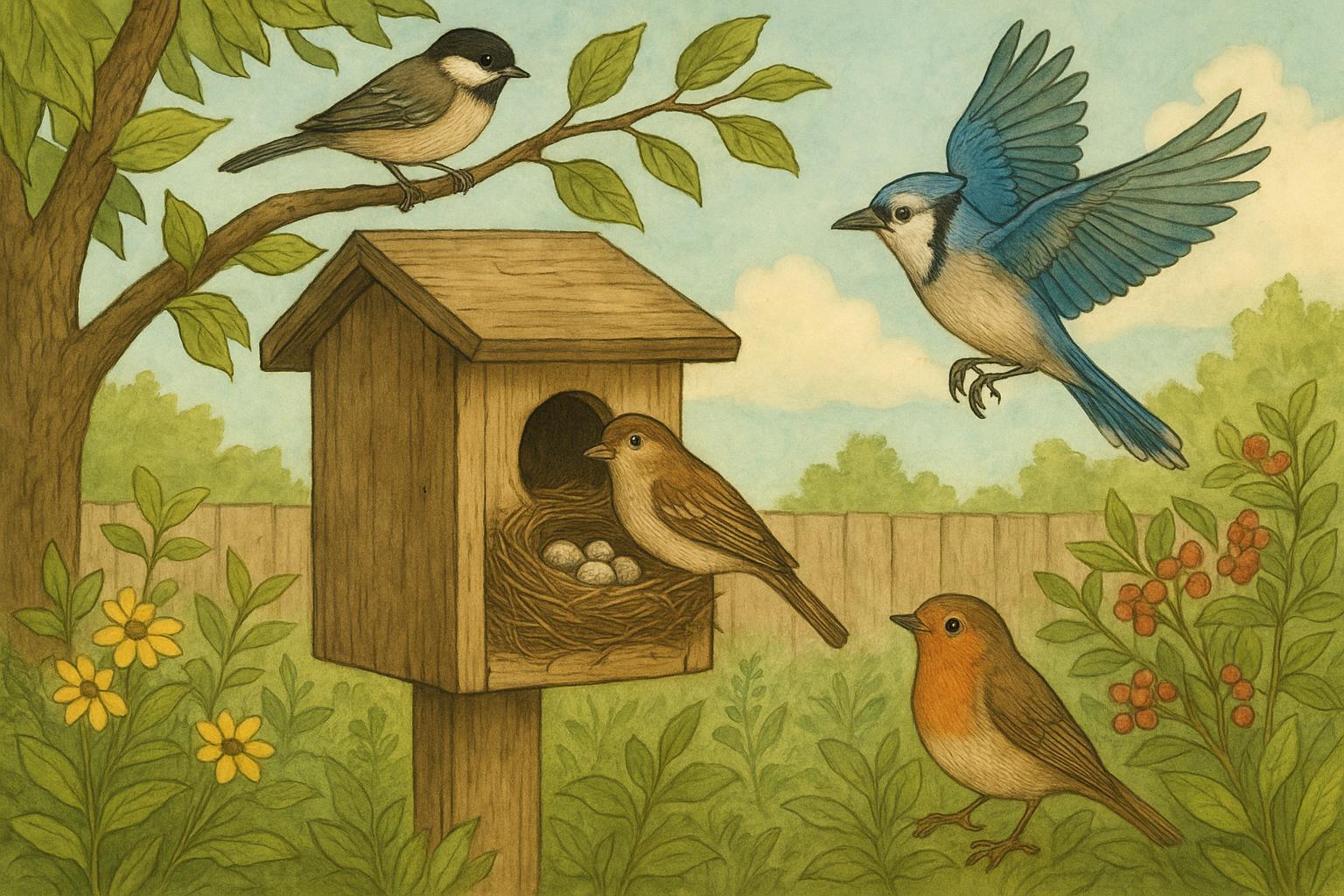
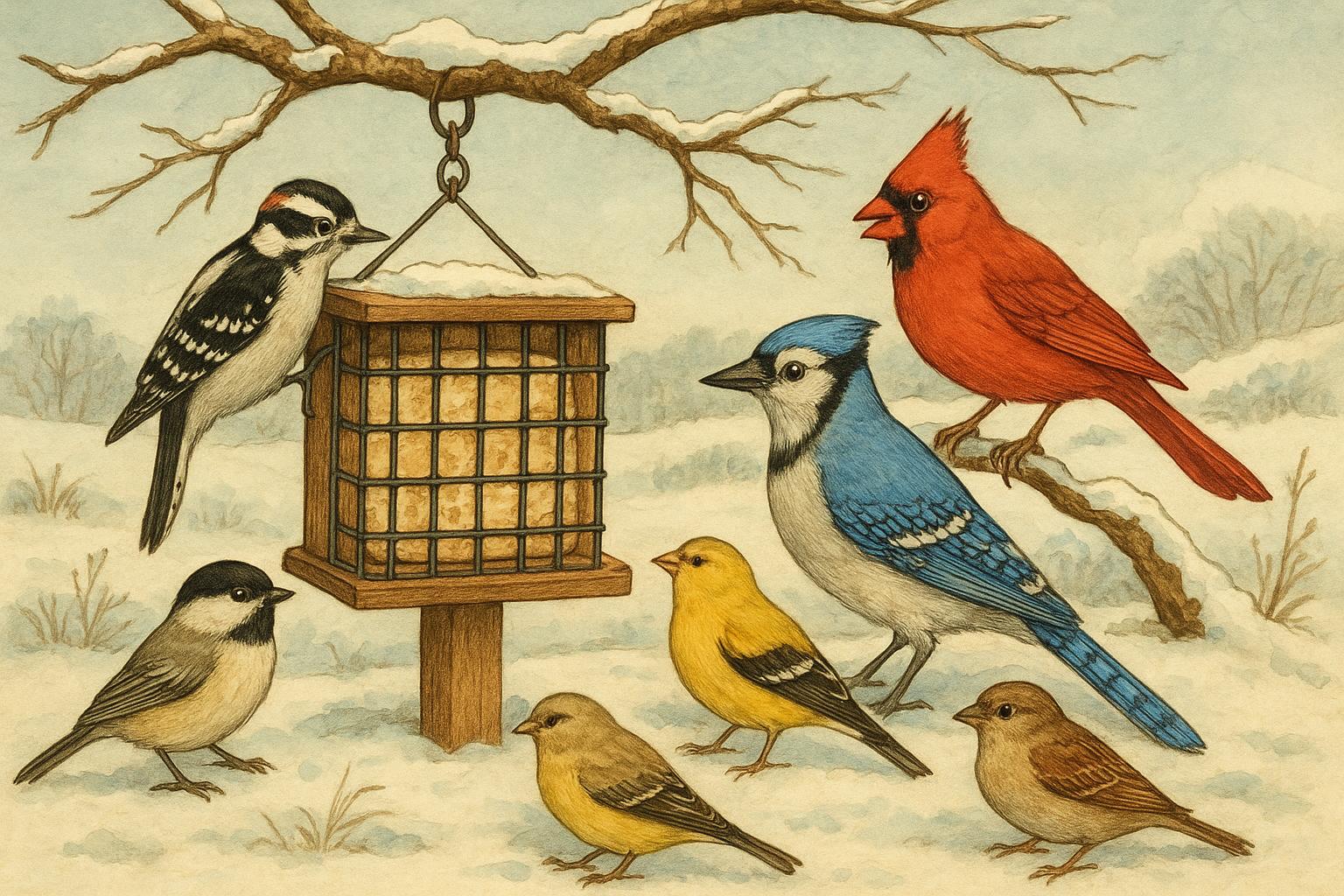
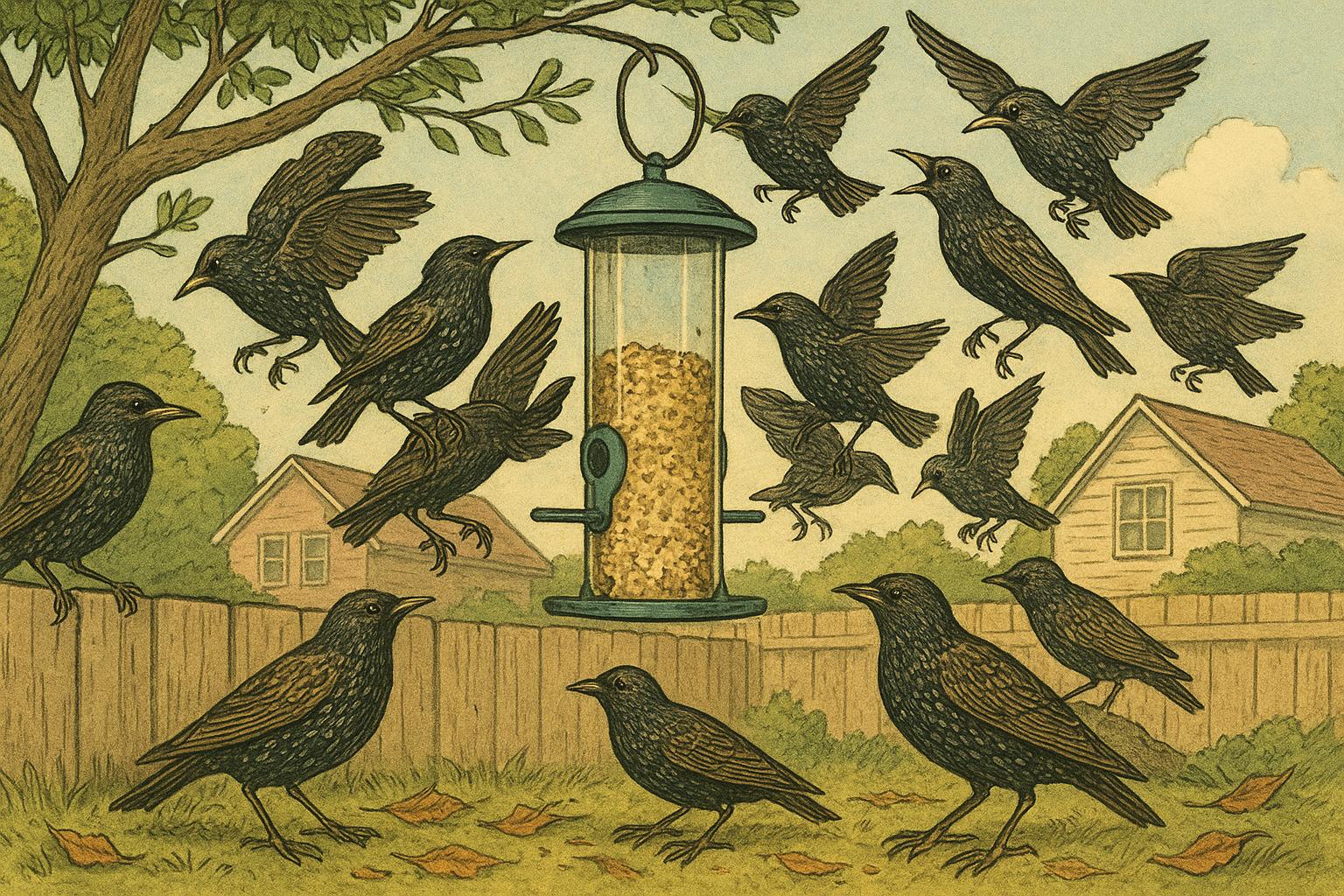
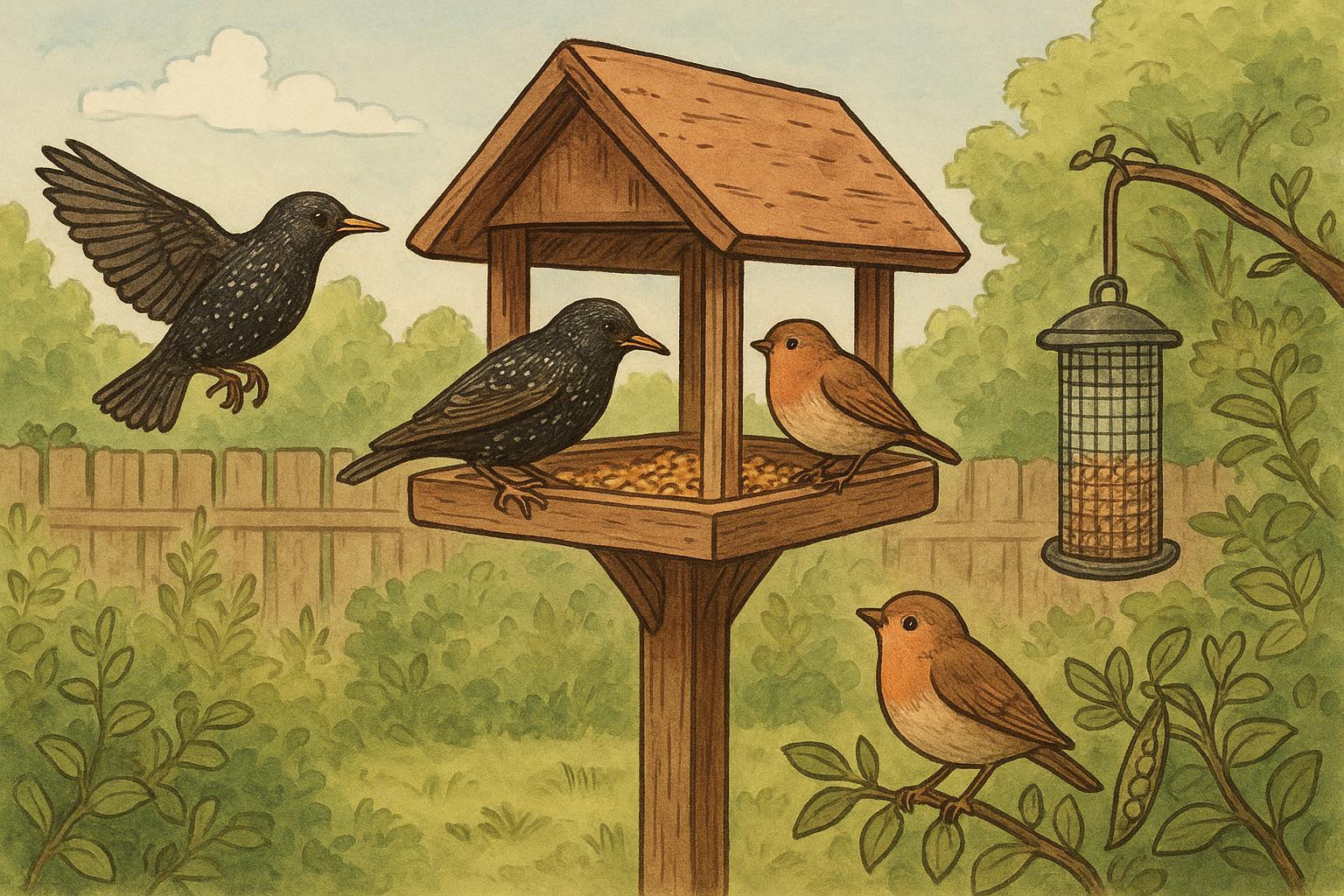
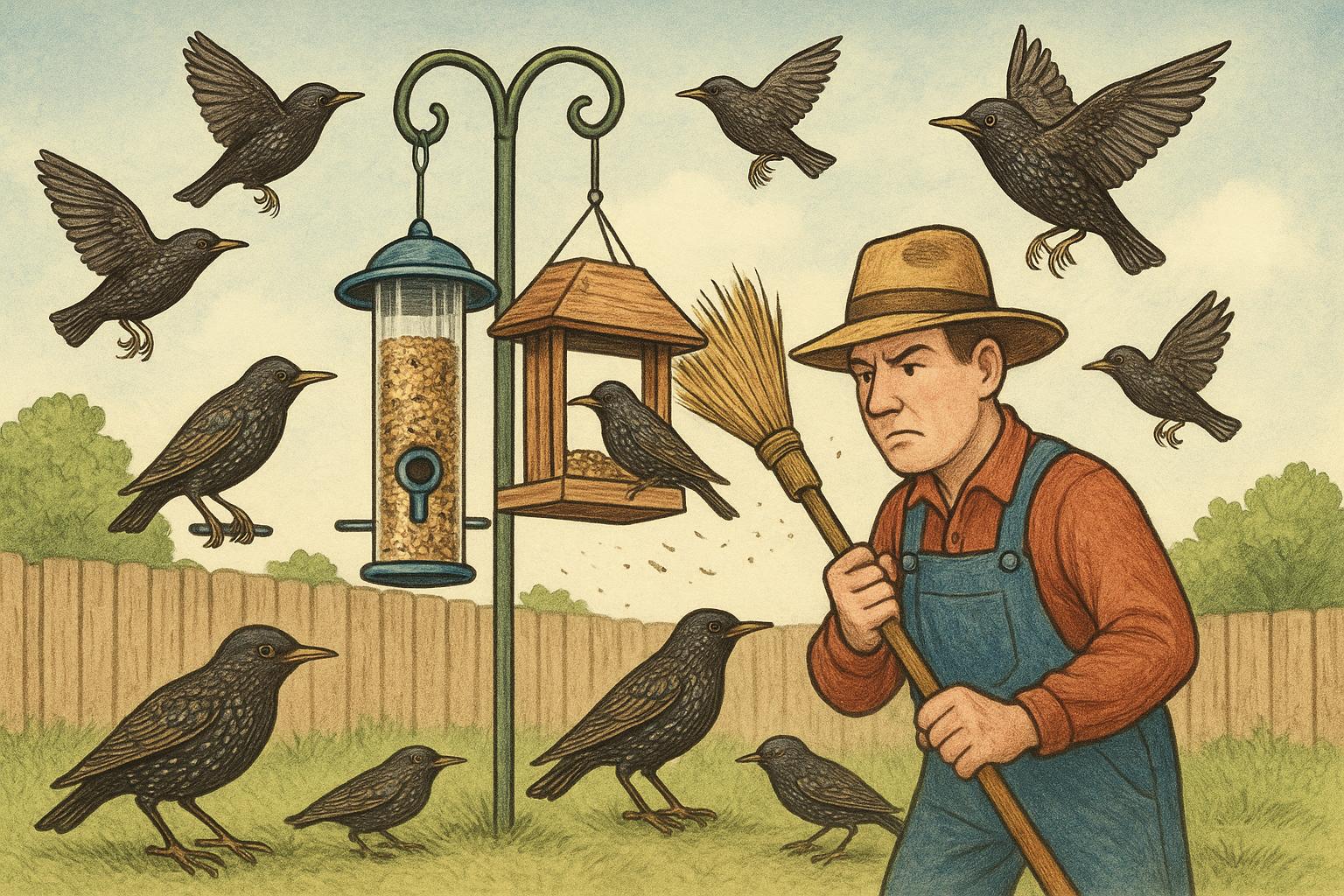
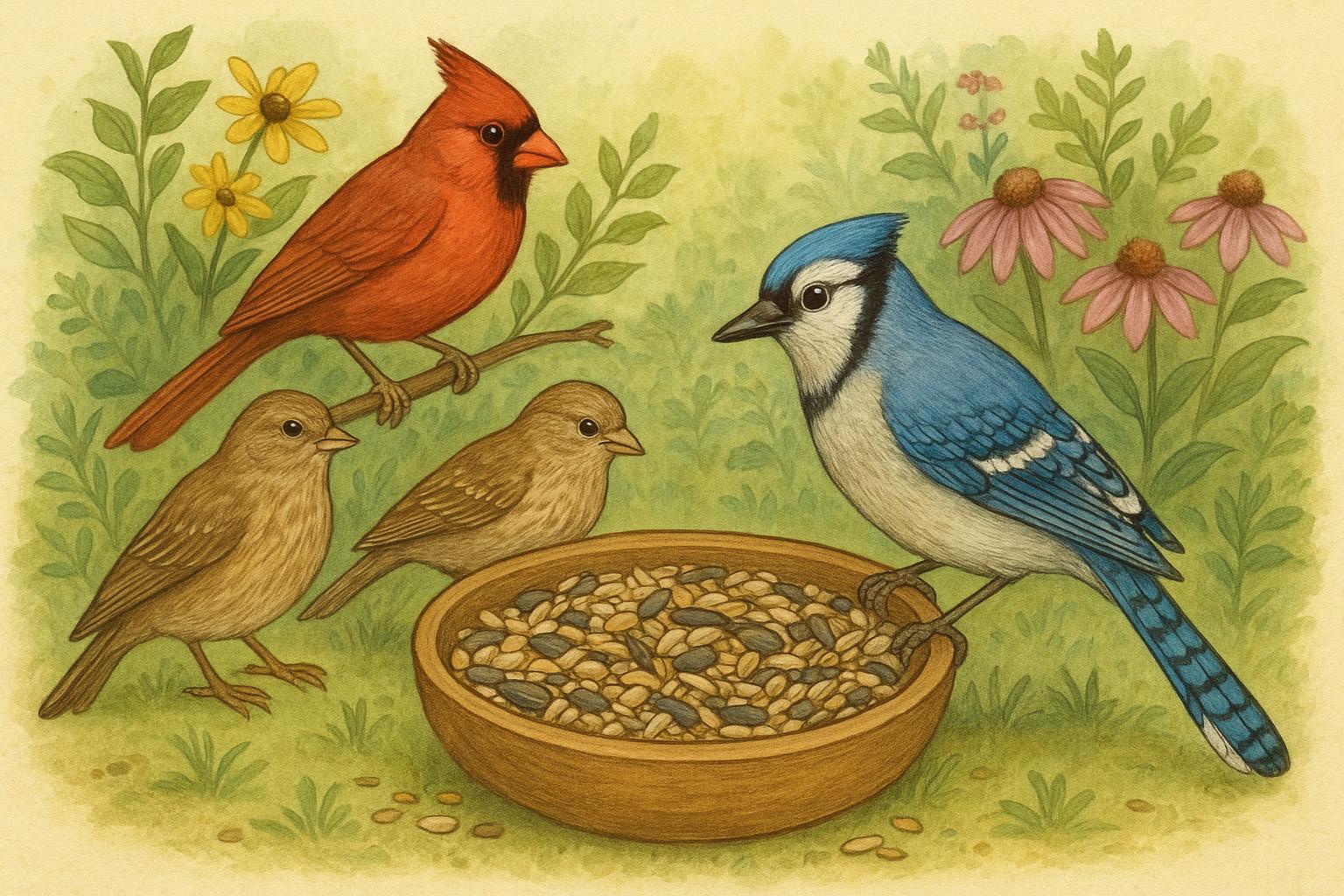
Birds take up the most visual real estate in a backyard. House finches, starlings, cardinals, warblers if you’re lucky. Hummingbirds are territorial and will chase each other away from the best feeders. I once watched a young hummingbird attempt to land on a feeder and do a full somersault mid-air; it looked clumsy and heroic.
– Early morning and late afternoon are peak times.
– Watch hedges and the tops of tall trees for perching and preening.
– Keep feeders clean; a sick bird can quickly turn a feeding station into a problem.
Birds also tell you what else is happening. A sudden flock of swallows means there are plenty of gnats or flies nearby. A red-tailed hawk hovering over the street suggests plenty of rodents—good luck for your lawn, less so for the neighborhood squirrels.
### Pollinators: Bees, Butterflies, And Moths
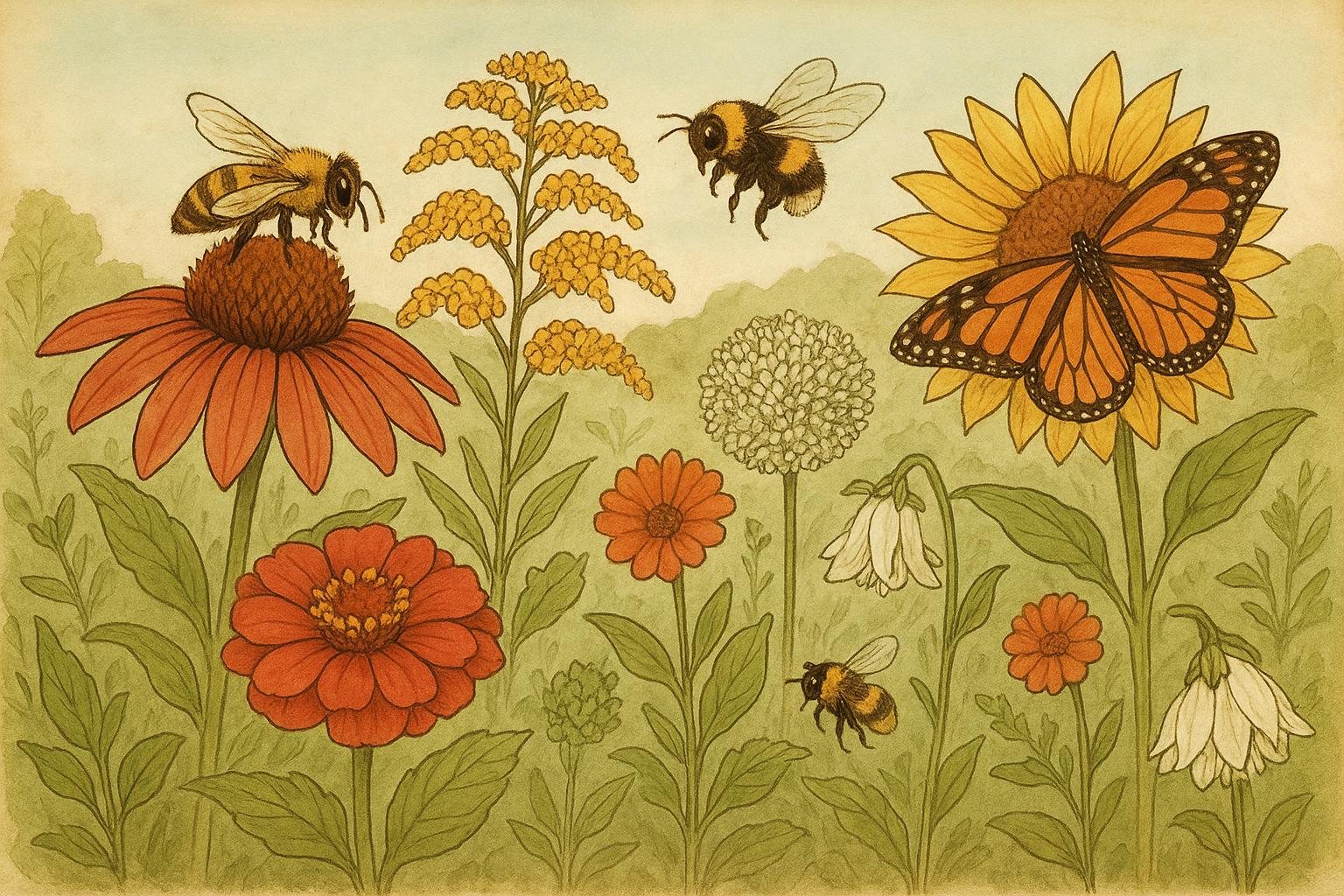
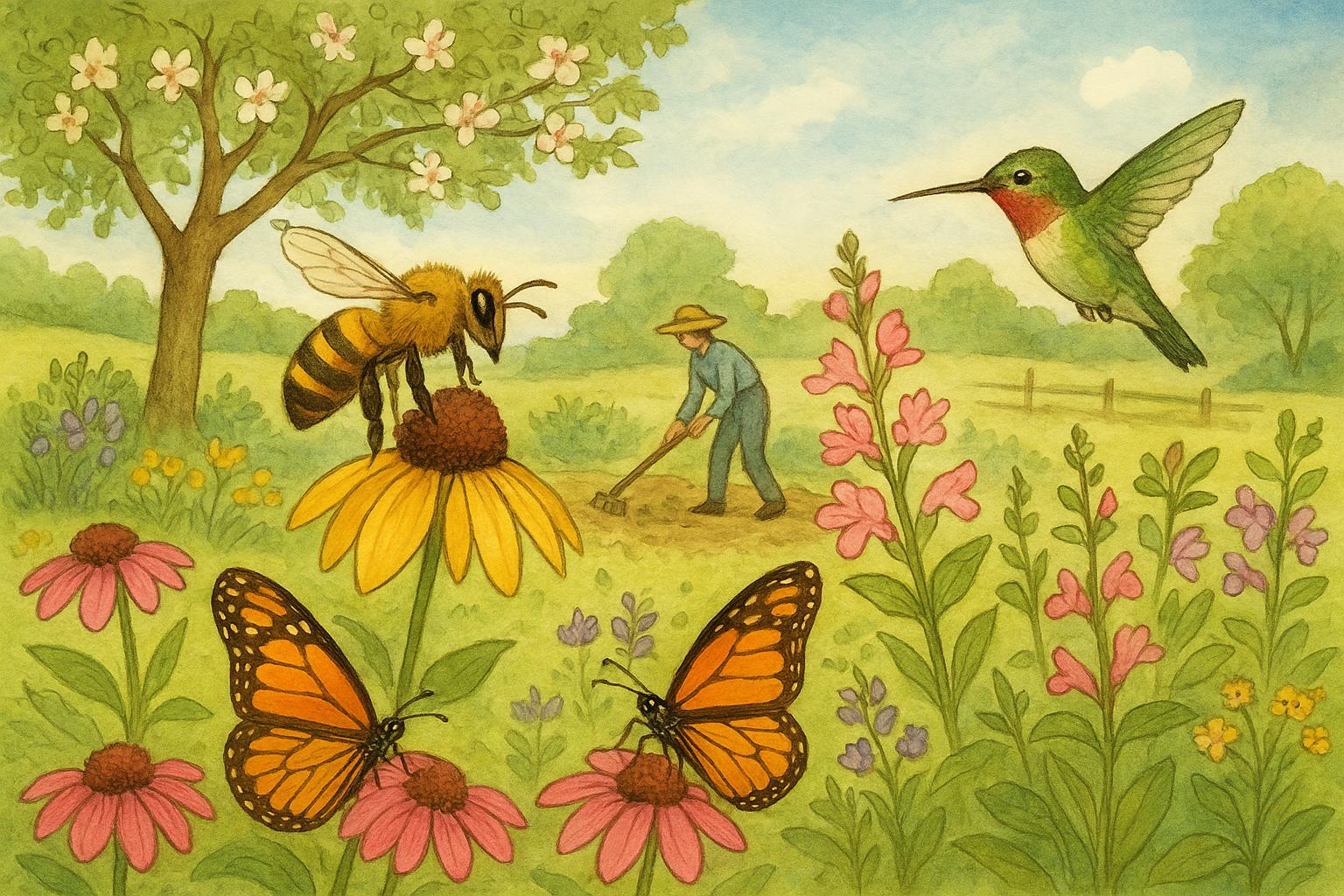
Pollinators are the backbone of summer garden sightings. You’ll see distinct personalities: bumblebees lumbering with purpose, sweat bees darting in and out of clover, butterflies pausing as if to sip sunshine. Moths often get overlooked because they’re nocturnal, but if you leave a porch light on and sit quietly, you’ll notice a different cast of characters.
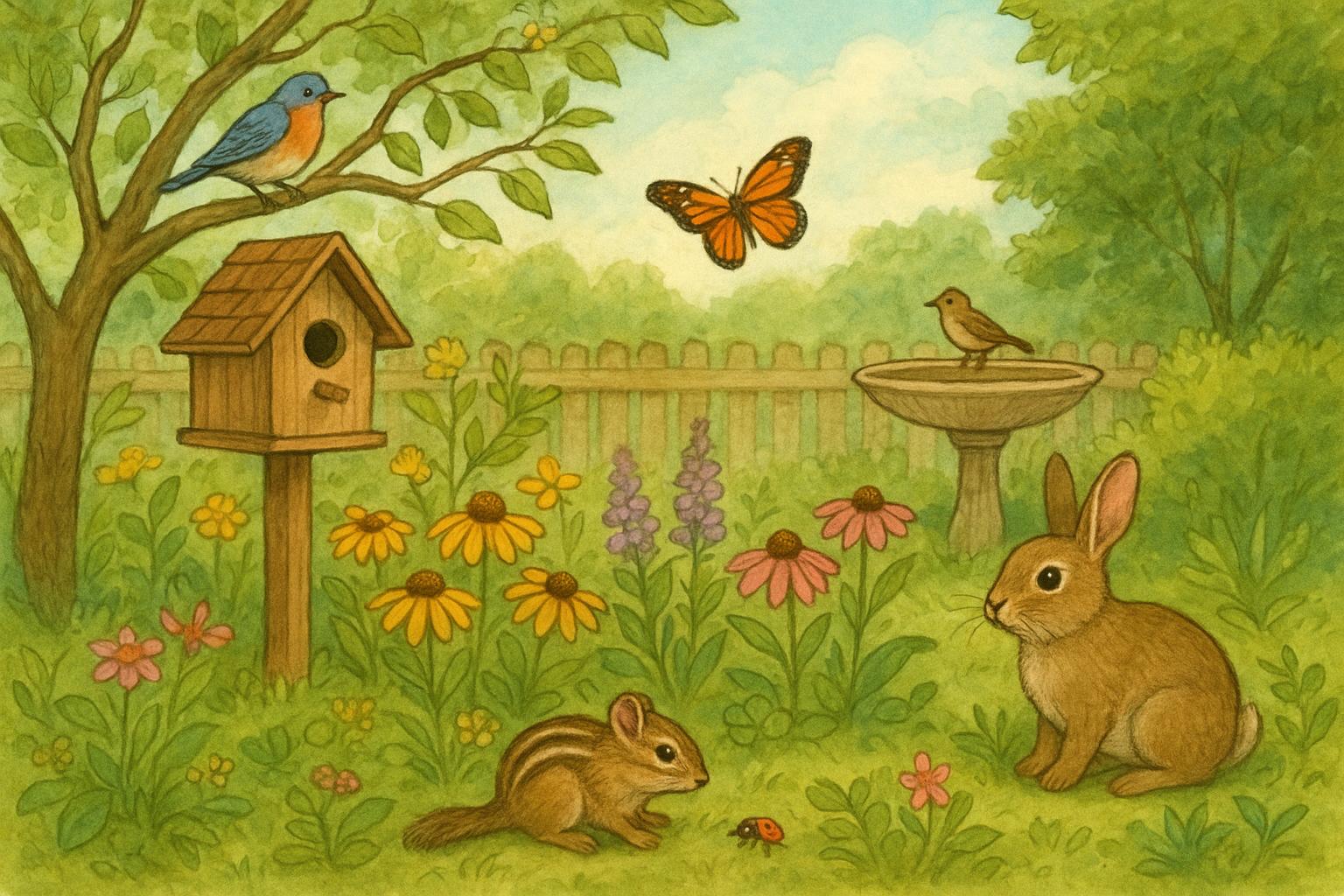
Plant choice matters. A patch of native milkweed will bring monarchs; a cluster of lavender draws long-tongued bees and certain fragile butterflies. If you want to encourage variety, aim for staggered bloom times so something is always in flower. Don’t worry about perfection. Even a single pot of zinnias will turn into a hotspot.
### Small Mammals: Quiet Activity
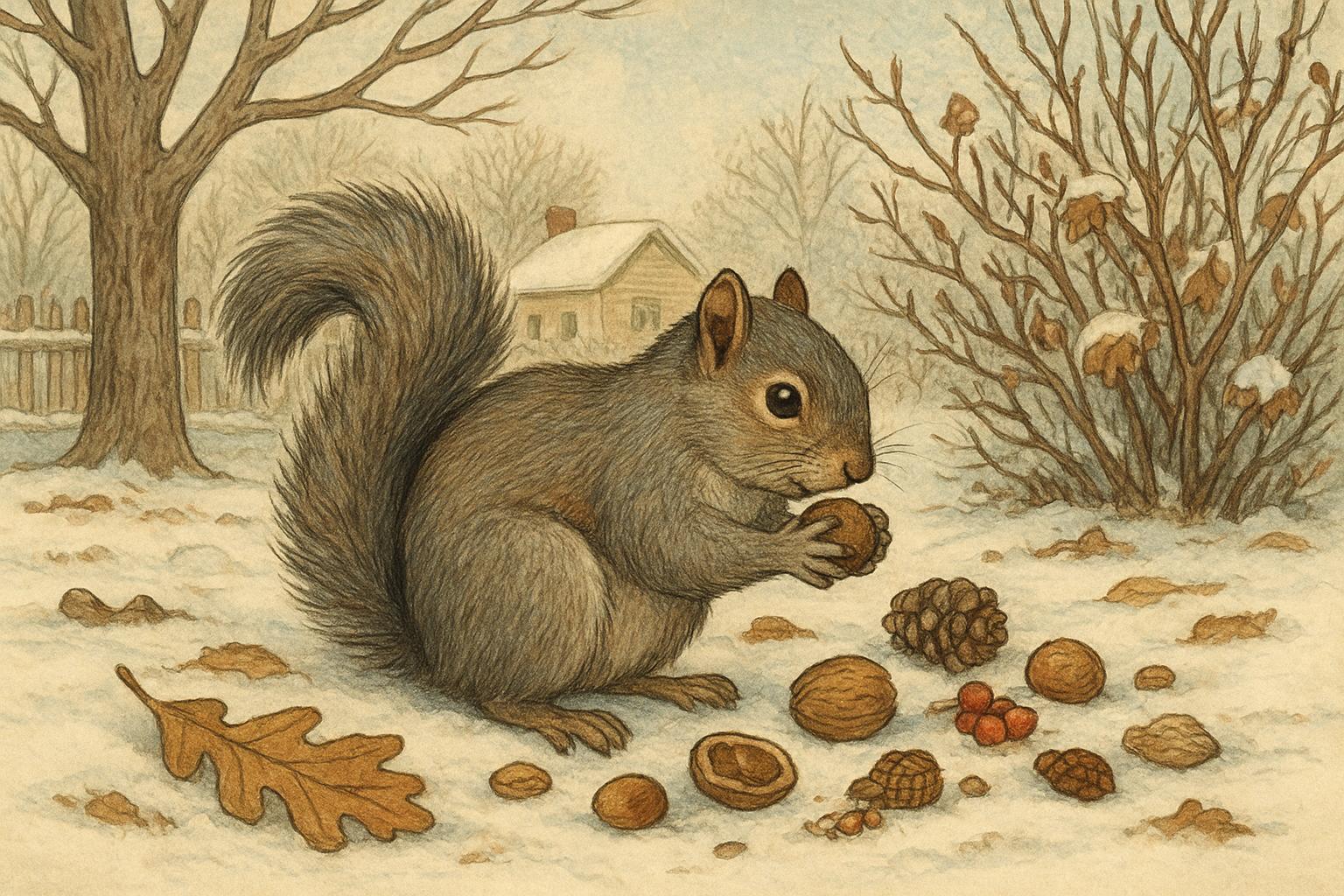
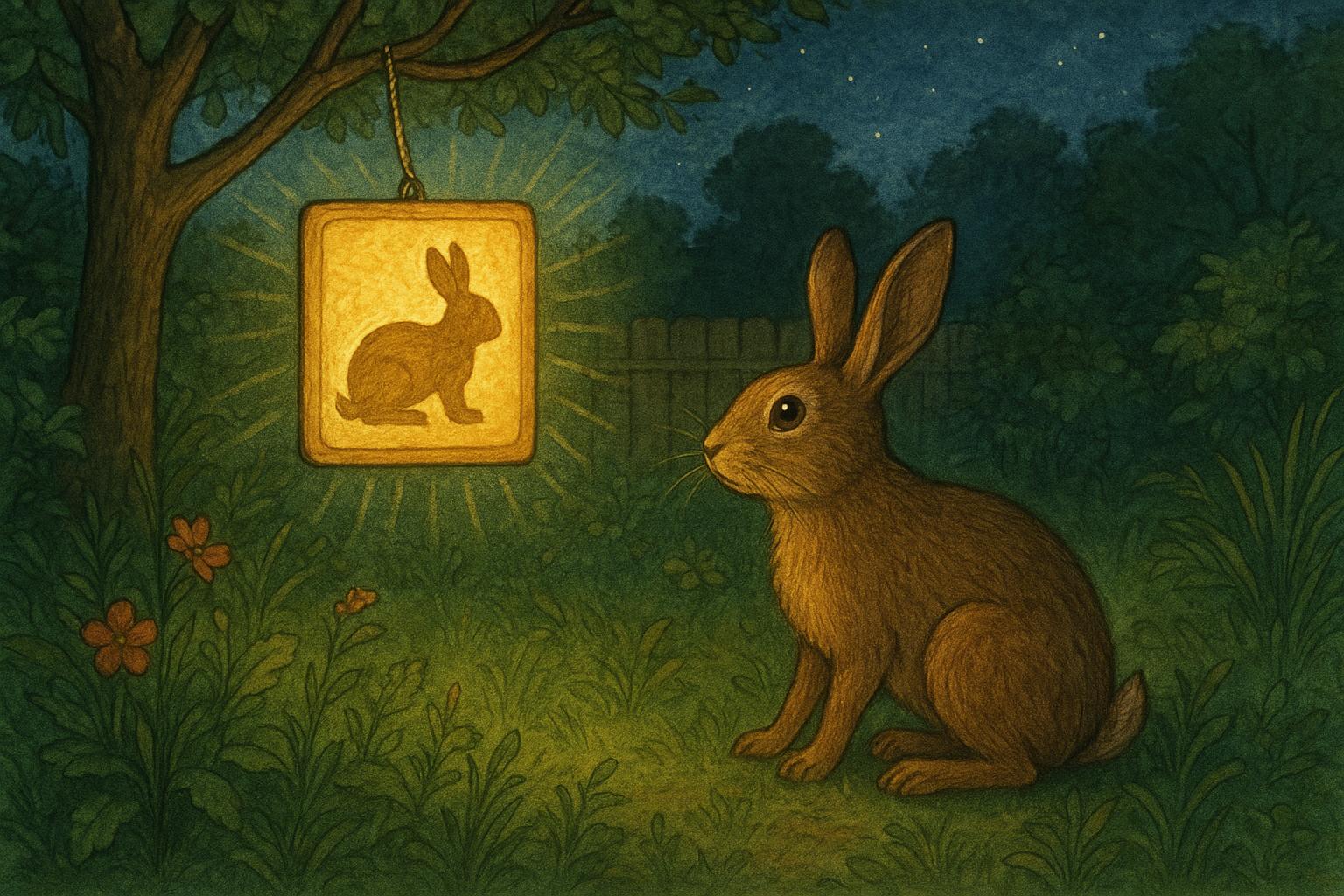
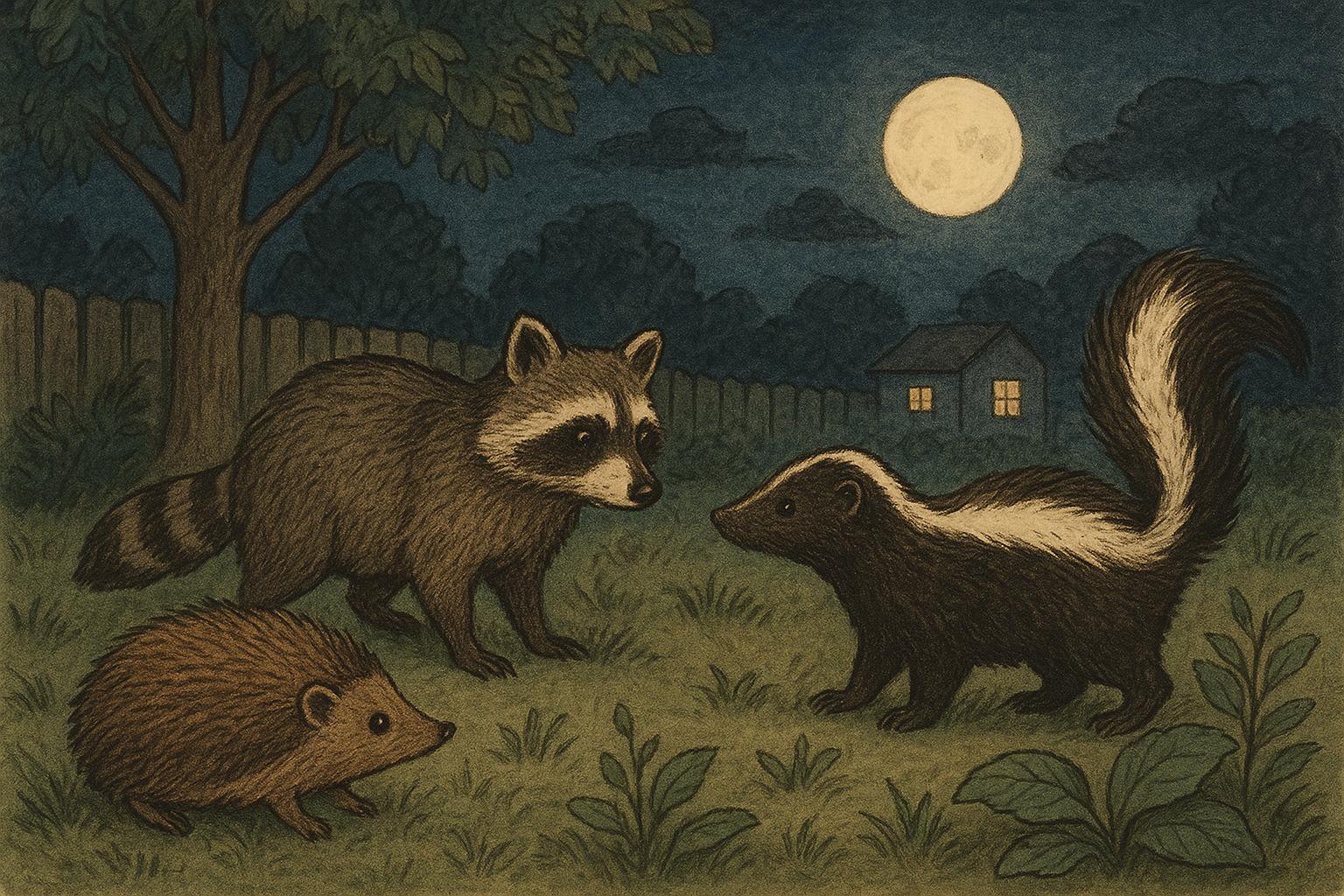
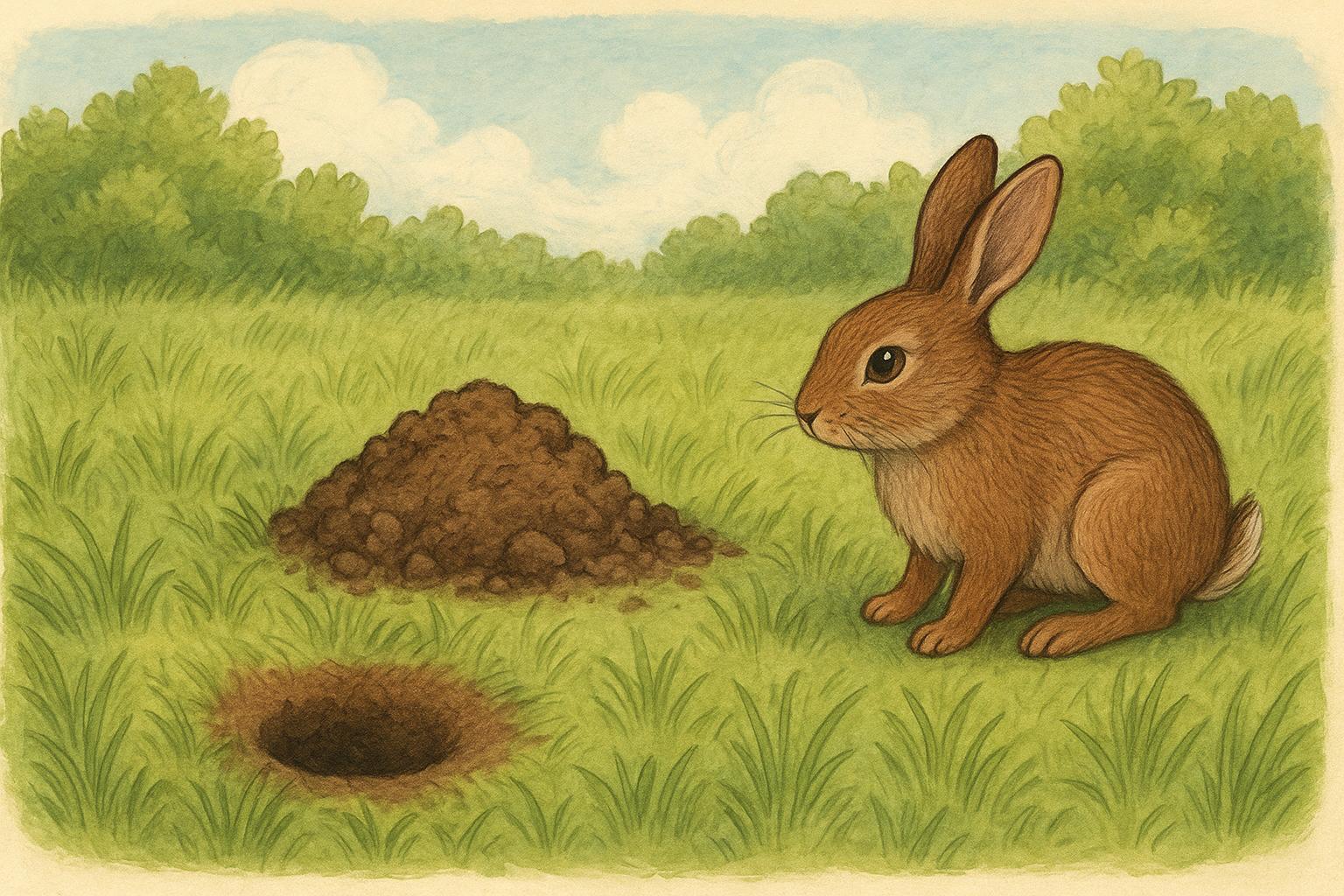
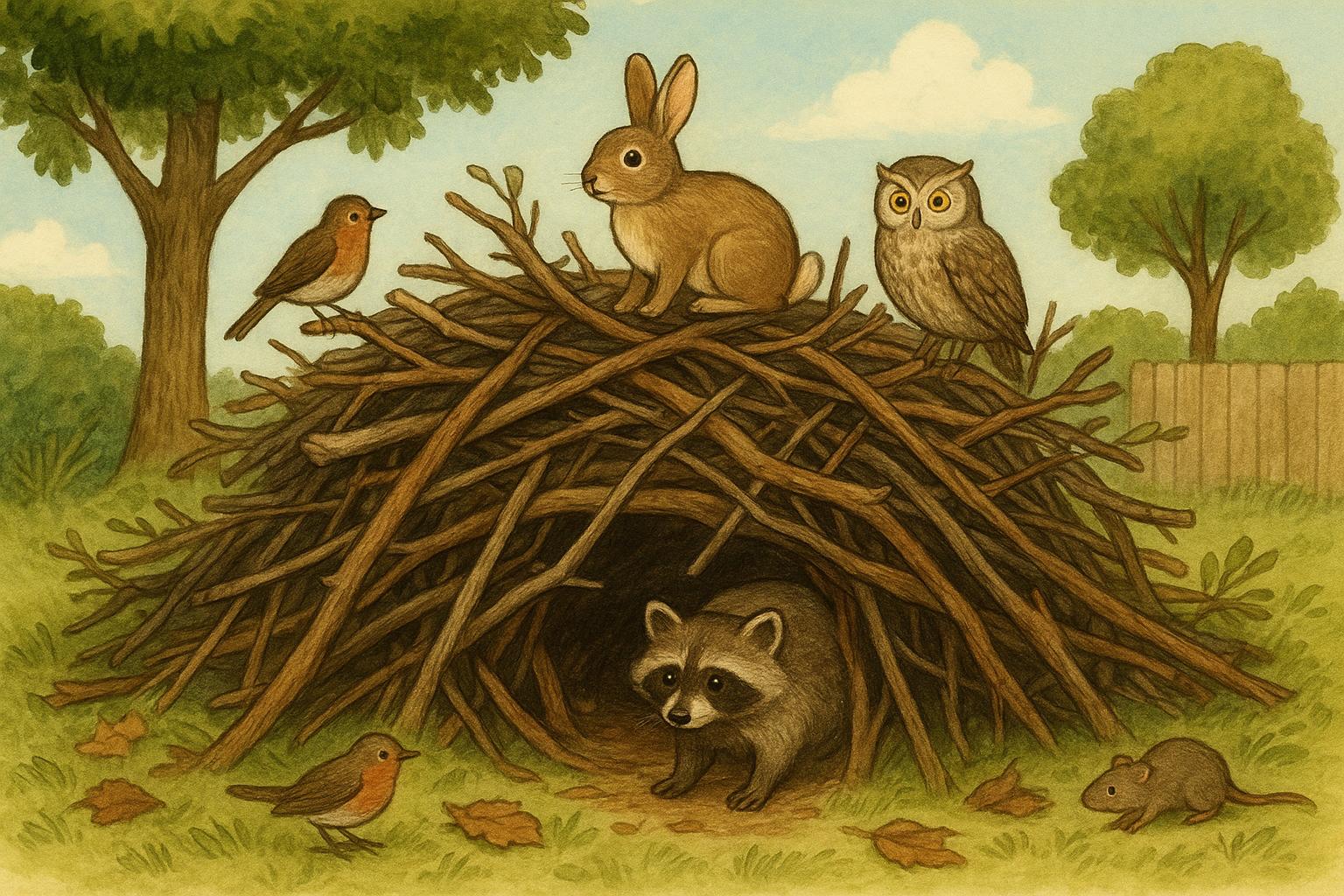
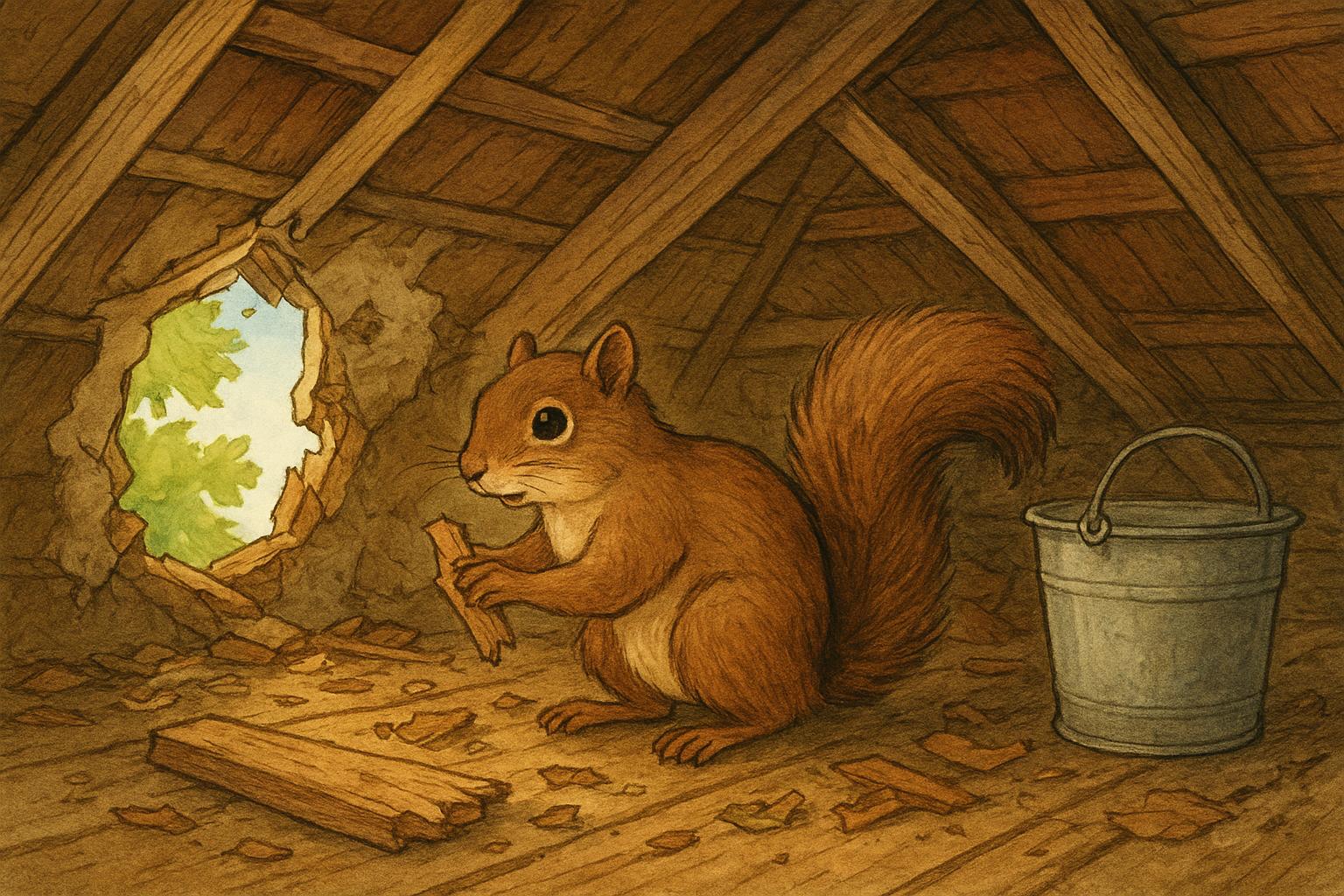
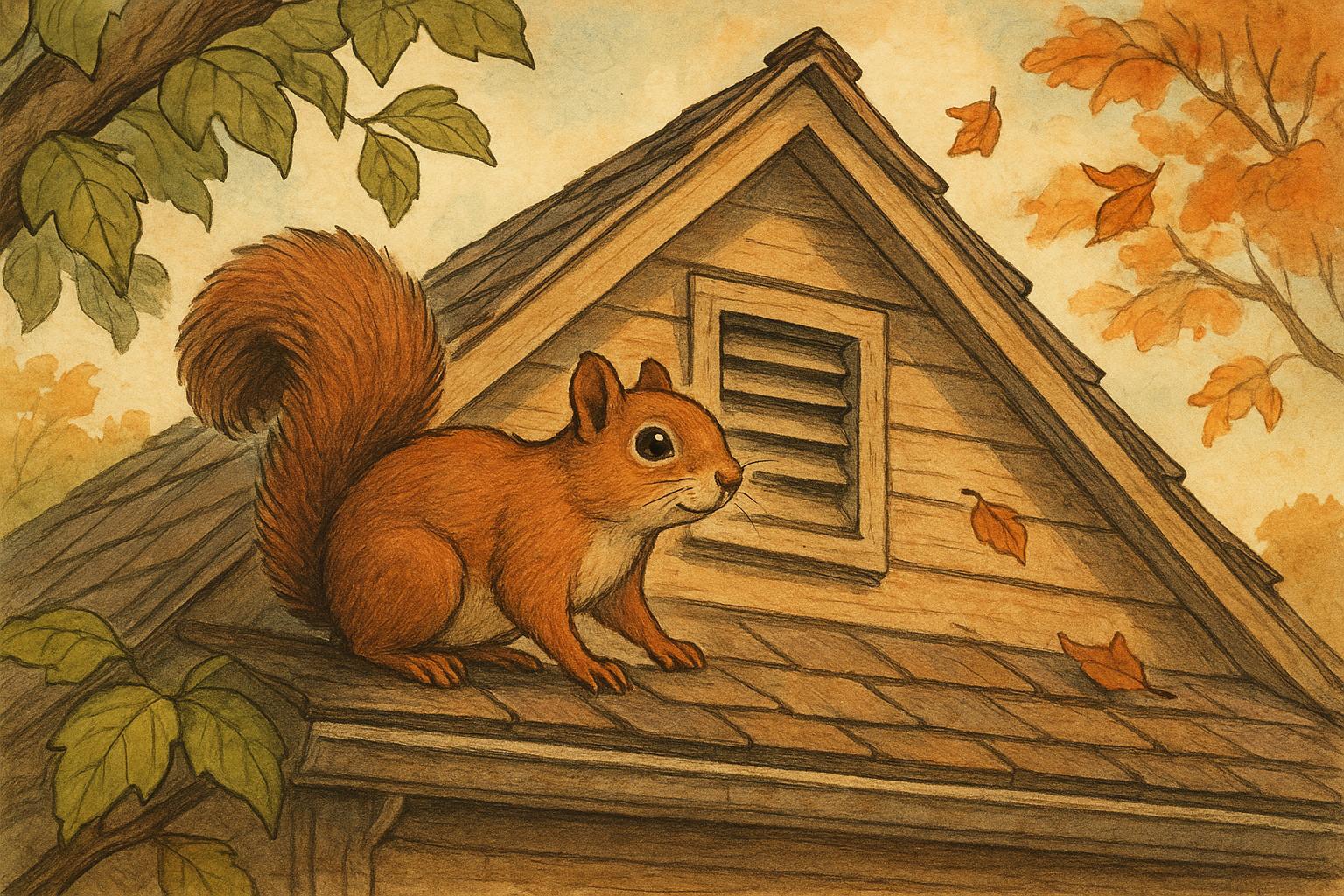
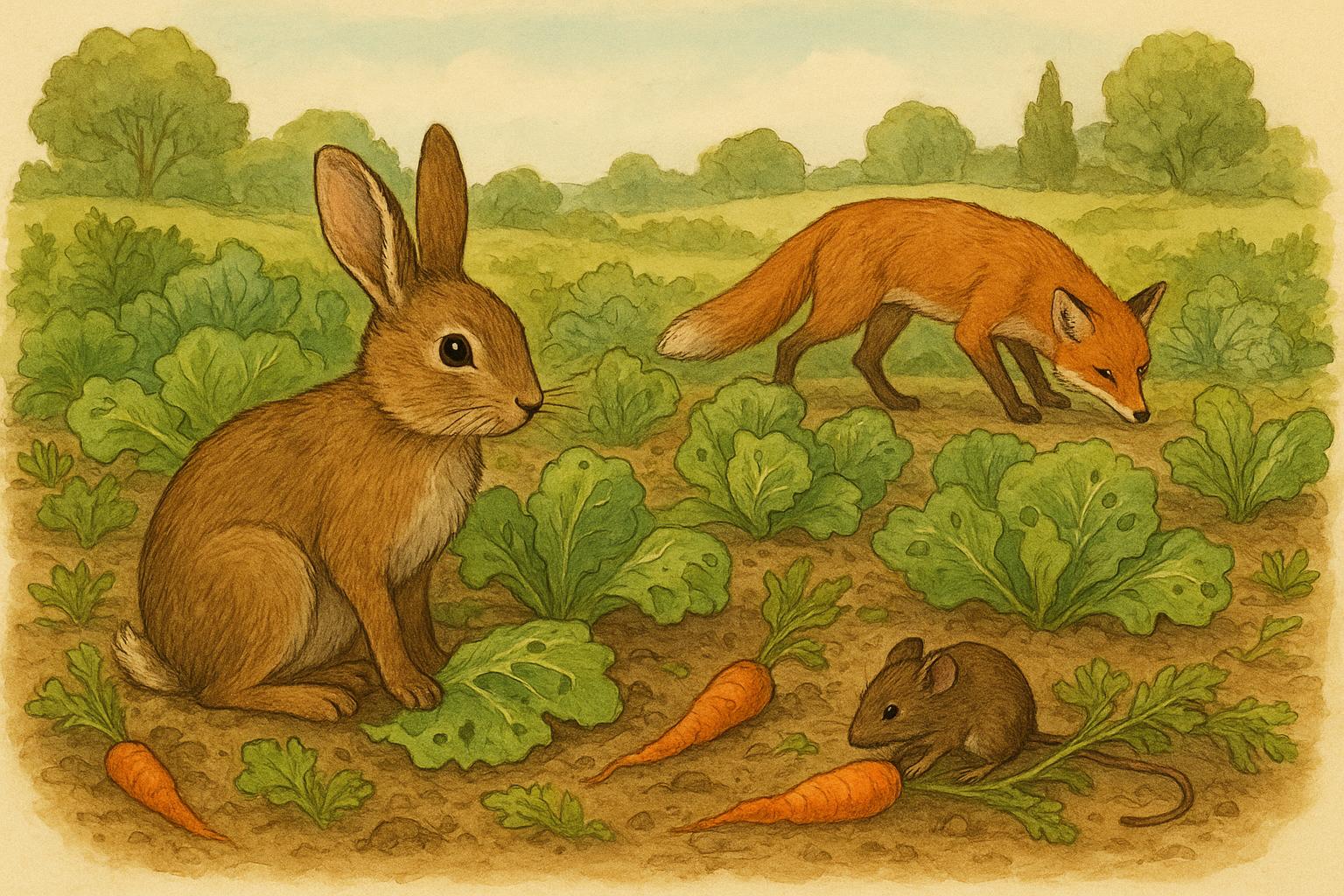
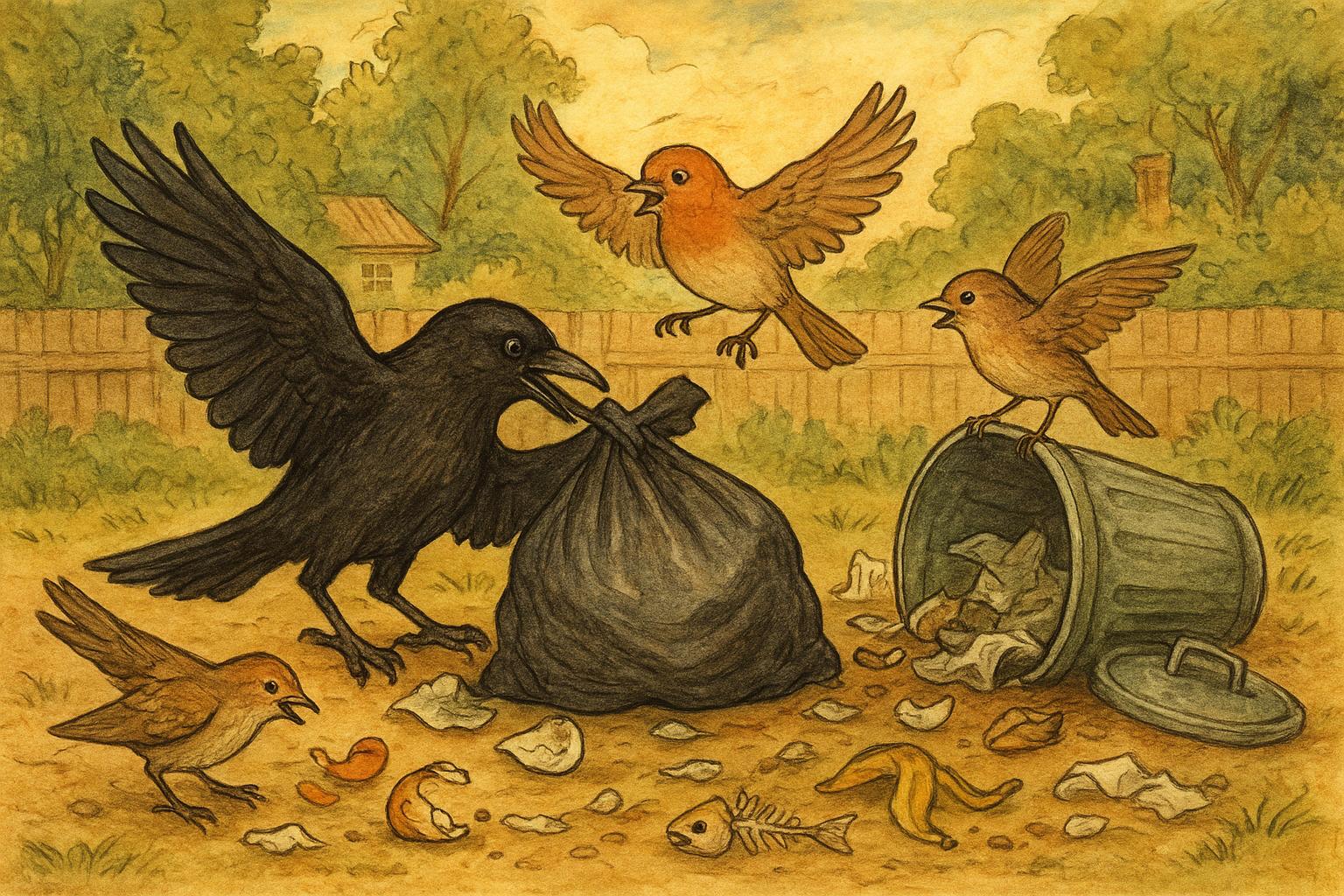
Squirrels and chipmunks are often blamed for chaos, but they’re also endlessly entertaining. Rabbits nibble at dawn and dusk, leaving tidy clipped edges on hostas. Raccoons are clever and mostly nocturnal; if you find toppled trash, they were likely on patrol.
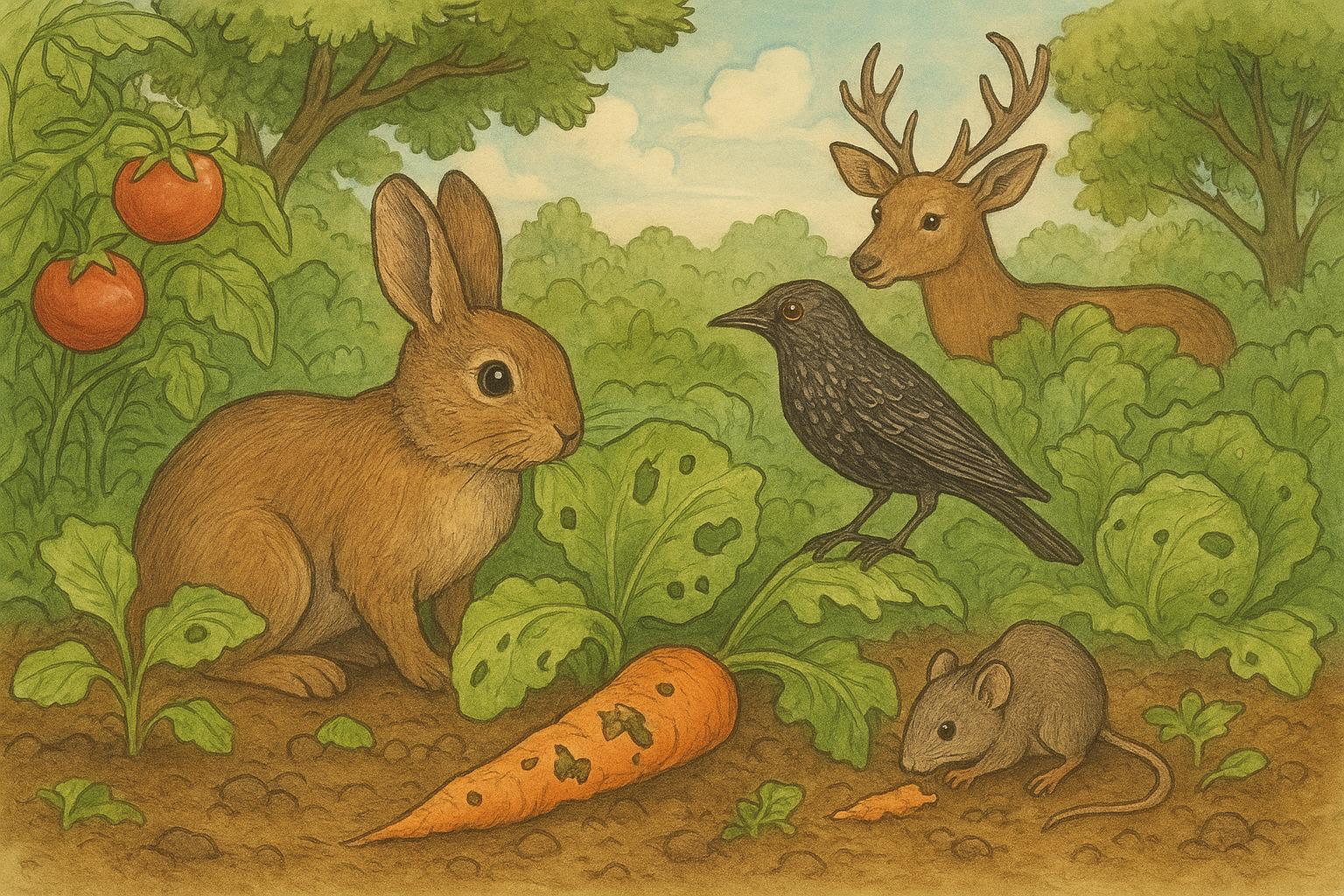
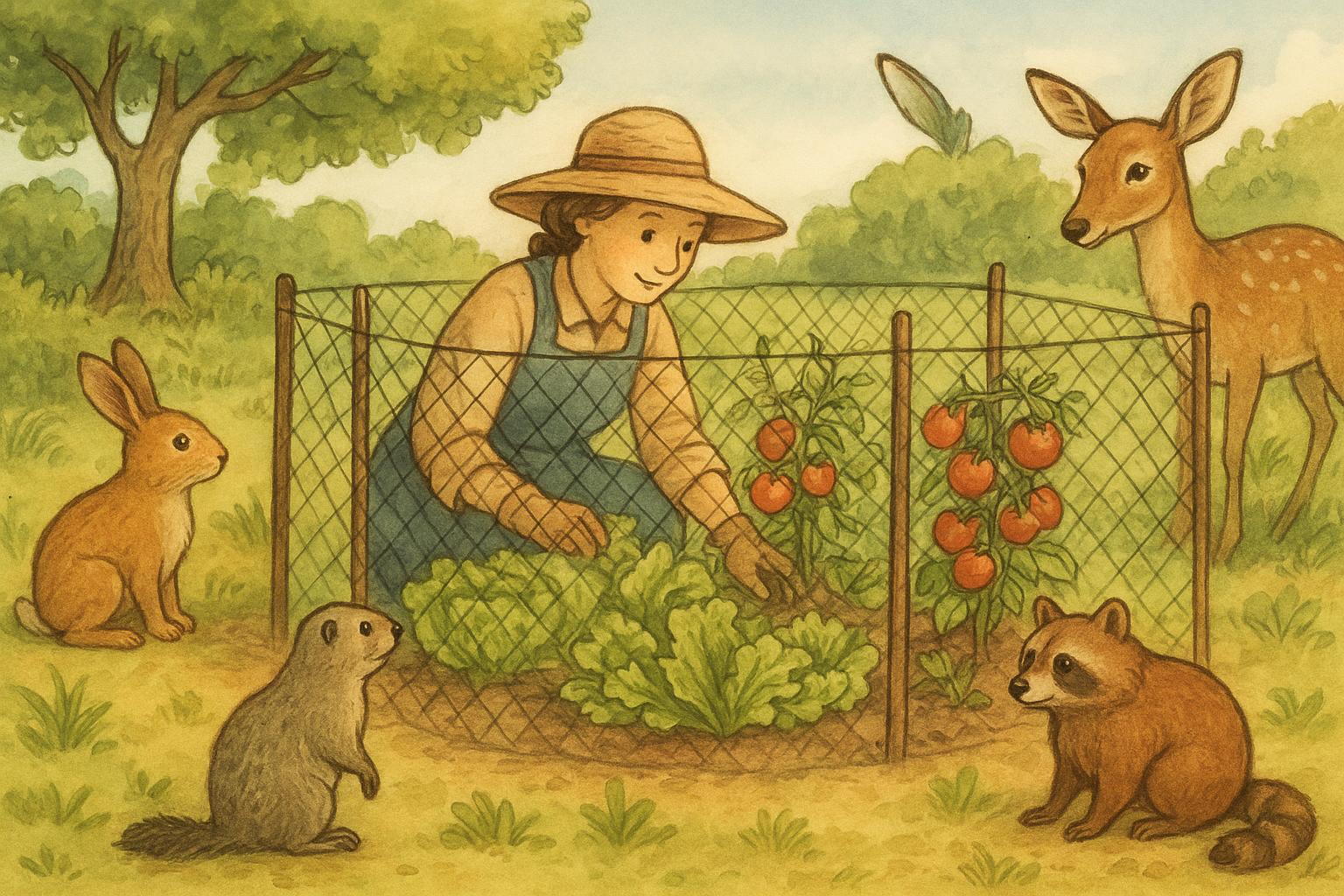
If you live near woods, deer will visit unpredictable nights. I once found deer tracks looping through my vegetable bed, where the basil had been particularly aromatic. The next morning there were only a few chewed leaves and a sense of trespass.
### Reptiles And Amphibians: Under-Observed But Important
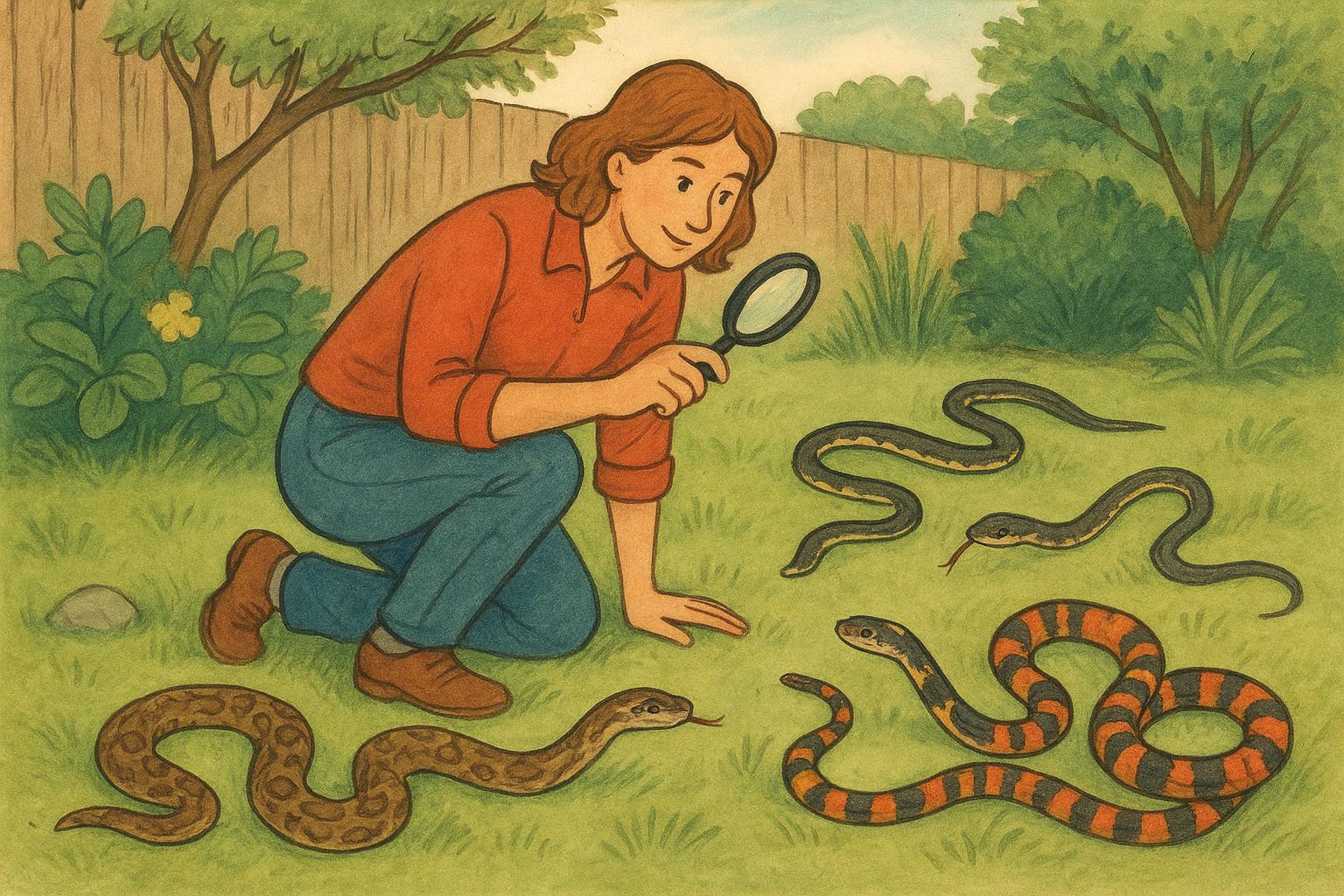
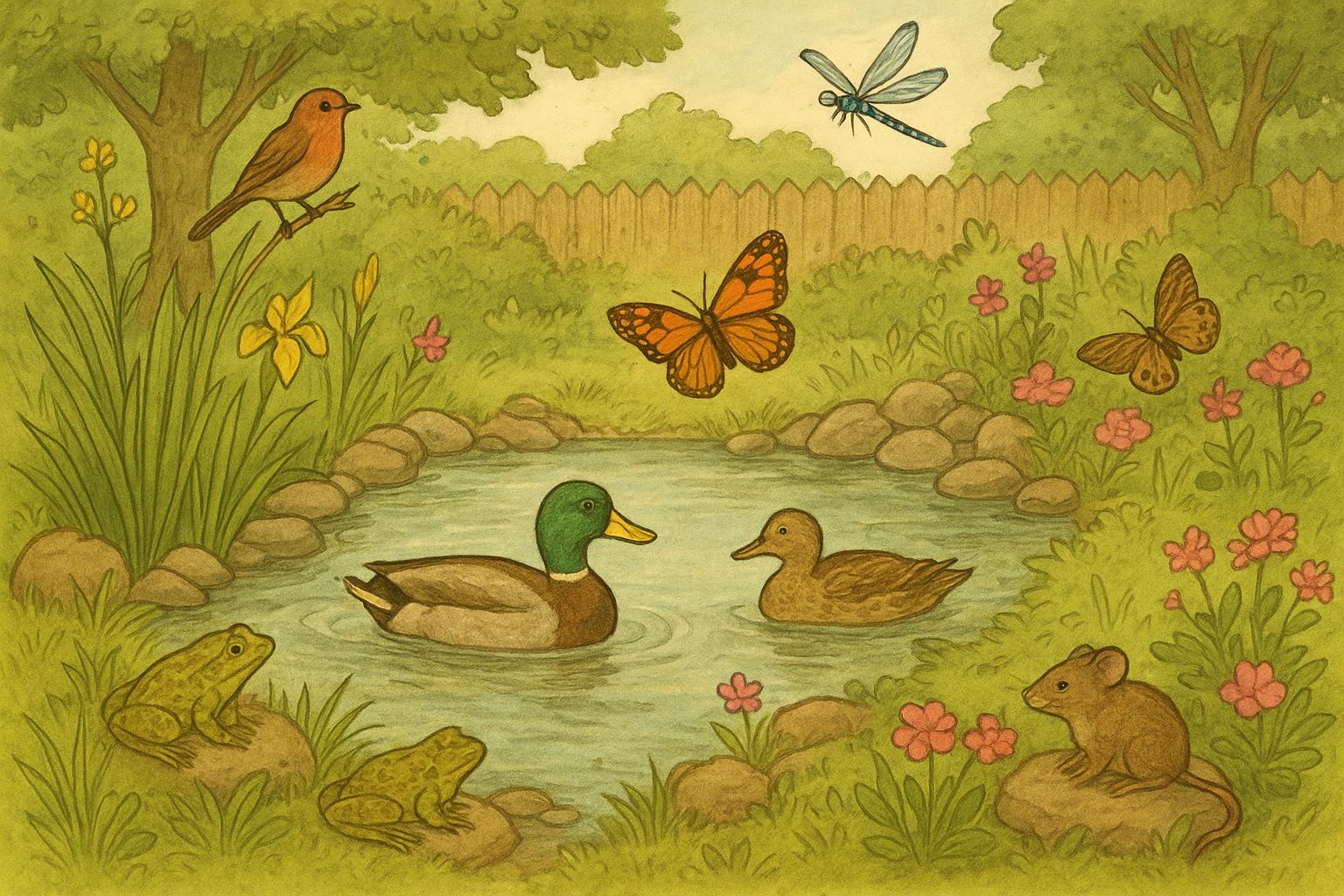
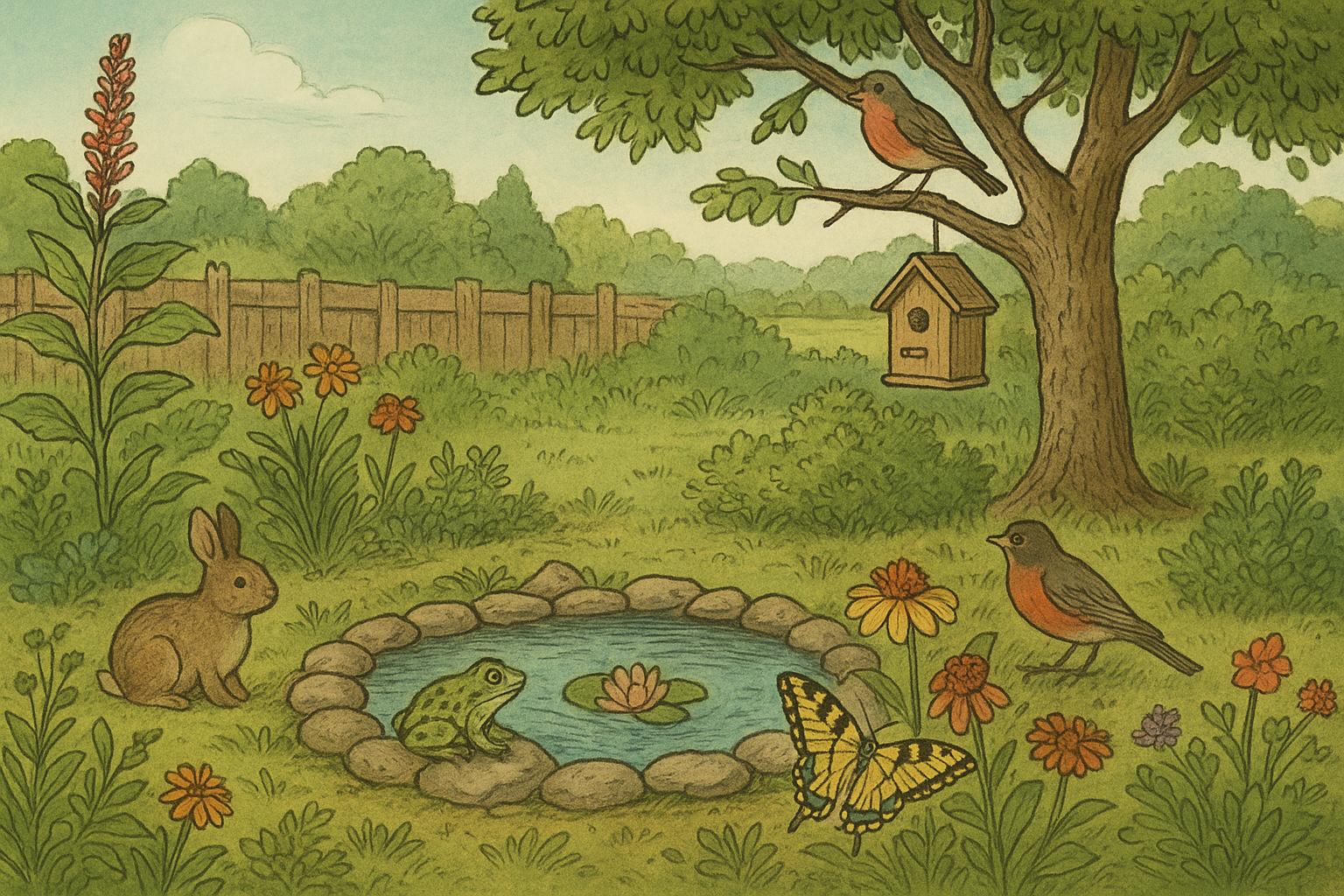
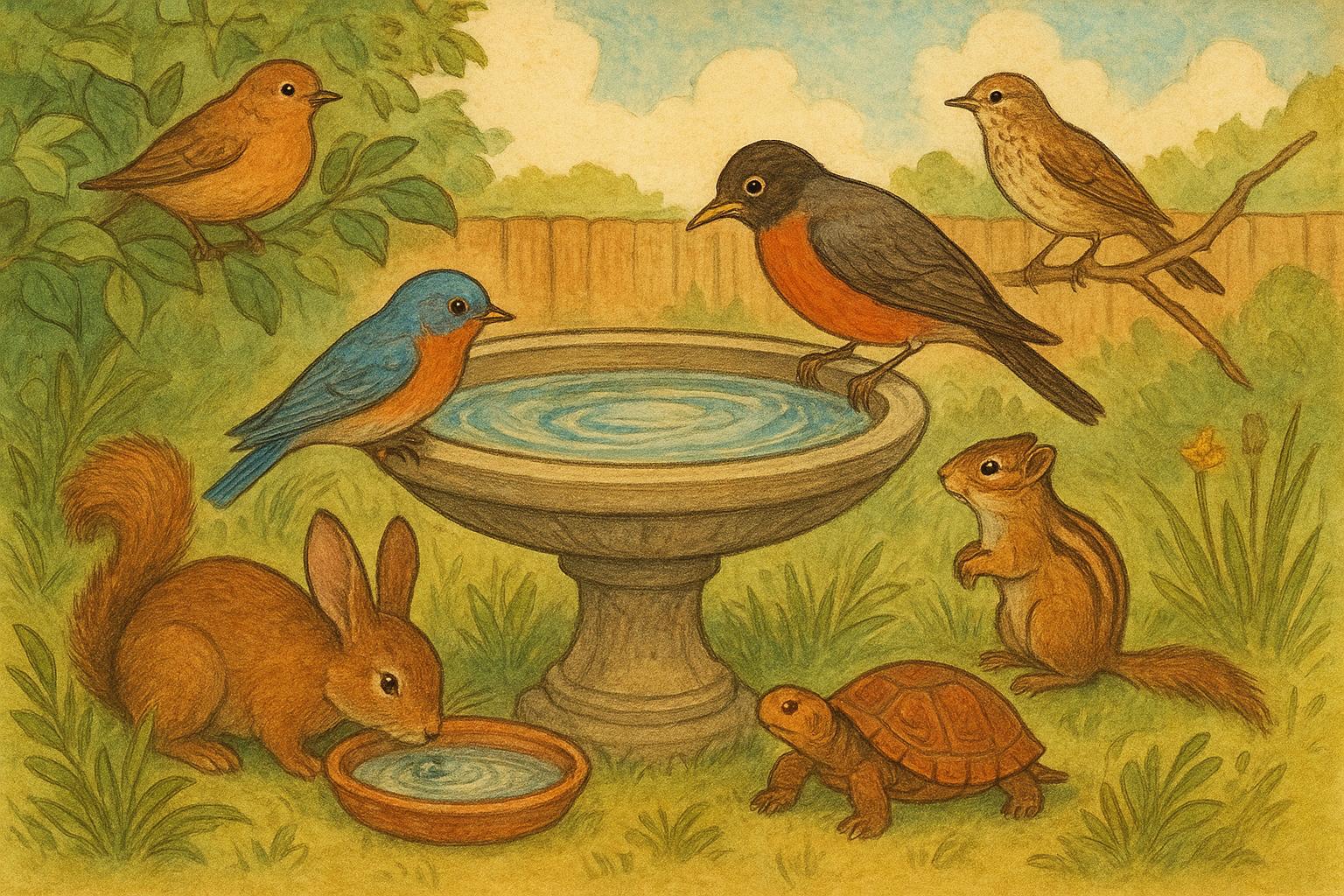
Toads are a garden’s quiet pest control. I like to check the underside of damp pots in the morning; sometimes a toad is tucked there, in its element. Garter snakes are common in many yards and generally harmless; they feed on slugs and frogs. A water feature—anything from a rain barrel to a small pond—makes your yard more appealing to amphibians.
I’ve seen small snakes sunning on flat stones and a frog sitting statue-still atop a lily pad. These sightings often feel secretive because they’re less likely to happen under full daylight.
## How To Read A Sighting: Context Is Everything
One robin digging in a patch of sod is fine. Ten robins acting agitated and mobbing the sky means there’s a predator nearby. A single deer may pass casually; a line of deer moving through at dawn suggests a route that other animals might use too.
### Signs To Look For Beyond Direct Sightings
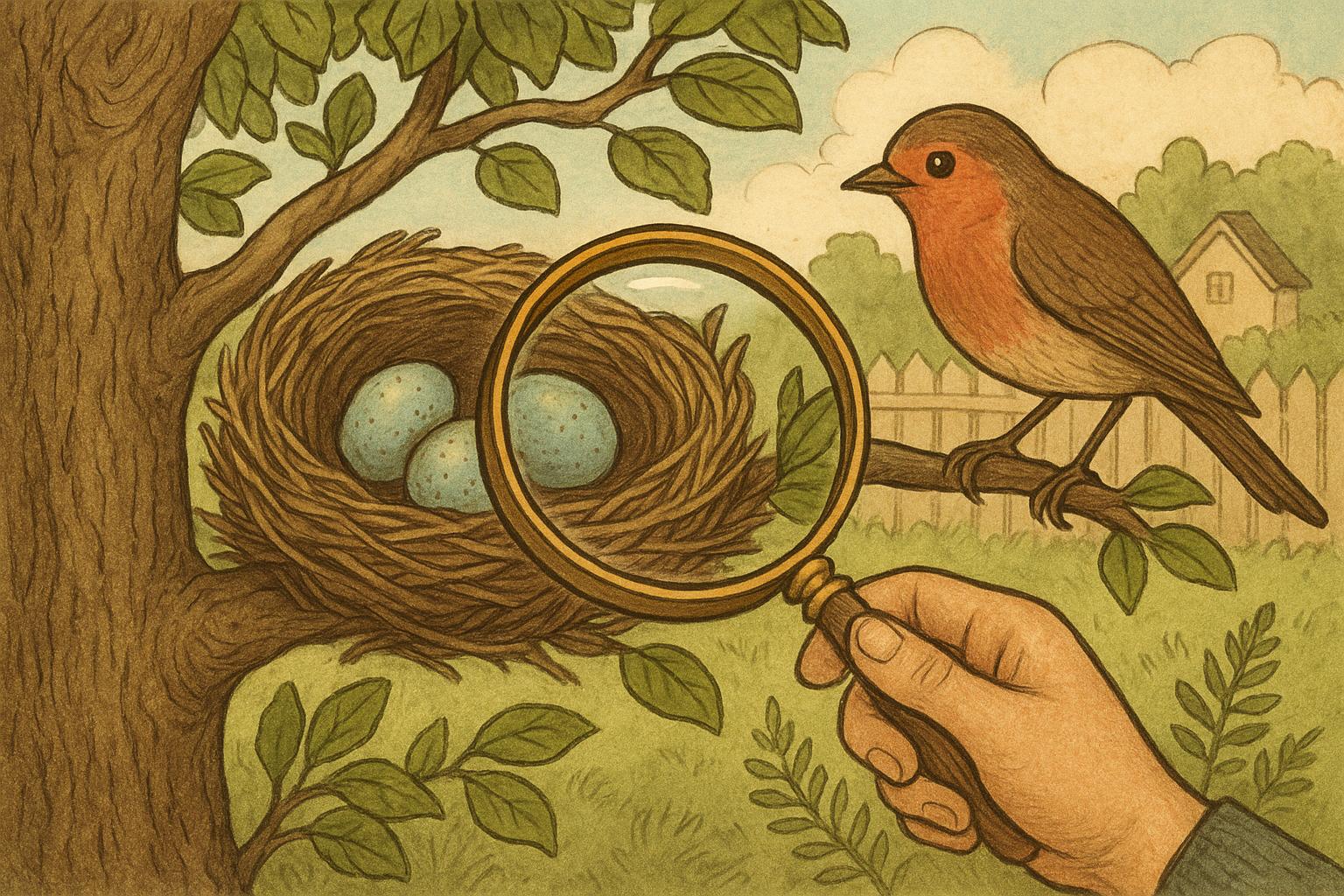
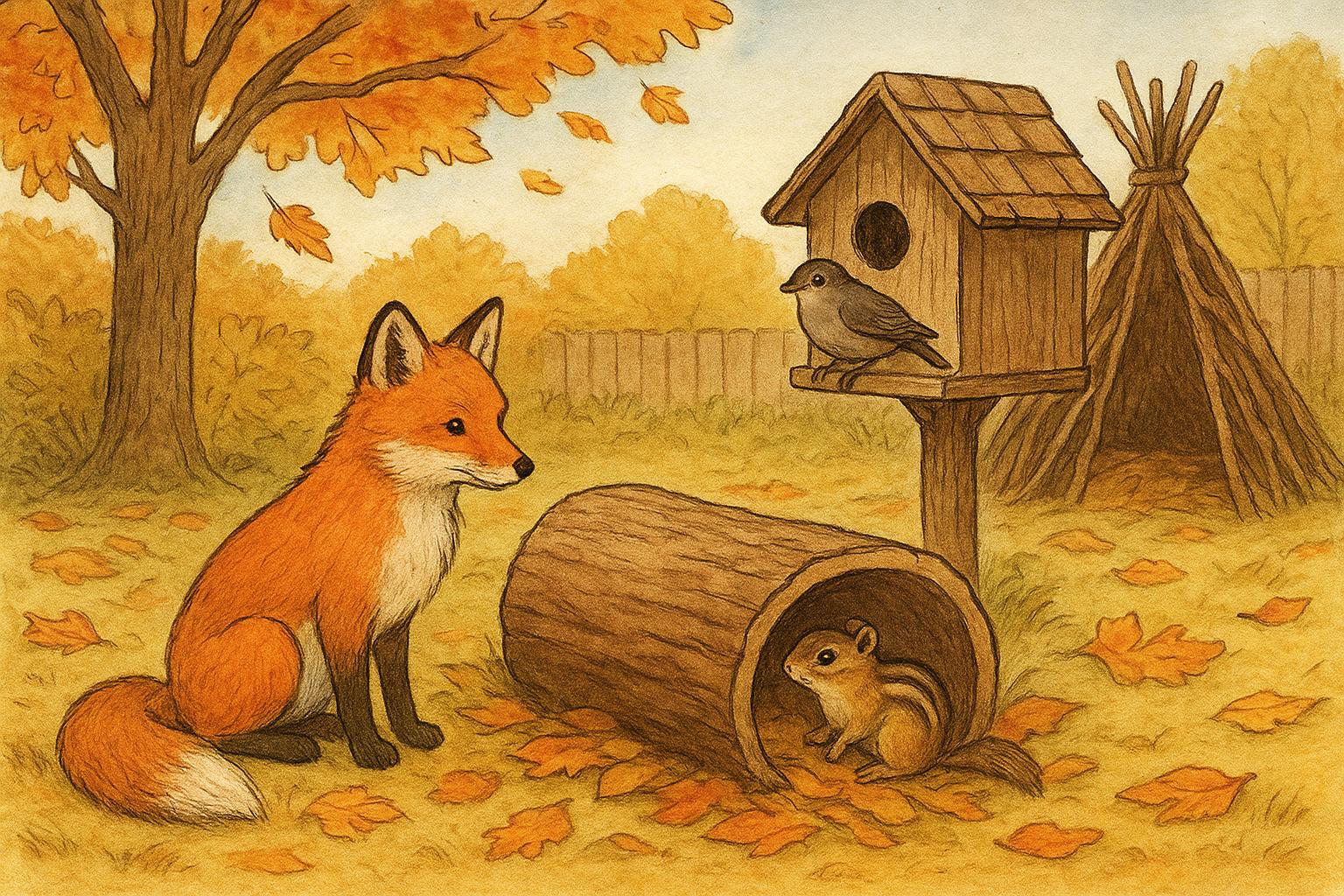
Tracks, scat, chewed leaves, nests, and feathers tell a story. I keep an old trail camera for nights when I can’t sit outside. It once caught a fox bringing a gift of dead mouse pieces to a den—an odd, intimate scene that you miss without motion-sensitive kit. But you don’t need tech to notice signs: feathers on a fence might tell you where a hawk caught dinner.
#### Reading Tracks
Soft soil shows footprints clearly. Rabbits leave clustered, hopping impressions; deer make pairs of hoof marks. A rake used in flower beds can erase evidence, so take a look before you start gardening if you’re curious.
#### Listening As Much As Looking
Some things announce themselves by sound. The rasp of a catbird, the high-pitched buzz of a male cicada, the rhythmic trilling of a tree frog. A night filled with crickets and katydids is different from one dominated by bullfrogs. Sound can guide you to activity hubs in your yard.
## How To Encourage More Sightings Without Disturbing Wildlife
There’s a line between observation and interference. The goal is to invite wildlife without turning your yard into a show stage. That way you get more honest behavior to watch.
### Create Layers Of Habitat
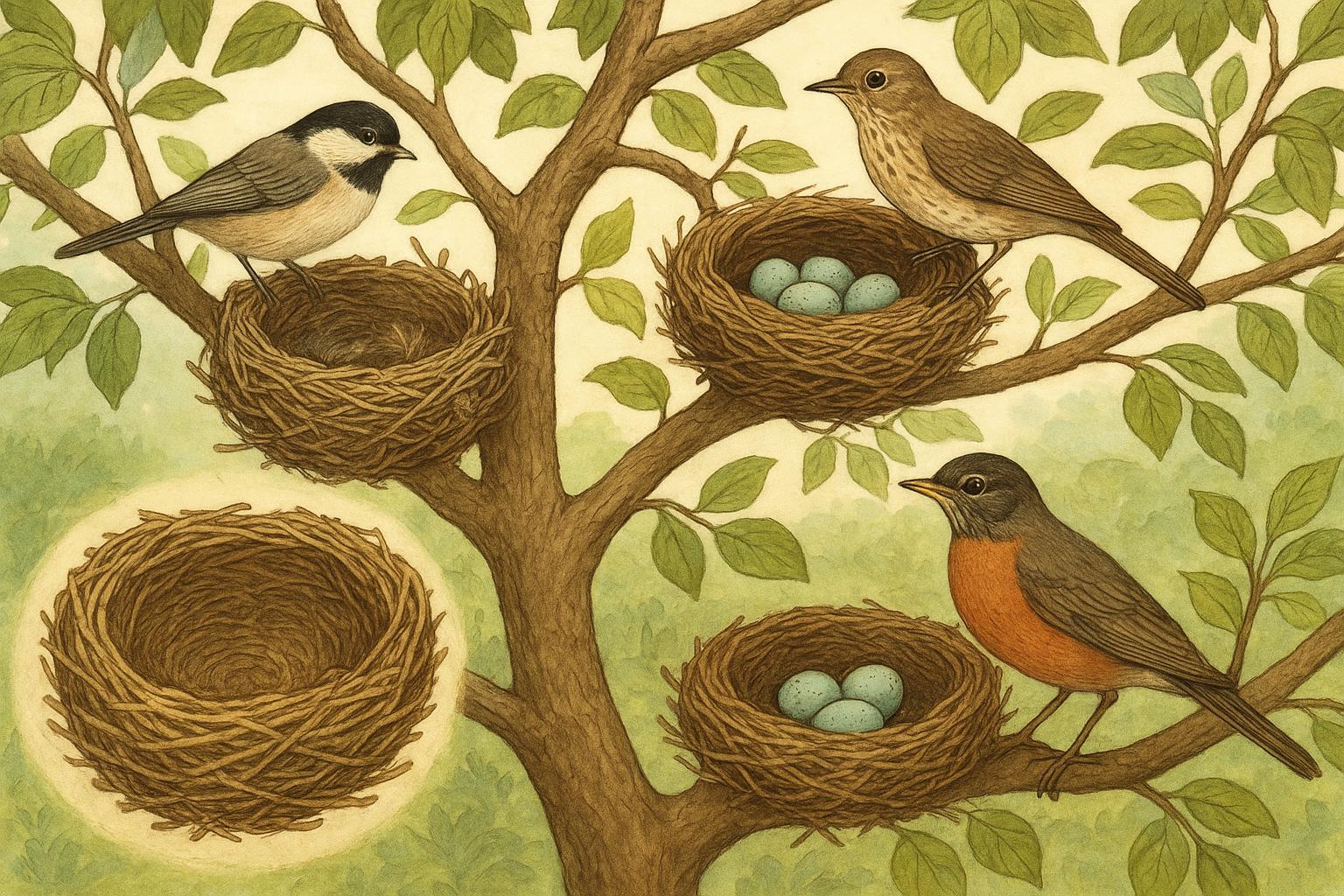
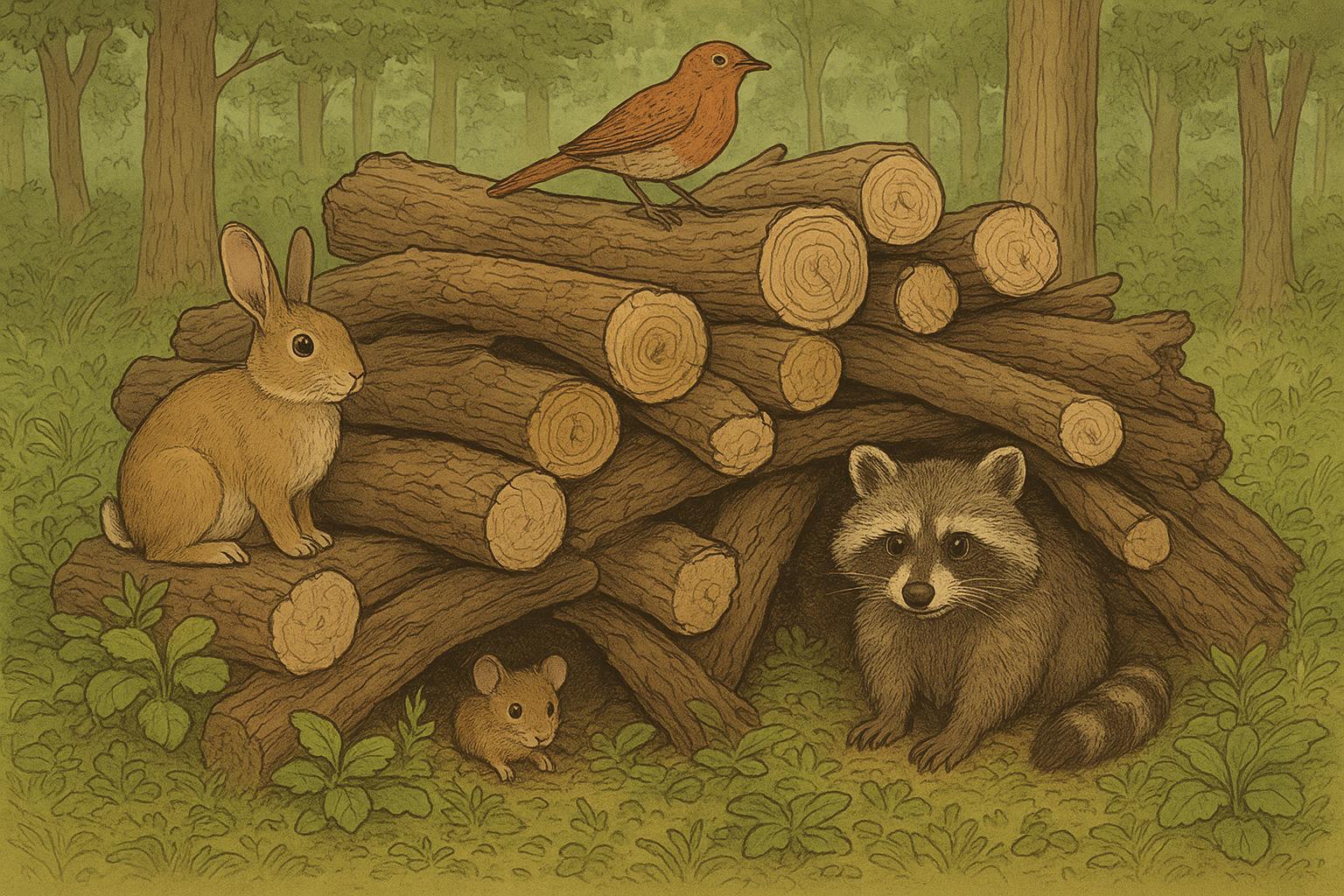
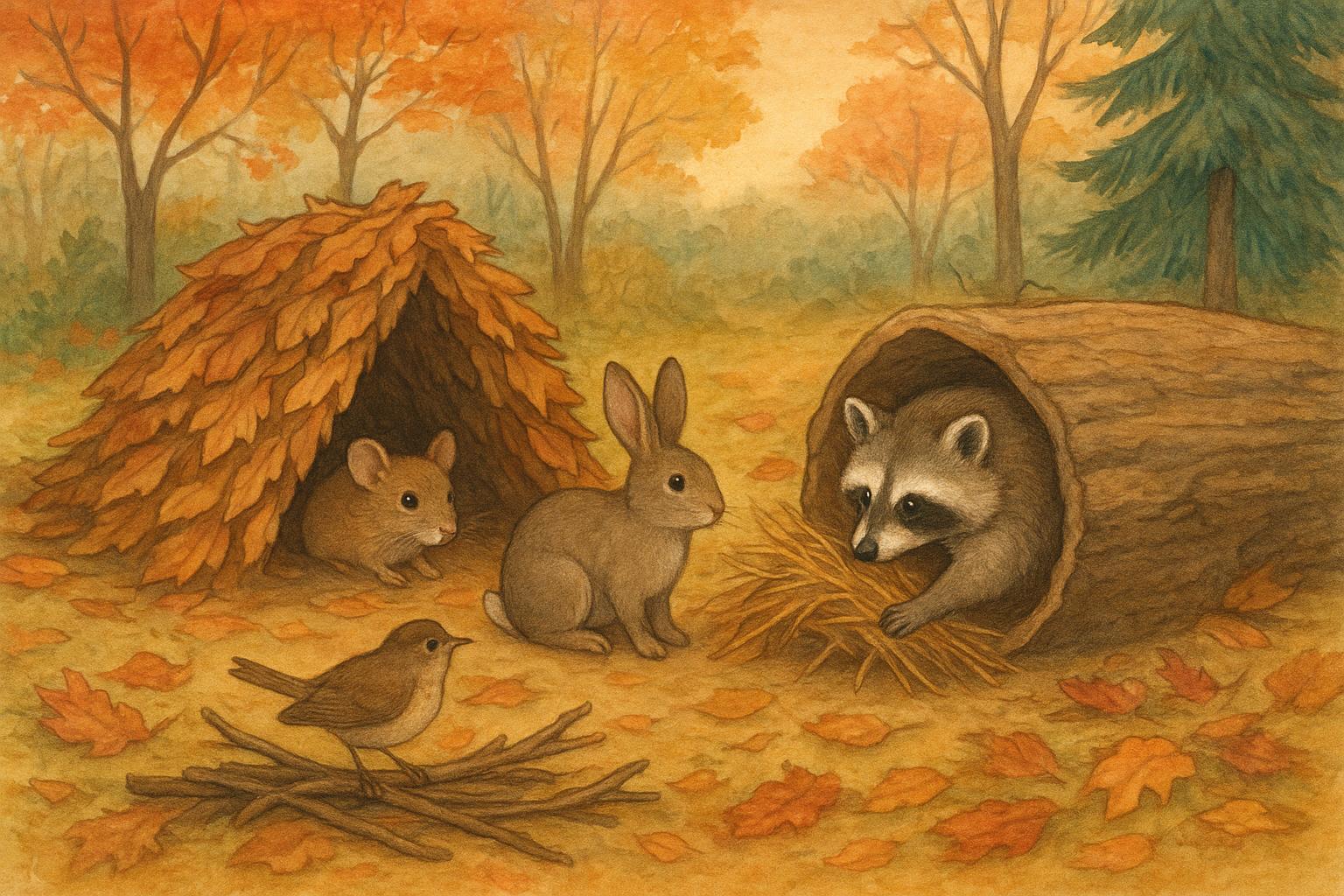
Think vertically. Ground cover, shrubs, and trees provide different niches. A tangle of native shrubs offers shelter and nesting sites. A patch of unmowed grass lets insects and small mammals hide. A shallow, sloping water source will attract frogs, bees, and birds.
Native plants are easier to manage and more likely to support local species. If you can only plant one thing, pick a native shrub that flowers at a time your yard lacks color. It will bring in insects and the birds that eat them.
### Provide Water, But Keep It Clean
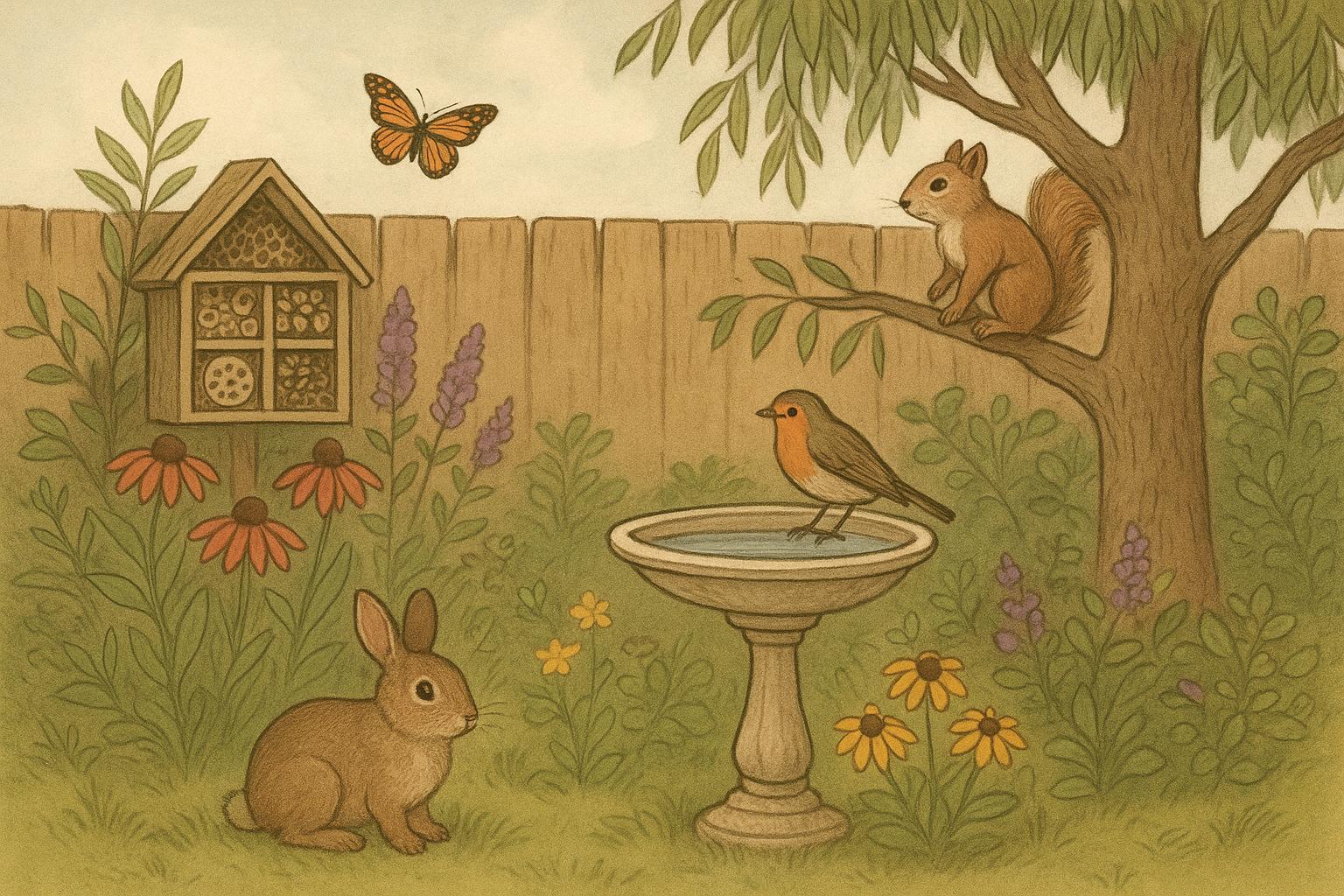
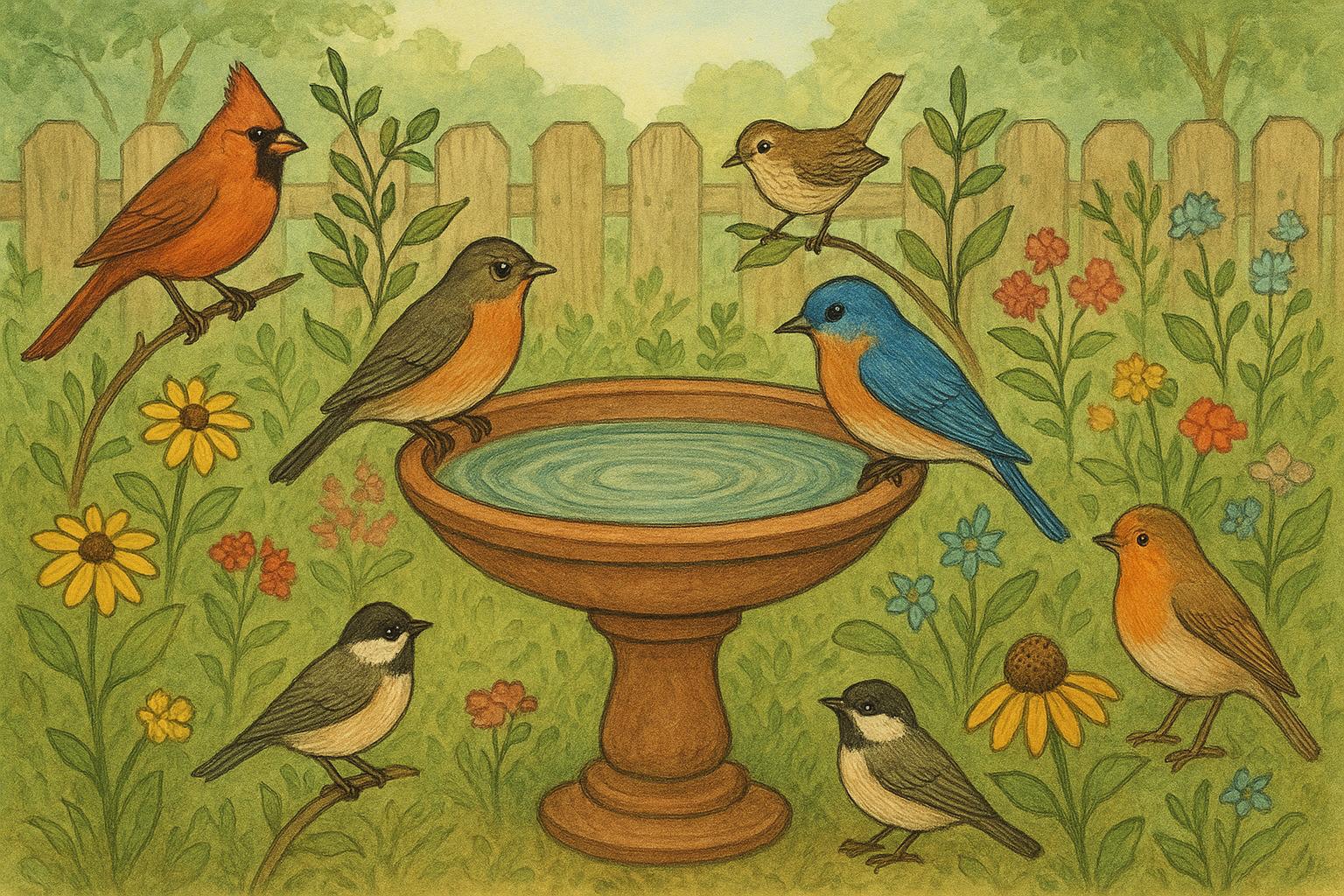
Even a birdbath makes a big difference. Keep water fresh and shallow. Change it regularly to deter mosquitoes and algae. A dripping faucet or a fountain adds motion that many birds find irresistible. If you have a larger pond, consider gentle slopes so small animals can access and exit safely.
### Avoid Pesticides
This should go without saying, but garden pesticides are a blunt instrument. They reduce insect food for birds and pollinators and can poison animals indirectly. Feverish attempts to keep every leaf perfect often reduce sightings more than increase them.
### Feeders And Nesting: Use With Care
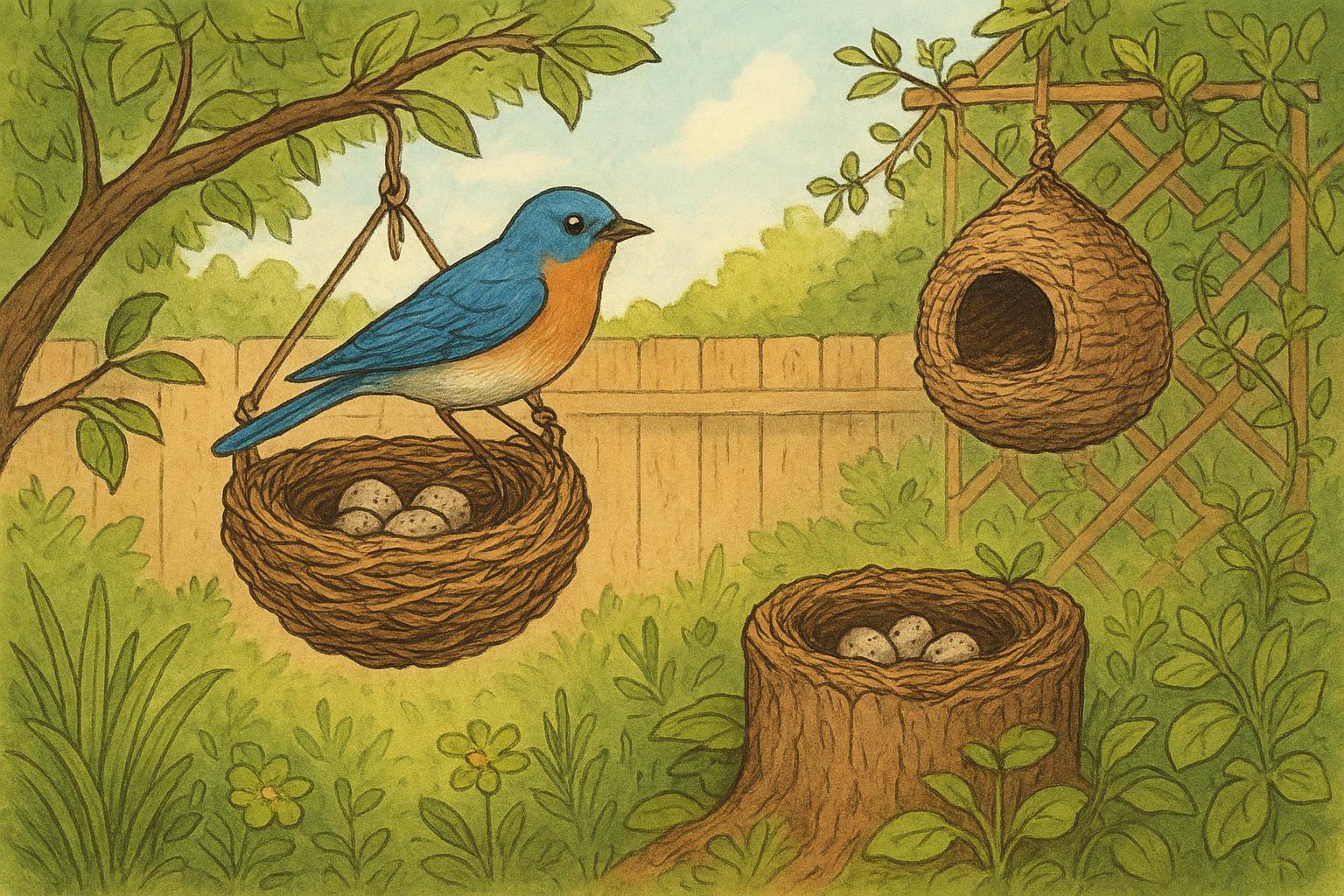
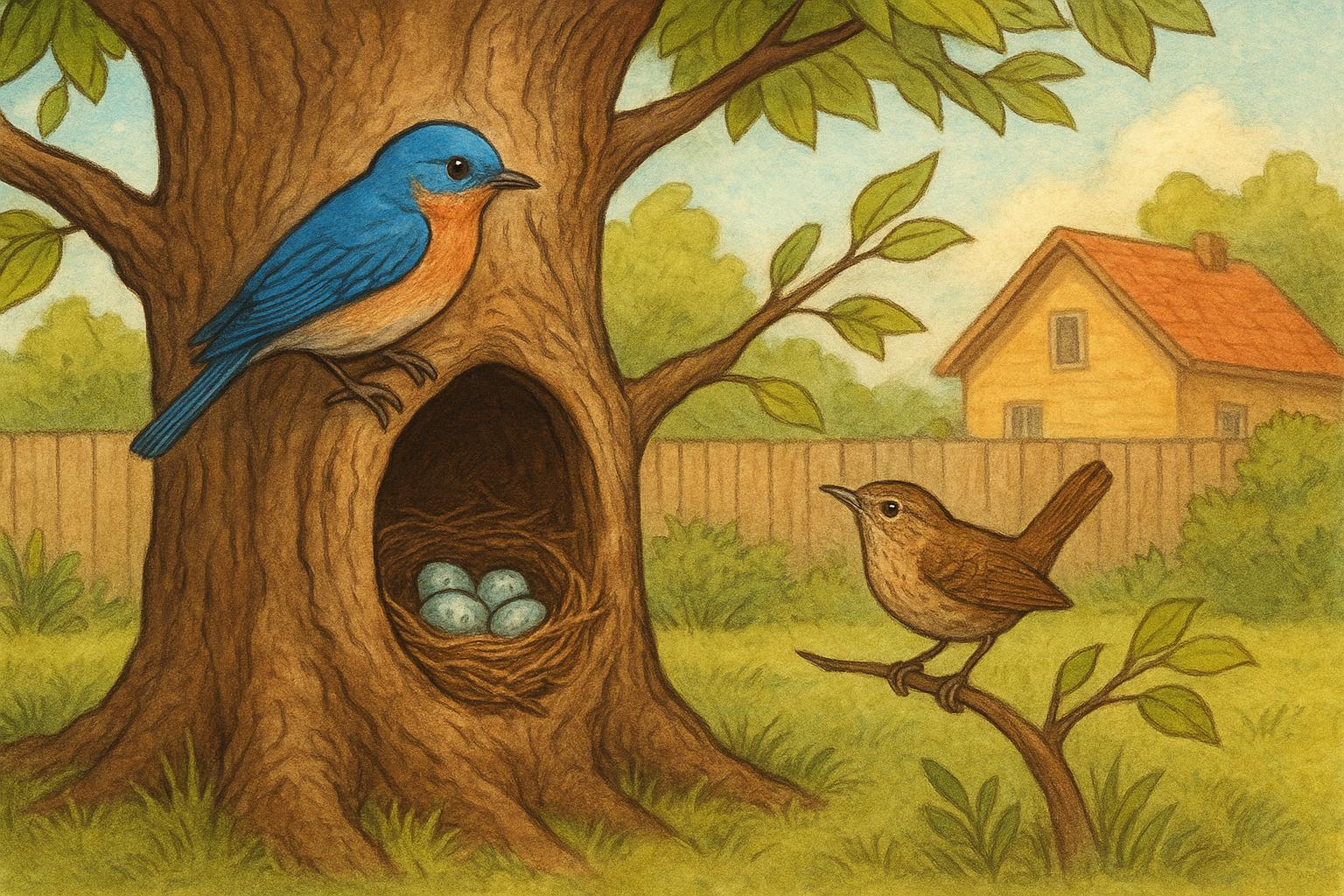
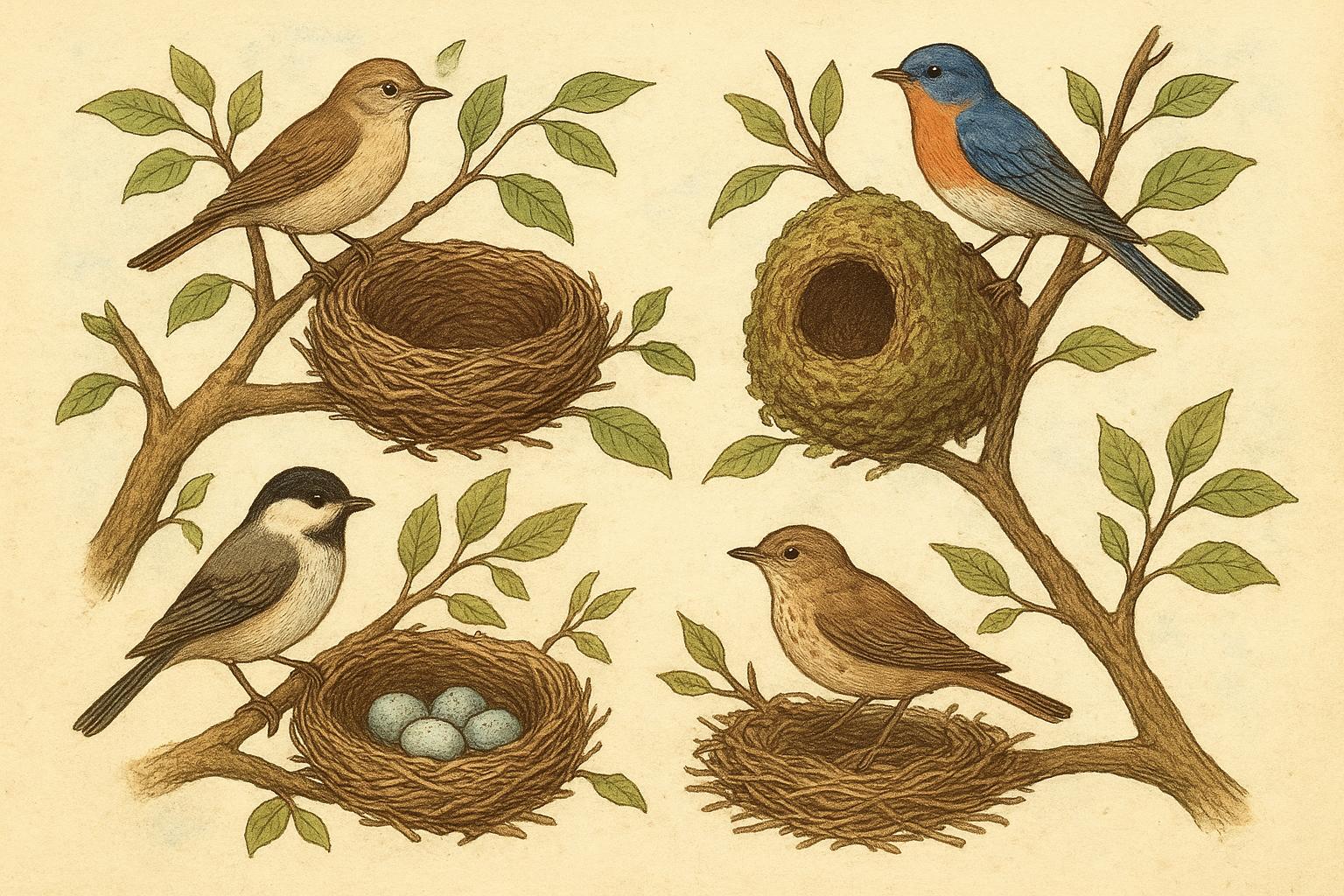
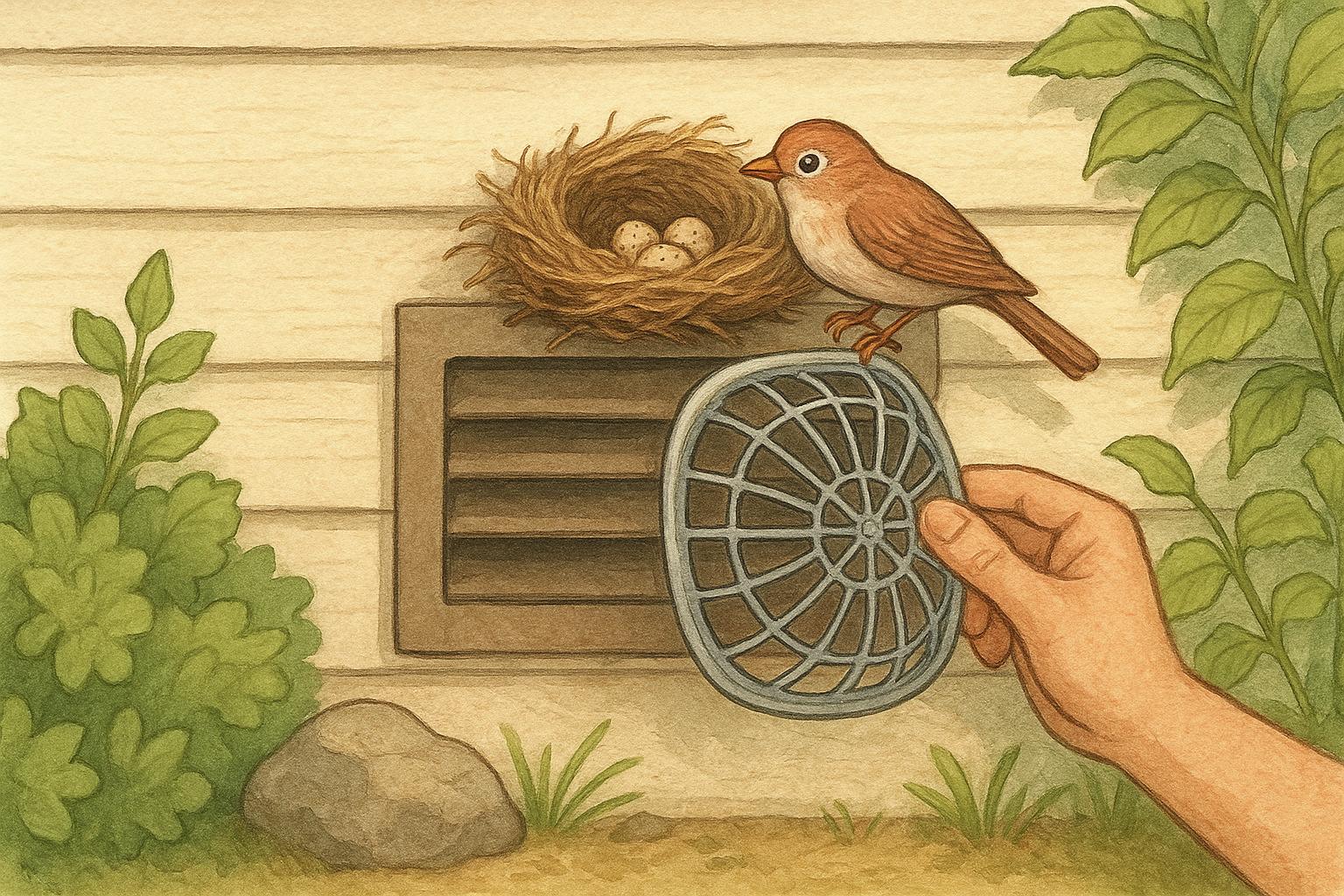
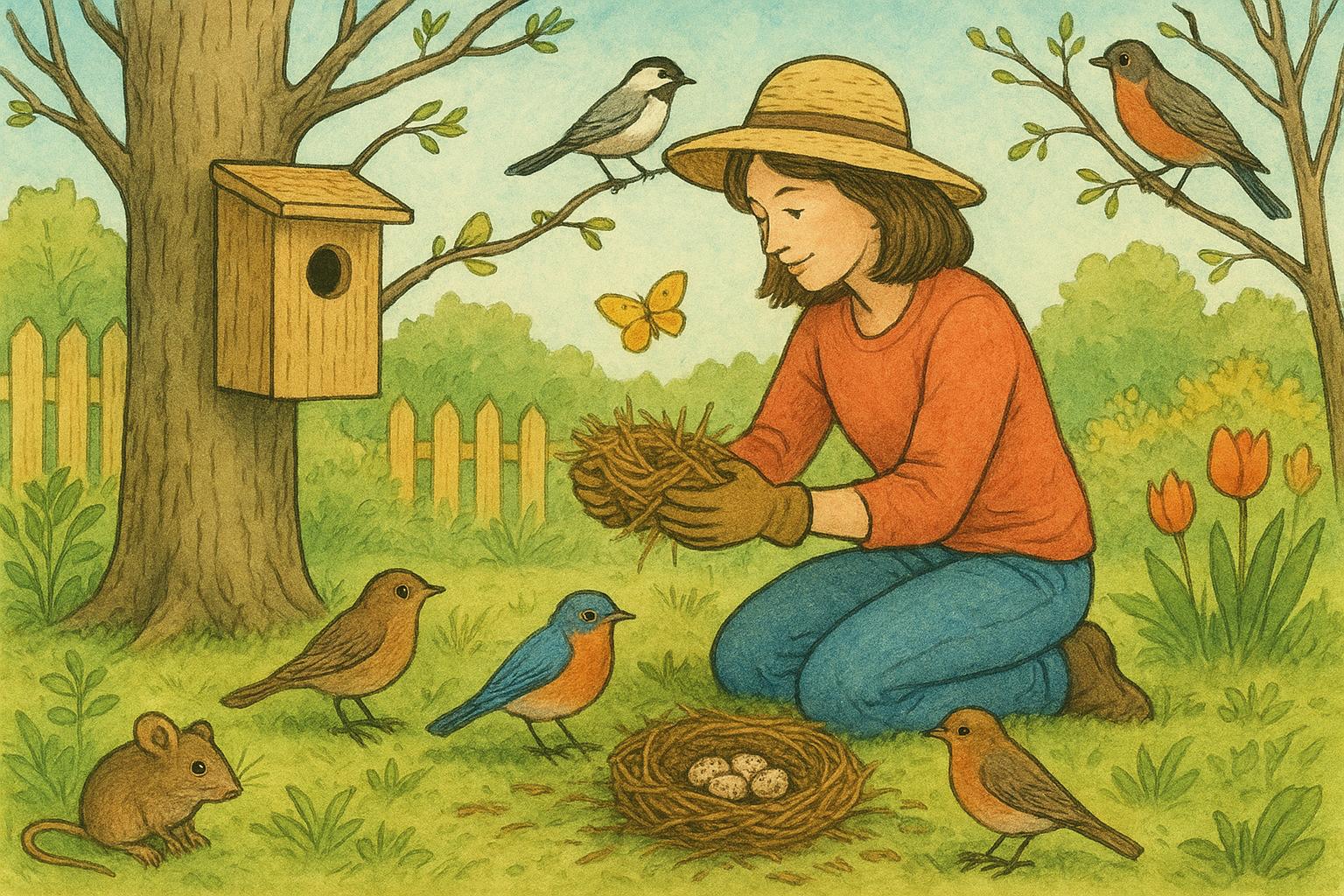
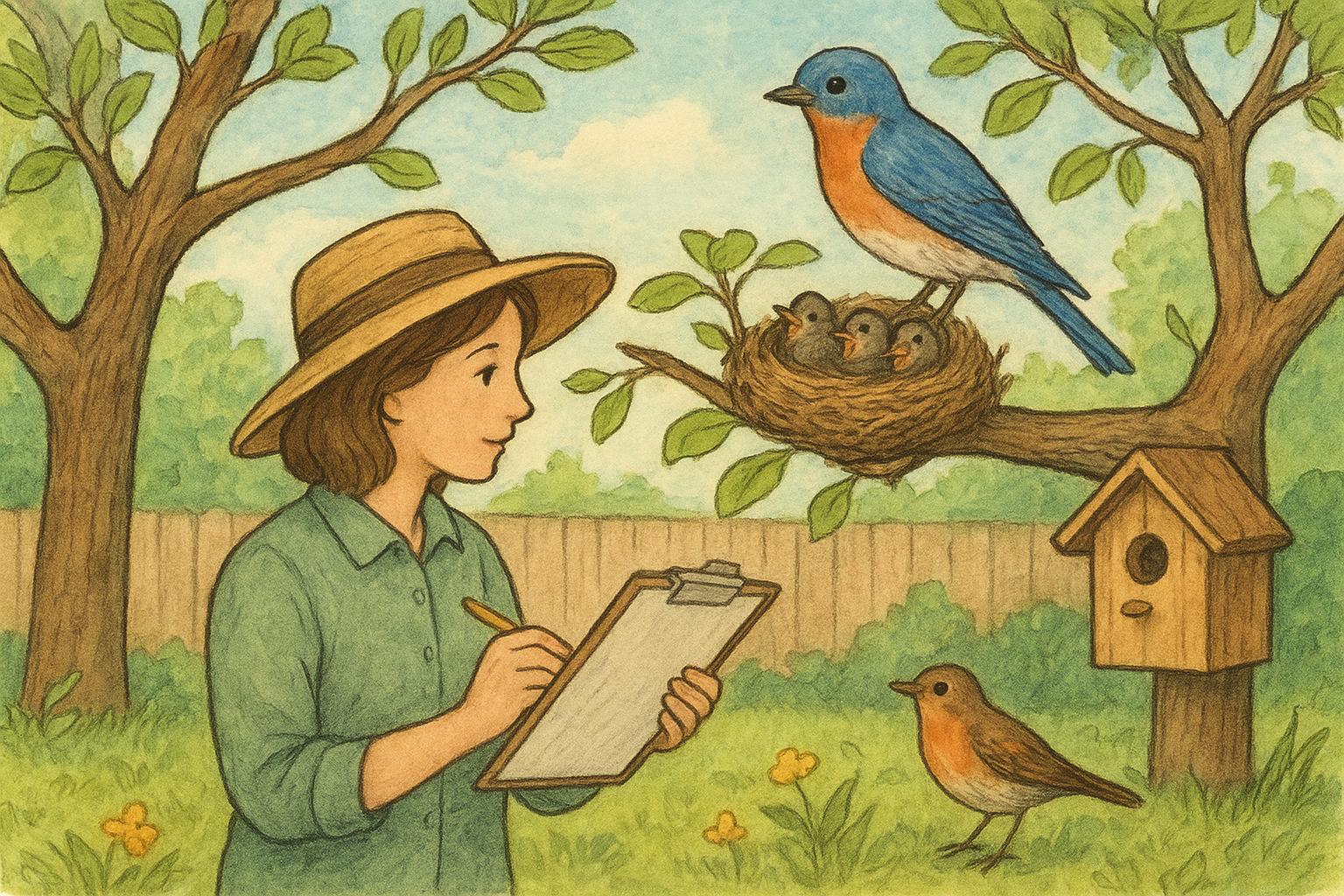
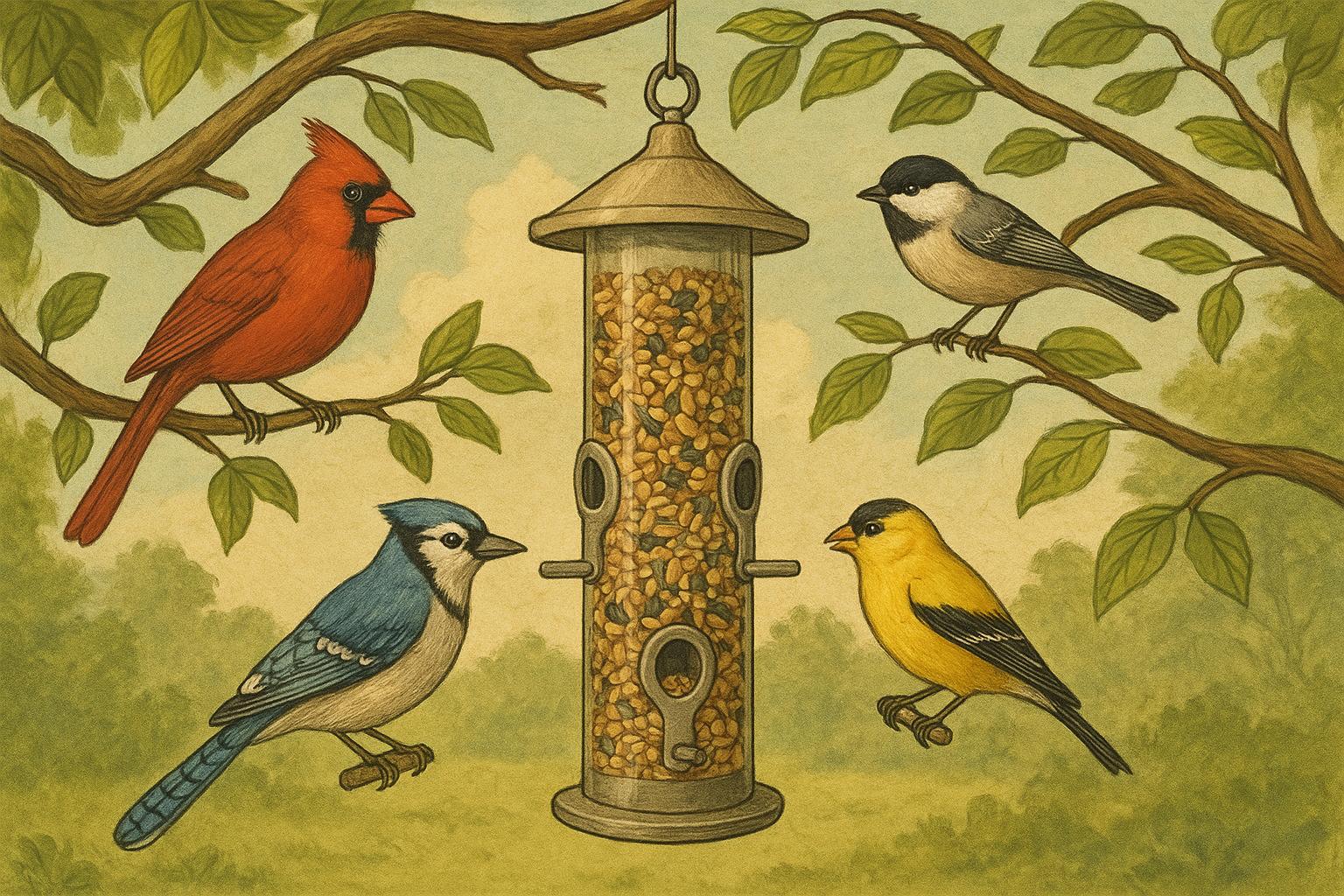
Feeders attract birds but can also create dependency and disease transmission. Clean them often and vary food types seasonally. Putting out suet in summer invites insect-eating birds; seed mixes bring granivores. Installing a few nest boxes for swallows or bluebirds can lead to repeated, reliable sightings the following year.
## Nighttime Sightings: A Different World
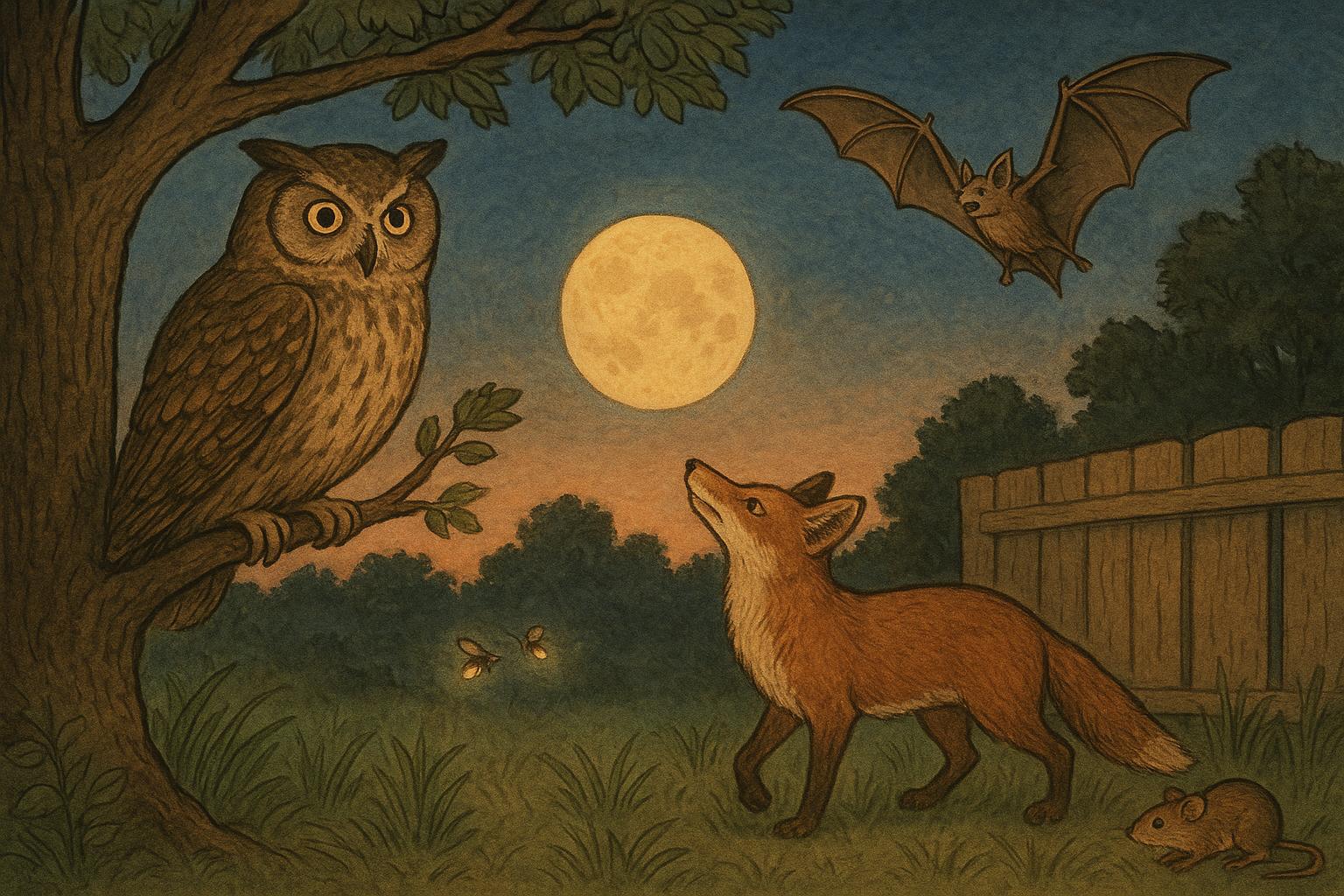
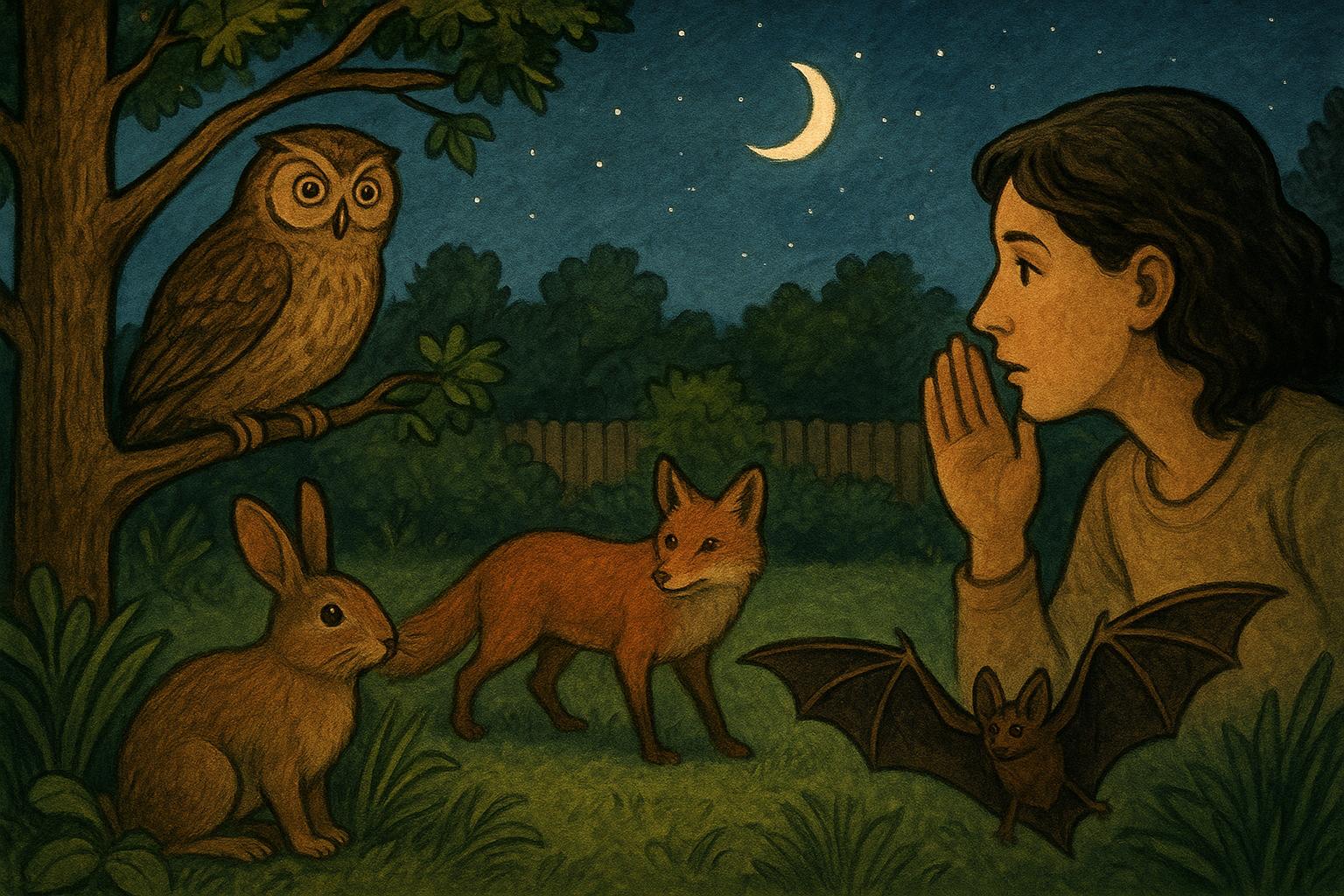
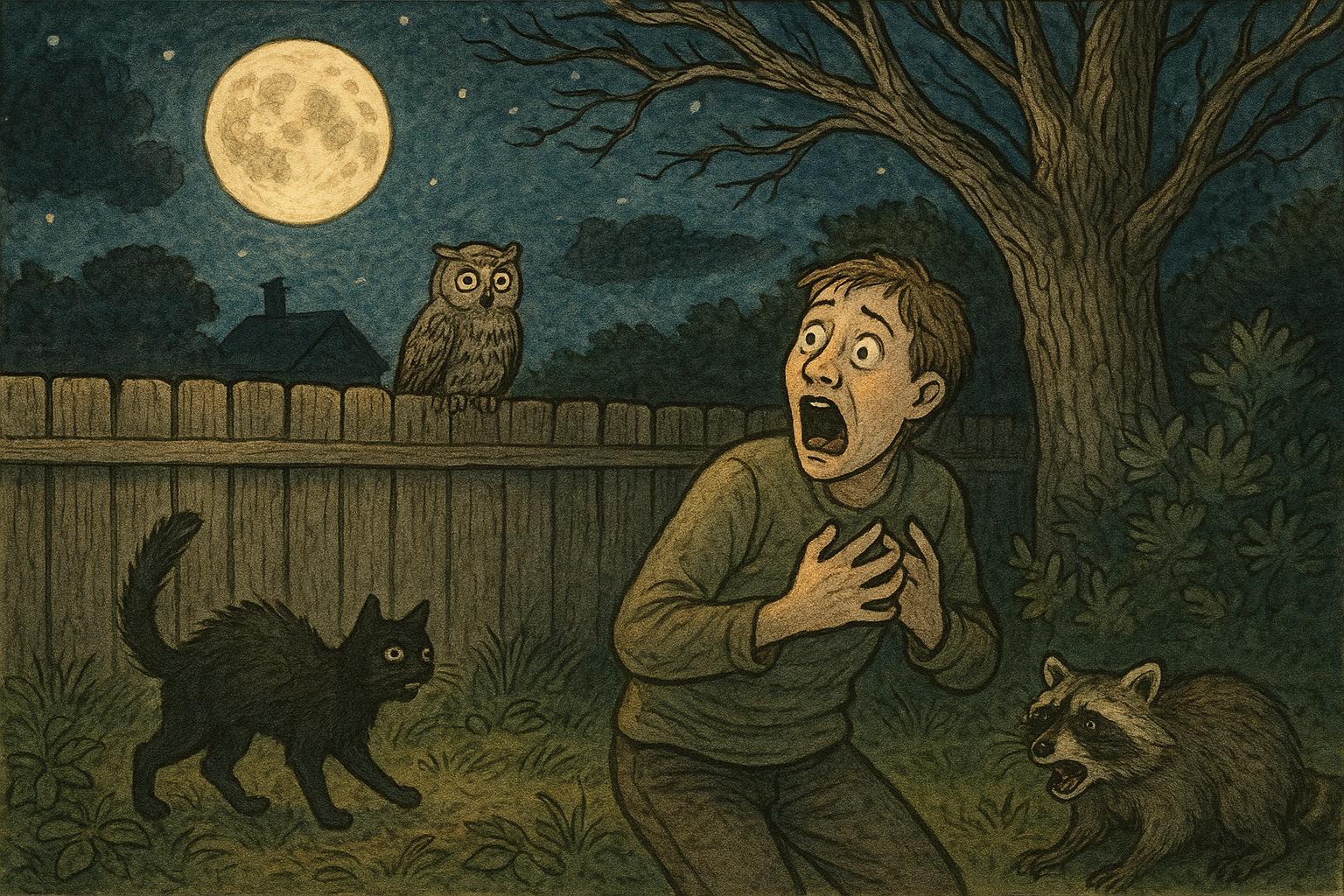
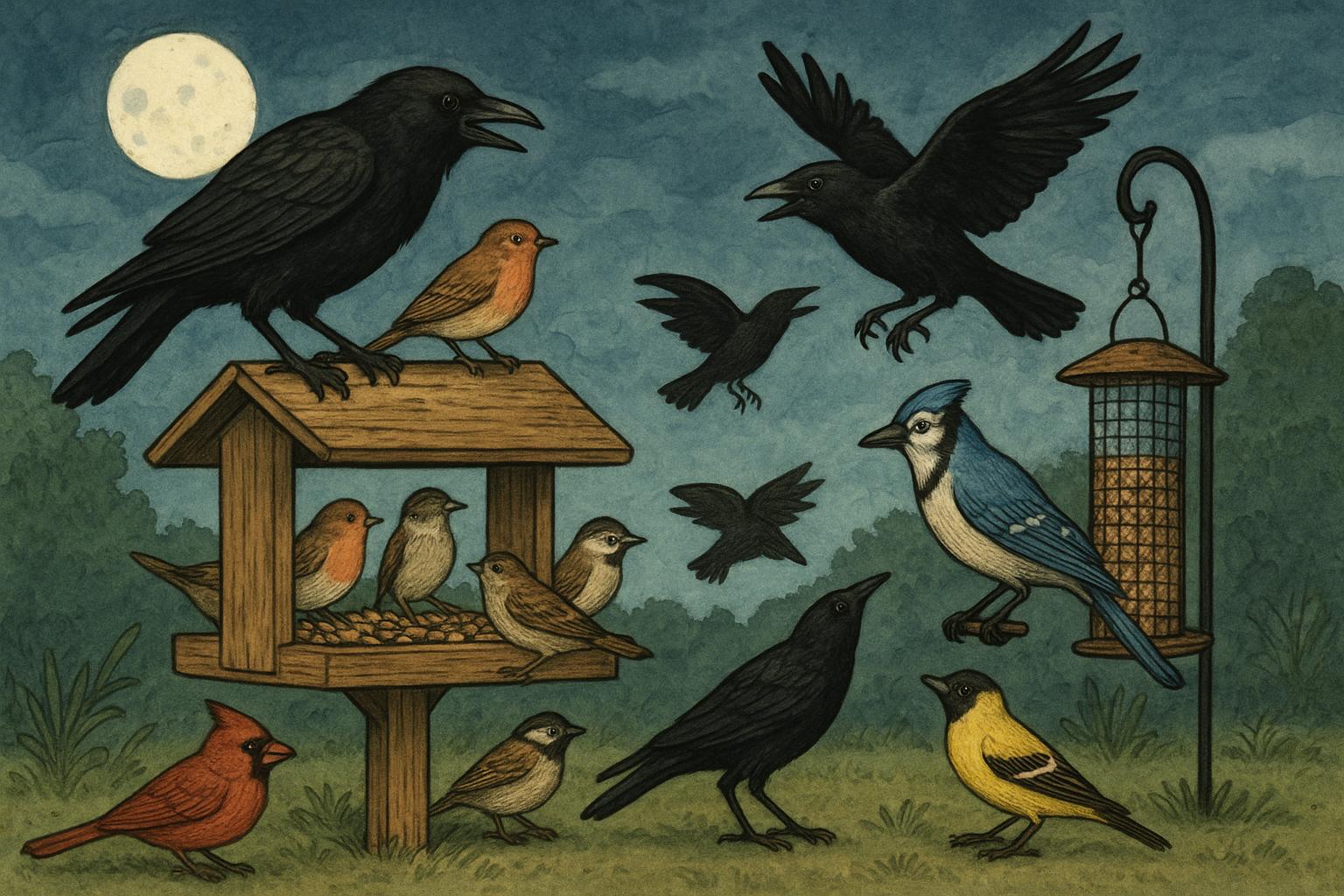
If you think daytime has surprises, wait until the sun sets. Moths arrive first, then bats. The yard changes tempo. Predators that avoid humans move through more confidently. If you step outside with a flashlight, keep the beam low and wide so you don’t blind creatures.
### Light At Night: Friend Or Foe?
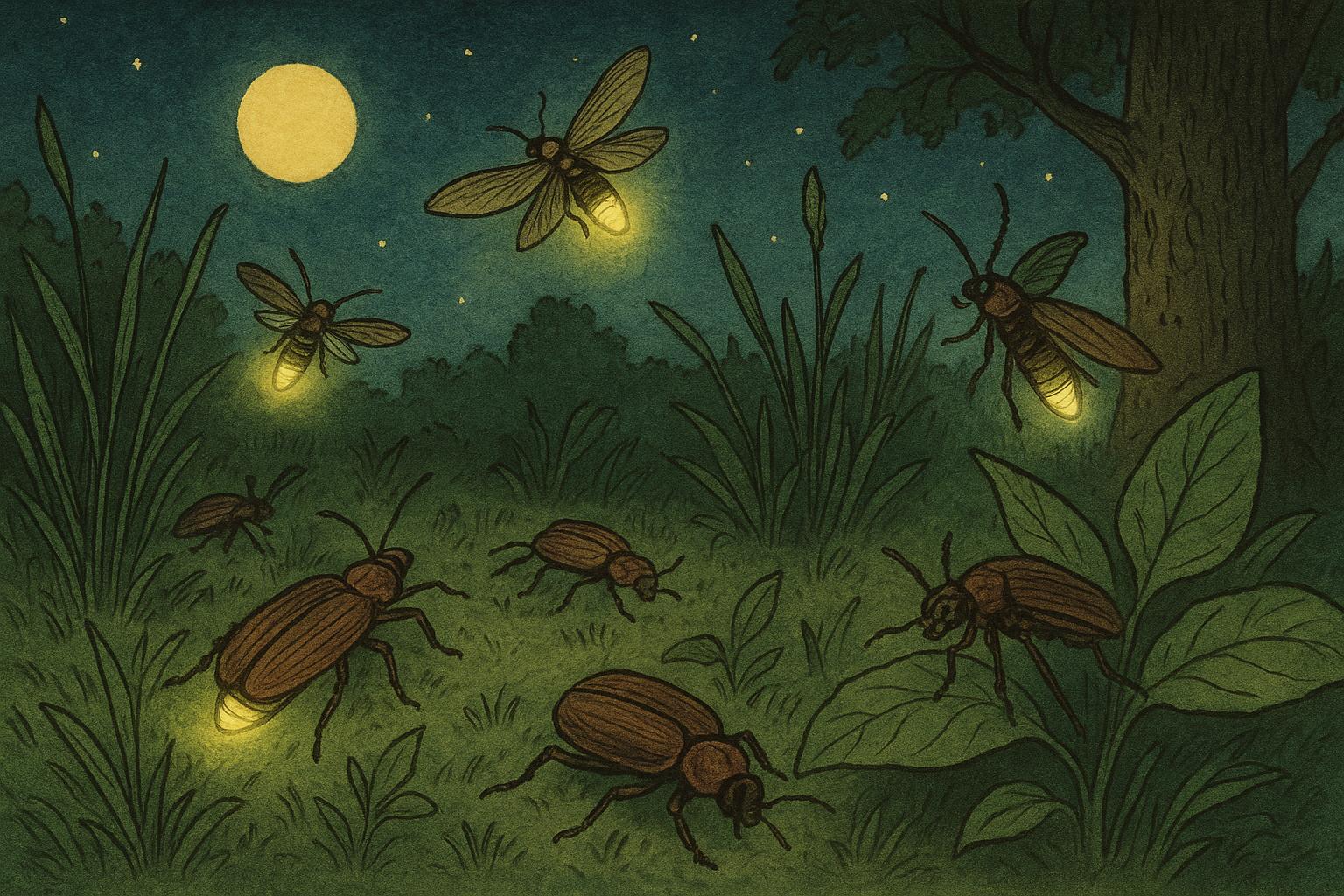
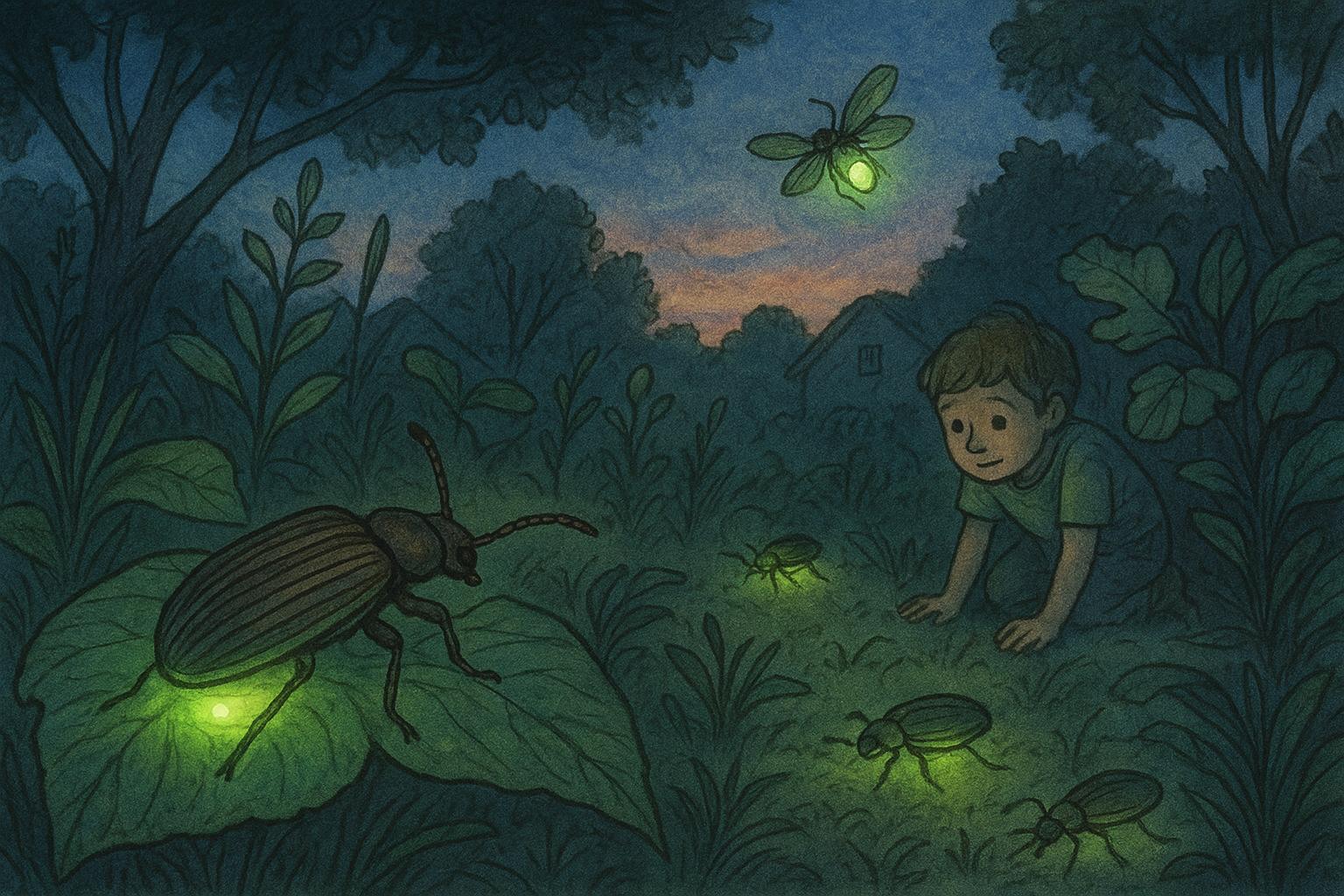
Lights attract insects, which can mean more food for bats and night birds. But too much light disrupts natural patterns, especially for moths and fireflies. I like a motion-activated porch light—enough to see, not so much that it changes everything.
## Recording Sightings: Fun And Useful
A simple spreadsheet, a phone photo, or a few notebook entries will make your casual observations useful. If you’re serious, join a citizen science project. Submitting sightings to platforms like iNaturalist or a local birding list contributes to real conservation work. And it helps you learn identification skills—someone will point out that the “brown butterfly” you saw is actually a late-summer skipper.
### Tips For Better Records
– Note date, time, and weather.
– Describe behavior: feeding, nesting, mating display.
– Take at least one quick photo if possible. Even a fuzzy shot can help identify species later.
– Don’t stress over perfect IDs. Record what you can; other observers often help refine it.
## Common Mistakes People Make When Trying To See Wildlife
People assume that more activity equals more animals. Not true. If you chase every bird with a camera, you’ll scare most of them off. Other mistakes: clearing understory, removing deadwood, and using insecticidal soap on every pest. Those actions tidy up a yard at the expense of habitat.
### The Patience Factor
The best way to see more is to be less obvious. Sit quietly with a hot drink, or set a chair in a shady corner and let the day happen. Animals notice patterns; if you sit in the same place once or twice, they’ll start to ignore you.
## Seasonal Shifts Within Summer
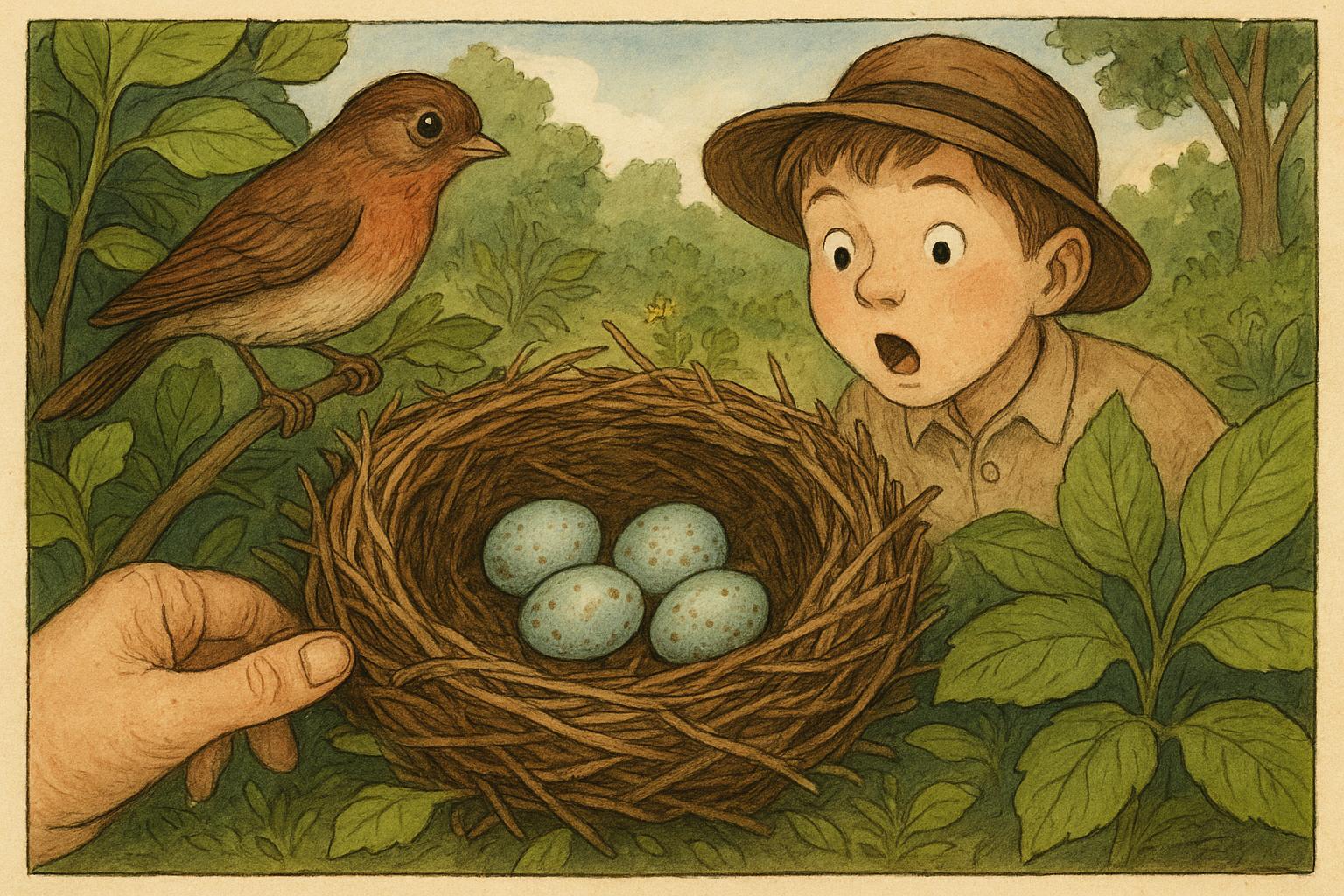
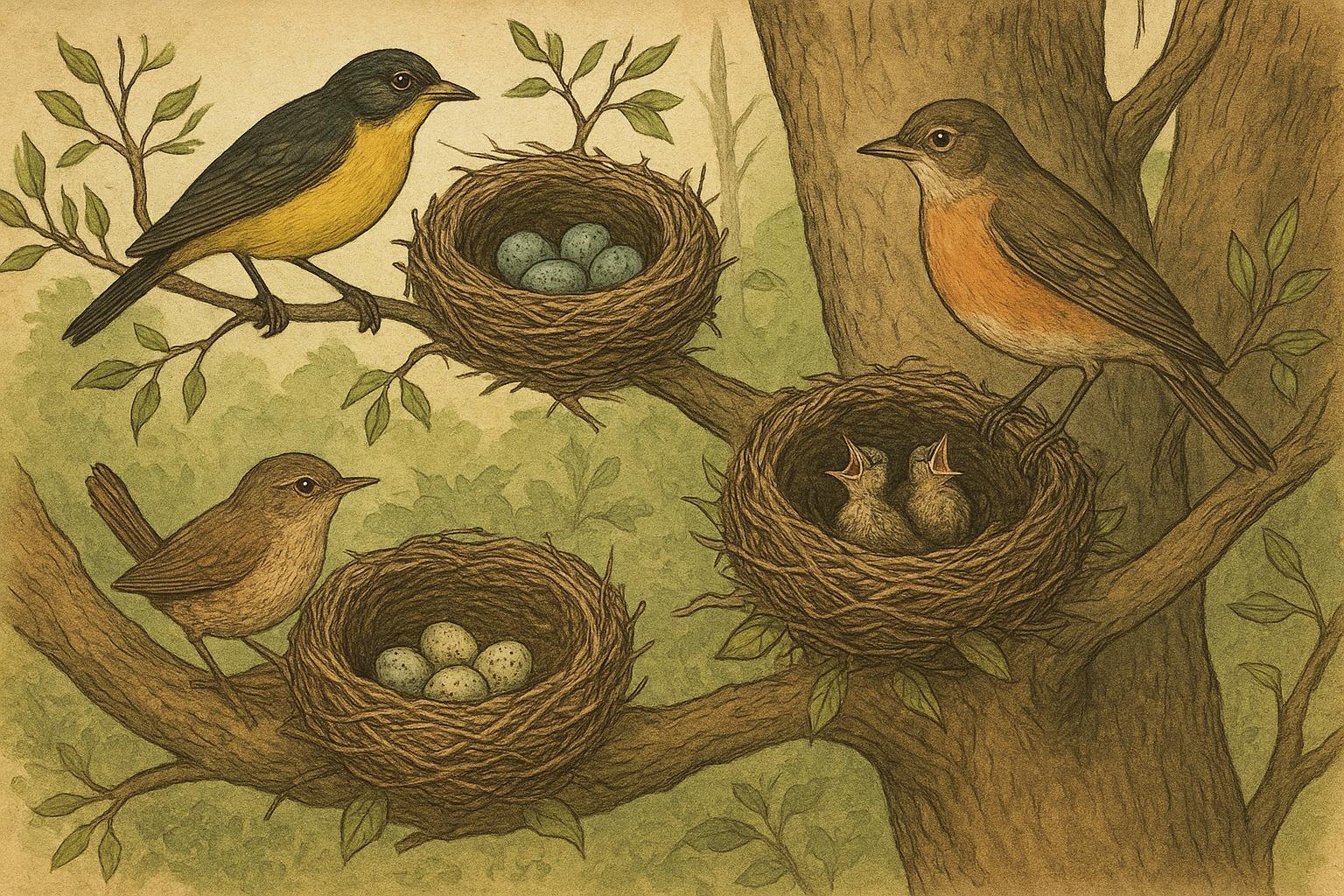
June, July, and August don’t feel identical. Early summer is about nesting and fledging. Mid-summer brings peak insect abundance. Late summer shows migration preparations and changes in behavior as juveniles gain confidence. Watch for subtle shifts: fledgling birds are clumsier at feeders; dragonfly species change through the months.
### Signs Of Migration
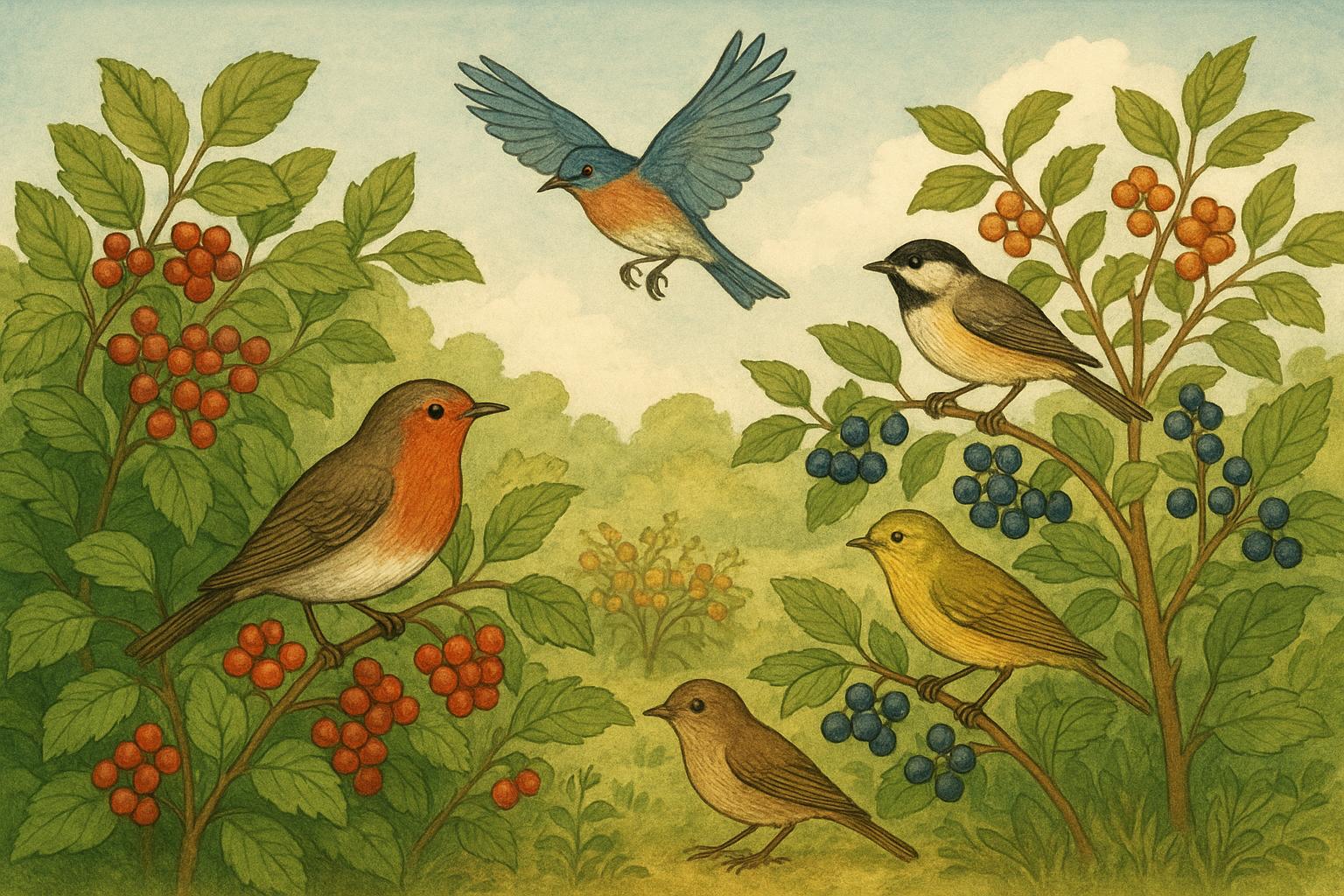
You may see sudden decreases in some species as they move through on their journeys. Swifts and swallows sometimes gather in numbers before departure. Keep an eye on berry-bearing shrubs in late summer—birds fatten up there.
## When Sightings Become Citizen Science
If you’re logging sightings for a project, try to standardize your observations. Fifteen-minute counts at the same time every week can be surprisingly powerful for tracking trends. Volunteer groups often need feeders checked, nest boxes monitored, or toad surveys run. Your backyard can be a small but valuable data point.
### Sharing Responsibly
If you post a rare sighting online, consider whether the species might be attracted to disturbance. Rare nesting locations are sometimes better kept private. A good rule: share photos and notes, but avoid giving away exact nest coordinates for rarer or endangered species.
## Unexpected Encounters And What They Mean
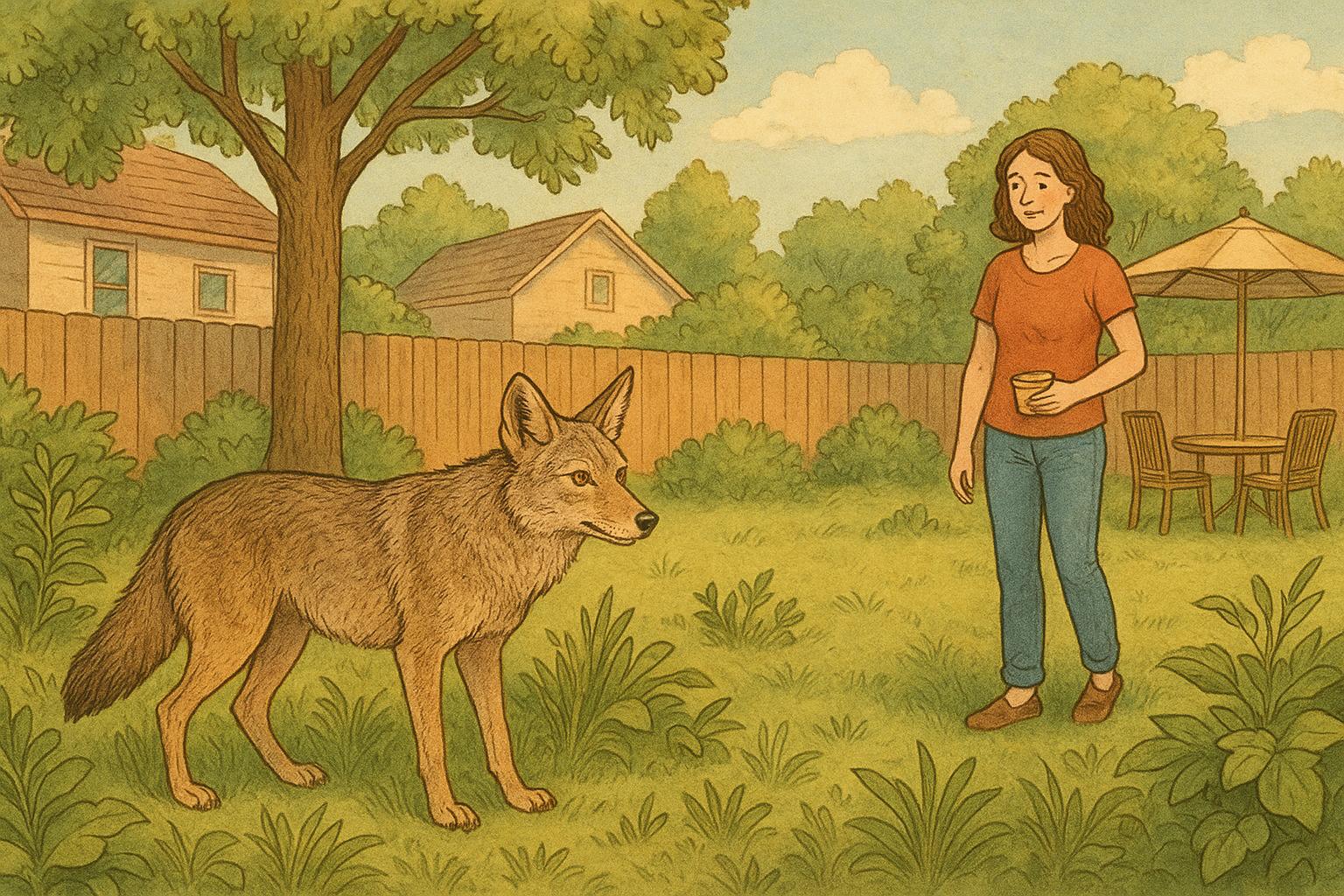
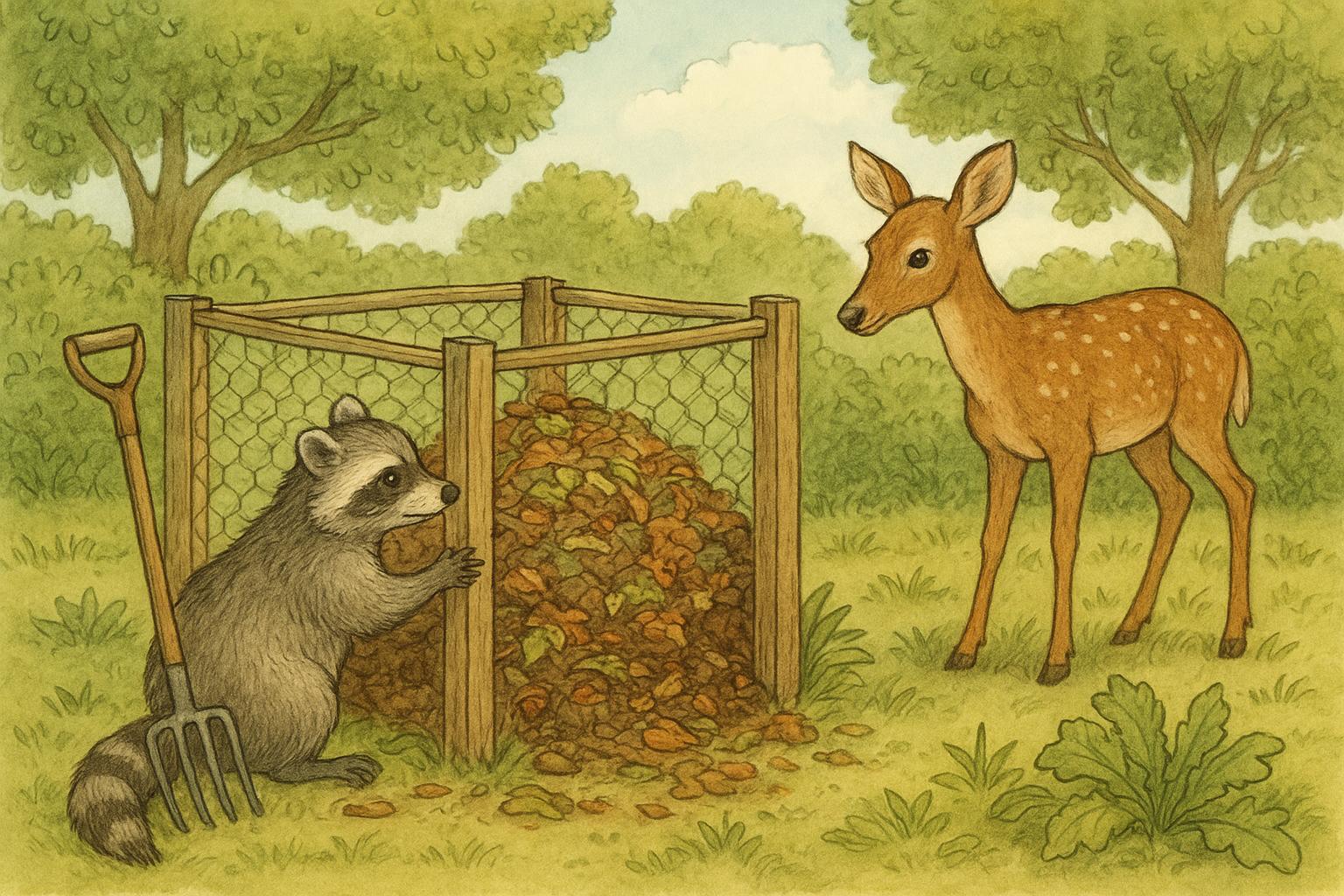
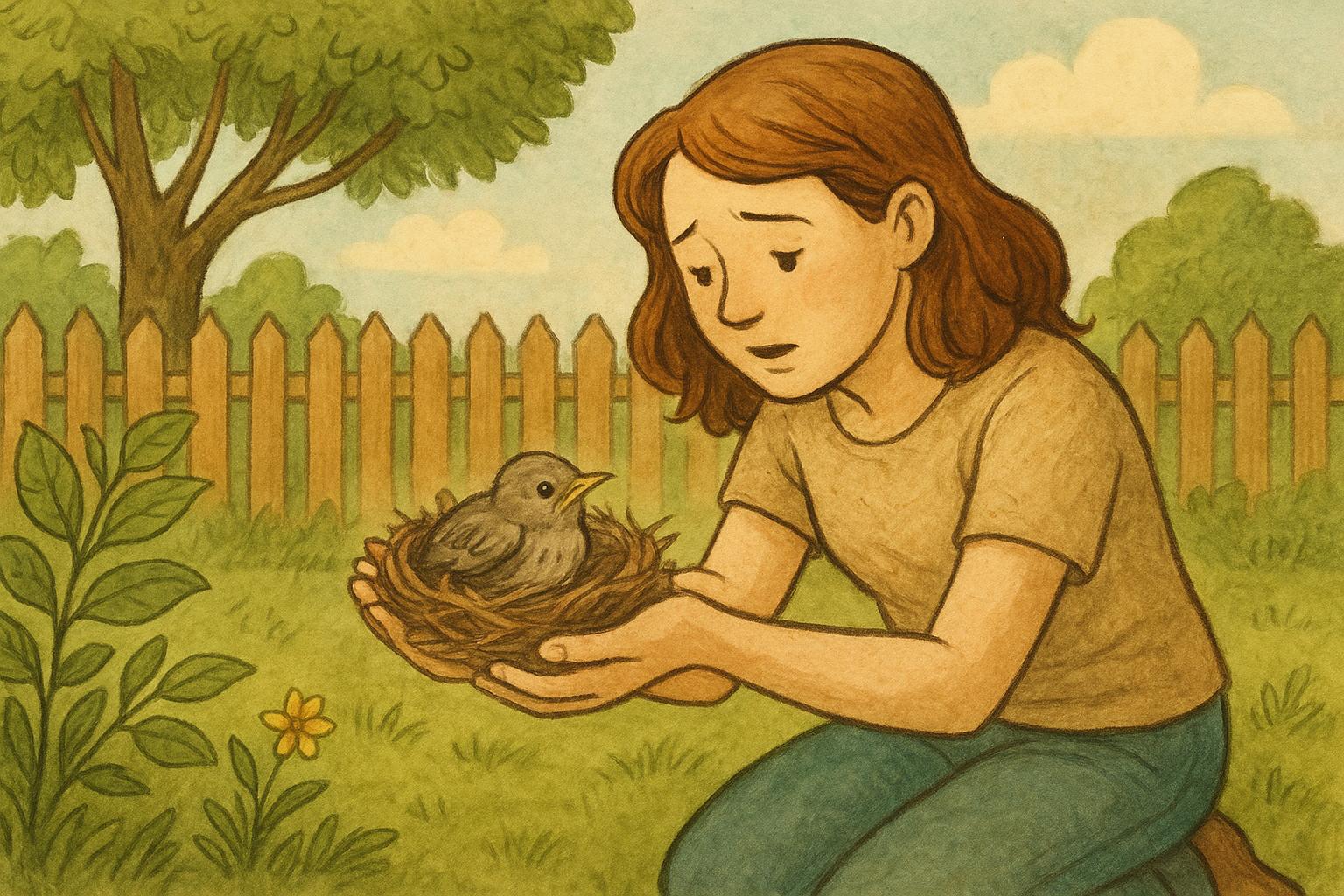
Not every sighting is straightforward. I once found a young owl on my porch; it was exhausted and not injured. A neighbor drove it to a wildlife rehab center, who later told me not to move young raptors unless they’re clearly in danger. Another time, a family of opossums turned my compost bin into a nightly buffet. Those kinds of encounters teach you to balance curiosity and care.
Small things are often the most rewarding: a wasp carefully carving a nest into a mud bank, a mother fox returning with a small plant clipping in her mouth (maybe a toy), a juvenile squirrel practicing its leaps. Summer garden wildlife sightings are a constant stream of small dramas.
### Handling Injured Wildlife
If you find an obviously injured animal, contact local wildlife rehabilitators. Don’t attempt to care for it yourself unless you have the training. Meanwhile, keep pets indoors and give the animal space.
## The Civic Side Of Backyard Wildlife
Your yard connects to a neighborhood web. How you garden affects local corridors for pollinators and small mammals. Plant choices and pesticide use ripple outward. Encourage neighbors to add native plants and you’ll increase the density of life in your block. I’ve seen whole streets transformed when a few people start leaving small tracts of lawn to grow wild for pollinators.
### Small Steps With Big Effects
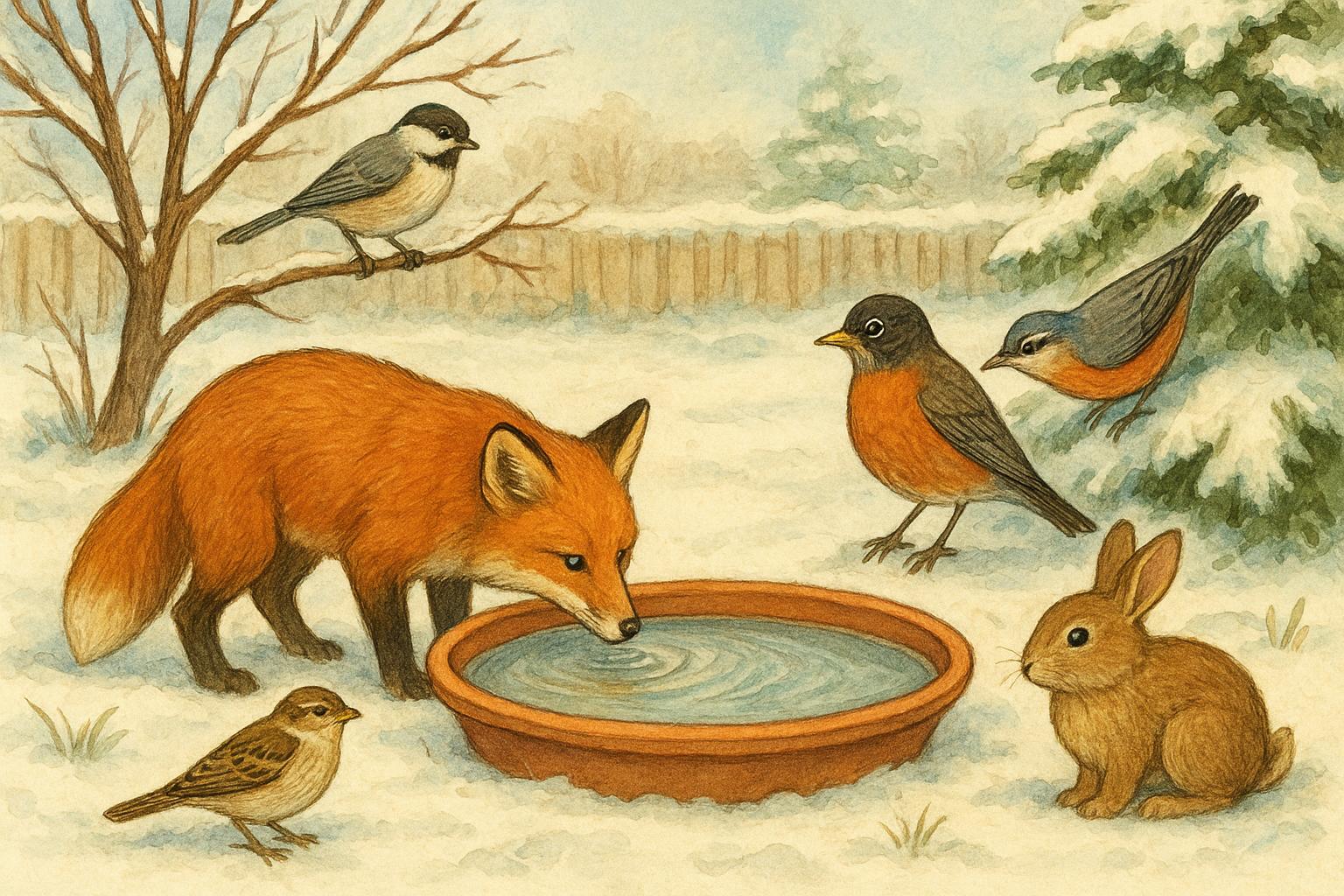
Swap a strip of lawn for a pollinator bed. Turn off unnecessary lights at night. Put out a shallow dish of water in a dry spell. These actions are low-effort and make your yard more hospitable. You won’t transform everything overnight, but more people doing a little adds up.
## When To Use Cameras And When Not To
Trail cameras are great for nocturnal records. Set them on a low setting so you capture movement without scaring animals. But don’t use cameras in a way that broadcasts nesting sites widely. There’s a balance between documenting and exposing.
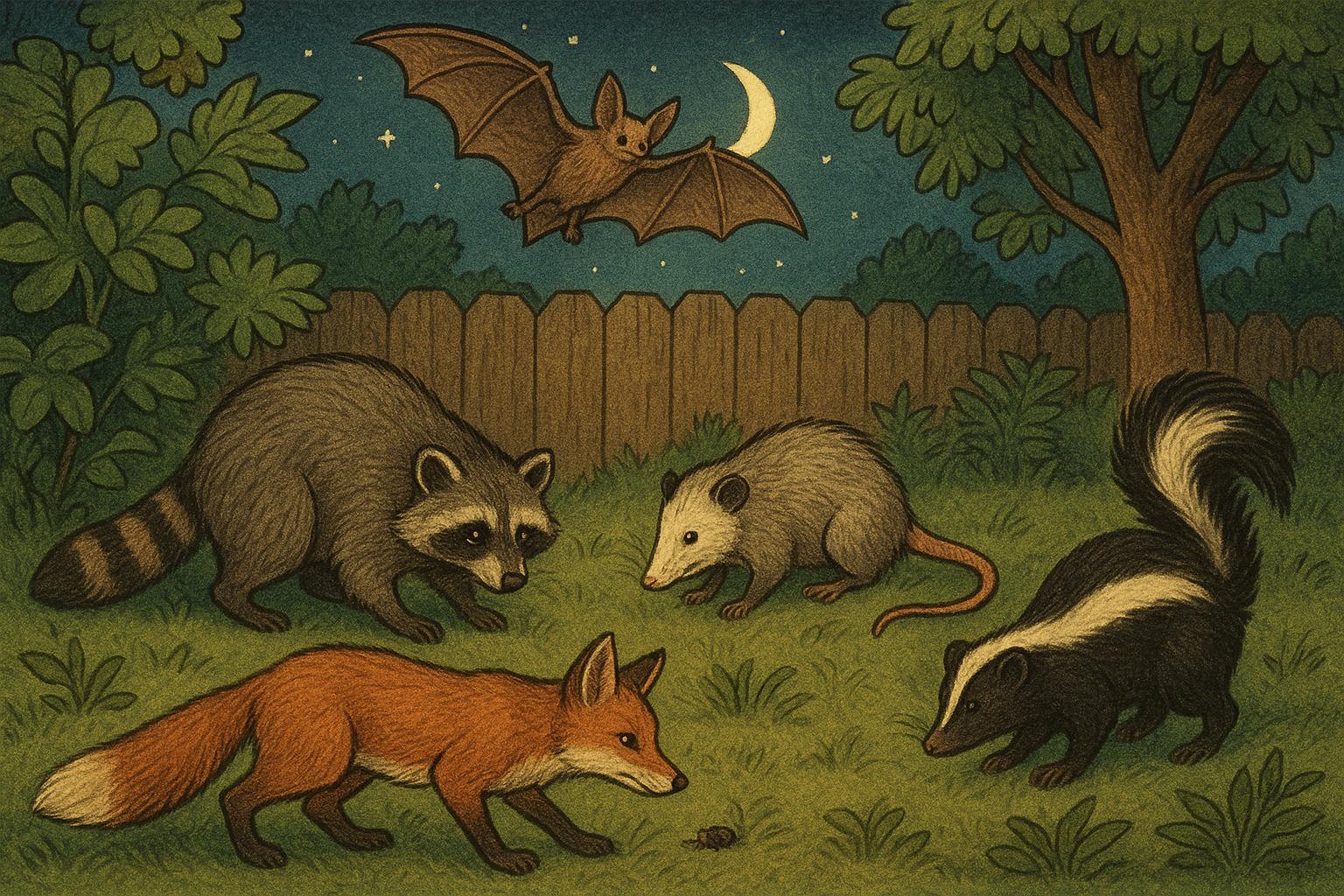
A single camera once showed me a raccoon family treating my compost as a dinner table. That was funny and useful knowledge—so I adjusted lids and secured food scraps. Cameras can solve problems as well as satisfy curiosity.
### Ethical Considerations
Always consider the welfare of animals first. Don’t bait cameras with food if it will cause dependence. Avoid using bright lights to photograph at night. Aim to observe, not to manipulate.
The summer will bring a stream of visitors if you give them reason to come: food, water, shelter, and a bit of privacy. Once you start recording and looking intentionally, you’ll realize that your backyard is a stage for countless small acts. The pleasure is in noticing them—watching a fledgling figure out flight, seeing a spider rebuild a web each morning, catching the brief glance of a fox as it slips through hedges. Those are the kinds of summer garden wildlife sightings that change how you see your own patch of earth—slowly, and for the better, even if your notes include a stray squak or two and a couple of nibbleing traces.

Leave a Reply