
## Fall Denning And Winter Shelter For Backyard Wildlife: Practical Steps
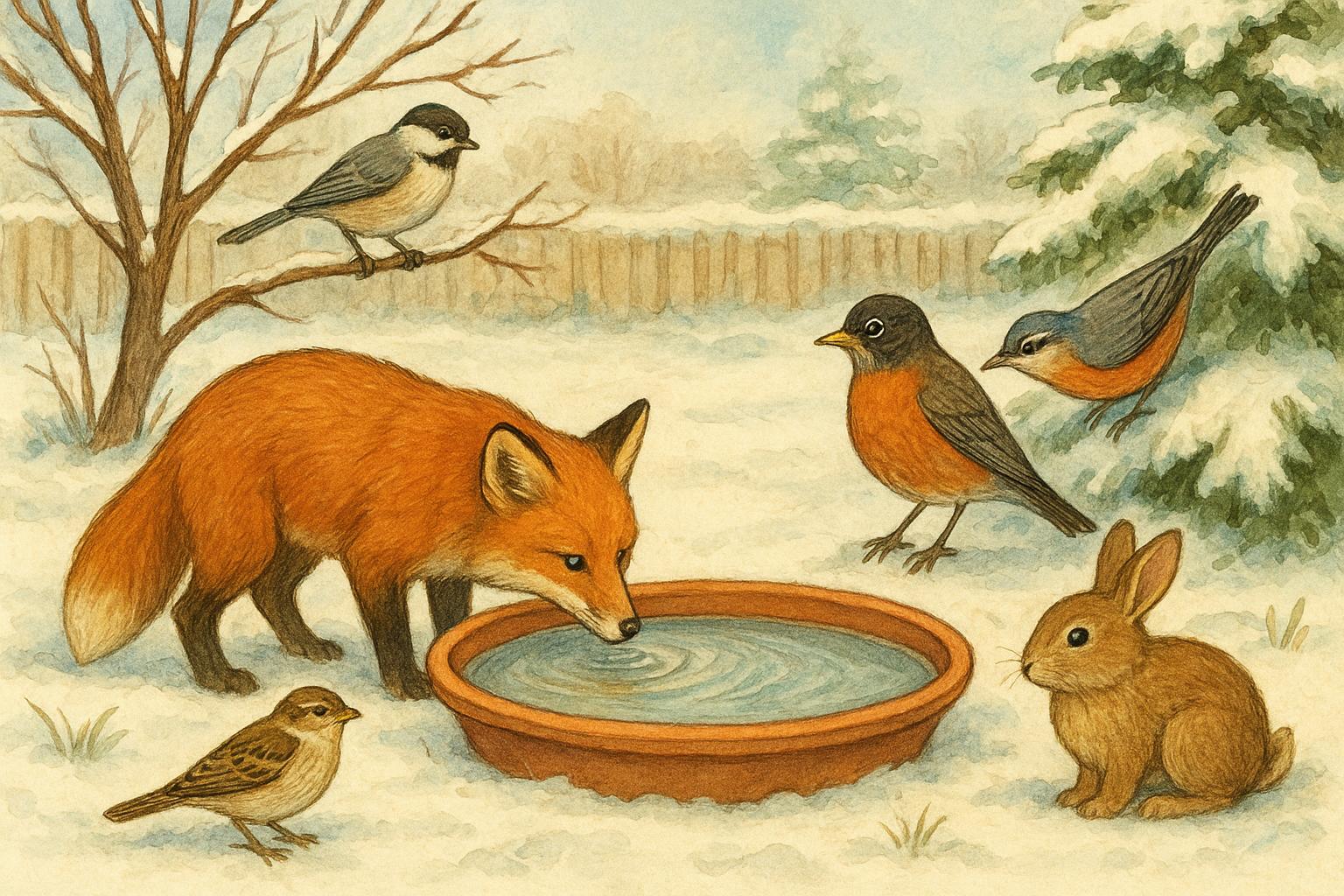
Fall is when backyard animals start making real plans. Leaves pile up, nights get long, and small mammals, amphibians, and birds look for spots that cut wind and hold heat. If you want to help, you don’t need fancy gear. Thoughtful tweaks to your yard give critters a much better shot at getting through the cold.
### Read The Yard First
Walk the property and note the natural features. Where are the brushy edges, the rock outcrops, the drippy downspouts? Which shrubs hold fruit late into fall? Wildlife uses those features the same way people use a warm porch light. Record a few simple things: sheltered corners, existing woodpiles, and places that tend to stay dryer.
Focus on areas within a few meters of vegetation. A den tucked against a shrub or beneath a low branch is safer than one in open lawn. Also check for hazards: exposed foundations, loose pet food containers, or areas where domestic pets patrol. That’s basic risk management, and it matters more than adding another nest box.
### Build Small, Effective Denning Shelter
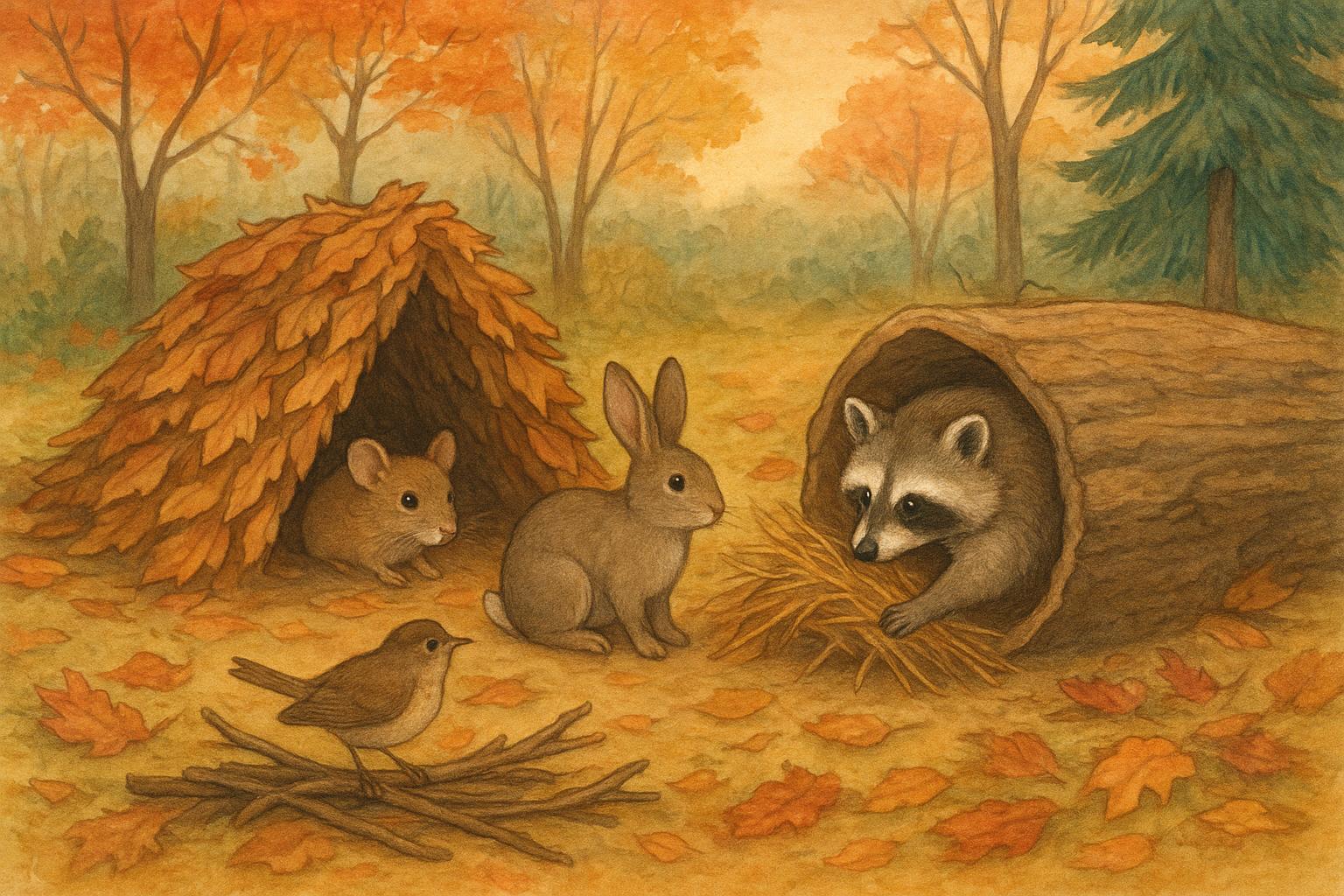
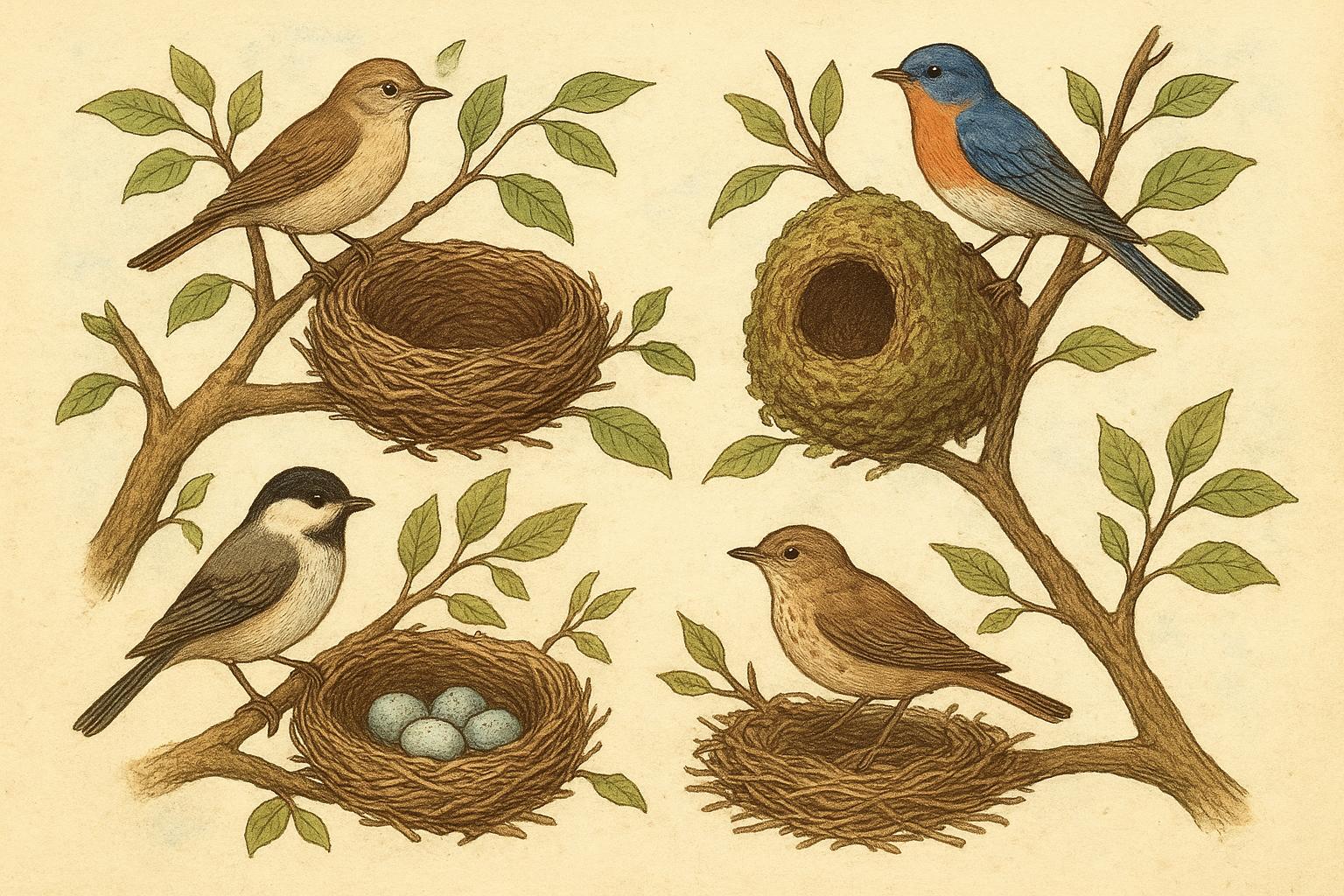
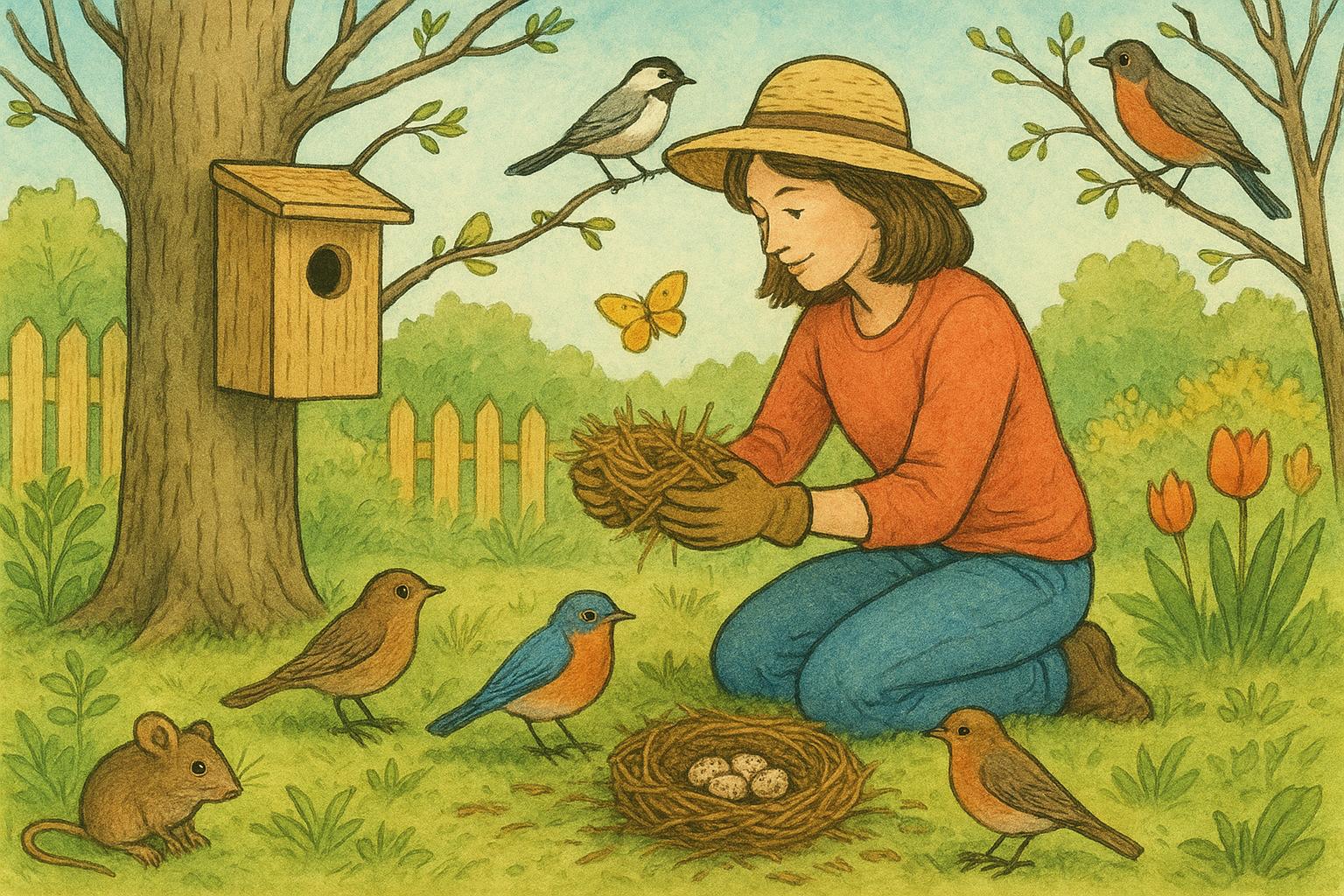
Start small. A proper denning shelter doesn’t need to be large. For rodents and small mammals a box 12 by 12 by 12 inches with a single 3-inch entrance works. Use untreated wood screwed together, not nails. Line the floor with straw or shredded newspaper for insulation. Avoid hay; it molds. Don’t seal the box airtight. A tiny vent near the top keeps condensation down.
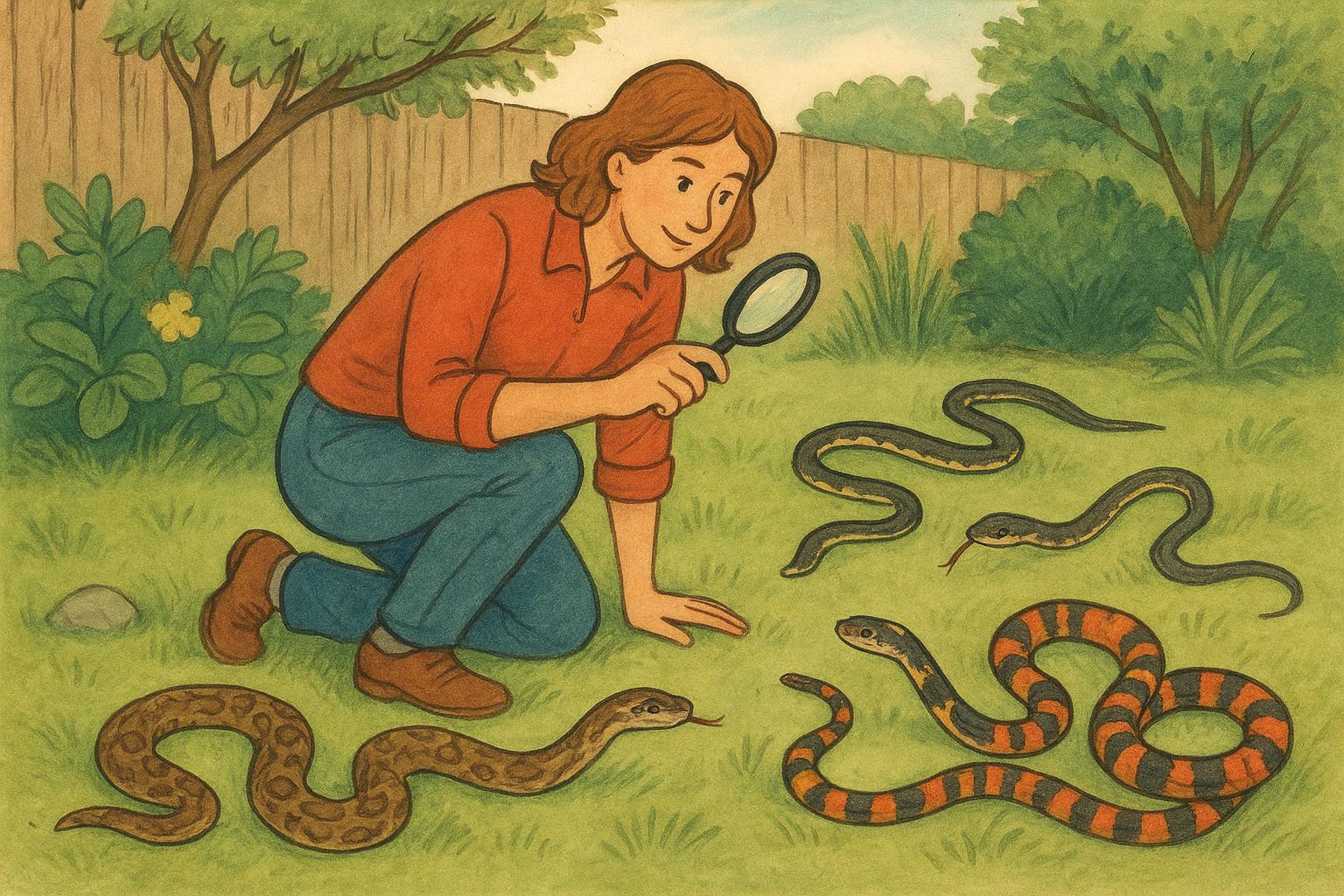
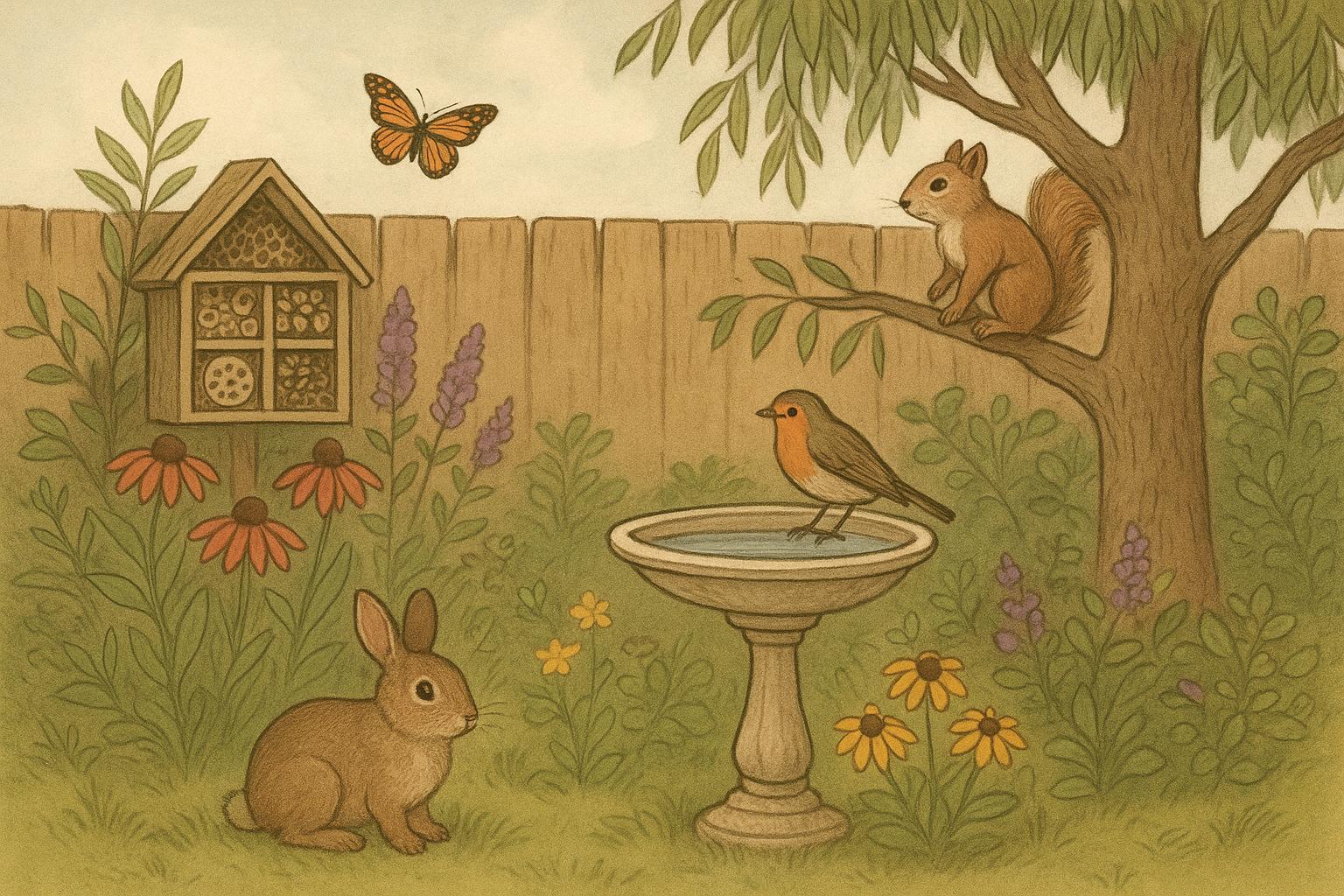
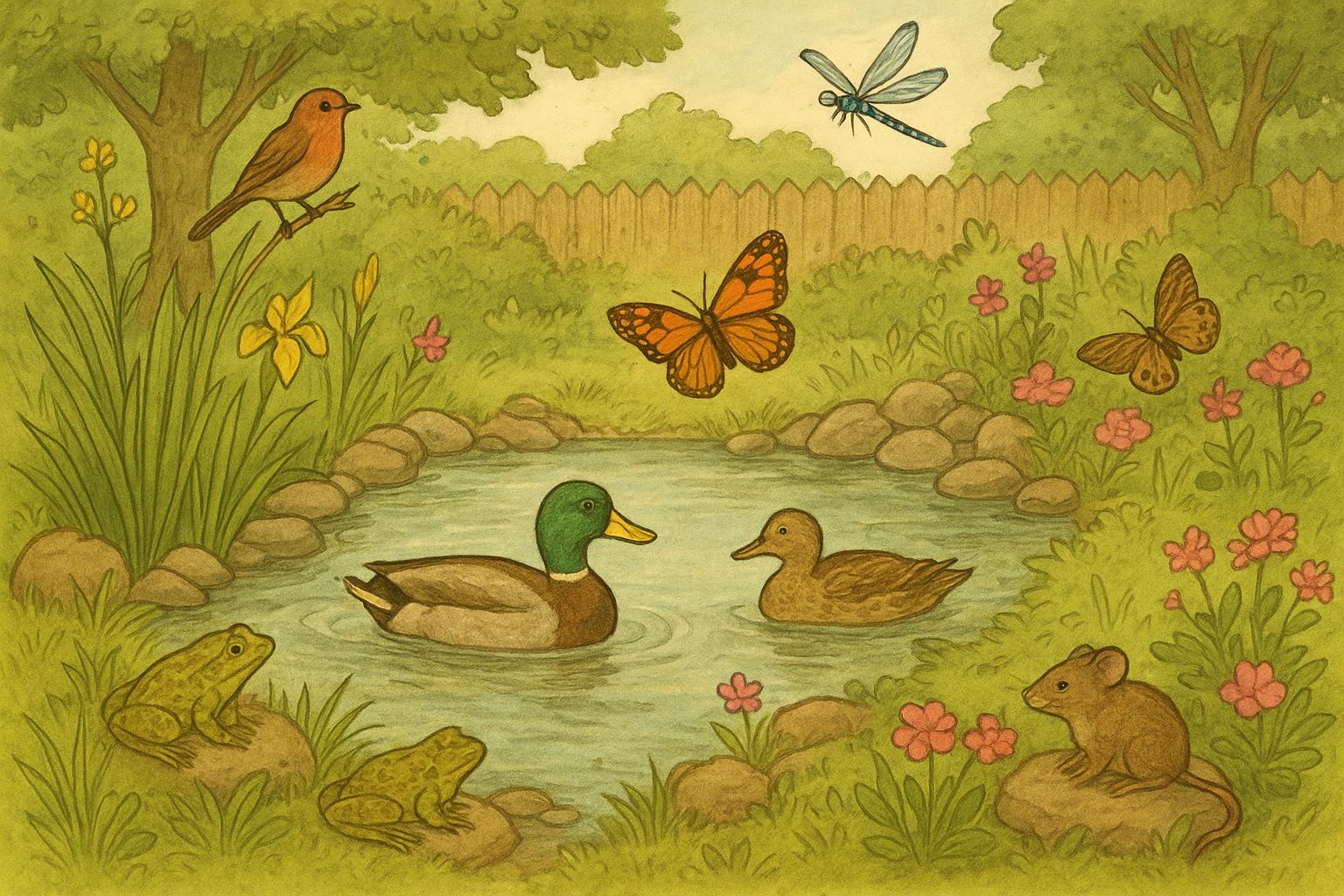
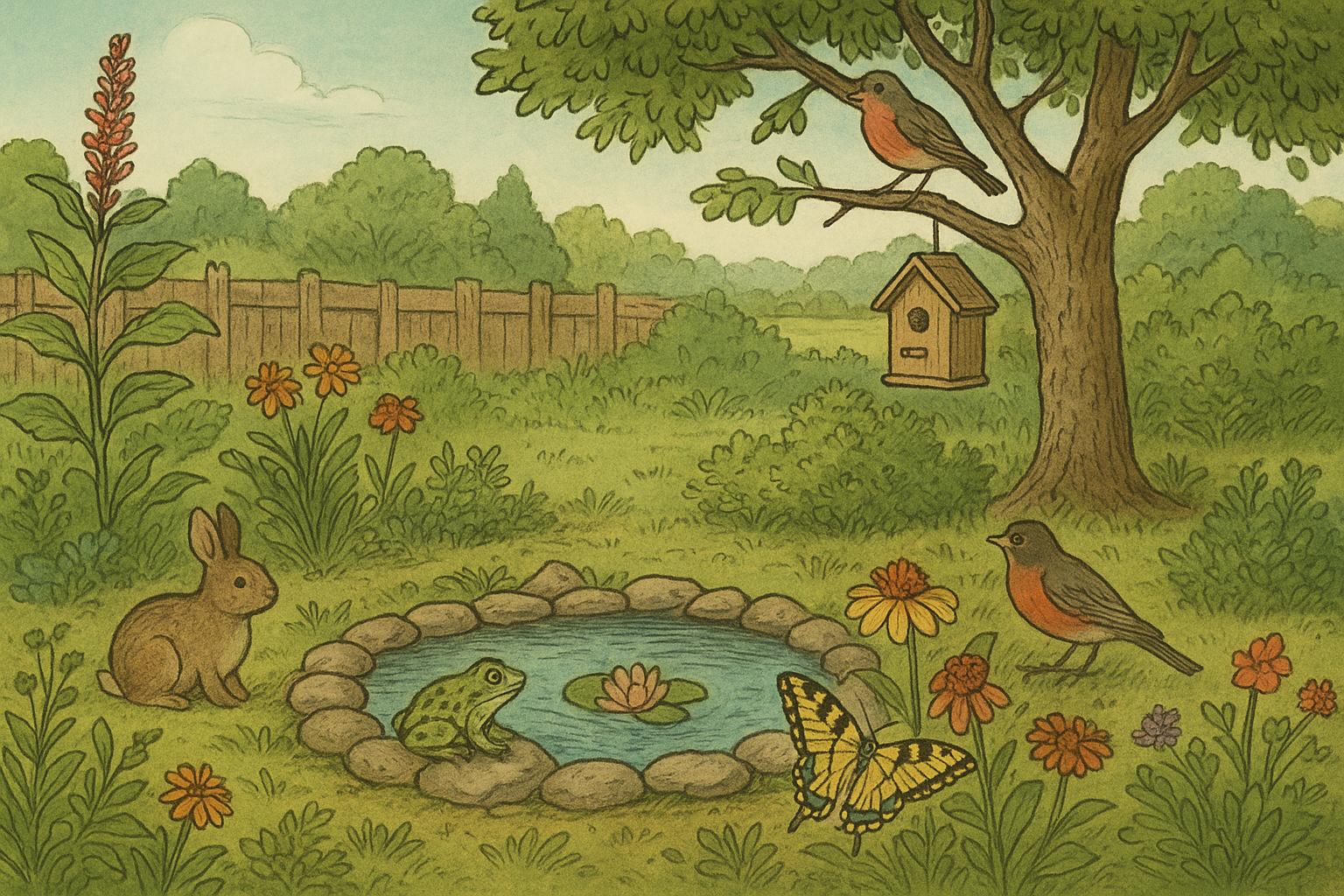
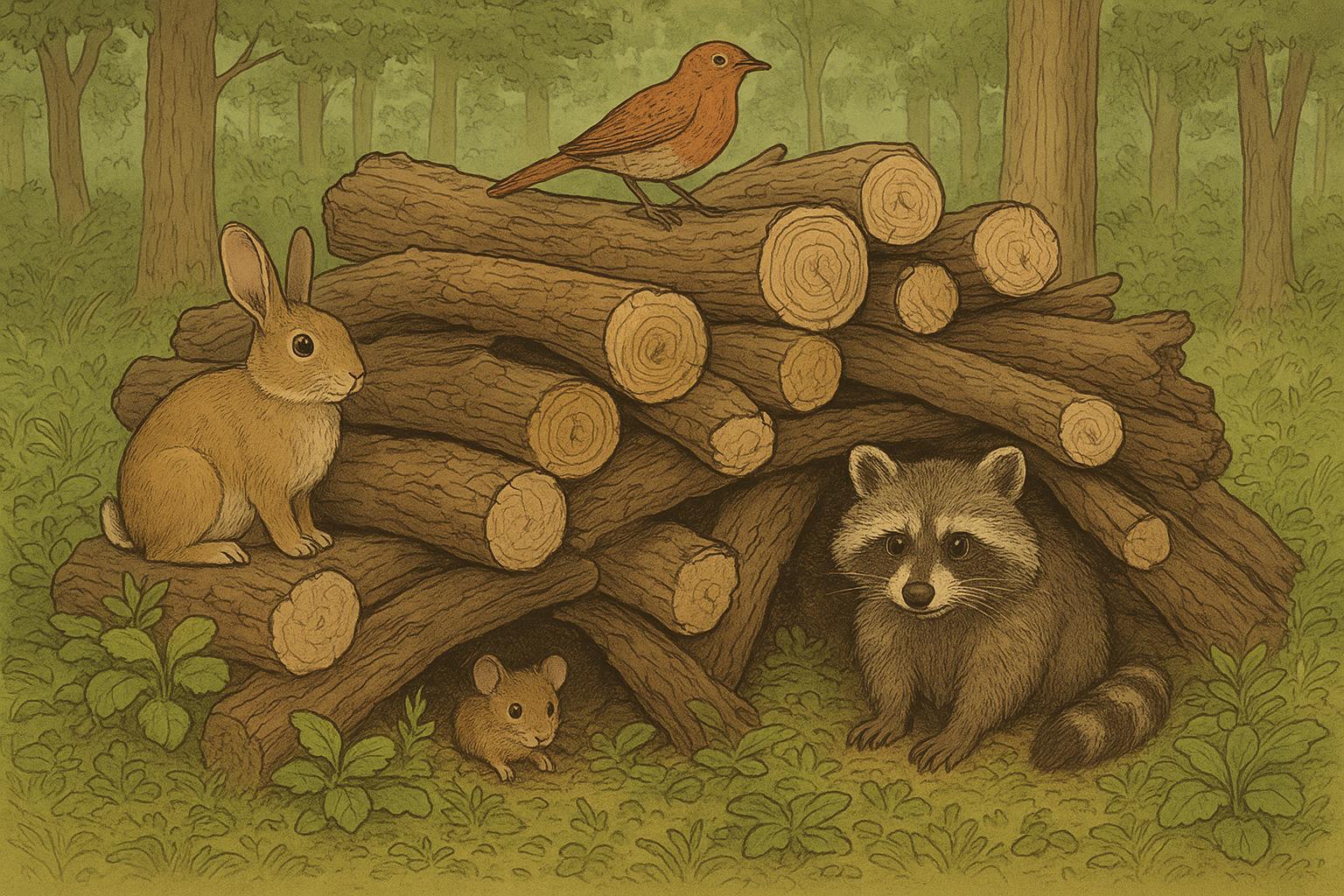
For frogs, toads, and snakes, create rock and log piles. Stack flat stones with slight gaps and cover part of the pile with leaf litter. That provides microclimates — cool, damp pockets and warmer sunlit surfaces. For overwintering insects and solitary bees, leave dead stems standing and add a bundle of hollow reeds tied together.
When you set up these denning shelter options, put the entrance or open side toward dense vegetation. That reduces exposure and gives escape routes. Anchor lightweight boxes so a raccoon or heavy wind doesn’t flip them. If you expect heavy snow, angle the roof so melts slide off rather than pooling.
### Materials That Work And Those To Avoid
Use rough, untreated wood, corrugated cardboard for temporary shelters, and straw for bedding. Hardware cloth makes a good predator guard when placed around a box’s base. Avoid pressure-treated lumber and cedar shavings. Treated wood off‑gases and cedar can repel insects and change the microclimate inside a box in ways that aren’t helpful. Plastics often trap moisture and freeze into a solid wall.
Insulation is simple: straw or dry leaves layered between boards, not packed tight. Moss works well for small birds and squirrels. If you add fabric, choose natural fibers. Synthetic fills can hold moisture and freeze, turning a cozy den into an icebox.
### Placement, Placement, Placement
Location beats design. Put denning shelters near existing cover: near hedges, under evergreens, or along fence lines. South-facing banks get more midday sun and are good for reptile brumation, while north-facing damp spots suit amphibians.
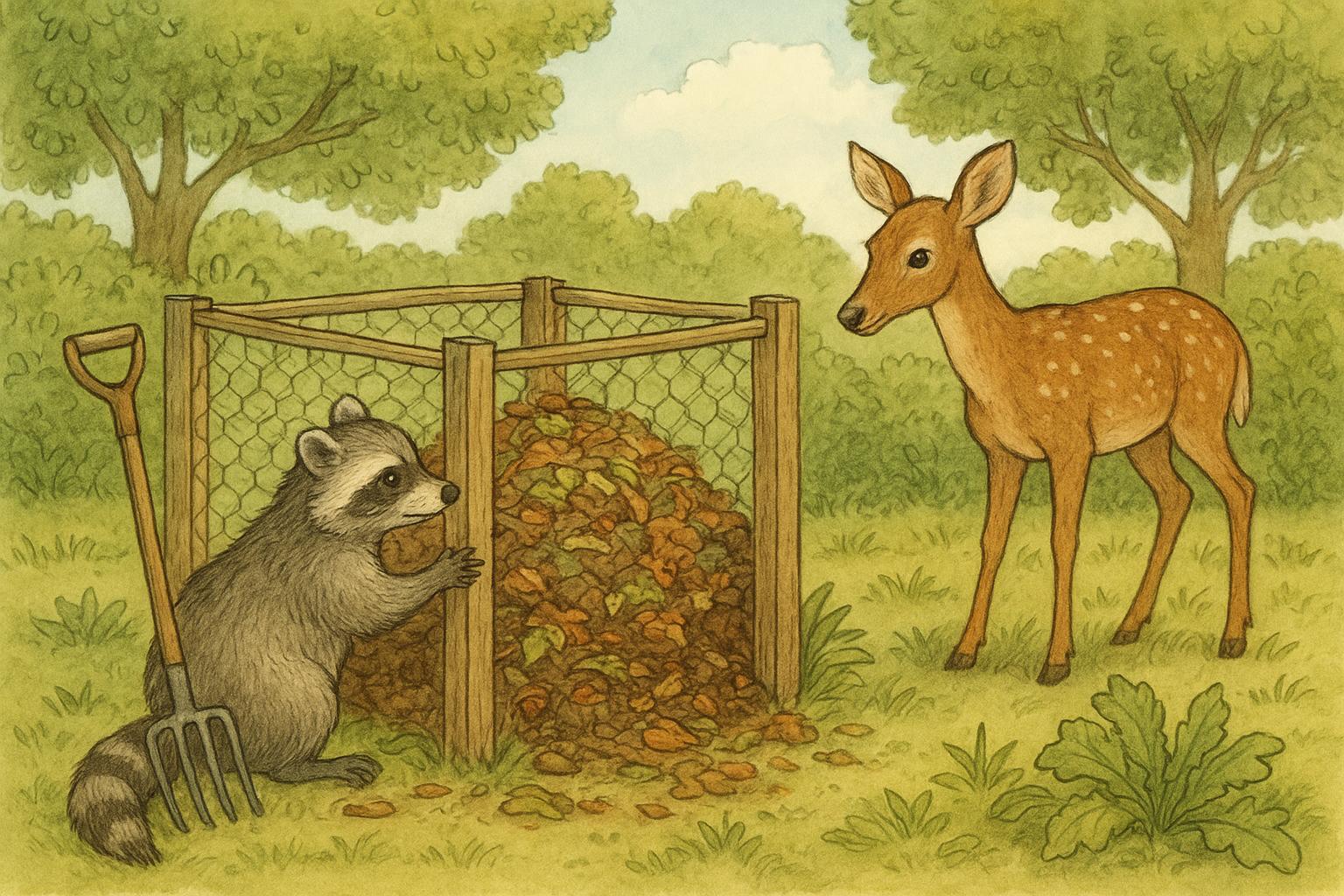
Elevate boxes 3 to 6 feet off the ground for birds and bats, but place mammal dens at ground level or slightly elevated on a foundation to avoid pooling water. Keep denning shelter at least 20 feet from active compost piles or areas that will be disturbed in winter routines. You’re trying to add calm, not new traffic.
### Timing And Minimal Disturbance
Late October through early November is the time to install winter structures in temperate zones. Put things in place before the ground freezes so animals can explore and settle. Once animals move in, leave them alone. Frequent checking stresses them and saps the energy they need to survive.
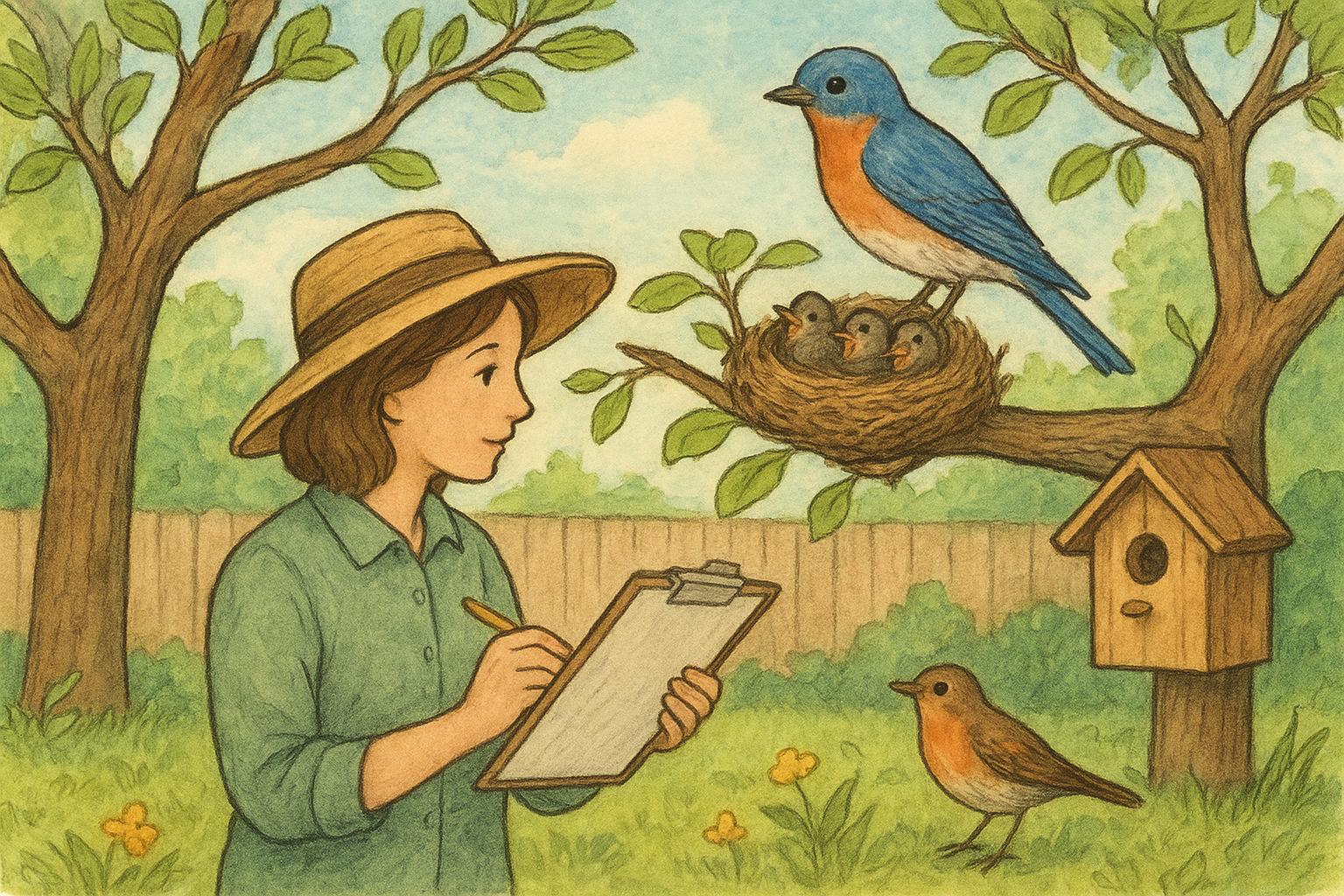
If you must inspect, do it from a distance and only once. Use a mirror on a pole or a flashlight angled into an opening to confirm occupancy without opening the den. Disturbances close to hibernation can force animals to burn fat reserves they can’t replace.
### Species-Specific Touches
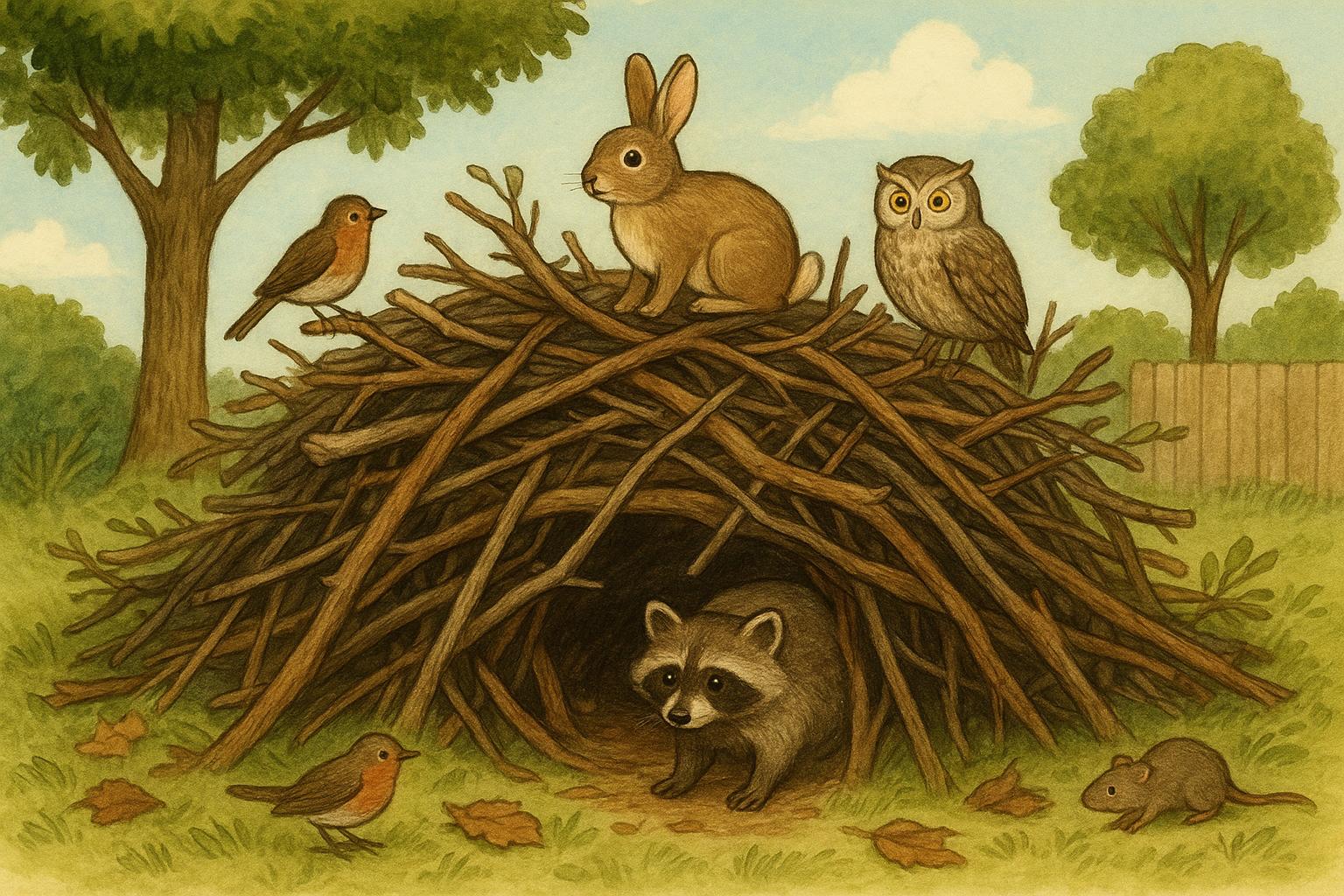
Rabbits: A brush pile 3 to 4 feet high with a sheltered tunnel entrance gives good protection. Stack branches so there’s a solid air pocket.
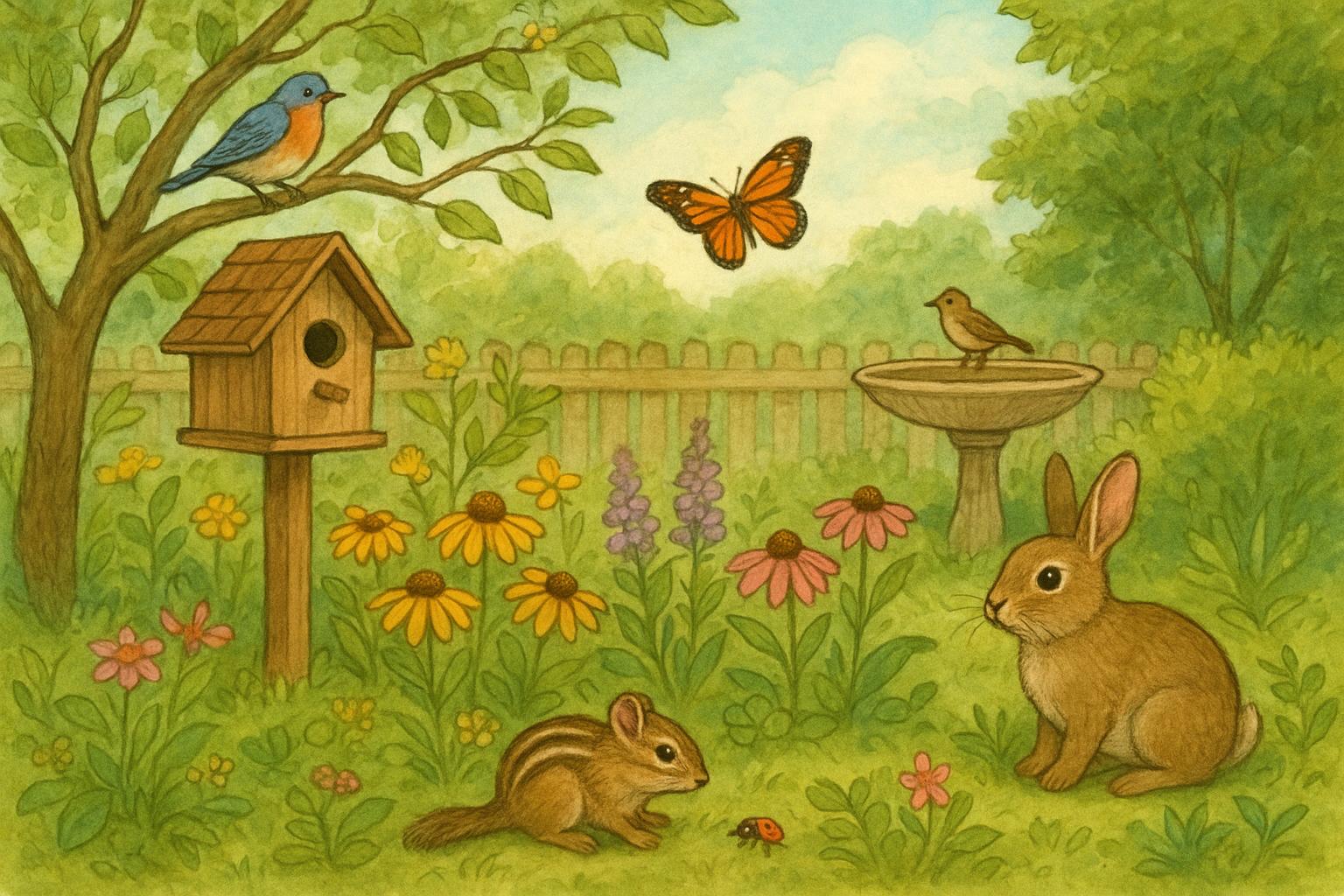
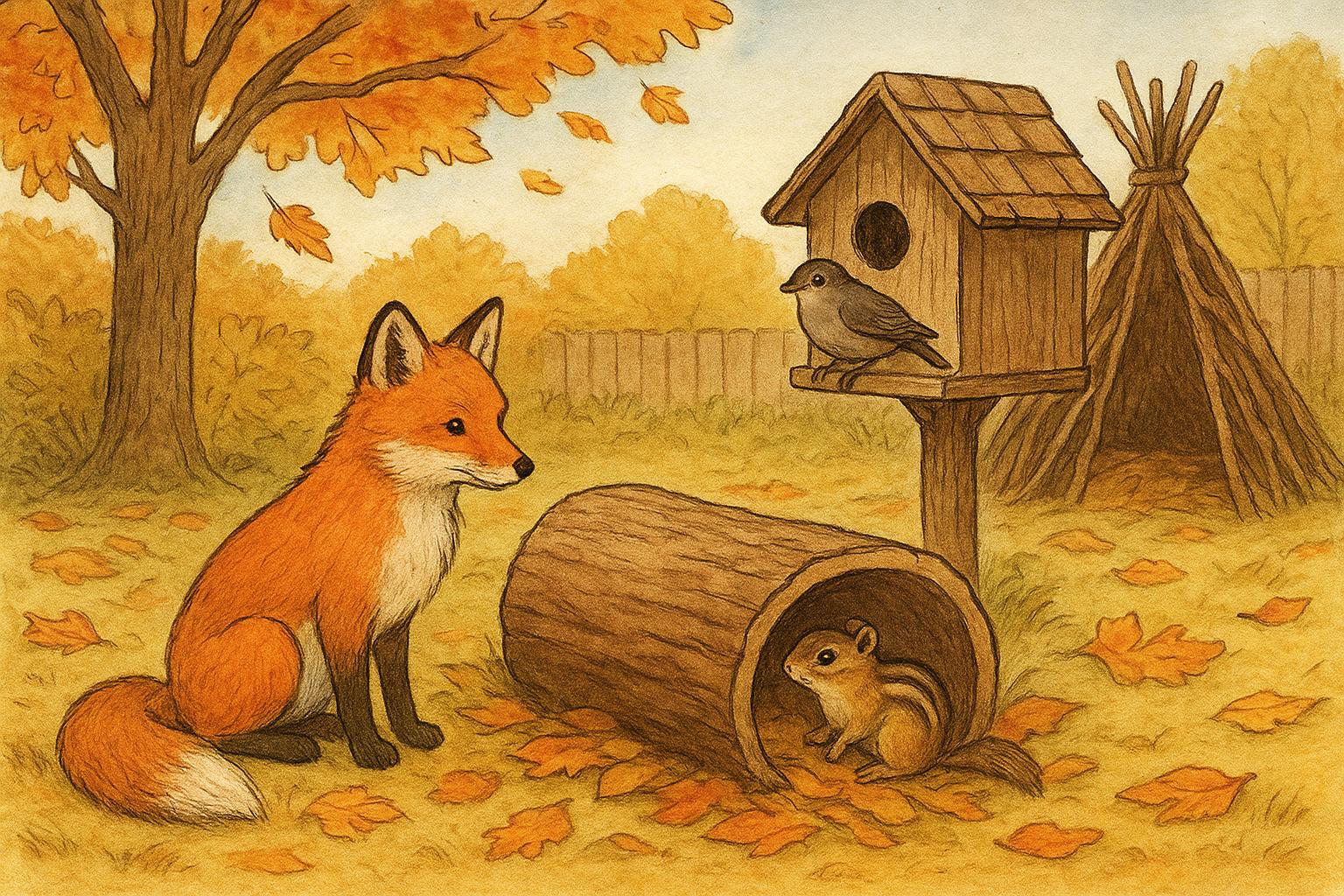
Chipmunks and small rodents: Small wooden boxes with a single small entry and a thin bed of leaves help. They prefer shallow soil for digging nearby.
Ground-nesting birds: Leave clumps of tall grass standing and avoid raking those areas until late spring.
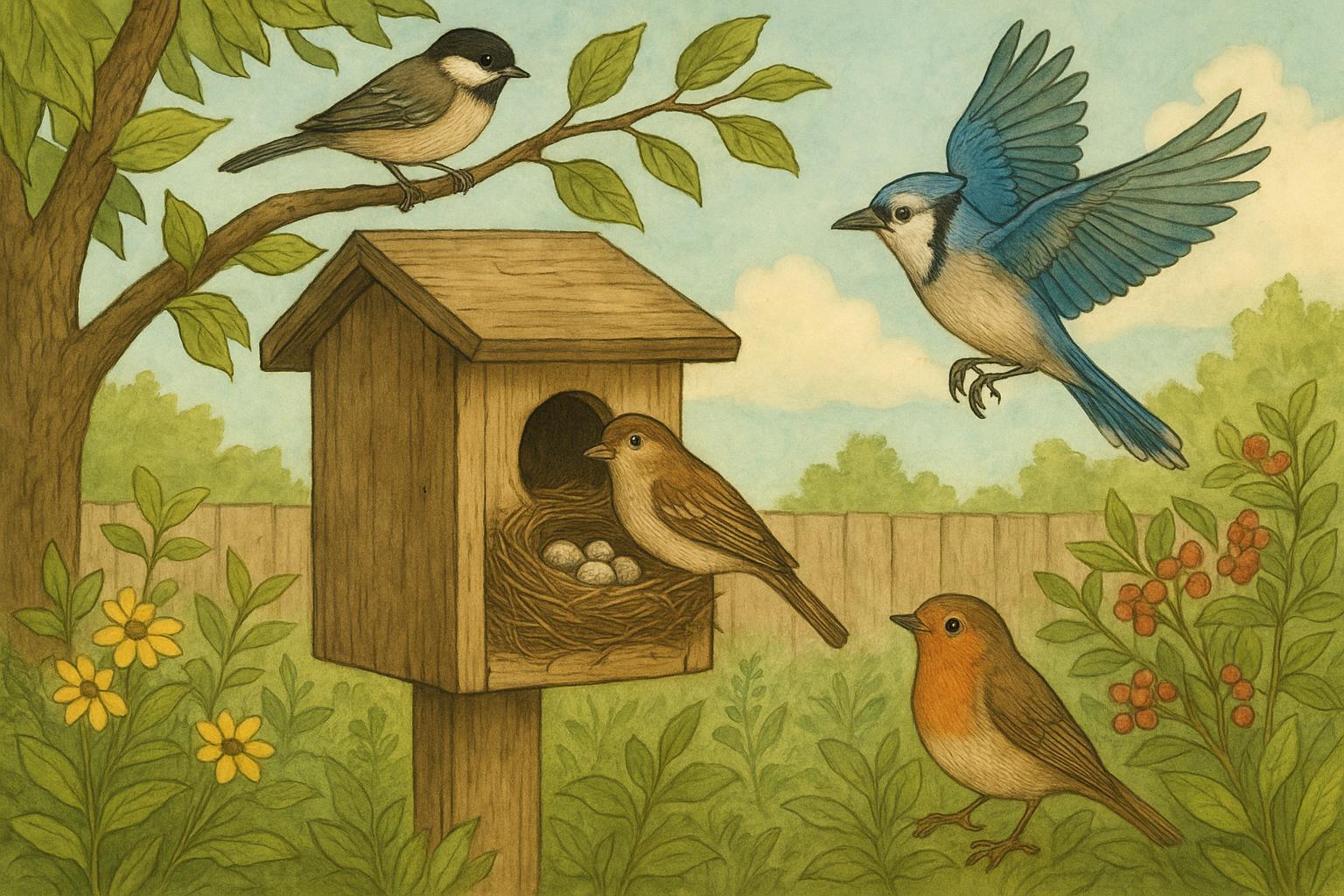
Bats: Bat boxes should be nailed high on a south- or southeast-facing wall with direct sun for part of the day. Seal seams against drafts but provide a narrow slot for entry.
Amphibians: Build low rock crevices in shade and near moisture. They like a mix of cool, damp spots and slightly dryer ledges.
### Predator Considerations And Neigborhood Realities
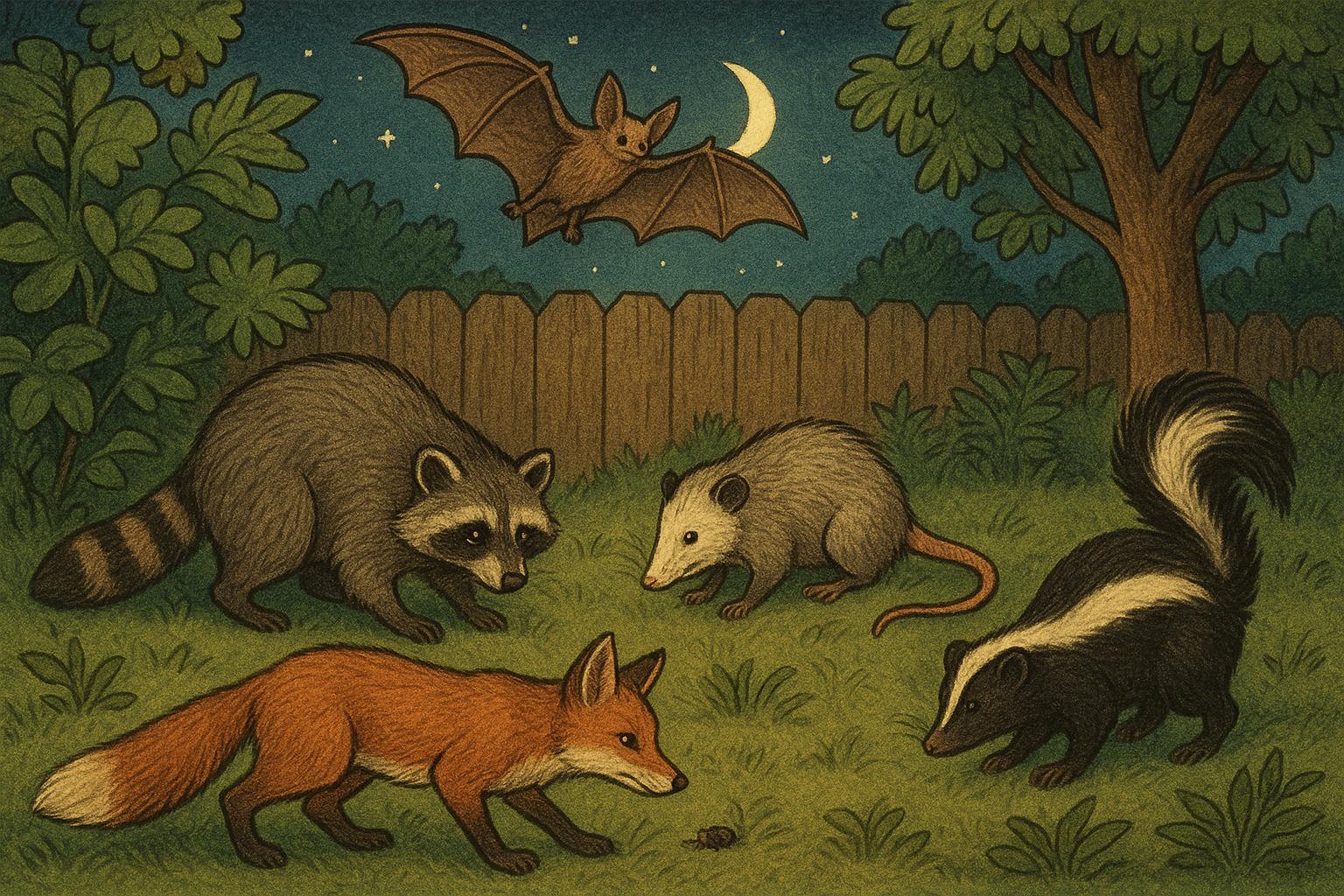
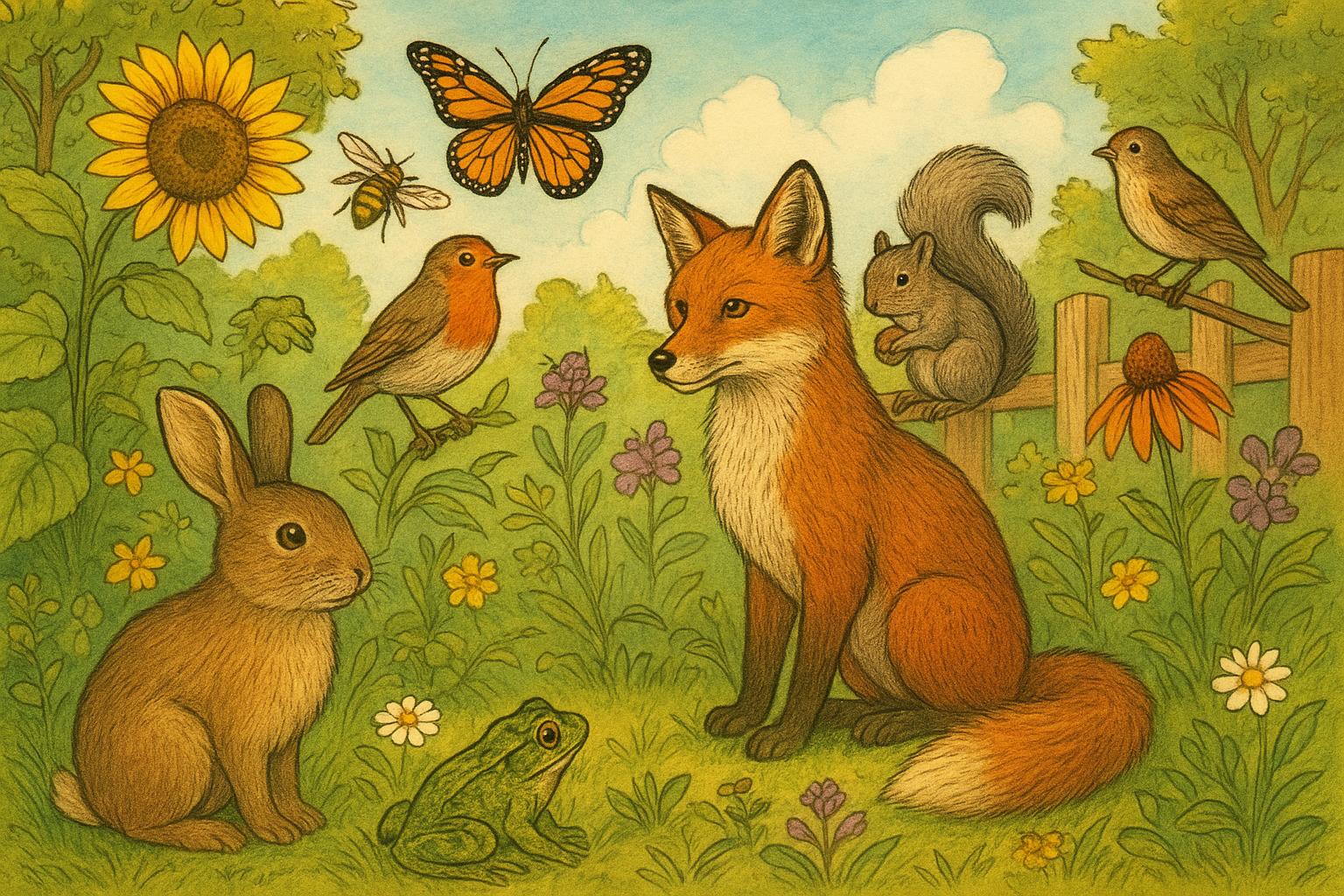
Helping wildlife means accepting the presence of predators. Foxes, owls, and snakes are normal parts of a healthy ecosystem. Still, situate denning shelters where cats and dogs can’t easily hunt. If you have free-ranging pets, install shelters behind thorny shrubs or in spots cats avoid.
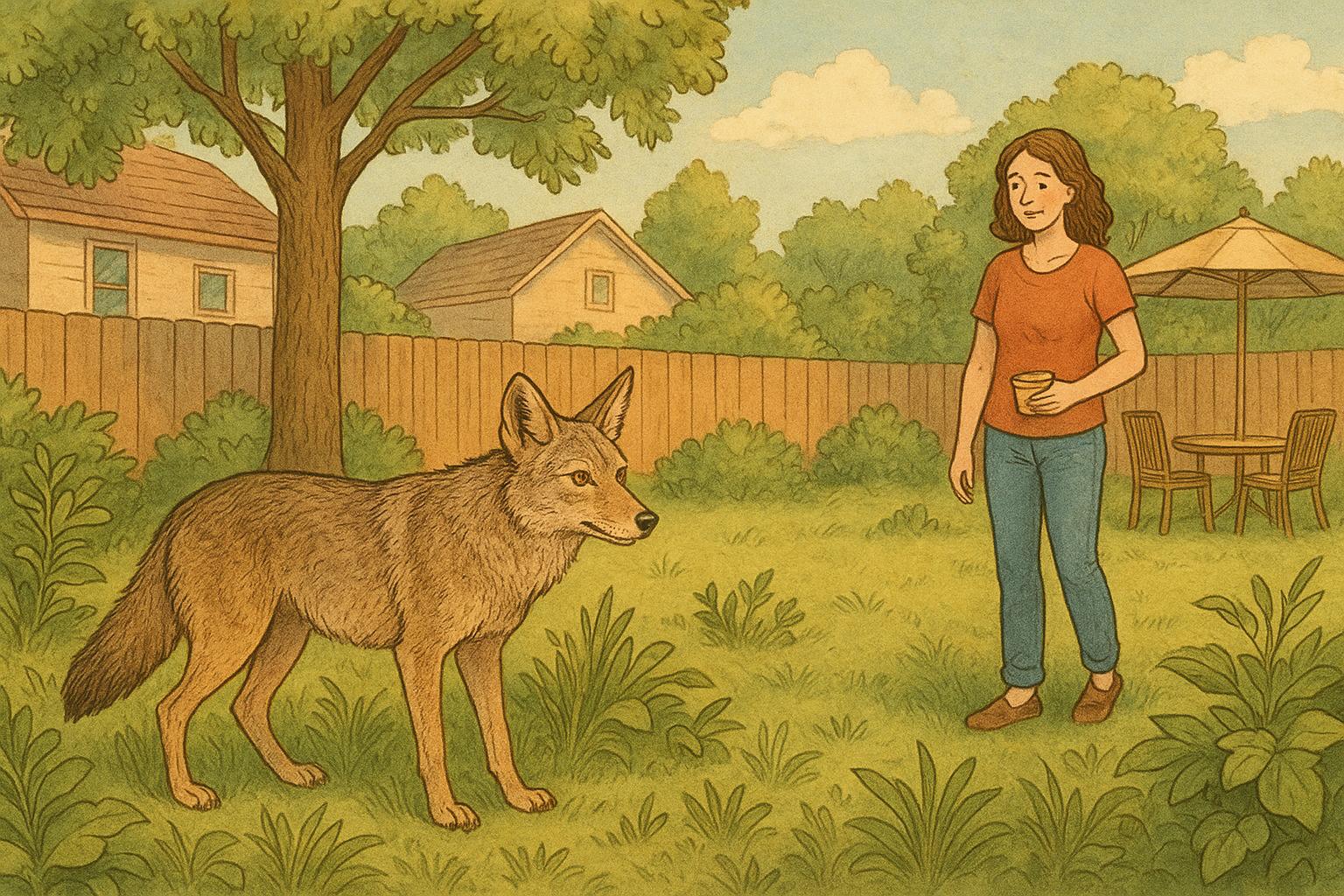
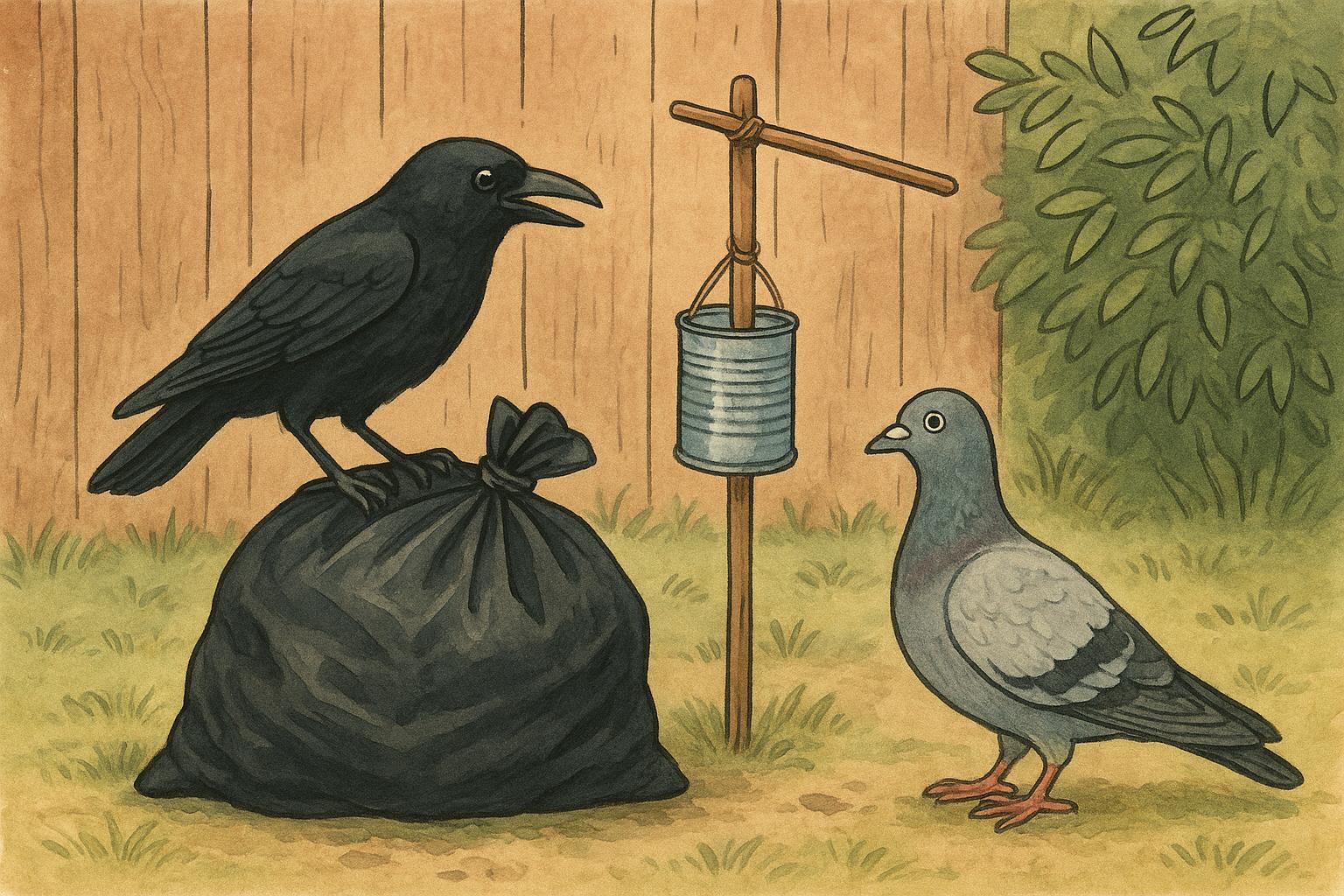
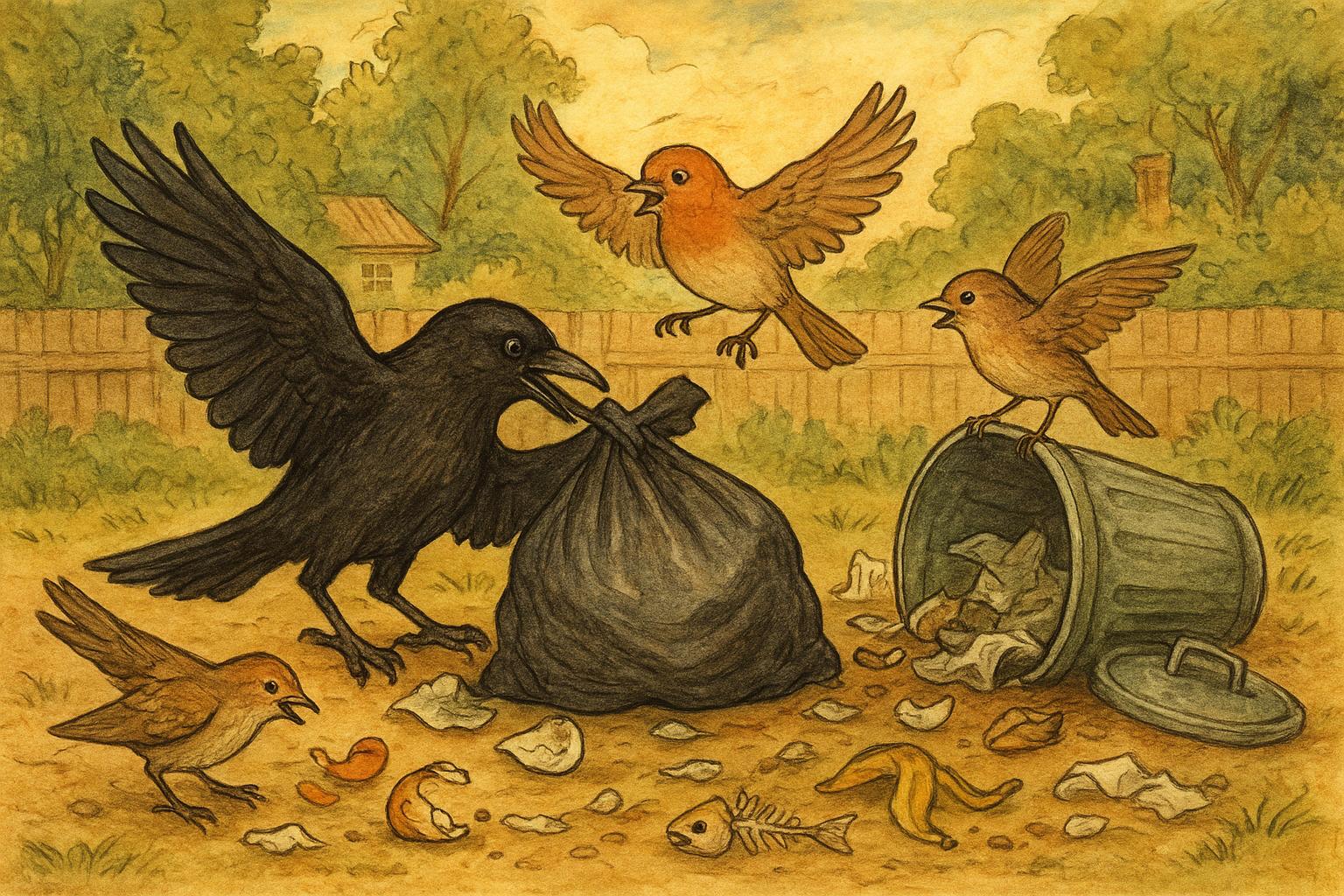
Don’t intentionally attract larger animals like raccoons or coyotes to areas right next to your home. Keep trash sealed and bird feeders away from den clusters. A raccoon using a den near your porch is an invitation for conflict. Be practical about limits.
### Maintenance And Seasonal Care
Check structures in late winter for damage. Replace soiled straw and repair loose lids. Clean out boxes only after you are sure occupants have moved on, typically in late spring. Avoid treating boxes with chemicals. A fresh coat of natural linseed oil on the outside only will extend life without harming residents.
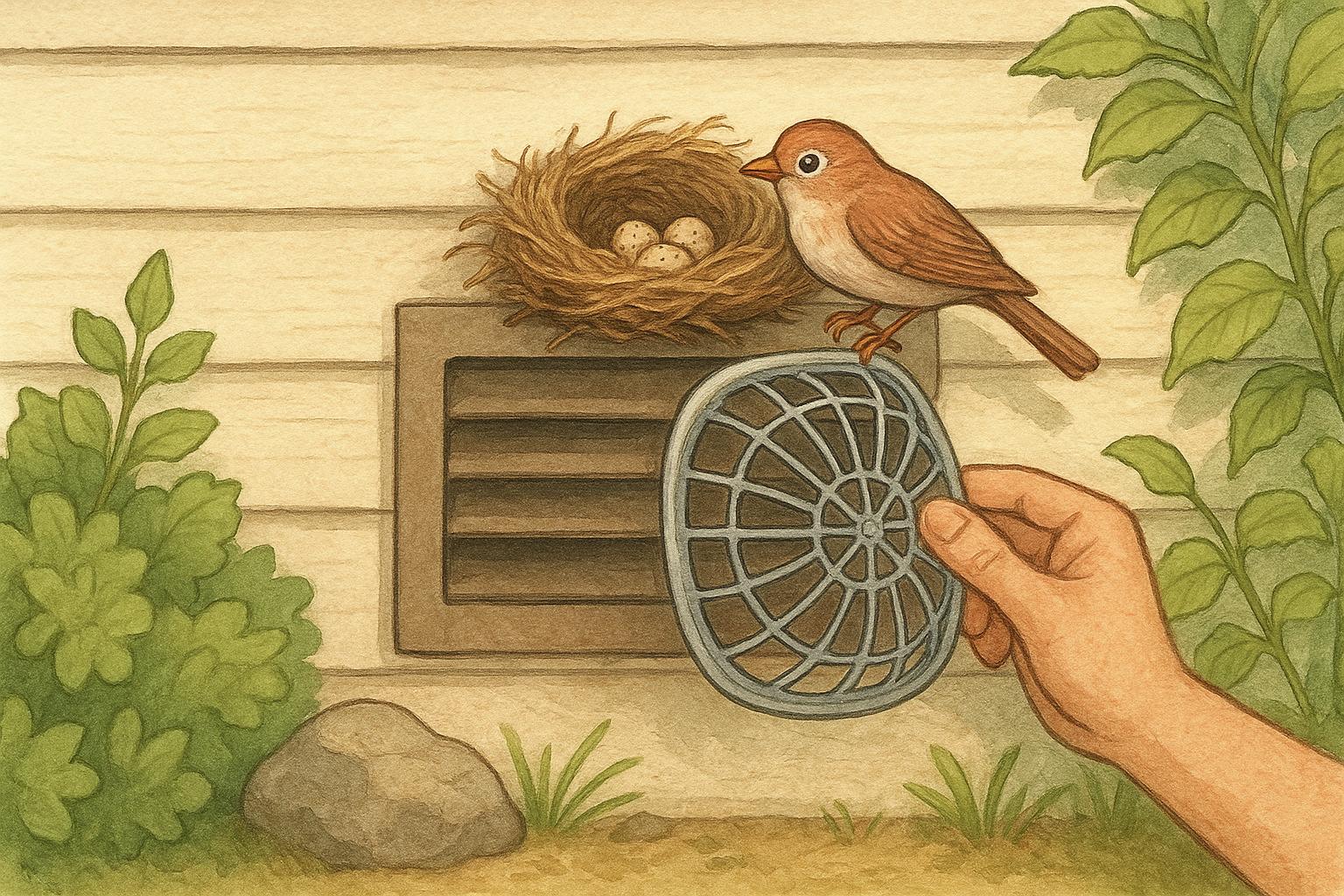
If you have pest problems such as mice in places you don’t want them, retrofit boxes with predator guards or reduce the number of easily accessible food sources nearby. Wildlife will always take advantage of easy calories. Don’t make the yard a buffet.
#### Simple Upgrades That Make A Big Difference
Add a small overhang to protect entrances from rain. Drill a drainage hole or two in ground-level boxes. Place a flat stone in front of amphibian root-cellars to create a sun-warmed basking spot. Little changes like these reduce mortality from wet rot and freezing.
#### Neighborhood Outreach
Talk with neighbors. A cluster of well-placed denning shelter across several yards is more effective than a single lonely box. Swap tools, trade plans, and coordinate timing so you don’t unknowingly cut down a good denning tree in November. People usually respond well when you explain you’re not trying to bring in pests, just help the small, quiet animals.
### Safety And Legal Notes
Check local wildlife regulations before putting out structures for species that are protected in your area. Don’t attempt to rehabilitate injured animals without permits. If you spot unusual behavior — an animal that appears tame and unafraid or one that doesn’t move in warm spells — contact a licensed wildlife rehabilitator.
Be realistic. A denning shelter offers a survival boost, not a guarantee. Weather, disease, and predators still play roles. But yards with thoughtful denning and winter shelter options give more animals a better chance.
Sprinkle these ideas into your plans this fall. Start with one or two well-placed boxes or a modest brush pile and see who shows up. As you learn what works in your backyard, you can refine placements and materials. Small, practical steps help more wildlife than elaborate projects that never get finished. Remember, the goal is resilience, not perfection. Teh results will surprise you if you stay patient and observant, and you might recieve an unexpected visitor or two who makes the yard feel alive all winter long.
















Leave a Reply