
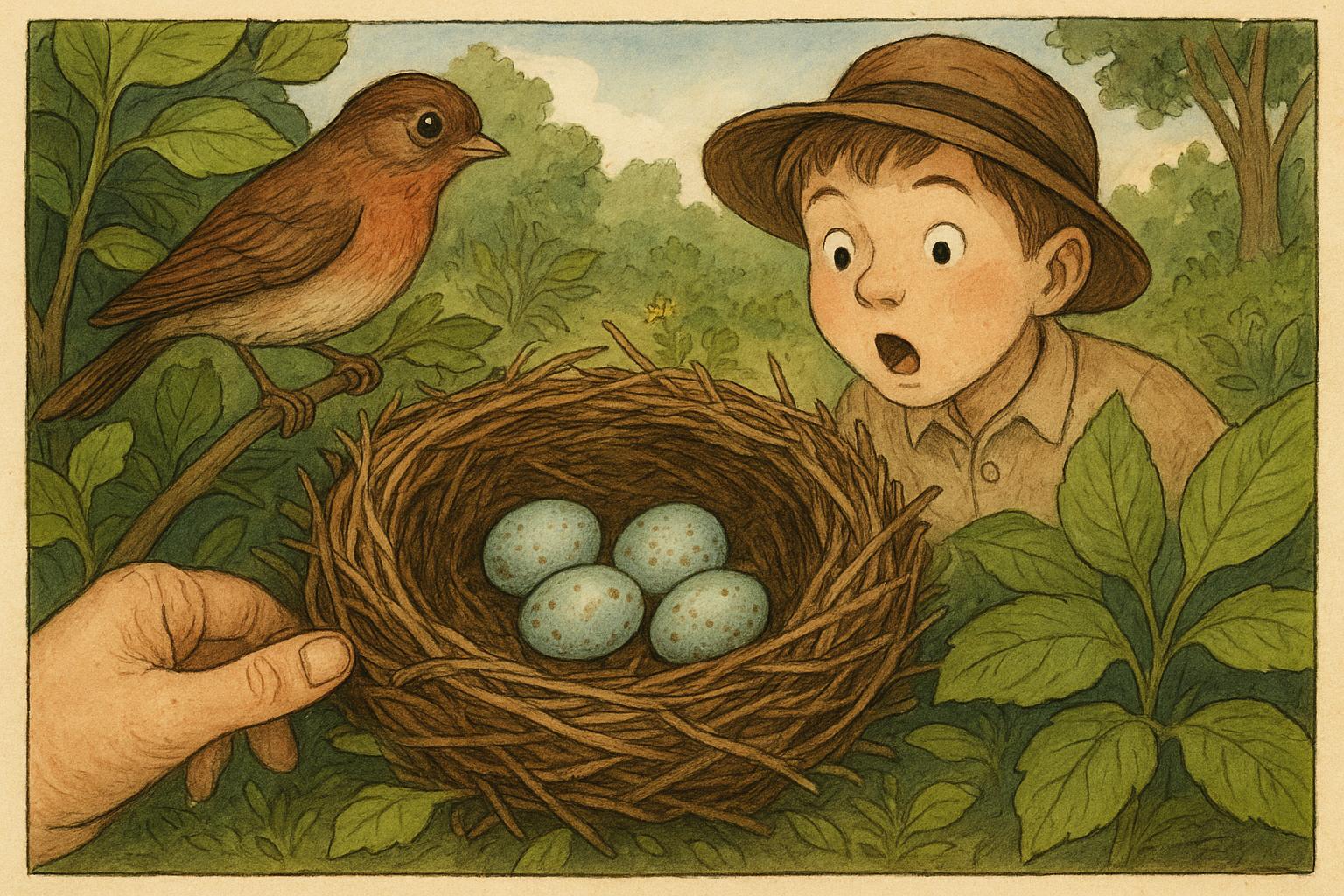
If you want to find nests in your yard, you have to read the birds, not stare at branches hoping for a surprise. There are clear, repeatable cues that point to where birds set up shop, and once you notice them, nest hunting becomes a skill instead of a guessing game.
## Yard Bird Nest Discovery Guide For Backyard Sleuths
This yard bird nest discovery guide focuses on what actually works: timing, behavior, materials, and a little pragmatism. Start by watching patterns. A single bird making repeated trips to one spot is far more valuable than two hours of random scanning. Learn the common routes in your yard and follow them for a week before you start climbing ladders.
### Watch The Builders, Not Just The Nest
Birds give themselves away. Males and females often ferry specific materials: long grass for cup nests, mud for swallow nests, or hair and spider silk for hummingbird cups. Notice what a bird carries in its beak or feet. That one observation narrows the search immediately.
– If you see mud blobs on a ledge or eaves, check for swallows.
– Strands of hair or shiny fibers? Hummingbirds or orioles might be nearby.
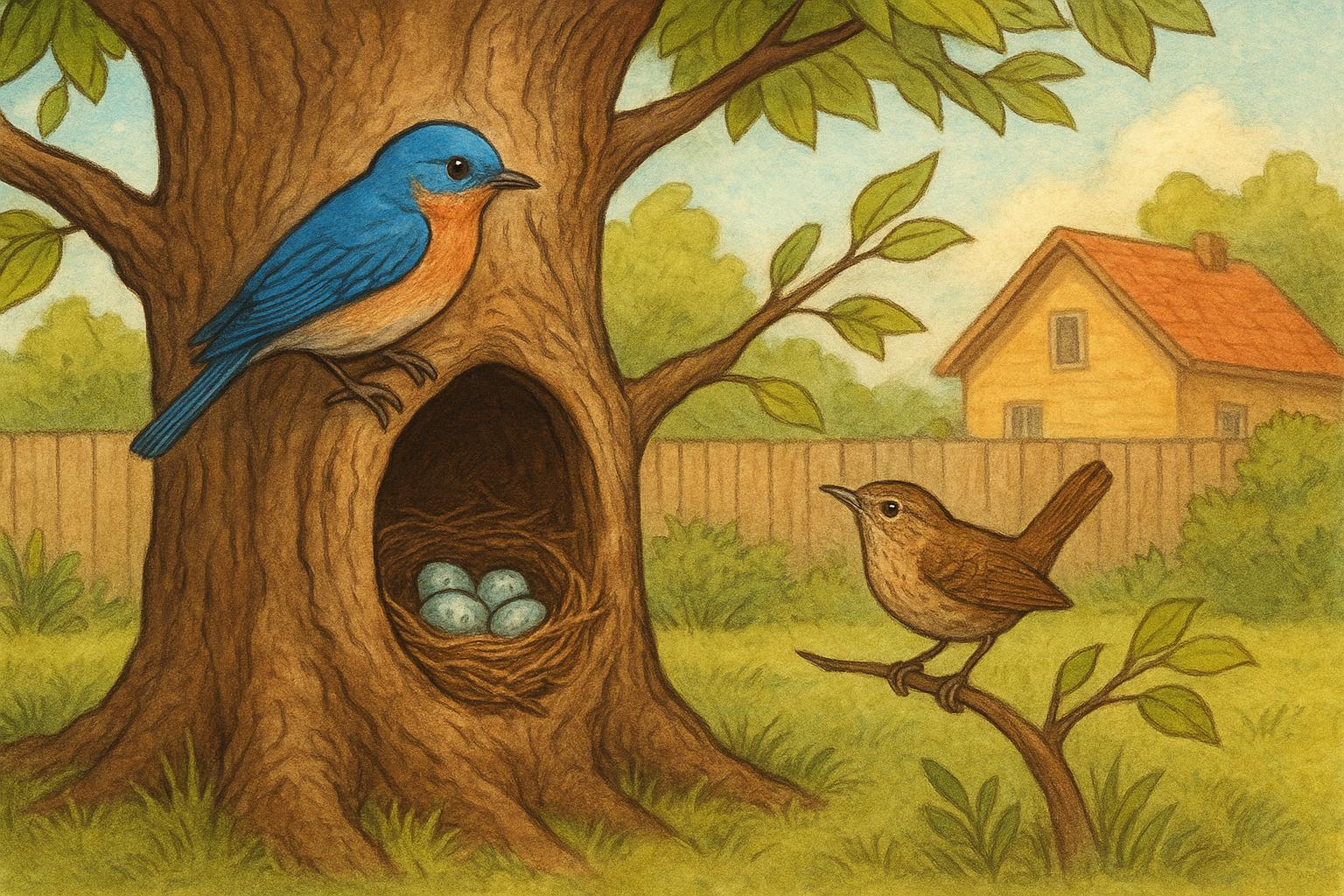
– Repeated trips to a cavity hole in a tree point to bluebirds, chickadees, or woodpeckers.
Don’t follow a single flyby. Wait until you’ve seen at least three to five deliberate trips. Birds sometimes circle while scouting. Once they start depositing material, their route becomes predictable.
### Where To Look: Specific Places That Actually Work
Not every branch or bush is equal. Certain microhabitats consistently host nests.
#### #### Dense Shrubbery And Evergreens
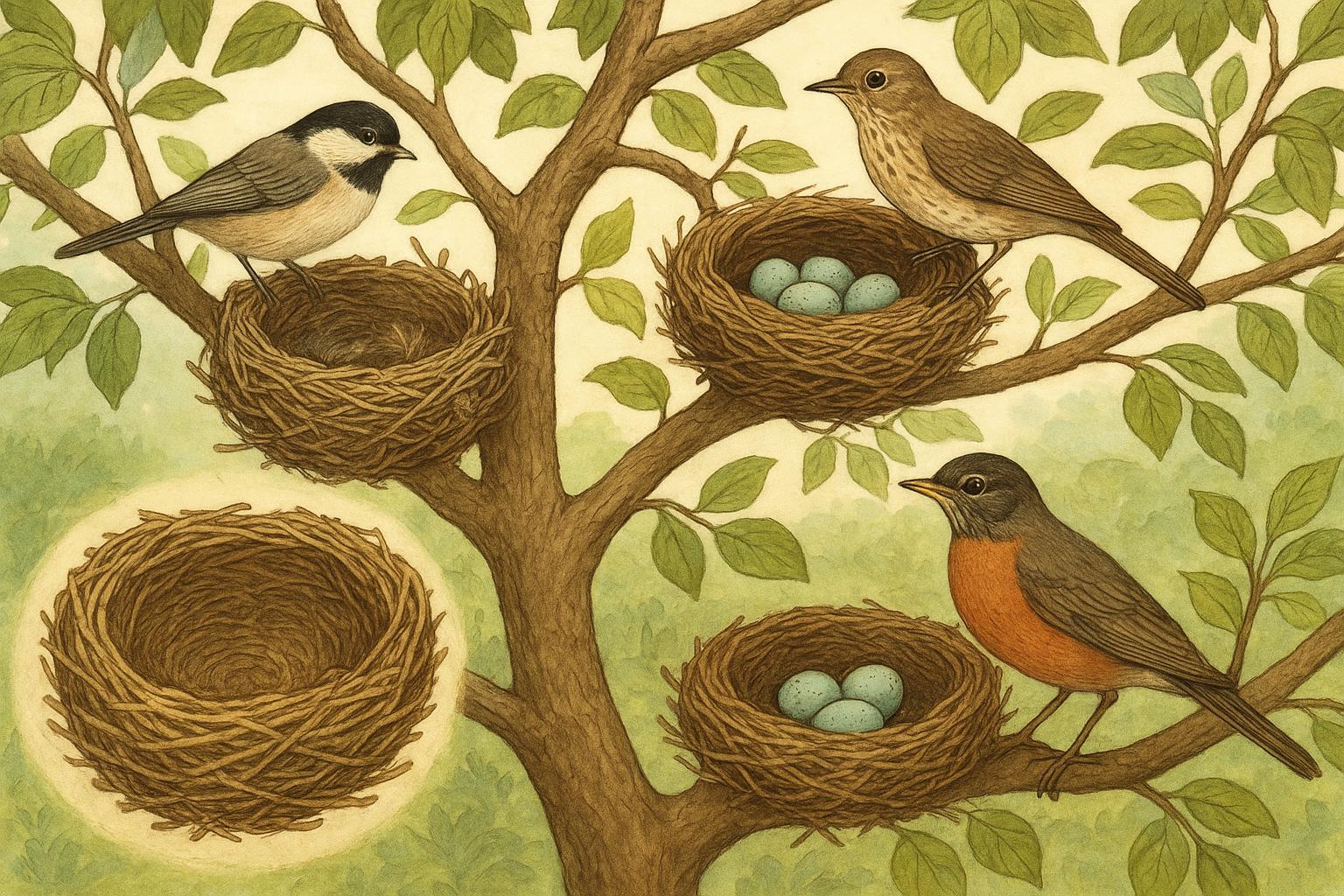
Robins and wrens like thick cover close to the ground or mid-height. Check the inner forks where branches form a little pocket. These spots shelter nests from wind and predators. Move slowly; a quick peek is better than ripping branches apart.
#### #### Eaves, Light Fixtures, And Porch Corners
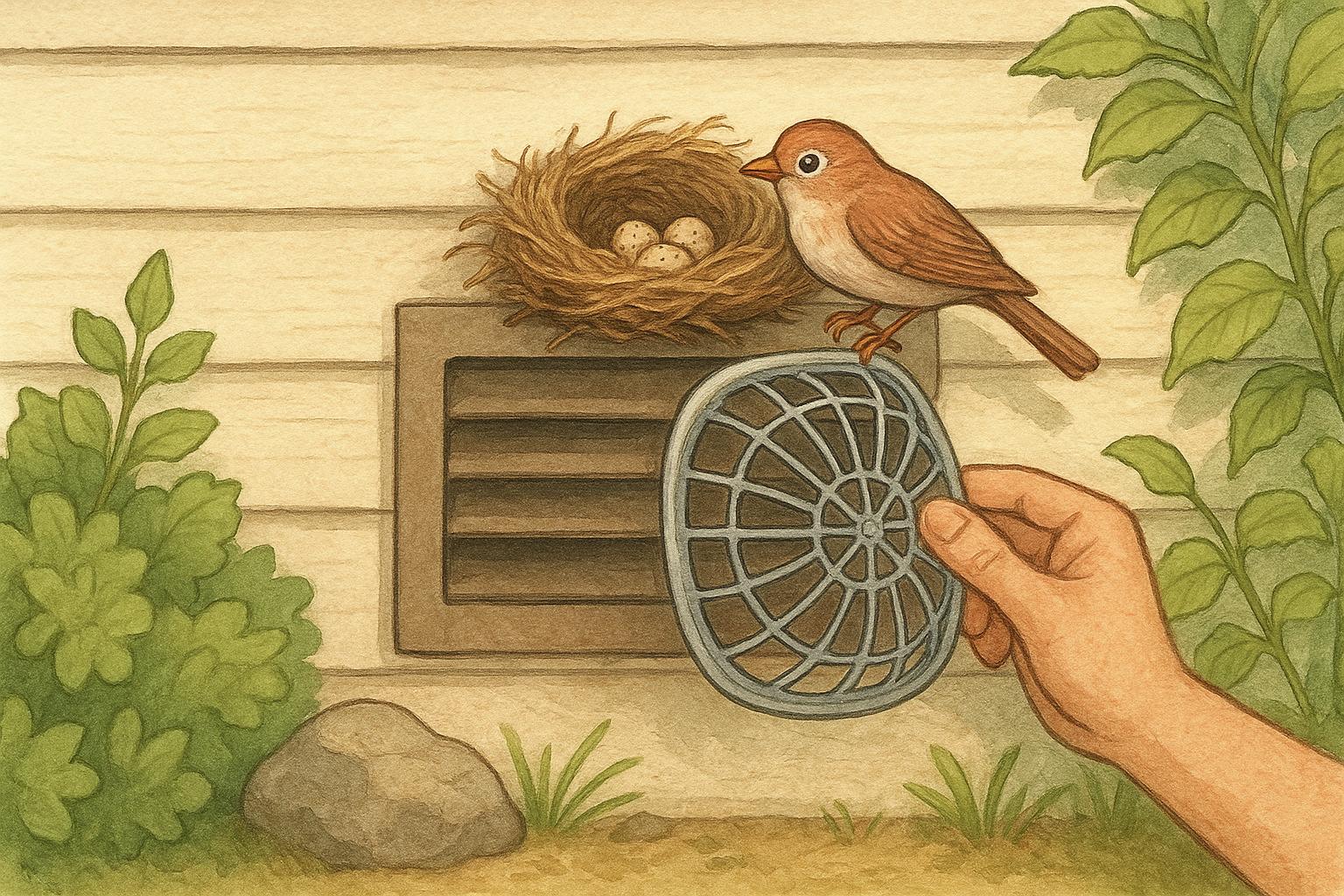
Swallows and sparrows favor man-made ledges. Look under rooflines and near gutters for dried mud pads or small cup nests tucked up against rafters.
#### #### Tree Cavities And Bird Boxes
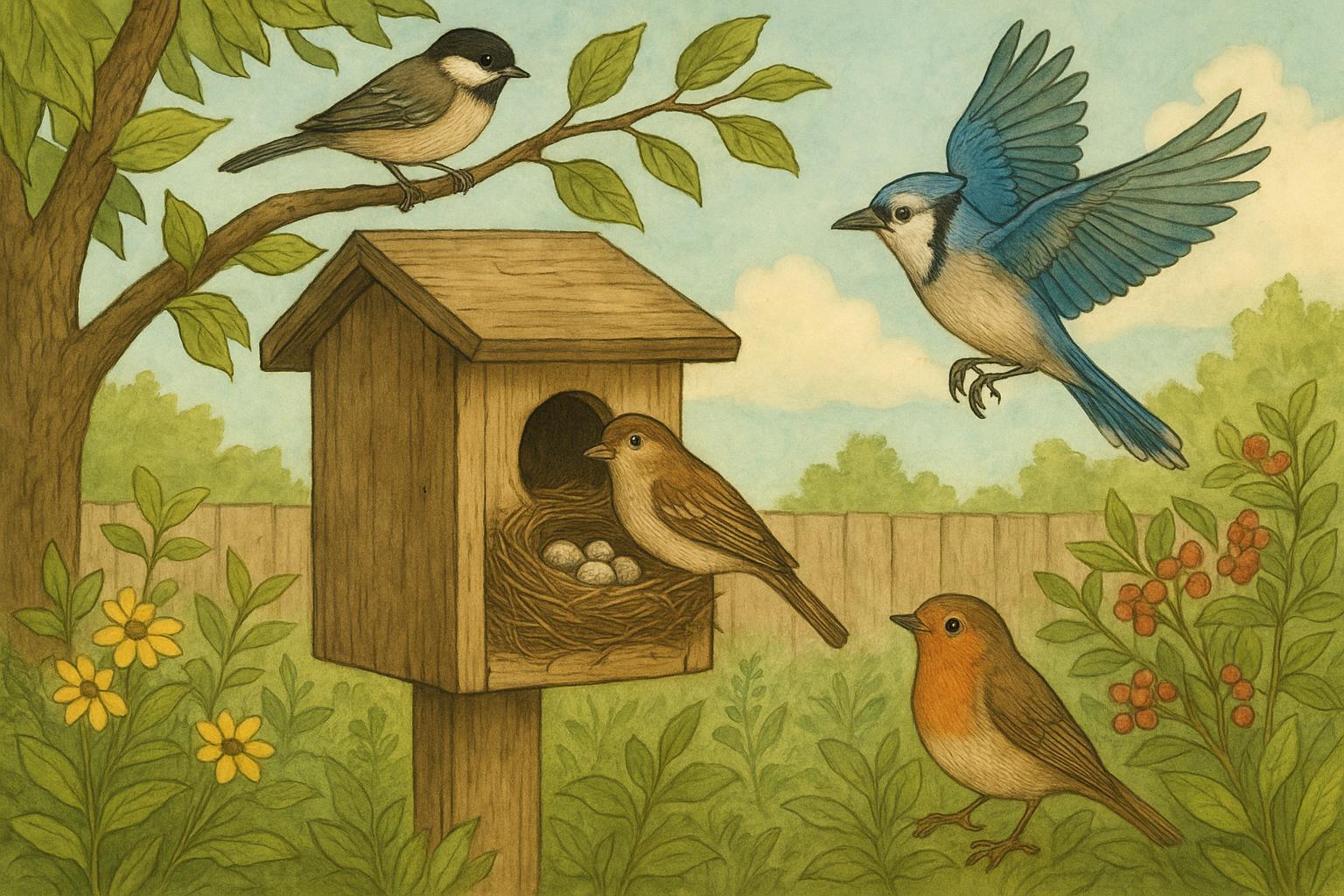
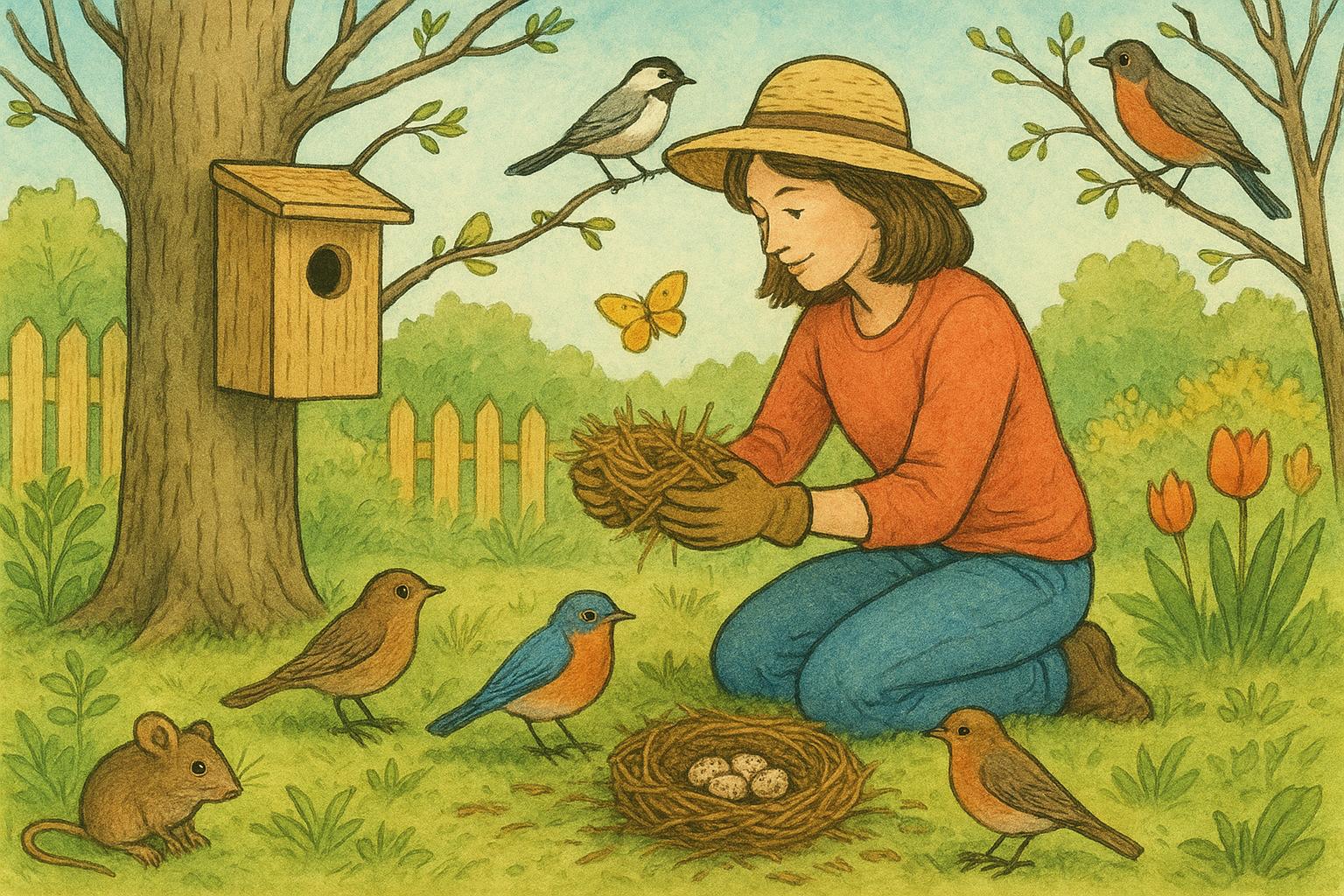
Cavity nesters will use old woodpecker holes or bluebird boxes. If you have boxes, monitor the entrance activity without opening the box until eggs or chicks are obvious from behavior. A camera at the entrance can save you from disturbing the nest.
#### #### Ground-Level Spots
Some species nest on the ground—killdeer being the classic example. Look for flattened grass circles or pebbled scrapes near driveways, patios, or lawns. Ground nests are vulnerable; keep pets and kids away.
### Read The Signs Around The Nest Site
Scattered feathers, droppings under a feeder, or a trail of nesting material on the lawn are all signs. Predators and squirrels sometimes carry away bits of nest material, so a partial trail leading up into a thorny bush is often the last 10 feet of a nest route.
A bird nest guide worth its salt tells you to look not at the nest but at the approach. Trail marks—small pellets of mud, bits of string, or tiny feather clumps—create a breadcrumb path that’s easier to follow than a nest hidden in dense foliage.
## How Nest Design Helps You Predict Where A Bird Will Nest
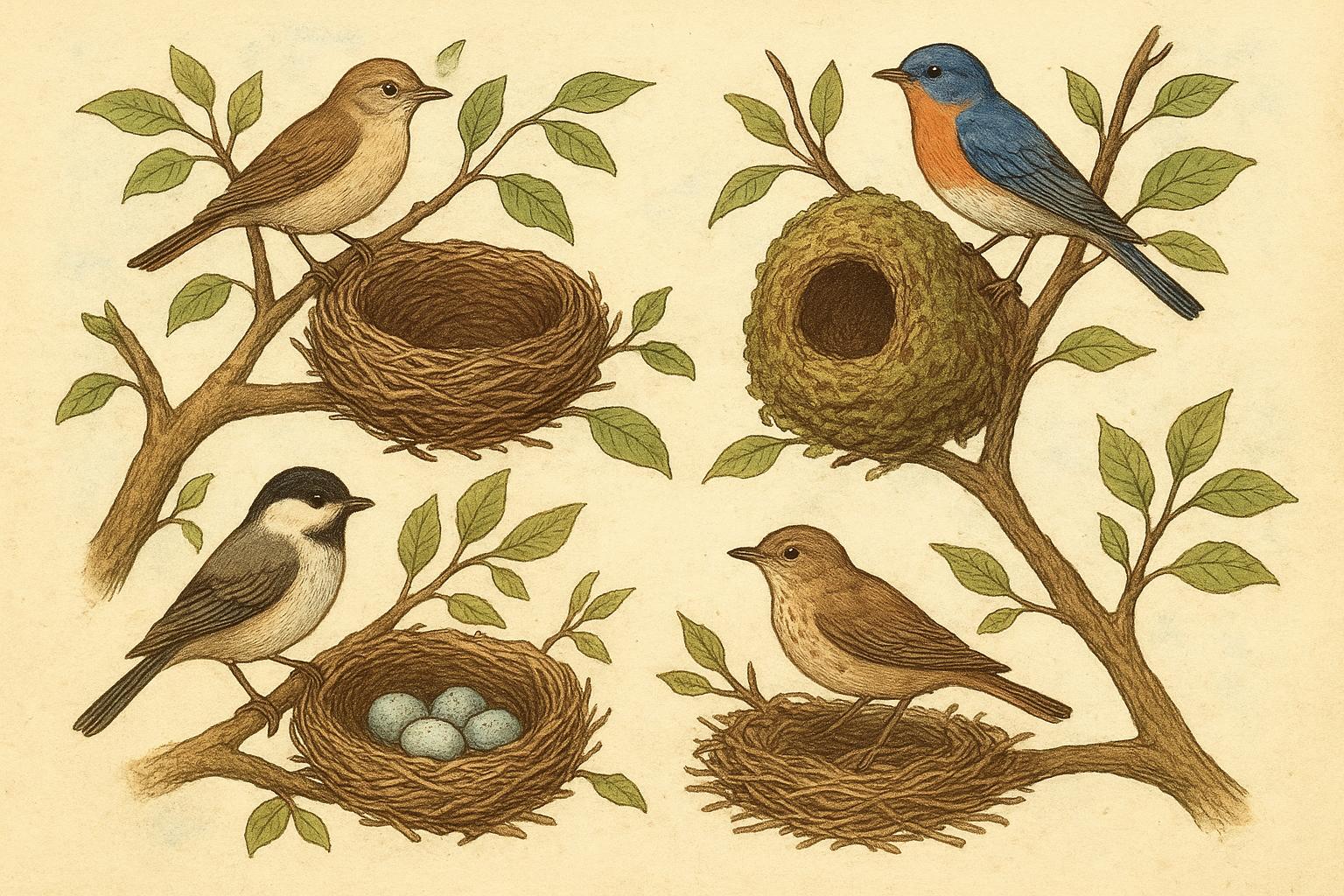
Nest design is directly tied to site choice. The same species will make similar structures, so learning typical nest design helps you know where to look.
### Cup Nests Versus Platform Or Cavity Nests
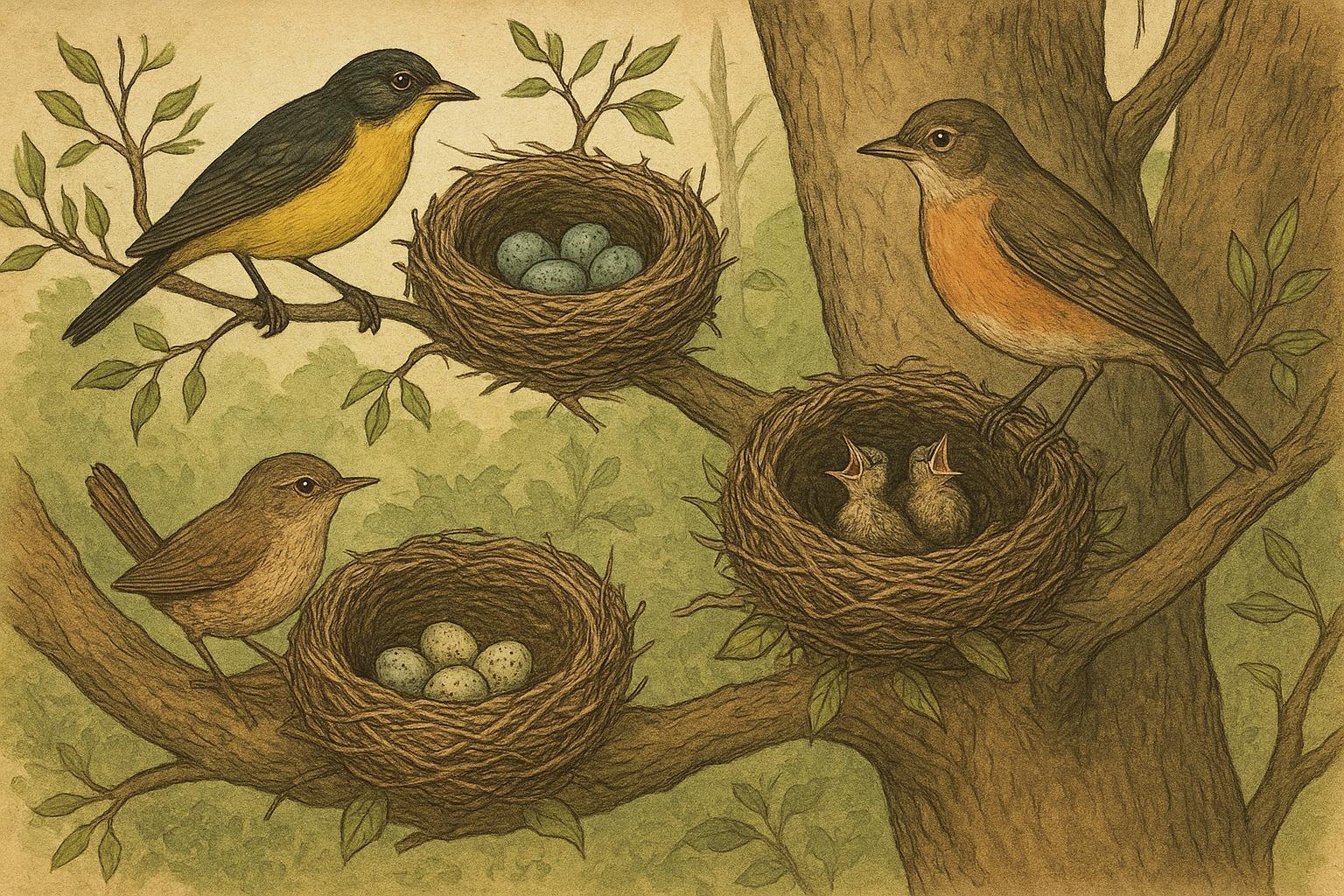
Cup nests—think robins and finches—require forked branches or ledges. They’re often lined with softer materials and sit in a depression. Platform nests (crows, raptors) need a sturdy horizontal platform in the canopy. Cavity nests are hidden; follow loud, repeated calls near a hole and you’ll find them.
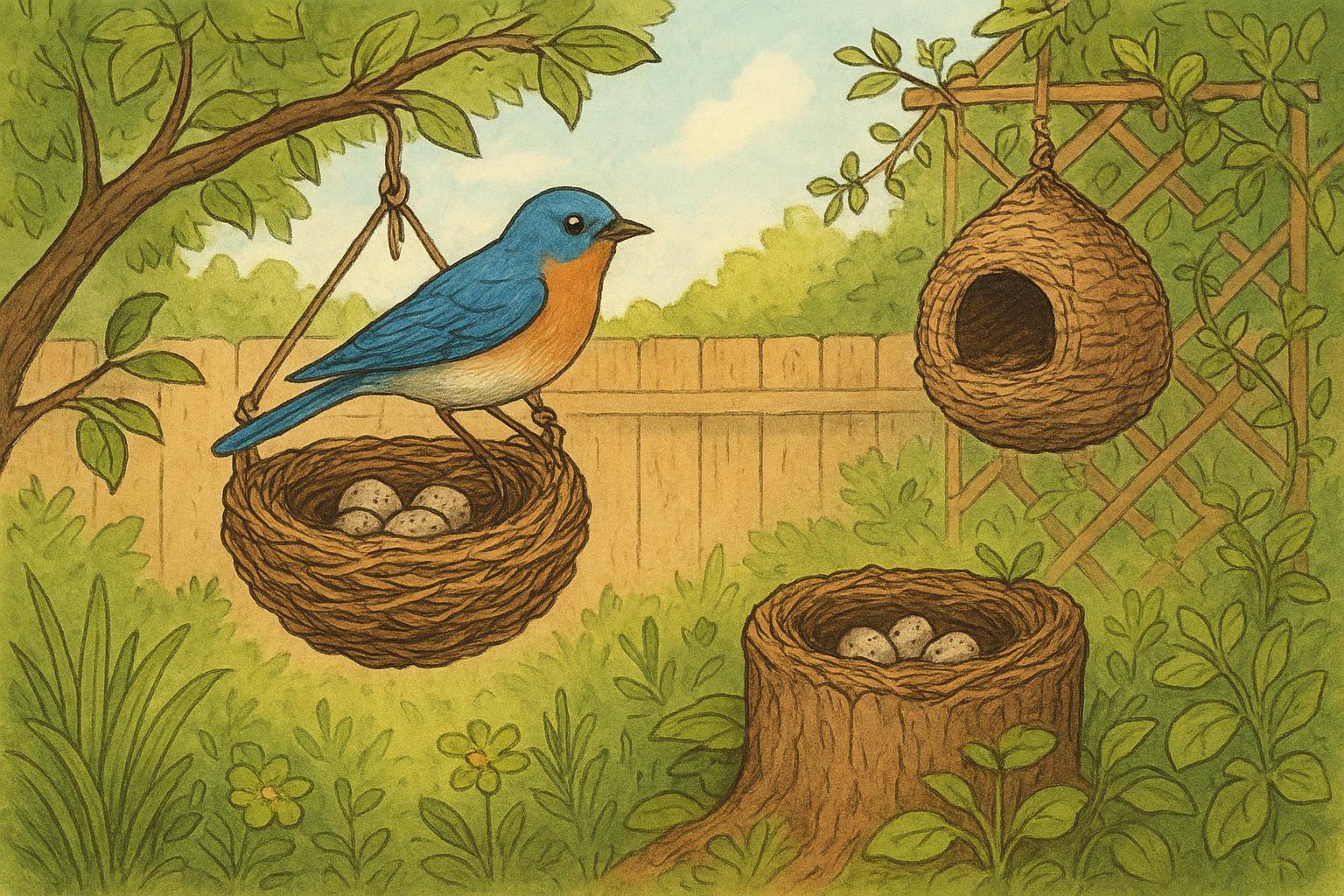
Hanging or pendent nests (orioles, penduline tits) are suspended from thin branches or the tips of trees. If you find woven hanging nests in shrubs, you’ve likely found either an oriole or a species that specializes in long, woven sacs.
### Small Design Clues To Note
– Spider silk and lichen mean excellent adhesion and camouflage. Hummingbirds use spider silk to bind nest materials and to allow the nest to expand as chicks grow.
– Mud plastering suggests swallows, martins, or swifts. Check eaves, under bridges, and on vertical faces.
– Dense grass and rootlets indicate cup nests near the ground; moss and leaves lean toward woodland species.
## Tools And Techniques That Don’t Scare Birds
You don’t need intrusive gear. A compact pair of binoculars, a small mirror on a stick, and a camera with zoom will cover most needs. Use a low-power headlamp for dawn and dusk watches, but never shine bright lights into nests at night.
### Safe Viewing Tricks
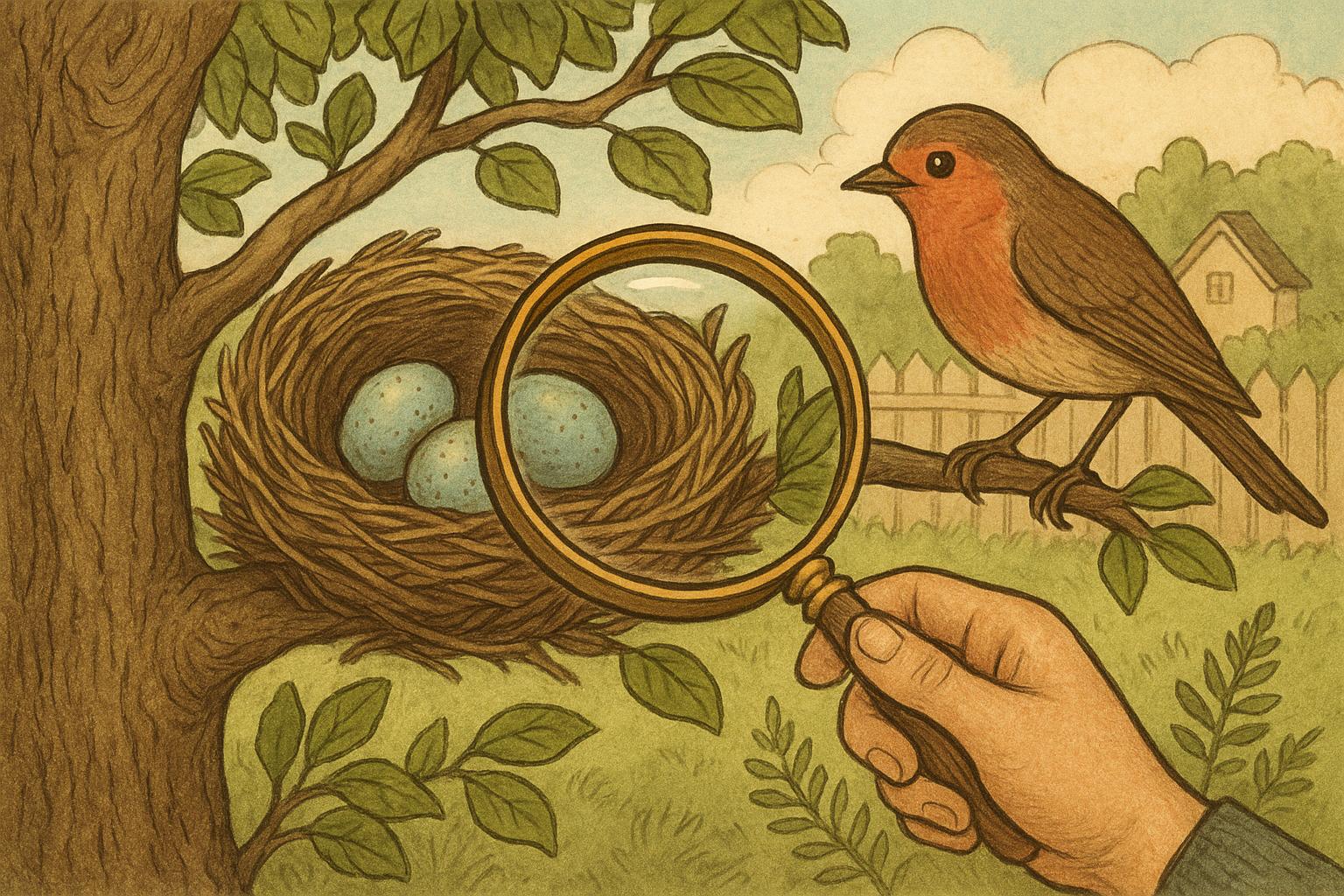
Set up a blind or use a screened porch vantage and let the birds ignore your presence. Cameras with motion triggers can show you arrivals and departures without a single person nearby. If you do use a ladder, limit visits. Two minutes is plenty to peek and retreat. Repeated approaches are what flush birds and abandon nests.
### Ethical Boundaries
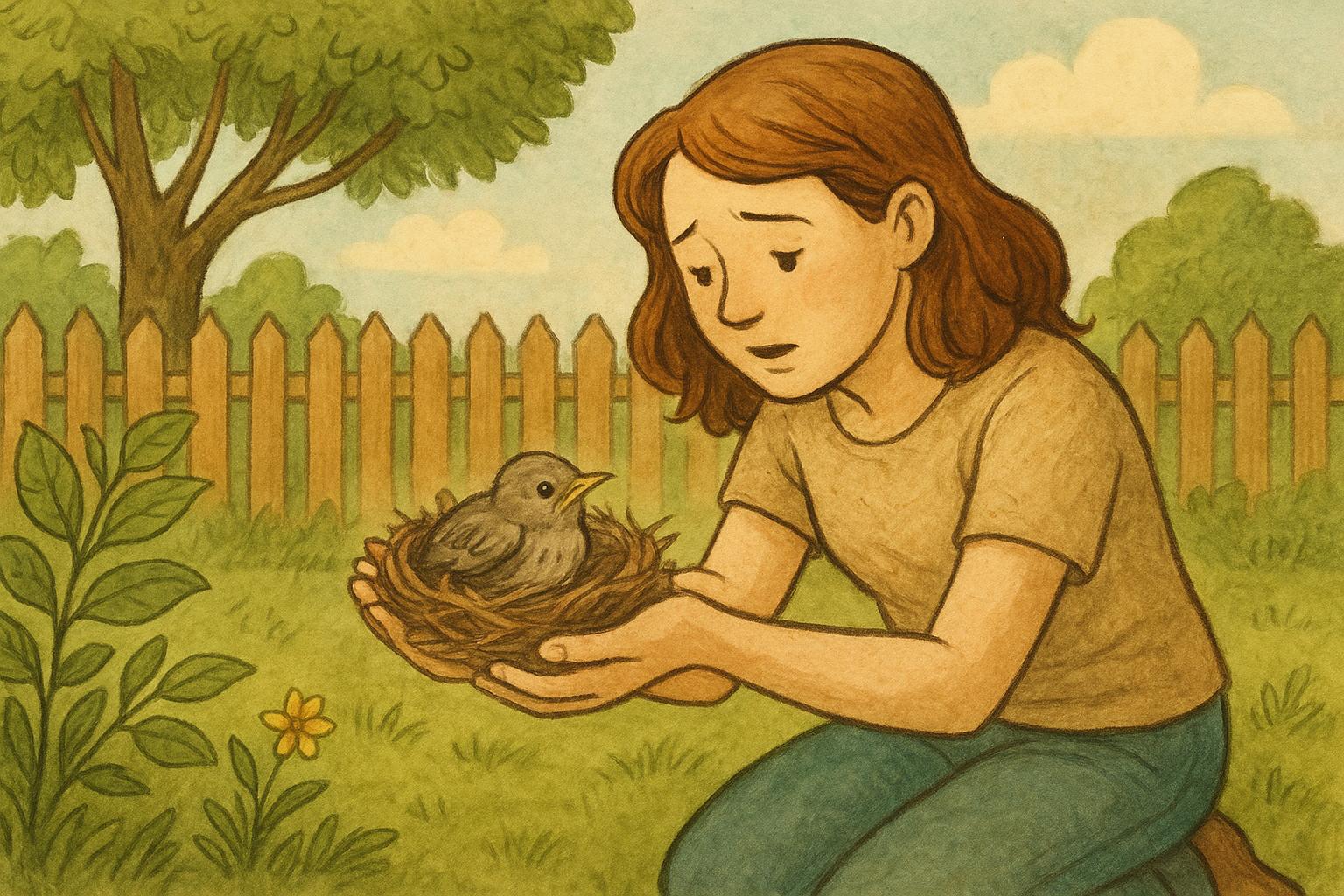
This is the non-negotiable part of any bird nest guide: don’t touch eggs, don’t move chicks, and don’t obstruct the entrance. Many yard species are protected by law. Disturbing nests can lead to abandonment. Keep pets and kids away and resist the urge to “improve” a nest site.
## Species-Specific Notes That Save Time
Certain species are predictable once you know the signs.
### Wrens And Small Cup Builders
Wrens hide nests in cavities or dense shrubs. They like narrow entrances. If you hear thin, rattling songs from low cover, check the tangles. The nest design is often messy on the outside but snug inside.
### House Sparrows And Starlings
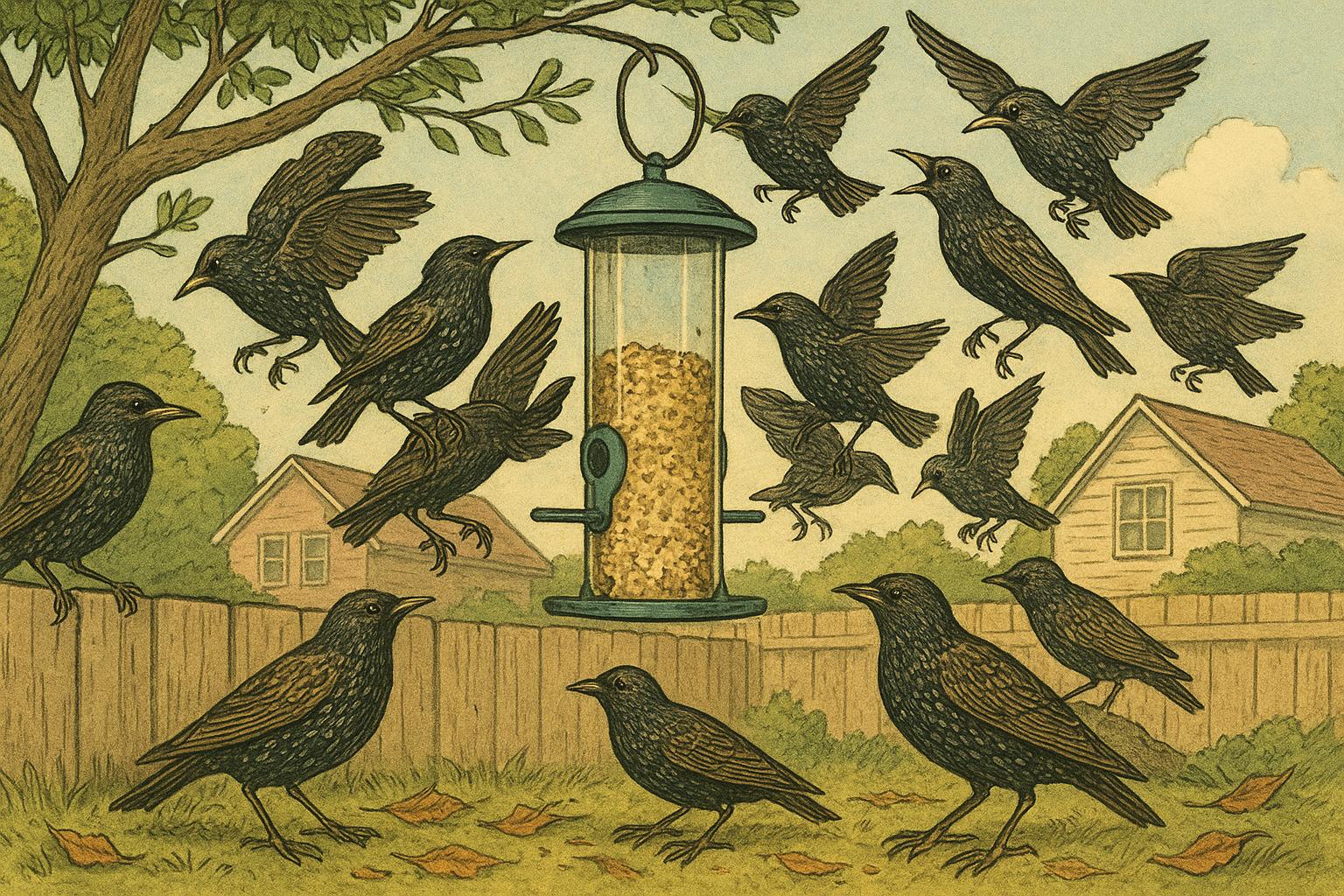
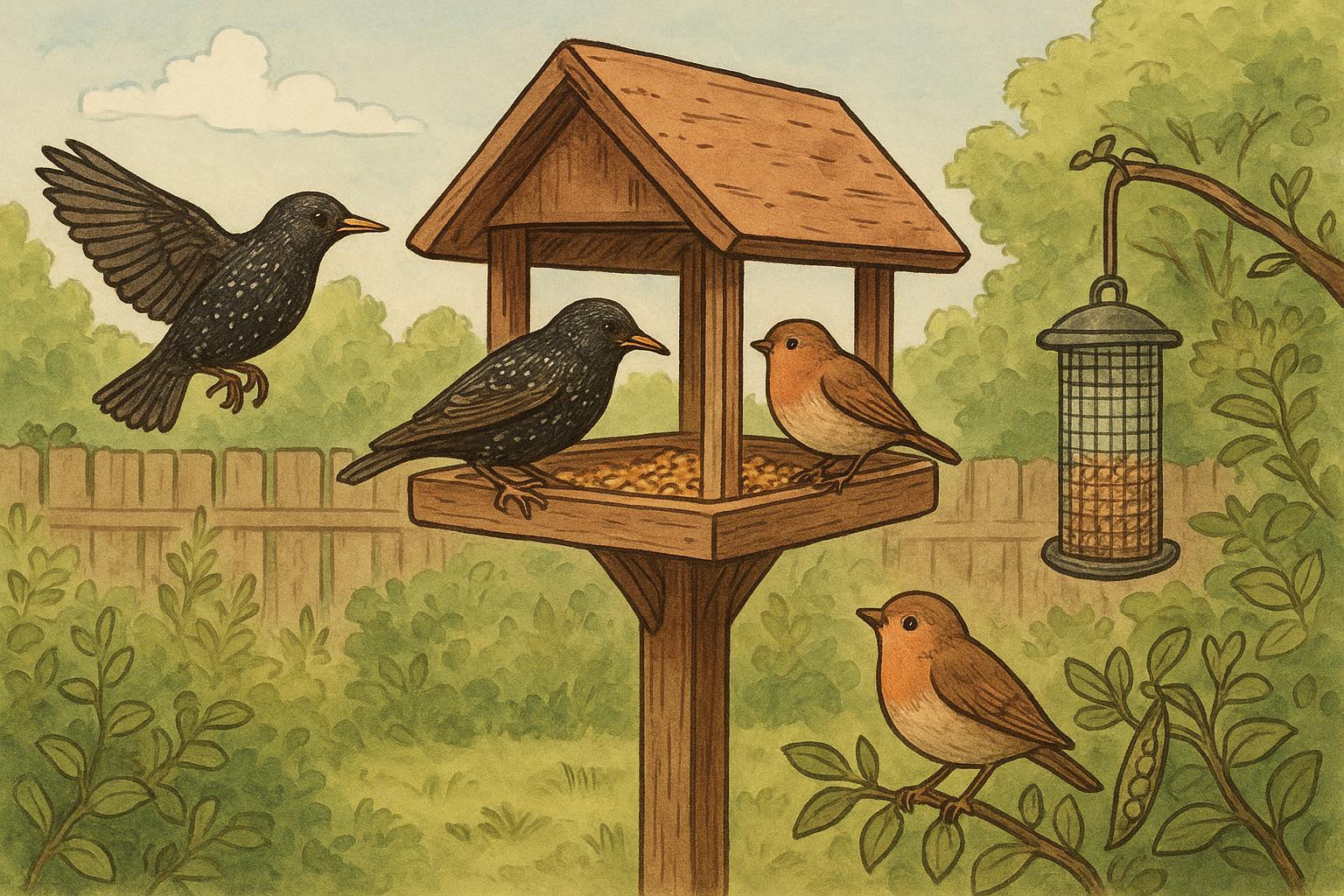
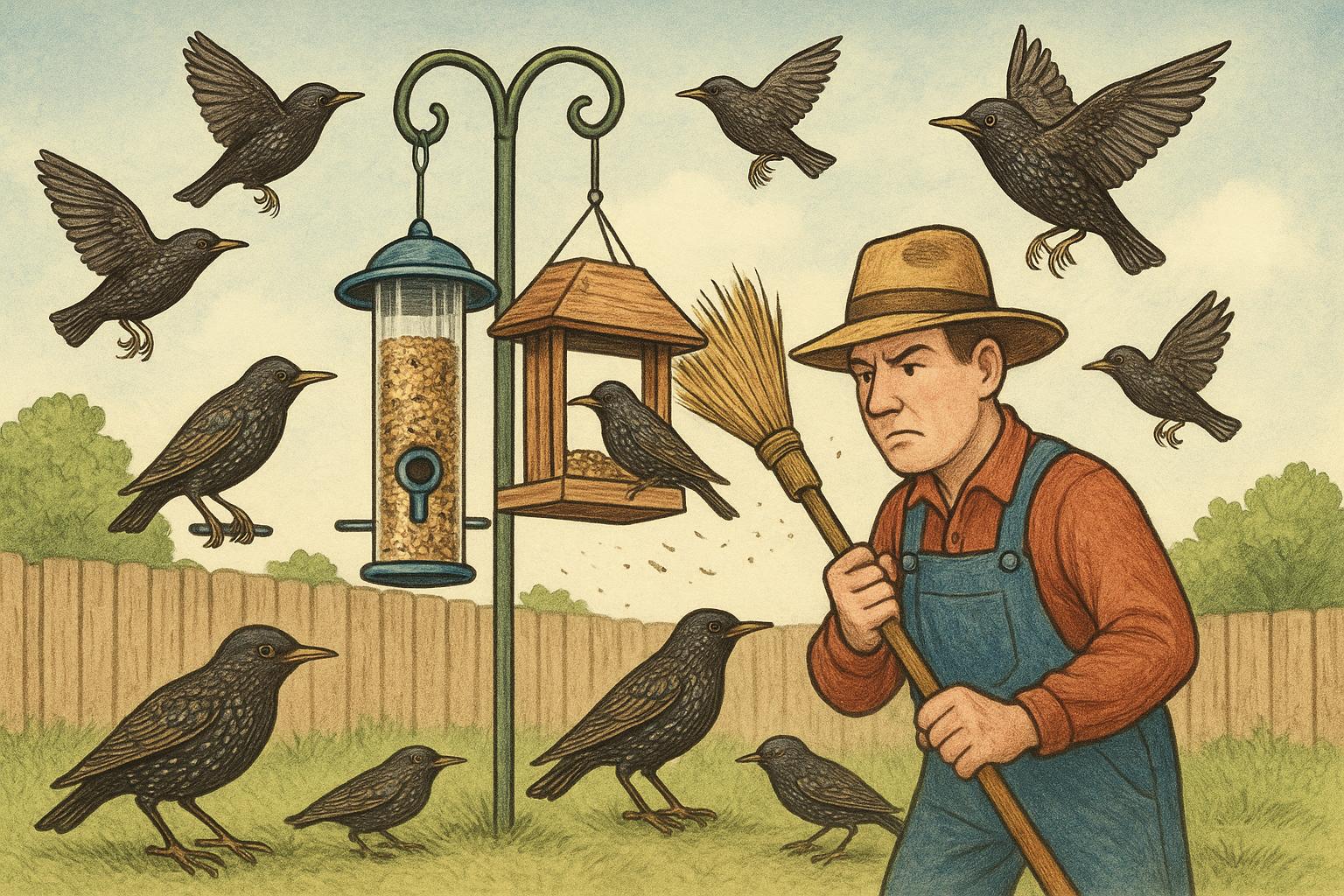
Both use cavities and man-made structures. House sparrows will shove materials into odd crevices; starlings often take over existing cavities. If you’re trying to attract native species, be aware these two are aggressive nest competitors.
### Orioles And Hanging Nests
Orioles construct woven, pendulous nests usually at the end of a long branch. They prefer open deciduous trees that sway—this keeps predators at bay. If you see long grass, string, or plant fibers being carried toward branch tips, start looking up.
### Bluebirds And Cavity Users
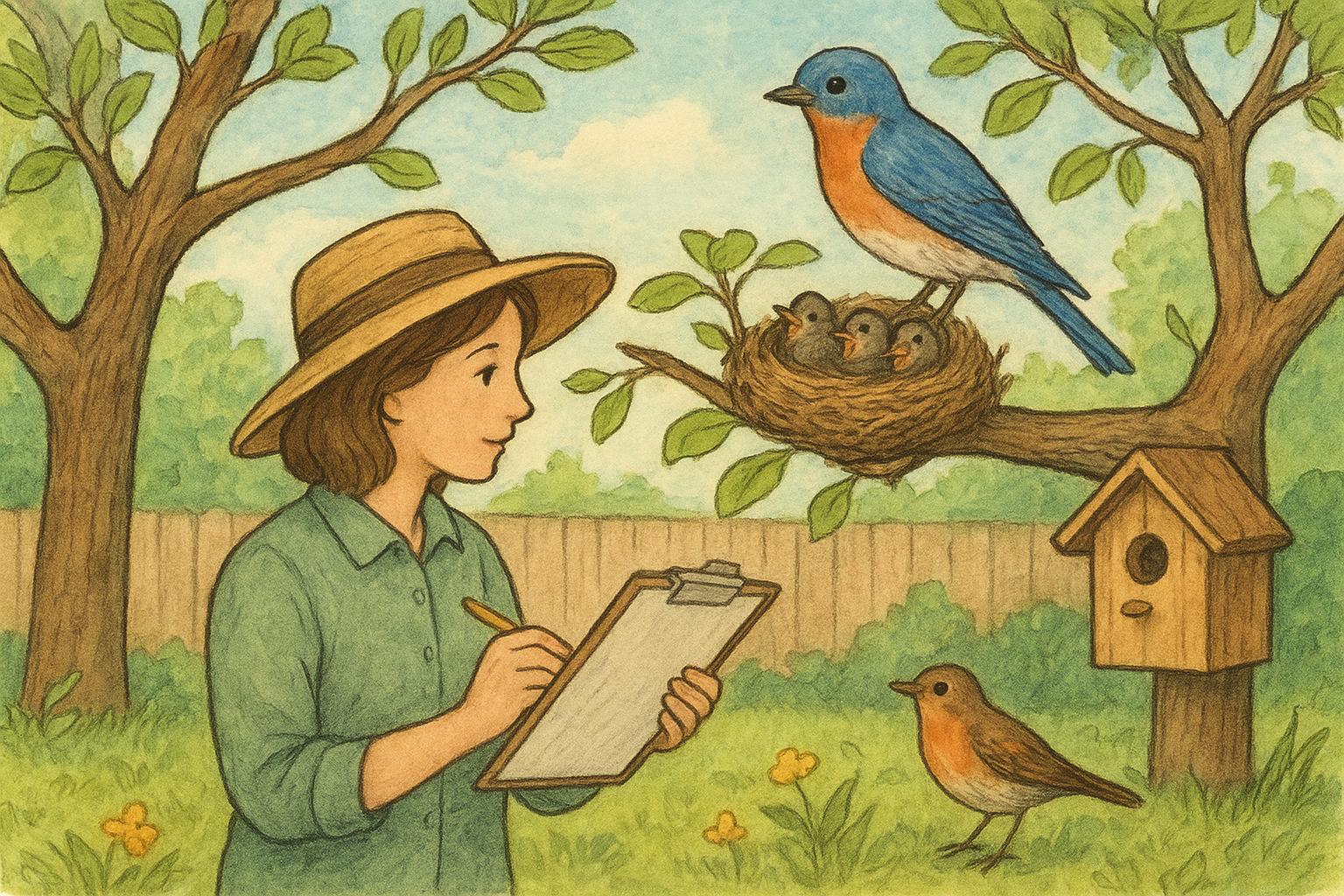
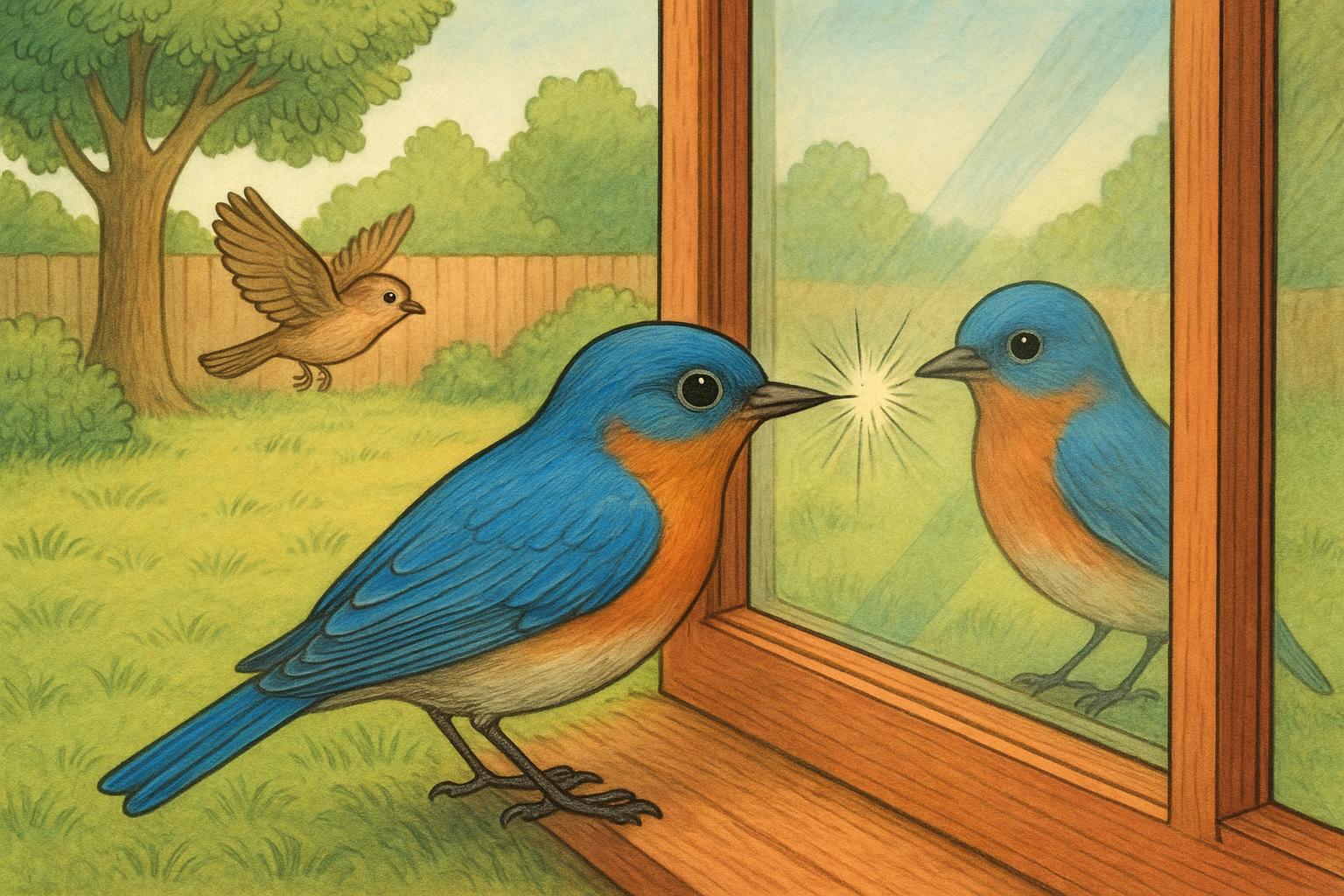
Bluebirds are happy with boxes. Place boxes facing open fields, mounted 4–6 feet high with predator guards. Nest design in bluebirds is a shallow cup made of grass and pine needles. Monitor quietly; their behavior is straightforward: fetch-food-return.
## Seasonal Timing And Daily Routines
Most nesting in temperate regions happens in spring through early summer. Watch at dawn and late afternoon—those are high-traffic times for nest provisioning. Midday is for rest and guarding.
A simple daily plan: watch for 10–15 minutes at first light, then again mid-afternoon. Once you see consistent runs, narrow your observation window to the moment of arrival and departure. That’s when you’ll get the best clue to the exact location.
## Common Mistakes People Make
Look at bird activity, not just the nest. People dismantle shrubbery after spotting a nest outline, scaring birds off. Others check nests too often. Frequent disturbance increases predation risk and abandonment. A legit bird nest guide stresses patience over impatience.
Also, don’t mistake a roosting spot for a nest. Birds sometimes use the same perch to sleep without nesting nearby. If there are no material runs or frantic carrying behavior, you’re probably looking at a temporary roost.
## Quick Checklist Before You Peek
– Confirm repeated trips carrying material.
– Observe from a distance for several days.
– Note the time of day birds are active.
– Use a camera or mirror to inspect hidden spots.
– Limit physical checks to once or twice, and only if necessary.
A couple of small mistakes—ocassionally peeking too early or misidentifying materials—are part of learning. Keep notes. Record species, nest design clues, and what worked. Over time, your yard will reveal more nests without you needing to chase every bird that passes by. The thrill isn’t in finding a nest once; it’s in learning the patterns and watching a place come alive.


Leave a Reply