
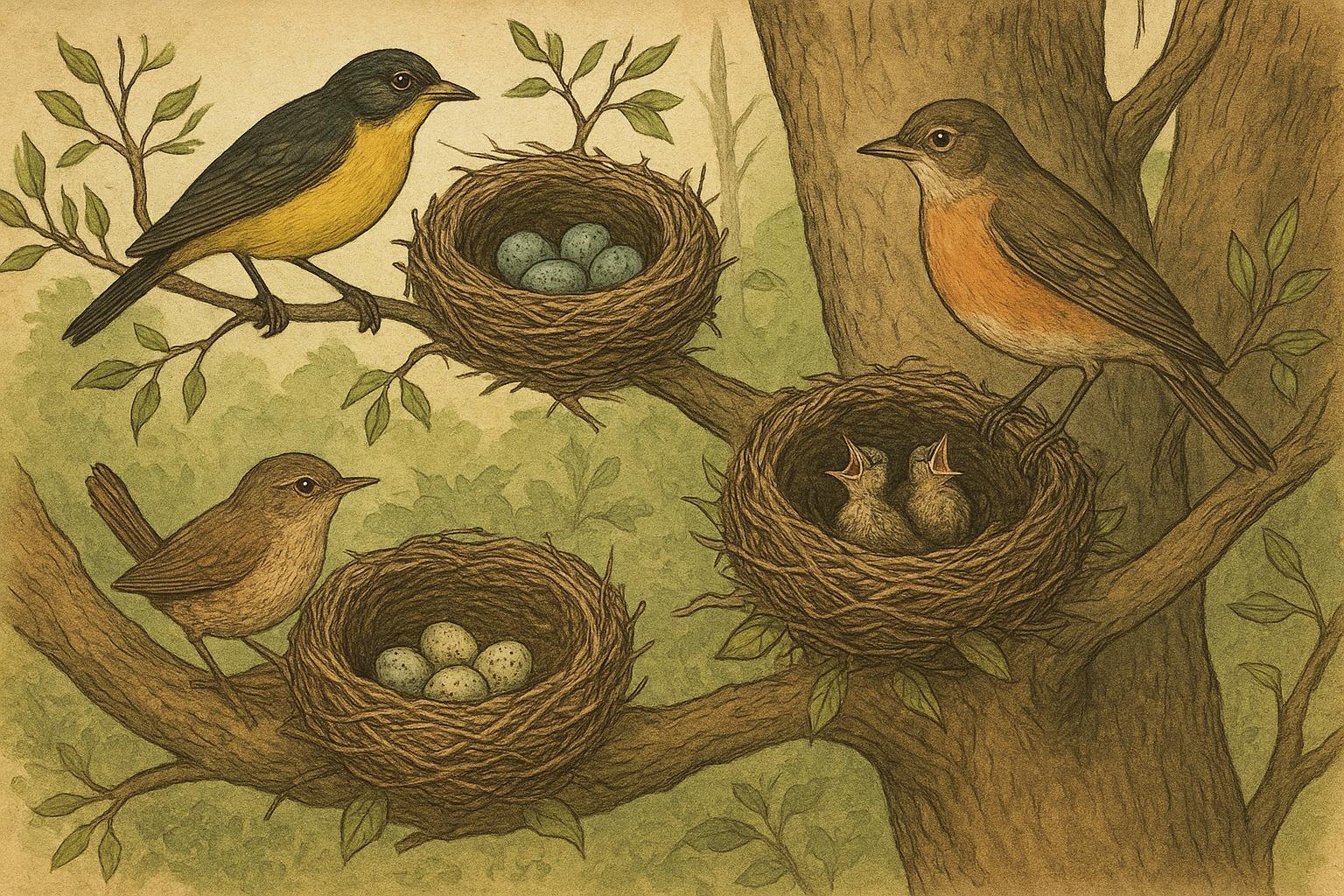
You can read a lot about a bird by looking at its nest. Not just what it eats, but how it thinks about safety and comfort. Nests are practical choices, not artworks. They tell a story of risk, material availability, and the species’ life history.
## Bird Nest Characteristics And Placement: What To Look For
Nests vary wildly in shape, size, materials, and where they end up. When people ask me how to spot different species without seeing the bird, I point to three things: the nest’s size and shape, the materials used, and the site. Those three clues get you surprisingly far.
– Size and shape reveal clutch size and fledgling behavior.
– Materials hint at local habitat and whether the bird is a tidier builder or a sloppy one.
– Site tells you about predator pressure, microclimate, and competition.
You’ll hear the phrase bird nest characteristics and placement a lot in field guides. It’s not a slogan. It’s a compact way of saying: look at the home, and you’ll know the bird.
### How Size And Shape Reflect Behavior
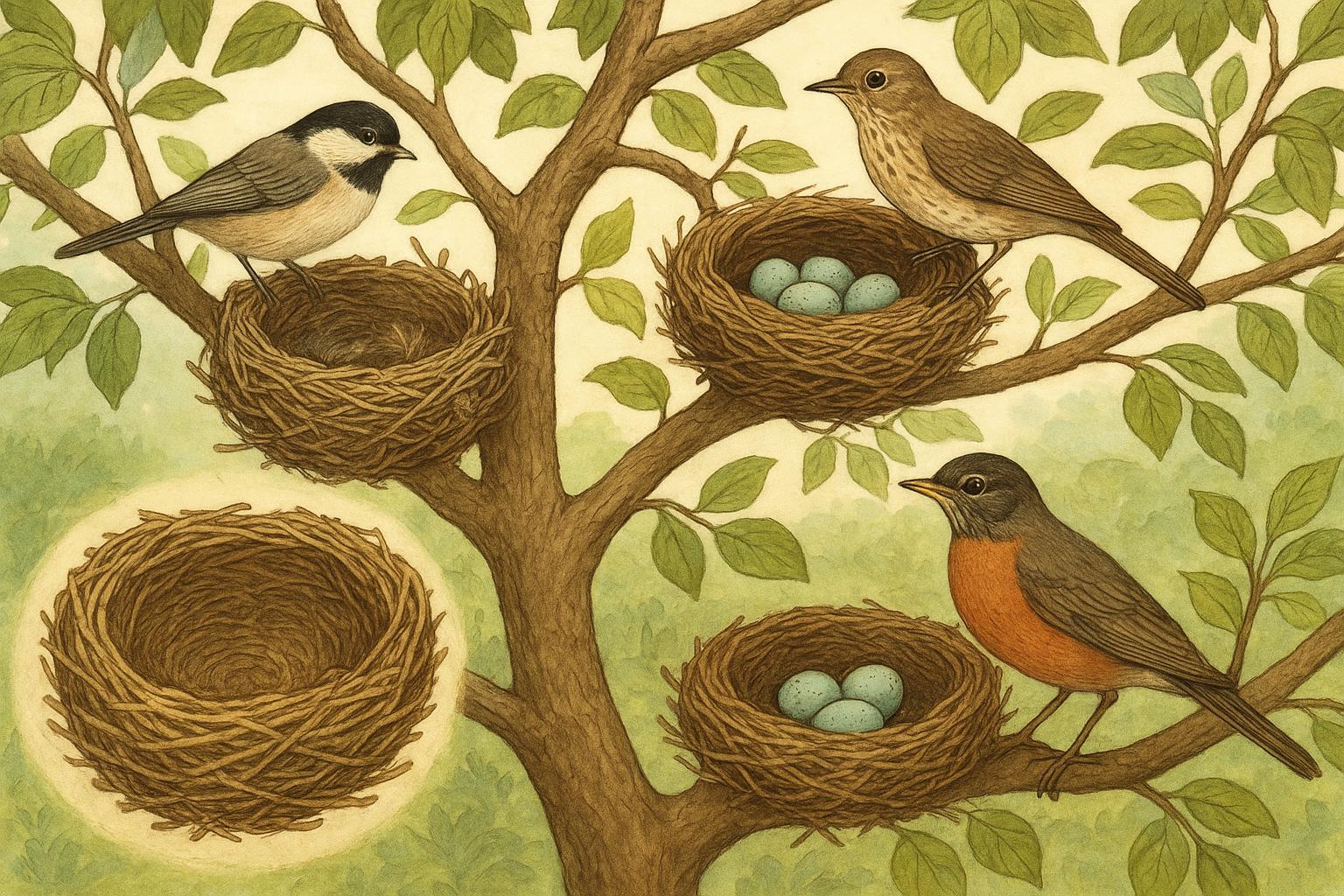
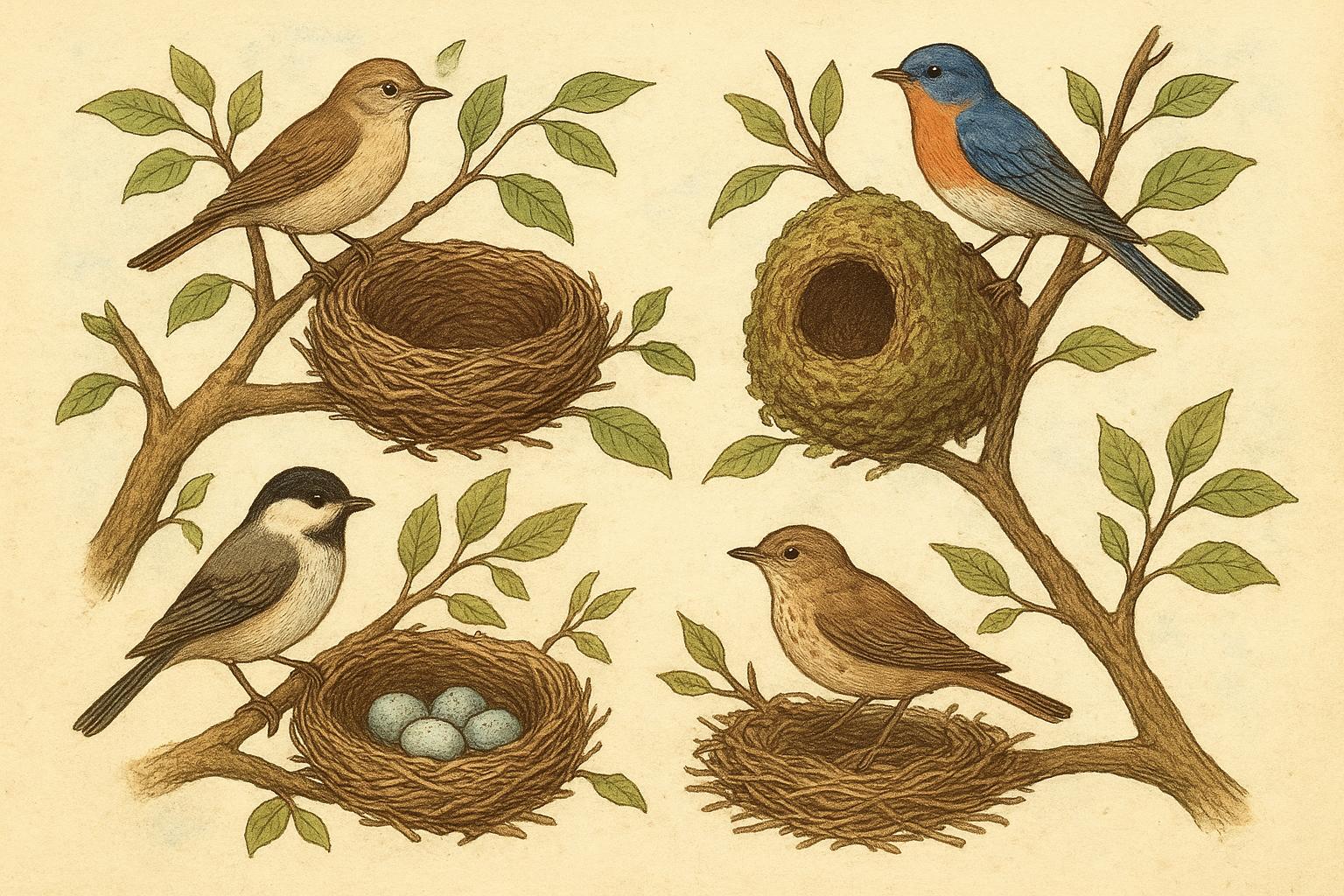
A cup nest built in a fork versus a simple scrape on the ground says everything about the parents’ priorities. Cup nests—robins, many finches—are usually padded inside with soft fibers. That suggests delicate eggs and nestlings with more parental care. Scrapes—plovers, some shorebirds—rely on camouflage and egg cryptic coloration instead.
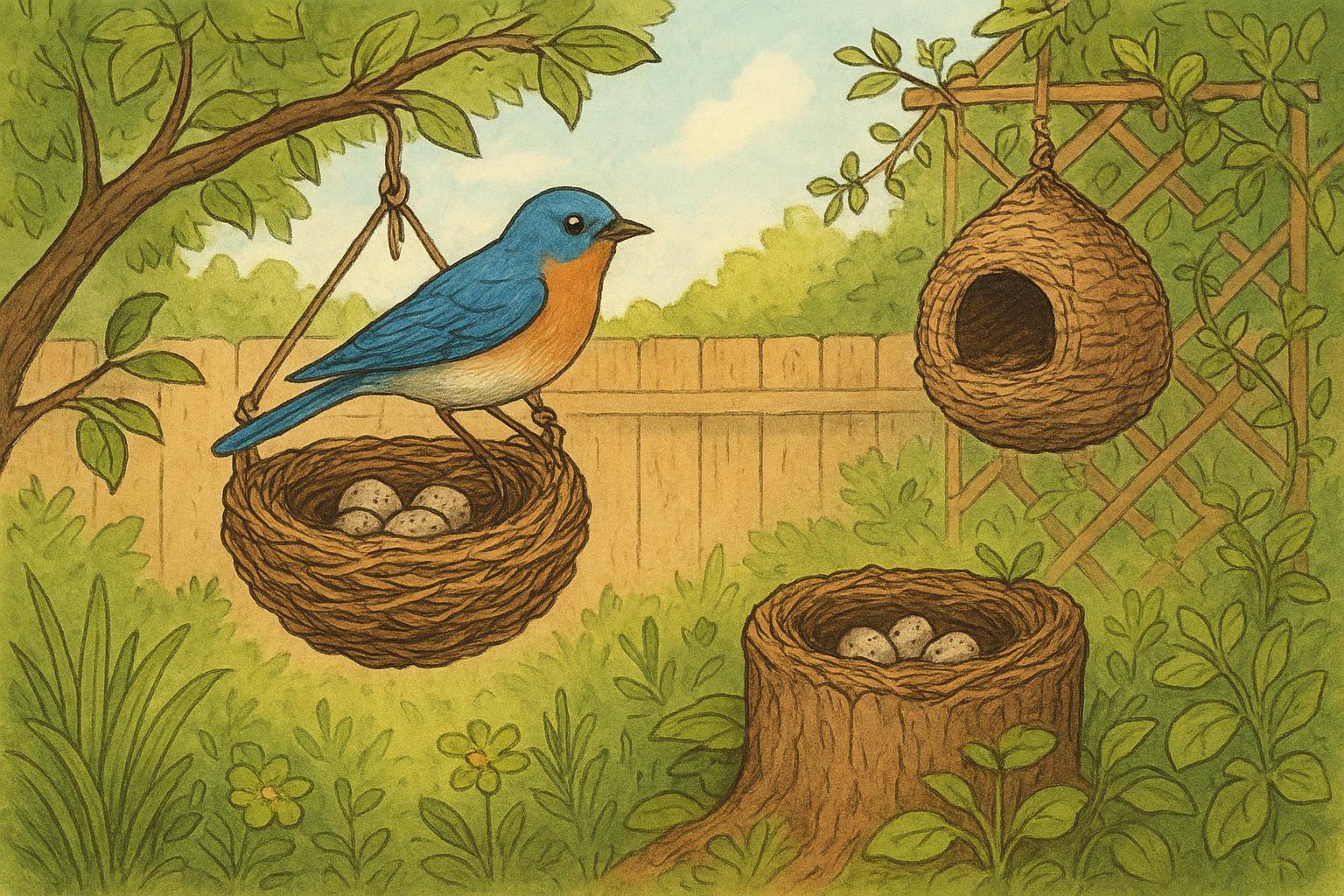
Long, hanging nests—like those of oropendolas and some orioles—reduce access for terrestrial predators. Dome nests with narrow entrances create microclimates and keep heavy rain out. The architecture is functional. Each detail reduces a specific risk.
### Materials Speak Of Habitat And Ingenuity
Birds are resourceful. Moss, mud, grass, spider silk, feathers, wool, cigarette filters in cities—you name it. Hummingbirds use spider silk to secure small cup nests and allow growth as chicks develop. Swallows favor mud pellets plastered into a sheltered niche. These material choices are part engineering, part local scavenging.
Materials also change with seasons and human presence. In urban areas, synthetic strings and yarn replace natural fibers. That can be a problem—tangled threads can injure nestlings or adults. But often, birds adapt quickly to what’s available.
## Where Birds Choose To Build: Factors Driving Nest Placement
Nest placement is as critical as nest construction. Location influences exposure to predators, access to food, protection from weather, and even the acoustics for song. When I walk through woods, I notice subtle differences: robins at eye level in sturdy forks, finches in leafy shrubs, and hawks on high branches or cliff ledges. Those placements are deliberate.
### Microclimate Considerations
Temperature, wind, and exposure to sun matter. A nest placed on the lee side of a branch reduces wind chill. Nests facing east may warm earlier on cool mornings. In deserts, birds tuck nests under dense foliage or in shaded cliff crevices to avoid daytime heat. In northern latitudes, you’ll find nests tucked deeper into vegetation to insulate against cold.
### Predator Pressure And Safety
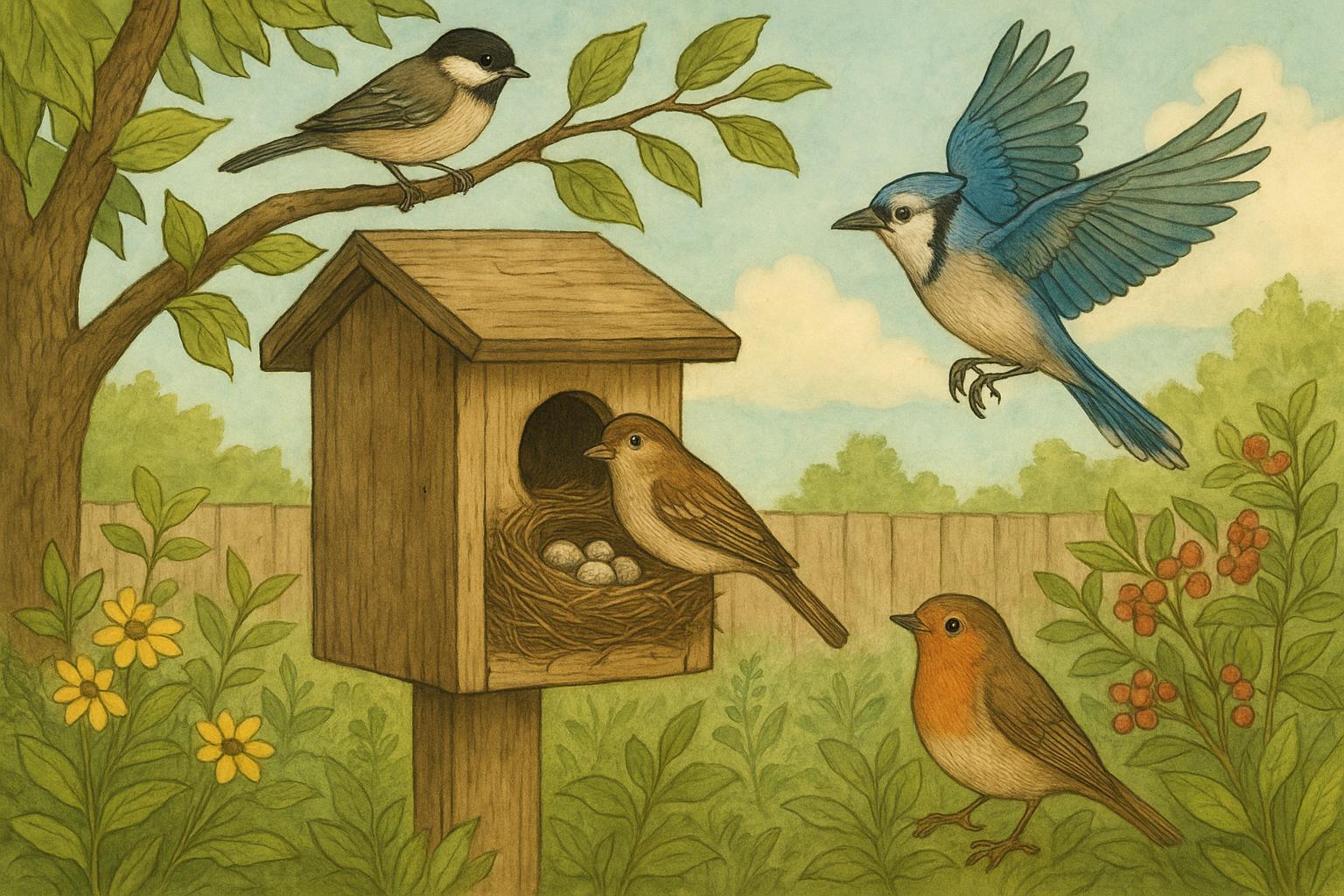
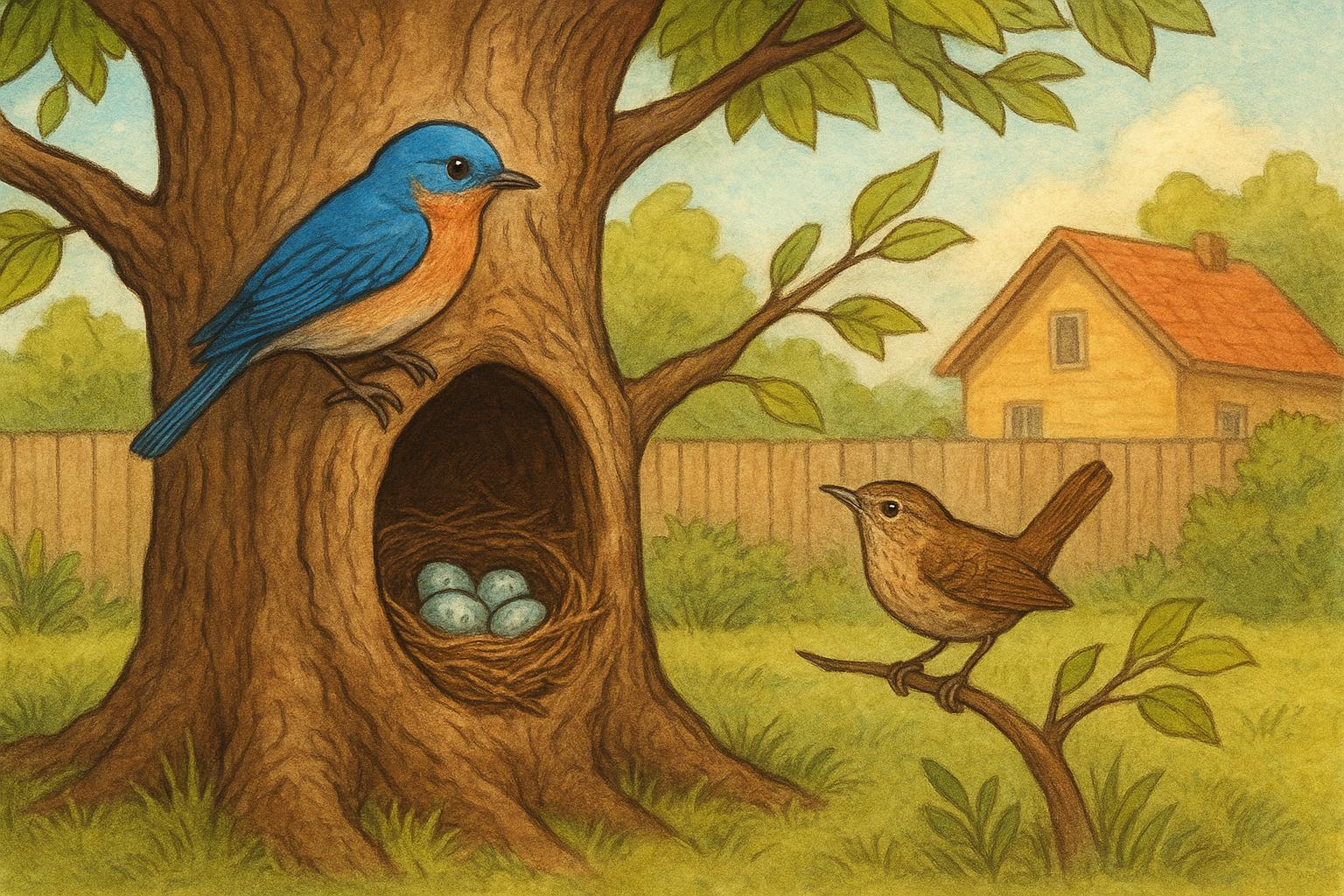
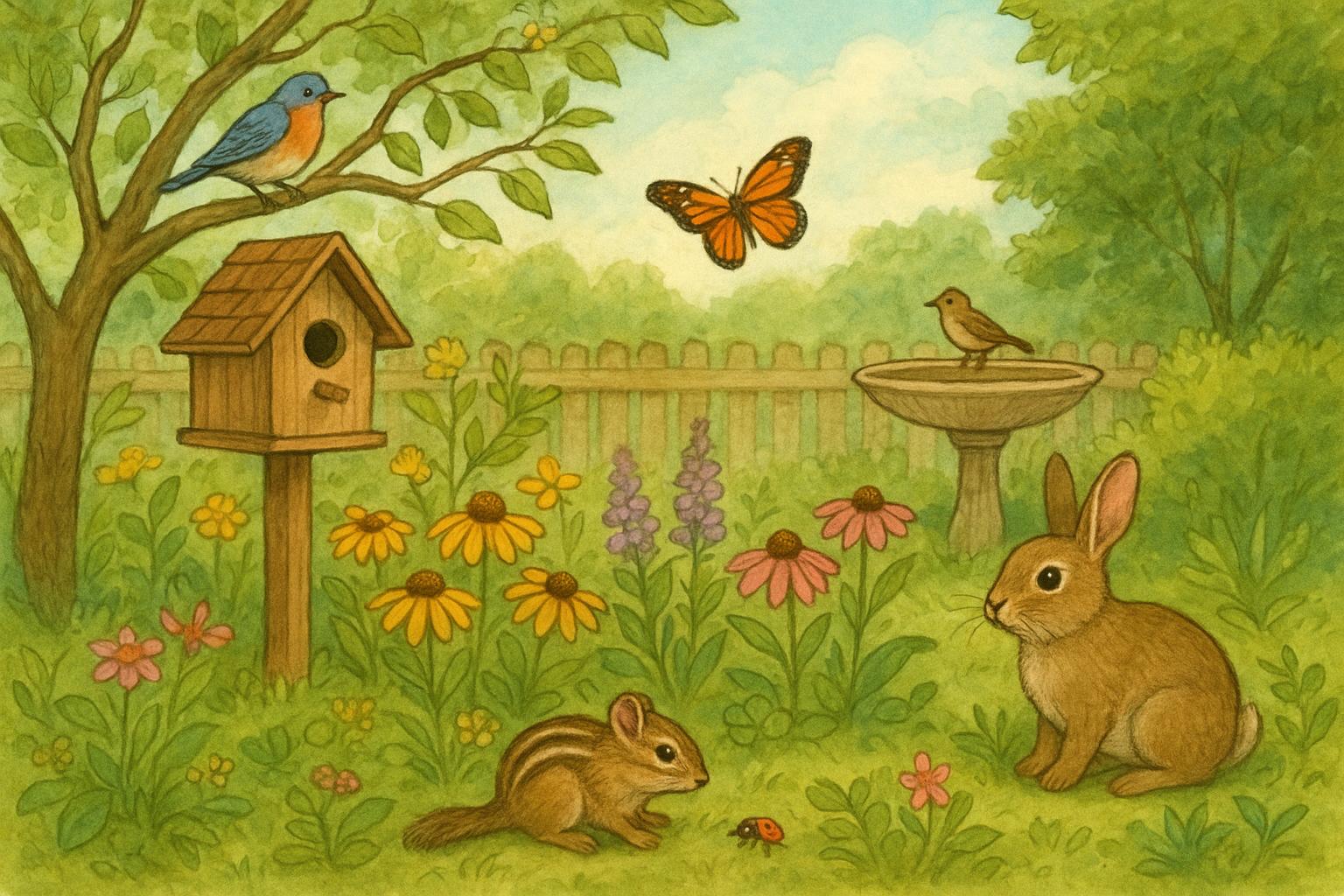
Predation risk shapes placement strongly. Ground nests are often camouflaged and low to the ground where run-and-hide strategies work for fledglings. Arboreal nesters choose dense foliage or spiny trees to deter mammals. Cavity nesters—like chickadees or bluebirds—trade exposure for protection, favoring holes where even small predators can’t reach eggs.
### Social And Competitive Factors
Some birds nest colonially for safety in numbers—terns and some swallows. Others need solitary spots because competition is fierce for a particular niche. Nest placement can be constrained by territorial neighbors. If a large hawk claims the tallest snag, smaller birds will avoid that twig. It’s neighborhood politics.
#### Influence Of Human Structures
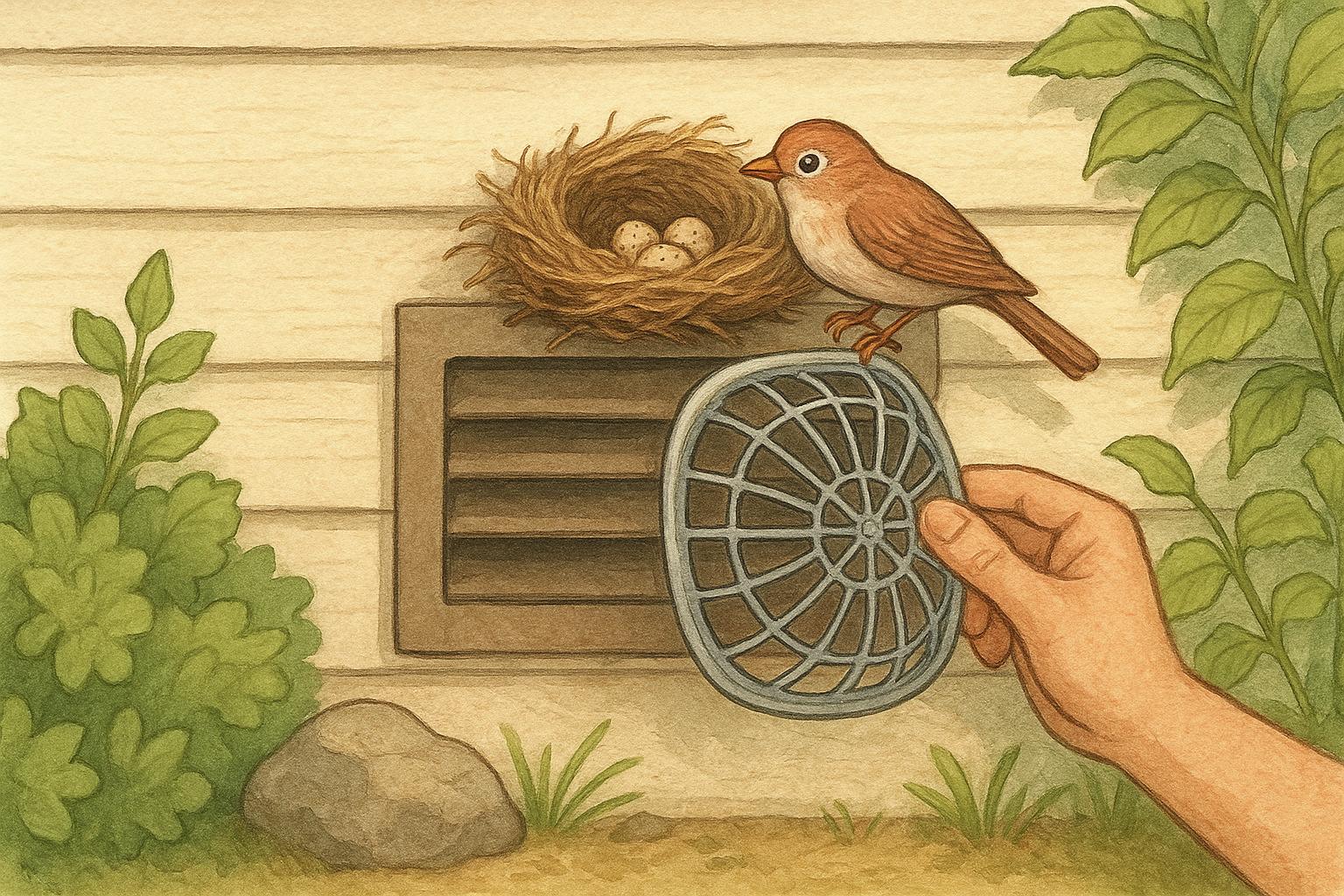
Buildings, bridges, gutters: humans have created a host of new options. Barn swallows favor eaves; house sparrows nest in vents and crevices. Some species benefit from our creations; others get squeezed out. Nest placement near humans can lower predation from foxes or raccoons, but it can increase disturbance from pets or maintenance work.
## Reading Specific Nest Traits: Species Examples
You learn faster with examples. Below are a few common species and what their nests tell you.
### American Robin: A Classic Cup Nest
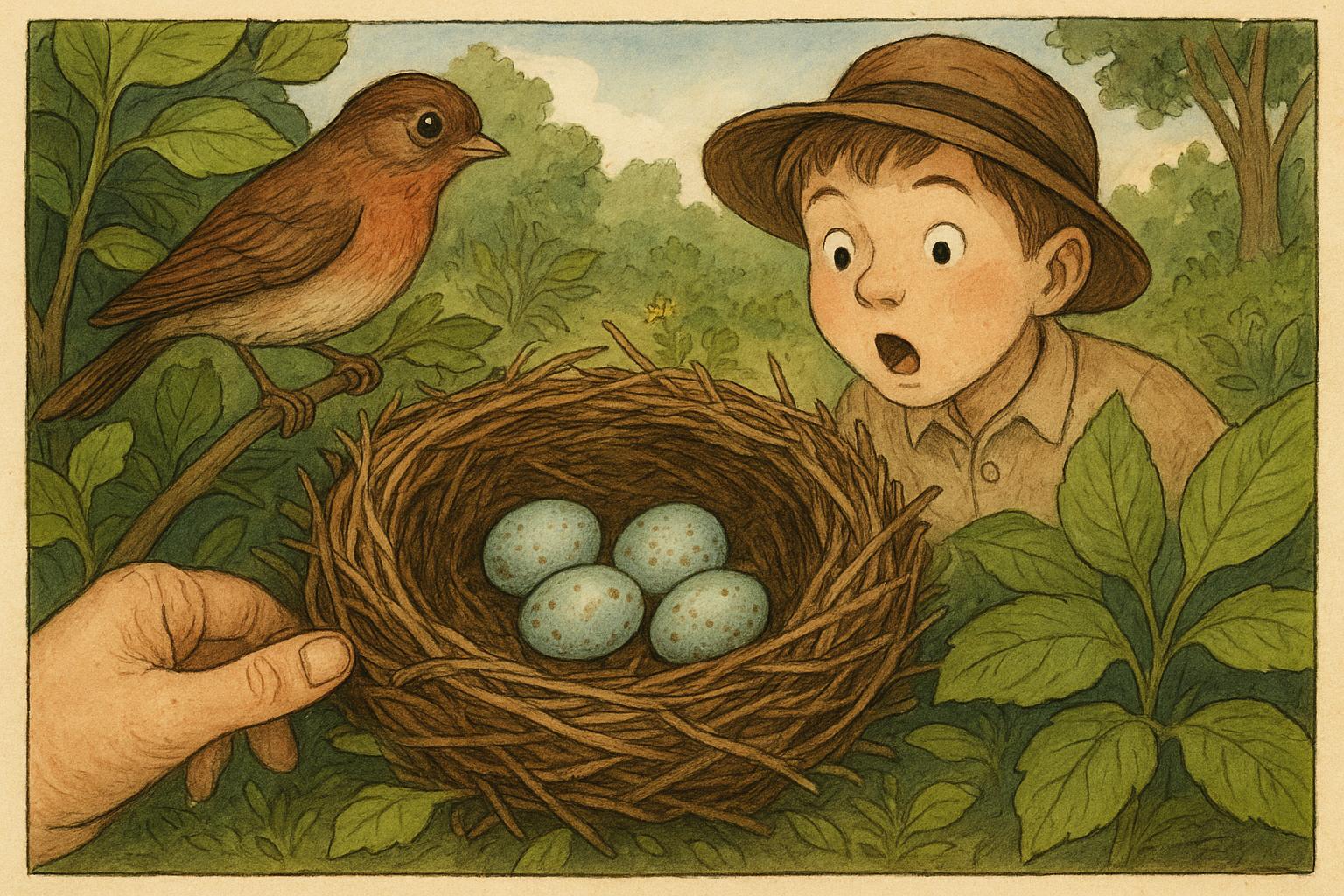
Robins build bulky cup nests lined with grass and mud. The mud base binds the structure to a branch or ledge. Finding a mud-stained twig with a depressed interior often points to a robin’s nest. Nest placement tends to be low to mid-height in shrubs and small trees, often in suburban settings. They are adaptable—robins will use porch ledges and eaves too.
### Hummingbirds: Tiny Cushioned Cups
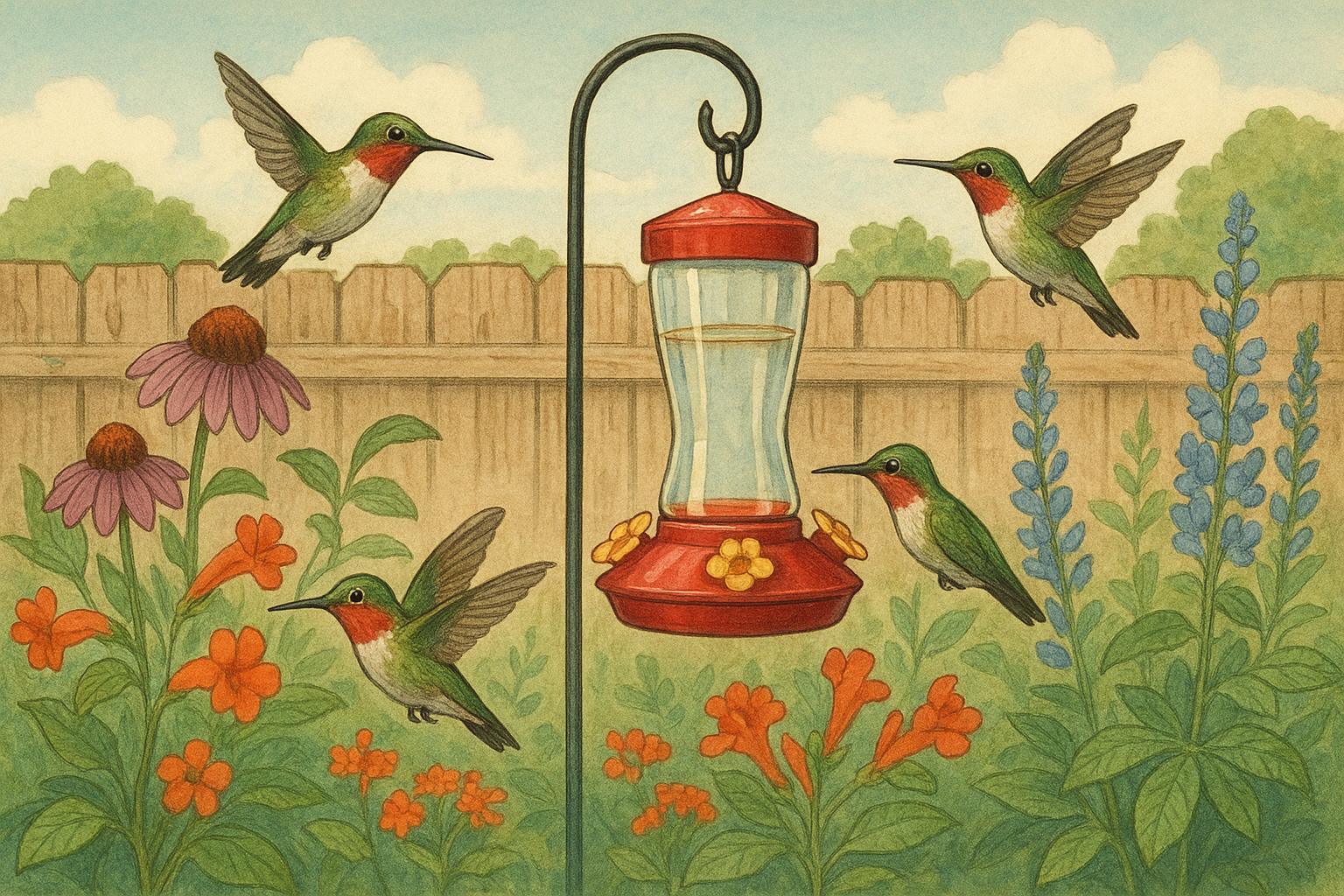
Hummingbird nests are marvels of compact engineering. Size of a walnut, built with plant fibers and spider silk, often camouflaged with lichen. Placement is usually on small angled branches, not too exposed to wind, and often within the lower half of a tree or shrub. This placement balances predator risk and the need for easy access for the tiny parents.
### Swallows And Martins: Mud, Nooks, And Colonies
Barn swallows build open bowls of mud plastered under eaves. Cliff swallows create gourd-shaped mud nests on vertical surfaces. Because their nest placement is often under overhangs or in colonies, they gain protection from weather and predators, but they depend on a specific substrate for mud. Changes in water availability can reduce good nesting sites.
### Ground-Nesting Birds: Camouflage Over Construction
Plover, killdeer, many waterfowl: these species often rely on egg camouflage and site selection rather than elaborate structure. Nest placement is chosen for visibility—open ground where parents can see predators—and substrate that matches egg coloration. They may slightly rake vegetation to create a shallow scrape, but the real defense is resemblance.
## Timing, Phenology, And Adjusting Placement Year To Year
Birds don’t build randomly across the season. Timing affects placement. Early-season nesters contend with leafless branches—visibility is higher, but airflow is stronger. Late-season nesters trade colder mornings for leafy concealment.
Some species adjust nest placement between years. If a site was predated one year, parents may choose different heights or more concealed spots next time. Others are site-faithful; they return to the same tree or cavity year after year, valuing known resources over learning to adapt.
### Brood Parasites Influence Placement Choices
Cowbirds and cuckoos complicate things. If brood parasites are common, some hosts alter nest placement or timing to reduce overlap. Placing nests deeper in thickets or changing nest height can sometimes reduce parasitism rates. It’s a subtle arms race.
#### Reuse And Maintenance Of Nests
Many birds reuse nests, others rebuild from scratch. Raptors and corvids often refurbish old nests, adding new layers each year. For them, nest placement matters because it’s energetically expensive to build anew, so they prefer stable spots with minimal disturbance. Small passerines typically build new nests each season, giving them freedom to adjust nest placement year to year.
## Human Interactions: How We Affect Nest Placement
We change landscapes, and birds respond. Clearing shrubs removes mid-story nesting spots. Planting non-native trees offers different branch structures. Even street lights shift insect abundances and influence where nocturnal insectivores will feed and nest.
### Nest Boxes: Pros, Cons, And Placement Tips
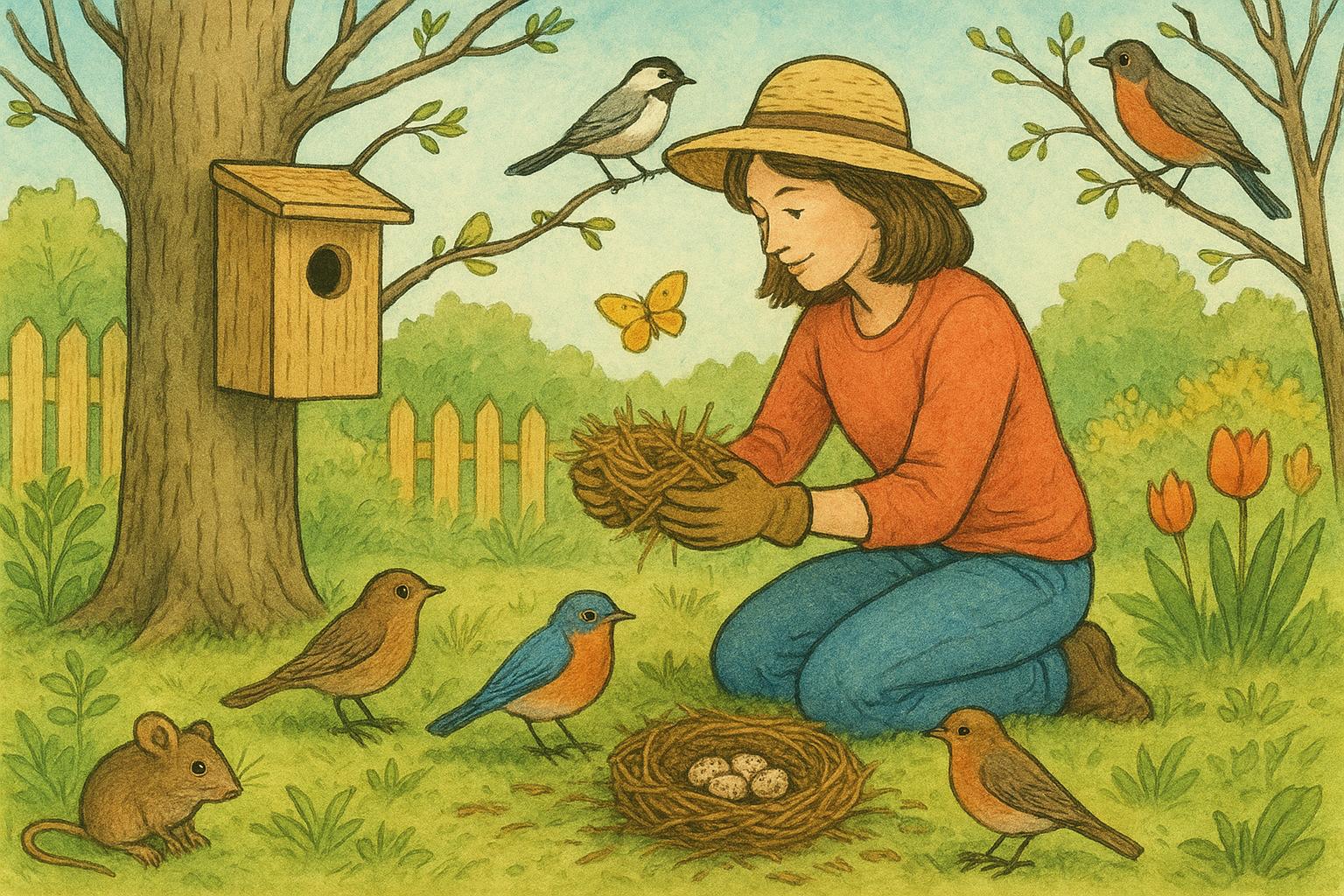
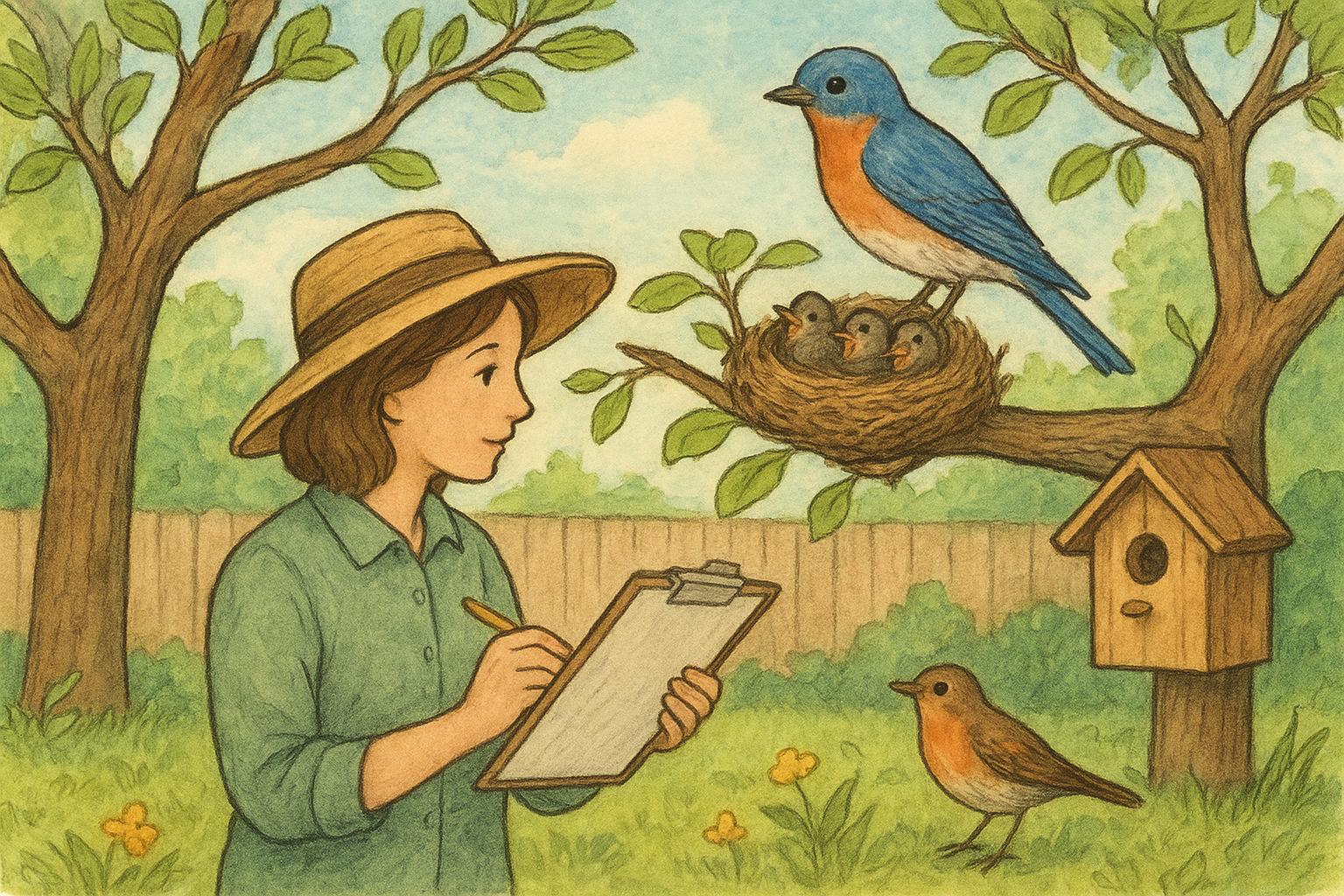
Nest boxes are a simple way to help cavity nesters. But placement matters more than box popularity. Wrong height, wrong orientation, or wrong neighborhood can leave a box empty.
Good rules of thumb:
– Height: match species’ typical nesting height. Bluebirds 4–6 feet, chickadees 6–15 feet, kestrels higher.
– Orientation: avoid direct afternoon sun in hot climates. East or southeast faces work well in many temperate zones.
– Surroundings: open for species like bluebirds; mixed vegetation for titmice and chickadees.
Also, use predator guards and mount boxes on poles rather than trees to reduce mammalian access. Clean boxes between seasons to reduce parasites.
### Urban Nest Placement: Opportunities And Risks
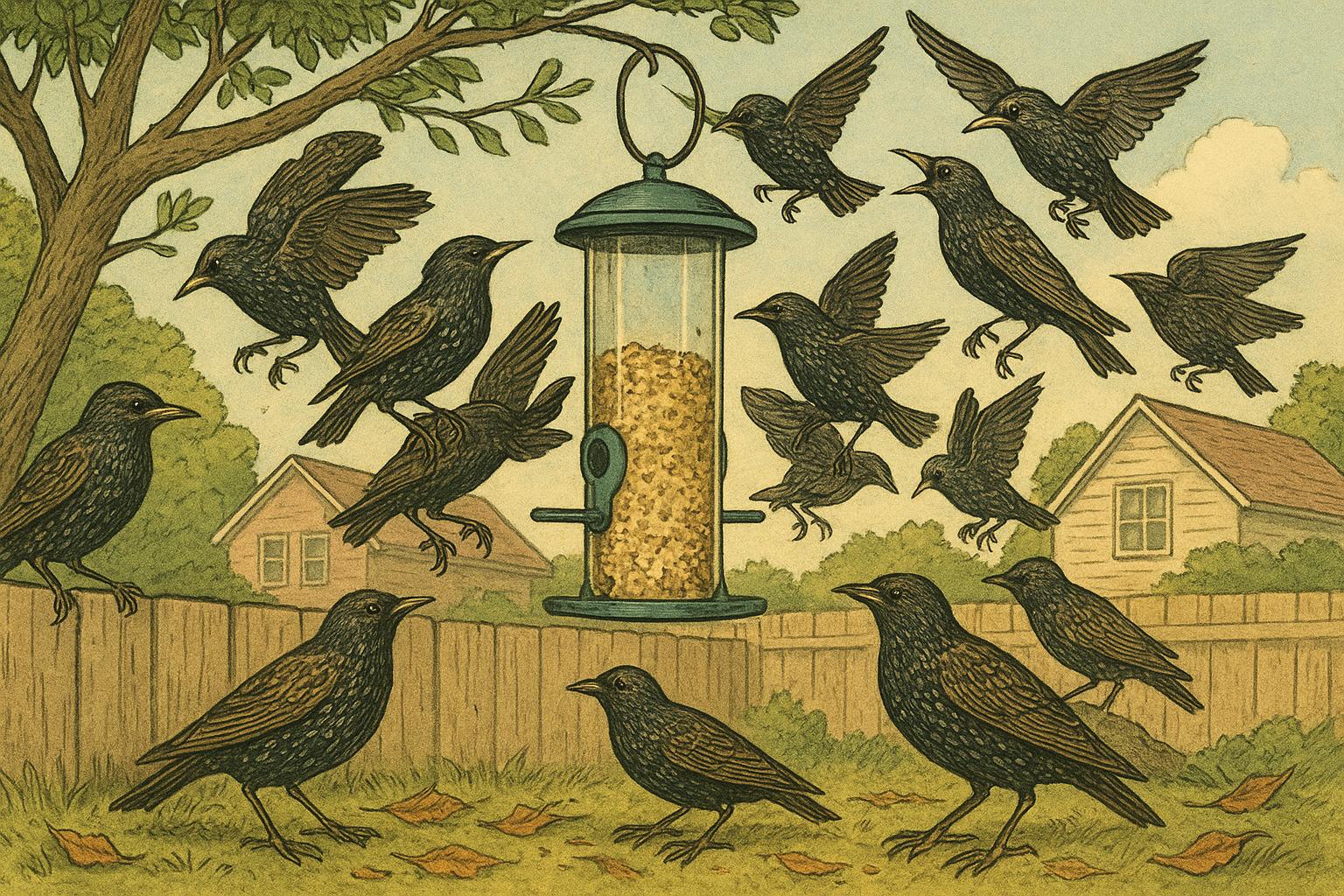
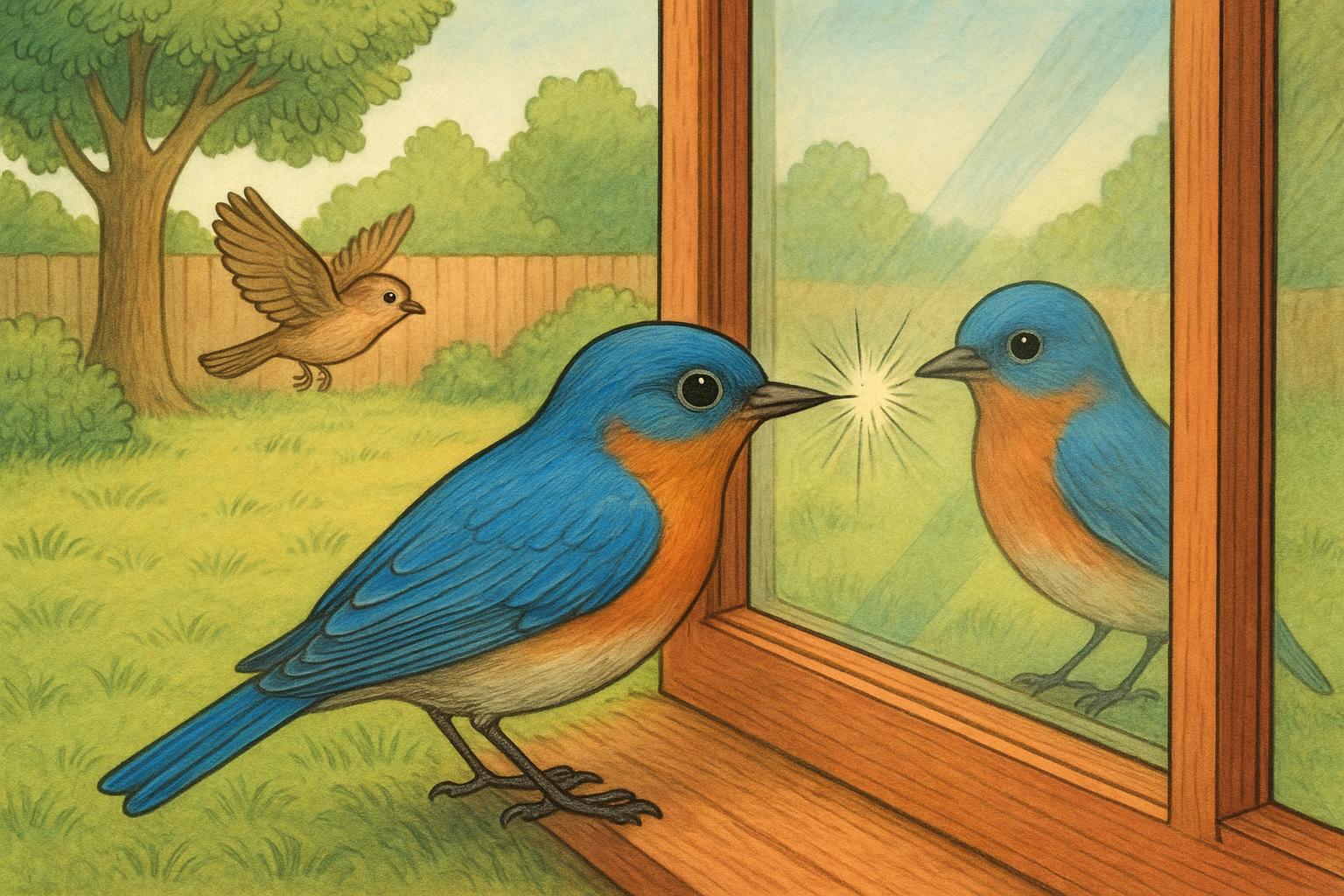
Cities create niches. Pigeons, house sparrows, starlings—these species exploit buildings and ledges. But urban nest placement can be risky: glass collisions, disturbance, and cat predation. Some species adapt well—nests on high ledges mimic cliffs—but not all species can make that jump.
### Avoiding Disturbance While Observing
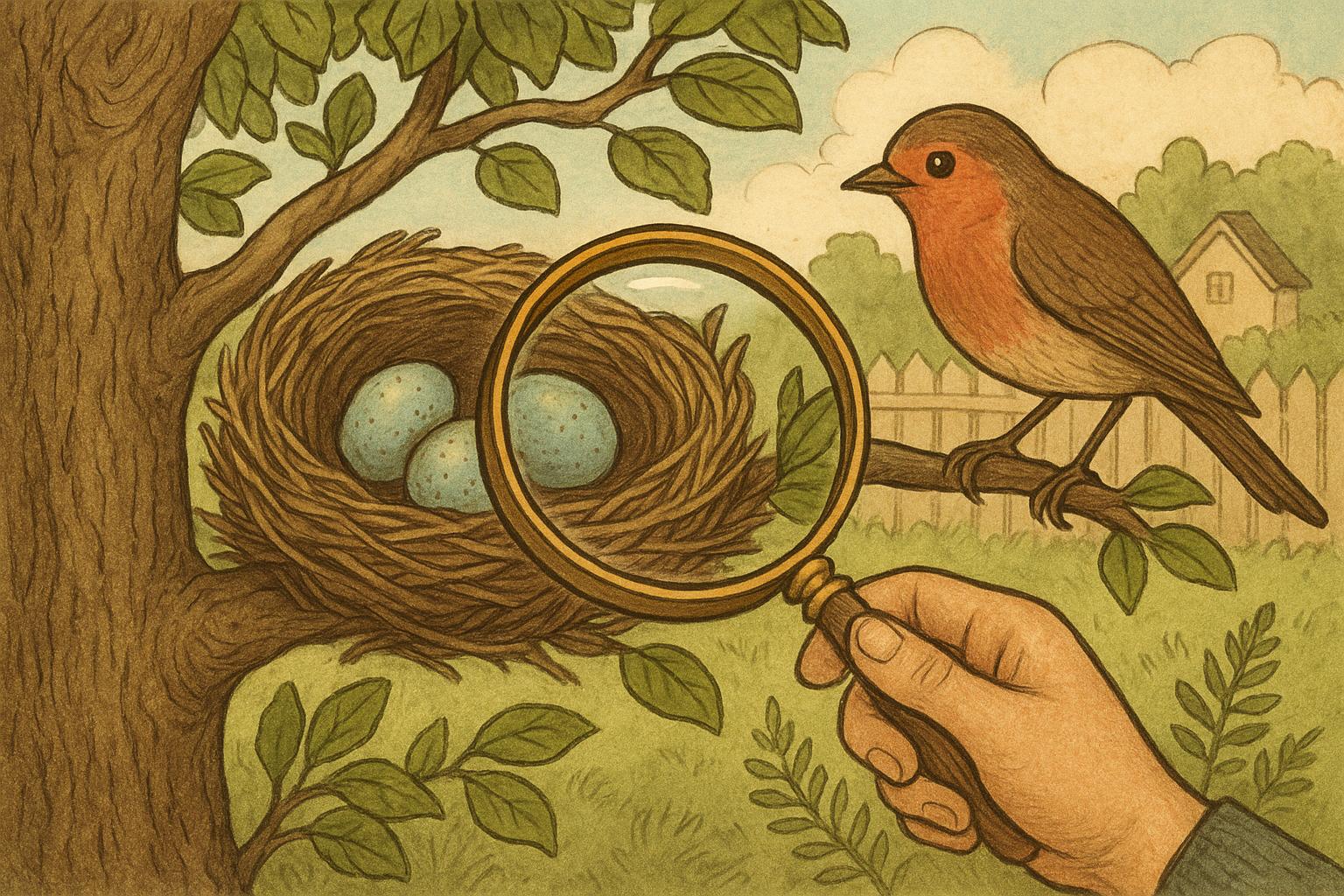
If you’re looking for nests, keep distance. Frequent approach can prompt abandonment, especially in the early stages. Use binoculars and stay quiet. If you find a nest accidentally while pruning a bush, stop work and step back. It’s better to be a cautious neighbor than an enthusiastic investigator.
## Signs A Nest Is Active Versus Abandoned
Not every nest you find is in use. Knowing the signs saves you from needless worry.
Active nest signs:
– Fresh material or recent additions.
– Regular adult activity: visits, food carrying, alarm calls nearby.
– Fresh droppings around entrance or below.
Abandoned nest signs:
– Mold or heavy wear.
– No adults for extended periods during typical feeding times.
– Parasites like mites visible inside.
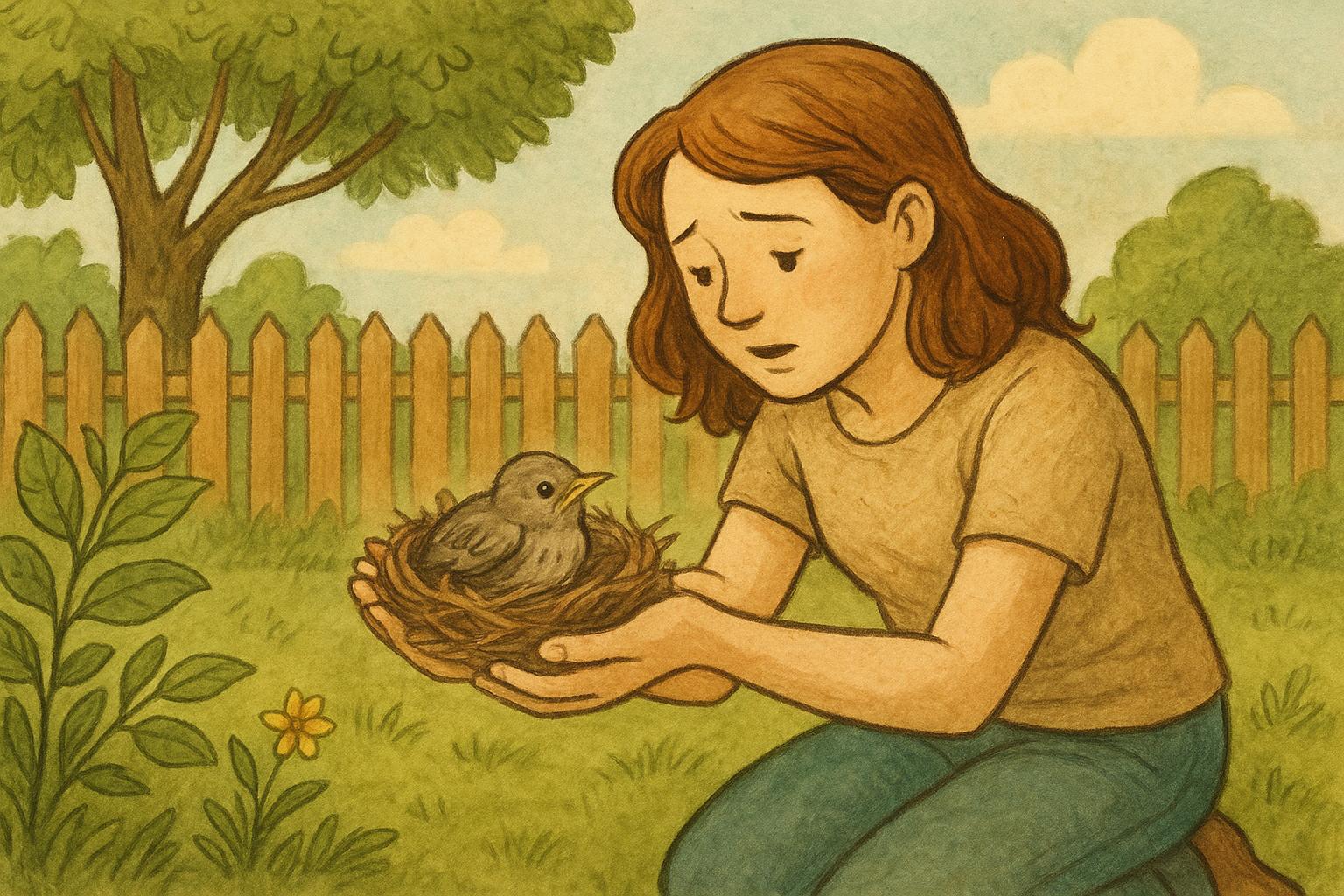
Touching a nest can be harmful. Avoid it unless necessary for conservation work. If a baby is on the ground, assess the situation: many species’ parents will continue care even if the chick has been handled briefly by humans. But persistent disturbance can doom a brood.
### Legal Protections And Ethical Observing
Some species are protected by law; disturbing nests can be illegal. Before moving a nest or interfering, check local regulations. Ethical observation means prioritizing the birds’ welfare over a photograph or close look.
## Common Mistakes In Nest Placement By Humans
People put out nest boxes without considering local ecology. That’s where many well-intentioned projects fail.
Typical errors:
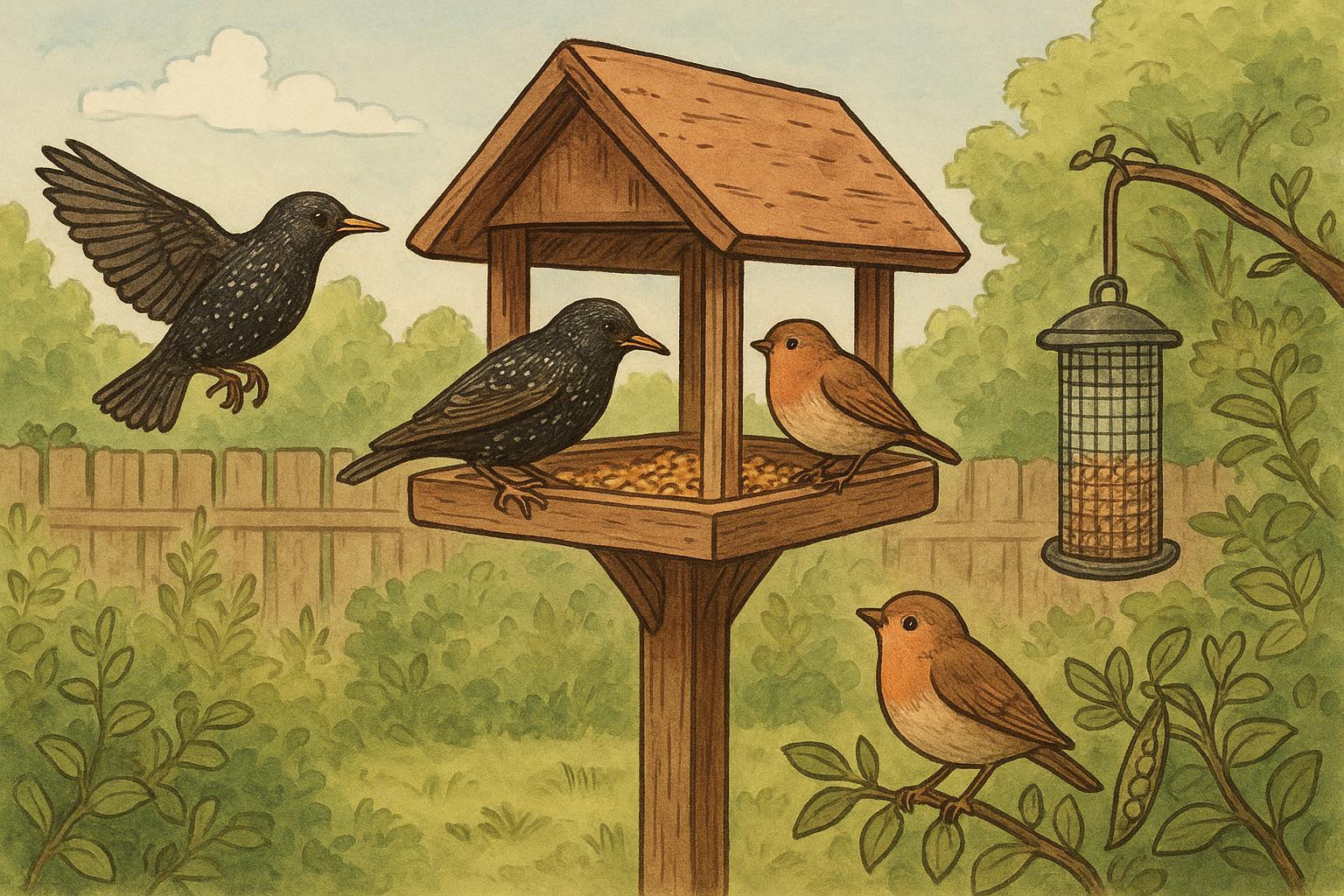
– Wrong hole size inviting starlings and excluding target species.
– Placing boxes too close together for territorial species.
– Putting boxes in shady, damp locations that promote mold.
You can do more good by matching box design and placement to the species you want to help. Read local nest box guides or consult experienced birders.
#### Simple Box Placement Examples
– Bluebirds: open fields, 4–6 feet high, facing east.
– Tree swallows: near water where insect abundance is high.
– Chickadees: wooded edges, 6–10 feet high.
These aren’t rules etched in stone, but they work often.
## Predation Dynamics And Placement Trade-Offs
Predators shape every decision. A nest high in a conifer may be safe from foxes but exposed to accipters. A nest under a dense canopy hides chicks but might trap heat and increase parasite loads. Birds constantly balance these trade-offs.
### Behavioral Defenses Linked To Placement
Some species use alarm calling and distraction displays instead of concealed placement. Killdeer feign injury to draw predators from nests. Others rely on mobbing, where neighborhood birds harass predators en masse. Placement interacts with these behaviors: exposed nests in colonies rely on mobbing strength.
## Microhabitat: The Fine-Scale Details That Matter
Look closer: proximity to water, density of undergrowth, slope, and aspect. These microhabitat factors influence humidity, thermoregulation, and predator pathways. A nest under a fern canopy experiences different conditions than one in an identical tree two meters away.
### Examples Of Microhabitat Effects
– Near water: more insects, but more mosquitoes and higher humidity.
– Dense lower vegetation: better concealment for fledglings but more snakes.
– Open ground near tall grass: ideal for some plovers that rely on visibility for predator detection.
These subtle features often explain why one suitable-looking tree hosts a nest while its neighbor does not.
## Nested Decisions: How Parents Choose Materials And Sites
Selecting a site and gathering materials are linked acts. A bird that plans a cup nest needs pliable fibers and some mud to bind the base. A bird that will build a scrape needs a spot with matching substrate color. Parents gather materials that complement site features. If the area lacks soft fibers, birds might line nests with feathers instead.
### Learning And Inheritance In Nest Building
Some nest-building skills are instinctive, others learned. Young birds may practice or inherit site preferences from parents. In species with extended juvenile periods, fledglings often assist in nest maintenance in later seasons, gradually inheriting the craft.
## When Things Go Wrong: Failures And Adaptive Responses
Not all nests succeed. Weather events, predation, and human alteration cause failures. What follows is not always abandonment; sometimes parents rebuild, sometimes they switch tactics—choosing denser cover or shifting to a cavity if one’s available.
Birds also shift clutch timing. If a first attempt fails early, many species will attempt a second brood within the season. That makes the timing of nest placement a dynamic trait.
## Reading The Landscape: Practical Tips For Spotting Nests
Want to find nests without stressing the birds? Move slowly. Scan for repeated movement, listen for alarm or feeding calls, and watch for adults carrying nesting material or food. Trail cameras can help in research but use them carefully and sparingly.
A few practical tips:
– Observe from a distance with binoculars before approaching.
– Return at different times of day to see activity patterns.
– Note the surrounding vegetation and microhabitat; it helps you predict where nests will be.
It’s worth finding a few nests to study; you’ll learn local patterns that no book can fully teach.
## Case Studies: Surprising Nesting Choices
I once found a robin nest tucked in a hanging basket under an apartment block. Another time, a pair of wrens nested inside a man-made mailbox. These are examples of rapid behavioral flexibility. Birds will experiment with novel placements when traditional sites are scarce.
Sometimes those choices are maladaptive. A nest too close to a busy walkway faced constant disturbance and failed. These human-influenced cases are useful reminders: availability doesn’t equal suitability.
#### When To Intervene
Intervention is tempting when chicks are in danger. But intervention without a plan usually harms more than helps. Contact wildlife rehabilitators or local birding groups. They can advise whether a nest should be shielded, relocated, or left alone.
## Broader Patterns: What Nest Placement Tells Us About Habitat Health
Patterns of nest placement across a landscape reflect habitat quality. A decline in cavity nesters may point to loss of old trees. A surge in ground-nesting in formerly wooded areas indicates canopy loss. Tracking nest placement over years gives practical insight into ecological change.
If you monitor nest placement over seasons, you’re not just watching birds build homes. You’re watching an ecosystem negotiate new constraints. That’s why careful observation matters.
There are always new details to notice: an unusual material added to a nest, a shift in height over multiple years, a species using a novel substrate. Keep your eyes open and note the ordinary things—they tell the most honest stories.
And sometimes a nest is just a nest: warm, safe for a few weeks, then empty. But even those short lives of nests whisper about the neighborhood, the weather that year, and the choices birds made in an ever-changing world. ocassionally those whispers are loud enough to learn from.



Leave a Reply