
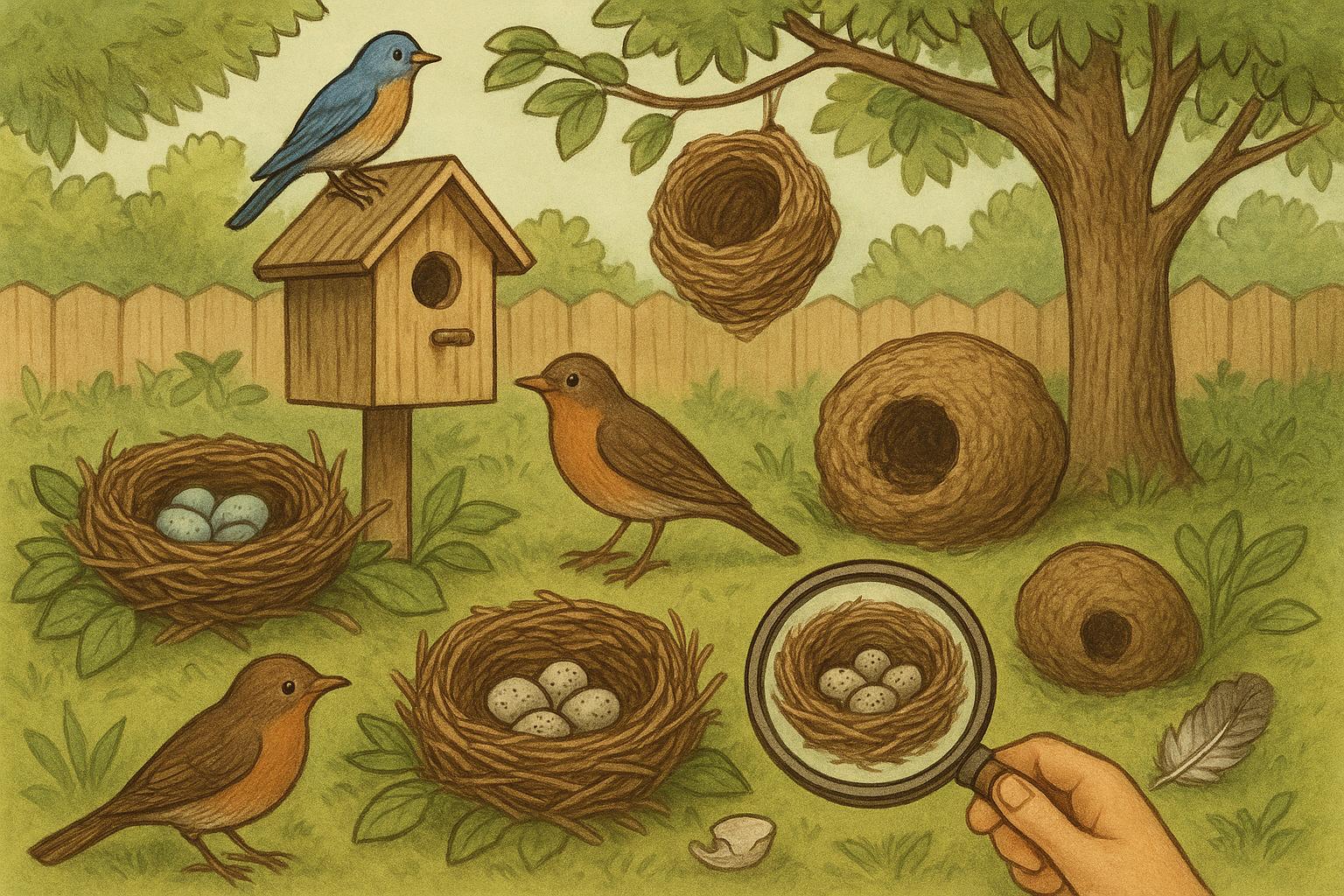
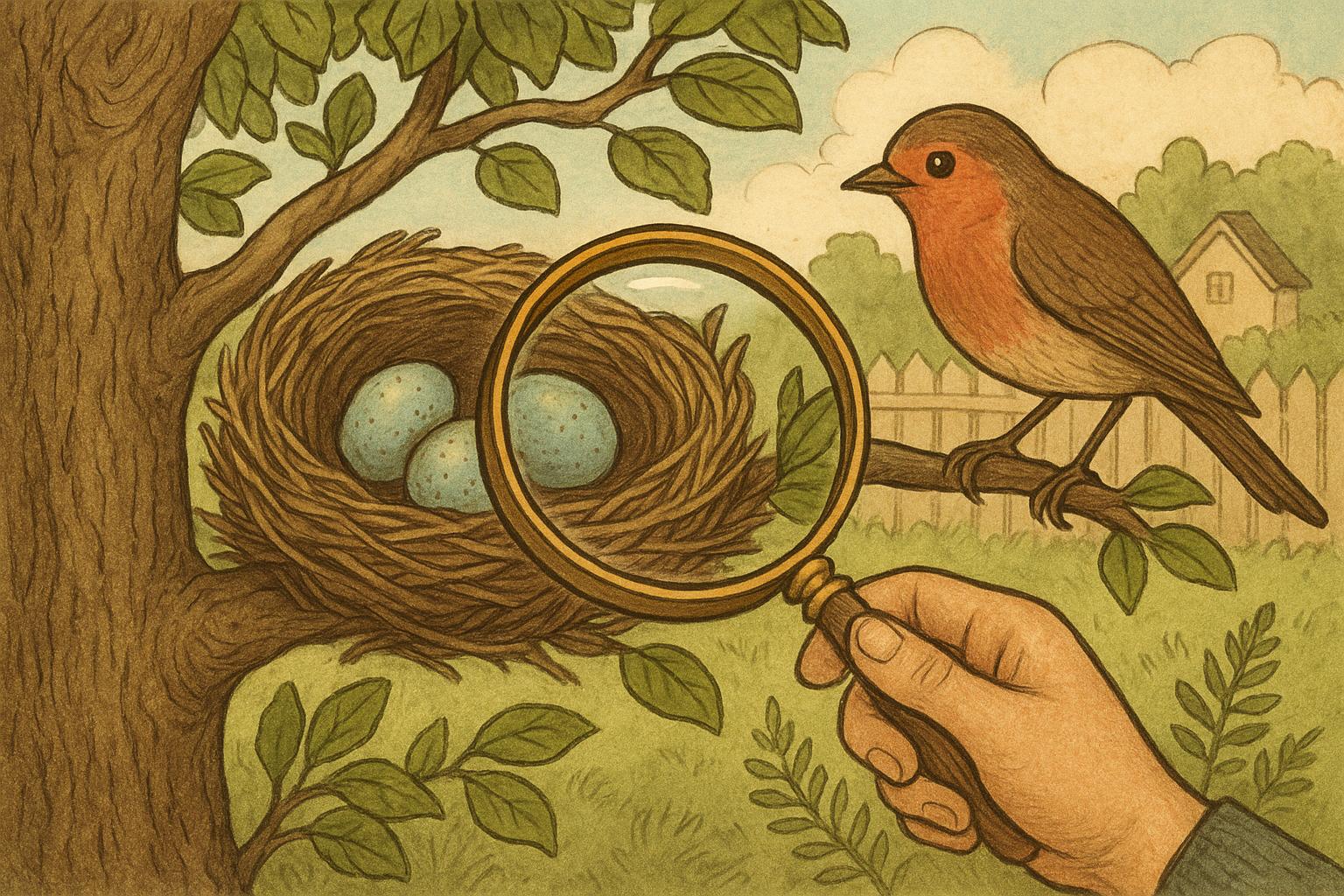
You can usually tell a lot about the birds in your yard without touching anything. Watch patterns, materials, and where activity clusters. Those are the hard facts you can use to identify nests and the species that built them.
## Backyard Bird Nest Clues To Watch For
Start by looking for repeat traffic. If the same patch of hedge, gutter, or tree limb gets visited multiple times a day, that’s one of the clearest backyard bird nest clues there is. Birds don’t wander aimlessly when they’re nesting. They leave full-body evidence: feathers, fecal marks under perching spots, and a pile of dropped food remnants like seed husks or insect wings.
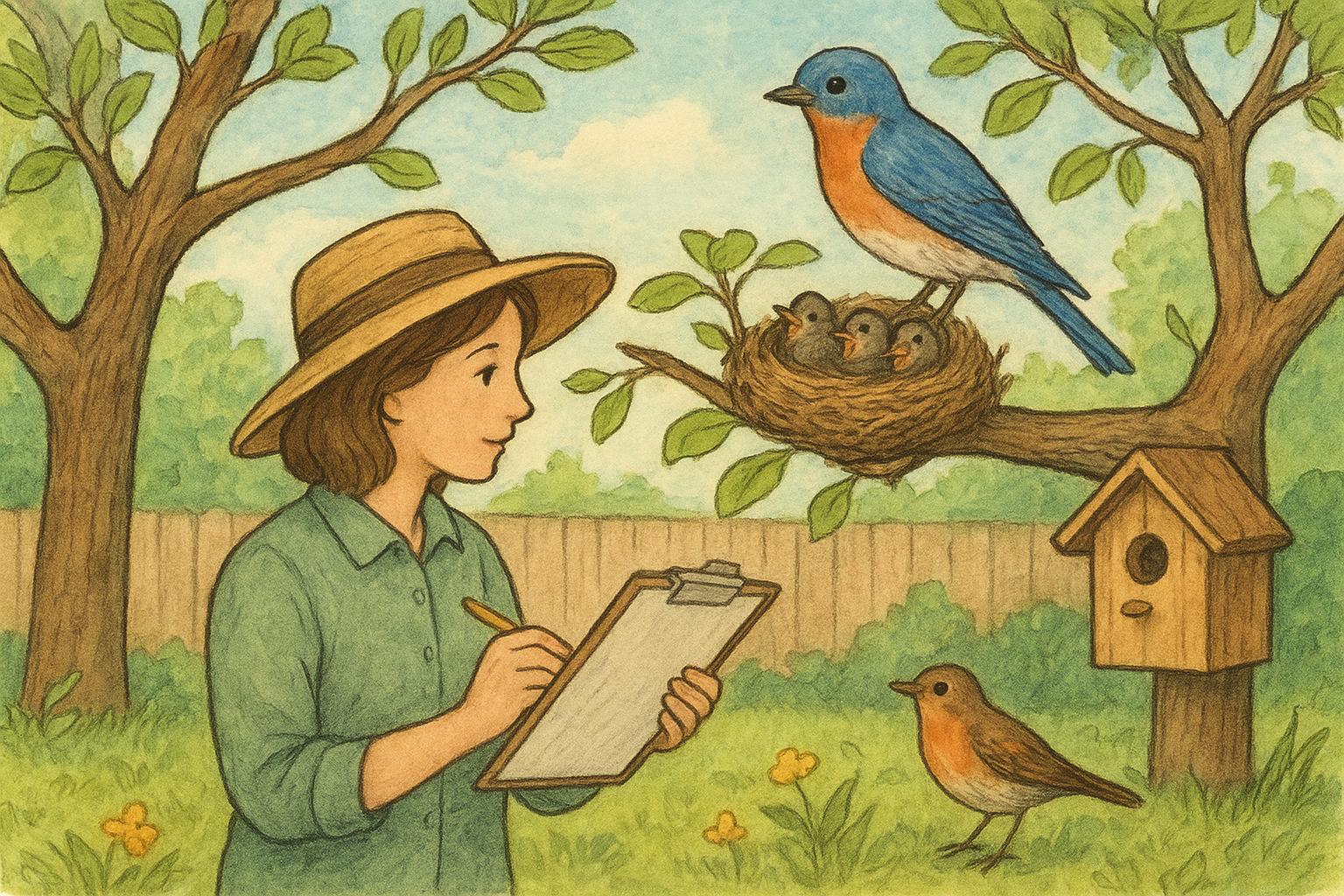
One good habit: pick a single vantage point and watch for 10–20 minutes twice a day for several days. A single observation can be misleading; two or three repeated trips in an area is much more reliable. Robins, for example, fly back and forth openly, while wrens and house sparrows slip into cavities, making their nests harder to spot — but the entrance holes or the way adults pause at a specific branch often give them away.
### Nest Location And Structure
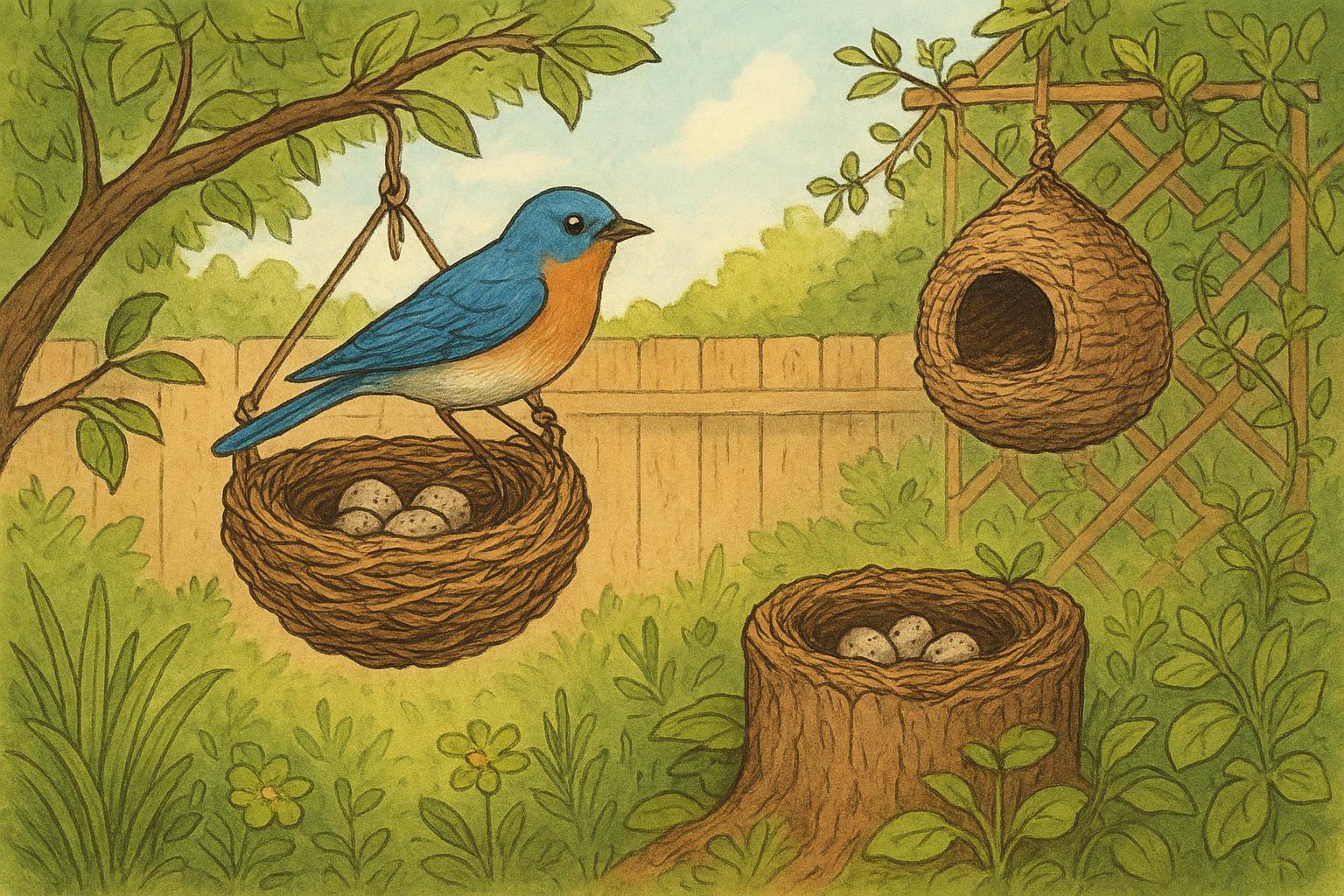
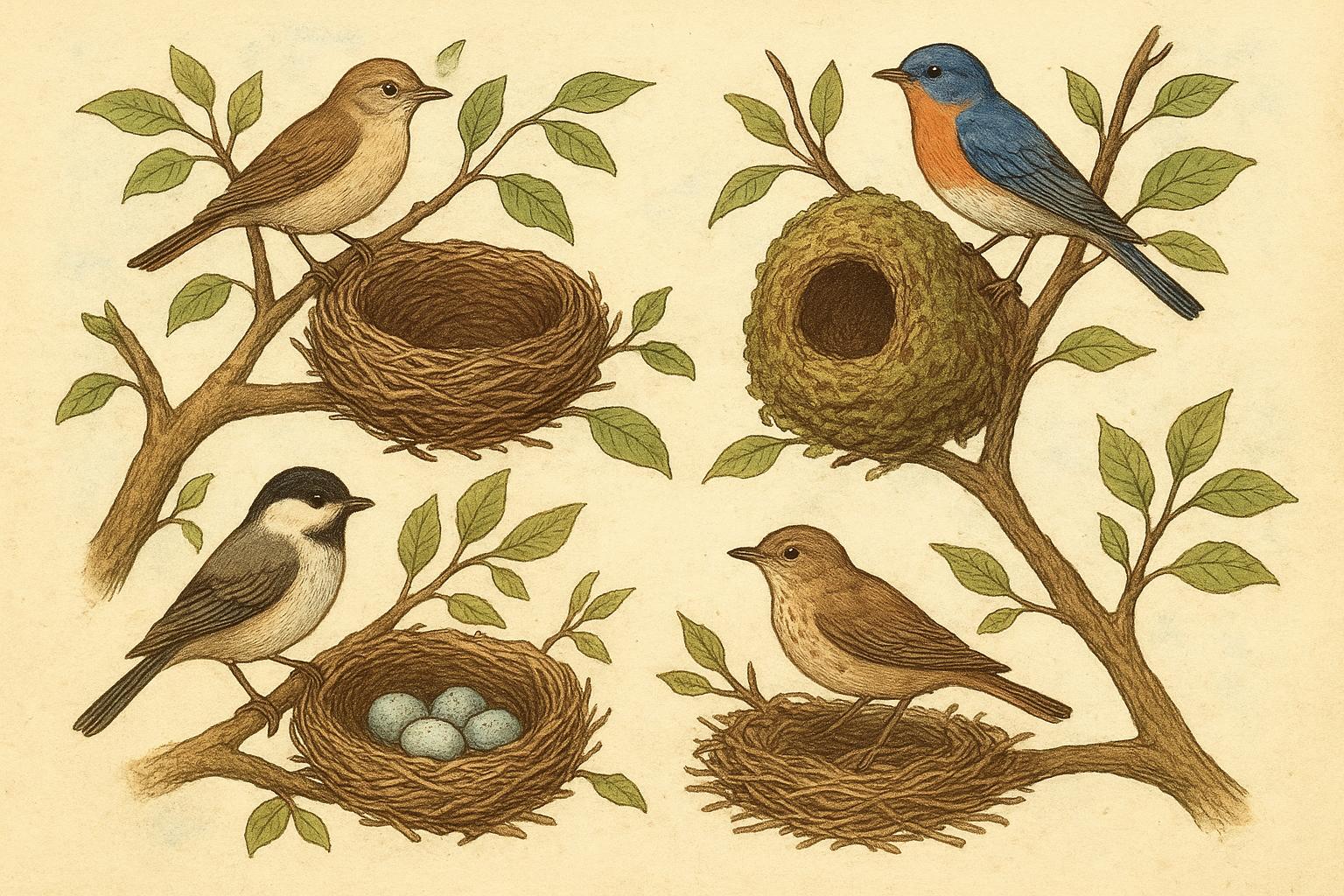
Where a nest sits says more than the nest itself. Look at height, support, and surroundings. Some birds prefer high, open branches to keep predators away; others build low in dense shrubs to hide. Structures like eaves, mailboxes, hanging baskets, and vents attract certain species because they mimic natural cavities. The difference between a cup-shaped nest perched on a fork and a tightly woven pendant hanging from a twig is a major identification clue.
#### Cup Nests Vs Cavity Nests
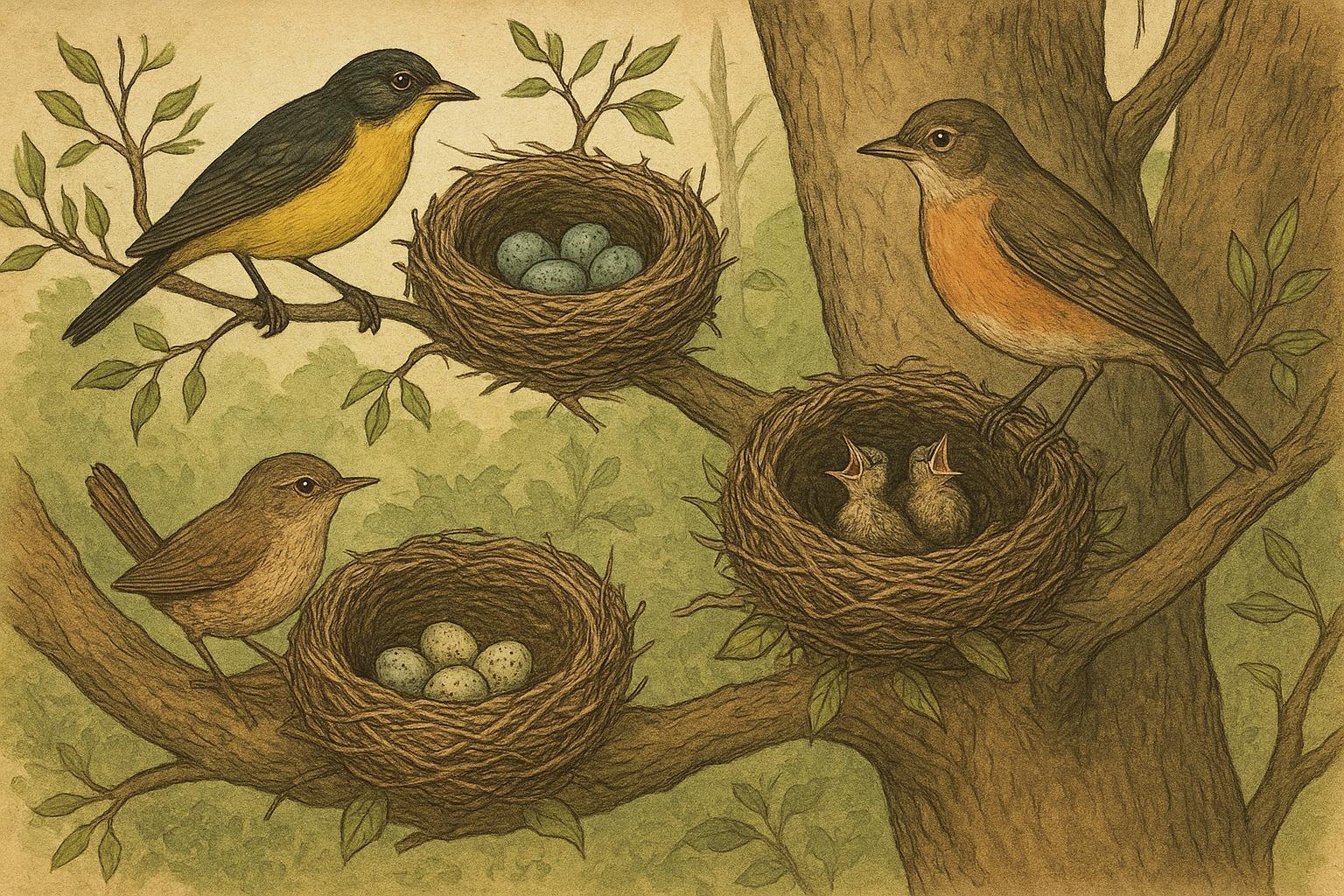
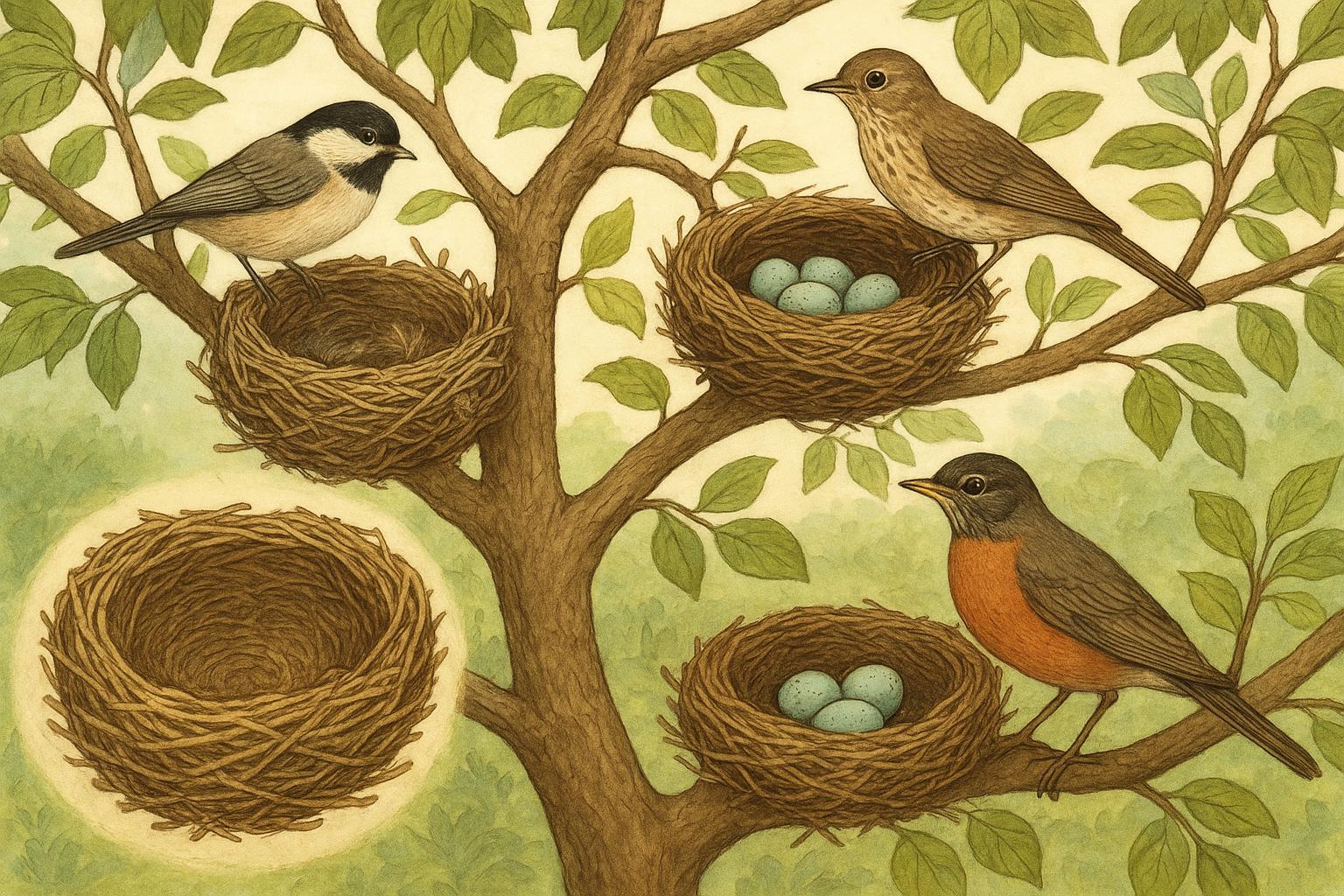
Cup nests are common in many garden visitors. Robins, finches, and many warblers build cup nests of grass, mud, or lichens in open forks or shrubs. They’re often lined with softer materials like hair or fine grasses.
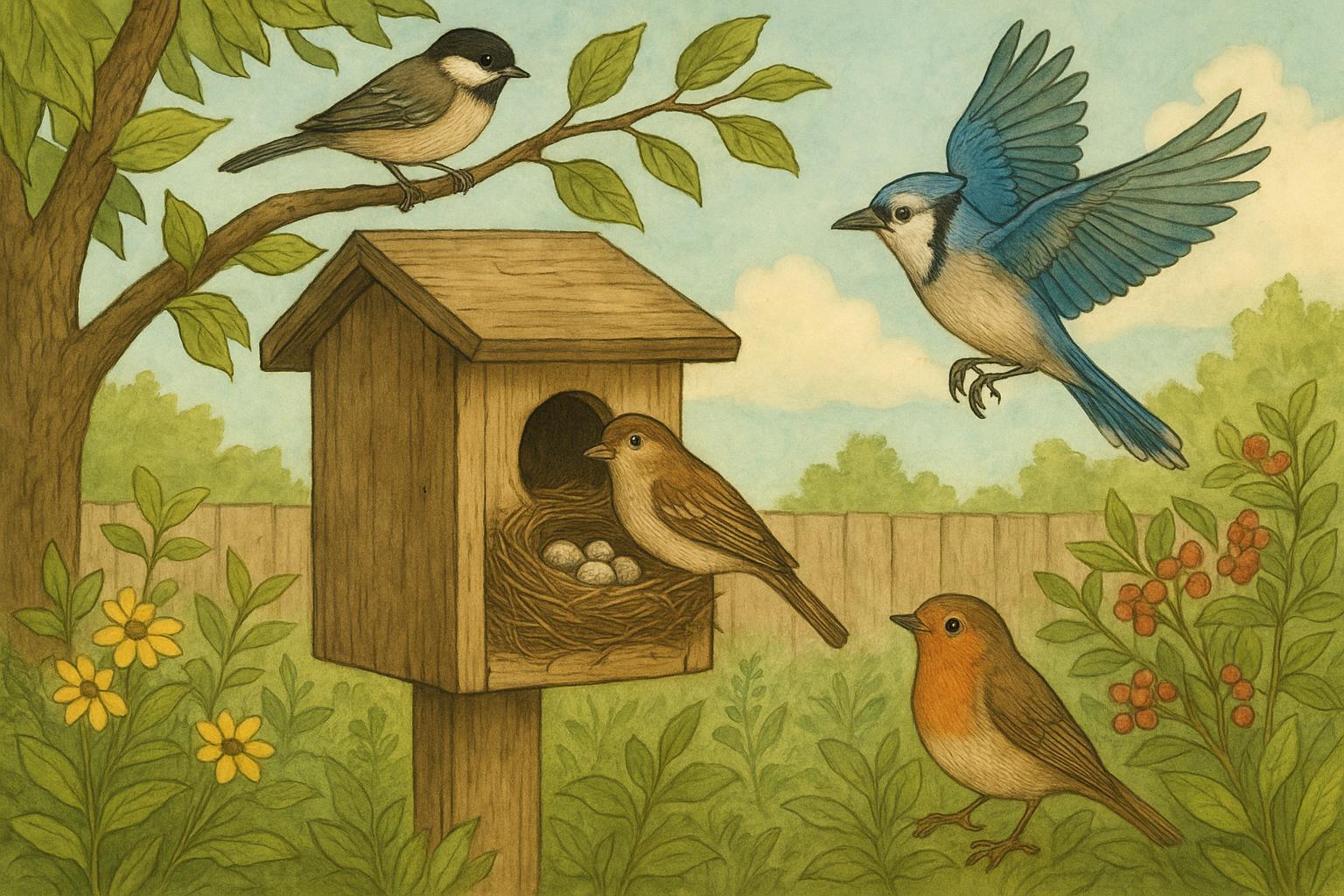
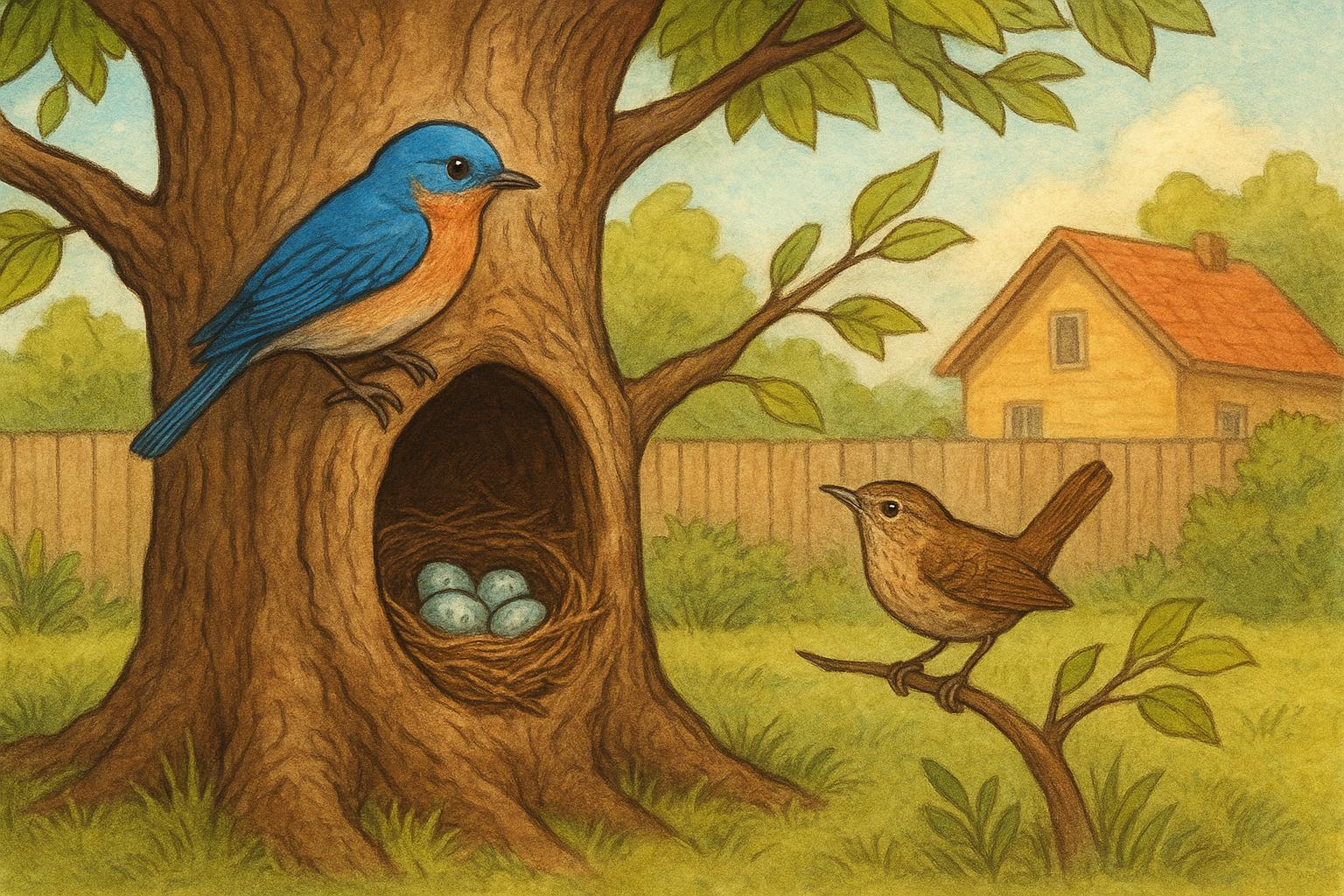
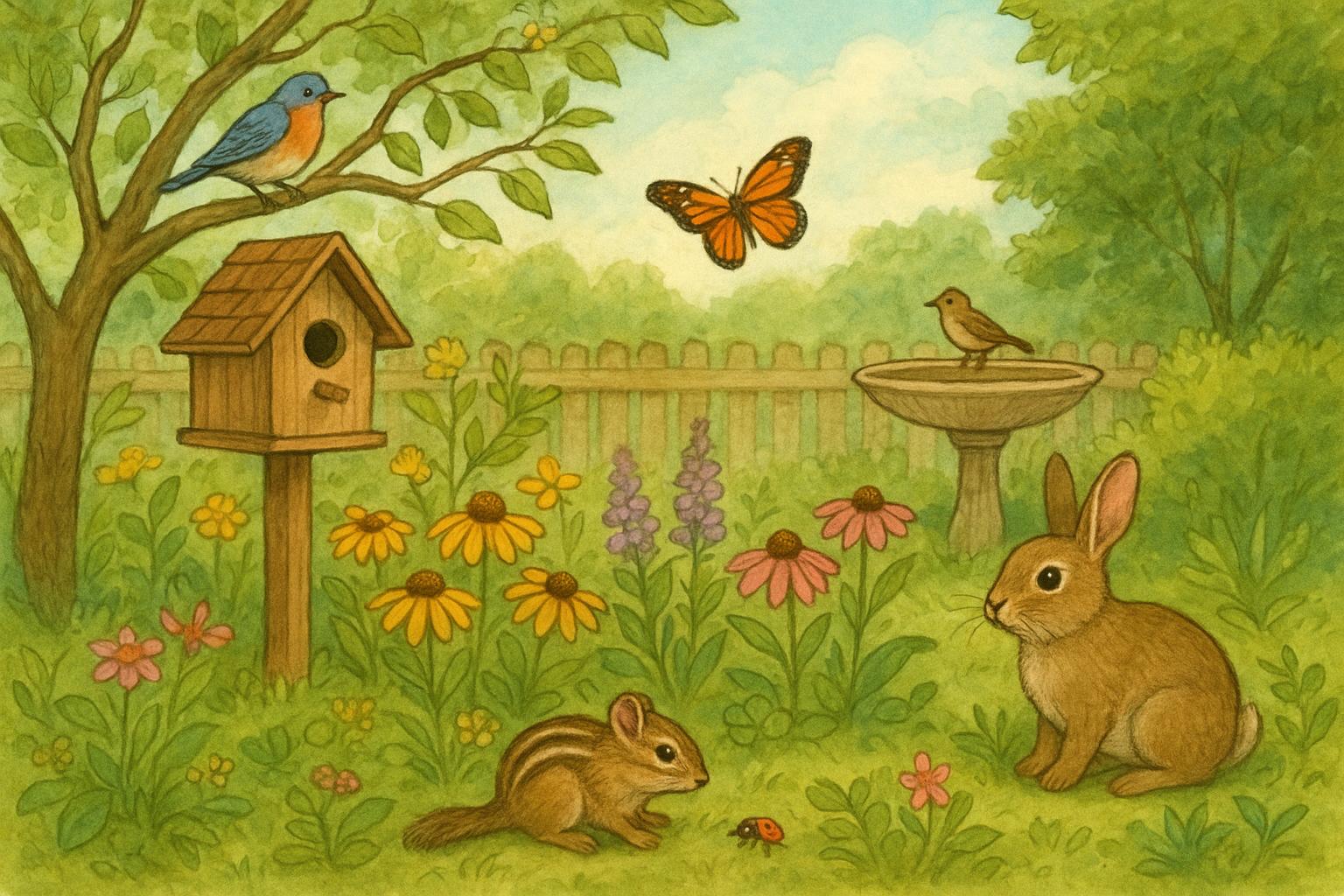
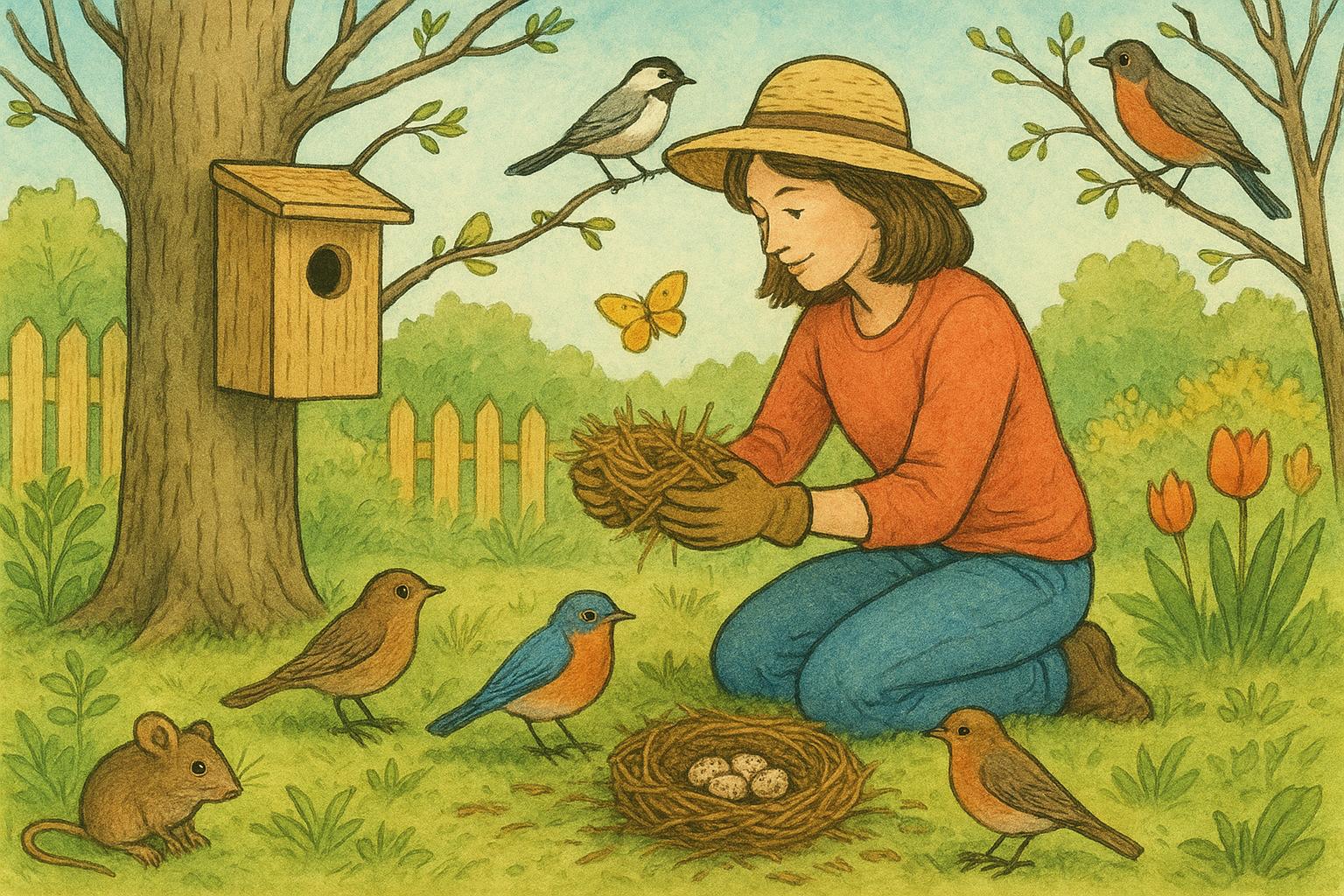
Cavity nests are used by bluebirds, chickadees, swifts, and some ducks (in rural yards). These may be natural holes, abandoned woodpecker cavities, or man-made boxes. If you see birds entering a small, round hole regularly, you’re witnessing one of the clear backyard bird nest clues.
### Material Tells
Pay attention to the building materials. Moss and lichen suggest species that want camouflage, like certain thrushes. Mud is a signature of swallows and some robins; those half-dome mud nests stuck to walls are unmistakable. Spider silk and plant fiber are used by hummingbirds to create elastic nests that expand as their chicks grow. Bright or synthetic bits—plastic, string, cigarette filters—often betray urban-dwelling species that repurpose human leftovers.
#### Mud, Moss, And Man-Made Extras
If you find a little cup with a firm mud base and grass lining, think swallow or robin depending on placement. Mossy, well-camouflaged cups up against a mossy branch could signal a thrush. If you notice shiny bits of plastic woven in, that’s usually house sparrows or starlings in close-contact human habitats.
## How Behavior Reveals Nest Sites
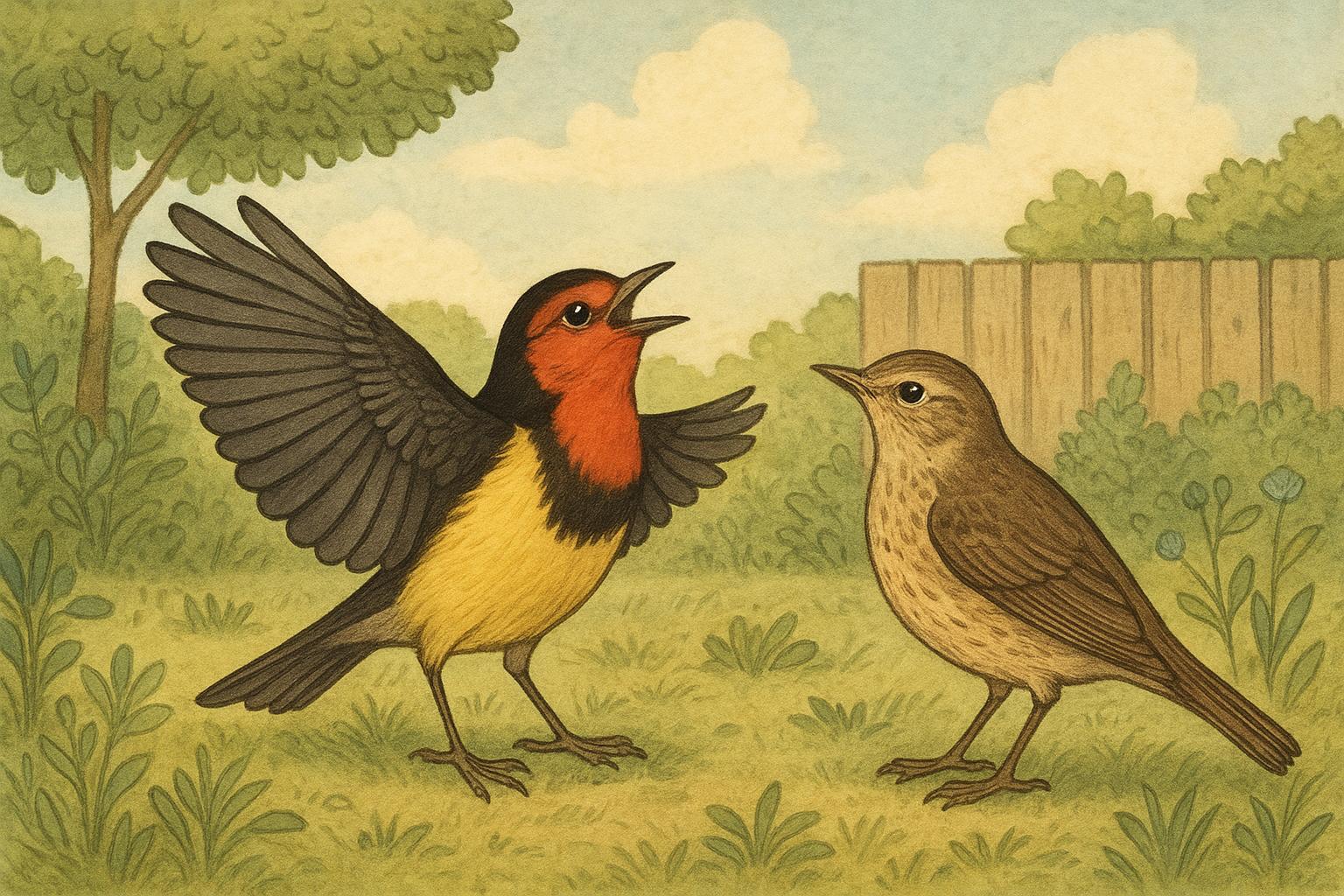
Bird behavior is a clearer guide than the nest itself in many cases. Look for nervous, looping flights that end at a hidden spot. A parent bird will often do short, direct flights to the same place. Another reliable sign is distraction displays — a bird feigning injury to lure you away from a nest. Listen, too. Repeated calls from the same area, especially alarm notes, often indicate a nest nearby.
### Feeding Patterns
Feeding runs tell a story. Young birds can’t travel far, so frequent delivery of insects to a tree or hedge means a nest is probably nearby. Count the trips: species like chickadees and titmice make dozens of quick runs each hour. Larger birds like crows or magpies visit less frequently but carry larger prey.
#### Time Of Day Matters
Mornings and late afternoons are usually the busiest for provisioning chicks. Midday quiet doesn’t mean absence; parents may leave to forage farther afield in hot months. If you can’t spot the nest, watch when the activity spikes — that’ll narrow down the likely radius.
## Signs On The Ground And Nearby
You don’t have to crane your neck into every shrub. Look below the suspected area. Droppings, uneaten food, and shed feathers beneath a branch or under an eave are practical bird nest clues. For cavity nesters, you might find tiny pellets or crumb trails where parents discard food remnants. Predators’ signs like scat or disturbed leaves around a spot can also indicate a nest worth protecting.
### Feathers And Fecal Staining
Tiny, soft feathers near the base of a shrub often mean recent fledging. Adult birds sometimes clean the nest by removing downy bits and discarded shells; those show up nearby. Fecal stains are common under perches near nest entrances — the accumulation can be a clear hint you’re looking at a nesting site rather than a mere roost.
#### Material Scatter Patterns
Different species leave different scatter patterns. Seed-eaters drop husks; insectivores leave legs and wings. Swallows may leave smears of guano beneath mud nests on walls. Observing the type of debris gives you a clue about who’s nesting.
## Recognizing Common Backyard Nests
Some nests are classics. Robins build bulky mud-and-grass cups in forks; house wrens stash nests in boxes and nooks; bluebirds prefer cavities and will eagerly use a clean nest box. Familiarize yourself with a handful of common patterns — it speeds up ID work in your yard.
### Robins And Thrushes
An American robin’s nest is a textbook cup lined with mud. They like sheltered forks and often pick places with a fair view to keep an eye out for threats. Thrushes are similar but often use more moss and lichen to camouflage the cup.
### Sparrows, Starlings, And Competitors
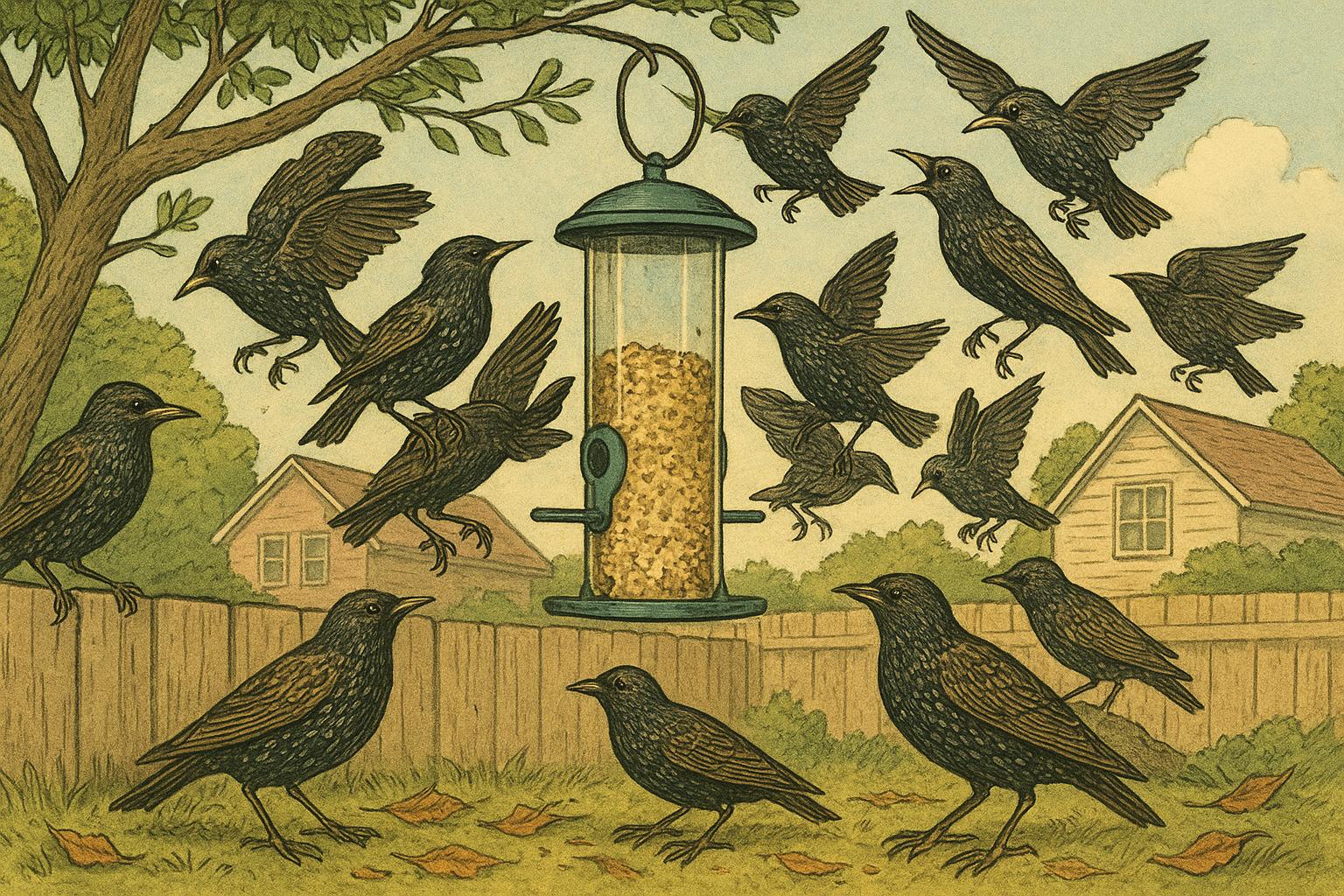
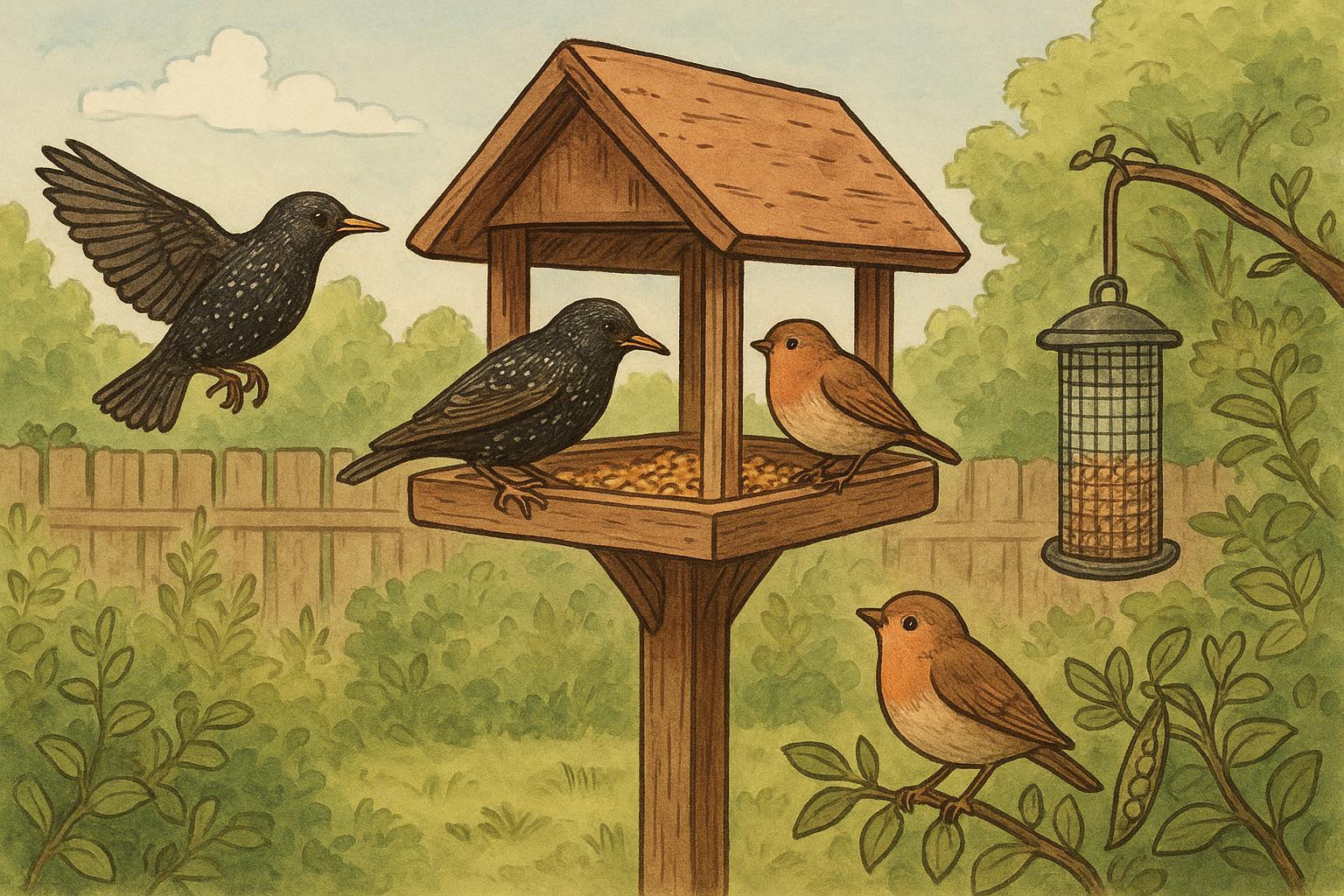
House sparrows and starlings are messy but adaptable. They take to gutters, vents, and eaves. Their nests can be bulky and stuffed with scraps. If you find a chaotic nest in a mailbox or under eaves, check for these species.
#### Hummingbirds And Tiny Builders
Hummingbird nests are small enough to fit in a teacup and are almost always lined with soft plant down and spider silk. They’re cleverly elastic and often placed on a thin branch with good overhead cover. Look for a tiny cup and a parent that perches nearby to inspect your presence.
## Timing Your Search: Seasonal Clues
Nest appearance correlates with seasons. In temperate zones, spring through early summer is prime nesting time, though some species have multiple broods into late summer. If you see newly collected moss or fresh mud, the nest was likely started within days. Old nests from previous seasons look dusty, compacted, and sometimes overgrown.
### Multi-Brood Species And Late Season Nests
House sparrows and starlings can have multiple broods. Bluebirds sometimes re-nest if a first attempt fails. Late-season nesting alters behavior: food runs might shift to caterpillars or fruit, and birds become more secretive to avoid predation.
## Signs In Built Environments
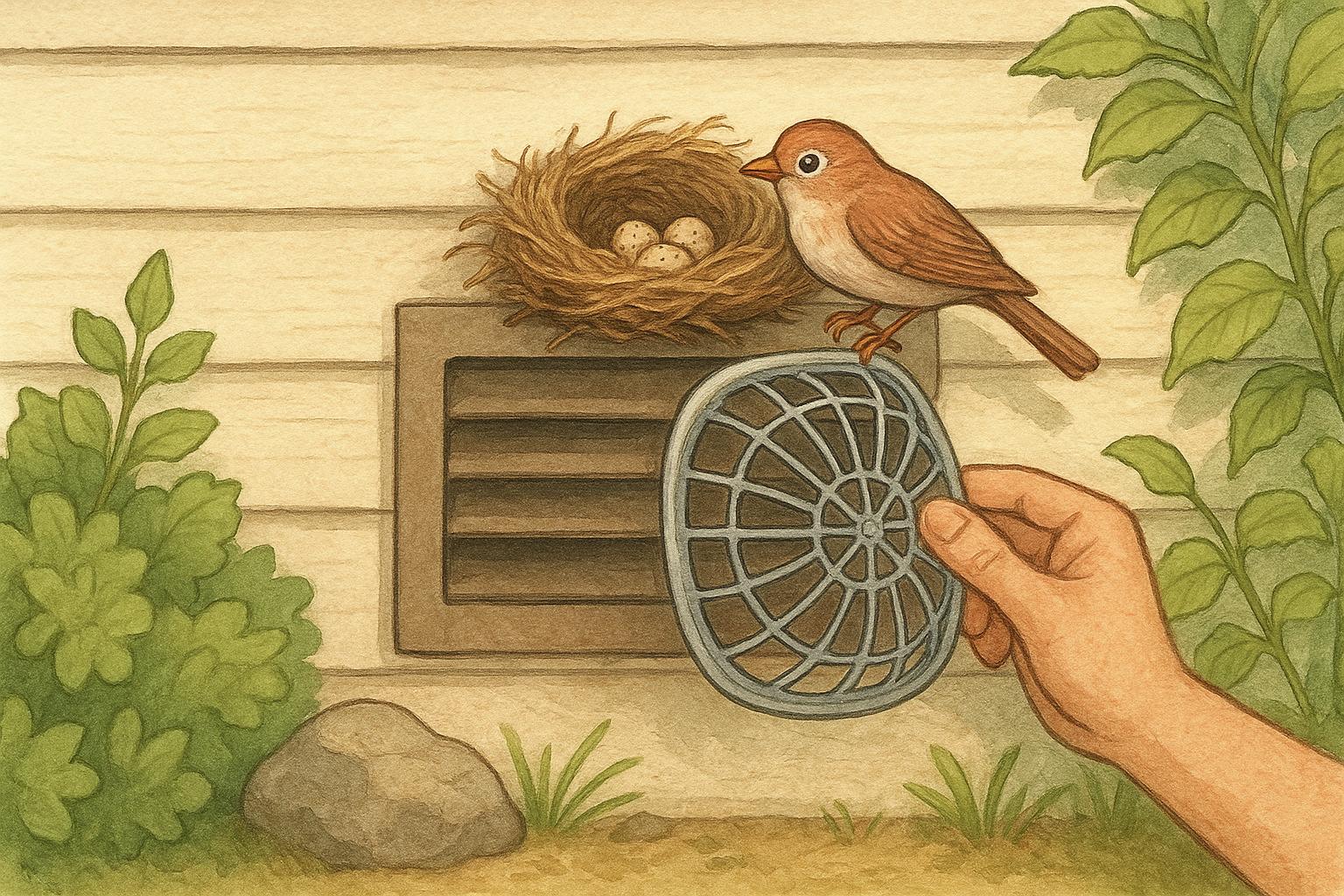
Houses and sheds are full of nesting opportunities. Eaves, vents, gutters, and attic cavities host a surprising variety of species. Swallows and martins attach mud nests to vertical surfaces; house finches tuck cups into hanging baskets, and pigeons may choose rafters.
### How To Inspect Without Disturbing
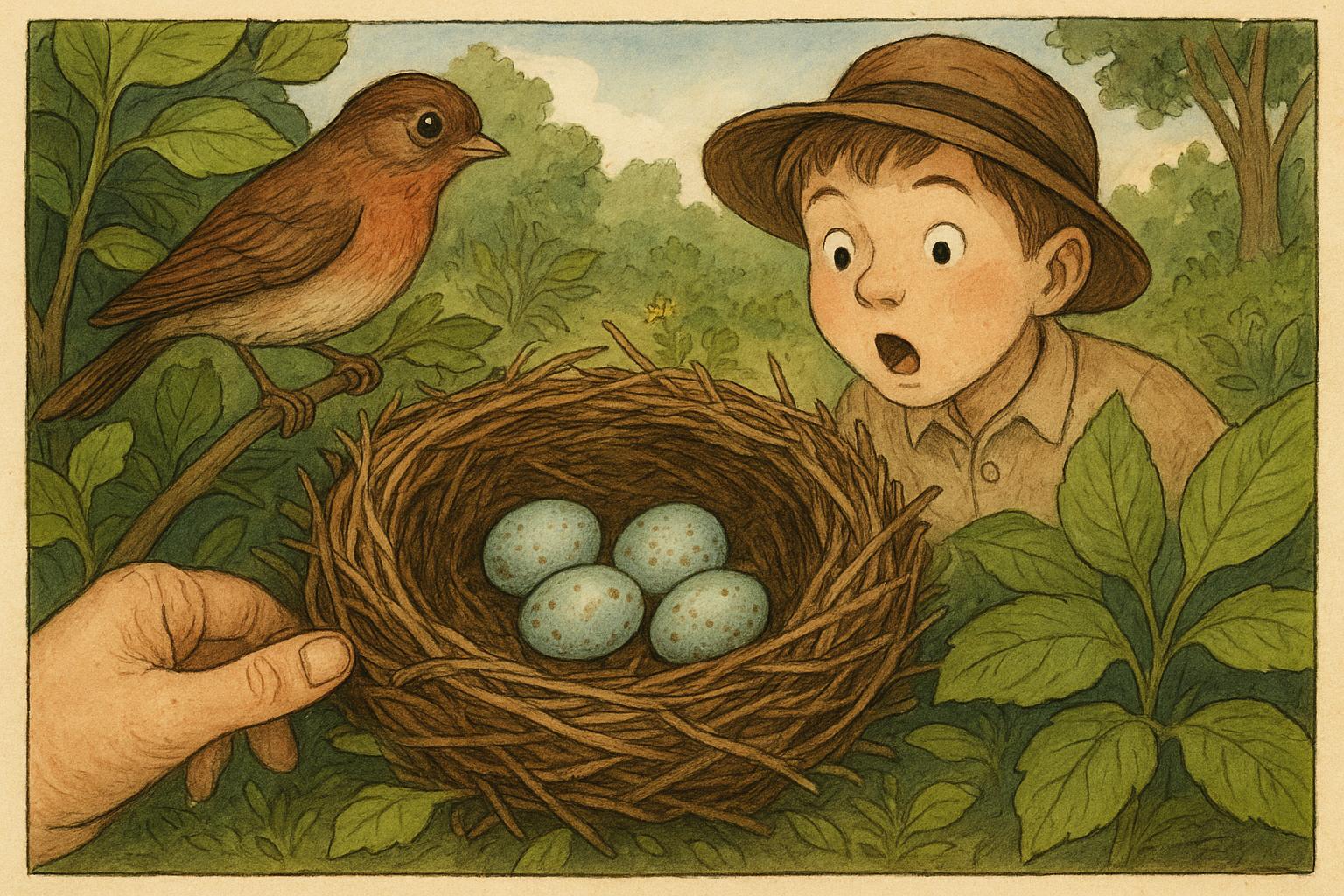
If you must check a potential nest on your house, use binoculars from a distance or a camera with a zoom lens. Never force an entrance or peer directly into a cavity where nestlings may be. Disturbing the site can cause adults to abandon the nest. Instead, note the birds’ entry points and the time they arrive — those are safe, useful observations.
#### Legal And Ethical Considerations
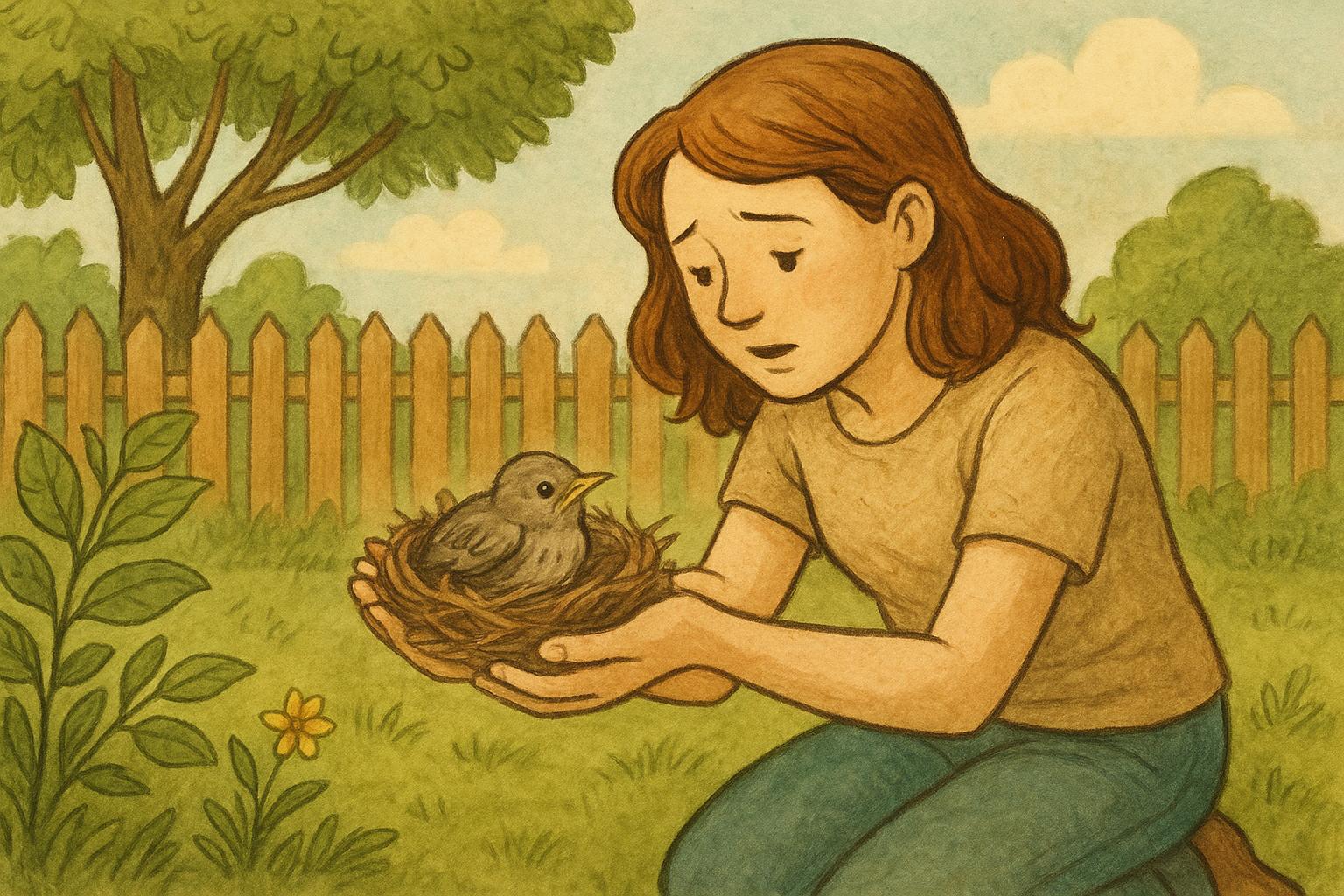
A quick reminder: in many places, wild birds and active nests are protected by law. That includes robins and many common backyard species. Don’t remove or handle nests with eggs or chicks. If a nest creates a hazard in a public space or poses a problem, contact local wildlife authorities for guidance.
## Using Sound As An ID Tool
Calls and songs are practical clues you can use when visual evidence is scarce. Babies make distinct begging calls; parents have specific contact and alarm notes. If you hear continuous, high-pitched begging near a shrub, there’s likely a nest with nestlings. Adult alarms can signal that you are too close.
### Listening For Begging Calls
Begging calls are repetitive and urgent. They tend to rise in pitch and frequency when parents approach. Different species have different textures: robin chicks scold and squeal, whereas warbler fledglings make rapid chip calls. Learn a handful of sounds for your local top species and you’ll be able to narrow down possibilities quickly.
## Predator And Parasite Clues
Presence of predators or certain parasites can show up in indirect ways. Mobbing behavior — where multiple birds dive and call at a predator — is a strong indicator of nesting nearby. Brood parasite activity, like cowbird behavior, can be revealed by sudden visits to open cup nests by larger, different-looking birds.
### Mobbing And Alarm Flights
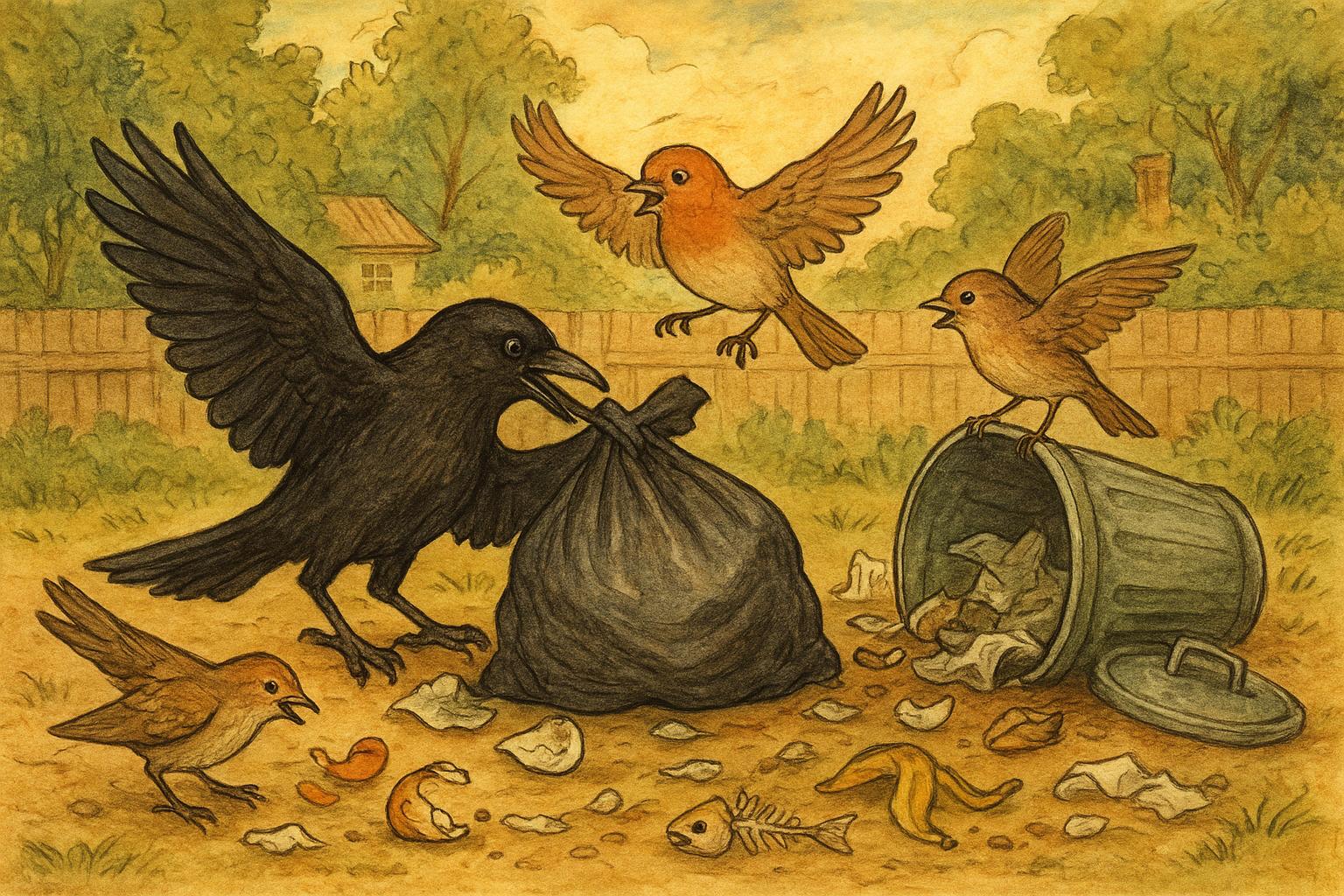
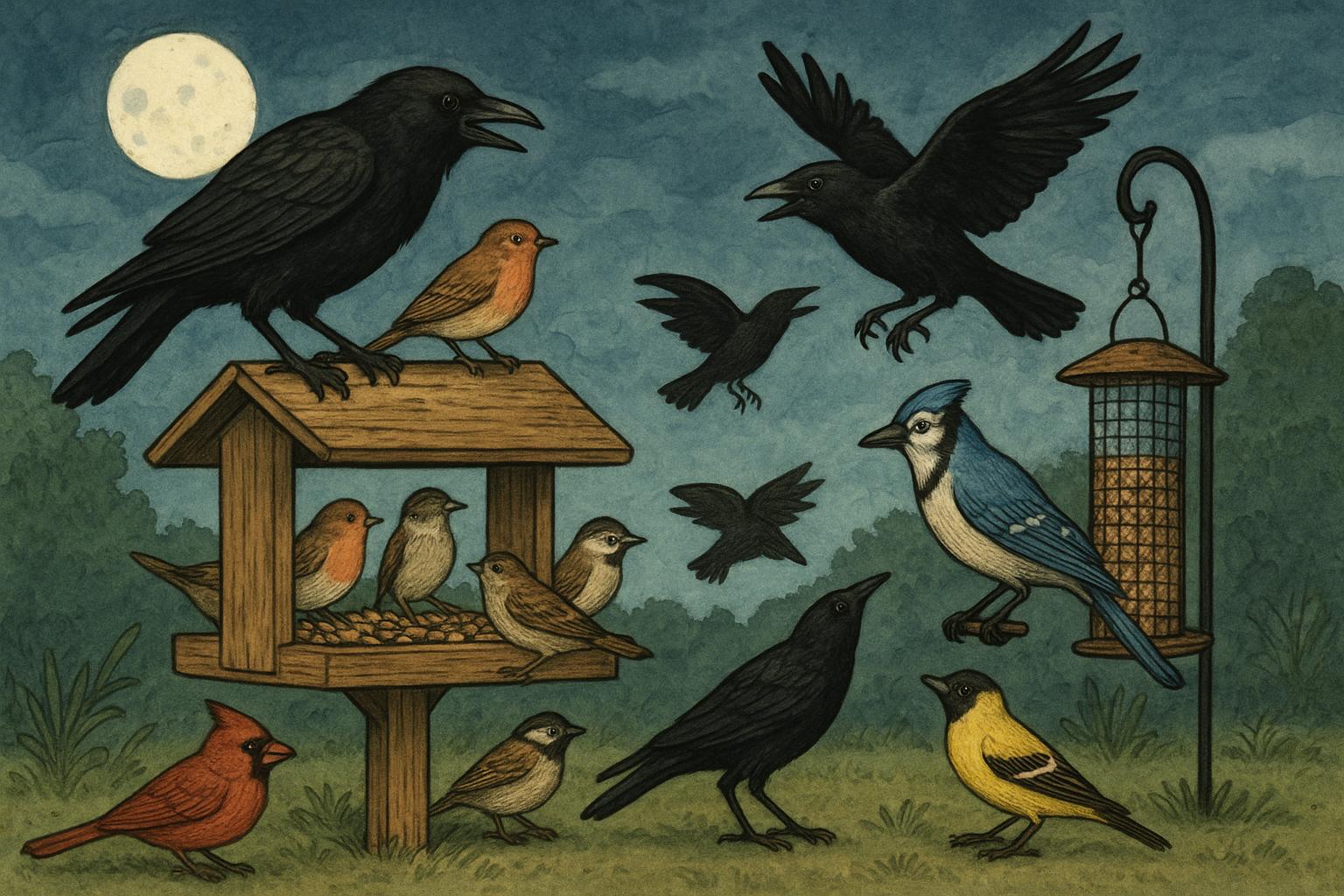
Crowds of small birds harassing a hawk or crow usually mean there’s a nest in the area. They don’t mob randomly; they protect young. Observe from a distance and take notes on where the action concentrates. That cluster is often within a narrow radius of the nest site.
## Tools That Help Without Harm
A few lightweight tools can make nest identification easier and safer. Binoculars are the single best investment. A field guide tailored to your region helps match nest types to species. A notebook and small camera let you log activity patterns without hovering. Finally, a pair of wool gloves and patience beat any gadget.
### Using Cameras And Motion Sensors
A motion-activated trail camera mounted at a respectful distance can document who’s coming and going. Don’t place cameras directly at nest entrances. Even small flashes or unfamiliar objects can upset birds. Position them where you’ll get a clear line of sight but remain nonintrusive.
#### Timing And Placement For Cameras
Angle the camera so it records the approach to an entrance path rather than the entrance itself. That will give you visitation patterns and materials carried without risking abandonment. Set it for daytime and check settings so it only records in bursts — long recordings can stress accidentally if you review them too often.
## Small Details That Reveal Big Clues
Sometimes the smallest cues are the most telling. Tiny pellets beneath a perch, the presence of gaping chicks’ shadows at dusk, or the way adults tuck their heads when leaving a cavity — these micro-behaviors add up.
### Shadow And Light Observations
If you note that a pair of birds always slips into a shaded knothole at a certain light angle, that’s a behavioral fingerprint. Similarly, if you see a silhouette of small wings or hear soft peeps at dusk, check a likely location the next morning for fresh construction or lining material.
## Misidentification Pitfalls To Avoid
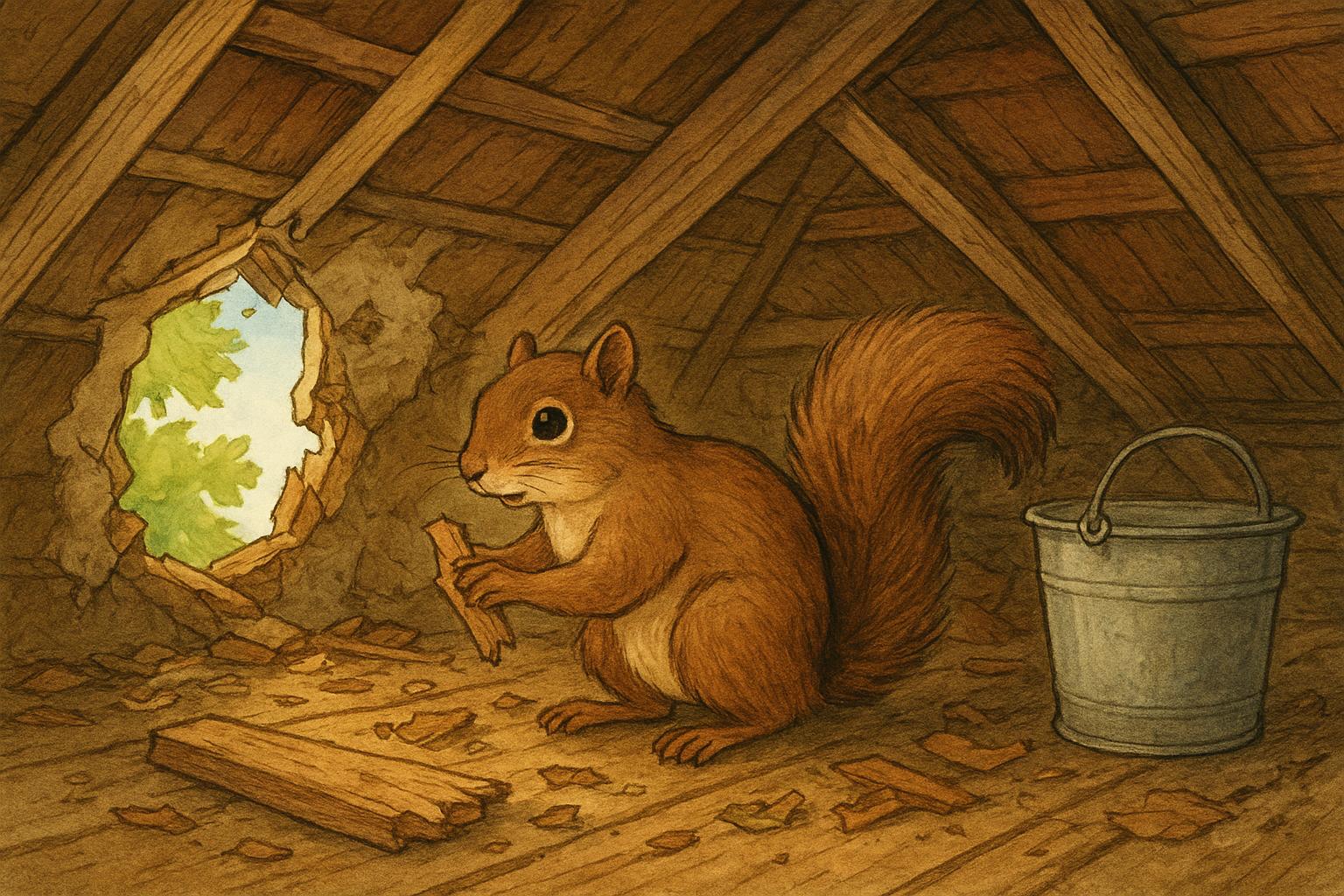
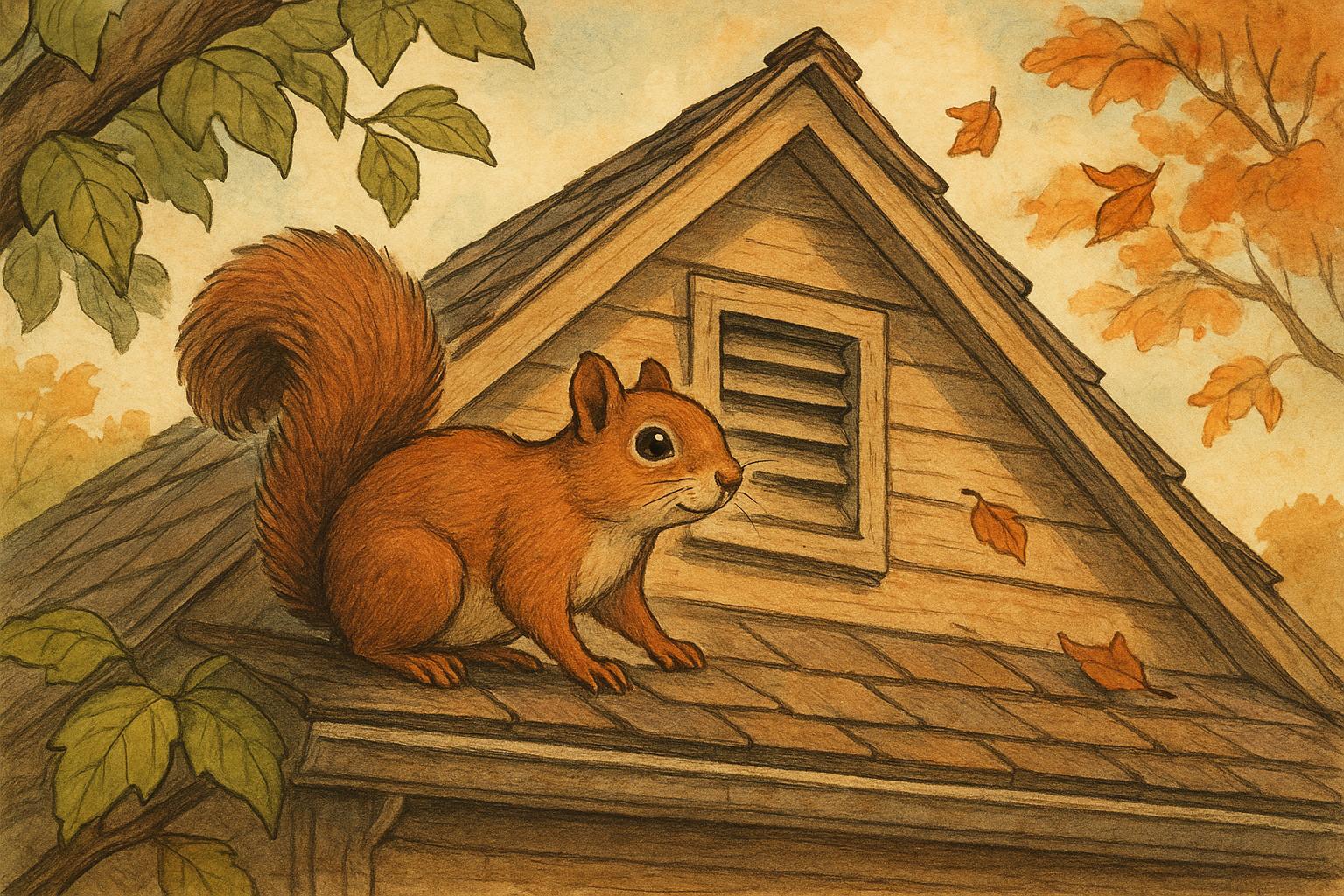
A nest-like pile of leaves or debris isn’t always a nest. Squirrels and wasps both make structures that look like nests at first glance. Birds also reuse old nests in odd ways. Before calling someone or intervening, verify whether it’s active. One way is to watch discreetly for adult visits over several days.
### Wasps, Squirrels, And False Positives
Paper wasps create combs that can be mistaken for hanging bird nests from a distance. Squirrel dreys are bulky and often in tree forks — heavier and messier than most bird nests. If you see consistent adult bird visits, you’re probably looking at a real nest.
## When You Should Intervene — And When Not To
Most backyard nests are best left alone. Intervene only if a nest is clearly in immediate danger (like a nest inside an active vent that creates a fire risk), or if a protected species is trapped. If domestic cats are hunting in your yard, take steps to deter them rather than move the nest. Removing an active nest is a last resort and often illegal.
### Noninvasive Protection Measures
Practical steps include trimming branches that provide predator access, installing predator guards on nest boxes, and placing decoys to distract predators. You can also offer a clean, well-placed nesting box before breeding season to encourage use and reduce nesting in problematic spots.
#### Designing A Good Nest Box
If you set up nest boxes, make the entrance hole size appropriate for target species and add drainage and ventilation. Mount boxes at recommended heights and avoid placing them where predators or heavy human traffic can reach them easily. Clean out boxes only in the off-season to avoid harming any hibernating creatures.
## Recording What You Find
Keep a simple log. Note dates, materials seen, frequency of visits, and any predator activity. Over seasons, these notes reveal patterns in species behavior and nesting success in your yard.
### Why Notes Matter
A short line about “mud nest forming on south wall, adult visits 5 times/day since May 2” is more useful than a vague “birds nesting.” Over time, you’ll see which species return, which nest-building tricks certain individuals use, and how weather affects construction.
You might spot patterns no field guide mentions — like the way a persistent pair of wrens nested in the same rolled-up screen for three years, or how a pair of robins shifted sites after heavy rain. Those small, local stories are the best bird nest clues of all, and they teach you faster than any manual.


Leave a Reply